
‘Black Gaze’ comes to CAM to showcase Portuguese cinema viewed from a different place
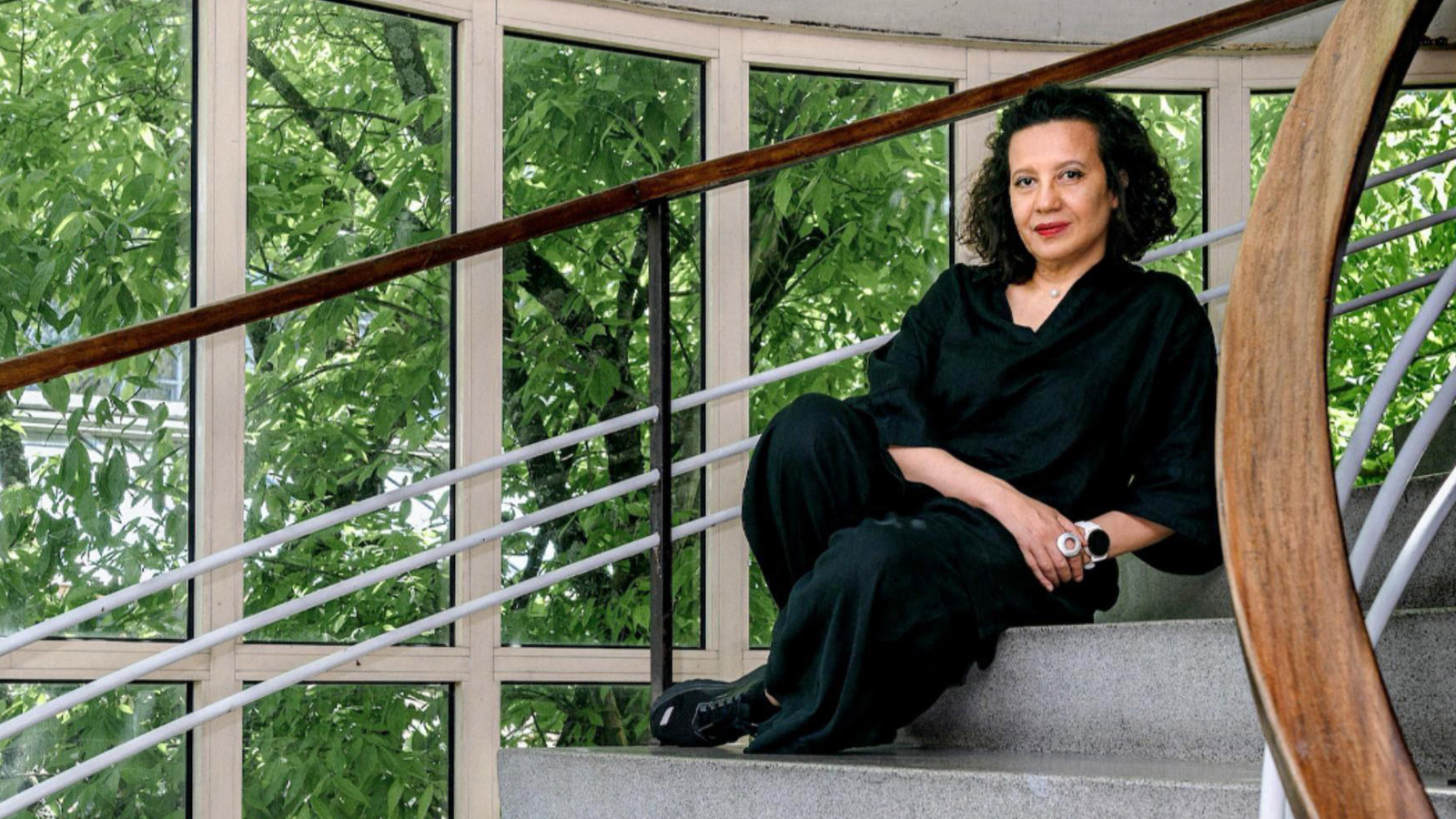
For decades, Portuguese cinema was built around a homogeneous gaze that defined not just what was shown, but also what could be imagined. The absence of Black bodies, female points of view and unconventional stories is seen by some as a way of perpetuating the dominant narrative of a nation where the notion of difference has generally been given little consideration. In images, as in institutions, the diversity of the country’s composition remained invisible or represented through the eyes of the other. And even when approaching the idea of inclusion, Portuguese cinema still tends to frame the Black presence as an exception or adornment, rarely as a central narrative.
It is in this territory of gaps that the concept of the Black Gaze becomes significant. The term emerged in response to the hegemonic visual structure that organised western cinema and which, in its most visible form, Laura Mulvey described in the 1970s as the male gaze, a perspective that transforms the female into an object of contemplation. The Black Gaze does the opposite: it sees the world through a Black lens, not as a category of identification, but as a political and epistemological gesture. It is a way of seeing and storytelling that rejects the neutrality of the dominant gaze, because it recognises that neutrality is, in itself, a construction of power.
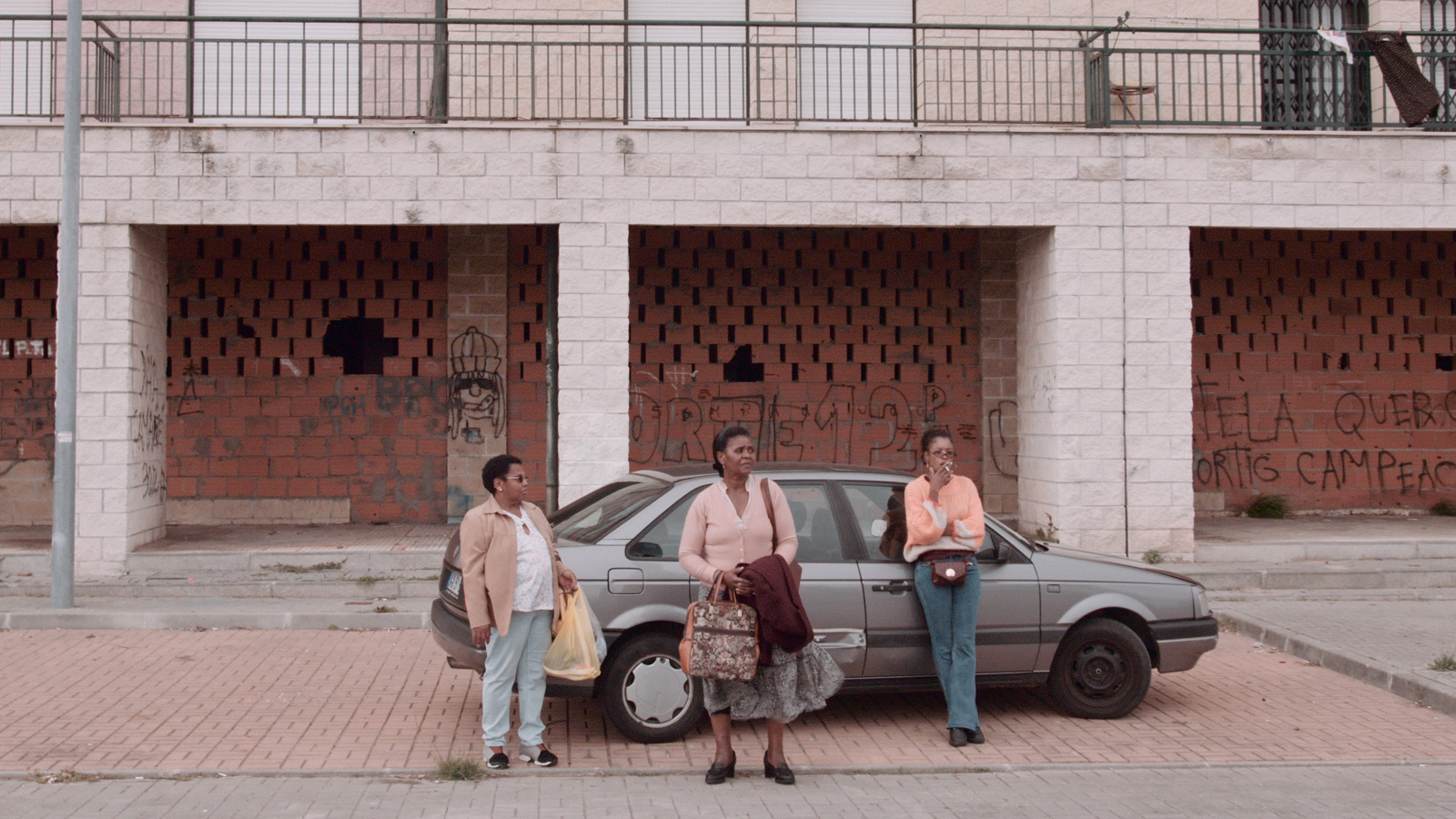
In Portugal, the term now finds a tangible manifestation in ‘Black Gaze – Showcase of Black Cinema in Portugal’, which takes place on 8, 9, 15 and 16 November, in the CAM Studio, curated by Ana Cristina Pereira, also known as Kitty Furtado – a researcher, critic and one of the voices who has most frequently reflected on how Portuguese cinema represents (or omits) its peripheries.
‘The term gaze doesn’t have a single definition,’ she explains. ‘It isn’t just about looking, it is a discourse, and discourse is never neutral,’ she continues, making it clear that the starting point for the project involved analysing the way in which Black cinema produced in Portugal and its diasporas returns to the image something that for a long time was withheld from it: a plurality of perspectives and subjects.
The cycle of films is thus the materialisation of several years of research on Black cinema made in Portugal and its margins, films that reveal a different story, constructed outside the central circuits and often on the fringes of institutional structures. Kitty describes them as the result of a ‘public counter-sphere,’ formed of African and Afro-descendant directors who, sharing Portuguese as a common language, create alternative spaces of expression. ‘Those people don’t have the same potential to affirm themselves in the dominant sphere,’ she observes. ‘For that reason, they build their own places, where their identities and memories have room to circulate.’
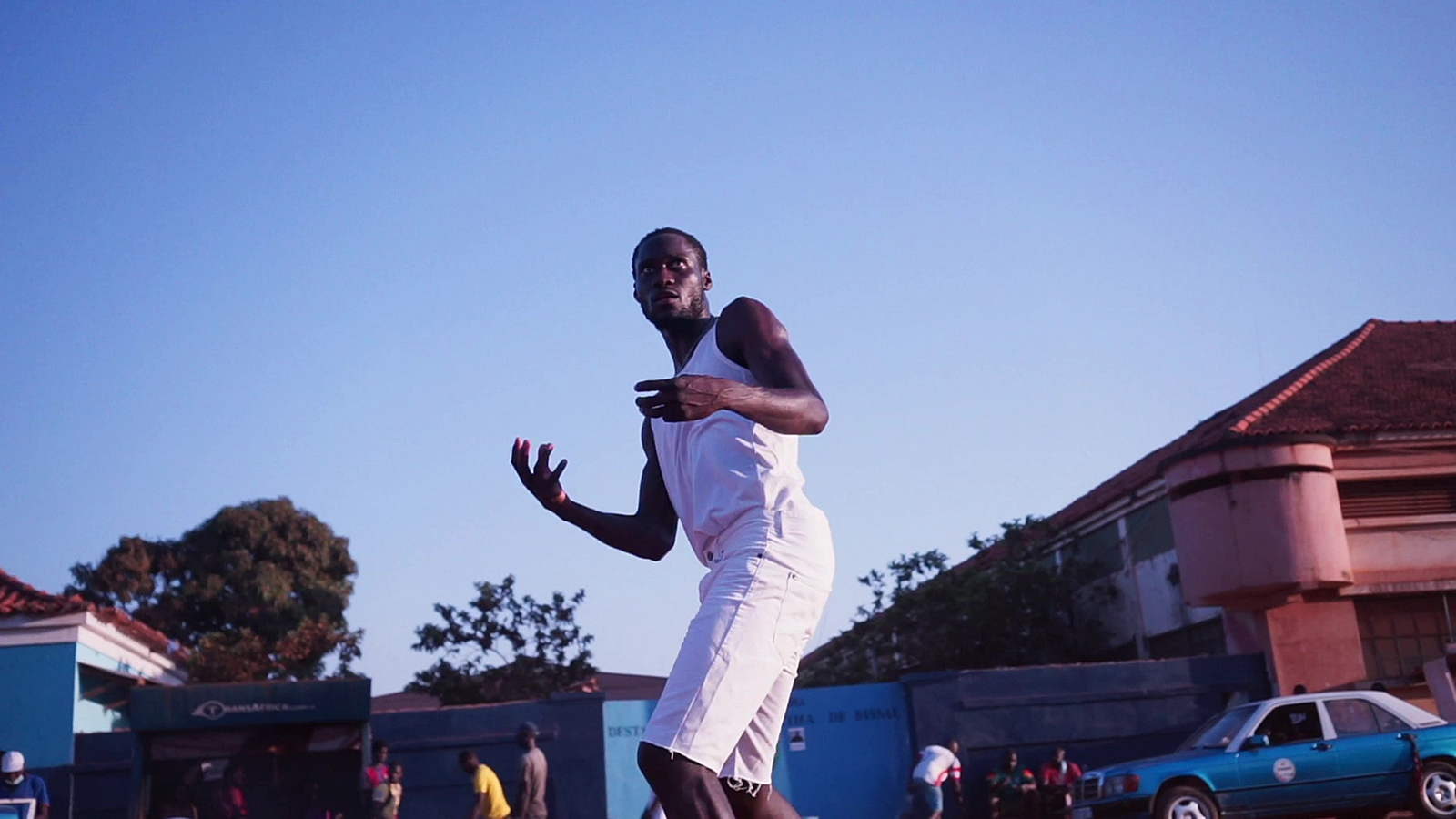
‘Black Gaze’ is organised around four axes – between-places, memory and ancestrality, feminism and ecology, and antiracism – that encapsulate the most consistent themes of contemporary Black cinema. The first of these, between-places, reflects the diaspora status of those who live between geographies and cultural allegiances. This is the reality for many Afro-descendant filmmakers and figures who move between Africa, Europe and the symbolic space of memory. The film ‘Nha Mila’, by Denise Fernandes, illustrates that movement in its portrayal of a woman who leaves Switzerland for Cape Verde, with a stopover in Lisbon, where she makes the most of her waiting time to reunite with family members in Cova da Moura. The short trip between the airport and the neighbourhood condenses the more significant distance that she travels in life, living between two worlds, belonging to both and to none.
In the section on memory and ancestrality, the curating emphasises the urgent need to revisit Portuguese history and its silences. ‘It’s a matter of shedding light on what was made invisible, of recovering fragments that were left out of the archive,’ says the curator. Films such as ‘Calling Cabral‘, by Welket Bungué, enter into dialogue with the history of African liberation and the intergenerational transmission of the colonial experience. These are works that approach the past of the present, showing that historical time is not linear but spiralling, and that the past, even when repressed, continues to shape the here and now.
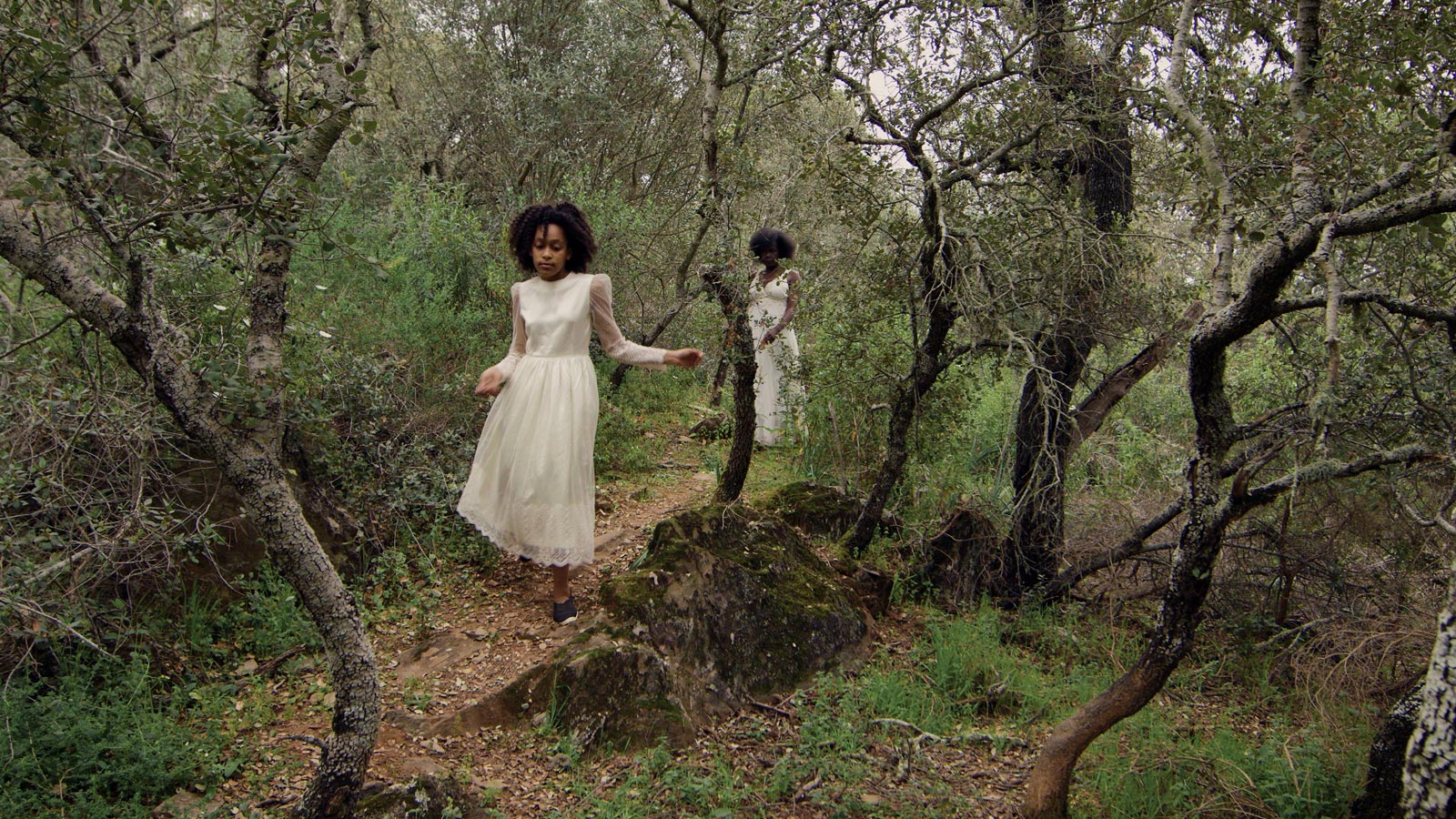
The third block, feminism and ecology, reflects on one of the most striking aspects of Black cinema in Portugal: its female, and in many cases feminist, character. Unlike traditional Portuguese cinema, usually dominated by white men, this creative sphere is largely occupied by women and non-binary people. Films such as ‘The Island‘, by Mónica de Miranda, and ‘Hanami’, by Denise Fernandes, articulate narratives of resistance with imagery of reconciliation between humans and nature. The idea of time appears here as a metaphor and refers to the spiralling nature of African time, which differs from western linearity by making room for the coexistence of past and future, and for the possibility of reinventing the present.
The final axis, antiracism, is inevitable in a country where ‘looking at oneself in the mirror’ is still difficult. For the curator, cinema is always political, even when disguised as entertainment. ‘Saying that a film is just entertainment is in itself a political statement,’ she reminds us. By consuming images without questioning what is naturalised in them, the viewer reproduces ideologies that remain invisible precisely because they merge with common sense. Black cinema, on the other hand, challenges that automatism and makes visible what has been normalised, proposing another way of seeing.
Throughout the conversation, Kitty Furtado returns several times to the idea of symbolic reparation. Rewriting history is not just including what has been left out, but also reconfiguring the way reality is perceived. ‘Reparation means seeing better, it means returning to see what wasn’t seen before,’ she states. That revision of the gaze does not just benefit racialised communities; it is, more than anything, a gesture of collective restoration. By including what was excluded, Black cinema amplifies the national sphere of experience and returns complexity to Portugal’s image.
But that transformation still faces structural obstacles and Furtado doesn’t hide the fact that Black production continues to be marginalised by the distribution circuits and financing logic. ‘The hardest part is enticing the audience,’ she admits. ‘There’s a sense of distrust about what is perceived as “cinema of the other.” But those who see it, like it. The stories are human, beautiful, intense, like all stories.’ The problem, she says, is not a matter of quality or interest, but of access and opportunity.
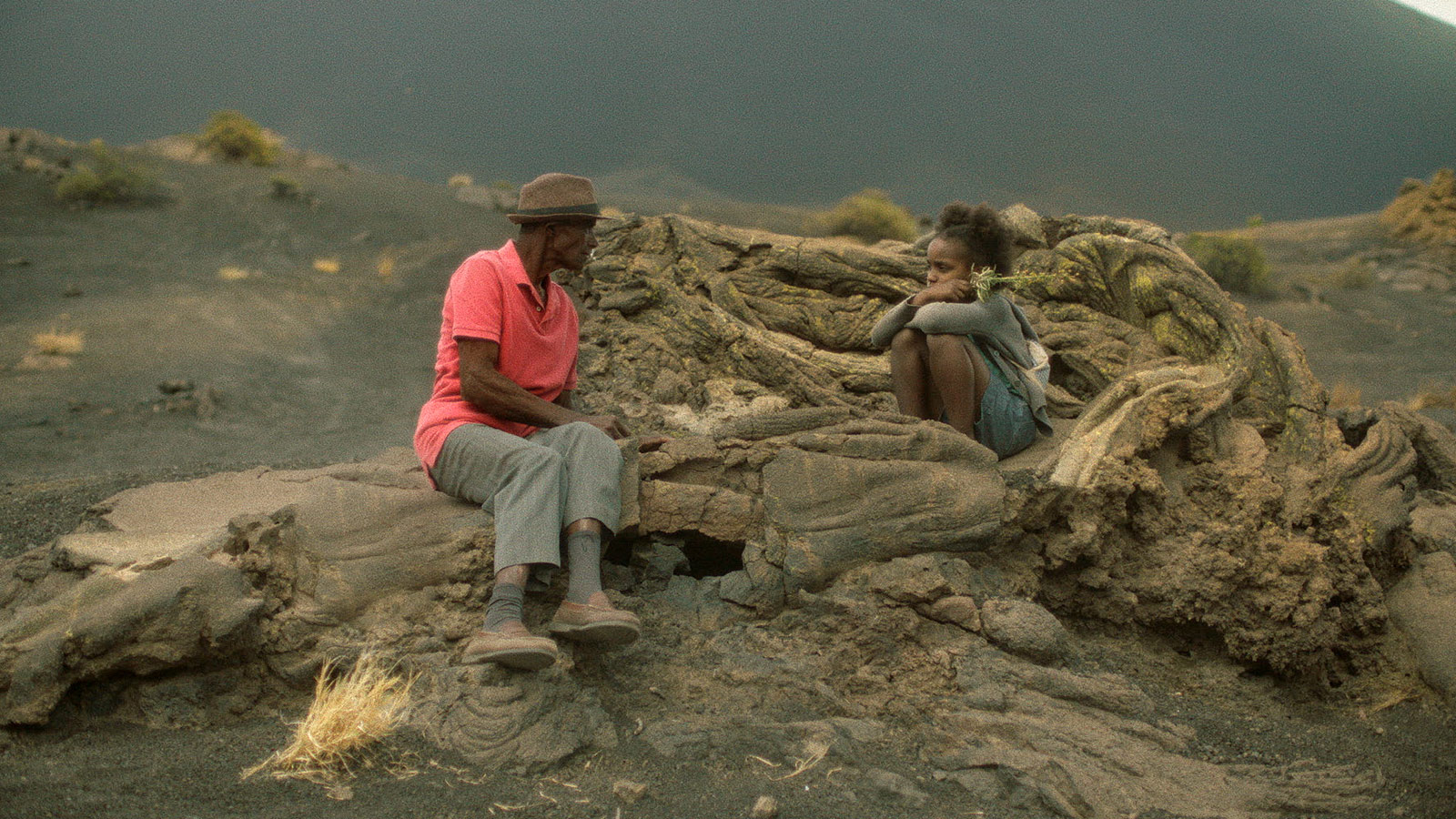
The aim of the ‘Black Gaze’ cinema cycle is precisely to open that space of dialogue. By taking Black cinema to CAM, Furtado proposes a symbolic shift, bringing to the heart of Portuguese culture the stories, voices and gazes that have been kept on the sidelines. ‘It’s not about creating a ghetto within institutions, but of complexifying the national discourse’, she emphasises. ‘We aren’t trying to cancel anyone; we want to make sure that more voices are heard.’
At the end of the conversation, she raises the future with the serenity of someone who knows the path that is being mapped out. ‘Black cinema in Portugal has a great future and, in fact, it is the future of Portuguese cinema’, she says. There are more films being made, more filmmakers, more experimentation and, above all, more awareness about the power of the gaze. ‘Not everything made by Black filmmakers is Black cinema,’ she warns. ‘But,’ she concludes, ‘when the question of race is structural to the creation, when there’s a political positioning and clear aesthetic, then we are looking at a cinema that repairs, questions and transforms.’
View full programmeBANTUMEN at Gulbenkian
Explore the series








No results were found for your criteria.
You may also like


No results were found for your criteria.