
Apparatus 22: ‘We are interested in using joy, camp, and excess as tools against cynicism and despair.’
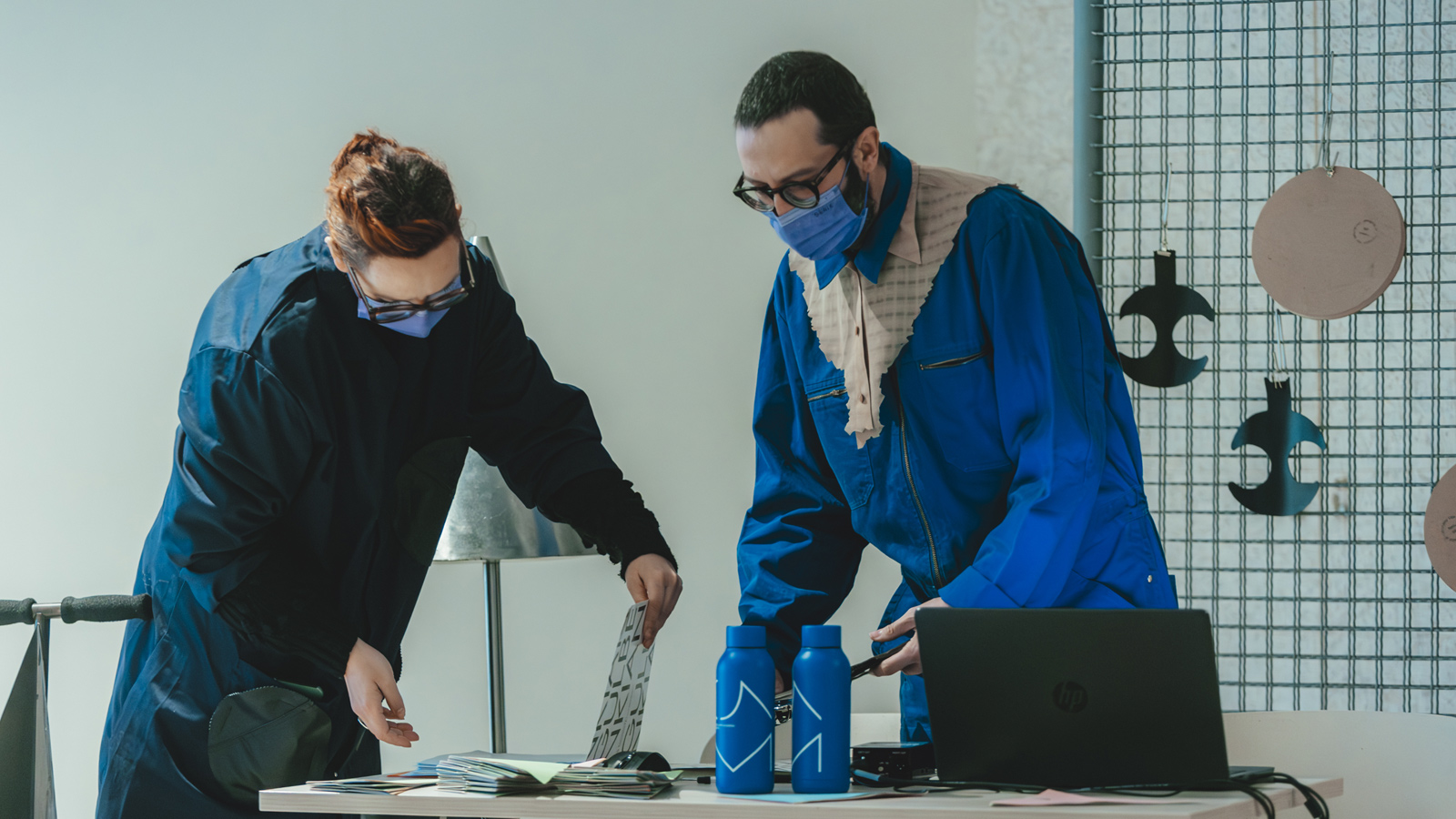
LS: Dear Erika, Maria, and Dragoș, maybe you could start by saying a few words on how you started your collective practice.
A22: In the fall of 2010, we had a couple of months in Stockholm to reflect on our work with Rozalb de Mura (2005–2010), a cutting-edge fashion label. Disenchanted by the limitations of the fashion system, by the recurring advice to dilute our ideas and think more like a business, we chose to bring the label to an end and open a new chapter, one that would unleash a project even more daring, more abrasive, and more tender at the same time.
We founded Apparatus 22 in early 2011 as a collective of four, each with a radically different background: Ioana came from a background in sports and the arts, and she was the only one of us who already had an art practice. Erika came from a background in sociology and social work, Maria in literature and foreign languages, and Dragoș in economics. However, we had all been working in the arts in various capacities for almost a decade. Soon after, we lost our friend Ioana Nemeș.
It was only later that we realised the emergence of Apparatus 22 had been a long time in the making, through our many collaborations over almost a decade.
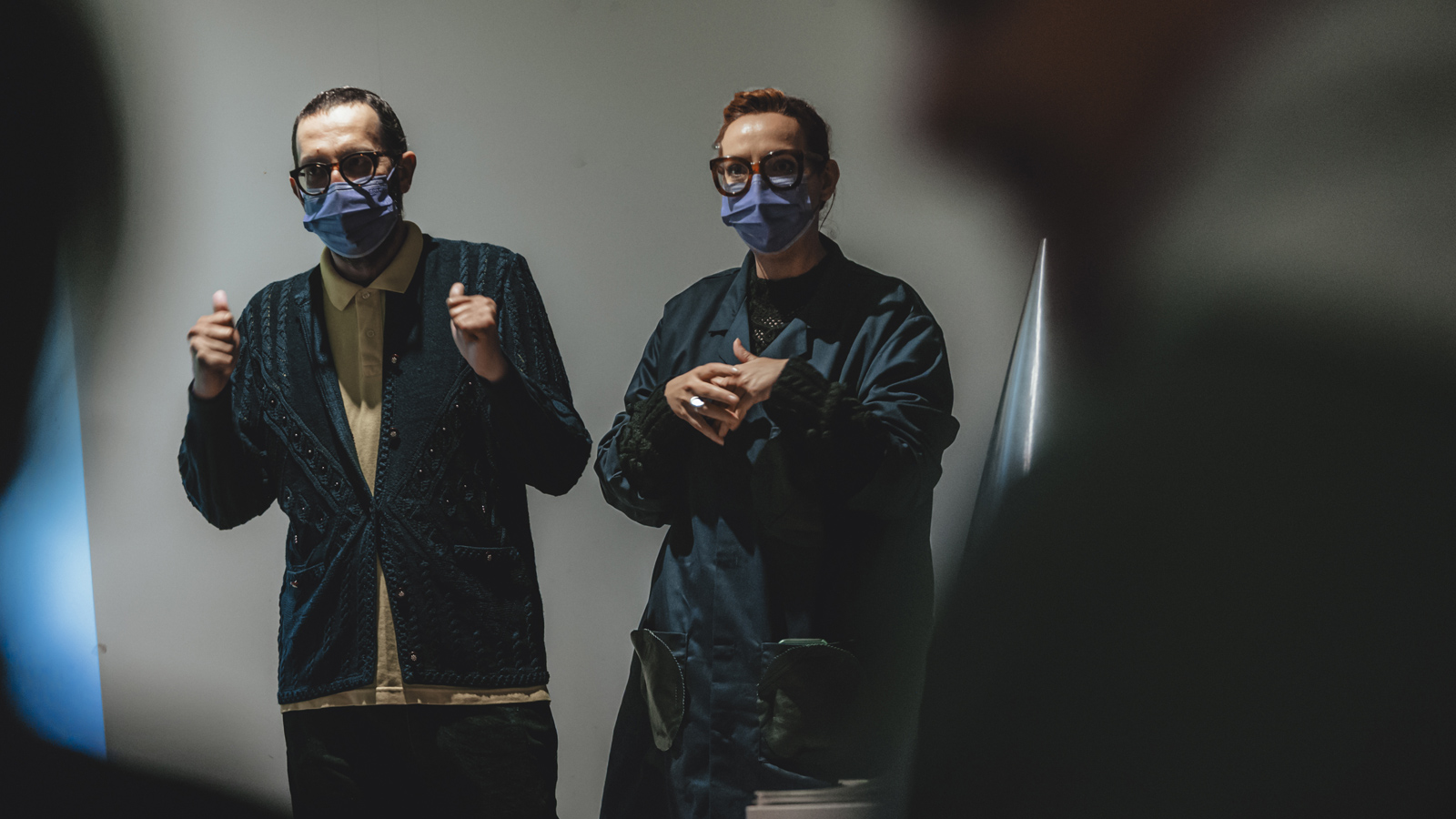
LS: We first met during the conference “Museum Why? Practice, Agency and Knowledge in the Art Museum” at the University of Copenhagen in May 2024.
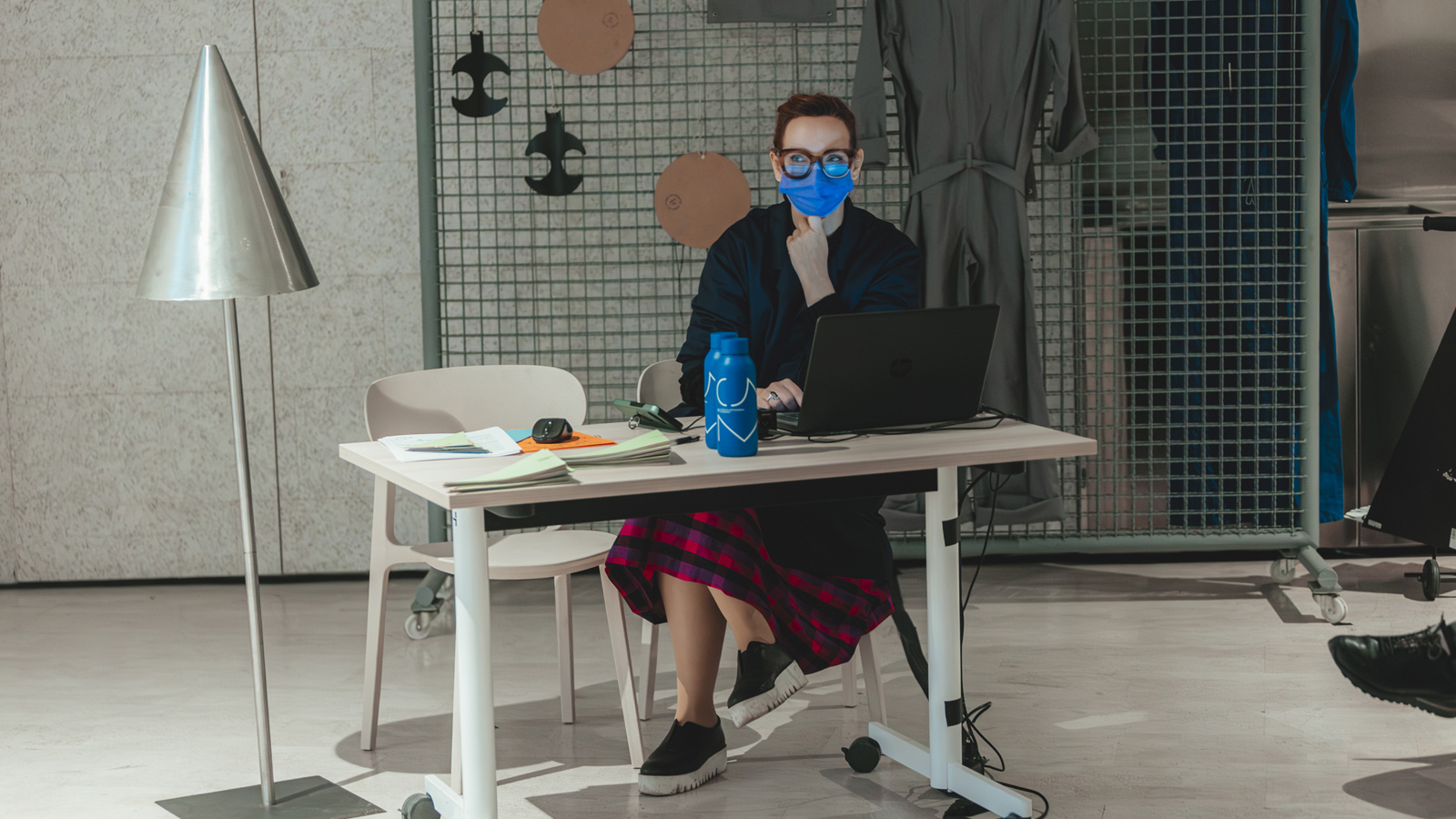
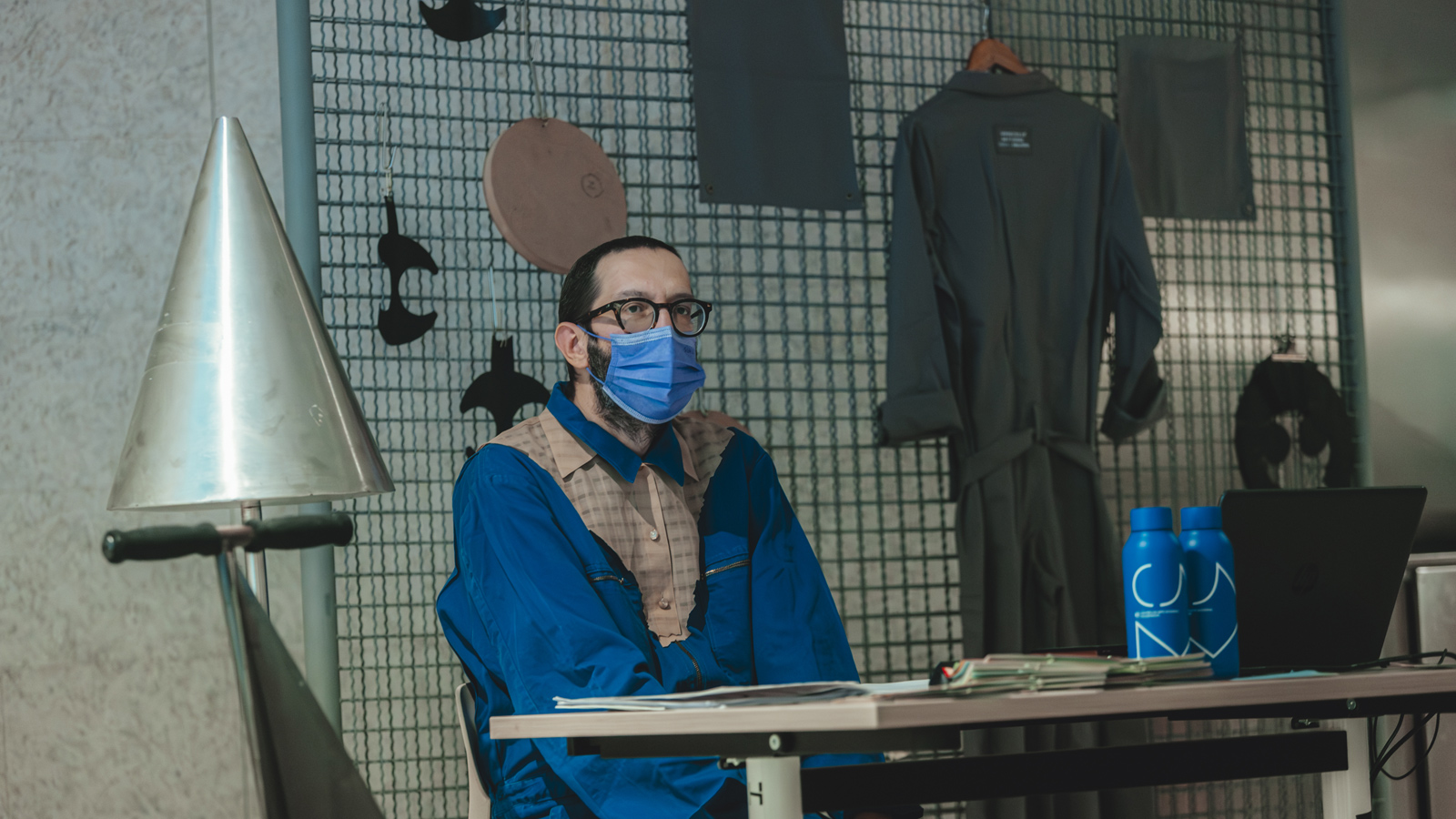
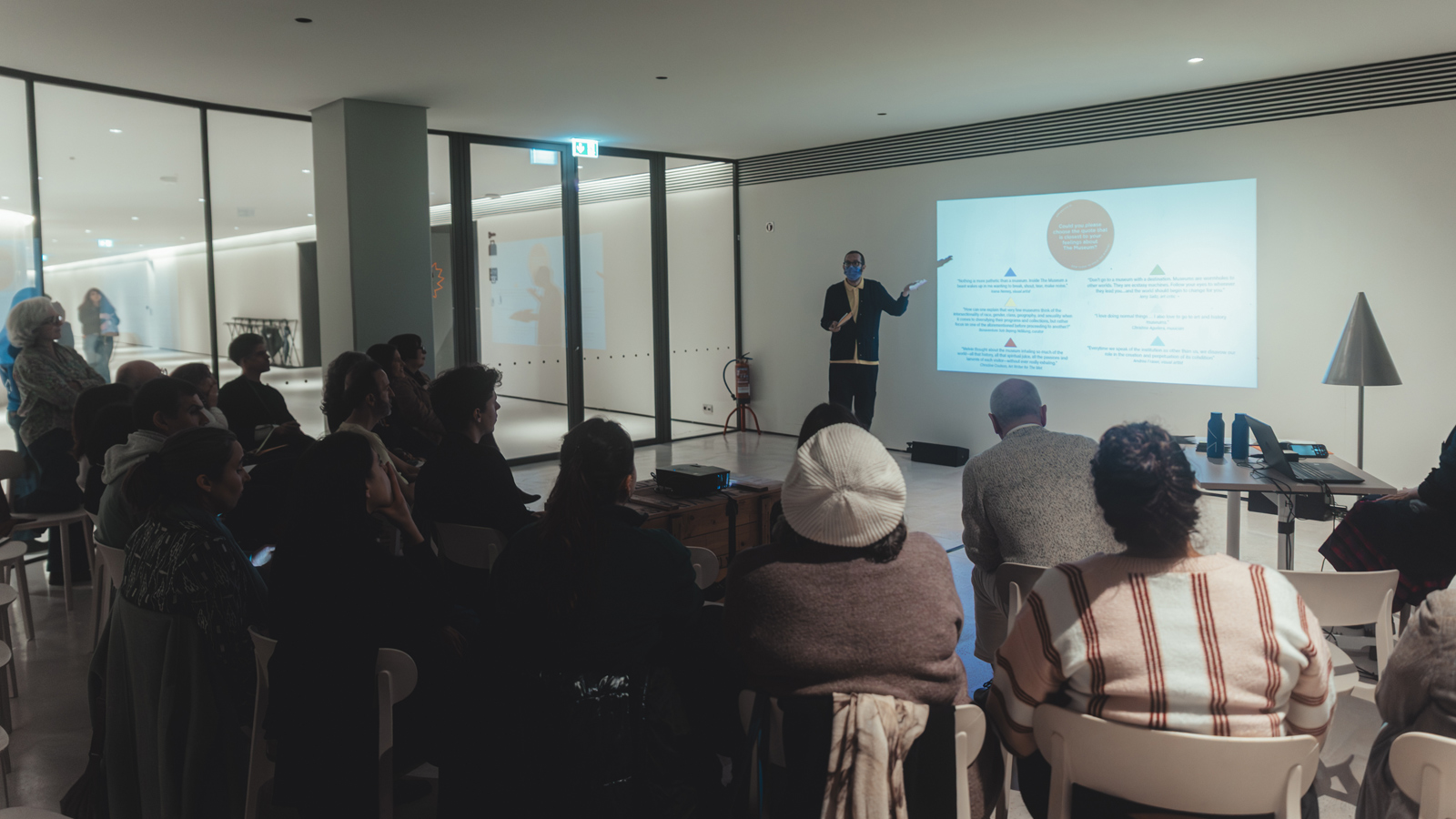
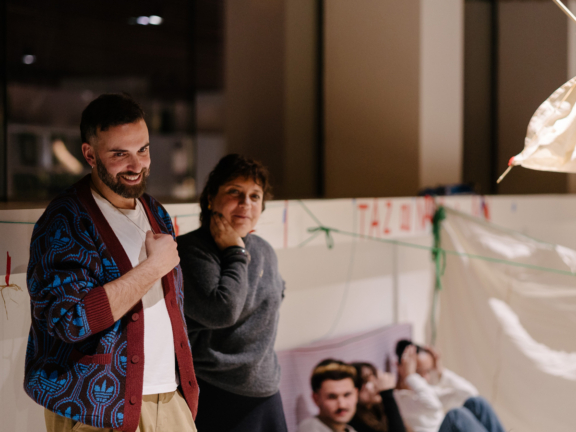
As boundaries continue to blur, academic conference protocols still tend to follow familiar patterns: keynote speakers, scholars, and artists sharing their practices from a stage, usually with a screen as visual anchor. You challenged that protocol with your contributions – presenting How Close to Hold the Mirror? and A Most Amazing Offer as performances rather than conventional talks describing your work. In other words, you greeted the audience with the work rather than a commentary about the work.
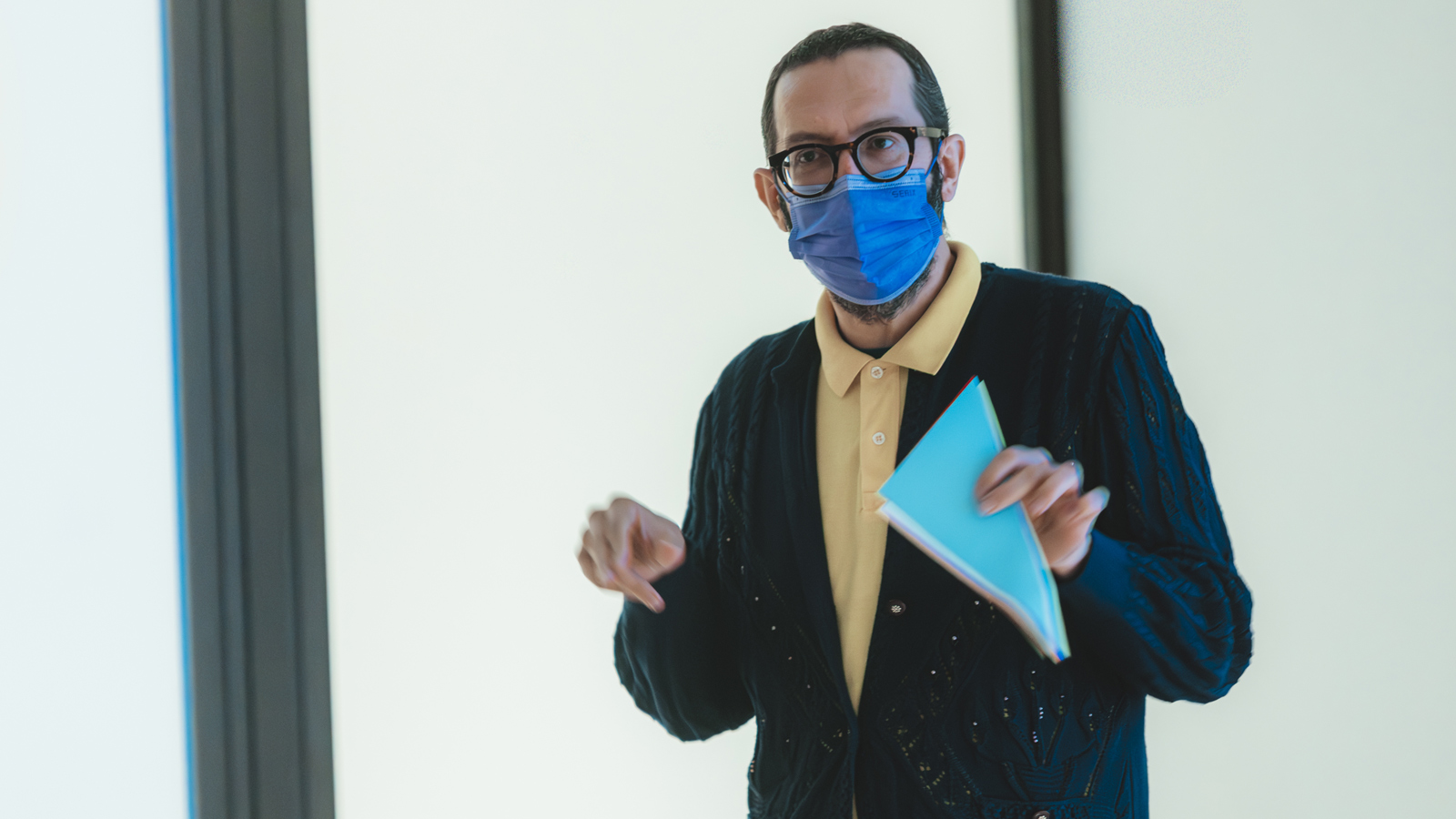
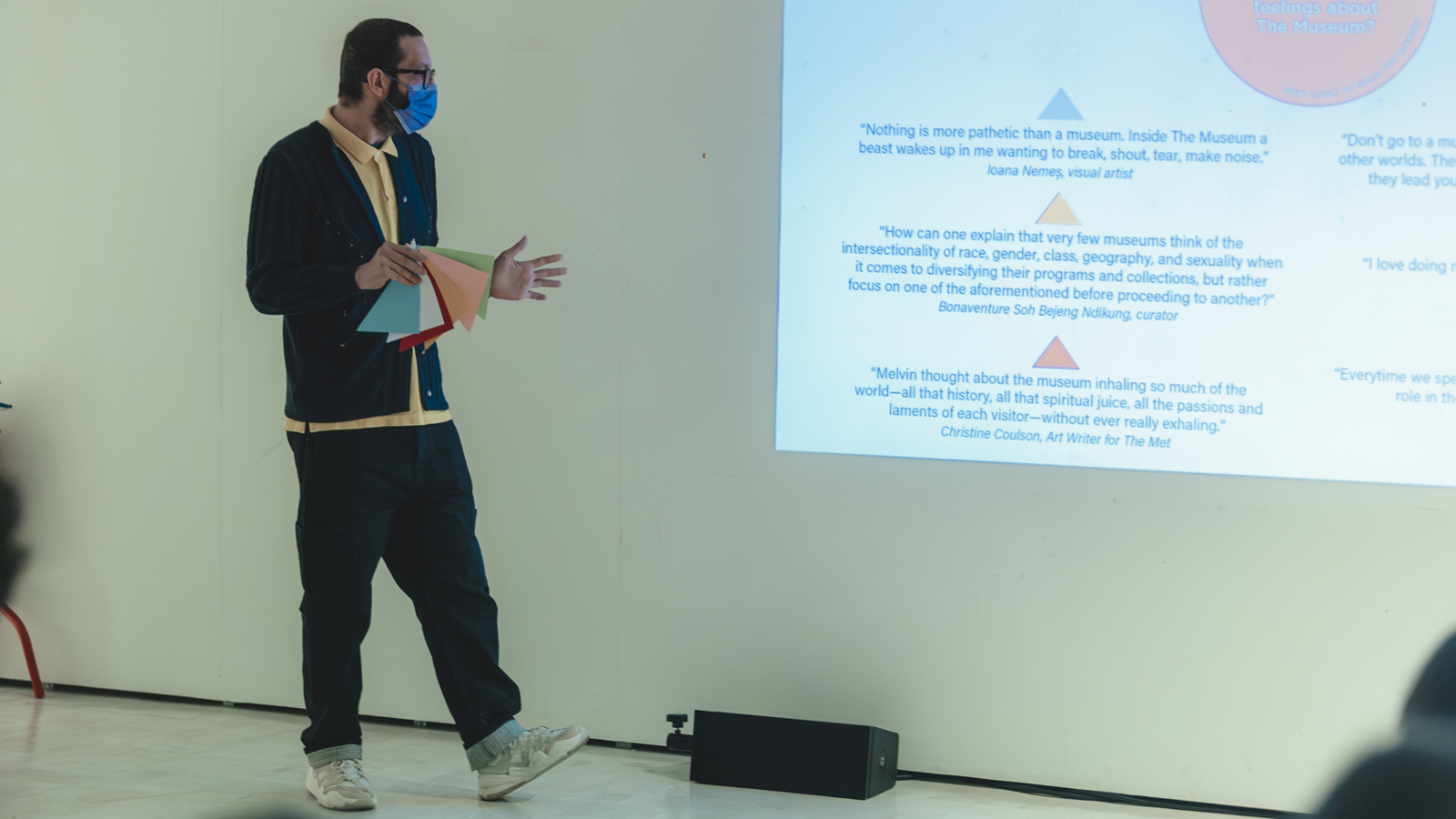
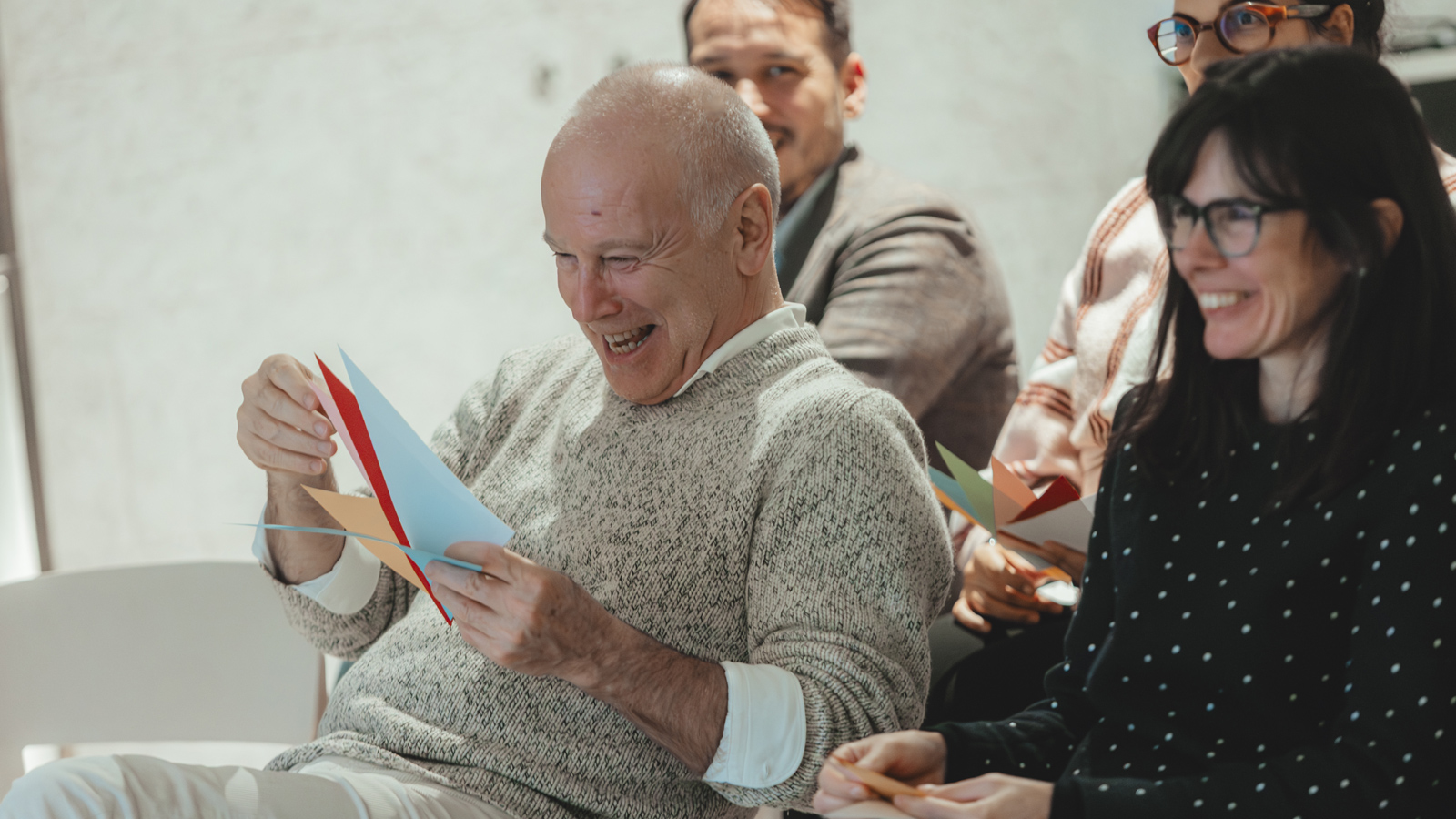
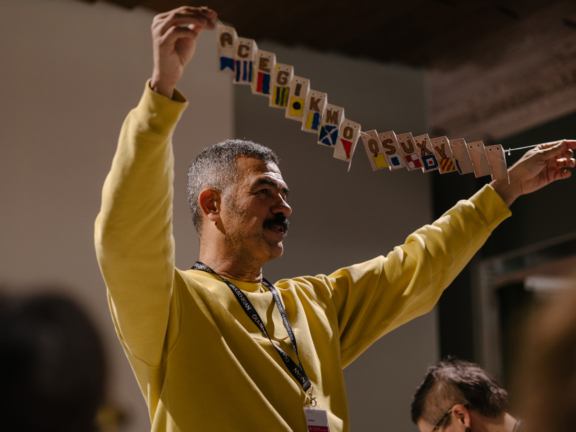
You handed out a series of colourful papers and invited everyone to respond to your questions using those colours instead of words. Throughout, not only your bodies but also the bodies of the audience moved and responded to your questions while entering in brief dialogues with whoever was sitting next. This made me reflect on how every protocol is itself a form of performance, regardless of its format and level of (self-)consciousness.
Could you share some of the ideas behind these works, and explain how your approach shifts depending on the context?
A22: Honestly, it was nerve-wracking to break the ice at an international academic conference by asking people to respond publicly and emotionally to questions about museums, power and exclusion. We were fully aware that participatory formats are not always welcomed, especially in institutional or academic environments trained to safeguard distance and authority.
From the very beginning, we did not think of the conference as a neutral stage.
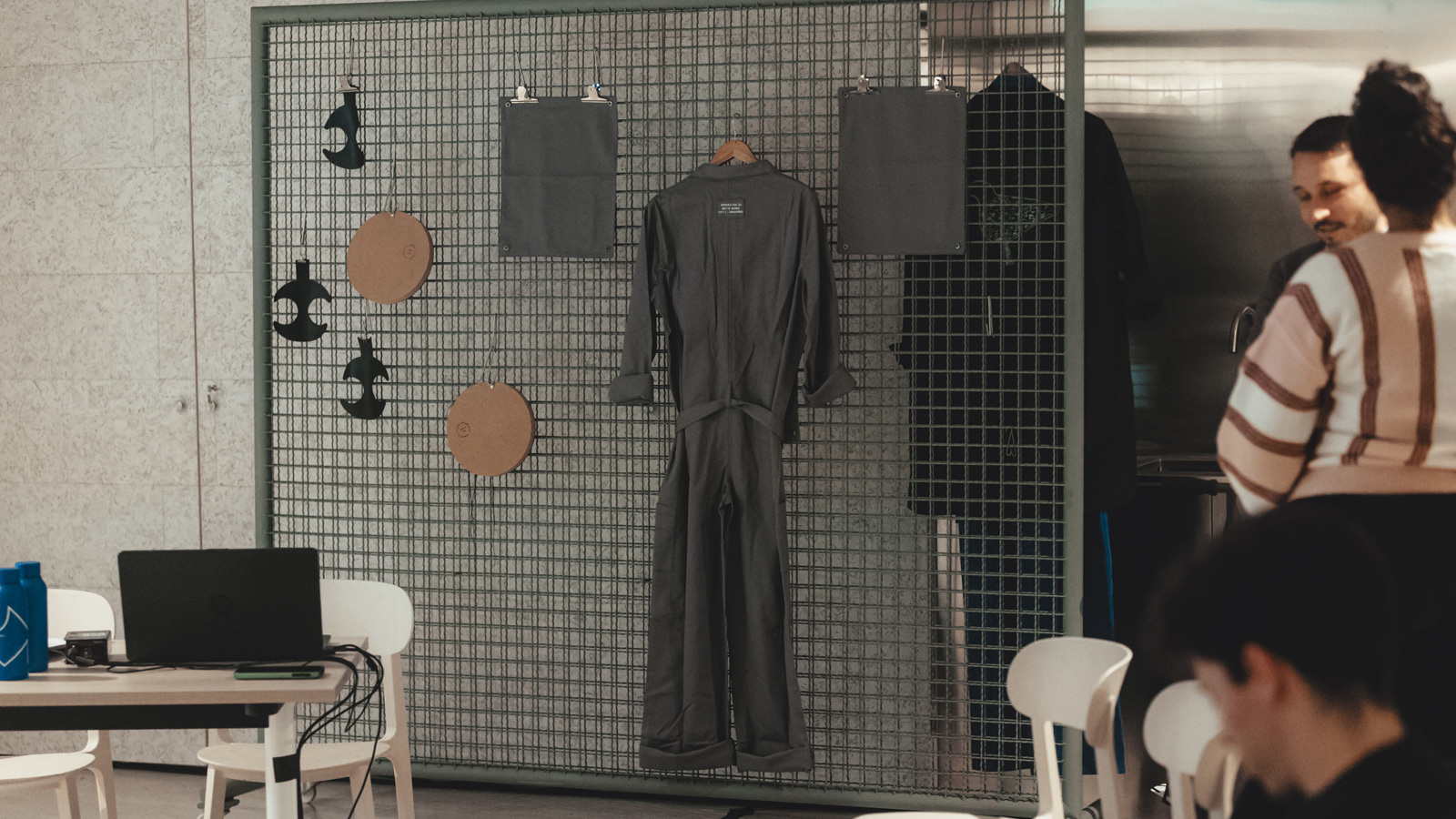
We experienced it as a choreography – of gestures, colours, hierarchies. We decided to break protocol and not to speak about our work, but to greet the audience with two new works. Both performances emerged as an entanglement of several streams of research and reflection, as tools to open critical conversations with special interest for museums, their potential and need for change, and the need of new formats of artworks that can have real consequences in the world.
Being in an academic context also meant treating our contribution as a commentary on academia itself. The questionnaire is a familiar research tool, but we detoured it for How Close to Hold the Mirror? On that occasion, but also later at Gulbenkian’s CAM, the process of going through 26 questions became a collective participative experience. The focus was not on extracting data, but on the collective experience of reflecting on the paradoxes, absences, and urgencies shaping museums today.
We allowed poetic, emotional, bizarre, and political questions to coexist with highly specific ones about institutional thinking, all centred on art acquisition policies in museums. In this way, the questionnaire itself became an artistic medium.
As its title suggests, A Most Amazing Offer is both a hyperbolic gesture and a very real provocation. Infused with utopian thinking and offered to adventurous institutions, it assembles a series of reflections resulting from our work. The pitch is somehow absurd, deliberately exaggerated and hopefully slightly seductive. In many ways, it mirrors how researchers “sell” ideas to each other every day through peer review and funding proposals. We just placed this usually hidden mechanism right in the open.
LS: A recurring method in your practice is the use of riddles and questions, which at first invite audience participation. On closer reading, however, they act as prompts for imagining alternative possibilities, while also pointing to the impossibility of world-making as an individual act and the collective responsibility inherent in any lived context. I’m thinking, for instance, of Positive Tension, where you use confetti inscribed with questions to spark dialogue around a variety of topics such as art institutions, solidarity and the commons, and fashion & consumerism. The use of colour and festive elements, as well as the riddles and questions, seems to be a recurring feature in your practice. Could you elaborate on this approach?
A22: Questions are one of our favourite working materials. A question is a proposition that anyone can activate within their own context. For us, questions are not tools for extracting knowledge – they are invitations to explore shared uncertainty. We use them to generate curiosity, friction, imagination, to create spaces where participants suddenly see themselves not only as spectators, but as bodies with agency. They are also calls for action.
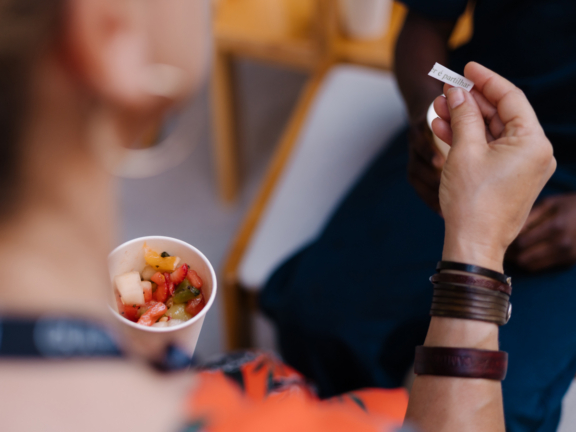
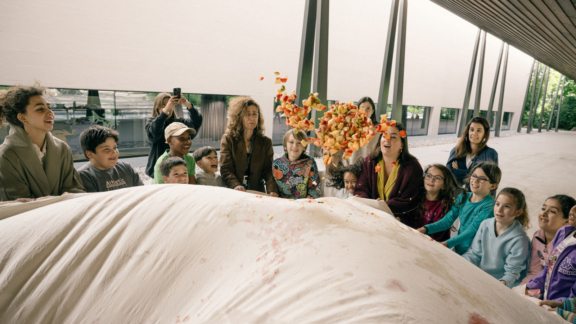
Articulating and asking questions is a situated approach we’ve been unfolding since the beginning of our artistic practice, across many different formats and contexts. This ranges from sets of questions inscribed on eye-candy oversized confetti, used to bring both celebration and critique in large bursts.
In our practice, riddles, questions and the formal choices of colour, glitter, neon, go beyond mere decoration, and become methods. They enable us to engage with issues such as power structures, inequality, precarity and queer futures in a form that feels approachable, even playful. We are interested in using joy, camp, and excess as tools against cynicism and despair.
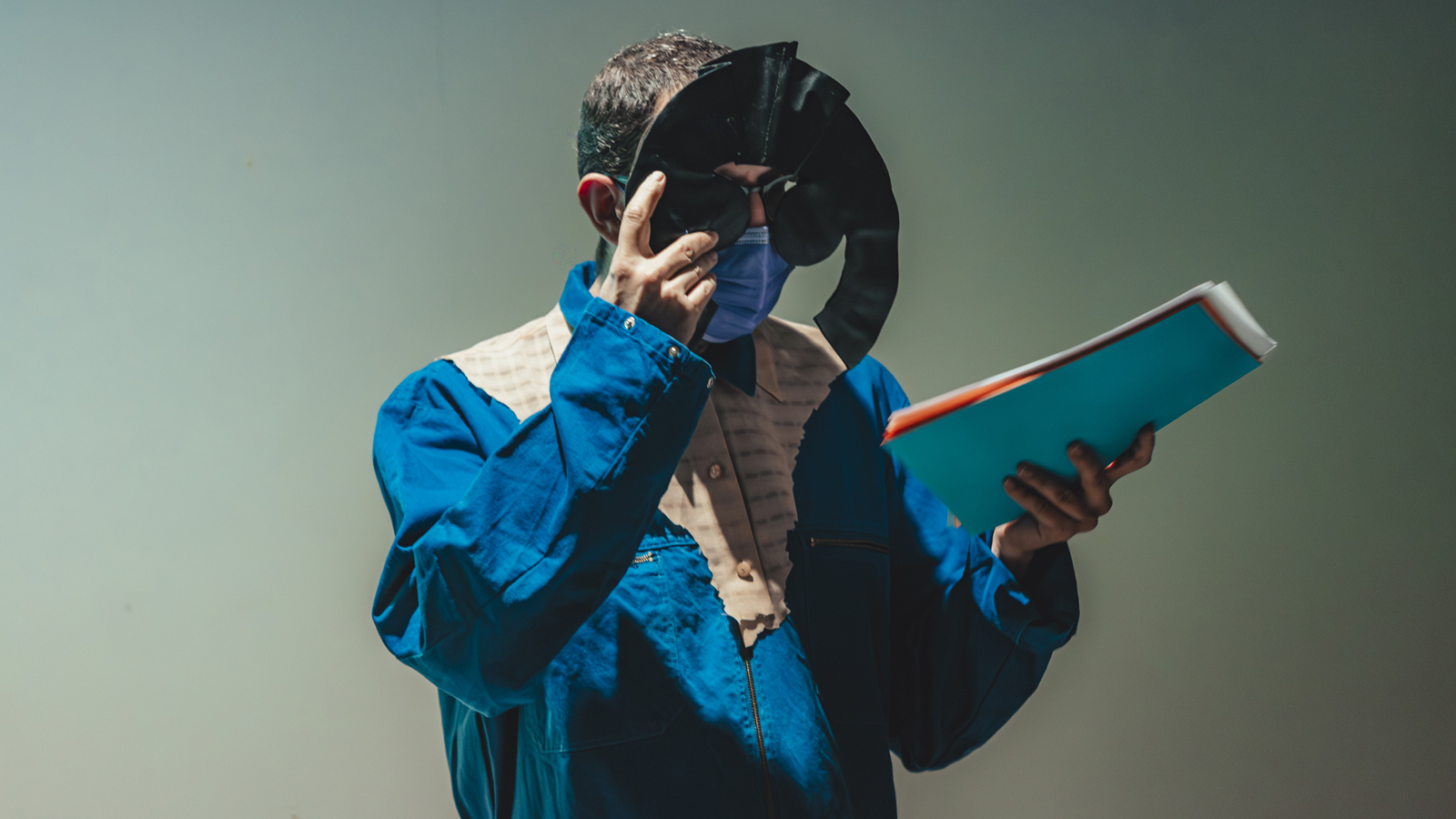
A riddle slows the obvious answer; that delay becomes precious time for doubt, reflection and imagination. The audience are often lured into an otherworldly capsule, shiny and black and shimmering with endless black video tape ribbons in which time somehow stops being linear. It feels like a suspense, an oasis in which the outside world dissolves for a minute and where this small encounter – you + one impossible question + a moment of honesty or discomfort – can contribute to a larger shift. When we work with riddles and questions, we don’t provide answers, rather we offer tools for thinking, for wrestling with utopia and dystopia, a kind of poetic bodybuilding.
LS: Your work is transdisciplinary – you explore the manifold relationships between economy, politics, gender studies, queer studies, sociology, religion, and fashion. All of these belong to the social sciences, which examine human behaviour, society, and interpersonal relationships through the study of institutions, social structures, and interactions. The social sciences aim to understand, describe, and predict how societies function, offering insights that can help address societal challenges. You’ve been deeply involved in rethinking how art institutions are structured – something I care about a lot as well. If you were to propose a single method for envisioning and anticipating the form art institutions might take over the next decade, what would it be?
A22: Such a difficult provocation! The world is not in flux, but in a state of chaotic turmoil with multiple crises: wars and genocides, like in Palestine; brutal politics of different dictators and Trump unleashed; the perfidious machinery of neoliberalism, which generates more social and economic inequalities; the inevitable frontal collision with ecological disaster; and the rise of the far-right and sovereignism, which go hand in hand with the oppression of different minorities; and we can go on and on.
It has become increasingly difficult for all of us in the world to imagine what comes next. Current realities are preventing many from imagining the future, whether personal or global, near or far. This is why for our collective it is a survival strategy to keep one foot in this world, and one fiercely rooted in a cosmic dimension, like SUPRAINFINIT utopia.
About art institutions, the answer is always very contextual. We had the pleasure and the privilege to work with a few types of institutions in their process of self-reflection and transformation, and we got closer to the institution/format/medium that is The Museum.
There are some things that could shape the future more quickly and effectively. We will focus our answer on what some museums could and should do.
First and foremost, the process of rethinking the museum should be much more collective, structured and strategic. Museums should involve more categories from outside the institution in the transformation processes: from kids and teens, that represent the future, to bureaucrats, but also representatives of other communities for whom the institution is not visible, but which are important in the local ecosystem.
Openness, curiosity and inclusion could be important for museums to become fluent in the languages of more communities, to gain understanding & trust and relevance.
While always experimenting with formats and ideas, museums should not forget what makes them different from Kunsthallen and other formats: research, the responsibility of collecting and caring for works, exhibiting as a contribution to a courageous and sensitive writing of art history.
LS: Before we close, are there any questions that you dream of being asked about and nobody has asked before?
A22: Difficult to narrow to just one, so each one of us picked a question.
*/ Are you IN to experiment what happens when artists get hired to create art as a social good?
*// Would you like to have your dreams decoded?
*/// Why so mad about art?
You may also like
No results were found for your criteria.