
A Night in Suspense: a conversation on ‘Salt Bath’
-
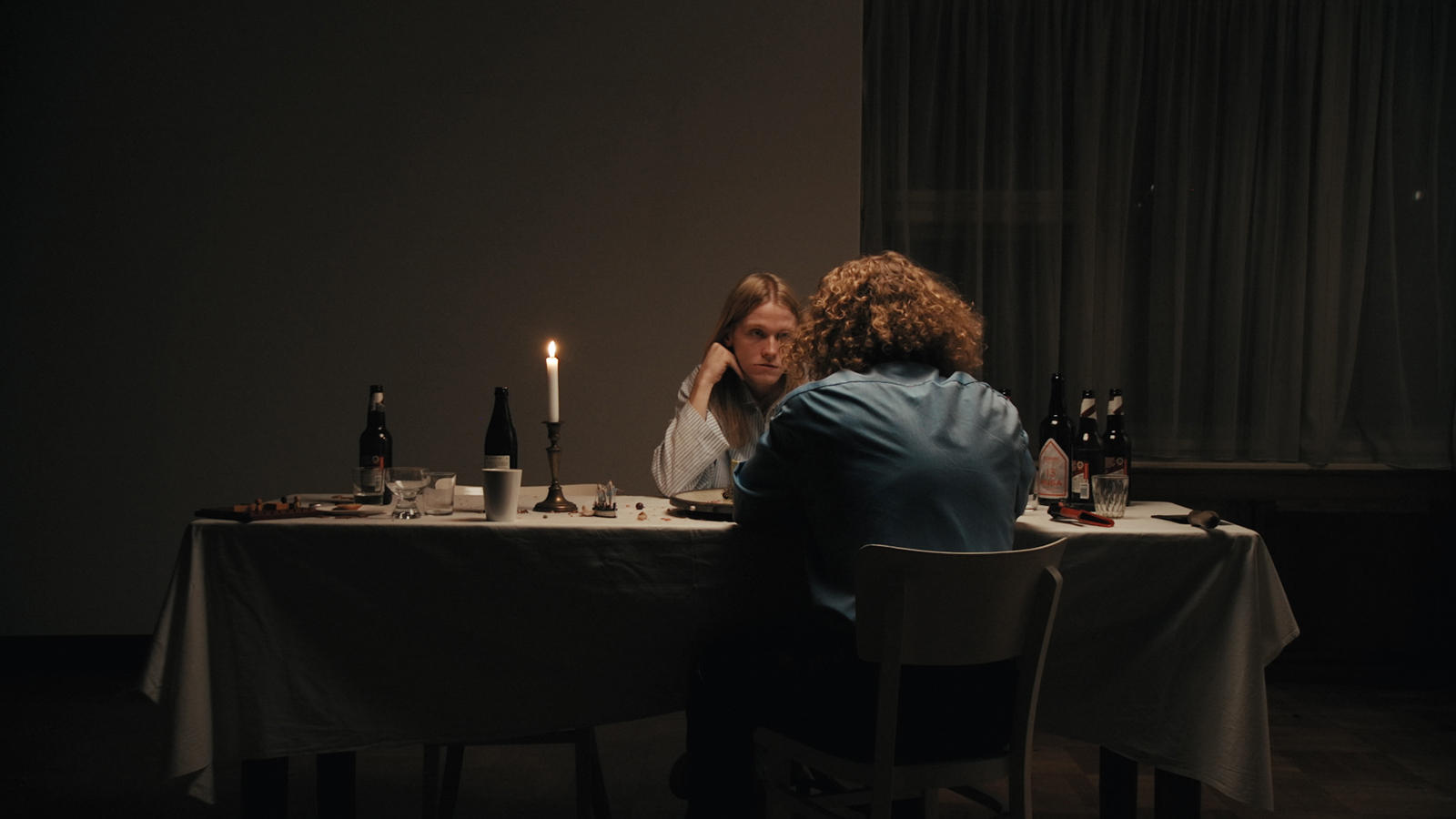
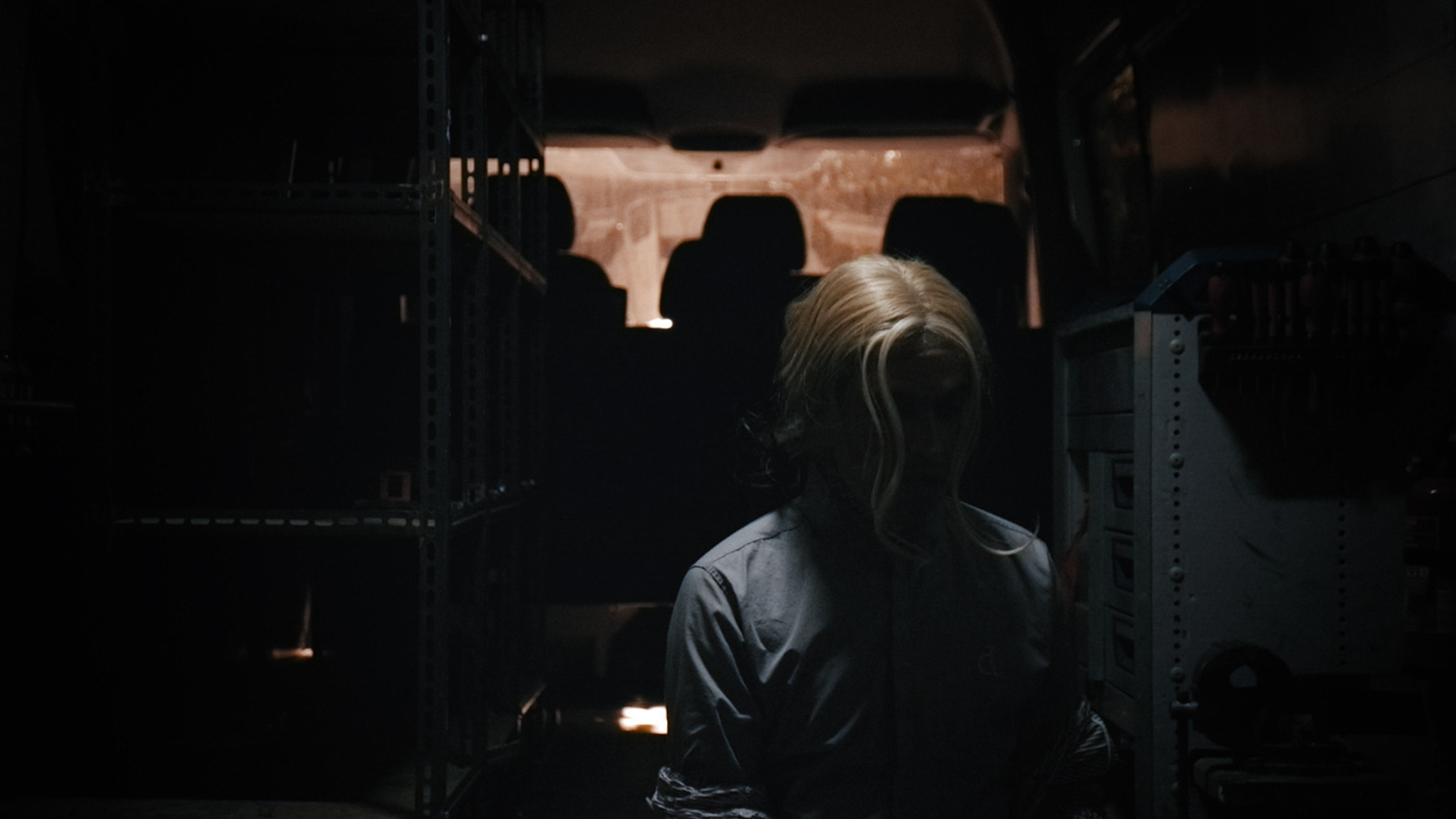
Still from 'Salt Bath'
Presented as part of a special evening, ‘Salt Bath’ invites audiences into a suspended night of cinema and music. The event unfolds as a diptych: a screening of the film, directed by K. Desbouis and Camille Aleña, followed by a DJ set by musician Courtesy, with video and light by Desbouis, where the film’s atmospheric tensions spill into dance. Tracing its themes of transformation, simulation, and elusive meaning-making, the event invites a shared experience between suspense and immersive presence.
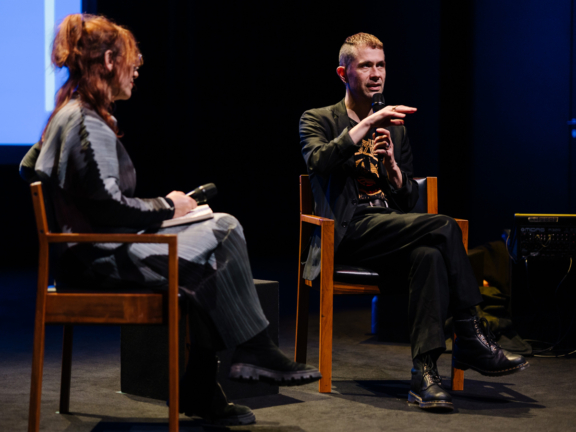
Jule Kurbjeweit: How did ‘Salt Bath’ come about? How did the idea start, and your work with Camille?
K. Desbouis: It comes from a text I wrote around 2018 or 2019. It was originally a piece for a gallery show. I would mail a script in black sealed envelopes, released in episodes over time.
Later, I met Camille and we became close friends. I had this text and soon we were working on an adaptation, though very transformed. The original was more lyrical and dramatic.
But two central ideas remained: it all happens in one night, and this subtext of a vampire story. We were interested in vampires but not as creatures that suck blood, more the psychic vampire, something or someone that drains you, your energy, your personality. That’s what was at play for us: this idea of getting sucked out by something bigger than you and how a body and person can bear it – or not.
JK: Does that connect to how speech works in the film? The pauses, the whispered lines?
KD: Yes, actually. Also because the cast are amateur actors, except for PRICE, who is a genius performer. We used earpieces and whispered the lines. Almost like ventriloquism. There are gaps, grammar mistakes, and the speech sometimes sounds unnatural, like they are haunted by the text.
I think, as people, we experience this too: we say the things others expect of us because we lack the words to express what we truly feel, or because saying it would disrupt the reality built around us.
That’s why there aren’t many dialogues, more monologues. The characters become vessels – the body a vessel for speech – like aliens trying to learn a new language. Yet, in the midst of it, they are also searching for some truth.
JK: It doesn’t feel spontaneous or human, but almost machine-like, also because of some repetition.
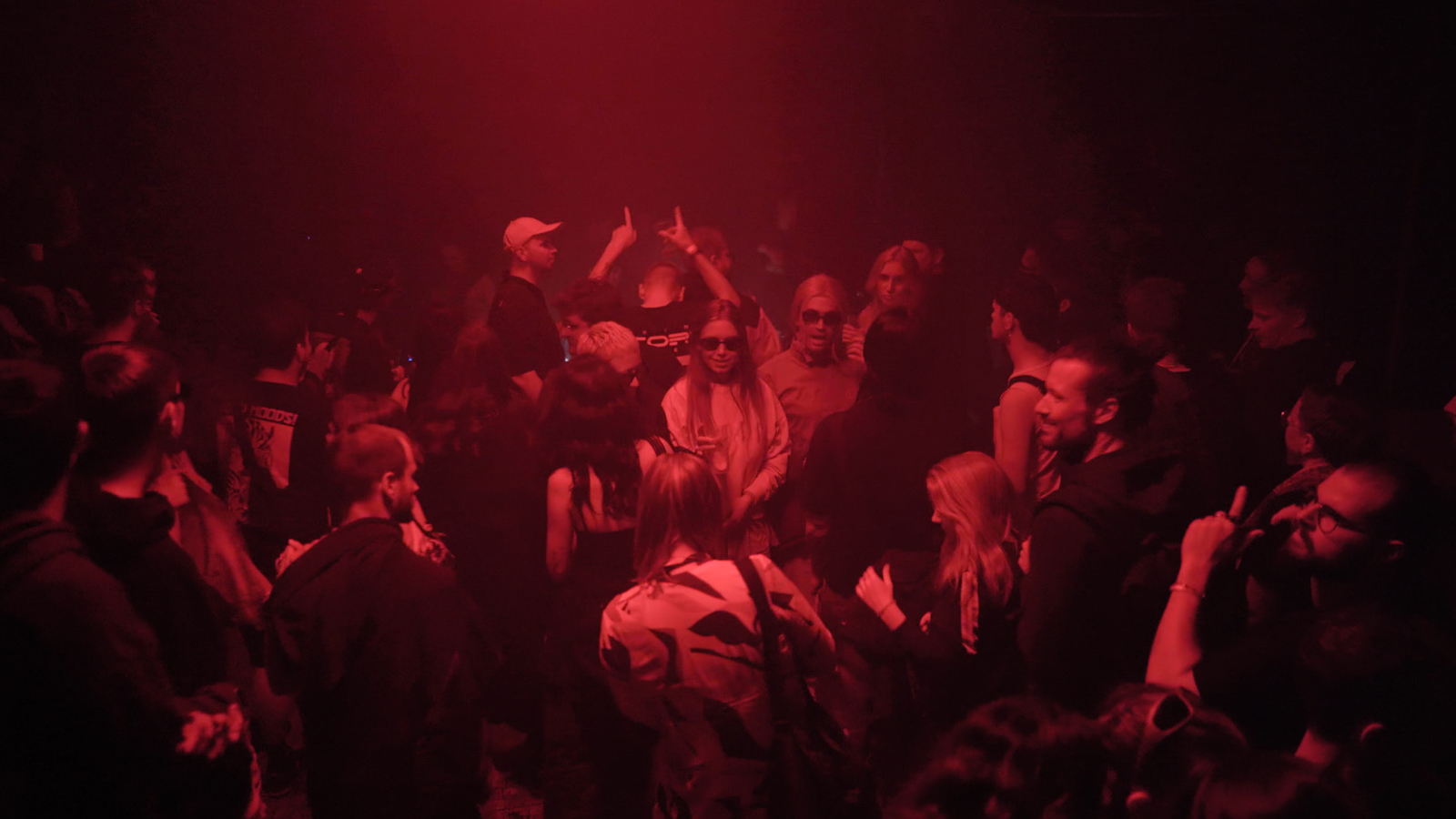
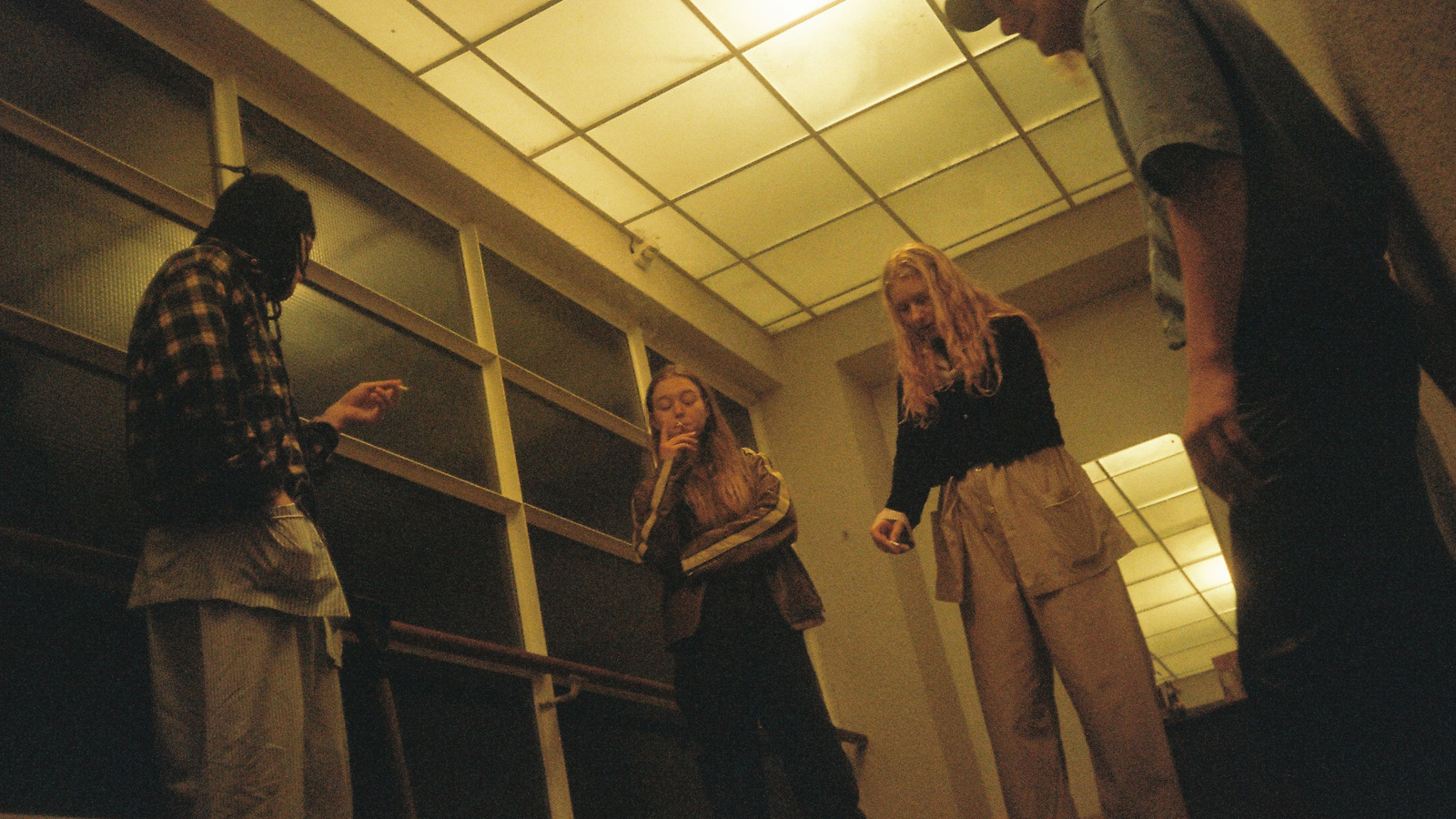
KD: Totally. They’re trapped in loops and sometimes freeze. It’s about how life can repeat itself, feel simulated. Everything happens at night, which creates this effect like waking from one dream without realising you’re in another, like antechambers of reality. It’s one condensed night, shot over four. Almost like reality TV, spending a lot of time in this house together. And for the club scenes we went to a real club.
JK: How did that work in terms of filming?
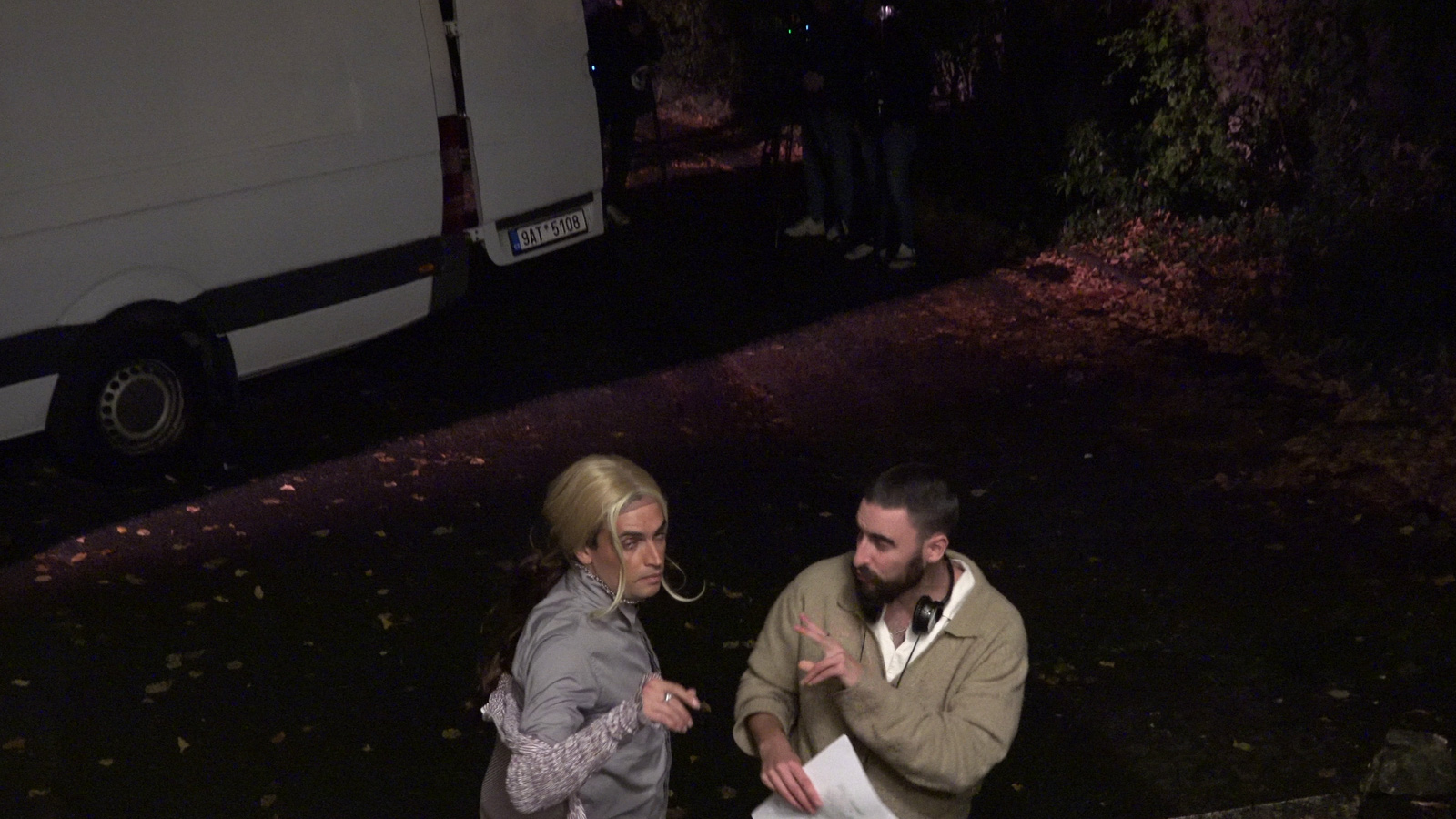
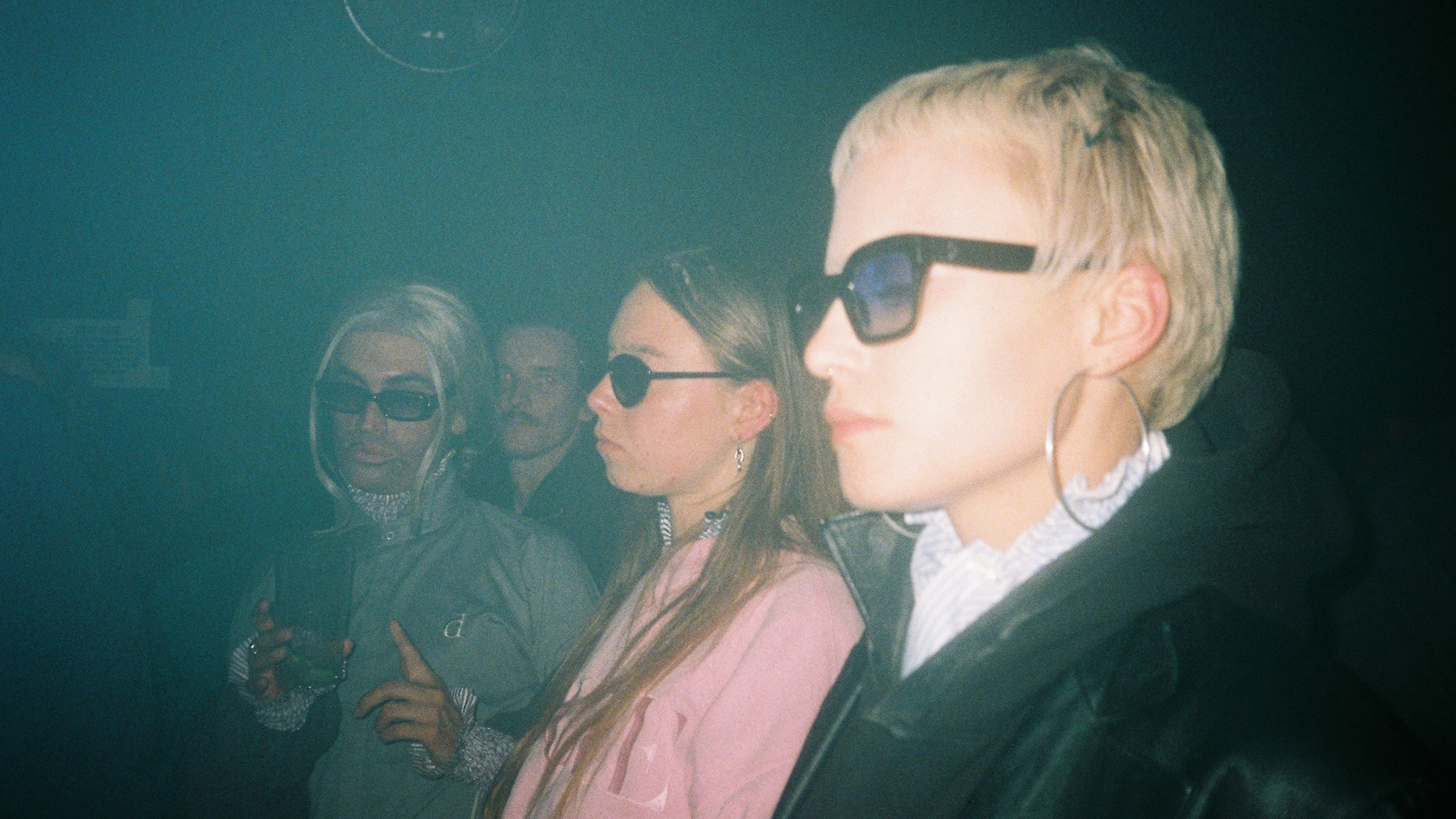
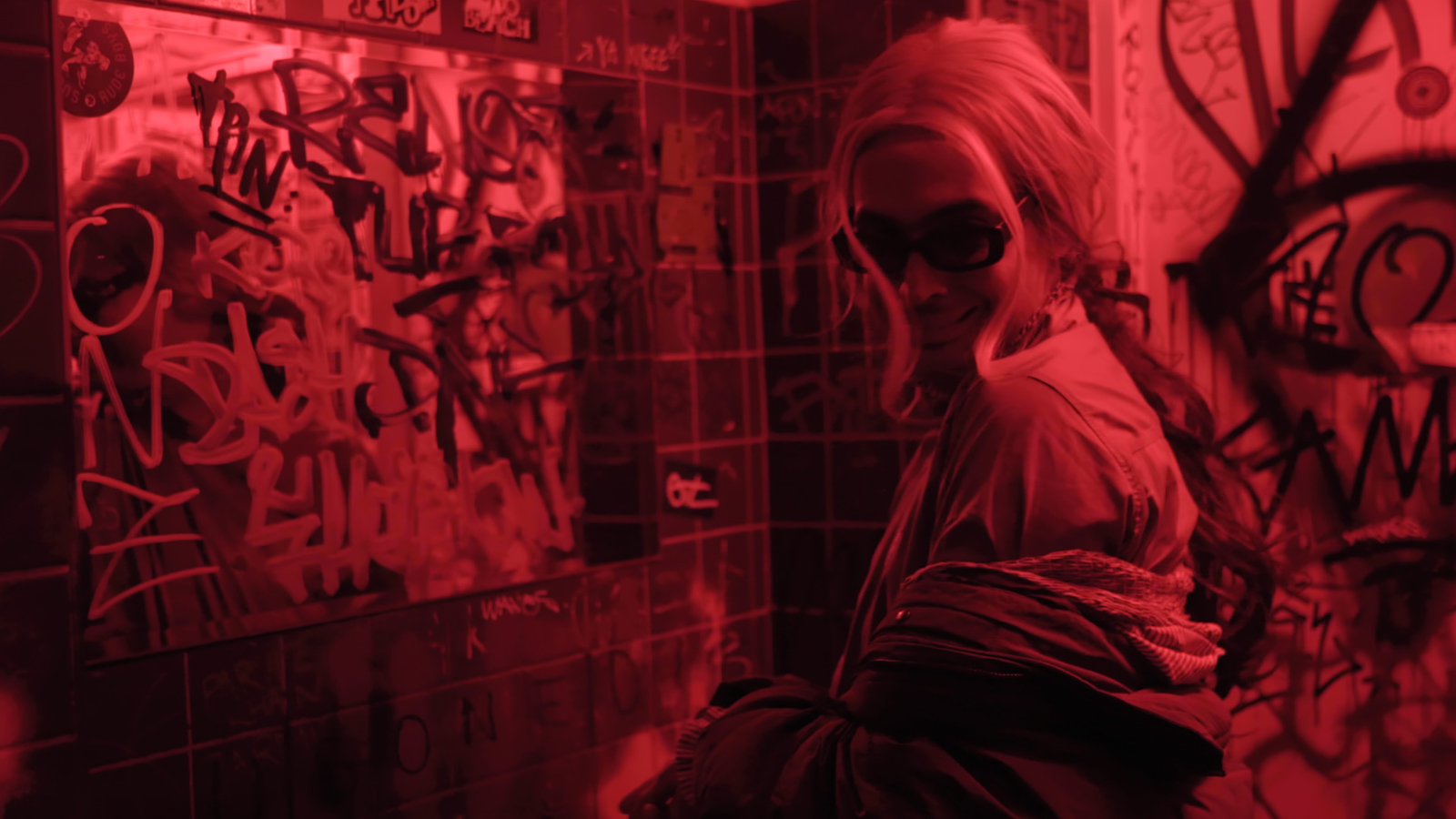
KD: It was chaotic and very fun. We didn’t get permission to film, but we just went anyway. We brought discreet cameras, hid the equipment while the sound team stayed outside, against the walls. It was unprofessional, but it worked. Those scenes are improvised. We kind of disappeared, and the actors just partied and forgot about us.
JK: And it contrasts with the other parts, which have less spontaneous emotion.
KD: We had a script, but narrative wasn’t our focus. We were trying to grasp an abstract feeling of dissociation from reality.
It’s also about being young today, trying to become someone in a world that is constantly transformed by violence. It’s this liminal space where you don’t know where you belong, between teenager and adult, between worlds. It’s a kind of purgatory. There’s this sense of collapse, that might be coming, or has already happened.
JK: And the house, a kind of haunted house, reinforces that.
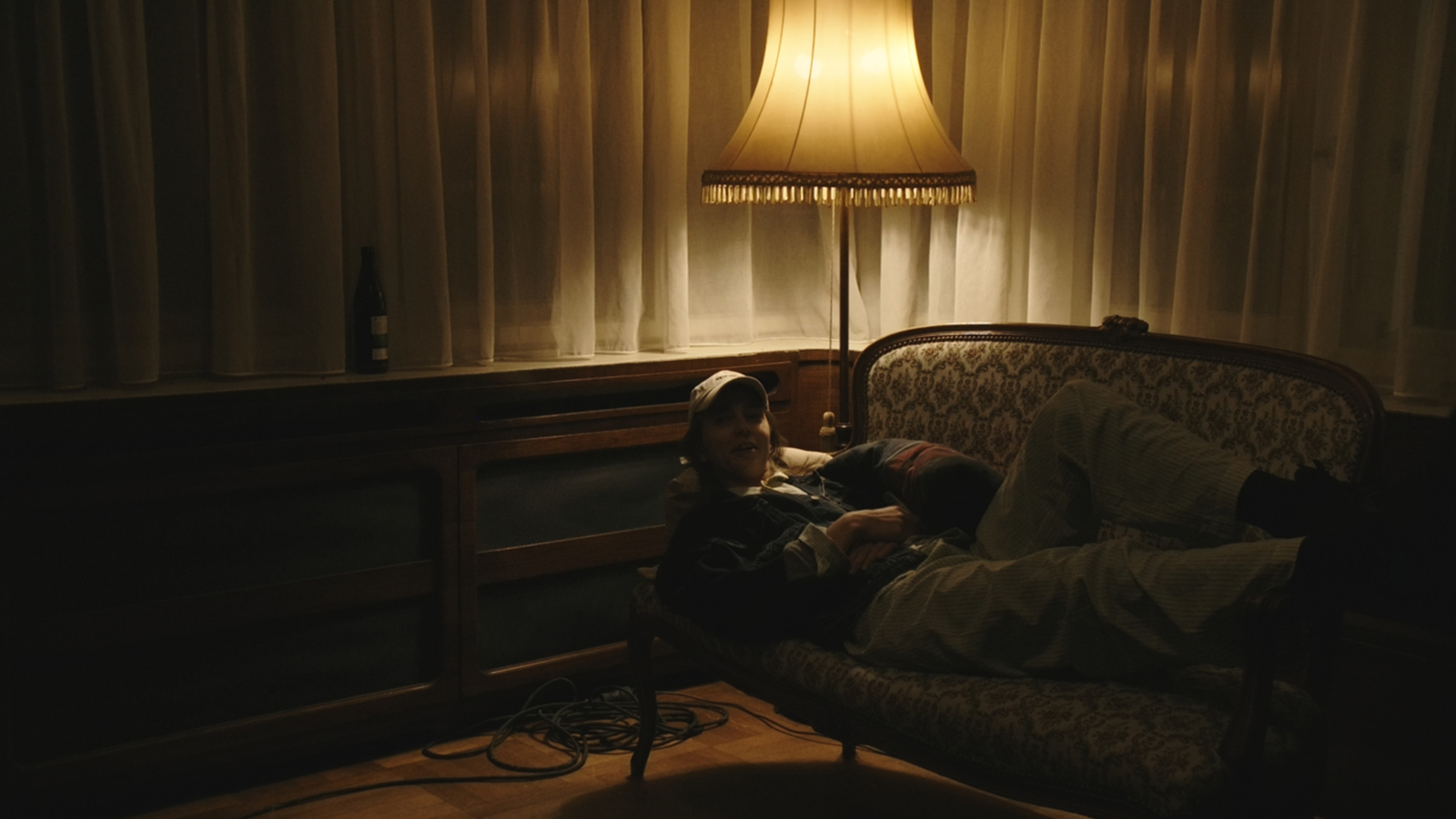
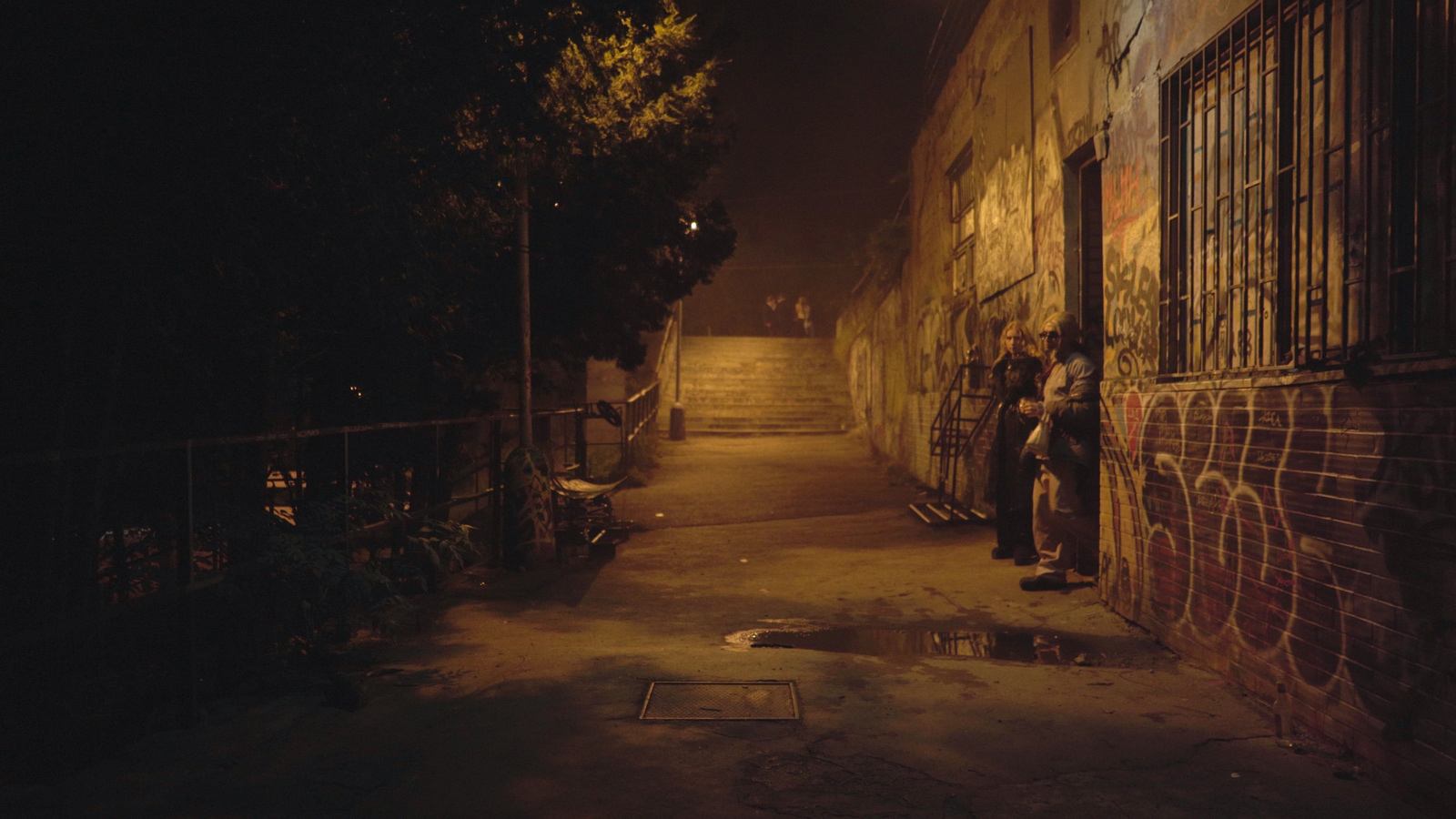
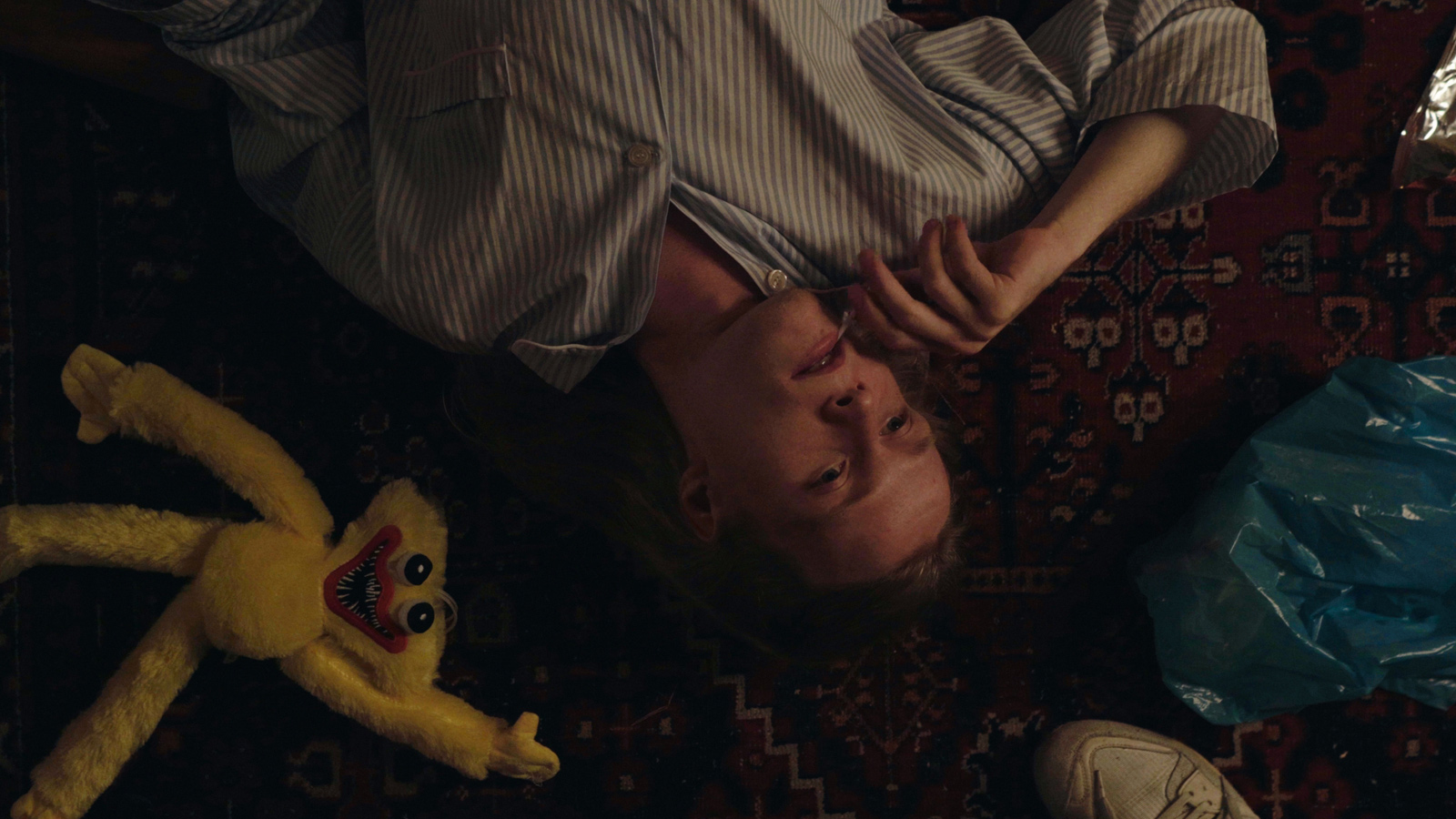
KD: Yes, it’s a kind of hideout, and when they come out, things always go wrong. We filmed in Prague, also because of Eastern Europe’s connection to the history of vampirism, especially from times of the plague. Prague was one of the first cities to build a cemetery outside the city because of the fear of contamination. And this gigantic house was confiscated by the communist regime and left empty since, so it was a haunted ready-made.
JK: Does Camille usually work with film?
KD: Yes, more than I do. We had limited means but still worked with a proper crew. Image composition was very important to us.
JK: How did your inspirations and influences come together?
KD: The film ‘Cruising’ was one of them. We even quote directly from it.
Another big inspiration was ‘The Last Days of Disco’. It’s also a coming-of-age story, and really structured by club scenes. Chloë Sevigny and Kate Beckinsale dance in disco clubs, aware that it’s the end of an era, as they talk about life, love, and society – the same simple themes explored in ‘Salt Bath’.
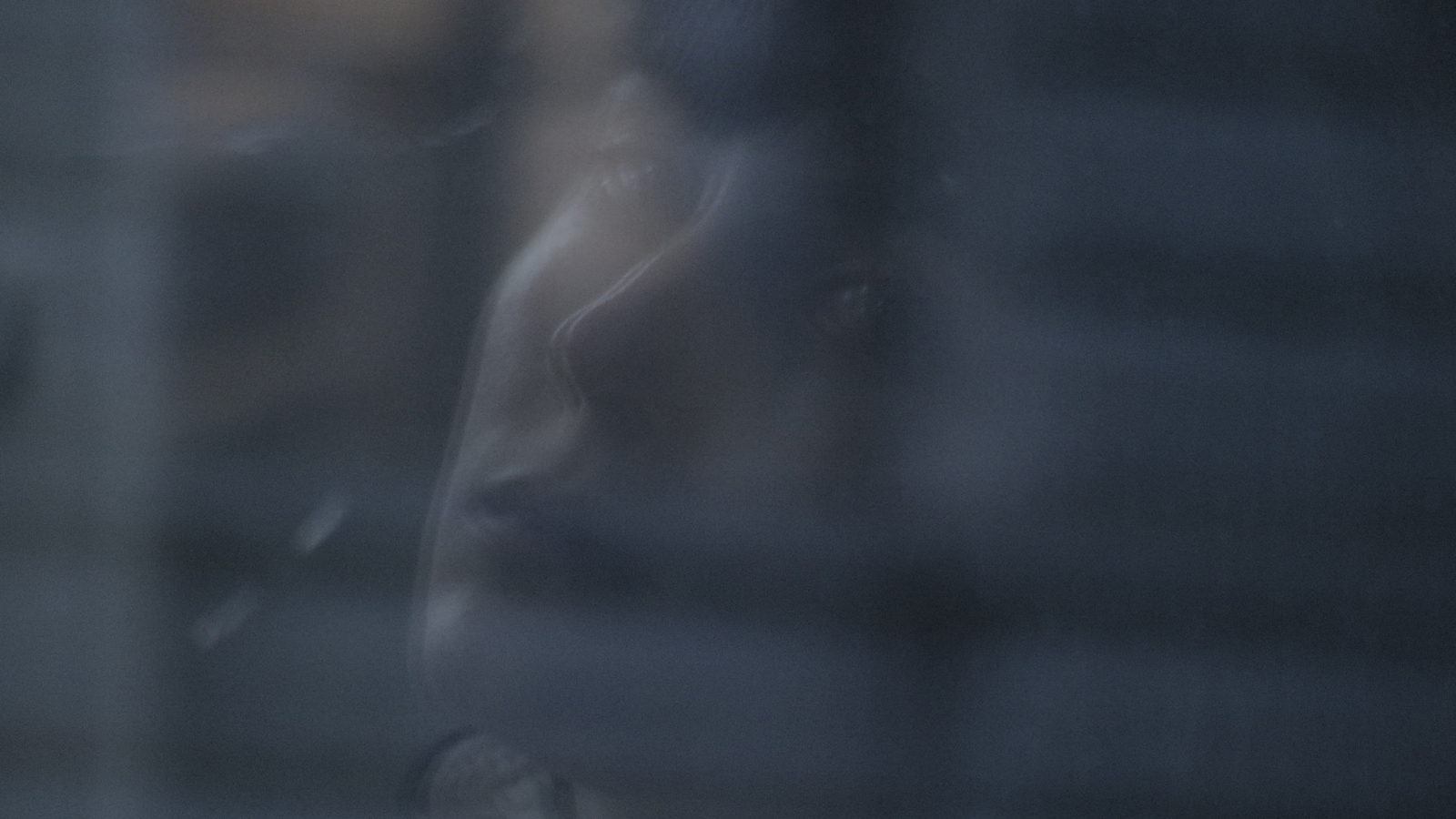
JK: And the night is like a dreamscape.
KD: People behave differently than during the day.
JK: But at the end, there’s also a scene with daylight.
KD: Yes, that’s the actual morning of the last shoot. The actors were exhausted, pale, and the melancholy that’s there is real somehow. It comes after the credits, kind of separate. In a sense, it’s when the actors seem to step out of the film, while simultaneously the long-awaited cosmic event finally occurs.
The notion of cosmic horror was very present for us, framed by [Howard Phillips] Lovecraft: horror is not necessarily graphic, it’s ambient. It can be extremely soft and even boring.
The sound is very important in working with these atmospheric elements.
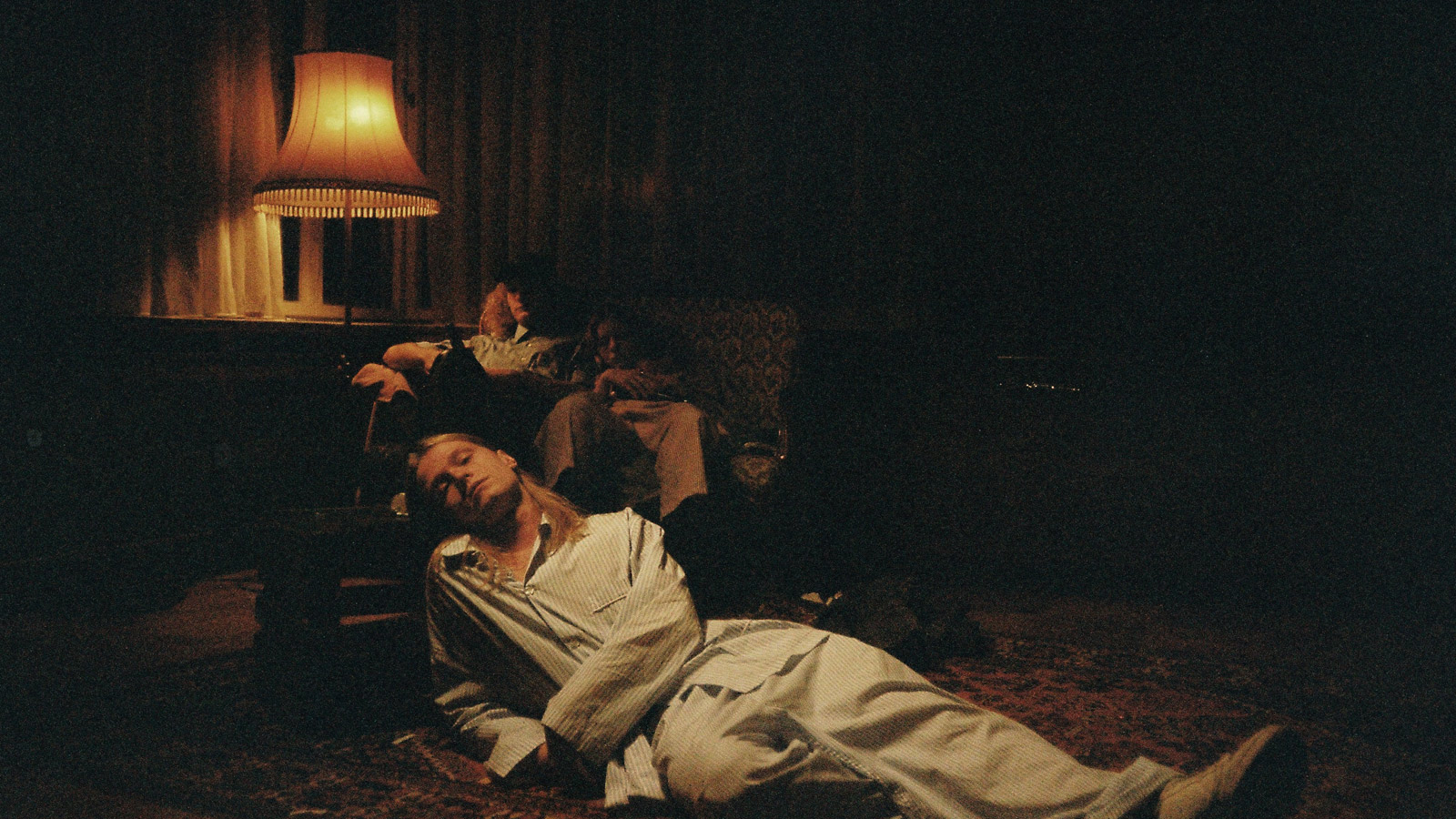
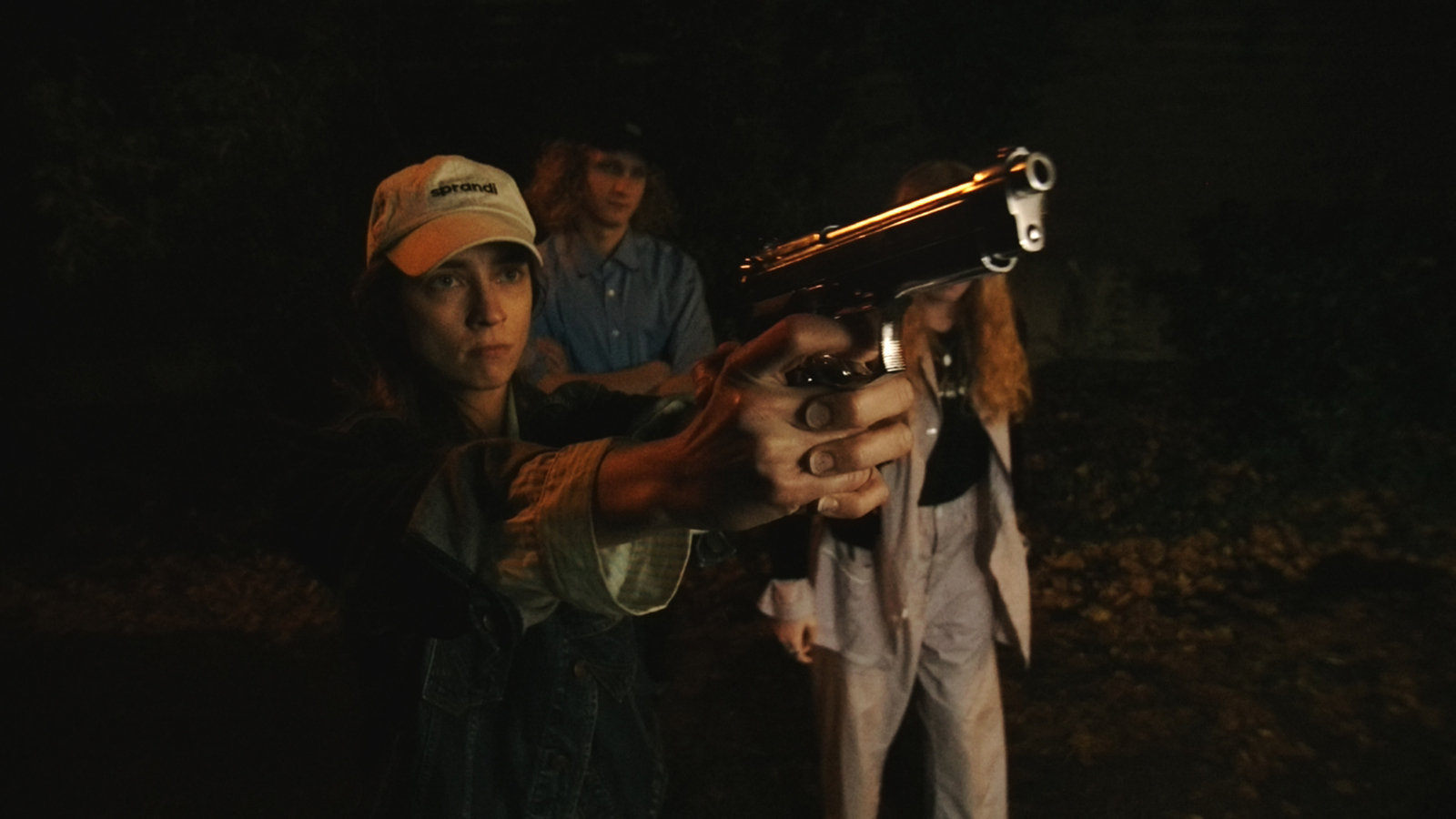
JK: It is one of the most powerful ways to create a mood.
KD: Yes. It became a form of mise-en-scène to create this state of incommunicability or extreme interiority that struck the characters.
For example, the club scene with Courtesy’s and Klô’s track – it’s one of my favourites because it’s so simple. It shows what the character is going through internally. The track repeats ‘I change’, I change’, in French, while this vampire is dancing in the middle of the crowd. Courtesy’s song really moved me, and it expresses something we couldn’t capture with the camera alone.
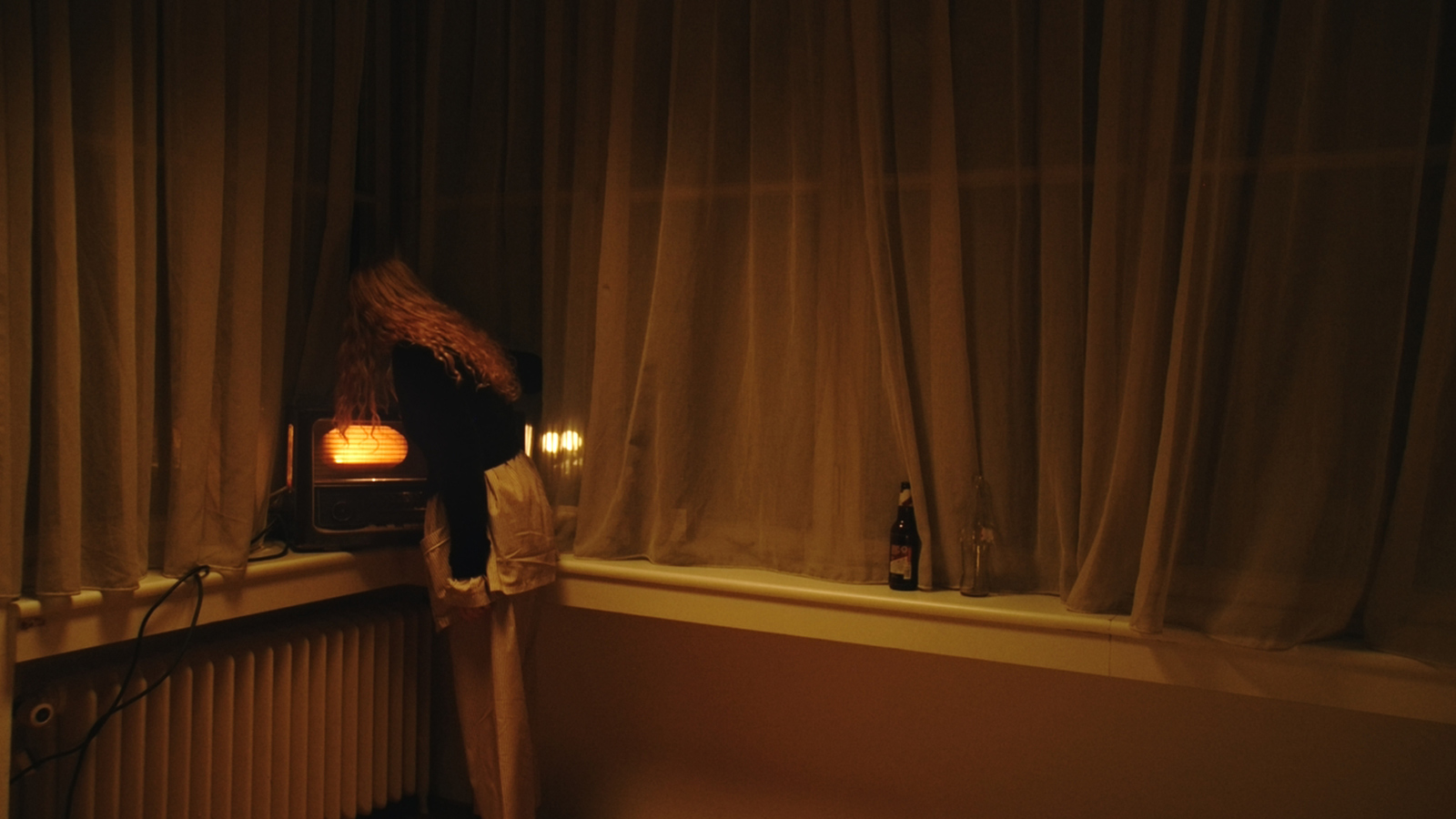
We also used the radio, playing with different layers, like different radio programmes – confessional, cultural, musical – or like songs coming from a different planet.
The radio is this thing that could announce a catastrophe, but that could also connect us all. I think voice connects people in a way that images alone cannot.
JK: The title ‘Salt Bath’, where does it come from?
KD: It’s an image of purity, of extreme purification, to the point of irritation. A salt bath is supposed to purify, but in excess, it could burn your skin. It’s the idea that you have to be so pure and so purge yourself. The characters vomit all these words in order to purify themselves so much that at the end there’s nothing left.
JK: Both healing and violent.
KD: Purity as a fiction.
JK: You also mention contamination.
KD: Even if you want to be impeccable, you’re not detached from the world’s dirtiness.
JK: It must be interesting to look at the film with a certain distance, because the process itself can be quite intuitive.
KD: Yes, because you need to clear your intentions before trying something but you cannot justify everything. You have to believe in what you feel. Camille really has this quality, and that’s why I’m so inspired by her. Over time, it’s exciting to realize that things you cannot control can become the actual centre of your work.
You may also like

No results were found for your criteria.