
Listening Through Matter
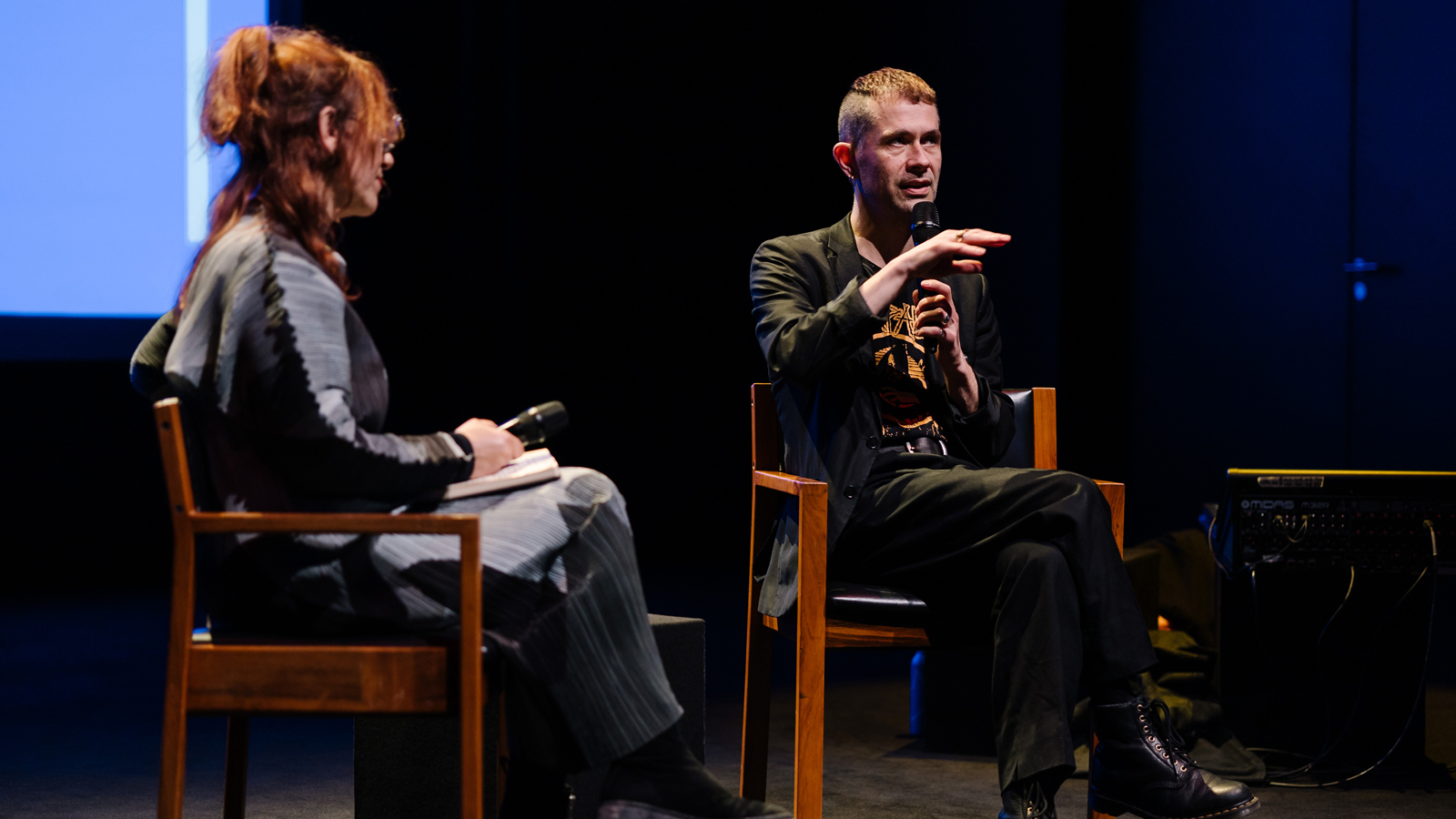
I first encountered Jacob Kirkegaard’s work through his recordings in Chernobyl, attuning to the inaudible presence of radiation, the stretched temporalities of abandoned spaces, and the capacity of sound to disclose what resists visibility. At the time, my own research was beginning to unfold around sound, place, and perception: how listening shapes our understanding of the world, and how sound operates as an ever-present, often unconscious framework that informs perception, behaviour, and emotional response.
Years later, we met in Valparaíso, Chile, in 2019, during the Tsonami Festival. What was known as a sound art event transformed into something else: a collective space for reflection amid social unrest. The city was in upheaval, and the festival became a site for thinking through the role of listening in times of crisis, not only as an artistic practice, but as a way of positioning oneself in relation to the world.
In this context, silence revealed itself not as absence, but as a dense and unstable condition, marked by repression, fear and exhaustion, yet also charged with potential and resistance. Noise, in turn, became a form of rupture: a way of making tensions audible, reclaiming presence, and breaking through imposed silence. It was within these premises that we worked together, responding to the urgency of the context.
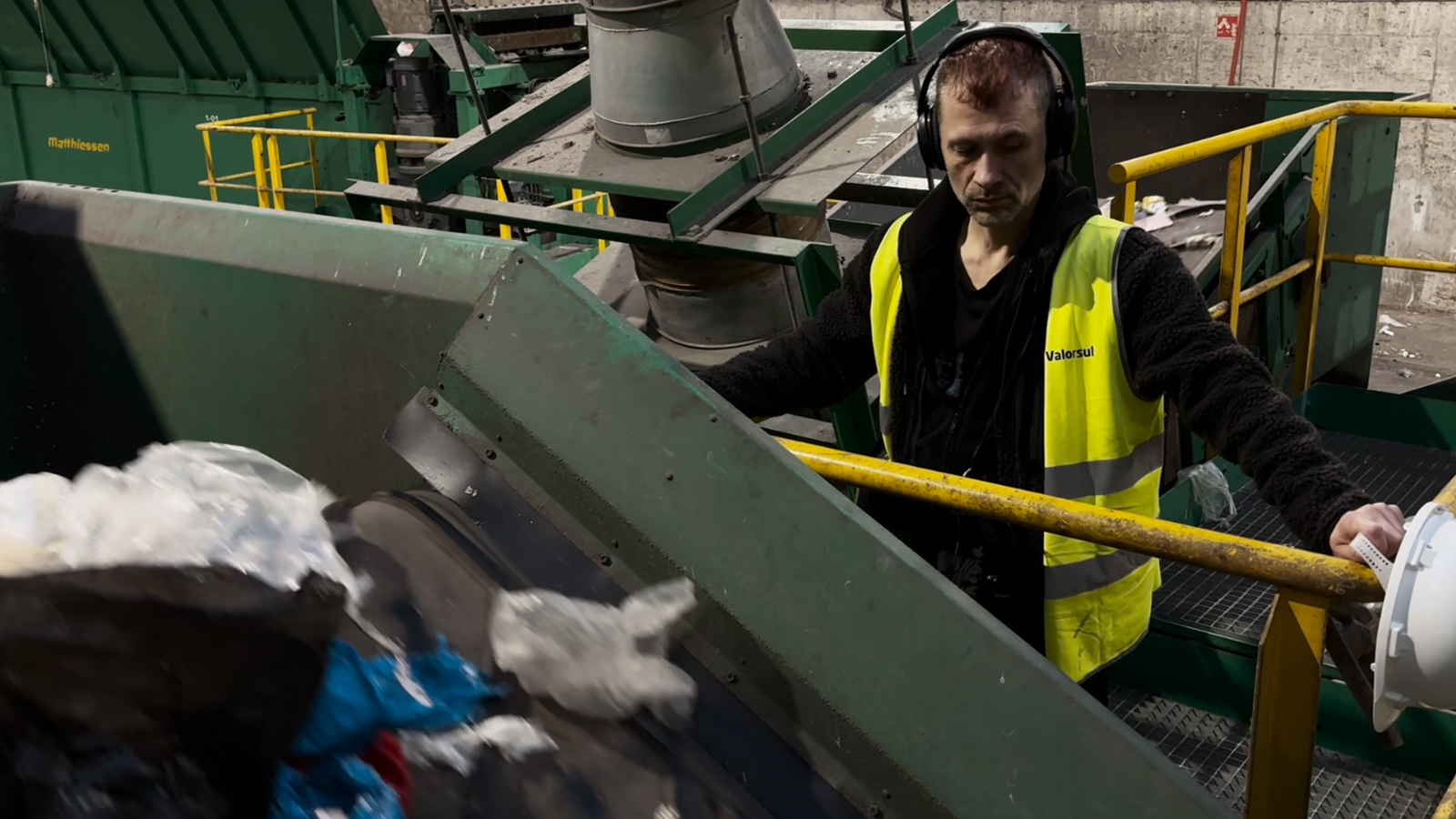
This encounter marked a convergence between my curatorial practice and Jacob’s artistic approach. Since the early 2000s, his work has engaged with environments that are difficult to access, remote, or largely invisible: radioactive zones, melting ice, border infrastructures, or waste systems, among others. Through the use of contact microphones and vibration sensors, he uncovers the latent sonic qualities of materials and spaces, allowing them not only to resonate, but to articulate their own conditions and produce meaning.
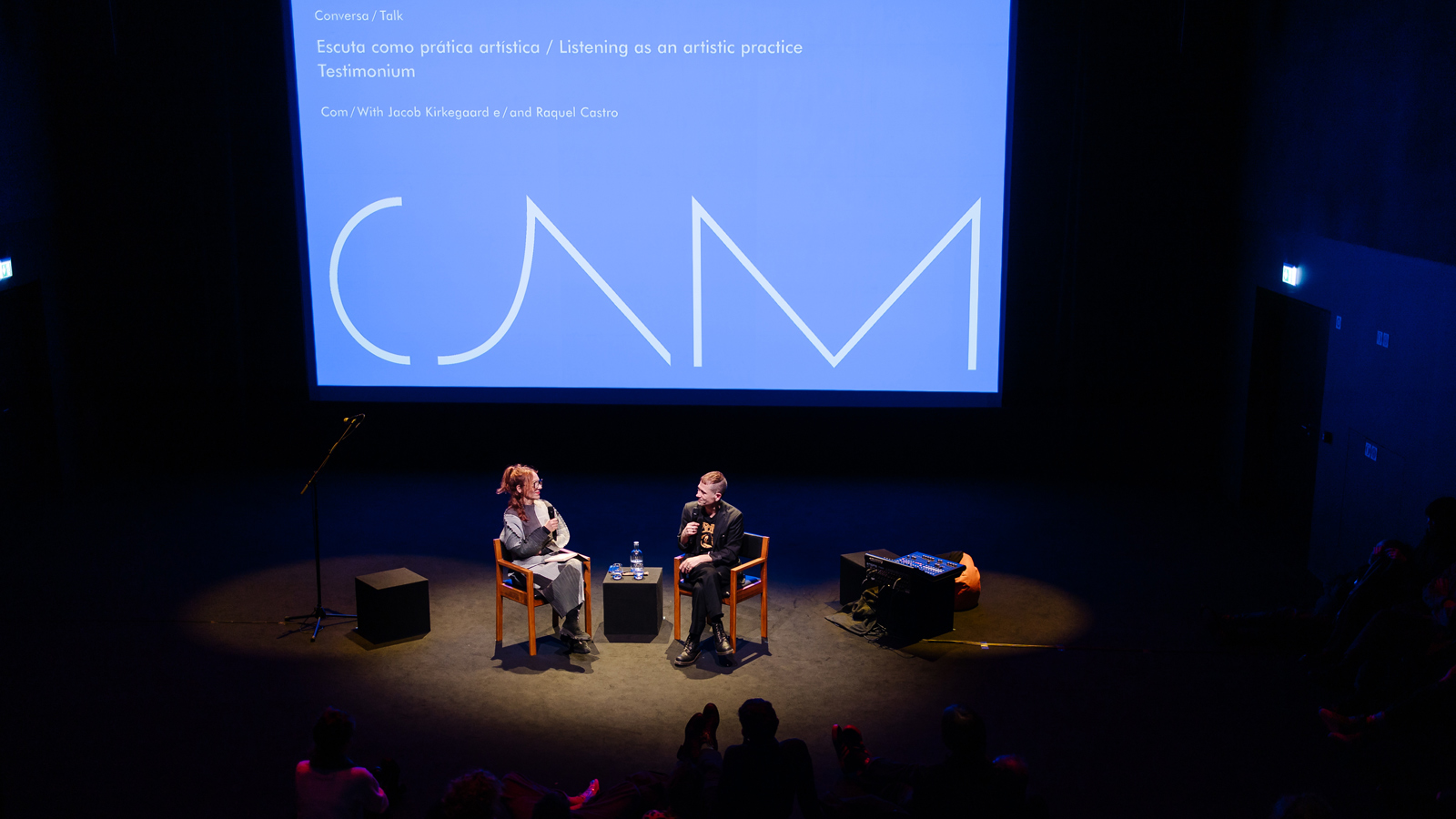
This conversation takes place in the context of ‘Testimonium’, presented at CAM. In this work, Kirkegaard follows the sonic trajectories of global waste systems, tracing their material and acoustic lives across multiple geographies, from sites of disposal and recycling to informal economies of recovery. Through an attentive process of listening and recording, he reveals the hidden sonic dimensions of materials in transformation, foregrounding processes that are typically removed from everyday perception. What emerges is not simply a reflection on waste, but a deeper meditation on accumulation, circulation, and erasure.
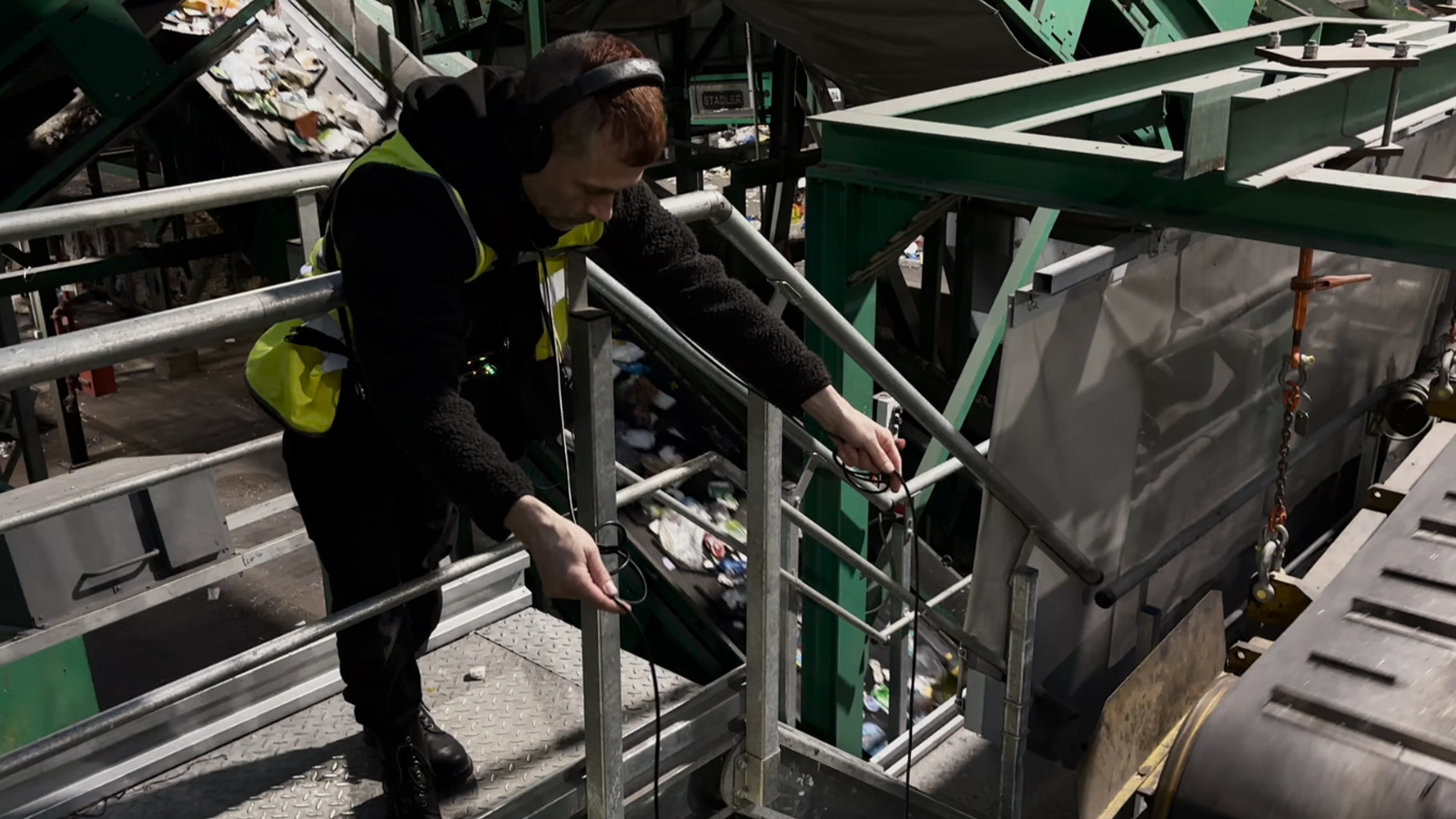
‘Testimonium’ invites us to confront the infrastructures that sustain contemporary life while remaining largely invisible, exposing the continuous afterlife of what we discard.
This dialogue explores listening as an ethical gesture, the intersections between sound art and ecological awareness, and the potential of artistic practice to create spaces for attention, reflection, and transformation.
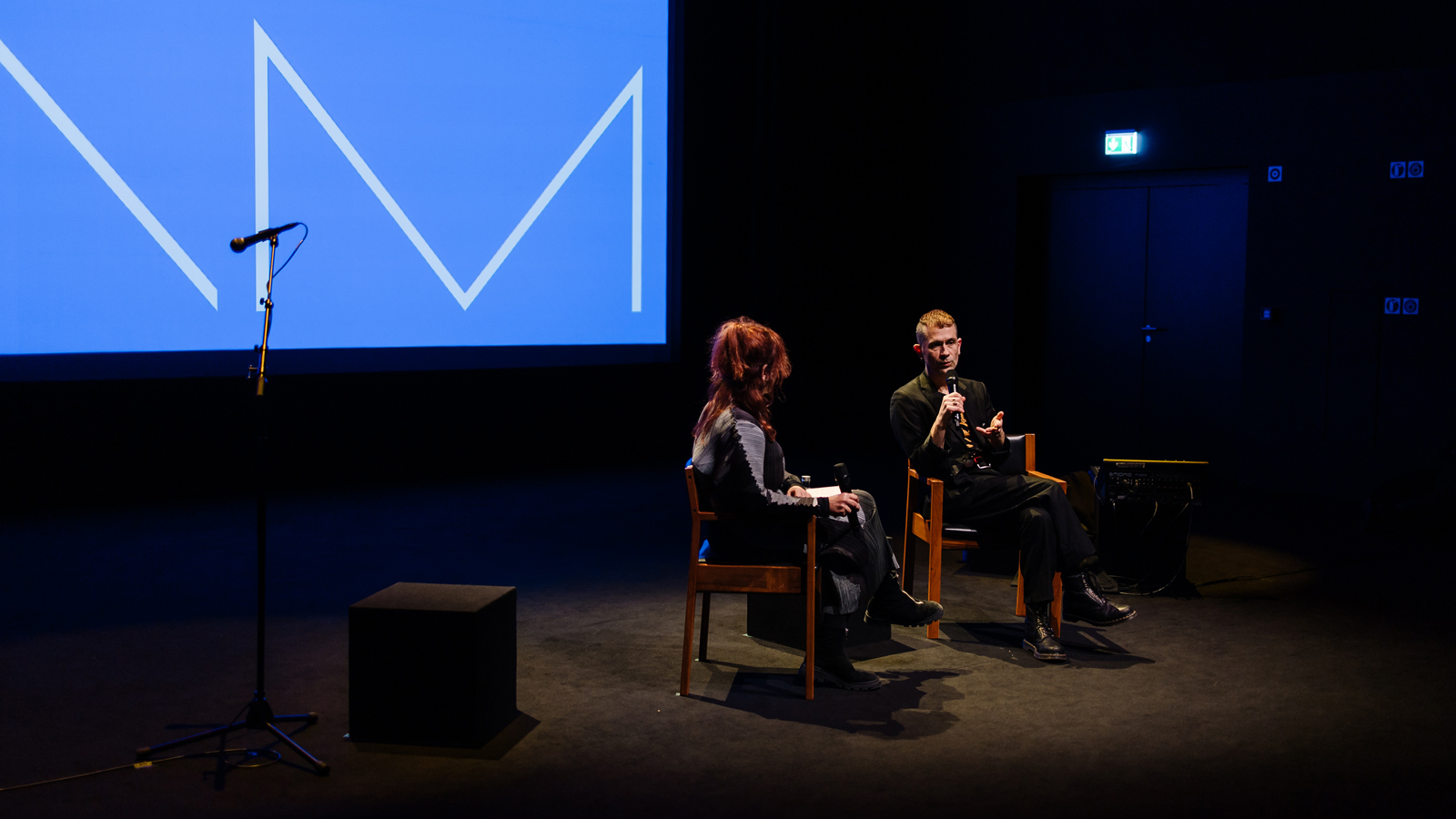
Raquel Castro: Jacob, your work has long been rooted in a deep and attentive listening to the world. To begin, how do you see listening functioning in relation to crises, whether ecological or social? Can it foster empathy, or even help us respond differently to the world around us?
Jacob Kirkegaard: That’s a big question. I don’t think listening can prevent things like climate change. But what I try to do is listen to the world as it is. Listening requires silence; it asks you to be still in a way that seeing does not. You don’t have to be quiet to look at something, but to really listen, you need to make space.
When I’m quiet, I accept what comes. That openness can lead to a deeper understanding of the world, and of my place within it. It’s not about controlling what you hear, but allowing it to unfold. Because of that, I’m drawn to listen to all kinds of sounds, including those that might feel unsettling or difficult. Sometimes those are the ones that tell you the most.
RC: Your practice often engages with what many would consider challenging or even uncomfortable subjects: waste, radioactivity, death, war, borders. What draws you toward these ‘darker’ territories, and what does listening reveal within them?
JK: It goes back to my teenage years. I listened to grindcore and noise, and spent a lot of time alone in my room in provincial Denmark, tuning into shortwave radio. Those strange signals and textures fascinated me, they felt entirely different from anything around me. I didn’t feel particularly connected to school or to conventional ideas of happiness, but I found a kind of space in those aggressive sounds. They calmed me. I felt less alone. There was something very direct about them, something honest.
Over time, I realized that I’m drawn to subjects that carry a certain weight. War, melting glaciers, border fences, waste. These are not easy topics, but they are present, and they affect us all. I like to dive into those noises. It gives me meaning. It’s also a way of not turning away.
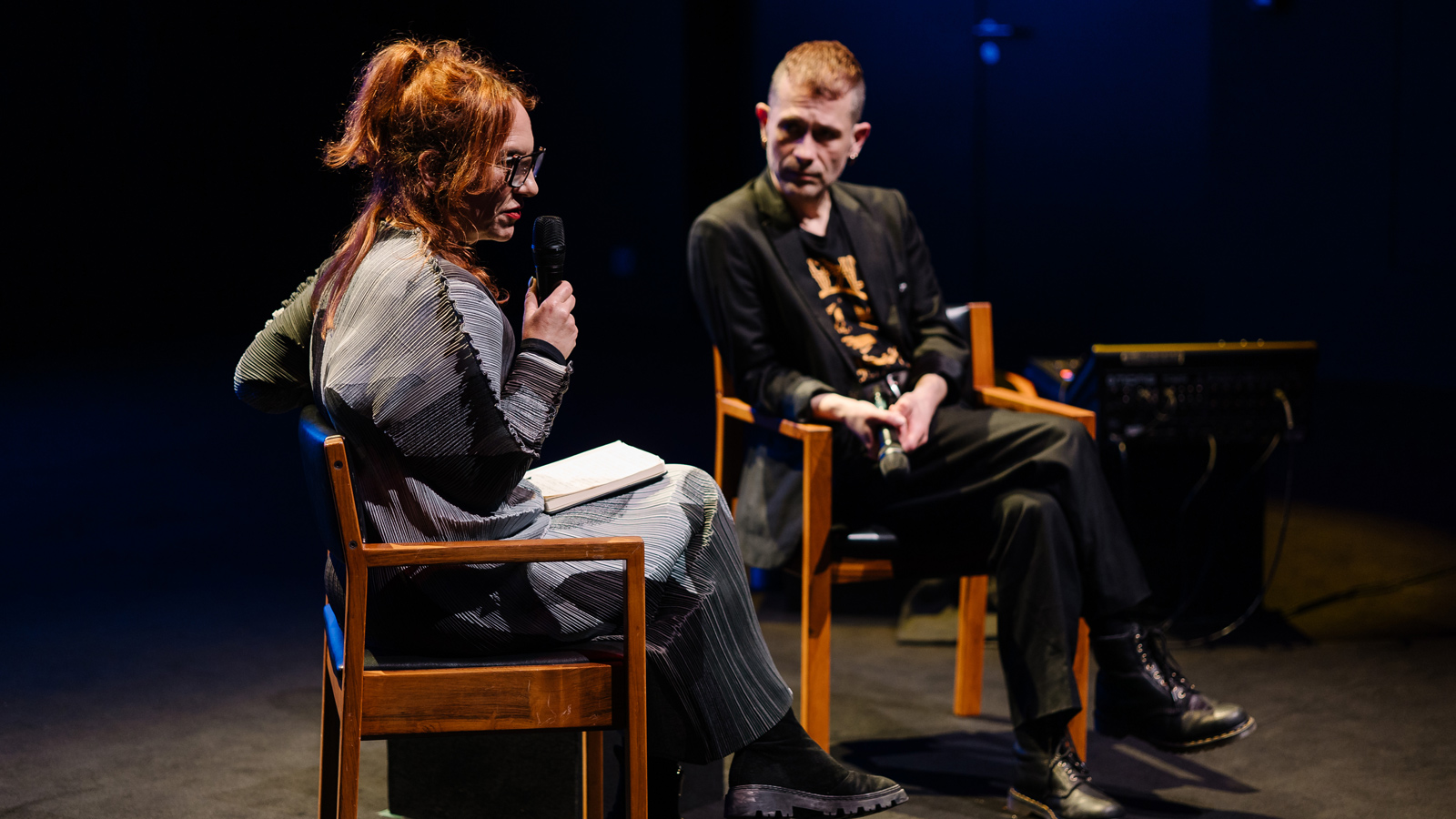
RC: In Chile, you developed a work engaging with vandalized monuments, such as the statue of Christopher Columbus, capturing their hidden resonances as they absorbed and transformed the surrounding tensions. How did this experience shape your understanding of the situation, and what were you listening for in such a volatile and complex environment?
JK: It was an intense moment. I experienced it as a confrontation between an old colonial structure and a new social reality. People were being violently repressed, while these statues remained standing, as symbols of a different historical narrative.
I began to think of the statues as resonant bodies, much like other materials I’ve worked with. They are not just visual symbols, they have physical properties, they vibrate, they respond. I wondered: if they could ‘hear’ what was happening, could I listen through them?
By placing vibration sensors on the statues, I was able to capture their resonances activated by the surrounding environment: the protests, the shouting, the movement of people, even the presence of the police. When you listen inside them, you hear something like a voice, a kind of continuous tone shaped by everything around it.
It became a way of engaging with the situation, not by representing it directly, but by listening to how it vibrated through these objects. It’s a different perspective, less about narration, more about presence.
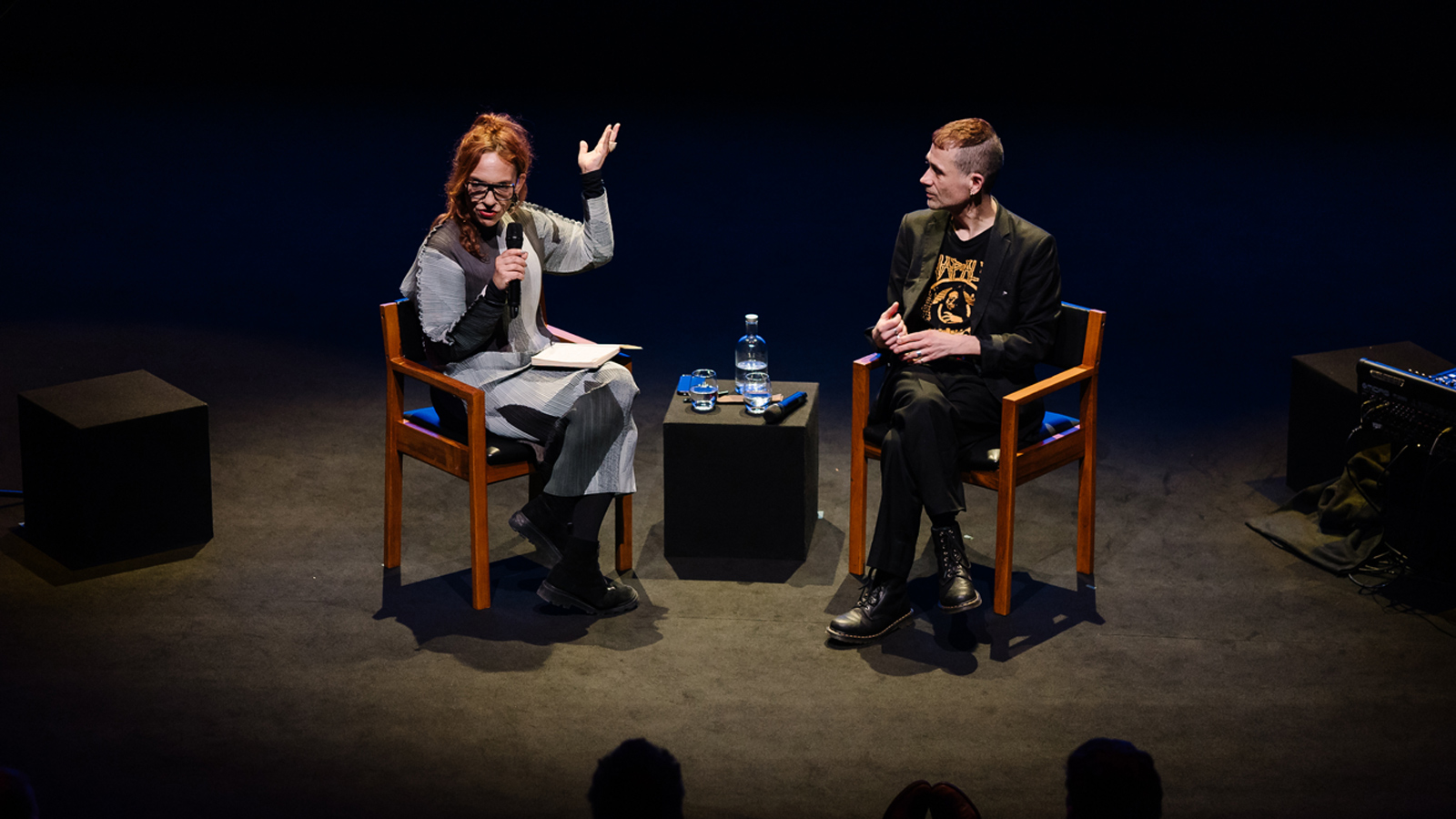
RC: Turning to ‘Testimonium’, how did this project begin? What led you to follow the sonic life of waste?
JK: It started in Ethiopia, in 2012, at Merkato, the largest open-air market in Africa. In the recycling area, people were reshaping oil barrels by hammering them. It created an incredible soundscape, very loud, very rhythmic, almost like a kind of raw music.
Years later, when my son was very young, I was teaching him about waste, how to dispose of things properly. He asked me where the garbage actually goes. That question stayed with me. It’s a very simple question, but also a very difficult one.
I decided to follow the path of waste with my microphones. I recorded in recycling facilities in Denmark, at a massive landfill in Nairobi, and with waste reclaimers in South Africa. Each place had its own sound, its own material language.
From a musical perspective, it’s all about timbre: the hollow resonance of plastic, the percussive qualities of metal, the fragility of glass. But I’m not trying to turn it into something else. I try to unfold what is already there. It becomes a form of composition emerging directly from material processes.
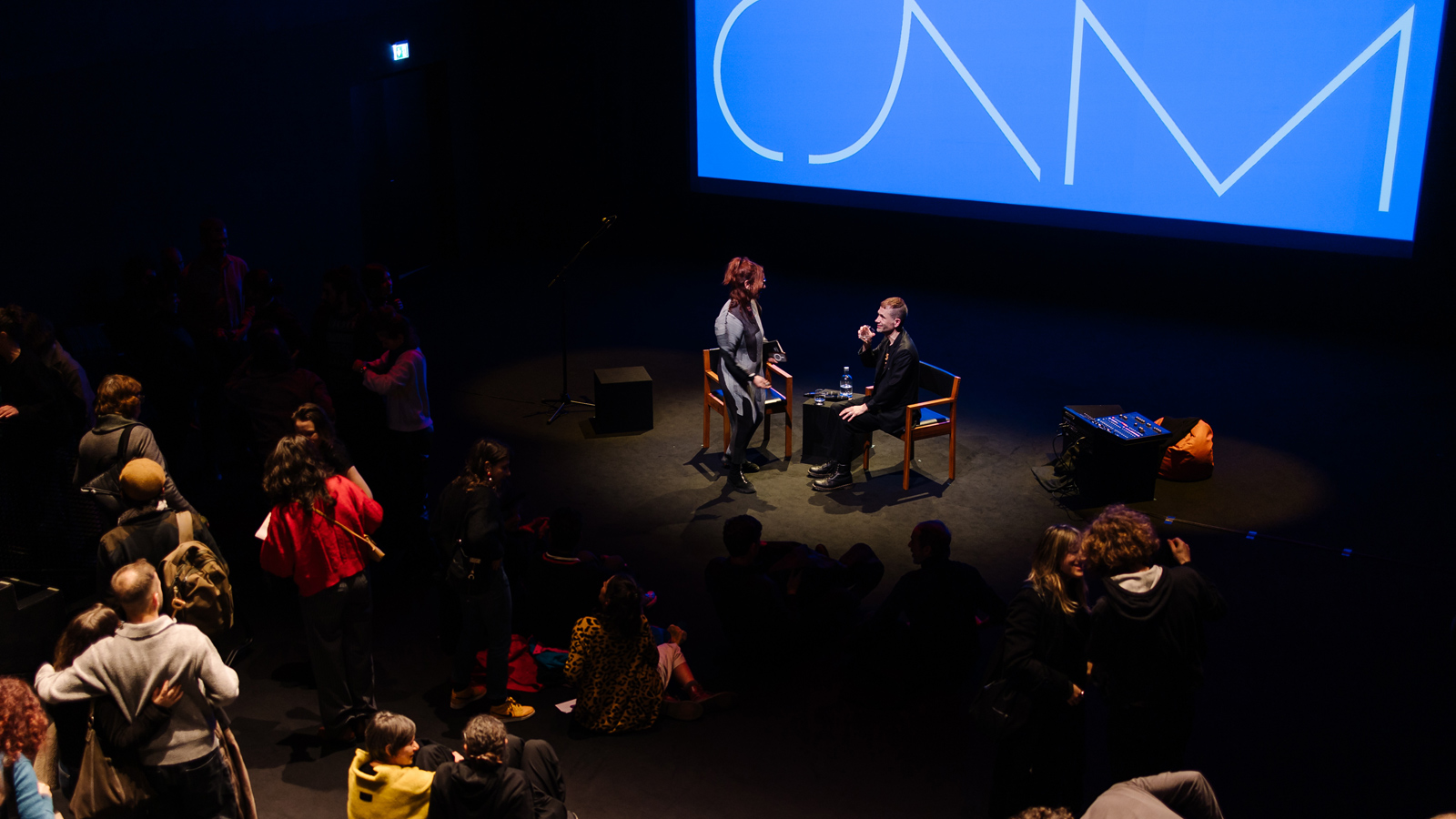
RC: In ‘Testimonium’, there is also a strong reflection on our relationship with the earth, on accumulation, excess, and responsibility. Do you see art as having the capacity to influence how we think or behave in relation to these issues?
JK: I see art as something you can choose to enter, a space you crawl into if you want to. Nobody forces you. It doesn’t impose itself, and I don’t have expectations about what it should achieve.
What matters to me is the act of listening, especially to the things people argue about: the ‘noise’ of politics, borders, or misinformation. Sound can be very overwhelming. If someone screams at me, something almost explodes inside me. At the same time, I’m also searching for a kind of inner calm.
If I can listen to these difficult things, if I can hear their ‘voice’, whether it’s the hum of a border fence or the rumble of waste, then I begin to understand something more.
Listening becomes a way of processing the world, of finding meaning within it. And maybe also a way of staying connected, even to things we would rather not hear.
You may also like

No results were found for your criteria.