
‘Seeds Need to Crack’: a conversation with Lidija Kolovrat on growth, patience, and transformation
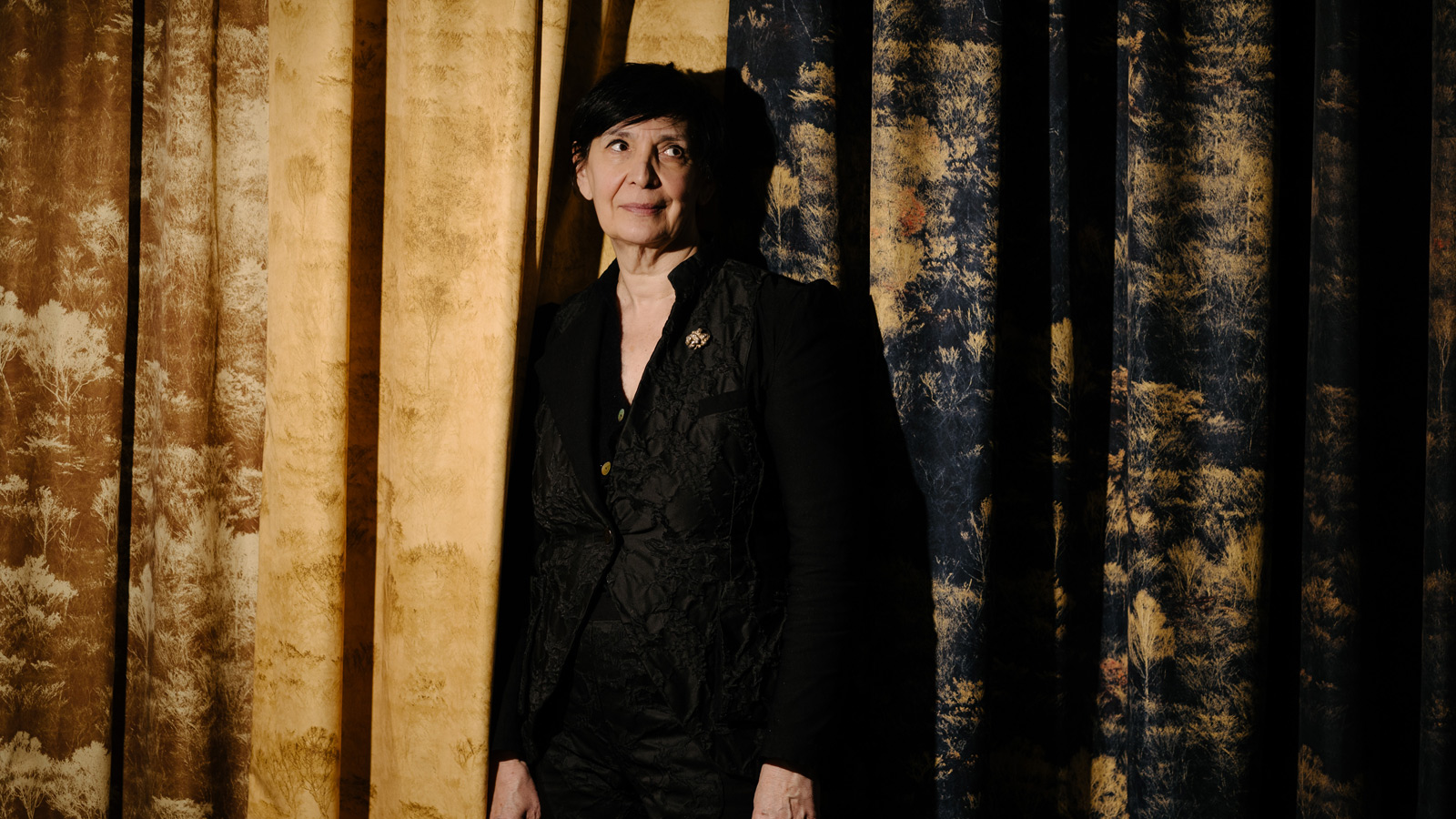
Drawing inspiration from seeds collected in the Gulbenkian Garden and beyond, Lidija Kolovrat translates their forms and symbolism into patterns, materials, and movement. The collection traces different phases – from dormancy and darkness to emergence and flowering – inviting us to consider what it means to break open in order to grow.
Jule Kurbjeweit: How did the new collection’s theme come about? What are your inspirations?
Lidija Kolovrat: The theme came from seeds. And seeds as potential are something that is deep in us as well. It takes us to the past and to the future. So in moments like now – moments that make us want to know what will happen, what is going on – it can be guidance for renewal. The title says that seeds need to crack, to break, in order to grow. I use it as a metaphor: that we also need something to open, or to break, in order to change.
JK: How do we see this theme in the collection?
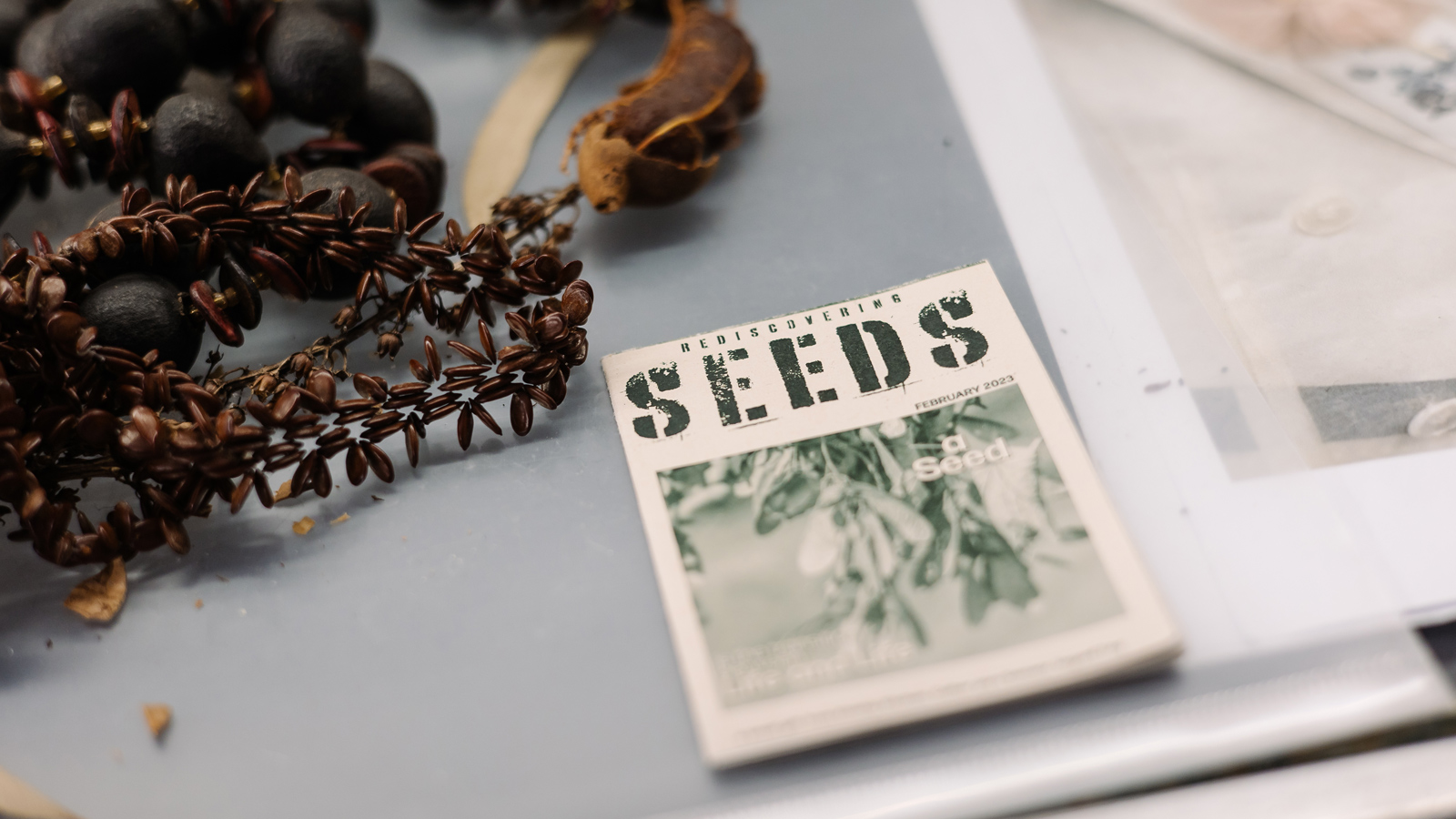
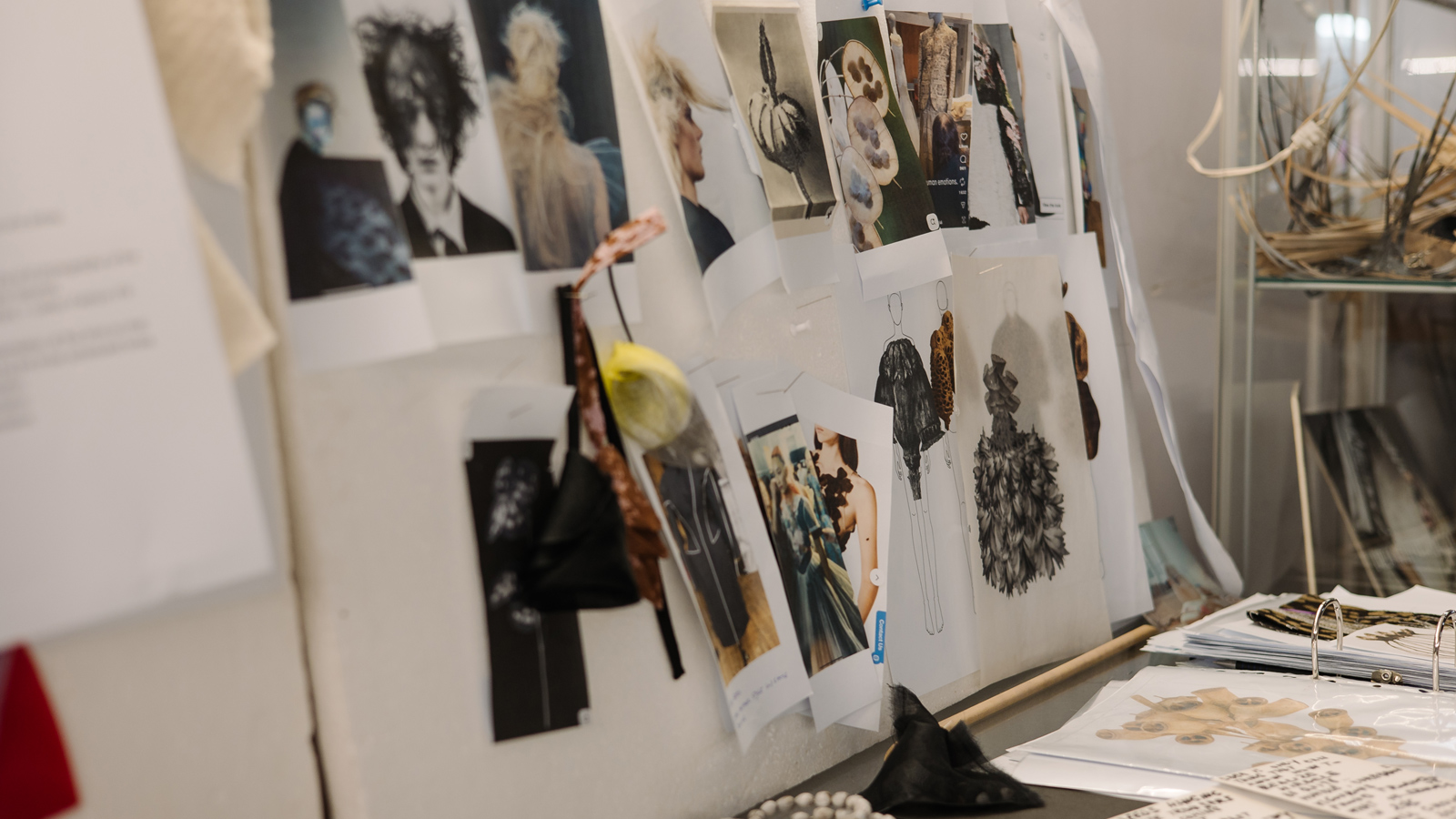
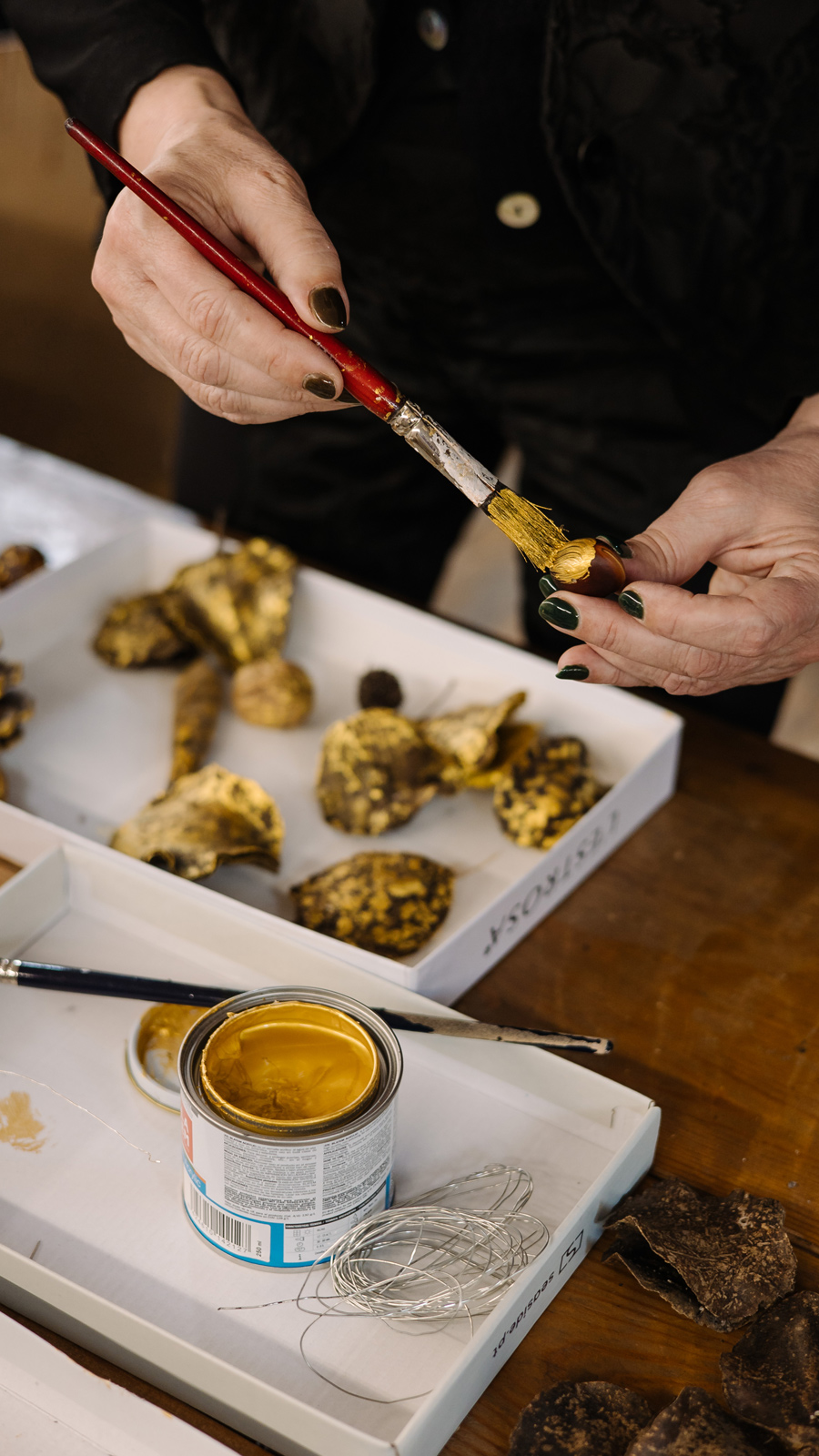
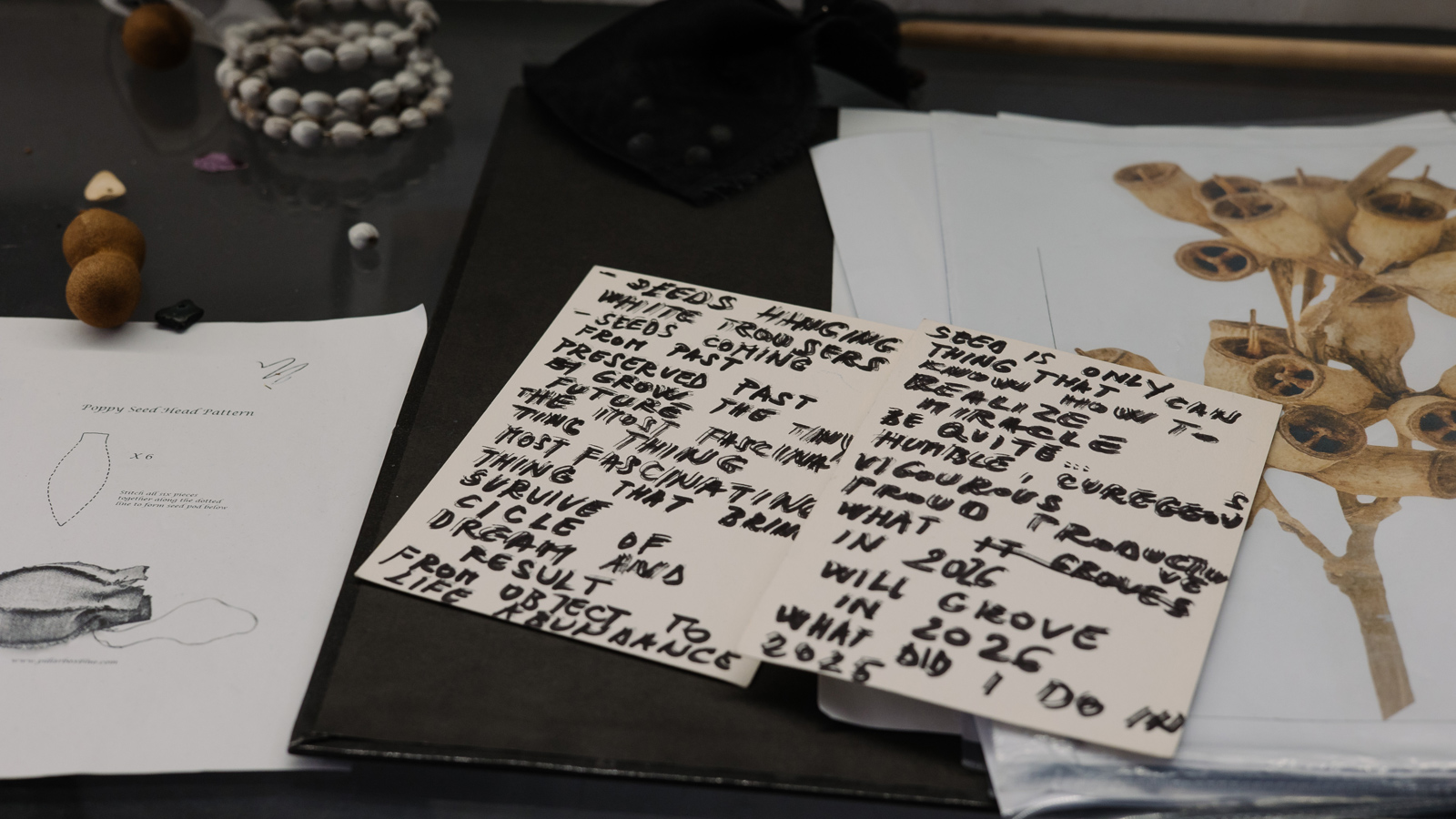
LK: We see it in many different ways. We started by developing patterns and prints on fabric. We printed seeds in different compositions. Each pattern has a different approach or concept. Sometimes it’s a geometric repetition. In other cases we create a ‘leitmotif’ that we borrow from floral patterns. For example, we use coffee as if it were a flower, so there is some metaphor there. We also have beans and coffee in a few patterns, and the others have different seeds. Some we recognise visually, some are actually edible.
JK: The collection is also going through different phases, and of course the seed goes through different phases as well.
LK: That’s right. We use that in three rhythms. So both in the music and in the collection we have a kind of dark moment where the seeds haven’t come up yet. Then the flowering, or spring coming – actually spring is coming now. So it matches the time. And of course probably we won’t be there to see what the seeds bring, what the result of the collection will be.
JK: How does that reflect in the presentation? Is there a kind of development in the presentation of materials and designs?
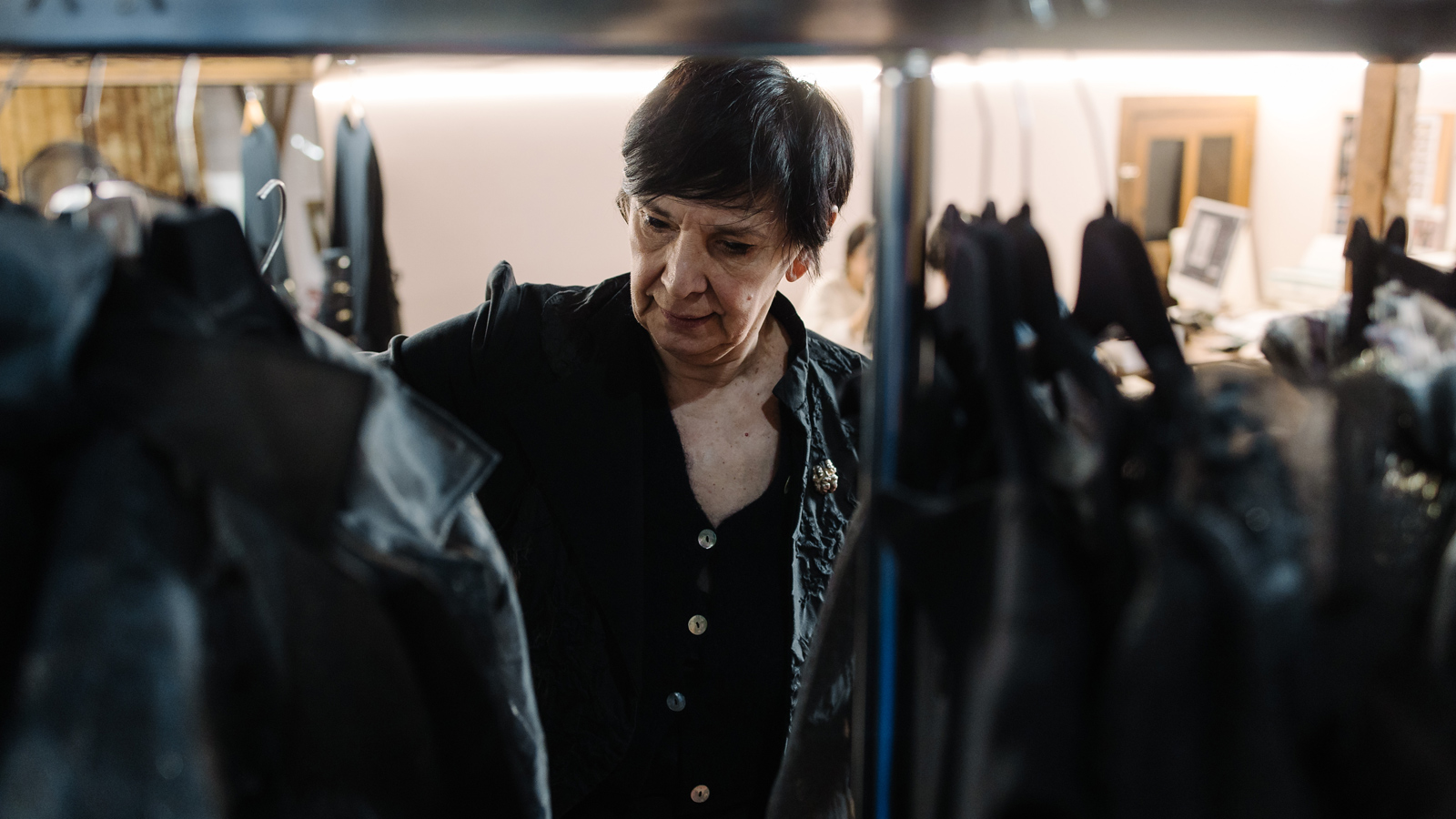
LK: Yes, there is – from very controlled shapes, geometric shapes, shapes that resemble the seed itself on a bigger scale, also some geometric shapes that are not so organic. And some pieces are more loose. They speak to us in a different, more abstract language.
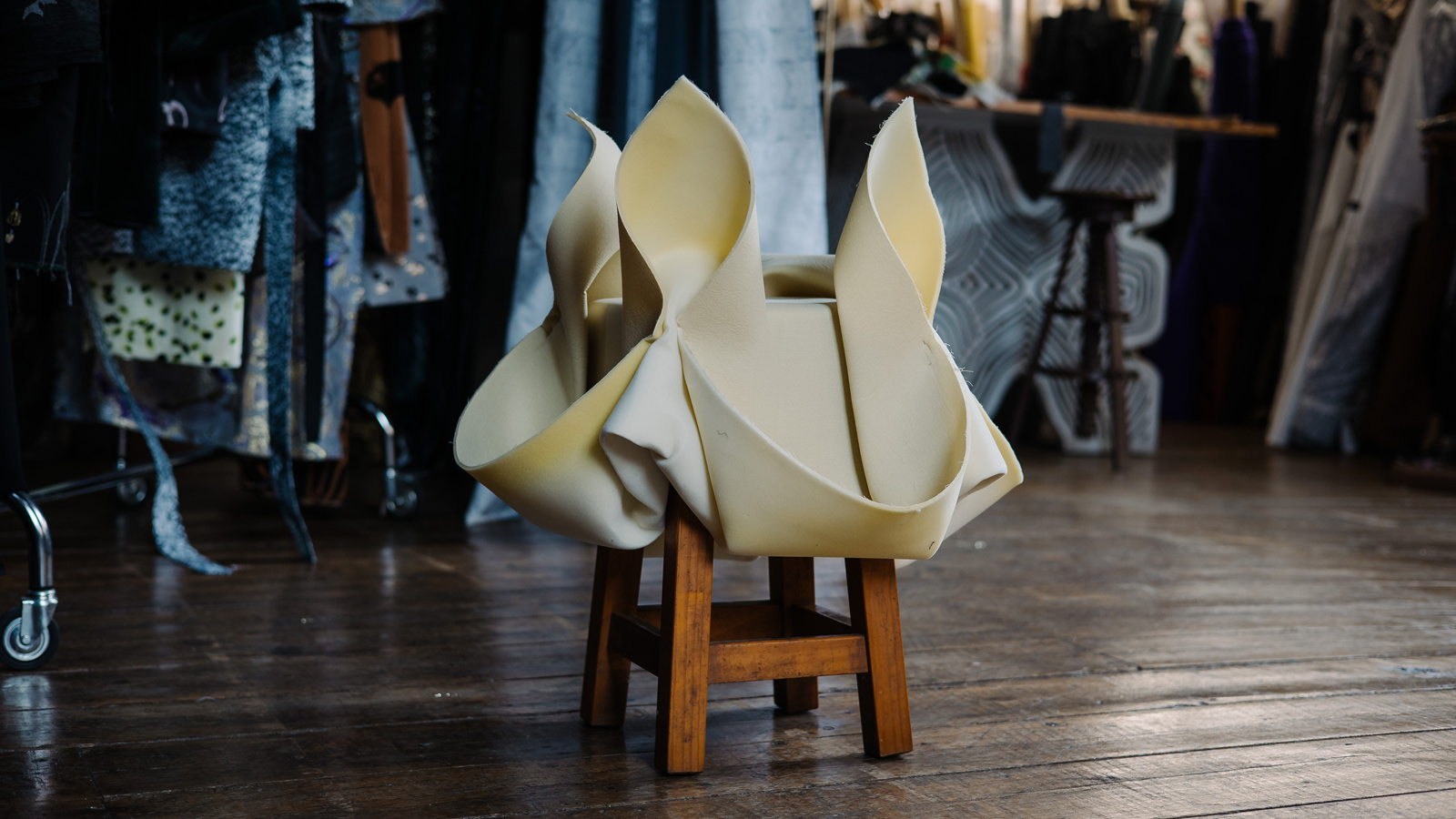
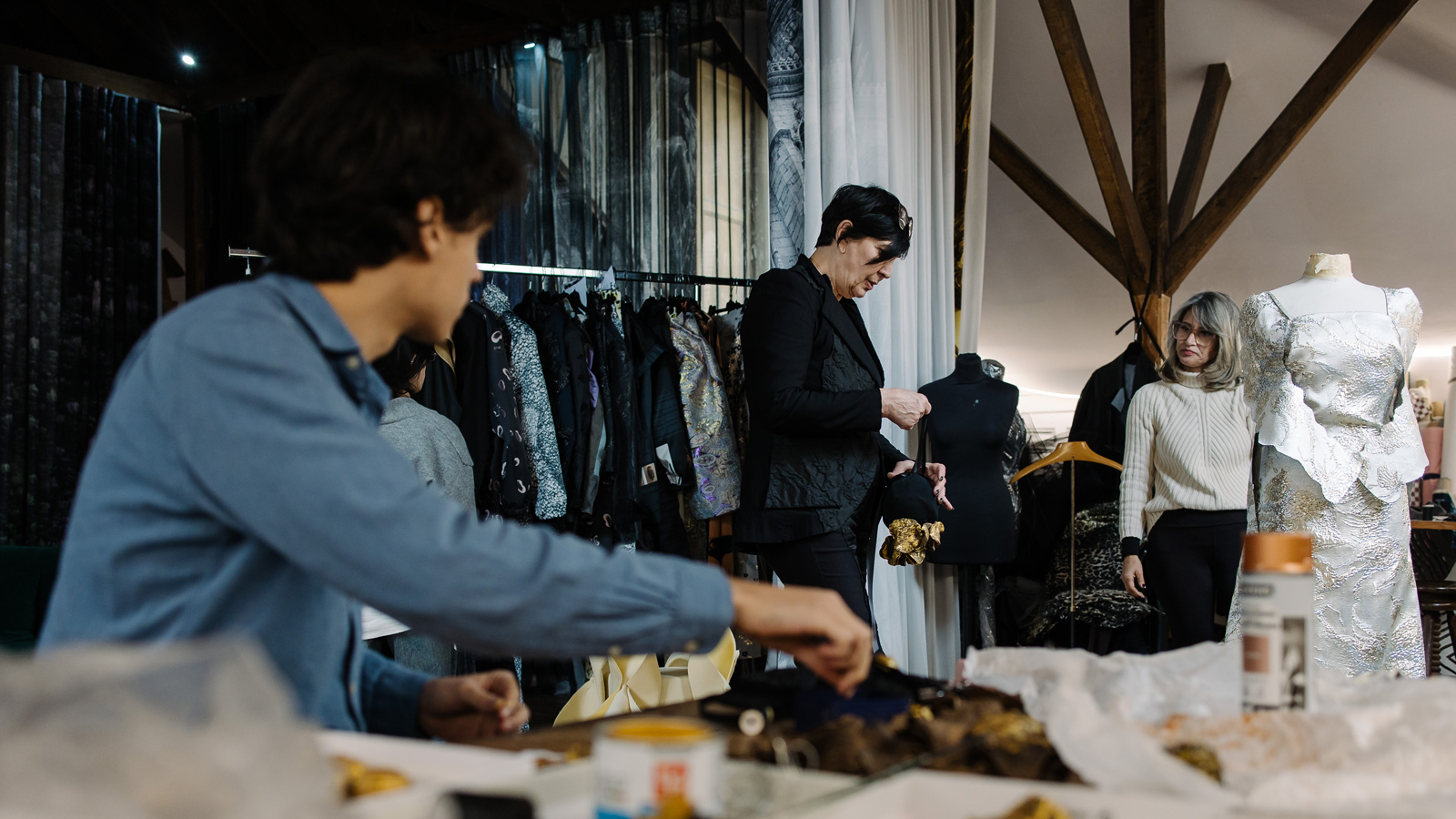
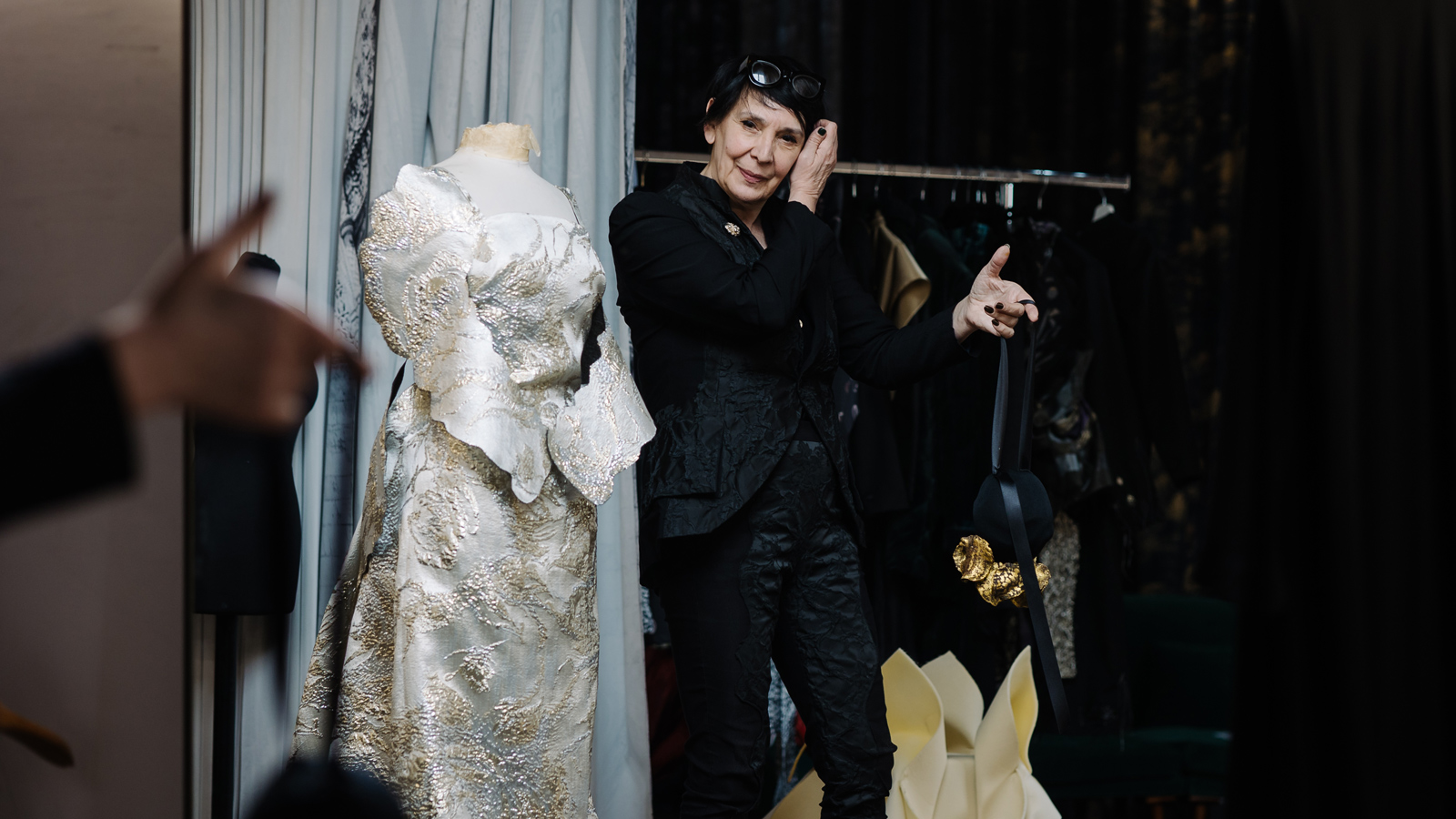
For instance, we had organza, which already had a kind of regular wrinkle. Then we cut other fabrics and placed them between two layers of organza, as if they resemble seeds or something from nature. Seeds can have any shape, so we had freedom.
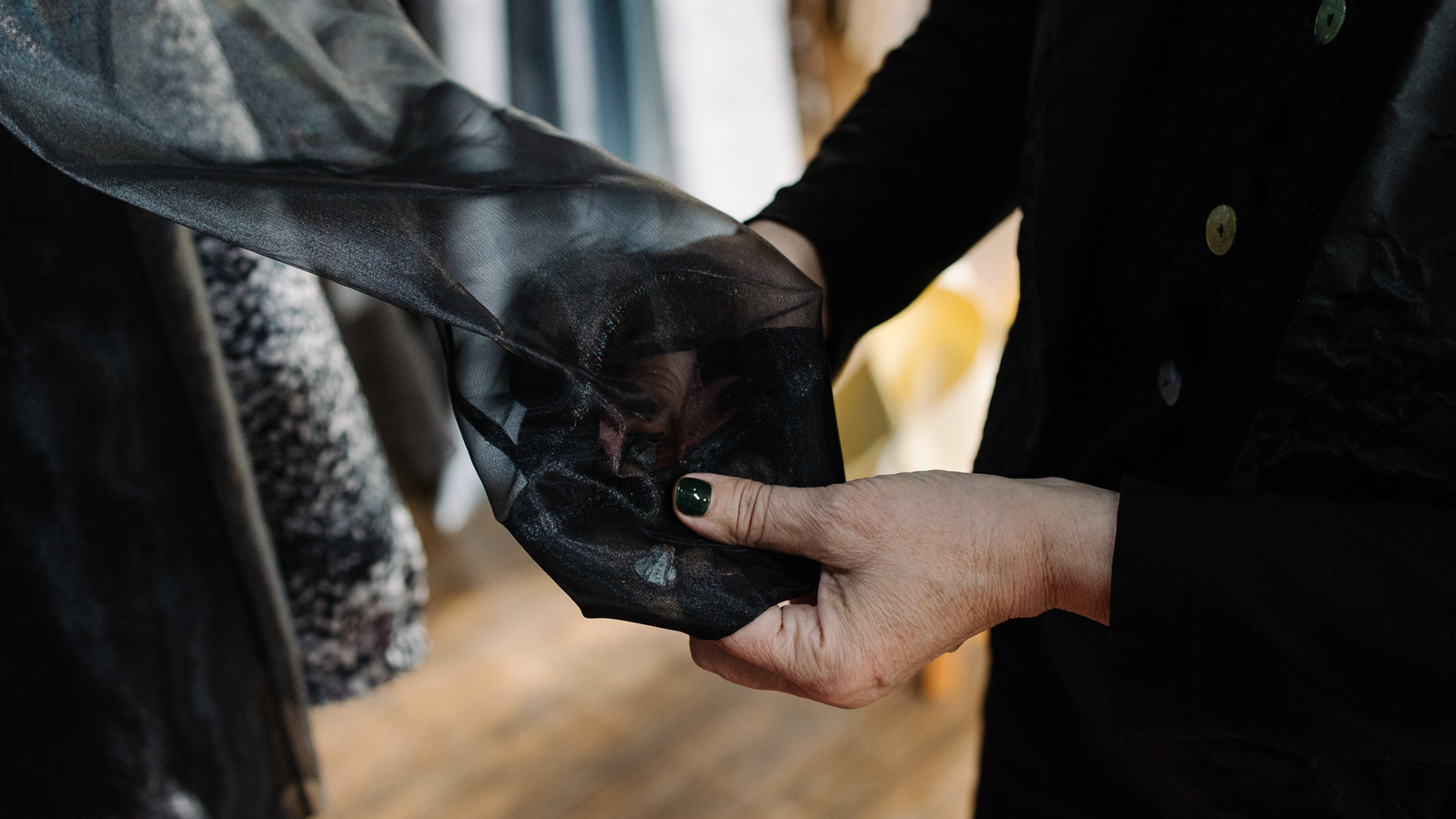
Another one is more free. It’s a silk organza that already had holes in the weave. We started going through those holes and draping fabric in an irregular way. We let it be – not so controlled.
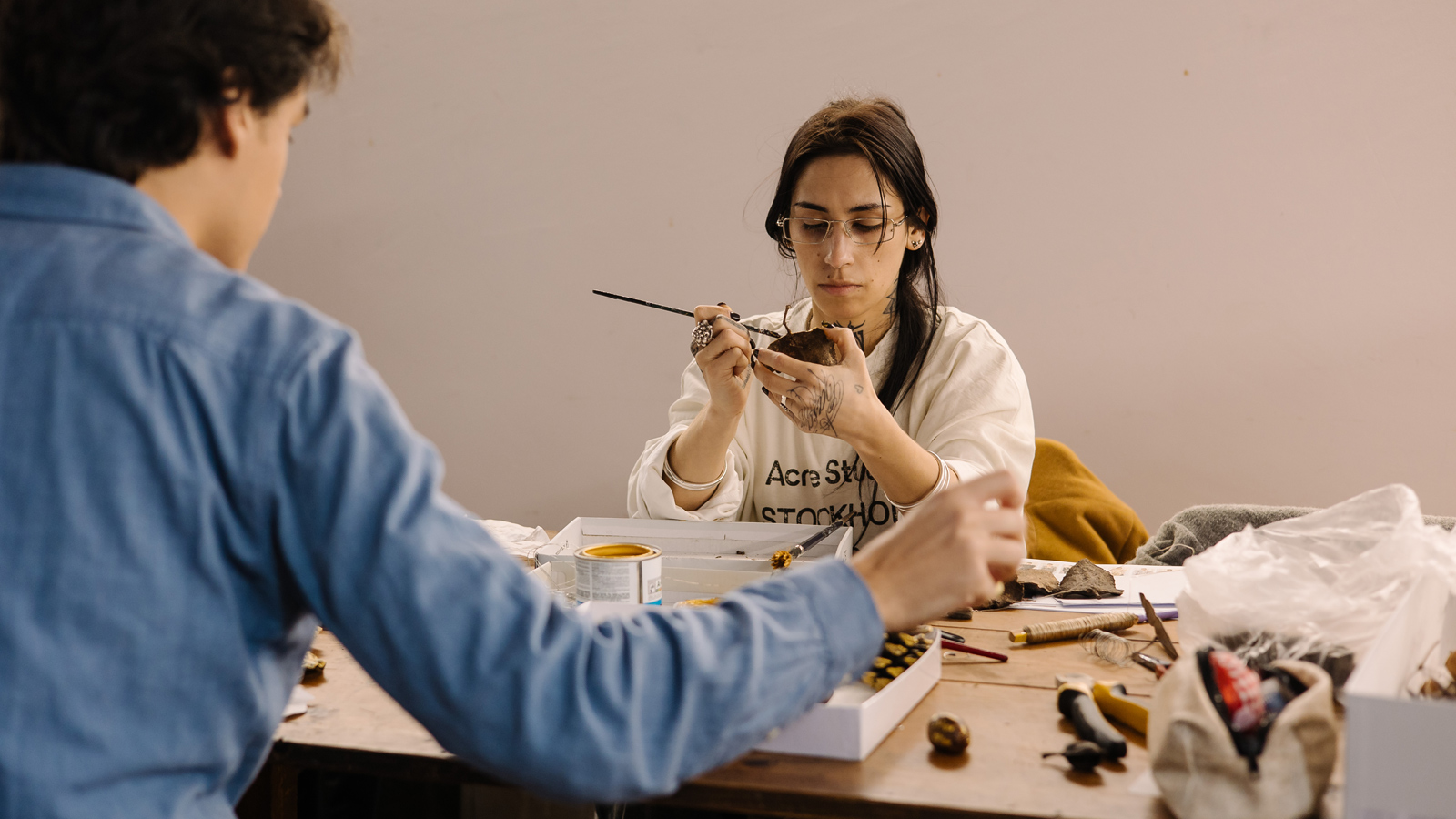
Another one is more imaginary, soft, almost naive, telling stories of what we see or imagine around seeds and their environment. It’s very spontaneous, intuitive work with the sewing machine.
Again, like seeds, they can be very different. The idea was to design in a way that every piece is different, like seeds. It means every moment is different. So everything is like a seed – we can use it as a synonym for potential. Something very tiny that can become huge. It can multiply. In its DNA it keeps information, like us. So in a way we are the seed. It’s an object and not an object.
JK: It’s also a living thing.
LK: It’s a living thing, yes. That sleeps. It’s so many things. That’s what fascinates me about seeds. And there’s an enormous variety. It goes across all cultures and continents. It’s influenced by climate. It’s a small act of faith. It’s memory. It’s a promise for tomorrow.
JK: You come back to the idea of the future. The seed is always indicating a future.
LK: Something will come out. Most of them – sometimes not. But there is always something that can come out. When we think of a seed, it’s like asking what will be – in this case, in 2026. So it is quite a strong metaphor for what’s happening and what we can make of it. It really feeds me to understand the moment we are crossing now. It’s potential, but also humble. It’s patience, and at the same time it’s striving and strength – looking for light, for solutions, looking to grow, to bring fruit, results.
JK: There’s a lot we can learn from seeds, and from the metaphor.
LK: Yes, if we watch seeds, they give us hope. And of course we need to save seeds, because that’s another aspect of what we’re living through – that seeds are genetically modified, which reflects in the food. It will influence our health. It’s also about saving them and understanding that probably their greatest potential is in their original state.
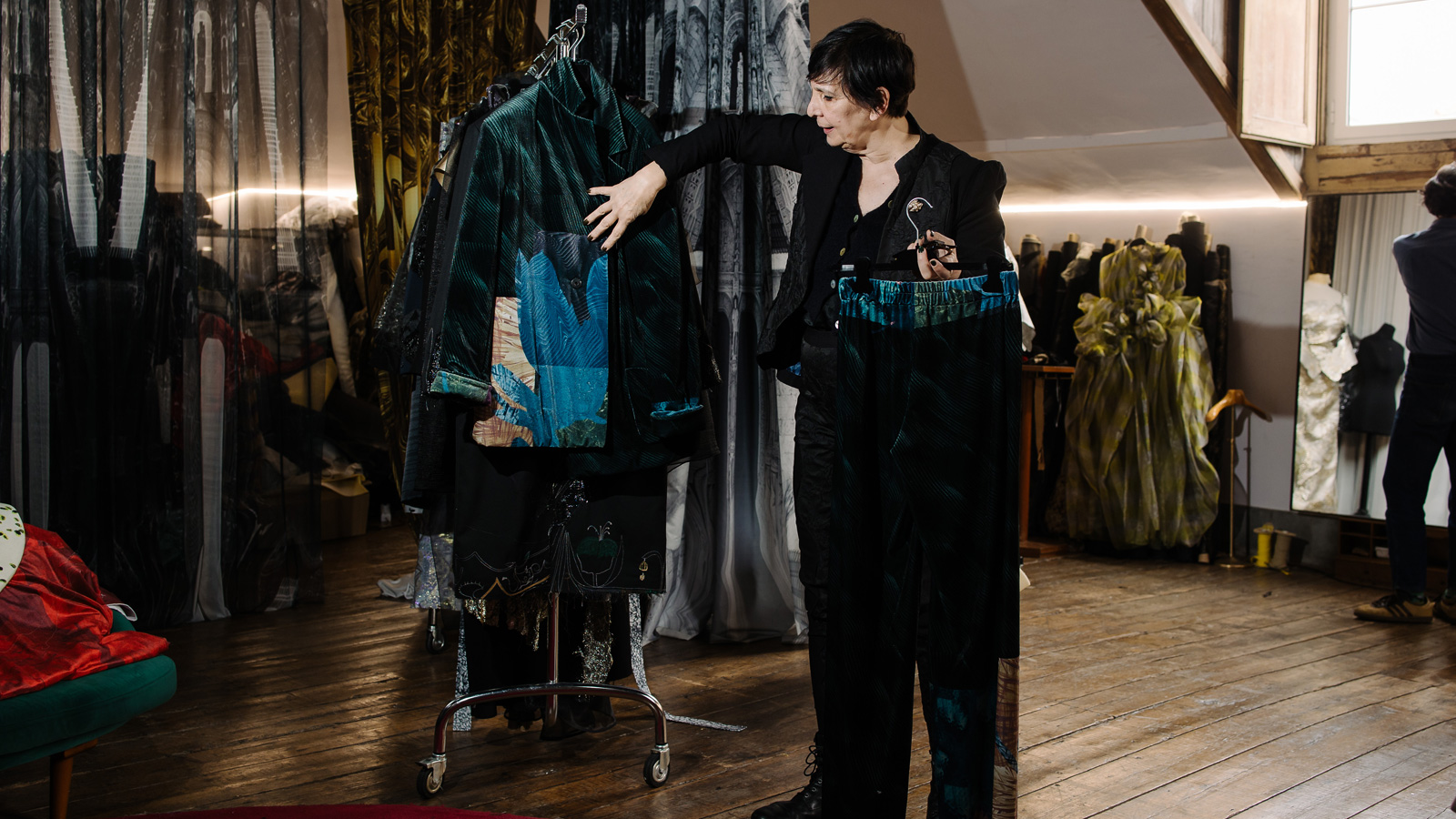
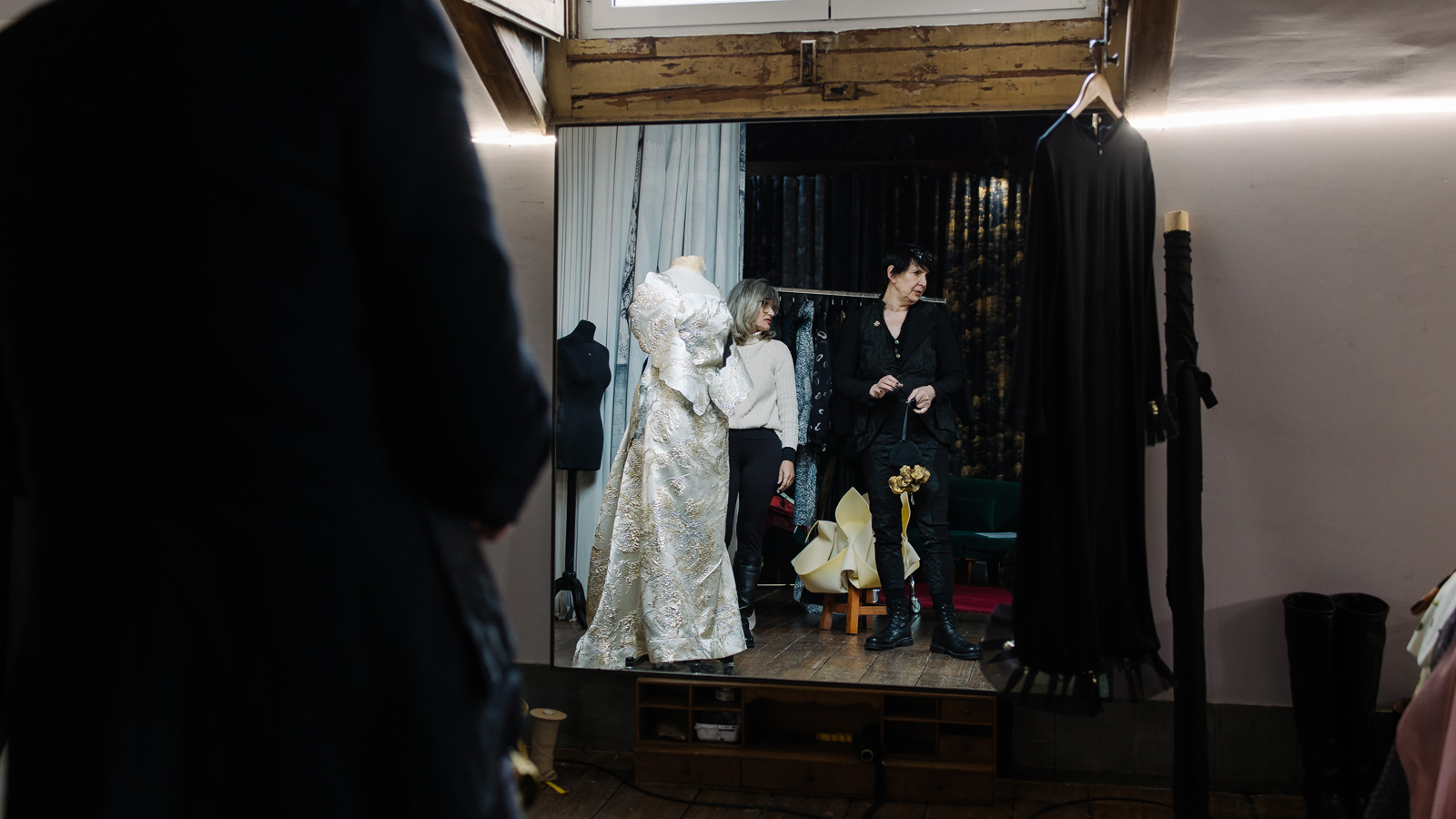
JK: So seeds represent a lot of hope, a future-facing gaze. But the collection’s title also says they need to crack or break in order to grow. So there’s also a moment of pressure or maybe difficulty.
LK: Yes, it could be difficulty. Or it is that you want so much to grow that you have to break. Like when we are born – we forget that. It’s this striving energy that wants to grow. The title says we need to break open in order to grow. So it’s also about accepting that as a normal process. Not taking it as something too hard. I use the word ‘break’ or ‘crack’ because it has to open, and to say ‘open’ is not quite the same – it has to go through something. Literally, when we see a tree and a green shoot coming out, it did open, it did break. We don’t know how it feels. How do we feel when we break something open in ourselves? It’s a moment of transition.
JK: And I think it can feel scary beforehand, because you have to put a lot of pressure to open something.
LK: So we have to practice that. And when it happens more times, then it becomes easier.
JK: Speaking about the inspirations for the collection – you used images as starting points for patterns. What are some other places where you draw inspiration from?
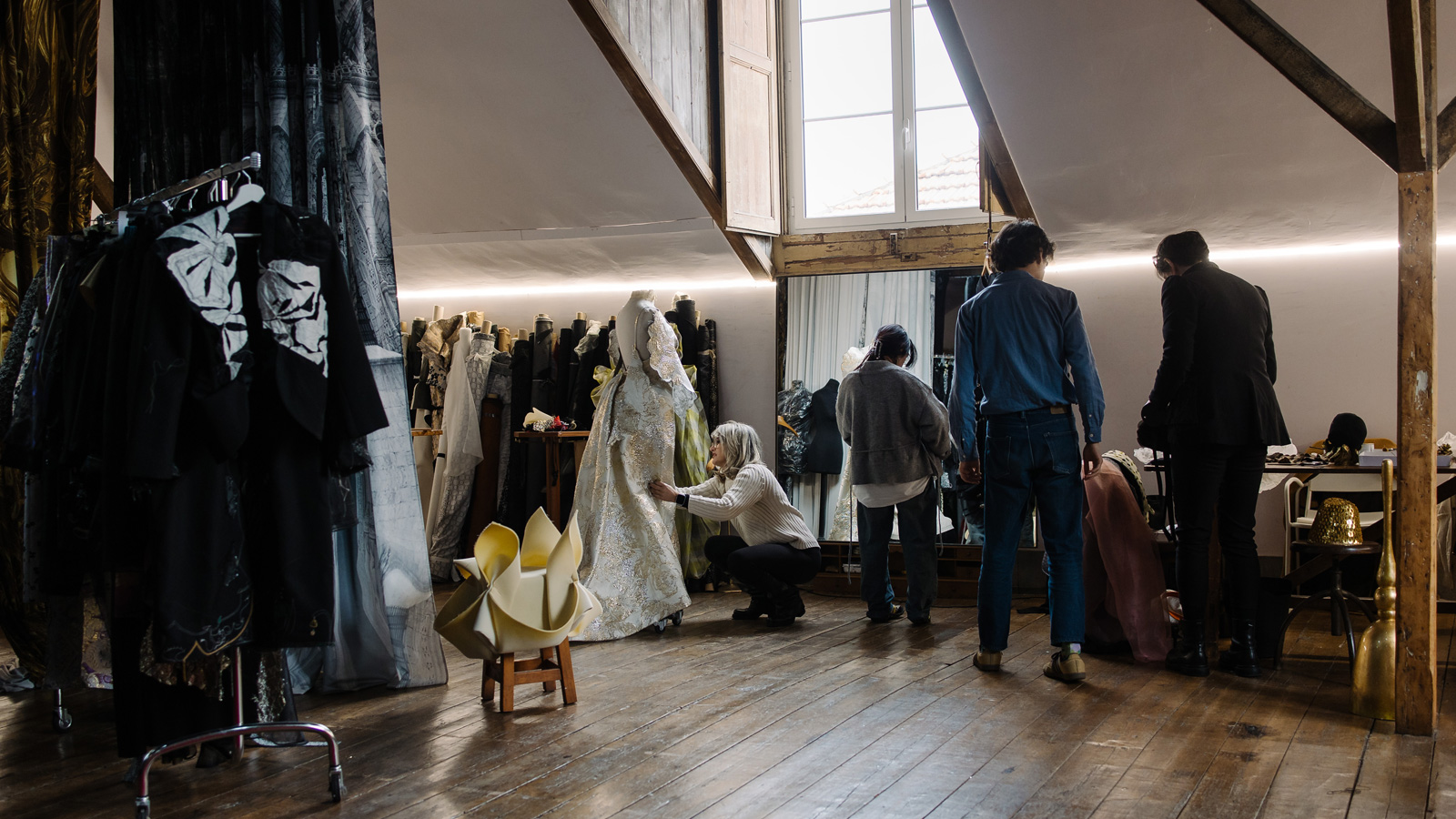
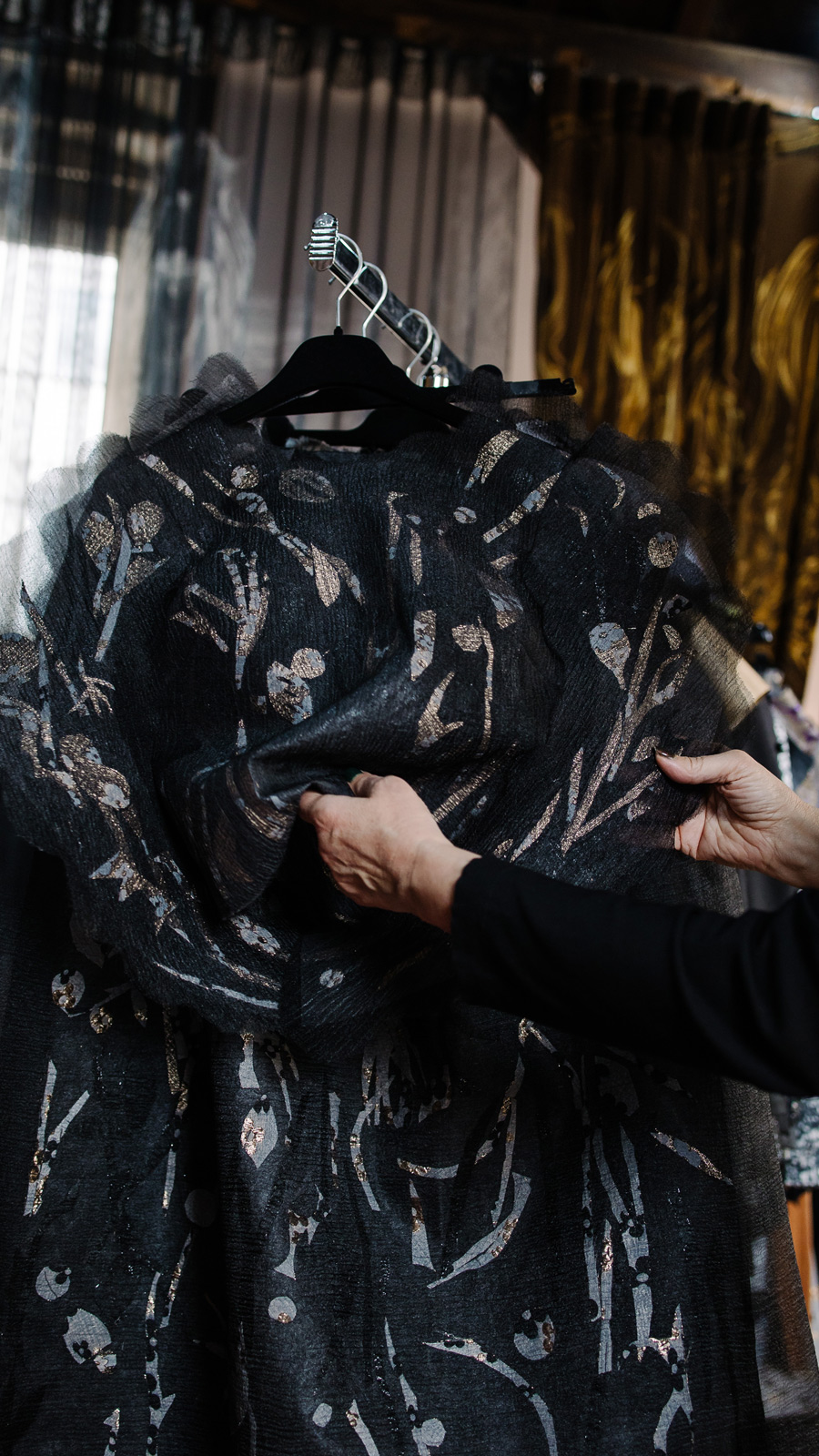
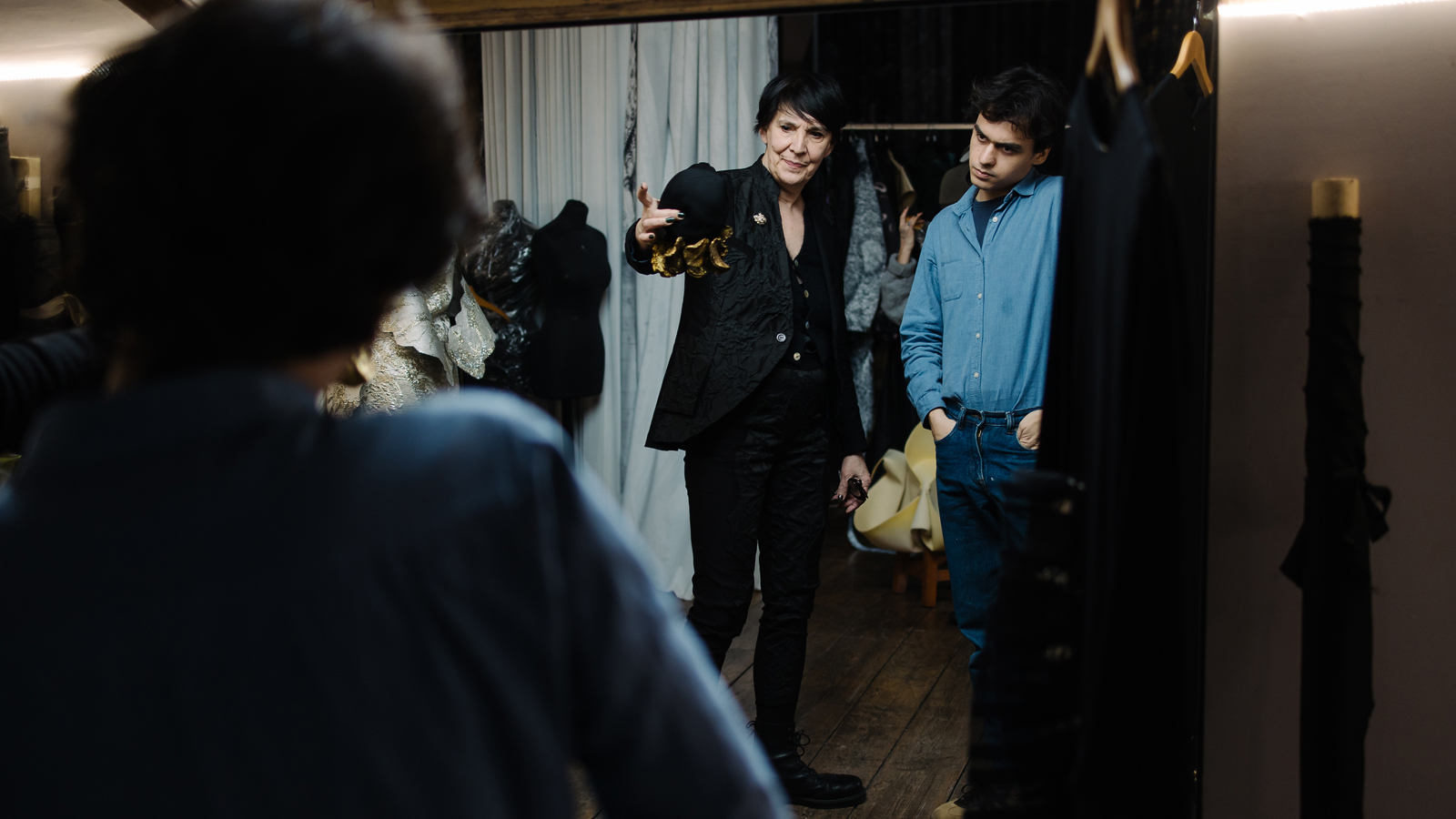
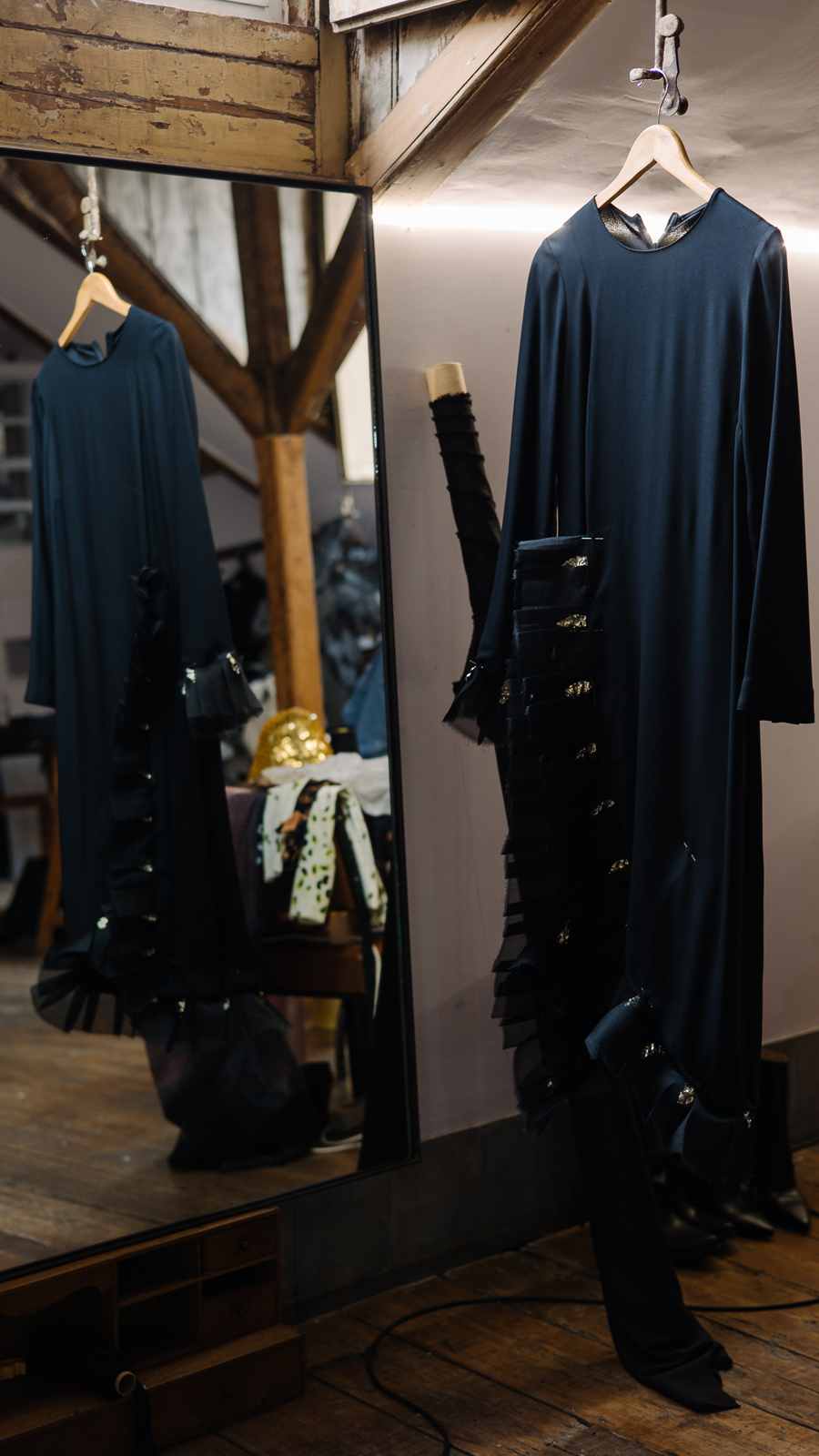
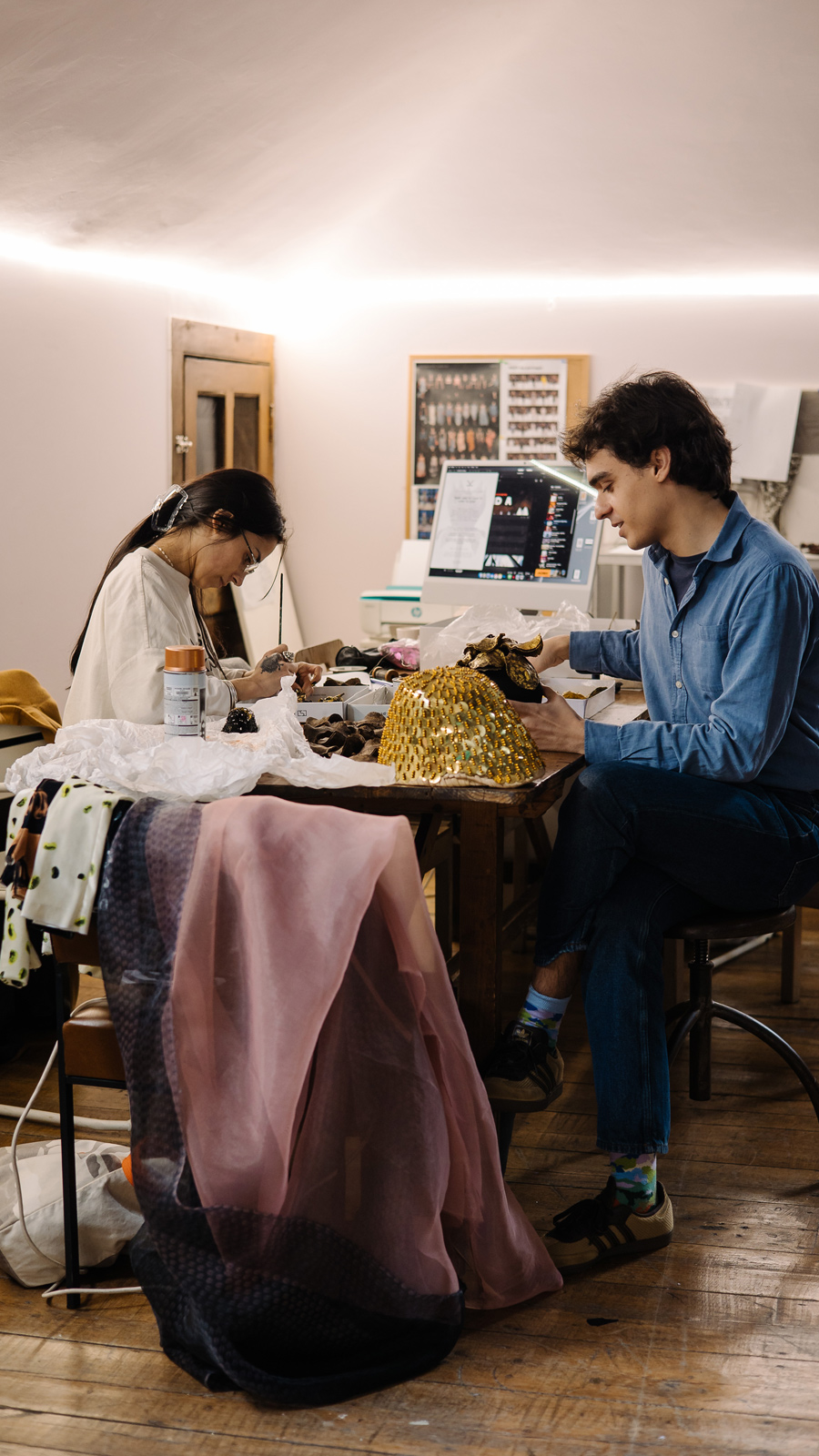
LK: Yes. We started with the Gulbenkian Garden and spoke with the lady responsible for the botanical part. We collected seeds and photographed them. And some patterns actually come directly from those seeds. I’m a bit obsessed that we get the shapes in the pieces.
JK: What can we expect from the event at CAM – without revealing too much?
LK: It is a show with models. The models will have a certain way of walking. There is music and sound that resemble the seeds. You can almost imagine what is happening with the seeds at that moment.
The public will not be seated. The idea is that they are very close to the models, that there is some mixing – not a selective environment where the public is here and the models are there. We are all together. That way they can feel it more closely and understand the idea.
JK: Did you work with someone on the sound and music?
LK: Yes, with Nelson Gomes. He has worked on music with me for many years. I think the music will be very interesting. It has something very deep. You really feel the sound connecting with what you imagine. You feel the seeds through the music.
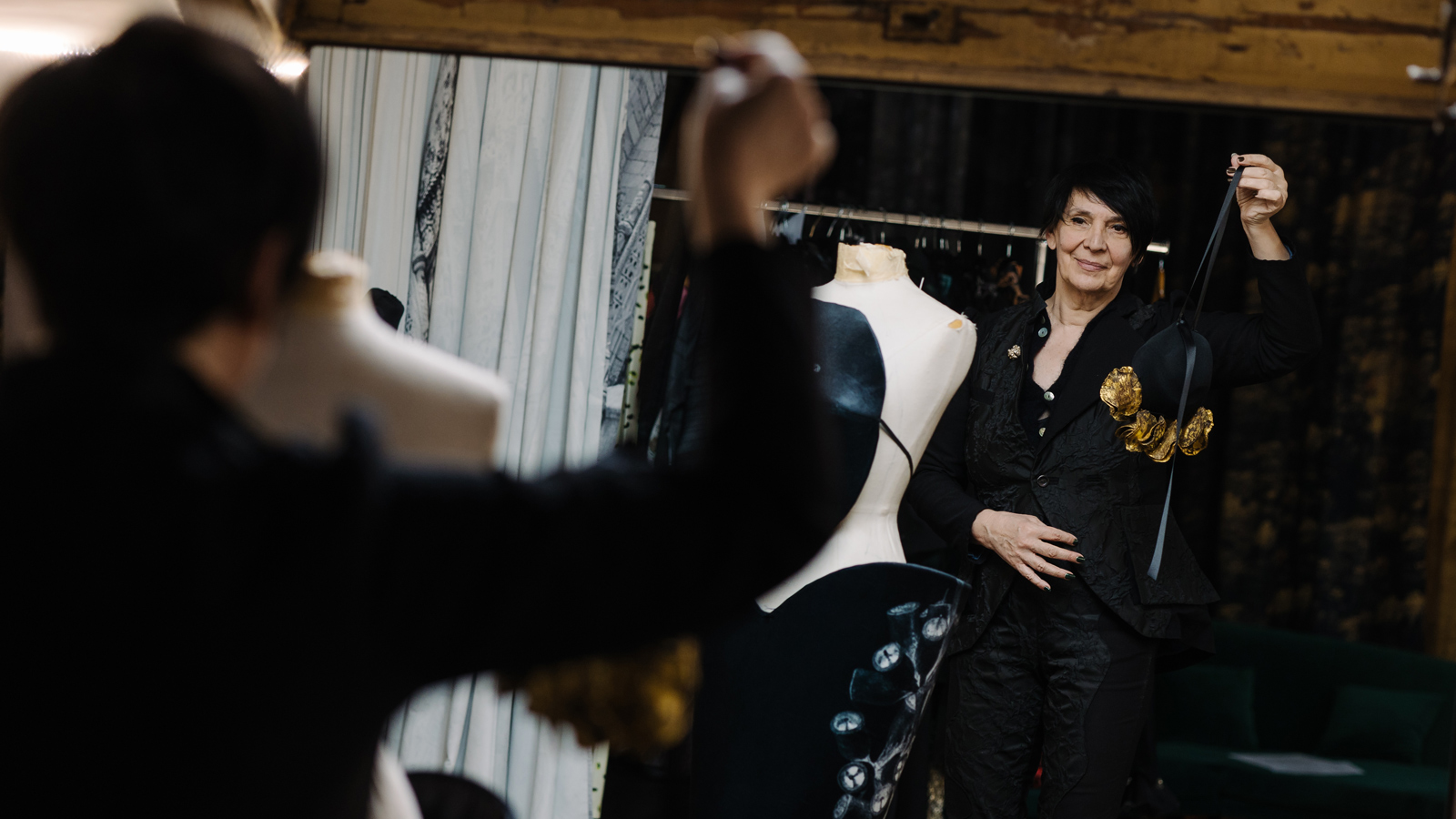
JK: That sounds beautiful. And regarding this collection, but also in general, what is your idea of success? What does it look or feel like?
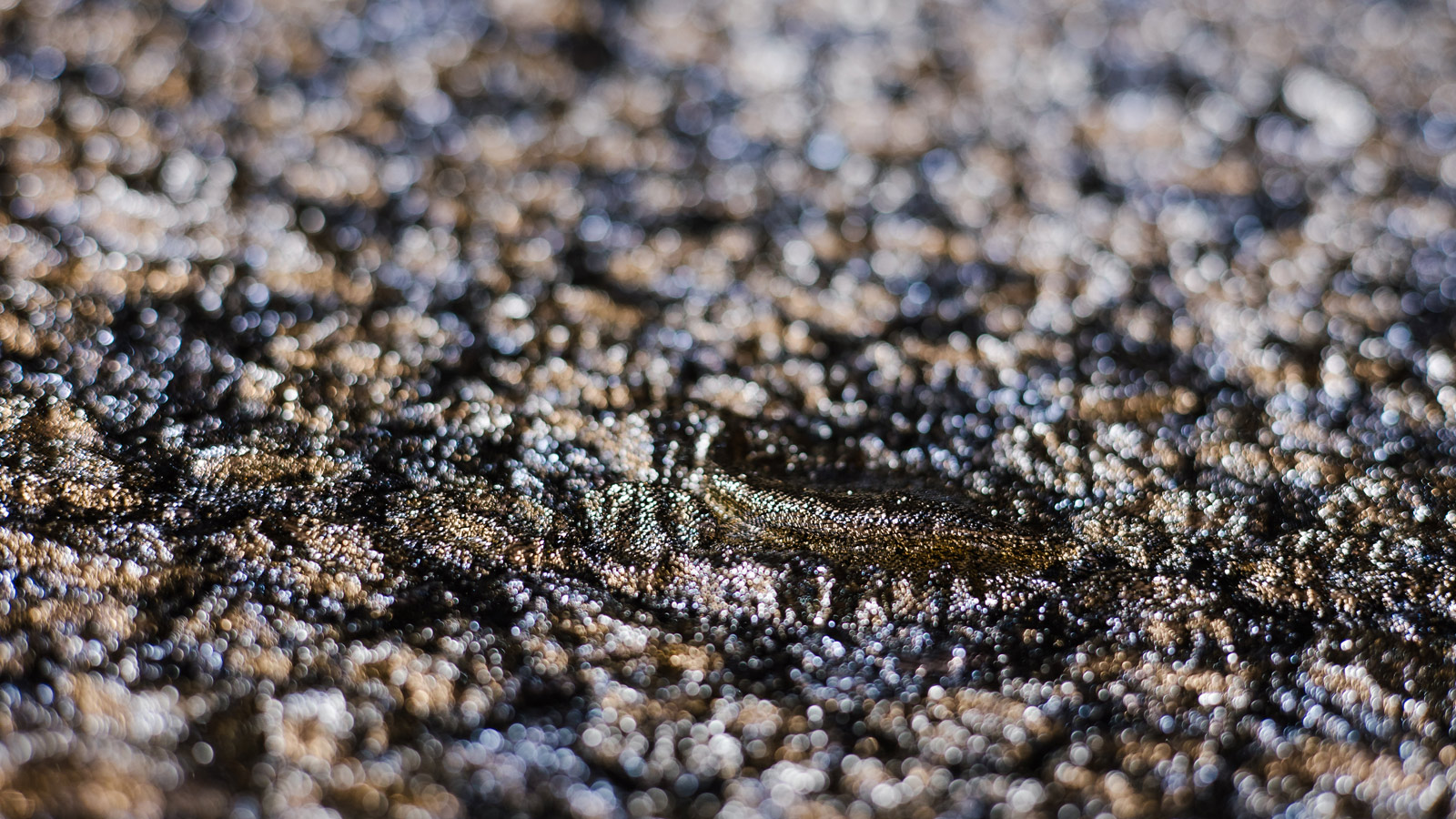
LK: Well, there are different aspects in the work that we propose. We’re working with the body and what is desirable to wear. So it’s about beauty. There is also innovation, and showing different techniques. For instance, now we manipulated fabric in a different way, creating textures and putting together scraps to create a visual story, like seeds scattered on the ground. And I always have this drive: ‘It’s too normal, or it’s too elegant, or it doesn’t correspond to the feeling.’ I have to destroy it a little bit. I have to make it more surprising for myself, produce something weird, something new and non-conventional.
You may also like
No results were found for your criteria.