
Katharina Lackner and the art of becoming a child again
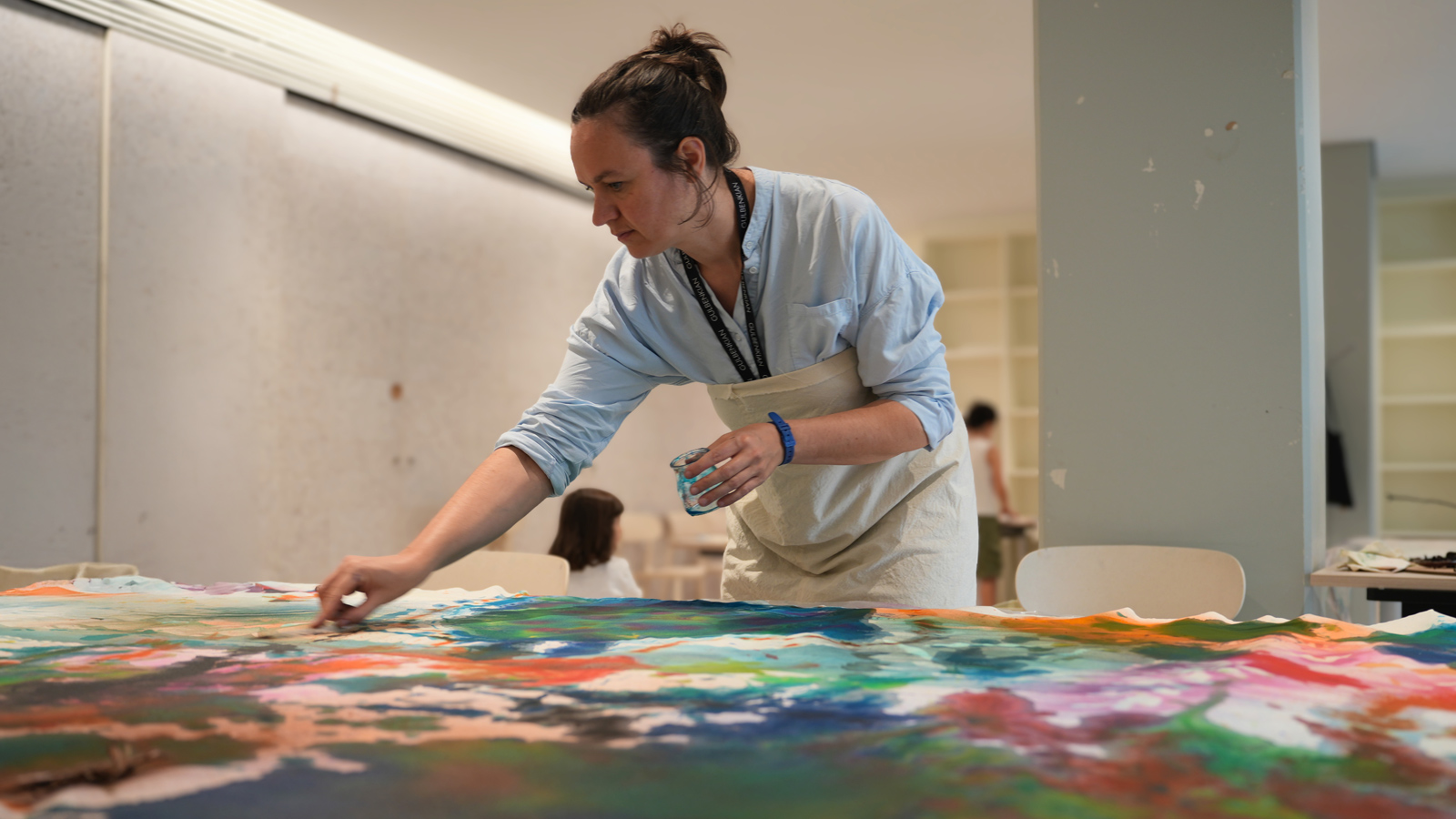
Where does creativity come from? What drives us to take what already exists and shape it until it becomes something else? A close friend of mine calls it the spirit of the thing – that invisible force that runs through us when something asks to be created. On the 31st, I woke up early and went to the Calouste Gulbenkian Foundation, not in search of answers, but driven by the curiosity to create a dreamlike landscape.
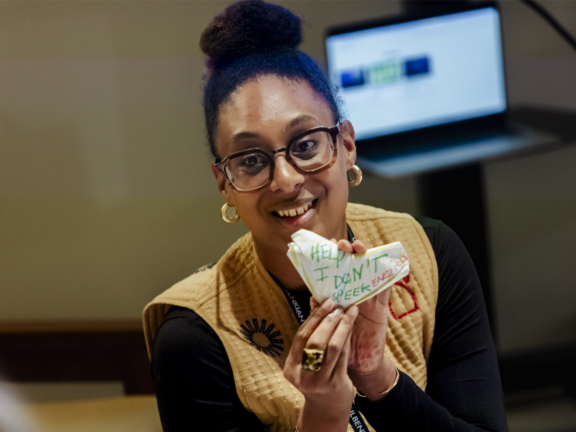
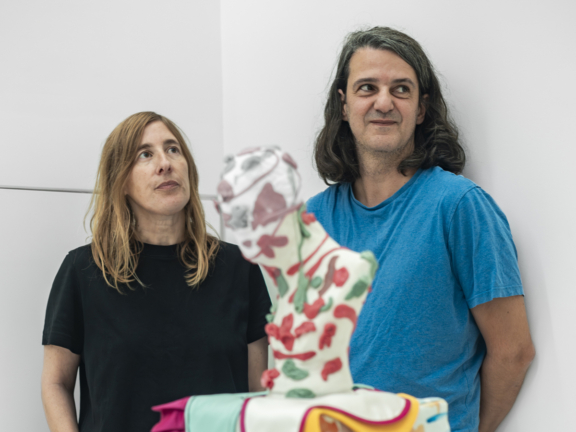
This was the starting point for Austrian artist Katharina Lackner’s open residency at CAM: an invitation for children and adults to gather traces of nature – leaves, twigs, memories, dreams – and, using paints and fabrics, to give them new form.
Katharina’s work is born from this impulse to play and use one’s hands. ‘To try things out. Exactly that. And to have fun, especially also to have fun’, the artist tells me, adding: ‘We don’t always have to work towards a product. Sometimes it’s so good just to enjoy the process.’ And that was precisely the challenge embedded in the invitation.
But being an adult in 2026 means living under constant pressure to achieve more, to go further, to live up to what we see on social media and what the much-vaunted Artificial Intelligence promises us. How do I resist that pressure and simply immerse myself in the process?
Perhaps that is why Katharina prefers to work with children: ‘I just have to create an environment where they can… I don’t know… expand or grow.’ They don’t dwell on issues for long; they embrace the challenge.
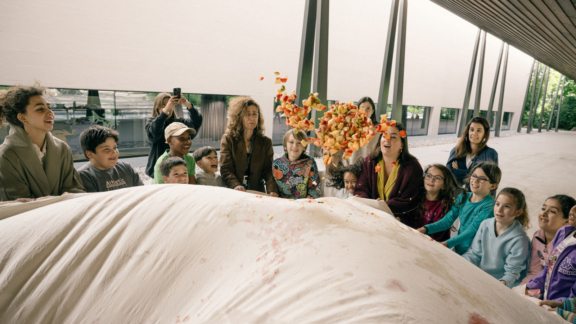
And that is precisely what happened in that light-filled room on a bright Sunday morning in Lisbon. The children opened up.
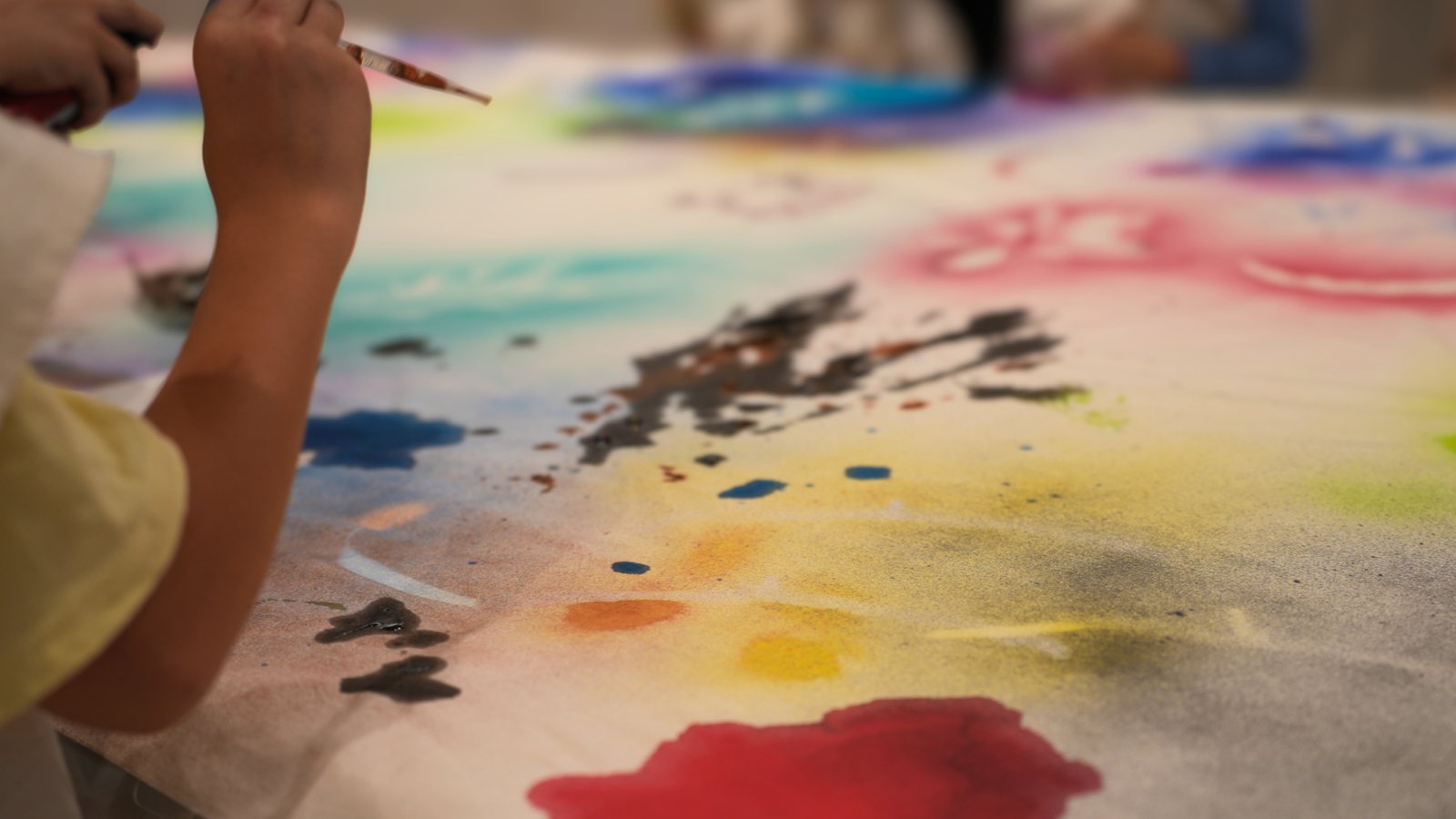
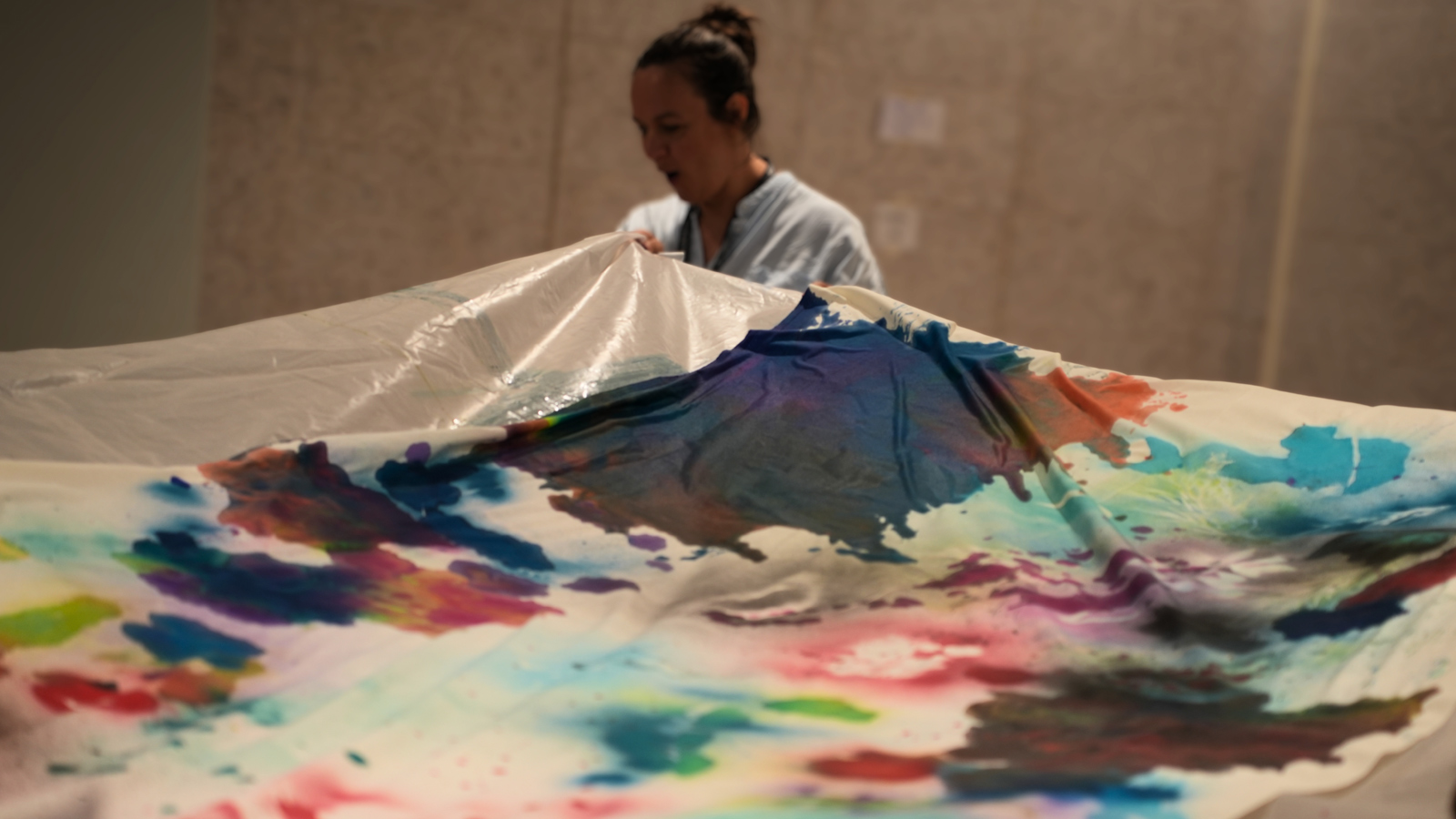
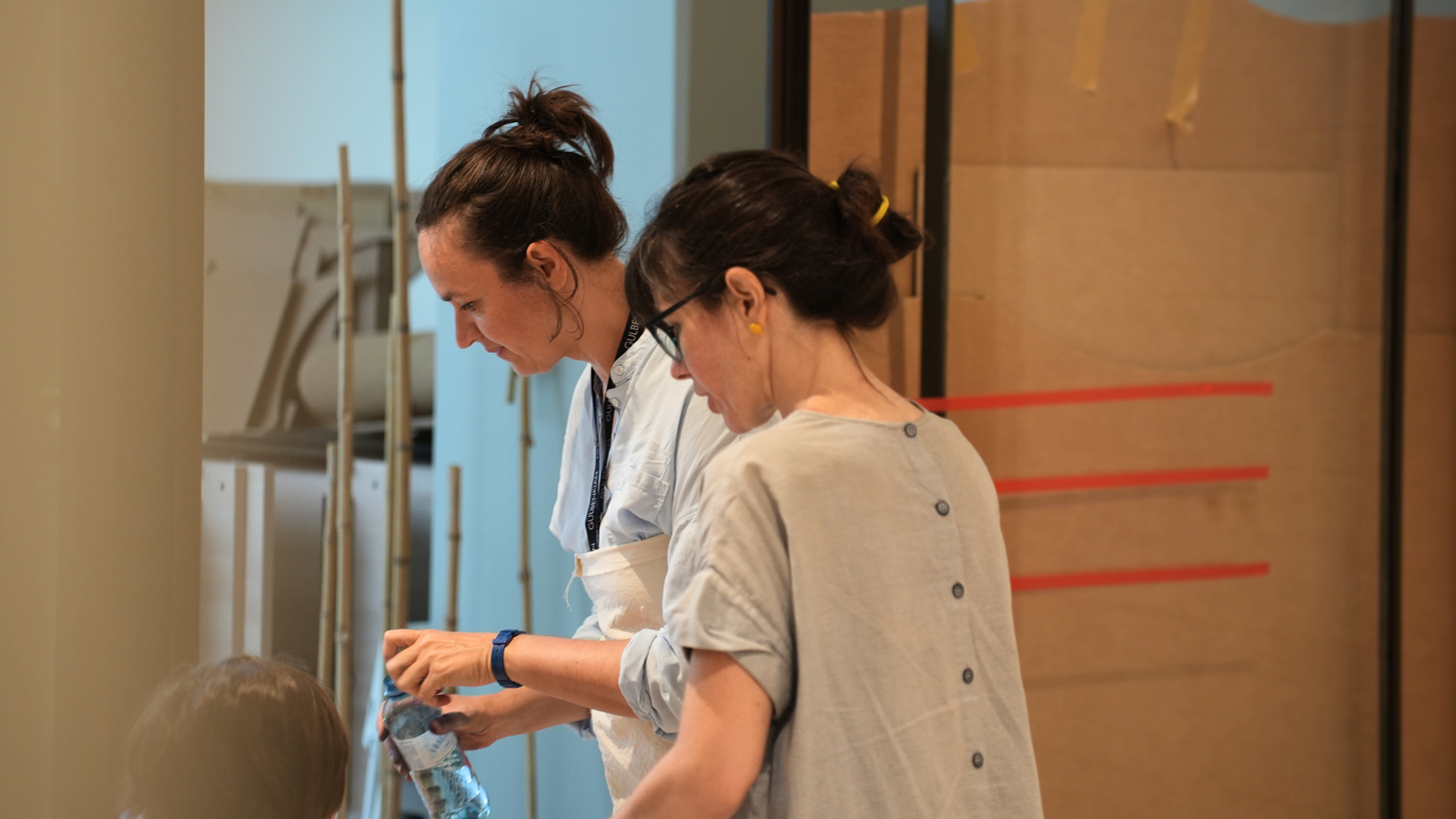
The space filled with eyes – shy at first – as if they were carrying a slight unease and asking: ‘Why have they brought me here?’ But they quickly found objects they had always recognised: leaves, twigs, paints… And they had their favourite tools: their own hands. There was only one thing to do: experiment, mix, touch, use what they’d been taught and, of course, do the opposite of what they’d been asked to do. There was no fear of making mistakes, because nothing could go wrong.
‘Dad, look what I’ve done, now you have a go.’
‘What colour is this one I’ve come up with?’
‘Can we do this at home?’
The room was filled with the voices and smiles of those living in the moment. That was when I put down the camera and went to get my hands dirty too. I used leaves as stencils, others as stamps, mixed colours and lost myself in those analogue tools, like someone returning to an old dream within themselves. It feels so natural to get our hands dirty in play, it’s like becoming what we once were.
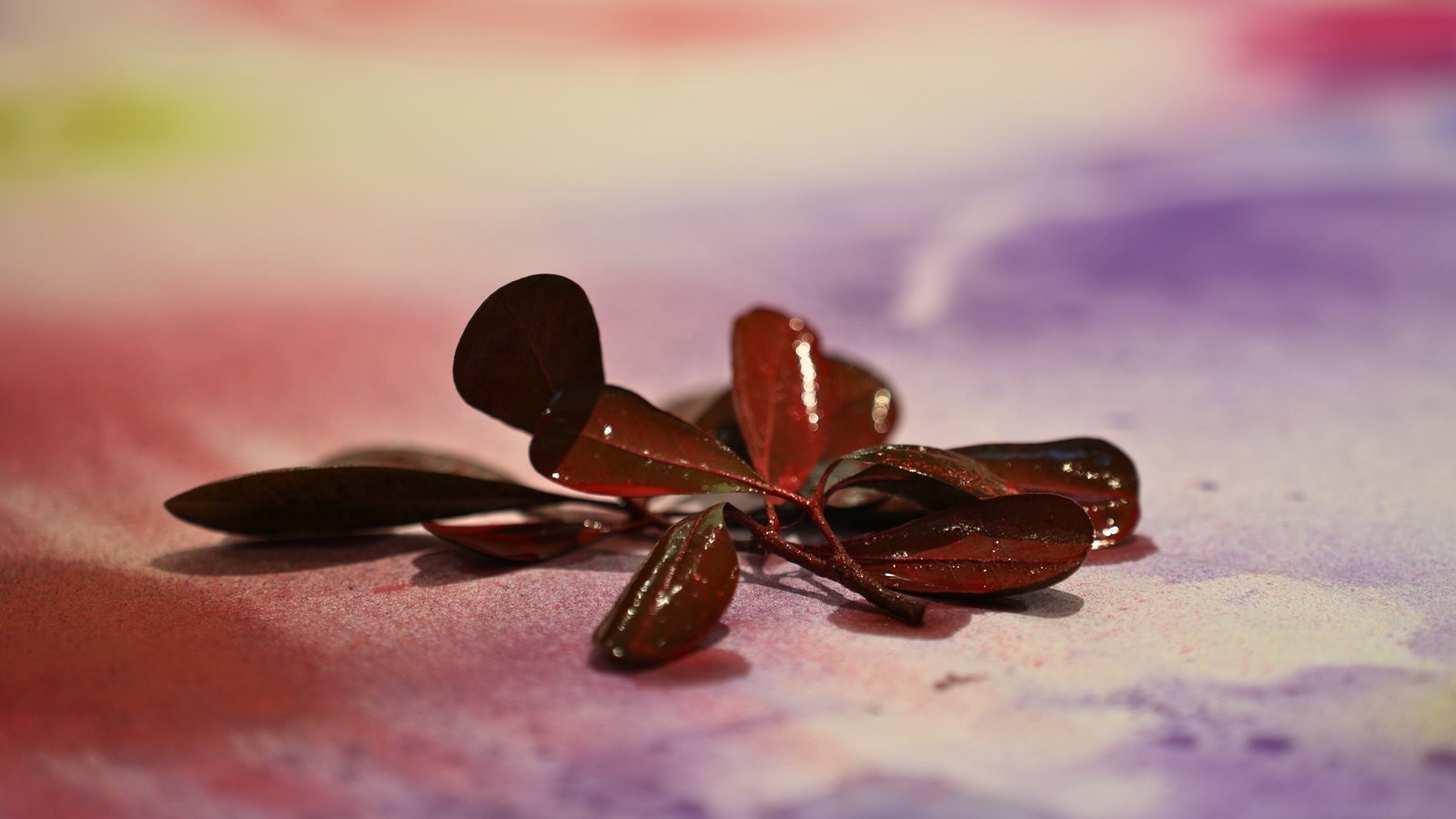
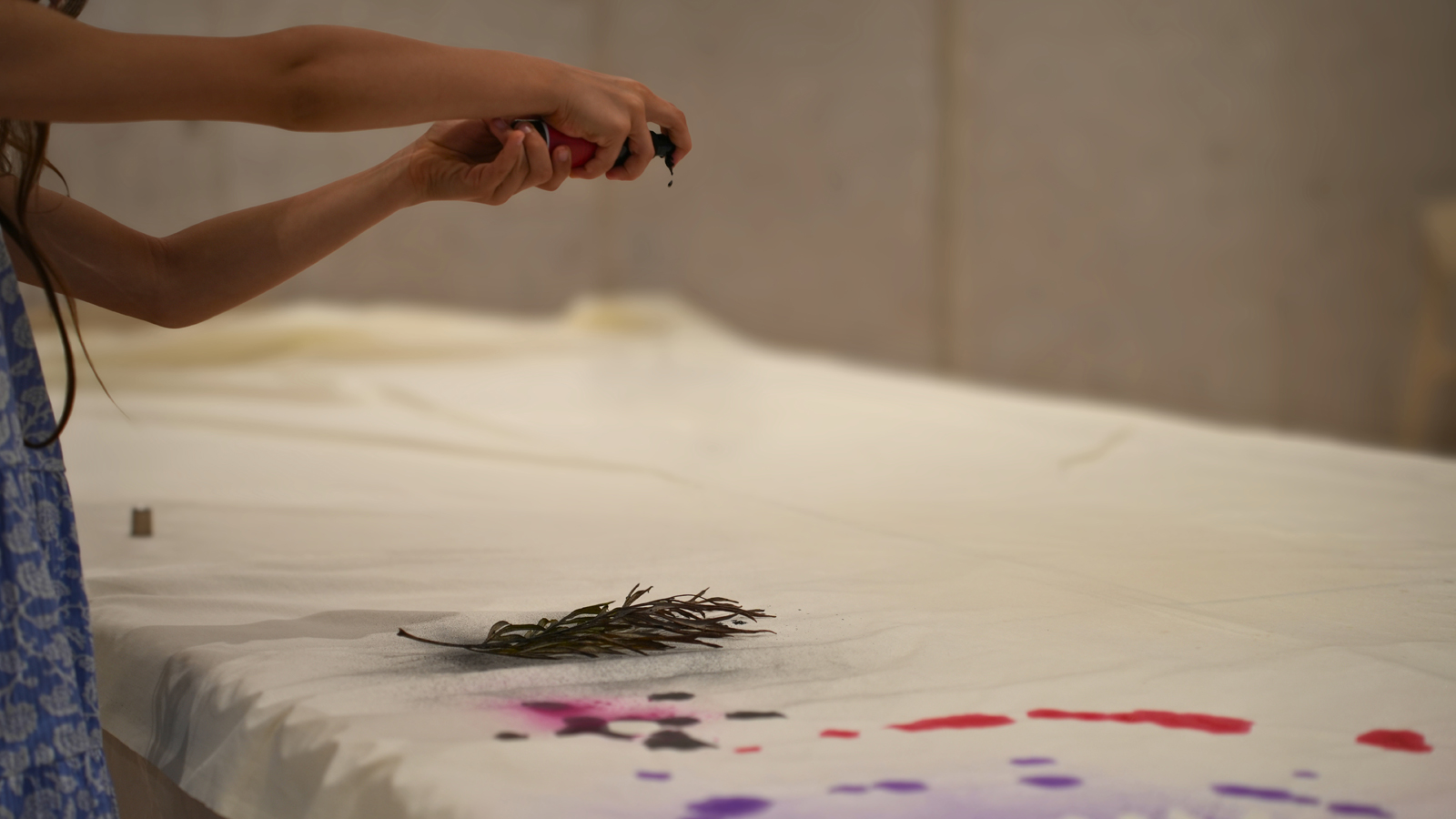
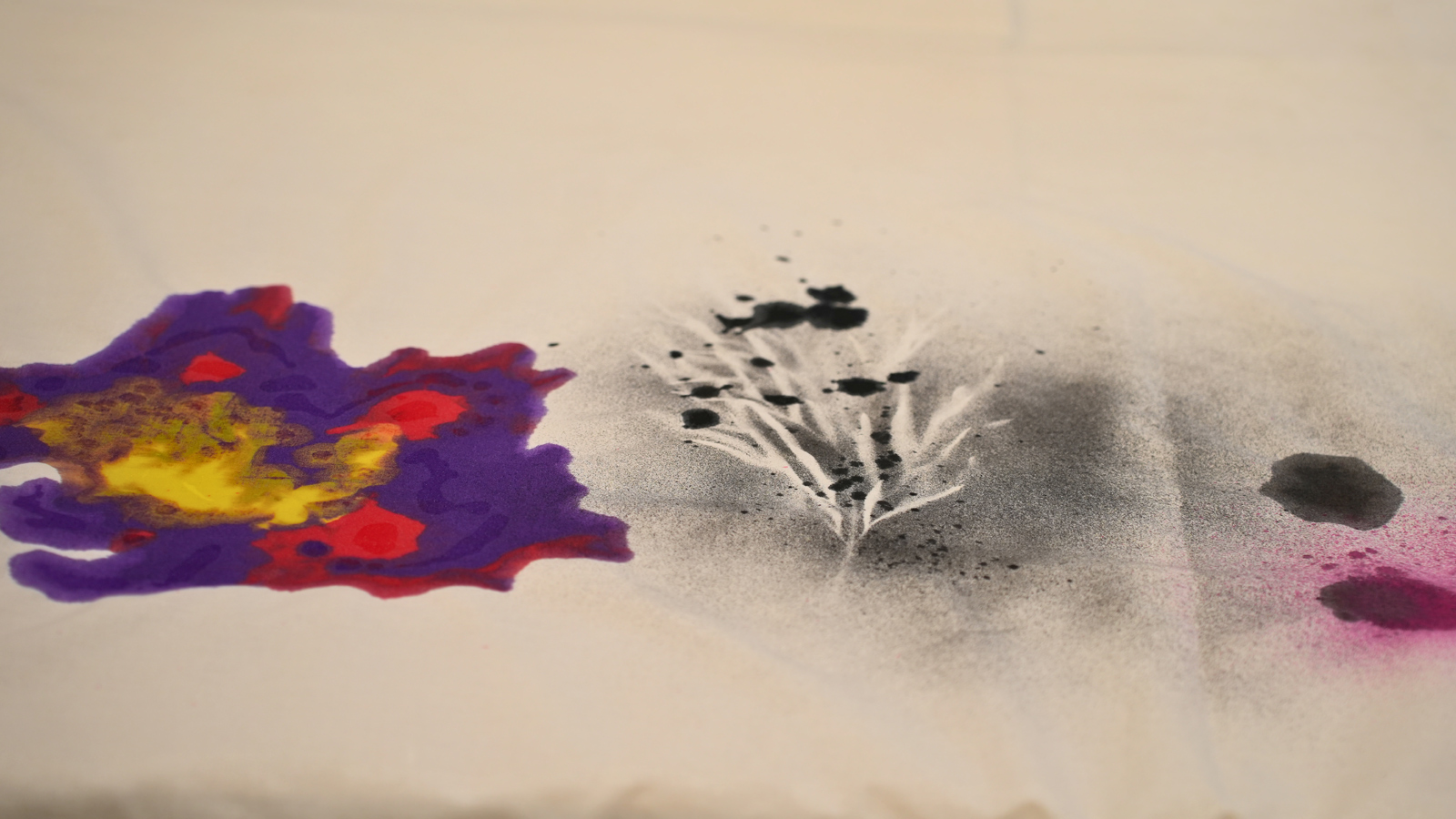
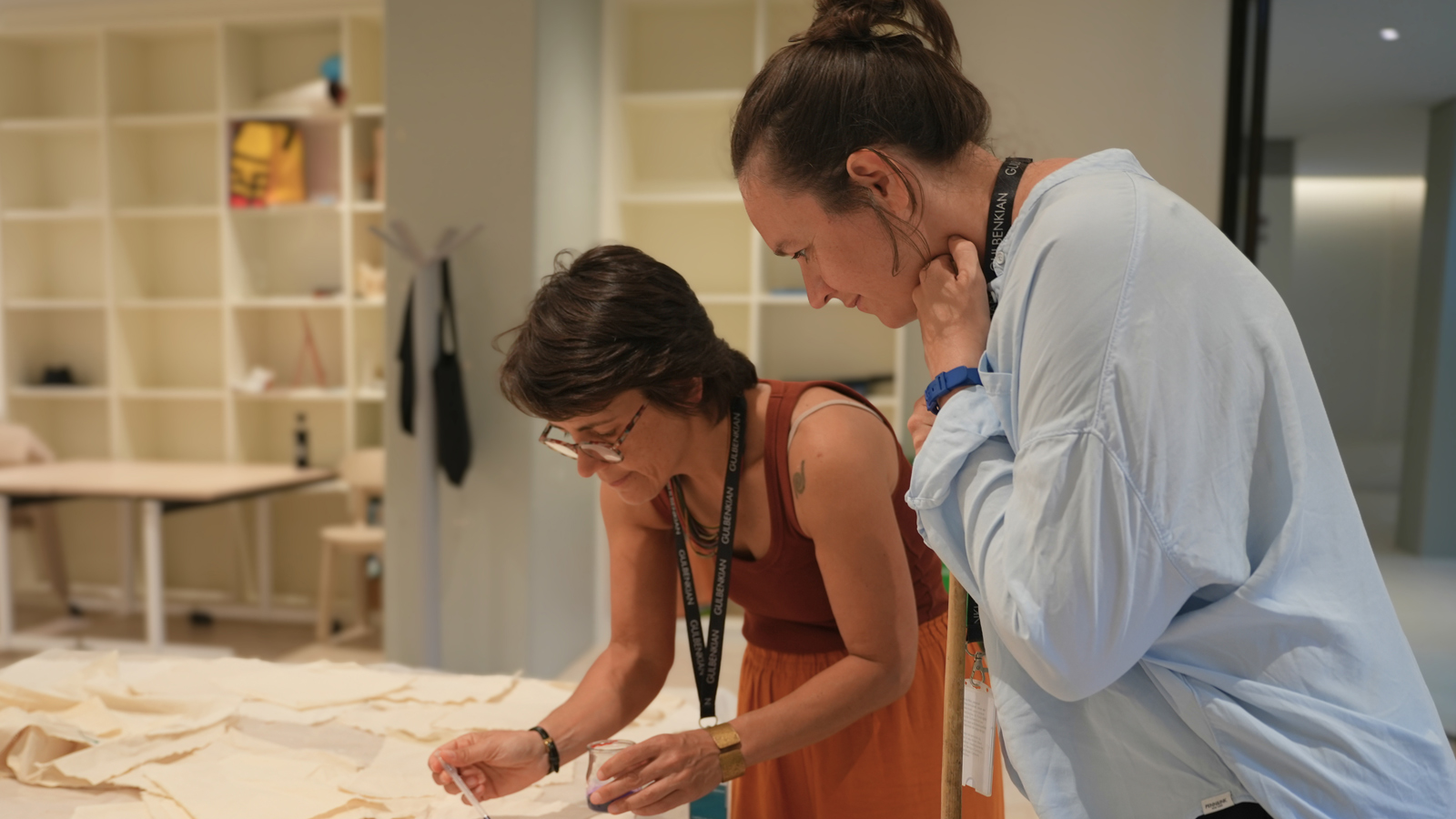
Perhaps that workshop wasn’t just about making art, but about reminding adults like me what it’s like to be a child – and, in doing so, rekindling the creativity that still lives within us.
Katharina told me about a study NASA carried out in the 1960s in which they tested five-year-olds and found that 99% of them had creative potential on a genius level.
Five years later, that figure had fallen to 30%. By the age of 21, only 3% remained.
And at 47… what percentage is left for me?
The truth is, it doesn’t matter. Today I don’t need answers. Today I choose what I learnt from Katharina – and from all the children in that room – and I surrender myself to the process once more.
BANTUMEN at Gulbenkian
Explore the series



No results were found for your criteria.
You may also like
No results were found for your criteria.