
Piny: ‘The idea of inclusion comes from a place of hierarchy’
-
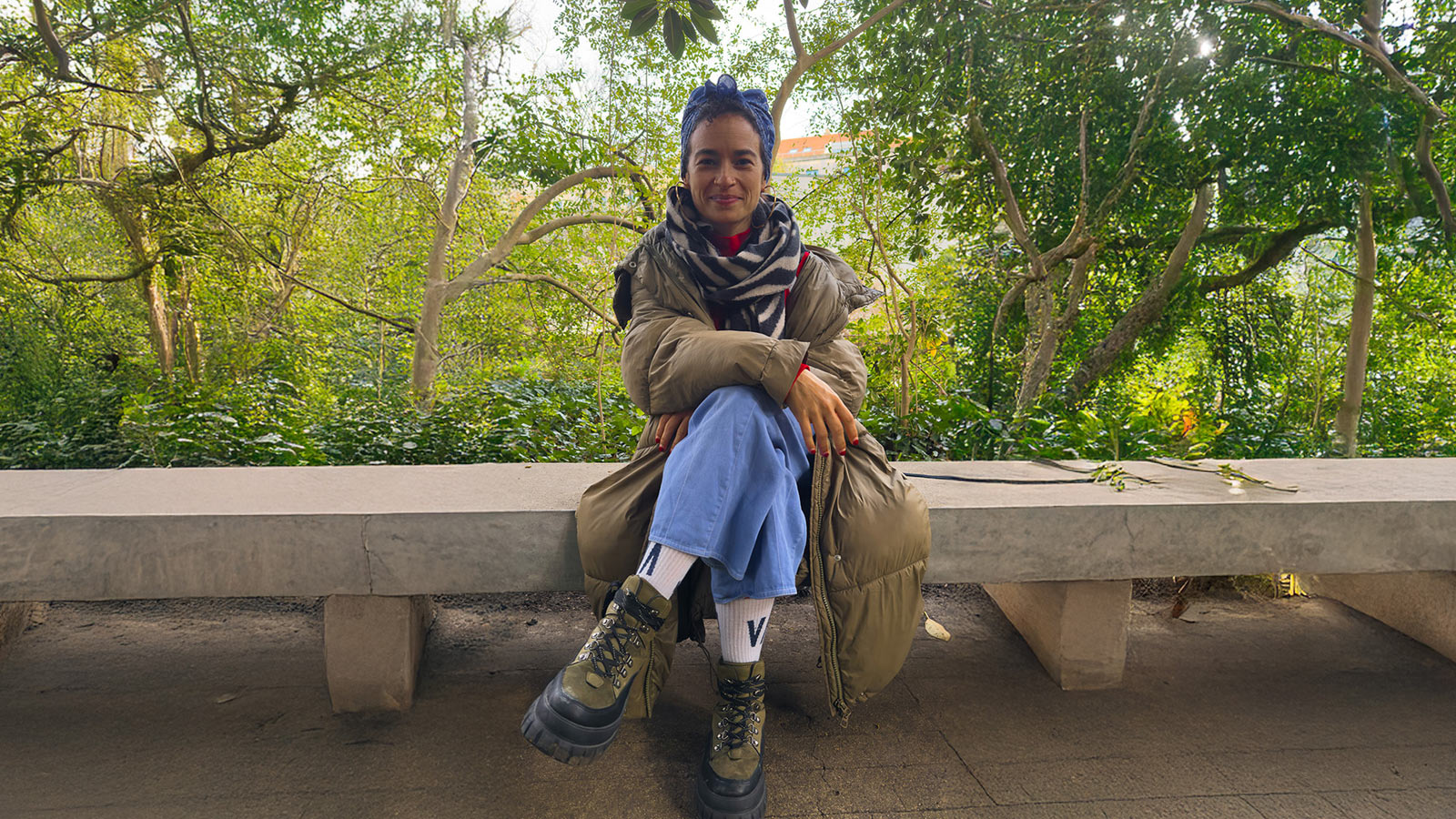
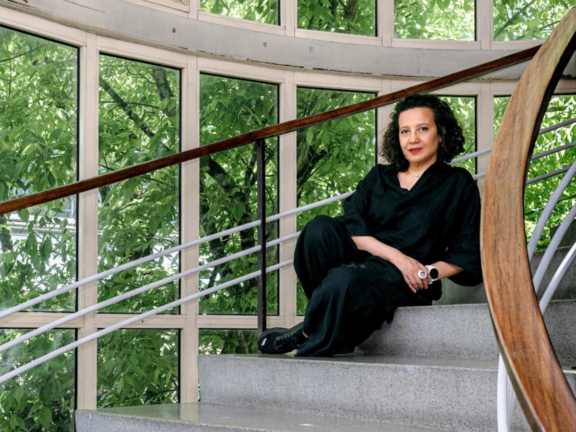
© BANTUMEN/Nuno Silva
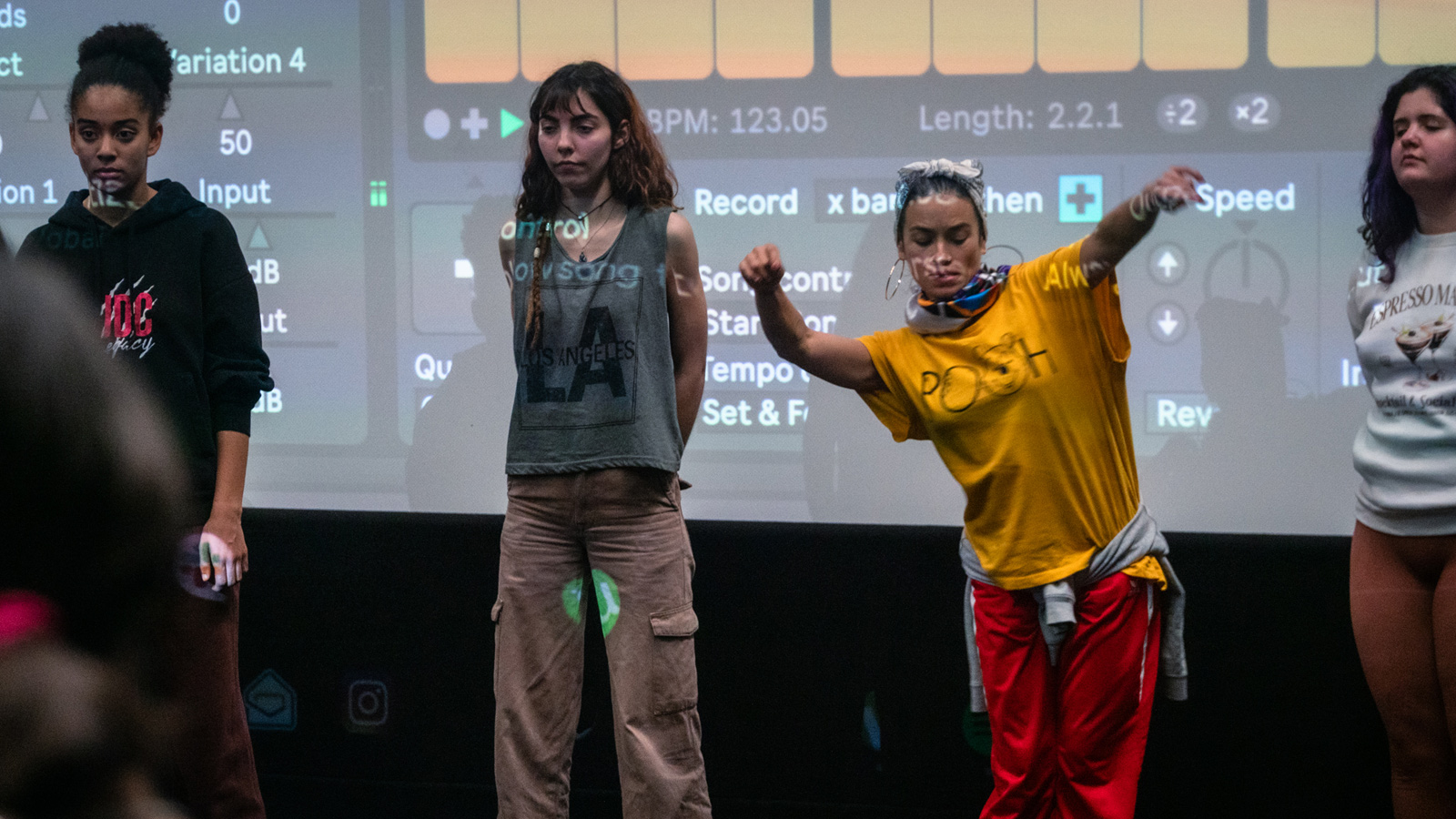
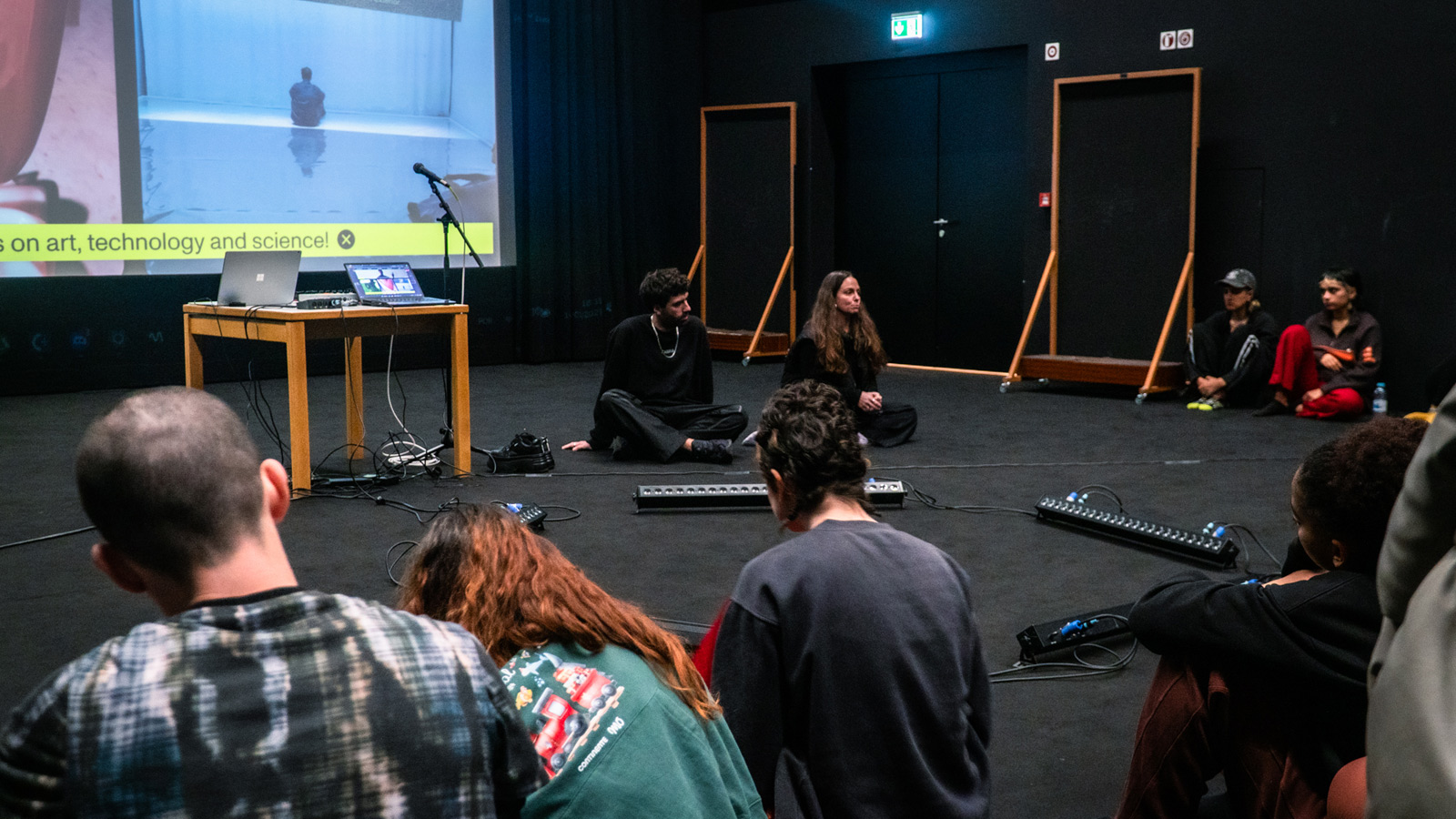
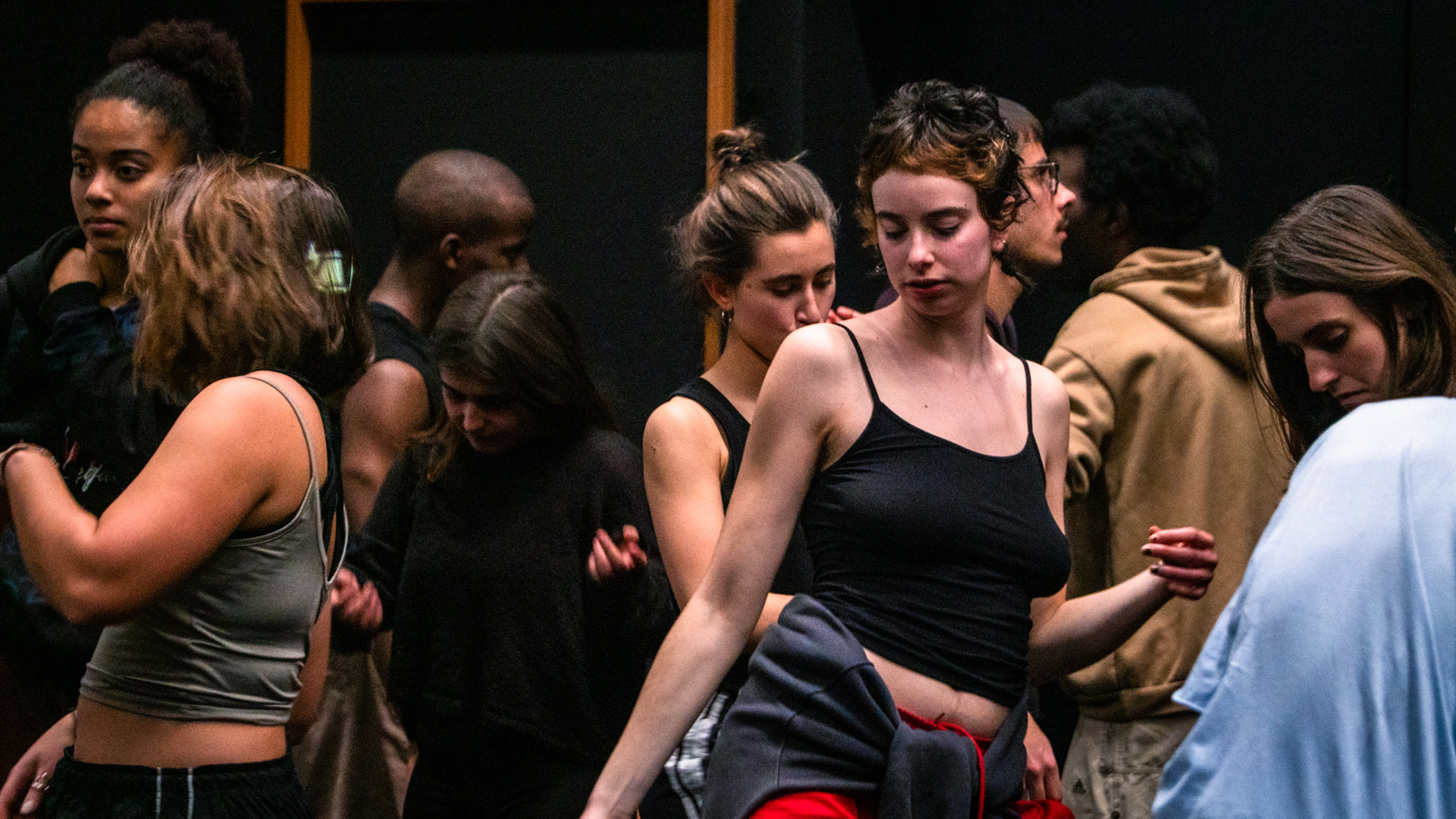
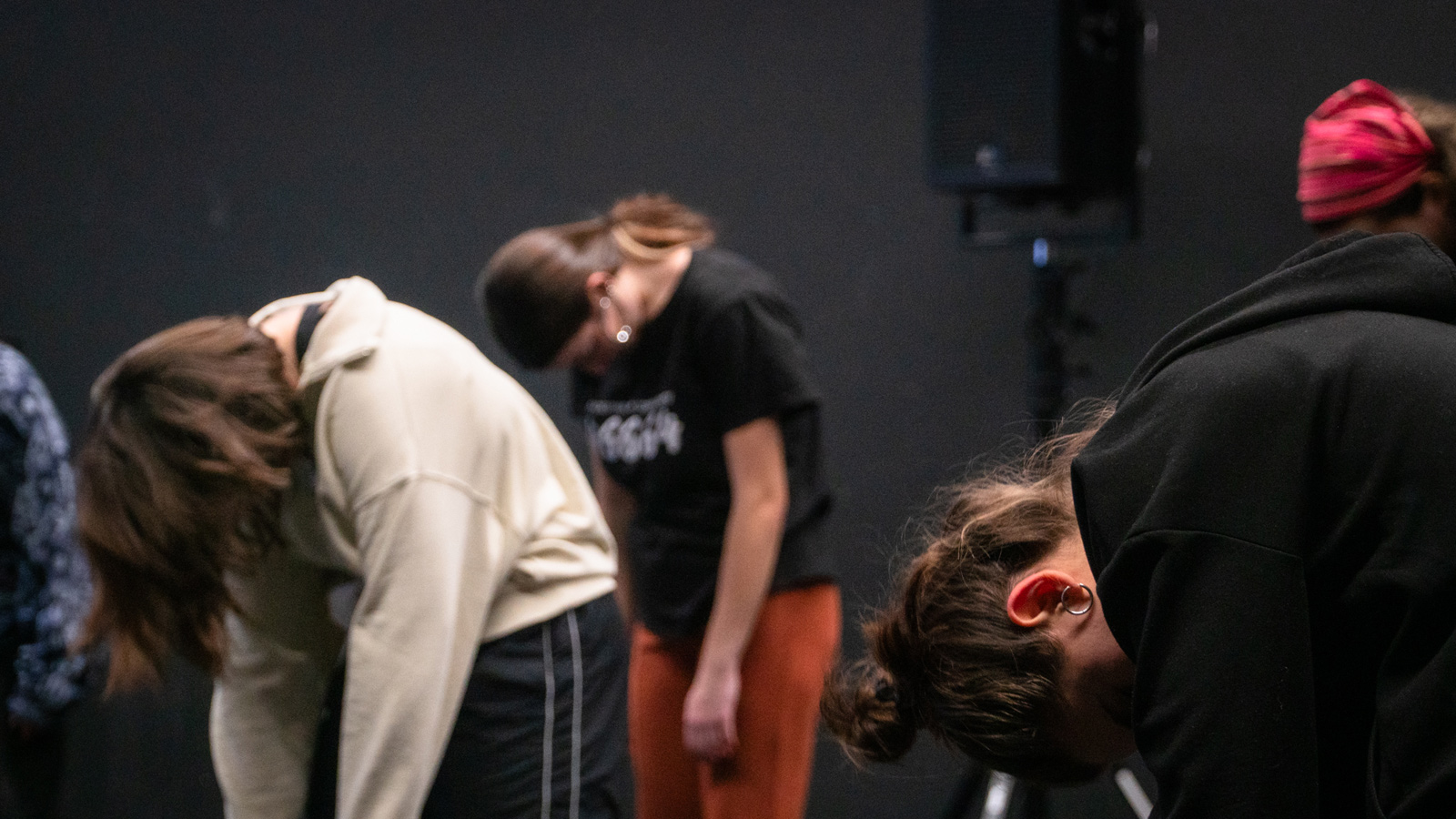
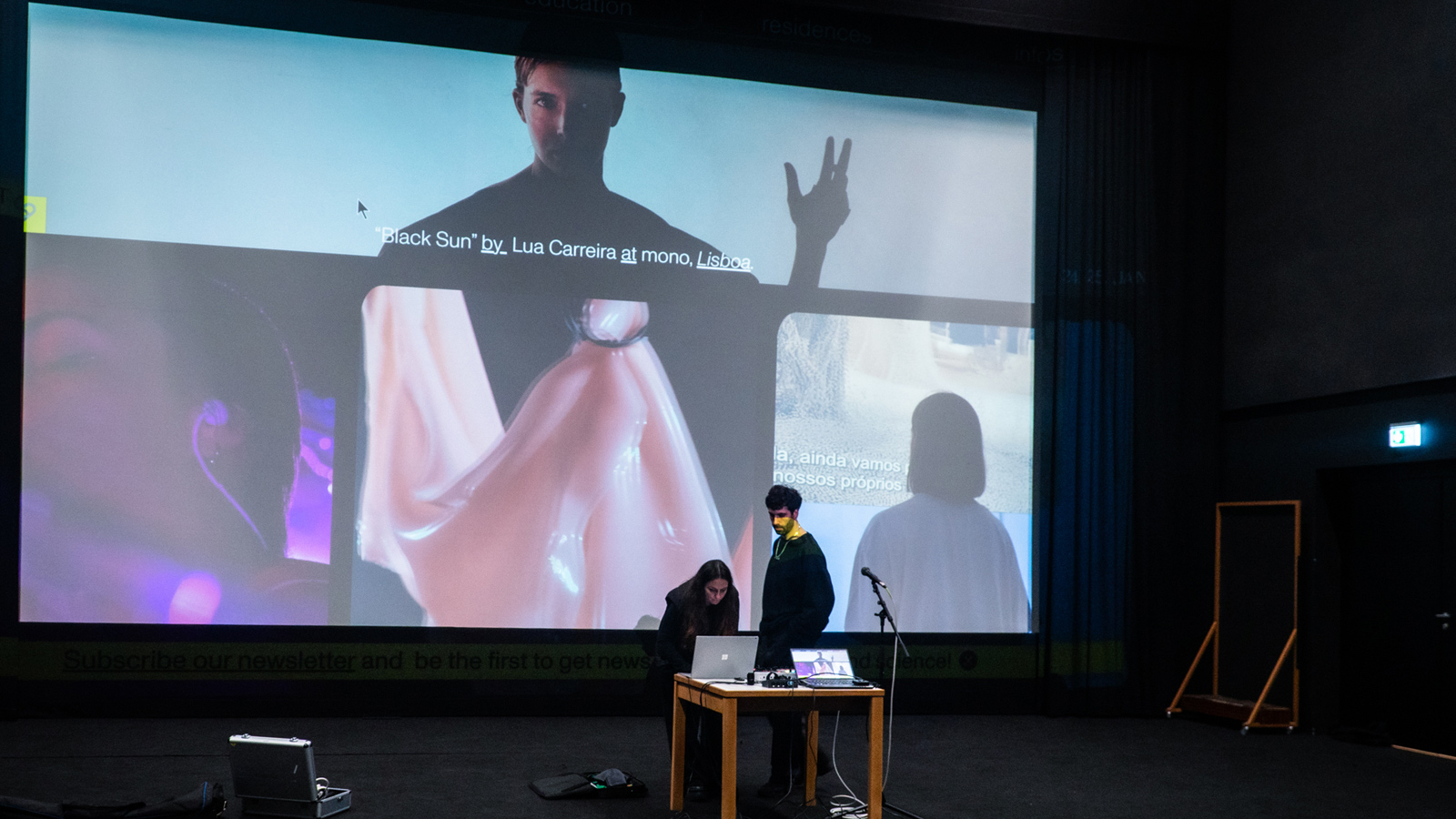
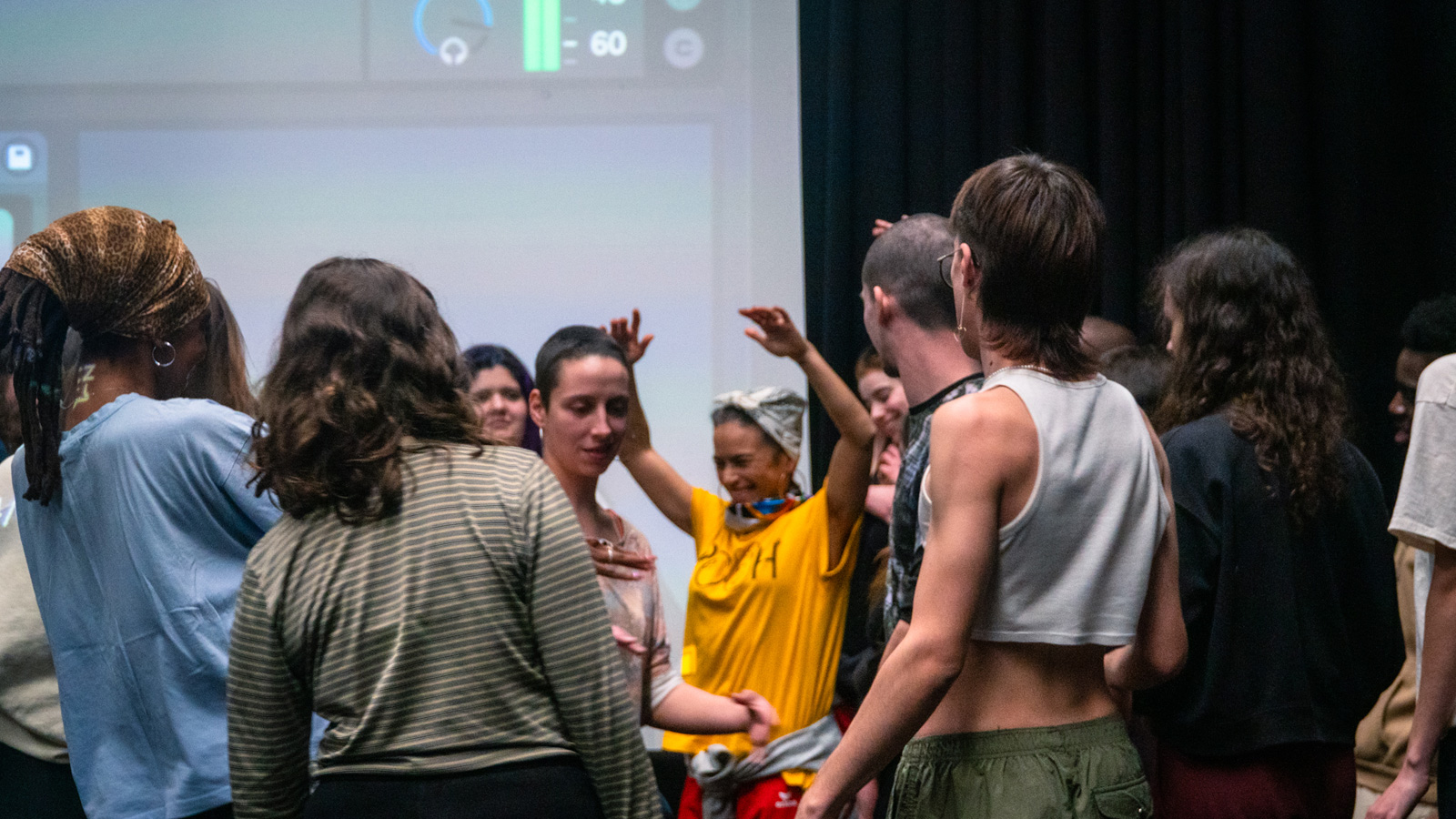
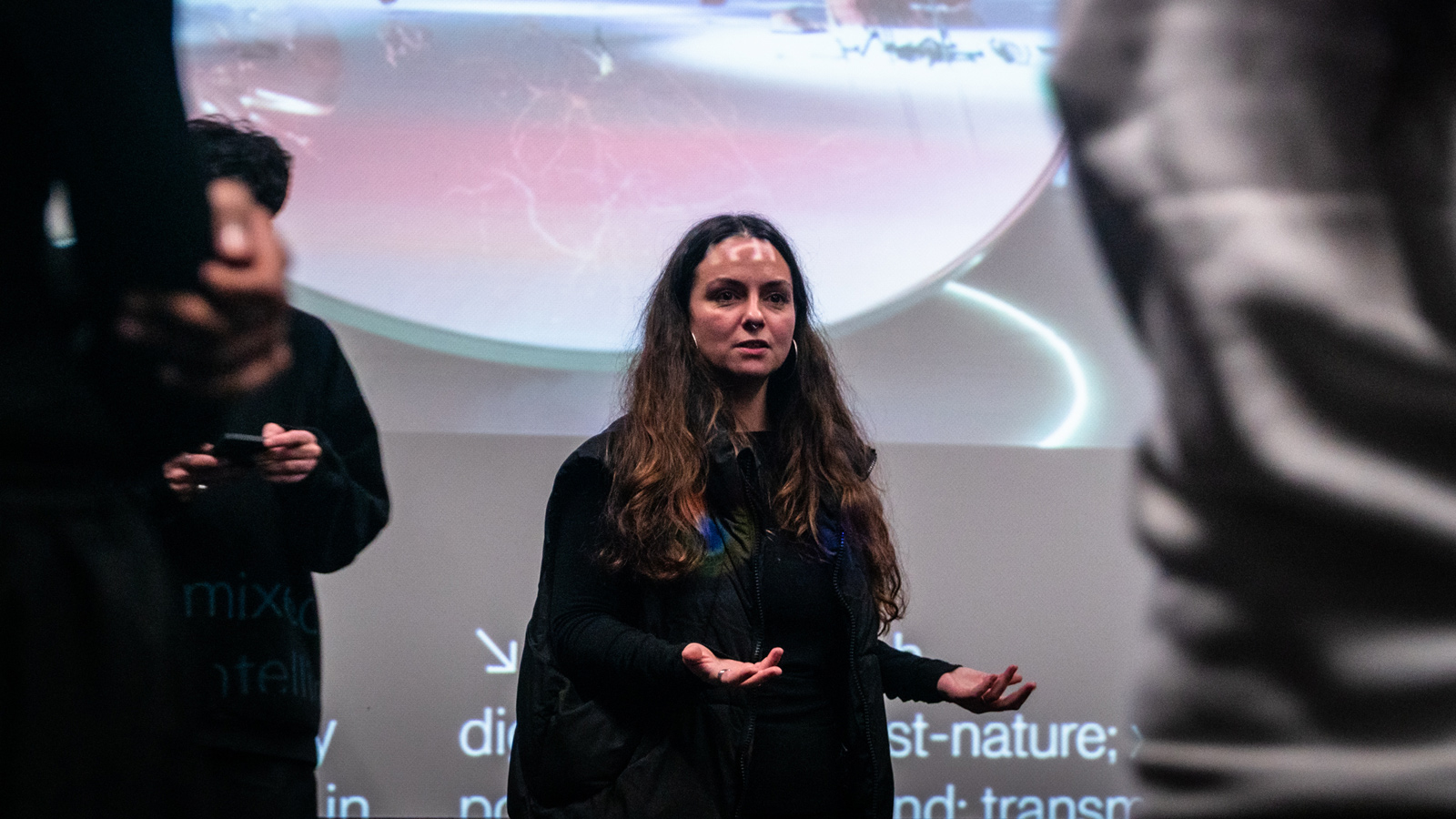
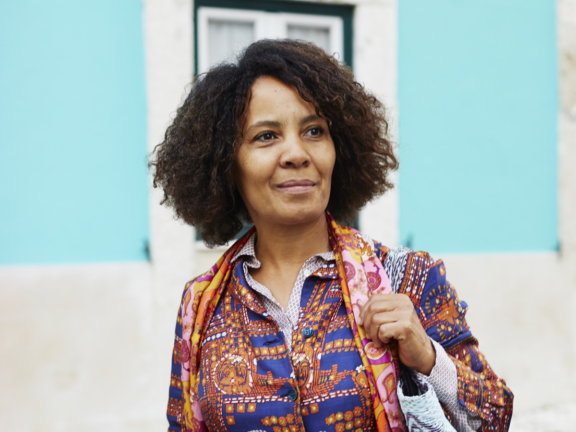
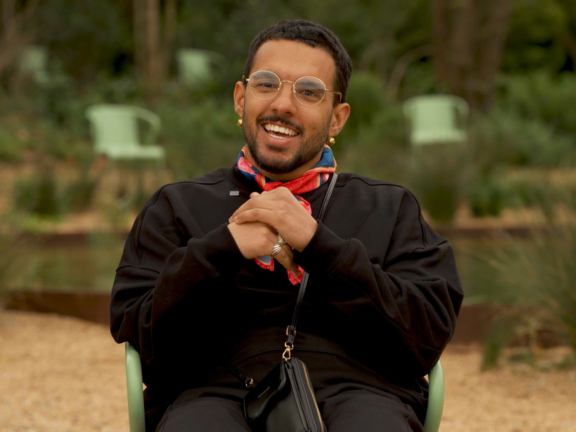
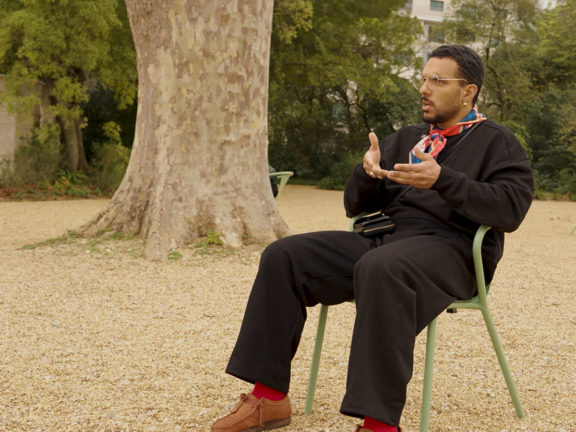
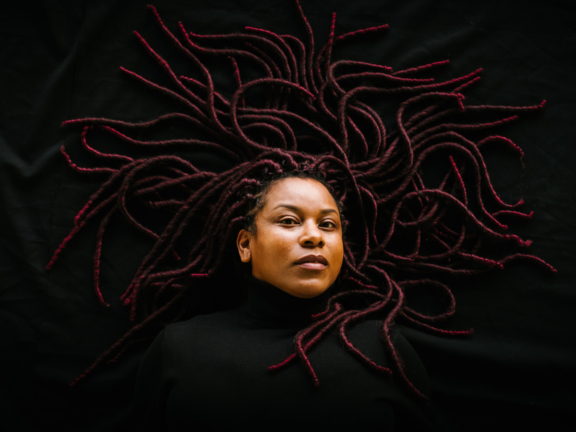
In this interview, Piny told us about her experience with the ‘Imagination Laboratory’, where she had complete freedom to develop and implement a project focused on the body as an experience of the soul and as a space of physical and emotional expression. She invited other artists with whom she had already worked to collaborate on the programme, strengthening networks of care and affection. Her approach ranges from physical issues, such as touch, skin colour and hair texture, to reflections on the mechanics of dance.
When selecting her participants, Piny prioritised diversity, focusing on racial minorities and people who are transgender or gender nonconforming, who are often excluded from institutional spaces. With 40 places on offer, the programme is free to participants, thus allowing people with limited means to take part.
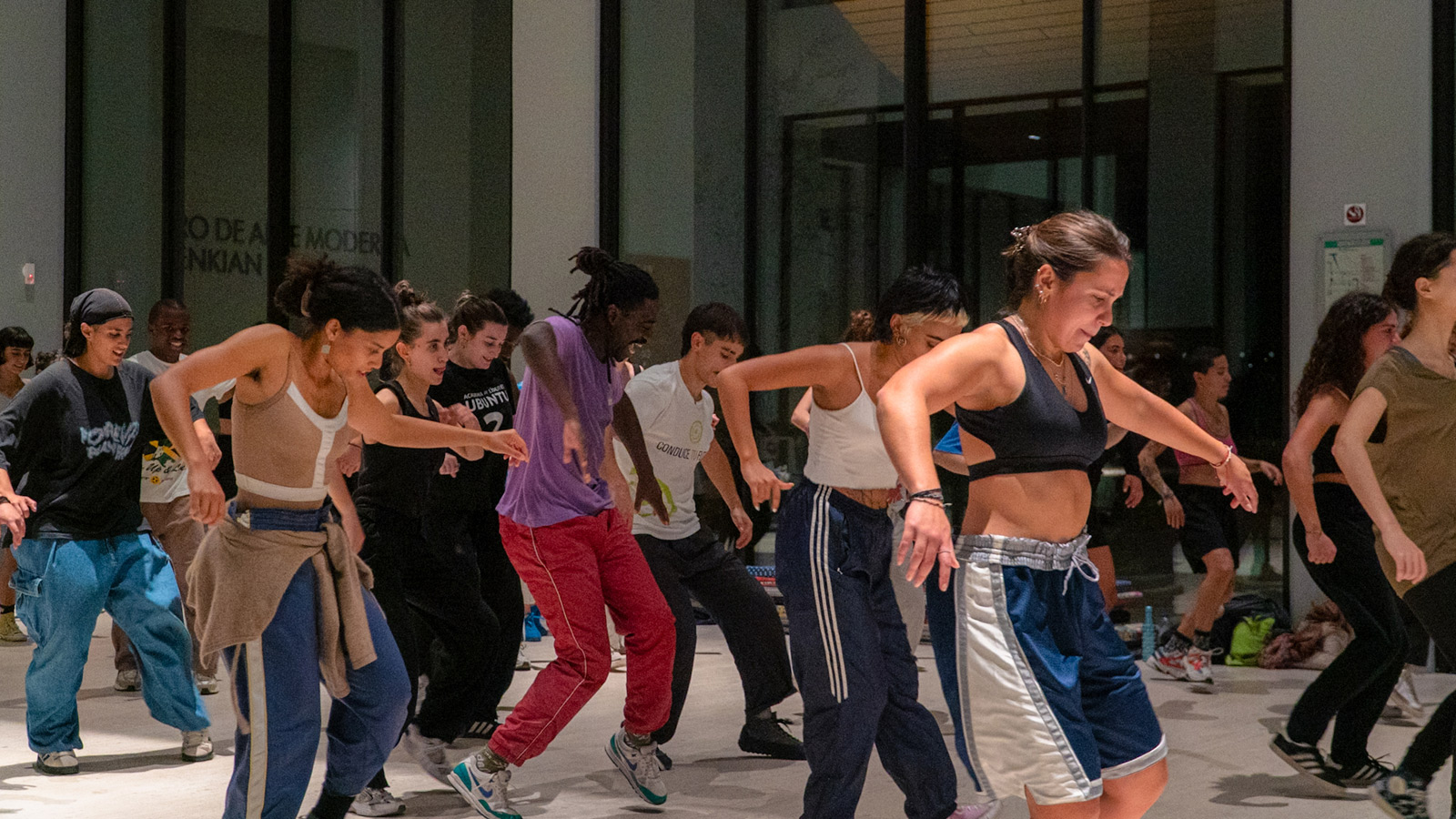
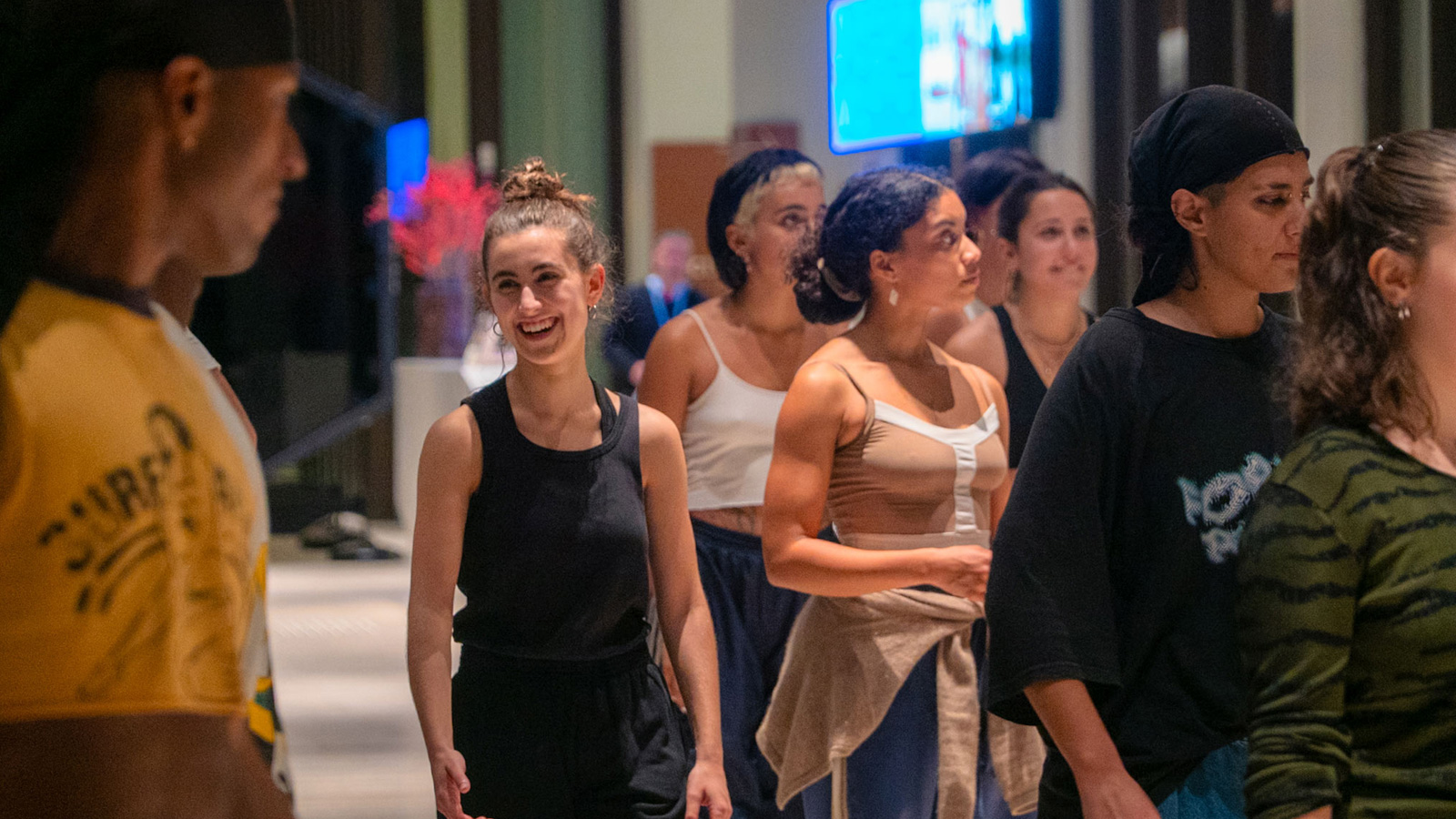
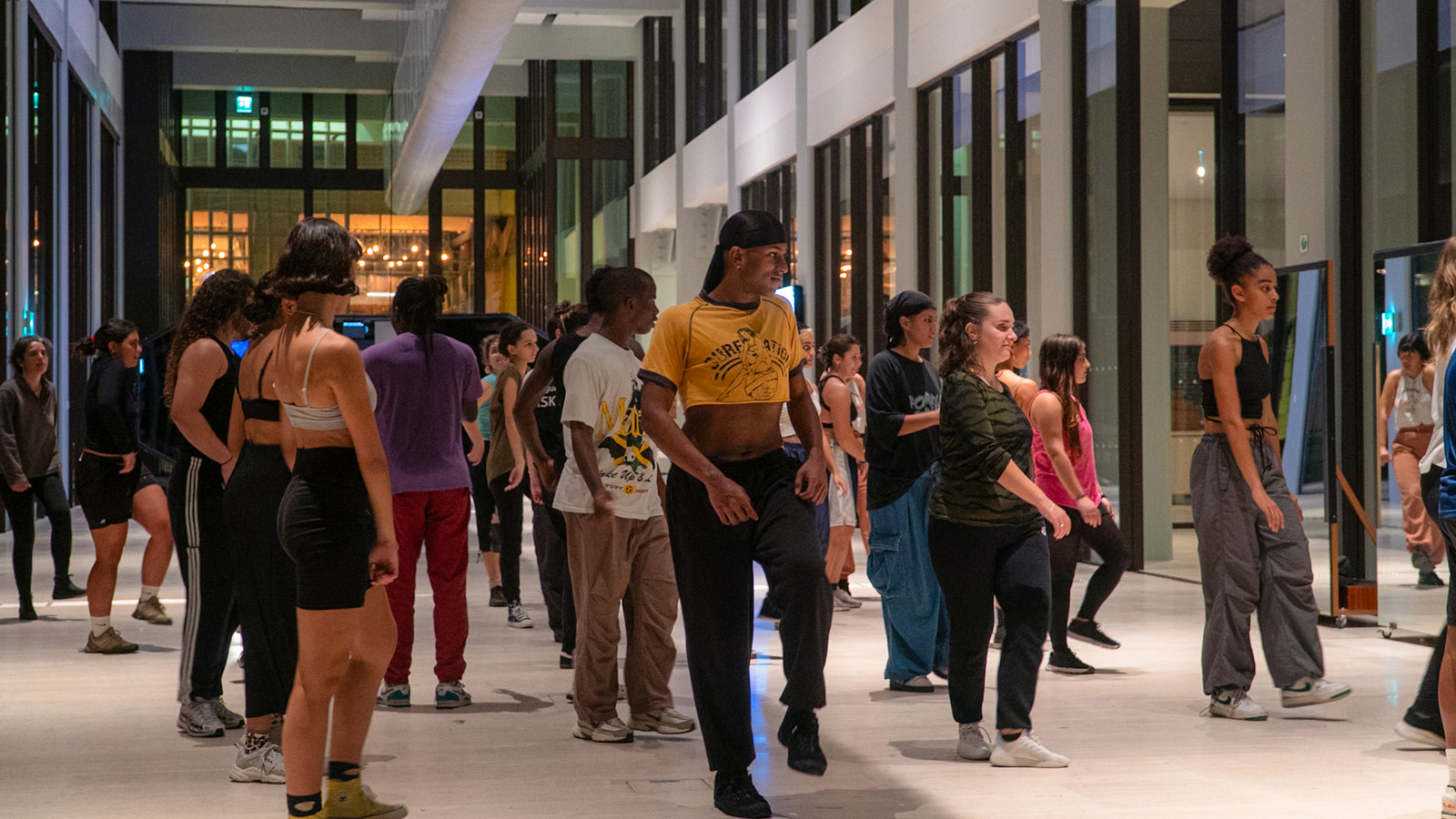
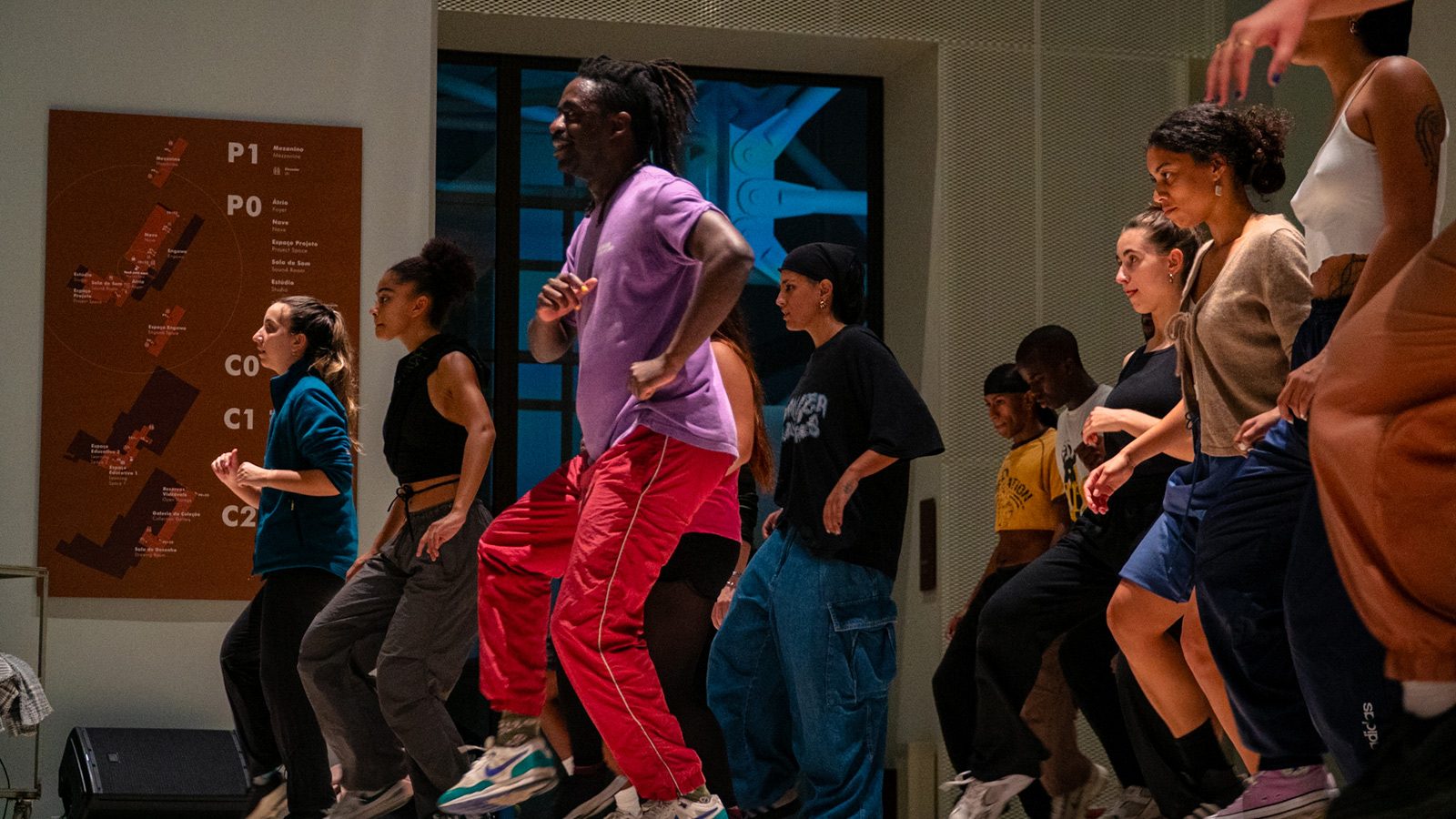
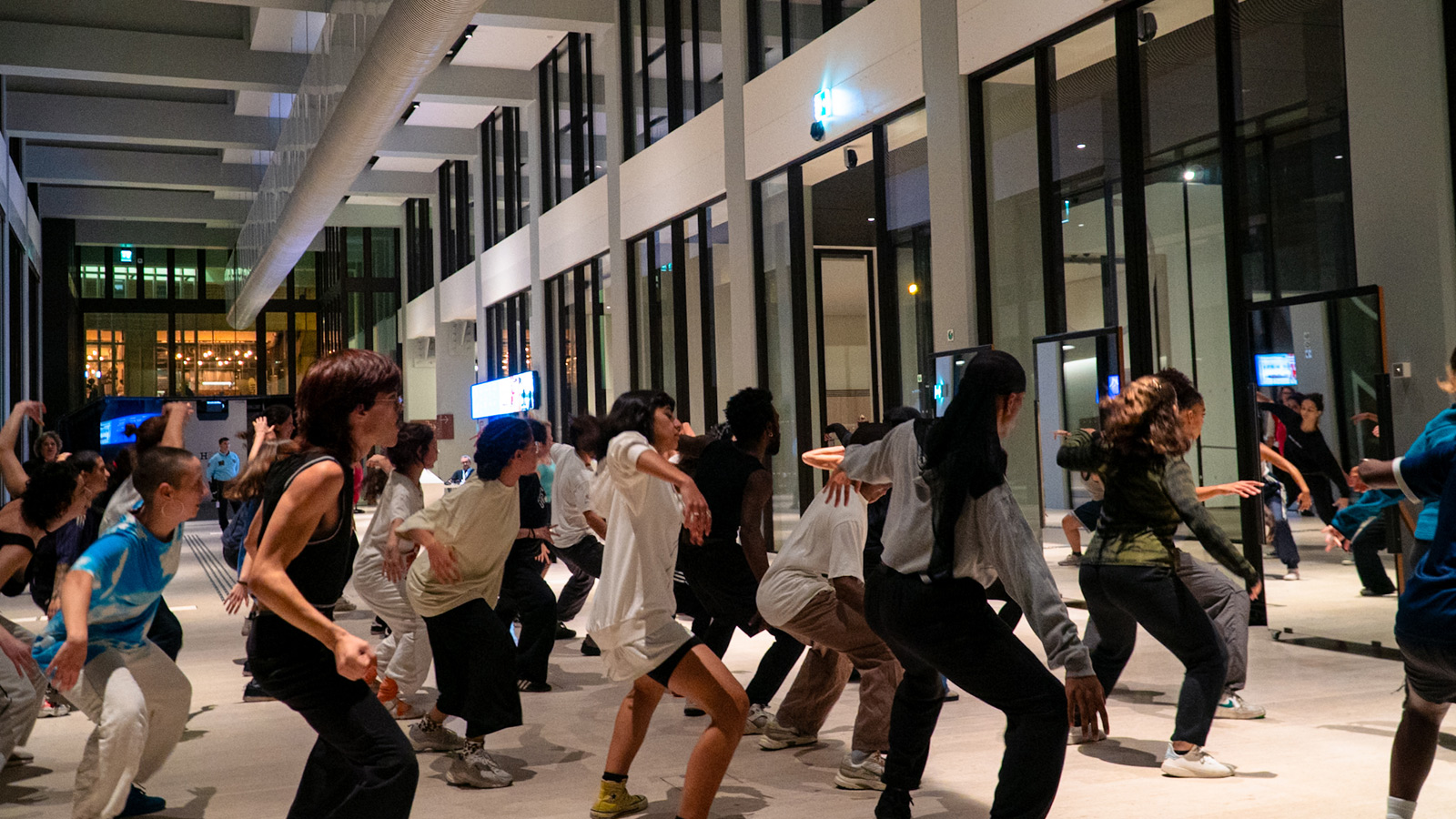
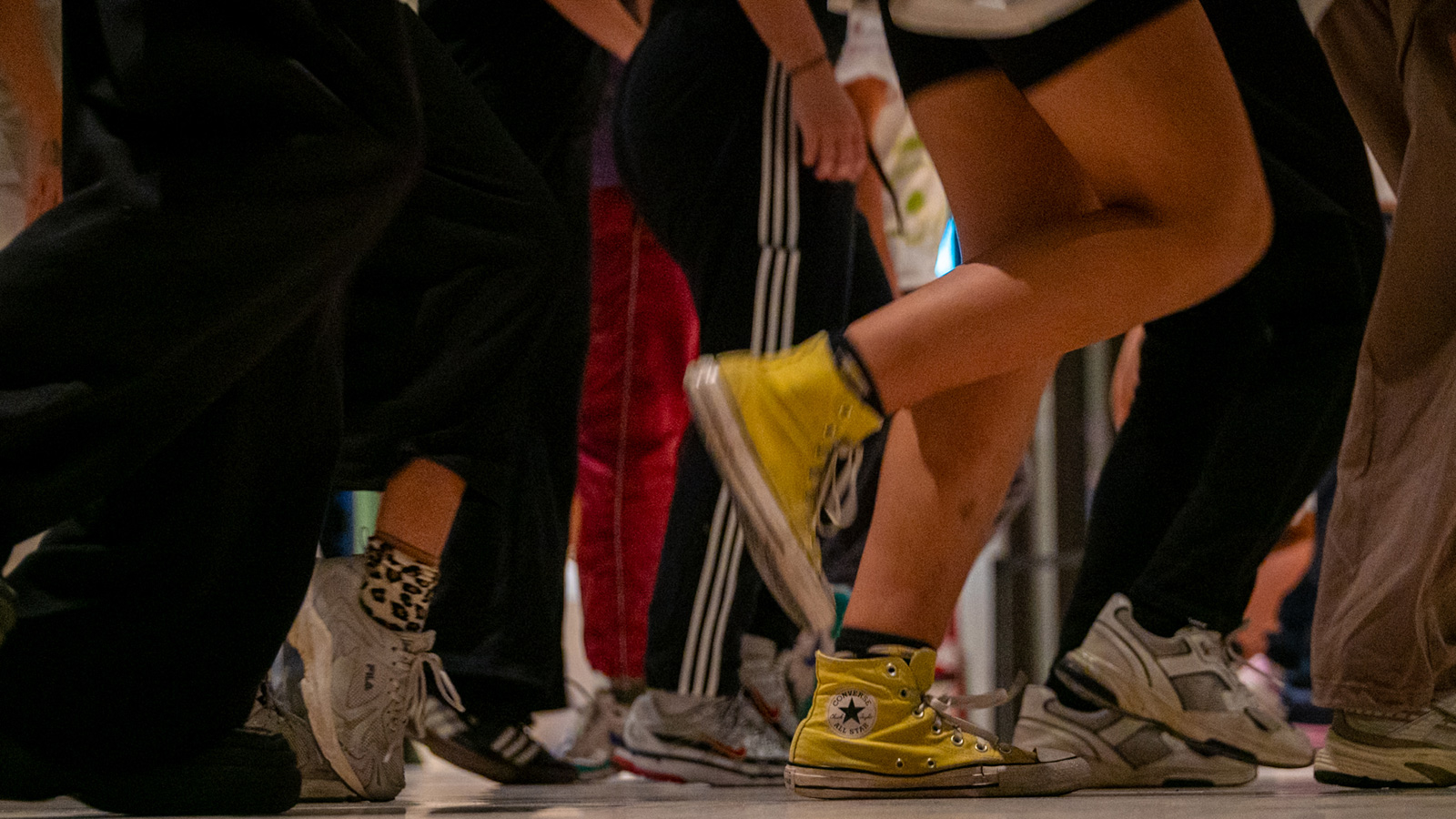
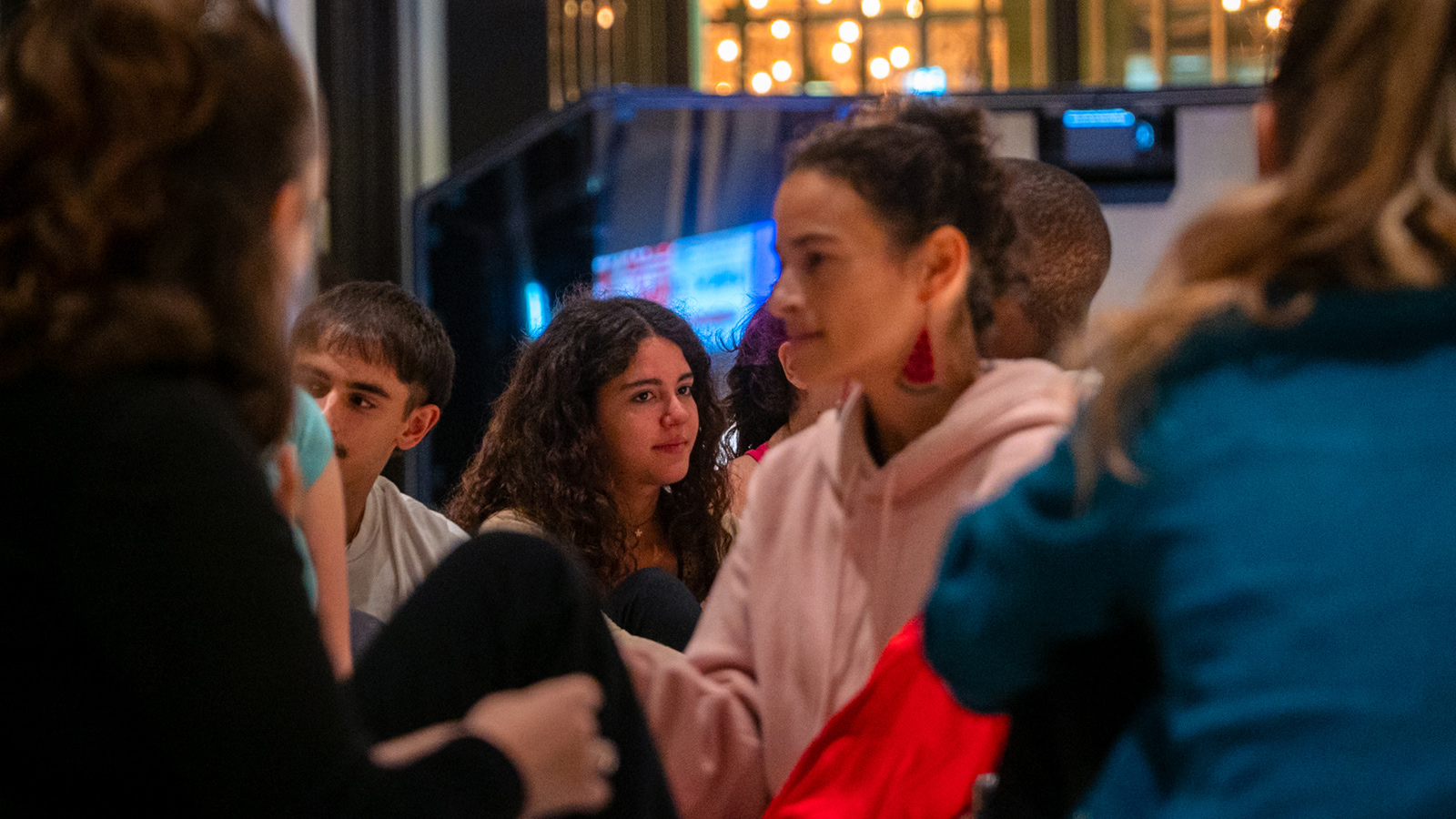
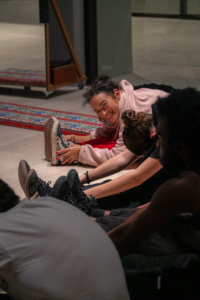
Making the most of her involvement in this platform of experimentation, which aims to explore new ways of thinking about and acting towards today’s challenges and to imagine other possible futures, we chatted to the artist about decolonisation in Education and Art.
During the late 1990s, Piny started studying Architecture and admits that this period was crucial for her to start to perceive the discrepancy between the centre and the periphery. At the time, she lived in Santo António dos Cavaleiros and, more than the time it took to get to the University, she was shocked by the distance, in the literal and symbolic sense, between the two worlds. ‘That reality started to shape my view of the city, the tensions and spaces of conflict,’ she recalls.
The connection she has today with hip-hop was a vital starting point for her comprehension of the city and its urban dynamics. Through forms of expression such as graffiti and breakdancing, she found a way to read the codes of the streets and to connect with other people.
‘I started listening to a lot of hip-hop, and there were themes that resonated with me,’ she confesses, adding that, in the pre-internet and social media era, she used to go to hip-hop parties on the south bank of the river and to explore spaces like Casa Amarela and Metro da Rotunda, in Lisbon. She can’t deny that all these experiences made a significant contribution to building a cultural and creative base through which to transcend academic boundaries.
‘Depending on where I was, I would decide whether to introduce myself as a dancer or an architect. It was a way of valuing both my academic journey and my street life,’ she reveals. That skill in navigating between two worlds allowed her to challenge stigmas and to find an authentic voice, but even so, she has never stopped criticising barriers and limitations, in terms of both recognition and the opportunities that artists encounter. ‘In dance, you never reach that place of visibility like you do with other arts,’ she complains.
Part of the work she is currently developing centres on the struggle against the Eurocentric institutionalisation of culture and a gaze that sees urban culture as a form of resistance and expression. For Piny, it is vital to recover African knowledge and include it in school curricula, but more than this, there is a need to fill the gap in representation, which in her opinion is reflected in the absence of Black artists in positions of power and decision-making.
‘We are still in an extremely Eurocentric system, where what we are taught is just one version of history,’ she reflects. The recovery of ancestral wisdom is, therefore, a personal and political mission. ‘Saying their names means that people don’t disappear,’ she stresses.
She has only visited Angola once and doesn’t hide the fact that there were moments of discovery, but also of challenge. On one hand, she confronted her own history and family dynamics marked by colonialism and patriarchy. On the other, she found a spirituality, the music and dance, the intense (re)encounter with her ancestry.
She criticises the idea of inclusion as a condescending gesture, arguing that there should be a true feeling of belonging in institutional spaces. ‘The idea of inclusion comes from a place of hierarchy. What we need is to belong, to be,’ she states. And, she emphasises, the codes of the street are also knowledge. Recognising this means valuing informal and community knowledge, acknowledging the richness of orality and lived experience, but above all, it means decolonising institutional and educational spaces, integrating codes and languages that reflect the diversity of urban cultures.
Convinced that the community is where the strength lies, Piny works to build bridges between the popular and the academic. ‘If I open a door, I’m not alone; I take with me all those who came before and all those who come after.’ Her dream is a future where bodies, voices and histories find space, respect and equality.
BANTUMEN at Gulbenkian
Explore the series

No results were found for your criteria.
You may also like
No results were found for your criteria.