
Black Lisbon under the sun. ‘We’re more than the narratives imposed on us.’

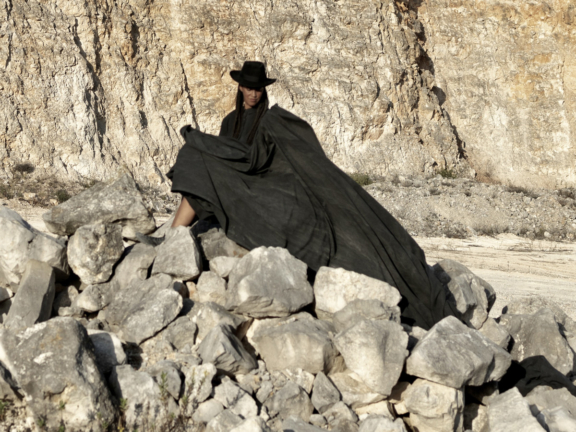
Wearing black on a scorching August day is a universal experience – a silent battle against the heat that clings to the skin like an invisible burden. It is feeling the weight of discomfort and yet still resisting.
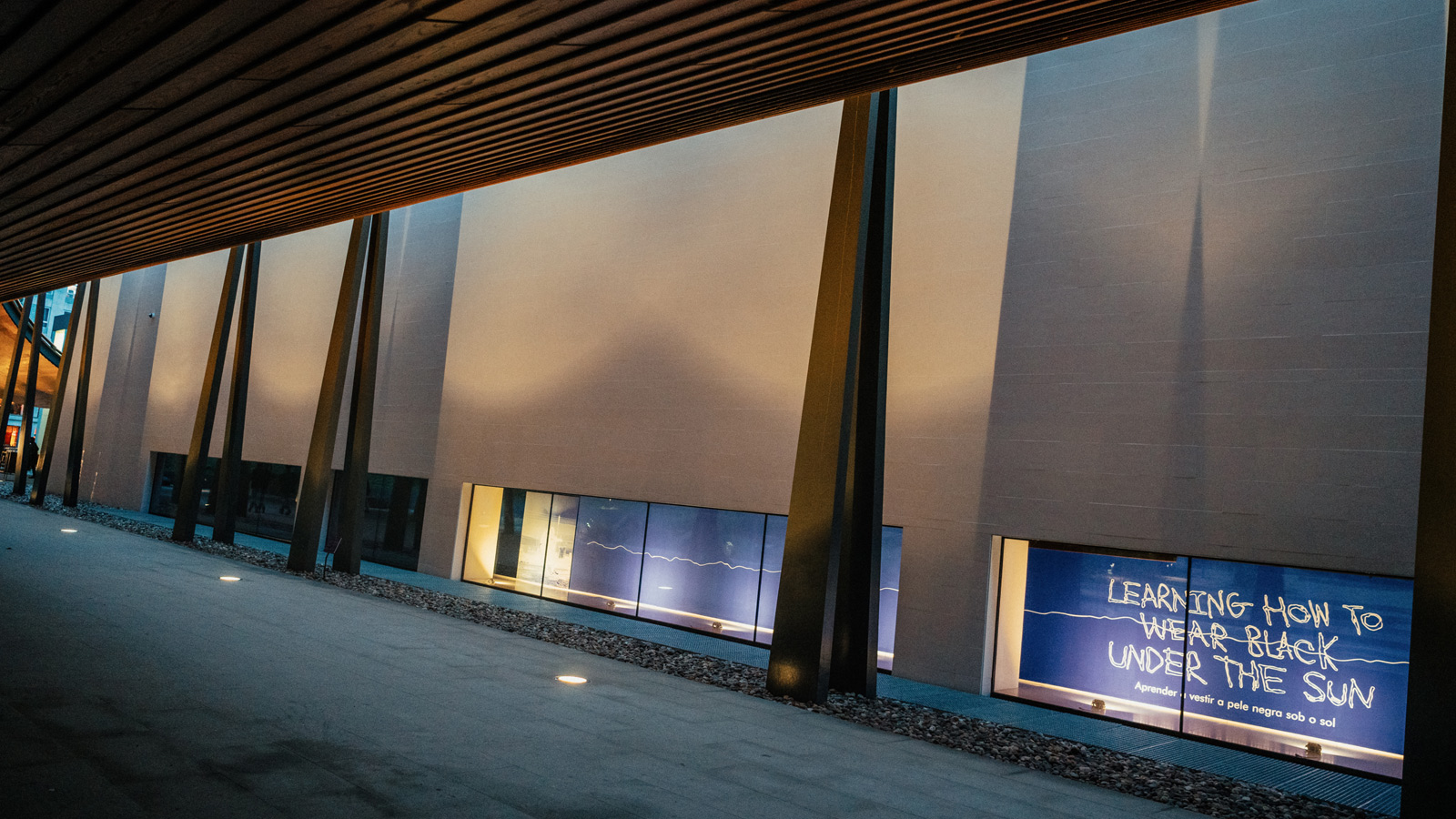
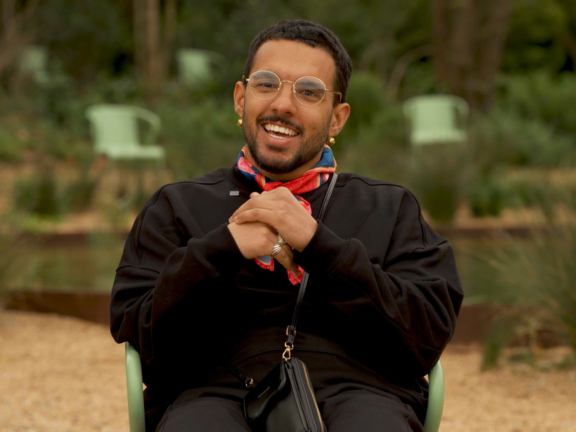
Being black has its parallels with this experience, but only a few are able – and truly know how to – tell this story. Julianknxx is one of them. In 2023, the British artist, nomad and poet visited nine European port cities with colonial histories to explore issues such as heritage and loss, and to tell the story of the homelands of black communities in Europe and their connection to the world. One of those cities is Lisbon. His time in the Portuguese capital was framed by the title ‘Learning to Wear Black Under the Sun’.
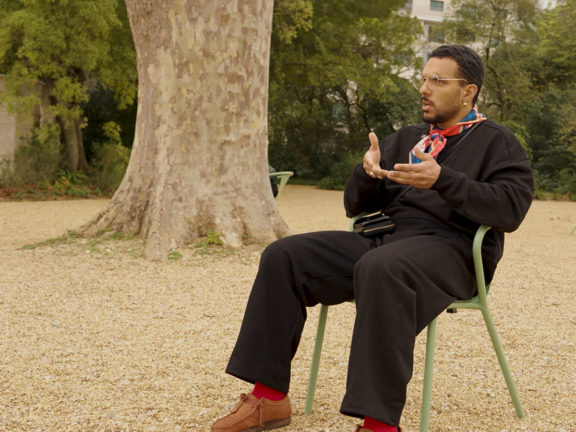
As Julianknxx told BANTUMEN during his time in Portugal, ‘The phrase comes from a conversation I had with Oseias Xavier, who at the time was wearing all black on a really hot summer’s day here in Lisbon. I asked him why, and he told me that he had to learn to wear black under the sun. It was a simple answer, but I couldn’t help interpreting it in a deeper way,’ he explained, adding that the African-born music artist he was speaking to on that hot day in the Portuguese capital had also faced the challenge of ‘learning to navigate’ life in Portugal as an immigrant and of ‘protecting his existence,’ even in the face of obstacles that impeded his integration. ‘Many Afro-descendants born in Lisbon still don’t have Portuguese citizenship,’ he laments critically.
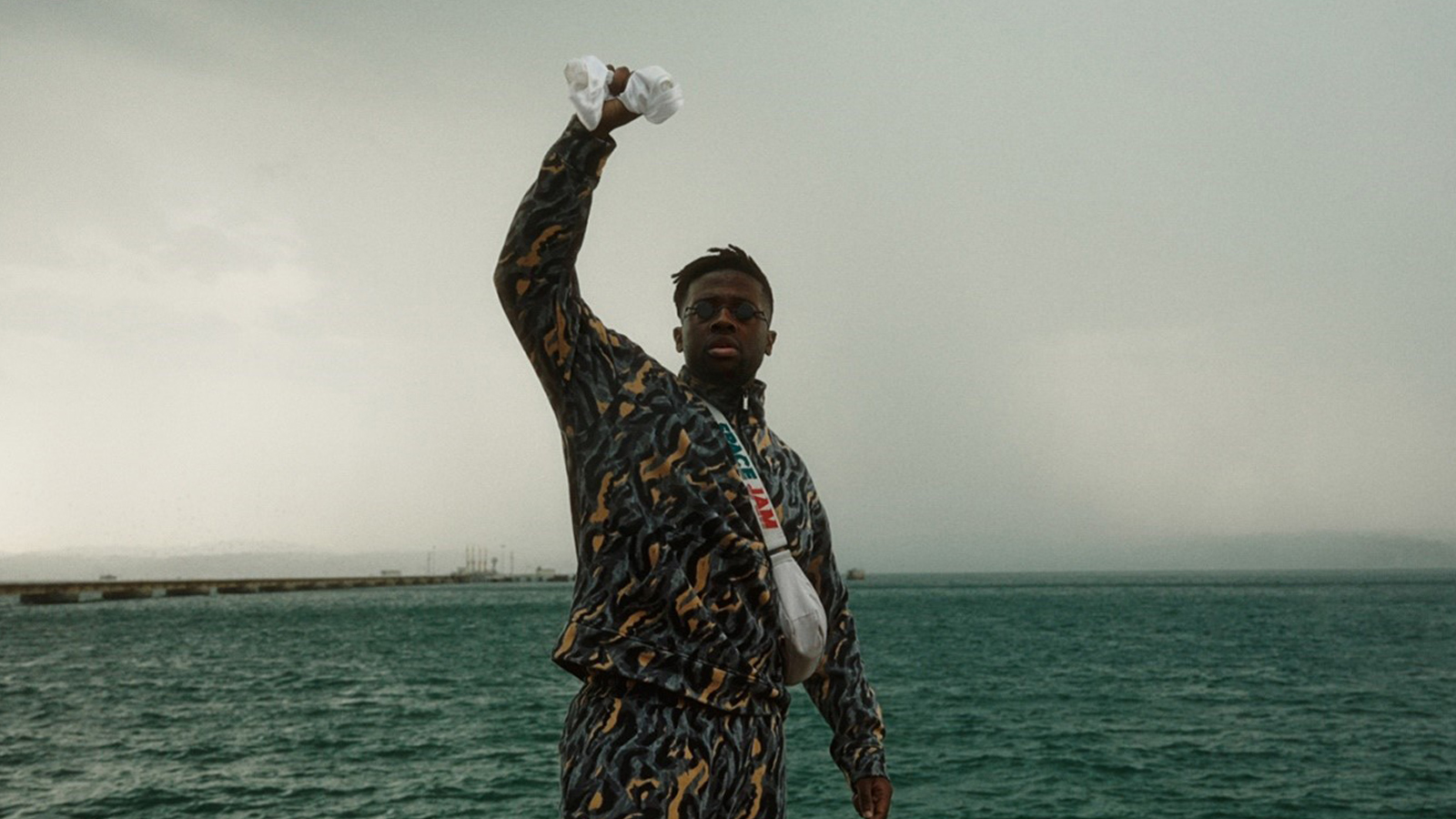
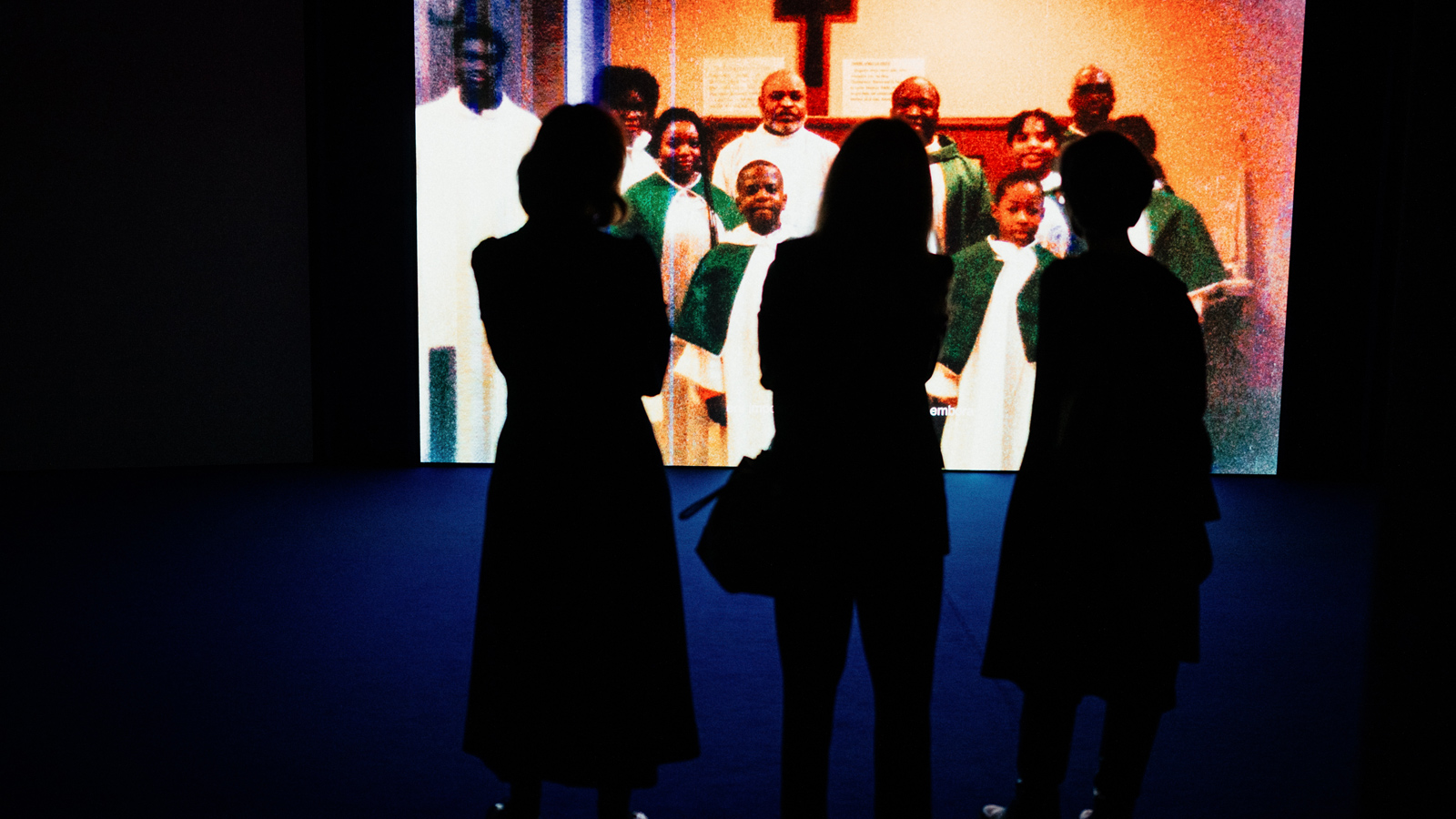
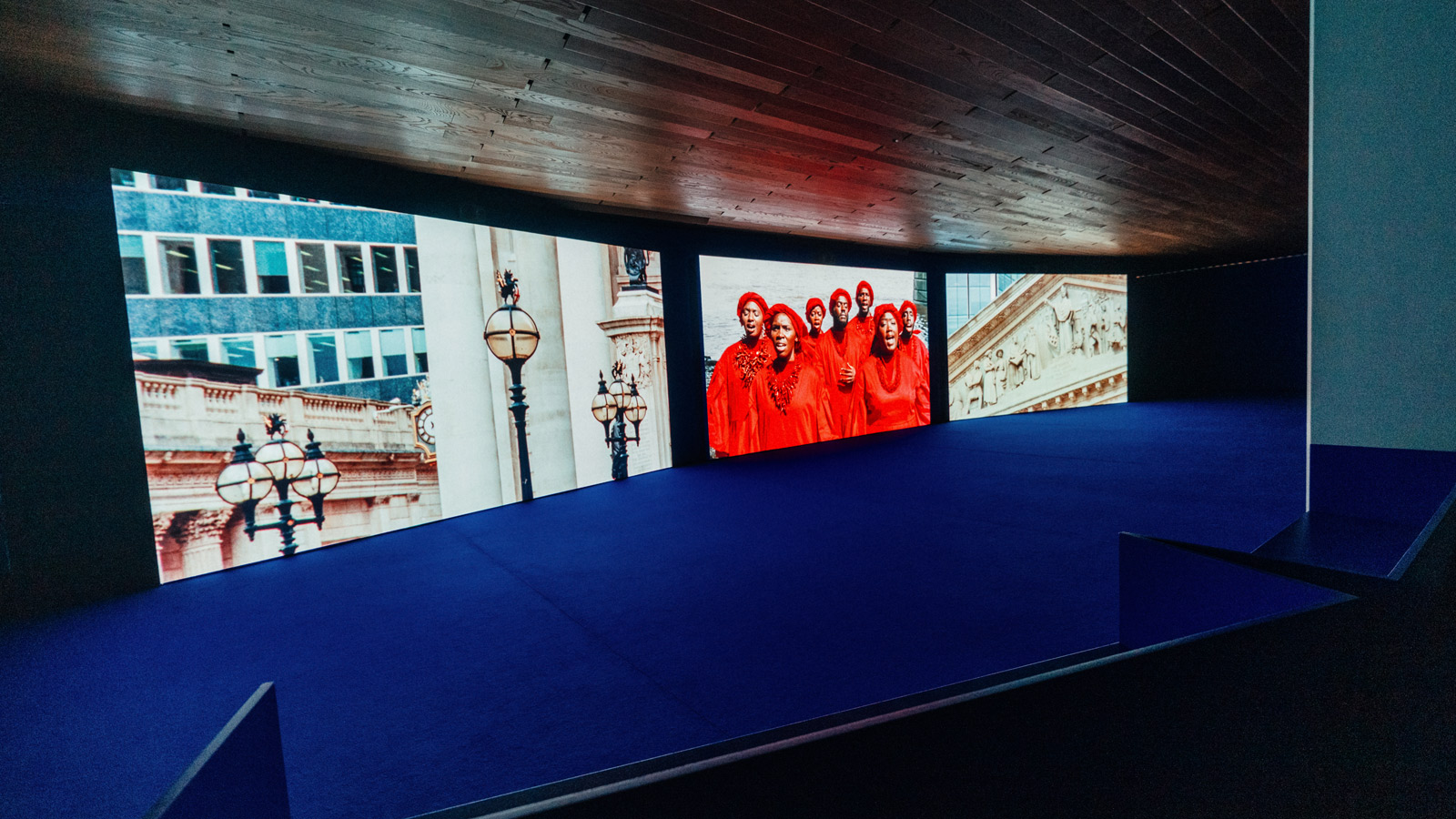
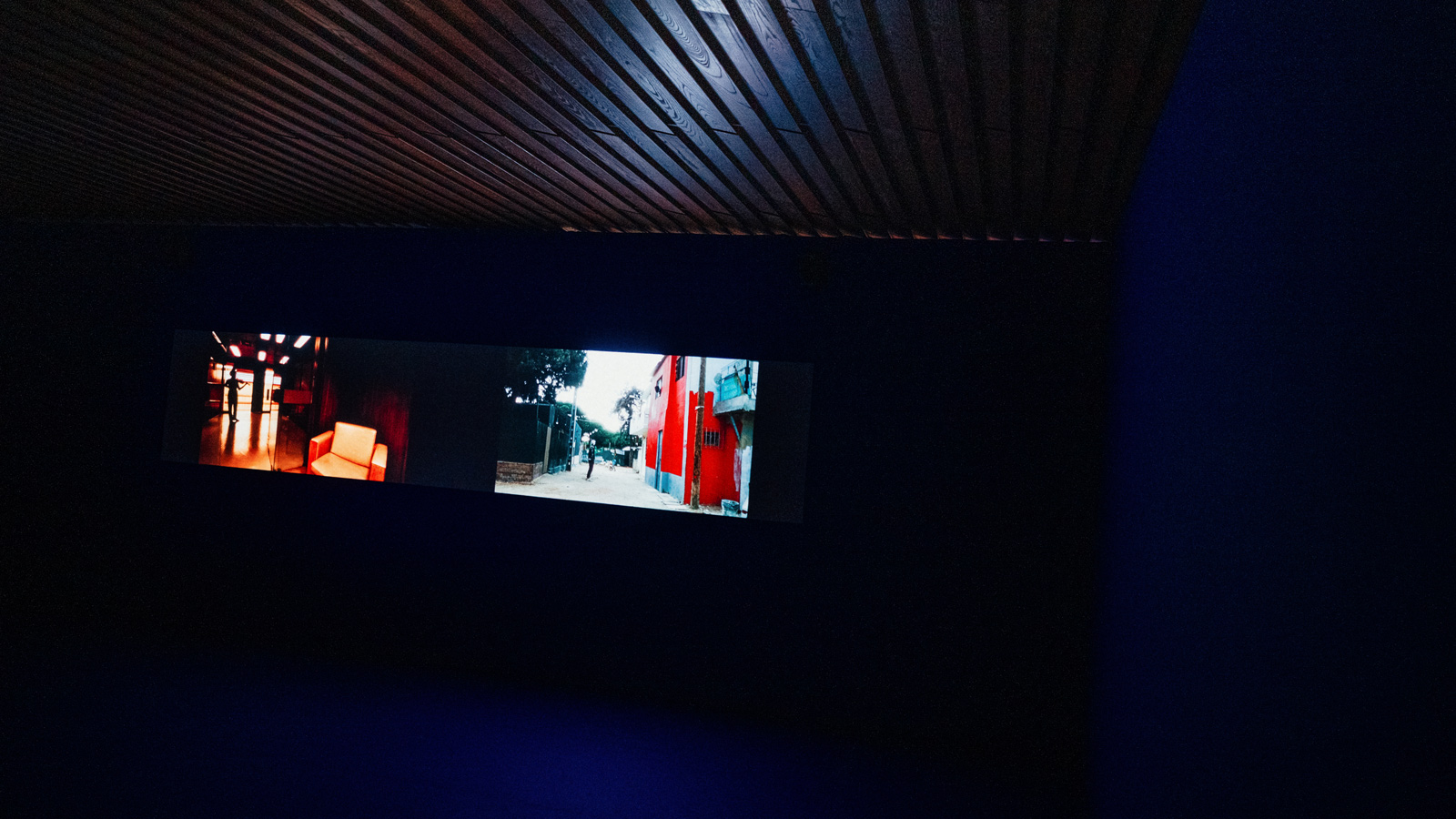
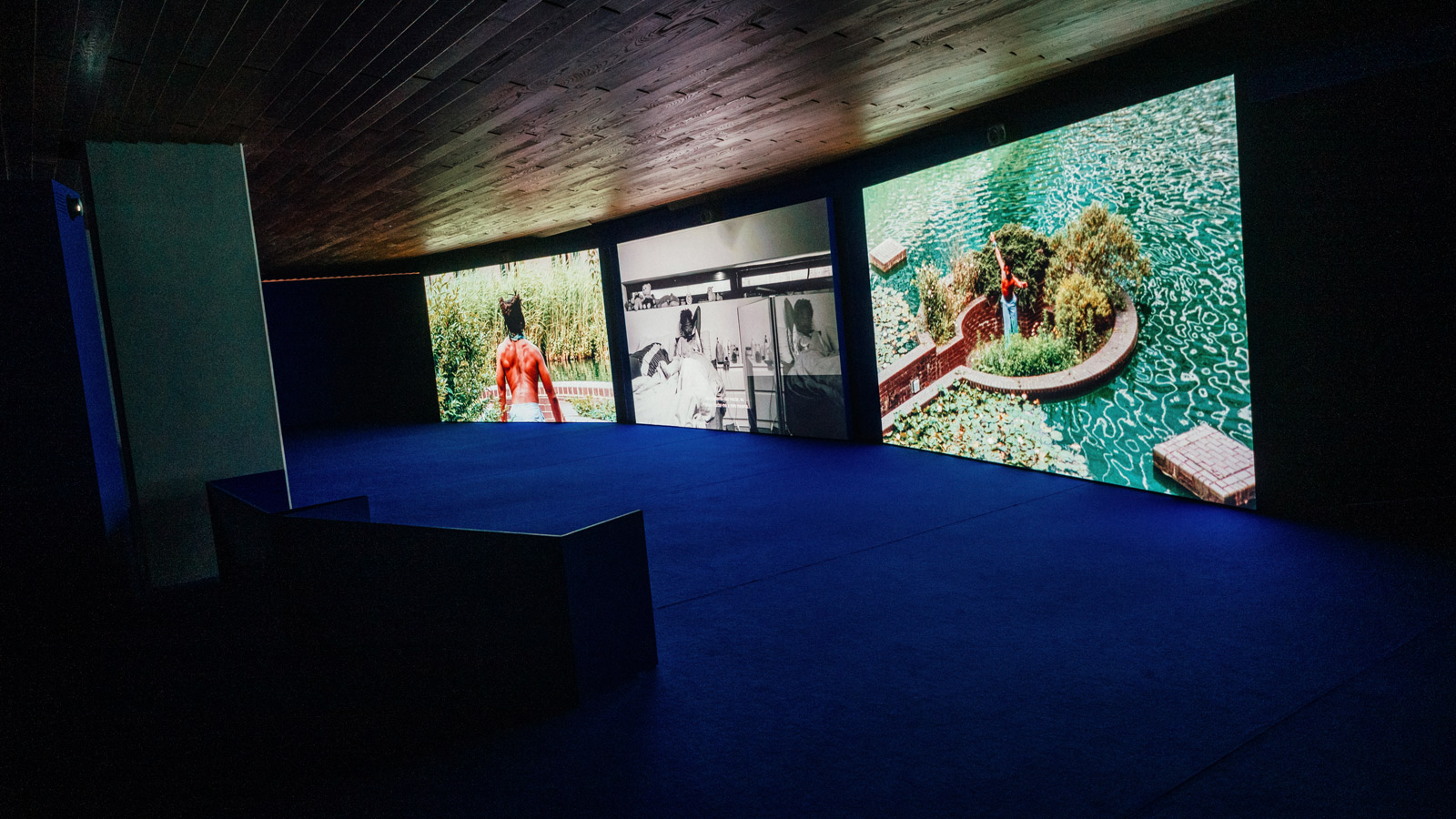
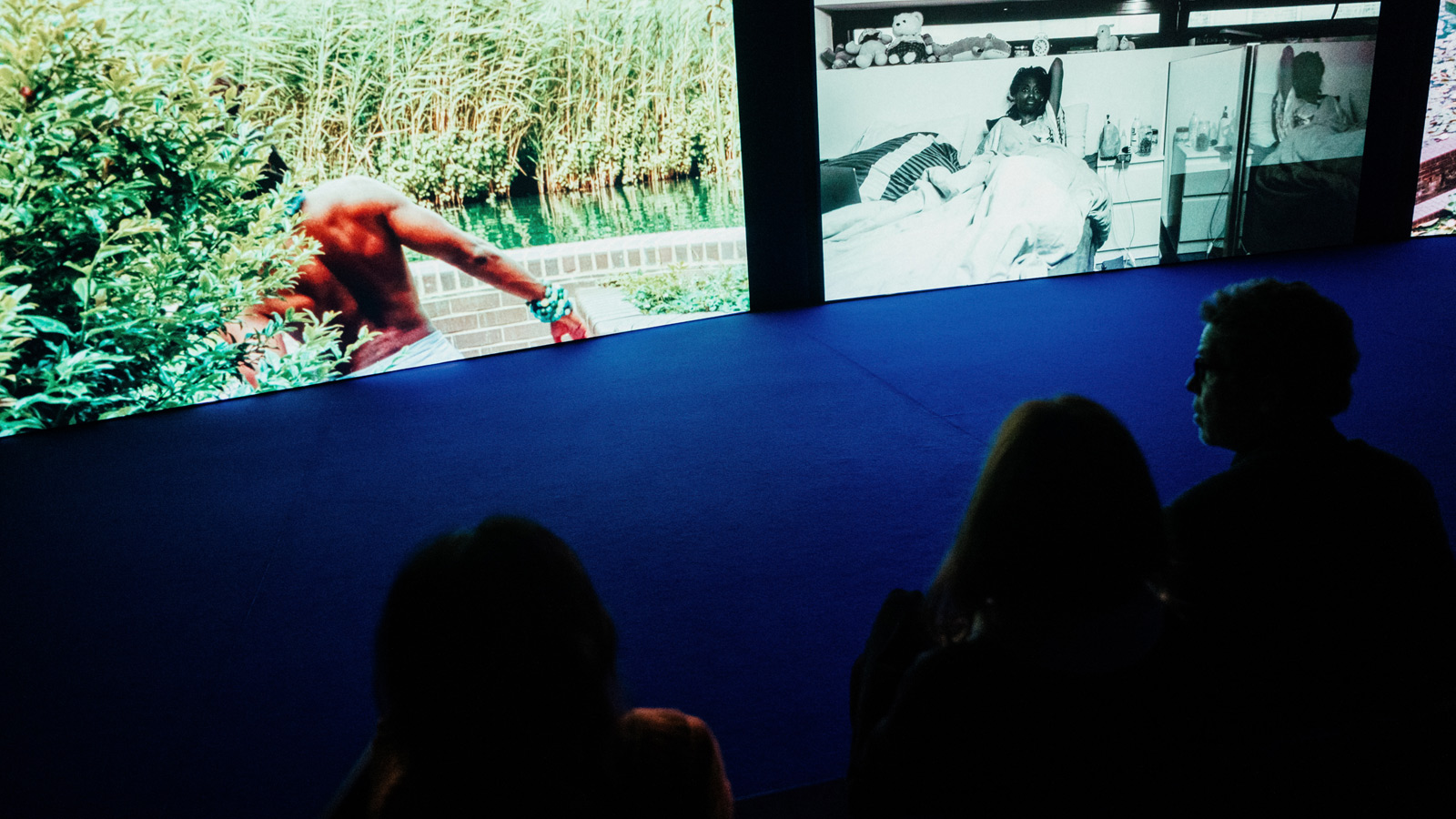
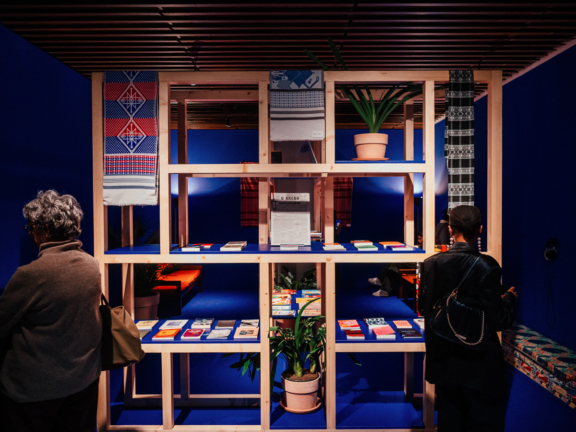
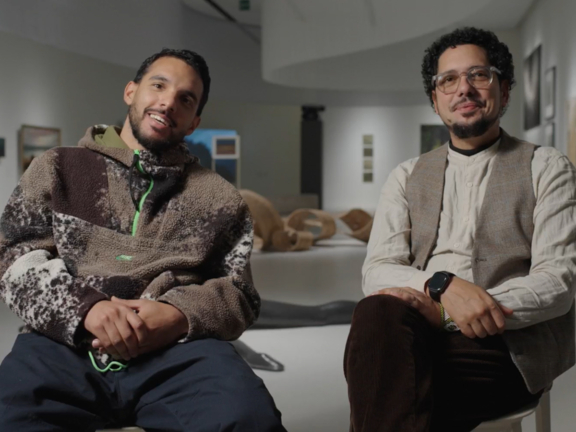
Oseias Xavier’s story reflects the reality of the black diaspora in Portugal and in the other European cities (Amsterdam, Antwerp, Barcelona, Berlin, Hamburg, Liverpool, Marseille, and Rotterdam) that Julianknxx – born in Freetown, Sierra Leone, before emigrating to London, United Kingdom – wanted to highlight. He did so by means of a film portrait, in the form of an exhibition hosted by CAM – Centro de Arte Moderna Gulbenkian in Lisbon, entitled ‘Chorus in Rememory of Flight’.
‘With this project, I wanted to shed light on how the black community arrived in these cities, as well as their work and the stories they carry with them. I wanted to create a contemporary vision of what our experience is, in these places that are not ours, yet have now become so,’ reflected the 37-year-old artist.
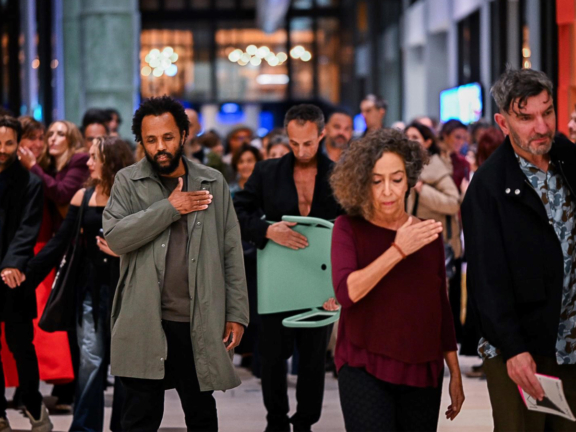
During his time in the nine different cities, Julianknxx delved into the stories of the black communities living there, offering a platform to people who are often overlooked, while at the same time listening to local politicians, dancers, and activists. The result was a series of films now showing at CAM.
In each location, Julianknxx asked residents to share something related to their experience, whether it was a dance, a conversation, or ‘even a cup of tea,’ he said. In Lisbon, in addition to Oseias Xavier, he met with Tristany Mundu, Selma Uamusse, Paulo Pascoal, José Lino Neves from the Batoto Yetu Portugal Cultural and Youth Association, and Joacine Katar Moreira.
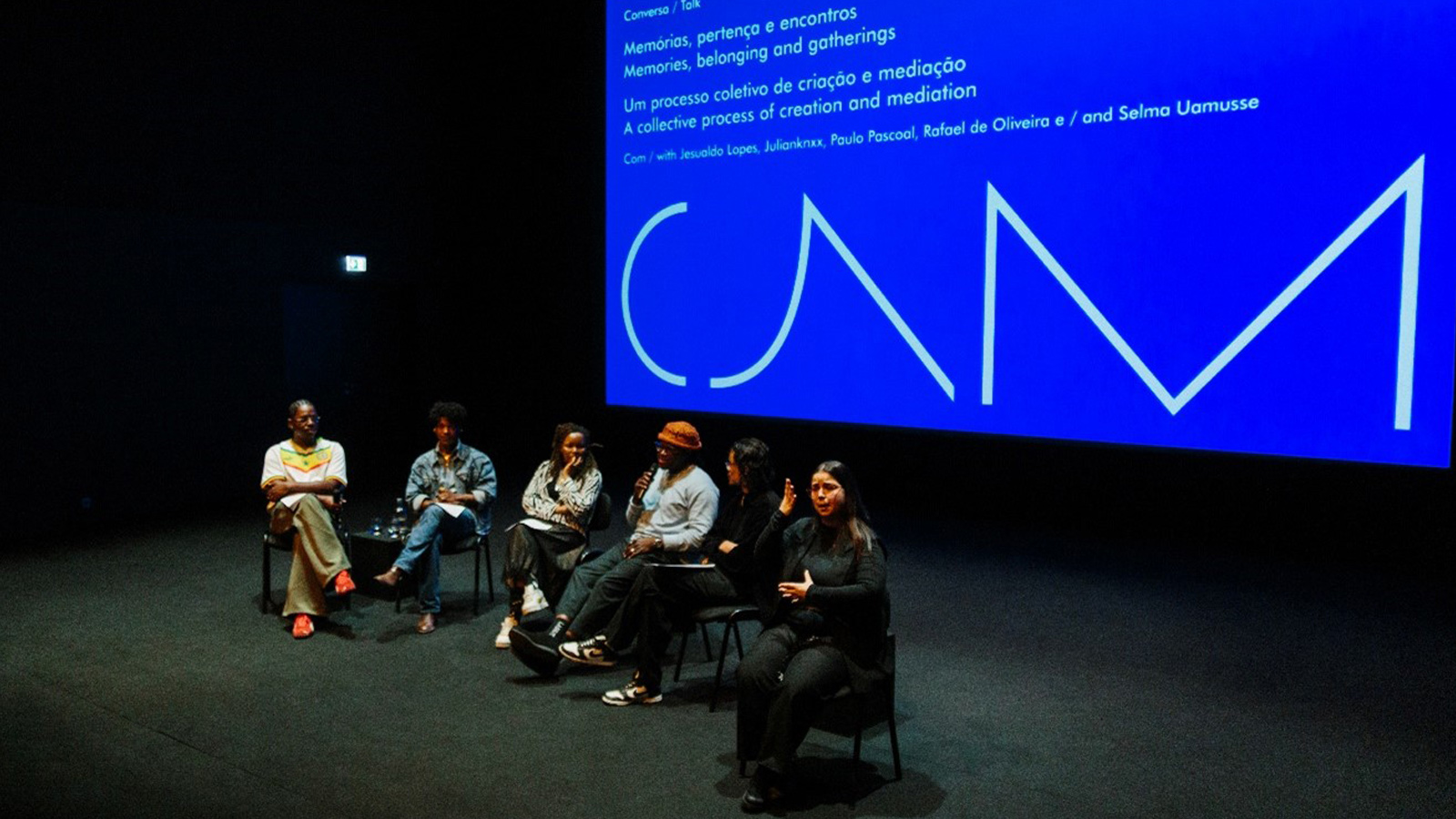
‘The project is what it is because of them. It’s a collaboration with this group of people to whom I gave a space – one that was thoughtfully shaped and curated,’ he explains.
With this cinematic exhibition, the artist proposes a decolonial debate, bringing to light silenced narratives and giving visibility to emerging new iconographies.
‘When we look at history, whether today or in the past, there are common themes: forced migration, poverty, and war are a big part of it,’ he observes. For Julianknxx, these forces are a reflection of the pain imposed by a racialised capitalist system and the generational traumas that pervade both Portugal and Europe at large. In the landscapes of central Lisbon and the African neighbourhoods from the South Bank to the Sintra rail corridor, he finds the settings of those wounds.
‘I want to expand the way we view blackness, so that we go and exist beyond the narratives that are fed to us. The black imagination is vast, it is expanding, and transcending the limitations imposed on us by whiteness in society,’ he continues. ‘It’s hard, it’s a long and tiring journey, but I believe we can push on through it,’ he affirms.
Empathising with others, above all else
The goal of the exhibition is for the message to be echoed by black voices and reverberated by all who recognise them. In other words, the diaspora is not only the source of inspiration for the work, but also its primary audience. Almost like a dedication. However, Julianknxx does not overlook the importance of the work reaching other groups, especially the more privileged.
‘When I do my work, I’m not thinking about white people, or how I’m going to make it understandable for them. That’s not the intention,’ he says, rejecting the notion that the messages could be misinterpreted, since at the centre of the narrative is, first and foremost, a human being.
‘If a story is told well, there’s a connection on a human level,’ he stresses. ‘I don’t want to make a work that everyone can identify with, but rather to tell the story of our lives, human stories. Of how we got to these places and how we exist,’ he says, recalling a distant – but vivid – memory of the day he left Sierra Leone for England, where his identity began to revolve around something he always knew he was but never saw as an issue: being a black man.
‘[This work] is about creating a language of empathy that allows us to be understood and heard,’ he reflects. The Sierra Leonean artist acknowledges, however, that such a mission is more challenging nowadays. With the rise of extremist rhetoric and the increasing radicalisation of society, both in Europe and the United States, Julianknxx feels that the significance of his work is becoming ever greater.
‘The world is constantly changing, but lately things have become more pronounced and polarised,’ he admits. ‘In the last 10 years – probably longer than that – there has been a change in my way of thinking. We don’t all have to speak the same language, or think in the same way. We have to be able to tell our stories and coexist,’ he urges, acknowledging the global efforts in this regard, but recognising that the road ahead is still long.
Nevertheless, the artist remains true to his path. Despite the political, economic, and social challenges, he intends to continue creating spaces and giving visibility to these communities, this being one of the things that drives him as an artist.
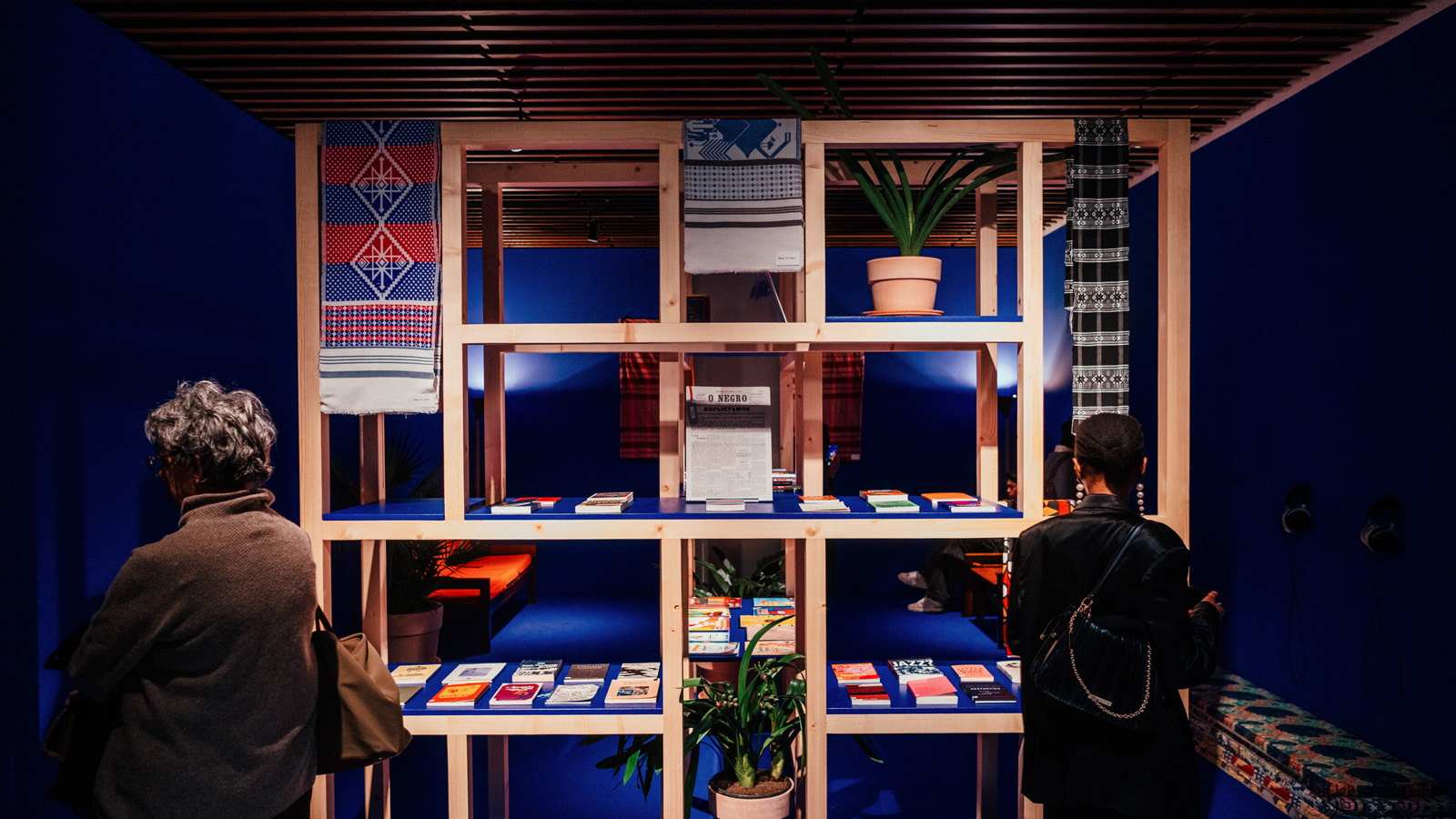

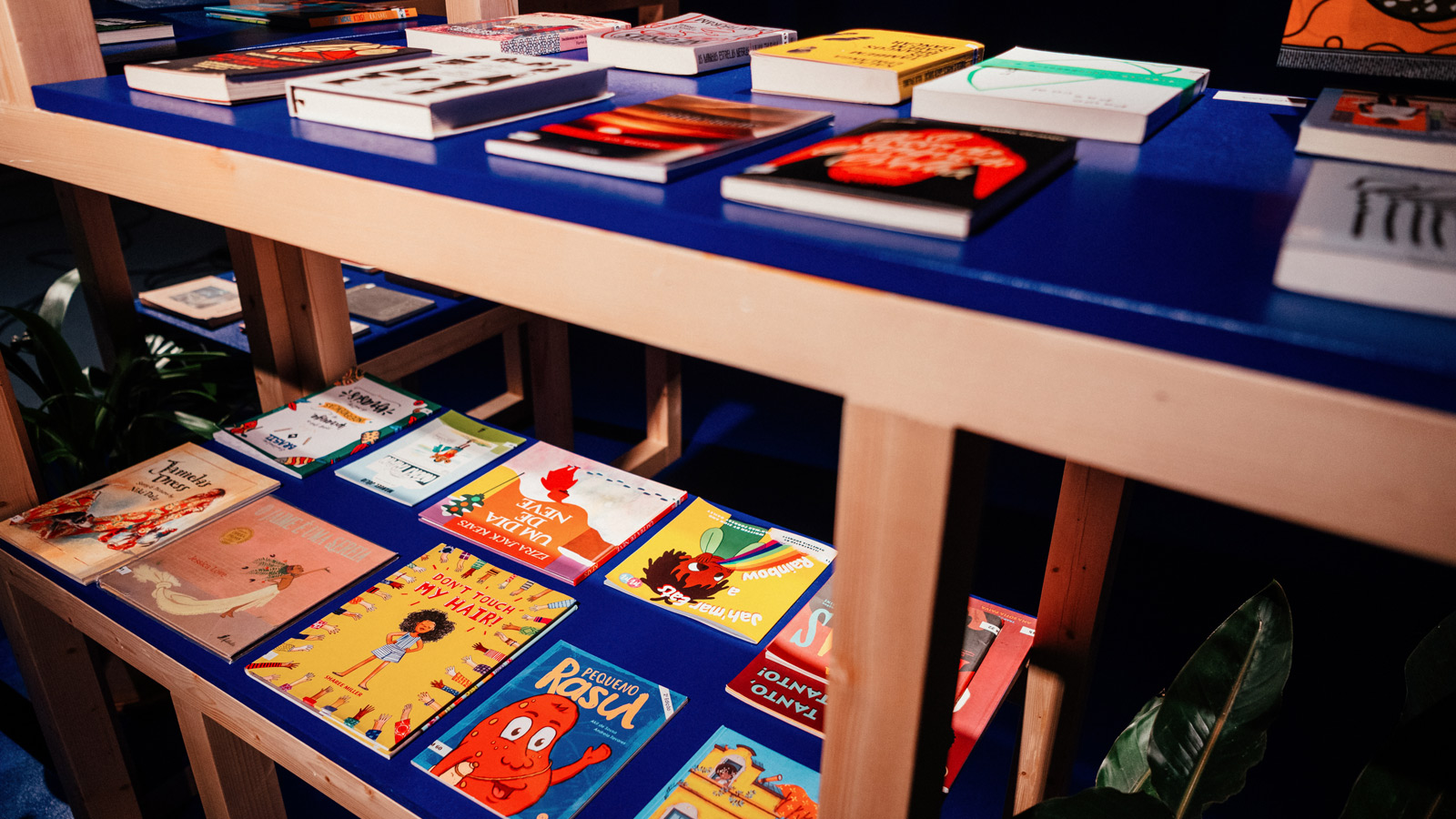
BANTUMEN at Gulbenkian
Explore the series



No results were found for your criteria.
You may also like

No results were found for your criteria.