
Damara Inglês: The Designer Building Plural Digital Futures
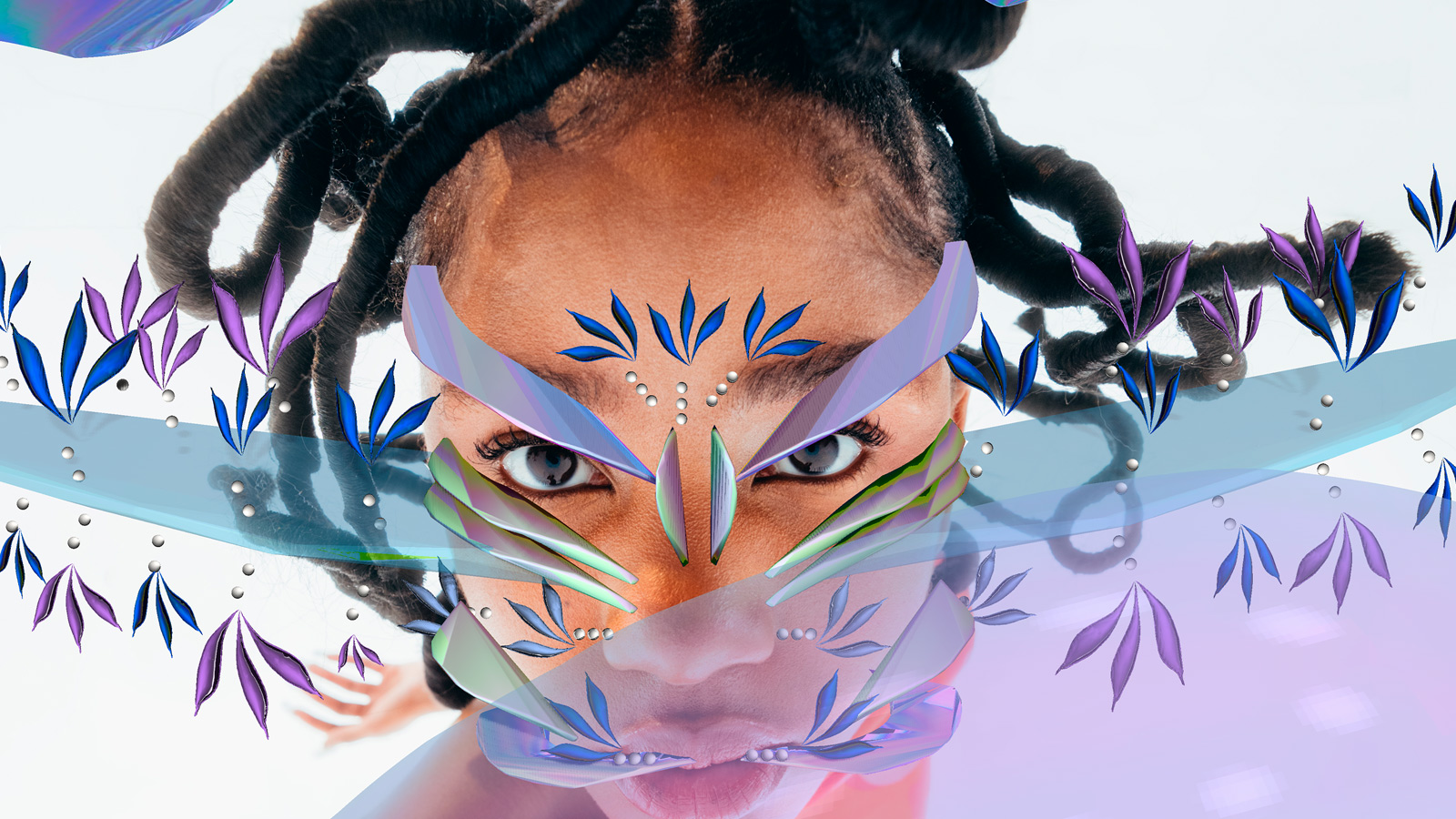
Damara Inglês is a creative strategist and digital experience designer. But it is the title ‘metaverse designer’ that raises the most questions, and she answers them with clarity: the metaverse is not a parallel reality, but an extension of our social lives. For Damara, it is part of a historical continuum of communication, stretching from fireside conversations to avatars in virtual worlds.
She designs sensory and visual experiences, digital clothing, augmented reality filters, VR (Virtual Reality) environments and avatars. More than a matter of technique, Damara’s mission is to inject humanity and diversity into a space that is still taking shape. Her warning is clear: the metaverse replicates the same systems of exclusion found in the physical world. Most digital tools do not cater to racialised bodies. In response, Damara Inglês co-created initiatives such as the ‘Afro Hair 3D Library’, a repository of Afro hairstyles designed by Black designers.
Her vision rejects essentialism. ‘It’s not about denying traditions, but about rejecting monolithic views of what it means to be Black.’ She cites the Black Girl Gamers collective and the introduction of Afrocentric clothing in The Sims as examples of cultural resistance. ‘My nephews will be able to see the bubu [a traditional outfit worn in several African countries] their mother wears at home inside the game,’ she says. That simple gesture fosters a sense of belonging for new generations, whose identities are also shaped in digital worlds.
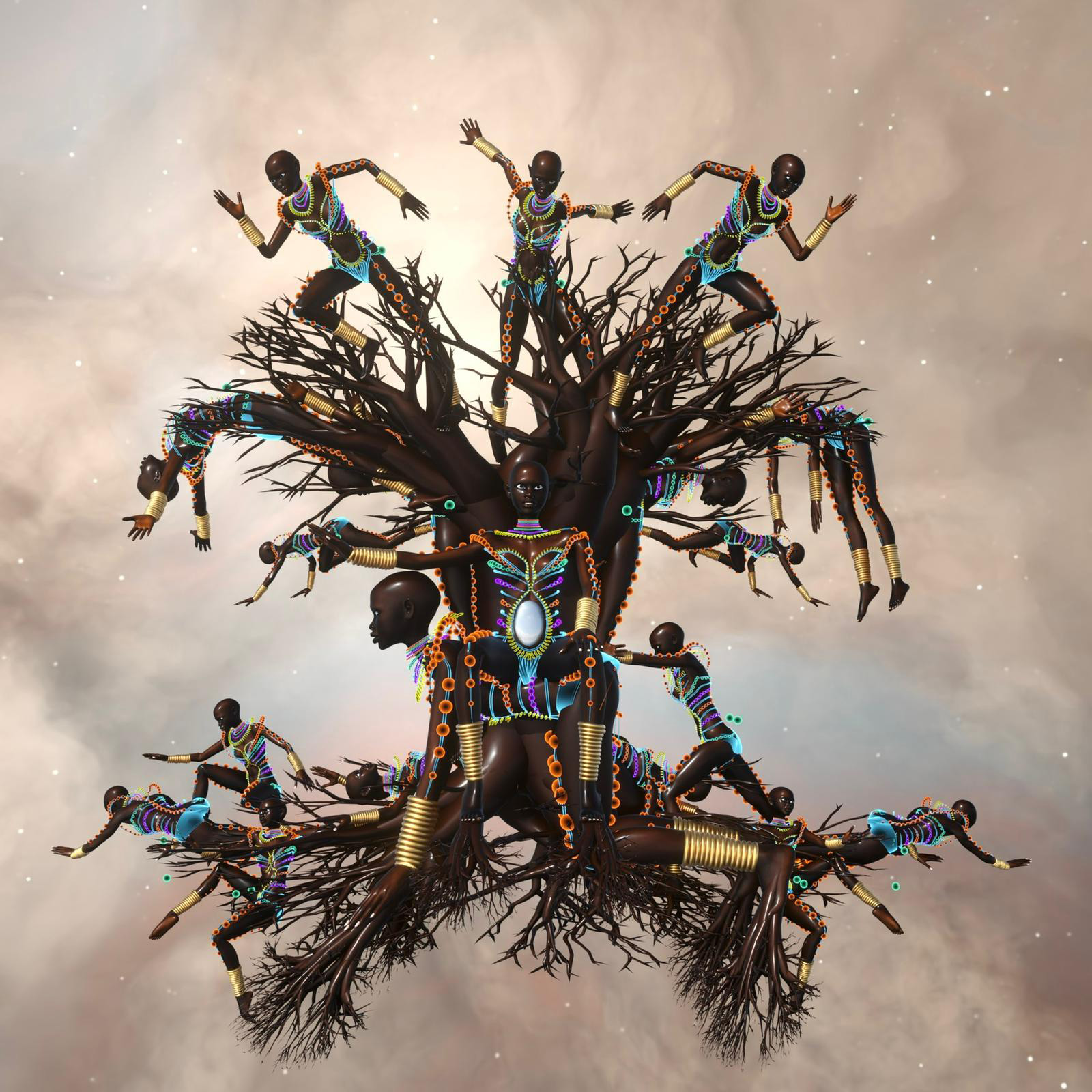
Trained in Fashion Media Practice and Criticism, Damara Inglês fuses spirituality and technology. She created the concept of cyberkimbandism, which links Bantu cosmologies to artificial intelligence. She sees parallels between masks and filters, between spiritual bodies and avatars, and asserts that ‘we are the ancestors of AI (Artificial Intelligence).’
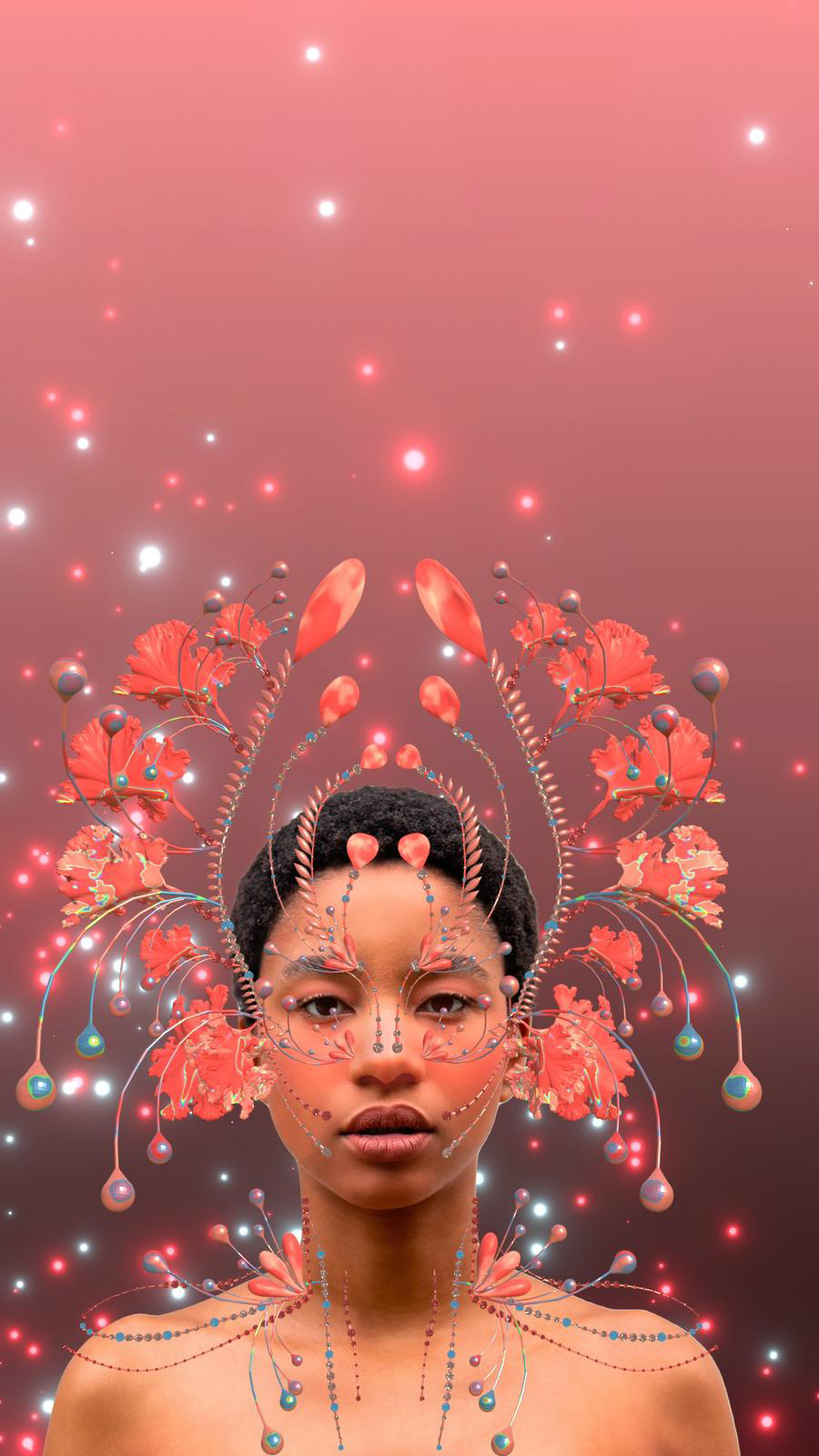
Working with brands such as Snapchat and NARS, she has developed filters designed specifically for Black skin tones, challenging stereotypes and expanding the limits of what is visible. For Inglês, cultural appropriation is not about who uses something, but about who creates it and who holds power over the tools. ‘Black aesthetics also have the right to universality,’ she tells us.
Her approach is rooted in sharing: ‘If we’re talking about the metaverse, we’re talking about expansion – and that includes aesthetics and who controls them.’ The designer also warns about the risks of AI. When she entered ‘Queen in Angola’ into an image generator, she was shown a British queen with enslaved people. ‘If AI doesn’t recognise an African queen as a queen, how is it going to respond to a Black person in real life?’ Representation, in this context, is a political, technical, and ethical issue.
Damara rejects the idea of inclusion as an act of benevolence from the centre towards the margins. ‘I don’t like the word inclusion, because it assumes there’s a centre. We are all standard.’ Her work demands that the digital future be more than just technological – it must also be truthful, plural, and just.
BANTUMEN at Gulbenkian
Explore the series


No results were found for your criteria.
You may also like


No results were found for your criteria.