
Home, body and time. Carlos Bunga transforms the ephemeral into a territory of creation
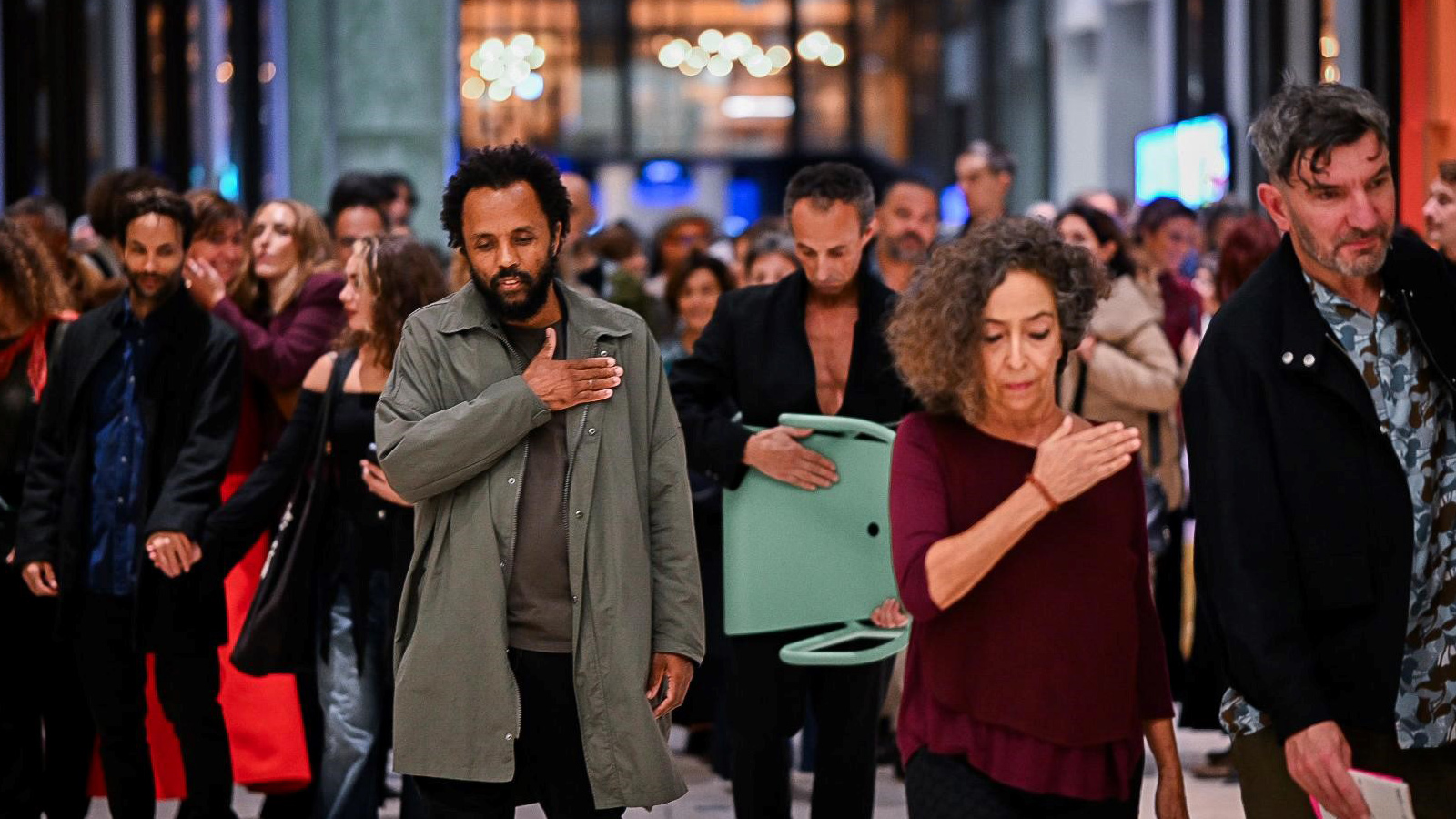
At a time when crises – economic, social, environmental or political – seem to arrive one on top of another, Carlos Bunga views art as a ‘critical and sensitive device’ that helps us interrogate the present and give back to the human experience the right to doubt. According to his vision, artistic practice is not a mirror of reality, but ‘a space of querying’ that replaces answers with questions and certainties with productive tensions. Within that unstable terrain, the artist presents the possibility of rebuilding the social bond, making empathy and imagination tools of resistance and invention.
In the interview, the artist reiterates the idea that art must go beyond the purely decorative function and stand as a ‘field where meaning is produced,’ where it is possible to put strain on the rules, question structures of power and call on new forms of perception and coexistence. From this perspective, artistic creation becomes an ethical, inhabitable and vulnerable space that ‘welcomes instability as a condition of existence’ and recognises the creative potential in human contradictions. Bunga reminds us that, in fragmented societies marked by fear of the other, it is fragility itself that can give rise to new forms of empathy and collective imagination.
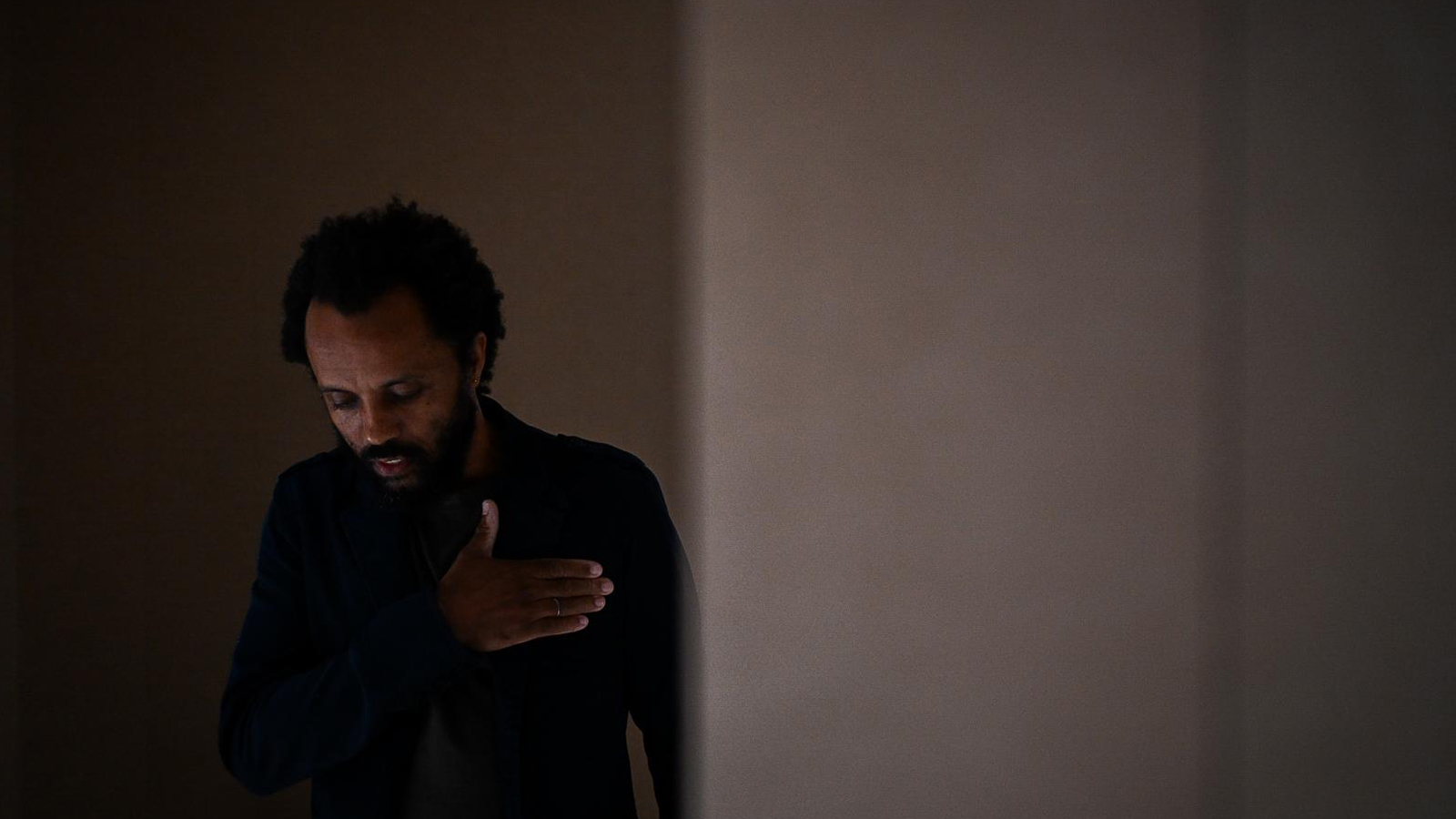
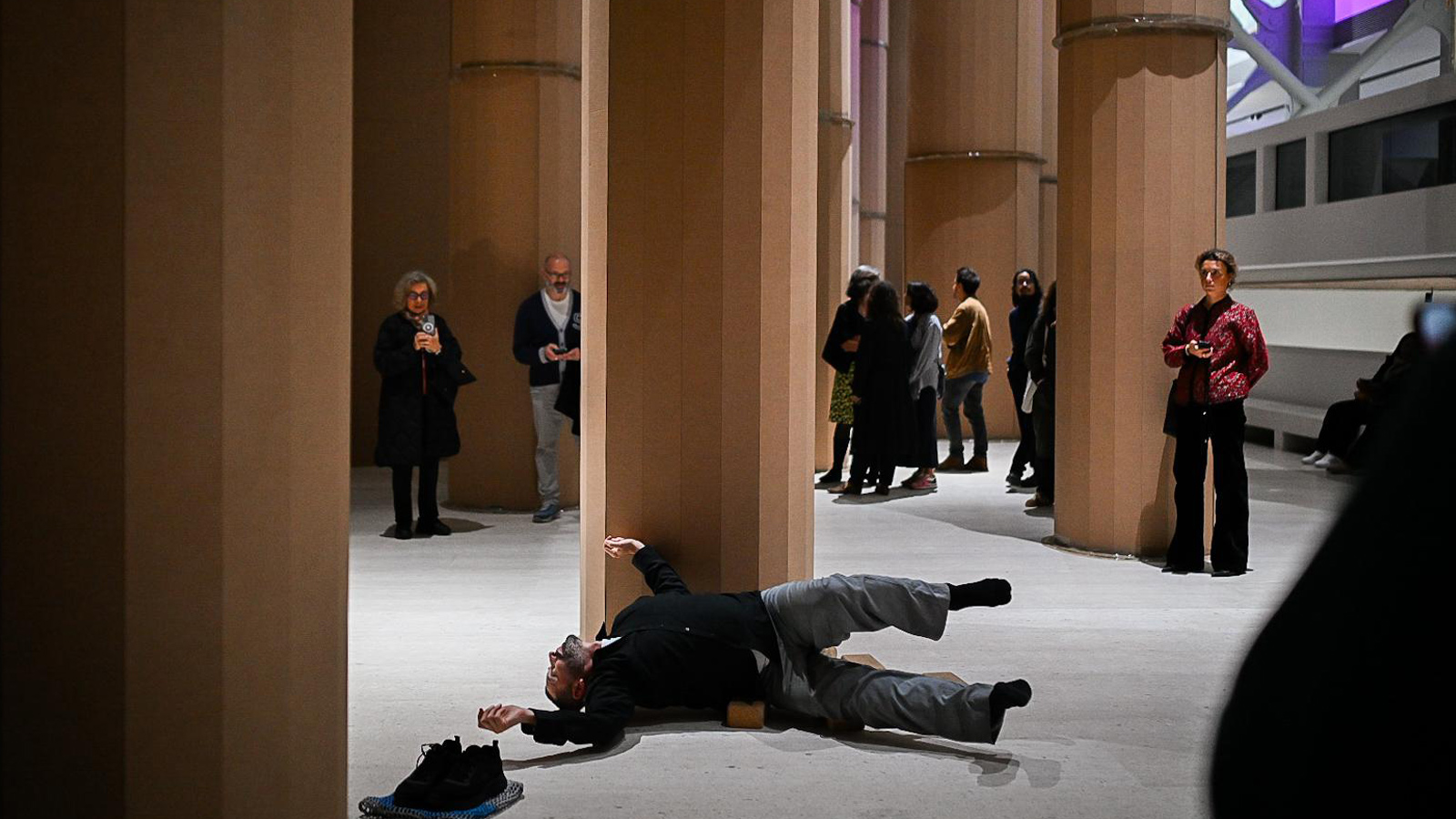
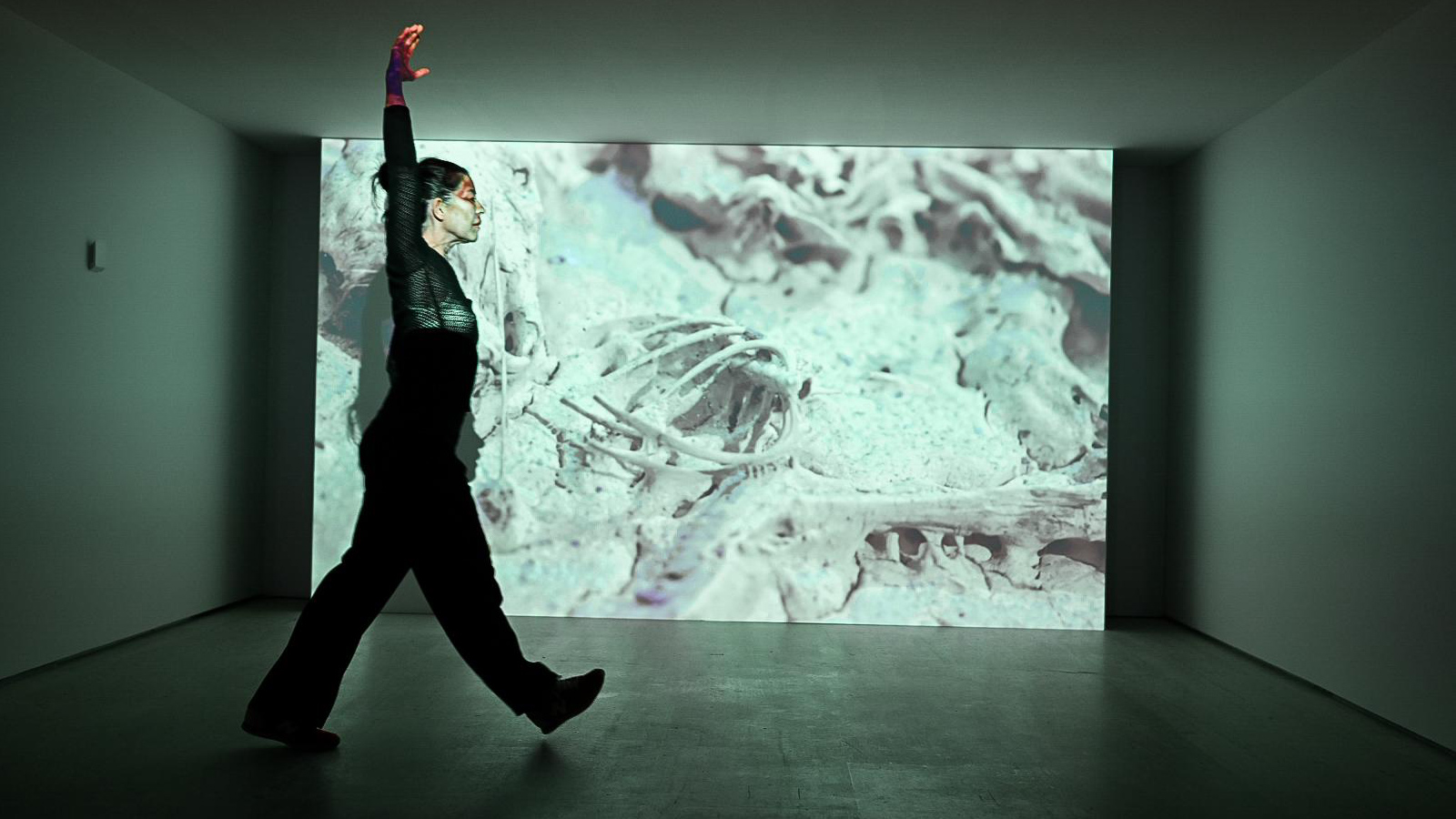
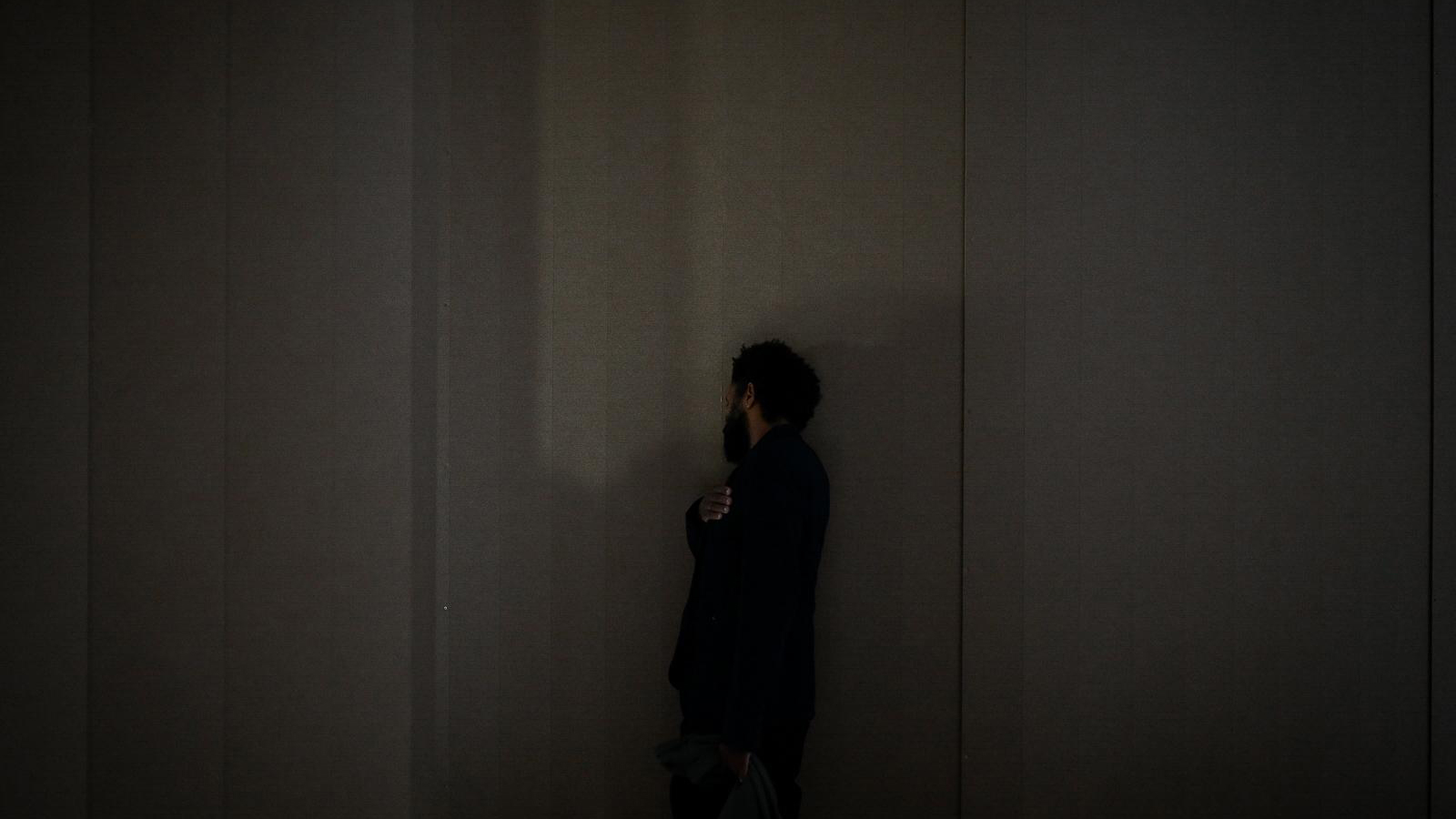
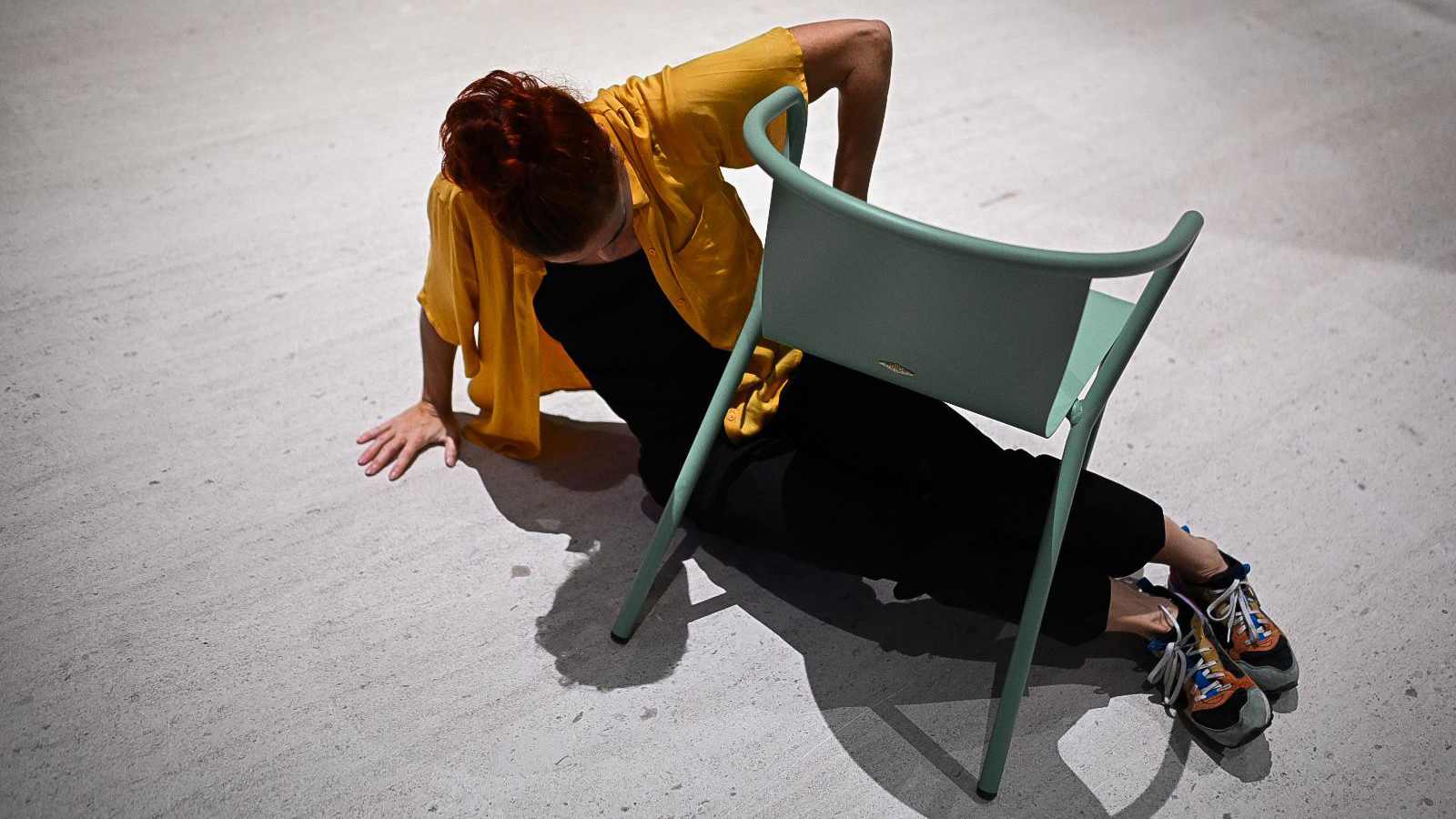
An awareness of impermanence filters through all his work, with the artist recognising that ephemerality is not a choice, but a condition that mirrors the nature of life itself: ‘The only real permanence is the continual transformation caused by the passage of time.’
The act of creating, in this context, cannot be separated from the act of allowing things to disappear, and the ephemeral becoming a metaphor for a displacement, not as means of escape, but as a flow of learning and listening. His works, constructed from organic materials such as cardboard, adhesive tape and fragile fabrics, embrace vulnerability as a subject matter and form of thought. Through this approach, Bunga proposes an ethics of instability, rejecting the illusion of permanence and completeness.
This concept is also the axis of his creative biography and of a journey he describes as a ‘nomadic route,’ in which his practice is affirmed as a ‘poetic gesture guided by listening to the present.’ Transitoriness, he says, became his way of being in the world. Early on, he realised that it wasn’t the destination that was essential so much as permanence on the journey, more precisely ‘listening, digressions, the unfinished.’
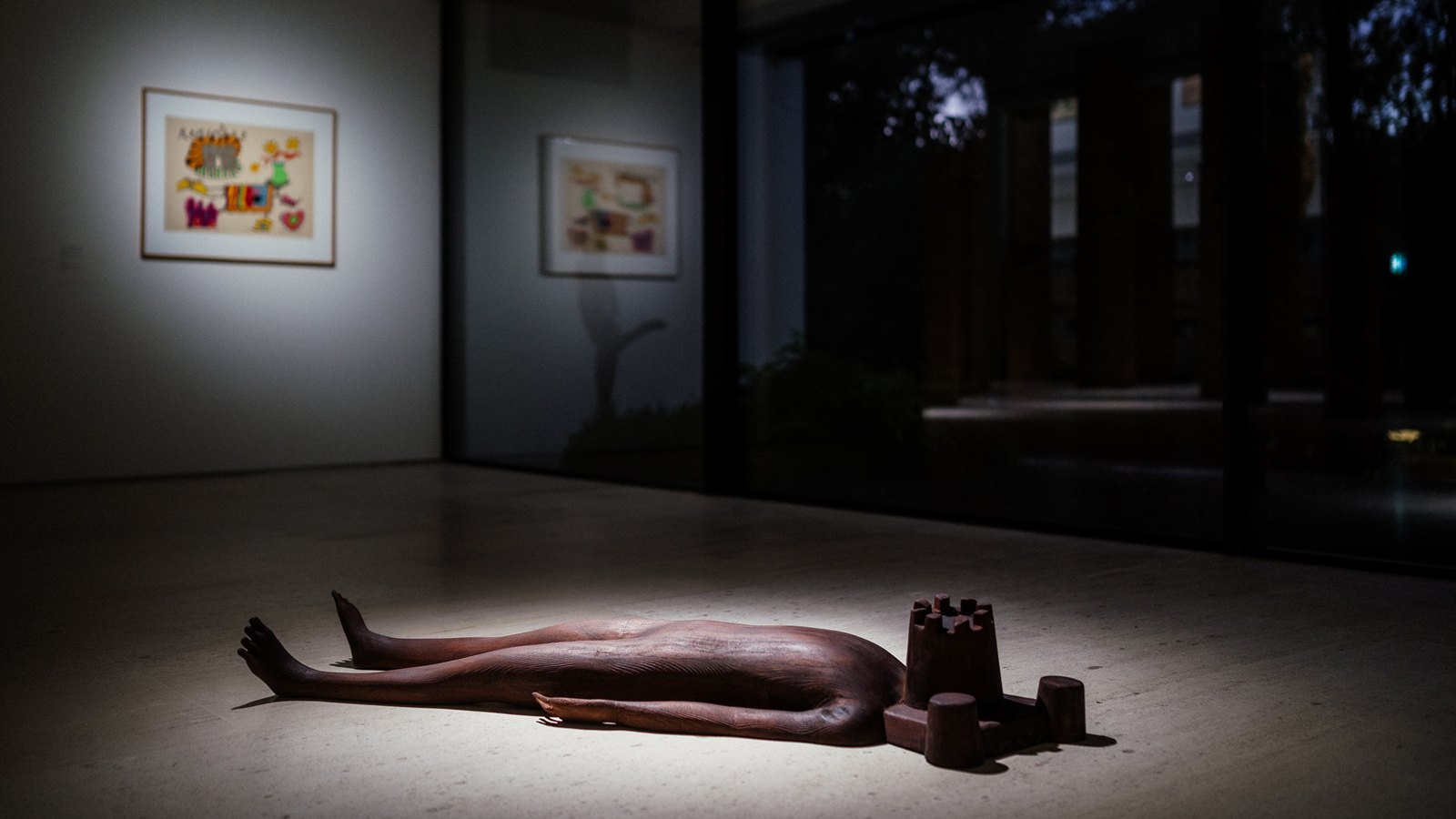
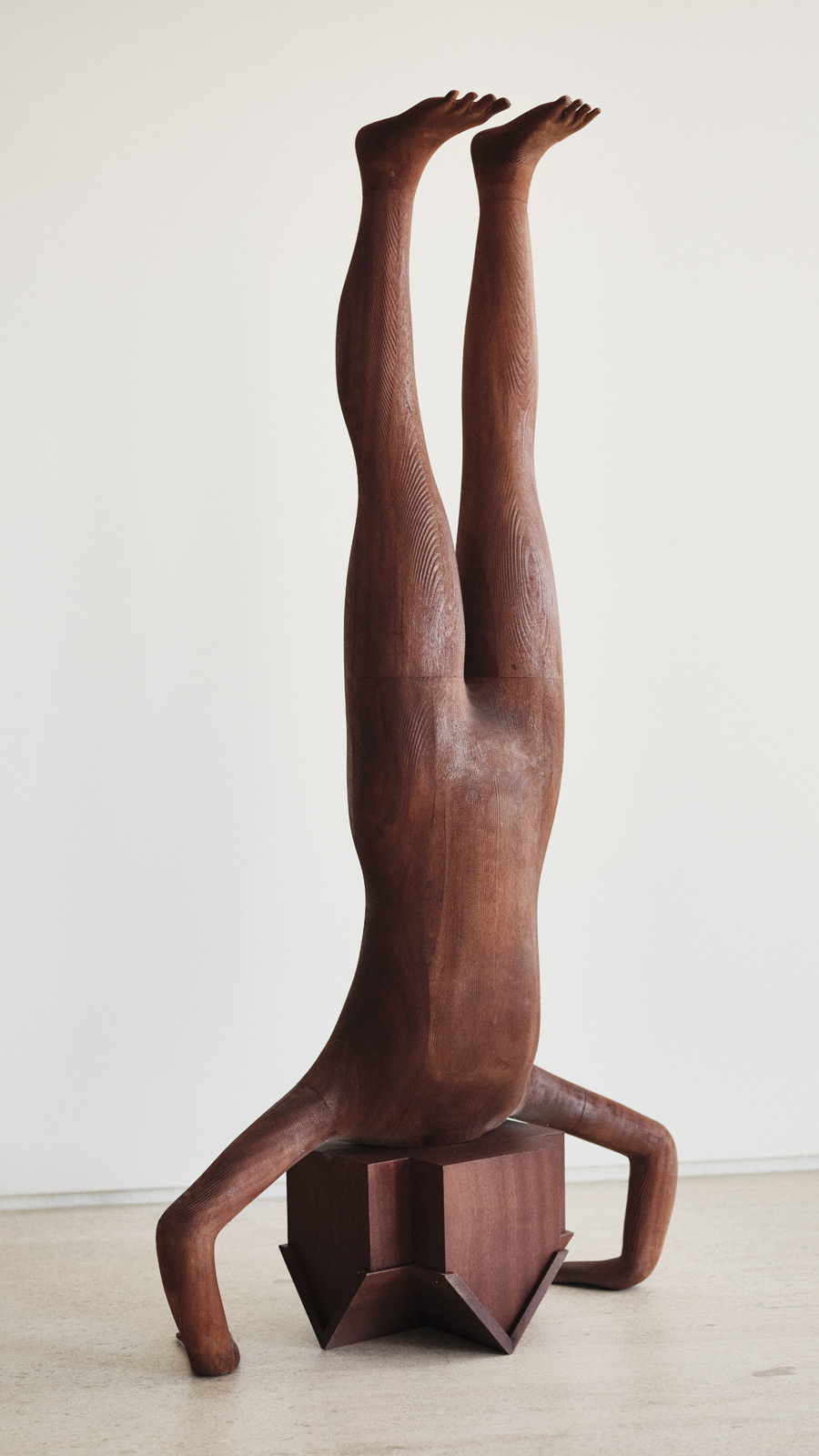
He works with fragile and transitory gestures that seek to inscribe themselves in time without any intention of dominating it. The organic and unstable materials he uses are simultaneously matter and metaphor: they reveal the impermanence of existence and the fluidity of human relationships.
The son of a woman who fled Angola for Portugal in 1975, Bunga recognises that migration marked him from the womb. ‘We migrated before I uttered my first cry,’ he recalls. Rather than a chronology, childhood is for him ‘an intimate geography,’ a territory of suspended memories that shape the perception of space. For that reason, he never regarded it as something fixed or stable, but as ‘a tension between inside and outside, between what is inhabited and what is lost.’
His mother’s passage to Portugal thus becomes the symbolic source of a practice that constantly questions what it means to belong.
His shift from painting to architecture emerged as a natural consequence of that restlessness. ‘The conventions of two-dimensional art forms no longer responded to my expressive needs,’ he explains.
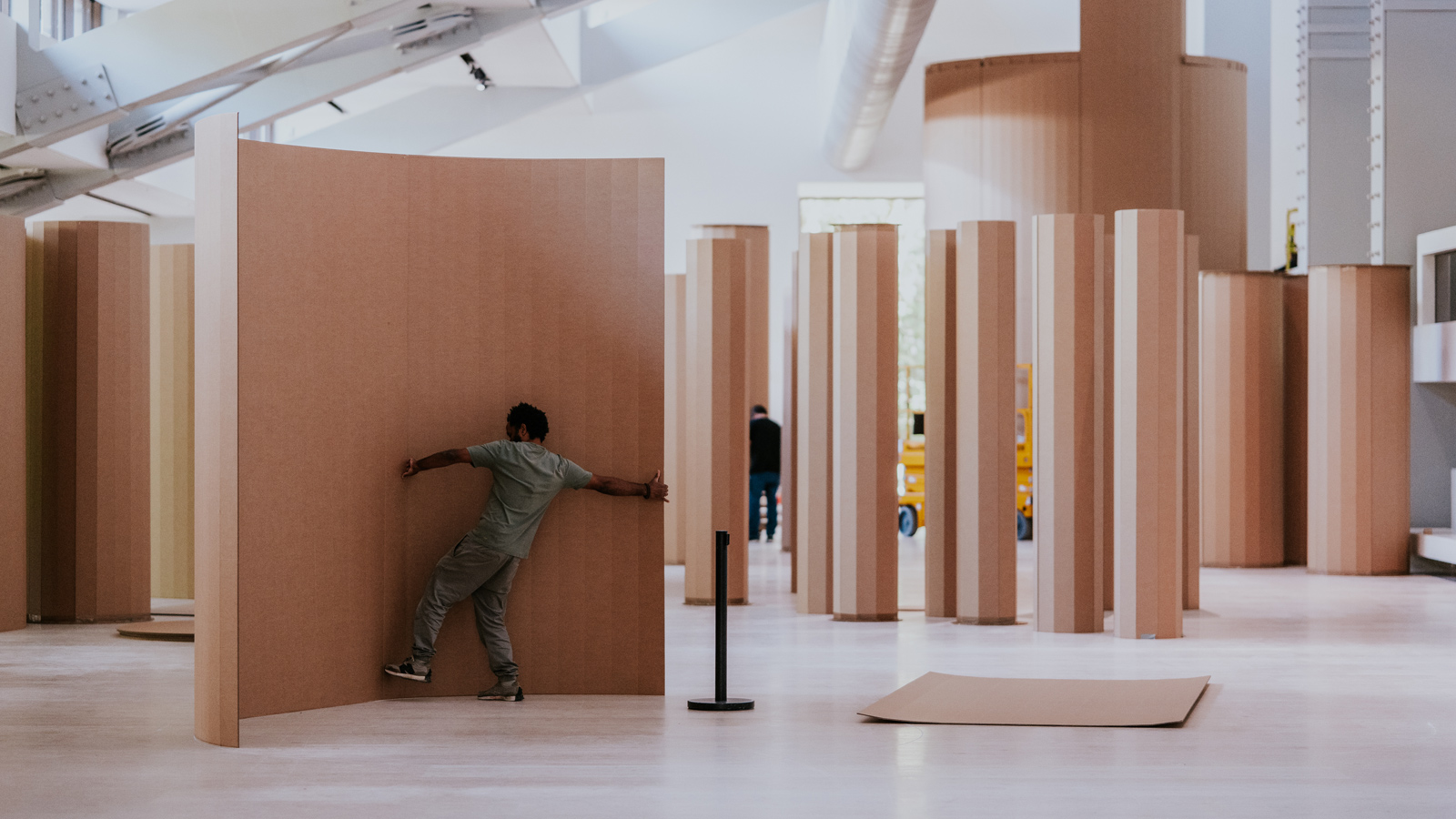
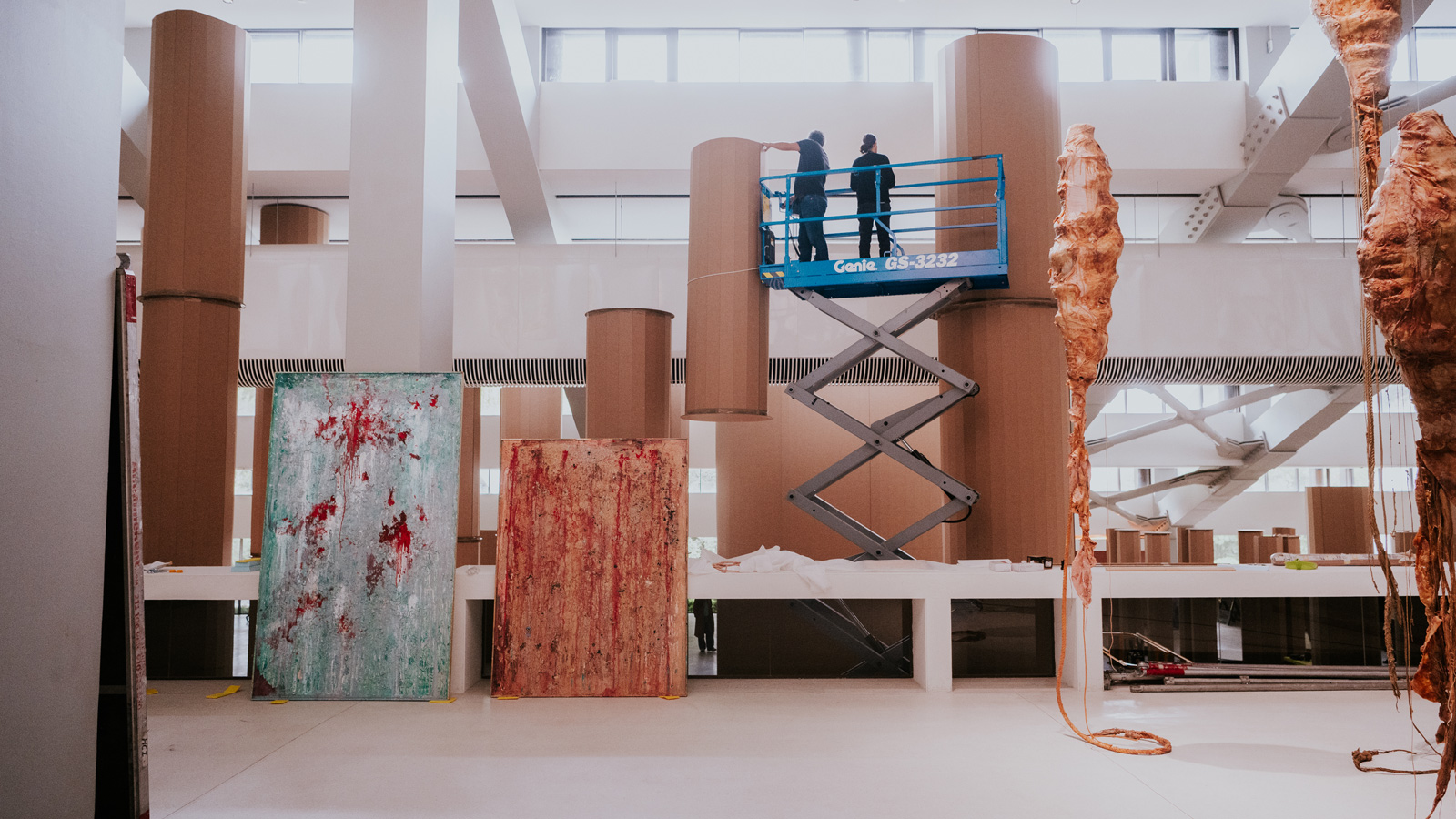
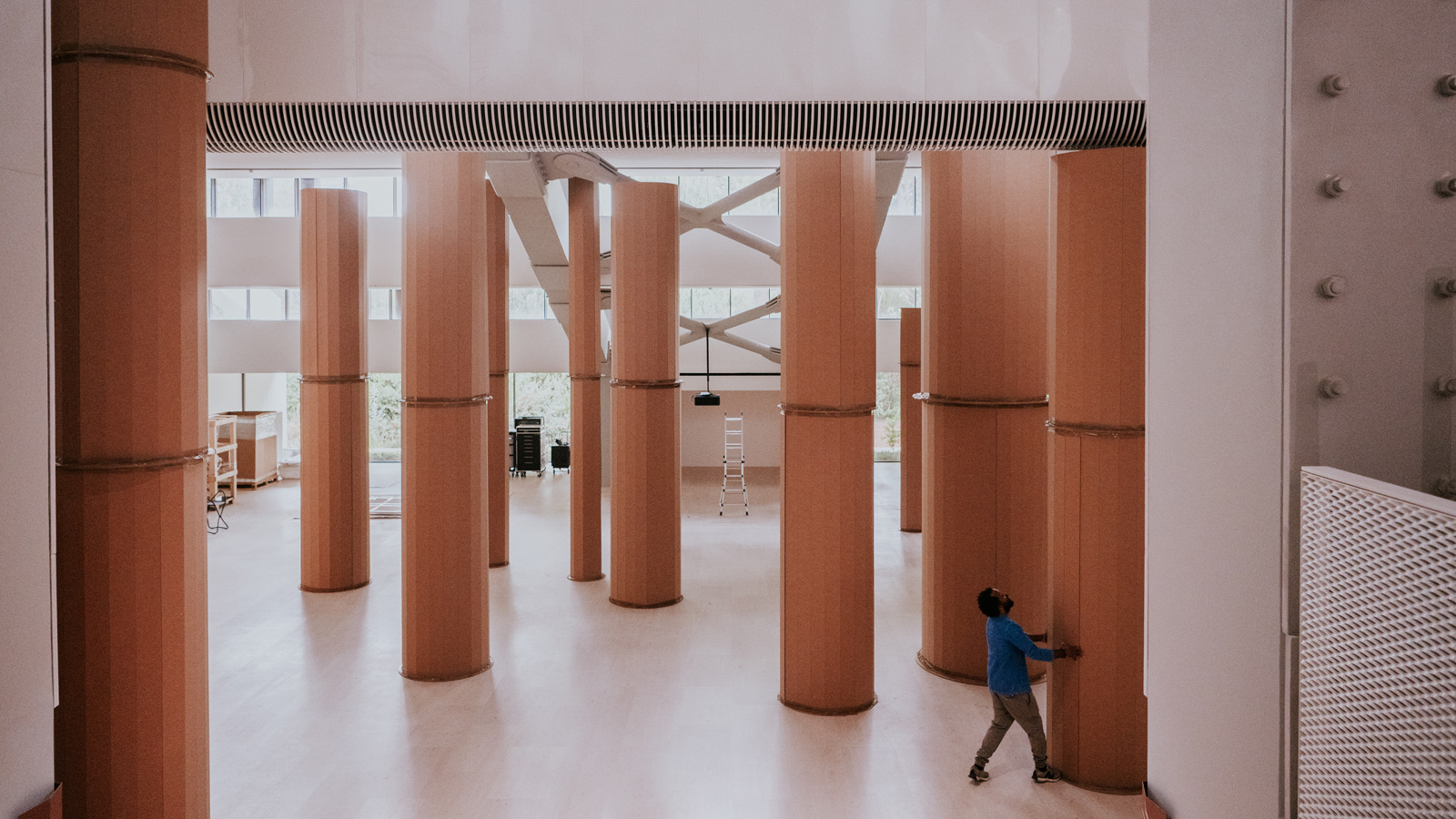
The urge to tear up the canvas and incorporate the body led him to discover, in ruins and urban voids, a kind of mirroring of his own experience. Architecture was thus no longer merely a setting, becoming ‘medium, language and raw material.’ This transition consolidated his comprehension of the work as a territory to be inhabited, a space where body, gesture and matter coexist without hierarchy.
For Bunga, disassembling an installation is as significant as erecting it. Far from symbolising the end, the gesture is ‘an affirmation of impermanence as an essential condition of existence.’ At the moment when the work is taken apart, the artist speeds up the natural cycle of transformation and rejects the unchanging object.
‘I'm not seeking the eternal. I'm looking for the sensitive, and in the ephemeral I find the most profound mirror of the human condition.’
Disassembling reiterates his refusal of symbolic authority and questions the notions of stability and value. The installations are, in his words, ‘prototypes of a world still under construction,’ open to appropriation and listening.
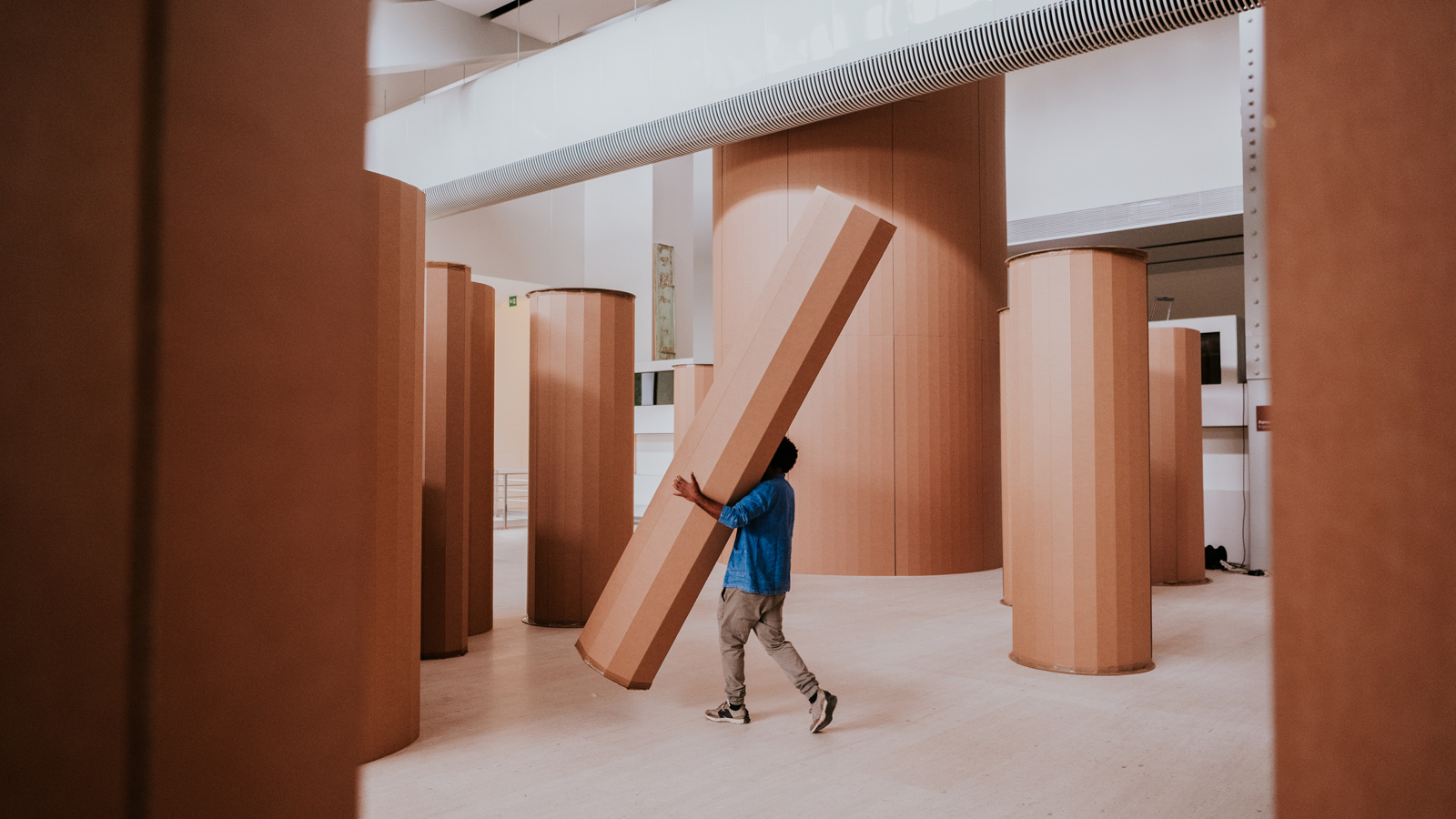
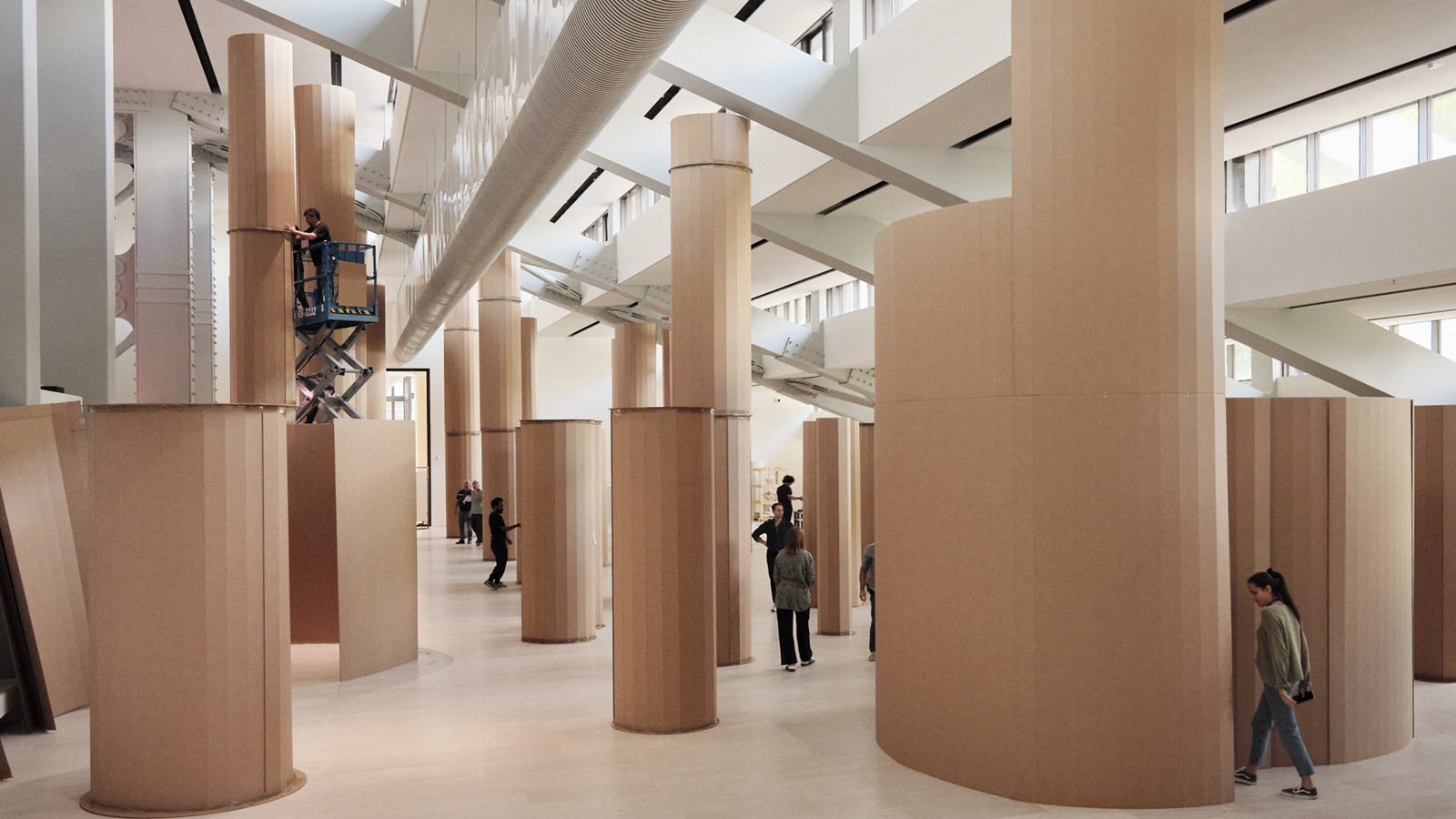
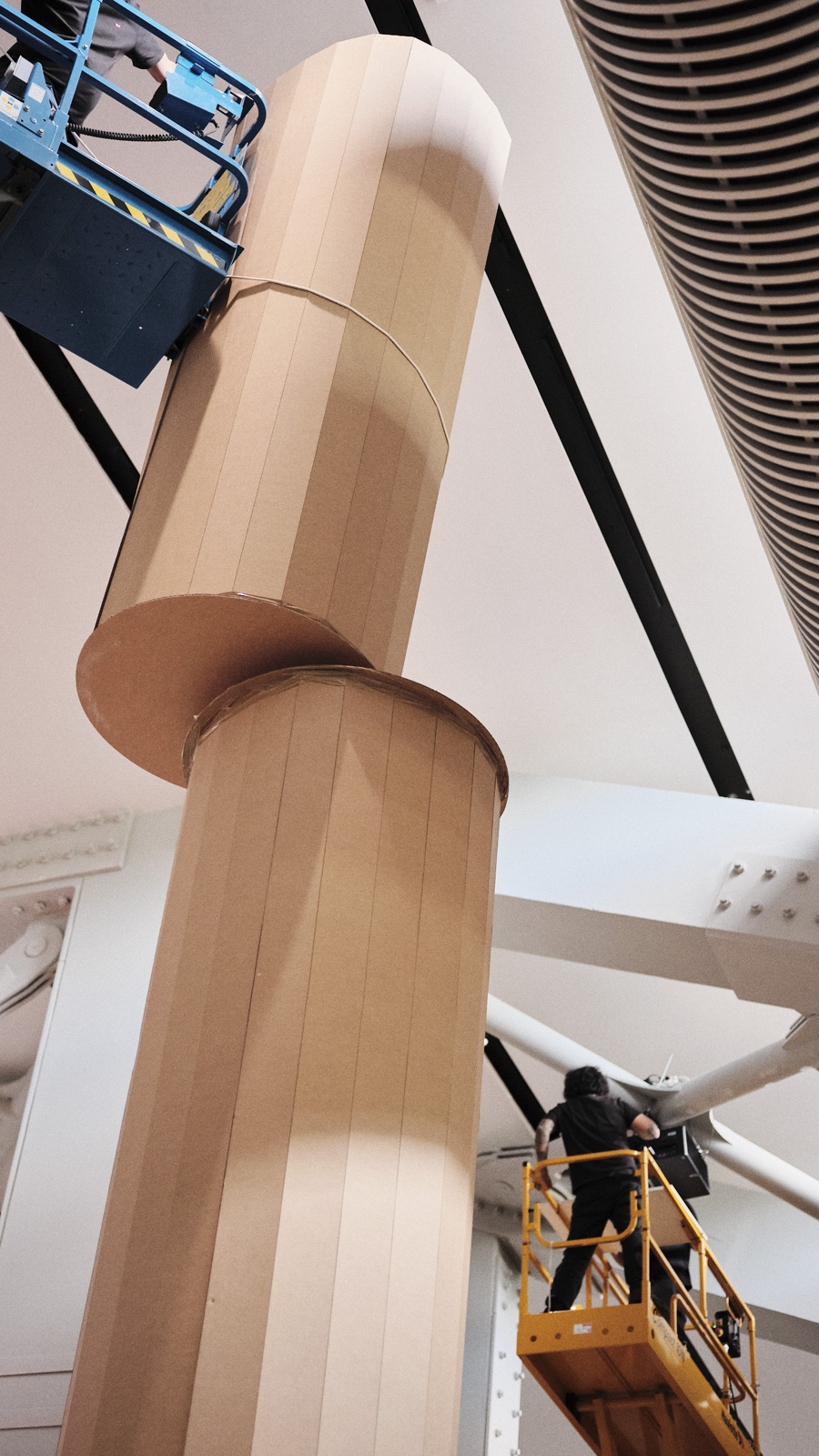
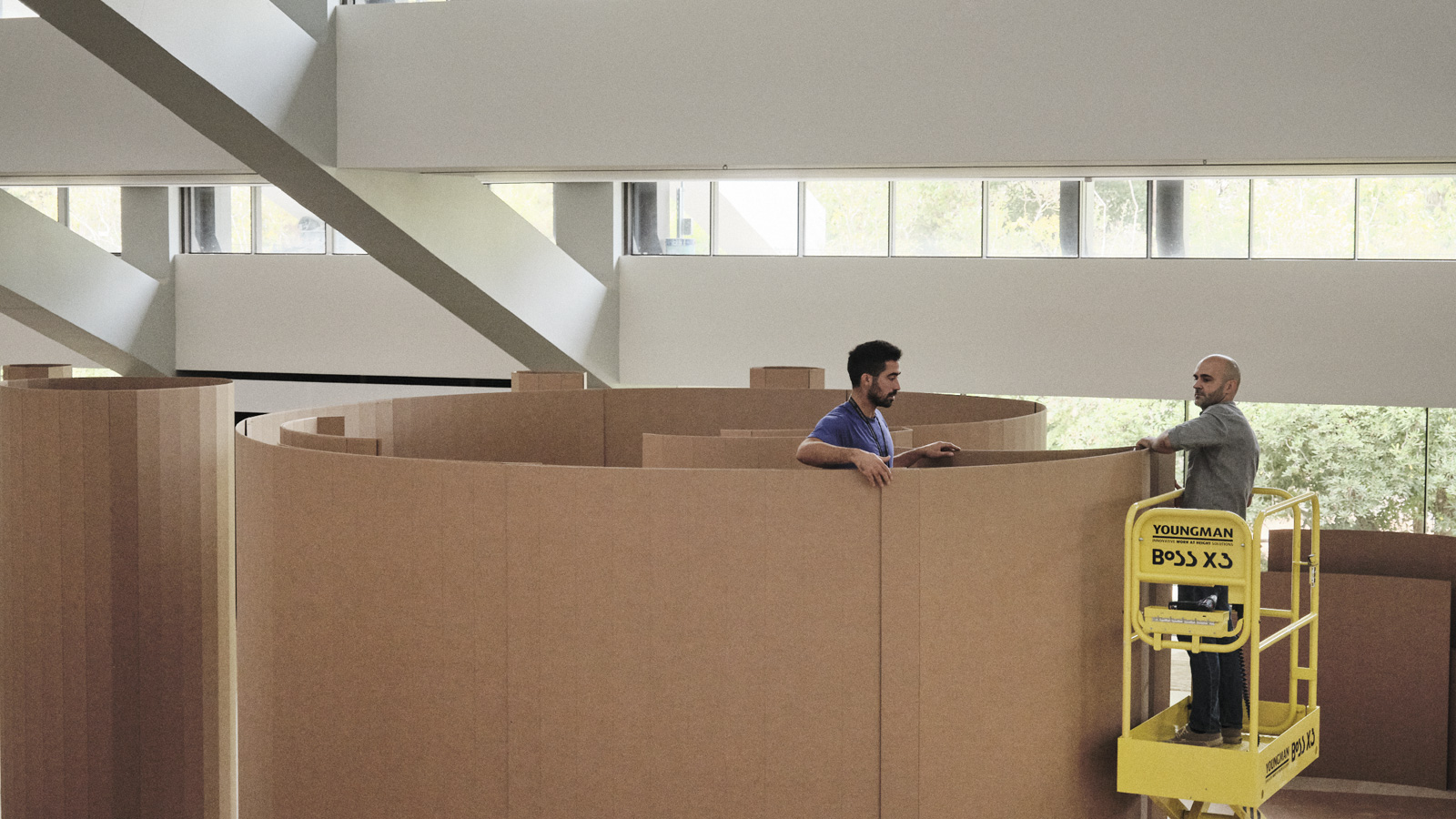
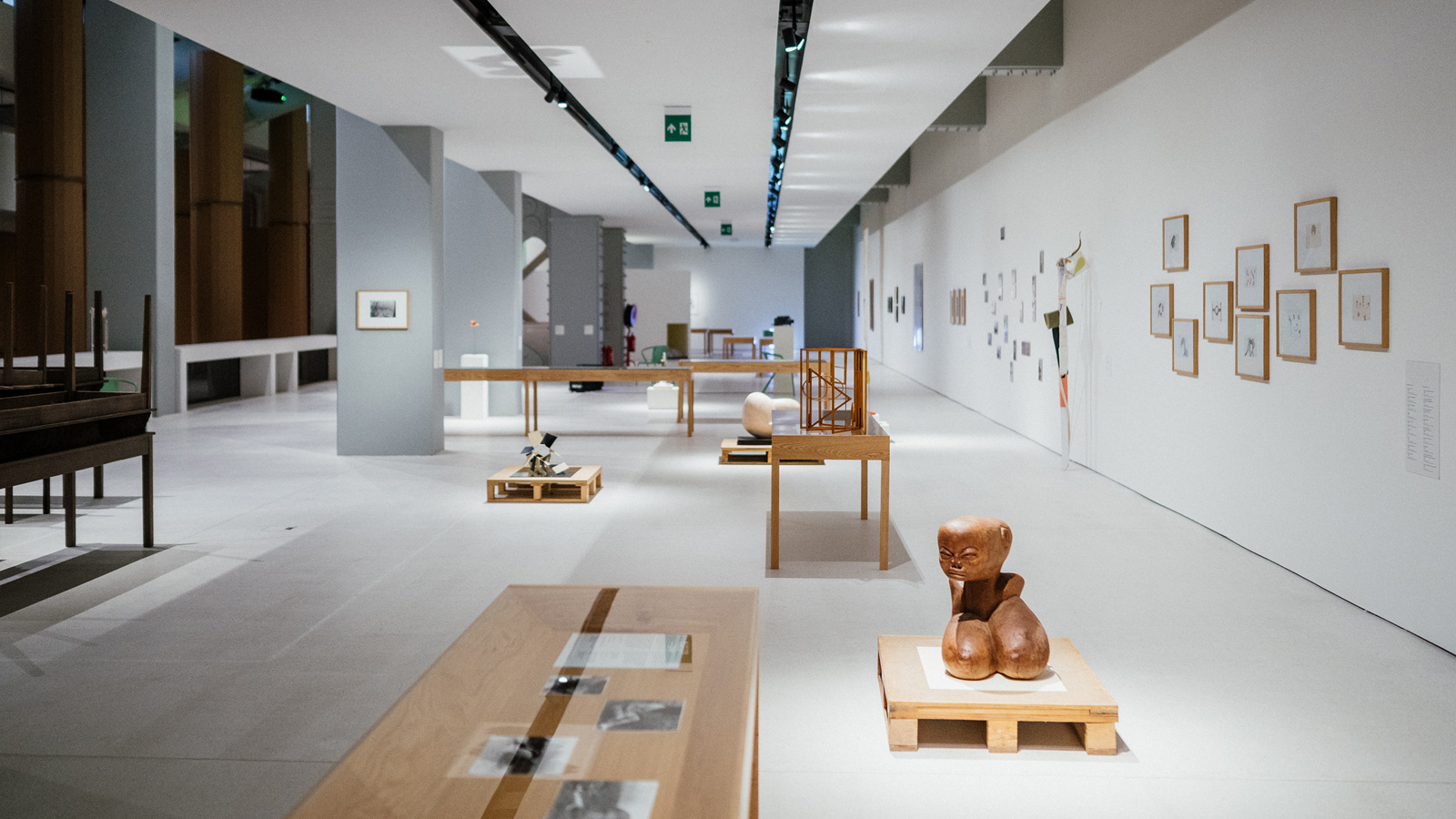
The exhibition ‘Carlos Bunga. Inhabit the Contradiction’, on display at CAM from 8 November 2025 to 30 March 2026, stems from that same mindset of spilling over. By simultaneously occupying the interior galleries and the exterior garden, Bunga devises a physical and symbolic path that is both intimate and collective. ‘For me, contradiction is an essential matter,’ he states. The site-specific installation ‘Bosque’ (2025) is the culmination of this proposal, inviting the visitor to enter, to linger and to feel. The display expresses absence, impermanence and fragmentation, not as abstract concepts, but as ways of excavating the invisible and exposing that which resists.
The starting point is the work ‘A Minha Primeira Casa Foi Uma Mulher, 1975’ [My First House was a Woman, 1975], from 2018, a direct evocation of the maternal womb as a first dwelling place. ‘That place of origin is not just a biological shelter, but a first symbolic gesture of inscription in the world,’ he explains.
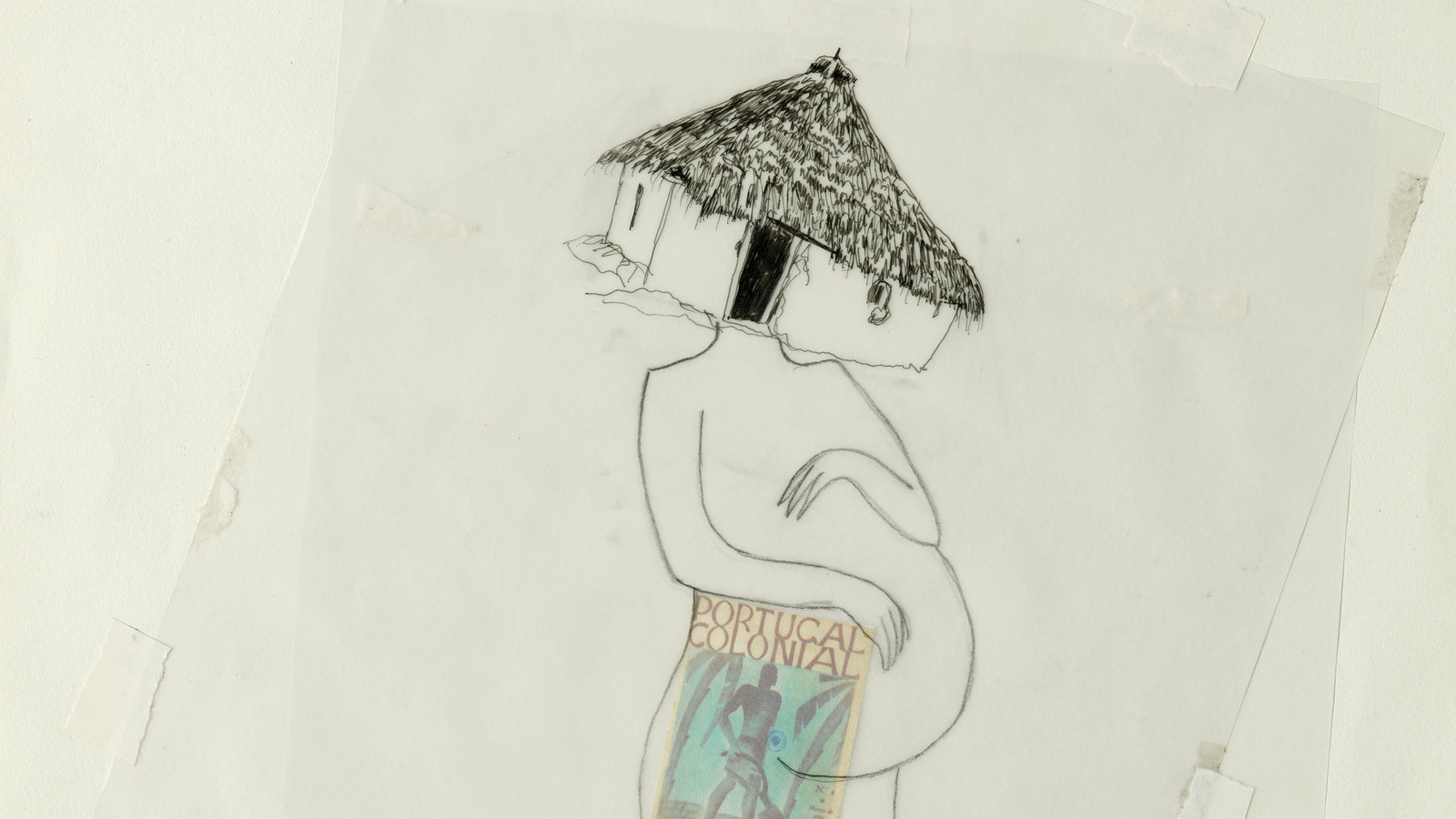
The metaphor of the ‘body-house’ permeates the exhibition as a reflection on origin and belonging, presenting the subject as a porous, migrant being, constantly in transit. Creation, in that sense, is a way of ‘transforming pain into power and rupture into reconfiguration.’ The artist identifies with the nomad figure, as someone who ‘rejects the rigid boundaries of identity’ and inhabits the passageways between the visible and the nameless.
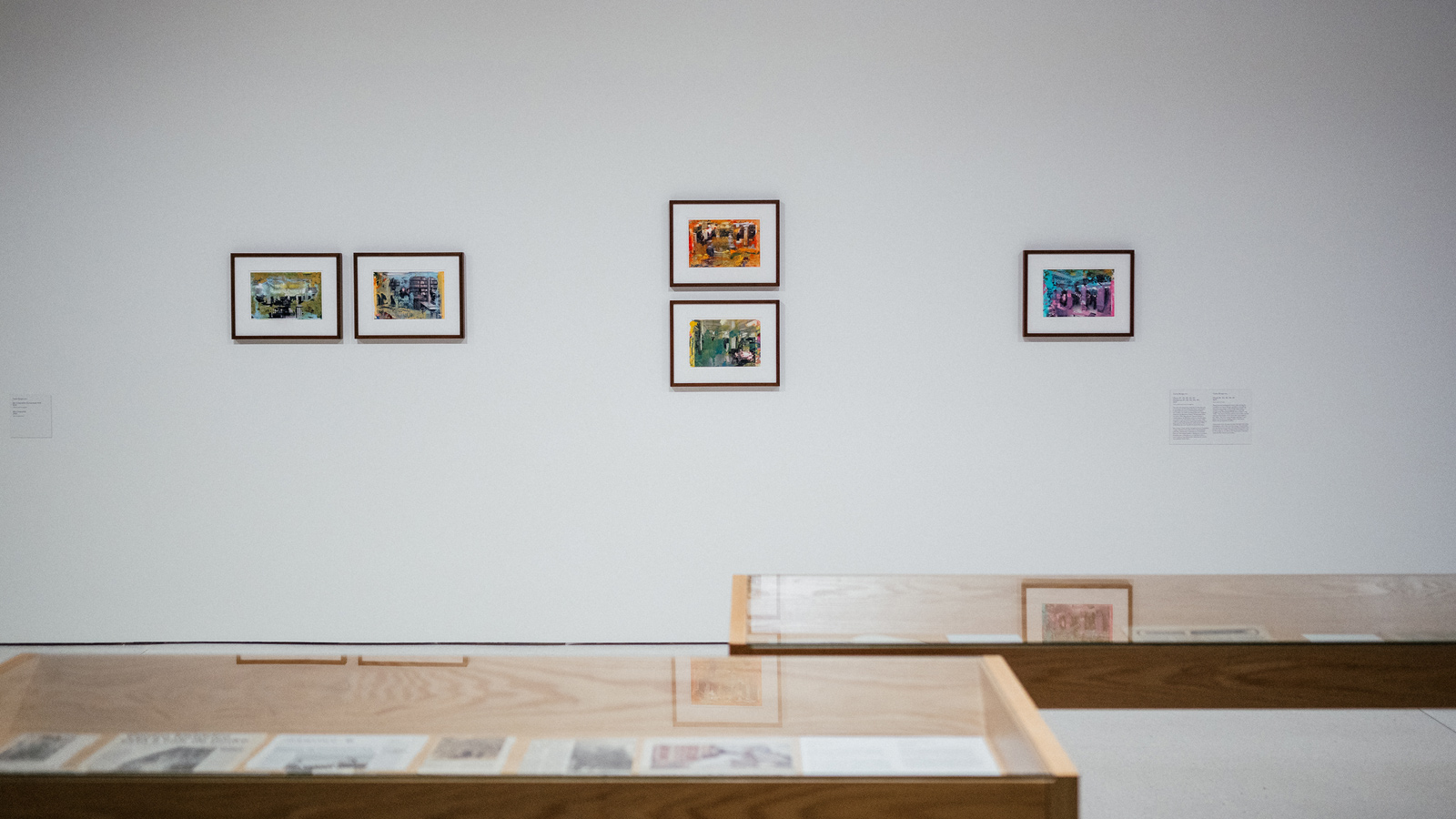
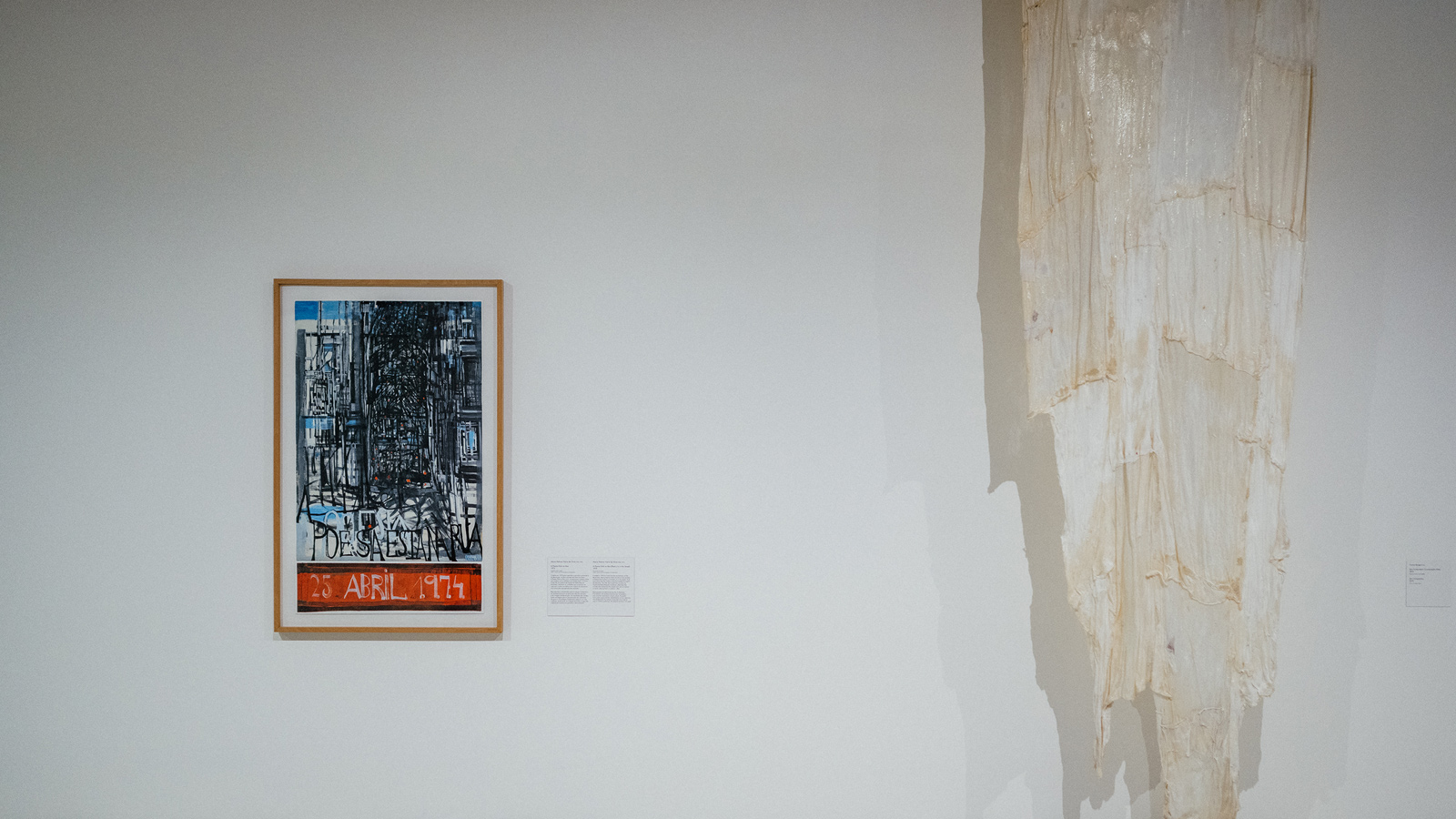
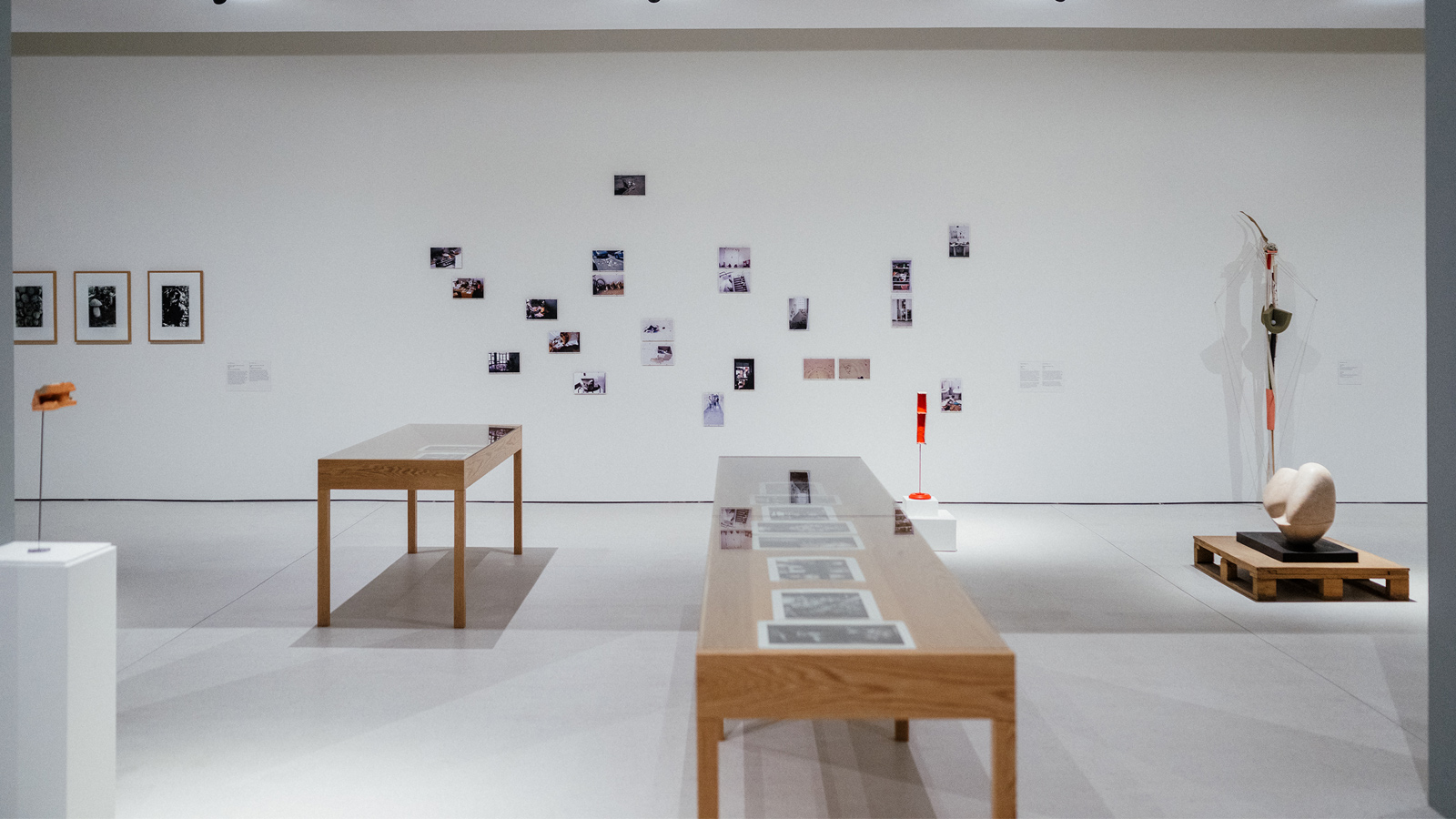
In creating a dialogue with the CAM collection, he sought works that ‘inhabit the threshold between document and artwork,’ rarely-exhibited, fragmentary pieces in which he recognises the potential of that which resists beyond the dominant narrative. By connecting those presences with his own ephemeral installations, the artist proposes a critical reading of institutional history, ‘an exercise of thought and corporeality, where the gesture acts as a mediation between past and present, visible and invisible.’
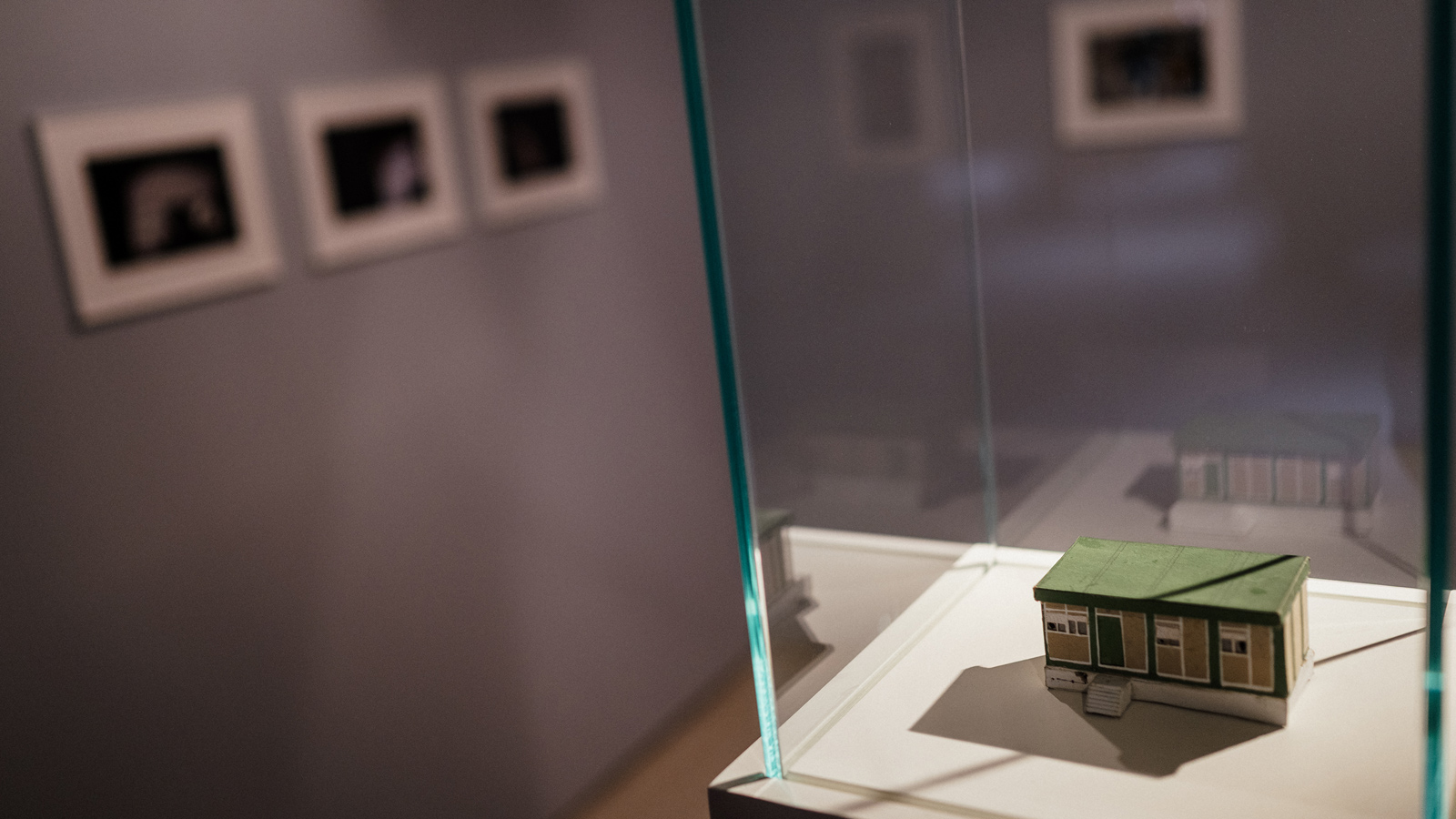
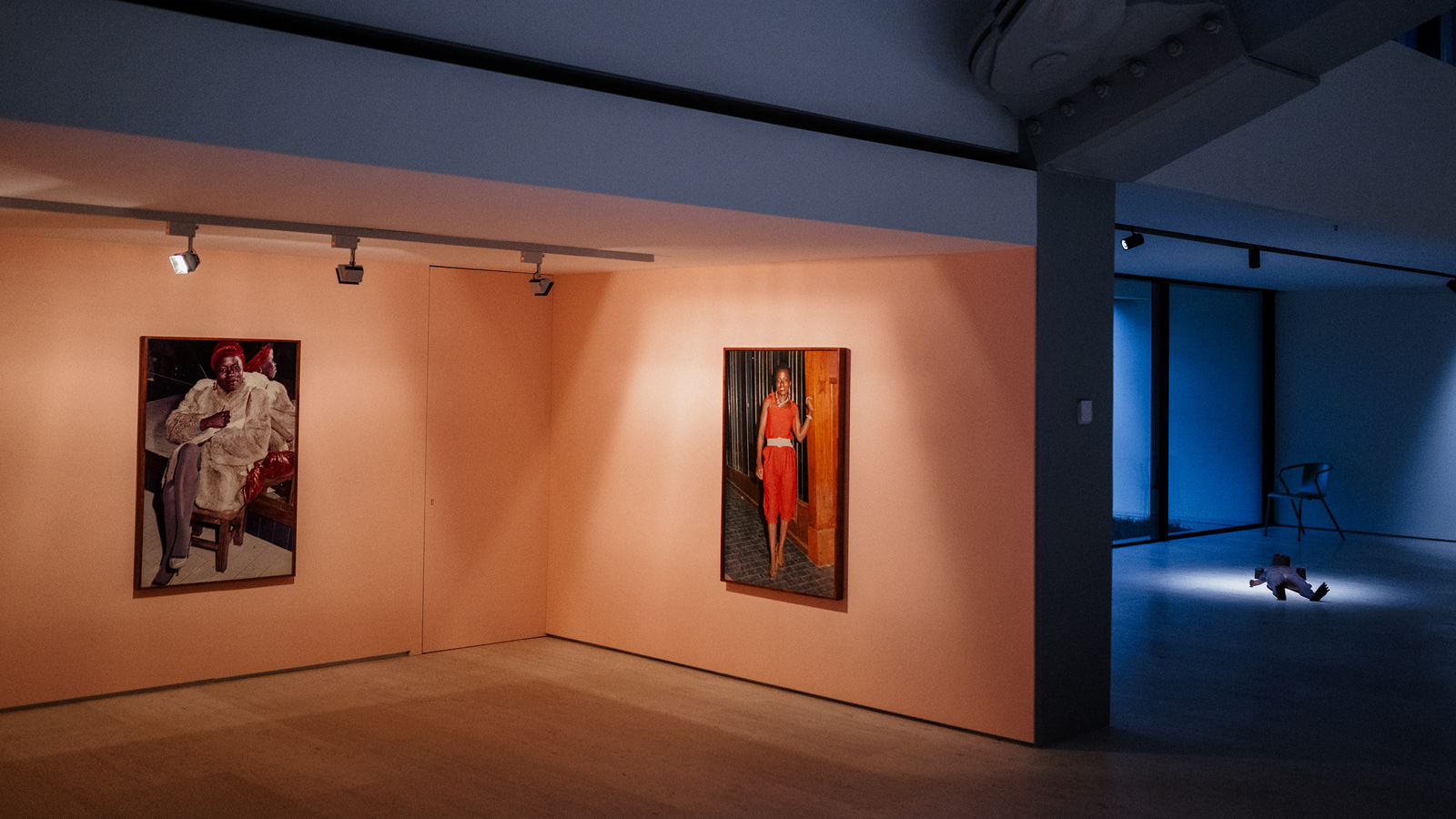
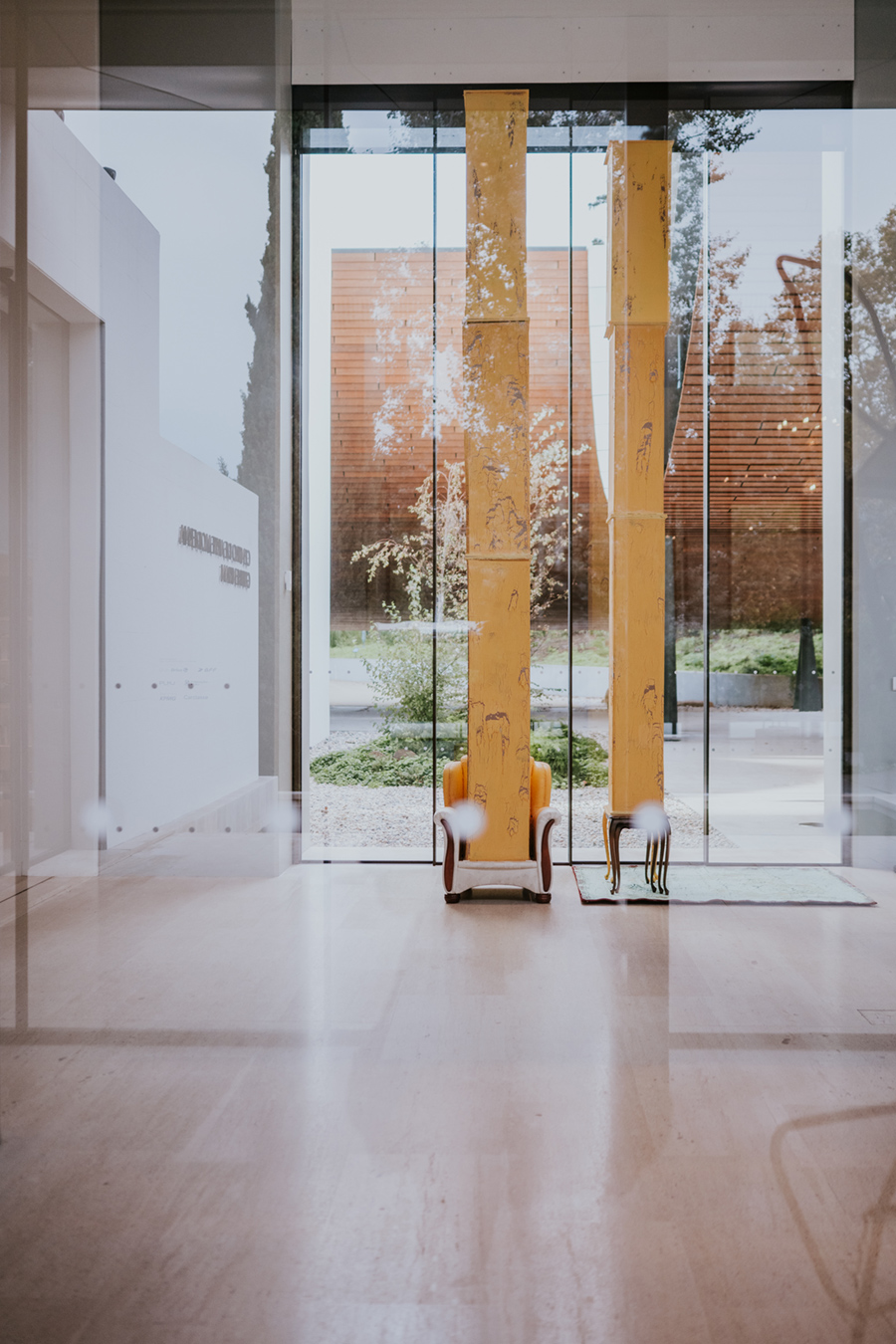
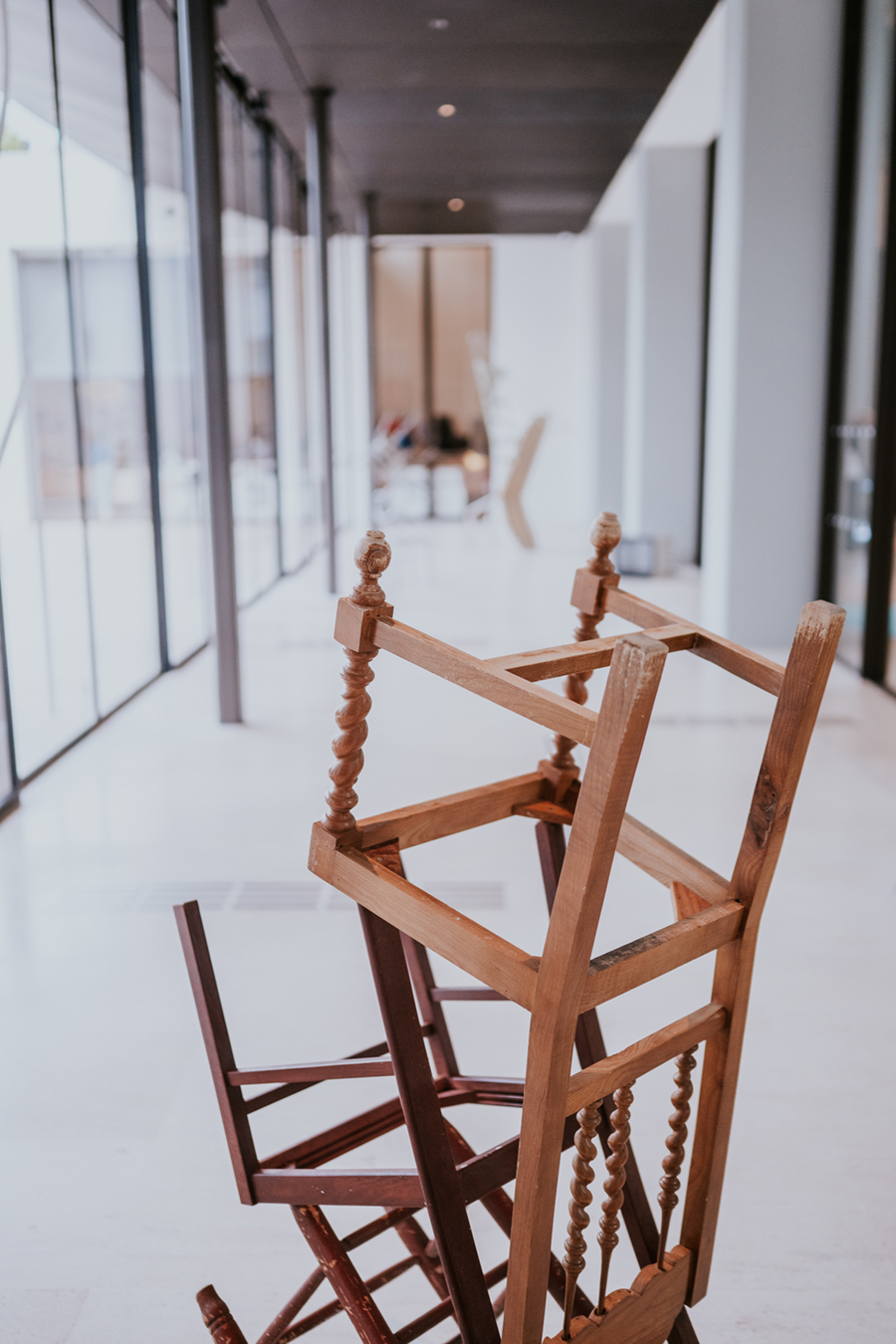
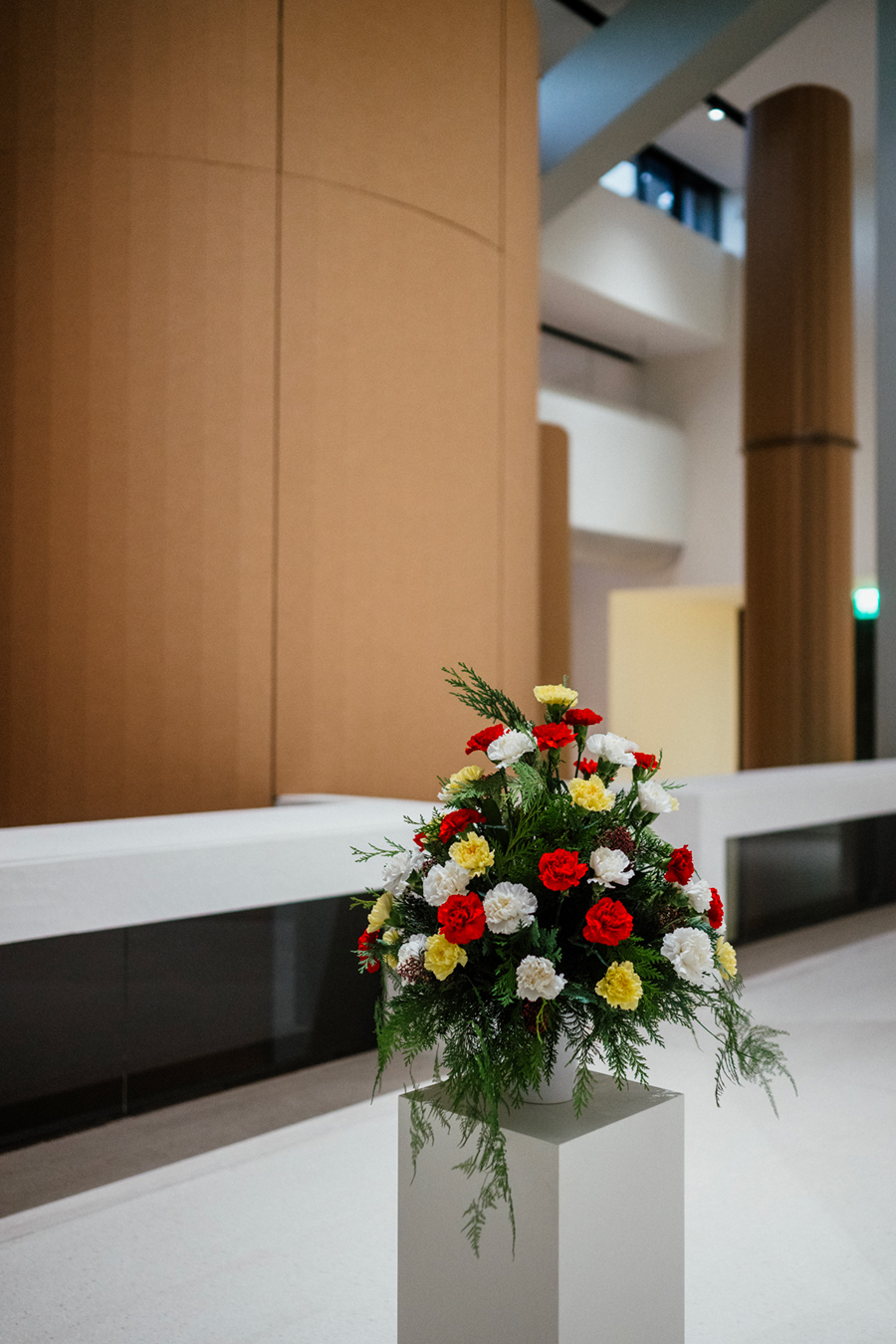
In ‘Carlos Bunga. Inhabit the Contradiction’, CAM ceases to be a place of distant contemplation to become a ‘public house, inclusive and empathetic.’ Bunga introduces domestic objects, chairs and cylindrical forms inspired by the trees in the Gulbenkian Garden, blurring the boundaries between inside and outside, art and life. The aim, he explains, is for the visitor to want to stay, for CAM to function as a place of shared refuge, able to ‘act as an antidote to polarisation and the tensions that mark contemporary lives.’
By making vulnerability a principle and the ephemeral a language, Carlos Bunga reveals art as an exercise of consciousness where fragility is a structure rather than a flaw, and where the unfinished becomes a method of thought. His works reject stability as a value and invite the gaze to linger on the transitory as though itself participating in the process of transformation.
With that gesture, the artist erases the boundary between work and life, turning the act of dismantling into an extension of the creative act. His practice offers the responsibility of recognising what is unstable and, even so, choosing to remain.
It is in that place of listening and presence – where the ephemeral becomes a form of thought and time takes on its own shape – that the possible permanence of art is defined.
BANTUMEN at Gulbenkian
Explore the series



No results were found for your criteria.
You may also like
No results were found for your criteria.