
Imagination Laboratory: ‘A space where thought can emerge through action, and where mistakes aren’t a problem.’
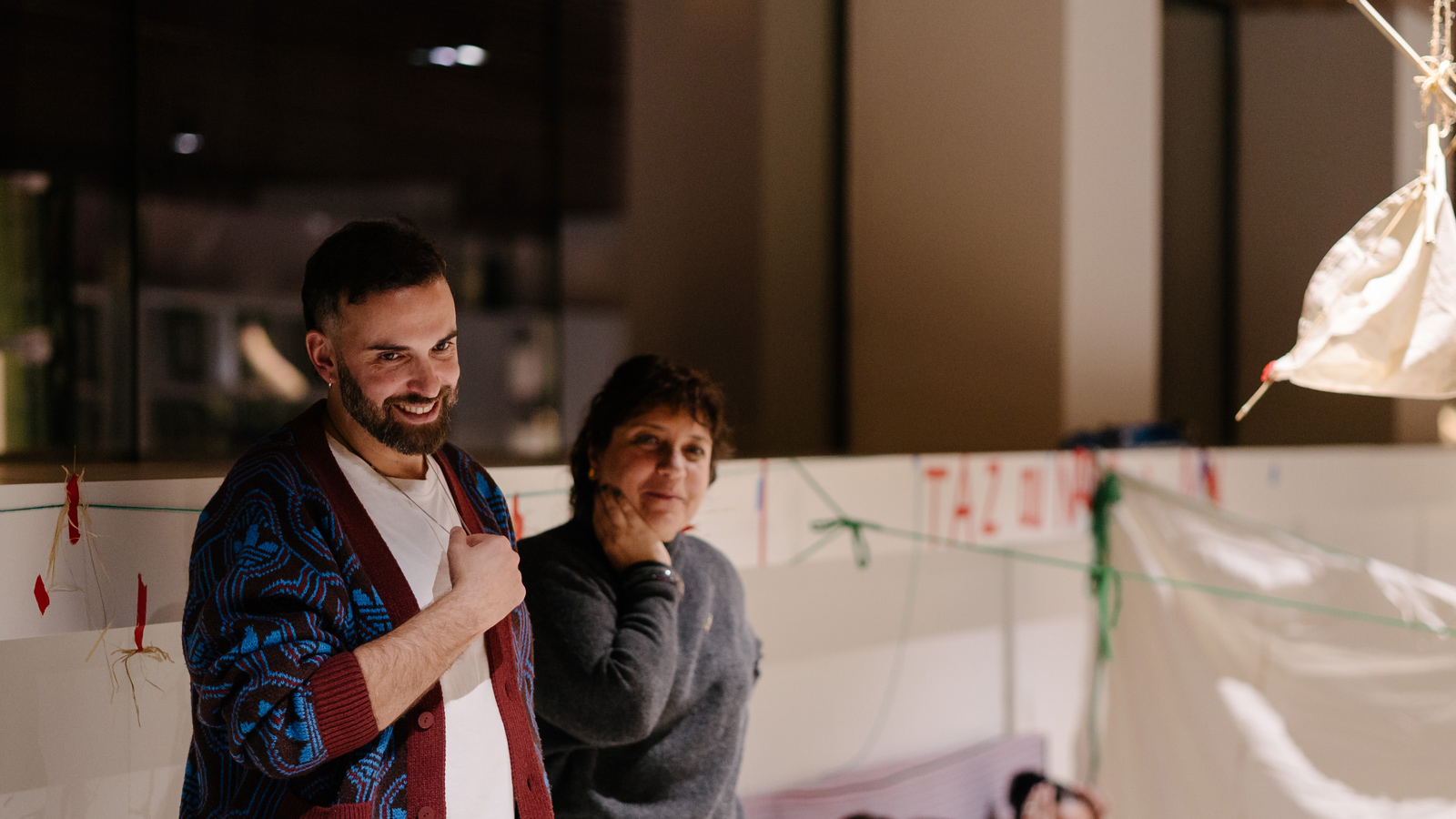
The ‘Imagination Laboratory’ is an annual programme run by CAM for the youth aged between 18 and 25, which aims to ‘explore new ways of thinking and acting on today’s challenges, and to imagine other possible futures’ through interdisciplinarity, collaboration and discussion. Each edition invites a coordinating team responsible for developing the activity curriculum.
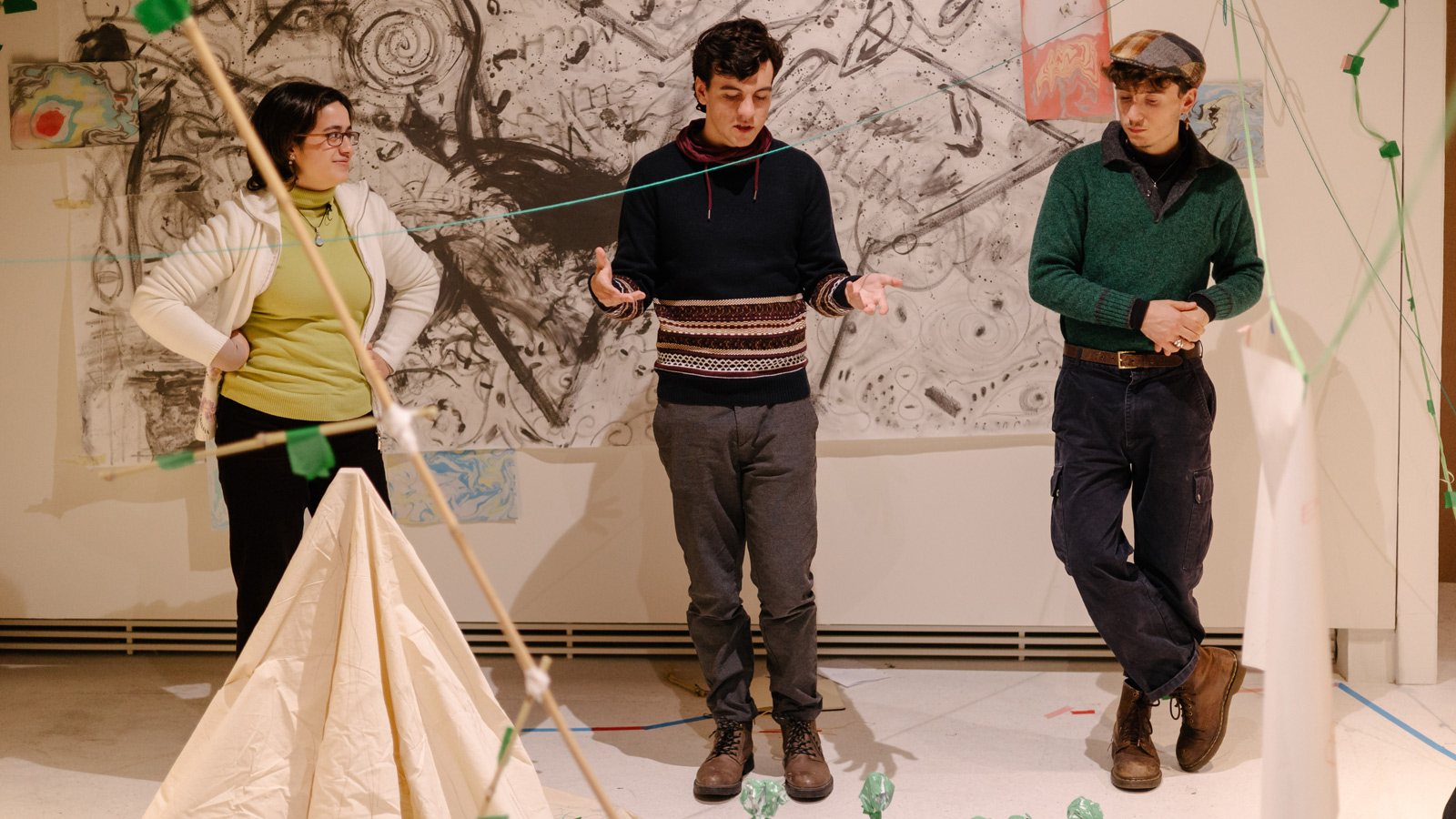
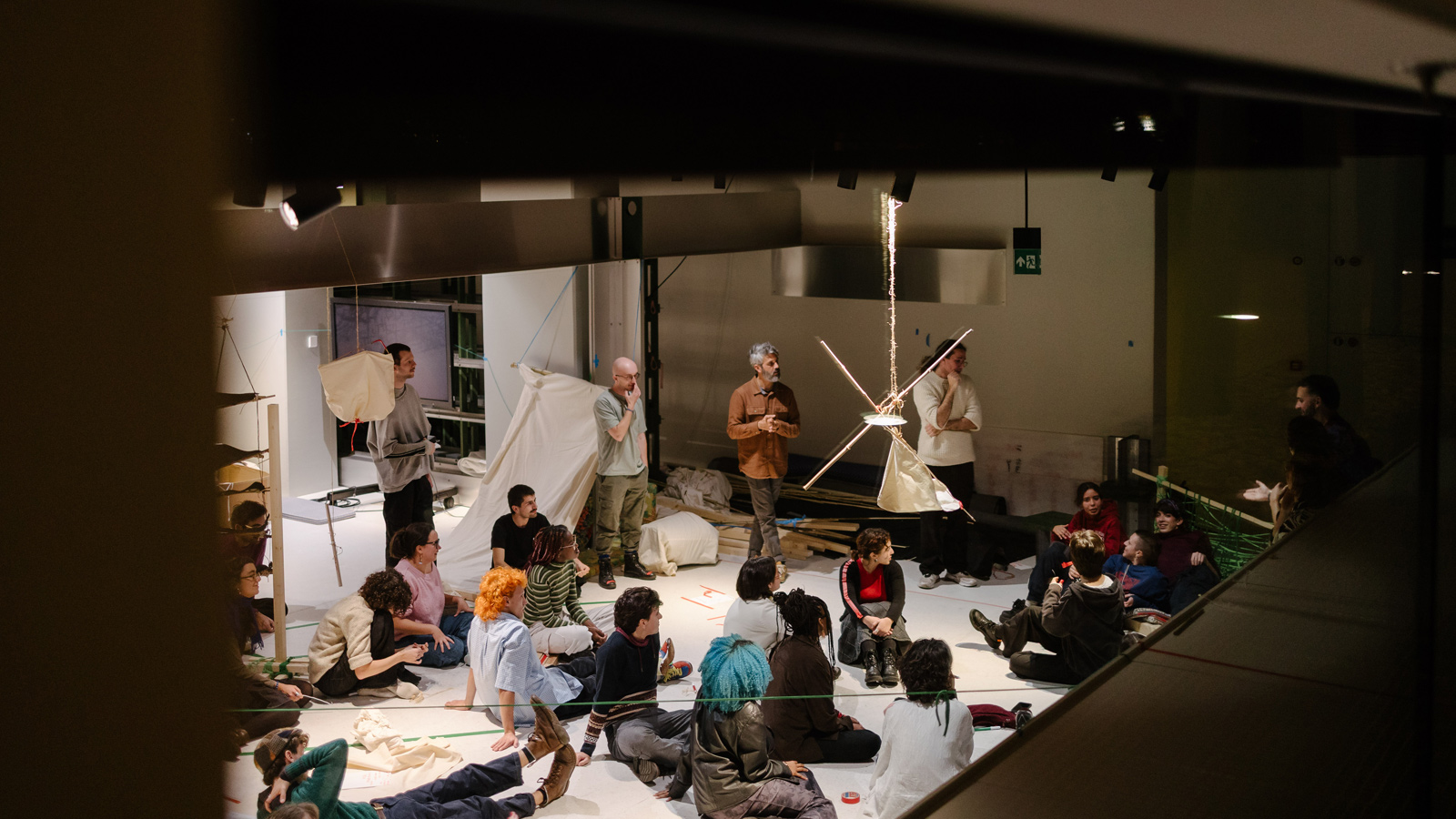
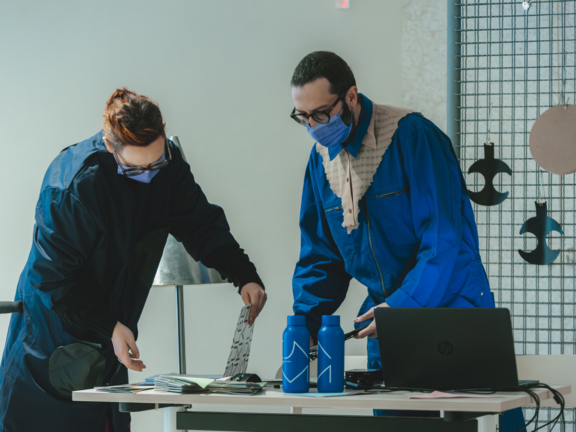
This year, the young participants worked in CAM’s Engawa Space. When I arrived, they were preparing to talk about the work developed over the previous days and explained that they were divided into groups, each gathered around its own TAZ (Temporary Autonomous Zone). These zones, built from materials provided by the museum – such as bamboo, cushions, pieces of fabric, paper and tape – outlined imaginary spaces with their own rules and architectures, which interacted with one another through exchanges, invitations and territorial relationships.
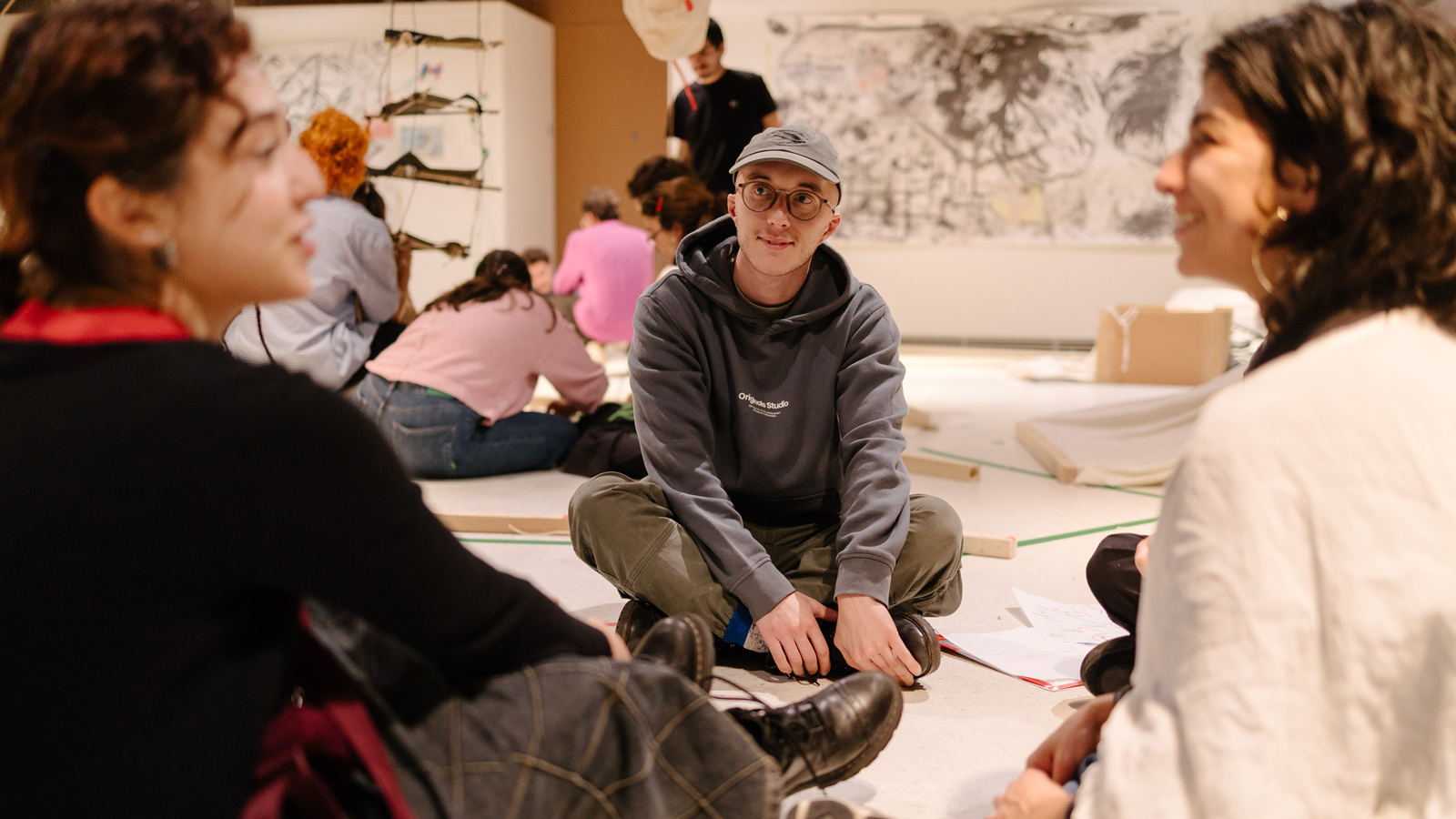
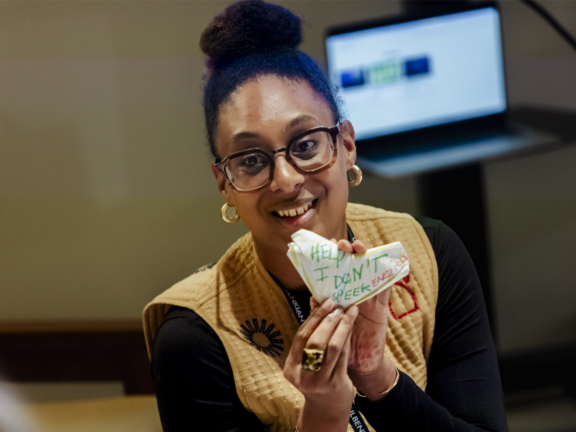
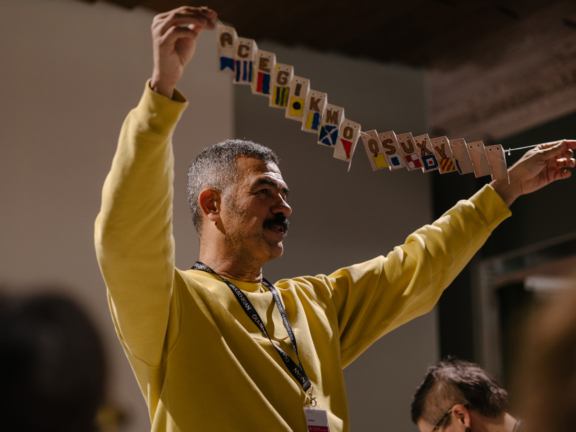
The representatives of each group presented the different structures that made up their TAZ: a forest, a vegetable garden, a resting place, an observation tower, a safe space, among many others. They then explained and justified their boundaries, sharing their rules and demonstrating the different greeting gestures used to welcome visitors.
In each proposal I found evidence of a strong sense of belonging, which is proof of the intensity with which the young participants engaged with and dedicated themselves to the project, despite its scale and temporary, handmade nature. This exercise is powerful, and may later be projected onto other future real-world situations, functioning like a seed capable of branching into other collective experiences.
The work of these 37 participants, who have been meeting outside regular hours over four months at CAM, culminates in a final gathering open to the public on 28 January, from 19:00 to 20:30. The ‘Imagination Laboratory – Plantarium’ coordinators, Sara Duarte and Alfredo Martins, spoke with me about their objectives and the working process they developed with this group.
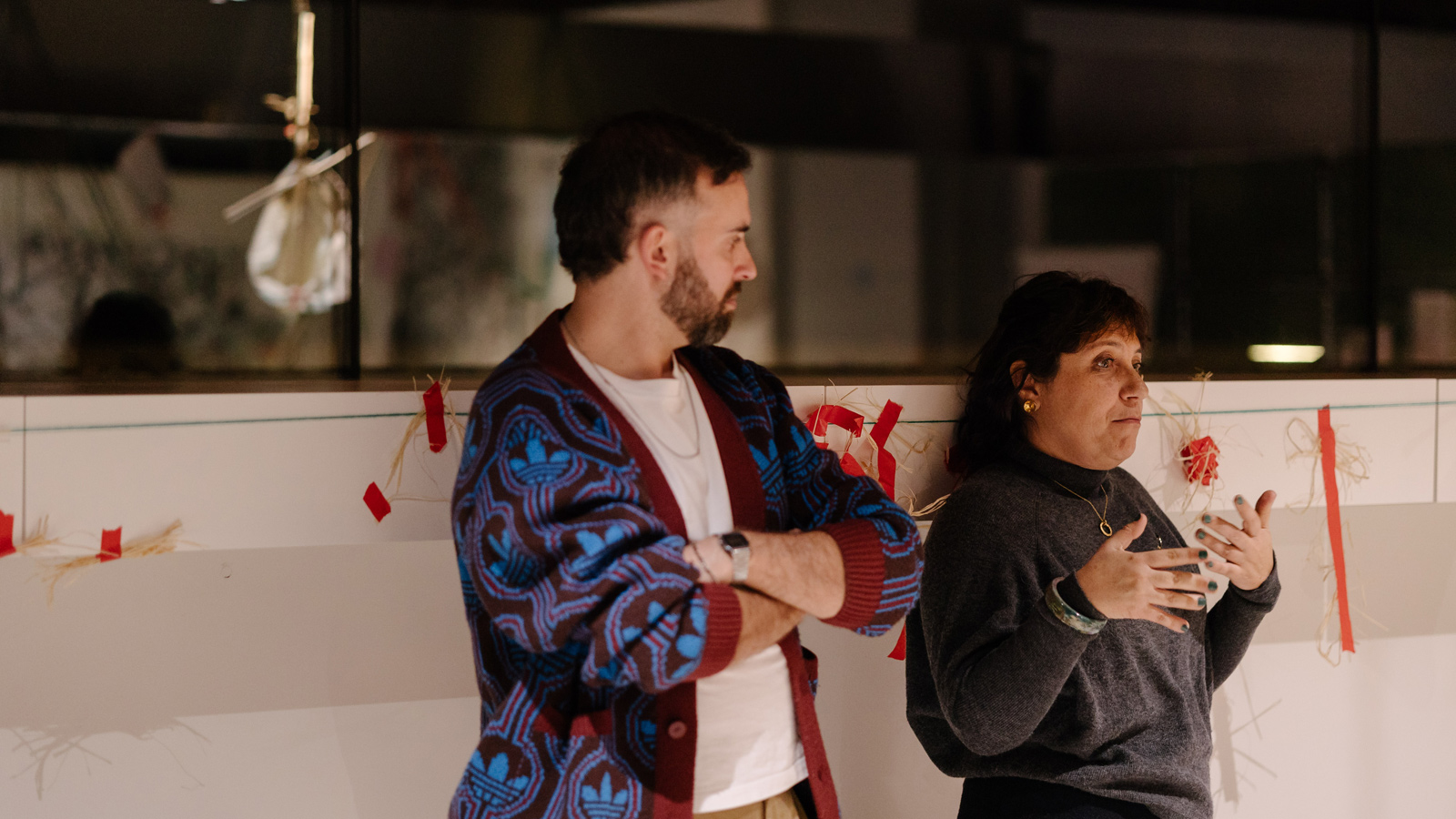
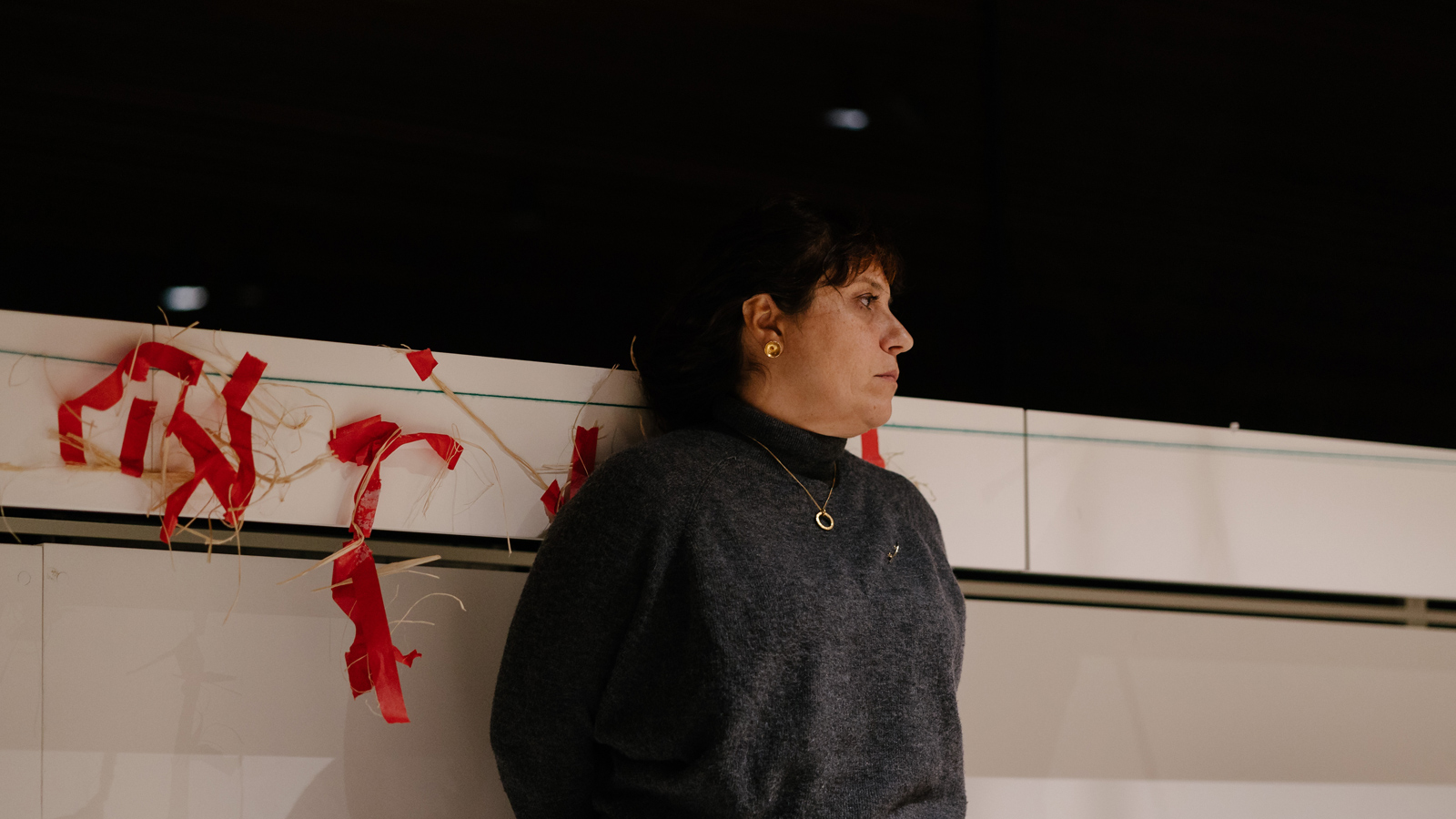
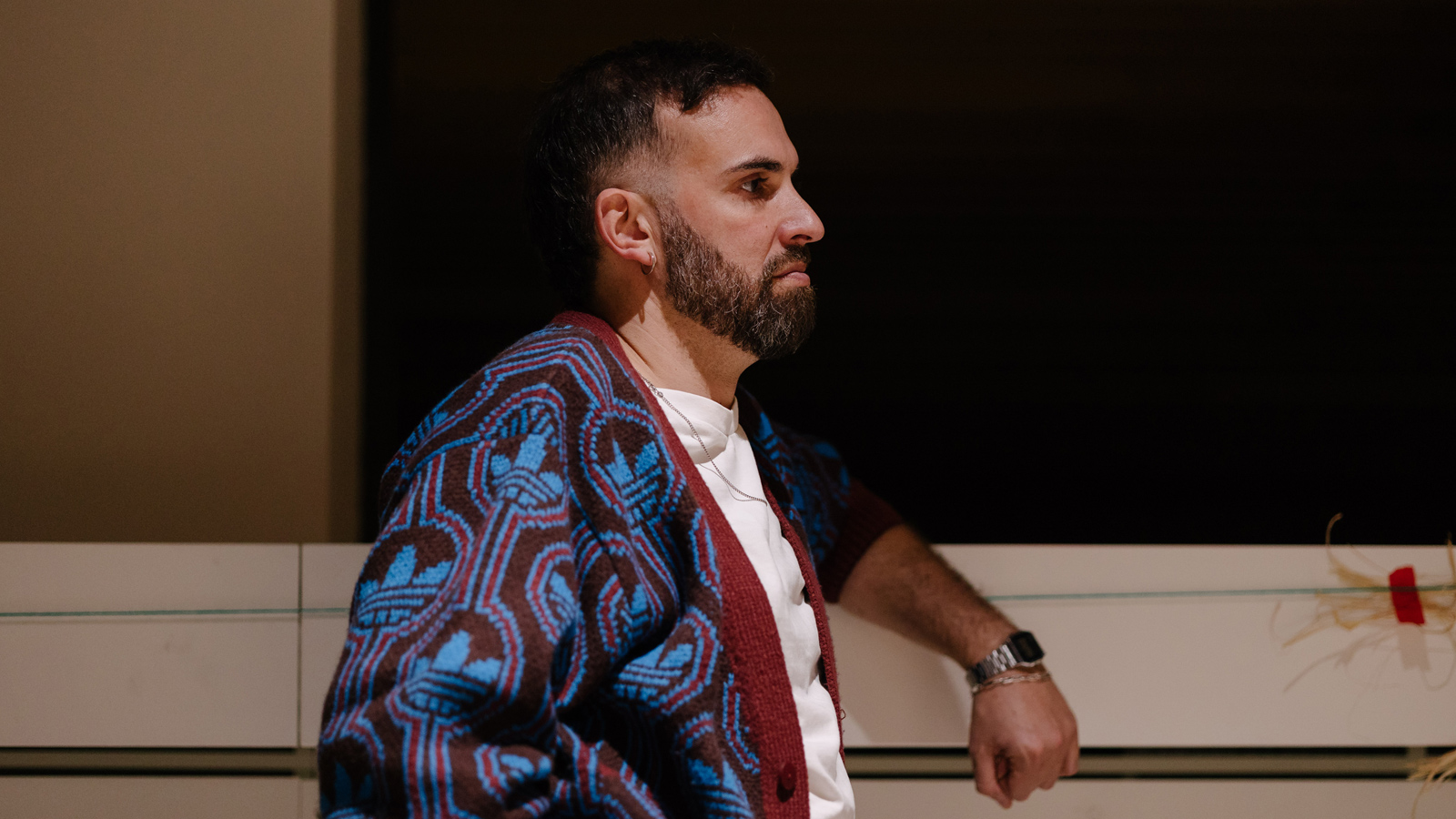
This edition of the ‘Imagination Laboratory’ is based on the construction of a ‘habitable mesocosm’. What led you to choose this idea as a starting point, and what potential does it offer for thinking about possible futures?
Alfredo Martins: When we proposed the idea of ‘Plantarium’ for this Laboratory, we began with the notion of ‘meso’, the middle, meaning an intermediate scale between the individual and the global. This concept interests us because it’s a place of encounter, discussion, thought and creation, a territory where different possibilities can emerge.
From the outset, we imagined creating physical spaces with a tangible presence, using the materials available. But more than erecting structures, we were interested in creating conditions to rethink forms of interaction, particularly between human beings. When we talk about ‘habitable’ spaces, it’s essentially in a poetic sense, as they’re both temporary and conceived as places for meeting and reflection.
This mesocosm allows us to question the moment we’re living through as a civilisation – from climate change to the challenges of coexistence, and the conflicts and economic tensions that shape our world. It also seeks to engage with the reality of the participants and how these global issues intersect with their lives, communities, and the shared territories they inhabit. Perhaps in a consciously utopian way, this project attempts to create a space where all of this can be experienced collectively.
Sara Duarte: For me, it’s crucial to emphasise that this is a transitional space, not exactly a space of transition, but one where subjectivity is built, where the symbolic emerges, and where thought becomes possible. The Laboratory room itself reflects this: there’s an apparent chaos, a sense of disorder, which is in fact the result of continuous adjustments and constant transformation. It’s a CAM space that’s constantly being modified and re-shaped, where meanings aren’t fixed, allowing for experimentation with other ways of being.
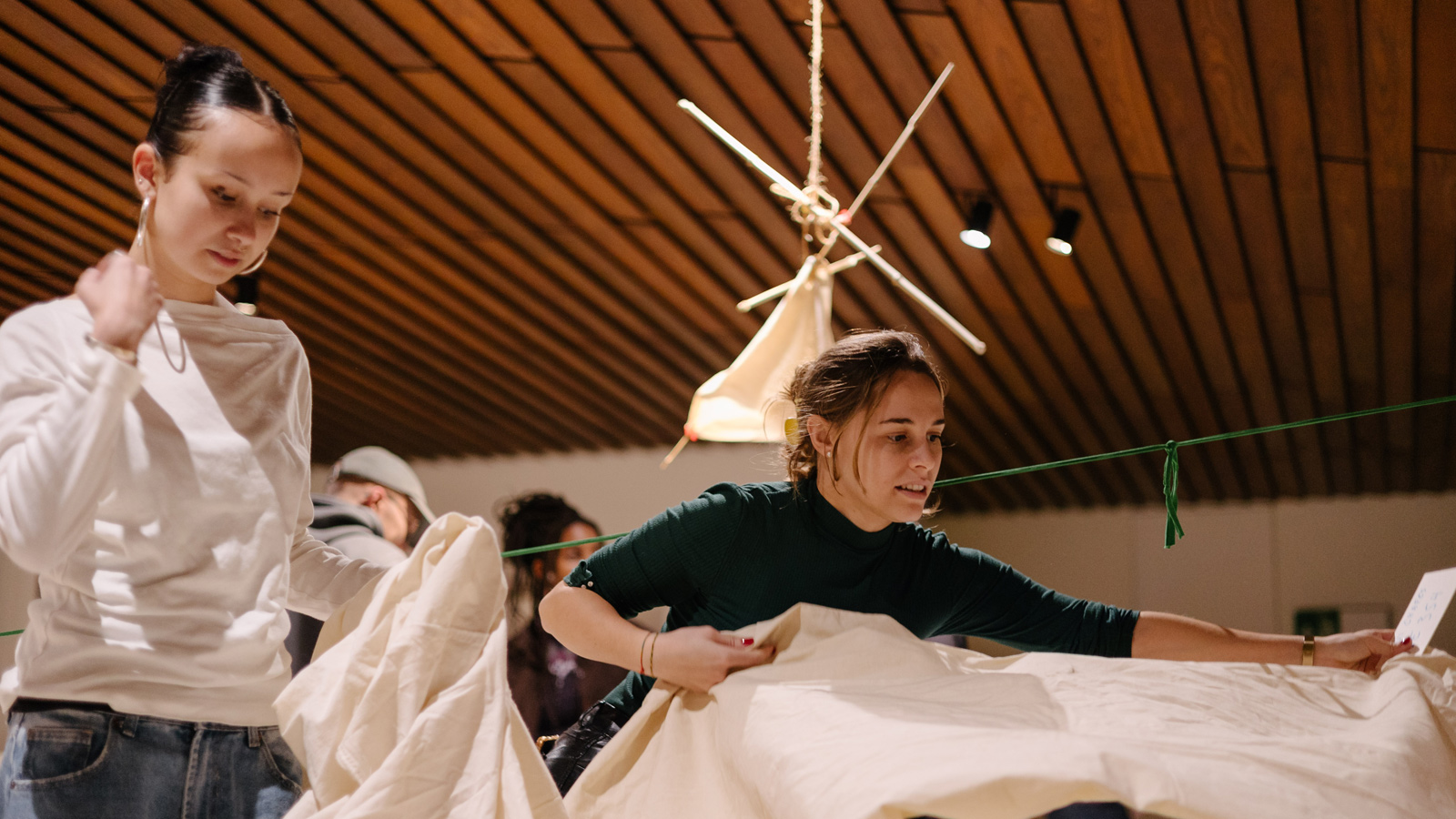
The project brings together contributions from fields as diverse as architecture, biology, linguistics, visual arts, sound and technology. In this Laboratory, how does interdisciplinarity become a tool?
SD: When we think about these areas, we don’t see them as closed fields of knowledge, but as different ways of posing questions, framing problems and looking at reality, at ourselves and at the community around us. They function as entry and exit points in the process of discovery: some more specific, others broader, but all of them as devices that prompt shifts in thinking.
Biology is a clear example: we invited Ana Correia, a researcher in the field of symbiotic processes, because her work allowed us to think about mesocosms on a wider scale. The idea that there’s no truly individual being – neither us nor any other form of life – felt central to us. We all live within systems of dependence, not always harmonious but undeniably real. This perspective shifts us away from the logic of competition and productivity and creates space to imagine other forms of coexistence, inside and outside the Laboratory.
We also thought about the work of Maria Remédio, an illustrator and video artist, who proposed exploring the map, or the very idea of a map. Mapping interests us as a way of organising thought and territory, and also as a critical act: what do we choose to map, what remains invisible, what categories do we use? Maps shape the way we see and convey reality, and this exercise became an important tool in our discussions.
Another fundamental contribution was that of linguist Rodrigo Pereira. Language is also a kind of map, perhaps a more internal one, which structures how we relate to one another, and we were interested in thinking about it as something mutable and speculative. During the session, the exercises with constructed languages reactivated the group’s sense of linguistic plasticity and created an atmosphere of play and freedom, which had a significant impact.
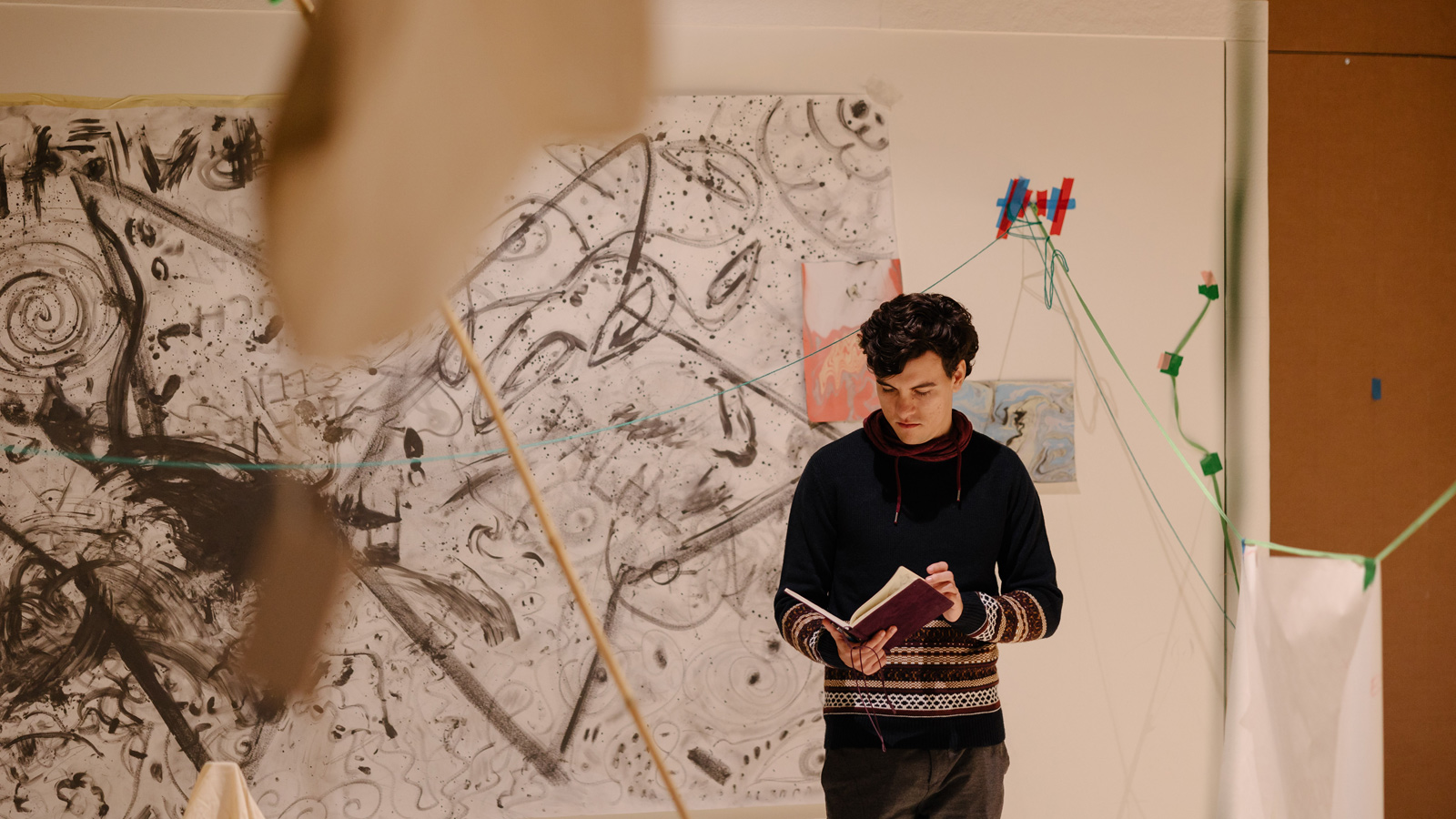
AM: These sessions marked an initial phase of the Laboratory – one of expansion, openness and the search for tools. At the moment, we’re working with the collective Warehouse, who have already led two sessions and will lead two more, deepening the spatial dimension of the work. From here, we’ll then move into a more sensorial phase. We’ll be welcoming João Bento, who works in sound design; Joana Mário, a lighting designer; and Sara Marques de Oliveira (Dapperfish), who works in character design and makeup. These are areas we’re particularly interested in, as they allow us to explore how such elements can structure space and produce other forms of experience. Interdisciplinarity, in this context, isn’t just a crossing of disciplines, but a way of imagining, experimenting and building other possibilities for being together.
You work with young people, aged 18 to 25, in a workshop format that prioritises process and speculation over the production of a final object. What potential do you find in this combination, and what effects does it have on the way participants think about the world and contemporary challenges?
SD: Perhaps I should begin with a fundamental point: in this Laboratory there’s no obligation to produce an object or final product. That kind of outcome can be valuable in other contexts, but here what matters most is the context the format creates – an environment free from the constant pressure to produce.
For decades, we’ve operated under an imperative of productivity, driven to produce visible, efficient and impressive outcomes, and to do it quickly. Pushing back against this logic feels particularly important for this age group, which is characterised by openness and mental flexibility. It’s a transitional moment in which there’s already agency and the tools to act in the world, but the paths ahead have not yet taken shape.
AM: The group is large and very diverse, with participants connected to the arts, sciences, philosophy and architecture. The willingness they show to work from a ‘blank page’ is rare and powerful. There is friction, but these moments generate thought and learning. Curiosity and a capacity for sharing make it possible to work together fluidly, turning the experience into something revealing and inspiring for everyone.
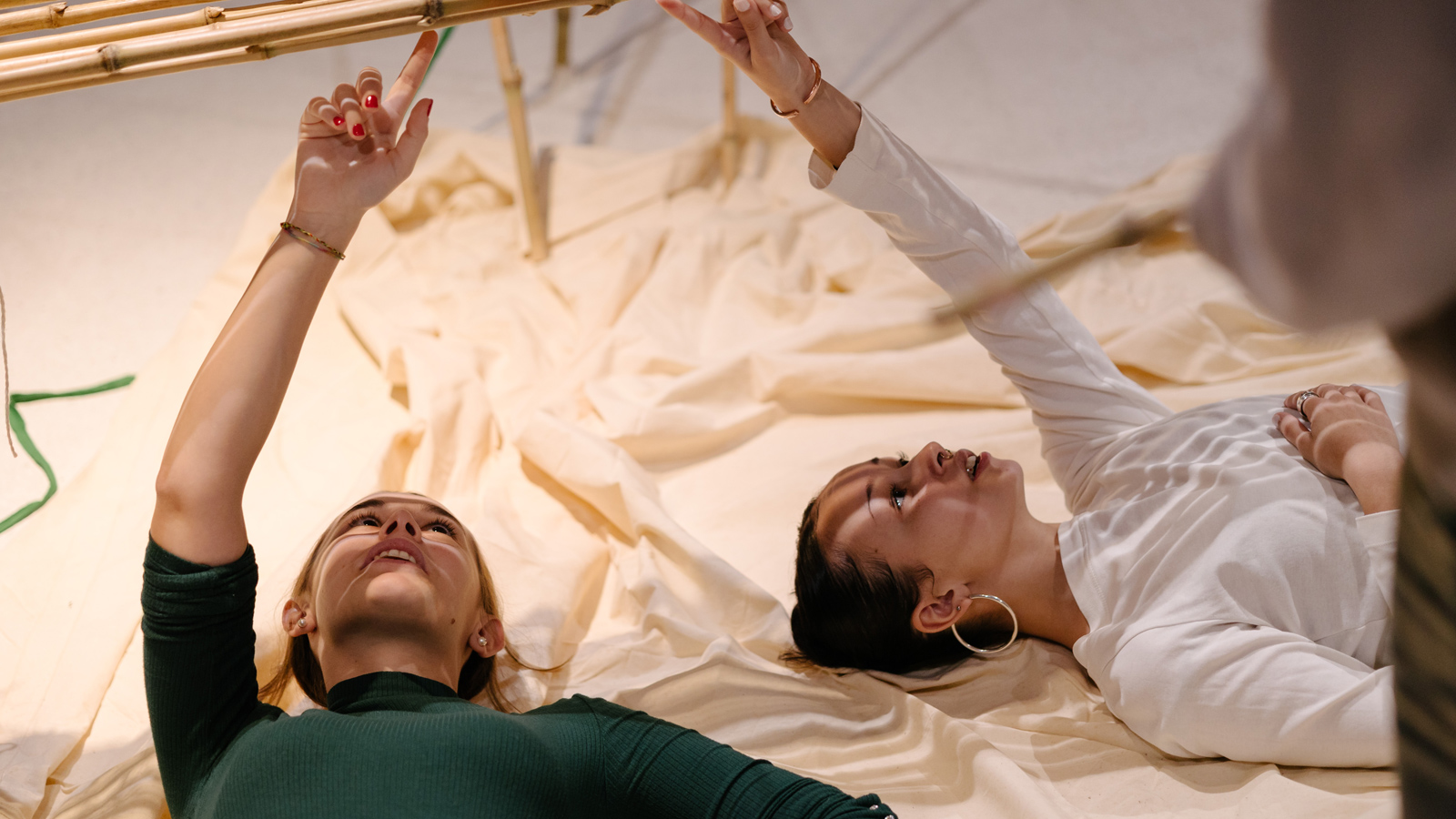
The ‘Imagination Laboratory’ defines itself as a platform for thought-action. What does working at this intersection between reflection and practice mean to you? Throughout the process, what transformations in attitudes, behaviours or ways of being have you observed?
AM: For me, one of the most striking aspects of this process has been the way the group embraces the proposals we bring, with a level of openness and freedom that I find extraordinary. There’s a great sense of commitment, a genuine acceptance to the challenges proposed, and that has really surprised me. The proposals put forward are taken seriously, even when they involve risk or uncertainty.
Although there will be a public sharing at the end, in truth we still don’t know exactly how far the project will develop. We know, for instance, that the group held an autonomous assembly, without us, to discuss the future of the Laboratory and the possibilities for that final presentation. That gesture of ownership and autonomy is, for me, a very clear sign of transformation: moving from the position of being guided to taking responsibility and playing an active role in decision-making.
SD: For me, the transformation lies in that combination of the playful and the formal. There’s something in this process that closely resembles the way children play: with total commitment, absolute concentration and remarkable seriousness. Even if the environment seems light or experimental, there’s genuine commitment and a readiness to try new things and make mistakes, without the anxiety of ‘having to get it right’.
This way of being is energising, because it goes against the constant pressure to produce quickly, to deliver spectacular or technologically sophisticated results. Here, what matters is creating a space where thought can emerge through action, and where mistakes aren’t a problem.
I also feel that the participants are already actively engaged. The guests who come into the Laboratory aren’t there to direct or impose paths, but to bring tools – such as sound, lighting or language – and our role, above all, has been to create and sustain the context. From there, the group takes ownership of that context, transforming and expanding it, and what’s very clear is that this process is creating autonomy. And that, for me, is one of the most significant signs of growth we’ve been observing.
Do you think this kind of programme can help us rethink the role of art institutions today and imagine how they might act in a world marked by ecological, technological and social urgencies.
AM: The internal organisation of institutions tends to be complex and inflexible. For that reason, it’s important to introduce elements that create friction. Moreover, institutions – especially public ones, but also private – have a responsibility to create spaces that allow for reflection on contemporary challenges, such as climate change and the digitalisation of creative processes. Curatorship, public engagement and the opportunity for experimentation are strategies that can foster discussion, critical thinking and collective reflection.
The text about this Imagination Laboratory raises the need to confront grief, the ruins of the system and the unpredictability of nature. How are these themes incorporated into the Laboratory’s methodologies without becoming overwhelming?
SD: Grief, loss and transformation are part of adult awareness. We recognise that there are imbalances, ways of living and conditions that bring sadness, but not in an ‘end-of-the-world’ sense. In the Laboratory, we don’t work with grief explicitly; instead, we propose shifts in perspective – for example through biology and symbiotic relationships – that allow participants to experience interdependence, fragility and unpredictability.
The methodology we apply values direct experience and naming: giving words to fear, emotions and loss creates the opportunity to identify and work with them. Sometimes we even invent new words for experiences that have not yet been recognised; this helps us face reality without denying suffering, transforming it into a starting point for imagining possible solutions.
Instead of trying to control, we explore and accept the constant transformation of life – in ecosystems, in the body, in society. We filter perceptions, cultivating attention and sensitivity to the relationships between people, living beings and places. The notion of grief, therefore, comes in as recognition and care, not as paralysis. For us, what matters is accepting, acting and expanding our emotional capacity, offering hope and presence – especially to young people who live under intense emotional pressure about the future.
The ‘Imagination Laboratory – Plantarium’ participants will hold a final public session on 28 January, from 19:00 to 20:30. Free entry, subject to venue capacity.
You may also like
No results were found for your criteria.