
14 books to (re)think and (re)discover our worlds
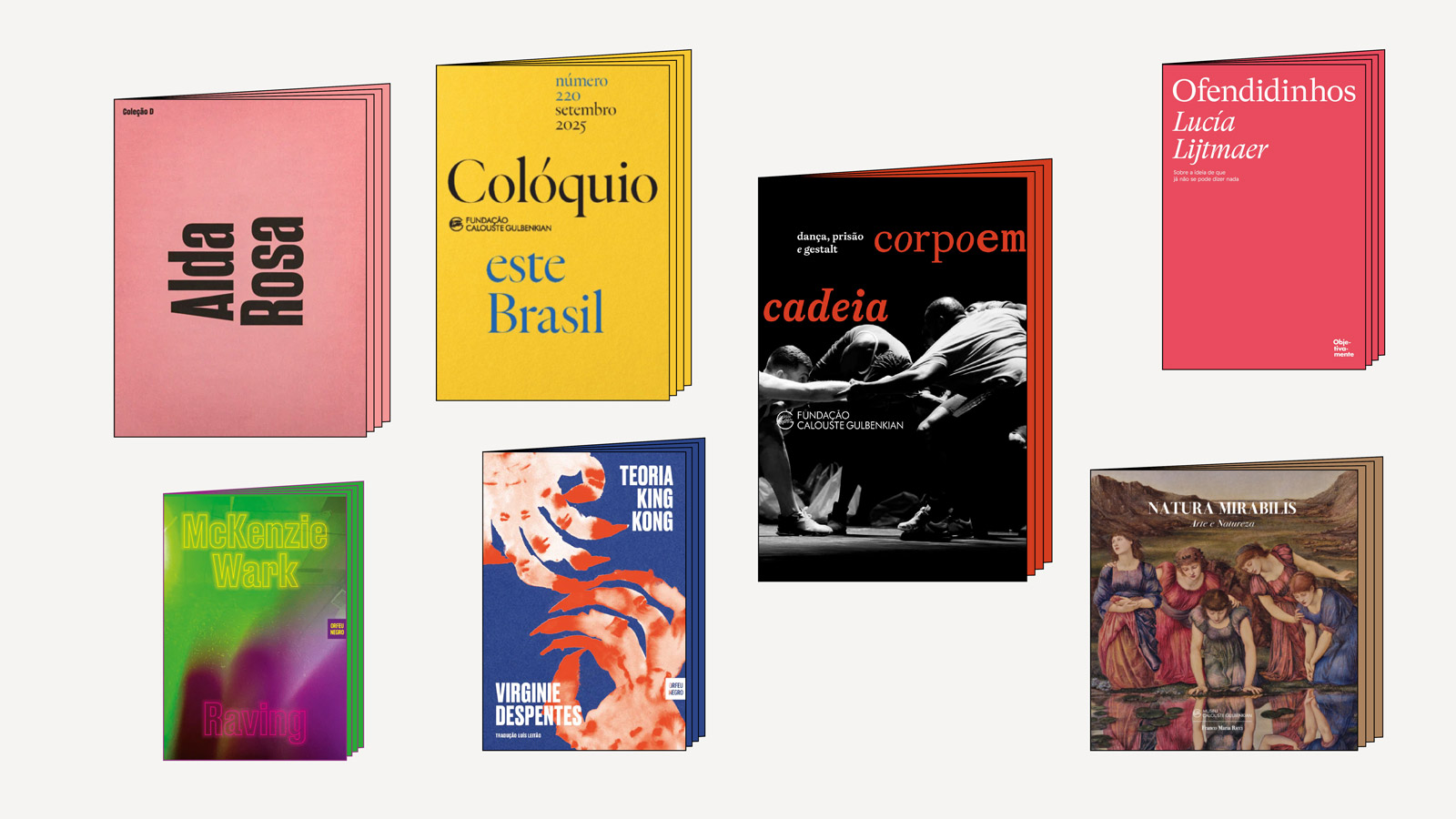
What should we read when we want to understand the complex world we live in? There is no right answer to this difficult question, only several possible paths to explore what unsettles us, challenges us or demands our attention.
That is why this selection of books available in our shops – from our editions to national and international titles – brings together works that dialogue with Gulbenkian’s programme and with the core themes of its work: from our relationship with the natural world to political and cultural changes, from artistic creation to the ways we imagine the future.
This year, Gulbenkian is highlighting Brazil and its relationship with Portugal. Alongside the catalogue for the exhibition Complexo Brasil and the latest issue of Colóquio literary magazine, this selection includes books that help us (re)think this plural country shaped by multiple stories, voices and identities.
Below are 14 book recommendations to help (re)think our worlds, near and far, to uncover overlooked narratives, revisit familiar ideas, and make space for new ways of seeing and understanding what surrounds us.
Participatory Art
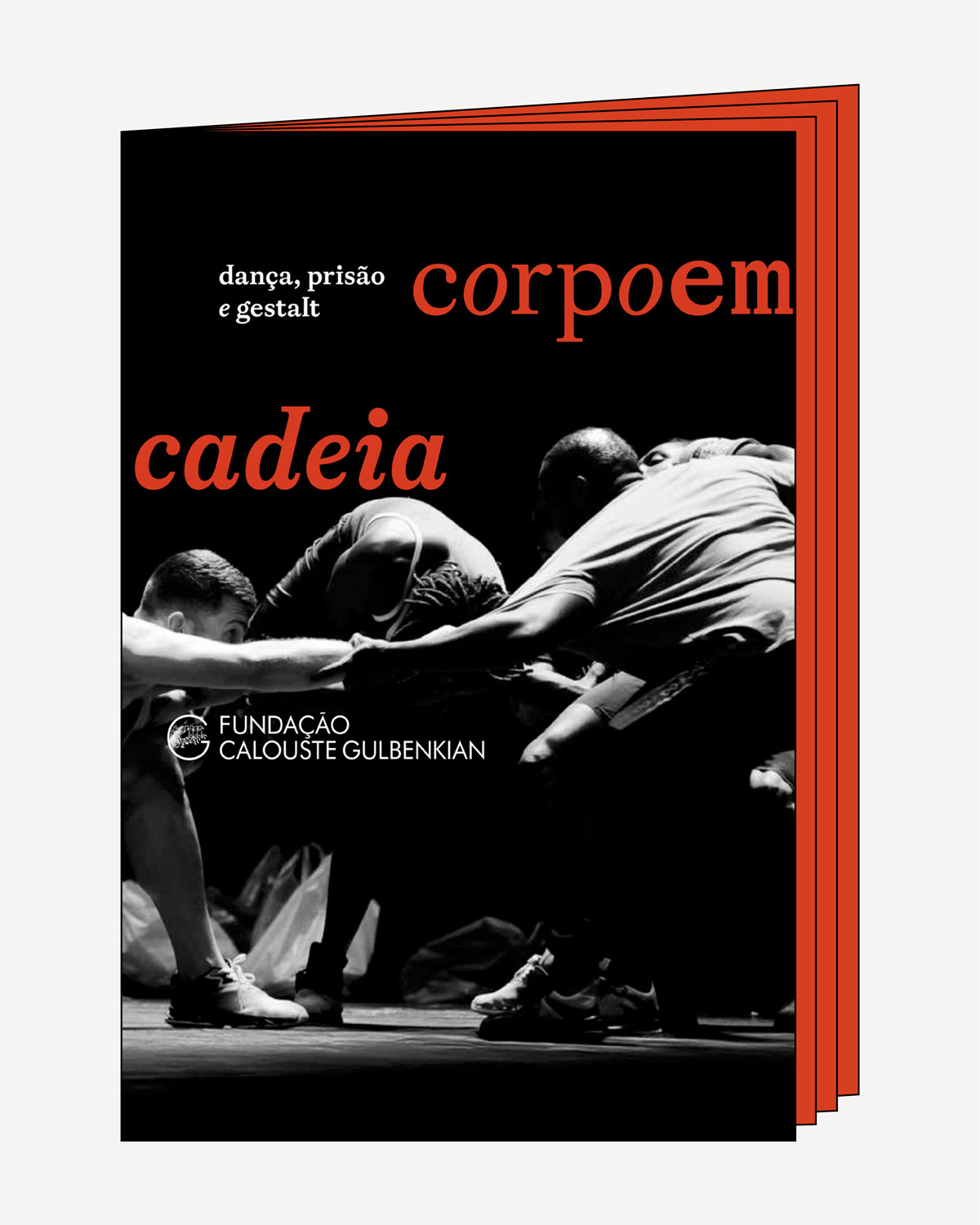
corpoemcadeia – dança, prisão e gestalt, Catarina Câmara
As the result of four years of work at the Estabelecimento Prisional do Linhó, with the support of the Gulbenkian Foundation, corpoemcadeia documents a project that combines dance and Gestalt psychotherapy to think about freedom from a place where it seems impossible.
Catarina Câmara developed an artistic process in which movement becomes both a form of expression and a way of self-recognition. Dancing allows participants to explore emotions, build trust and challenge bodily patterns shaped by incarceration – a space where the body is, by definition, constrained.
Combining texts, reflections and an extensive collection of photographs by several photographers who followed the project, the book examines prison as a social microcosm, where care, humour and vulnerability emerge in unexpected ways.
corpoemcadeia is ultimately an essay on art as transformation, on the limits and potential of the body, and on how movement can open small cracks of freedom even within the most restrictive contexts.
Contemporary Culture
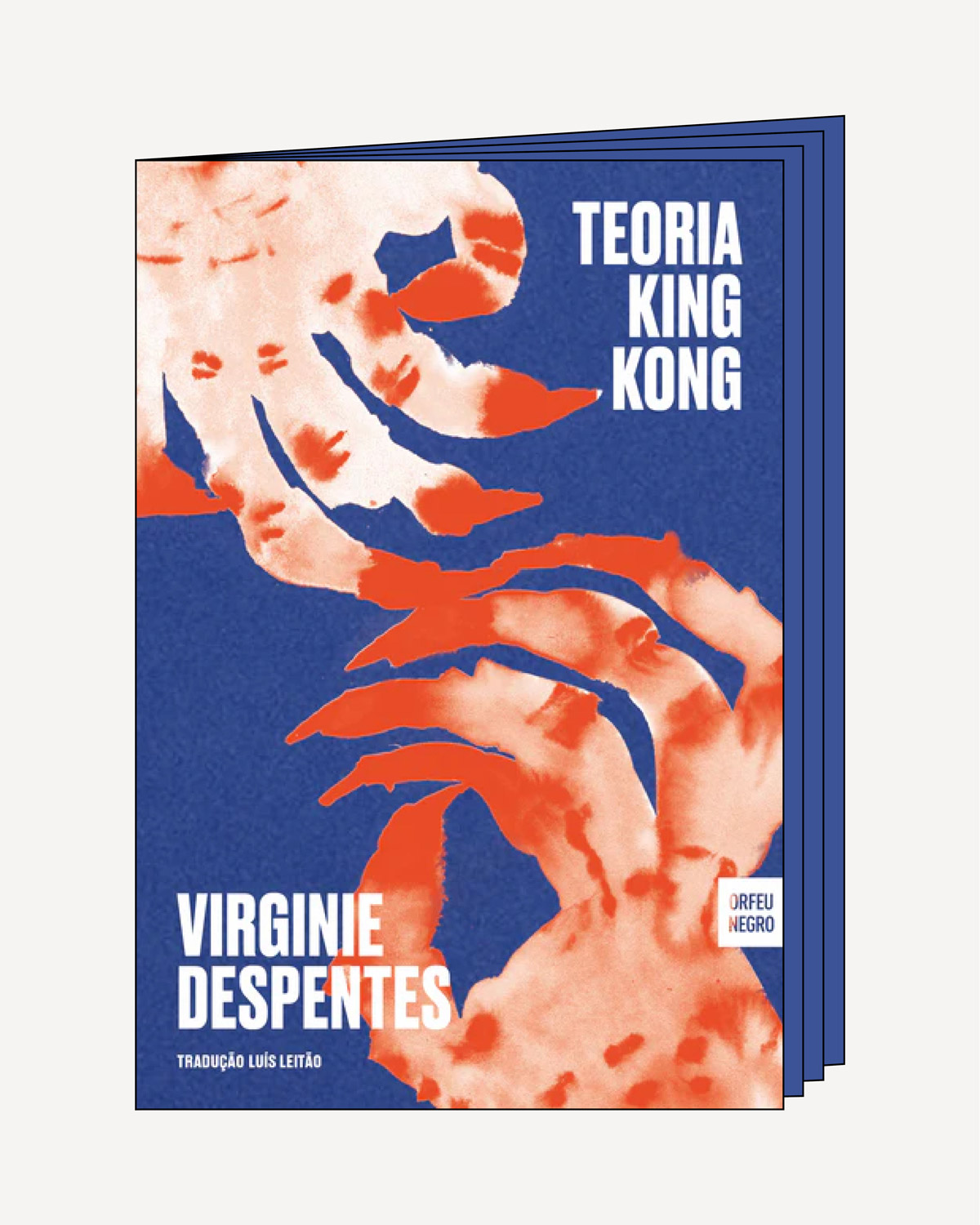
Teoria King Kong, Virginie Despentes
First published in 2006, King Kong Theory has become one of Virginie Despentes’ most widely discussed works. Revisiting key moments in her life – including sexual violence, sex work and the controversies surrounding her writing – Despentes interrogates social constructions of gender, desire and power.
With direct, uncompromising language, she rejects normative ideals of femininity and exposes the mechanisms that regulate women’s bodies in contemporary society. “I write from the land of the ugly, for the ugly,” she declares at the opening of the book, positioning herself firmly against dominant narratives of respectability and conformity.
Part essay, part autobiography, King Kong Theory remains a provocative reflection on the tensions between intimacy, politics and representation, and continues to spark debate nearly two decades after its publication.
Classics
Reflections on the Revolution in France, Edmund Burke
Published in 1790, Reflections on the Revolution in France quickly became one of the most influential political texts of the 18th century. In it, Edmund Burke, then a Whig MP, distinguishes between abrupt rupture and gradual reform, arguing that institutions that serve society should evolve rather than be dismantled.
Critical of what he saw as the excessive speed and abstraction of the French Revolution, Burke warns of the dangers of reshaping political order without regard for historical experience and the complexity of social bonds. For him, innovation is not synonymous with reform.
Recently reissued in the Gulbenkian Classics collection, this text remains a powerful reflection on tradition, progress and political responsibility.
Photography
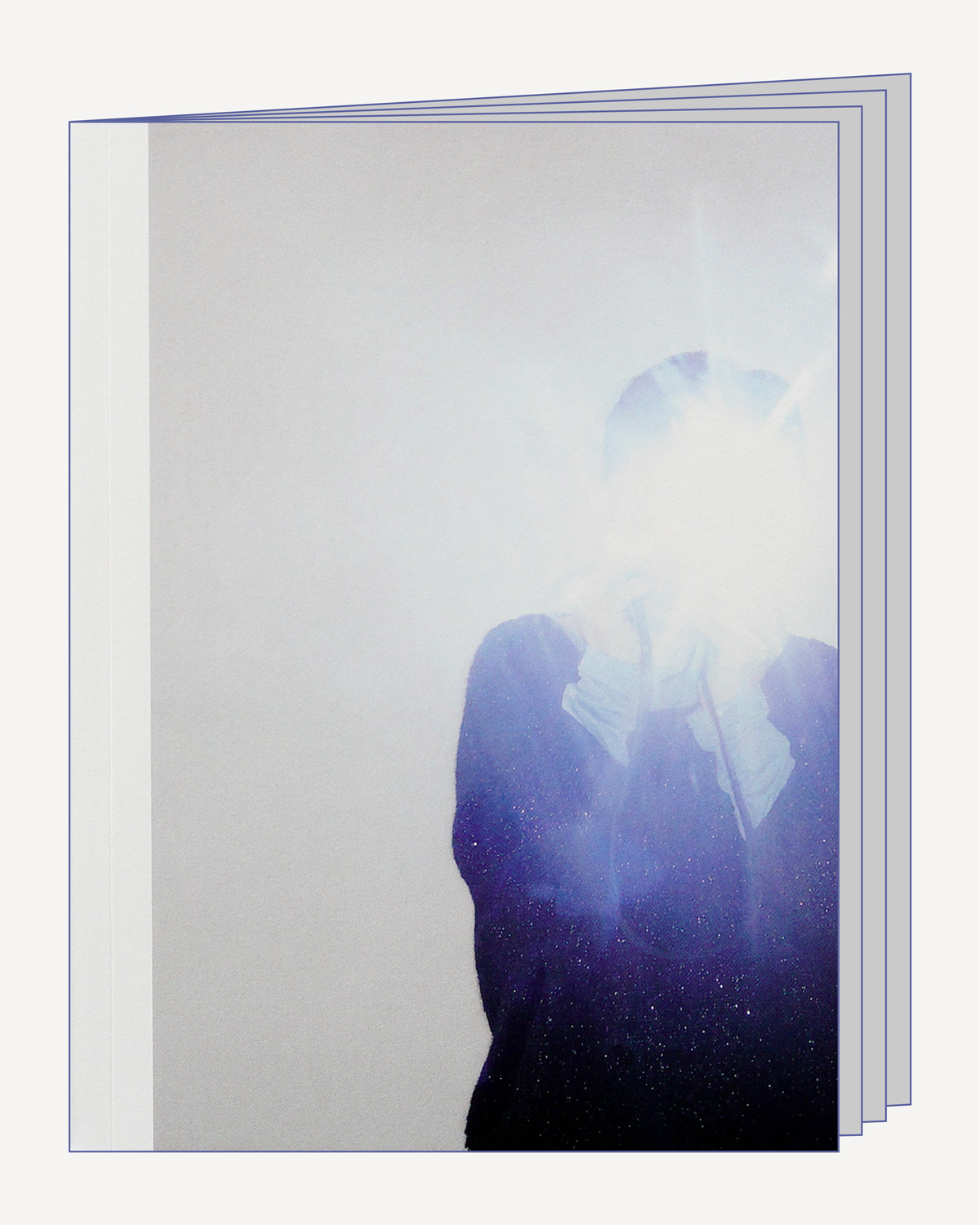
O Livro da Patrícia, David-Alexandre Guéniot
O Livro da Patrícia emerges from an interrupted project: the “personal history of photography” that Patrícia Almeida left unfinished when she died in 2017. What might have become a manual instead turns, in the hands of David-Alexandre Guéniot, into a meditation on what images do, and undo, when someone disappears.
Drawing on notes, fragments, early photographs and references gathered by Patrícia, Guéniot constructs a visual essay that begins with a haunting question: which photograph should be chosen for a funeral? From this impossible task – condensing a life into a single image – the book reflects on how photographs shape identity, preserve absence and summon memories that outlive their makers.
Catalogue
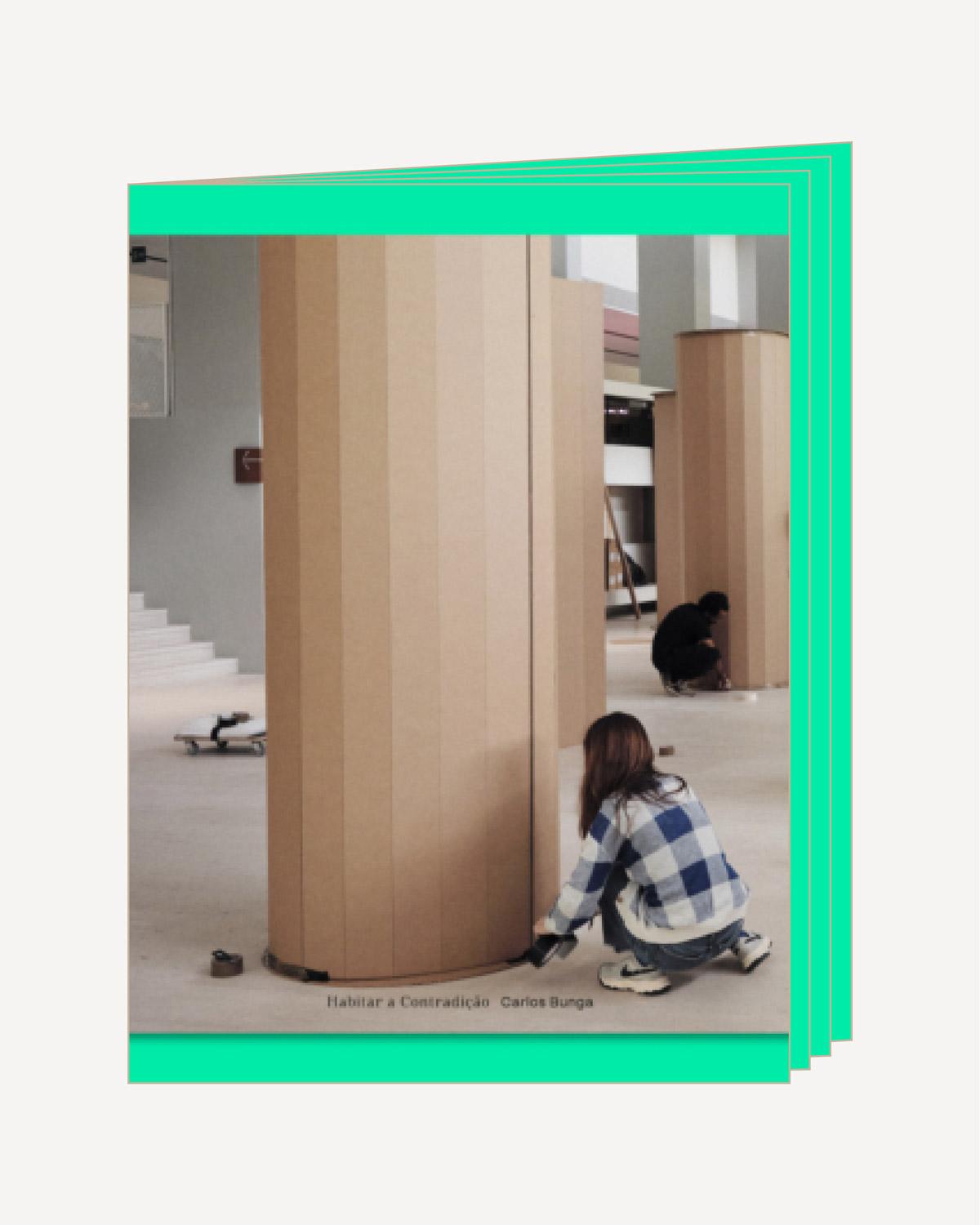
Carlos Bunga. Inhabit the Contradiction
Published to accompany the exhibition at CAM, this monograph offers an in-depth look at Carlos Bunga’s practice. Working with provisional materials such as cardboard, paint and adhesive tape, Bunga creates ephemeral architectures that reflect on absence, reinvention and the coexistence of contradictory truths.
The book brings together unpublished essays, an introduction by curator Rui Mateus Amaral, and an extensive visual section documenting installations, performances and assembly processes produced between 2019 and 2025. It also includes DNA 2015–25, a set of keywords defined by the artist, which serve as entry points into the poetics of his work.
Contemporary culture
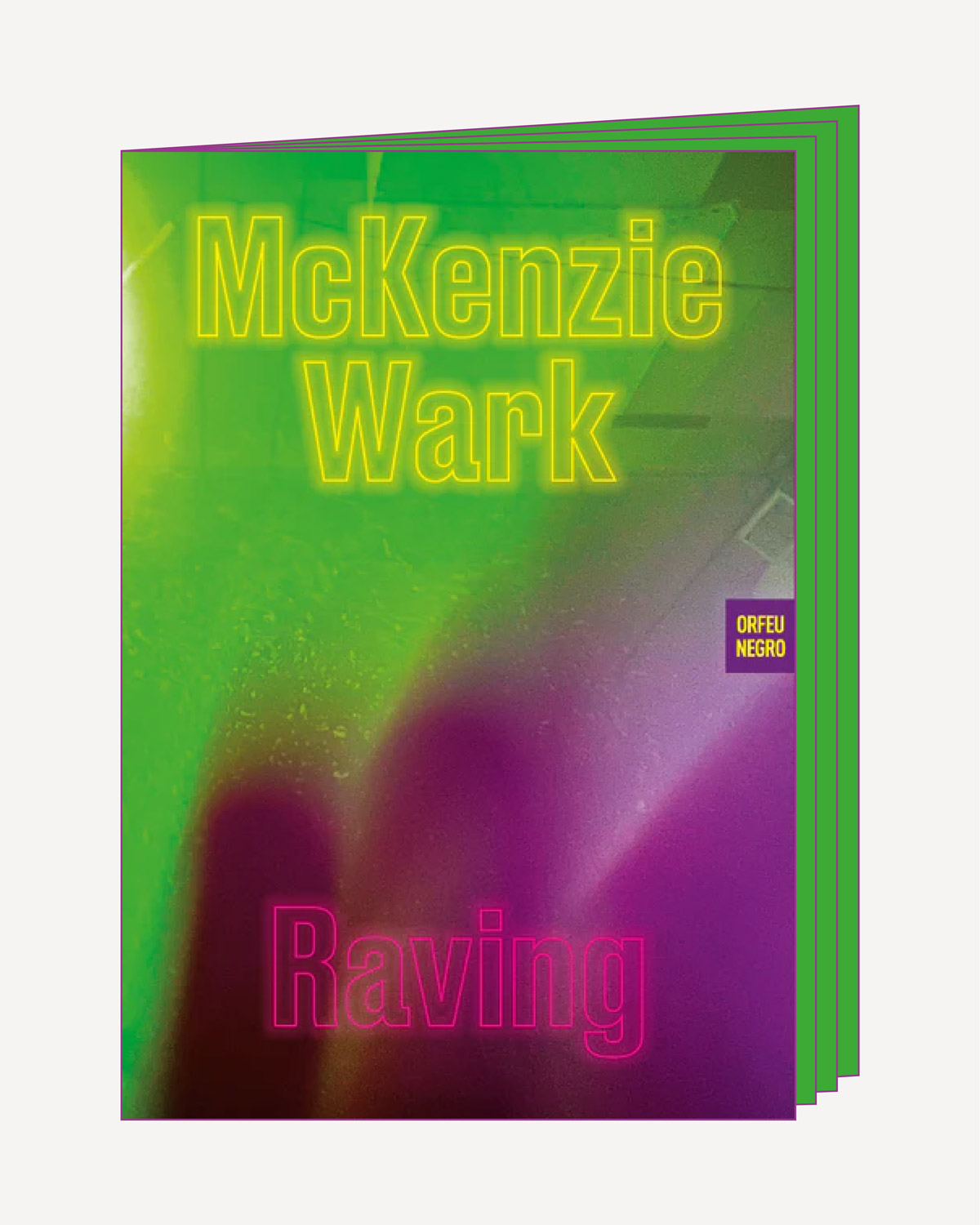
Raving, McKenzie Wark
In Raving, Australian theorist McKenzie Wark takes readers into the heart of New York’s queer and trans rave scene, where the dance floor becomes ritual, catharsis and resistance. Blending autofiction and theory, Wark writes from her own experience as a trans woman and raver, accompanying a community for whom raves create moments where time seems to bend and suspend itself.
More than a portrait of nightlife, the book proposes a new vocabulary for thinking about the body, gender, desire and intimacy. For Wark, raving is a collective practice that makes life more bearable, if only temporarily, through shared immersion in sound, movement and a fleeting sense of “us”.
Recently presented in Portugal, this book is an intense read about what it means to dance – and exist – among the ruins.
Architecture
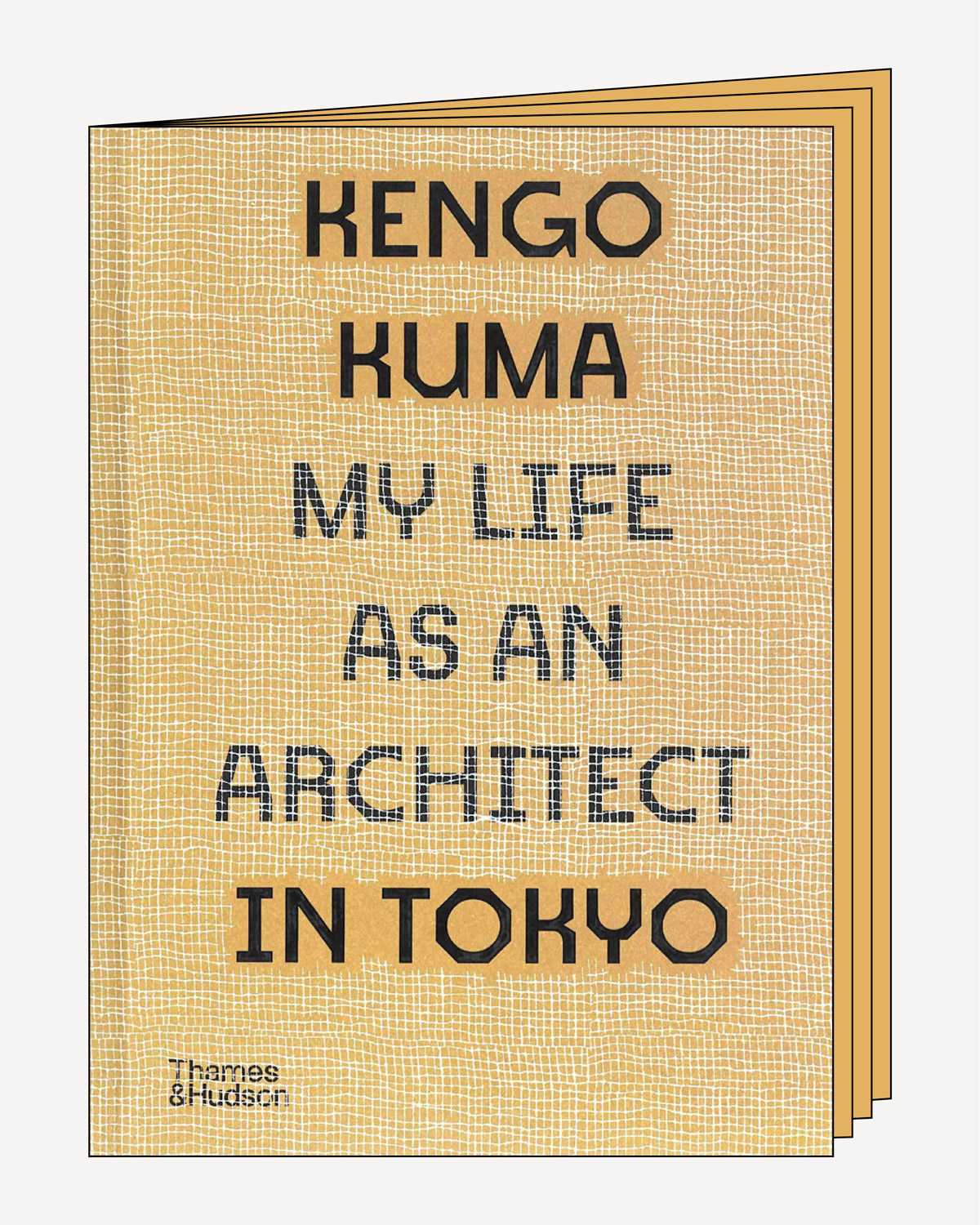
My Life as na Architect In Tokyo, Kengo Kuma
One of the leading figures in contemporary architecture, Kengo Kuma maintains a particularly close relationship with Portugal. Following the acclaimed renovation of CAM, he also designed the Portuguese Pavilion for Expo 2025 Osaka.
In this book, Kuma returns to Tokyo to reflect, through 25 short texts, on his influences, Japanese culture and the ideas that shape his work in one of the world’s largest cities.
“When I design a building, in any city,” he writes, “I believe the world is a collection of villages rather than a group of nations.”
Design
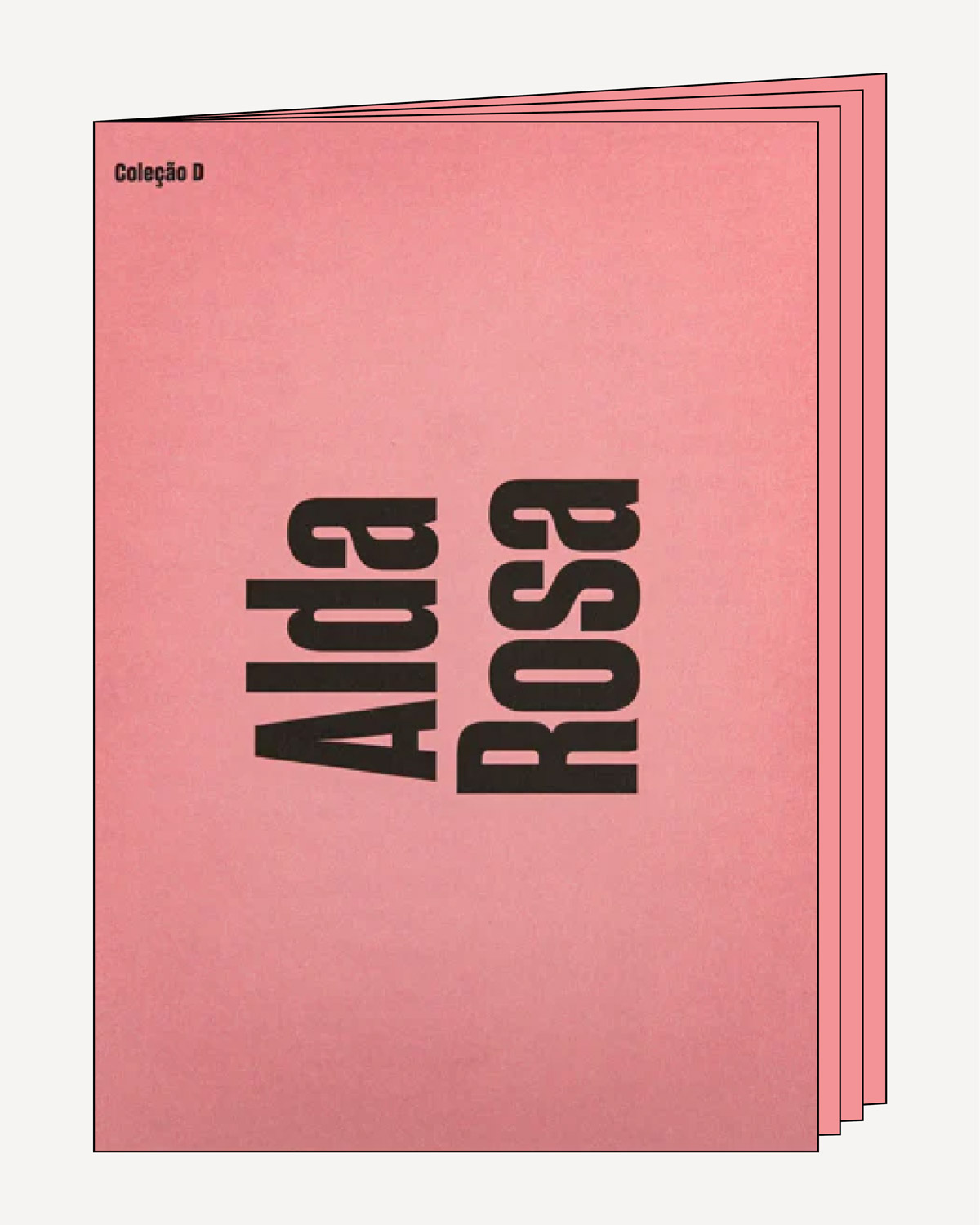
Alda Rosa, Coleção D
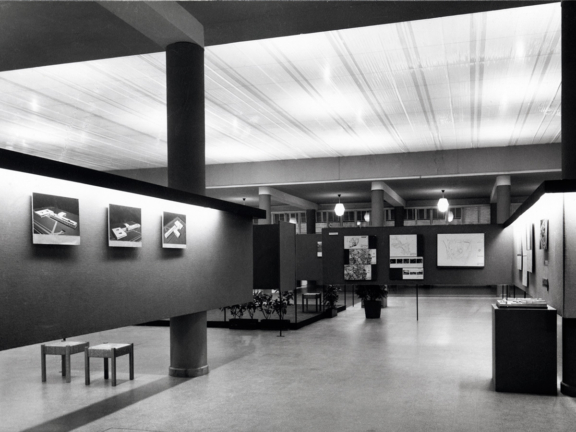
A pioneer of graphic design in Portugal, Alda Rosa (1936–2025) played a defining role in shaping the visual identity of several cultural institutions and influenced generations through her minimalist, modernist approach.
Educated in Lisbon and London, she belonged to the first generation of Portuguese designers with formal academic training, and was instrumental in the earliest design exhibitions in Portugal during the 1970s.
This book revisits more than five decades of her work, revealing a practice that moved between constructivism and postmodernism. It forms part of the Coleção D, published by Imprensa Nacional – Casa da Moeda, dedicated to Portuguese designers across disciplines and generations.
Botany
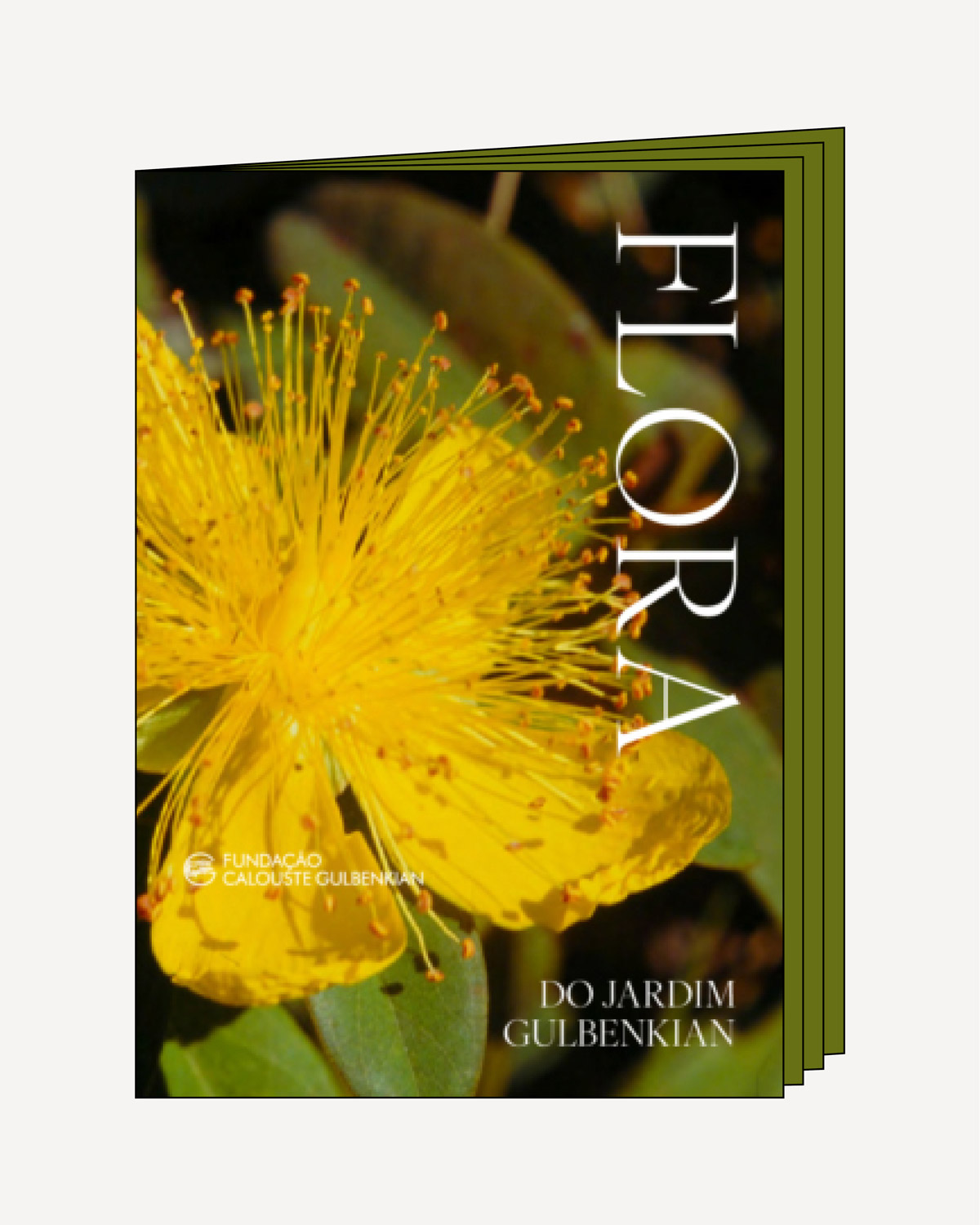
Flora of the Gulbenkian Garden
This guide brings together 275 plant species found in the Gulbenkian Garden, combining native flora with ornamental plants from diverse geographical origins. Together, they form a rich ecosystem at the heart of Lisbon and a vital contribution to the city’s biodiversity.
Based on decades of observation and documentation, the book presents each species throughout its annual cycle, with detailed descriptions and photographs that support identification and ecological understanding.
Part of the Gulbenkian Garden guide series, this publication invites readers to see the Garden as a living microcosm, a place of refuge for birds, insects and other species, and a space where visitors can encounter biodiversity at their own pace.
Catalogue
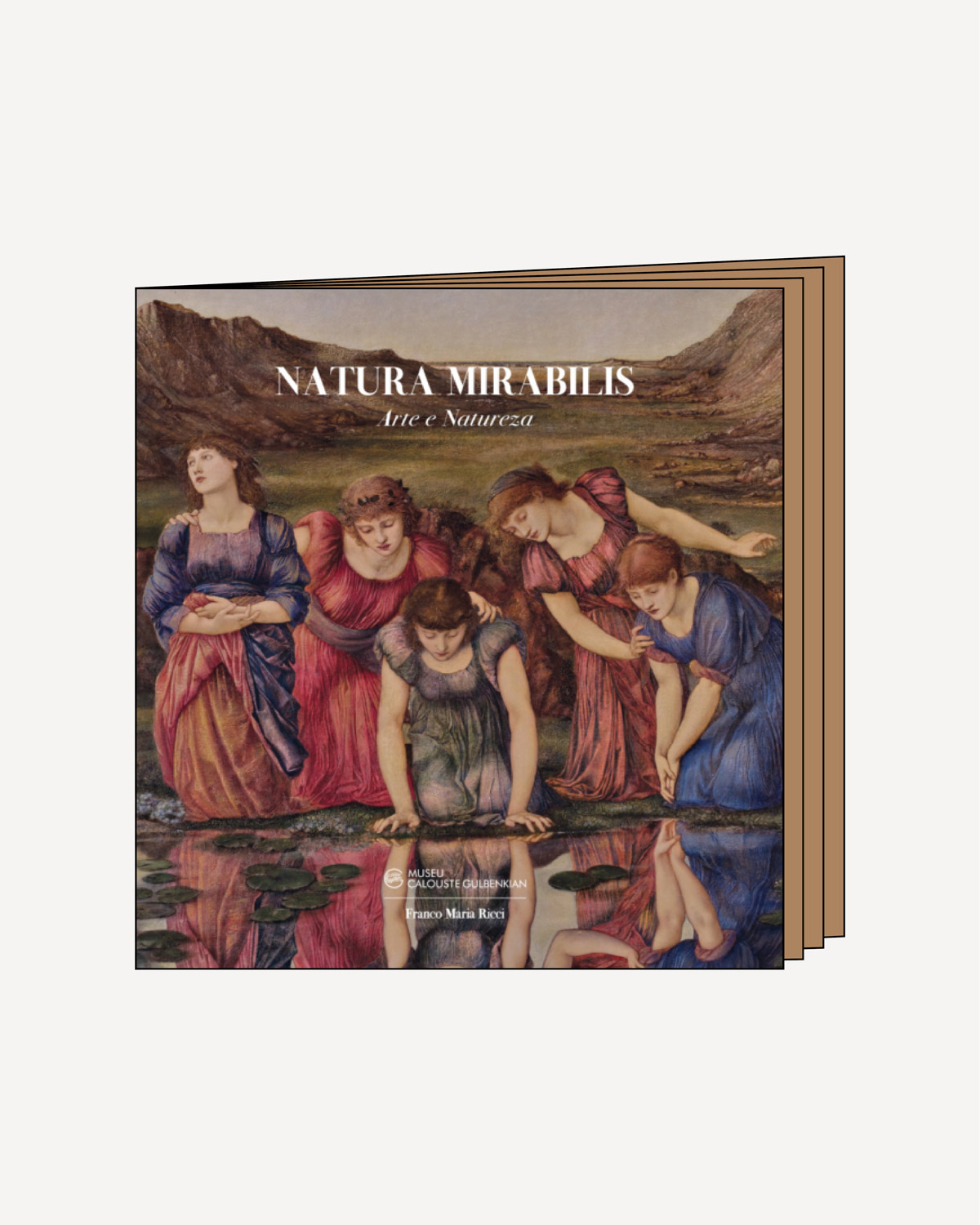
Natura Mirabilis. Art and Nature
Published in partnership with Italian publisher Franco Maria Ricci, Natura Mirabilis is dedicated to Calouste Gulbenkian’s two favourite subjects: Art and Nature.
Researcher and writer Susana Neves takes twelve pieces from the Museum – from different periods, geographies and types – as a starting point for a journey across art, science and history. These readings are complemented by essays from curators and guest contributors, expanding the dialogue between the artworks and the natural world.
Natura Mirabilis combines photographs from the collection with landscapes, evoking the unique relationship between the Museum and the Gulbenkian Garden, and paying tribute to the Collector's ideals. The book invites us to reflect on how nature inspires artistic creation and how art, in turn, transforms our perception and relationship with our surroundings.
Contemporary culture
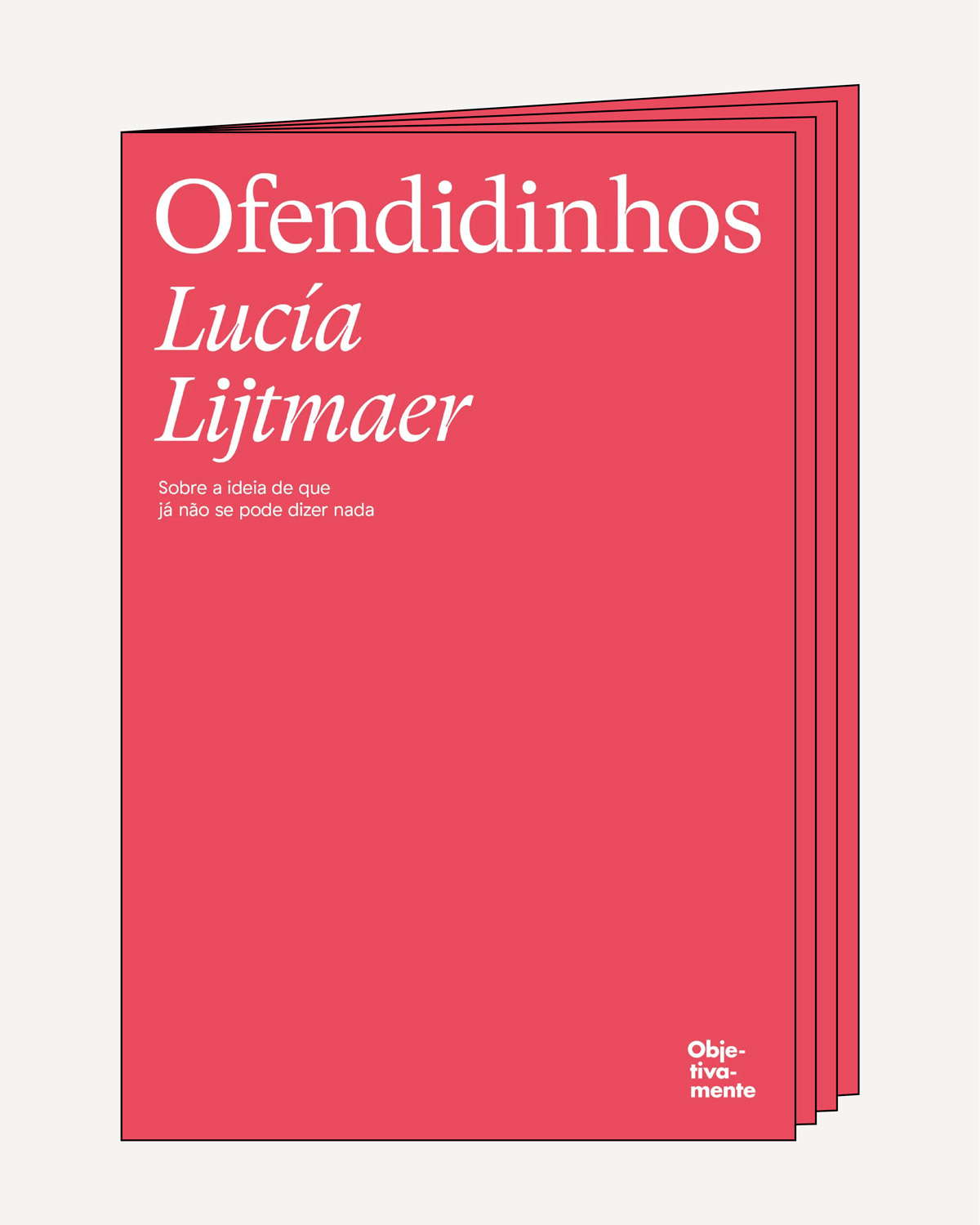
Ofendidinhos, Lucía Lijtmaer
In Ofendidinhos, writer and journalist Lucía Lijtmaer dismantles the vocabulary that dominates much of today’s public debate – terms such as “politically correct”, “puritanism”, “lynching”, “offended” – showing how they are often weaponised to delegitimise protest and silence dissent.
With sharp humour and a critical eye on media and social platforms, Lijtmaer analyses recent cases to reveal how appeals to freedom of expression can serve dominant interests rather than protect minority voices.
Brief but incisive, this essay maps the discursive traps of the present and challenges readers to recognise who truly threatens democratic debate.
Literature and arts
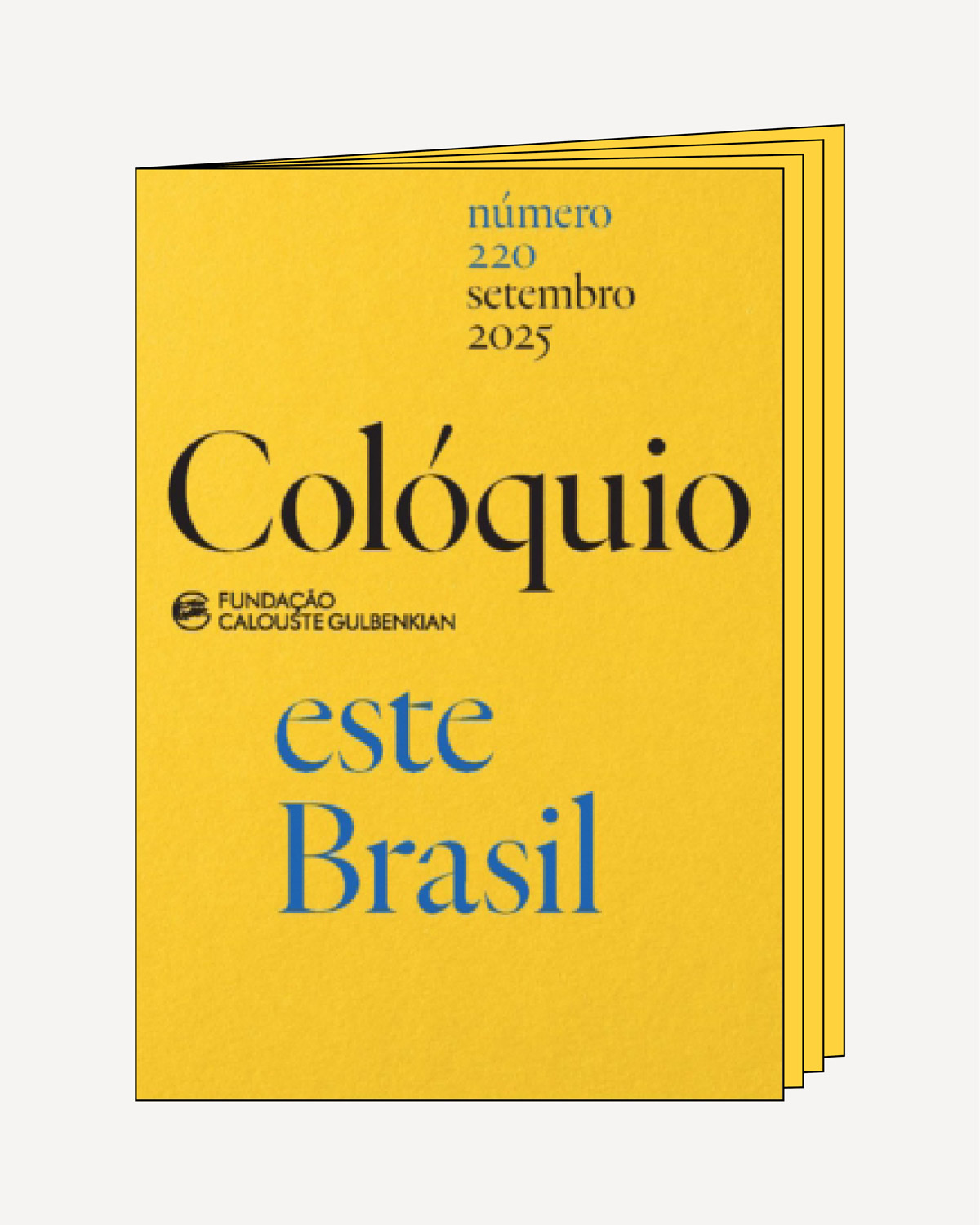
Colóquio 220 – This Brazil
Dedicated entirely to contemporary Brazilian literature and the arts, this issue of Colóquio brings together essays, unpublished texts, criticism and photography to offer a broad cultural portrait of Brazil in the first quarter of the 21st century. Nearly 70 authors, including writers, artists and researchers, contribute to a plural and multifaceted reading of today’s Brazil.
The biannual magazine includes essays covering literature, cinema, architecture, theatre and contemporary culture; a section of unpublished works; literary criticism; and a series of photographs by Claudia Andujar, which explore the city and the Amazon rainforest, revealing a unique vision of the relationships between natural, urban and human landscapes.
Poetry
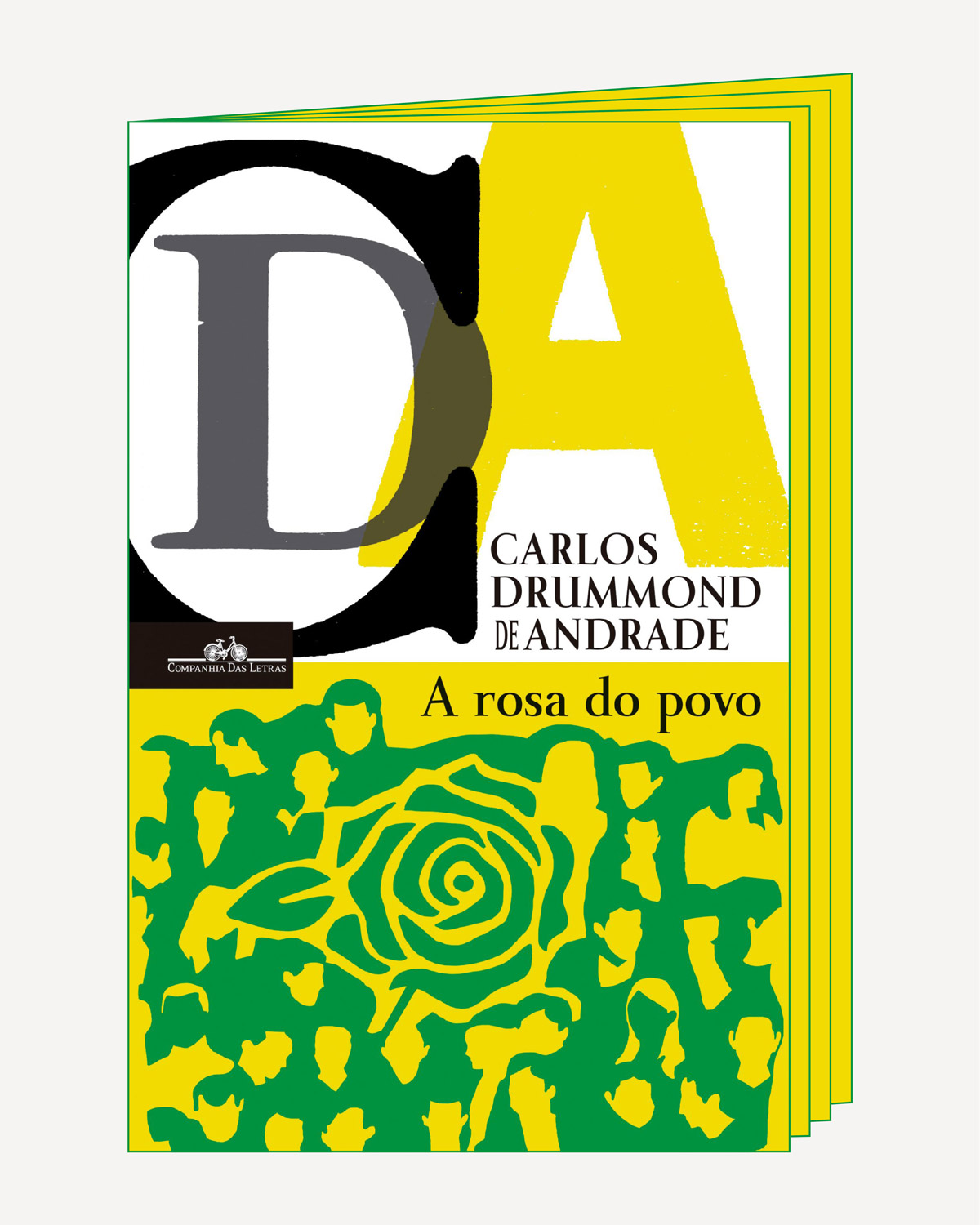
The People’s Rose, Carlos Drummond de Andrade
Written between 1943 and 1945, The People’s Rose takes shape against the backdrop of the Second World War and the authoritarian climate of Getúlio Vargas’ Estado Novo. Writing from a rapidly changing Rio de Janeiro, Drummond brings together the textures of everyday life and the pervasive sense of uncertainty of his time.
Across its fifty-five poems, the book confronts fear, violence and uncertainty, while still searching for signs of endurance and hope. A landmark of Brazilian modernism, The People’s Rose remains strikingly relevant, a portrait of dark times and of what continues to resist them, despite everything.
One of the several works by Brazilian authors featuring on our shop for to the exhibition “Complexo Brasil.”
Essay
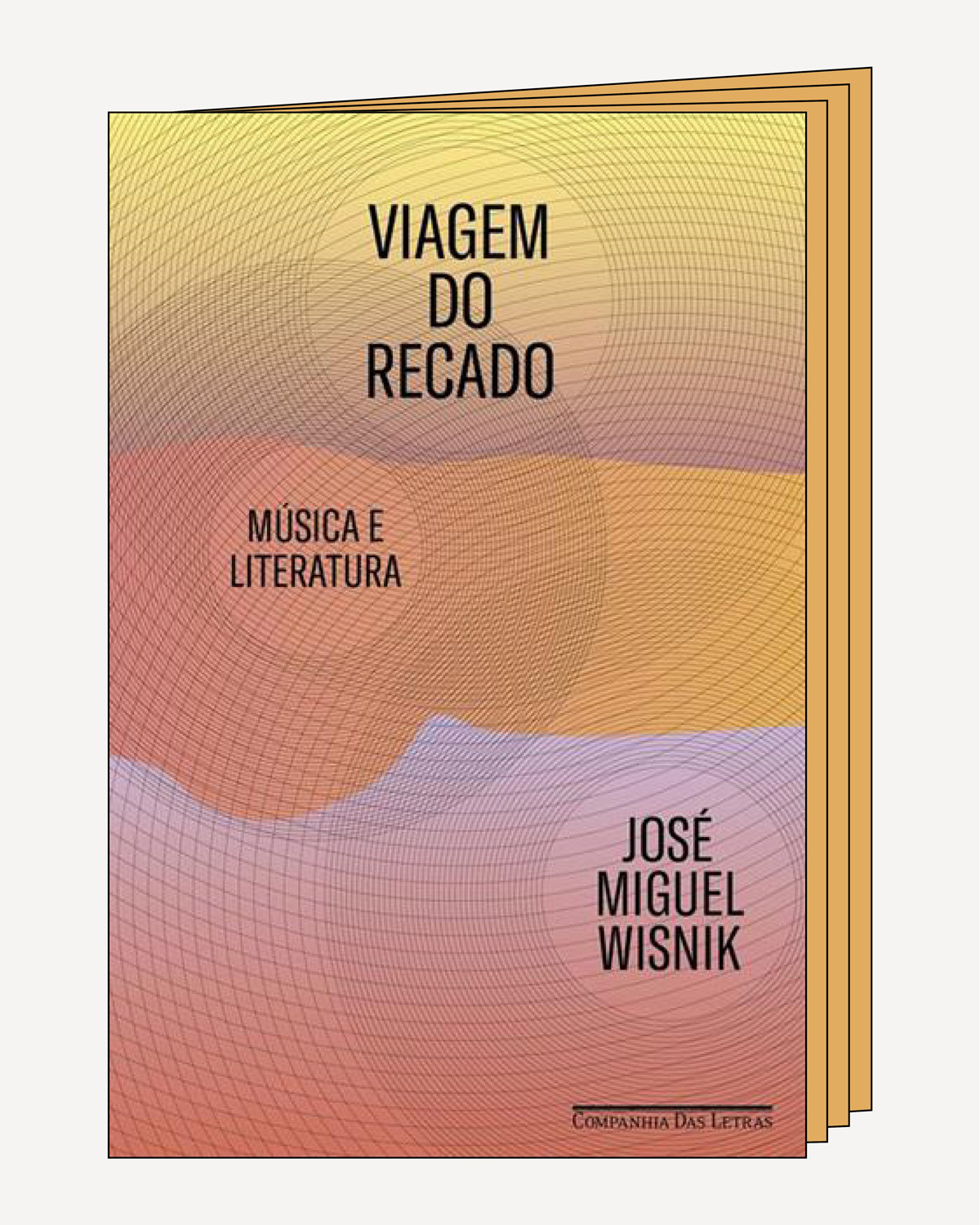
Viagem do Recado: Música e Literatura, José Miguel Wisnik
In his new book, José Miguel Wisnik– one of Brazil’s most important contemporary artists and curator of the exhibition Complexo Brasil – explores the intersections between music and literature, revealing how each illuminates Brazil’s cultural and political experience.
Bringing together some of his most significant essays, Wisnik revisits figures such as Villa-Lobos, Mário de Andrade, Tom Jobim, Caetano Veloso, Gilberto Gil and Chico Buarque, showing how sound becomes a way of thinking about the country.
Viagem do Recado is a sensitive and insightful map of the forces that have shaped Brazilian music, and of how it continues to imagine Brazil today.
You may also like
No results were found for your criteria.