
The lions tell their stories, now at the Gulbenkian
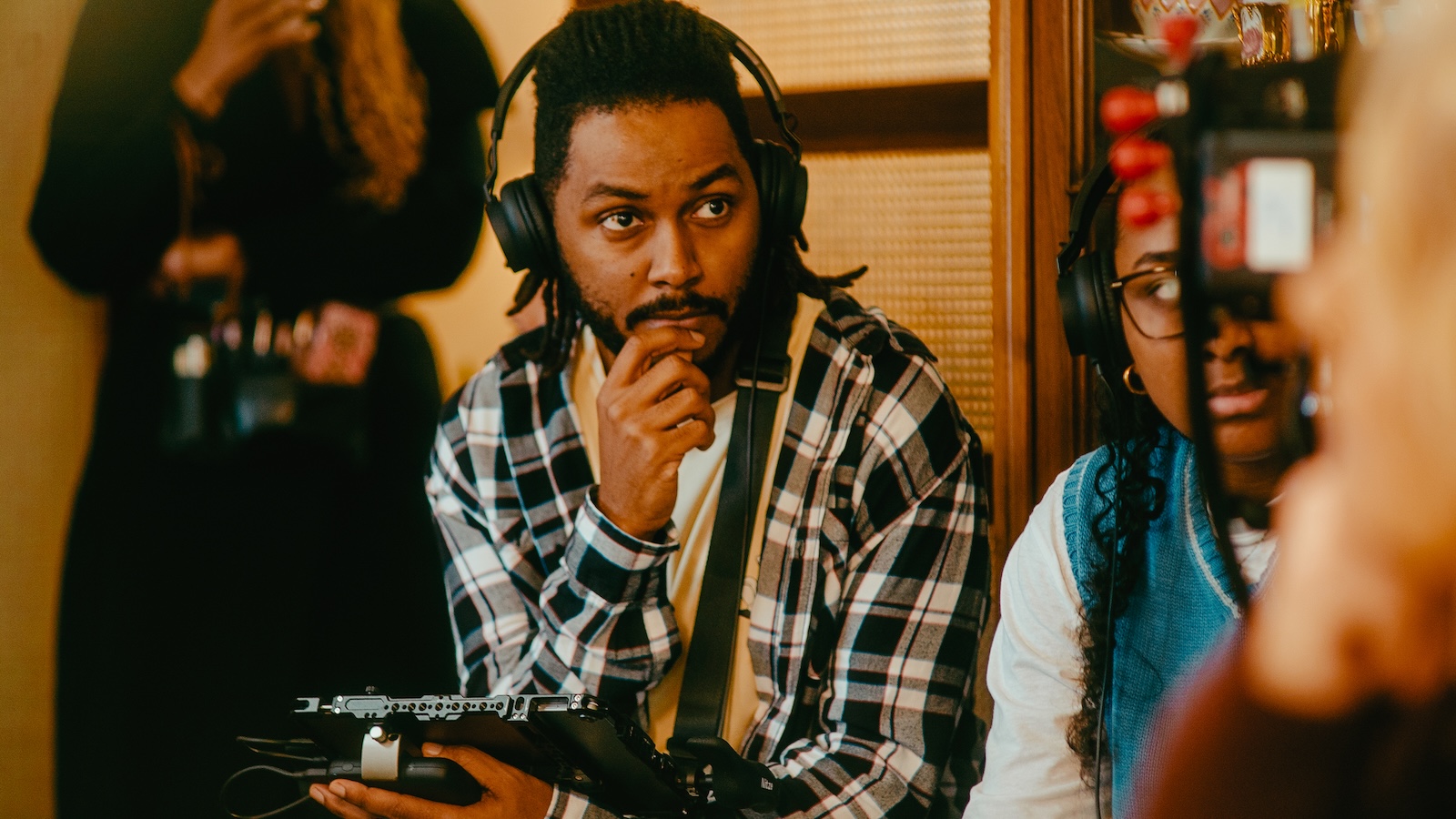
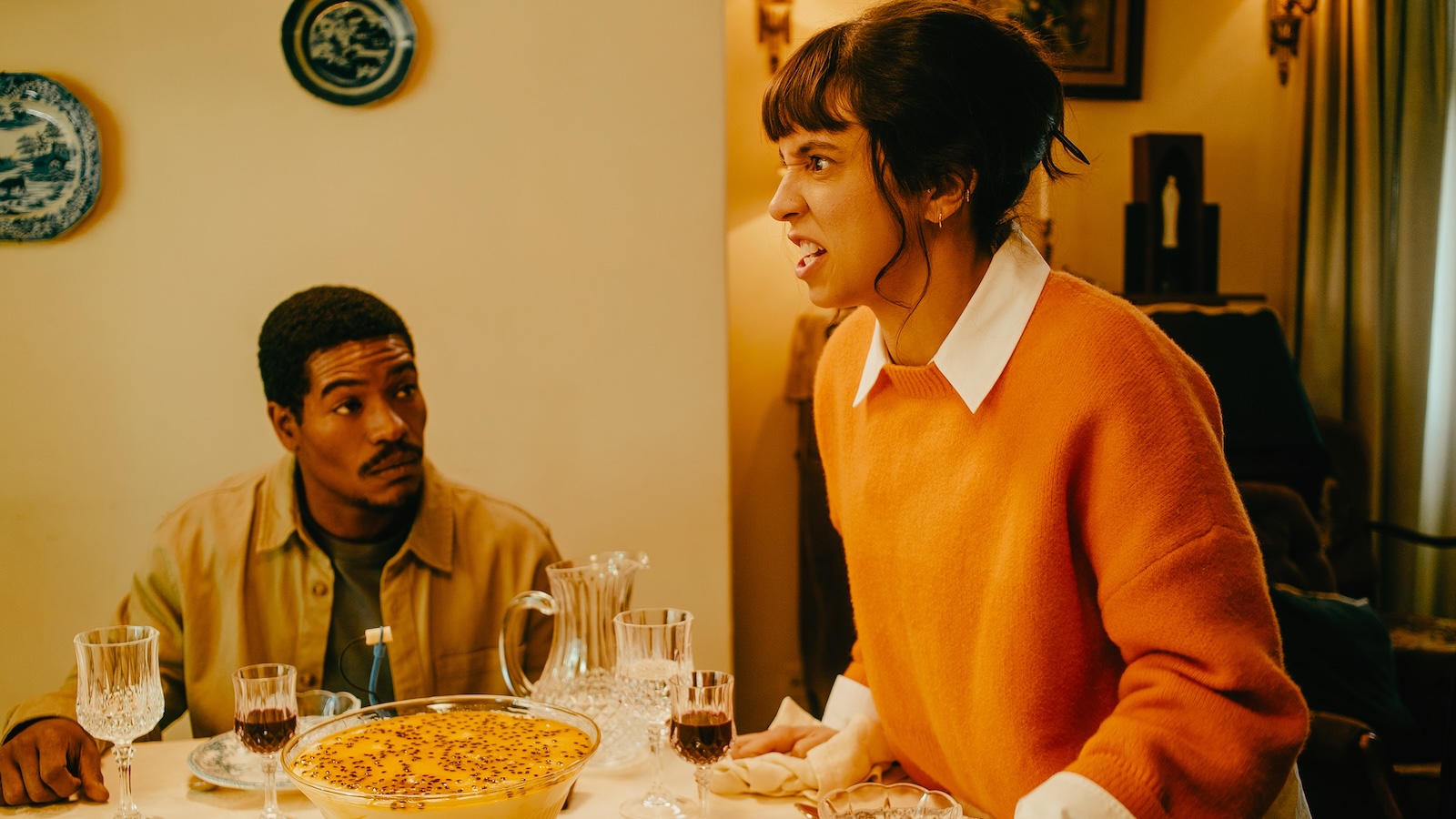
“I shake a white man’s hand just as I’d wring a black man’s neck.” The words come from Albano, the father-in-law, in the middle of a dinner where he is meeting his daughter’s black boyfriend. The scene is from Moamba, the opening episode of the series ‘Novas Narrativas de Caça’, but Luís Almeida first heard the phrase in real life, at the age of nineteen, sitting at someone’s dinner table. It took him years to work out what to do with it. “I remembered this story and thought: what was going through this man’s mind, to look someone in the face and say this to them?” Instead of retaliating, he asked himself what was absurd about the situation and wrote it down.
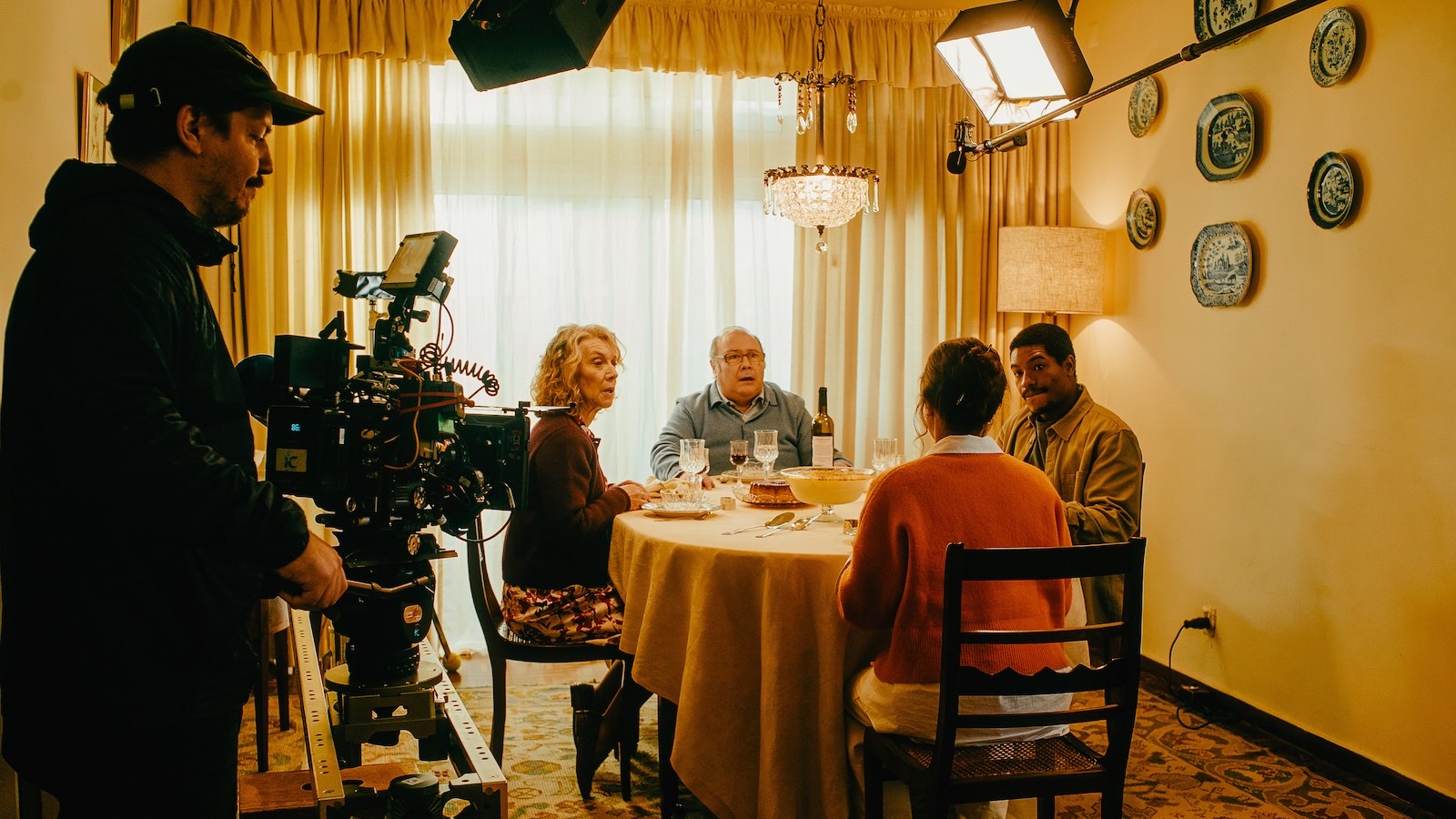
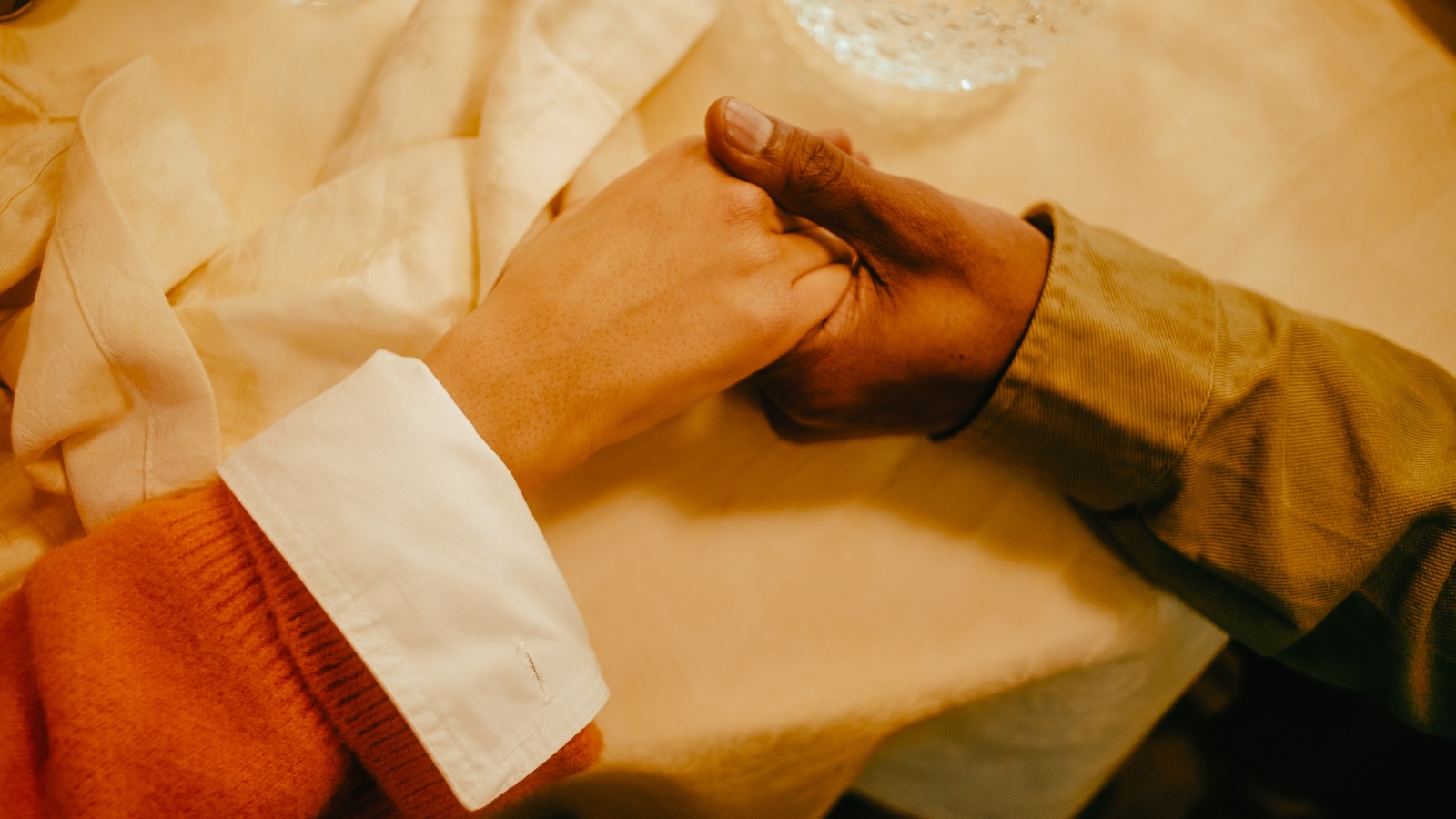
Moamba premiered on RTP Play on 14 May, alongside the other six episodes of the series. It now returns to the Gulbenkian – where it had its preview screening – as part of the Summer Garden, an event that Almeida has co-curated since 2022 with Alexandra Oliveira Matos, his partner at the production company Many Takes. Over the course of three weekends, each episode is screened at the CAM Studio, followed by a discussion with actors, directors and guests about the themes it raises. It is a series which, as the creator himself says, seeks out the absurd to lighten the load.
Leandro, the protagonist of Moamba, gets through the family dinner without ever lowering his head. “He’s always a cut above the rest, because he’s actually the only one with any backbone. It’s like: ‘I’m watching you lot; you’re all mad at this table.’ The violence is there – spoken, felt, undeniable – but Almeida’s characters do not allow themselves to be defined by it, and the tool for this is almost always laughter. “I find the absurdity of life funny,” and comedy serves to highlight without over-seriousness. At the preview screening at the Gulbenkian, he saw the effect work in real time: people recognised where each joke was coming from and laughed all the same, because there are situations in which, he concludes, all you can do is laugh. That it is he who does this, rather than someone commissioned to tell a story about racism, is justified by his own career path: Almeida trained as an editor and turned to directing out of necessity rather than vocation. “There was a phase in my life when I had nothing to edit; nobody gave me anything. So I started directing because I needed things to edit.” The camera was the medium, and that gave him the freedom to write about what he knew rather than imagine what was expected of him.
His love of cinema went back a long way, thanks to an older cousin who took him to the cinema every week and brought him video cassettes and DVDs. “I’ve always been utterly fascinated by the cinema, the darkness, and for those two hours I’d live in that little world of my own.” His ambition, however, was modest and, at the time, centred on becoming an editor, cutting films for others. Many Takes was born out of the same pragmatism: the pandemic struck, work came to a standstill, and setting up his own production company was the only way forward. With Alexandra Oliveira Matos, what had been freelance work gained a name and a structure. From the documentary De Sol a Sol, about hip-hop culture, to the documentary Filhos do Meio, about hip-hop in Almada, the production company has always alternated between commercial commissions – “we all need to put food on the table” – and a purpose that Almeida states bluntly: “It’s a fiction production company that tells Black stories and tries to give opportunities to directors and screenwriters who have these stories and who want to tell them.”
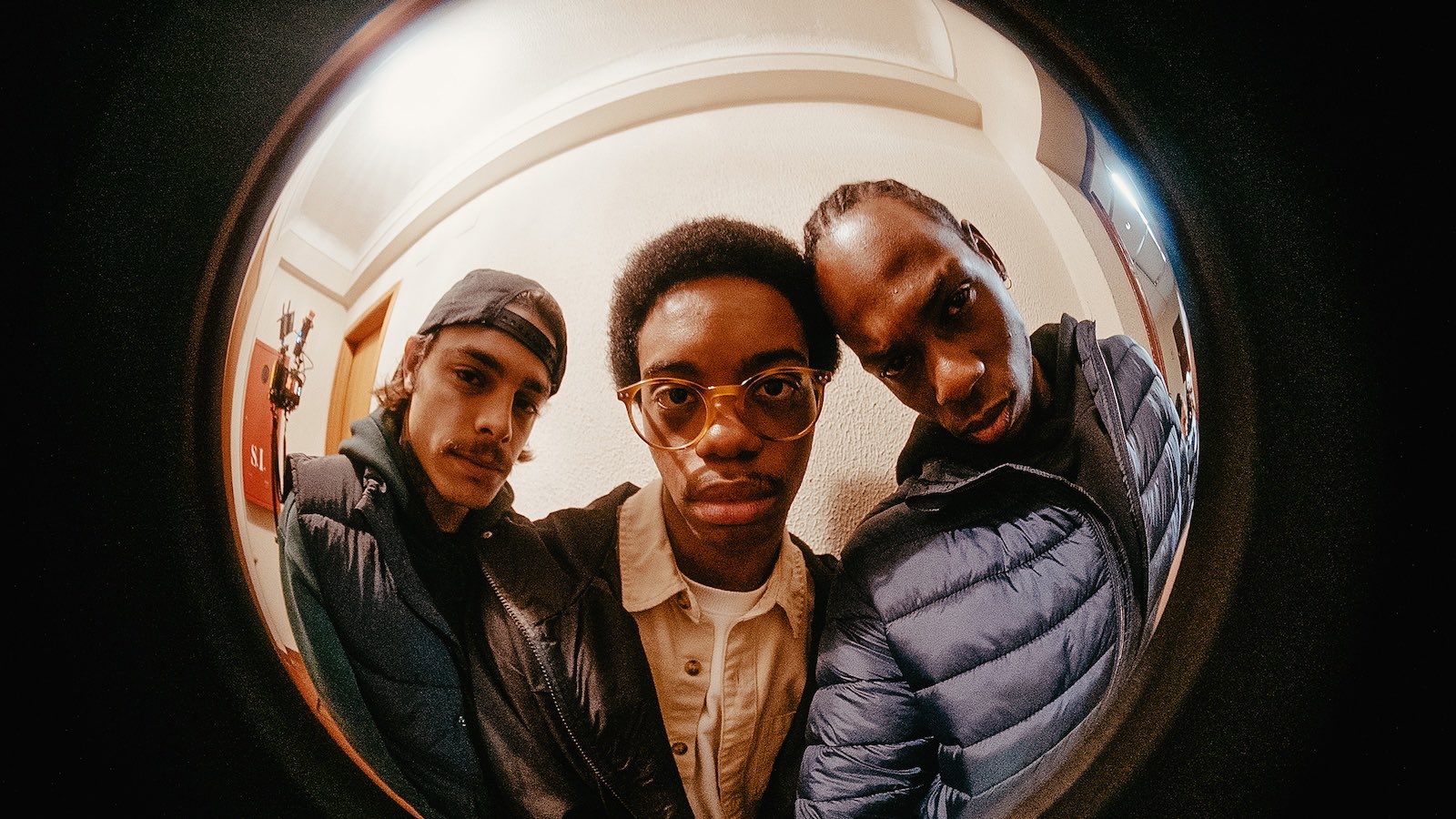
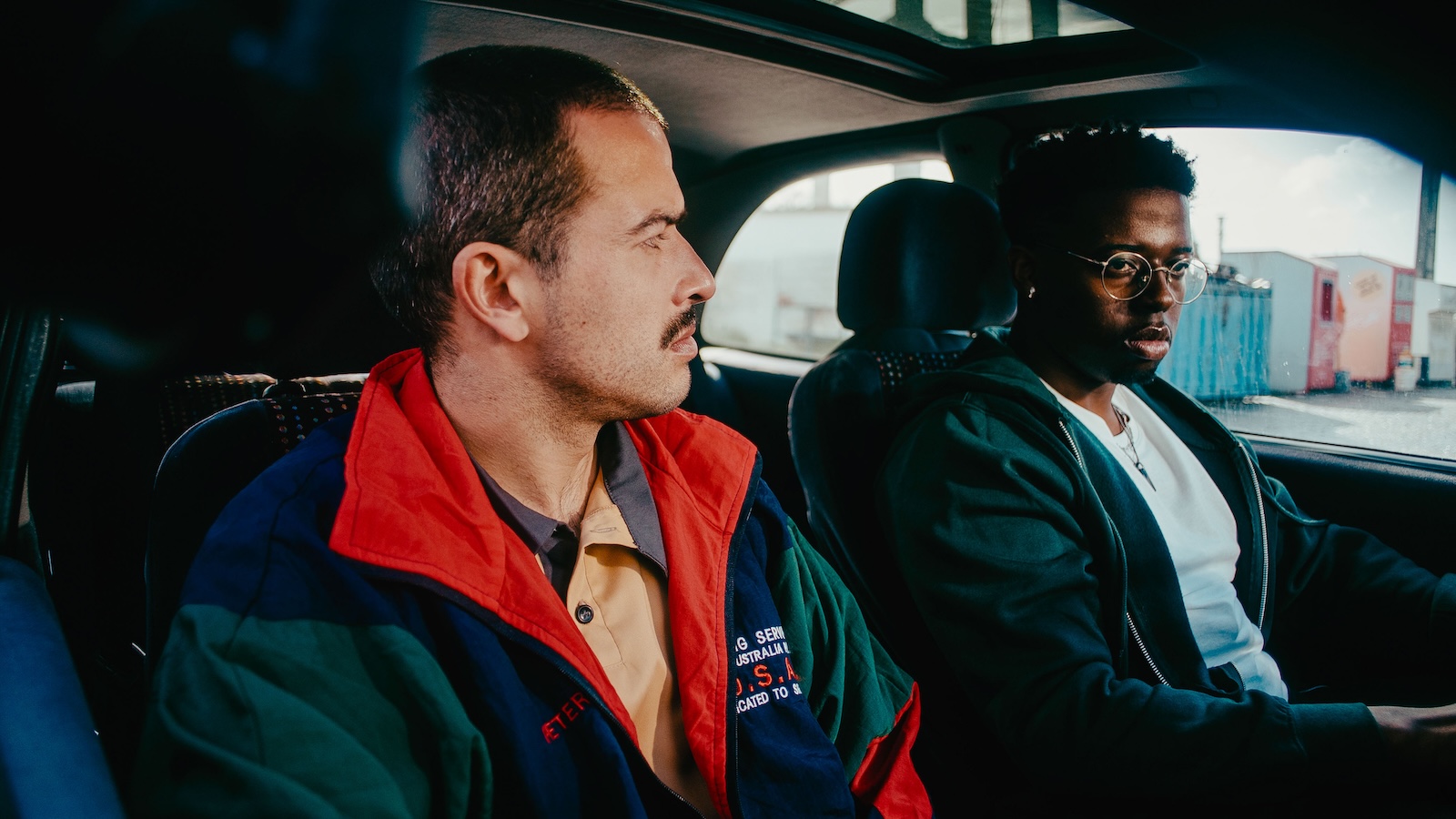

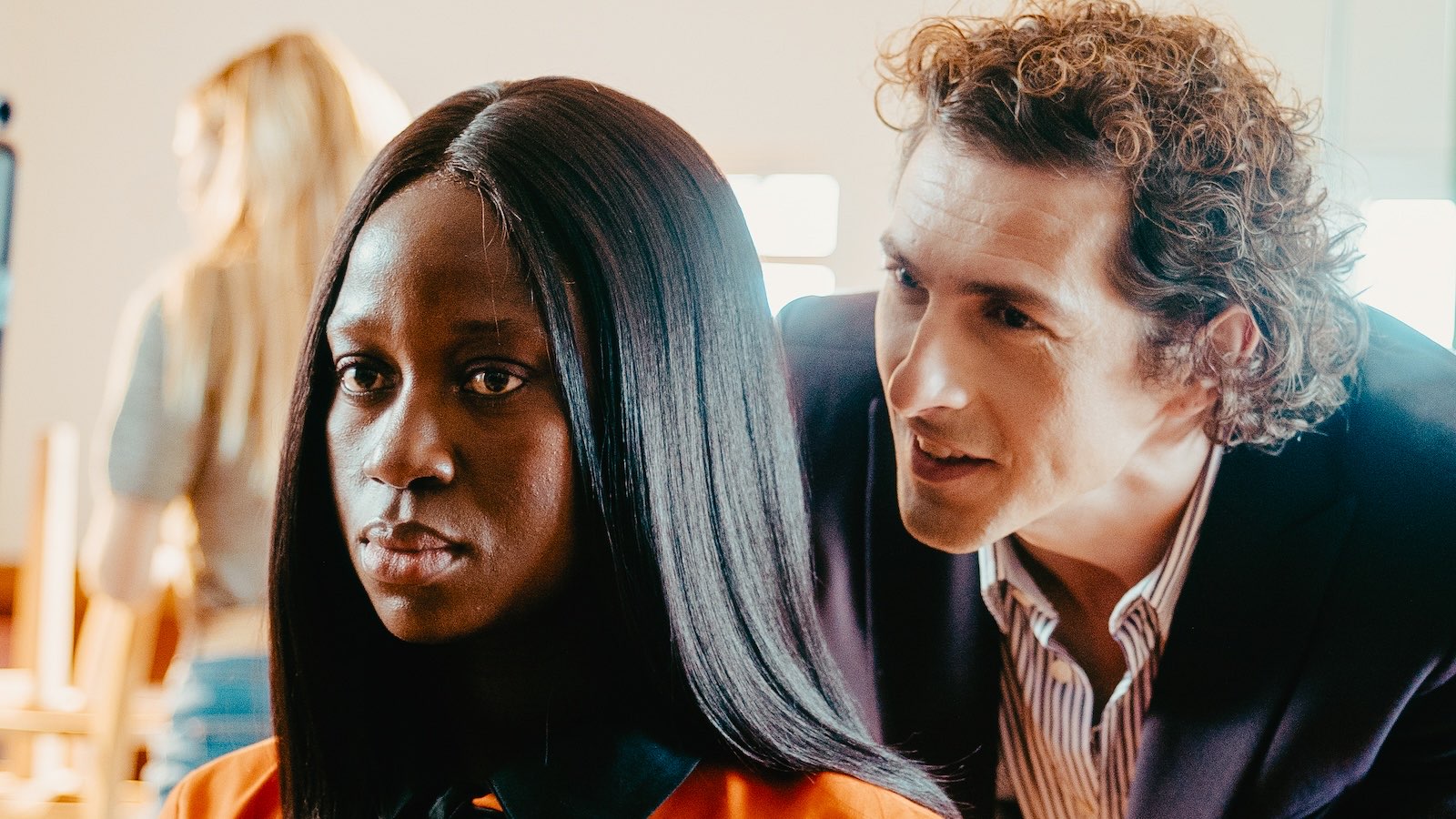
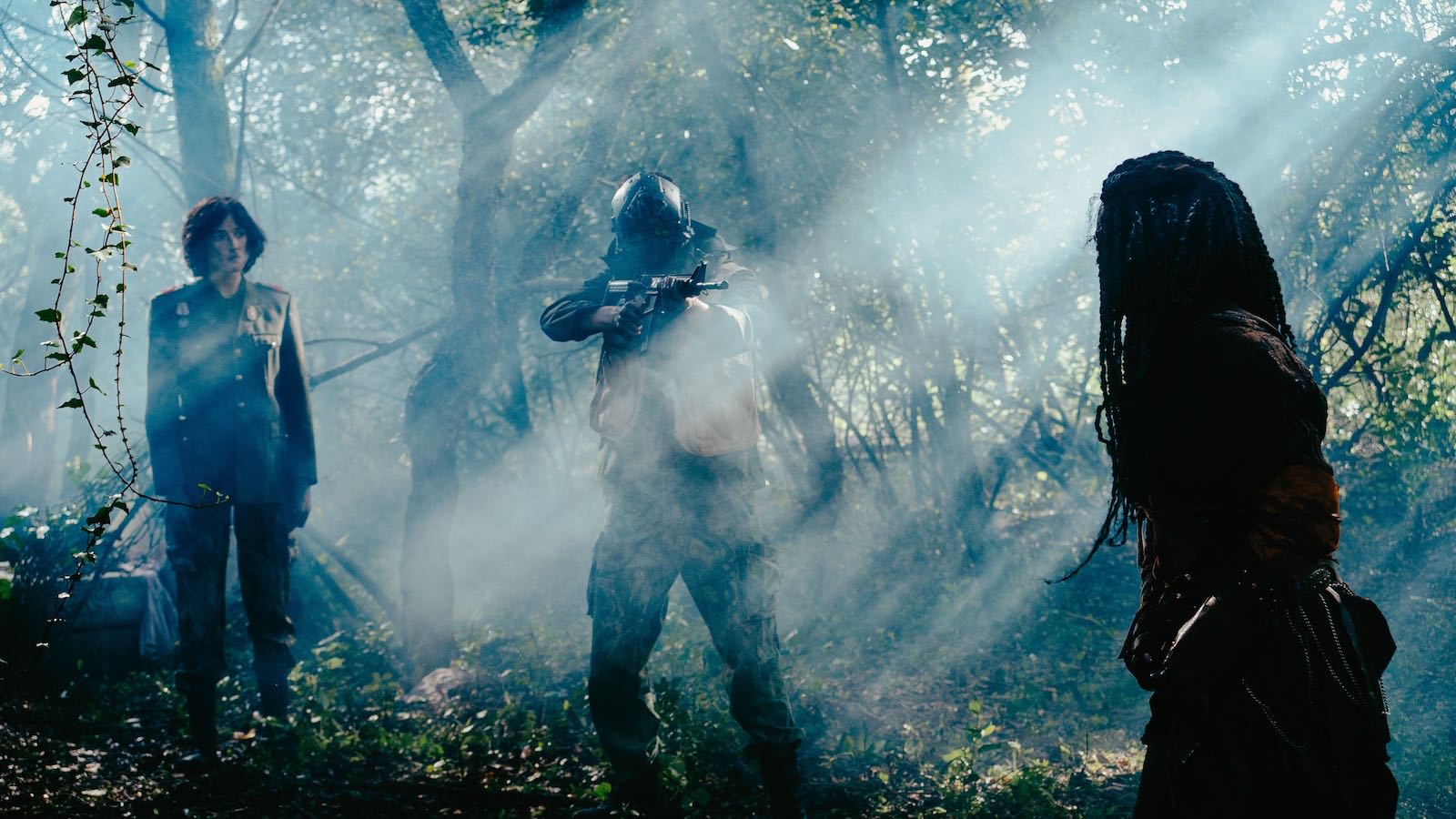
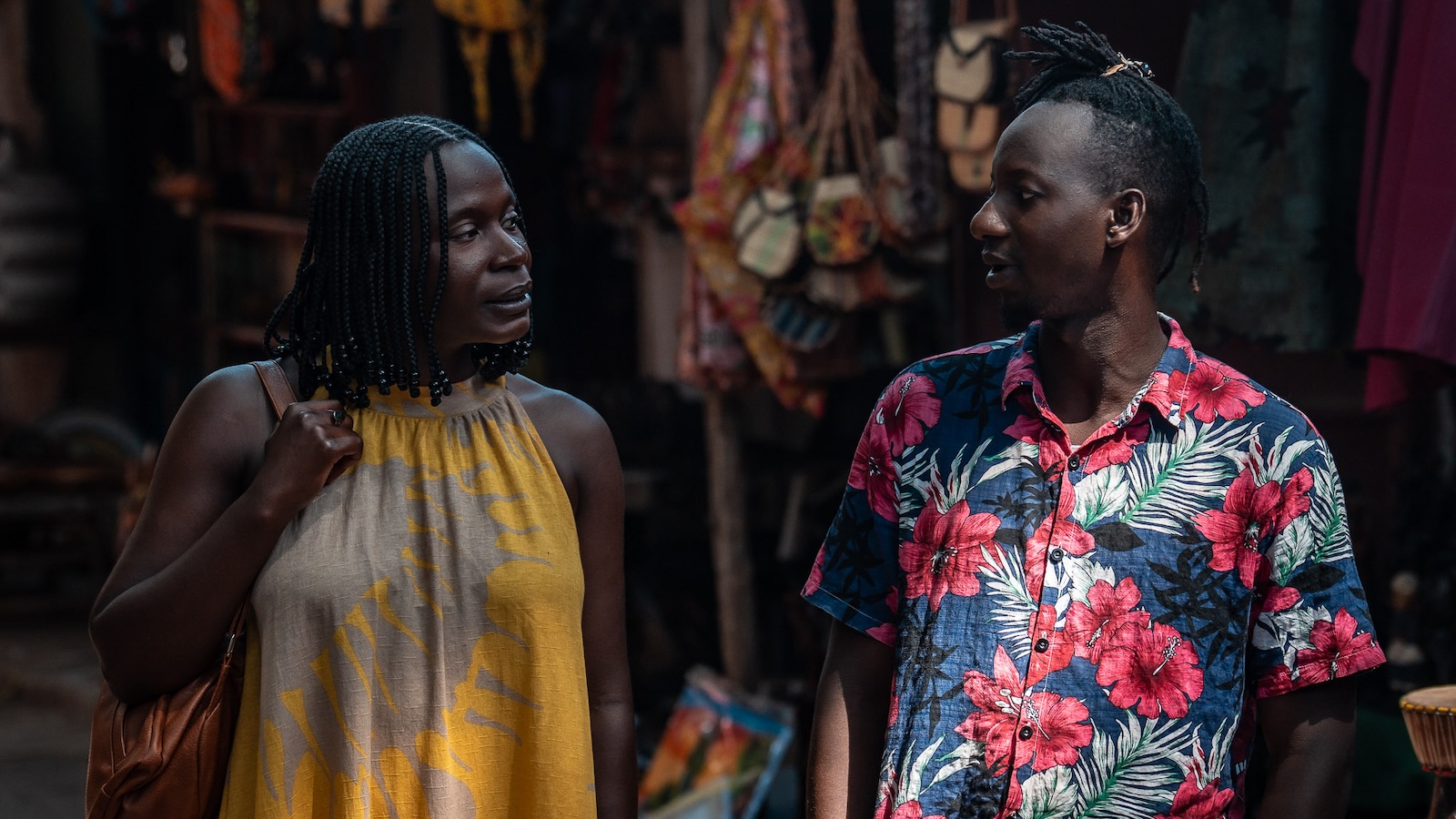
“Novas Narrativas de Caça” is where this aim becomes most explicit and most demanding. Almeida even considered a series written entirely by himself, but it was honesty that dissuaded him: ‘My own experience alone was far too limited for the sheer number of possible stories represented by the Afro-descendant community.’ The anthology format solves the problem of scale — seven worlds, from Recursos Humanos to the dystopian Sobrevivente, from Once You Go Black to Codé – at the expense of the depth each could have gained with more time. “The stories are confined to that timeframe,” he acknowledges, and does not rule out longer episodes in a possible second series. To find the writers, she did what those who claim there are no Black creators never do: she went looking for them. “There are loads of people out there; it’s just a matter of really looking.” She scoured Instagram, watched short films on YouTube, asked friends, and brought together Gisela Casimiro, Lara Mesquita, Fábio Silva, Diogo Gazella Carvalho, Dércio Tomás Ferreira, Cláudia Semedo and Ana Lúcia Carvalho.
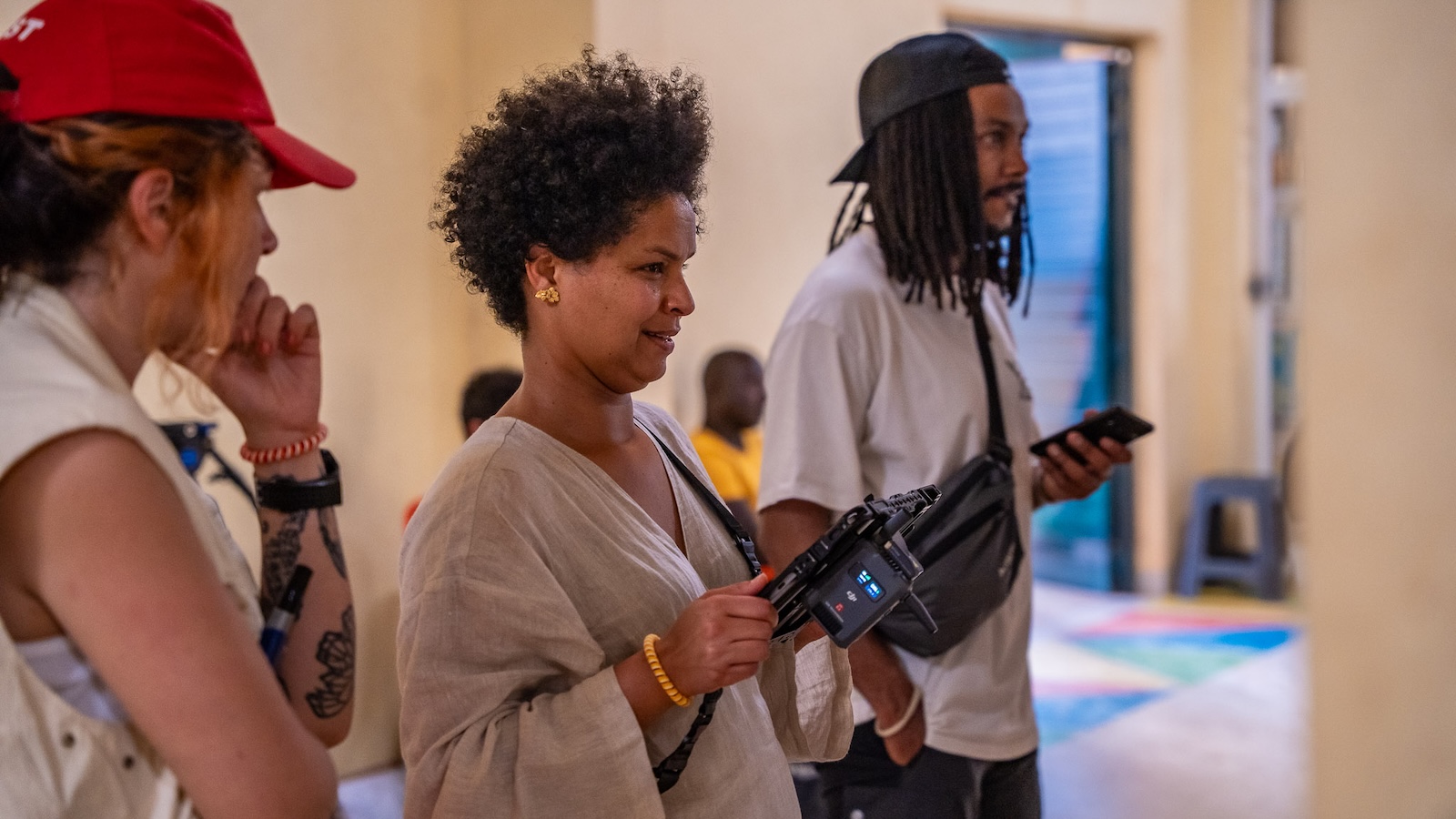
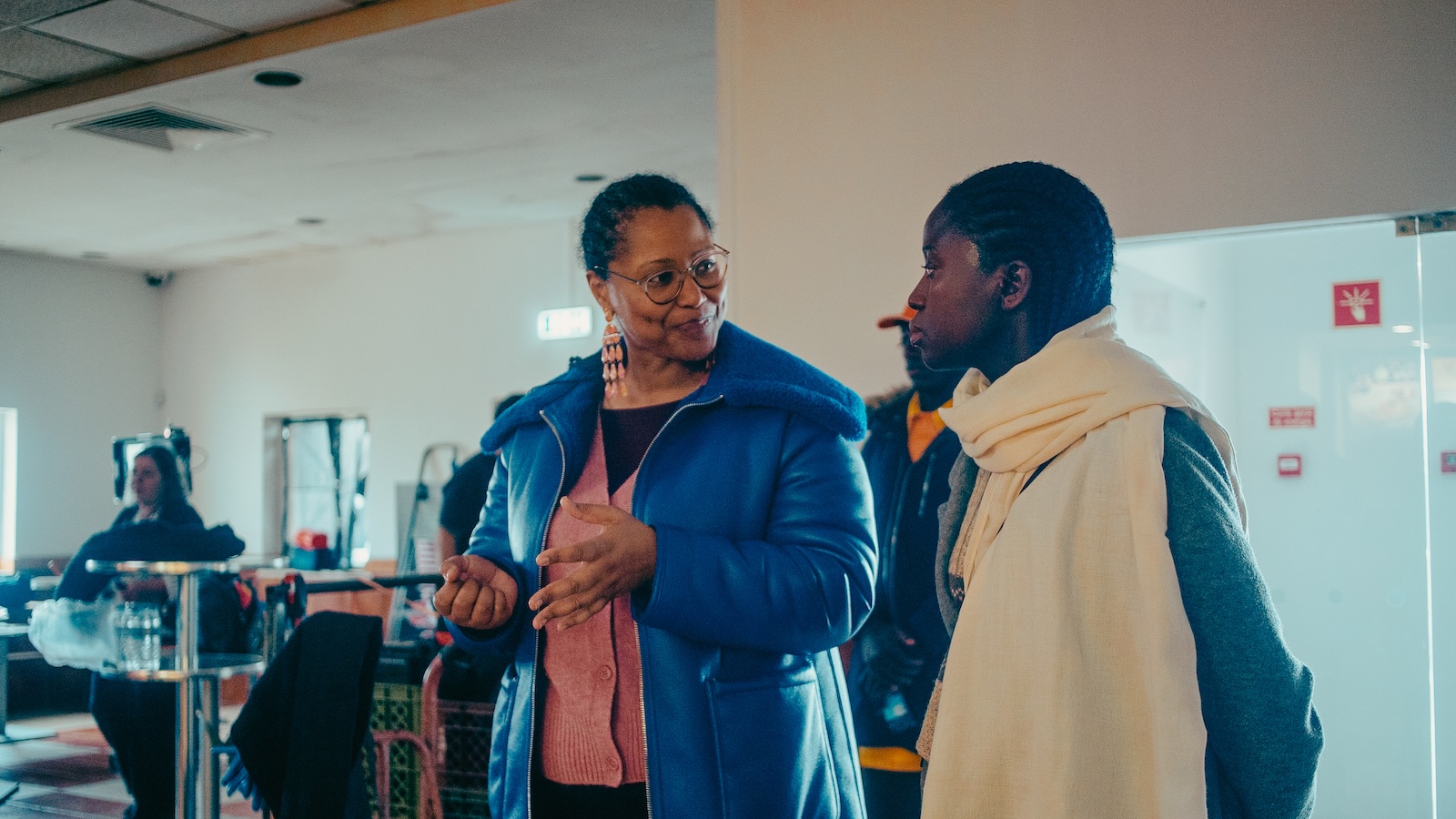
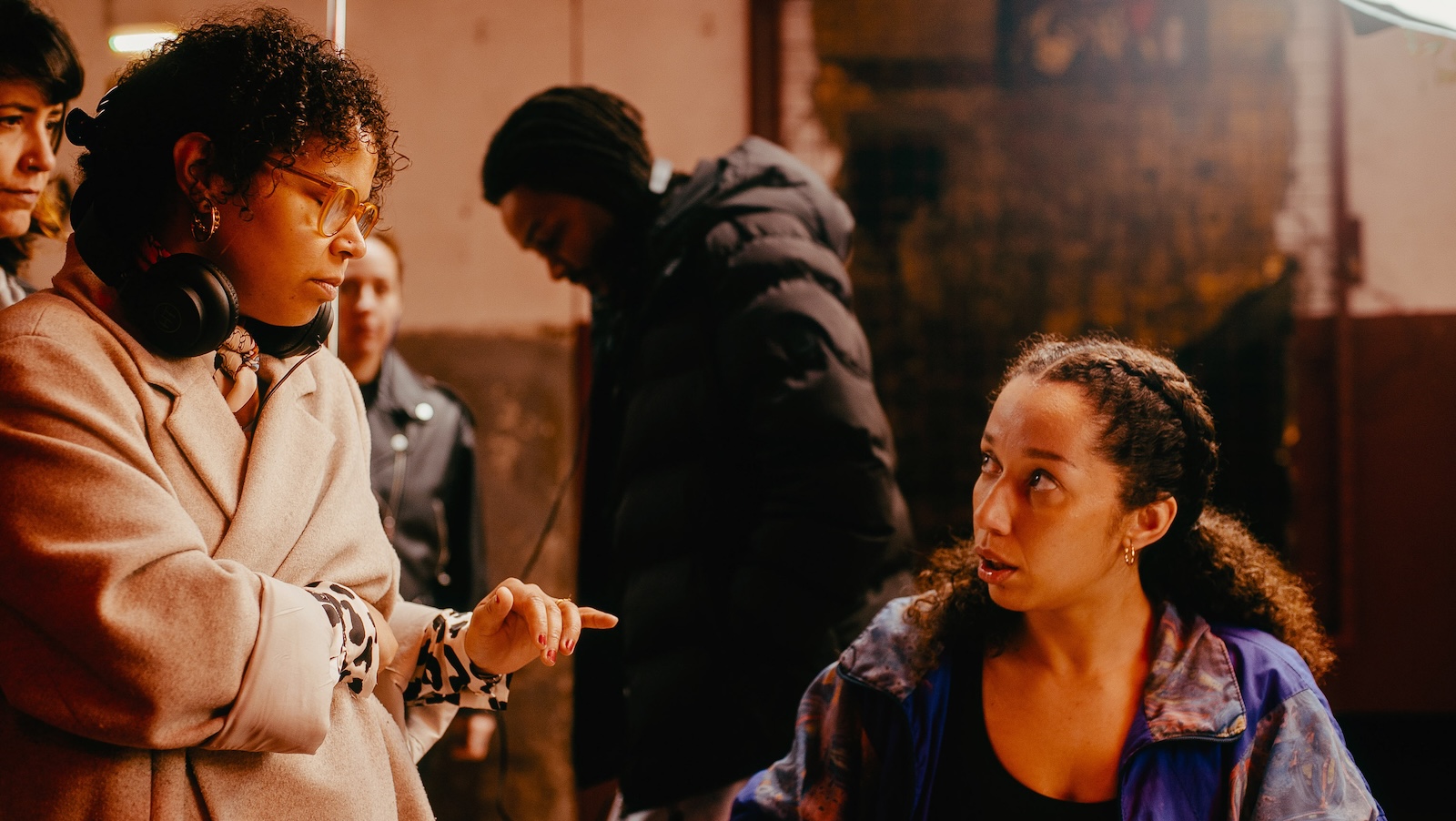
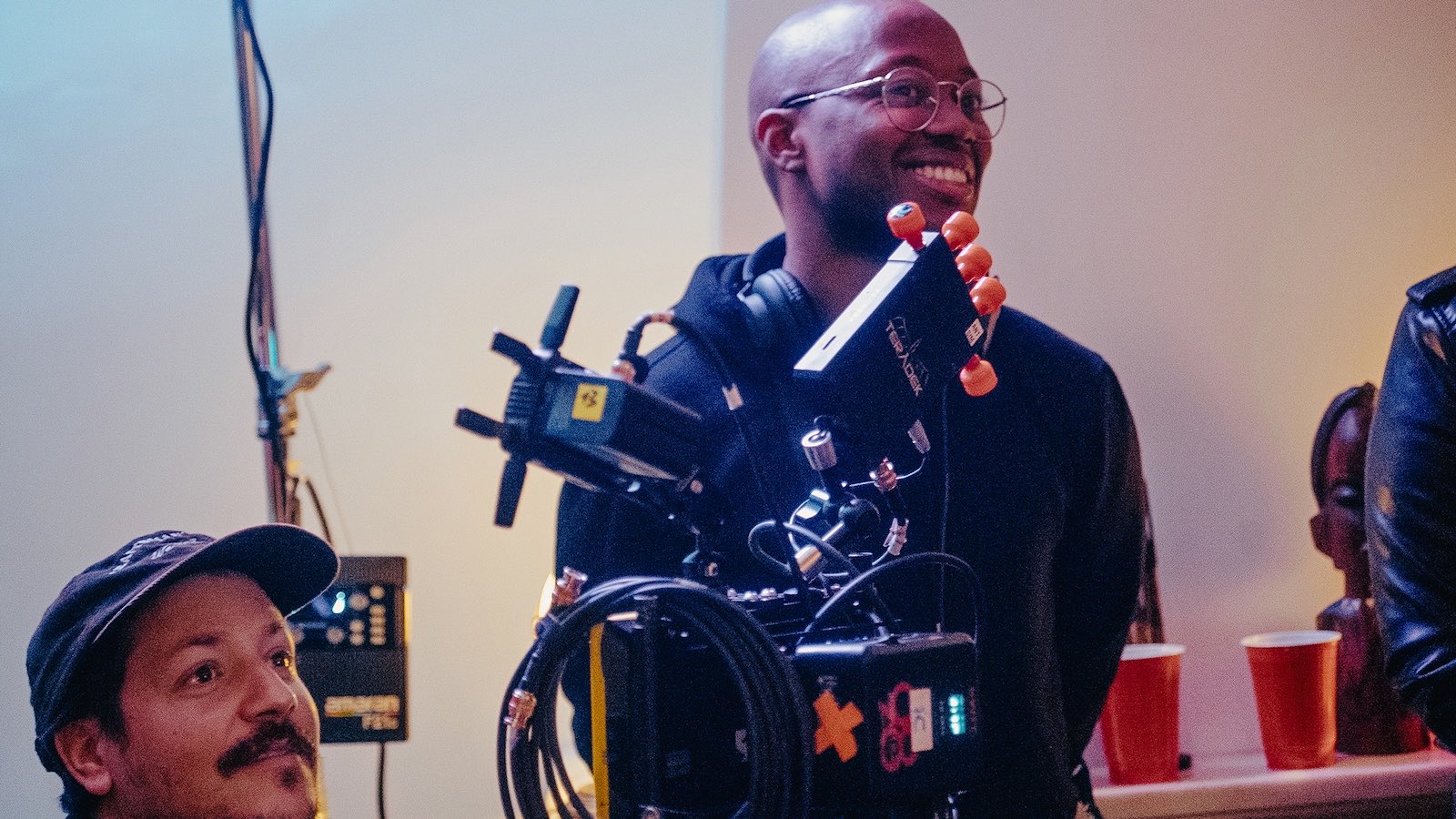
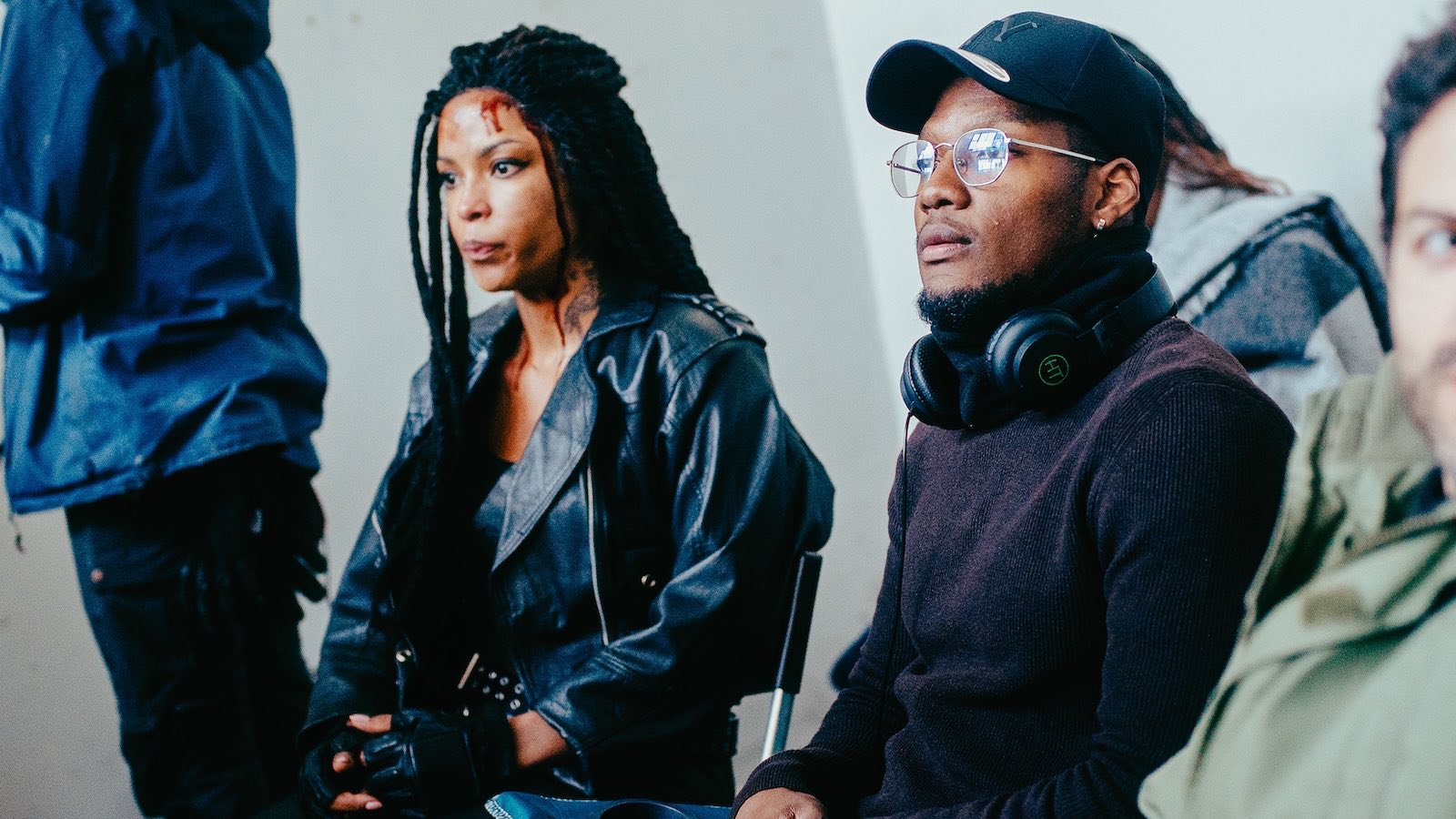
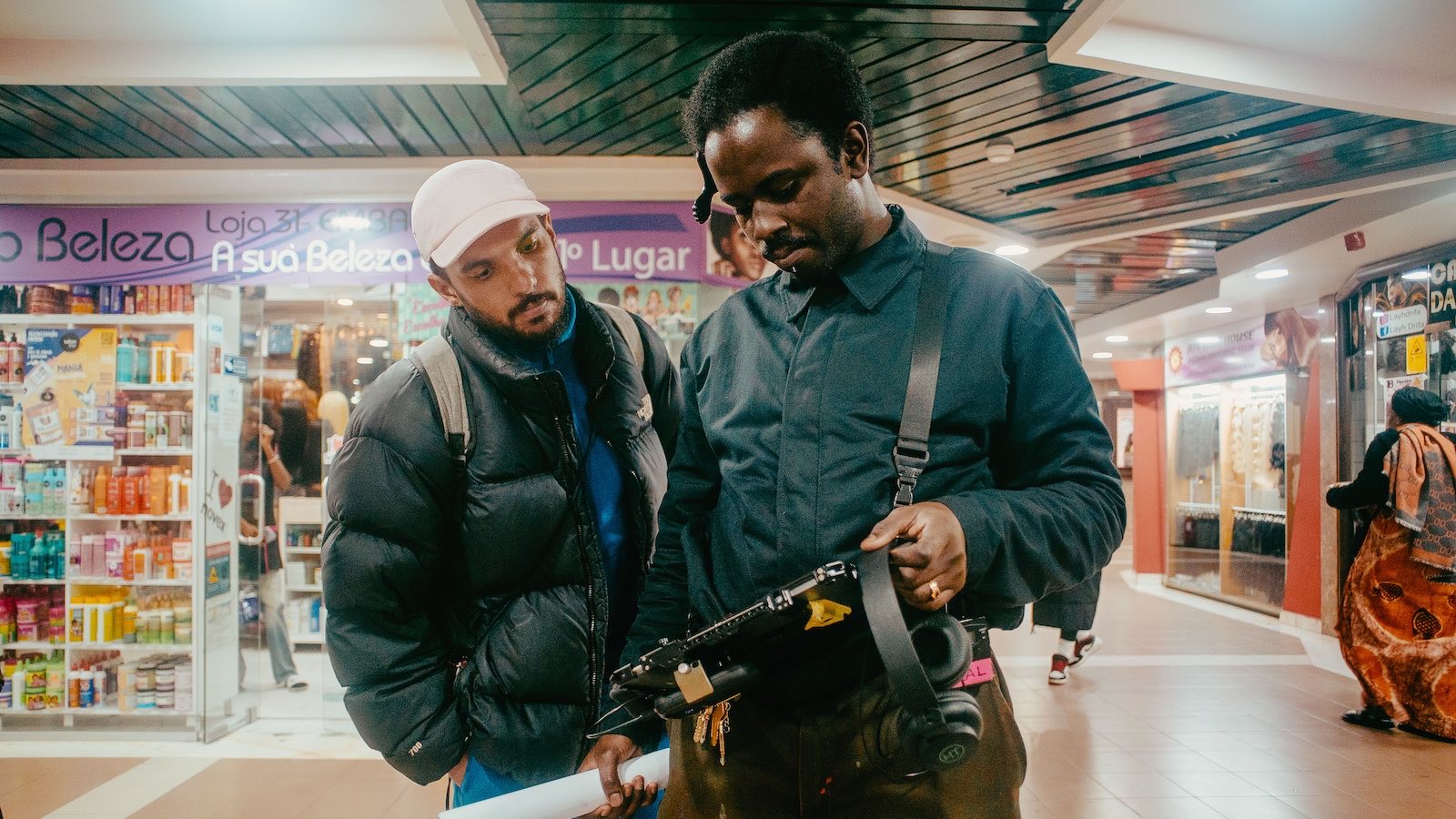
The fact that the series made it onto public television with the support of the “Cinema for Democracy” initiative – linked to the 50th-anniversary celebrations of the 25 April Revolution, through the ICA – gave it the credibility to break into a circuit that would otherwise have remained closed to it. “We managed to break into the industry and say: we have the ability; we can conceive projects, structure them, produce them and get them out there.” The freedom that RTP gave him, from the script to the final cut, was total. The risk that worries him is a different one, and it lies within: “There may be a general tendency to avoid uncomfortable subjects. And when I say this, I’m referring to the general mindset of creators, not to my own works specifically.” That is why he champions the right to Black stories that do not exist in a permanent state of exception. “There is room for us to create Black stories in which there is a romance between two Black people and everything is fine. We deserve to see ourselves in a positive light, without being in a constant battle.” It is also with this conviction that he takes on the curatorship of the series at the Gulbenkian: bringing these stories to this venue makes sense “in the times we are living in, where the far right continues to gain ground and we are beginning to understand the direction this government is taking.”
The series’ title comes from the African proverb: “Until lions tell their own stories, hunters will always be the heroes of hunting tales.” For Almeida, this translates into a simple distinction – “there’s a difference between doing about and doing with” – which is, ultimately, what Many Takes exists to bring to life. The series took him by surprise in terms of its reception, and he admits that “I wasn’t expecting it to be so well received.” But the surprise hasn’t changed his approach. “That’s a bit how I work. I don’t set my hopes too high: let’s just get on with it, and whatever happens, happens.”
On 12 July, when the final episode is screened at the CAM Studio and the conversation opens up to the audience, the series will have come full circle – from RTP Play to the Gulbenkian, from the screen to the live event. Which is, after all, the only thing Almeida has ever wanted: “There’s nothing I like more than people seeing these things, rather than them being hidden away in a drawer.”
BANTUMEN at Gulbenkian
Explore the series

No results were found for your criteria.
You may also like
No results were found for your criteria.