
“Local intelligence must be fostered”
-
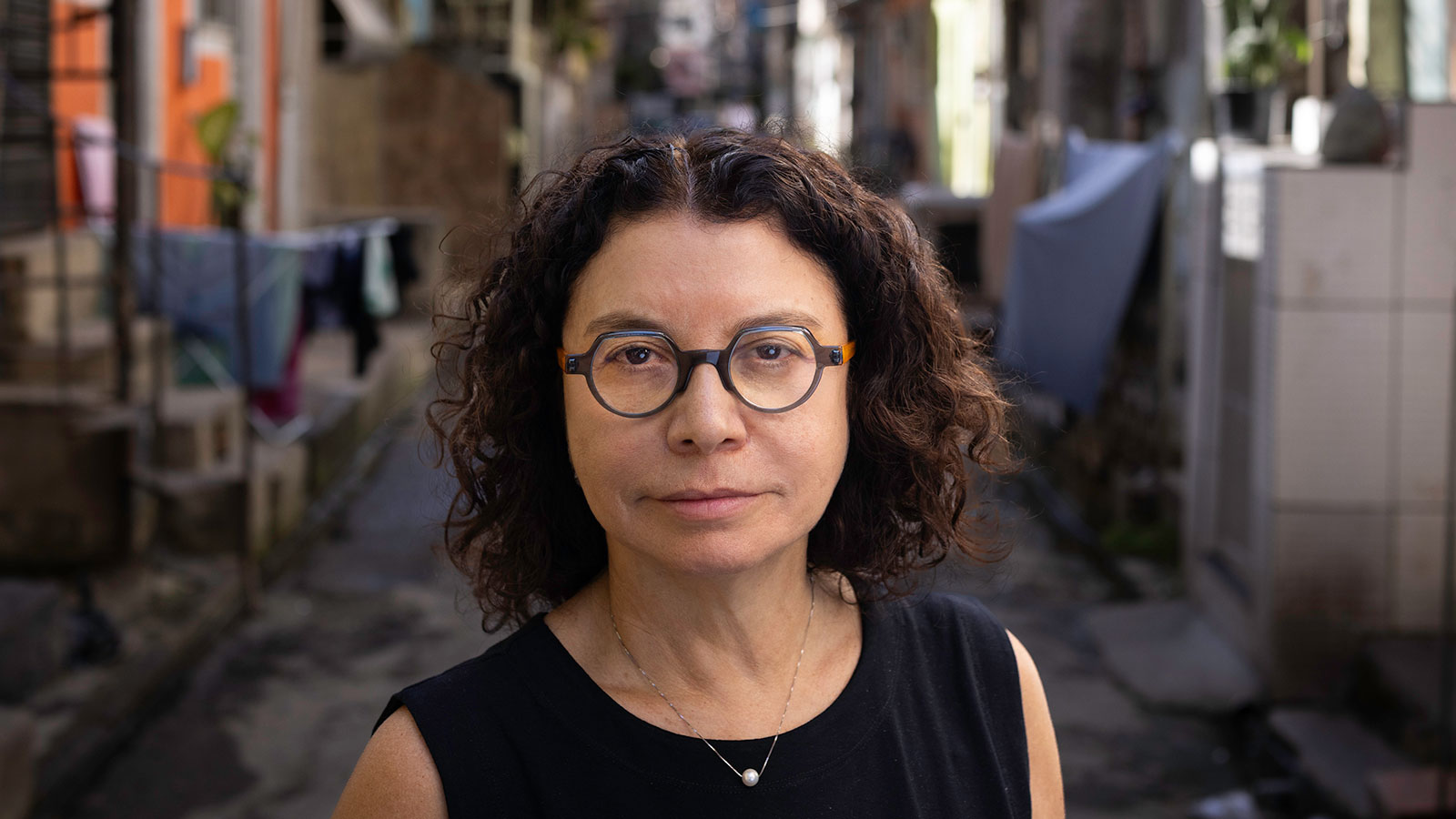
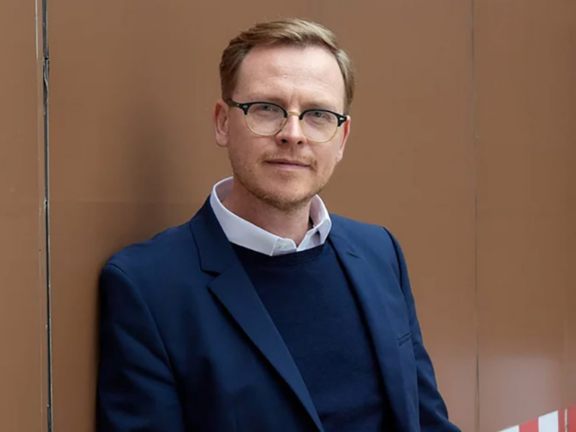
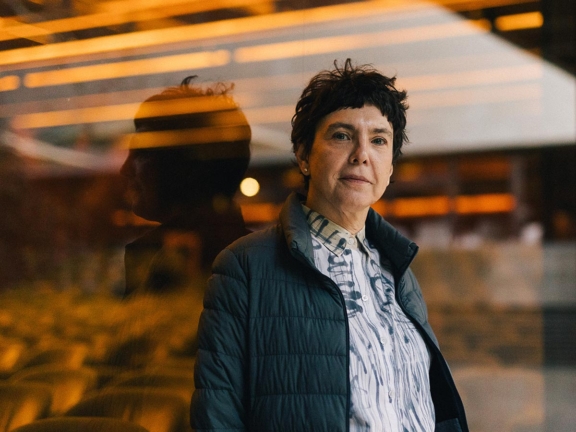
Eliana Sousa Silva © Márcia Foletto
How do you explain what Redes da Maré is?
Redes da Maré is a civil society organisation with a long history of work across the complex of 15 favelas that make up Maré, in Rio de Janeiro, home to around 140,000 people. If it were a city, Maré would have a larger population than 96% of Brazilian municipalities.
Redes was born within this territory, through the coming together of people who were born or grew up there. That is my case. I arrived as a child in Nova Holanda, one of Maré’s favelas, an area marked by severe deprivation and an almost total absence of public services. I grew up in this environment and, from a very young age, was involved in struggles for basic rights such as access to drinking water, electricity and sanitation.
During the 1970s and 1980s, these struggles were very intense. I became deeply involved, served as president of the Residents’ Association in 1984 and, later, while at university, we began reflecting on the need to go beyond traditional community organisations. It was necessary to create structures capable of thinking about deeper change – not just isolated demands, but processes that could guarantee rights through public policies, from a civic and republican perspective. It was from this movement that Redes da Maré emerged.
What kinds of activities does it carry out, and in which areas?
Redes was created with the central aim of fostering residents’ leadership and producing knowledge about the reality of the favelas. There is a great deal of ignorance, prejudice and stereotyping towards those who live in these territories. For this reason, from the outset, we invested heavily in knowledge production, understanding that knowledge is not confined to the university – this local intelligence must be fostered.
A second fundamental aspect is community participation. When we created Redes, we wanted to emphasise precisely the idea that there is local intelligence and potential, and that what structures people’s lives is the process of inequality in Brazil – the profoundly unequal way in which resources are distributed throughout the city.
The third dimension of Redes’ work is the implementation of concrete projects that can demonstrate that it is possible to break down this wall of inequality. One of the first initiatives, for example, sought to identify just how unequal access to higher education was. A large proportion of universities are public and free of charge, yet those who study there are predominantly wealthy people, who could in theory afford to pay for their education. Why do poorer people not attend? Because they have access to a very poor-quality basic education. Our first project therefore focused precisely on how to increase the proportion of people from working-class backgrounds – as is my own case – gaining access to university.
All of our work at Redes is conceived and grounded in the idea of political engagement and advocacy for the most basic rights of the population. Not in the sense of replacing the State, but of challenging it and showing that action is possible – by contesting narratives and proposing public policies rooted in the concrete experience of the territory.
Redes brings together 15 favelas and more than 140,000 inhabitants – a highly plural territory. How is collective action built in such a diverse context?
Maré’s diversity is the result of its own territorial formation. The area covers 4.5 km and includes 47,000 households, with residents originating from different parts of Brazil. A large proportion of the population comes from the north-east, there is a very significant Black population, Indigenous peoples, and more recently a large number of migrants from Angola. To engage with this plurality, the production of knowledge is essential – everything needs to be reflected upon and carefully thought through. We created Casa Preta da Maré, a space designed precisely to address the territorial and ethnic dimensions that make up the area.
In the projects we develop, we seek to respond to concrete and diverse demands, which means Redes undertakes multiple forms of action. When thinking about culture and art, for example, we aim to create initiatives that engage with the different experiences and inequalities that coexist within the same space.
Gender is a key example. Women account for more than 51% of Maré’s population and, in 39% of households, they are the primary financial providers. While they play a central role in the territory’s struggles, they are also subjected to multiple forms of violence. For this reason, we created Casa das Mulheres da Maré, with specific projects in the areas of culture, access to justice and education. In short, we experiment and seek to respond to very concrete demands as they emerge.
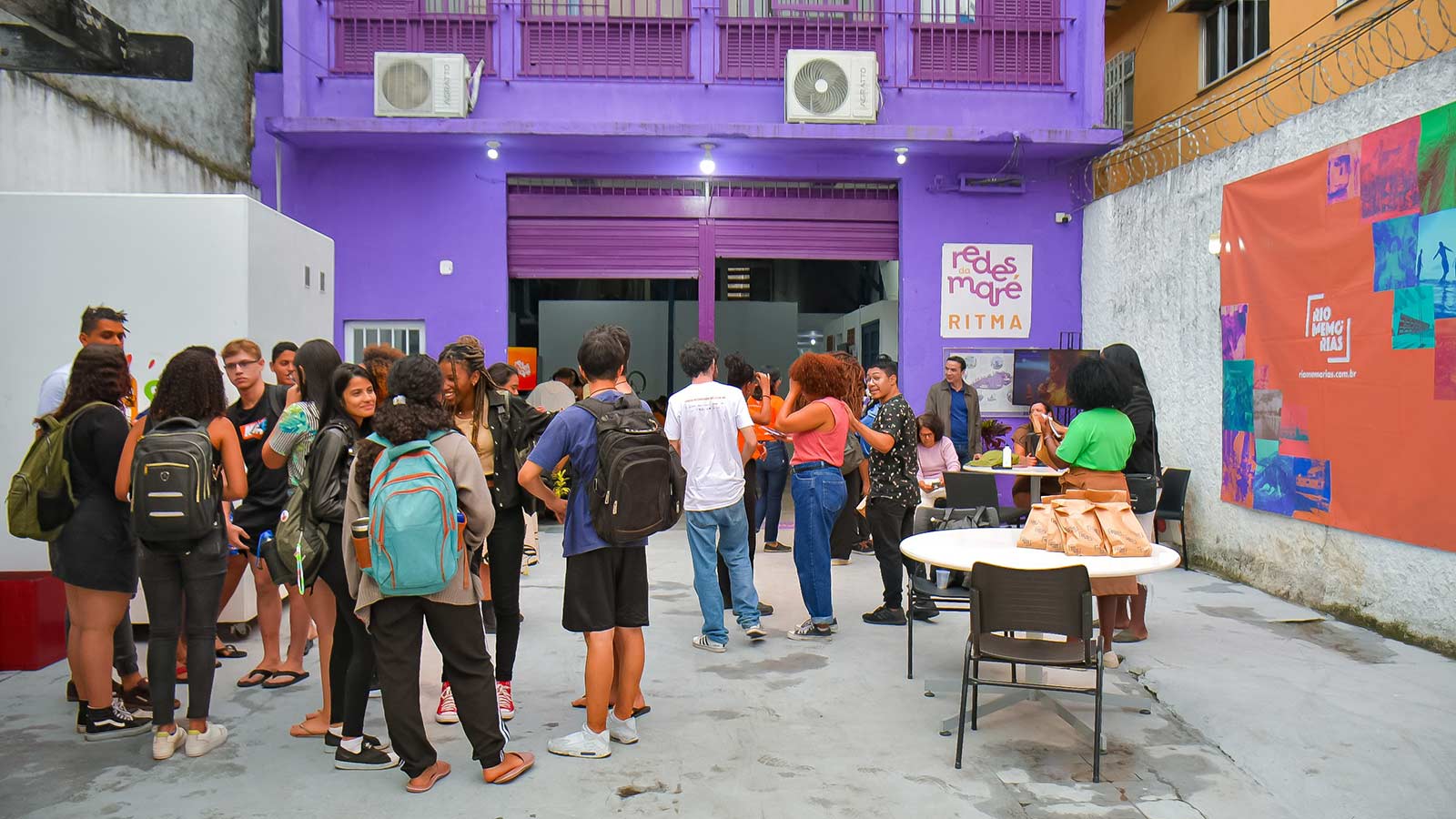
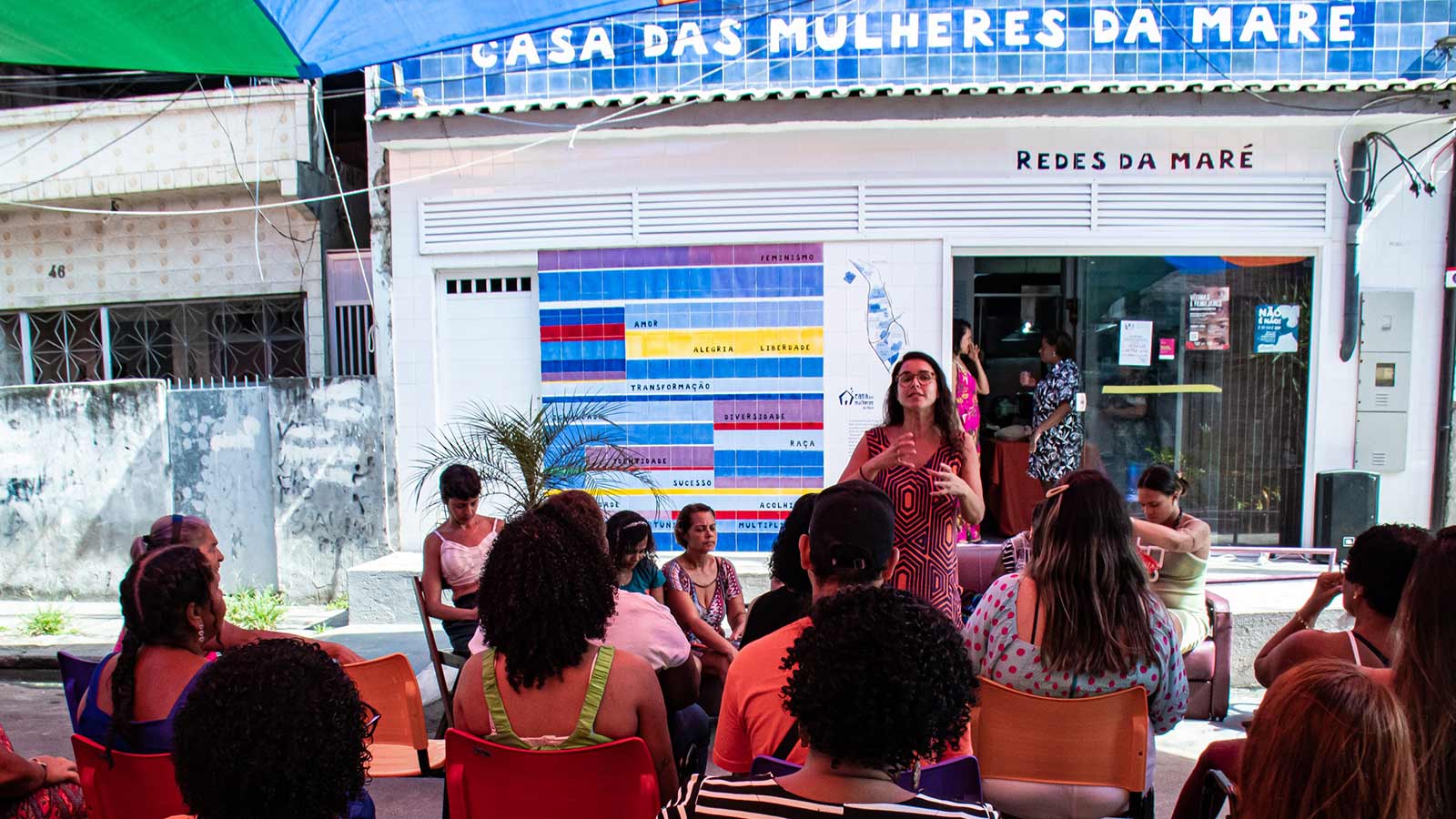
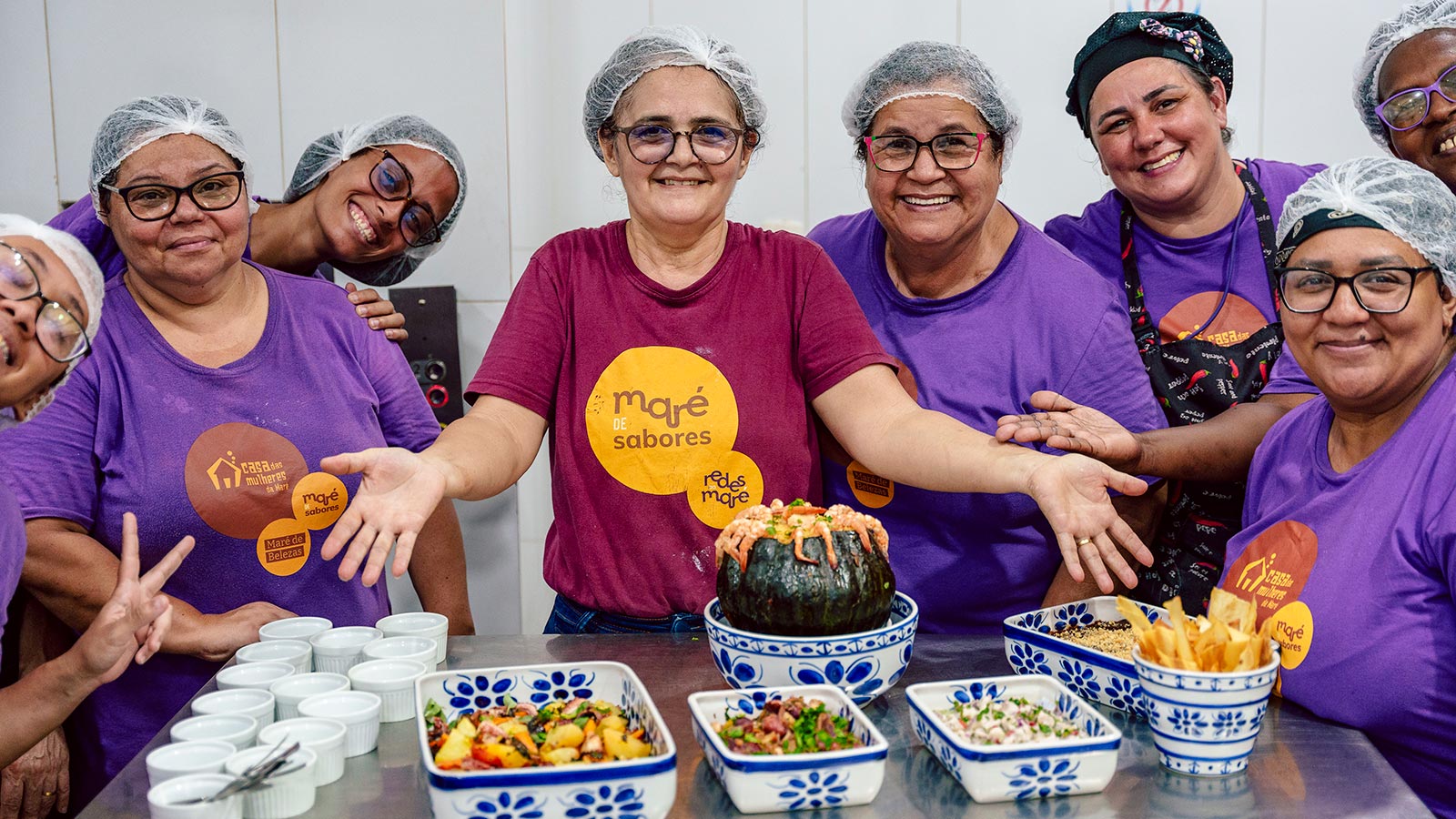
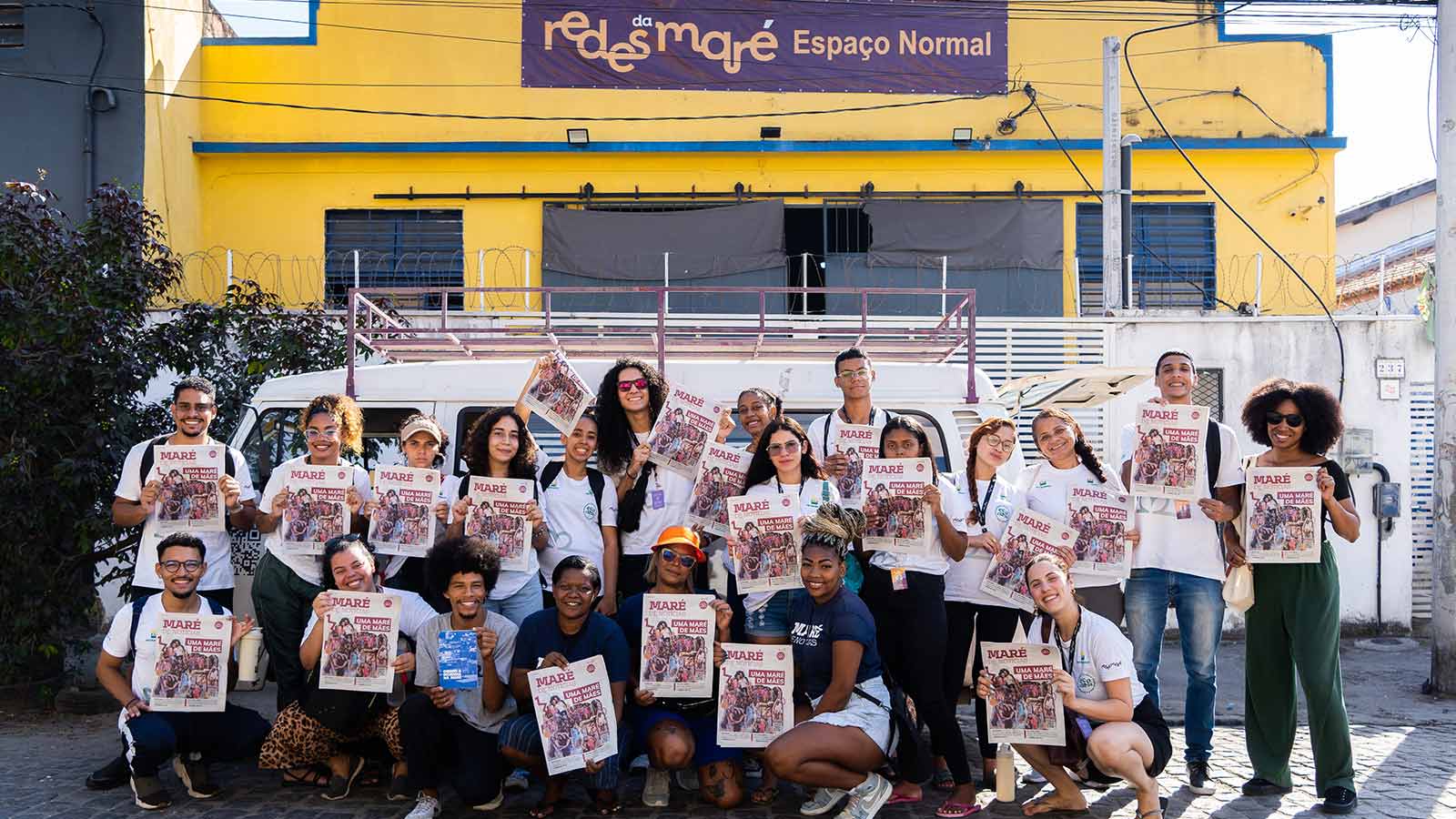
Art, culture and education play a highly structuring role in the practices of Redes da Maré. How can participatory art be a tool for social transformation in urban peripheries?
Art and culture are structuring axes of our work, alongside other basic rights. In Rio de Janeiro, most cultural facilities are concentrated in the southern zone, while the periphery and the northern zone – where Maré is located – have almost none. The first struggle, therefore, is a very basic one: the right of access to art and culture. We have, for example, an Arts Centre in Maré, although it is open to the entire city.
There is, however, a second dimension, which may be the most important. Like education, we understand art as essential to emancipation and to the formation of subjectivity. It is not merely something to be consumed, but a fundamental experience for human existence, enabling people to engage with contradictions, perspectives and lived experiences.
In contexts marked by neglect of rights and by violence, such as the favelas, art and culture are even more necessary, insofar as they engage with the subjective dimension of these processes. Our struggle is for the recognition of art’s value – not as an instrument, but as the very essence of the human experience, a right to which everyone should have access.
How does internal participation and decision-making work within Redes?
The organisational structure includes a general leadership, made up of people who have been involved since the organisation’s inception (myself included), and an Institutional Monitoring Group, whose members more closely follow the five areas of activity of Redes: Art, Culture, Memory and Identities; Urban and Socio-Environmental Rights; Public Security and Access to Justice; Education; and the Right to Health.
Each area has two coordinators, and each project within those areas also has a coordinator. In addition, we manage three facilities: Casa das Mulheres da Maré, Casa Preta da Maré and Espaço Normal, which works with people experiencing homelessness and with users of alcohol and other drugs.
There are also cross-cutting departments – such as finance, communications, legal affairs, and monitoring and evaluation – that support this entire ecosystem. Decisions are discussed collectively in weekly management meetings, and there is a dedicated area for political engagement and advocacy, which works to ensure that these practices are translated into public policy.
Eliana has been involved with Redes since its beginnings in 1980. How do you see its evolution today?
I believe that, over time, we have truly learned how to make this work happen. At its core, it is a project grounded in creativity and inventiveness, and today it is a well-established organisation, with the development of new leadership, political coherence and clarity of purpose.
It is an organisation that combines an activist dimension – still vital given the ongoing struggles – with a highly professional and formative approach, always seeking to question reality through data and information. The aim is not only to denounce problems, but to overcome them. Today we already see very significant results. In education, for example, we helped consolidate 46 primary schools and substantially expanded access to higher education for Maré residents – from less than 0.5% to almost 4%.
Structural change takes time; it is not something that happens quickly. I feel a deep sense of joy in knowing that we are building things at their own pace and that, despite all of the country’s political upheavals, we remain consistent with our purpose. I see the results in people, in the impact we generate, in how we are perceived, and in the knowledge we produce.
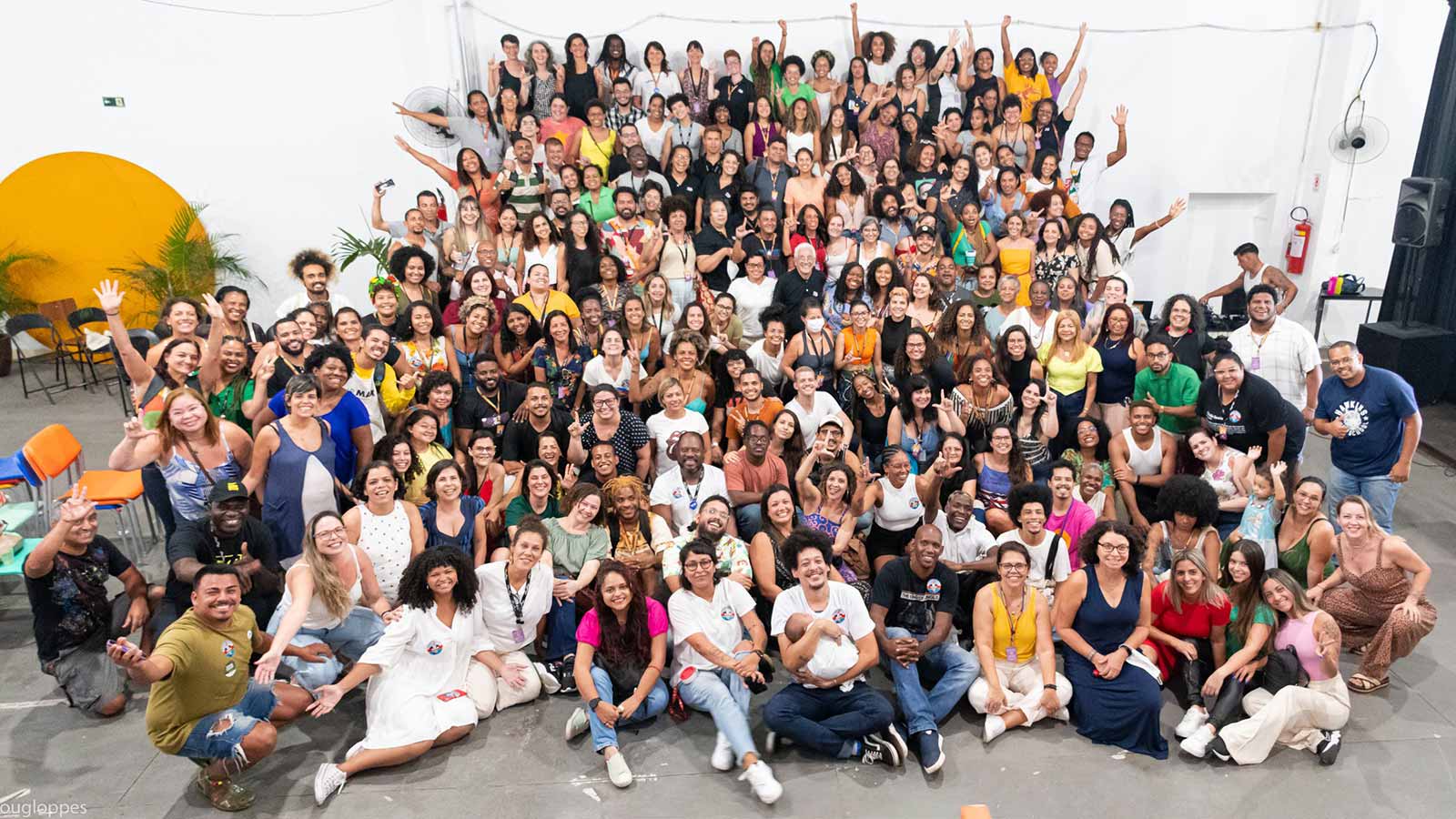
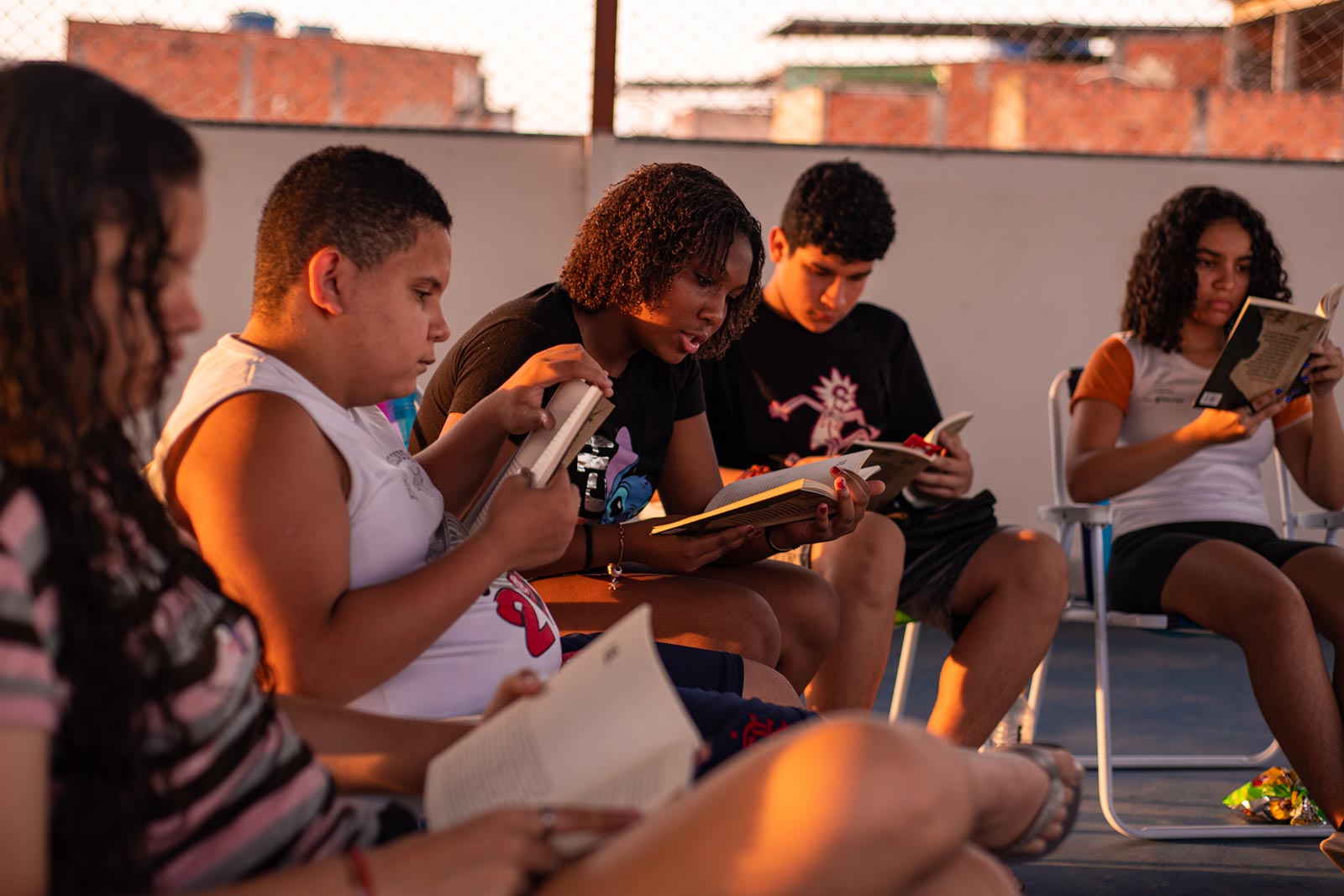
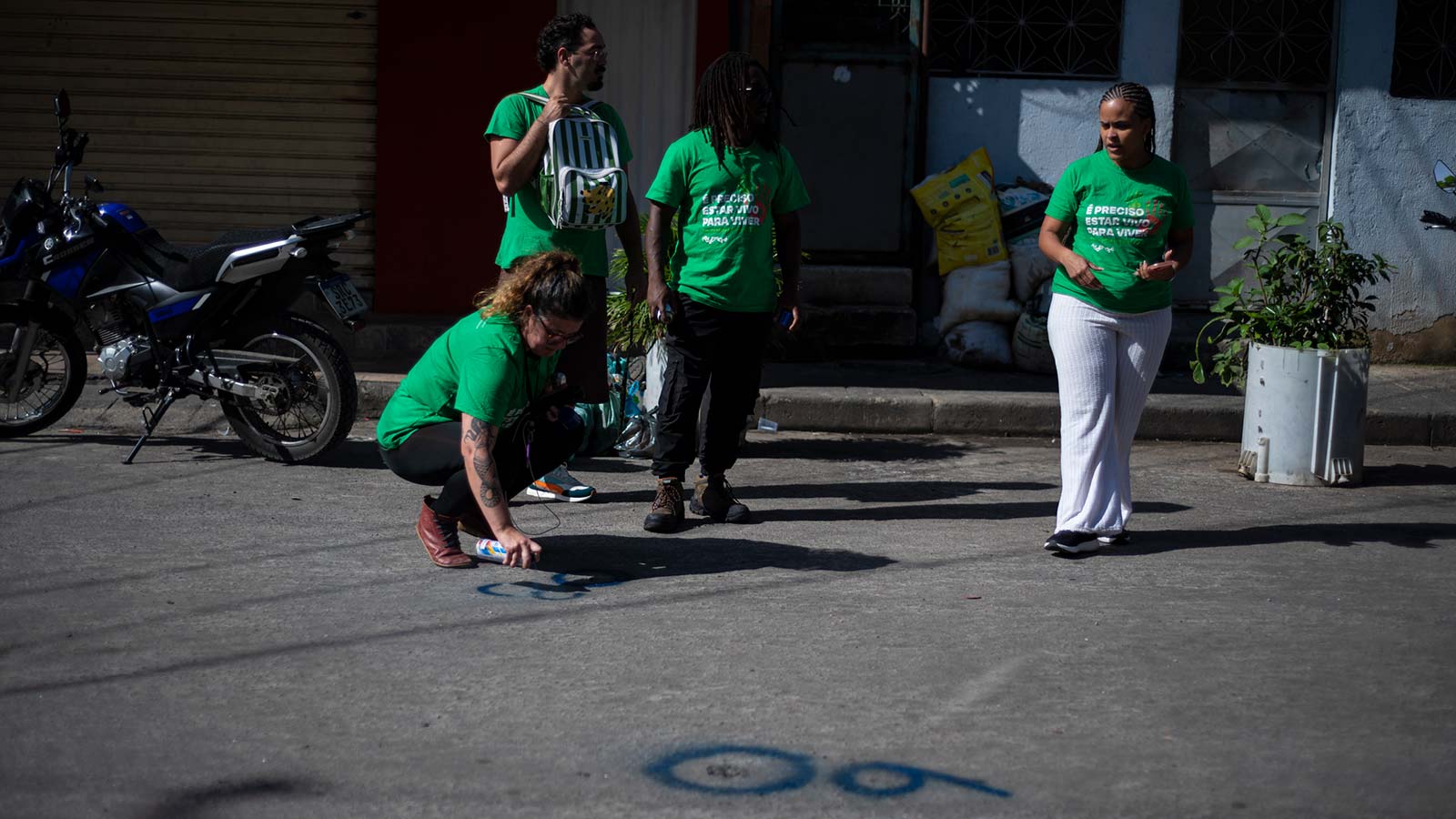
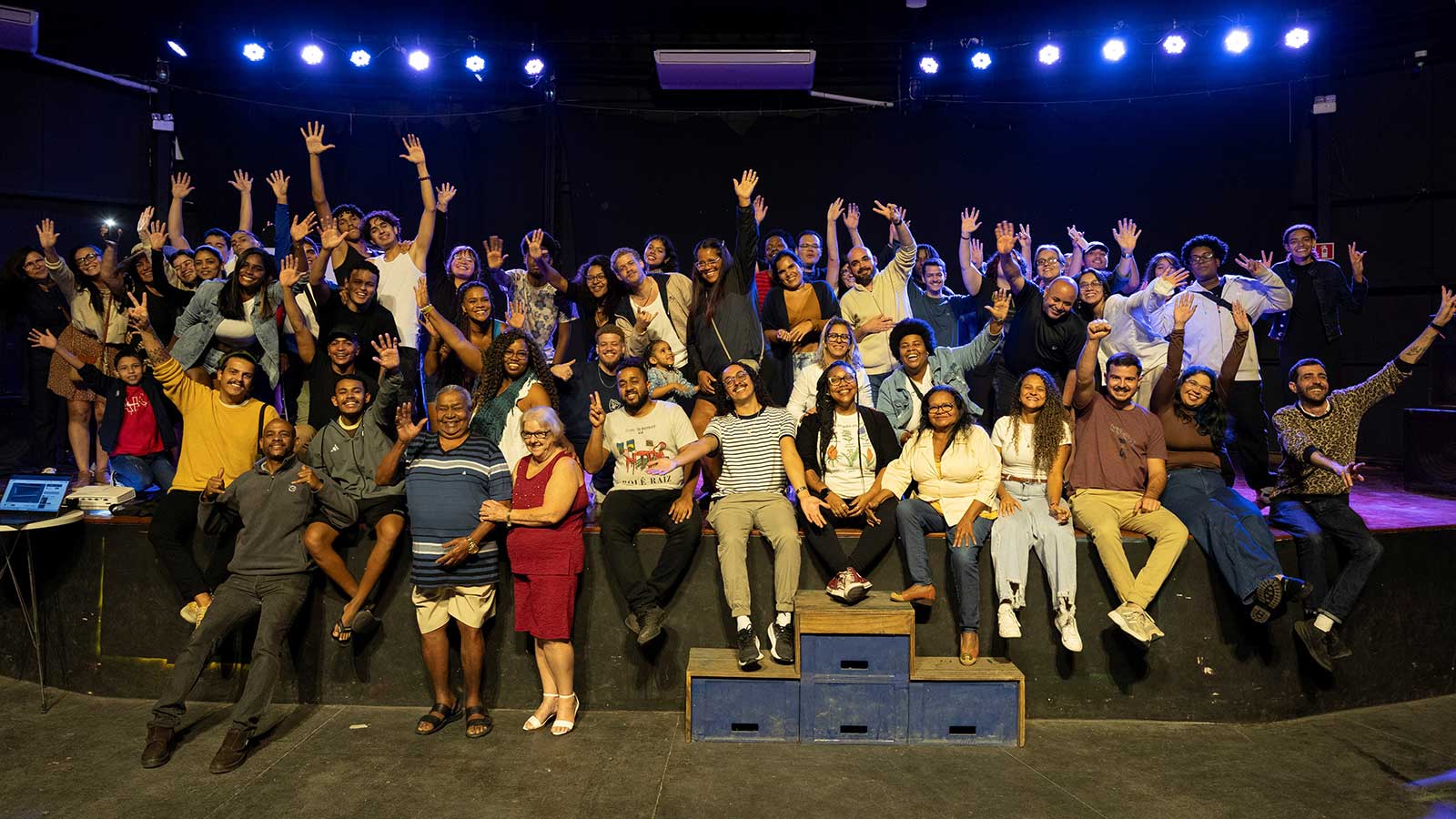
For a favela resident, what exists today that did not exist in 1980?
Access to education, and the work we have carried out alongside community associations – each favela has one – studying what needs to be done for rights to be effectively realised.
For example, public security is a serious issue, as it is a right that does not truly exist for favela residents. In 2009, we began work encouraging residents to report the violence they experienced, because until then there were no records of this. From this work – which is connected to my doctoral research – we observed that residents began to feel safe enough to bring these complaints forward. Today, more than one hundred people a month come to report incidents, and we act upon these cases.
So there is a relationship of trust, of knowing there is a process that responds to problems?
Absolutely.
What can we expect from your contribution at Isto é PARTIS & Art for Change 2026?
I see many affinities between the experience of Redes da Maré and the work the Foundation has been developing in peripheral communities, particularly in the articulation between recognised artists and local production. This encounter between different forms of knowledge and territories is something we have practised for a long time.
The experience that Redes has been developing is very radical, in the sense of this historical choice to foster very basic rights and bring a civic perspective to human rights processes. Art is part of this vision of citizenship and human rights. I hope my participation will be a space for exchange, grounded in what we share, in this collective effort to recognise forms of leadership and creative processes that have been historically rendered invisible.
You may also like


No results were found for your criteria.