
Fashion in Calouste Gulbenkian’s library
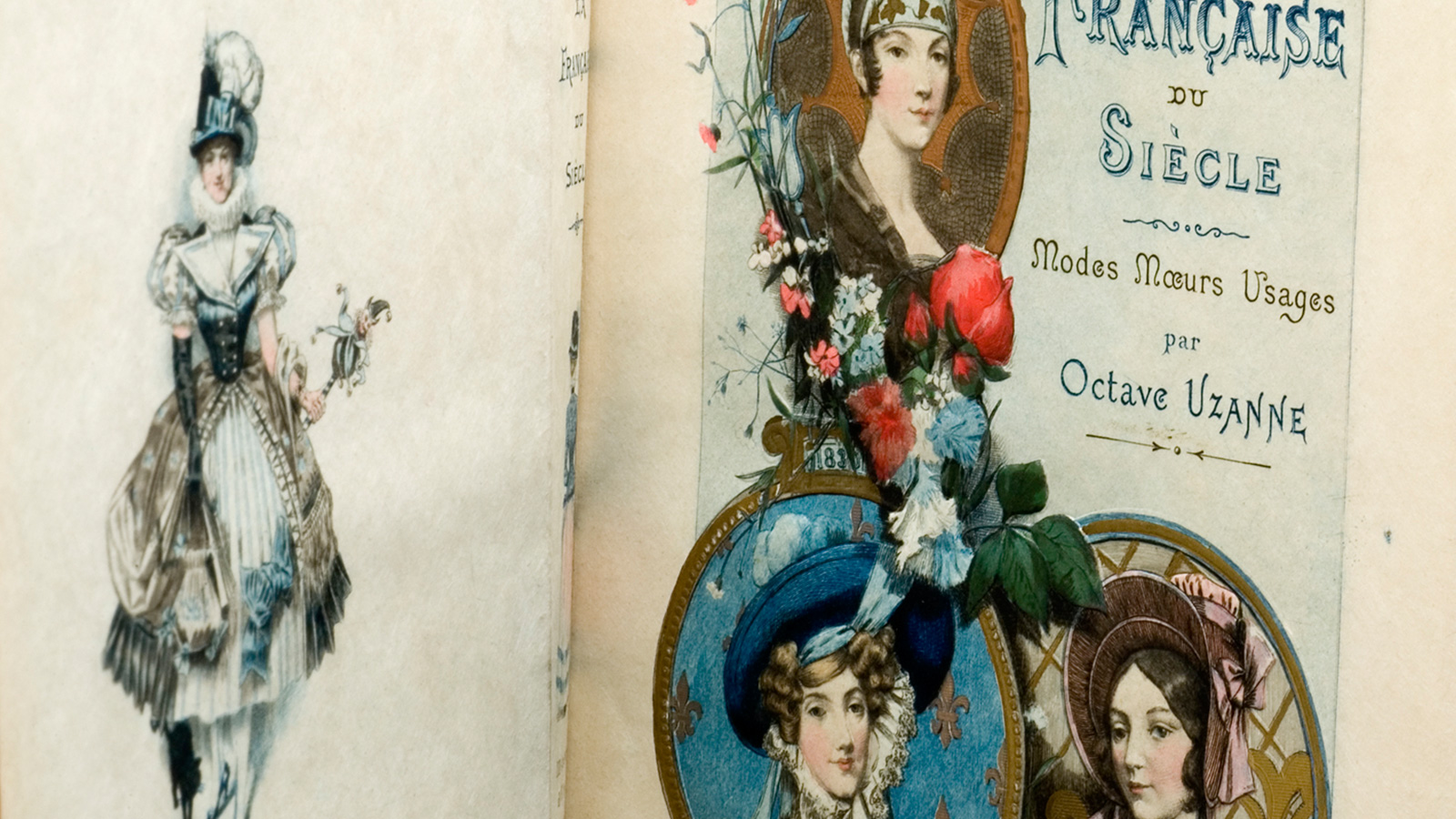
Calouste Gulbenkian’s library brings together around 3,000 titles across various types of publications – books, museum and auction catalogues, and periodicals – covering a wide range of fields of knowledge and reflecting his personal interests, his role as an art collector, and his business activities.
Calouste Gulbenkian used it as a tool for study and research to satisfy the intellectual curiosity that consistently characterised him. Indeed, this library reveals not only aspects of his personality but also the influence of the cultural environment of the time.
In this context, it is perhaps unsurprising that his library includes a body of books and magazines devoted to fashion and the feminine sphere.
“Gulbenkian had a genuine interest in fashion; in this field, he was an excellent critic.”[i]
— Marcelle Montreil Chanet in C.S. Gulbenkian. Gulbenkian Archives PT FCG FCG:MCG-D00276
Books
Among the books, the best-represented author is Octave Uzanne (1851-1931), publisher, bibliophile – co-founder of the Société des Bibliophiles Contemporains – writer, journalist, and art and literary critic. A respected and influential figure among his contemporaries, Uzanne was, in France, one of the promoters of Art Nouveau, the artistic movement that arguably best expressed the spirit of the so-called Belle Époque, spanning the years from 1870 to 1914.
Among the dozens of books he wrote, edited, and prefaced on a variety of subjects, Uzanne devoted particular attention to the feminine world, to fashion, to social customs, and to a certain cosmopolitan worldliness within Parisian bourgeois society at the fin de siècle.
As he himself noted in the preface to L’éventail, these works are more concerned with “literary history” and with customs than with exhaustive historical and documentary research into dress and were written with a view to the “sympathetic approval” of “the world of letters and men of letters”.
Lavishly produced editions, richly illustrated and issued in limited print runs, Uzanne’s books were primarily conceived for a refined, bibliophile male readership, such as Calouste Gulbenkian himself, although the author occasionally refers to his “female readers”.
“The book and the woman – these are Uzanne’s first loves, and I do not believe he ever betrayed them…”[ii]
— Remy de Gourmont in “Notre époque : Octave Uzanne”. In La dépêche (vendredi, 21 octobre 1910)
The first book in which Octave Uzanne addressed fashion and women’s accessories was L’éventail (Paris, 1882), profusely illustrated by Édouard-Henri Avril (1849-1928), under the pseudonym Paul Avril, an artist particularly devoted to illustrating editions for collectors and bibliophiles.
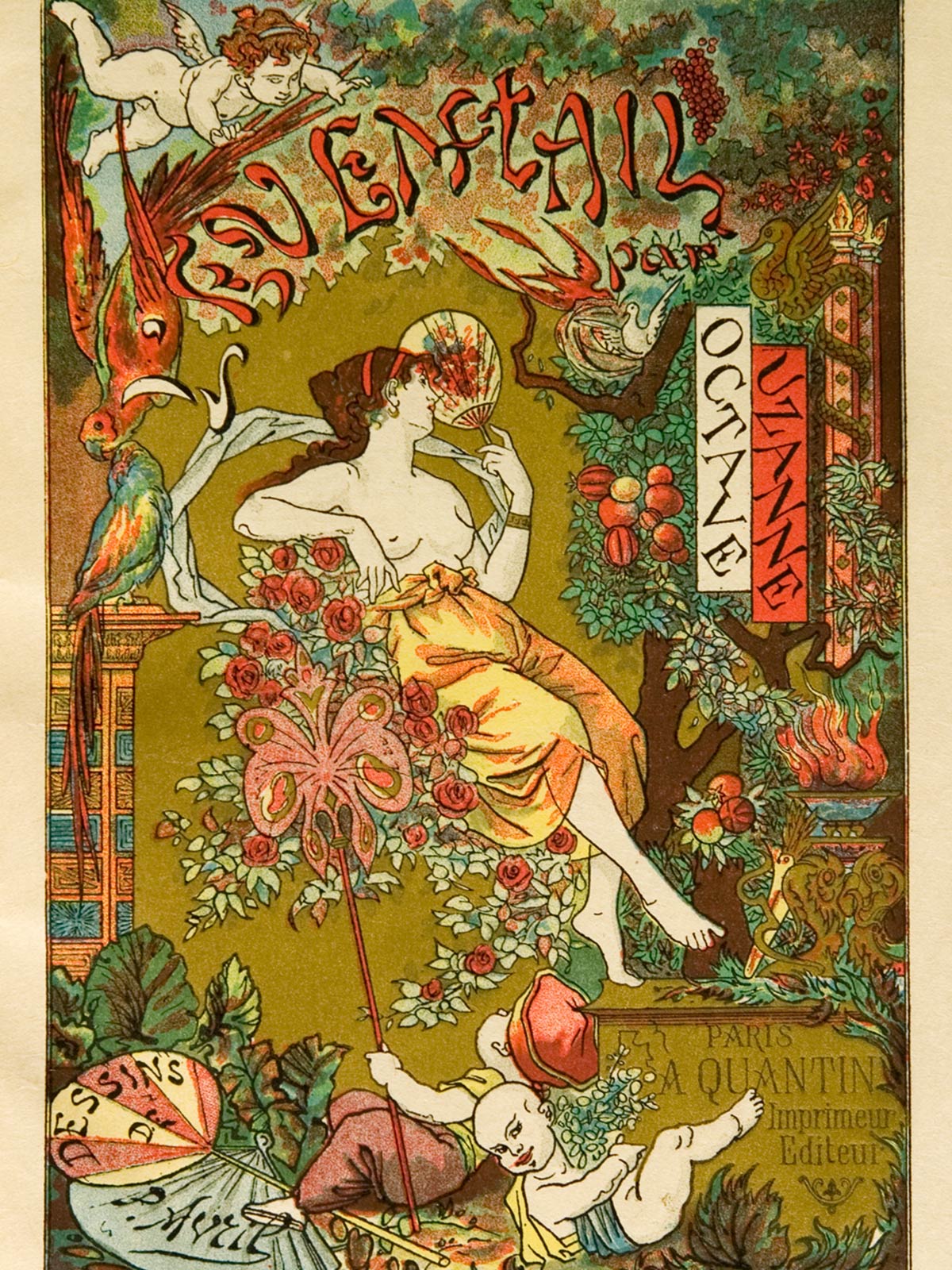
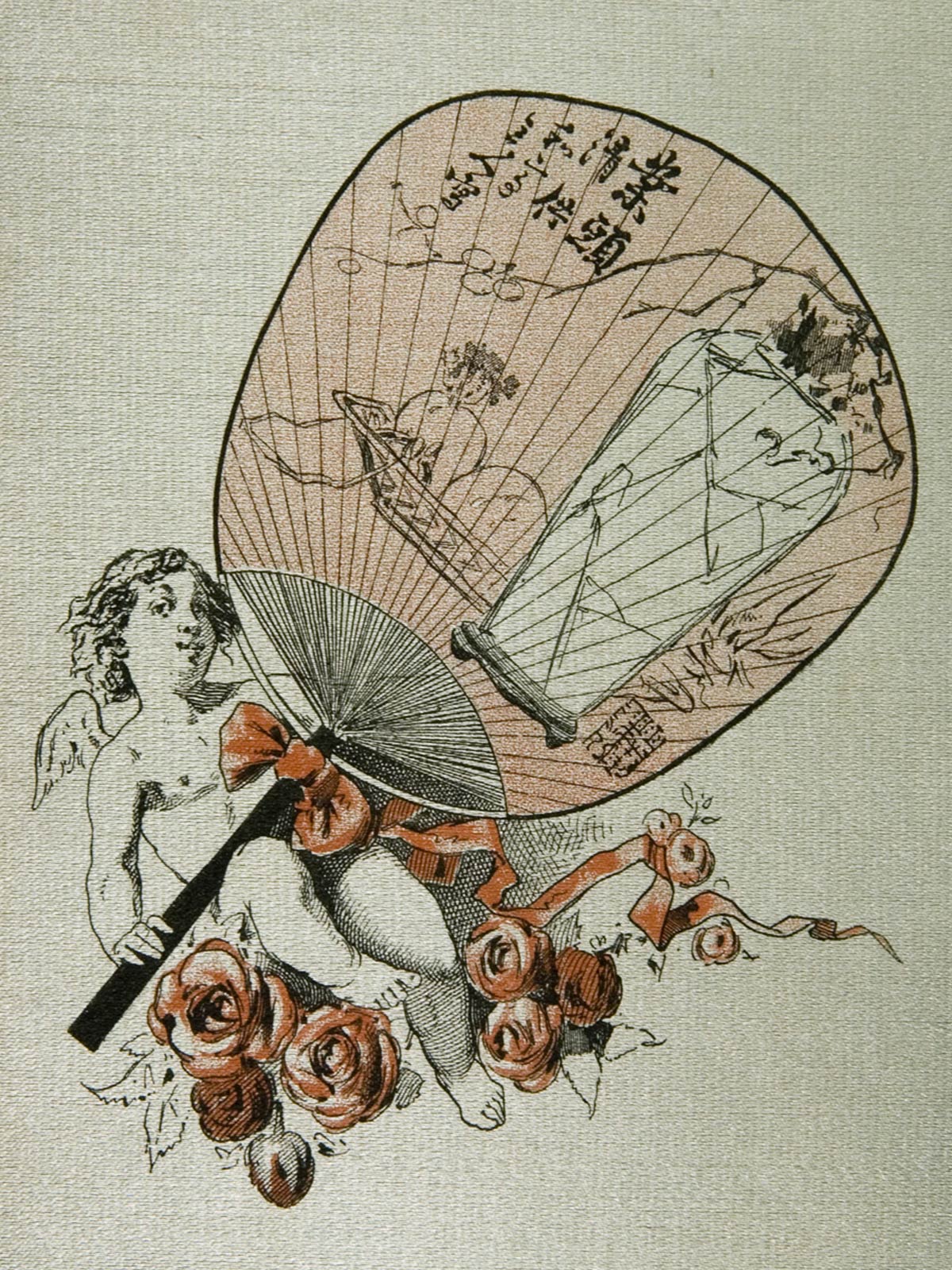
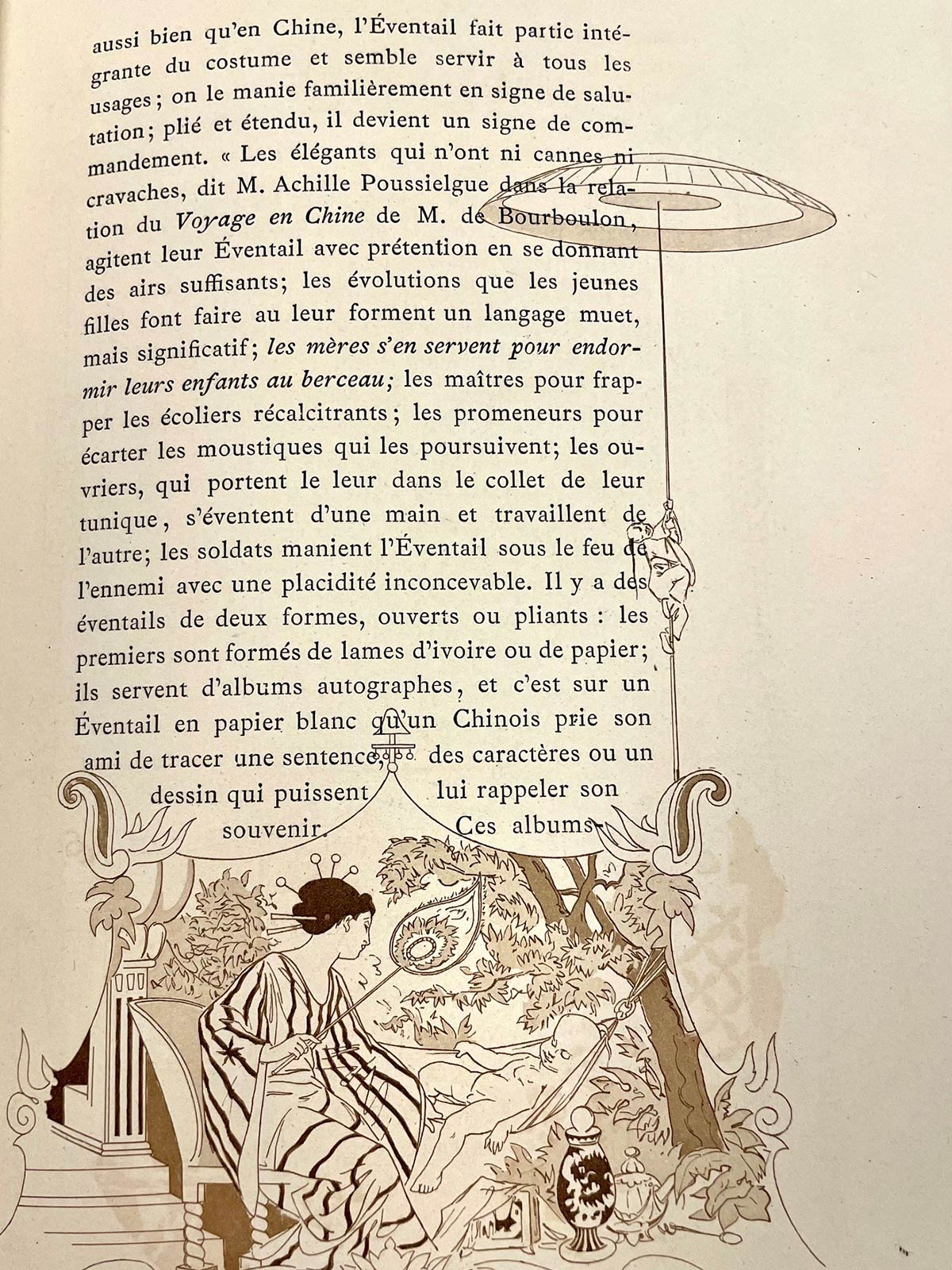
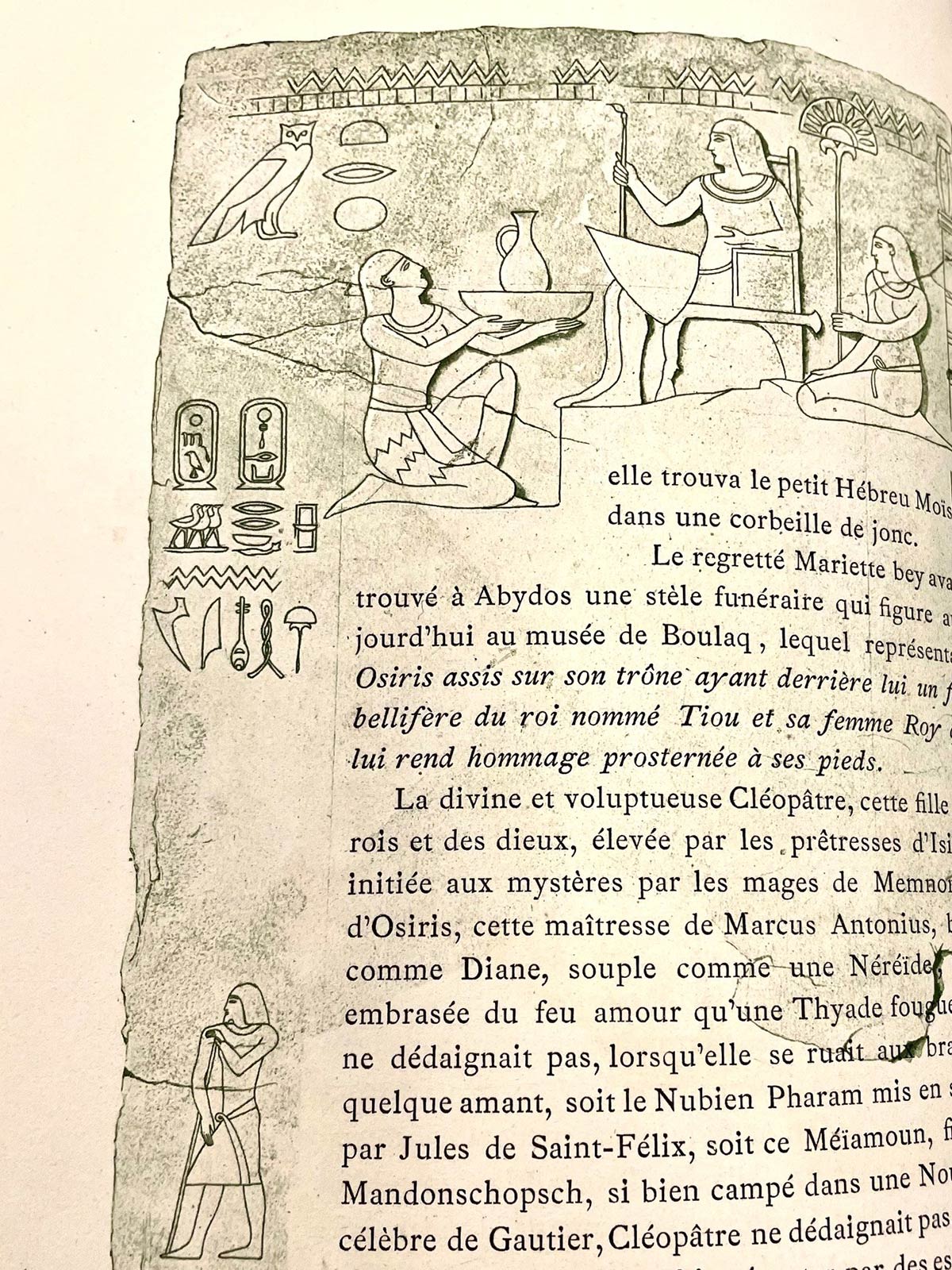
Uzanne traces the evolution of the fan, presenting its history from classical antiquity to the mid-nineteenth century, while also extending his enquiry to non-European geographies; Avril’s illustrations visually punctuate each period.
This interest in the art of the Far East dates to the sixteenth century, largely due to the trade in Chinese porcelain, silks, and lacquerware that reached European markets, later extending to architecture and gardens in the eighteenth century.
In the following century, the international exhibitions inaugurated in London in 1851 helped to disseminate this taste rapidly among Western audiences, making it widely popular and giving rise to the styles known as Chinoiserie and Japonisme – a term reportedly coined in the early 1870s by the French critic, collector, and printer Philippe Burty (1830-1890) to describe the influence of Japanese art on Western artists in the later nineteenth century.
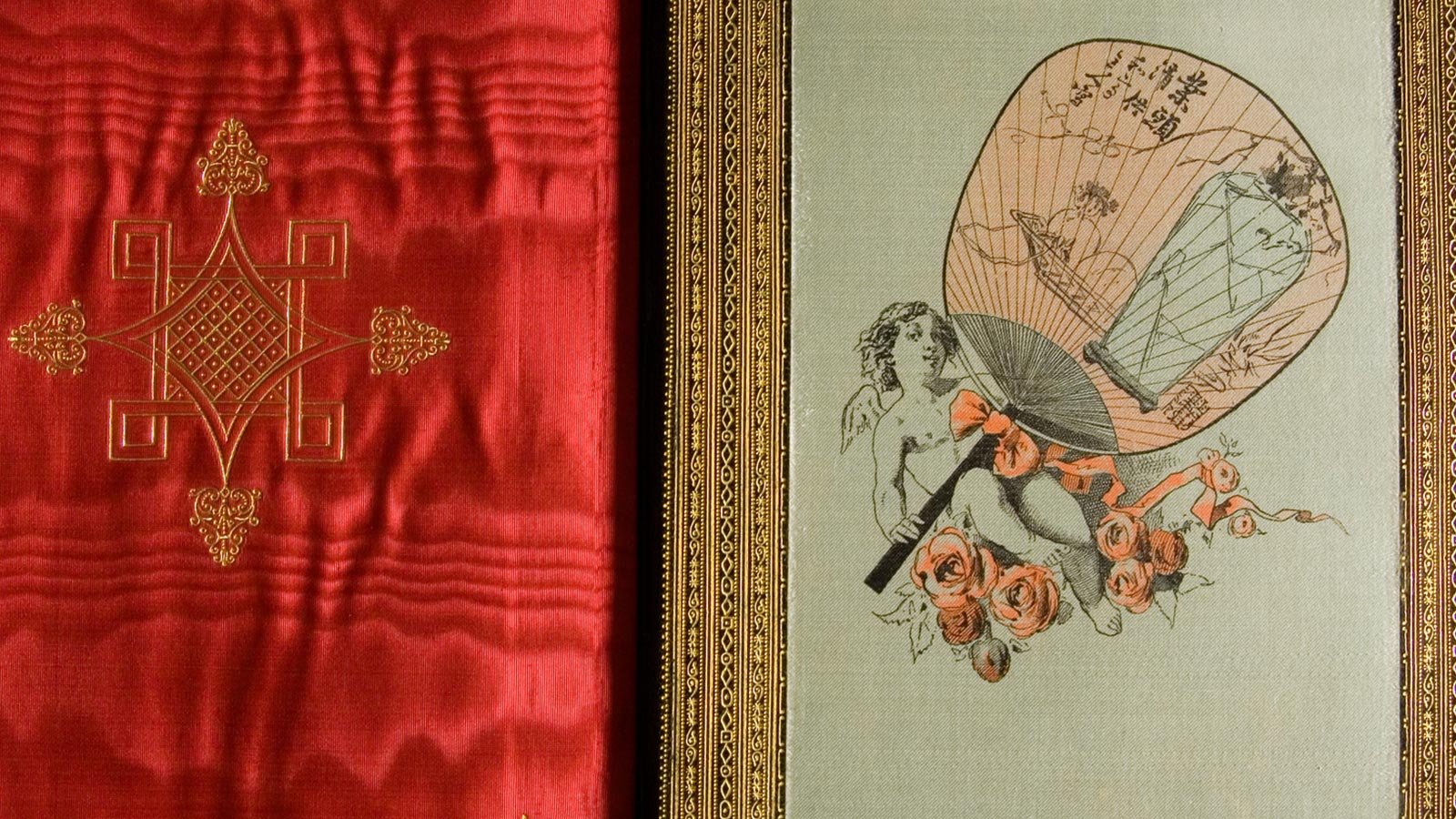
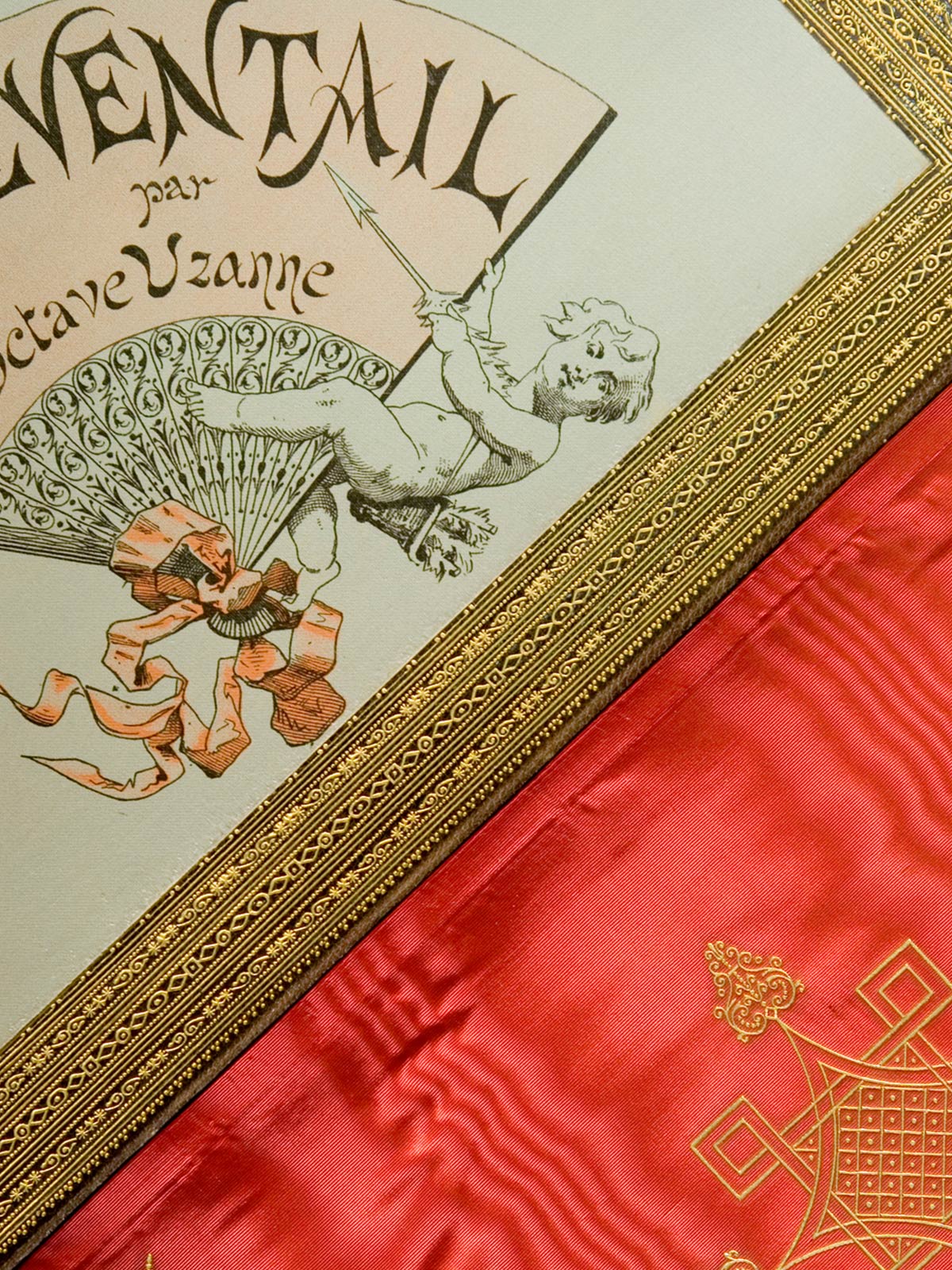
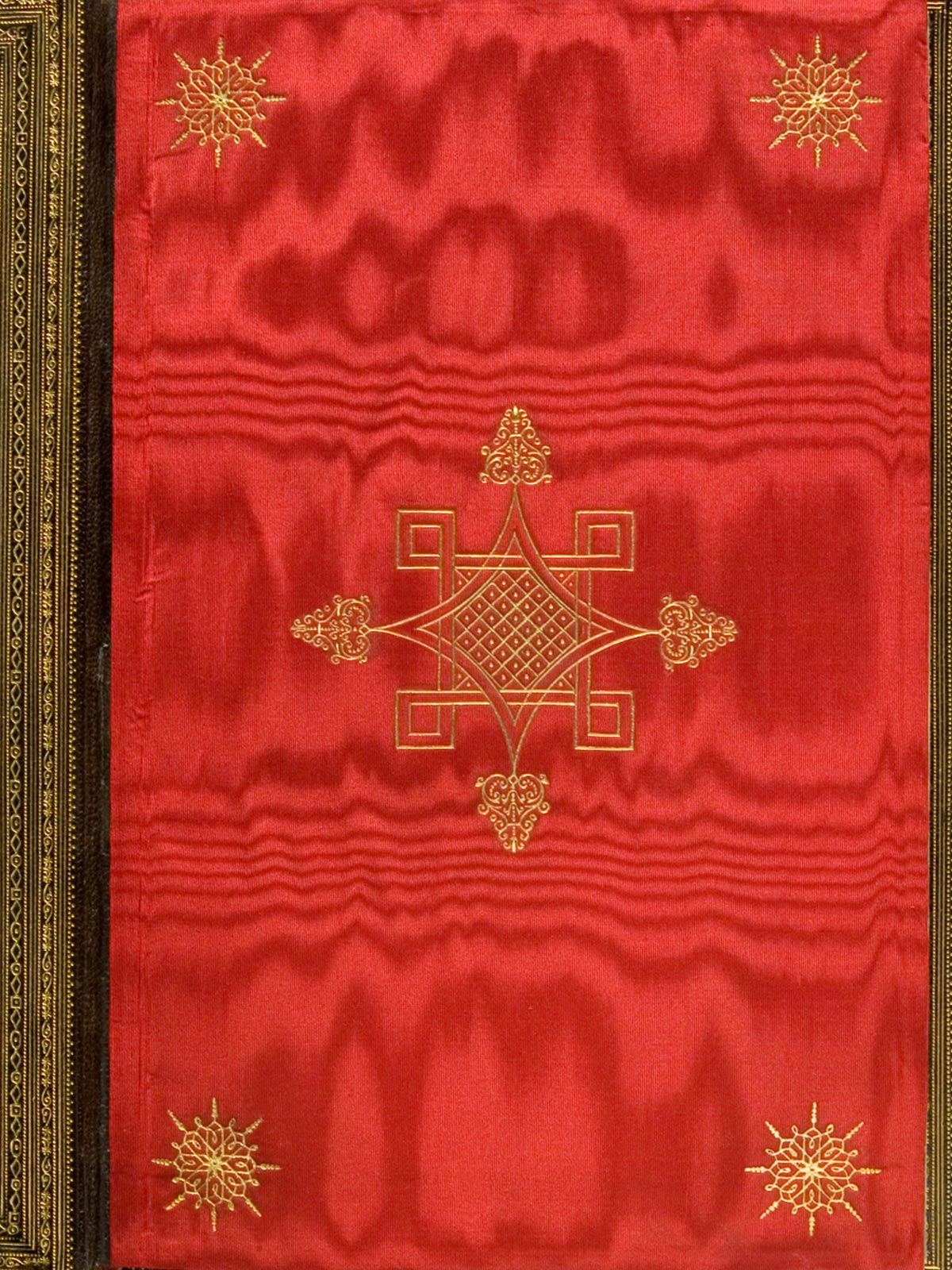
One of the most interesting and original aspects of L’éventail is its graphic composition – the way in which Uzanne’s text and Paul Avril’s illustrations interact on the page.
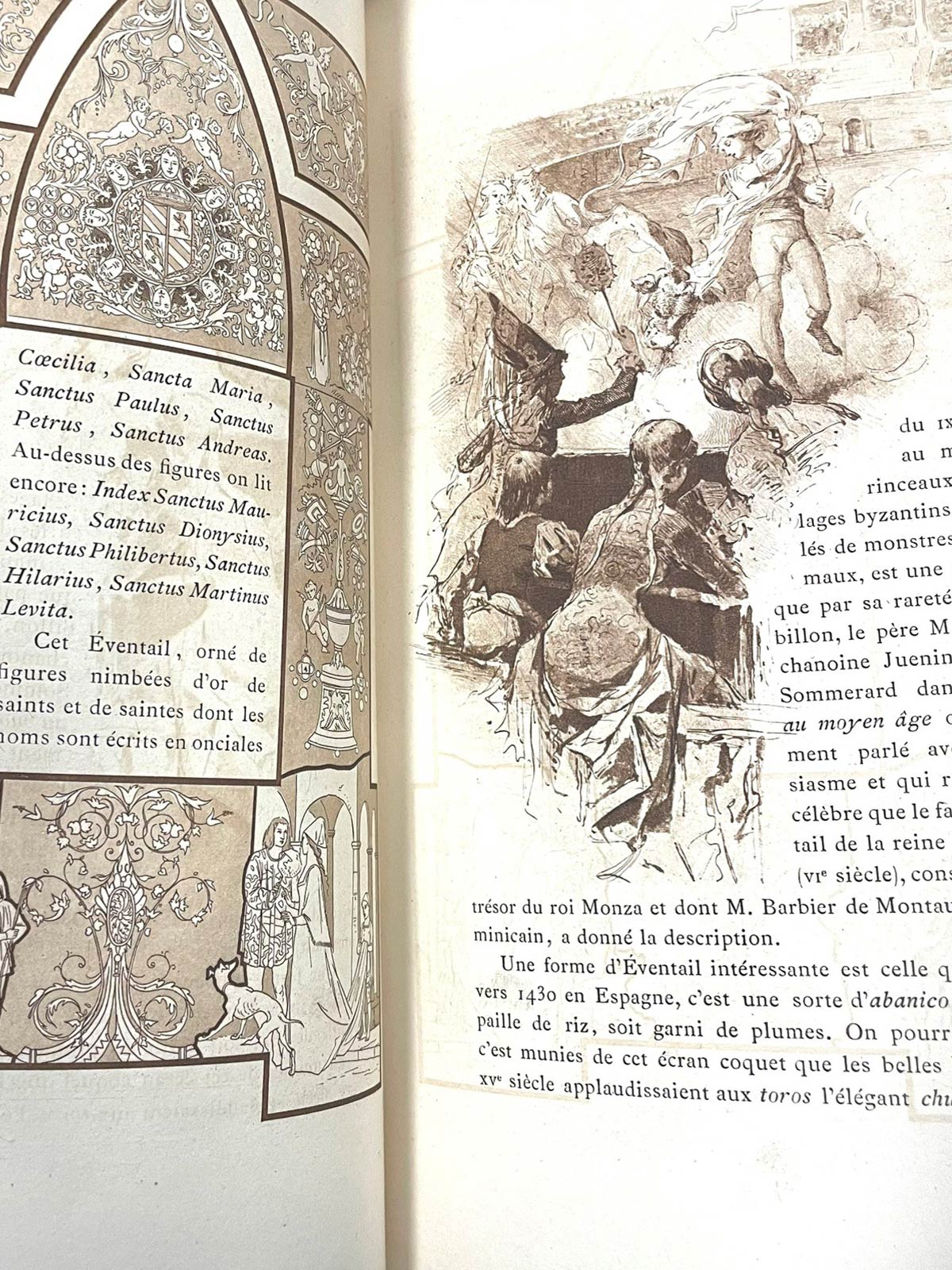
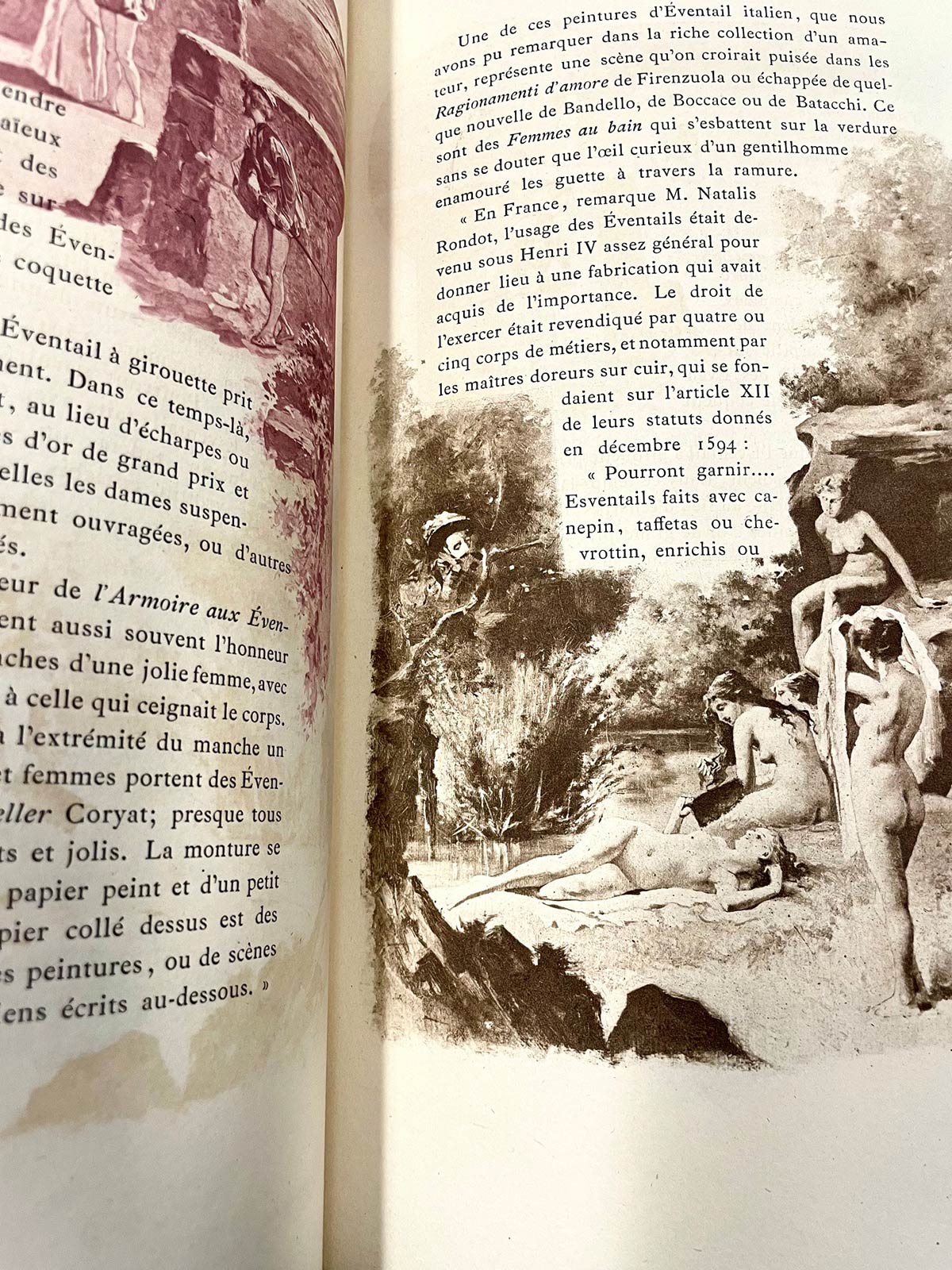
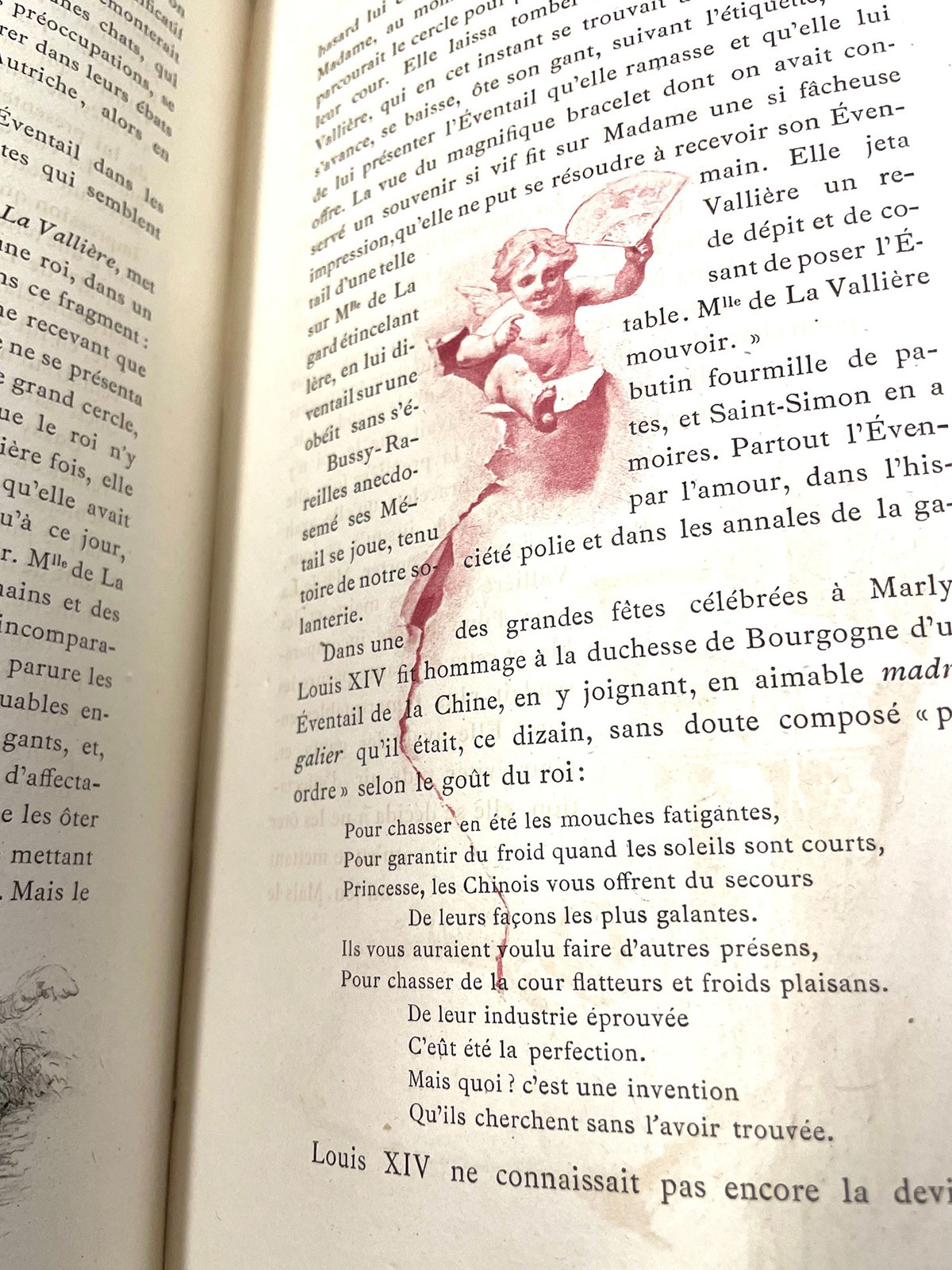
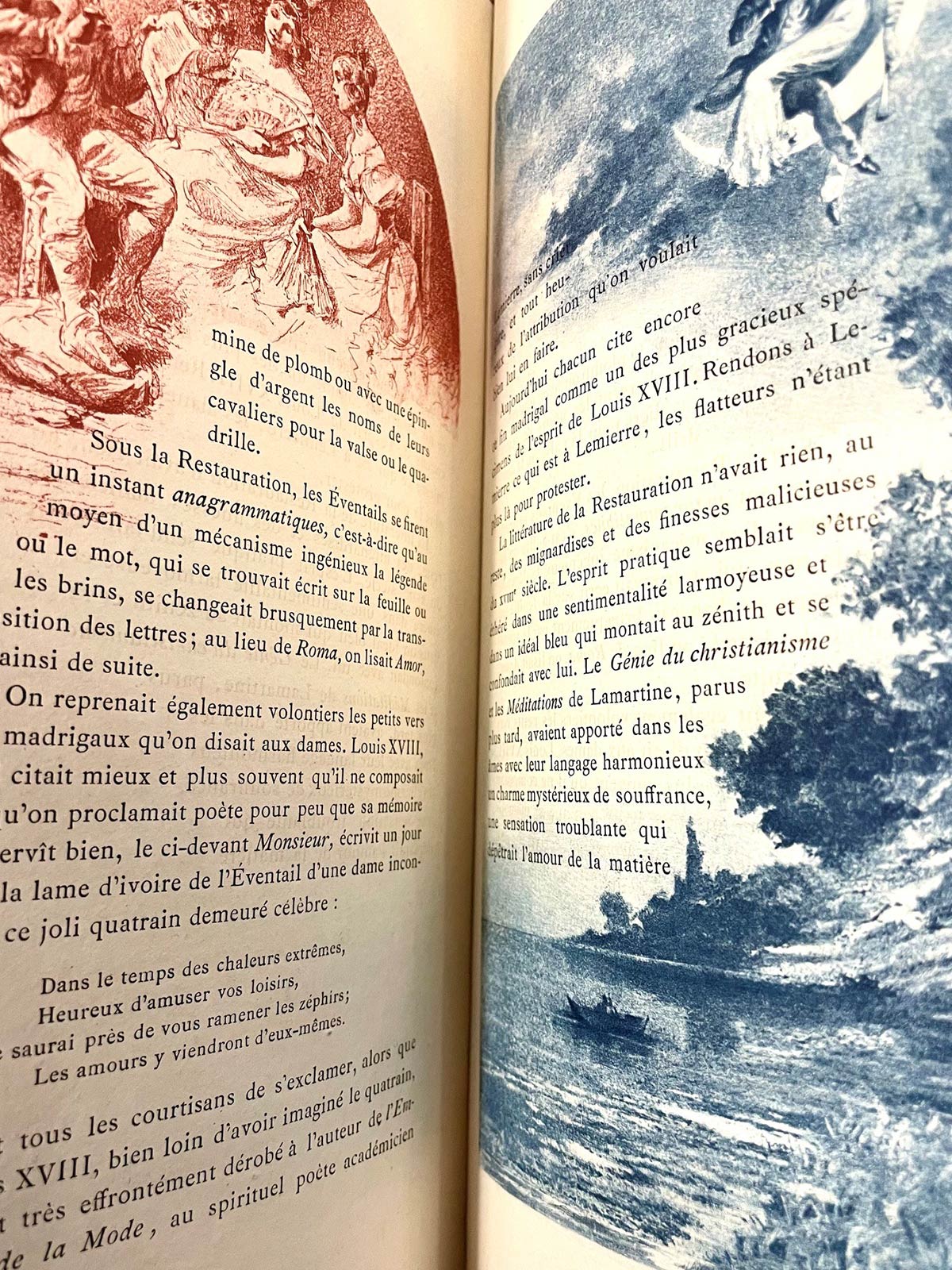
Their collaboration also produced another of the most graphically inventive books in this group: L’ombrelle ; Le gant ; Le manchon (1883). Beyond the decorative abundance of vignettes that adorn many pages (mermaids and cherubs), both works are richly illustrated; the images – printed in green, pink, blue, and sepia – govern and subordinate the text block, at times even subtly overlapping it, in an exuberant display of creative freedom.
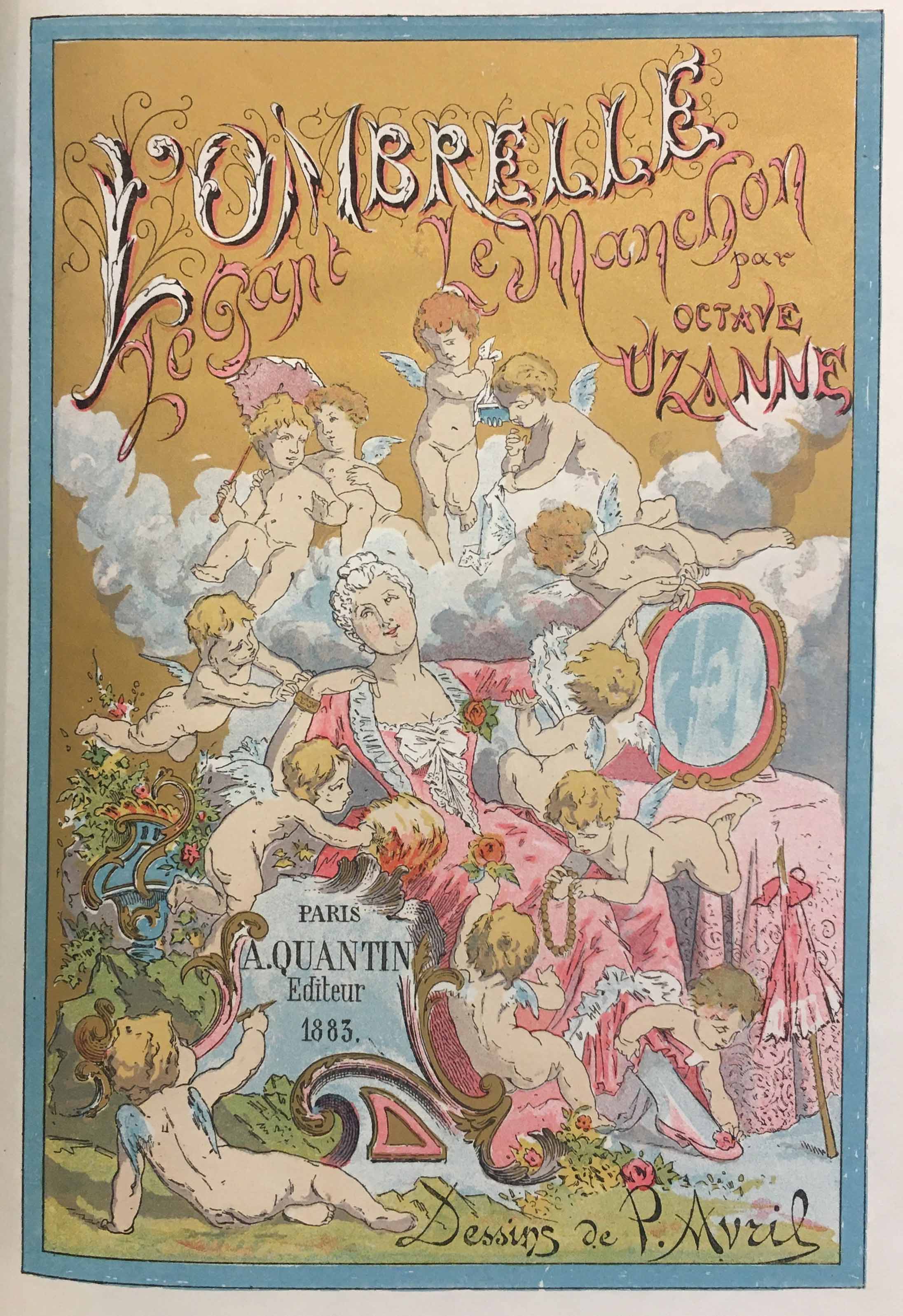
On this predominance of image, Uzanne wrote in L’ombrelle ; Le gant ; Le manchon:
“… the decorative elegance of a book such as this often conceals intellectual constraints for the author, obliged to place a tight corset on his exuberant ideas in order to make them pass more swiftly through all the combinations of the design, which here becomes the inexorable mentor of the text.”[iii] (pages [III]-IV)
Following the success of L’éventail – translated and published in England in 1884, as were many of his works – Uzanne continued his exploration of other essential accessories of the elegant woman’s toilette: the parasol, the glove, and the muff, “… protective adornments of that delicate, slender and graceful being…”[iv] (pages [III])
This was followed by La française du siècle (1886); La femme et la mode (1892); and Les modes de Paris (1898). He also published Son altesse la femme (1885), likewise devoted to women.
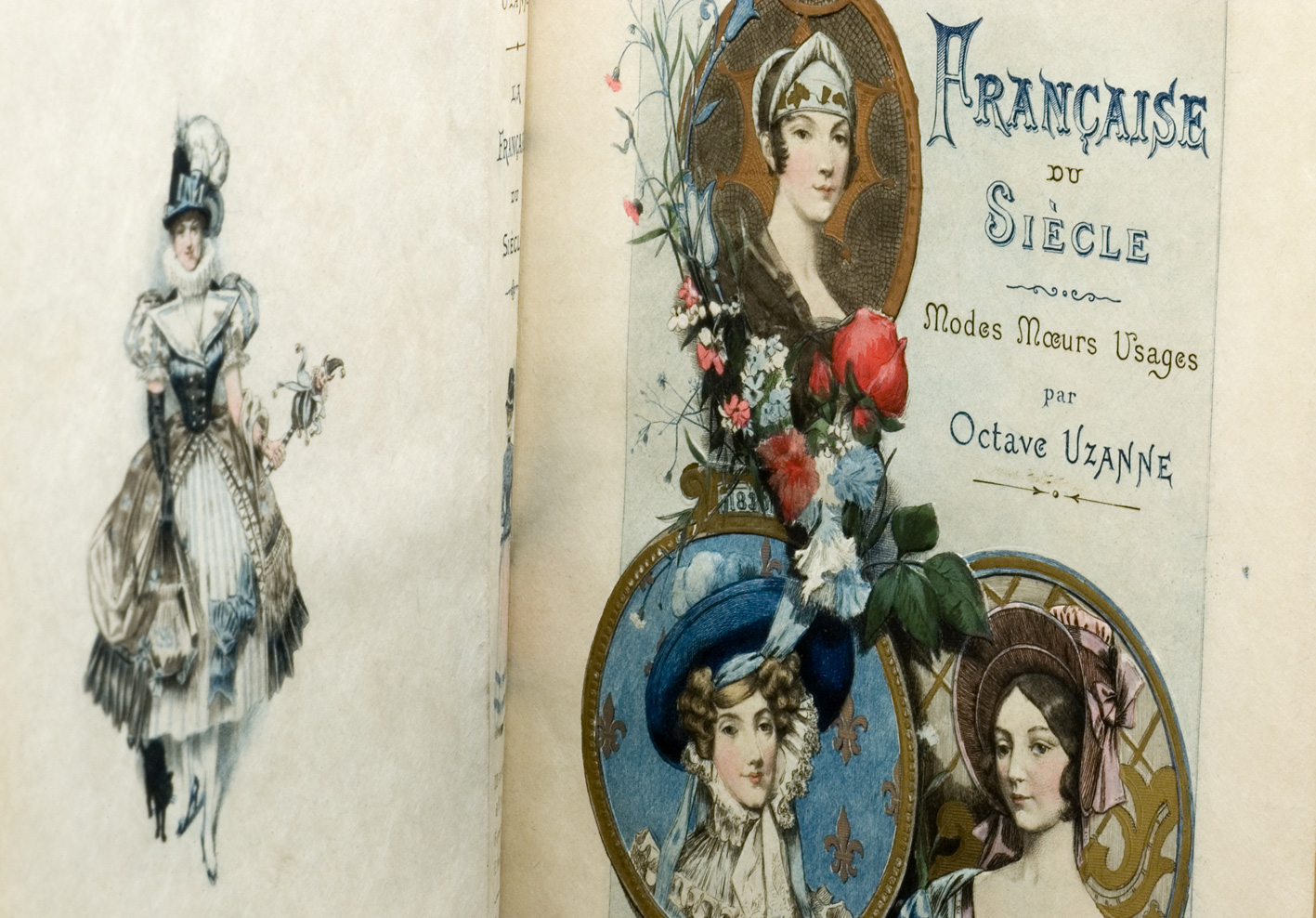
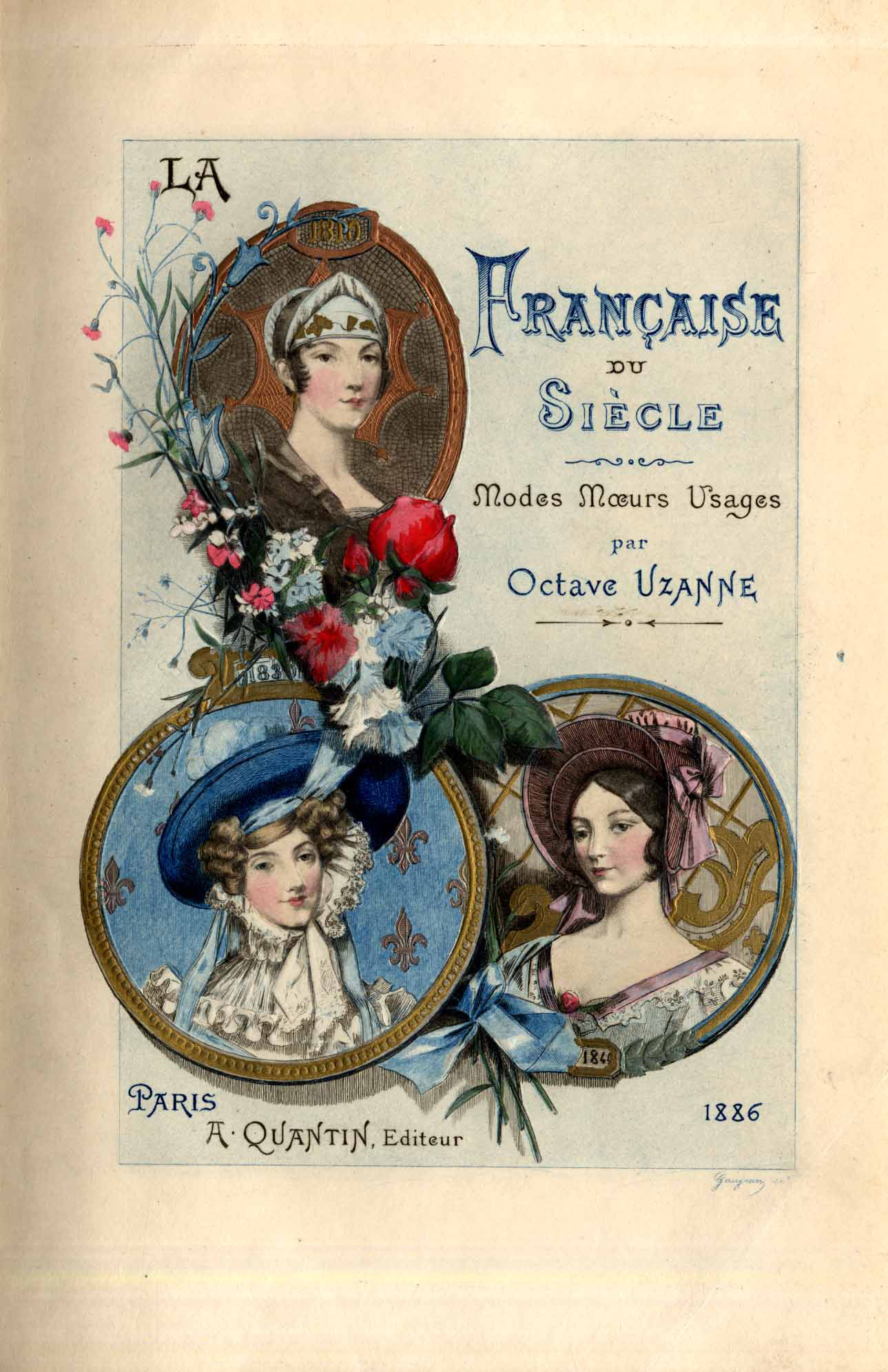
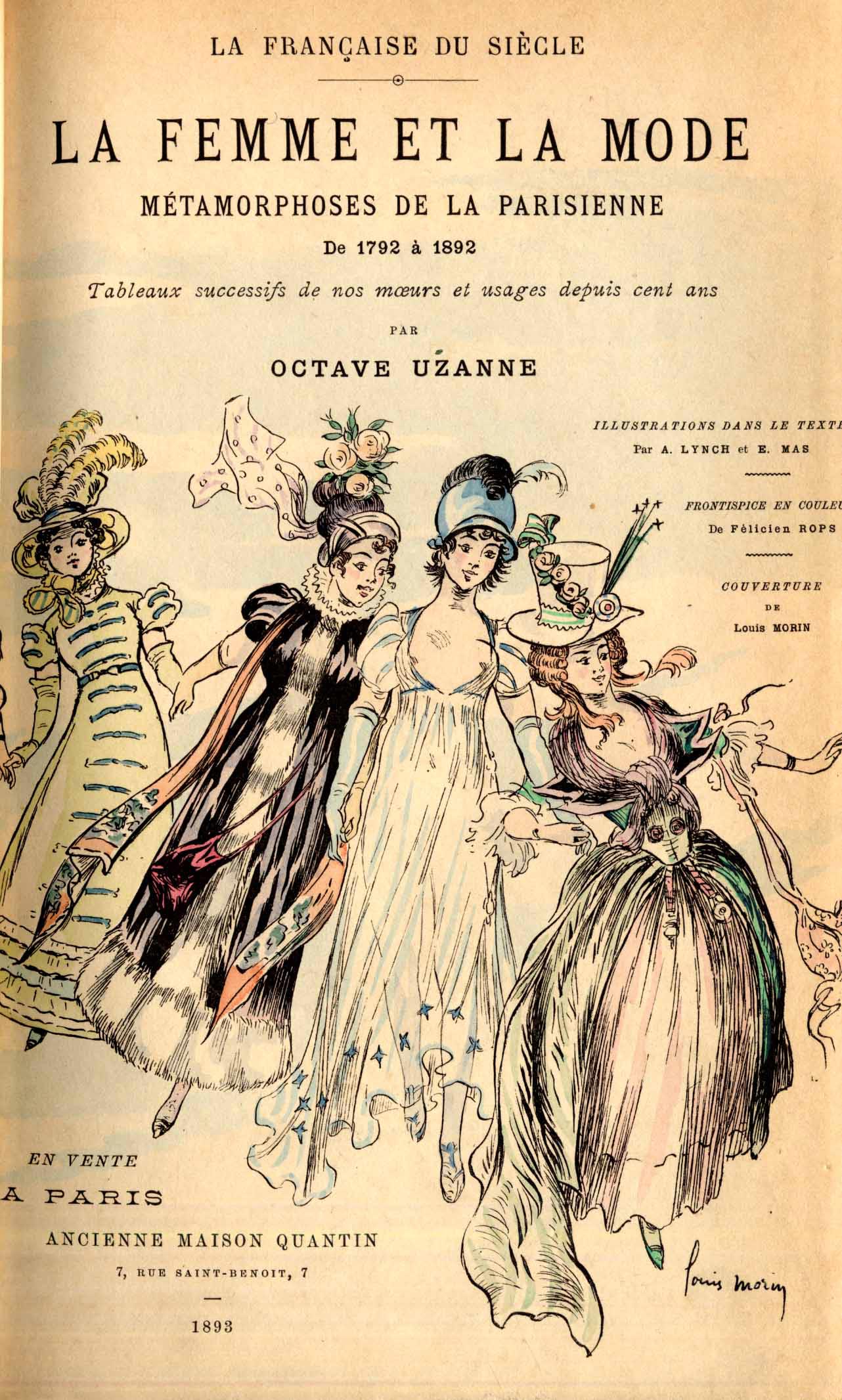
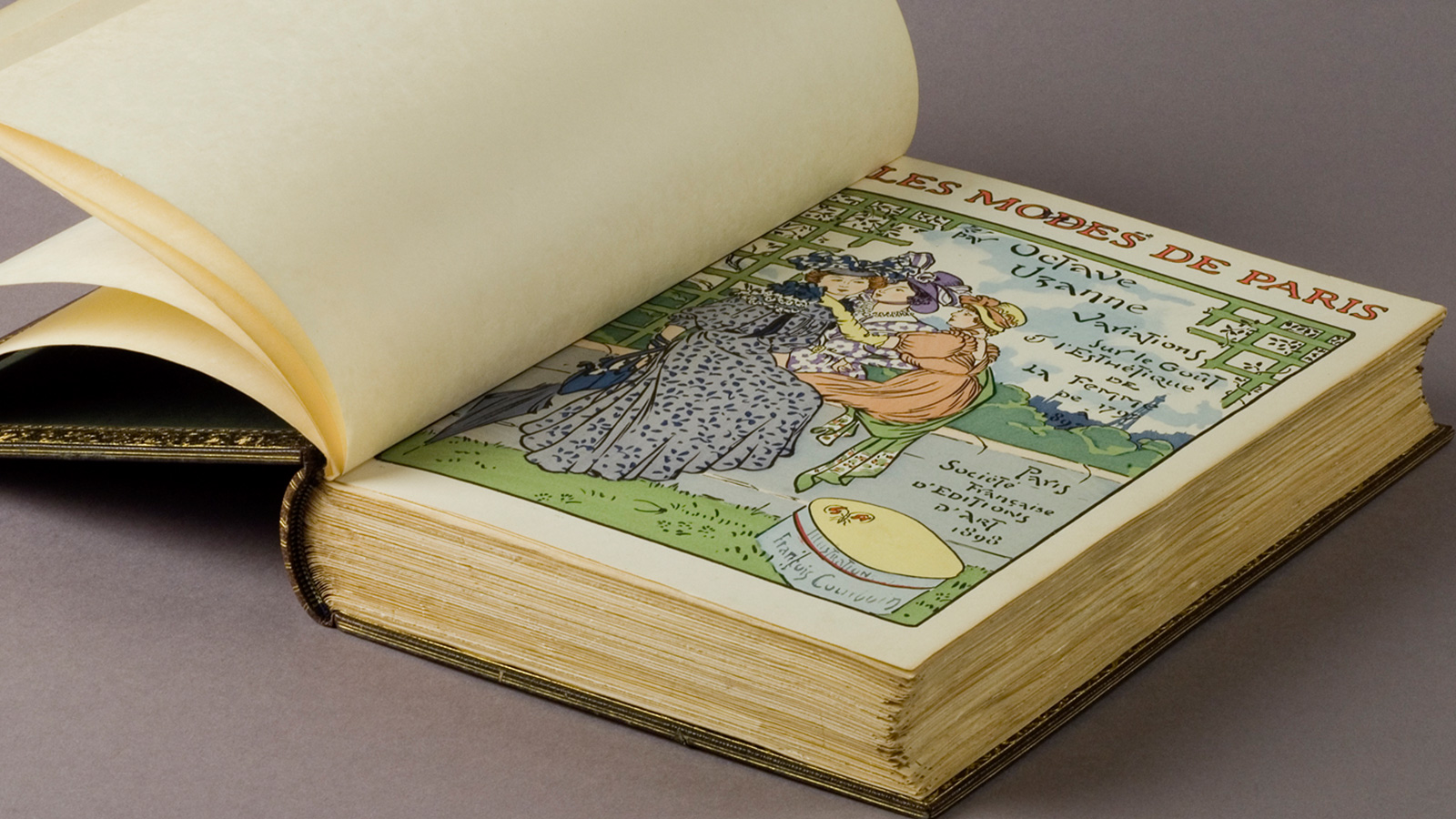
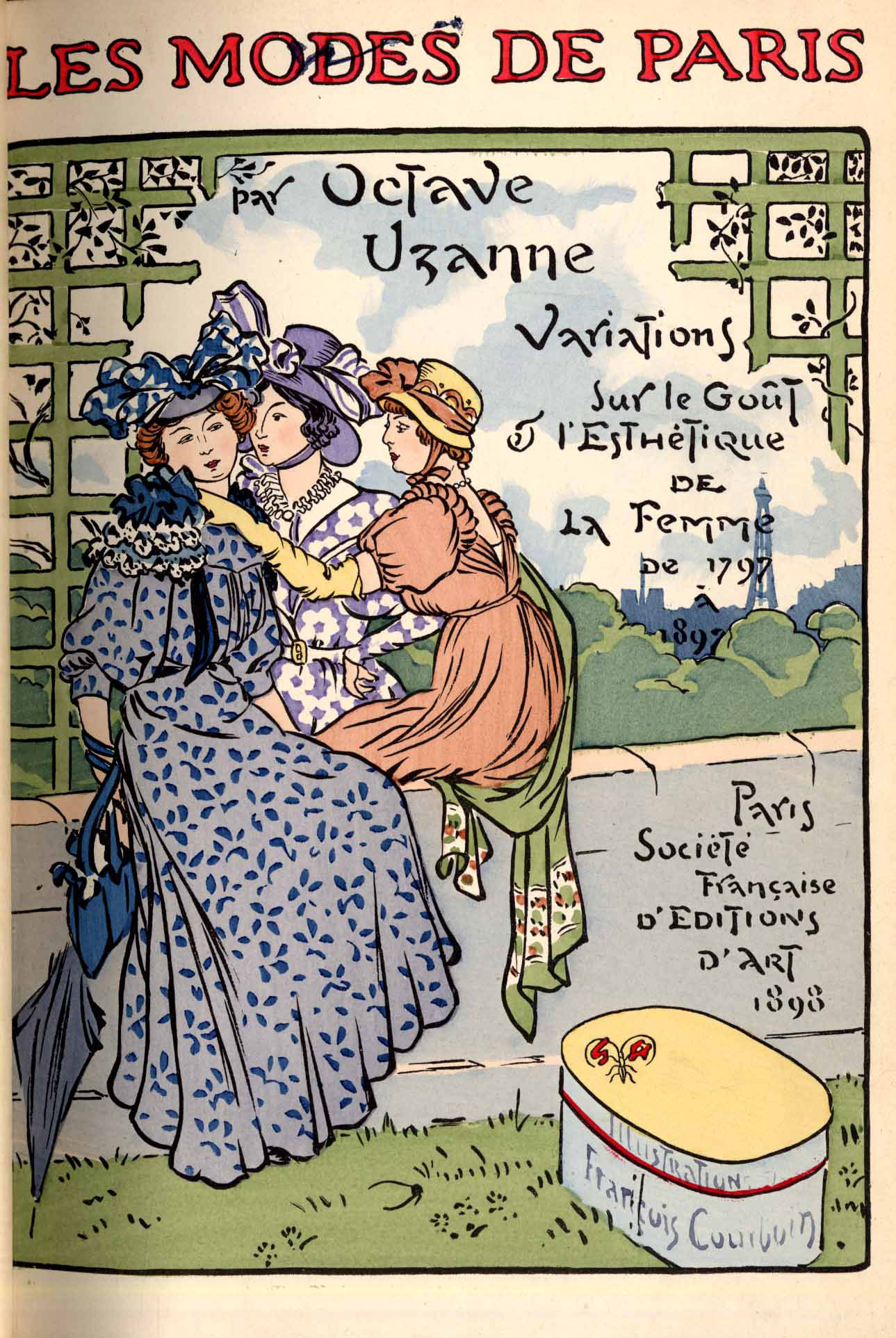
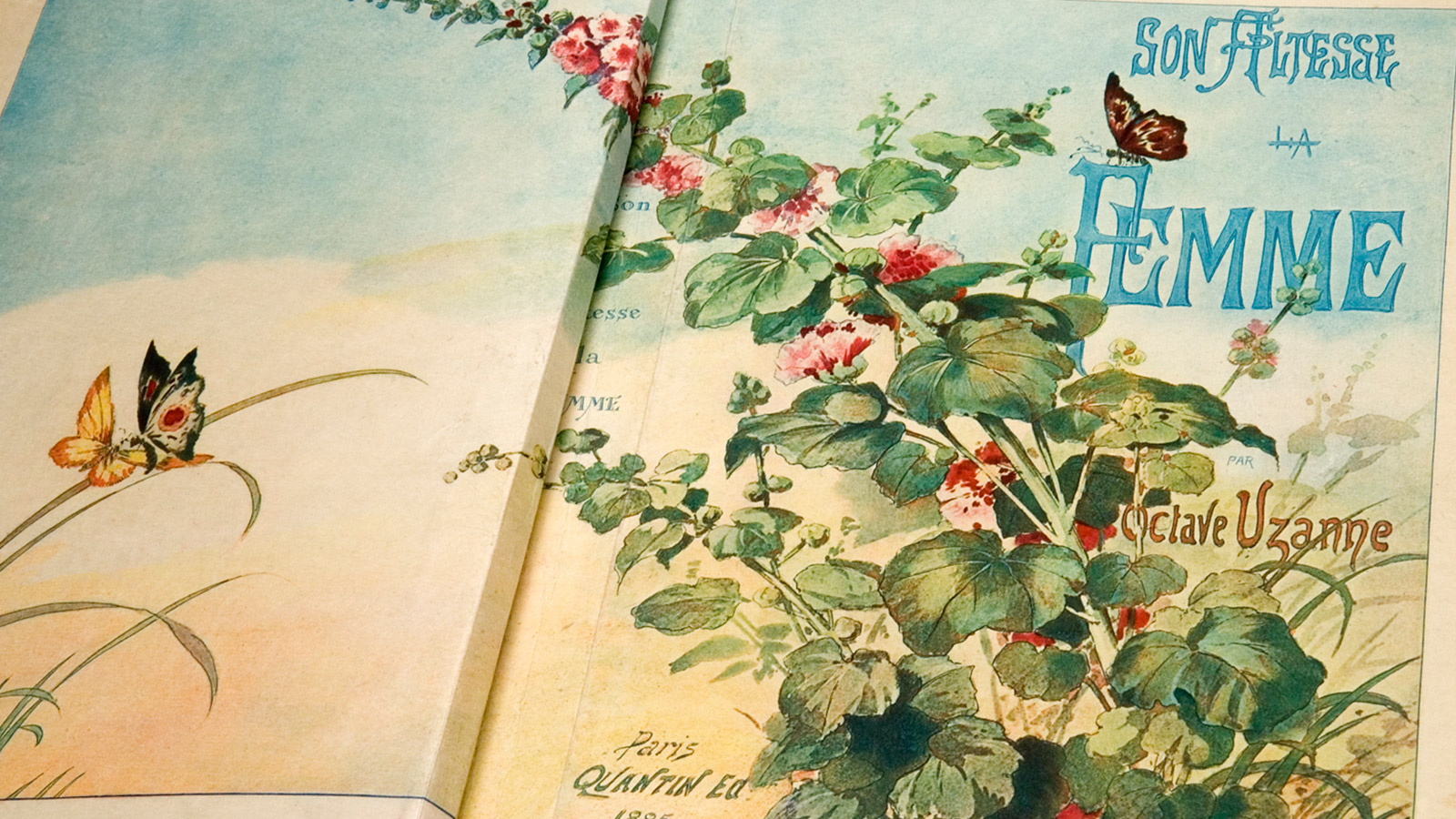
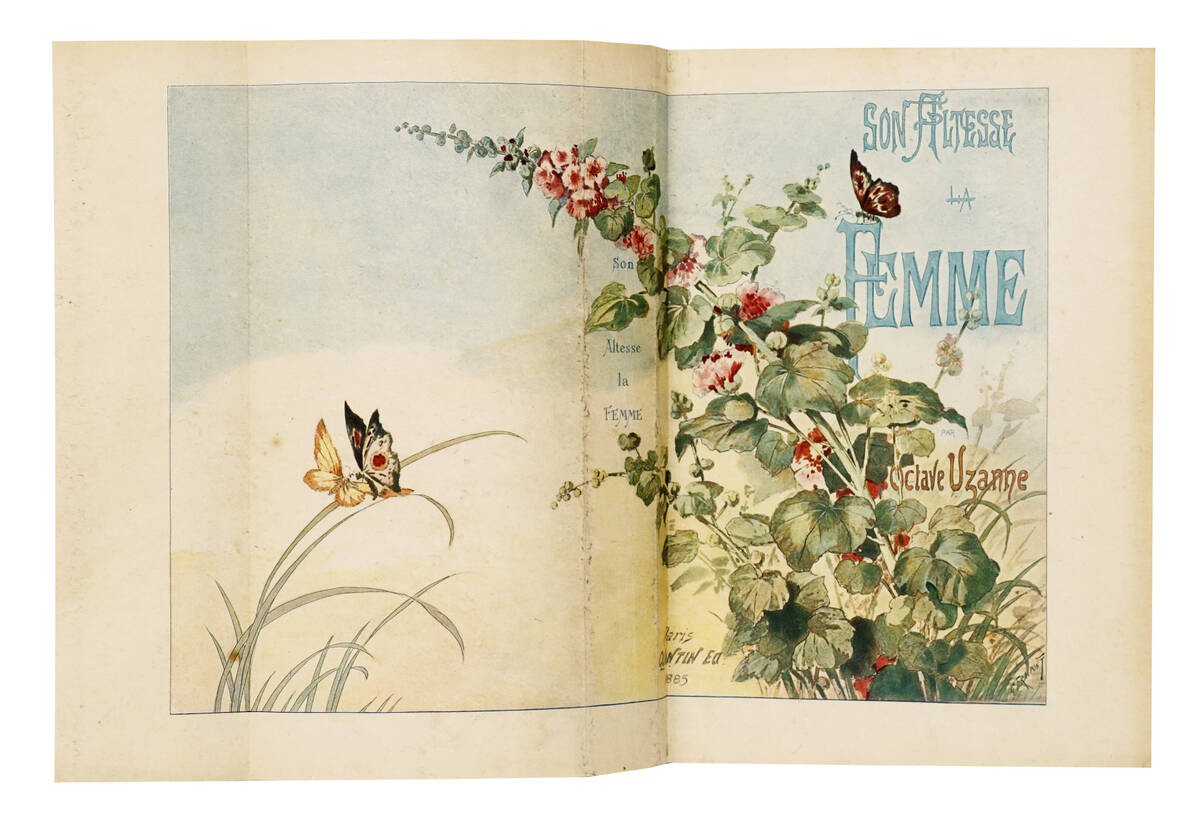
According to the inventory of his library, L’éventail, Voyage autour de sa chambre (1896), and Féminies: huit chapitres inédits dévoués à la femme, à l’amour, à la beauté (1896), also by Octave Uzanne, were purchased by Gulbenkian from the London firm founded by Joseph Zaehnsdorf, bookseller and bookbinder, in May 1899.
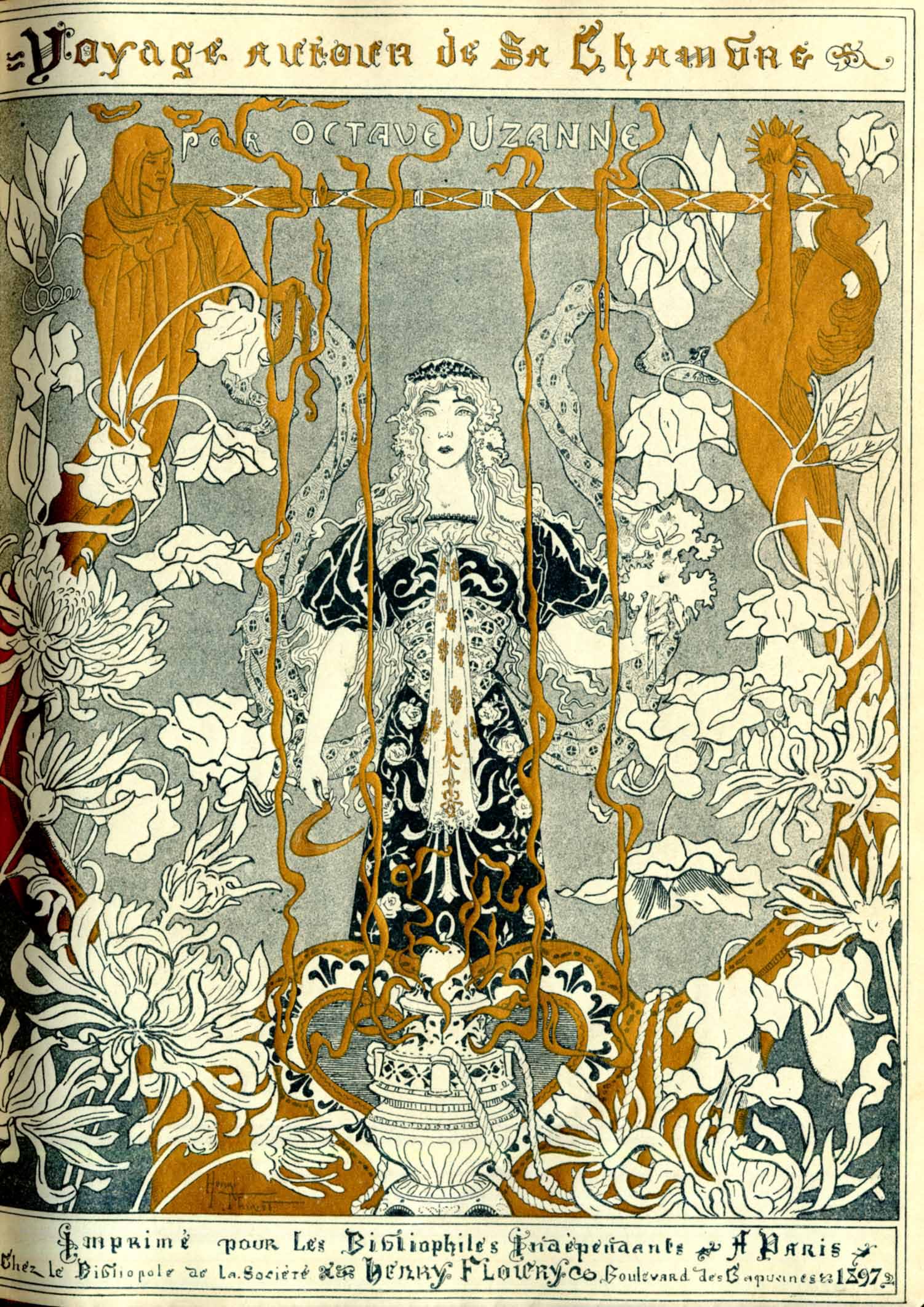
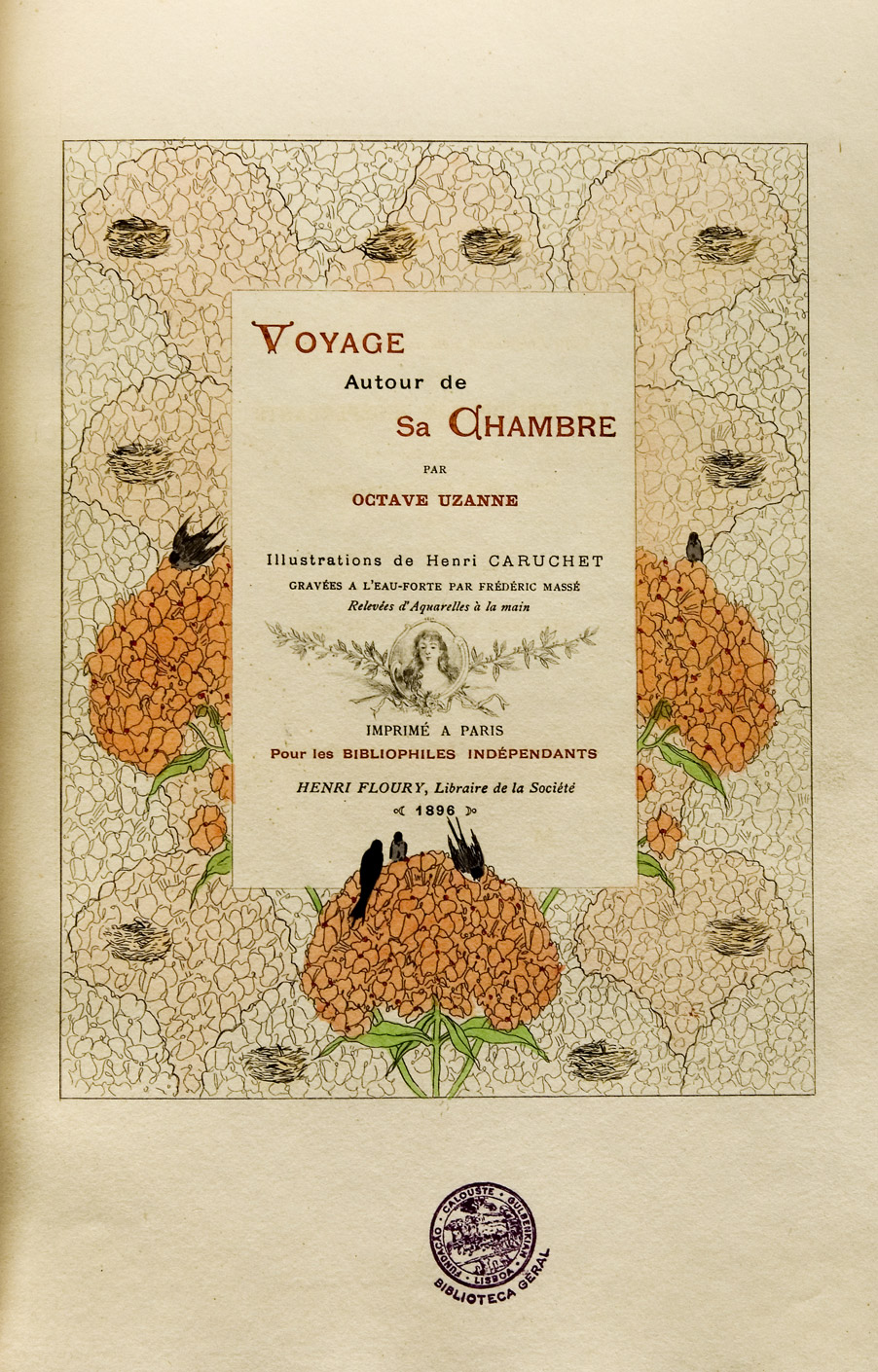
As for Féminies e a La femme au XVIIIe siècle (1862) by Edmond and Jules de Goncourt – another key nineteenth-century title on the feminine sphere acquired by Gulbenkian – these form part of the holdings of the Gulbenkian Museum, in accordance with the Collector’s wishes.
Magazines
From the late nineteenth century onwards, there was a marked increase in the number of newspapers and magazines in circulation, including a growing number of specialised publications in fields such as art, fashion, architecture, and gardening.
Some had a broader scope, attracting interested readers without requiring specialist knowledge; others, by contrast, were aimed at professionals or individuals with very specific interests, such as art collectors.
A cosmopolitan man with wide-ranging and eclectic interests, Calouste Gulbenkian held in his library a group of magazines that included several titles devoted to women’s fashion, among them some of the most refined fashion periodicals published in France, which significantly influenced the way affluent and elegant women dressed in the first three decades of the twentieth century: Les succés d’A. G. B., Très parisien – received respectively between 1920 and 1933, and between 1921 and 1936 – and Gazette du bon ton. The group is completed by Les modes.
Les modes: revue mensuelle illustrée des arts décoratifs appliqués à la femme
The earliest of these is Les Modes, directed by the engineer, publisher, and collector Michel Manzi (1849-1915), first published in Paris in 1901. It was among the first fashion magazines to make extensive use of photography – both black-and-white and colour – distinguishing it from its contemporaries.
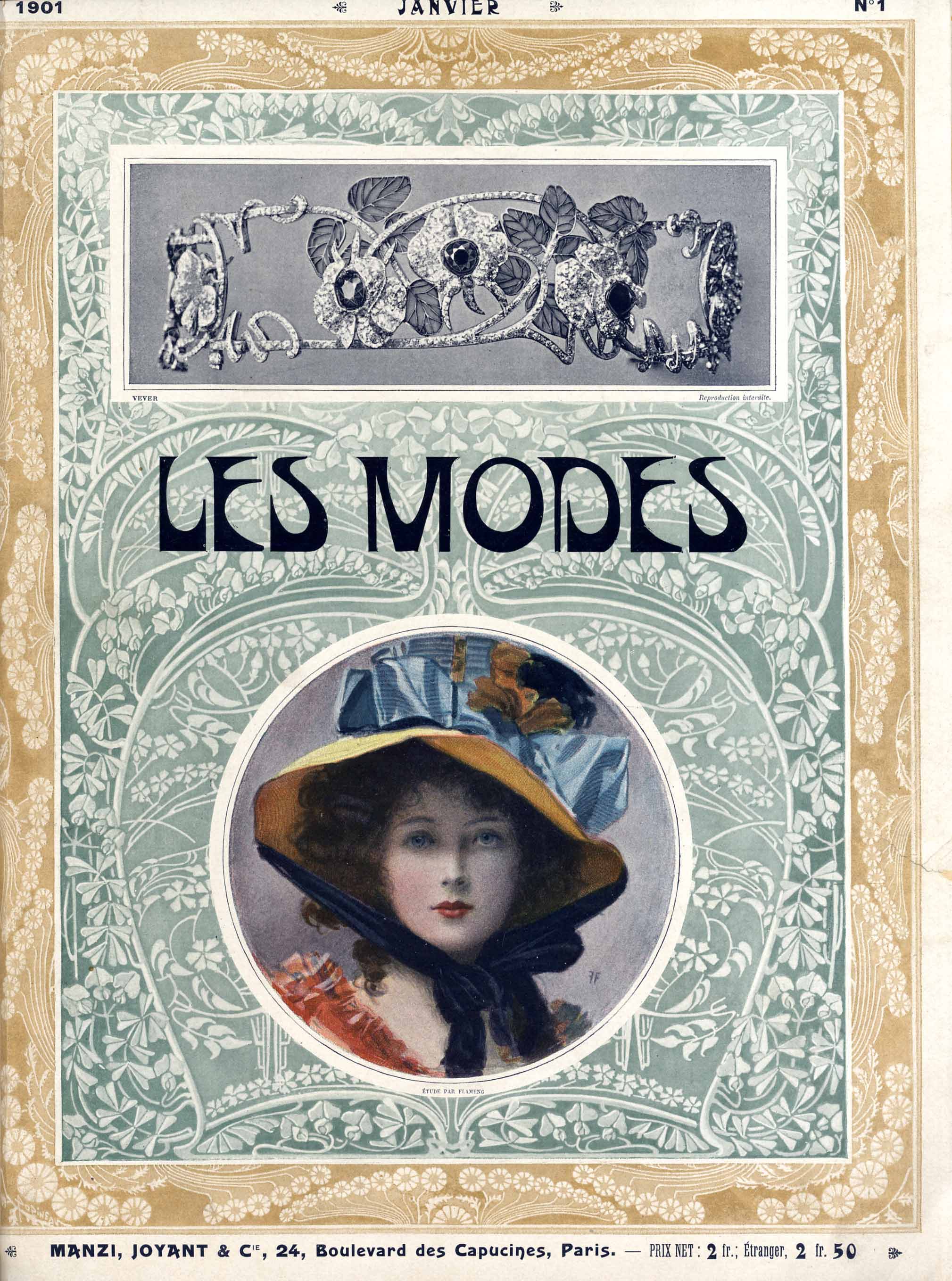
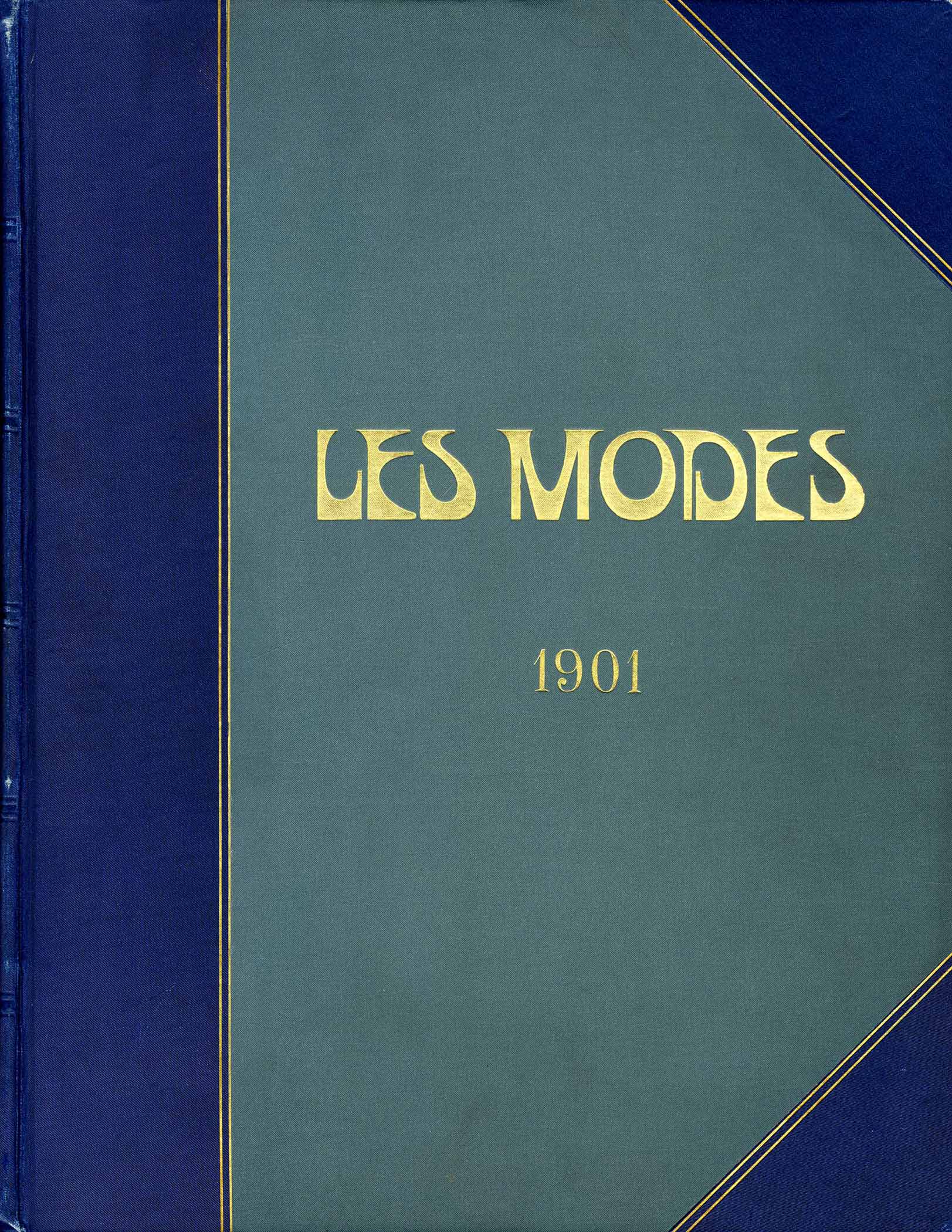
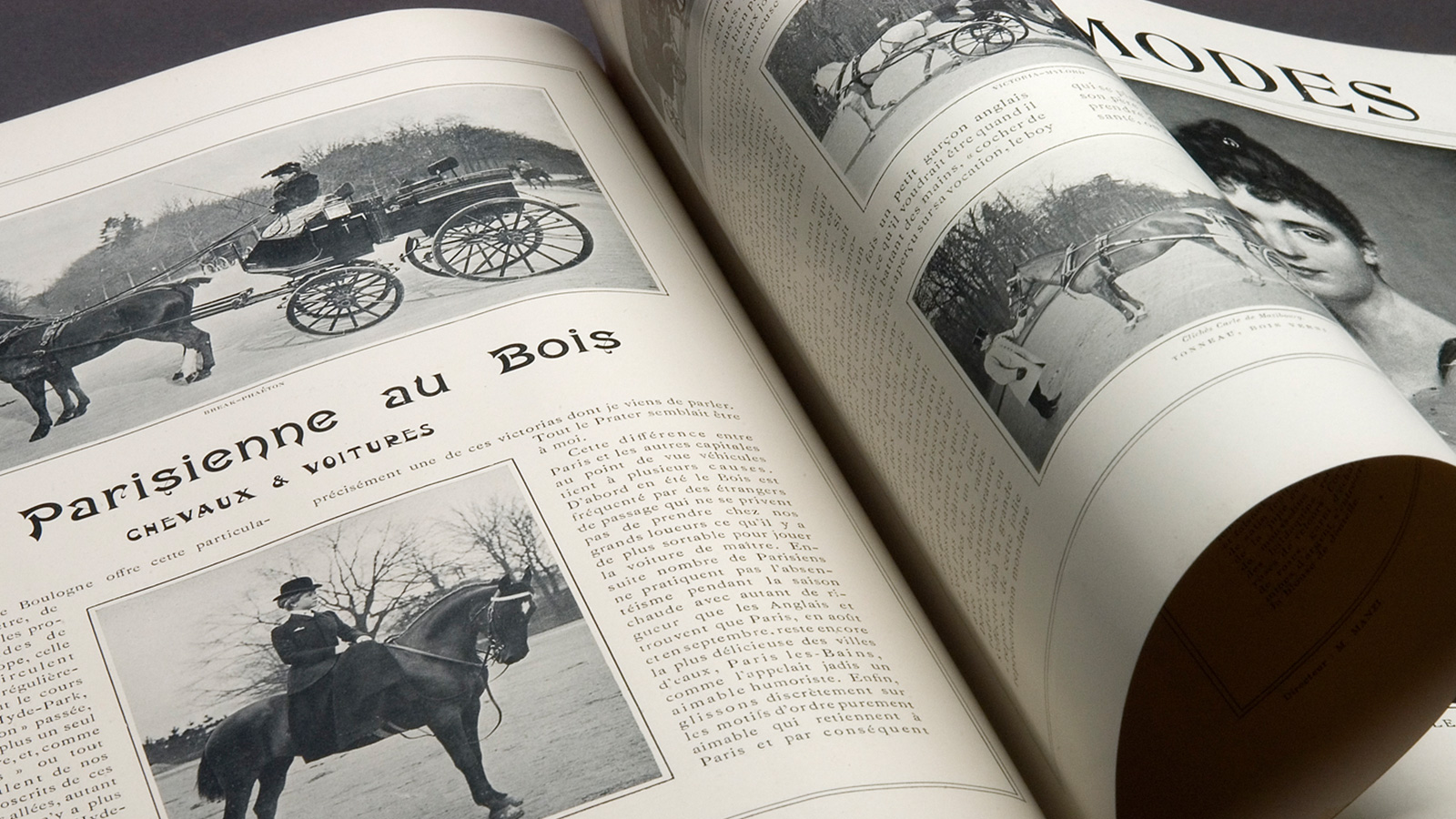
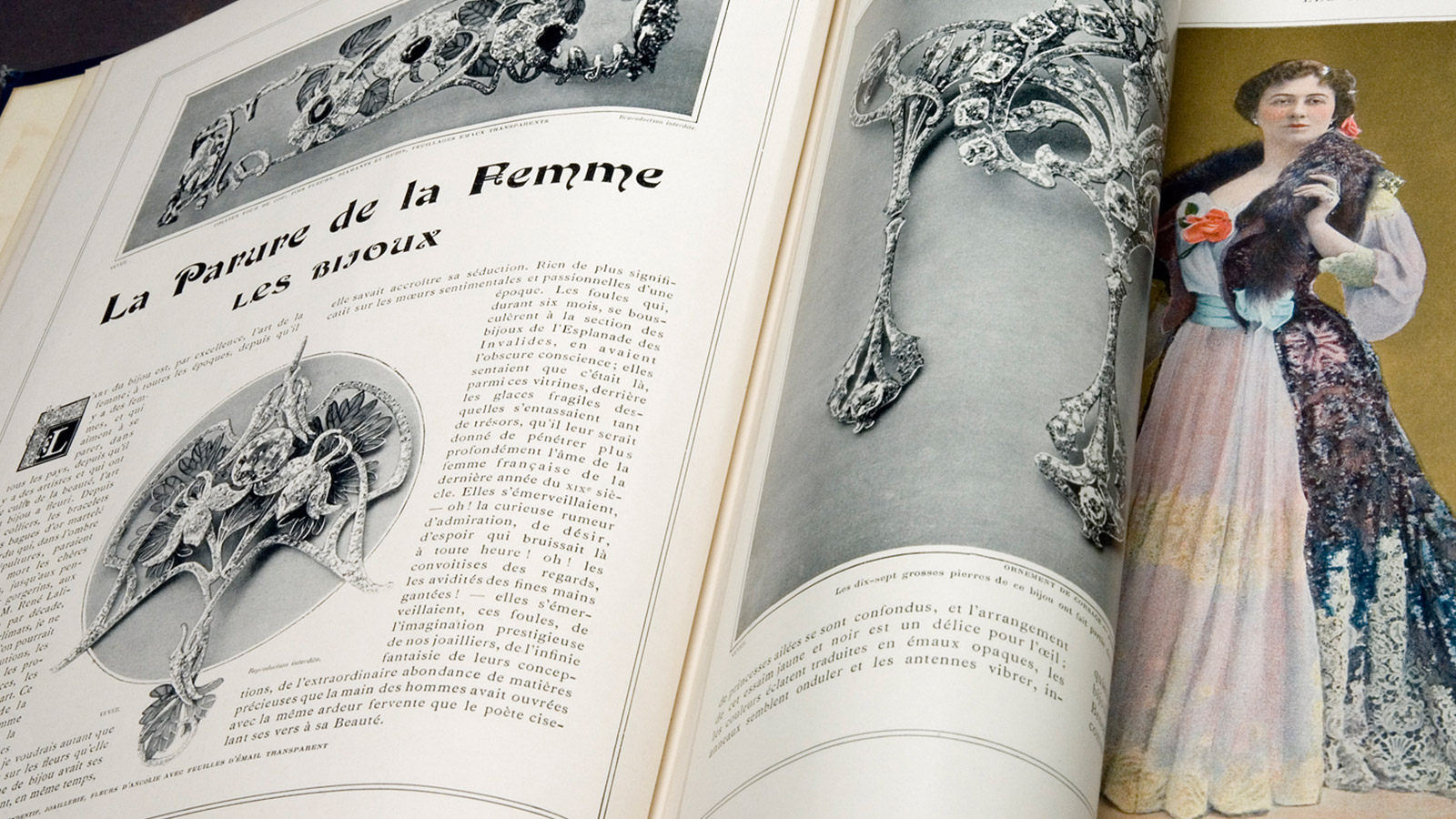
Each issue reproduced creations by leading couturiers of the time, such as Jeanne Paquin, Jean Doucet, Redfern, and Coco Chanel. It ceased publication in 1937; in Gulbenkian’s library, the run extends only to 1933.
Gazette du bon ton: arts, modes & frivolités
The Gazette du bon ton was founded in Paris in November 1912 by the publisher Lucien Vogel (1886-1954). Publication was suspended in the summer of 1915 due to the First World War, resumed in January 1920, and ended in December 1925.
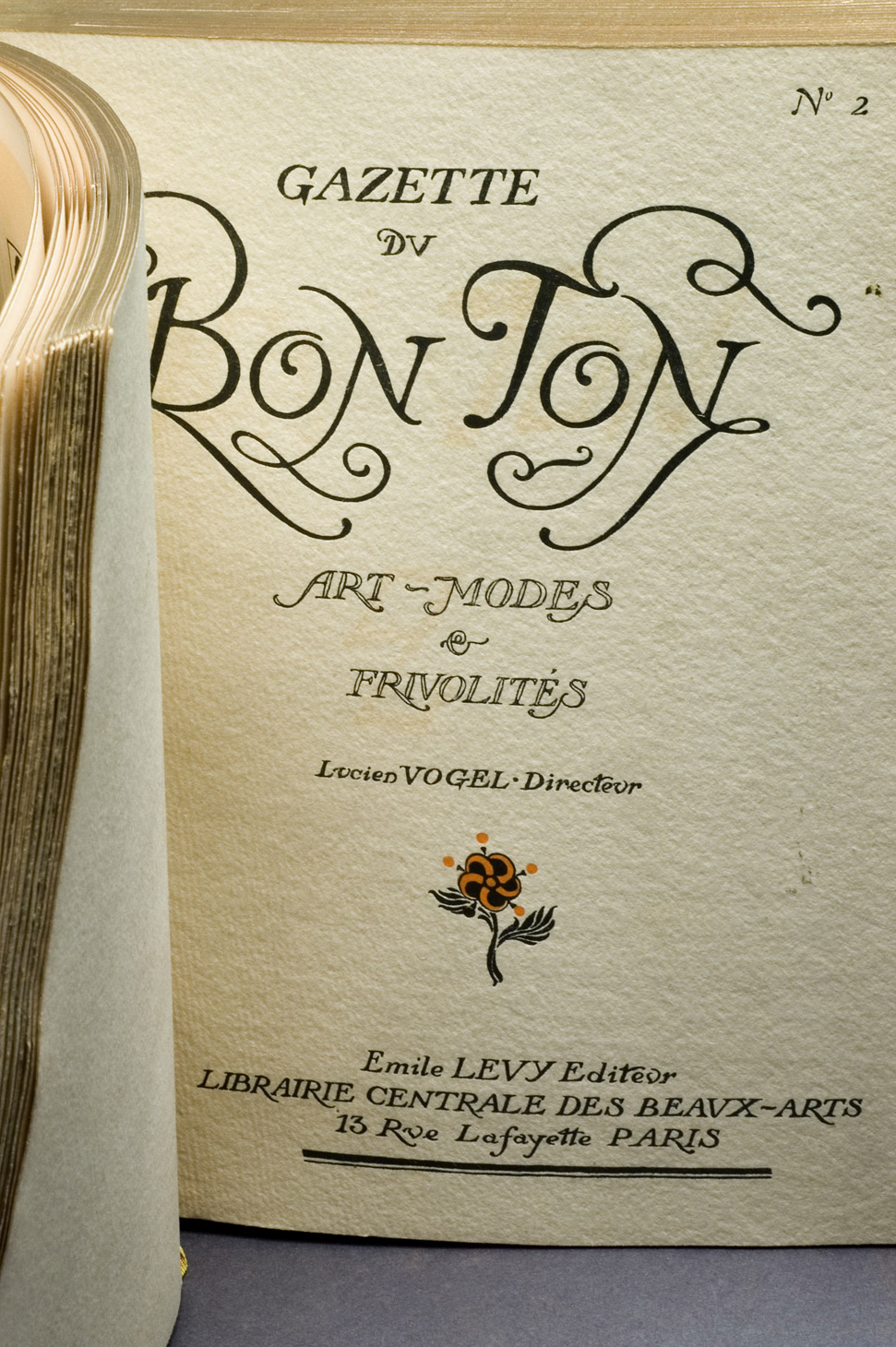
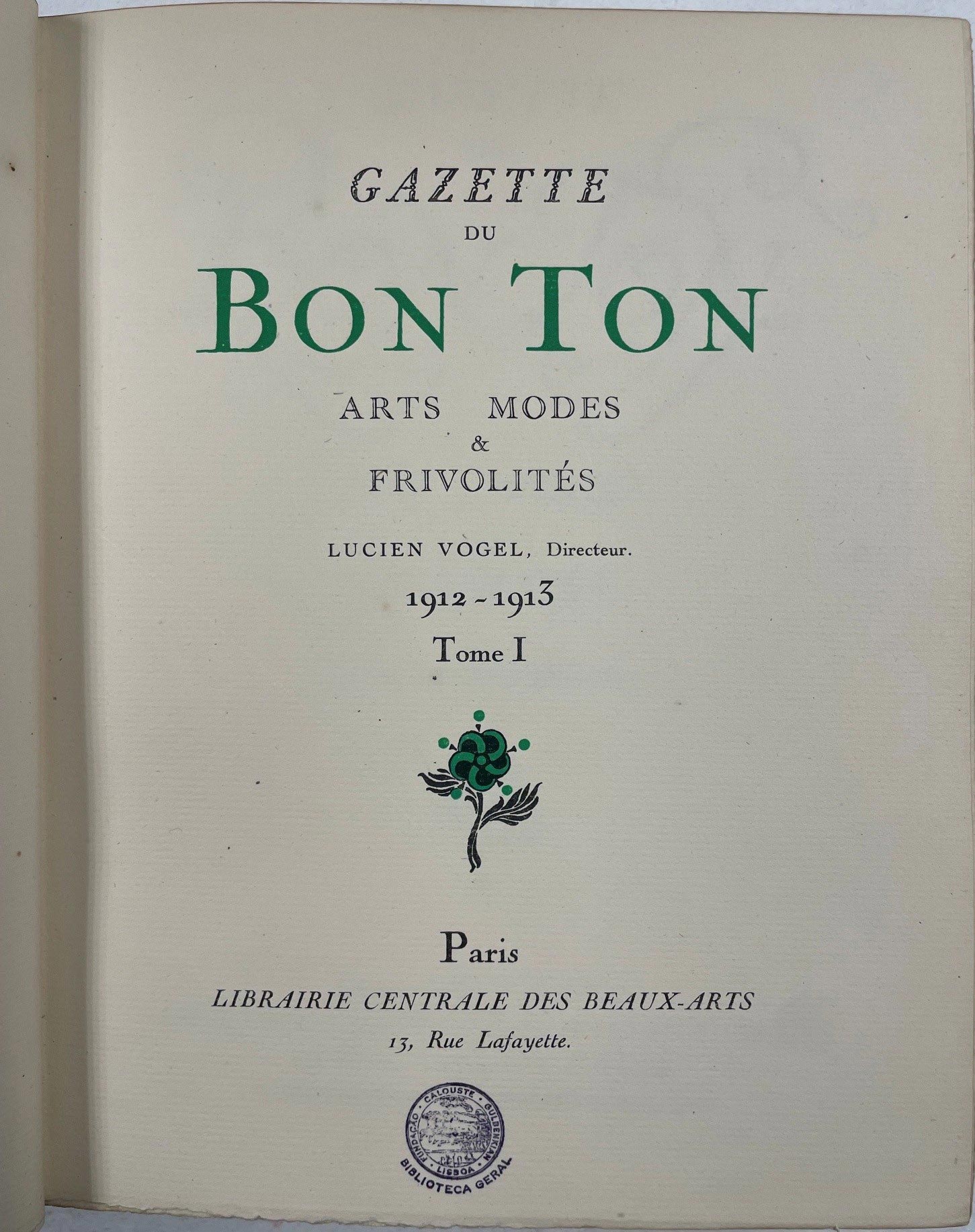
“At a time when fashion has become an art form and a synthesis of all the arts, a fashion magazine must itself be an art journal! Such will be the Gazette du bon ton.”[v]
— Nr. 1 (novembre 1912), page [10]
Its pages present the fashions of the most celebrated couturiers of the time, including Jeanne Lanvin, Georges Doeuillet, Joseph Paquin, Paul Poiret, Charles Frederick Worth, Madeleine Vionnet, Redfern, and Jacques Doucet.
Printed on high-quality paper, it used the “Cochin” typeface – created in 1912 by the French typographic designer Georges Peignot (1872-1915), inspired by the engraver Charles-Nicolas Cochin (1715-1790).
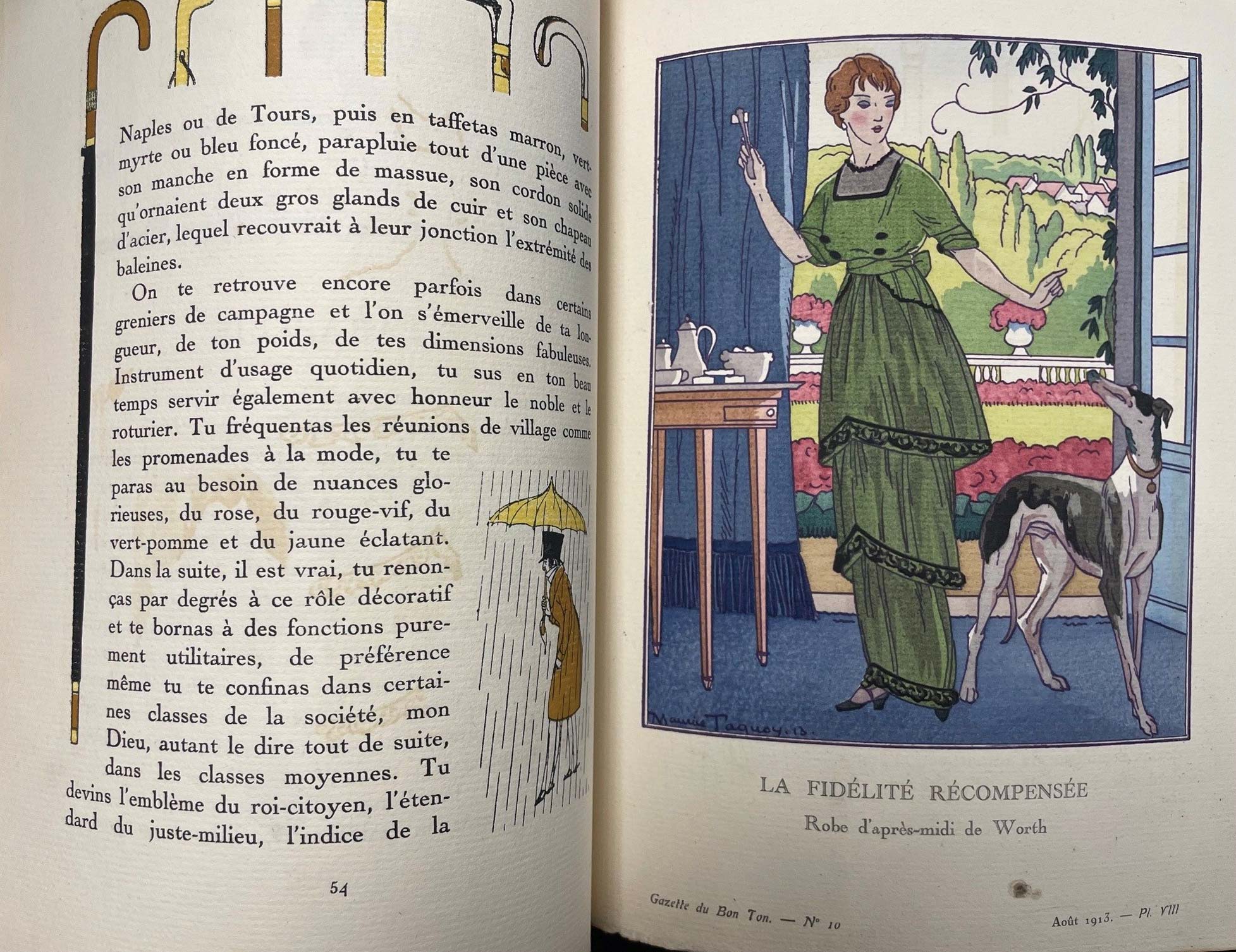
Over the years, the magazine featured a large team of artists producing hand-coloured stencil illustrations (au pochoir), some with gold, which contributed to its distinctive character. These included established illustrators such as André Édouard Marty (1882-1974), Pierre Brissaud (1885-1964), Georges Lepape (1887-1971), Charles Martin (1884-1934), and Georges Barbier (1882-1932), as well as younger, then little-known artists such as Guy Arnoux (1886-1951), Léon Bakst (1866-1924), Jean-Gabriel Domergue (1889-1962), and André Dignimont (1891-1965).
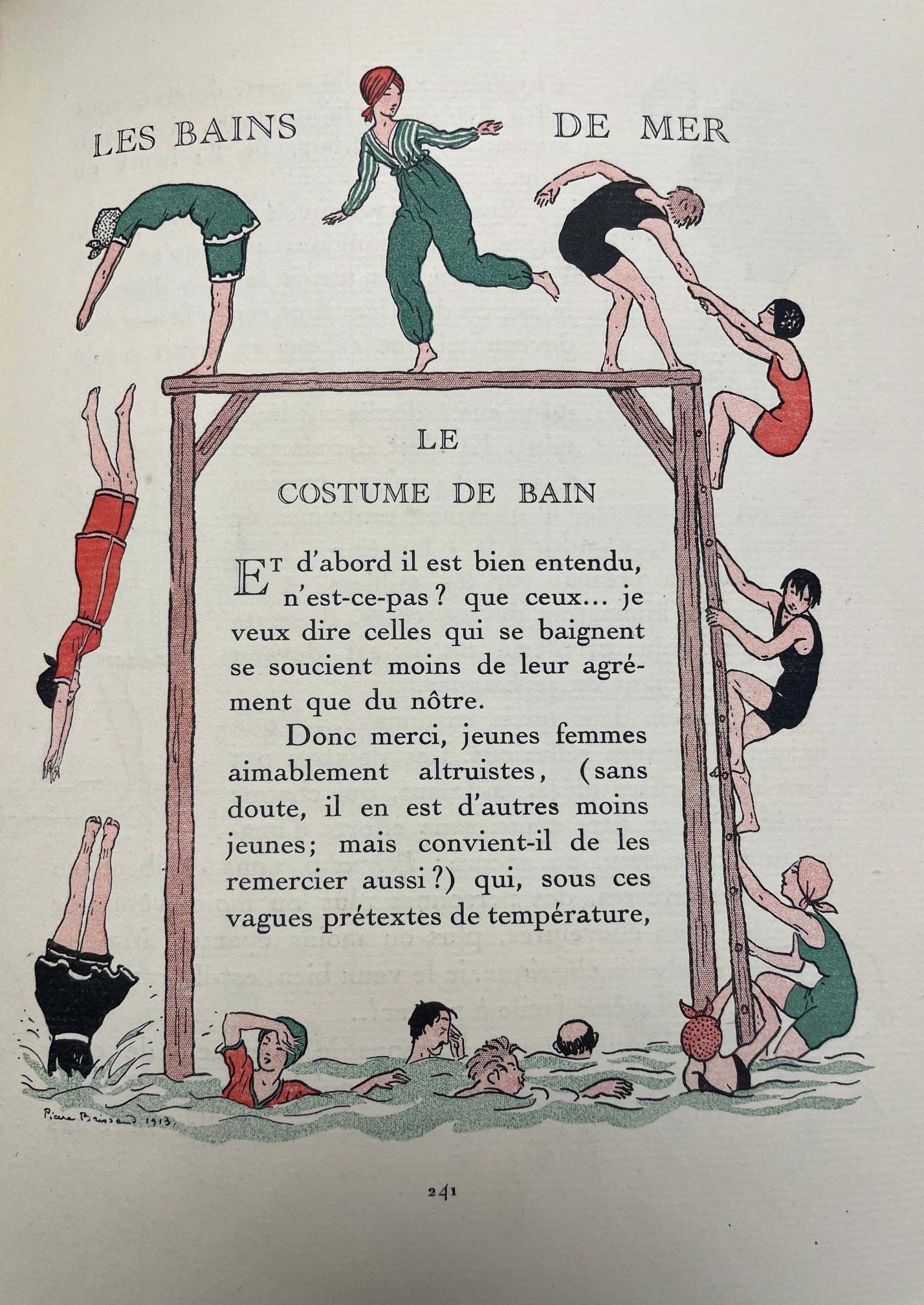
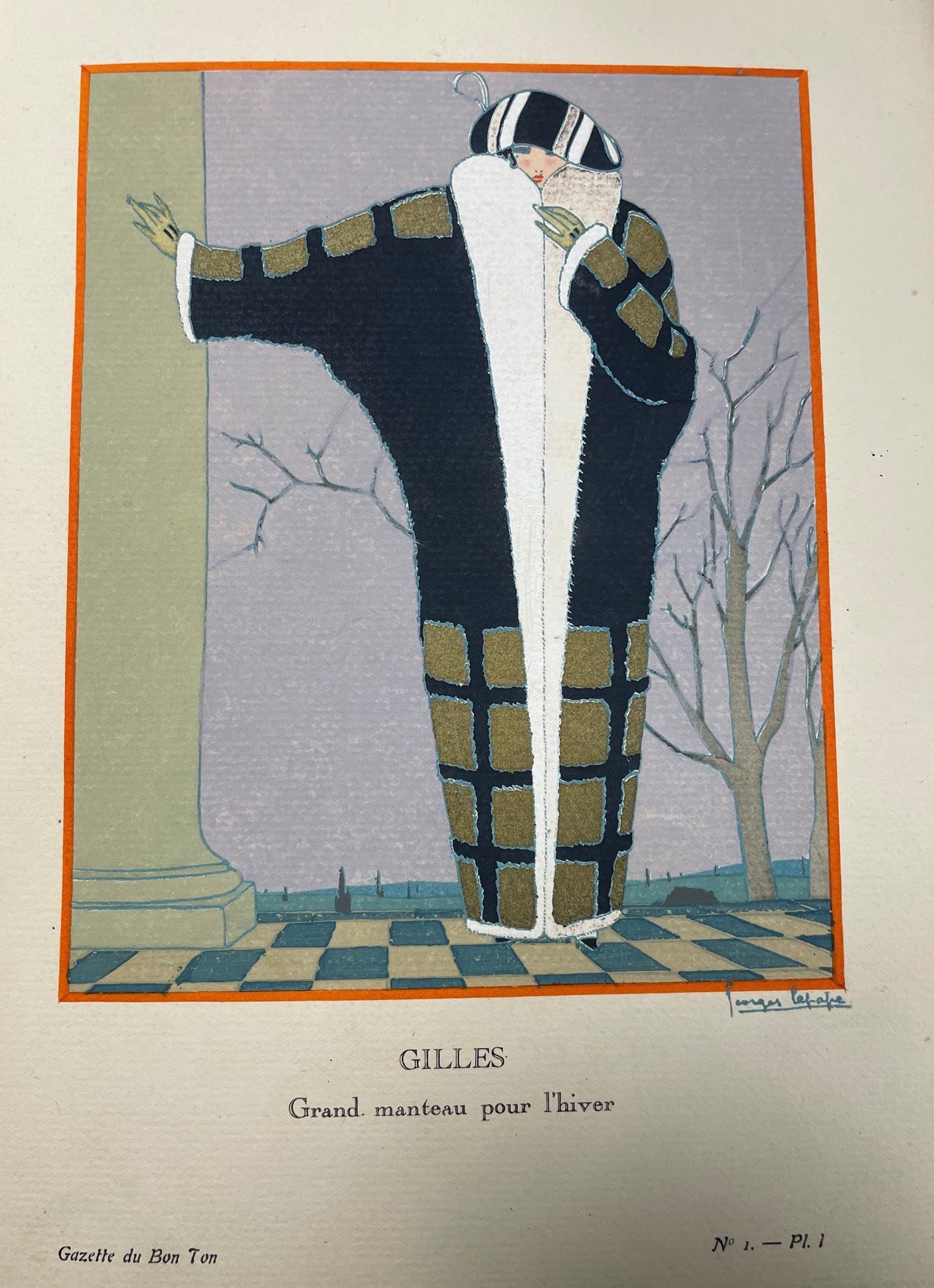
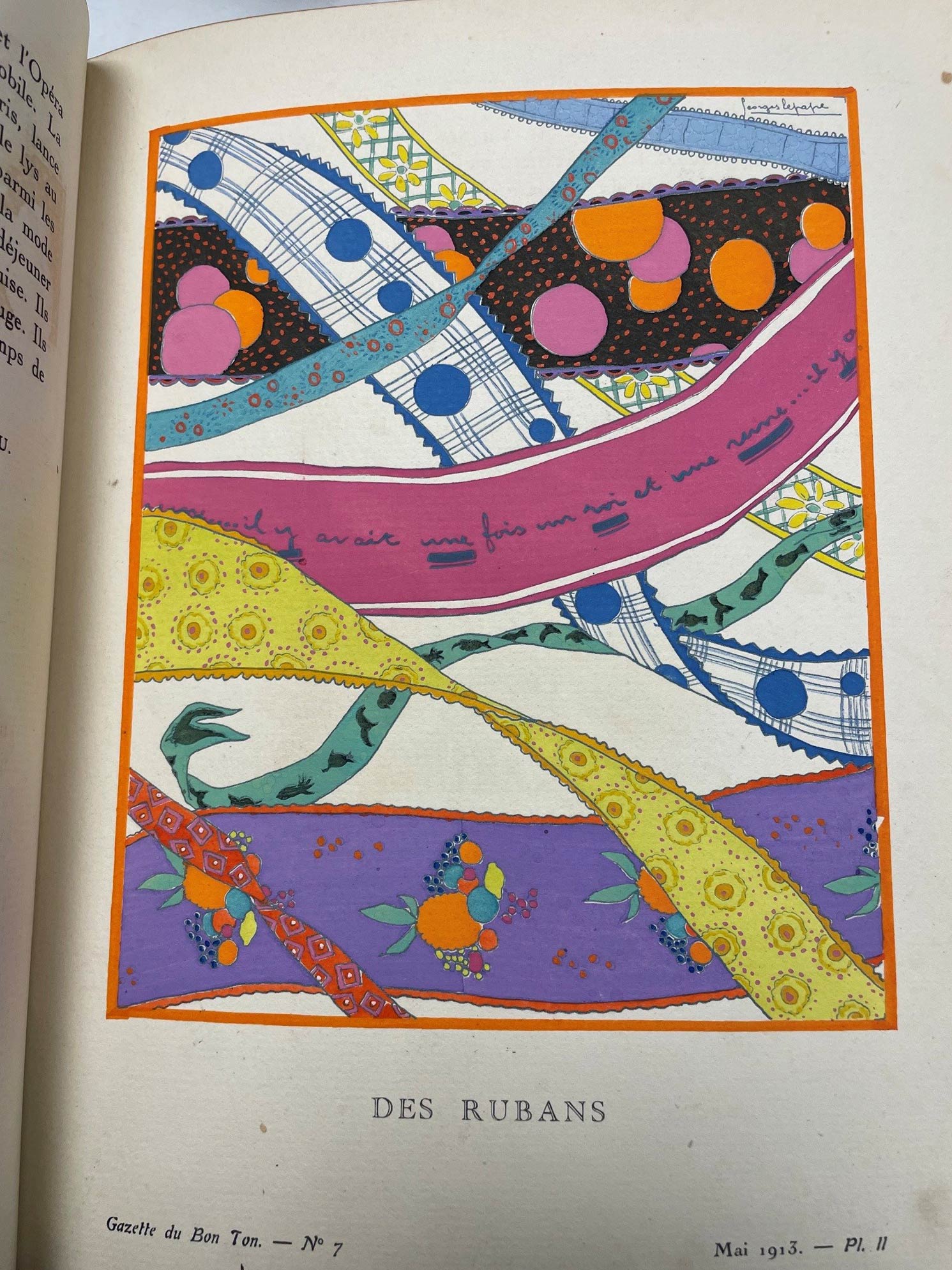
Only one female name appears among them: Maggie Salcedo (1890-1959), painter and illustrator, who also contributed texts.
It is likewise unsurprising that most of the authors of the accompanying texts were men. In the four volumes held in Gulbenkian’s library, only Maggie Salcedo and Lise Léon-Blum (1869-1931) are represented among female contributors.
Male contributors included prominent figures in French society of the time, such as Jean Besnard (1889-1958), Henri de Régnier (1864-1936), Jean-Louis Vaudoyer (1883-1963), Gabriel Mourey (1865-1943), and René Blum (1878-1942).
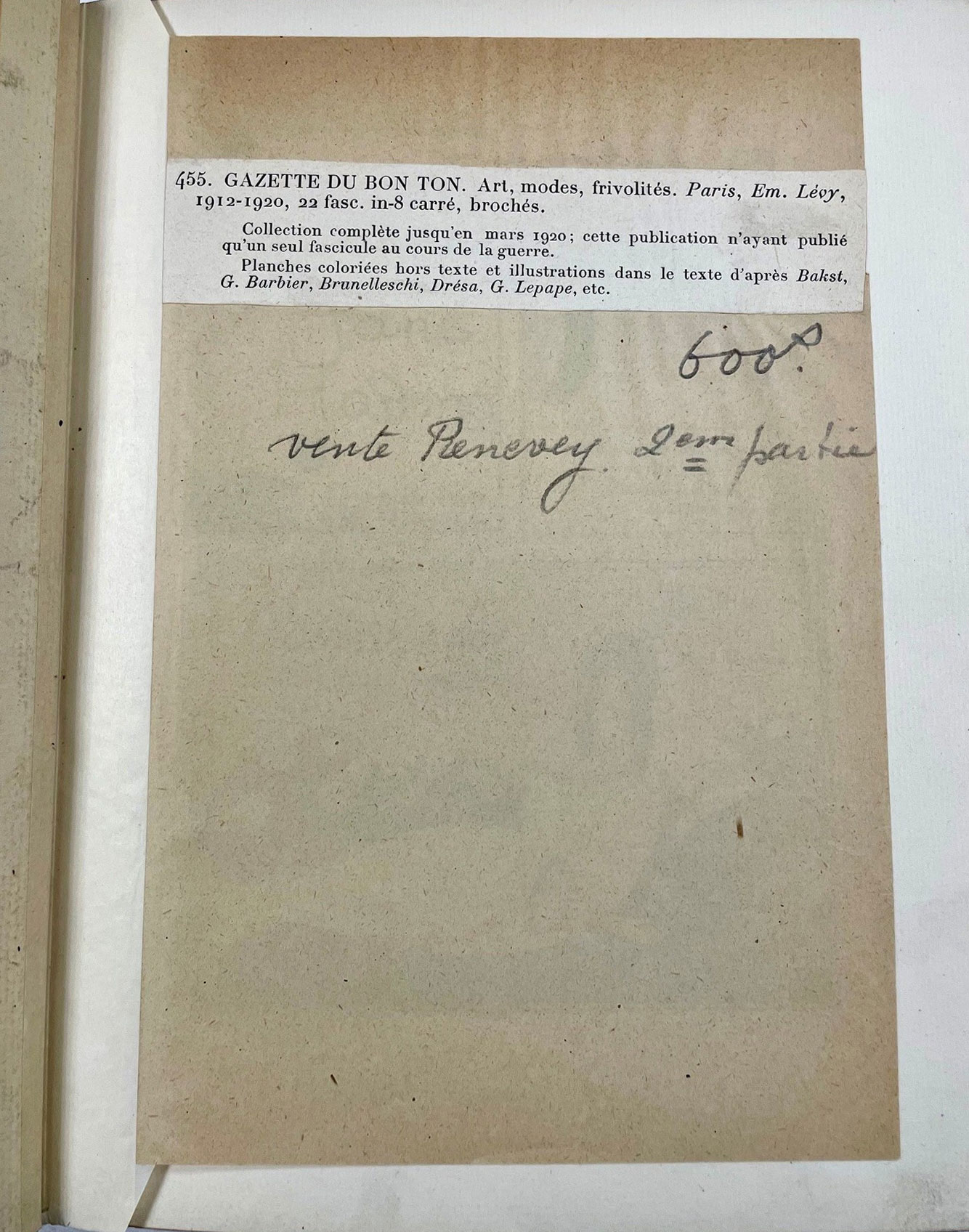
Gulbenkian’s set is incomplete; according to the library inventory, it was acquired bound in four volumes (1912-1920) at the public sale of Eugène Renevey’s library, through the Parisian booksellers Giraud-Badin, in June 1924, one year before the magazine ceased publication. It is likely that, beyond fashion itself, what attracted the Collector was the refinement and graphic quality of its illustrations.
Les succés d’A. G. B. : revue d’art des plus belles modes de Paris
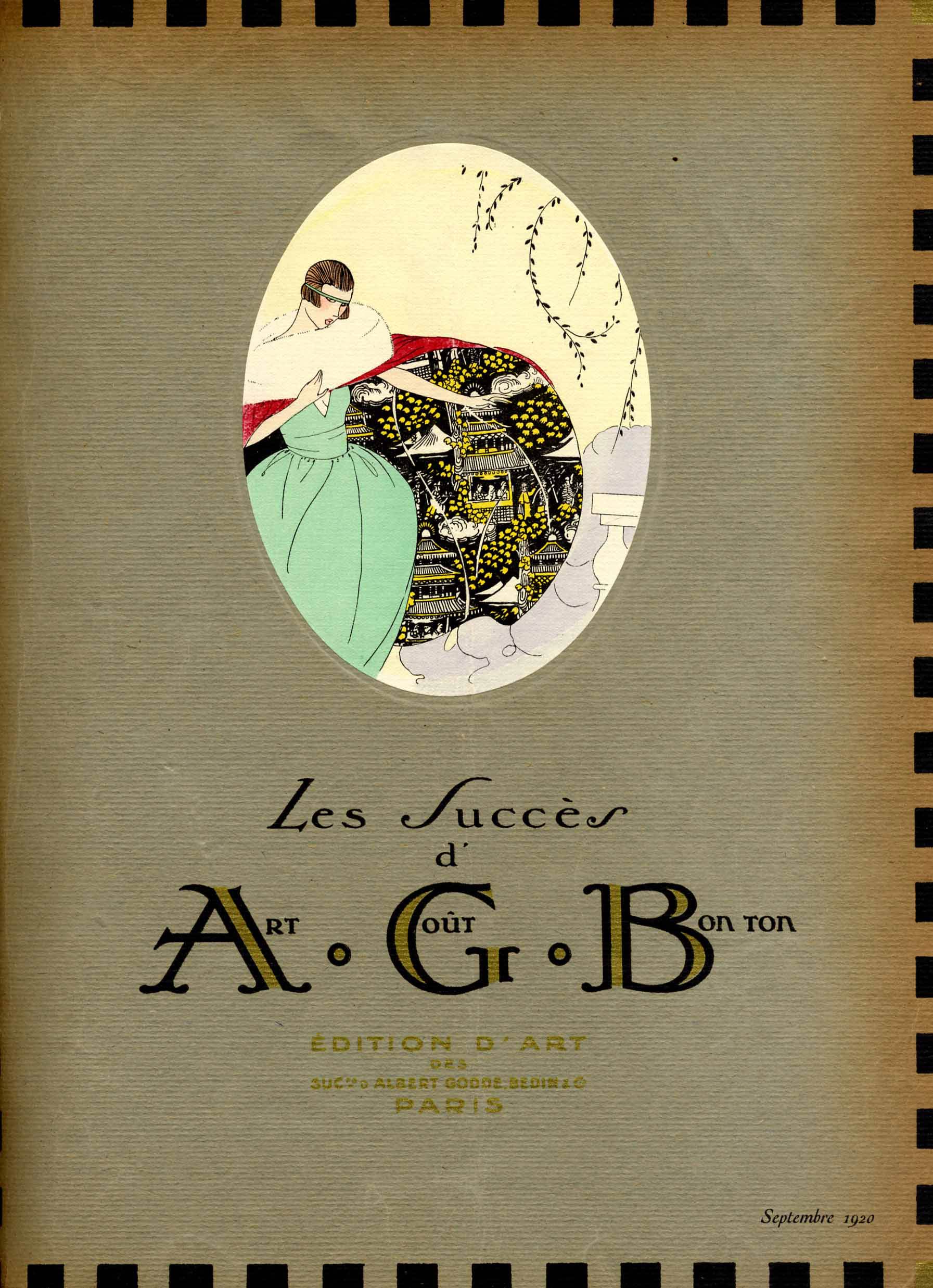
The magazine Art Goût Beauté first appeared in September 1920 under the title Les succés d’A. G. B. The initials A.G.B. refer to Albert Godde, Beddin et Cie, a prestigious Lyon textile firm founded in 1867, which used the publication to promote its fabrics and French fashion more broadly.
Presented as a “monthly review publishing the finest designs by leading couturiers in the exact colours of their creations, as well as all fashionable textiles”[vi] (Nr. 1, septembre 1920), each issue was richly illustrated with pasted and lithographed drawings, in black and colour, using stencil techniques, and included fabric samples.
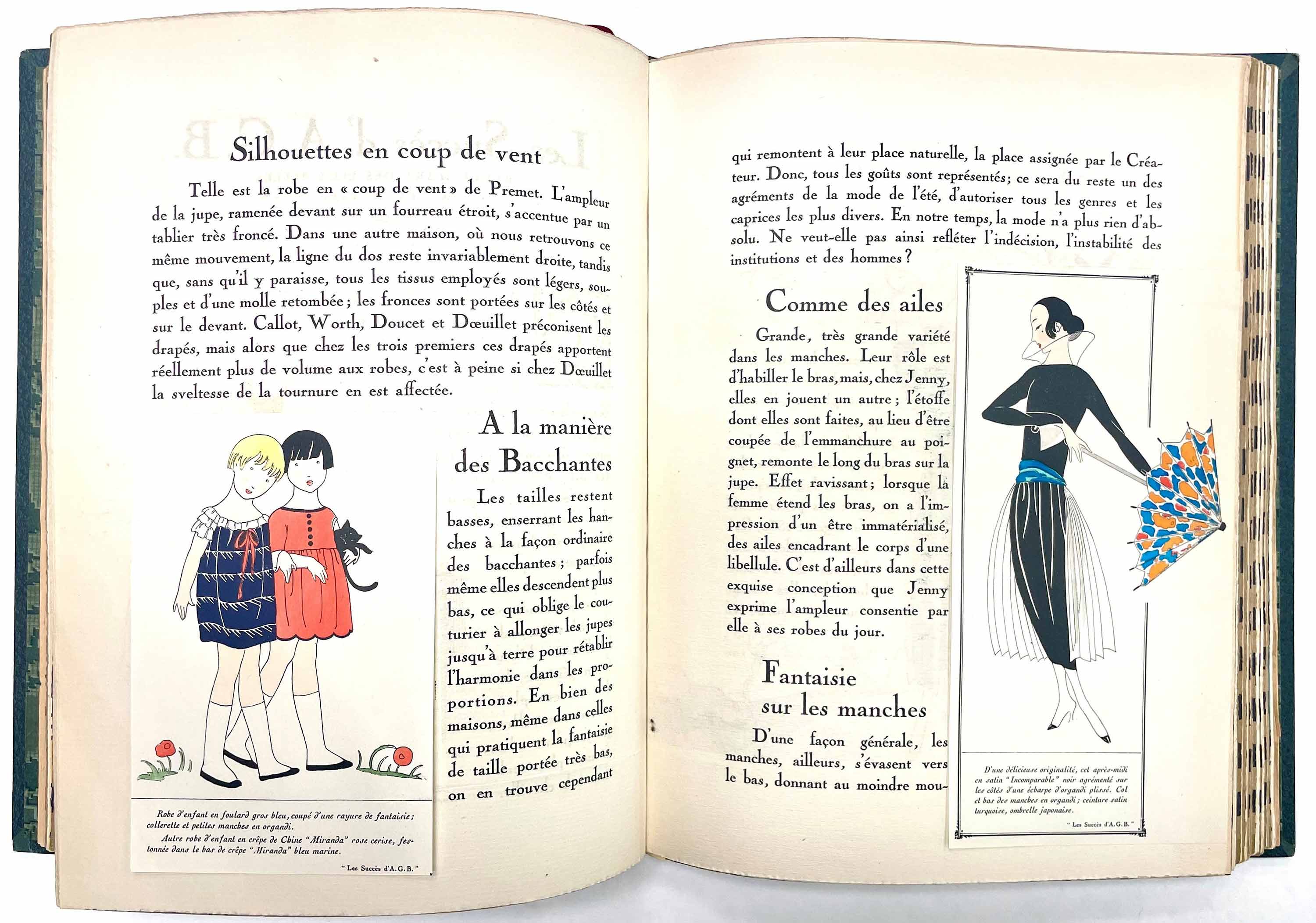
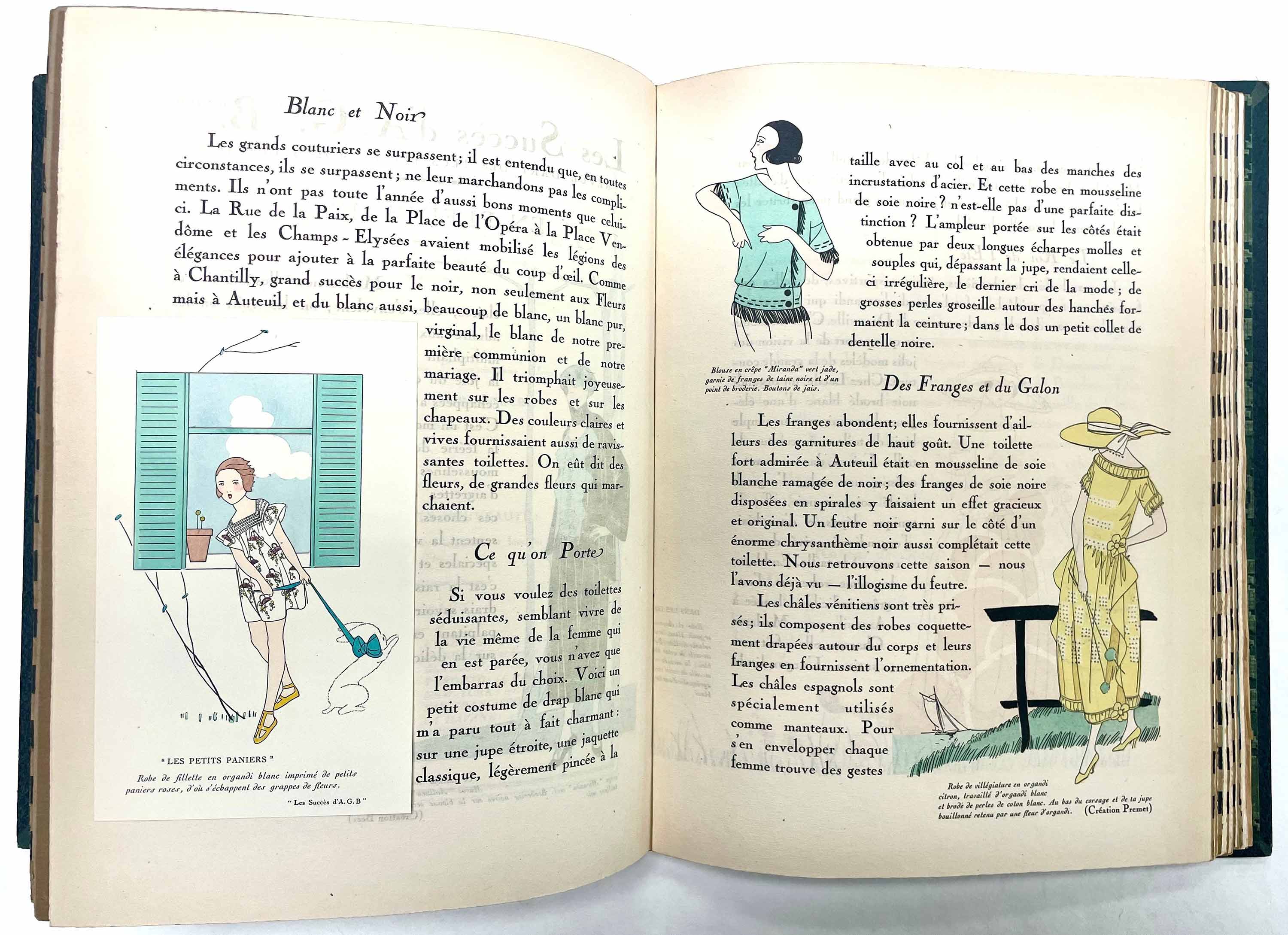
In 1920 and the following year it became Les succès d’art goût bon ton, and from 1921 onwards Art Goût Beauté. In the early 1930s, photography began to appear, accompanied by slight format changes. Illustrations were produced by leading fashion illustrators such as Georges Lepape and Georges Barbier, though the most frequent contributor was the French painter and illustrator Colette Pattinger (Colette May).
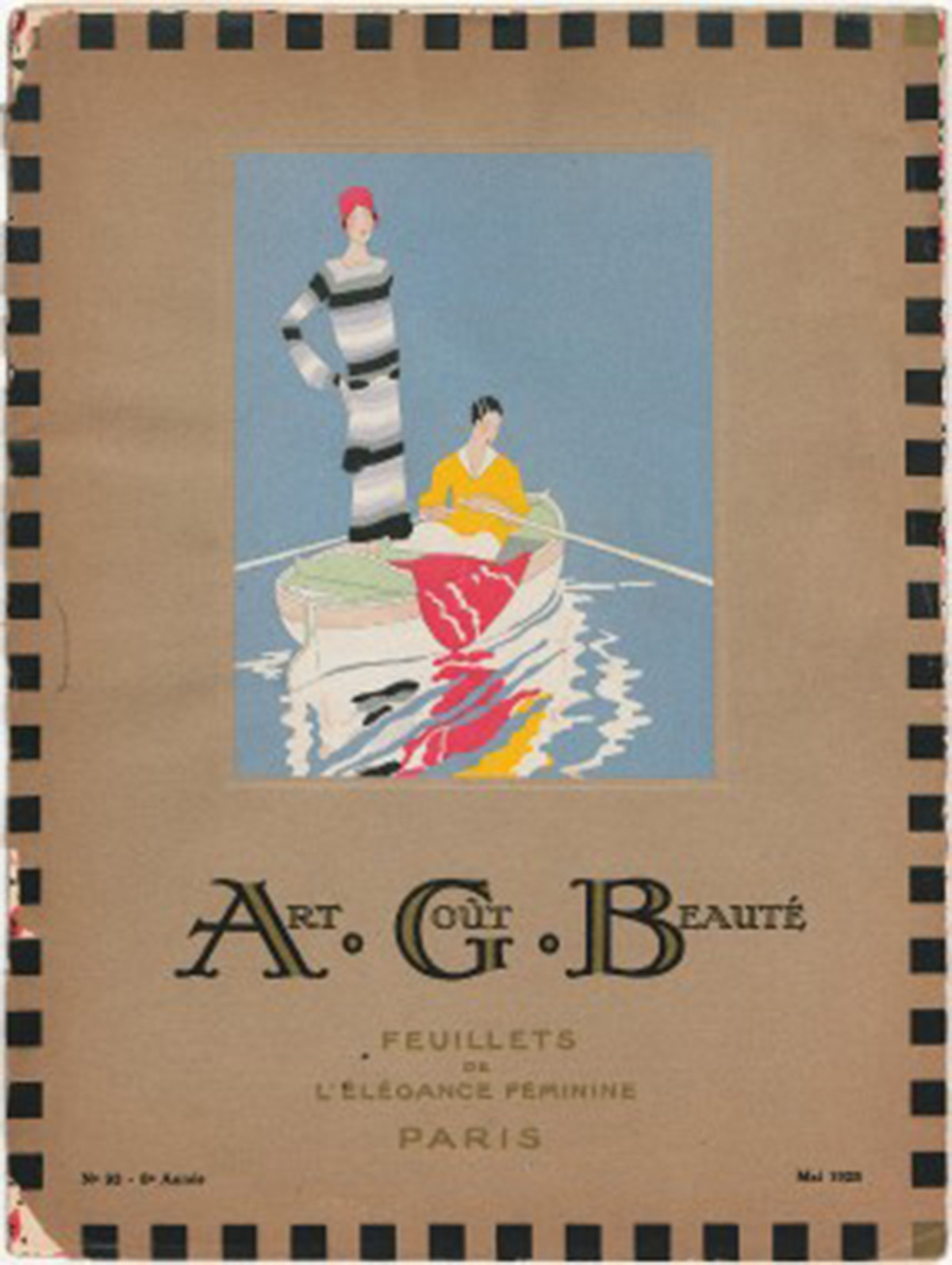
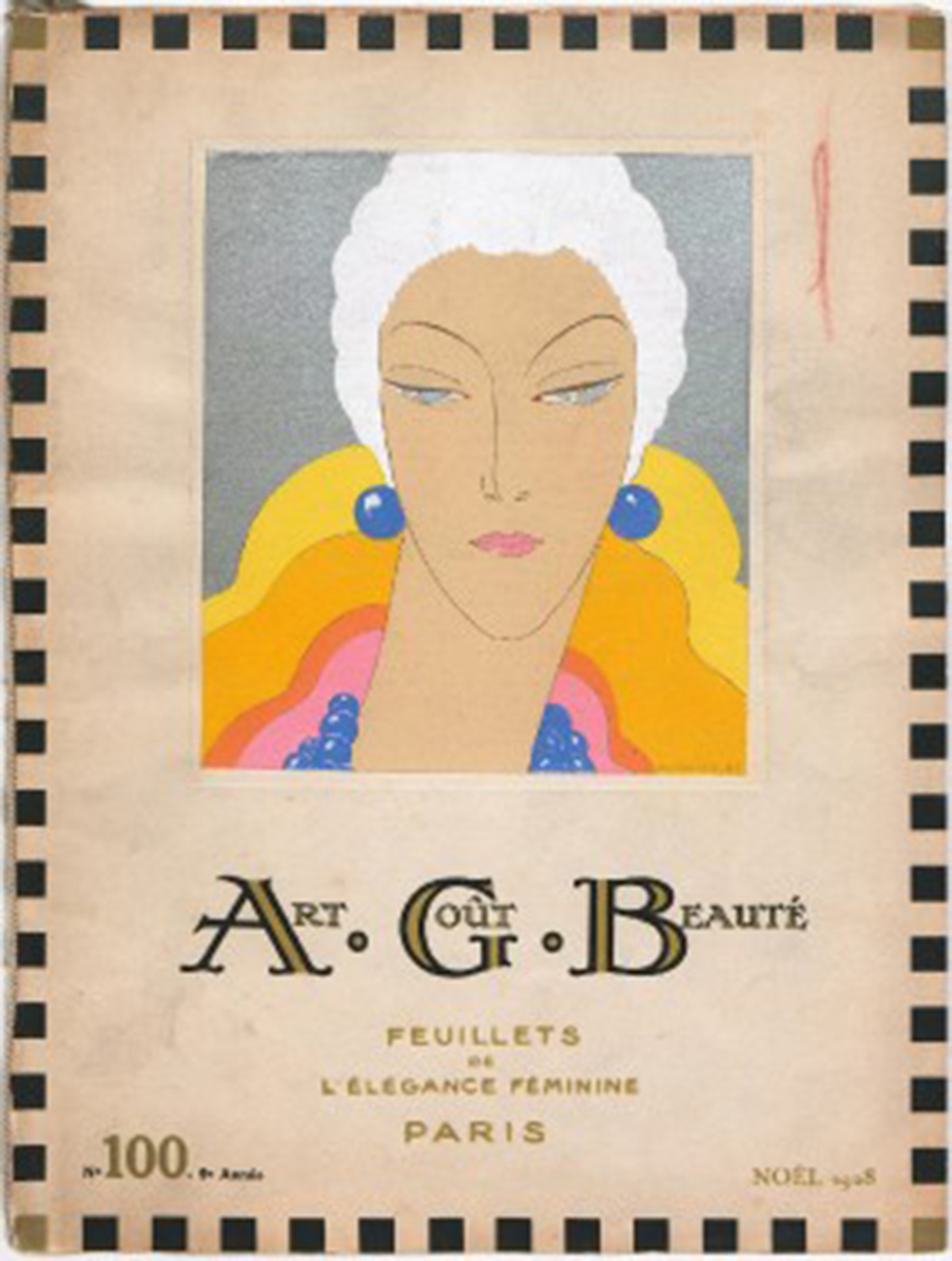
Throughout its publication, the most frequent contributors of fashion texts were Rosine and Lucie Neumeyer-Hirigoyen, while columns on social life were written by Henri Clouzot and Éric Bagge (1890-1978).
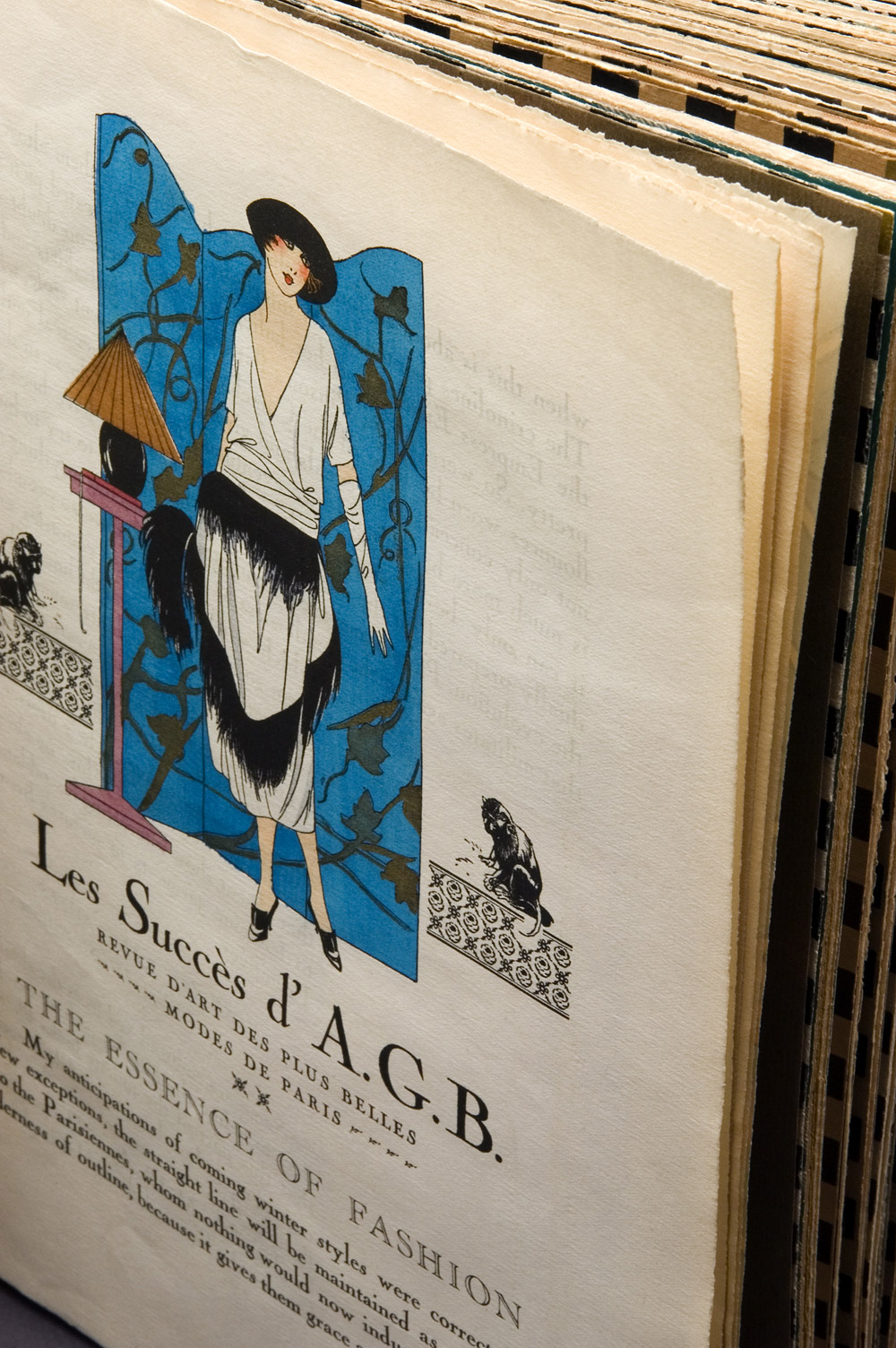
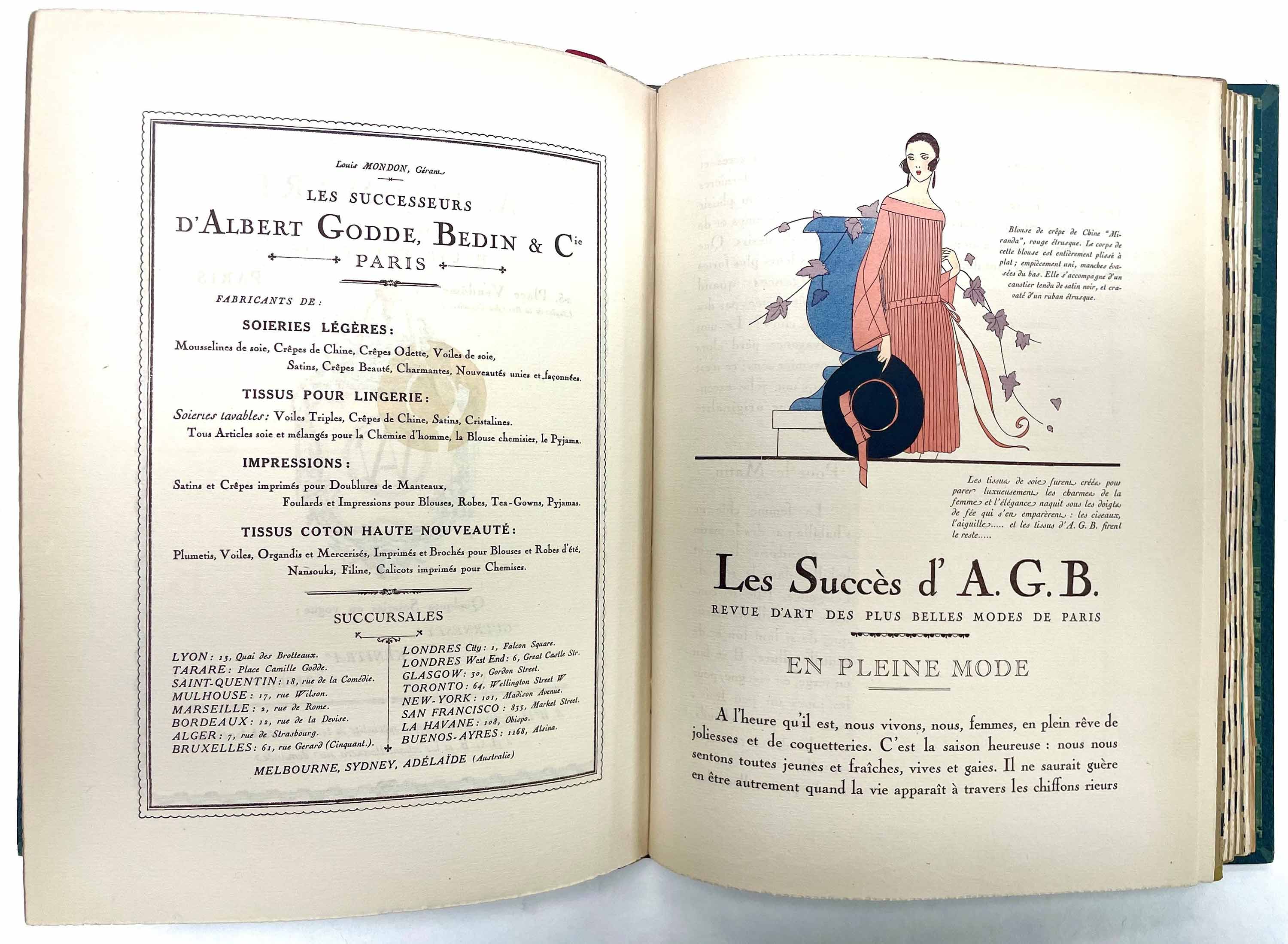
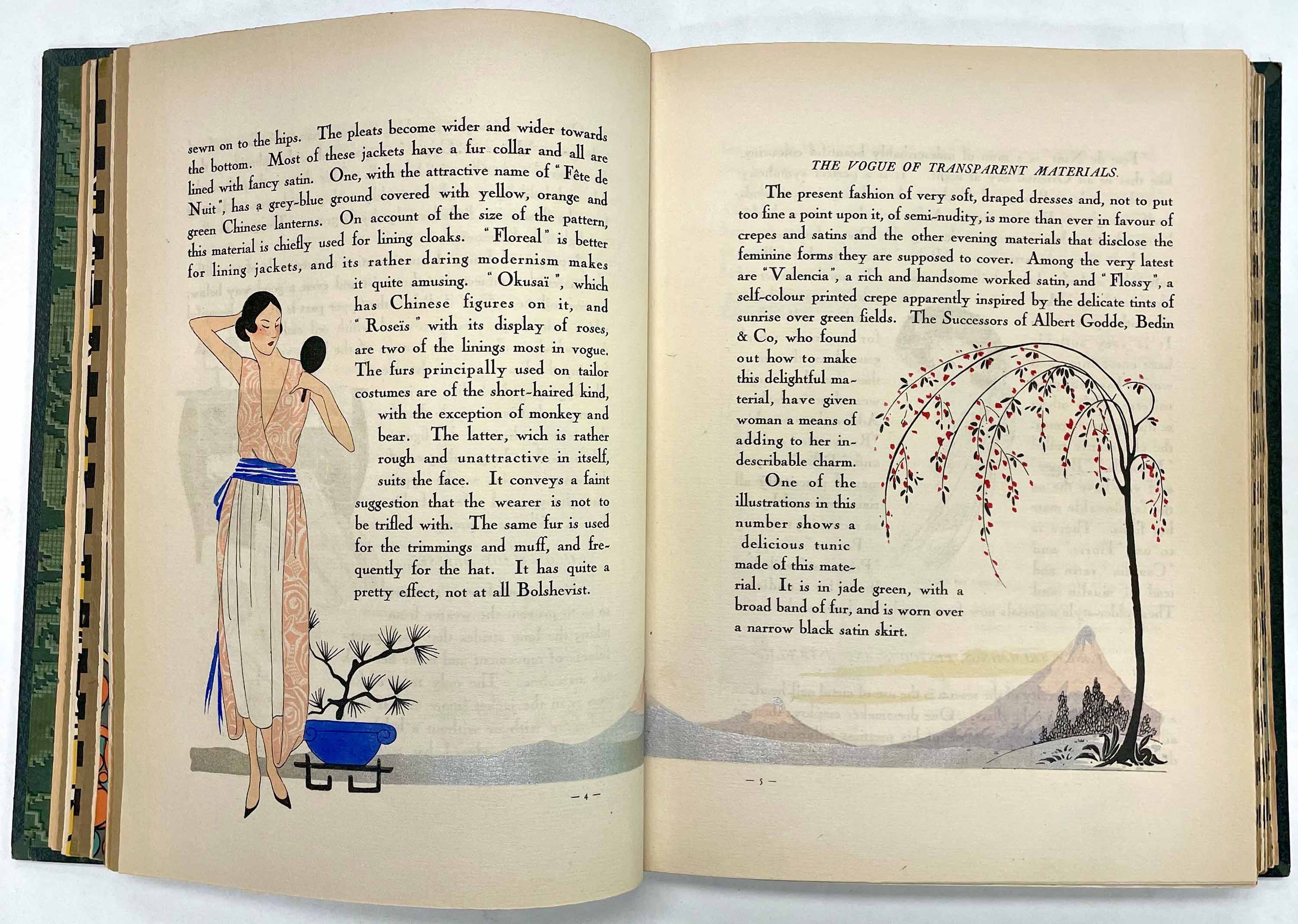
The Art Library holds nearly the complete run of this rare and luxurious fashion magazine; the only gap is due to Gulbenkian having ceased to acquire it at the end of 1932. It ceased publication in 1934.
Like Gazette du bon ton, it was clearly aimed at a sophisticated, worldly, and affluent female readership who appreciated – and could afford to wear – the creations of the leading French couturiers.
Très parisien
Très parisien is the last of this group of fashion magazines. Published between 1920 and 1936, it aspired to be “the journal of fashion, chic and elegance”[vii], and was directed by a woman, Germaine Jourmard (1898-1956), an illustrator who signed many of the illustrations under the pseudonym Joujou. Each issue presented a selection of designs by leading couturiers, drawn and coloured and usually printed on tracing paper.
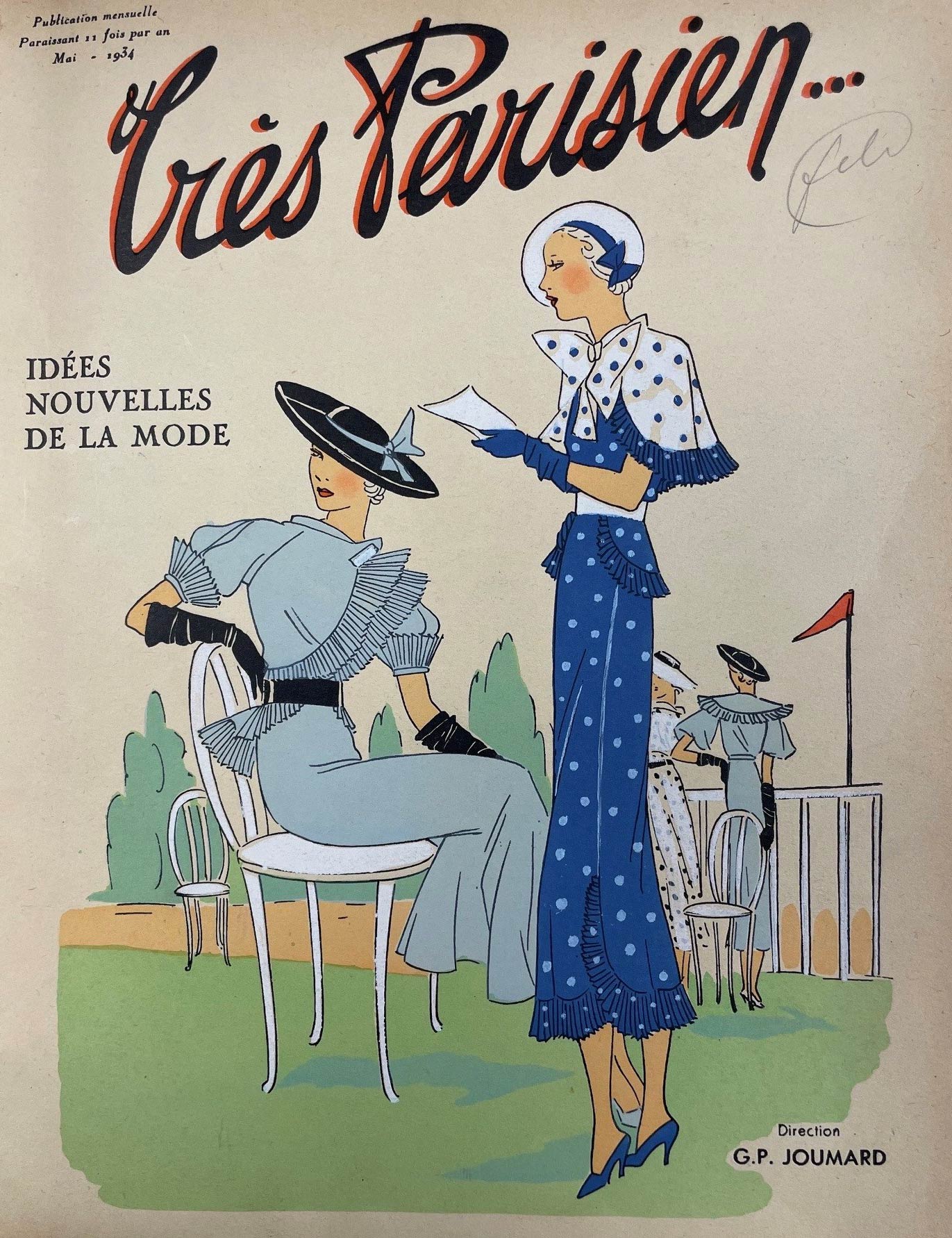
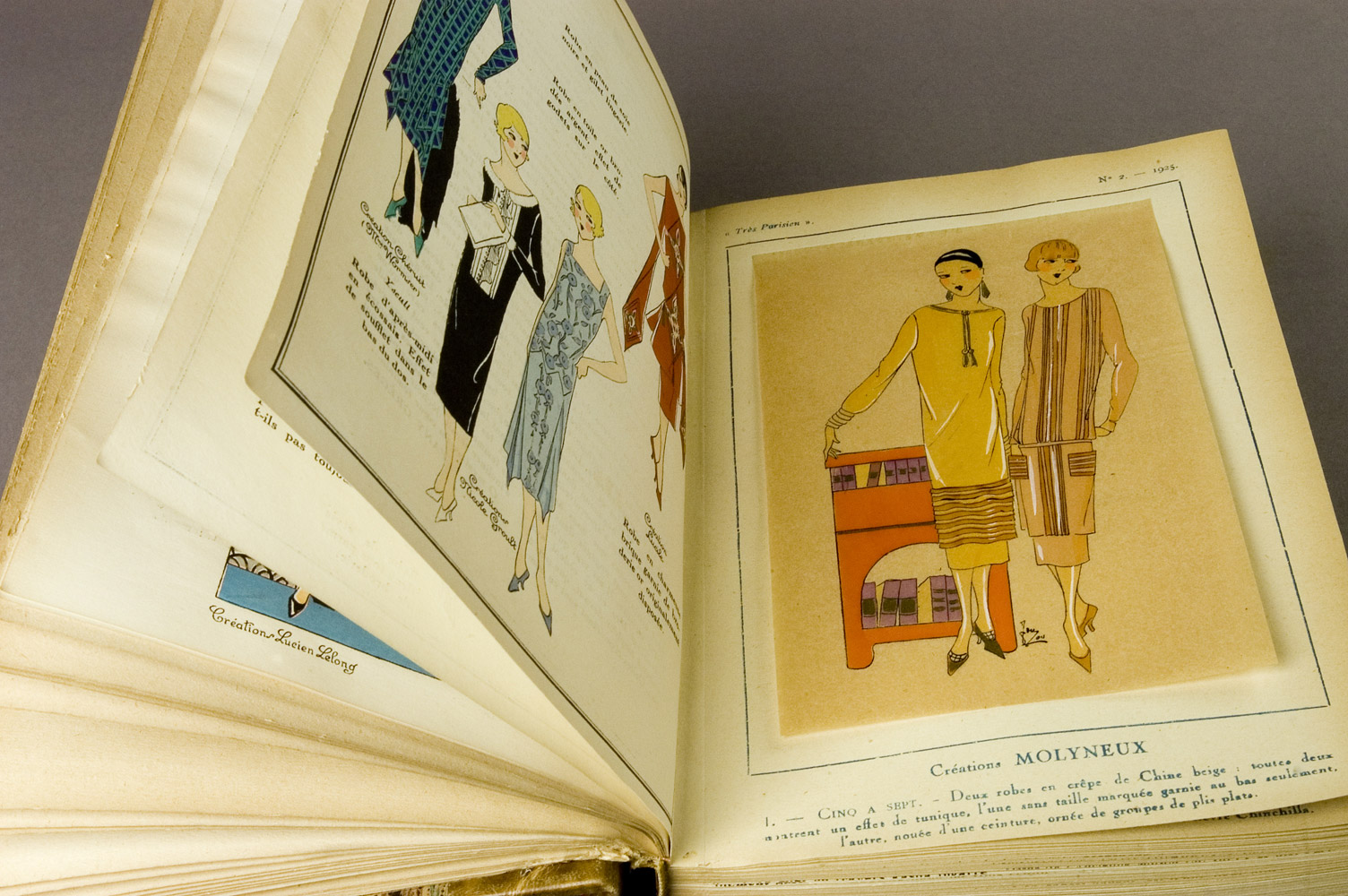
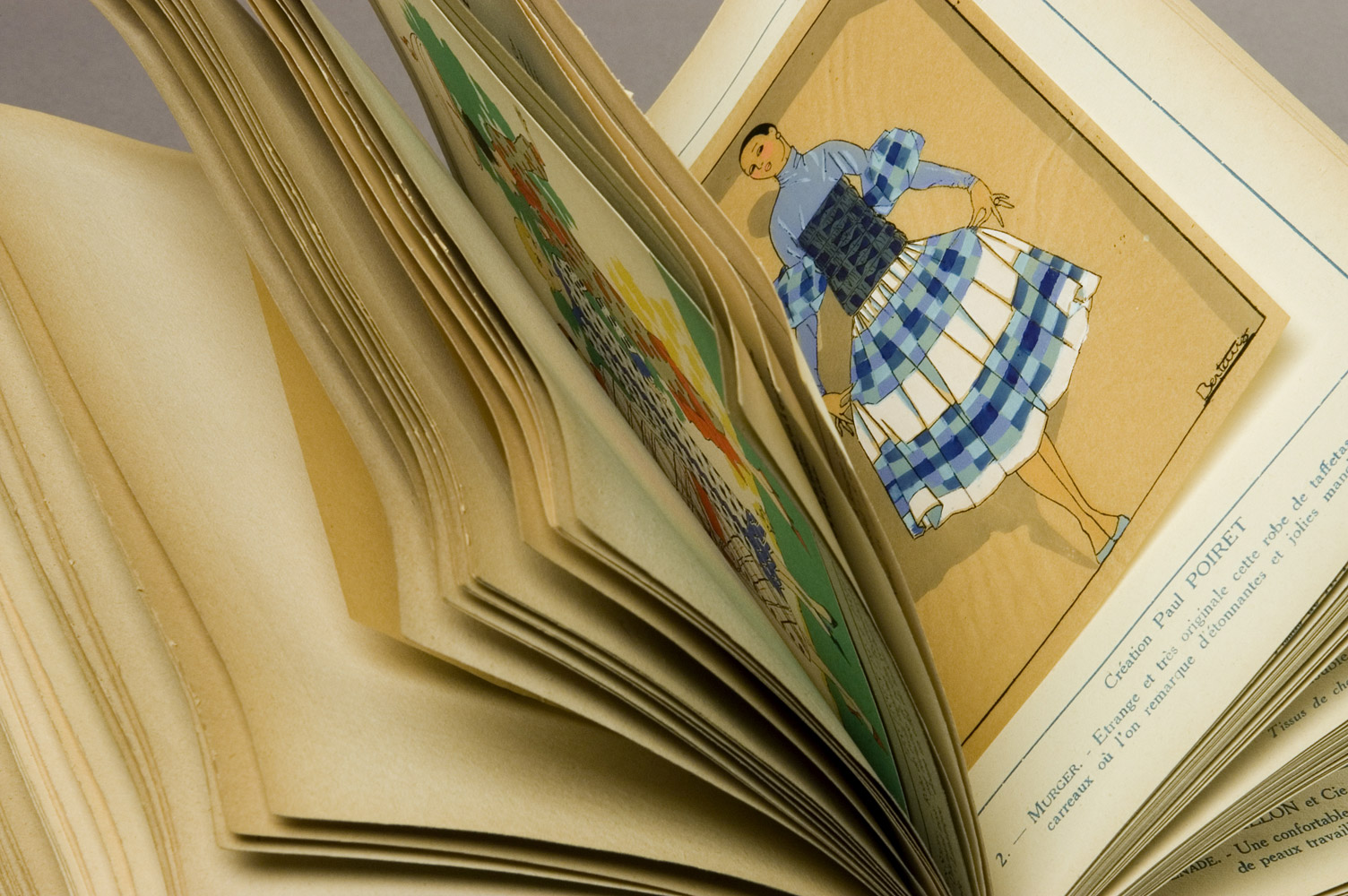
It also had a supplement devoted exclusively to hats: Les chapeaux de Très parisien.
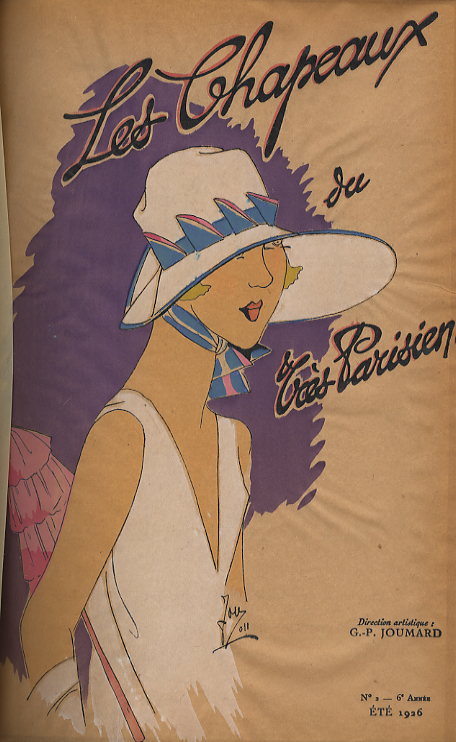
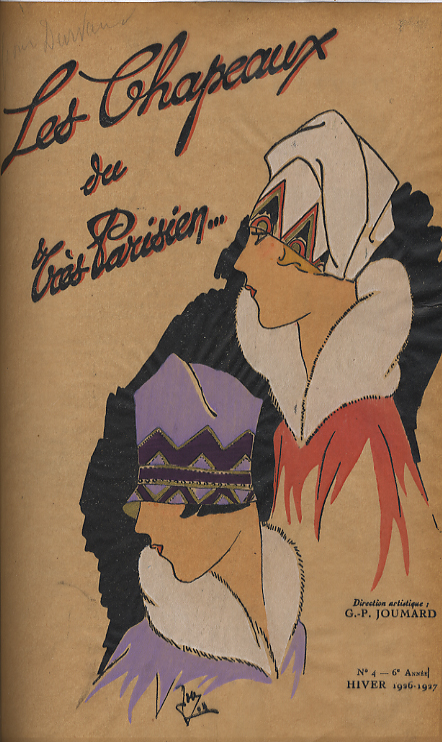
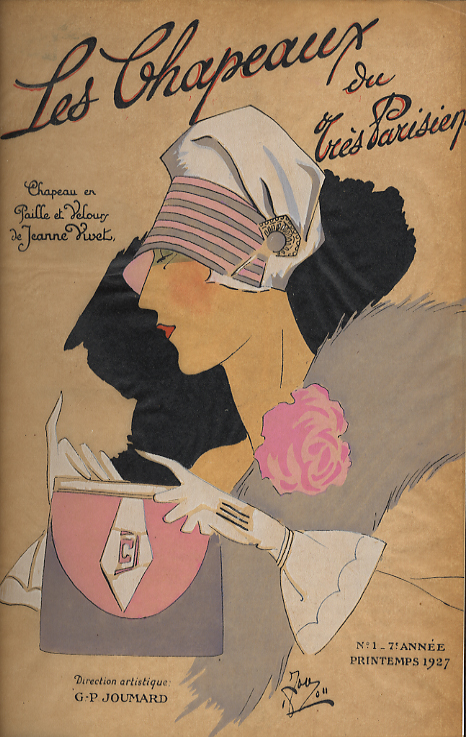
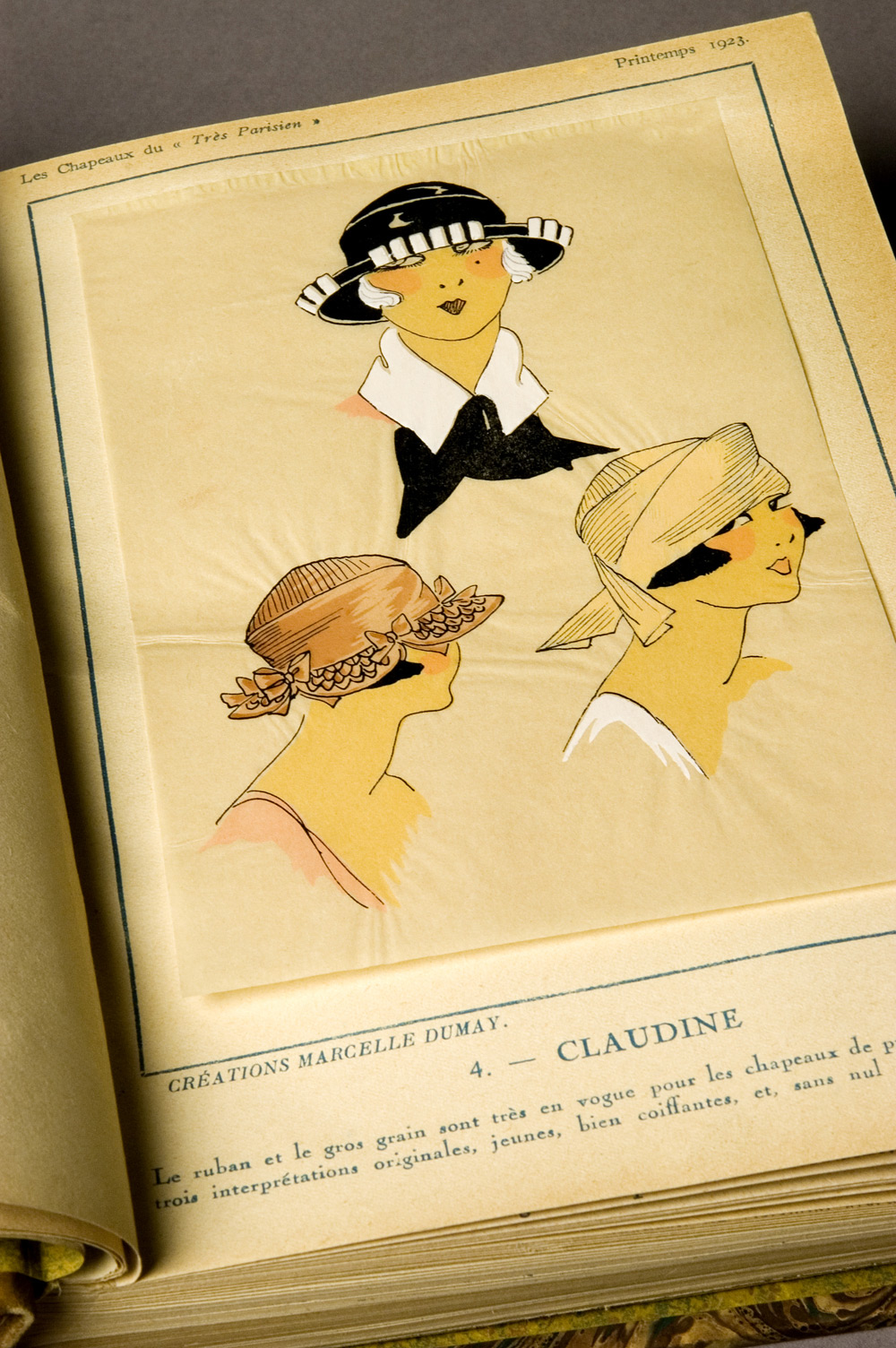
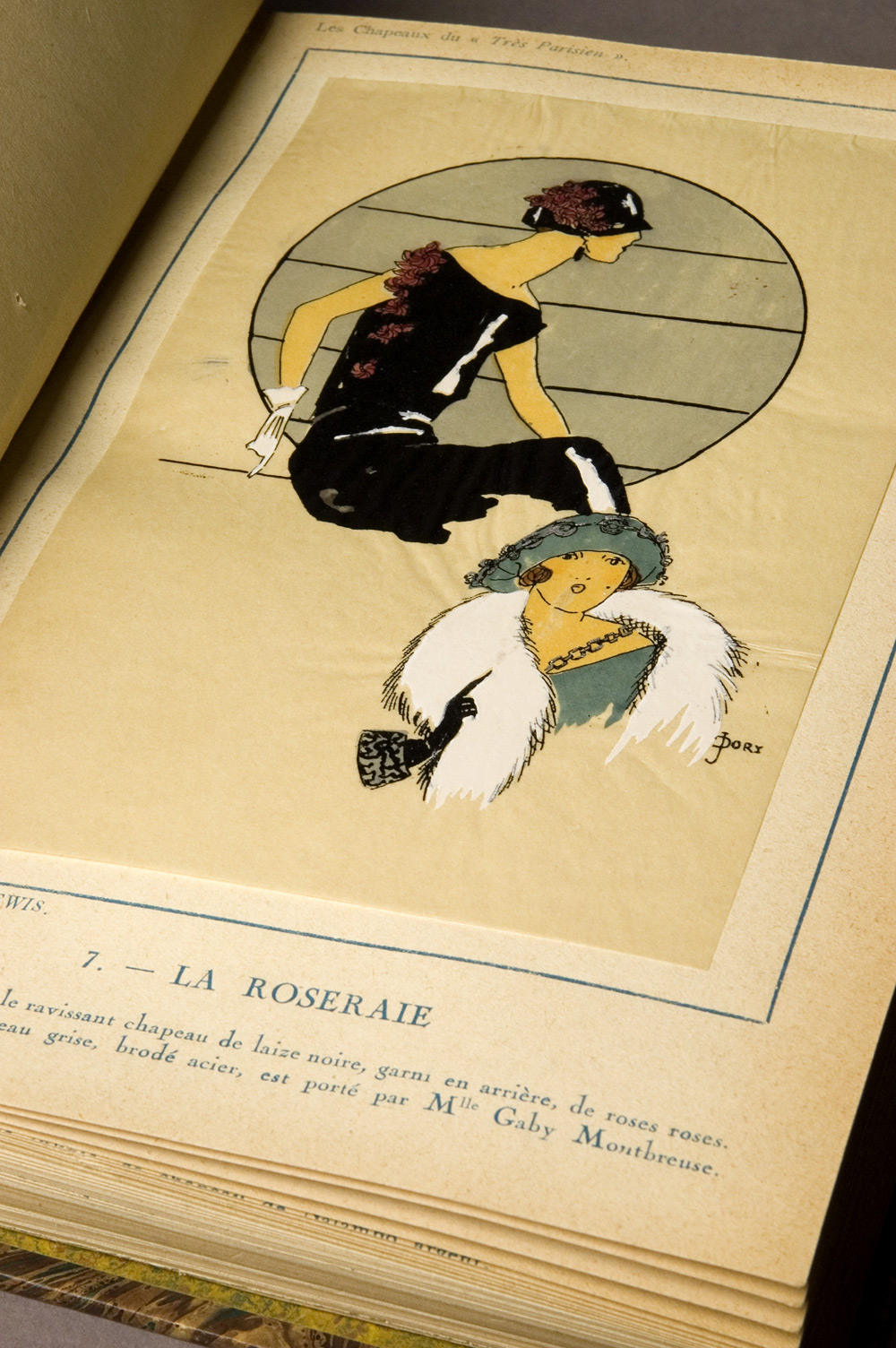
By the time the magazine ceased publication in the summer of 1936, Calouste Gulbenkian had already stopped acquiring it.
[i] “Gulbenkian s’intéressait vivement à la mode ; il était en ce domaine un excellent critique.”
[ii] “Le livre et la femme, ce sont les premières amours d’Uzanne, et je ne crois pas qu’il les ait trahies…”
[iii] “… l’élégance décorative d’un livre comme celui-ci cache souvent bien des compressions intellectuelles pour l’auteur, obligé de mettre un corset étroit à ses exubérances d’idées, afin de les faufiler plus prestement à travers toutes les combinaisons du dessin, qui est ici l’inexorable Mentor du texte.”
[iv] “… parures protectrices de cet être délicat, gracile et gracieux : L’Ombrelle, Le Gant, Le Manchon.”
[v] “Au moment où la mode est devenue un art, et un résumé de tous les arts, il faut qu’une gazette de la mode soit elle-même un journal d’art ! Telle sera la Gazette du Bon Ton.”
[vi] “Magazine mensuel qui publie les plus beaux dessins des grands couturiers dans les couleurs exactes de leurs créations, ainsi que tous les tissus à la mode.”
[vii] “le journal de la mode, du chic, de l’élégance”
Works from the Library
Explore the series
No results were found for your criteria.
You may also like
No results were found for your criteria.