
Azeredo Perdigão: a journey to Guinea-Bissau (January 1973)
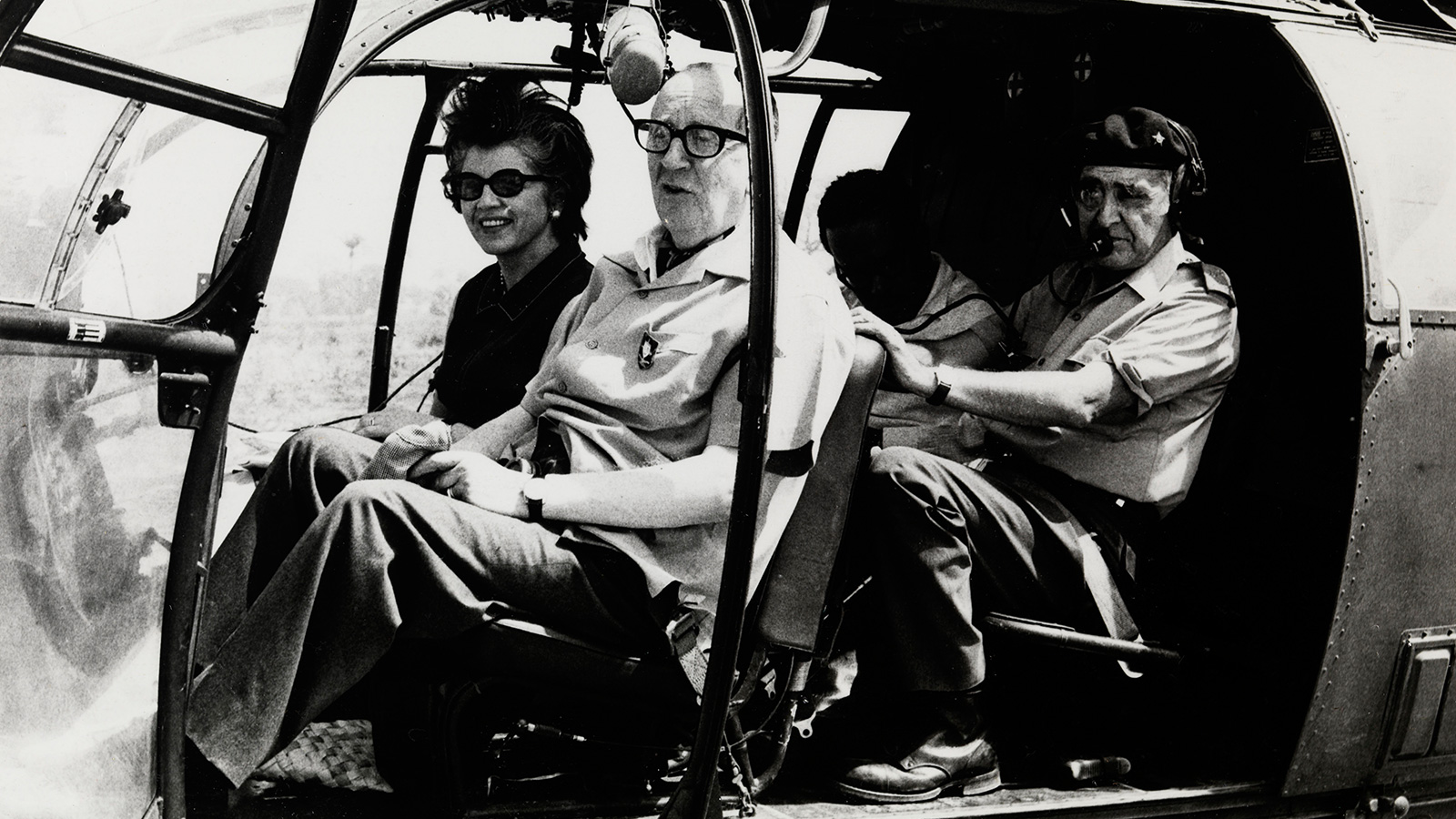
This visit marked the third and final journey made by Azeredo Perdigão to the Portuguese overseas provinces in his capacity as President of the Foundation, prior to their independence. The first, more extensive, had been to Angola and Mozambique in the summer of 1963; the second, in February 1965, to Cape Verde and Guinea-Bissau.
These visits were deemed highly significant by Perdigão, as they provided direct contact with local realities and enabled a deeper understanding of the political, institutional, demographic, socio-economic, and cultural challenges faced by these territories, and, most notably, the interests and pressing needs of the “native populations”.
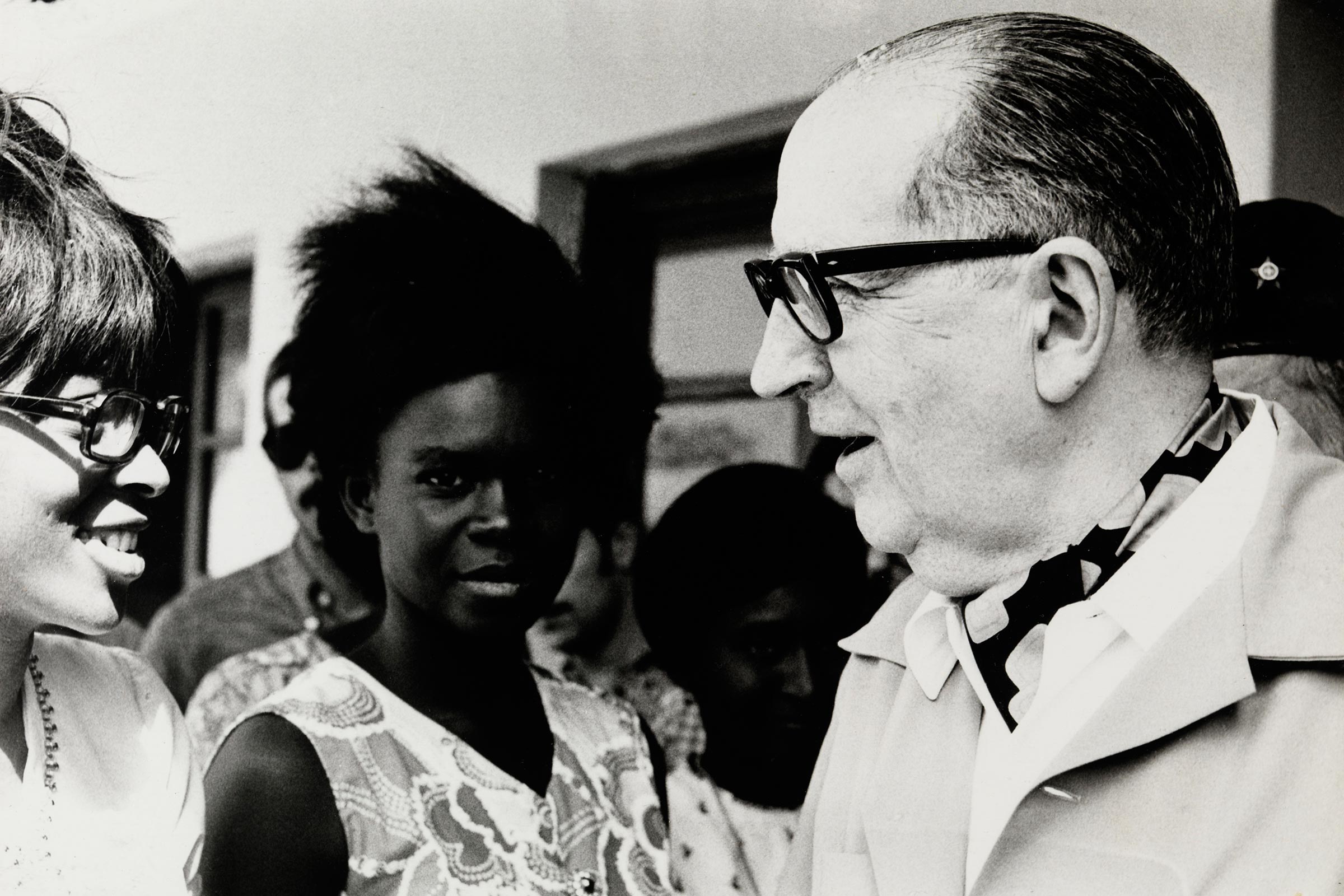
They also proved essential in helping the young Foundation in its endeavor to comprehend the specificities of the overseas context and to formulate, systematize, and calibrate responses that, on the one hand, accommodated such particularities and, on the other, remained faithful to its statutory purposes.
The establishment of the Overseas Service in December 1964, under the direction of Sá Machado, marked a decisive turning point in the organization and specialization of the Foundation’s work in the overseas territories.
As in the metropole and other regions of the world where the Foundation extended influence, its activities were structured around its four statutory aims. However, it was in the fields of Education and, above all, Charity – by then already subdivided into the sectors of Welfare, Health, and Social Protection – that the Foundation’s engagement in these territories under Portuguese administration was most deeply felt.
Among the Portuguese colonies in Africa, Guinea-Bissau occupied a somewhat singular position as a recipient of the Foundation’s philanthropic efforts, due to several key factors:
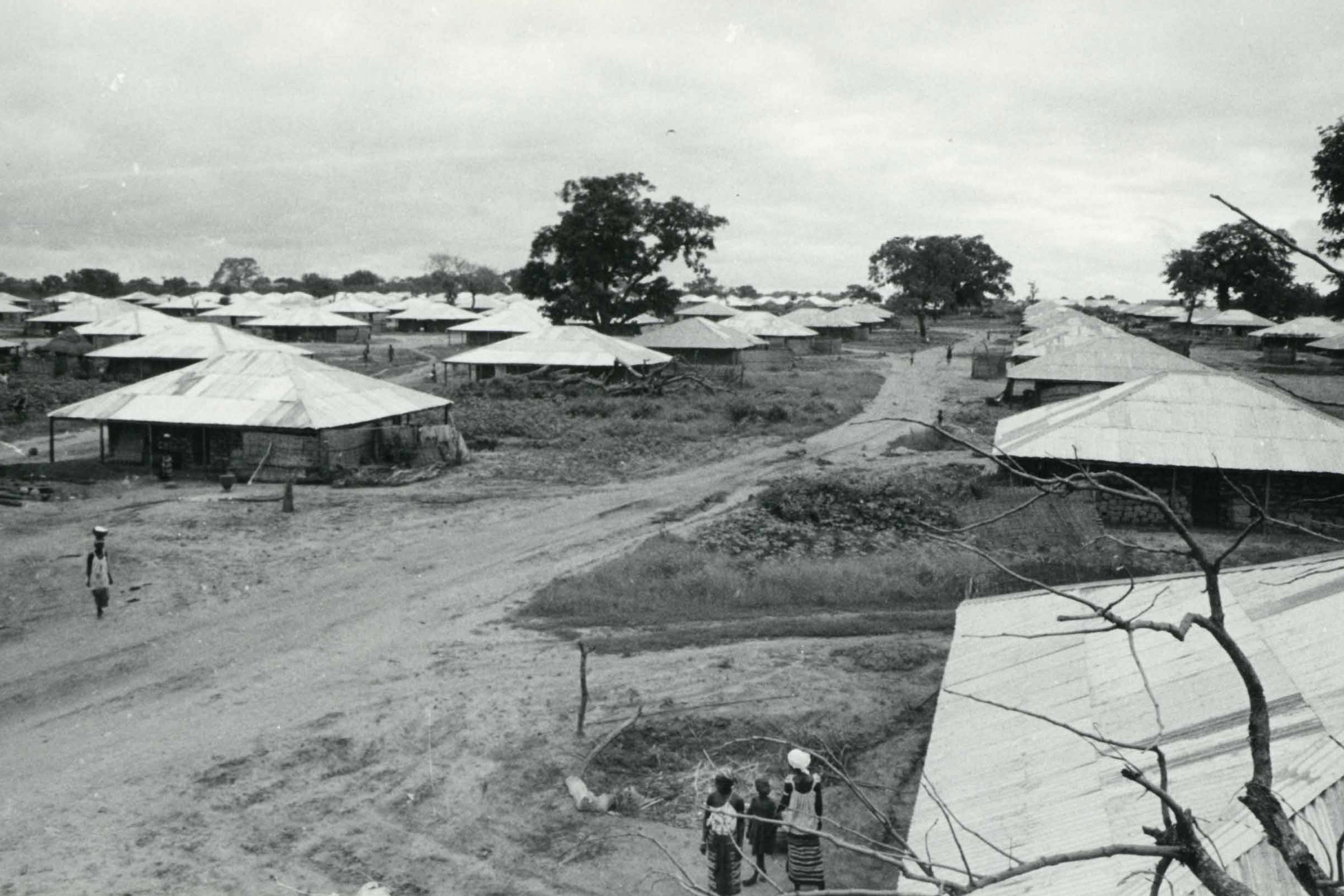
During this final phase of Portuguese administration in Guinea-Bissau, the Foundation found itself repeatedly confronted with the challenge of deciding whether to finance projects associated with the provincial government’s development plan, which accounted for the majority of aid requests from the territory.
While it was clear that such initiatives, aimed at improving living conditions, aligned well with the institution’s statutory objectives, there was also an acute awareness that those projects directly tied to the resettlement of the “native populations” had a dual function: beyond their philanthropic and social utility, they also served the broader goals of counterinsurgency and, more generally, the war effort.
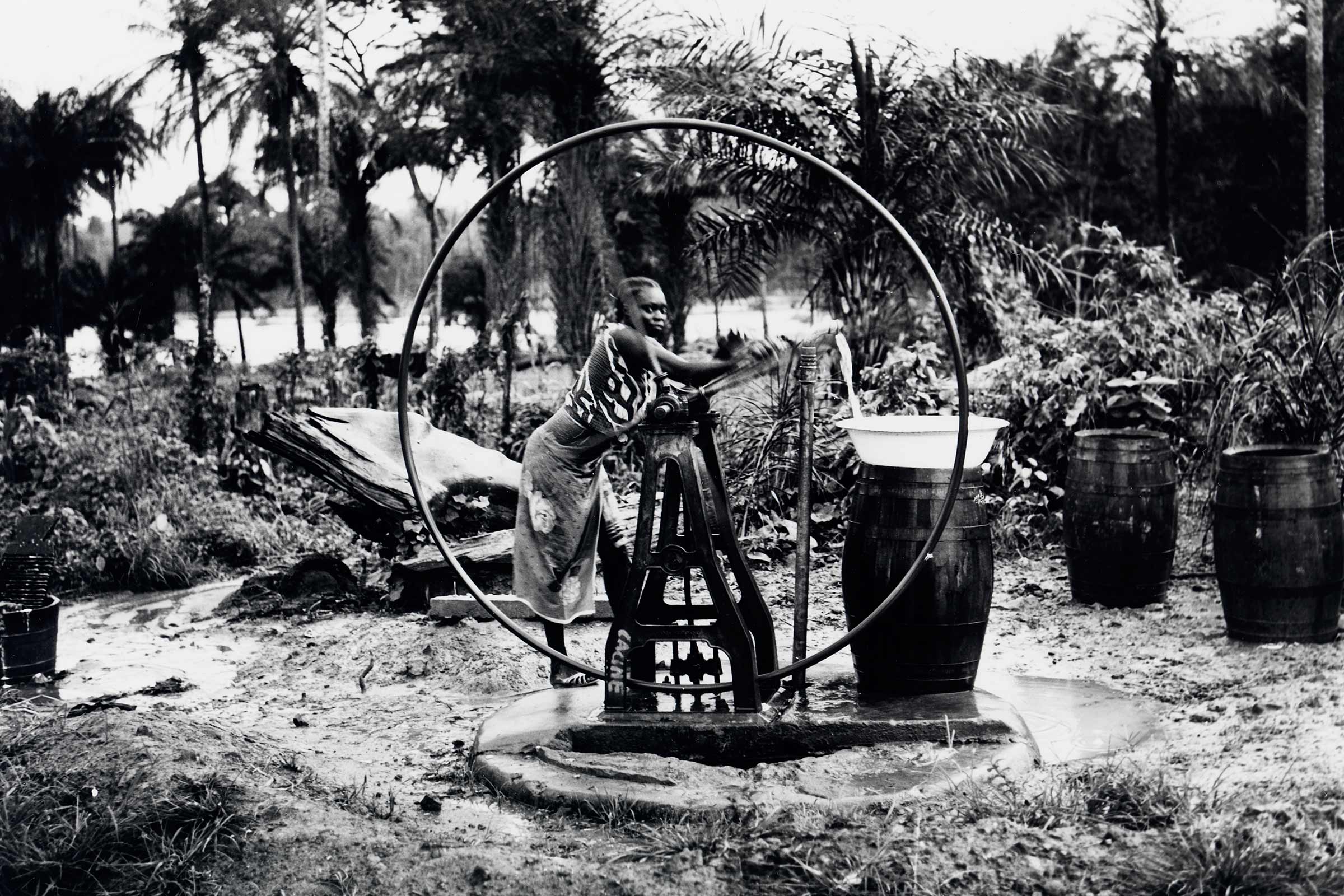
In response to these concerns, the Board of Trustees resolved in 1969 to approve selective funding for certain border villages (Cuntima and Cambaju in the north; Gadamael Porto and Cacine in the south), but also to establish a more defined approach to similar requests in the future. Going forward, funding would prioritize community-focused infrastructure – such as schools, health clinics, wells with pumps, boreholes, watering points, and granaries – over the direct construction of settlements. This policy also had the effect of containing the scale of funding to levels consistent with the Foundation’s typical activities in the social protection field.
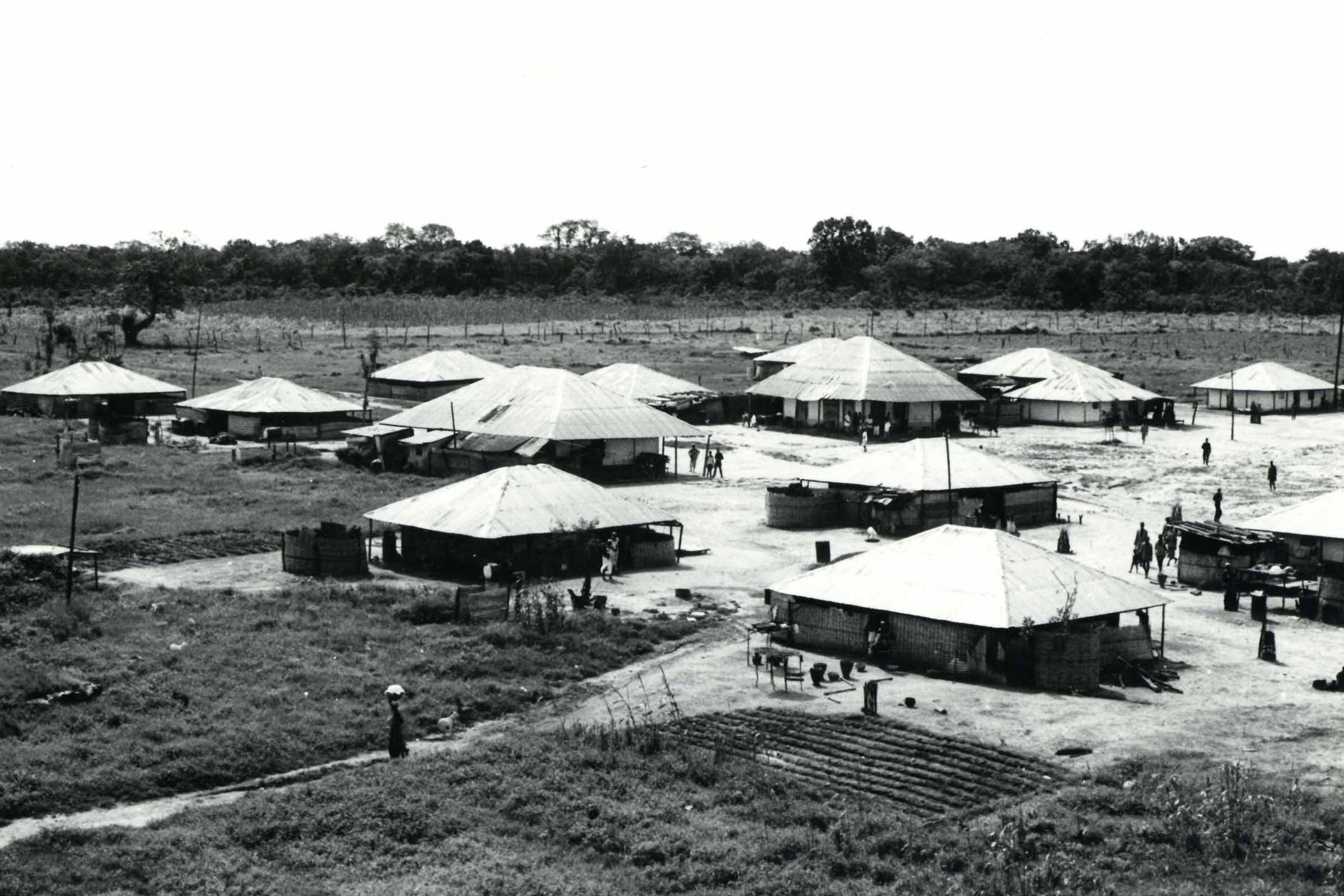
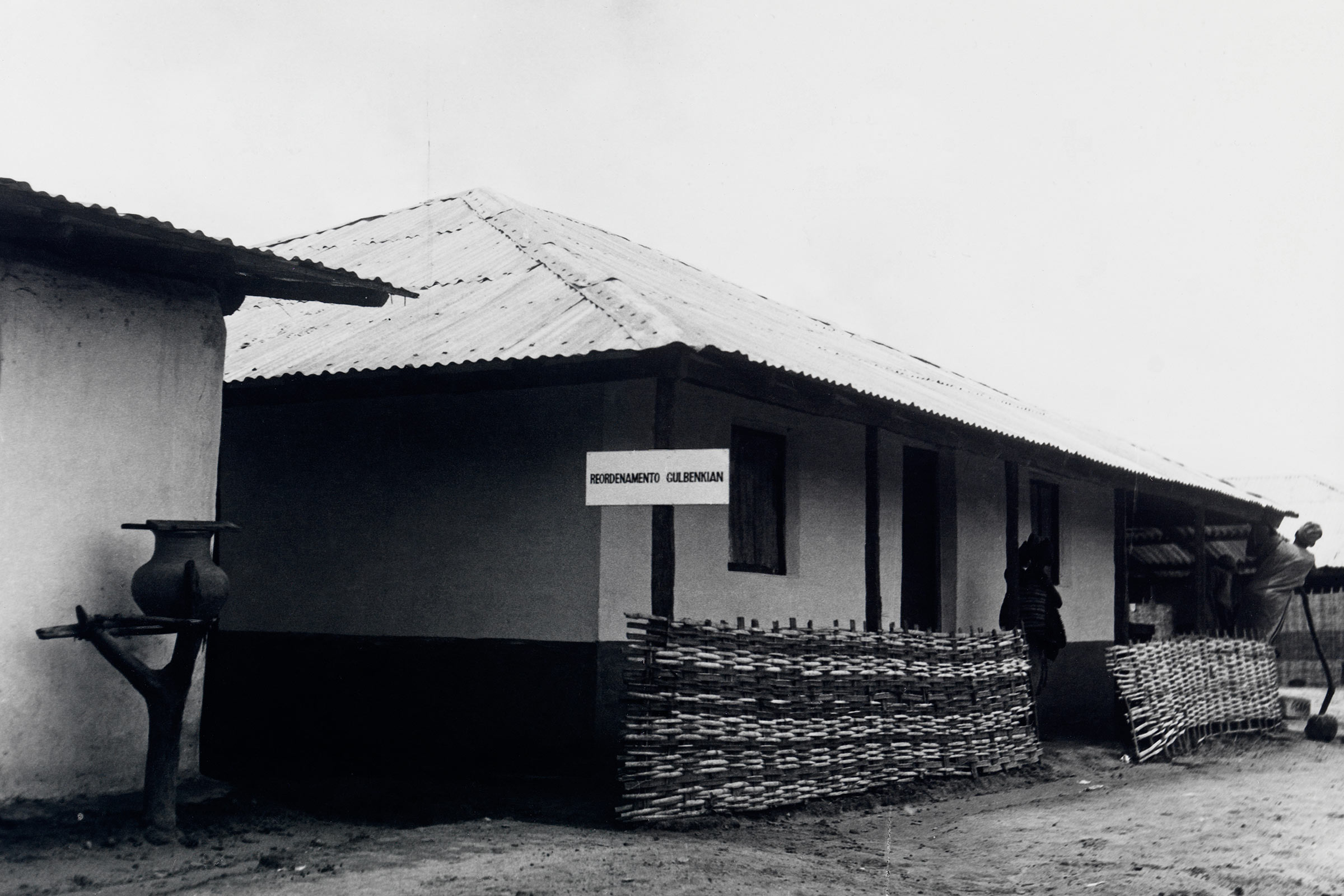
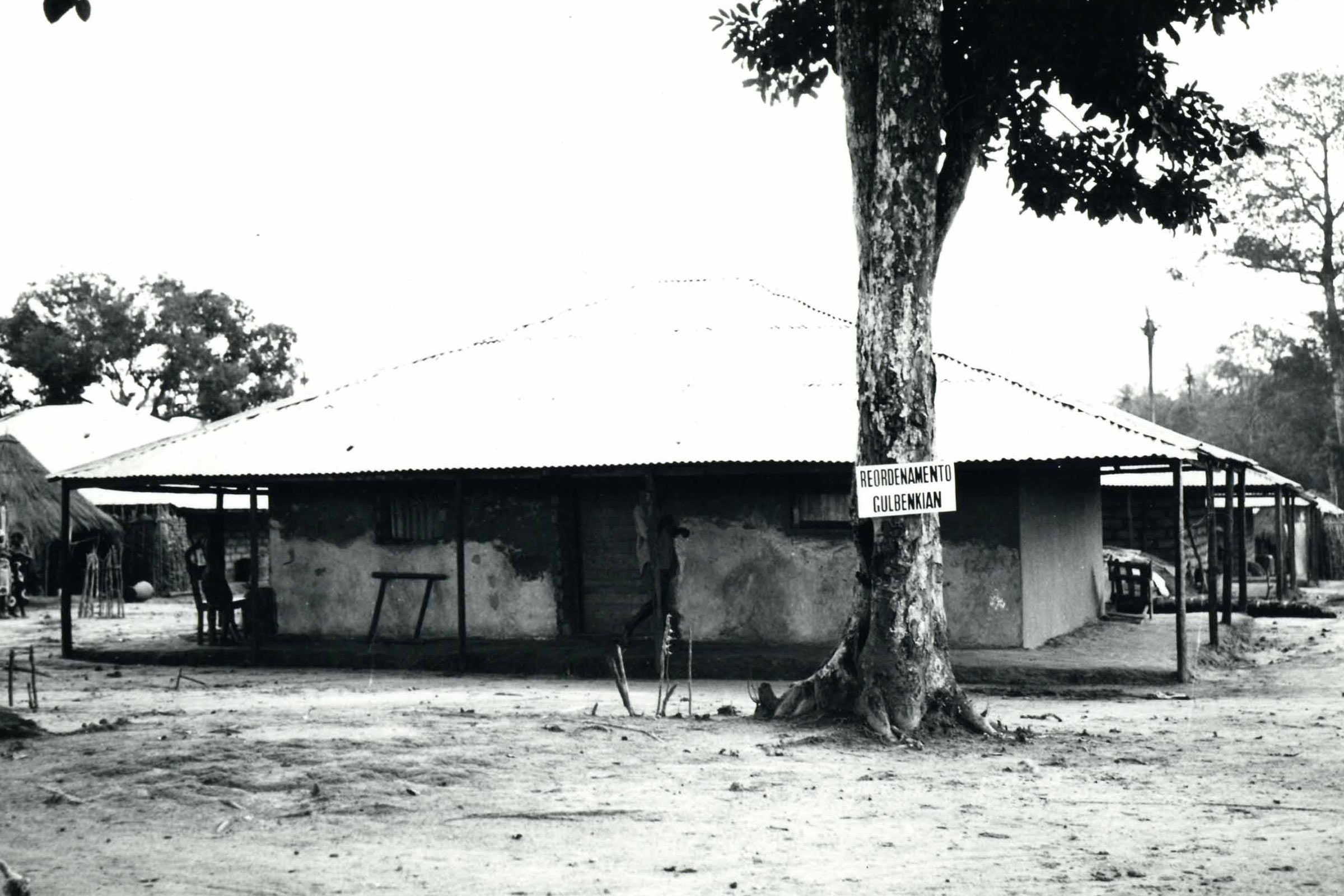
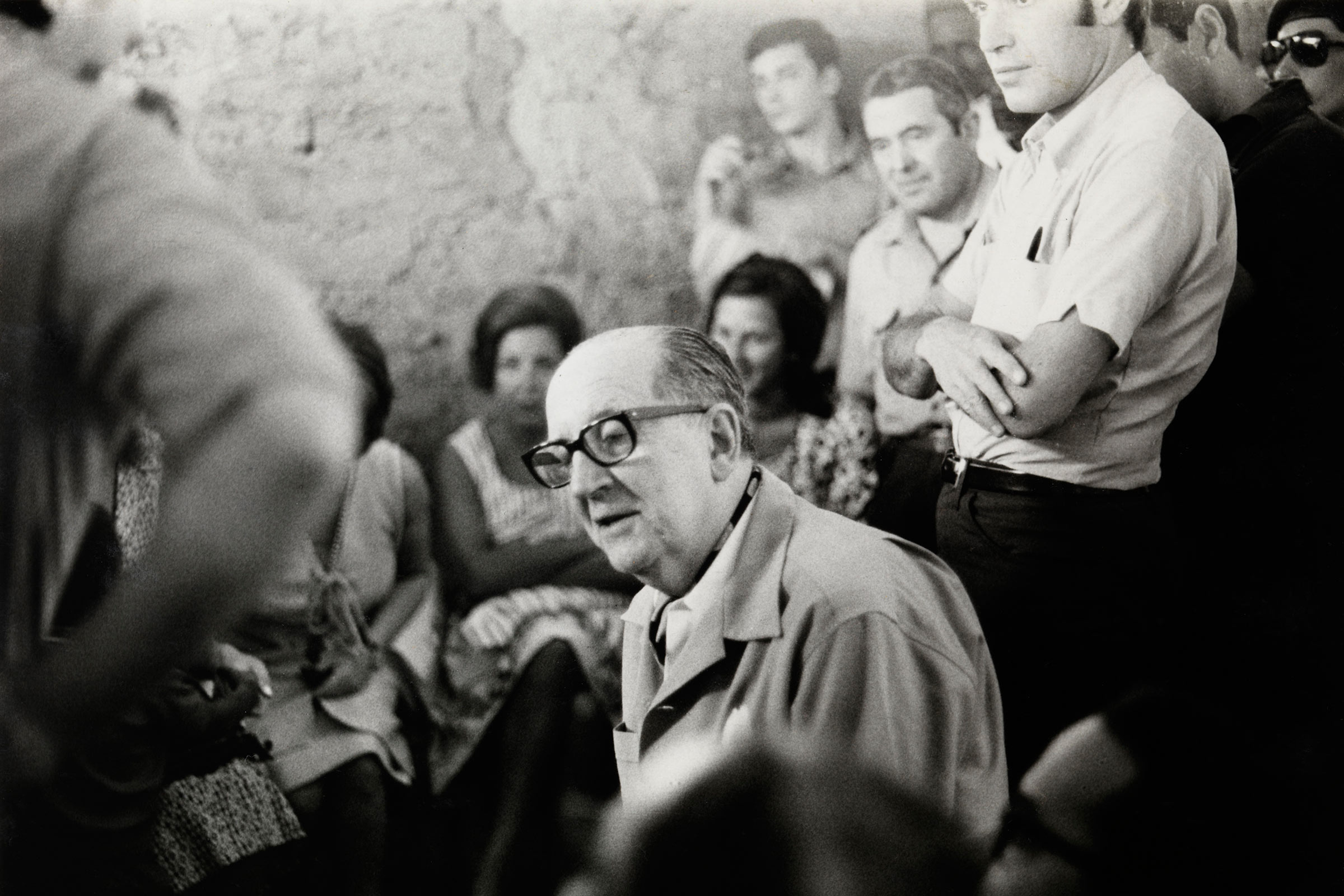
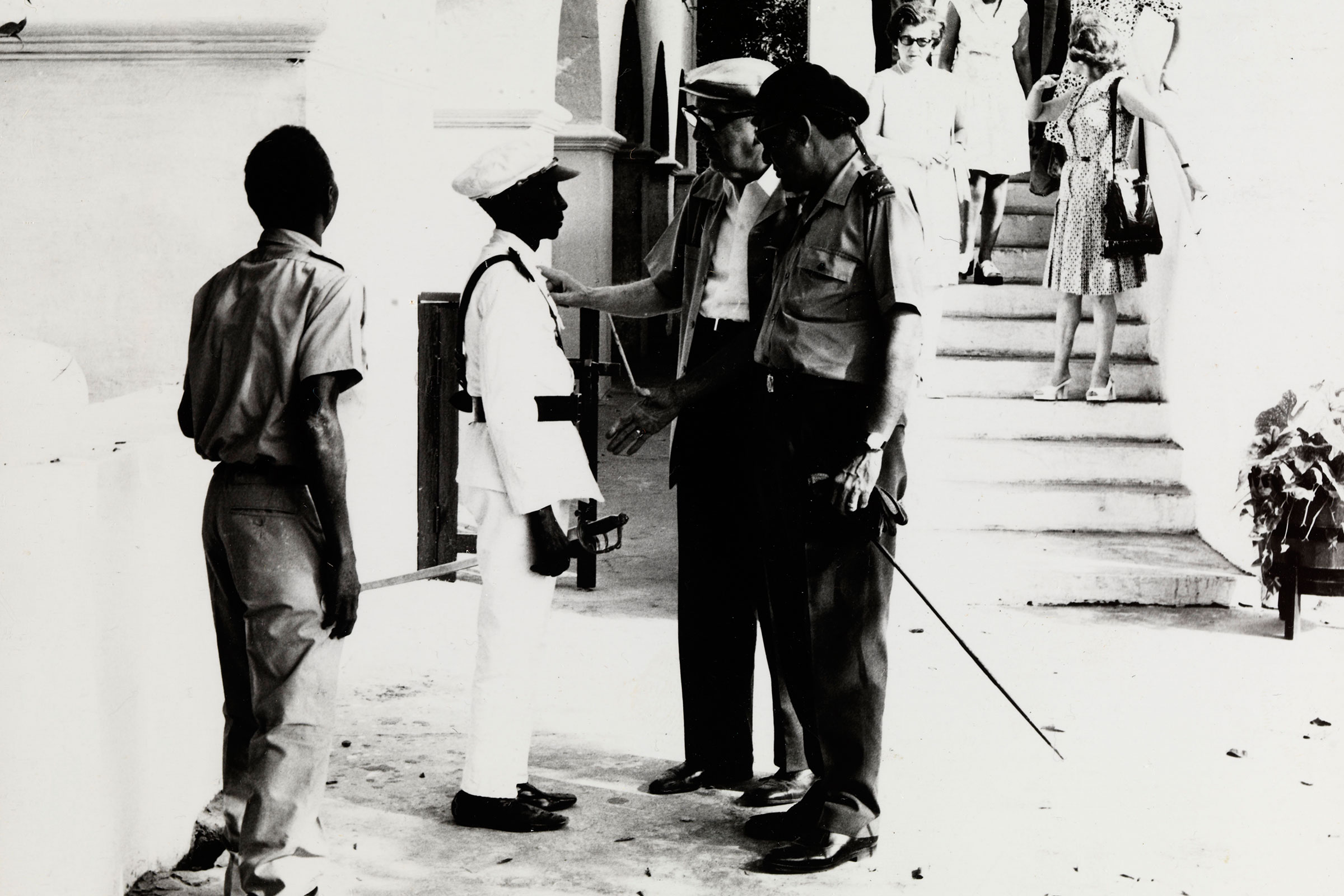
In January 1973, at the age of 76, Azeredo Perdigão travelled to Guinea-Bissau, accompanied by Madalena Perdigão and Mário António Fernandes de Oliveira, Deputy Director of the Overseas Service. The purpose of this visit, from the perspective of the Foundation’s President, was to inspect the “improvements” supported by the Foundation in recent years across various domains, to engage directly with the key issues affecting local society, and to identify future funding needs.
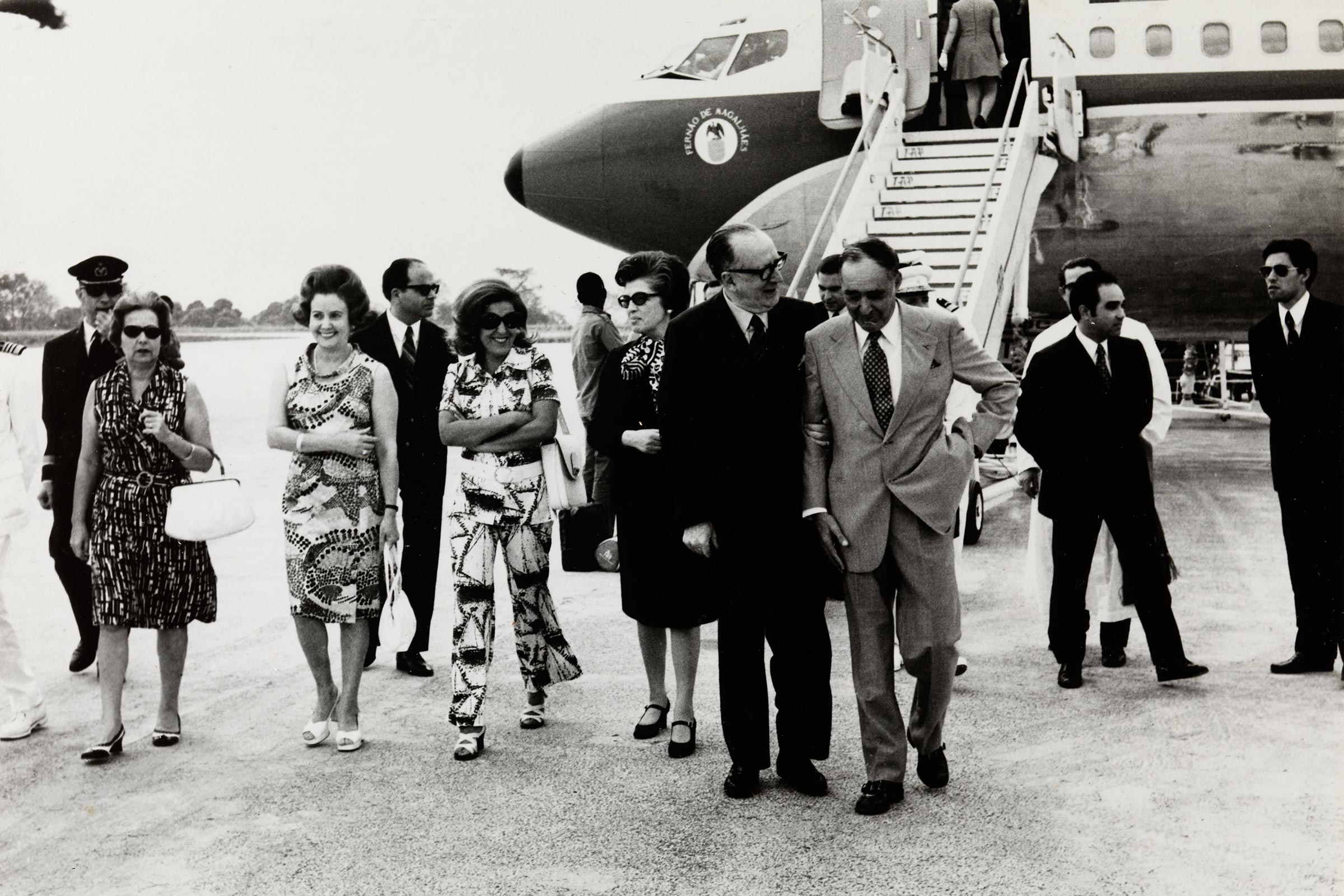
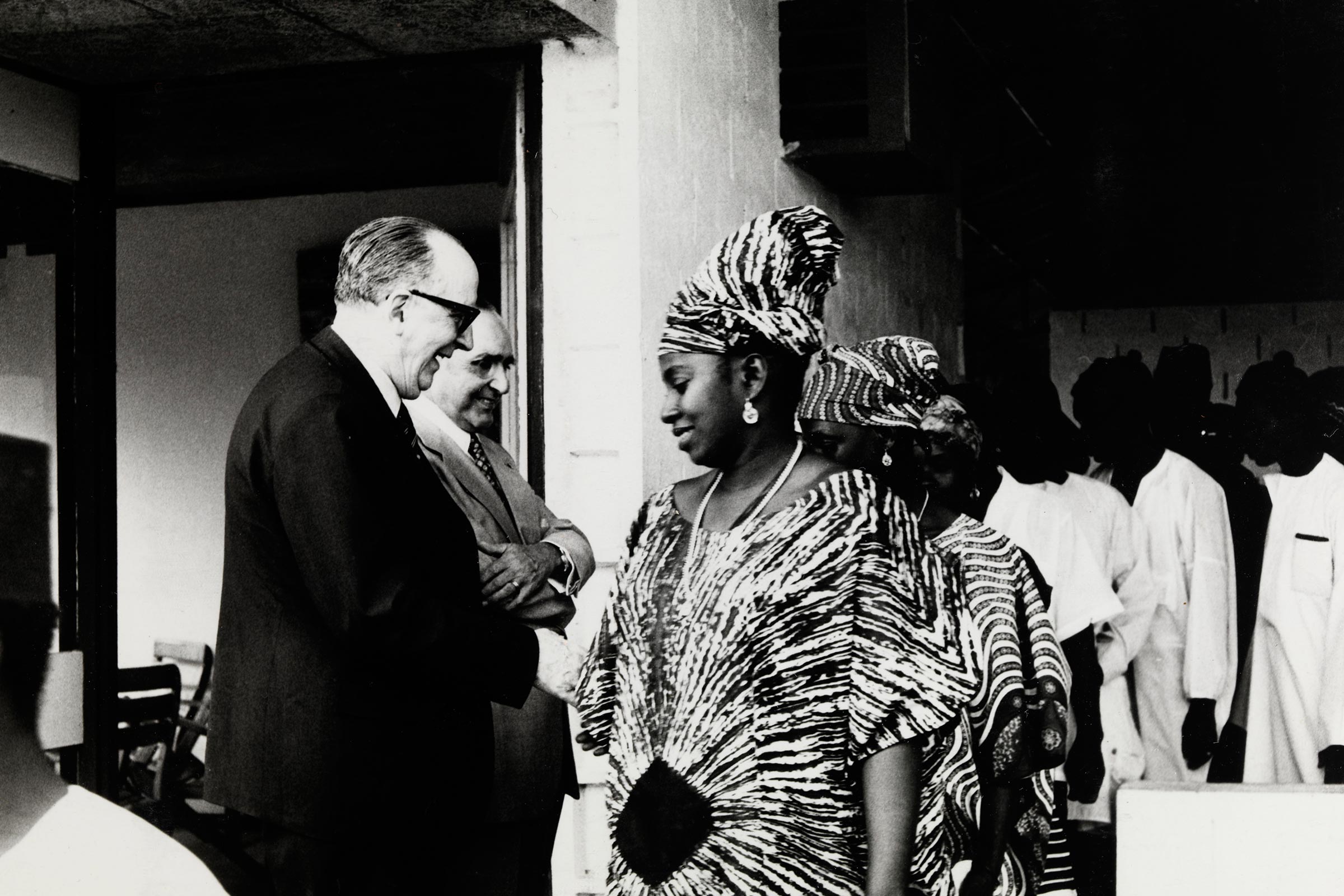
From the viewpoint of General Spínola, however, the visit also served broader political and symbolic purposes. As José Blanco (former Secretary to the Foundation’s Board of Trustees and its Director of the International Service, who had been seconded to Guinea as Chief of Staff to the Governor) confided to Perdigão, beyond offering a suitable occasion to express gratitude for the Foundation’s generosity towards the province, the visit was seen as a valuable opportunity to present “the reality of today’s Guinea” to a guest of “unusual intellectual calibre and complete impartiality and independence”.
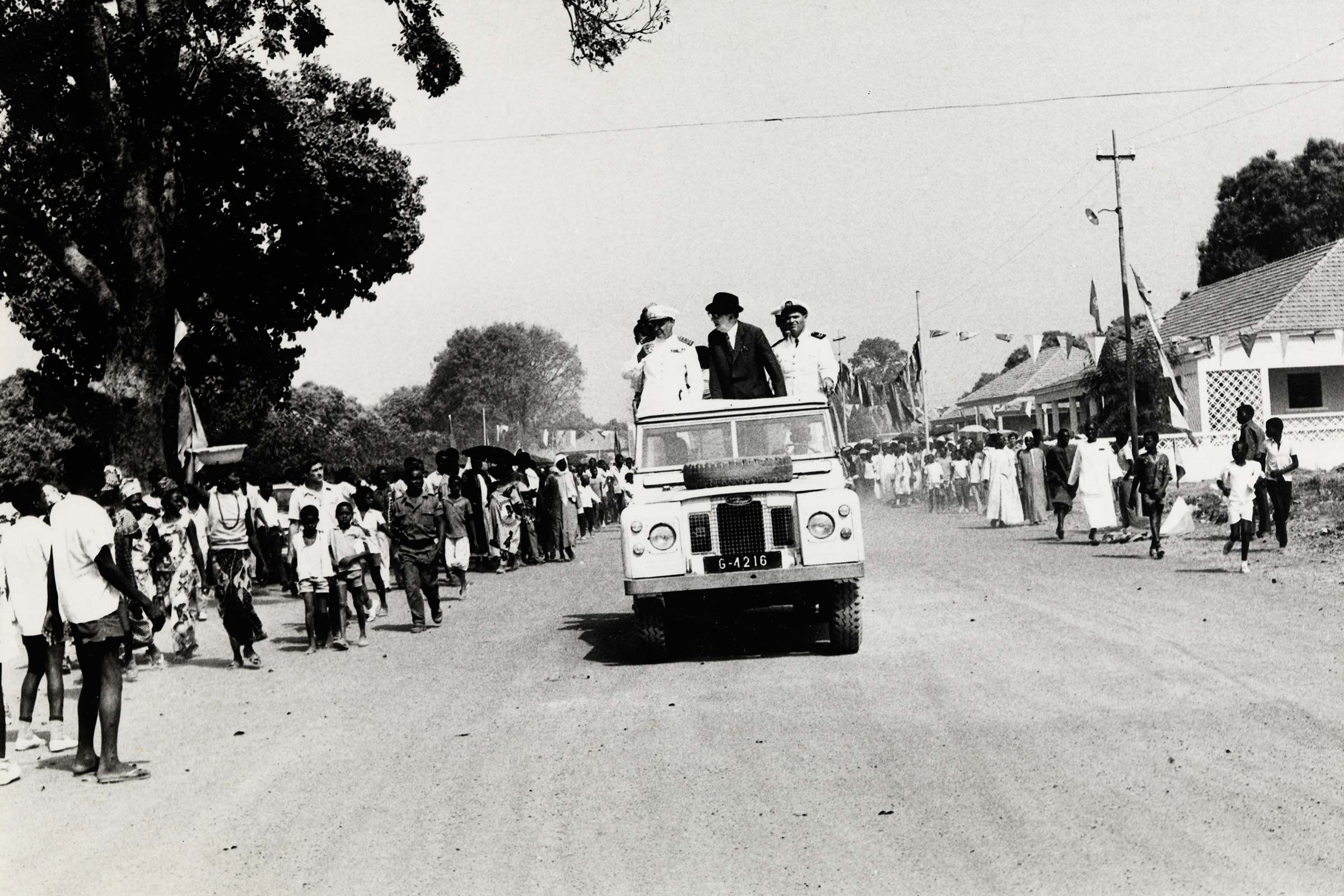
It is important to note that, by this juncture, international diplomatic pressure on Portugal to grant independence to its colonies had reached a critical point, notably following the United Nations resolutions of November and December 1972. These were prompted by the unprecedented visit of a UN diplomatic mission – at the invitation of the African Party for the Independence of Guinea and Cape Verde (PAIGC) – to the so-called “liberated regions”, specifically the Tombali region in the south, where, incidentally, two of the villages financed by the Foundation some three years earlier were located.
In such circumstances, the presence of a nationally and even internationally recognized witness – independent and unaffiliated with the Lisbon government – who could attest to both the ongoing economic and social development and the Portuguese military’s continued control over the territory, served as a powerful counterpoint to PAIGC’s narrative regarding the existence of “liberated zones”. This was likely a compelling reason behind Spínola’s insistence on hosting Azeredo Perdigão’s visit.
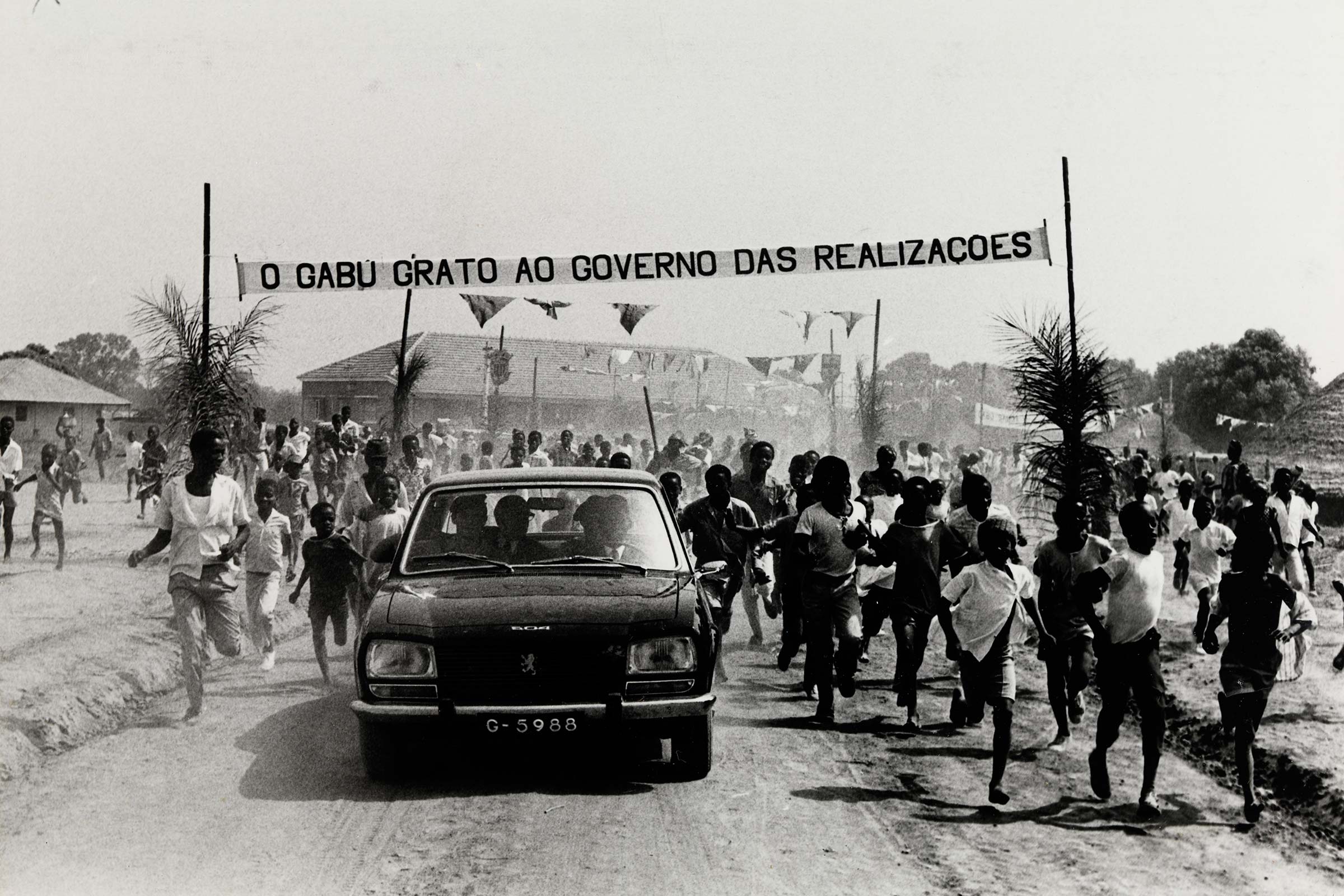
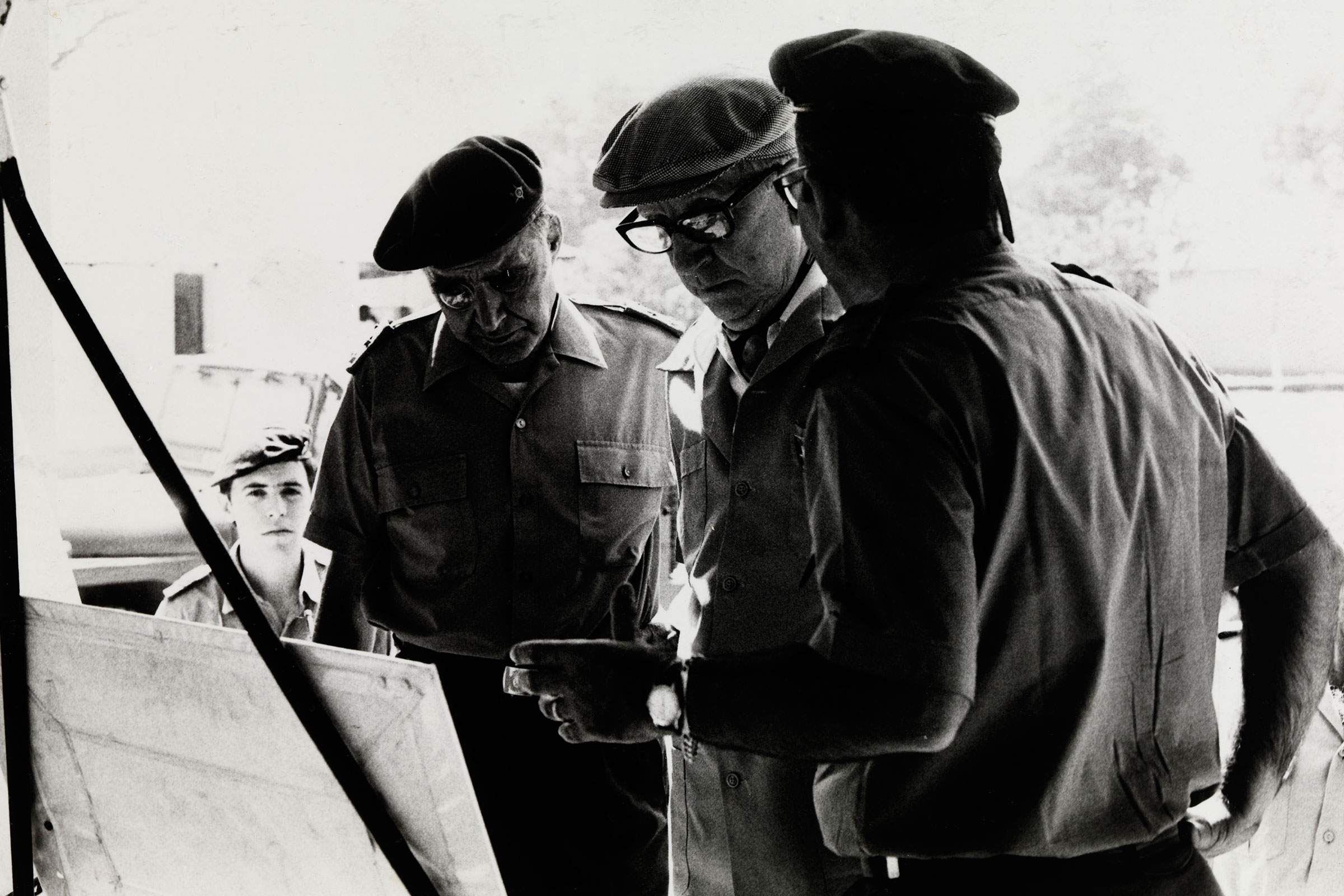
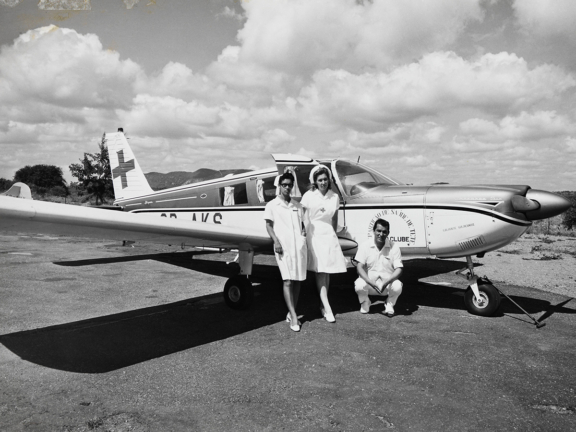
The itinerary of the trip, meticulously prepared by the provincial government, clearly reflected these aims. The visit, officially sanctioned, was conducted under significant public exposure, with numerous opportunities for direct interaction with native populations, often in festive settings. The itinerary covered various regions of the province, including border zones subject to significant “subversive” pressure. Aerial travel prominently featured overflights of government-led projects, particularly the resettlement schemes. An unprecedented briefing on the military, social, and economic situation was held at the Headquarters of the Commander-in-Chief of the Armed Forces. During the visit, meetings were arranged not only with colonial authorities but also with members and dignitaries of various ethnic groups, suggesting the process of integration and Africanization of Guinean society – a vision General Spínola actively championed.
From the Archives
Explore the series





No results were found for your criteria.
You may also like




No results were found for your criteria.