
Calouste Gulbenkian Cerebral Palsy Rehabilitation Centre
The construction of the Calouste Gulbenkian Cerebral Palsy Rehabilitation Centre, located on Avenida Rainha D. Amélia in Lisbon, was driven primarily by the Portuguese Cerebral Palsy Association, health professionals, parents of children with cerebral palsy, and the Calouste Gulbenkian Foundation, all united by the urgent need to improve the living conditions of these children.
Despite the civilisational progress experienced in Europe during the twentieth century in the field of medical and social care, the situation in Portugal remained stagnant. Support for cerebral palsy was virtually non-existent and, by the late 1950s, there were neither specialised professionals nor any centres where children with this condition could be diagnosed, guided, treated and educated.
It is estimated that there were around 20,000 children in this situation within a population of approximately 9 million inhabitants. By comparison, the United Kingdom, with a population of 50 million, already had 100 specialised centres at the time.
The need to confront this scourge led two healthcare professionals – key figures in the Portuguese Cerebral Palsy Association – to seek abroad the knowledge lacking in Portugal.
One was Maria Luísa Amaral Alves, a nurse and mother of a child with cerebral palsy, who trained in the specialty in London and, upon returning to Lisbon, with the support of João dos Santos (1913-1987), a leading figure in Portuguese child mental health, put her newly acquired knowledge into practice at the premises of the Portuguese League for Motor Disabilities on Alameda das Linhas de Torres, where the Portuguese Cerebral Palsy Association would later be established in 1959.
The other was Maria da Graça de Campos Andrada (1932-2023), a young doctor who, between 1959 and 1961, specialised in Paediatric Rehabilitation Medicine under a programme organised by the Santa Casa da Misericórdia de Lisboa through the Exchange Programme of the New York University Medical Centre, becoming the second healthcare professional to receive training abroad and, for decades, the guiding force behind the Centre.
The Portuguese Cerebral Palsy Association was founded in 1959. Its statutes were approved on 26 July 1960 by the Ministry of Health and Assistance, and the organisation was granted the status of a public utility institution.
In 1960, the Portuguese Cerebral Palsy Association Recovery Centre operated at Avenida do Brasil, 45, after having spent several months in a building made available by the Adolfo Vieira de Brito Foundation. However, the improvised facilities on Avenida do Brasil offered inadequate conditions for the proper functioning of the Recovery Centre, particularly during the winter months.
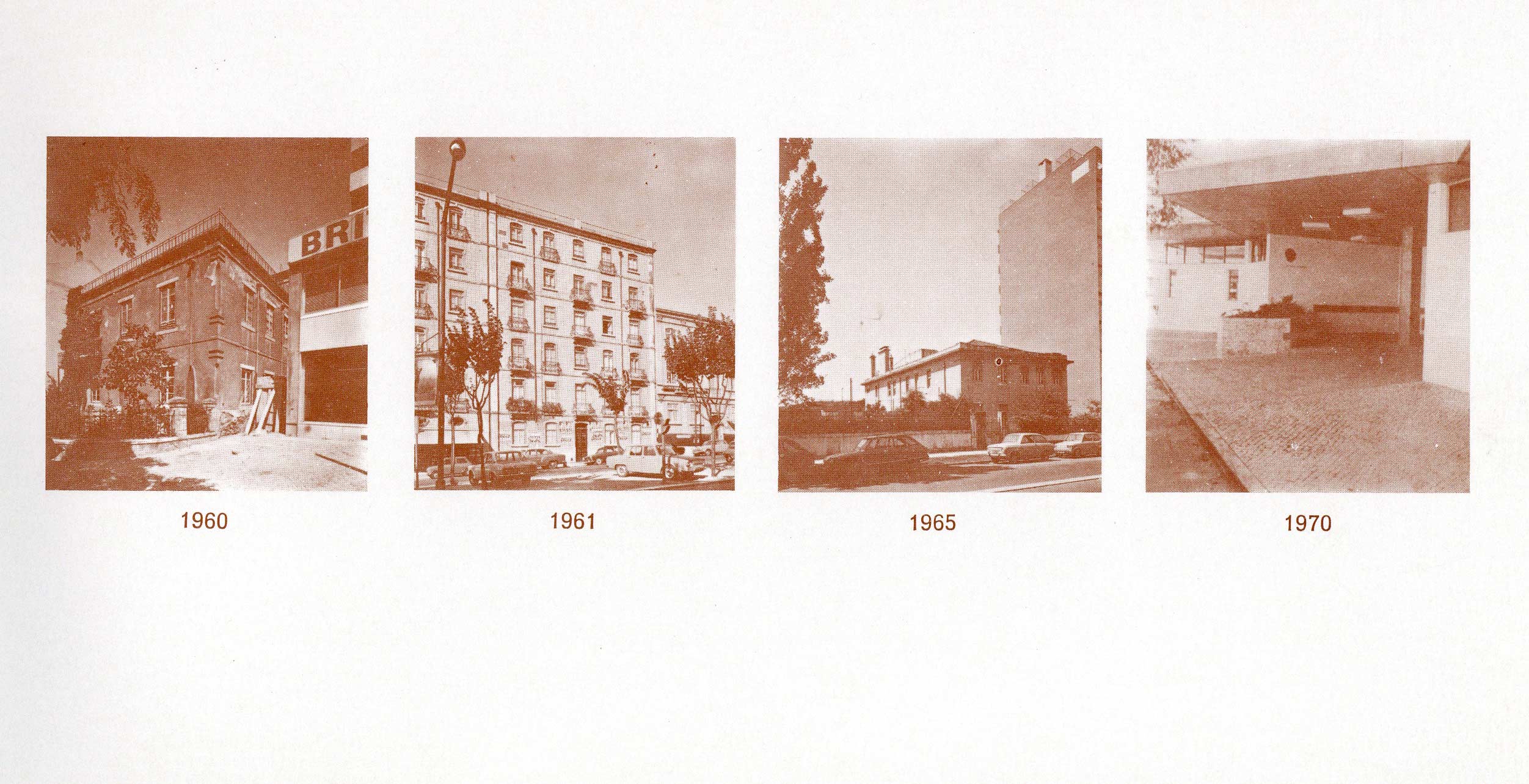
In February 1961, the Santa Casa da Misericórdia de Lisboa supported the Portuguese Cerebral Palsy Association by lending it a ground-floor apartment at Avenida Casal Ribeiro, 55 (the Centre’s fourth provisional location in three years), covering the fees of three therapists – newly graduated from the first rehabilitation courses held in Portugal – and granting an annual subsidy of 40,000 escudos from 1 March 1961 onwards. The Directorate-General for Assistance also began contributing an annual subsidy towards the maintenance of the Portuguese Cerebral Palsy Association.
At the Portuguese Cerebral Palsy Association Recovery Centre, children were treated either as day patients or semi-boarders. In 1961, the Centre had 205 registered children, including 13 semi-boarders and 154 receiving outpatient treatment.
Children attending on a semi-boarding basis received, in addition to physiotherapy, occupational therapy and speech therapy, pre-school and school education. However, this education was not initially provided by a primary school teacher. The situation was only resolved through an ordinance issued by the Ministry of Education and published in the Diário do Governo of 16 March 1962, Series II, nr. 64, which established a mixed primary school – nr. 184 – within the Centre’s premises. Filling a significant gap in the education of children barred from attending mainstream schools, the school included one primary teacher and two classes: pre-school (6 pupils) and primary level (8 pupils).
Case Nr. 1,851 of the Beneficence Service of the Calouste Gulbenkian Foundation originated in a letter sent by the Portuguese Cerebral Palsy Association in 1961. The letter contained a hopeful and confident appeal addressed to the Foundation’s President, José de Azeredo Perdigão – a decisive figure in this story – seeking to alleviate the precarious working conditions experienced at the Recovery Centre.
In the letter, the Association requested proper and technically suitable equipment to ensure the efficient operation of the Centre and the best possible support for the children, including a vehicle adapted to their specific needs. It also expressed the hope that one day they might have an appropriate building of their own.
The first grant awarded by the Foundation to the Portuguese Cerebral Palsy Association was made in March 1963 and was intended for the acquisition of a van and educational and technical equipment.
The Foundation also committed itself to ensuring the necessary specialist training for the Centre’s staff, making a decisive contribution to the development of expertise in this field at a national level. The grants awarded therefore supported specialisations, internships, courses and seminars, both abroad and in Portugal. The first grant in this area dates from February 1964 and funded an internship for nursery schoolteacher Teresa Nunes Ribeiro Oom at the Cheyne Walk Centre for Spastic Children in London.
Thanks to the Foundation’s support, several foreign specialists were brought to Portugal, including Sophie Levitt and Nancie Finnie, thereby enabling the training of Portuguese rehabilitation technicians and doctors – something that would otherwise have been impossible.
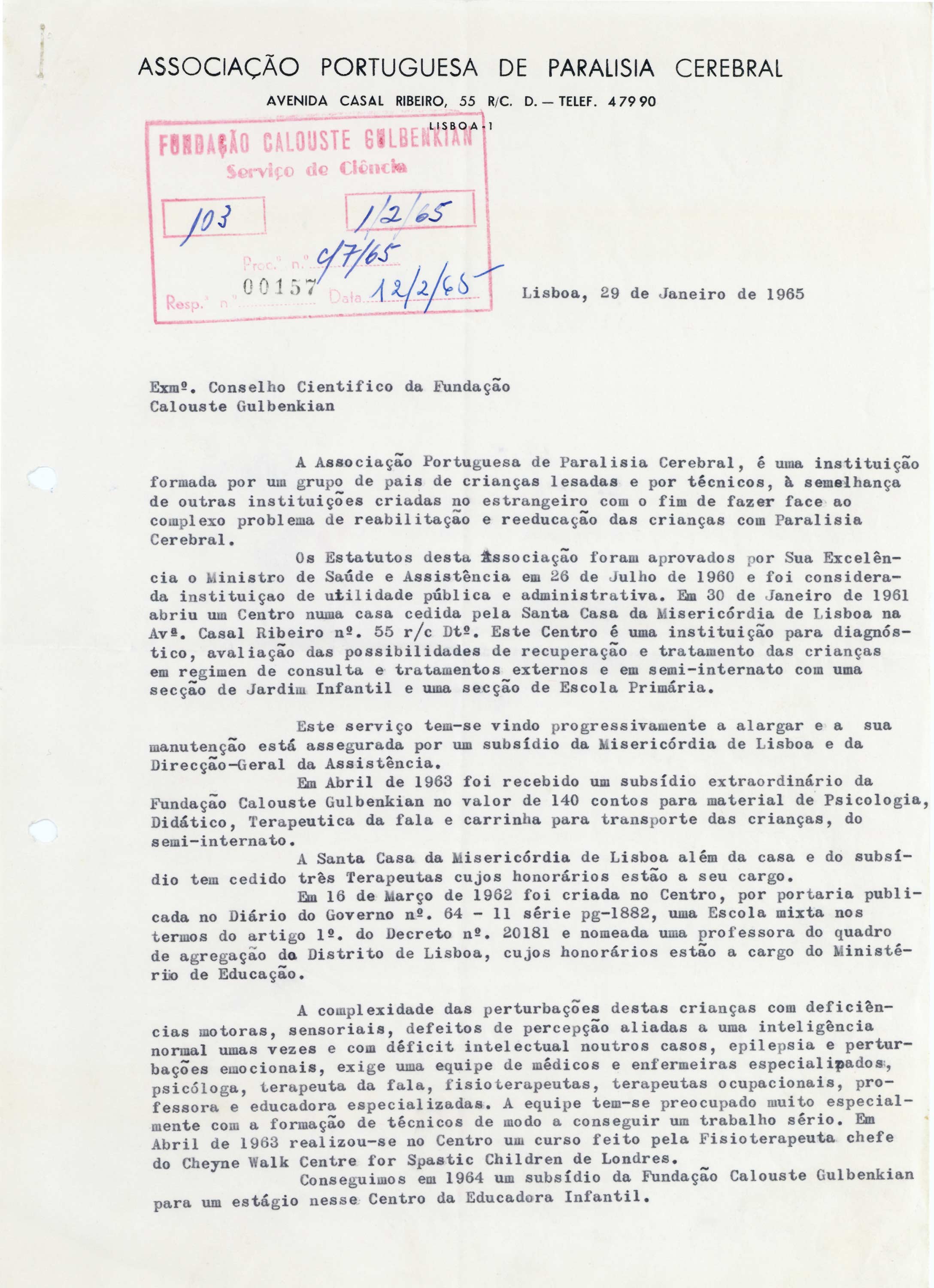
On 23 February 1965, the Foundation’s Scientific Advisory Council – composed, in the words of José de Azeredo Perdigão, of “distinguished professors of medicine” – issued a favourable opinion regarding the Portuguese Cerebral Palsy Association’s request for the construction of a new Recovery Centre. A grant of 3,000,000 escudos was approved and recorded in Minute Nr. 618 of 8 June 1965, to be included within the healthcare component of the programme honouring the memory of Calouste Gulbenkian on the occasion of the “10th Anniversary of the Founder’s death”.
Between 1965, when this grant was awarded, and the completion of the new building in 1970, the Portuguese Cerebral Palsy Association Recovery Centre operated from a house at Avenida Columbano Bordalo Pinheiro, 81, with the Foundation covering the rent for the premises.
The Lisbon City Council also granted land at Quinta das Mouras, Rua D, in Lumiar for the construction of the new centre, at the symbolic rate of 50 escudos per square metre. However, the deed was only executed in 1968, delaying the start of construction and consequently prolonging the rental of the provisional premises.
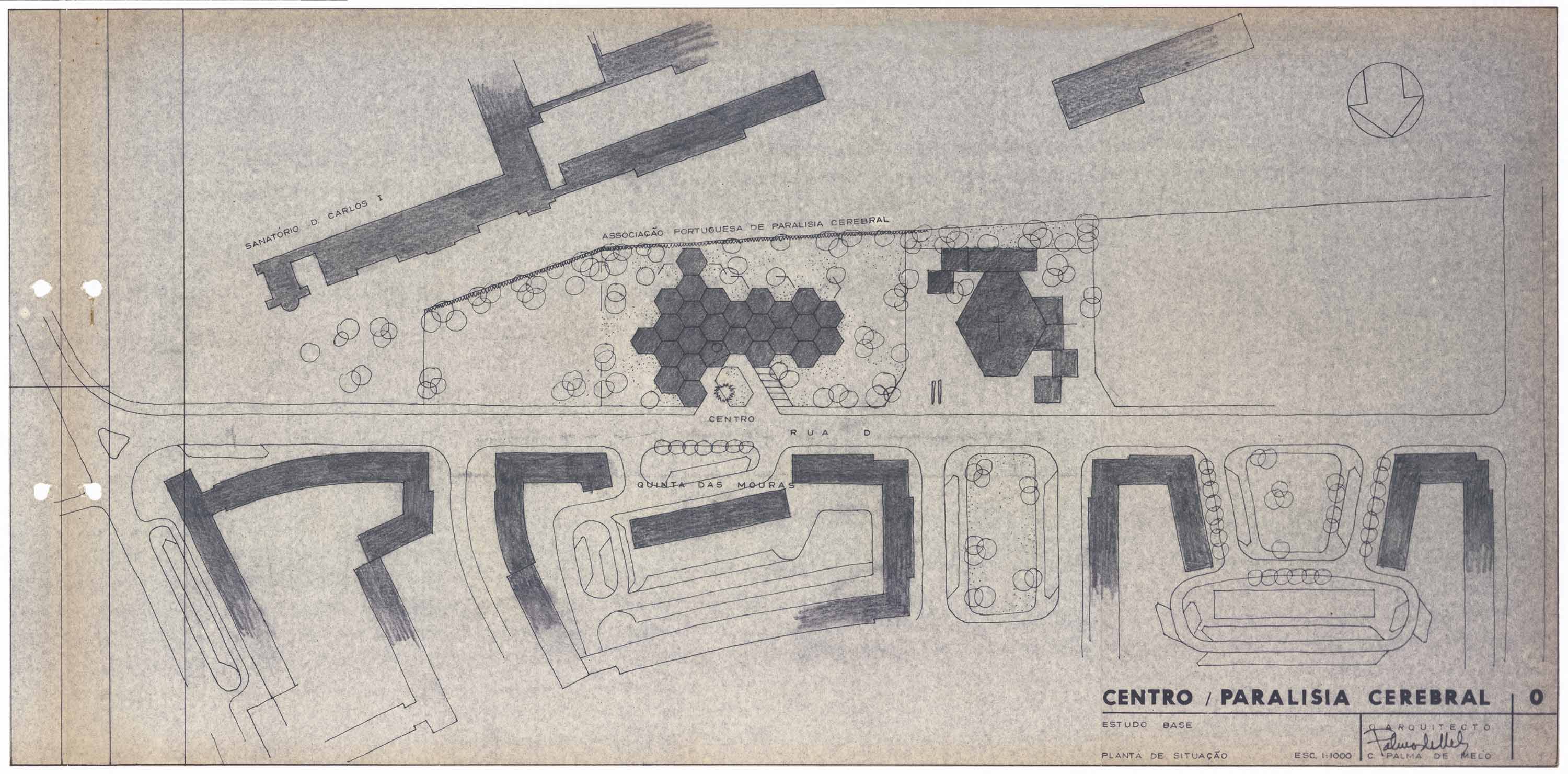
The architectural preliminary design for the Centre, by architect Cândido Palma de Melo (1922-2003), father of two girls treated at the Centre and member of the Portuguese Cerebral Palsy Association Board, was presented on 3 June 1966 to the presidents of the Calouste Gulbenkian Foundation and the Lisbon City Council, as well as to the Minister of Public Works.
In developing the design, Palma de Melo collaborated closely with the Centre’s staff, notably the Clinical Director, Maria da Graça Andrada, and the superintendent nurse Maria Piedade Cordeiro de Sousa. Their contributions proved essential to the definition of a modern experimental centre, conceived as a model for similar facilities throughout the country.
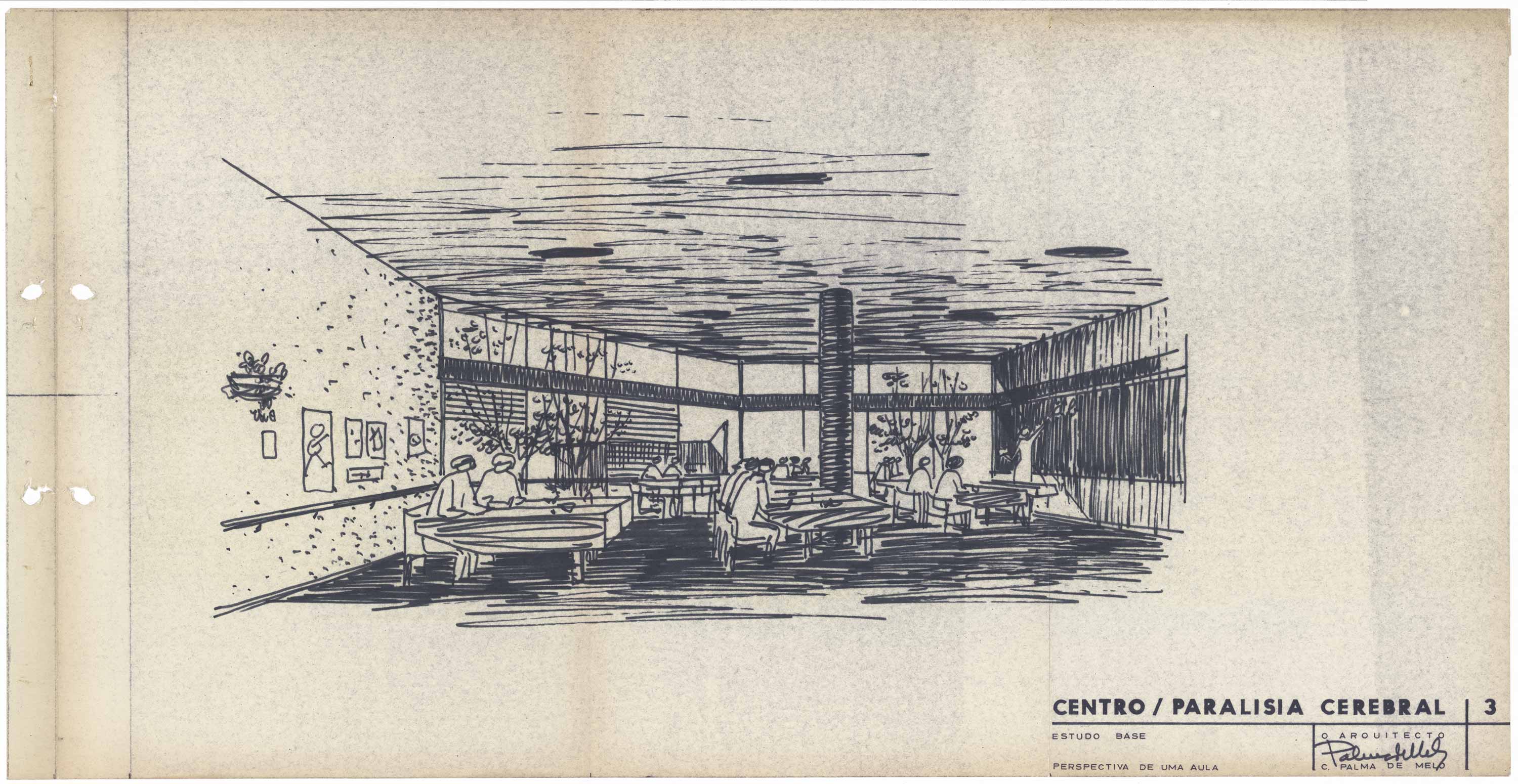
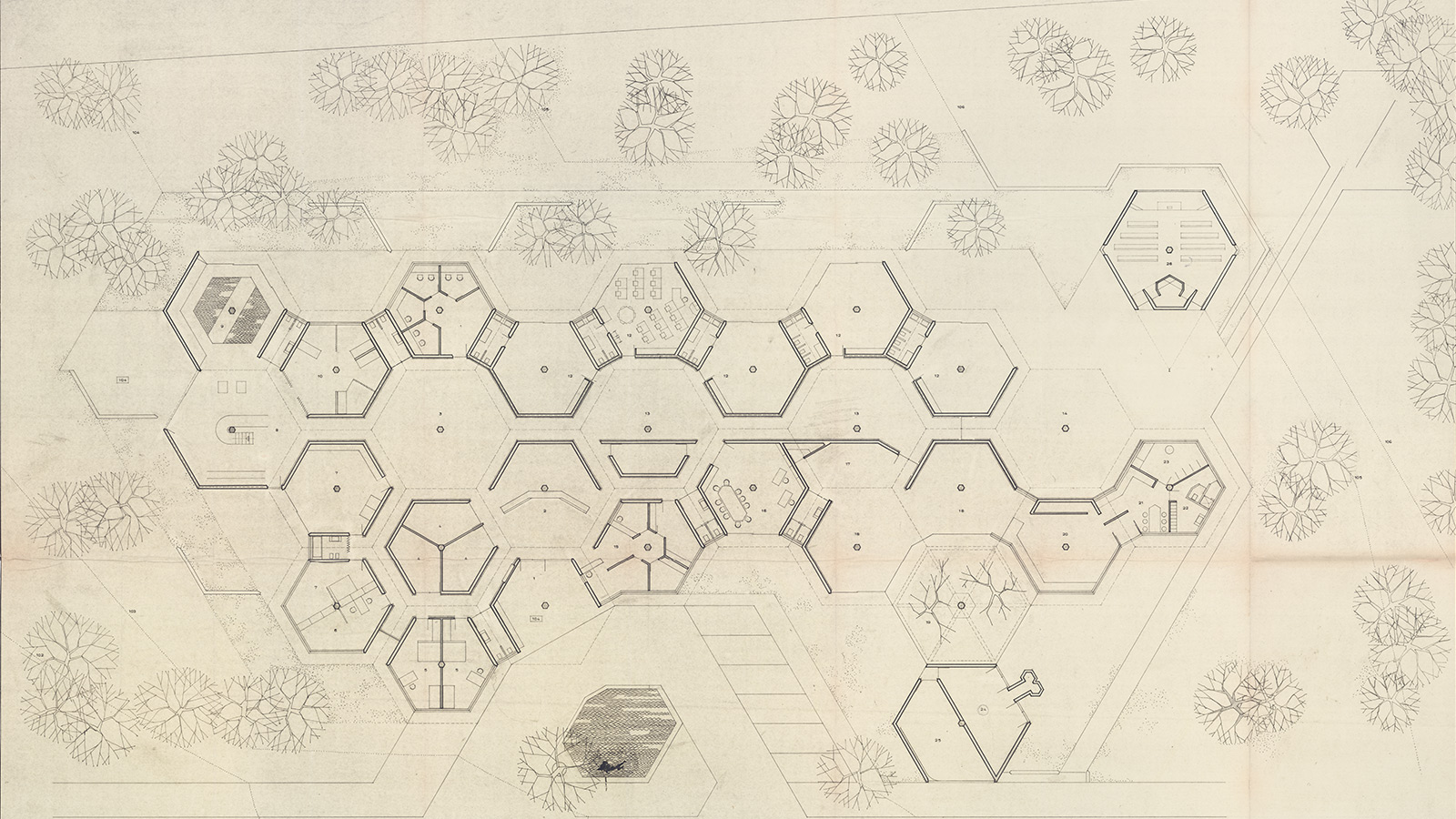
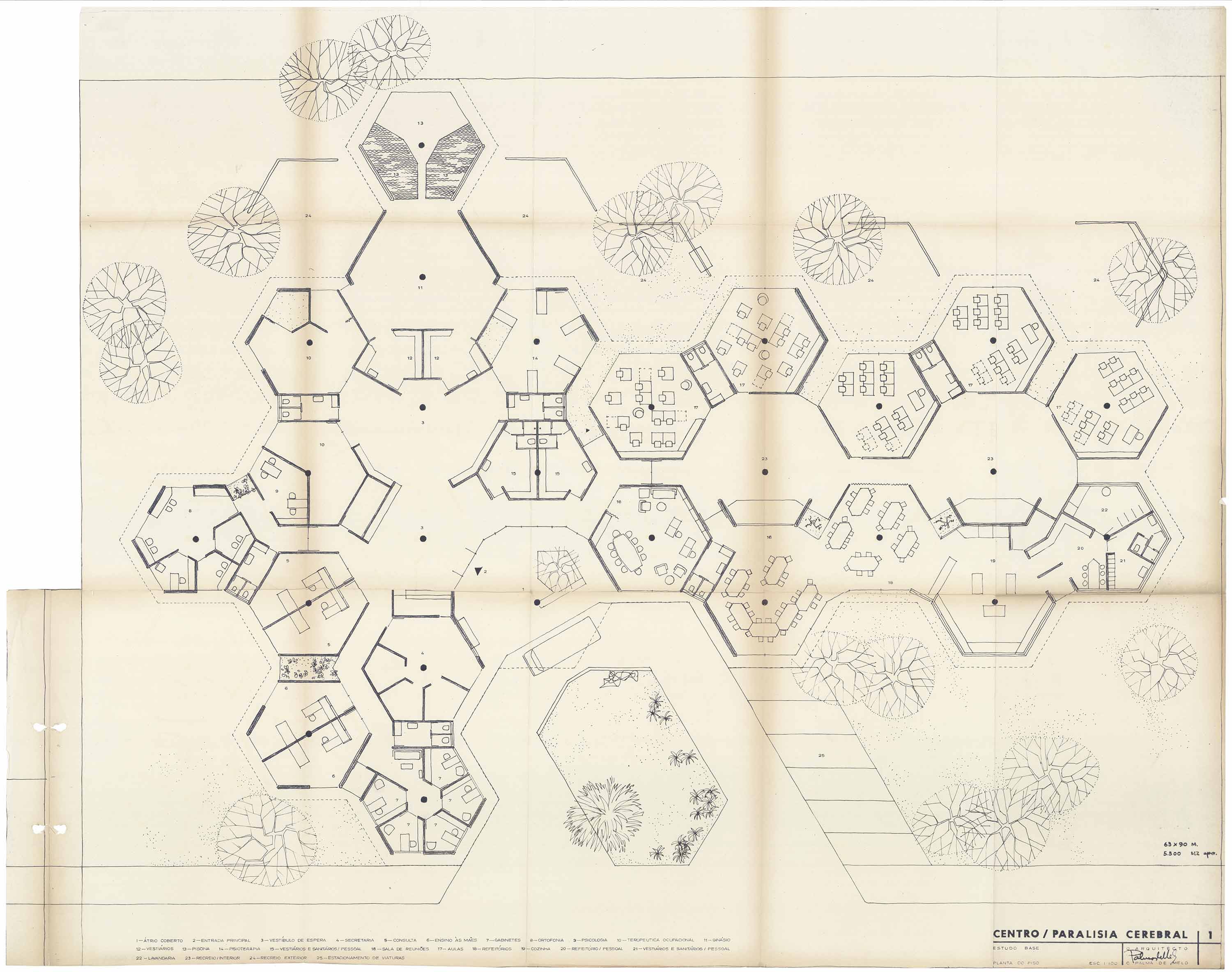
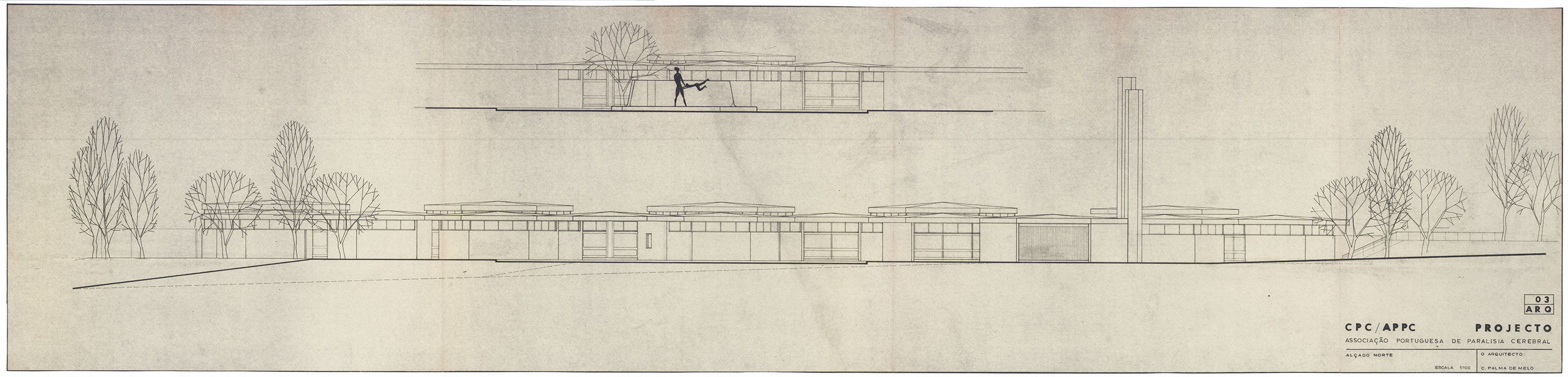
The central idea behind the design was the creation of a rehabilitation space for children with cerebral palsy housed in a single-storey structure with spacious interiors, free of barriers and steps, and maintaining permanent contact with the outdoors. The intention was that this environment for rehabilitation and education should not bear the weight of a hospital atmosphere. On the contrary, it was conceived as a welcoming place, essential to the success of treatment in a lighter and more stimulating environment.
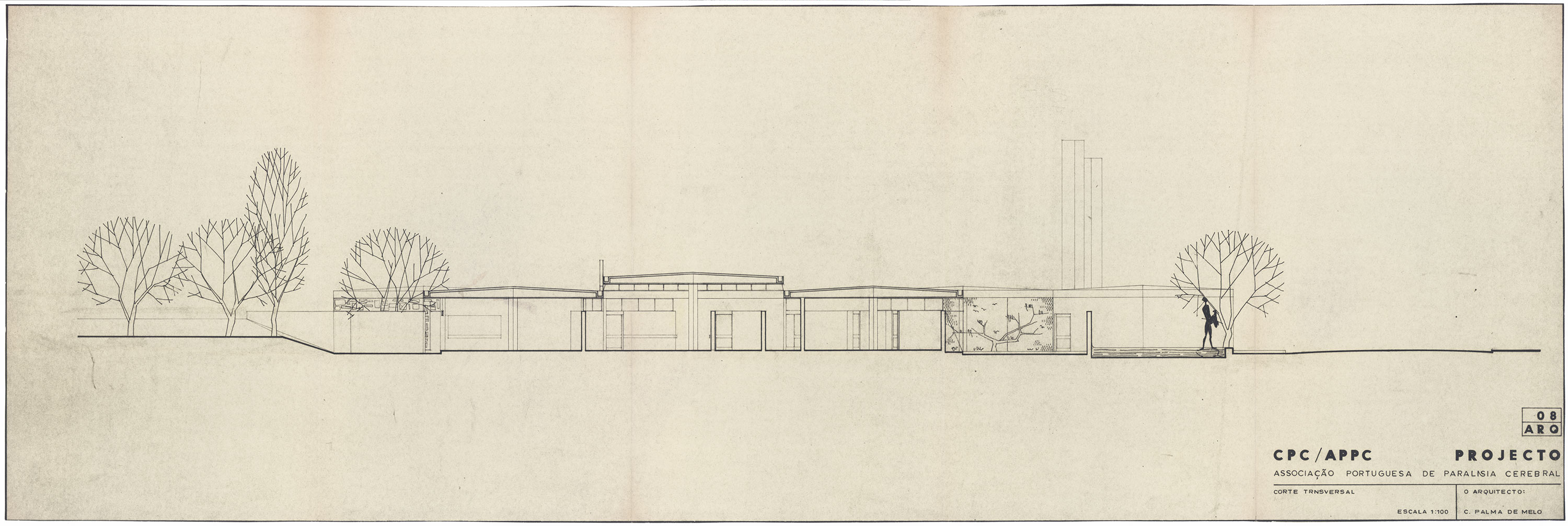
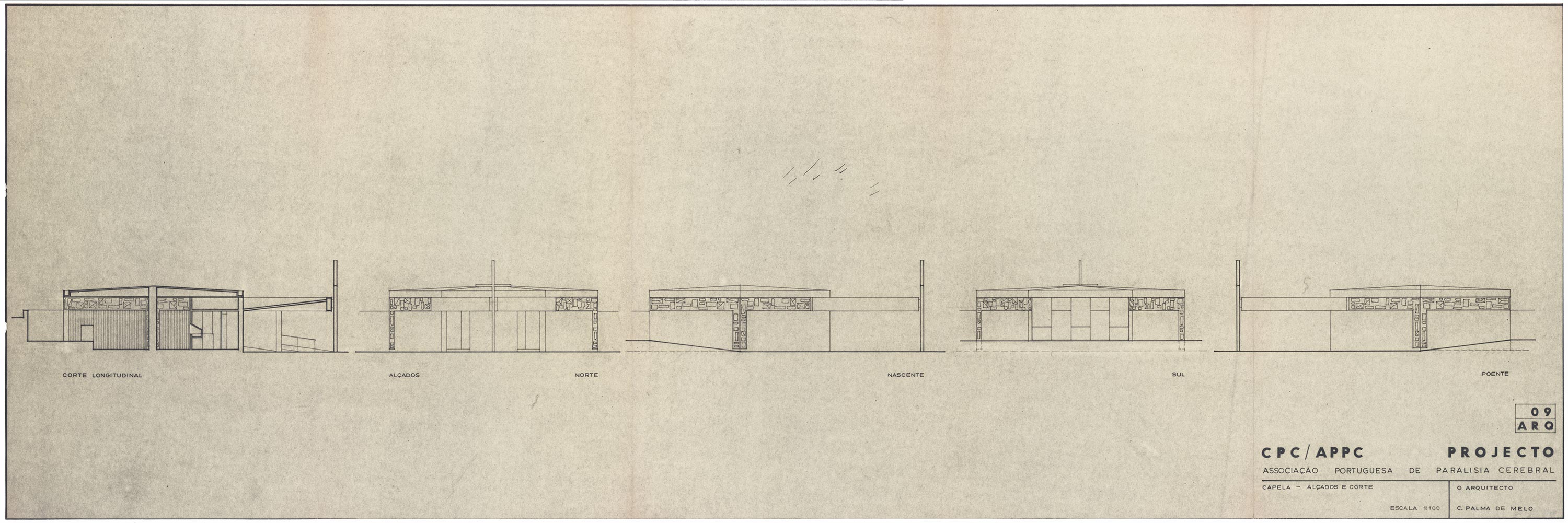
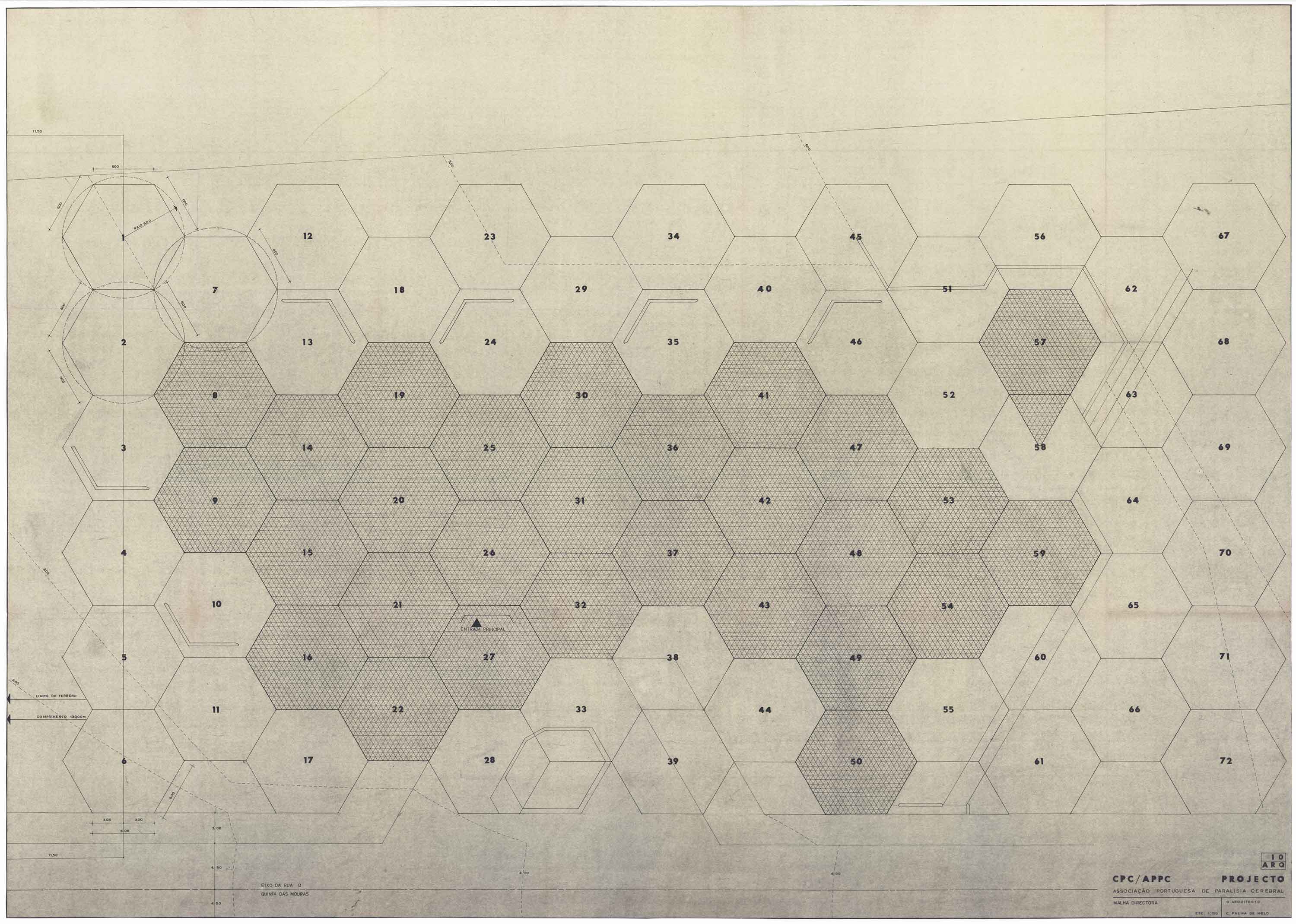
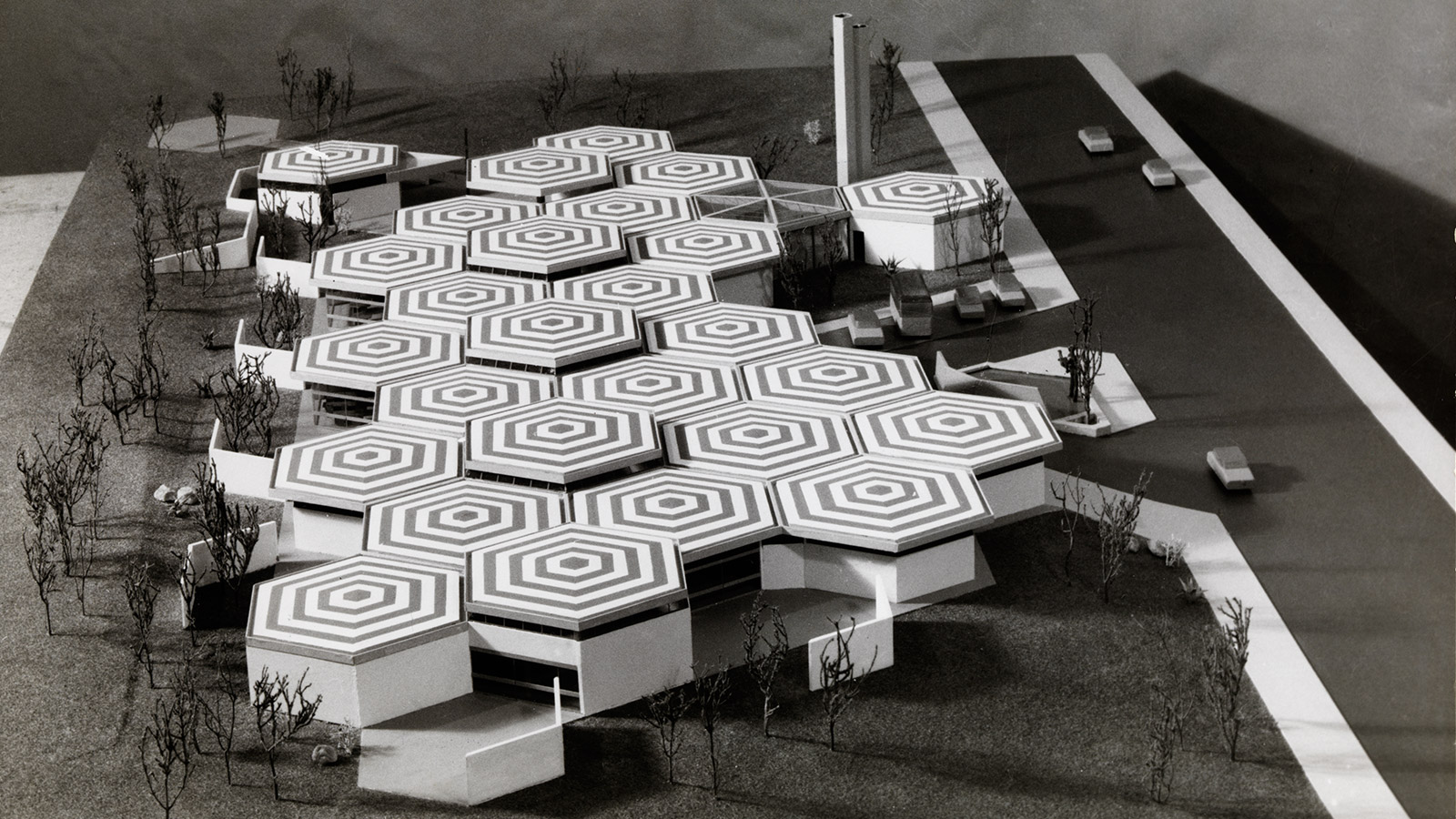
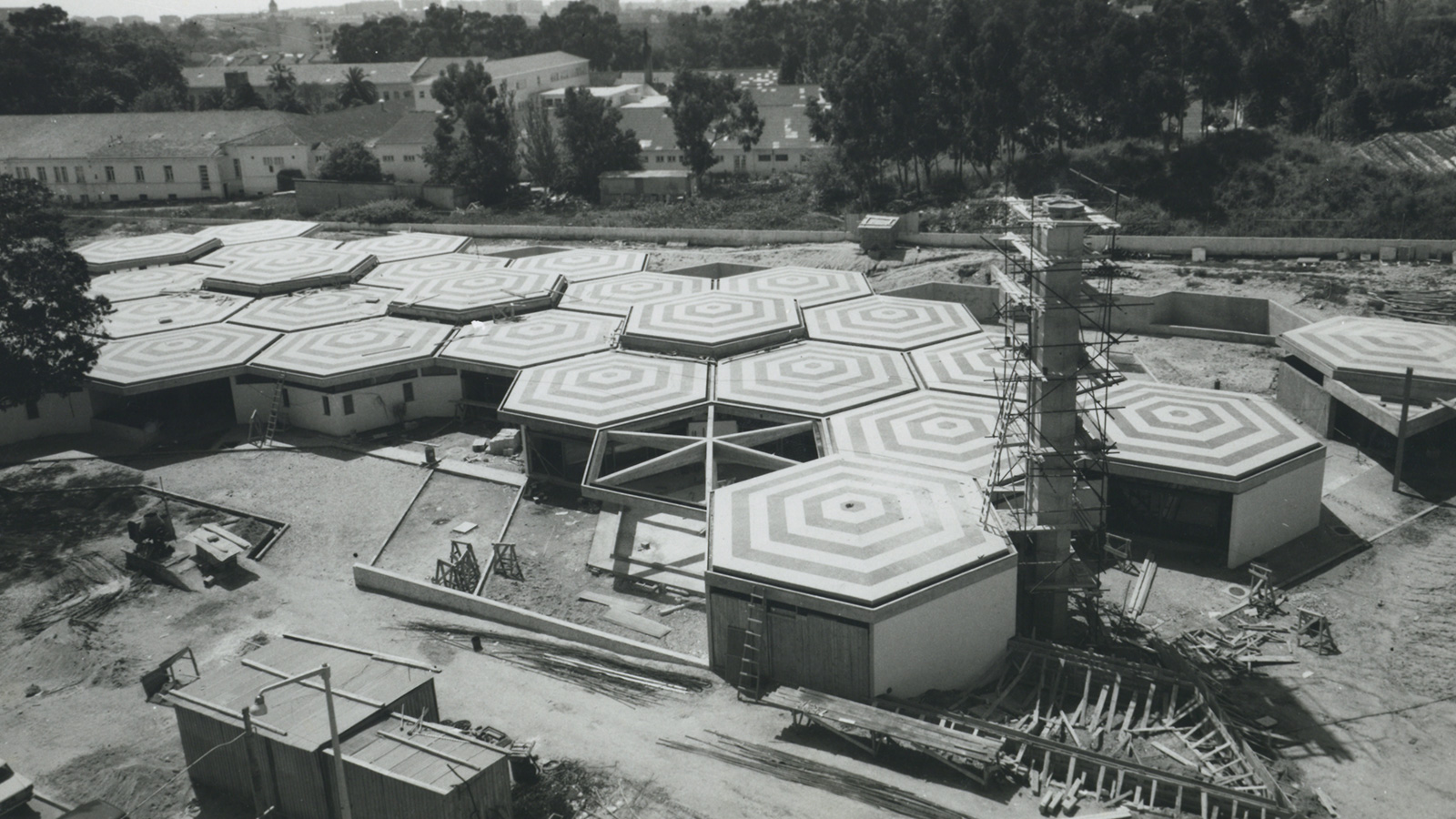
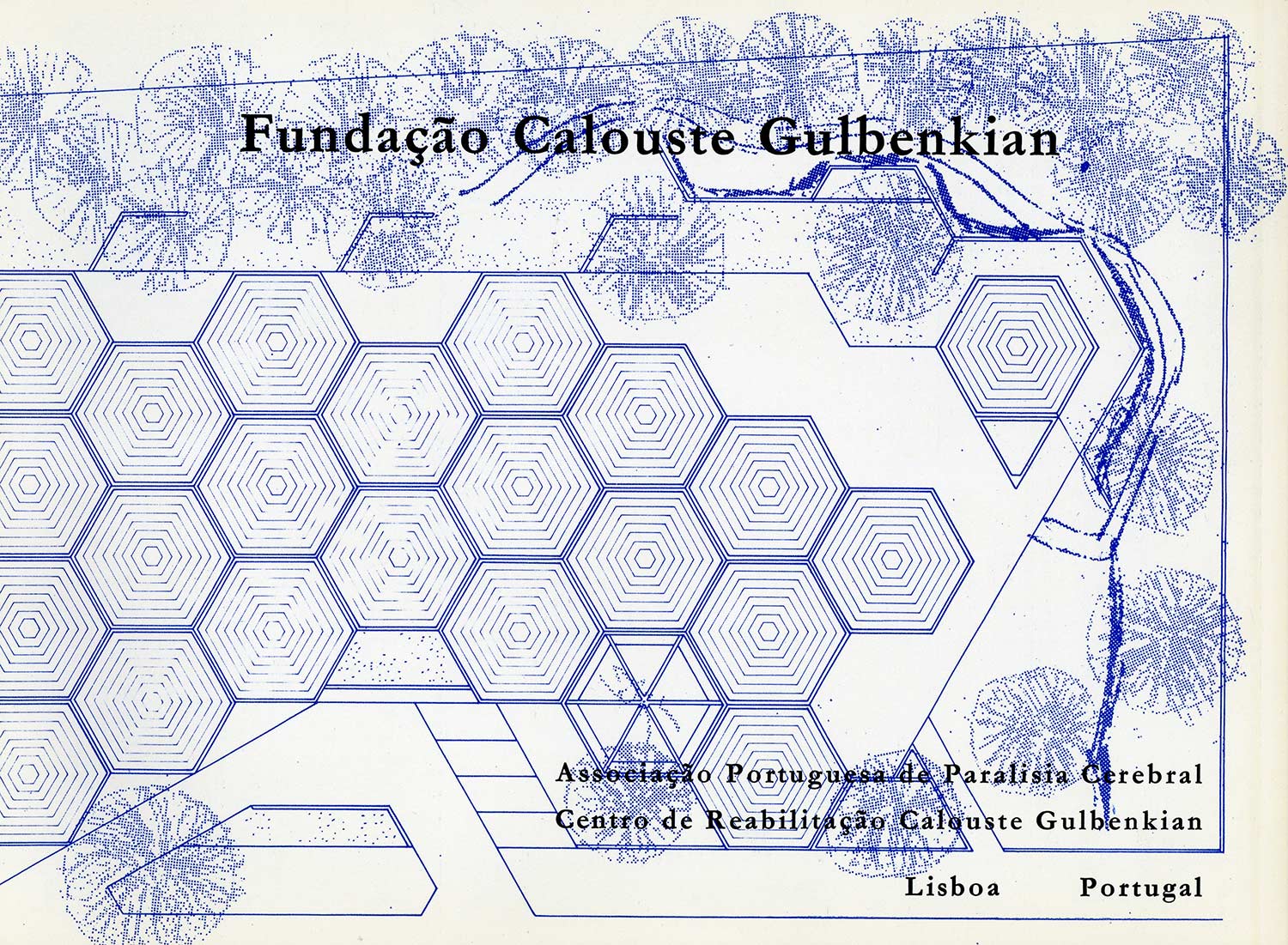
The preliminary design included spaces for every need and specialty: consultation rooms, therapy areas, dining facilities, social assistance services, a swimming pool, schoolrooms, indoor and outdoor playgrounds, and a chapel, among others. As the compositional basis of the building, the architect chose a single formal element – the hexagonal polygon, resembling the cells of a honeycomb – allowing the attachment or modification of additional polygons according to functional requirements.
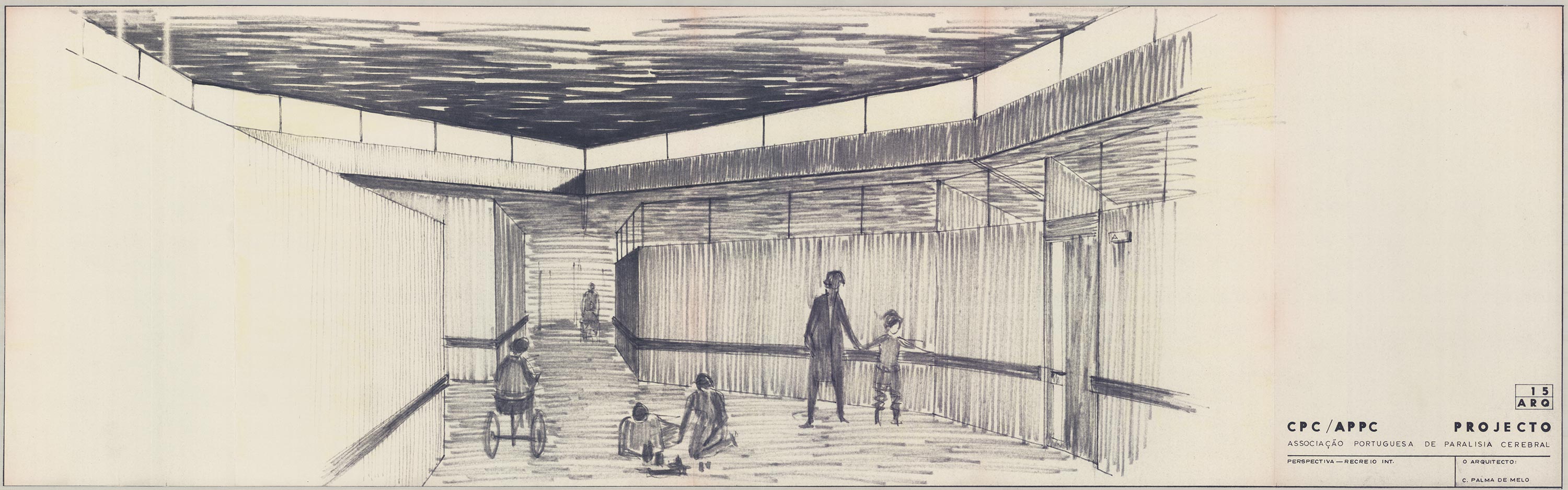
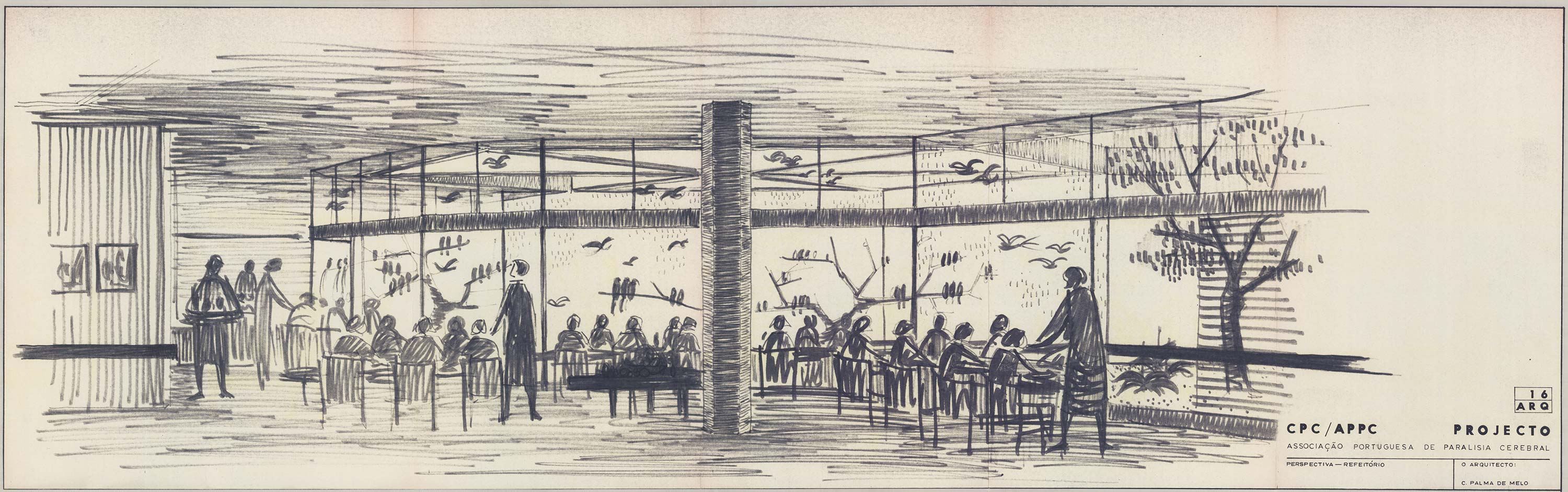
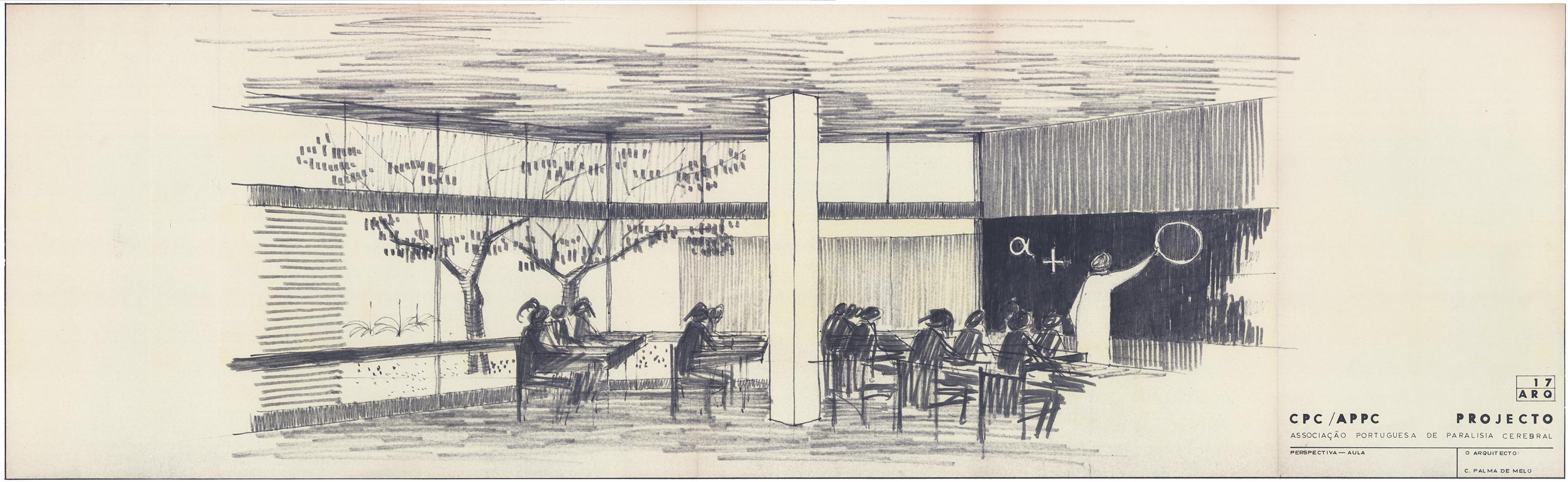
The same form was repeated extensively throughout the building, both in the concrete pillar shafts and in decorative features such as the gates. This form became the symbol of the Portuguese Cerebral Palsy Association and the basis of its graphic identity.
For the roof coverings, Palma de Melo opted for vitreous mosaic tiles arranged in alternating coloured bands, resembling enormous beach umbrellas opened under the sun – perhaps an allusion to the children’s summer holidays at the holiday camp.
In a 1966 report, engineer João Vaz Raposo, from the Foundation’s Projects and Works Service, observed that the project’s principal virtue, from both a functional and constructive point of view, lay in its great flexibility, achieved through the possibility of phased construction. This was accomplished, however, at the expense of economy, since a rectangular building would have offered a more cost-effective solution.
A pioneer in its field at a national level, the Centre building became an emblematic architectural work which, through the combination of the 27 polygons forming its volumetric composition, presents itself as a metaphor for a place of intense labour, comparable in nature to a hardworking beehive.
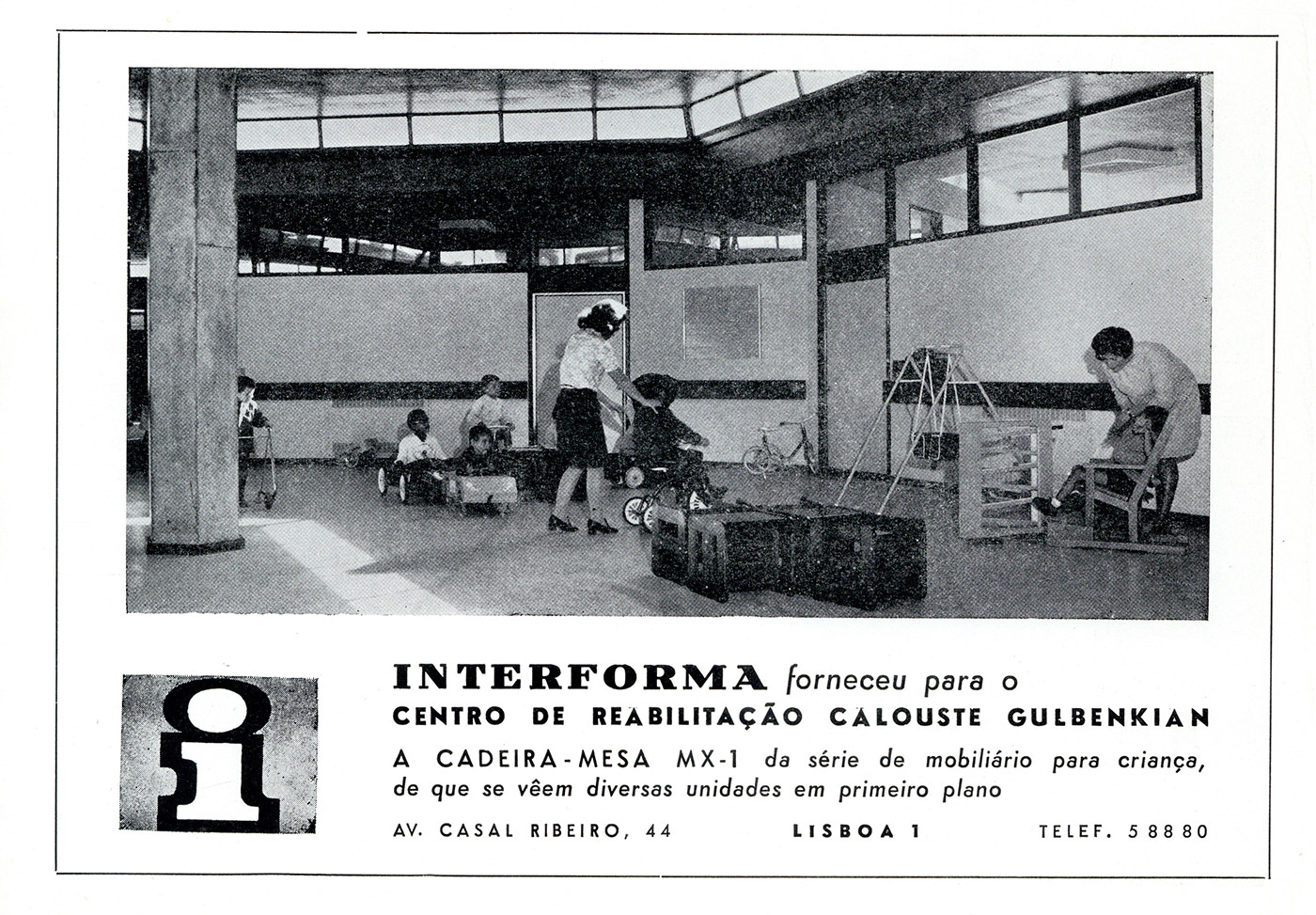
The medical-pedagogical furniture was also designed by Palma de Melo, following the guidance of the Centre’s technical staff, and produced by the companies FOC – Fábrica Jerónimo Osório de Castro (Herdeiros), José Olaio & C.ª (Filho), and Interforma.
The project also envisaged landscaped surroundings designed by landscape architect Gonçalo Ribeiro Telles (1922-2020), a decorative ensemble centred on a tiled lake, and a sculptural work by the artist Martins Correia (1910-1999), which was ultimately never executed.
The Calouste Gulbenkian Foundation did not merely subsidise the construction of the new Centre. Its Projects and Works Service was responsible for the appraisal, guidance and supervision of the entire process, from the submission of the architectural base-study drawings to the final closing accounts for complementary works on 9 November 1971, under the responsibility of its director, architect Jorge Sotto Mayor de Almeida, engineer Sena da Fonseca, and technical engineering agent Gameiro Costa, among others.
Initially budgeted at three million escudos, the construction of the building ultimately cost 12,831,774 escudos and 50 centavos, including its equipment and furnishings.
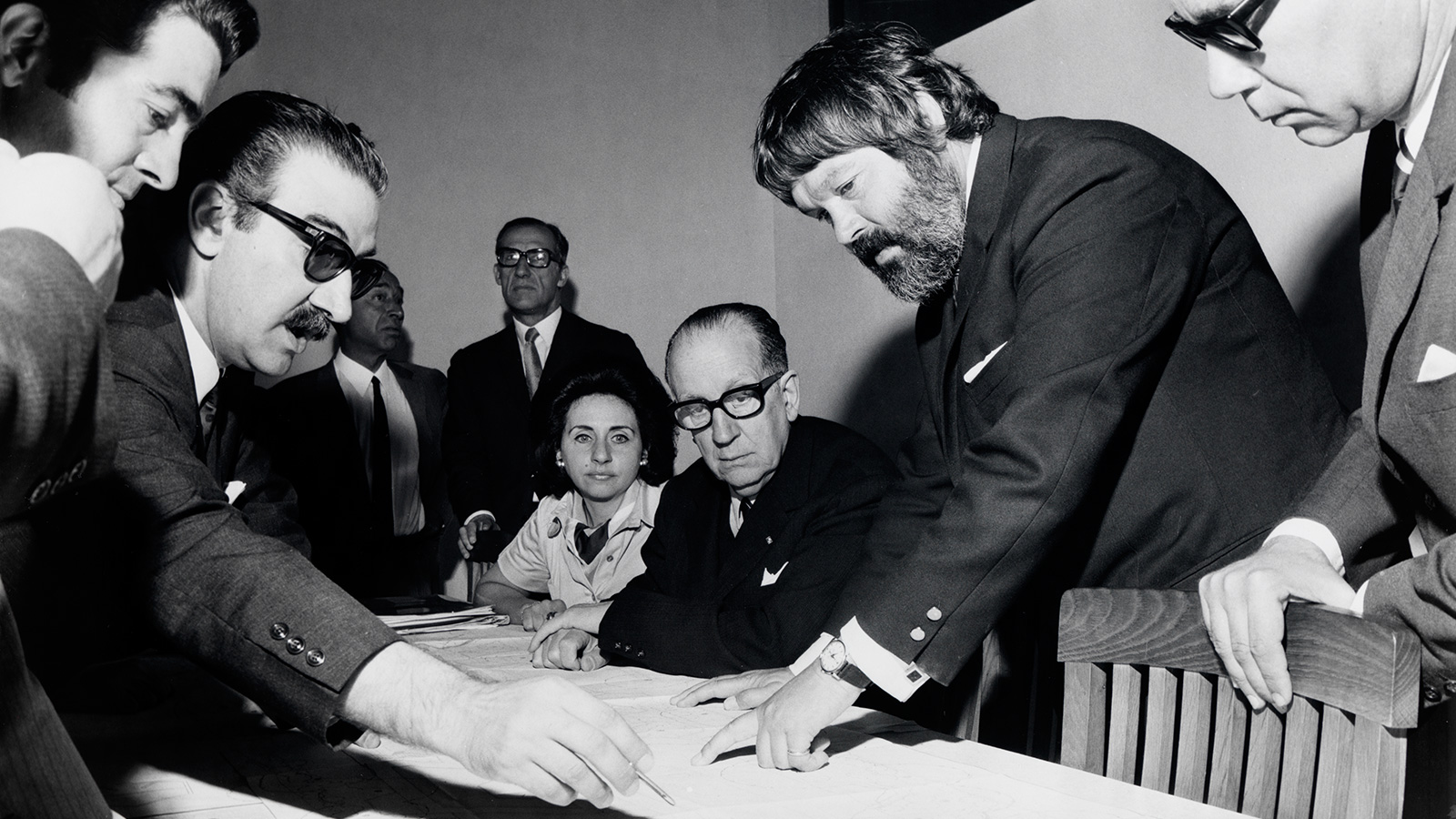
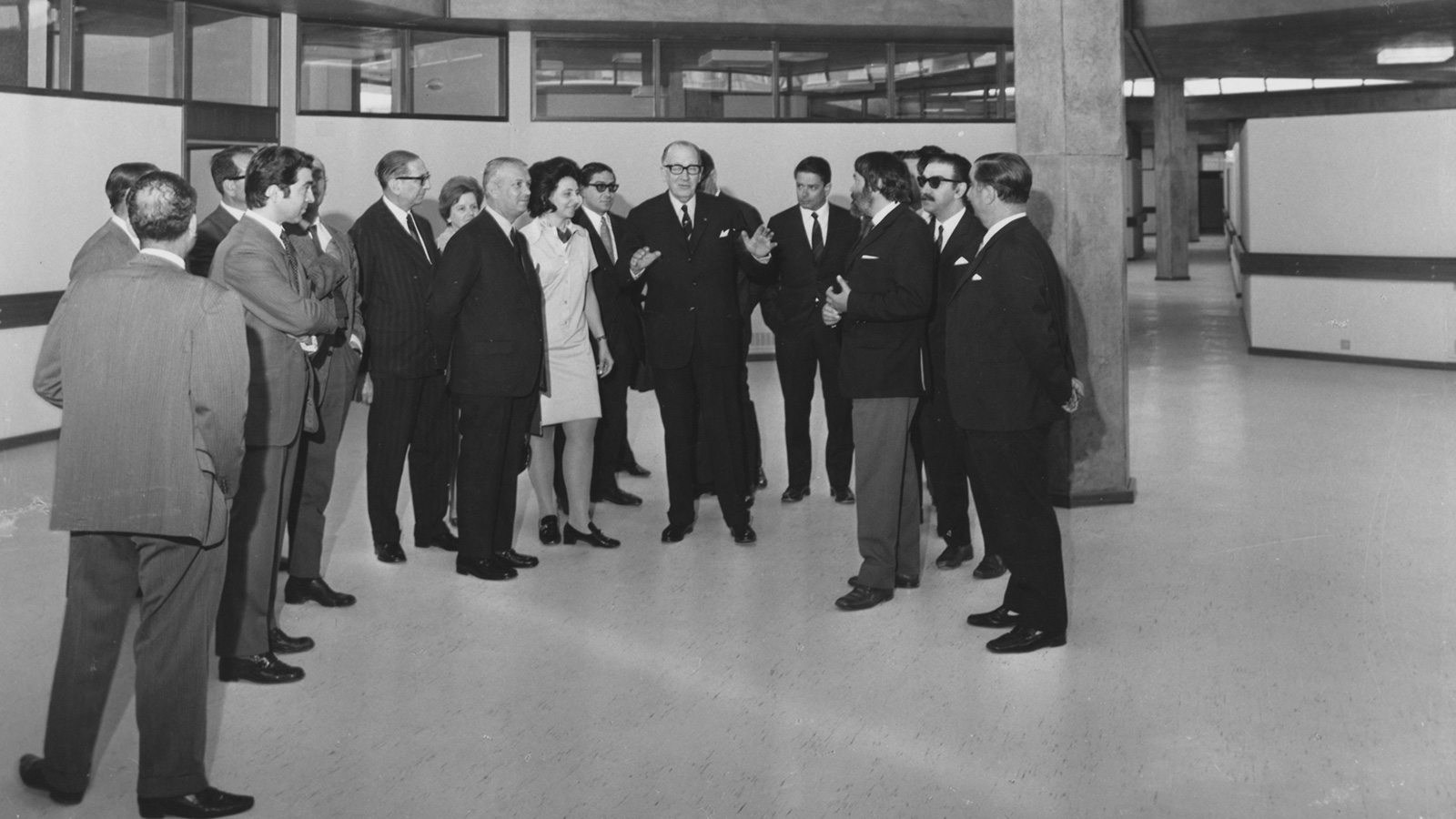
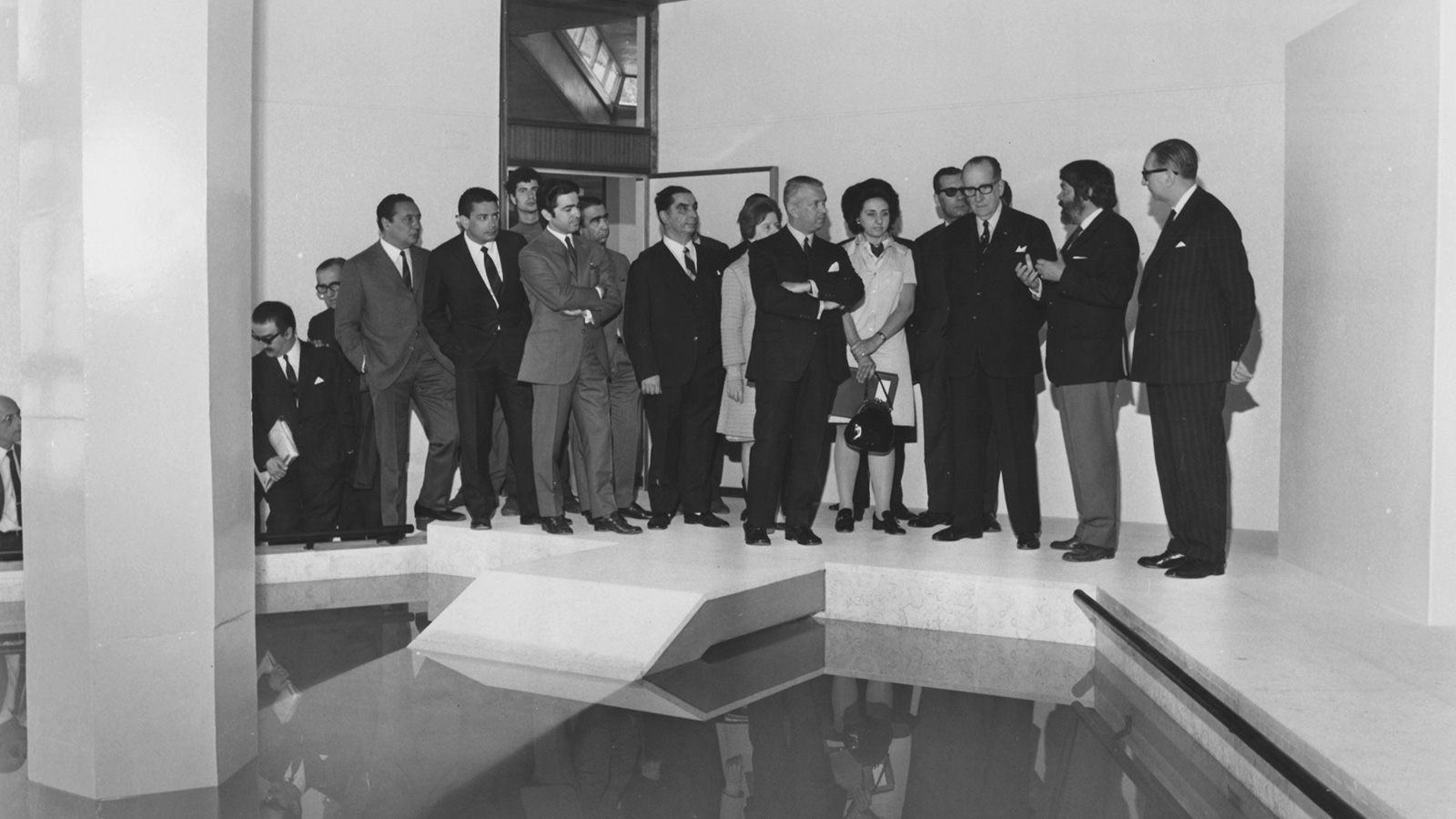
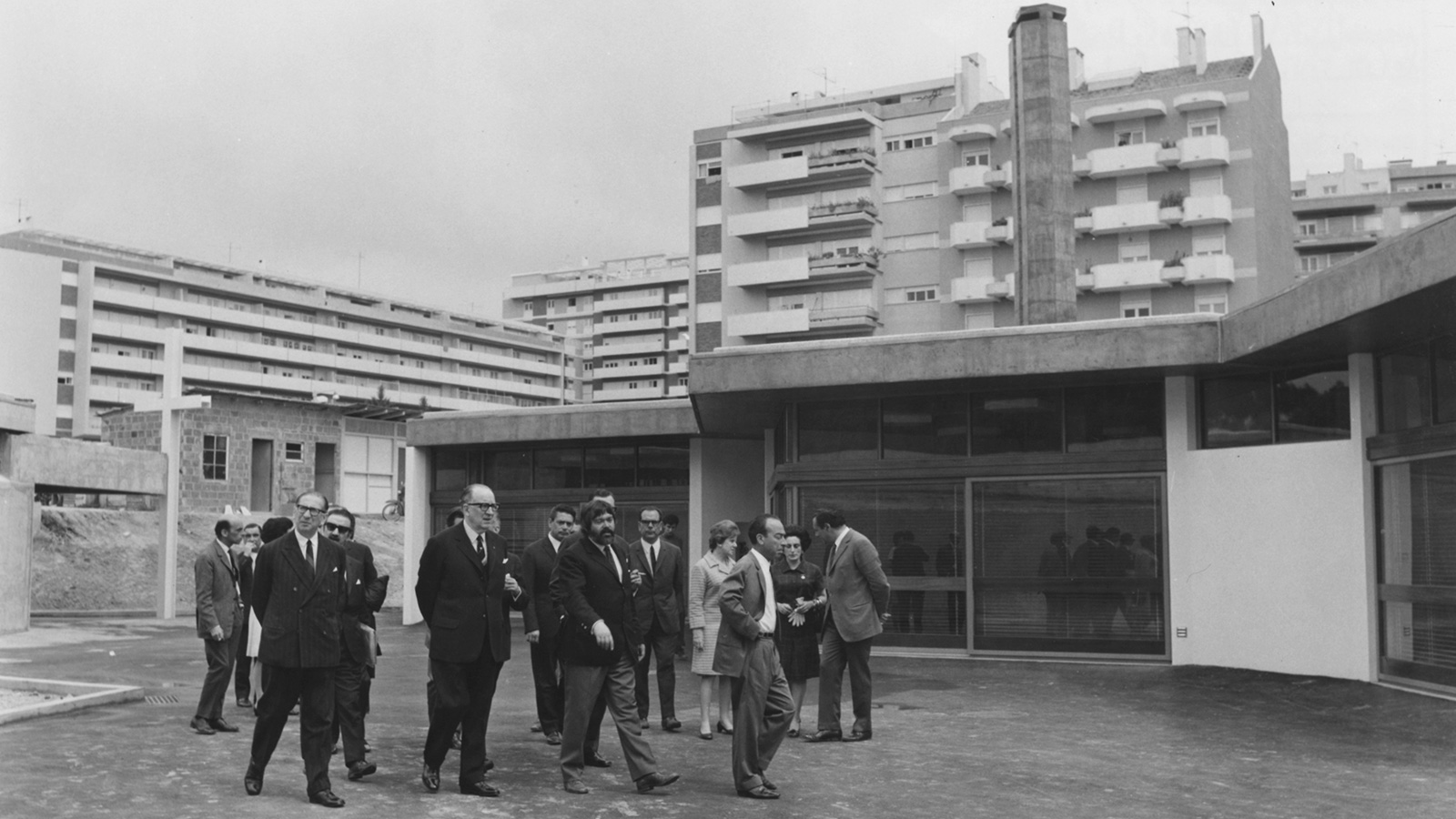
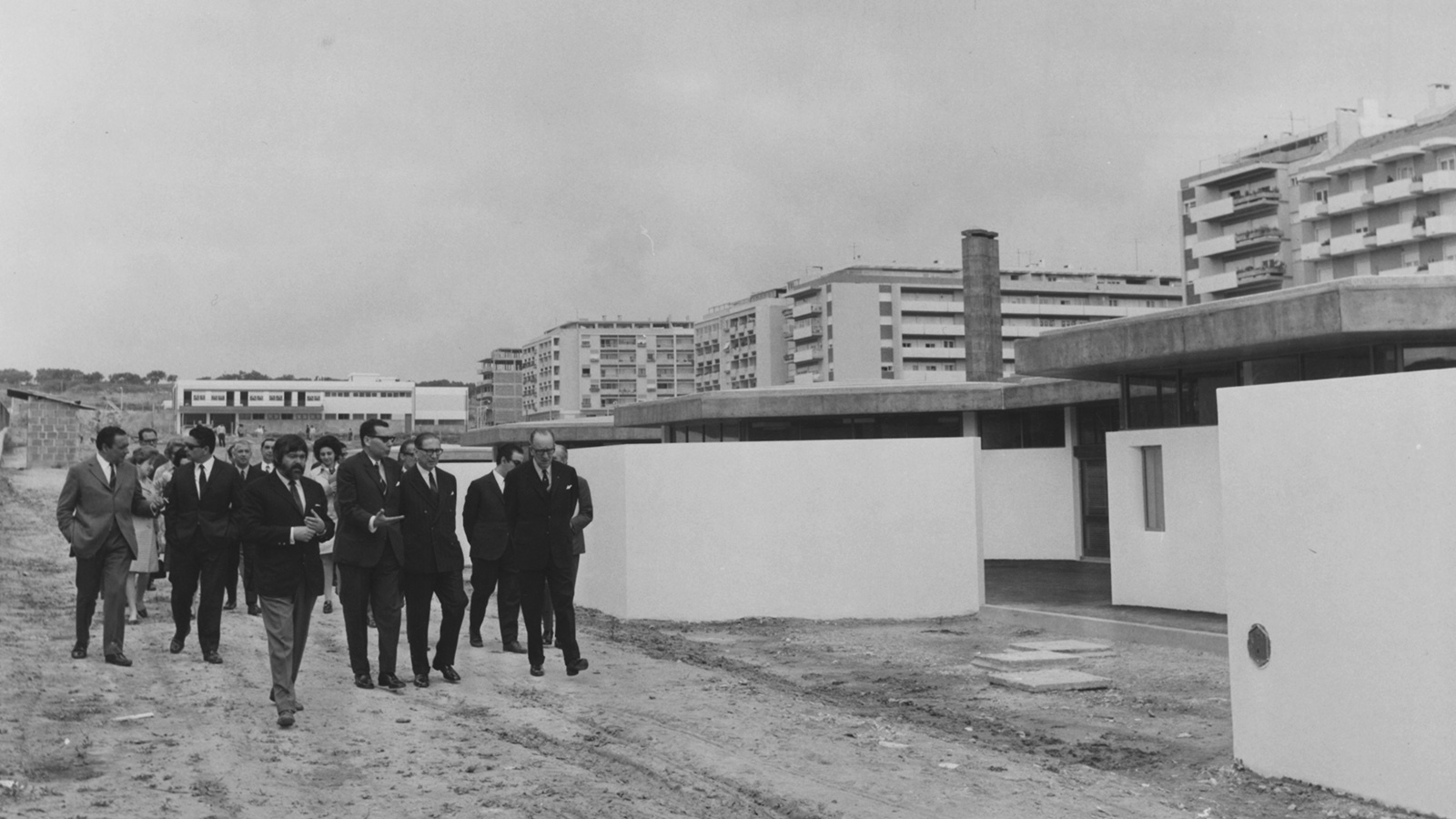
Preparations for the inauguration of the Centre were coordinated by the Clinical Director, Maria da Graça Andrada, together with the various departments of the Calouste Gulbenkian Foundation involved in the process, particularly the Communication Service, which organised and publicised the event, arranged photographic coverage, and gathered and compiled information. The Calouste Gulbenkian Museum contributed by producing a Christmas postcard for the Centre.
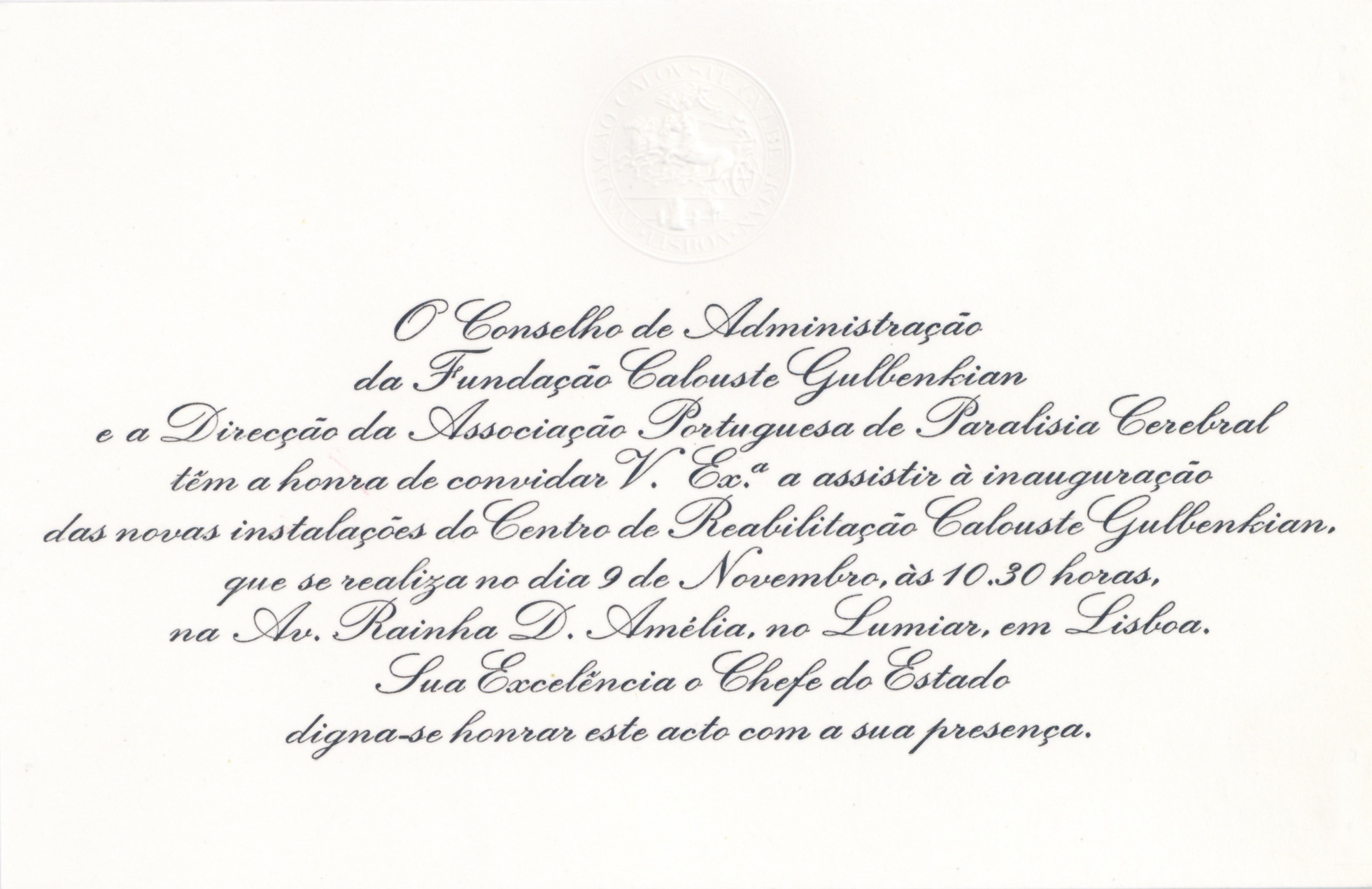
On 9 November 1970, those attending the inauguration included the President of the Republic, Admiral Américo Tomás and his family, the Minister of Health and Assistance, Baltasar Rebelo de Sousa, several members of the Government, representatives of the Lisbon City Council, and the Santa Casa da Misericórdia, among other distinguished guests.
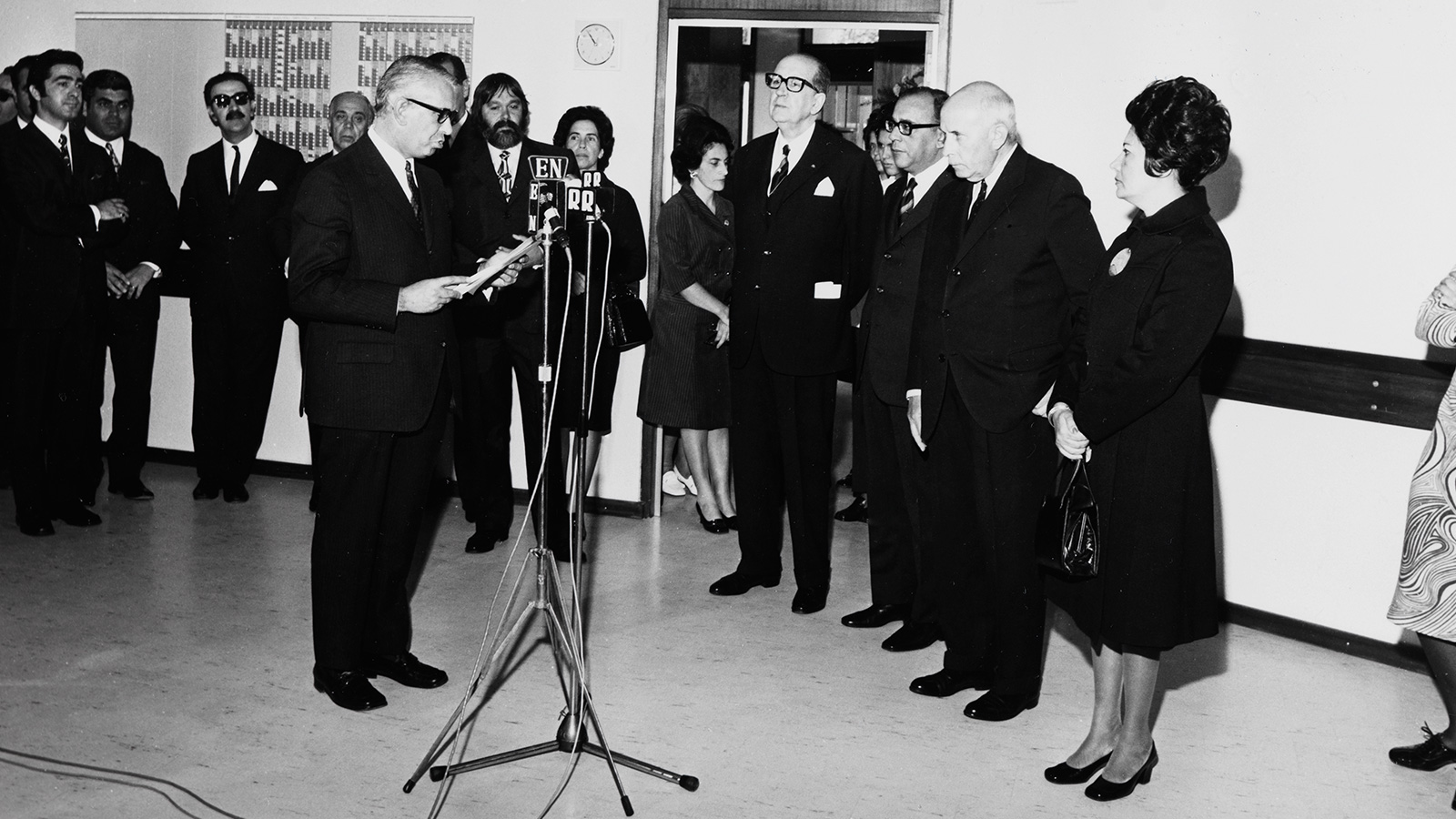
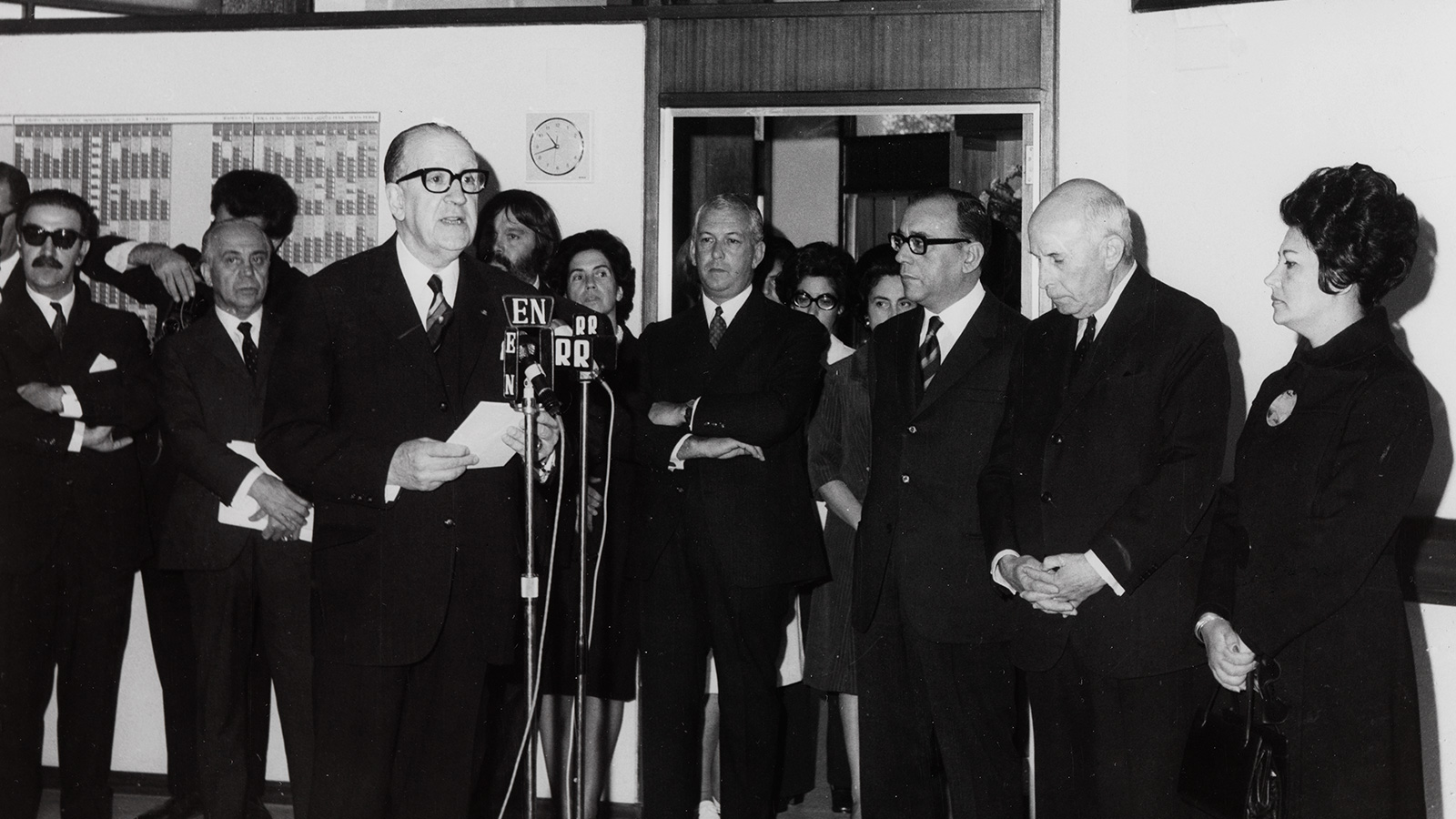
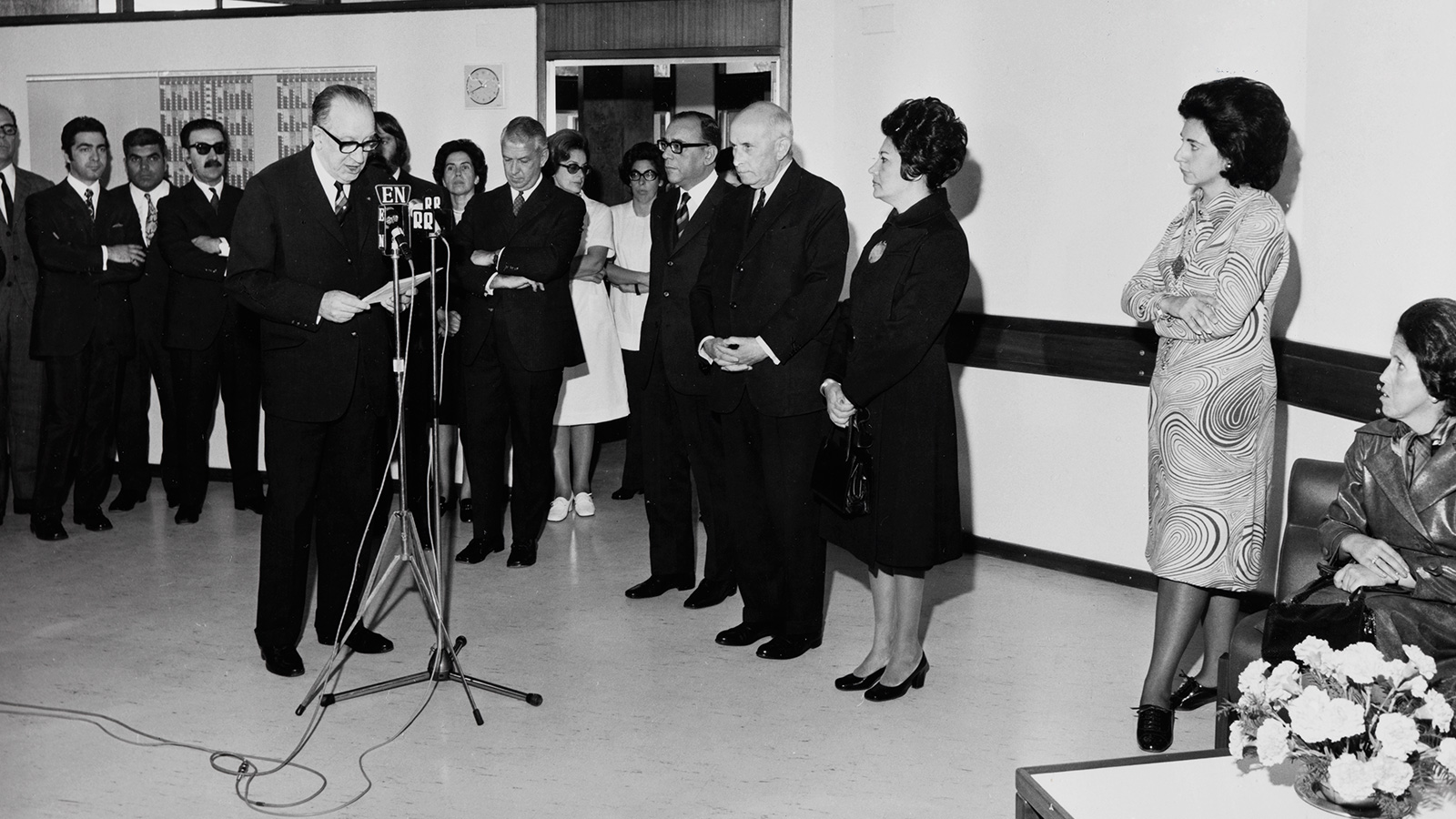
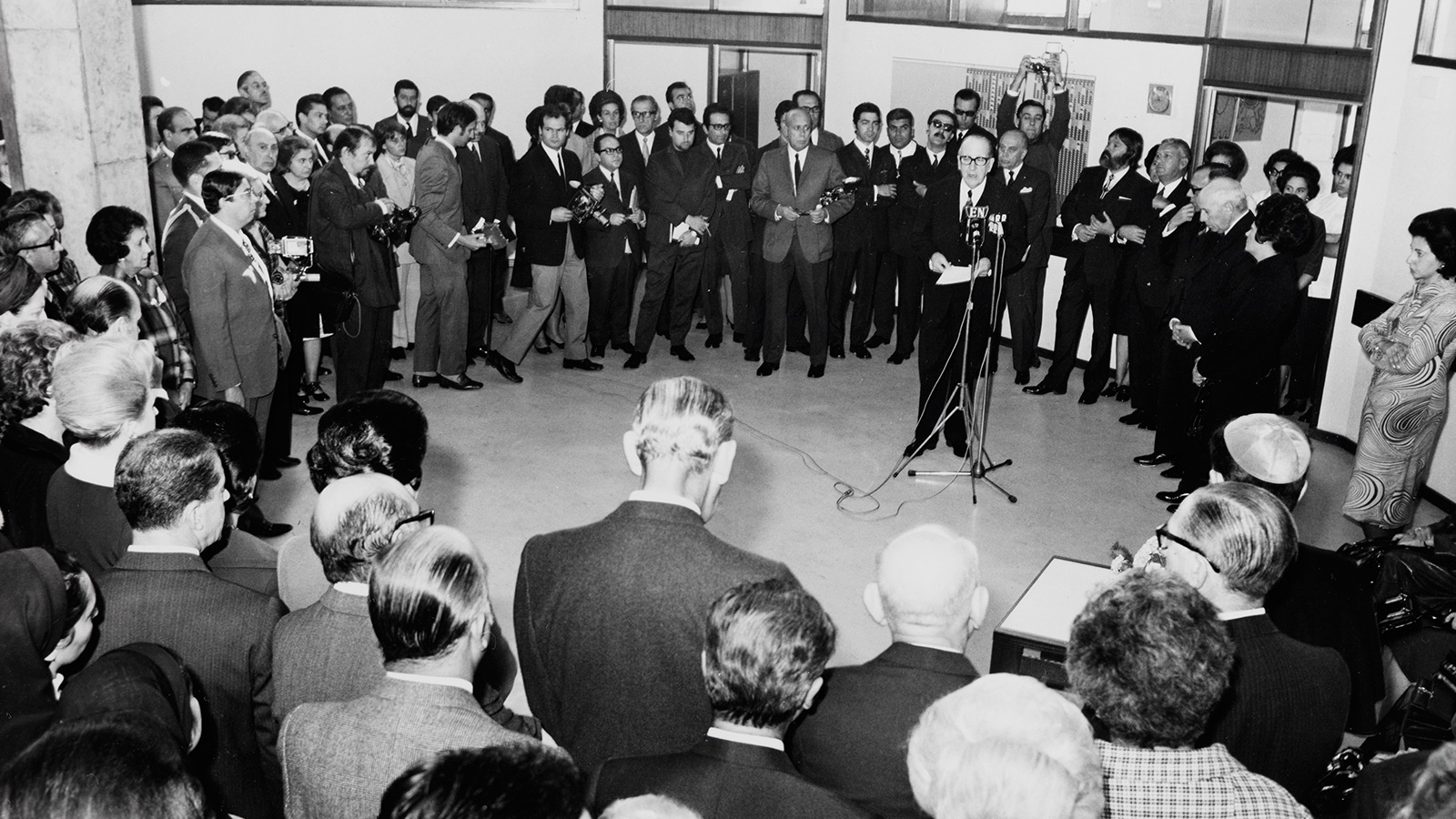
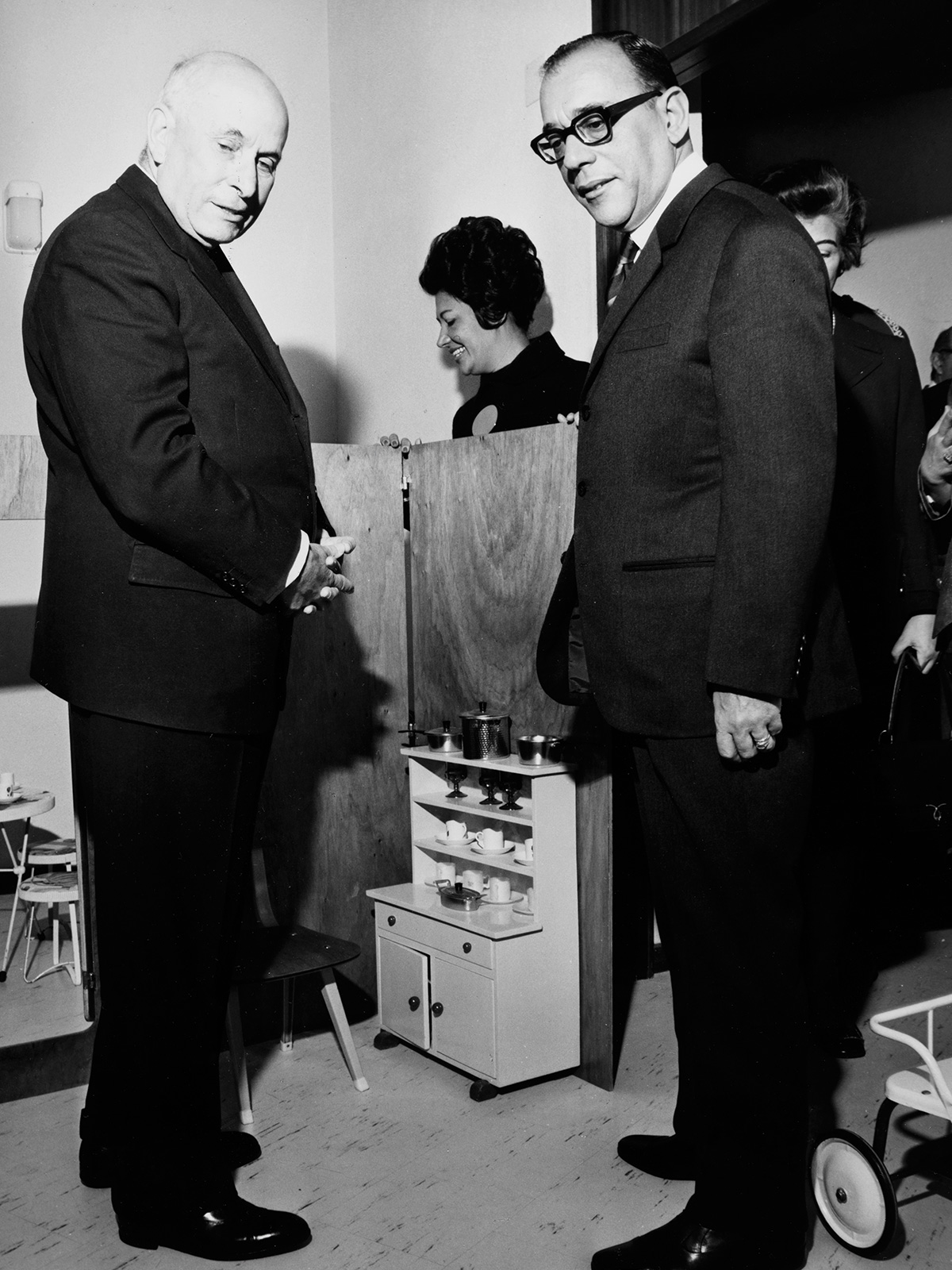
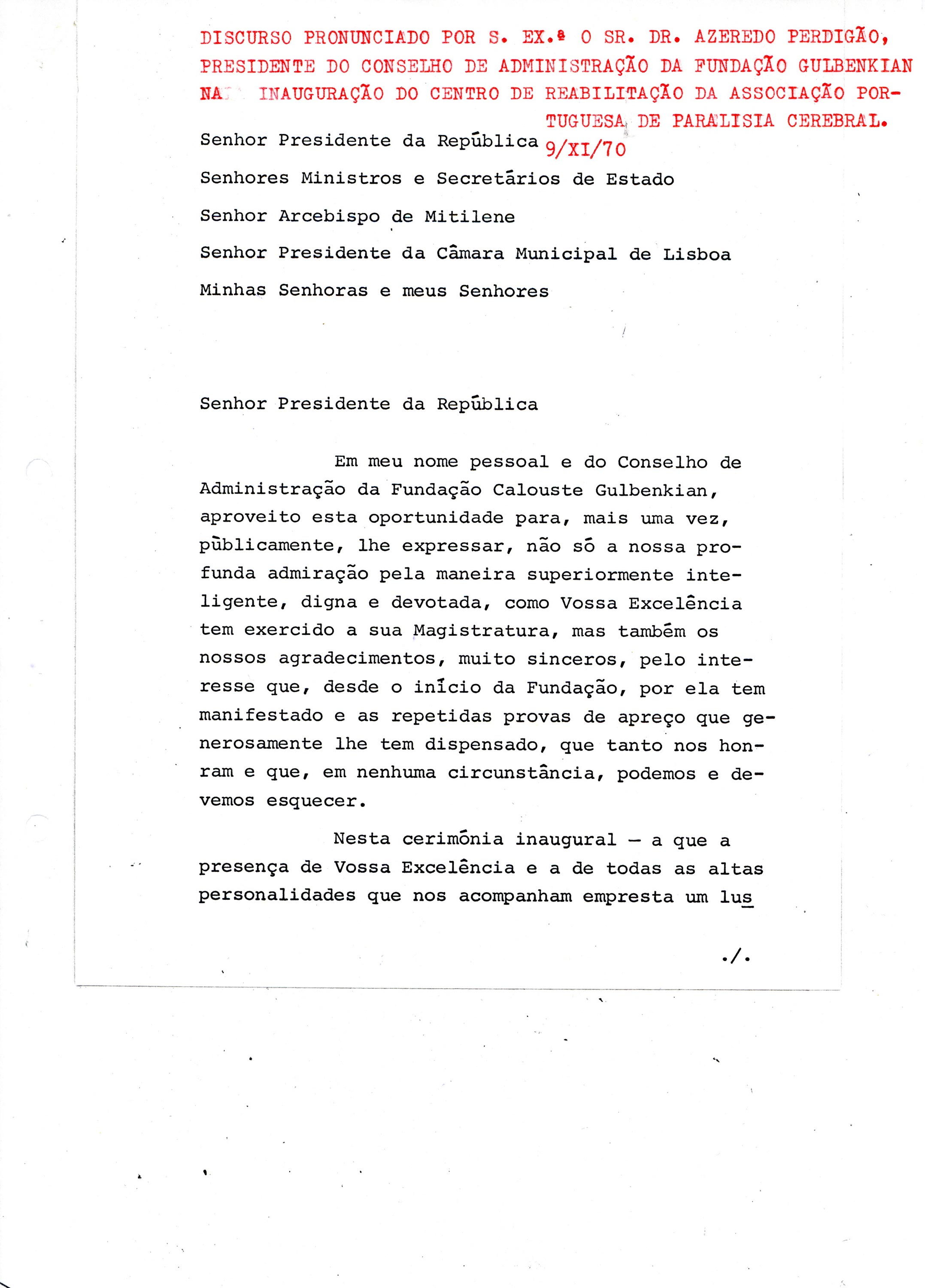
The ceremony included the blessing of the premises by the Archbishop of Mitilene, as well as presentations of the building by architect Cândido Palma de Melo and the Clinical Director, Maria da Graça Andrada. During the event, two tributes were paid to the memory of Calouste Gulbenkian at the initiative of the Portuguese Cerebral Palsy Association: the attribution of his name to the new Centre, which henceforth became known as the Calouste Gulbenkian Cerebral Palsy Rehabilitation Centre, and the unveiling at the entrance of the building of a bas-relief portrait of him, created in 1962 by sculptor Joaquim Correia (1910-1999).
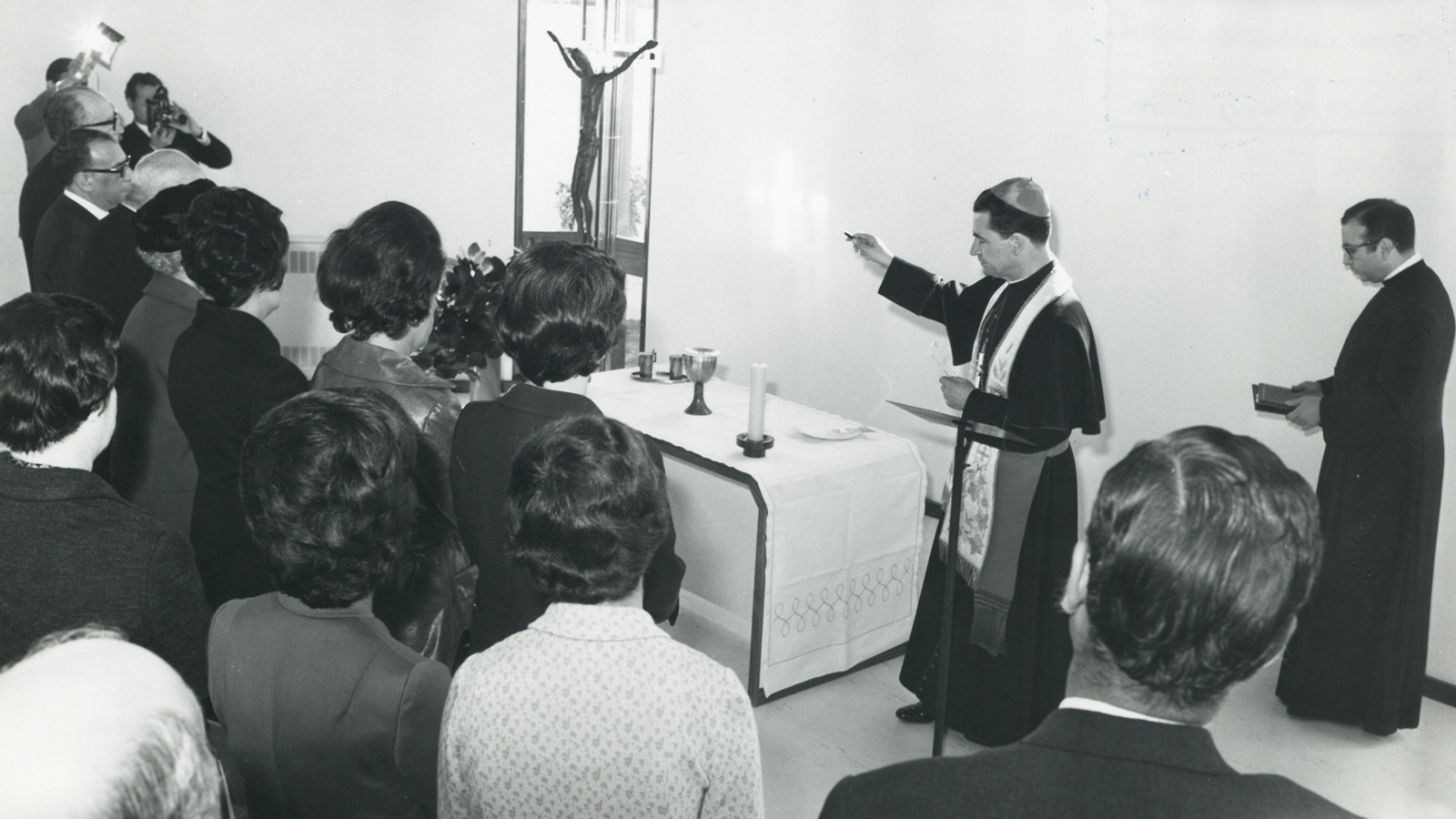
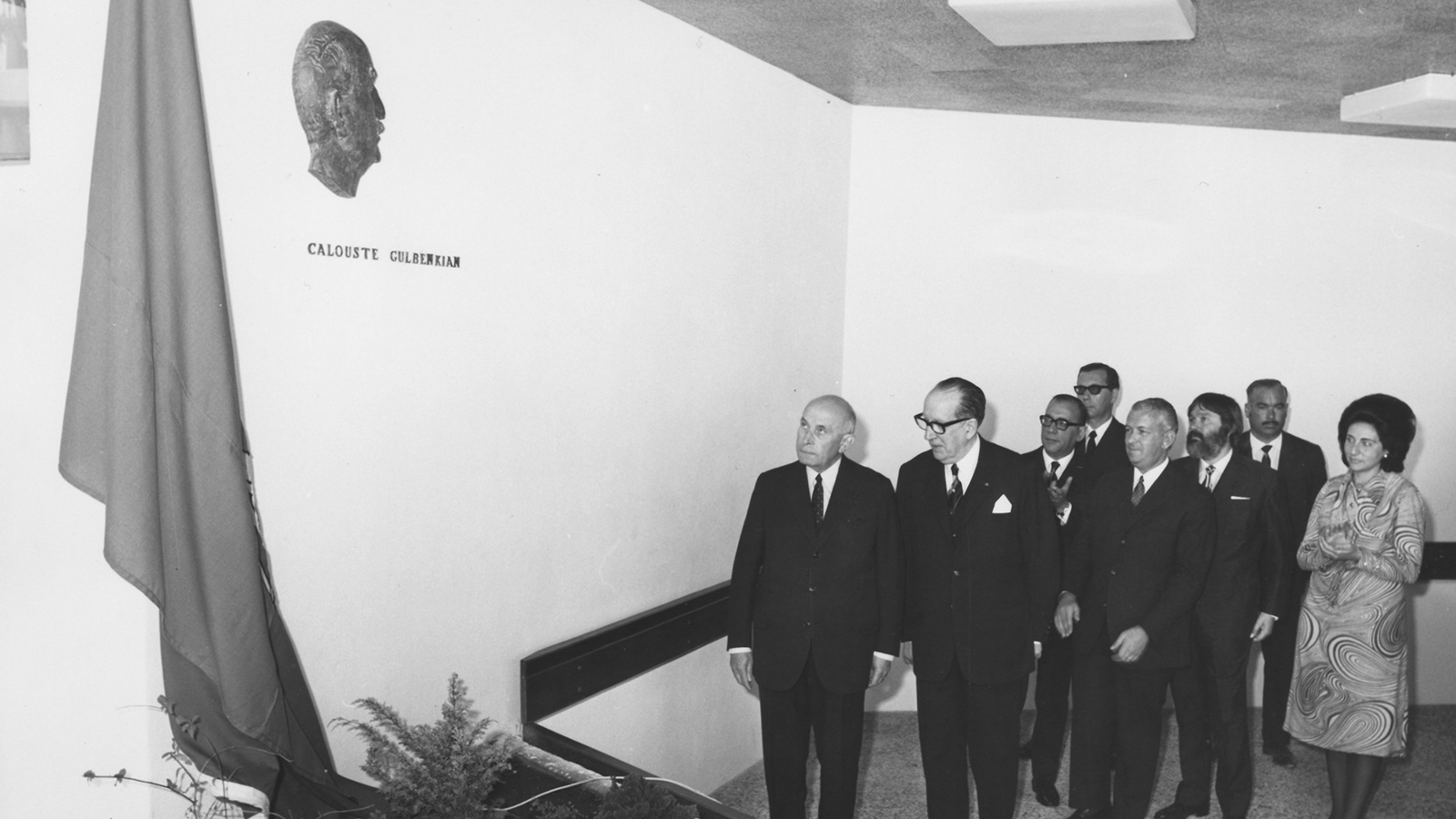
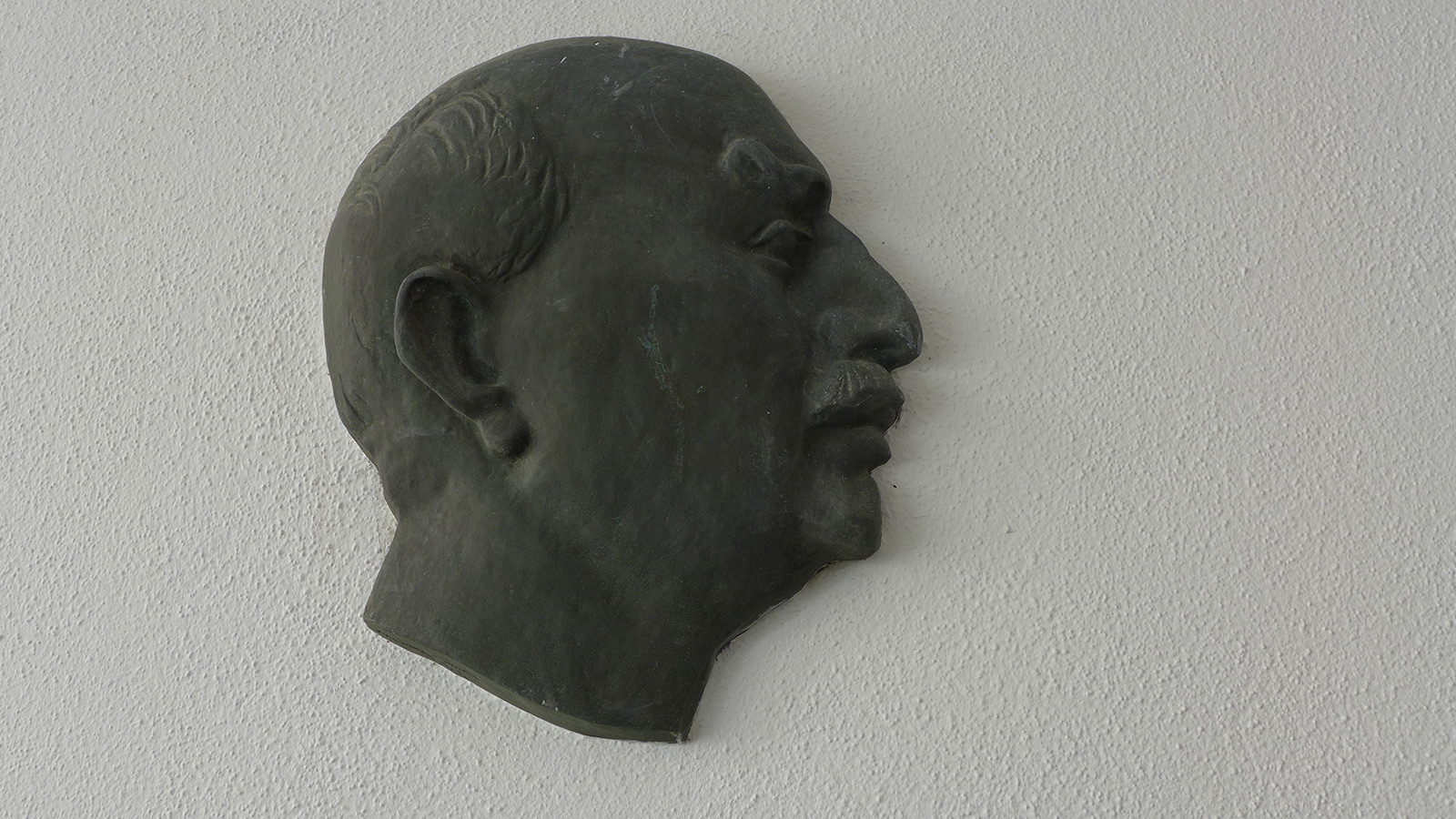
The extensive correspondence received by the Foundation’s Presidency Office and the numerous reports published in the national press – both in mainland Portugal and the former colonies – as well as the speeches delivered by the presidents of the Portuguese Cerebral Palsy Association and the Calouste Gulbenkian Foundation, testify to the significance of the event.
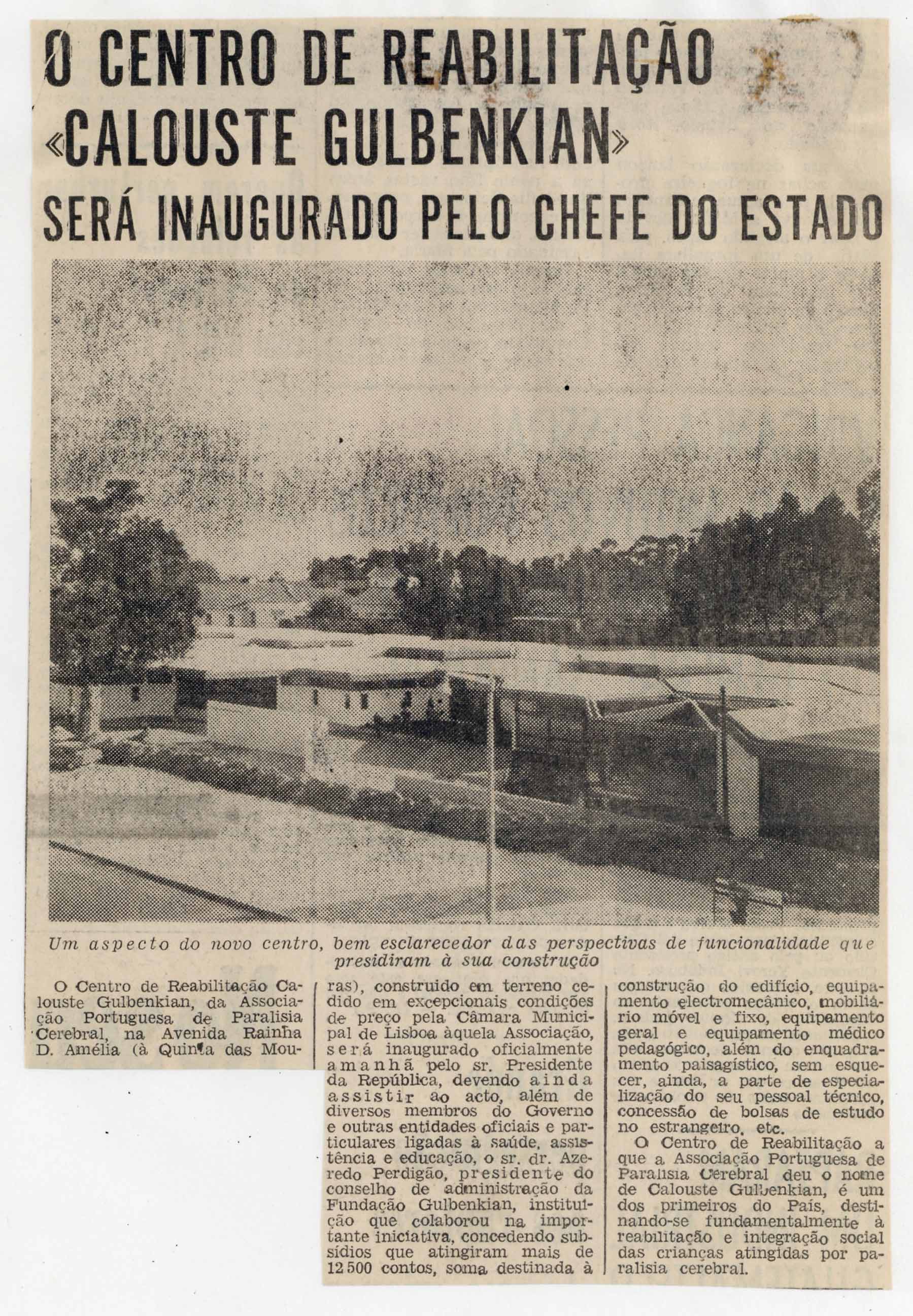
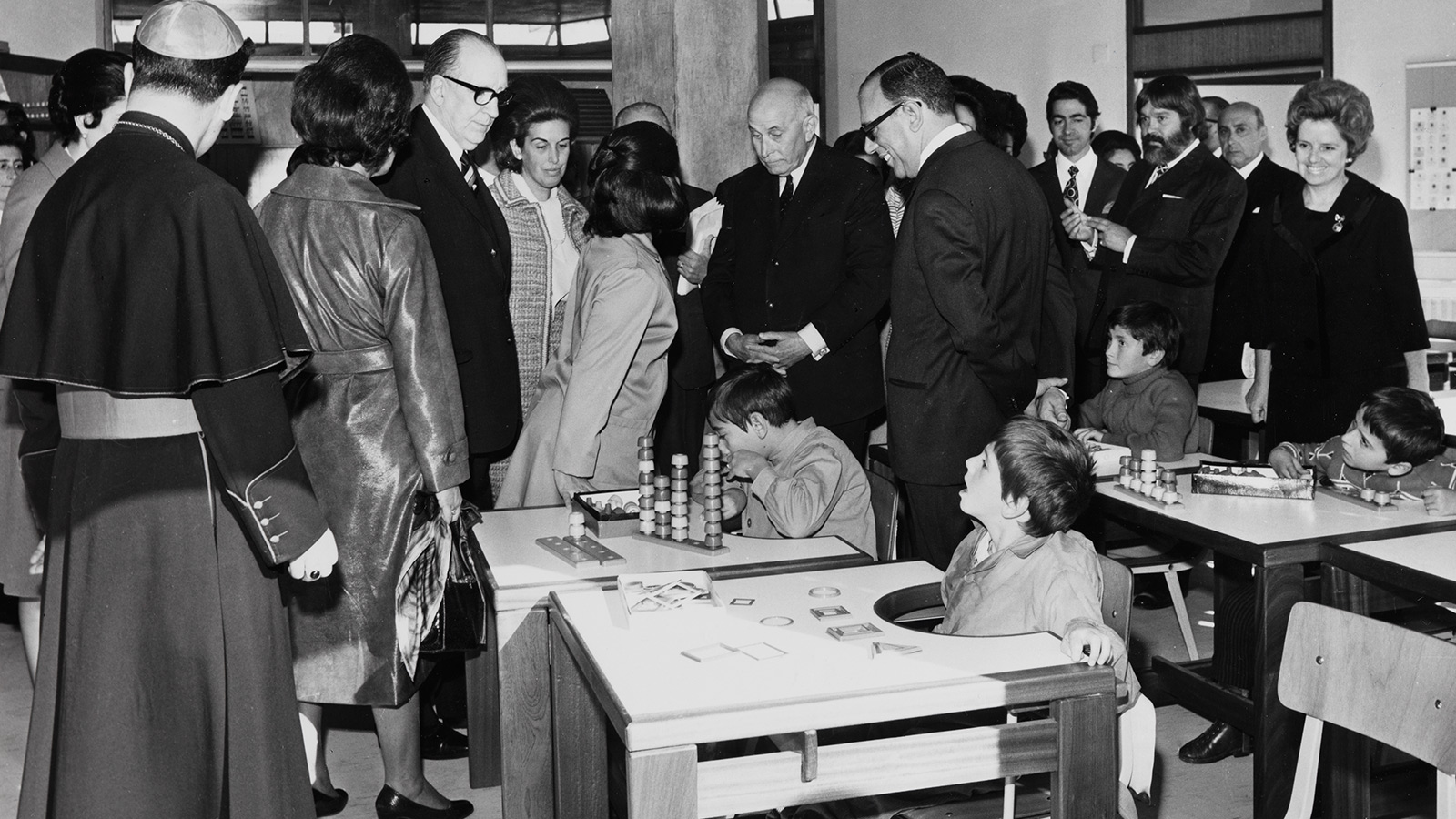
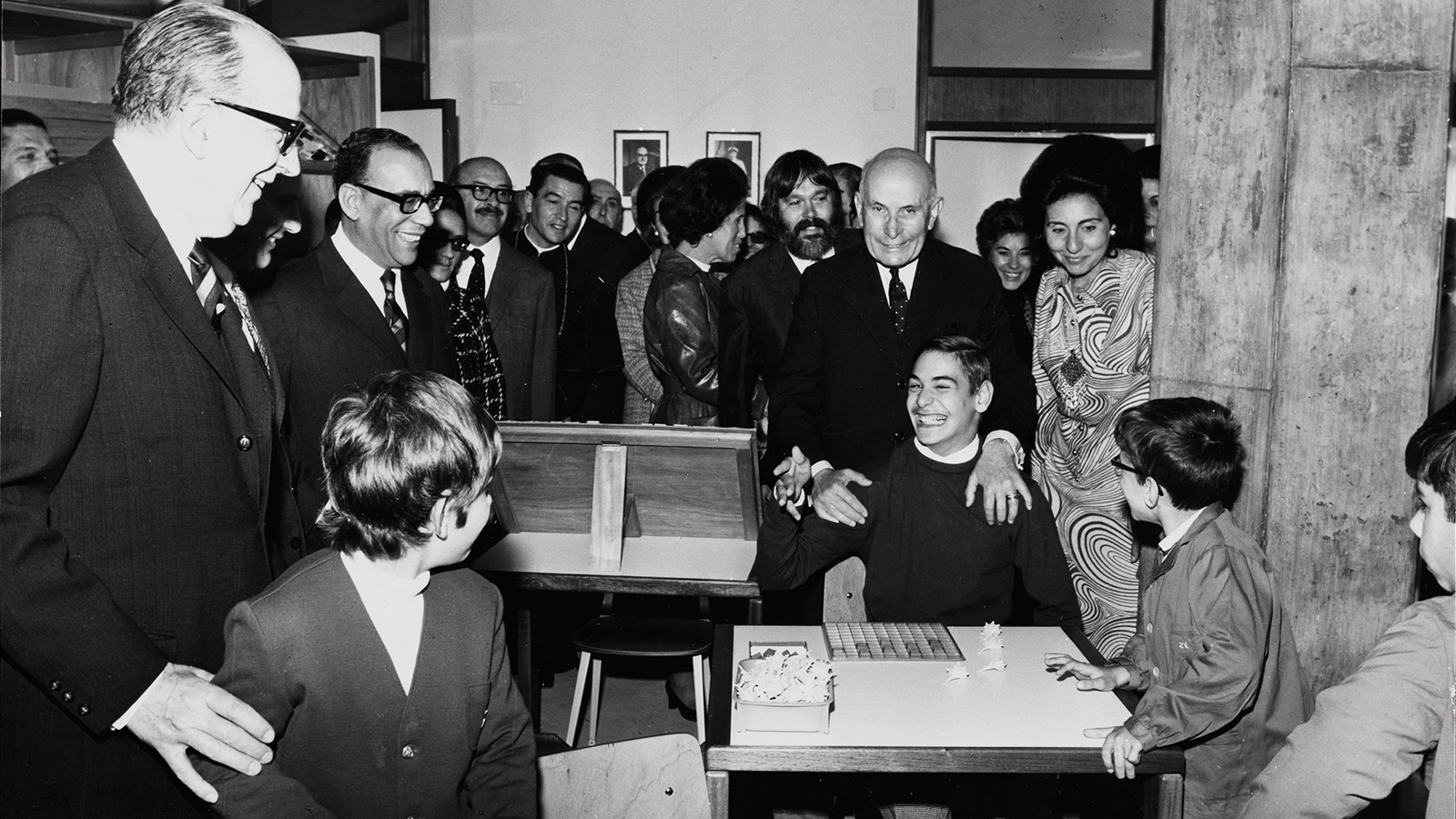
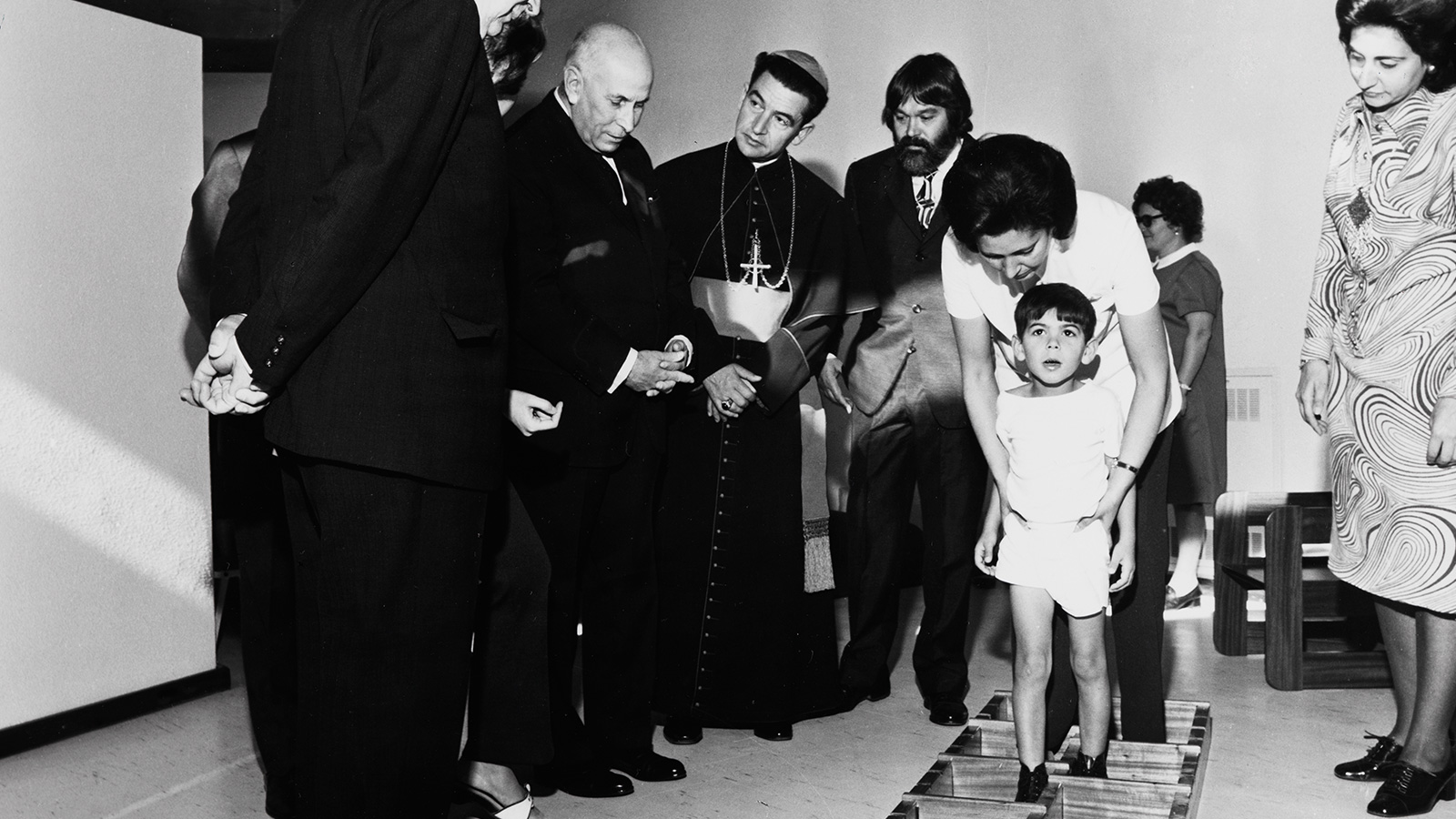
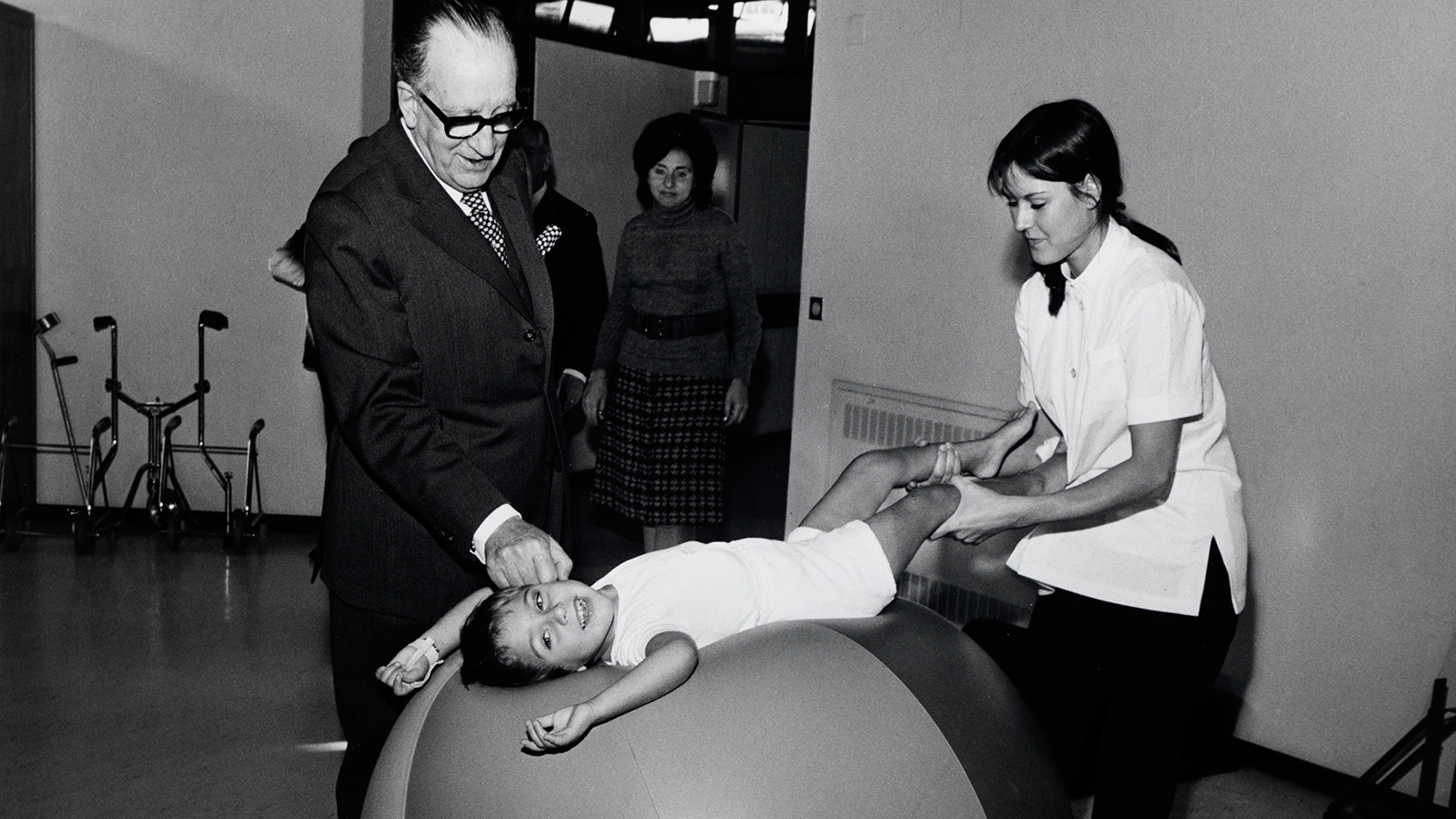
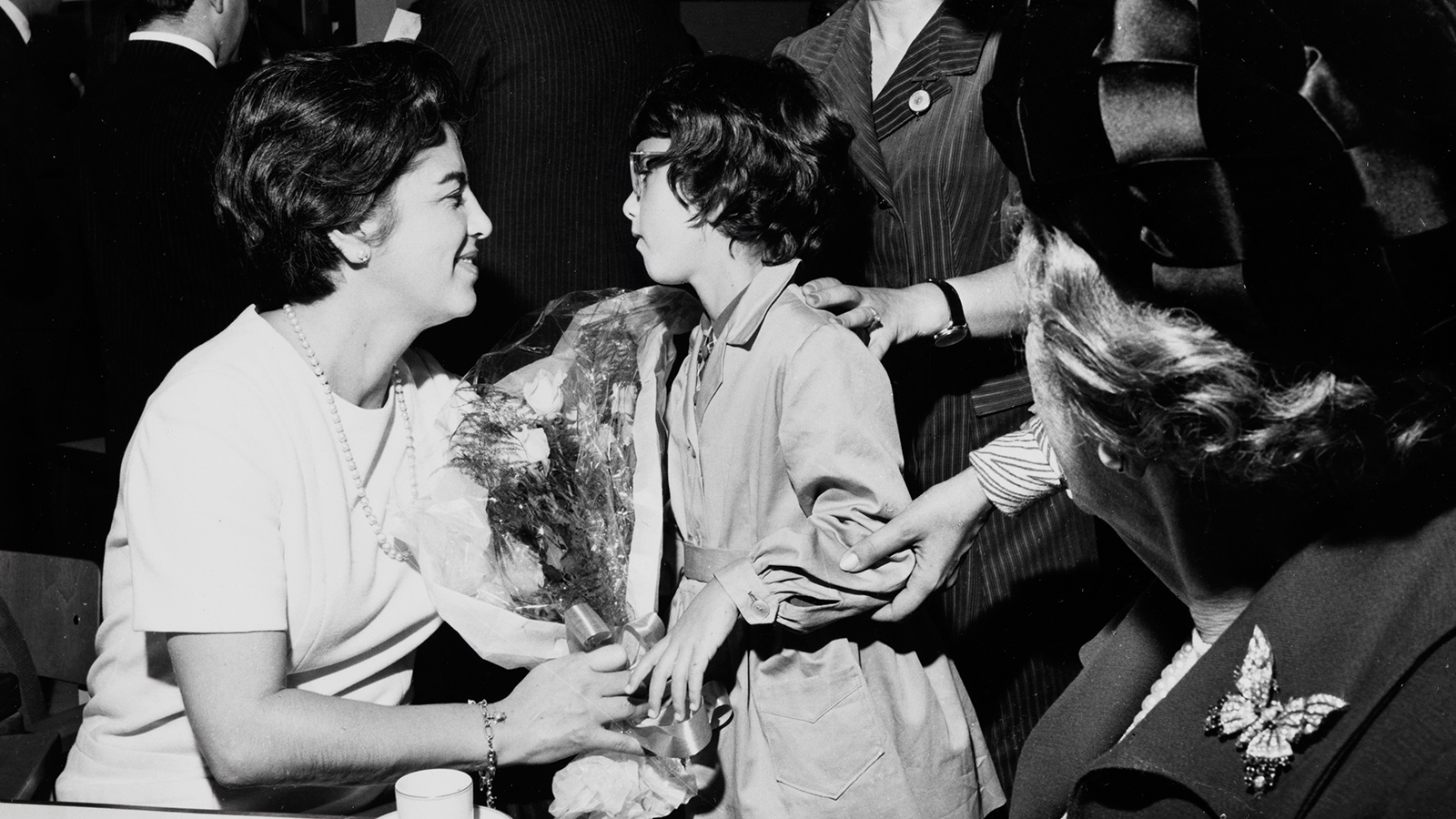
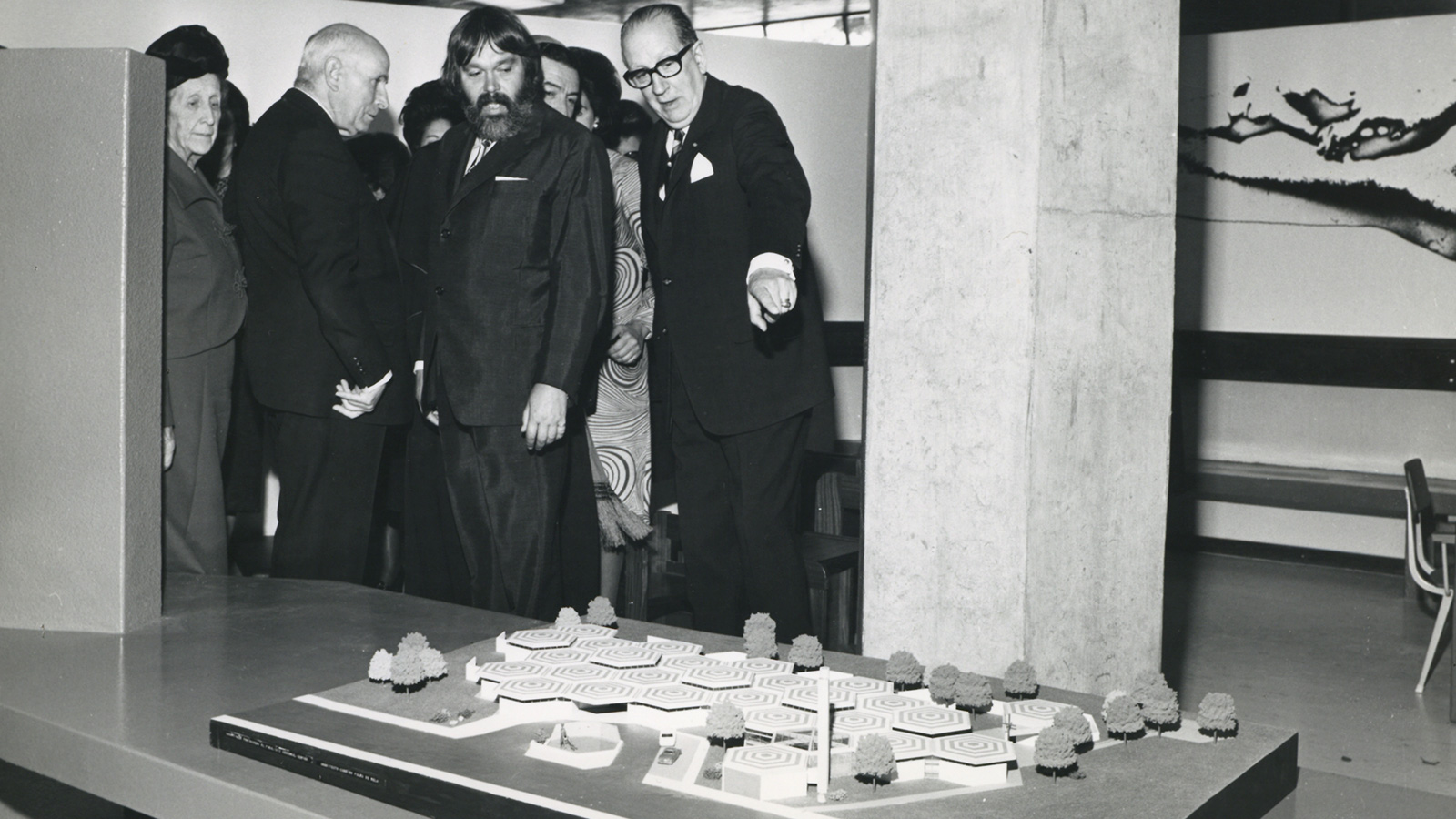
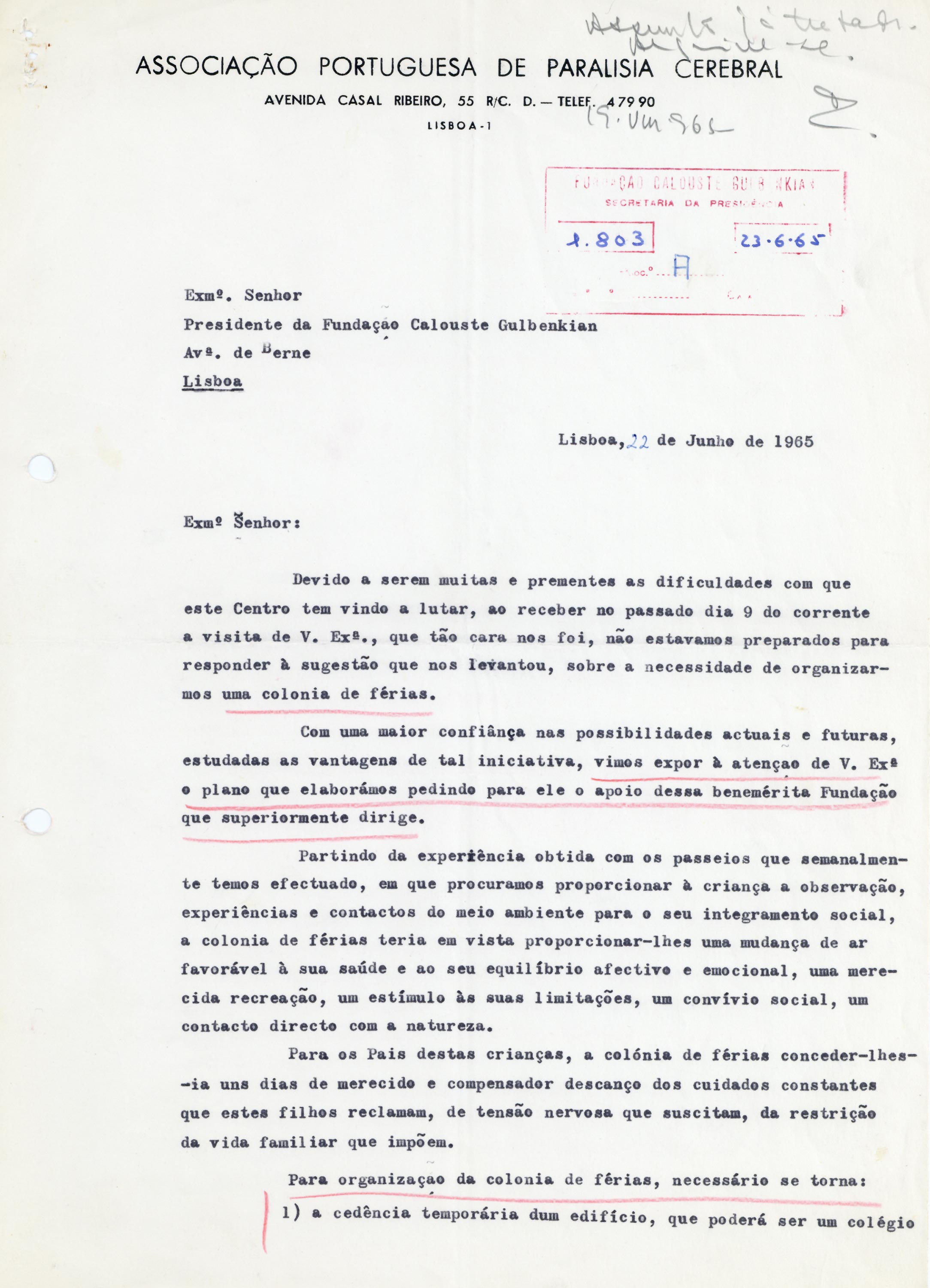
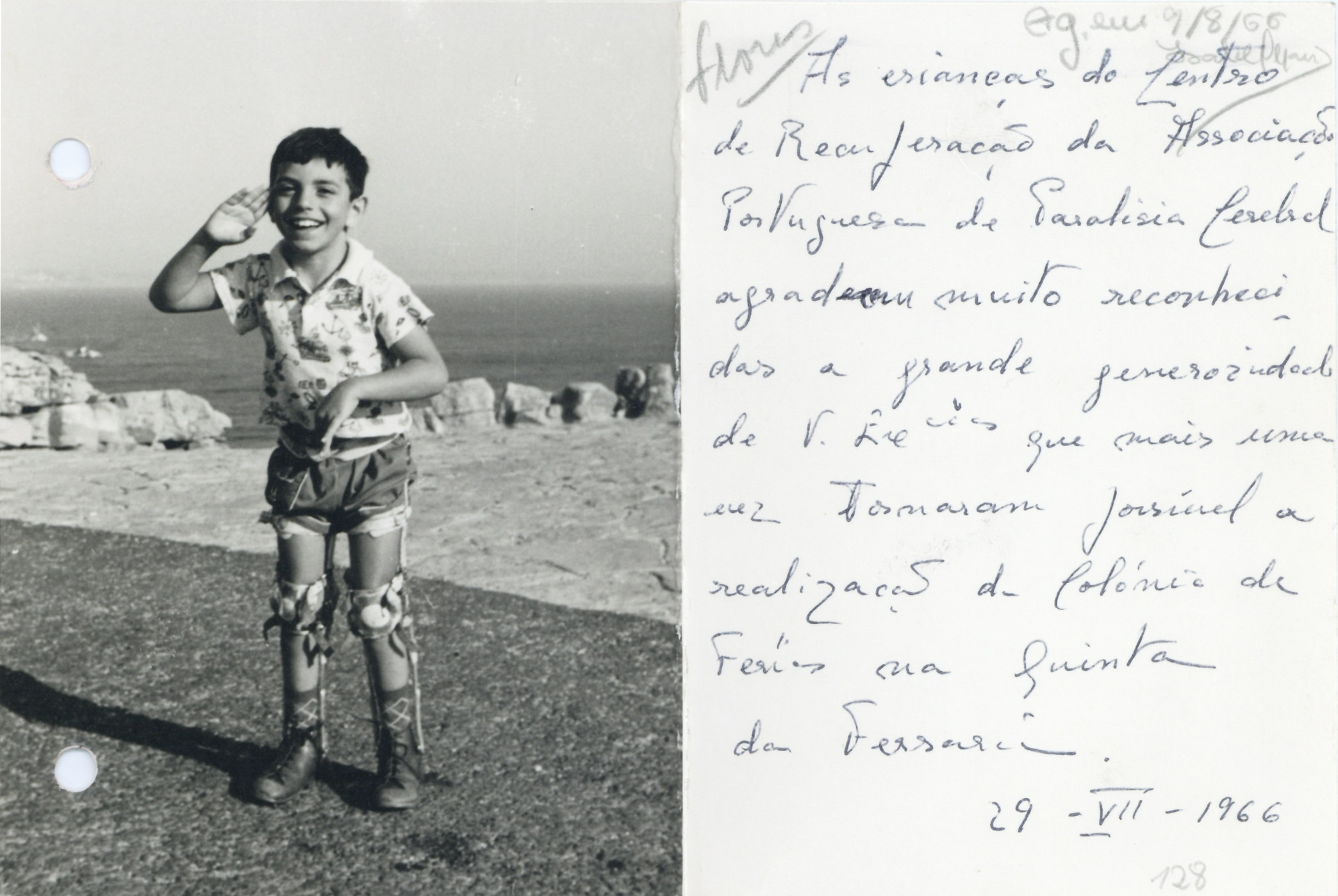
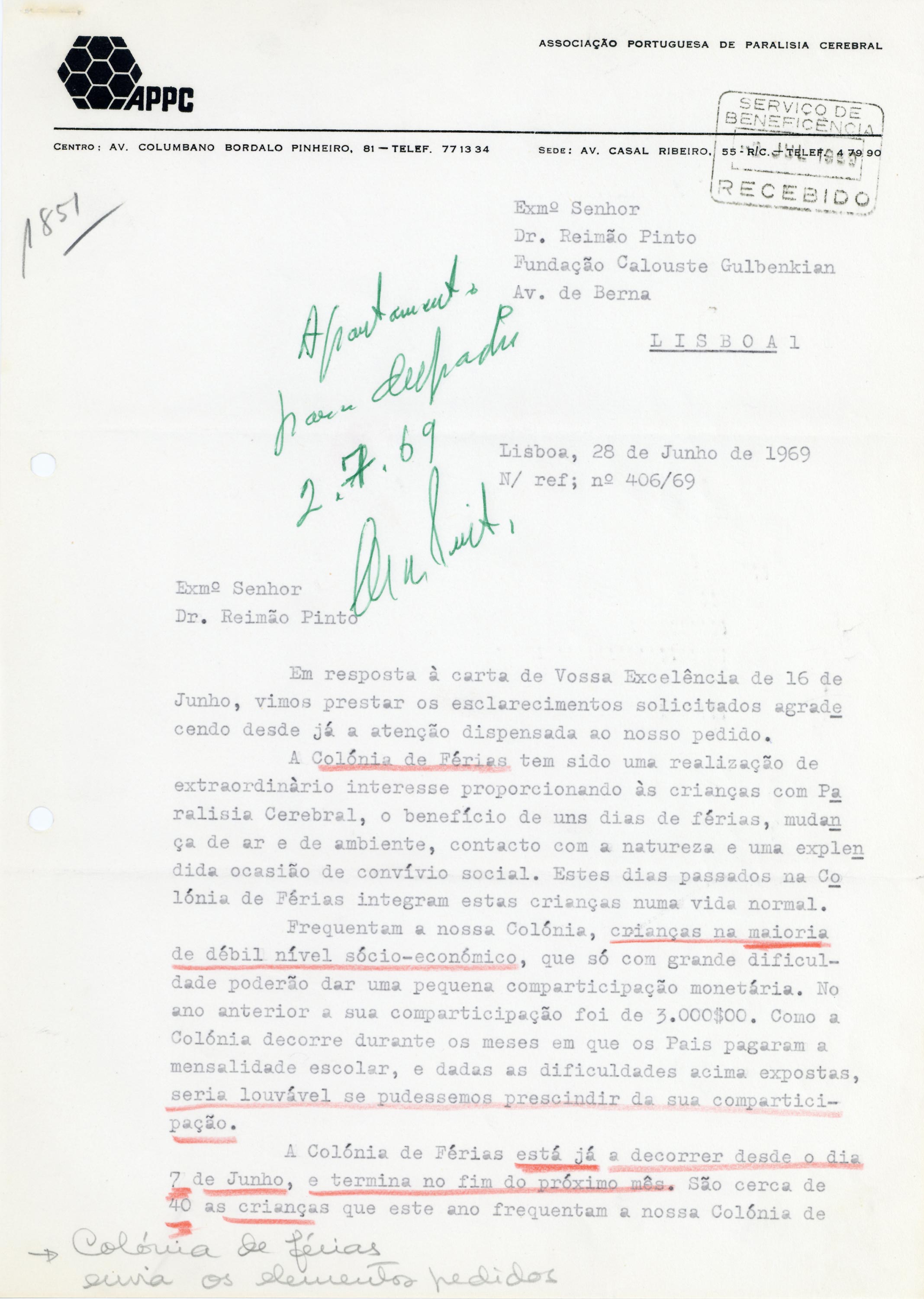
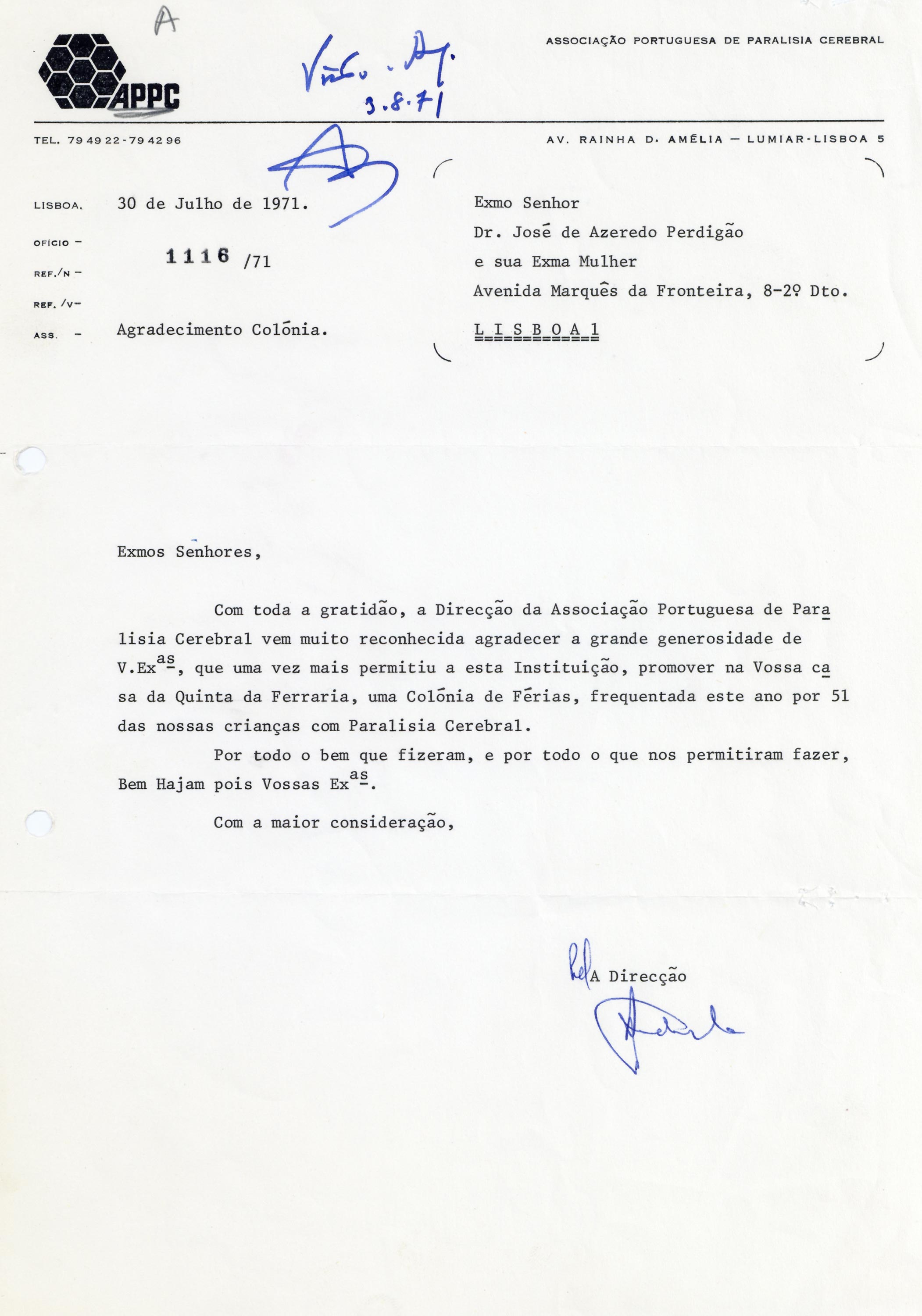
The speech delivered by José de Azeredo Perdigão clearly reflected the affection he felt for the Centre’s children, a sentiment already evident after his visit to the Recovery Centre in June 1965. Having been informed of the exhaustion caused by the children’s constant therapies and of the difficulties in providing them with an enjoyable holiday period, he decided to make his family home – Quinta da Ferraria, in Óbidos – available for use as a holiday camp. This generous arrangement continued until the property was sold in 1972.
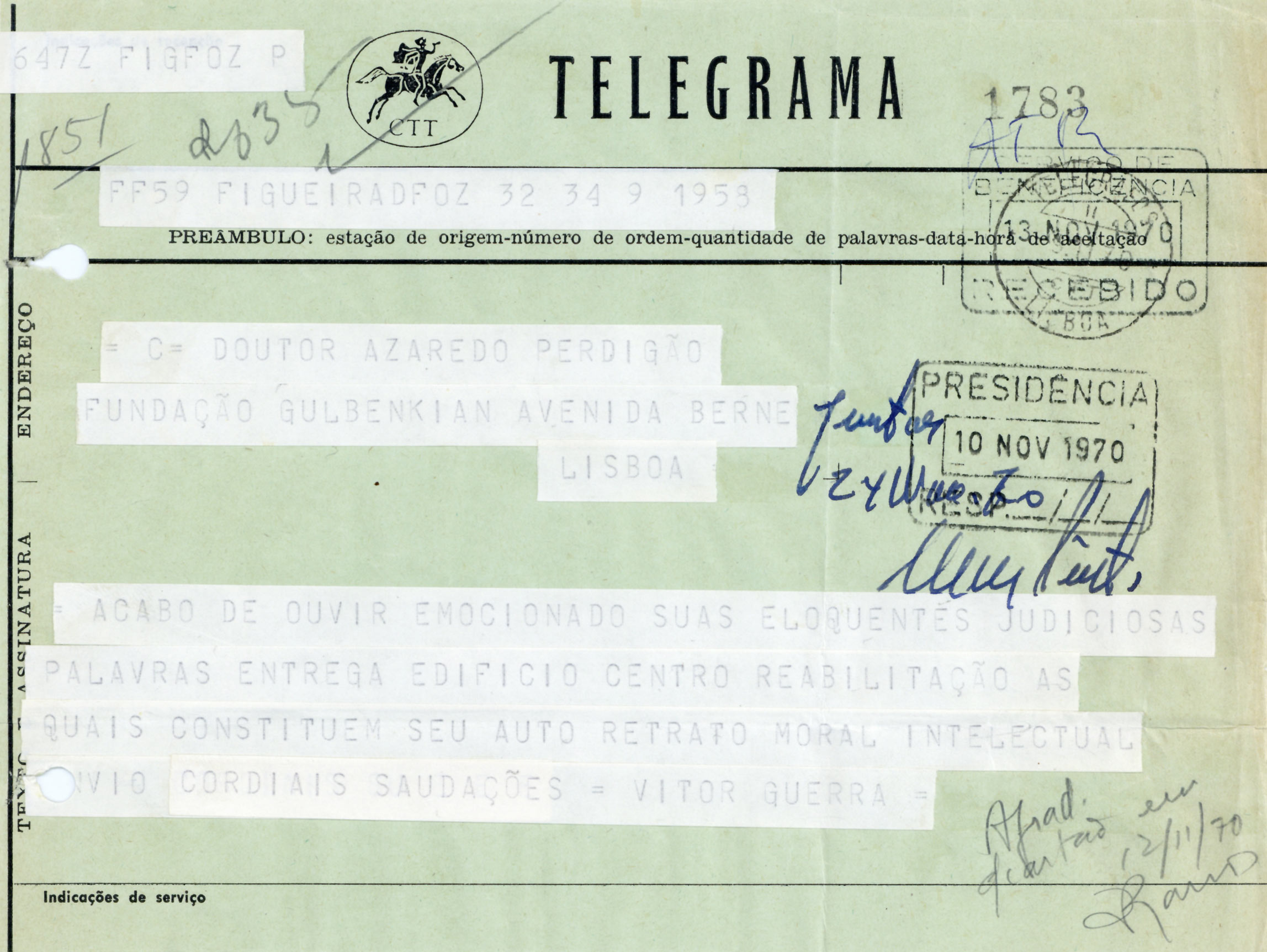
The correspondence addressed to the Perdigão couple includes numerous letters of gratitude sent by the Centre’s management, staff and beneficiaries themselves. Over the years, the Foundation also granted financial support to the holiday camp to help meet its operational needs.
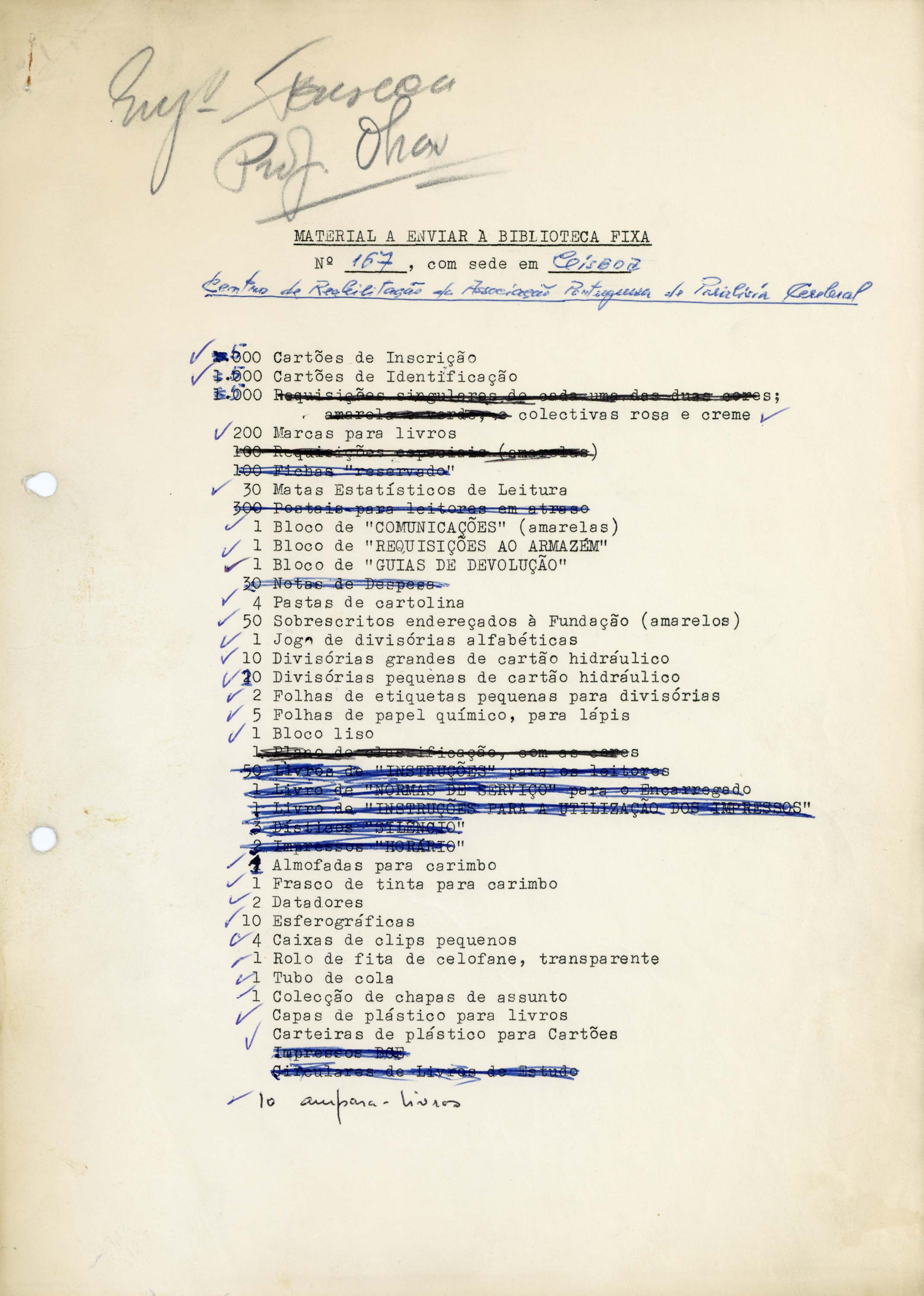
A major promoter of access to reading and information in Portugal, the Calouste Gulbenkian Foundation also supported requests from the Centre’s staff for the acquisition of specialist publications. Through its Mobile Libraries Service, the Foundation provided the Centre with Fixed Library Nr. 167, managed by two therapists. This library later became Reading Post Nr. 5.
The Calouste Gulbenkian Foundation not only made possible the construction of an “experimental centre”, as engineer João Vaz Raposo described it, but also laid the foundations for a reference institution that has, to this day, enabled the rehabilitation of thousands of children with cerebral palsy and the specialist training of countless professionals.
From the Archives
Explore the series


No results were found for your criteria.
You may also like

No results were found for your criteria.