
Almanacs: measuring time, organising the world
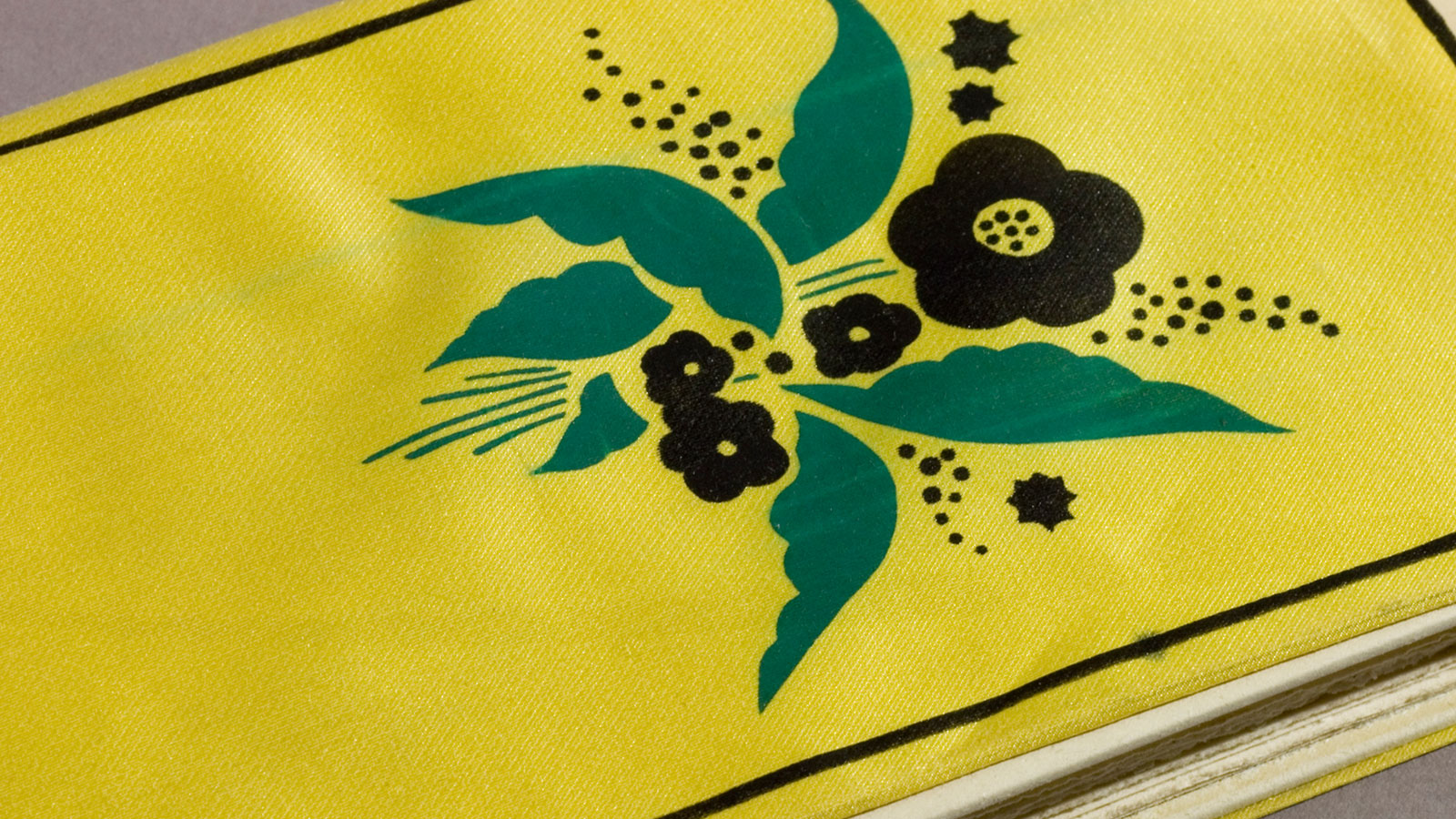
In Portuguese, the word almanaque derives from the Arabic al-manākh. An almanac is usually an annual publication containing a calendar marking the dates of the main astronomical events, such as solstices and lunar phases, along with other practical information.
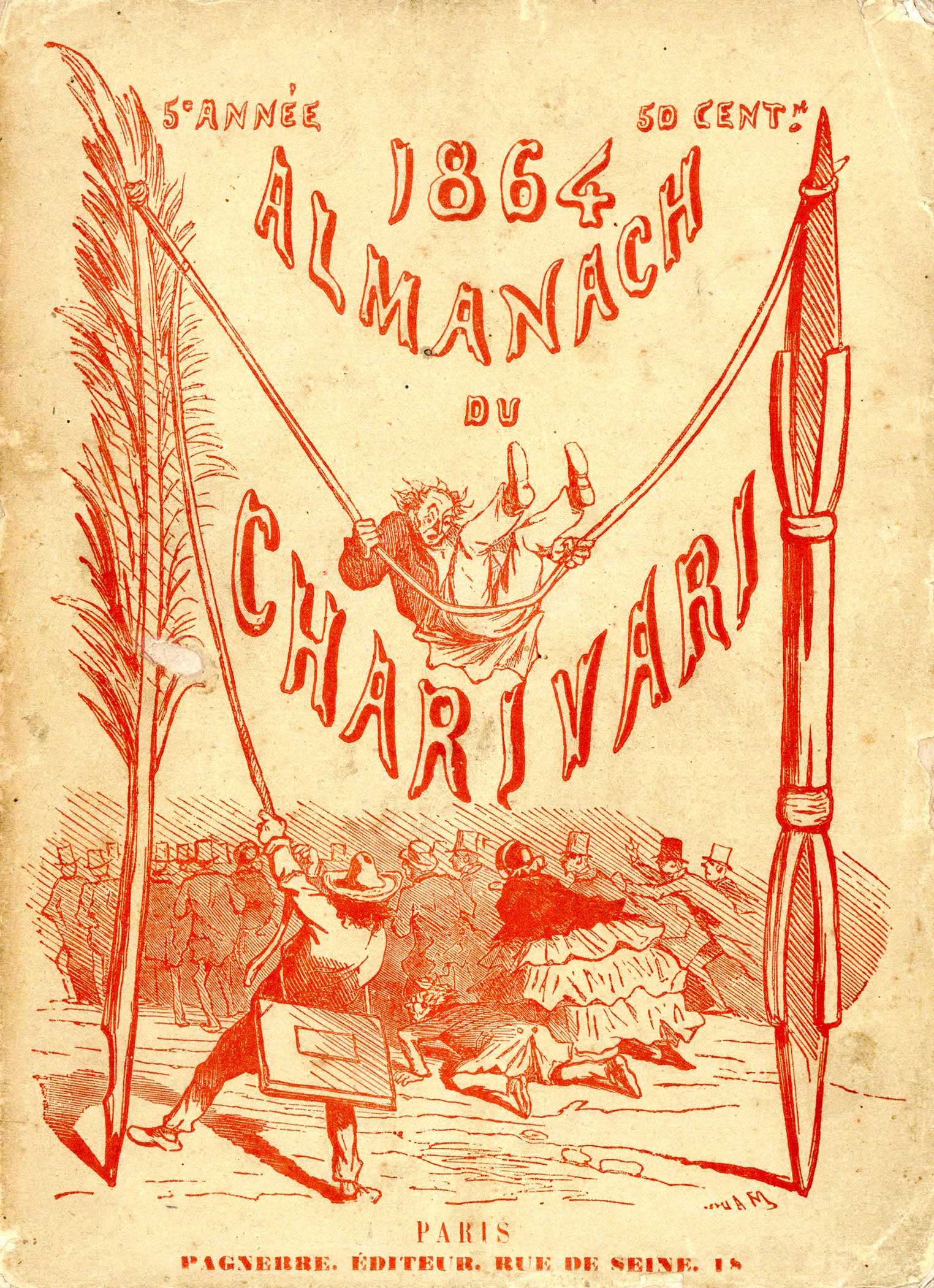
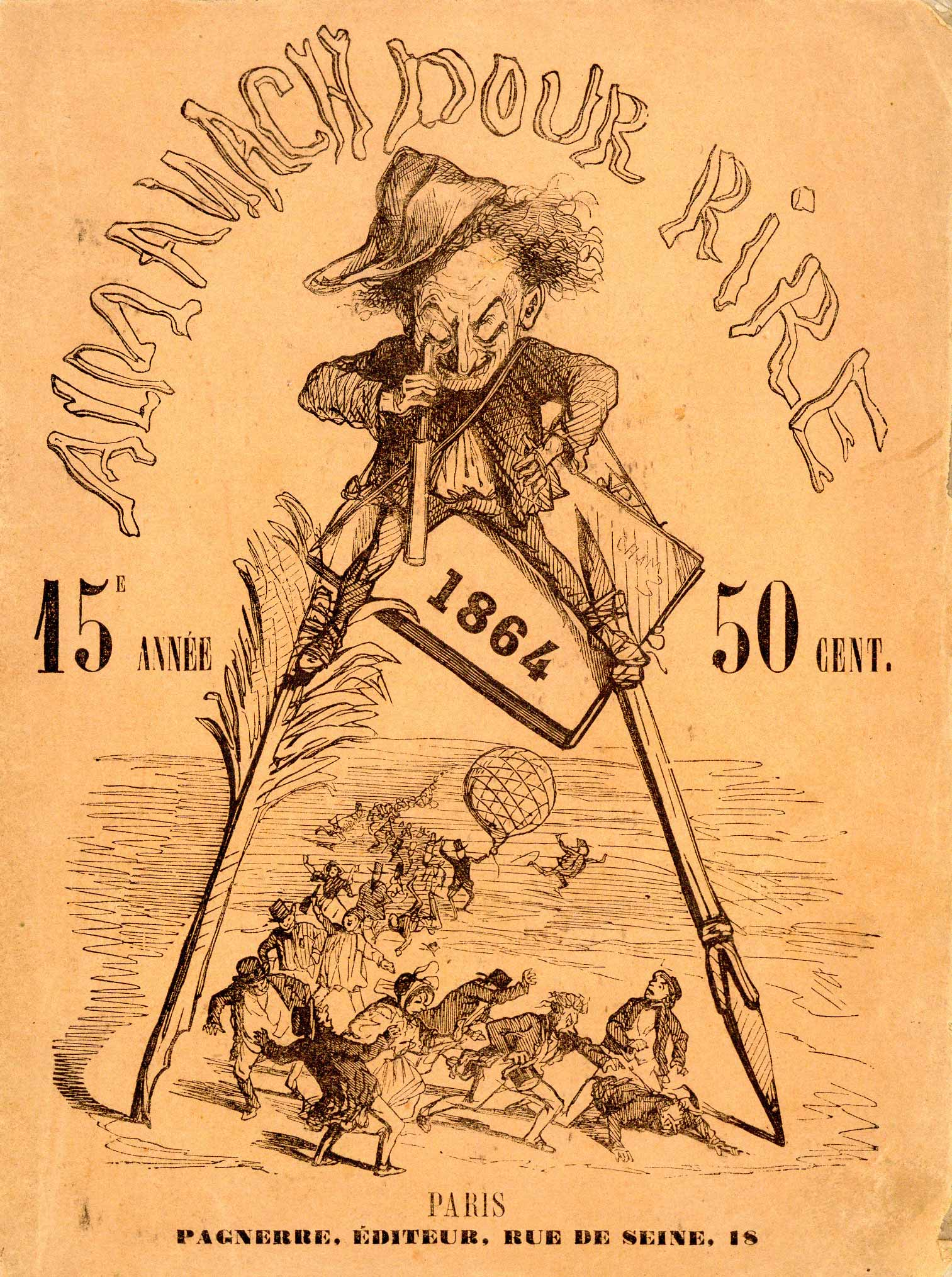
There are different and curious versions concerning the invention of the first almanacs. According to some authors, the Chinese appear to be at the origin, while others consider the peoples of the Fertile Crescent to be their true inventors. Still others proposed far more imaginative explanations.
According to the Brazilian writer Machado de Assis (1839-1908), in a short story written in 1890, it was Time itself that invented the almanac: enamoured of the young Hope, who did not return his love due to the difference in age, Time created the almanac so that she might “palpably see her youth slipping away…” and surrender to him. Many almanacs later, Time finally conquered his beloved, who then collaborated with her husband. From that moment on, various almanacs came to be “interspersed and adorned with illustrations, verses, tales, anecdotes, and a thousand recreational curiosities” (“Como se inventaram os Almanaques”, 1890. In Contos na Imprensa – Fase 9 (1885- 1892). Accessed 21/01/2026).
The Grande enciclopédia portuguesa e brasileira records another account: according to a very ancient Talmudic legend, “the first almanac was prepared by two sons of Seth, the Egyptian god of chaos, drought and war, on the eve of the Flood.” Having foreseen the divine intention, they decided to safeguard knowledge by engraving upon granite and brick tablets the “Book of All Knowledge, which was nothing more and nothing less than our almanac, with the division of time, the birth of the sun, the inconstancies of the moon, the violence of the winds and the forecast of storms” (Volume 2, page 23).
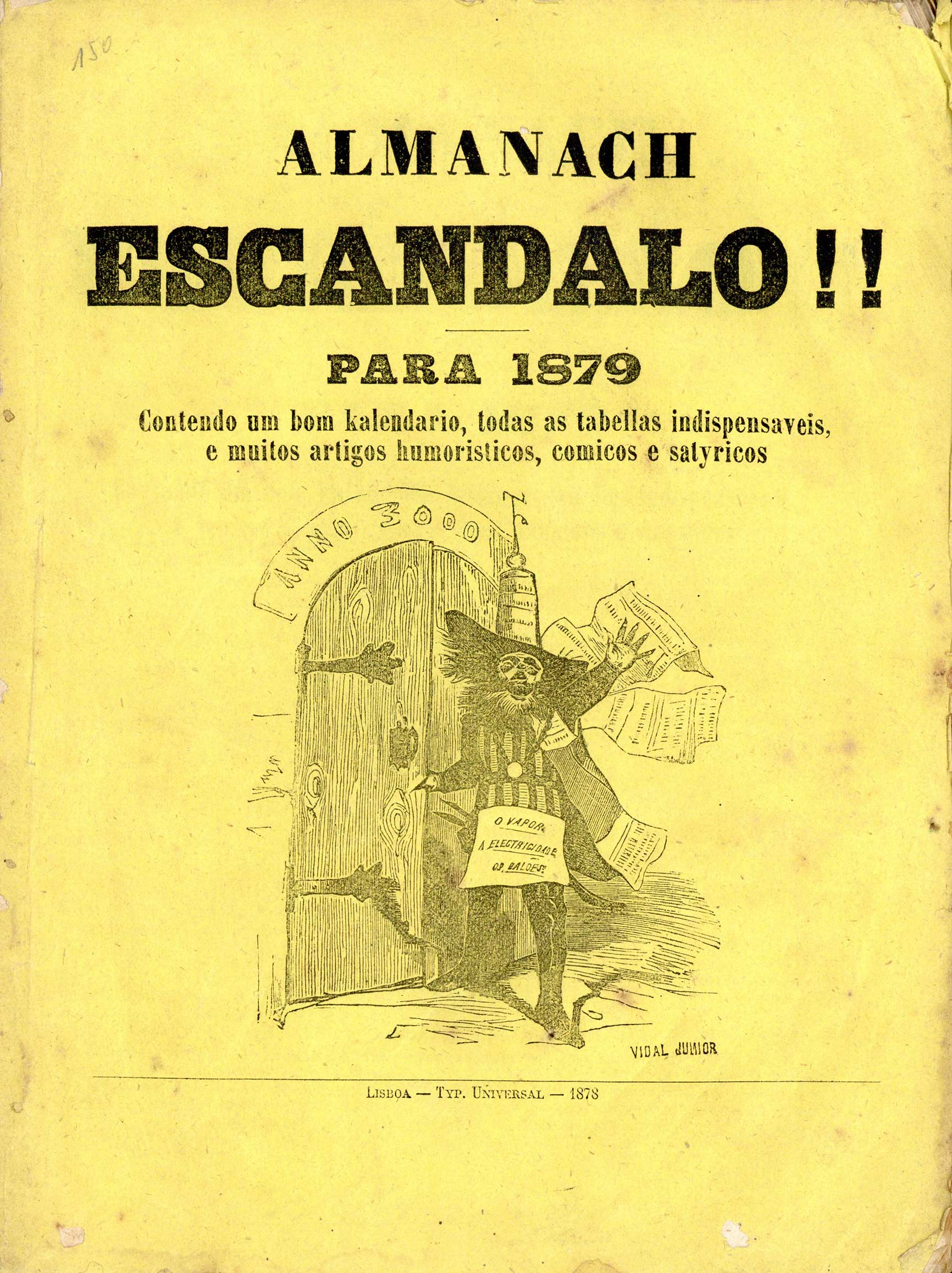
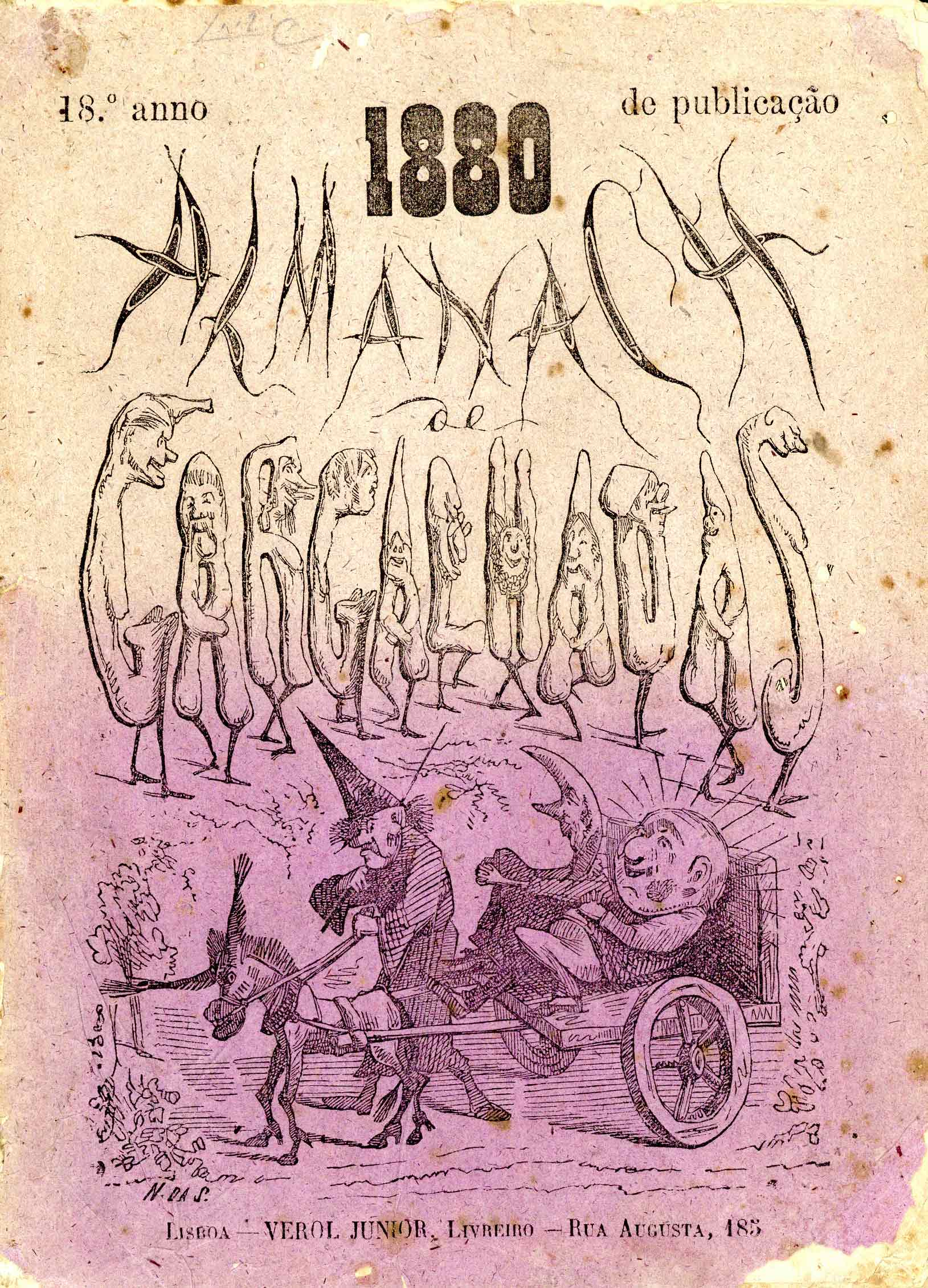
Whatever its true origin, Babylonians, Egyptians, Greeks and Romans used almanacs to better organise their daily lives.
From their earliest manifestations, almanacs contained practical and varied information, especially of an astrological and astronomical nature. The invention of printing allowed for the inclusion of other types of content and, throughout the eighteenth century, their thematic scope widened: they came to include, for example, recipes for various ailments and other remedies.
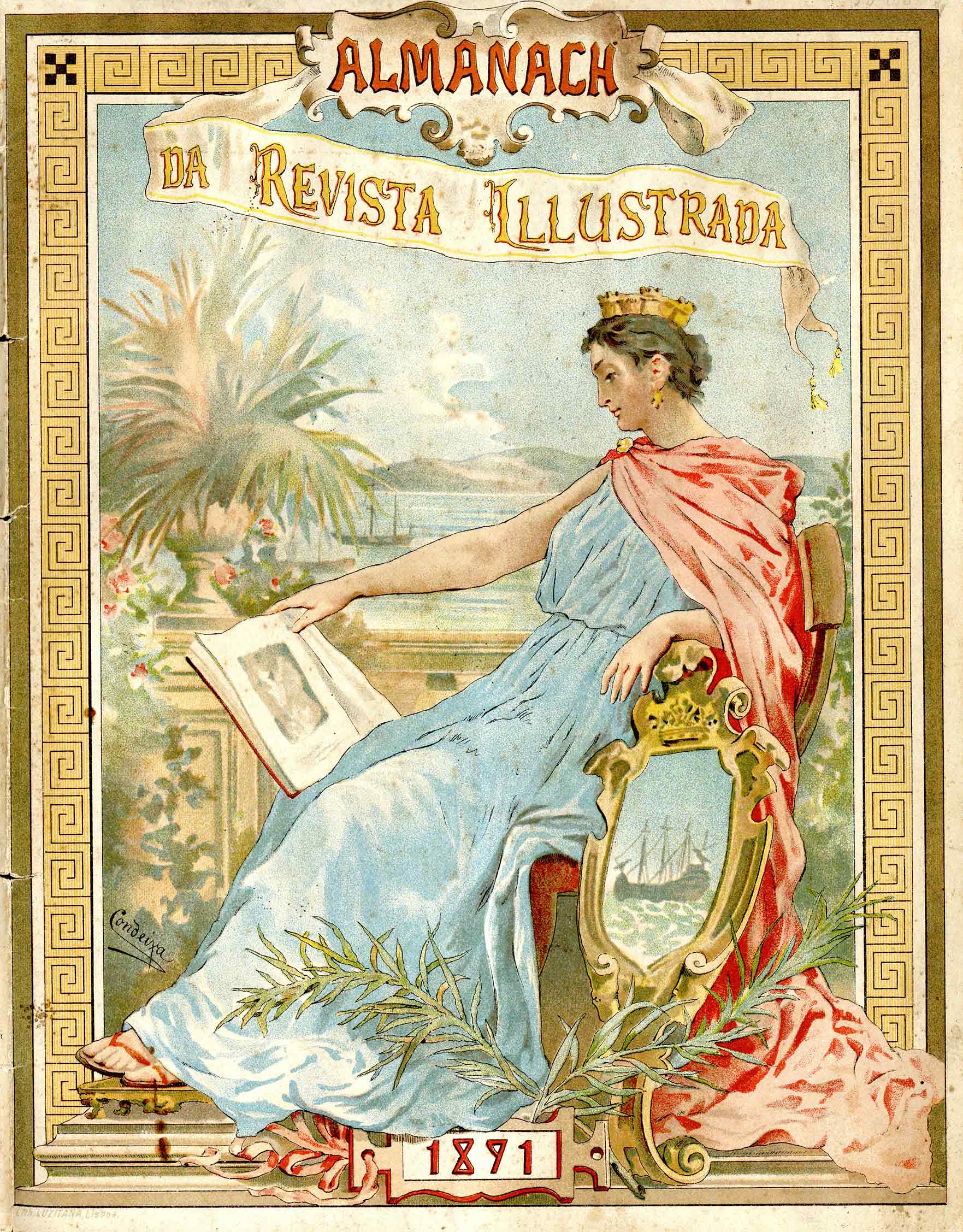
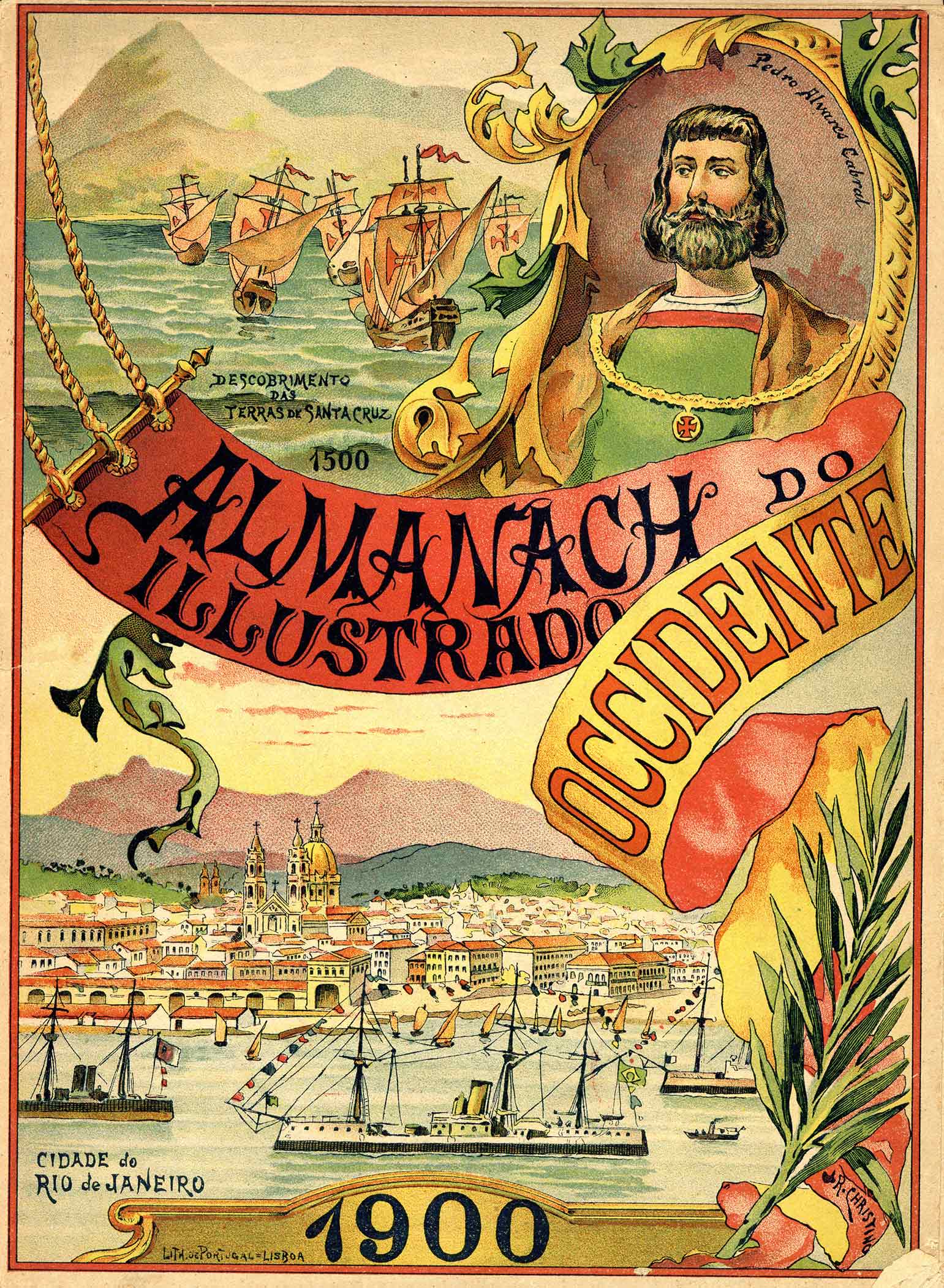
In the nineteenth century, almanacs diversified and specialised according to the interests of their audiences – rural communities and urban populations. The astrological component diminished and made way for other content of a more informative, factual and literary character.
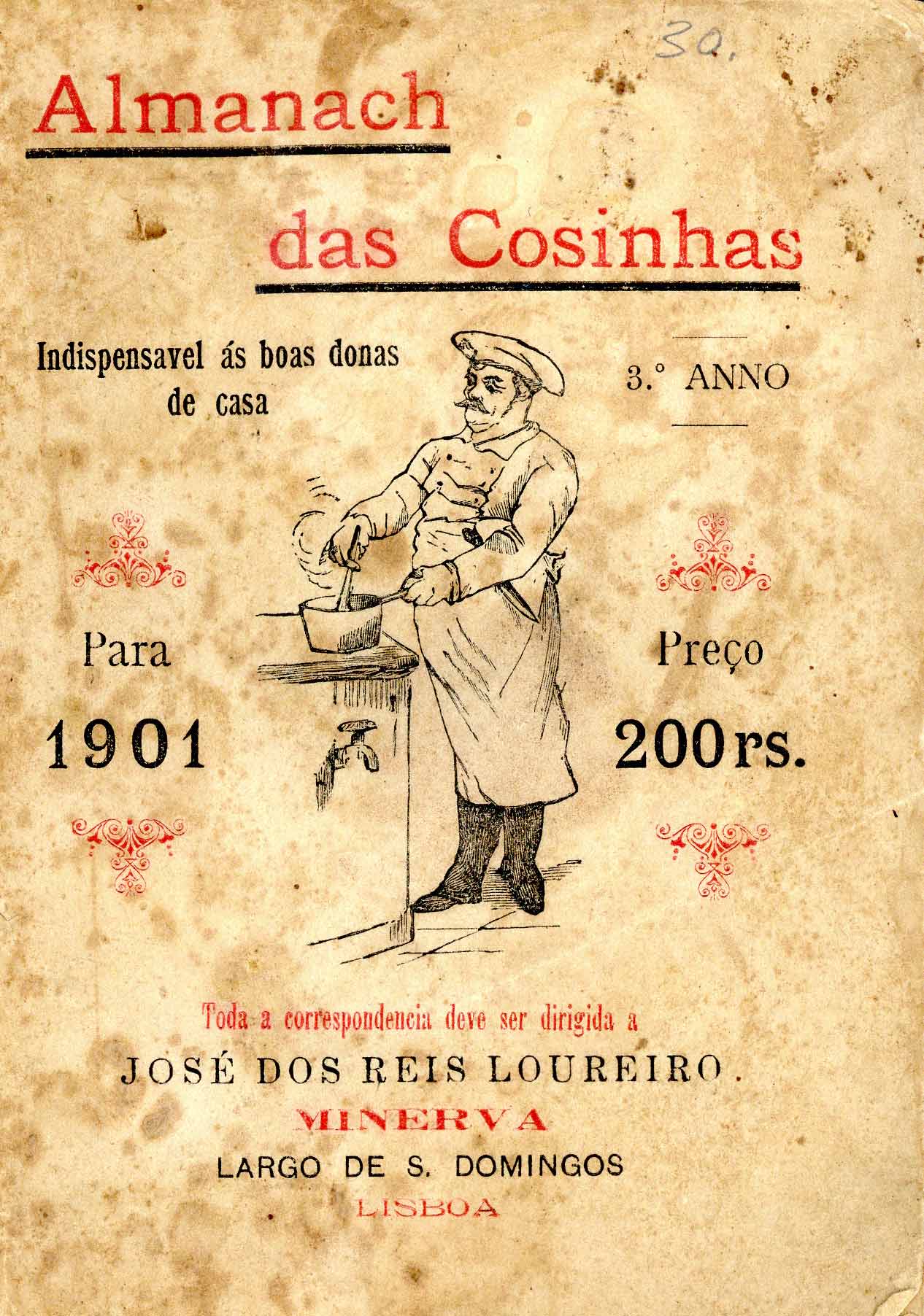
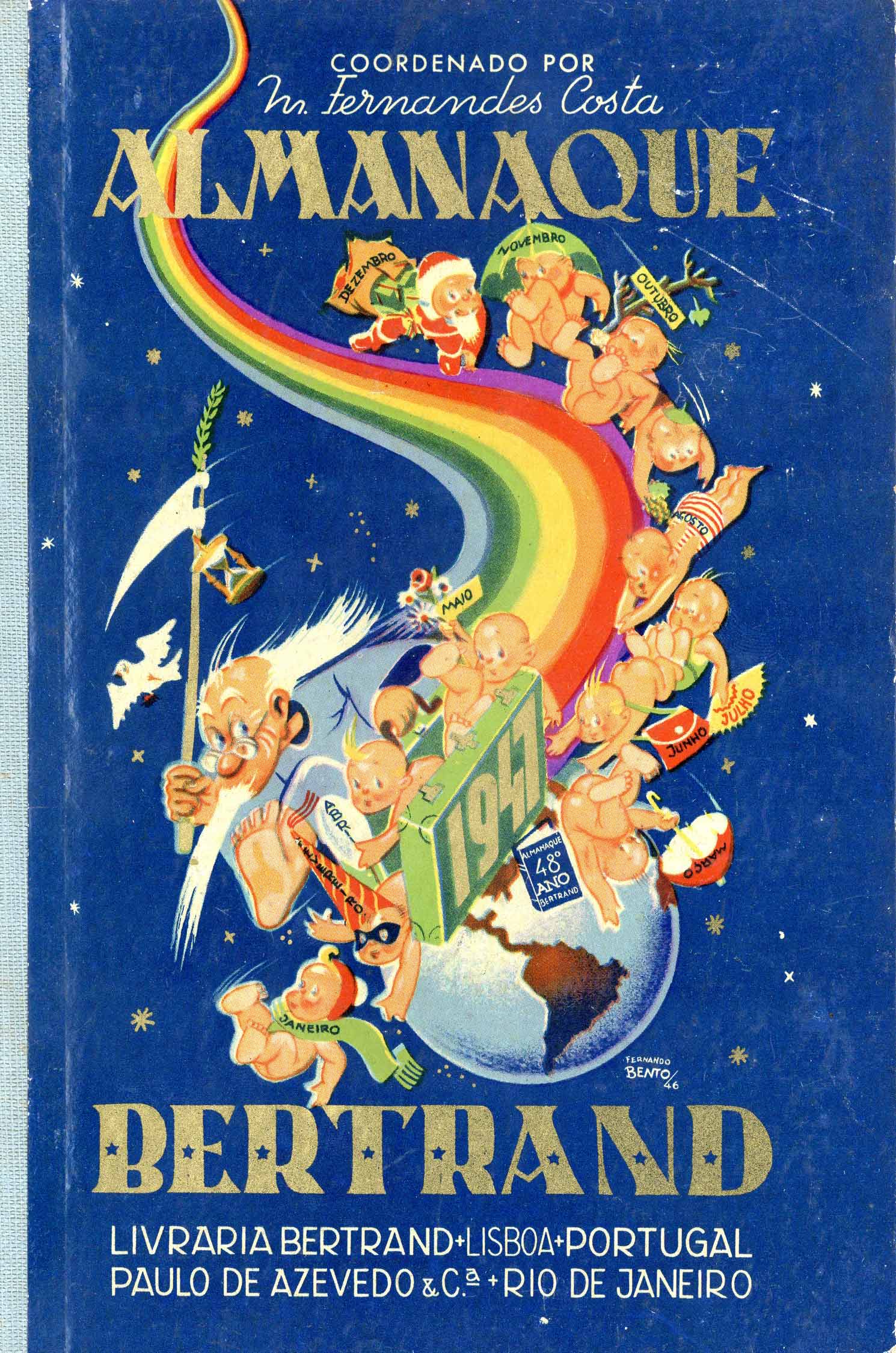
In the twenty-first century, very few almanacs survive the competition of that vast universe of information that is the internet. One of the few that resists in Portugal is the venerable Borda d’Água, although its street vendors are no longer heard at the turn of the year.
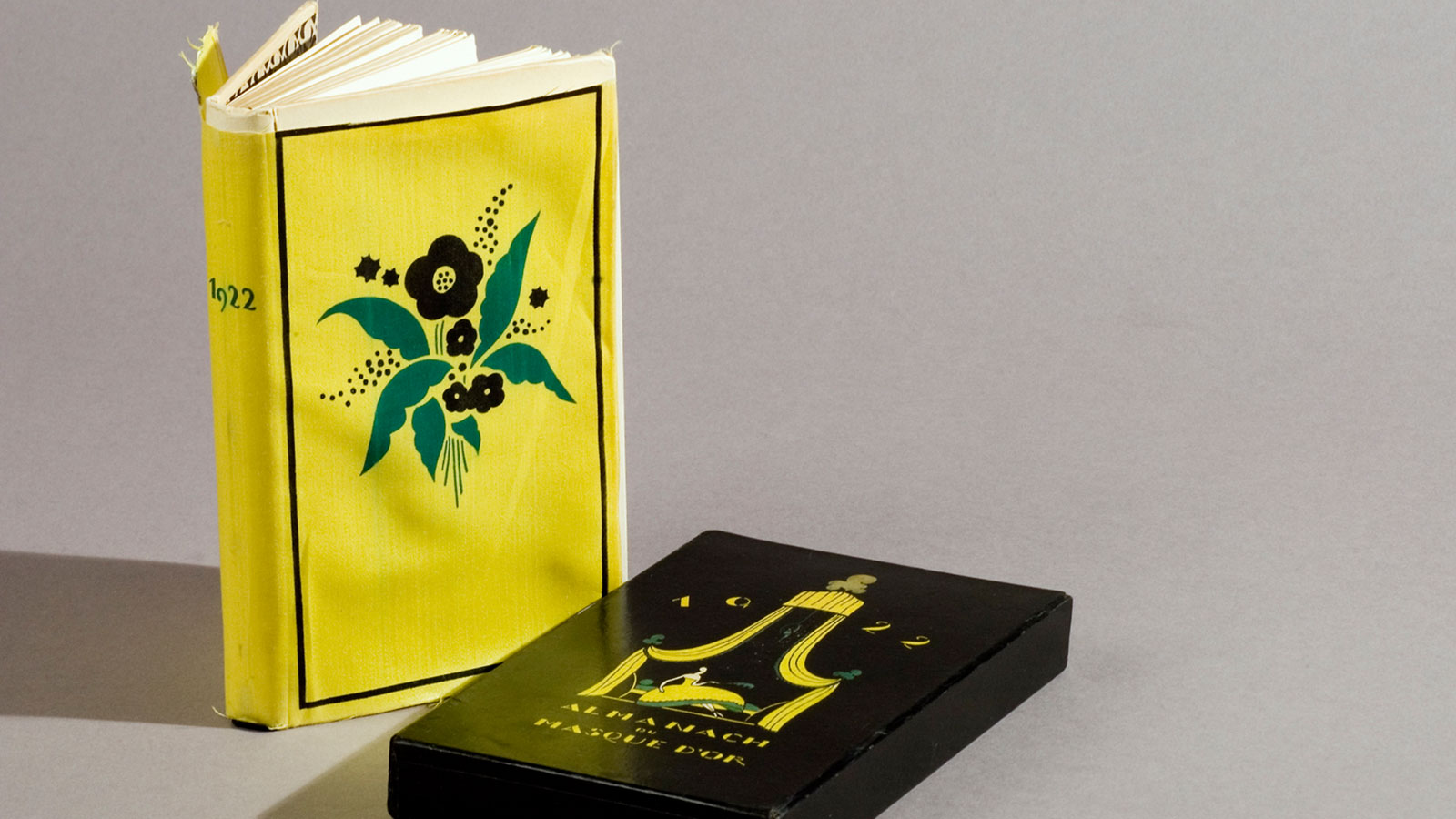
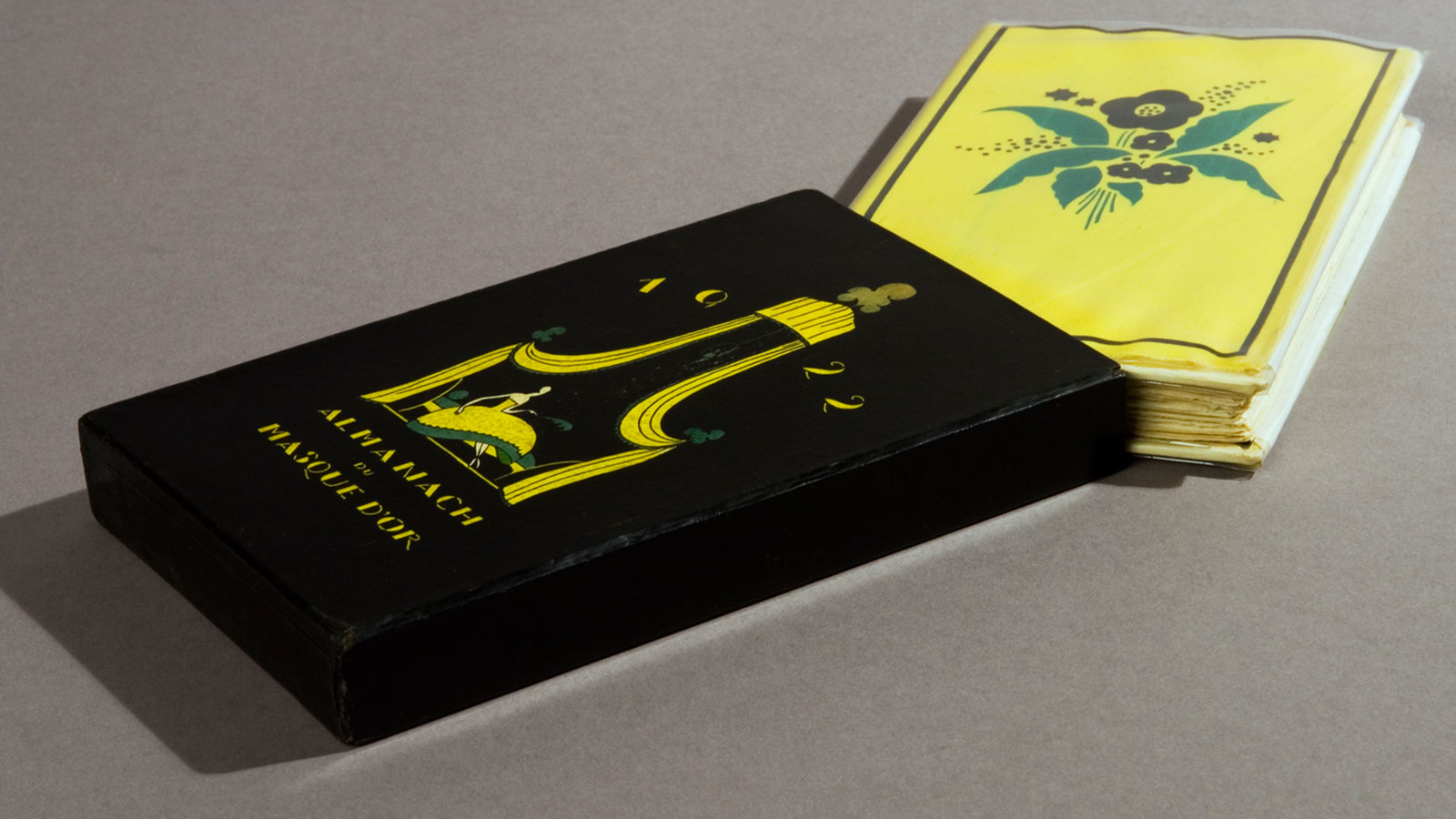
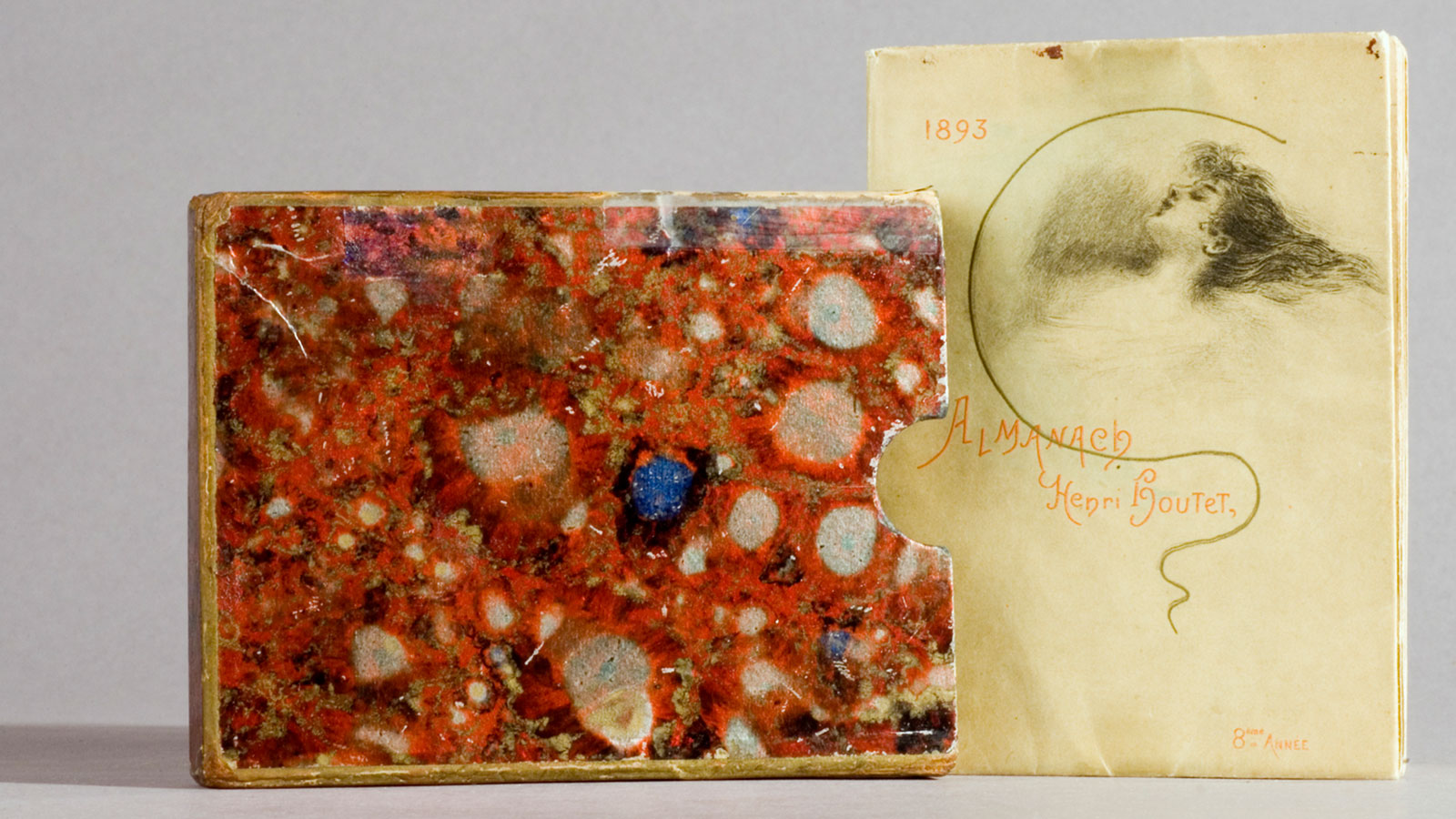
Among the books kept in Calouste Gulbenkian’s private library were two almanacs: the Almanach du masque d’or, published in Paris in 1922, and the Almanach Henri Boutet for the year 1893.
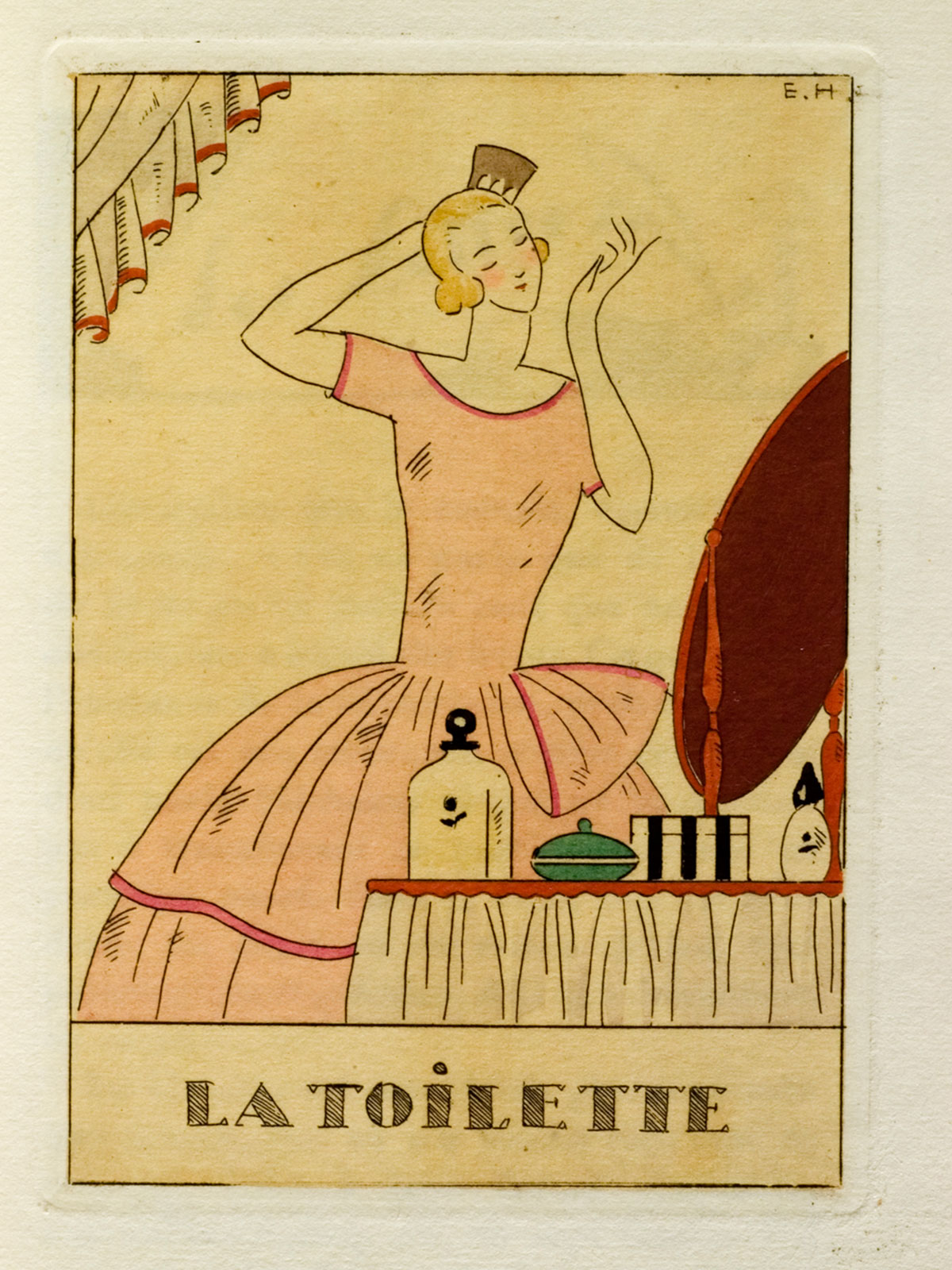
The former is a fine example bound in yellow silk, issued in a limited edition of 525 copies and profusely illustrated by Edouard Halouze (1895–1958), a French painter, illustrator and decorator who rose to prominence during the Art Deco period. His illustrations accompany short texts depicting various aspects of Parisian social life.
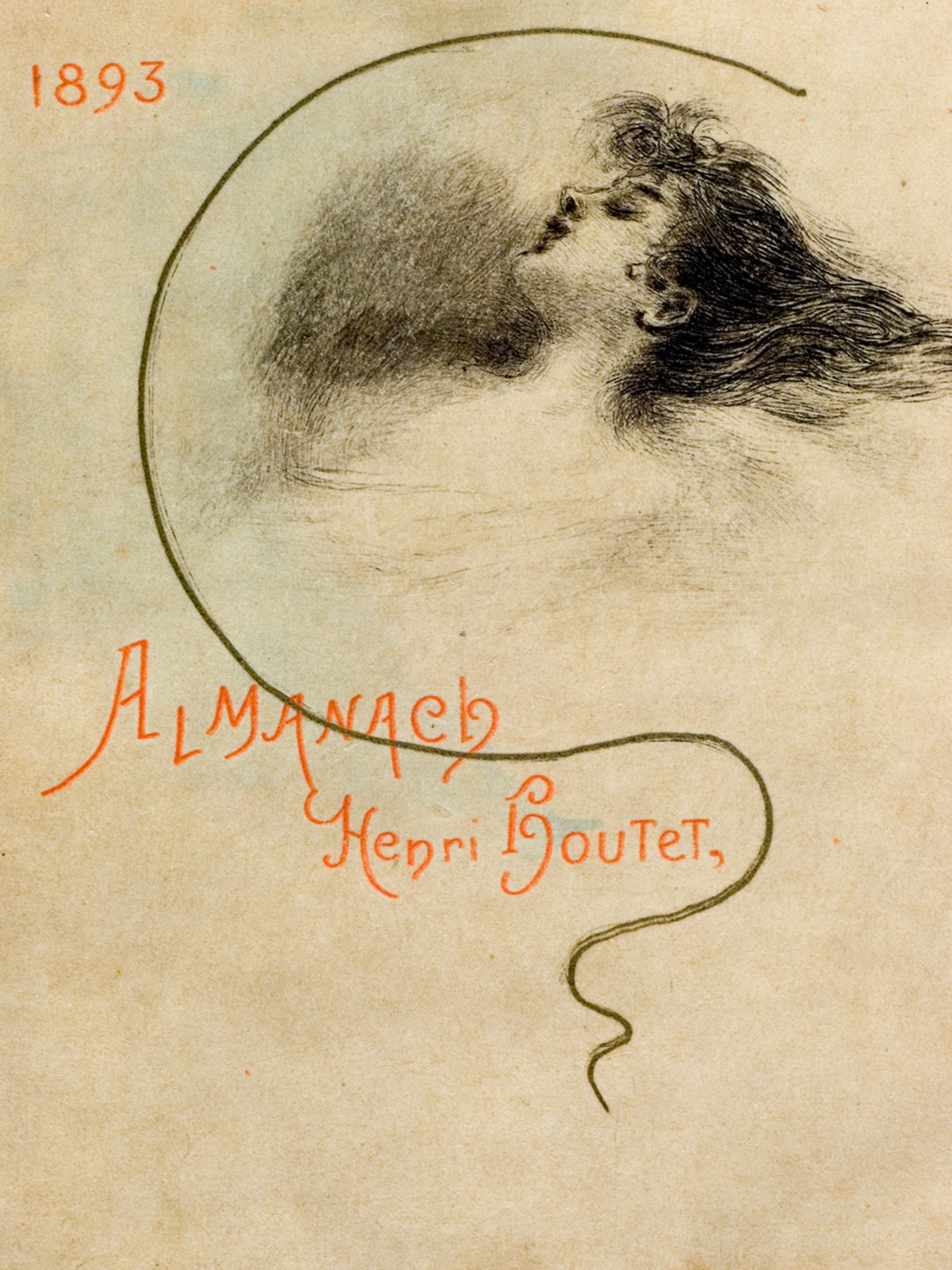
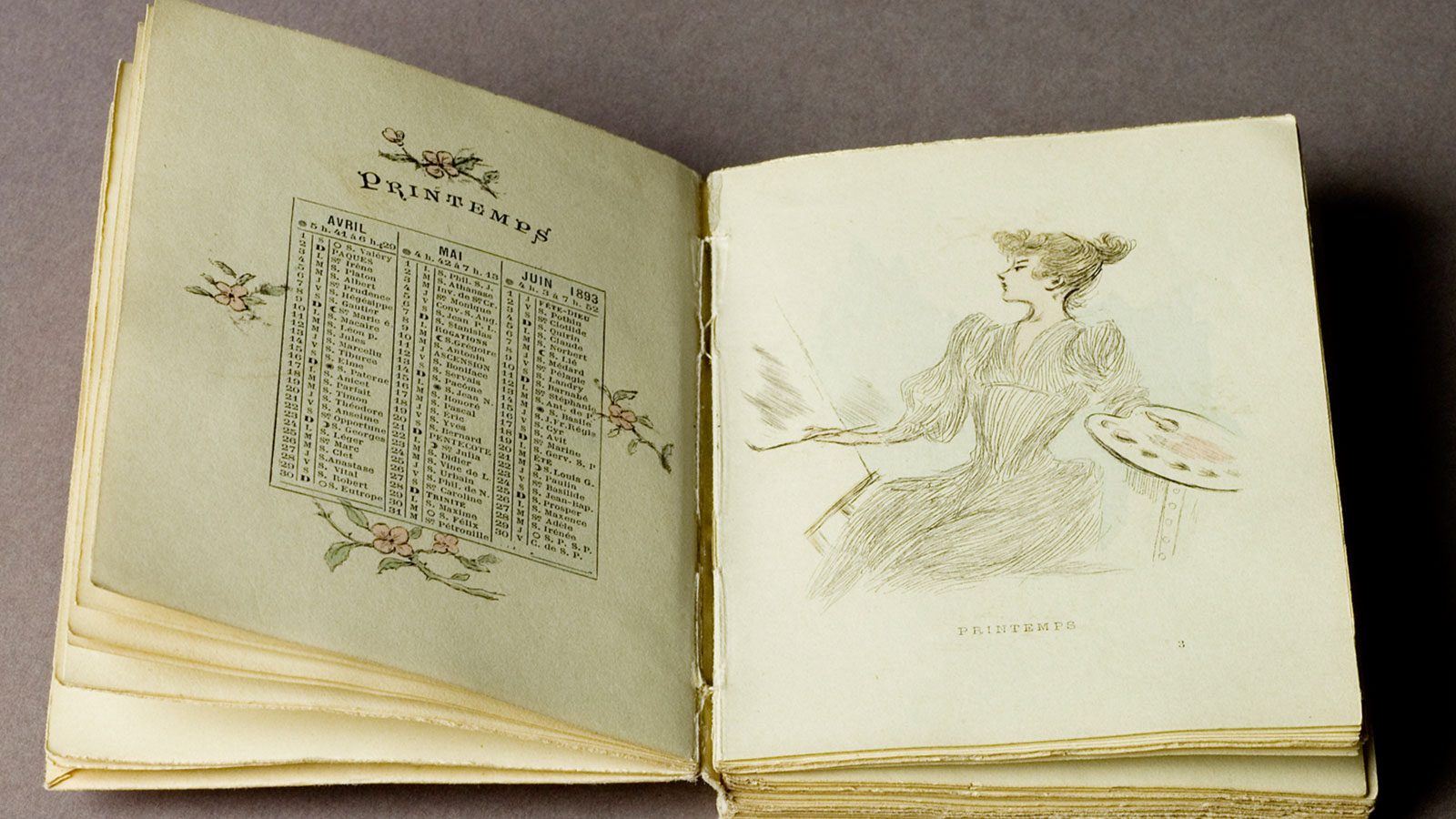
The latter, entirely devoted to women, was created by the French illustrator and engraver Henri Boutet (1851–1919), with illustrations and short poems by the journalist and writer Hippolyte Devillers (1850?–1907).
Works from the Library
Explore the series
No results were found for your criteria.
You may also like





No results were found for your criteria.