
Culture and Revolution
The Calouste Gulbenkian Foundation and the 5th Division of the General Staff of the Armed Forces (1974 – 1975)
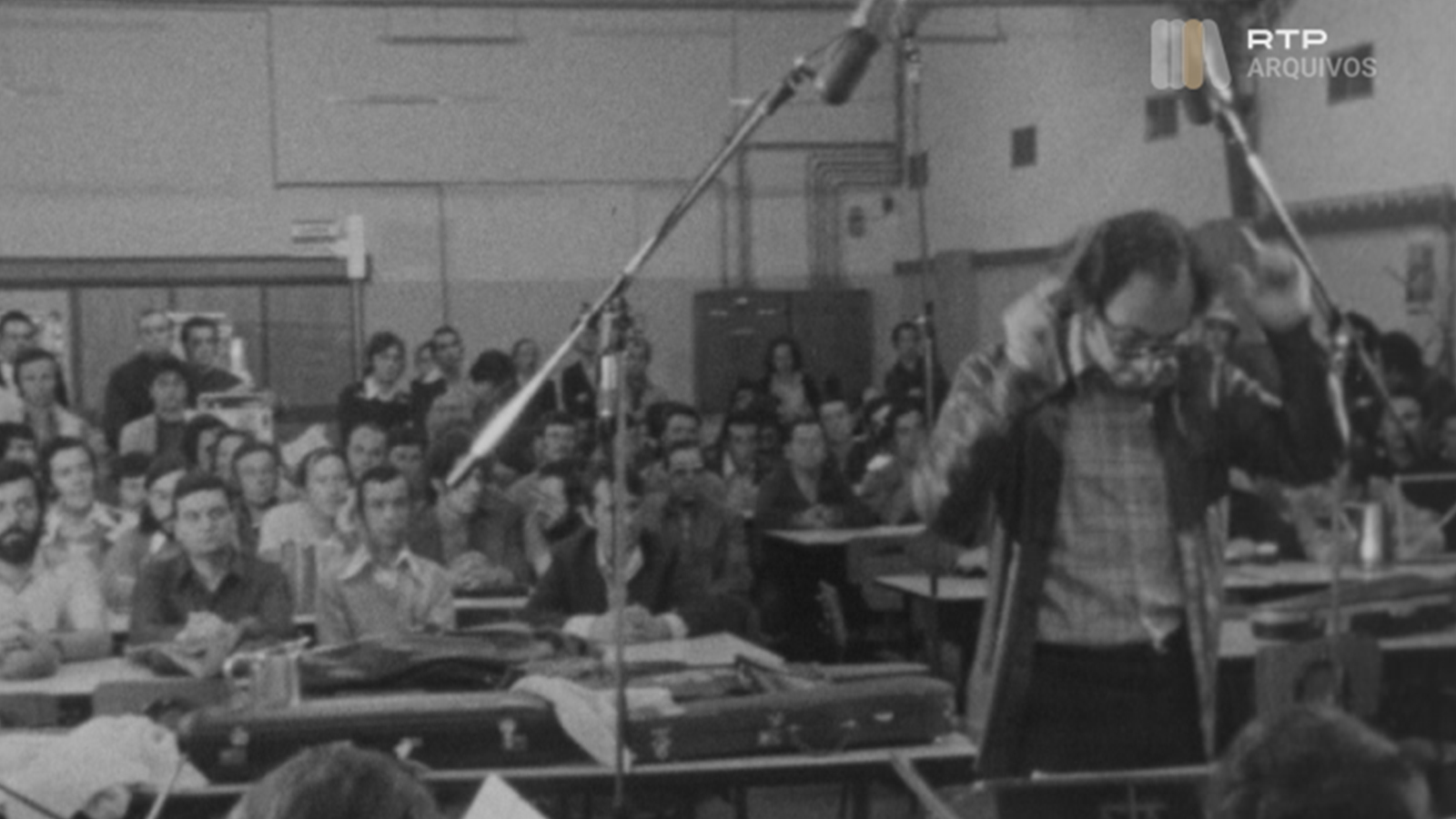
The Calouste Gulbenkian Foundation, created in 1956 with the aim of promoting Art, Education, Science and Charity, proved to be one of the agents of this process of cultural transformation. During the 1974-1975 period, it not only sought to adjust its strategy in the field of culture to the challenges and new demands of the revolutionary period, but also significantly expanded its own activities in the direction of “cultural decentralisation”.
Meanwhile, and as a result of the dynamics of the ongoing democratisation process and the reconfigurations of power characteristic of the revolutionary context, the institution underwent significant internal transformations, particularly in the relationship between its Board of Trustees and the new workers’ representative bodies created immediately after the military coup and which would claim their power of interlocution.
As early as April 1974, a few days after the “captains’ coup”, the Foundation’s Board of Trustees (BoD), under the chairmanship of José de Azeredo Perdigão, stated its intention to “co-operate with the Junta de Salvação Nacional in the work it proposes to carry out, always in accordance with its [CGF’s] statutory principles”.
This initial cooperation takes place between May and November of that year, through direct support to several initiatives of state services and entities, including the allocation of a subsidy to the Ministry of Justice, to the value of Esc. 1,000,000$00 to set up a fund to support recently released political prisoners; granting of access to the Foundation’s headquarters for activities by the Ministry of Education and Culture; the Ministry of Social Communication was given a grant of Esc. 376,000$00 to support a journalism course in Paris; Esc. 50,000$00 was given to the National Commission to Support Anti-Fascist Refugees.
Also, during this period, and as part of the Foundation’s mobile library network, the Board of Trustees decided to add around 50 titles to the collections of each of the 5 libraries in the Guarda district, indicated by the structure of the Armed Forces Movement as “being of current interest”.
The Armed Forces Movement argued that the consolidation of democracy required more than political reforms, but that it was essential to promote culture, education and the development of civic awareness among the population.
These aims were at the root of the creation of the 5th Division of the General Staff of the Armed Forces in June 1974, on the initiative of General Francisco Costa Gomes. This Division’s mission included managing the Movement’s public relations and planning and coordinating activities in the areas of “cultural dynamisation”, literacy and political enlightenment.
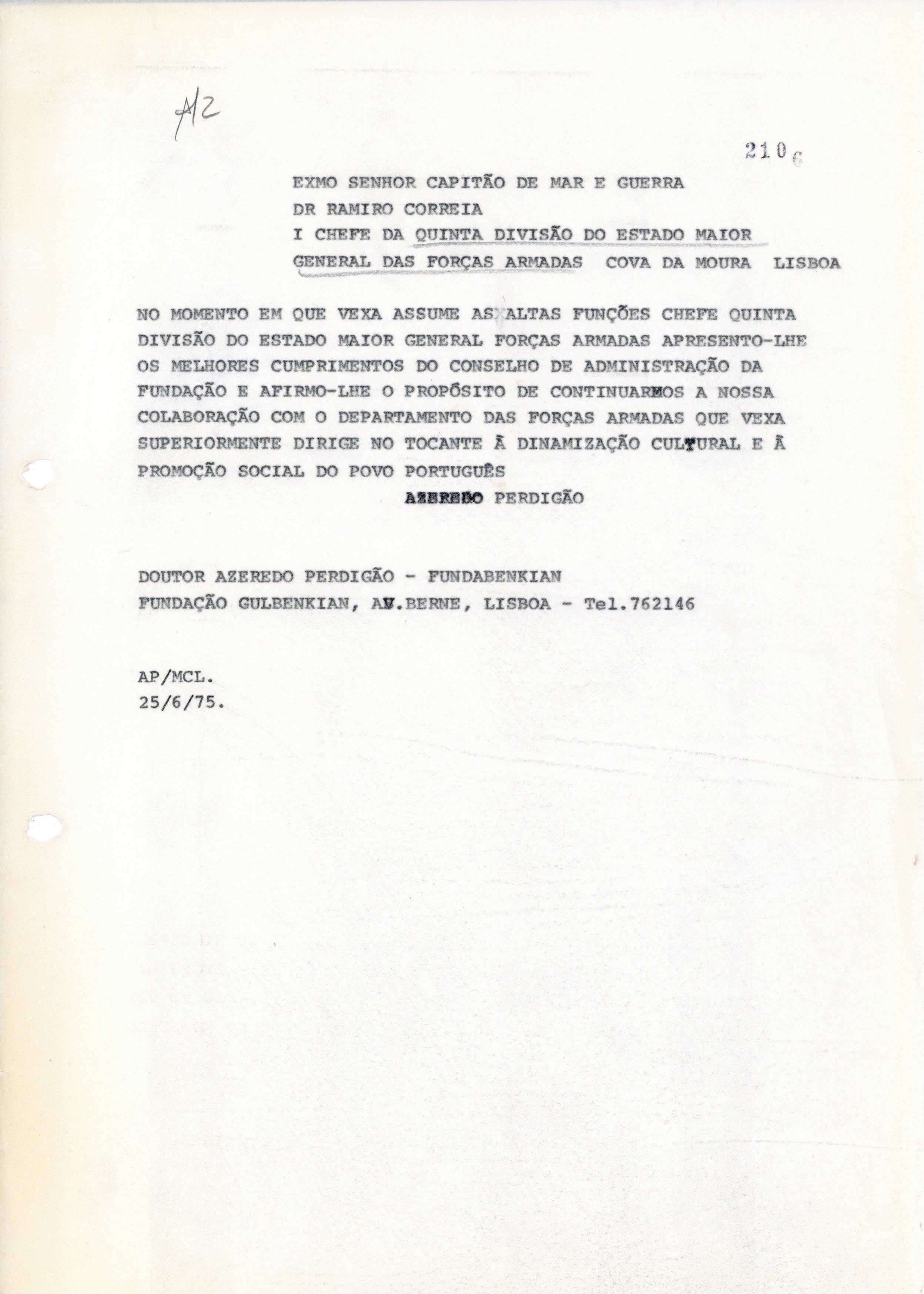
The “Cultural Dynamisation Campaigns”, the main hallmark of the 5th Division’s activities, were supported by a bureaucratic apparatus headed by the Central Steering Committee, made up of officers representing the three branches of the Armed Forces.
During its 14 months of activity, the Central Steering Committee, which would become the most visible face of the Armed Forces Movement, was responsible for promoting 2,000 information sessions, radio and television programmes and the creation of the “AFM Bulletin”, launched on 9 December 1974.
Internally at the Foundation, the first General Workers’ Assembly met in the Grand Auditorium on 6 and 7 May 1974. The second meeting of this body took place on the 22nd of that month, where an Executive Committee was elected with the aim of carrying out the Assembly’s resolutions and preparing the foundations for the entry into force of the “Institutionalized Workers’ Body of the Foundation”.
On 5 November, reflecting the revolutionary spirit of democratisation and civic participation underway in the country and with the very purpose of enabling the active participation of the workers in the management of the Foundation, the aforementioned body, the Workers’ Council, was created, composed of all the workers meeting in General Assembly and having as its bodies the Board of the General Assembly and the Executive Committee. On 18 December, Azeredo Perdigão was informed by the Executive Committee of the Workers’ Council of the creation of the Cultural Dynamisation Committee, whose main objective was “the development of a collective cultural conscience in the institution”.
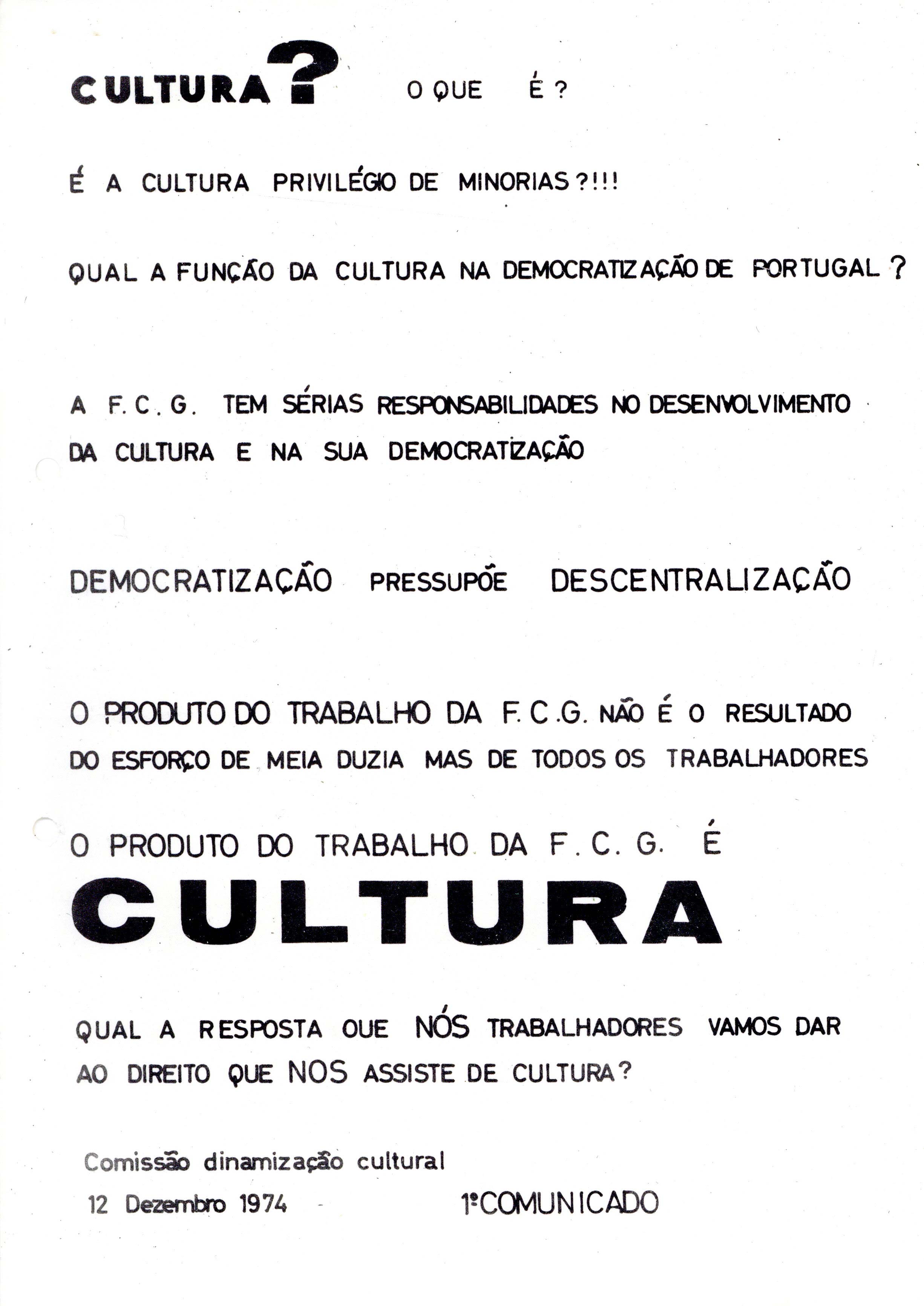
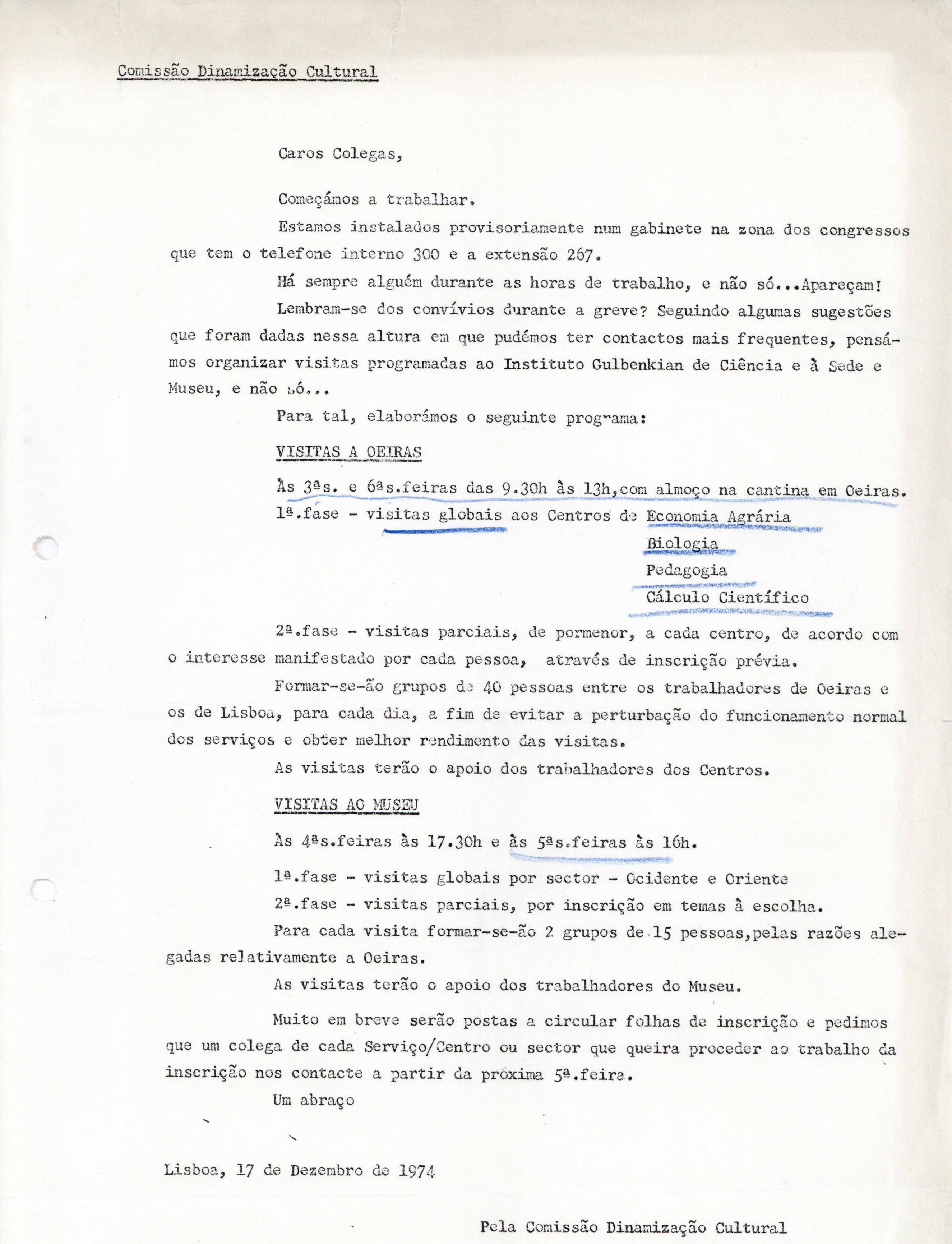
One of the Cultural Dynamisation Committee’s first initiatives was to prepare what it called a “Detailed Cultural Programme of medium-term activities”, which consisted of implementing a series of visits to the various departments for small groups of Foundation employees. An example of this was the series of “global visits” and “partial visits” to the Calouste Gulbenkian Museum and the Gulbenkian Institute of Science, publicised in December 1974.
Meanwhile, in December 1974, a meeting of the Board of Trustees approved a budget increase for the Itinerant Libraries Service, to the value of Esc. 1,500,000$00, with the aim of responding to people’s reading needs, “promoting and boosting the socio-cultural dynamism of the Portuguese people (…) and the real integration of libraries into community life (…)”. This support materialised in the purchase of new books and their distribution through the network of Fixed and Itinerant Libraries.
The Executive Committee of the Workers’ Council, in its official statement number 31, dated 4 February 1975, entitled “For a Foundation at the Service of the Working Classes”, defends as a “priority task for all of us [Gulbenkian workers], the definition of the Foundation’s cultural action”, accusing the institution of betting on the same programmatic line: as “if there had been no 25 April, (…) it continues to serve the same Culture-public relationship, proposing the same type of cultural discourse, closed and divorced from the real country (…)”.
The Board of Trustees, in reaction to this statement, invokes the principle contained in a letter from Central Dynamising Committee itself from November 1974, which states that “all cultural activity organised by the Foundation with a view to decentralising culture” should continue in accordance with its internal policy. In addition, the Board of Trustees refutes any accusations of elitism regarding the work and labour of the institution, recalling that “the Foundation is a collective project, in which all the people are interested and, from the outset, its workers (…)”.
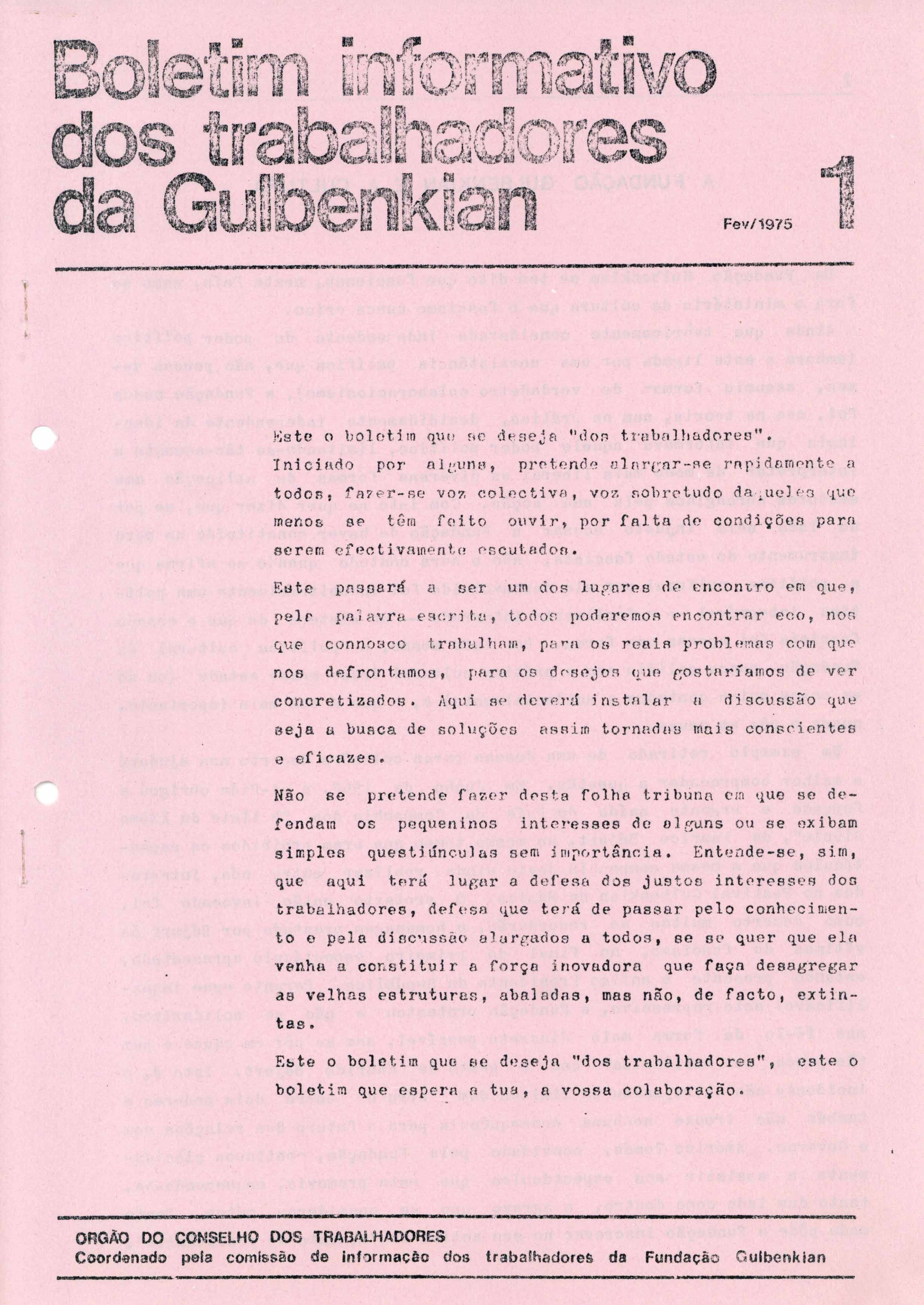
In line with the process of cultural transformation underway in the country, in February 1975 the Board of Trustees decided to bear the costs of collaborating with Central Dynamising Committee, and with other public organisations that requested it, through an endowment of Esc. 5,000,000$00, to be set up by the “Reserve under the direct administration of the President”, who was responsible for implementing this support. In this way, Azeredo Perdigão was given full powers to coordinate the intervention of the various departments in matters of “cultural dynamisation”.
The Foundation’s involvement in this whole process will be developed along two lines of action: one, the Calouste Gulbenkian Foundation’s own and exclusive activity, in accordance with its programmes; the other, of a collaborative nature, as part of the “Cultural Dynamisation Programme” developed by the General Staff of the Armed Forces’ 5th Division through the Central Dynamising Committee.
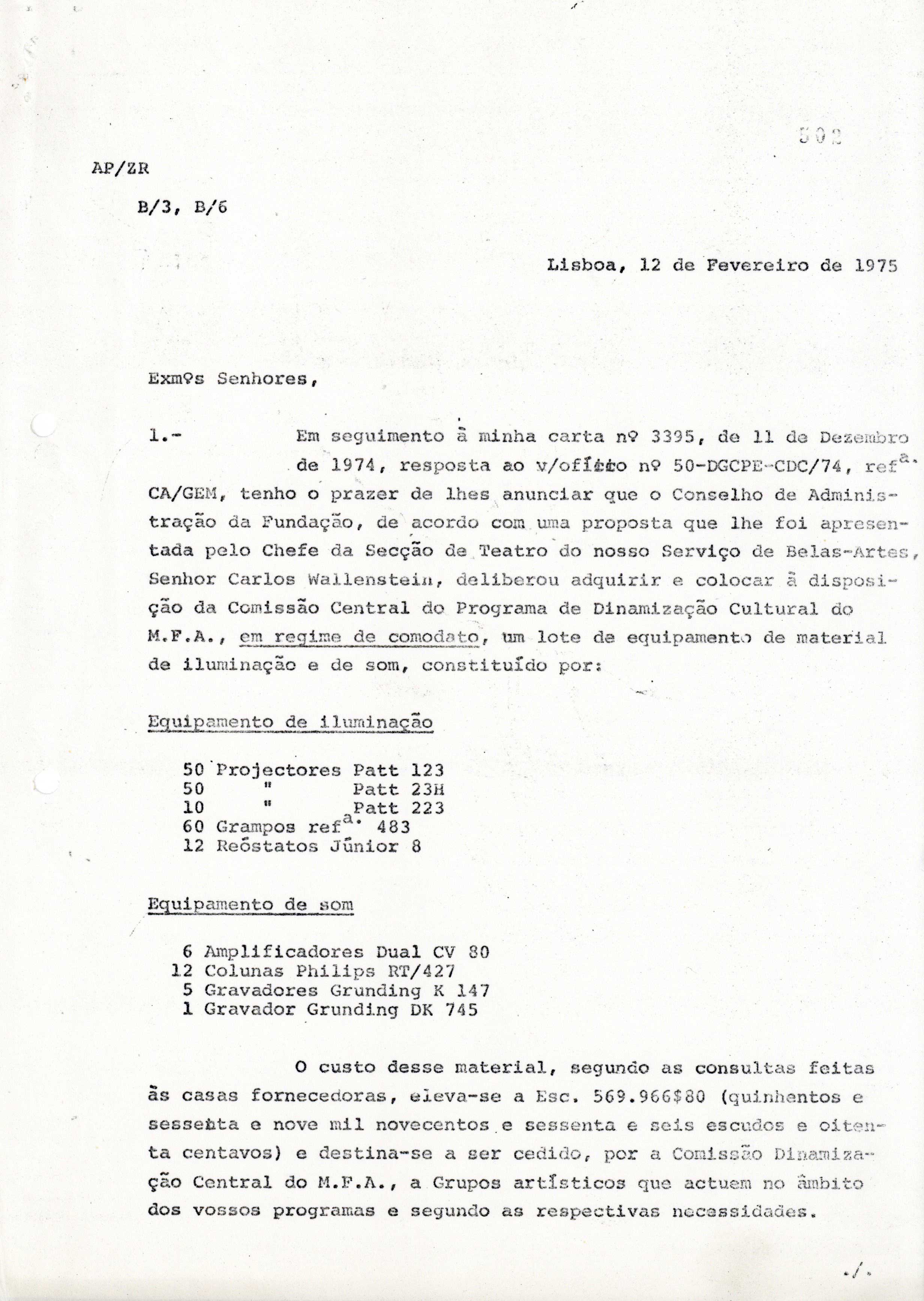
In a letter sent to the 5th Division in February 1975, Azeredo Perdigão, made available to them, under a loan-for-use agreement, a set of lighting and sound equipment valued at Esc. 570,000$00, to be used by theatre groups or others, as proposed by Carlos Wallenstein, who at the time was in charge of the Theatre Section of the Calouste Gulbenkian Foundation’s Fine Arts Department.
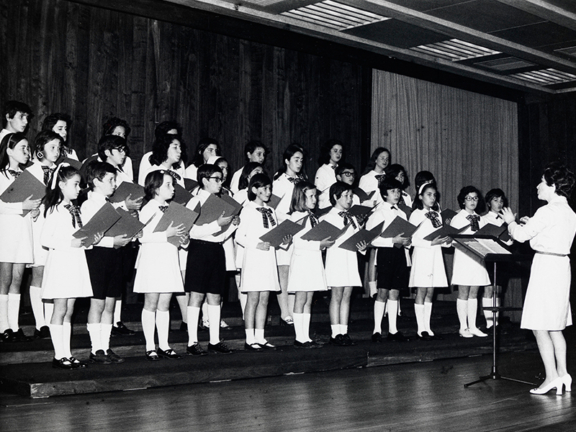
In the “advancement and development of its cultural decentralisation programmes,” as noted by administrator José Blanco in information sent to the Central Dynamising Committee in 1975, the Gulbenkian Orchestra and Choir, in February and March of that year, travelled to Porto to perform Bach’s St John Passion in the Church of Lapa. In addition to this performance, the Gulbenkian Orchestra held concerts in Évora, Cascais and Caldas da Rainha. Meanwhile, the Gulbenkian Choir staged performances in Lisbon, Alcochete, Aveiro and Tomar.
From January to May, the Gulbenkian Ballet Group presented three programmes of its 1975 Season in the Foundation’s Grand Auditorium. Performances on 25 January, 8 March and 3 May were aimed at students, workers and members of the Armed Forces, within the framework of the Armed Forces Movement’s Cultural Dynamisation Programme, in collaboration with the Ministry of Social Communication.
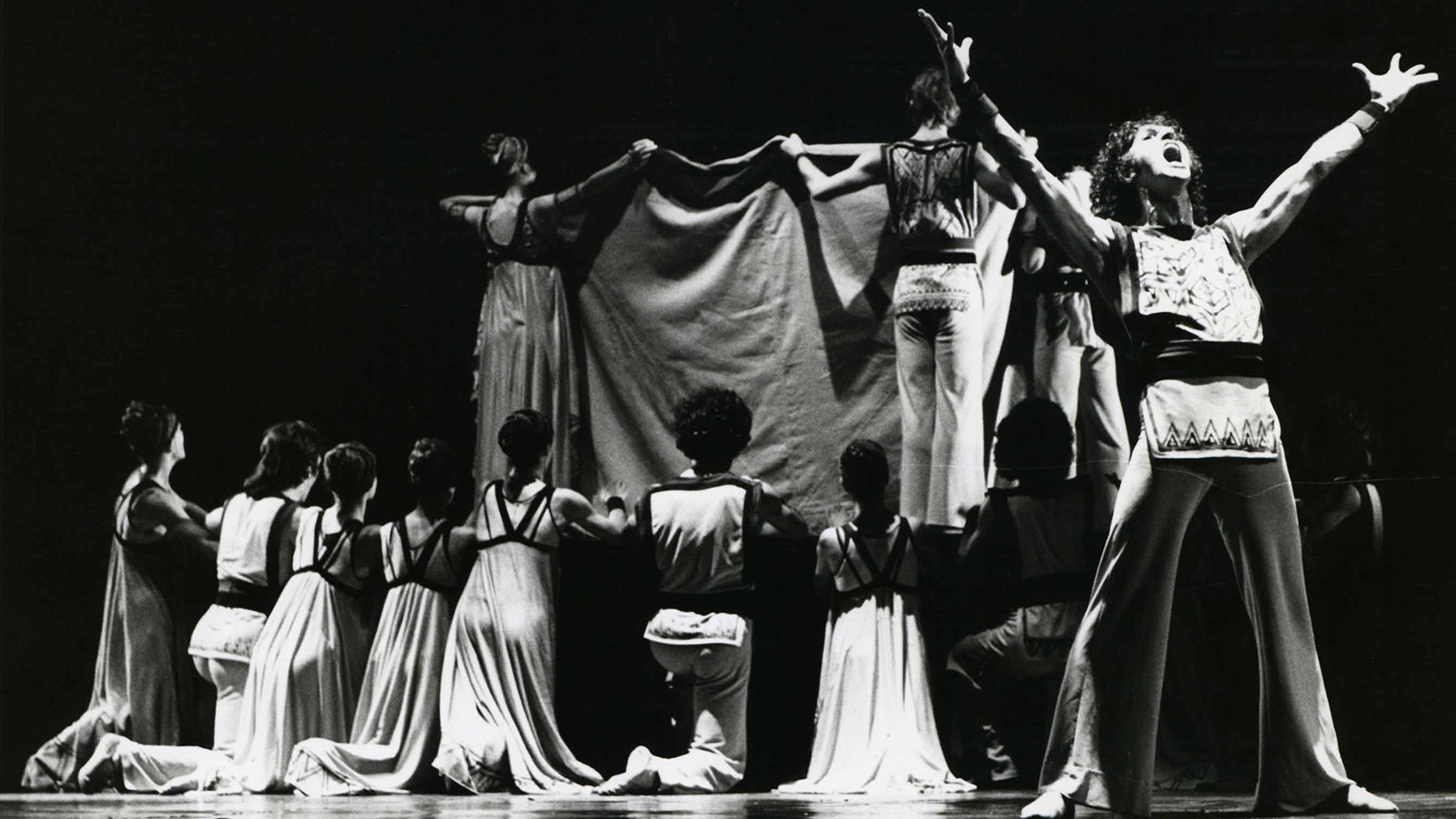
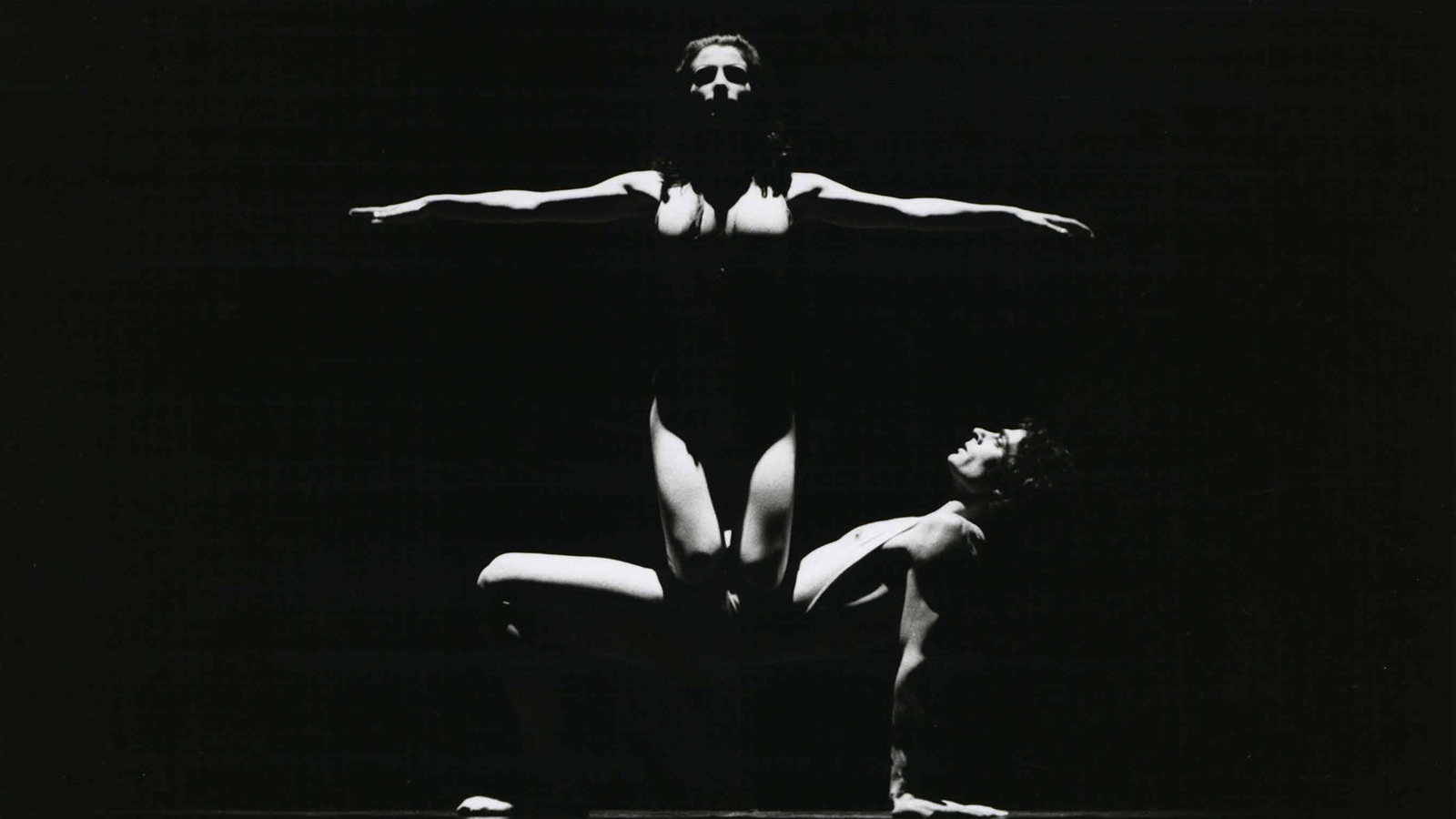
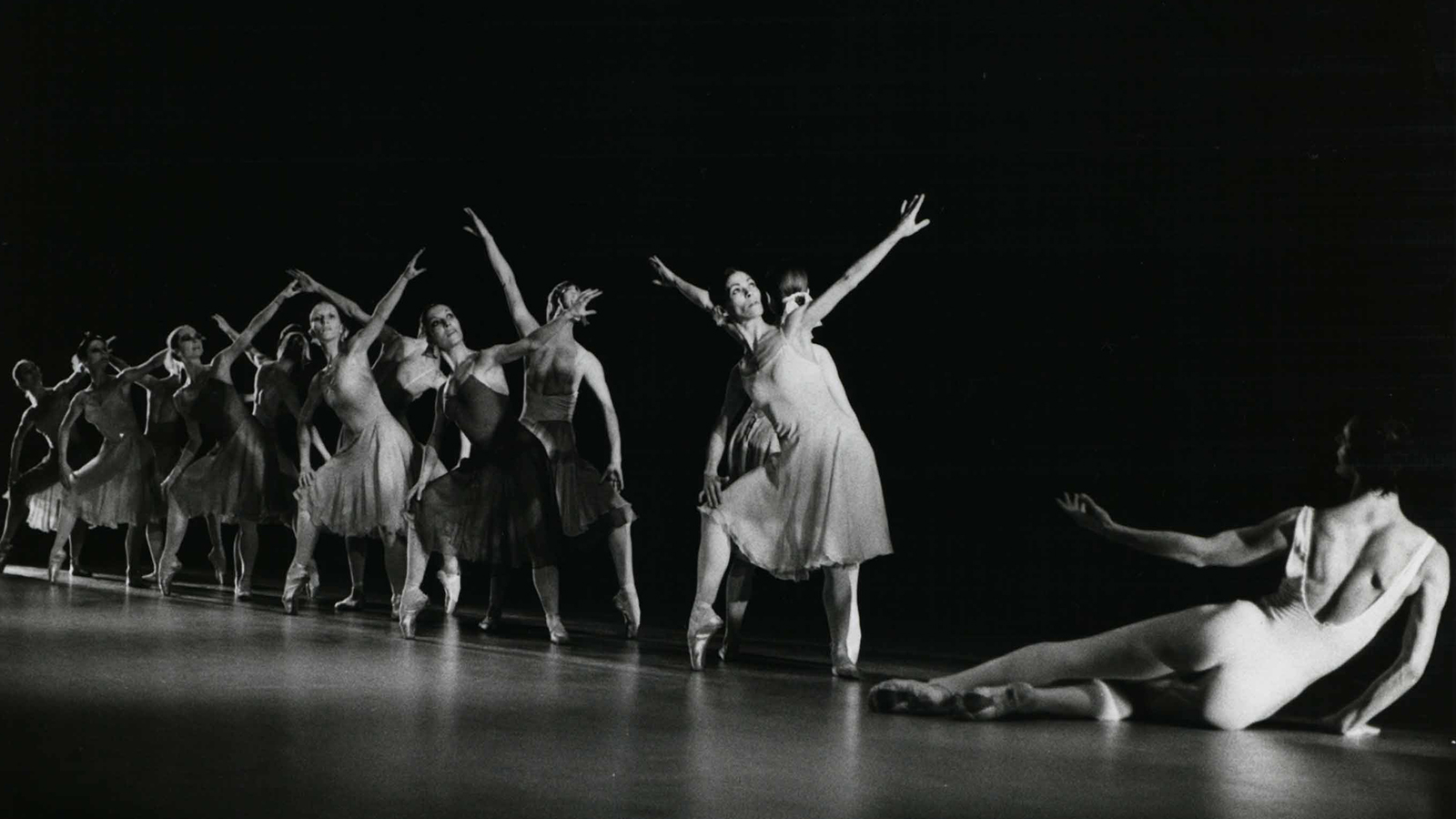
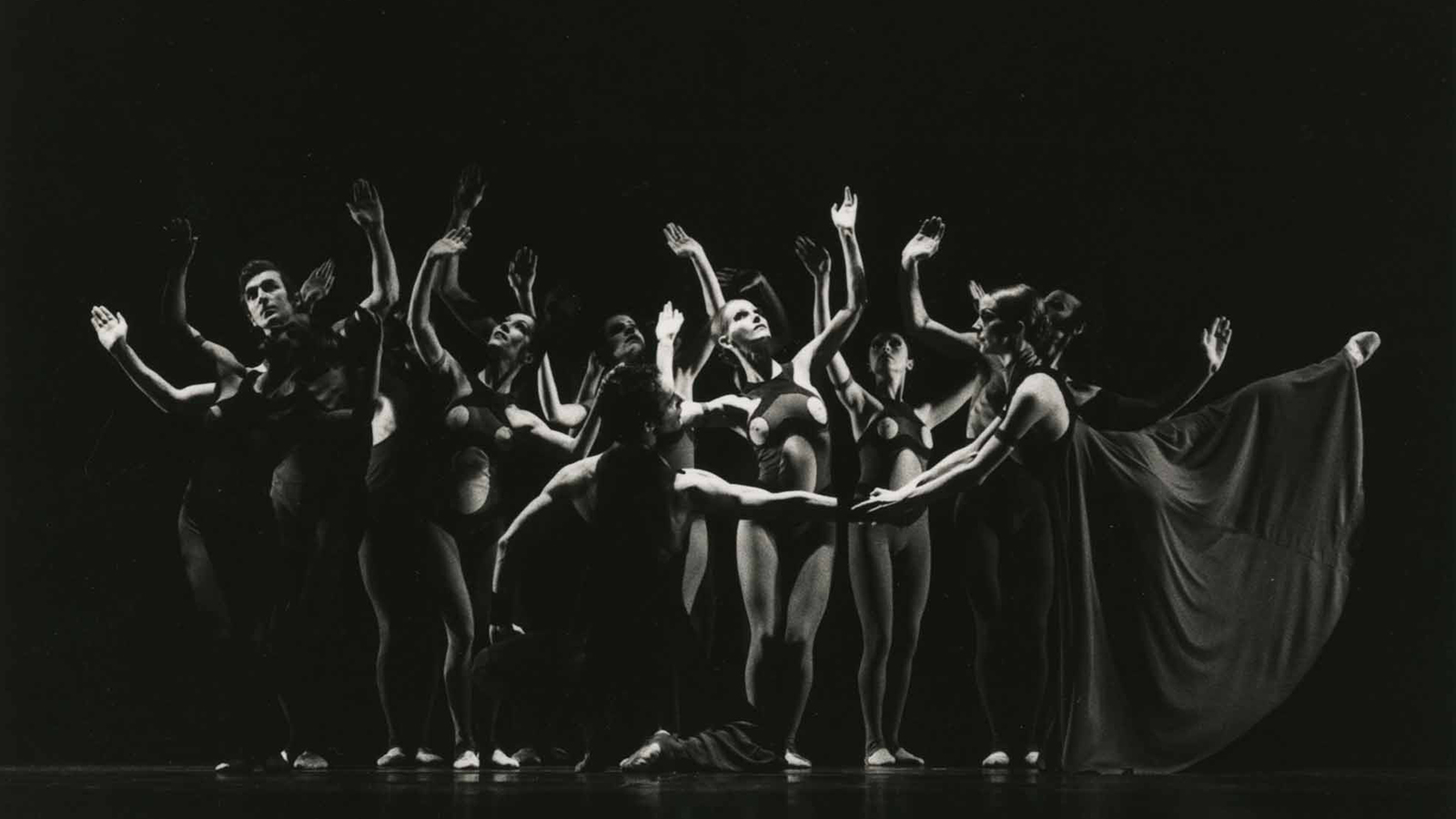
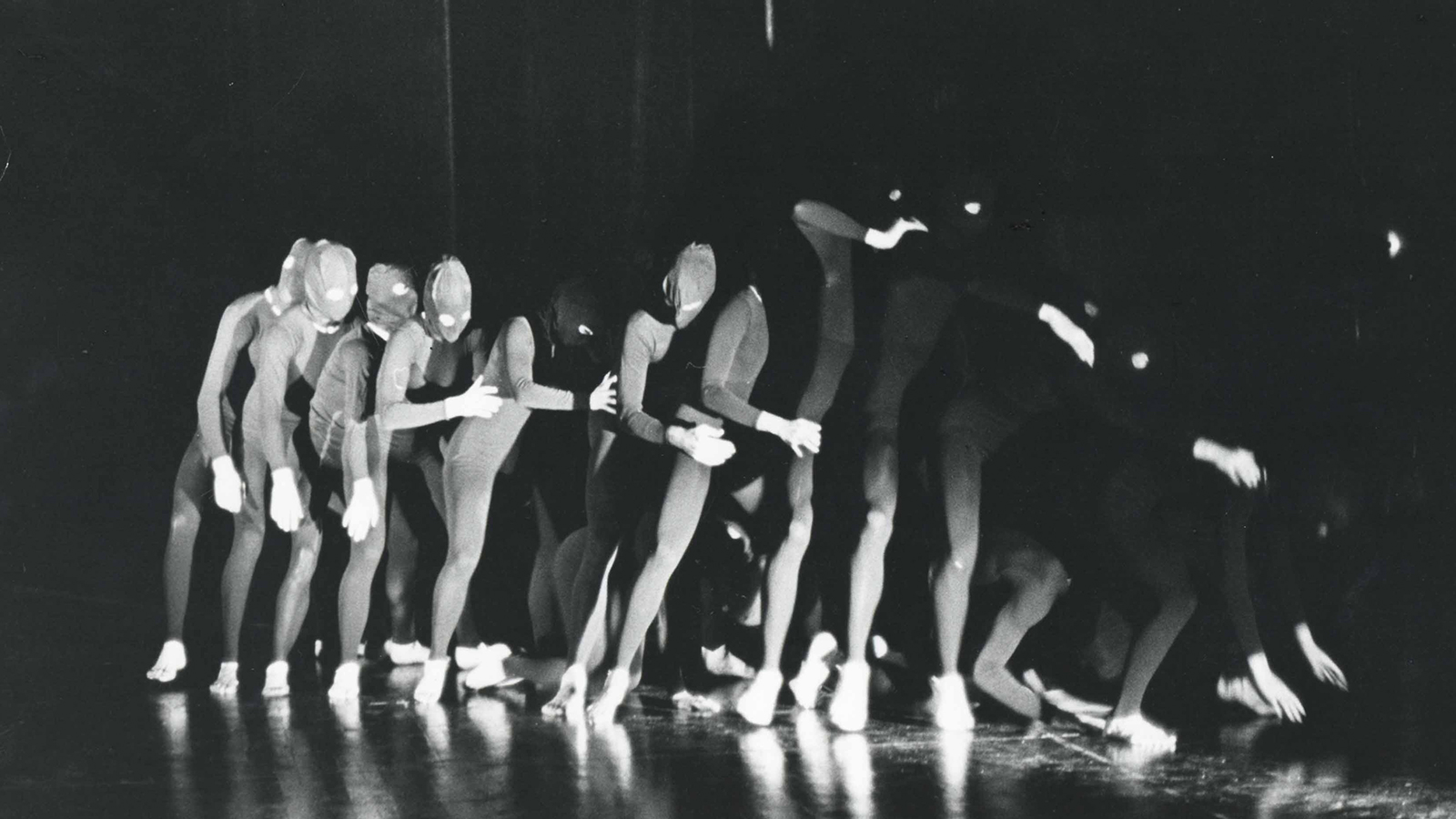
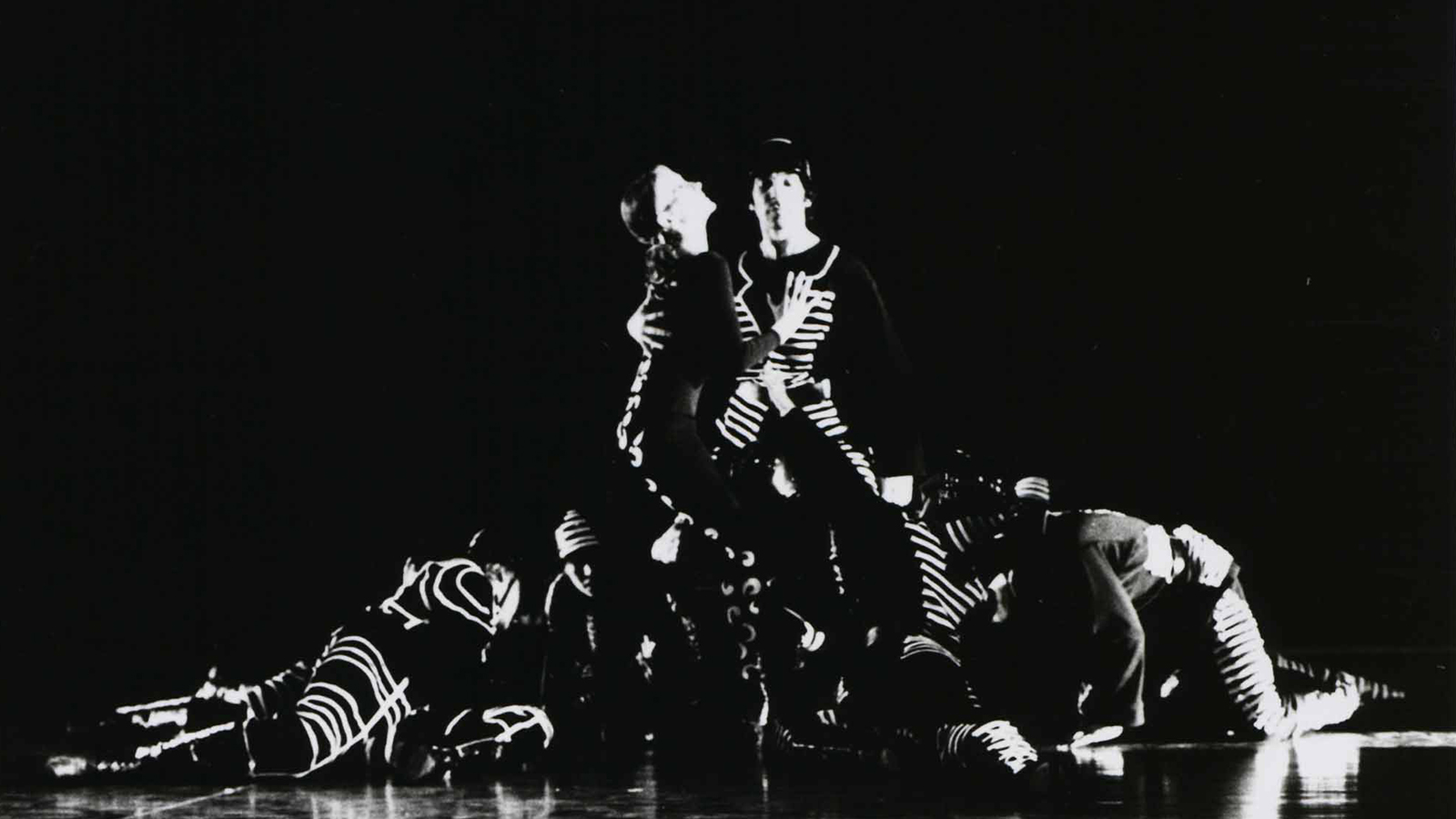
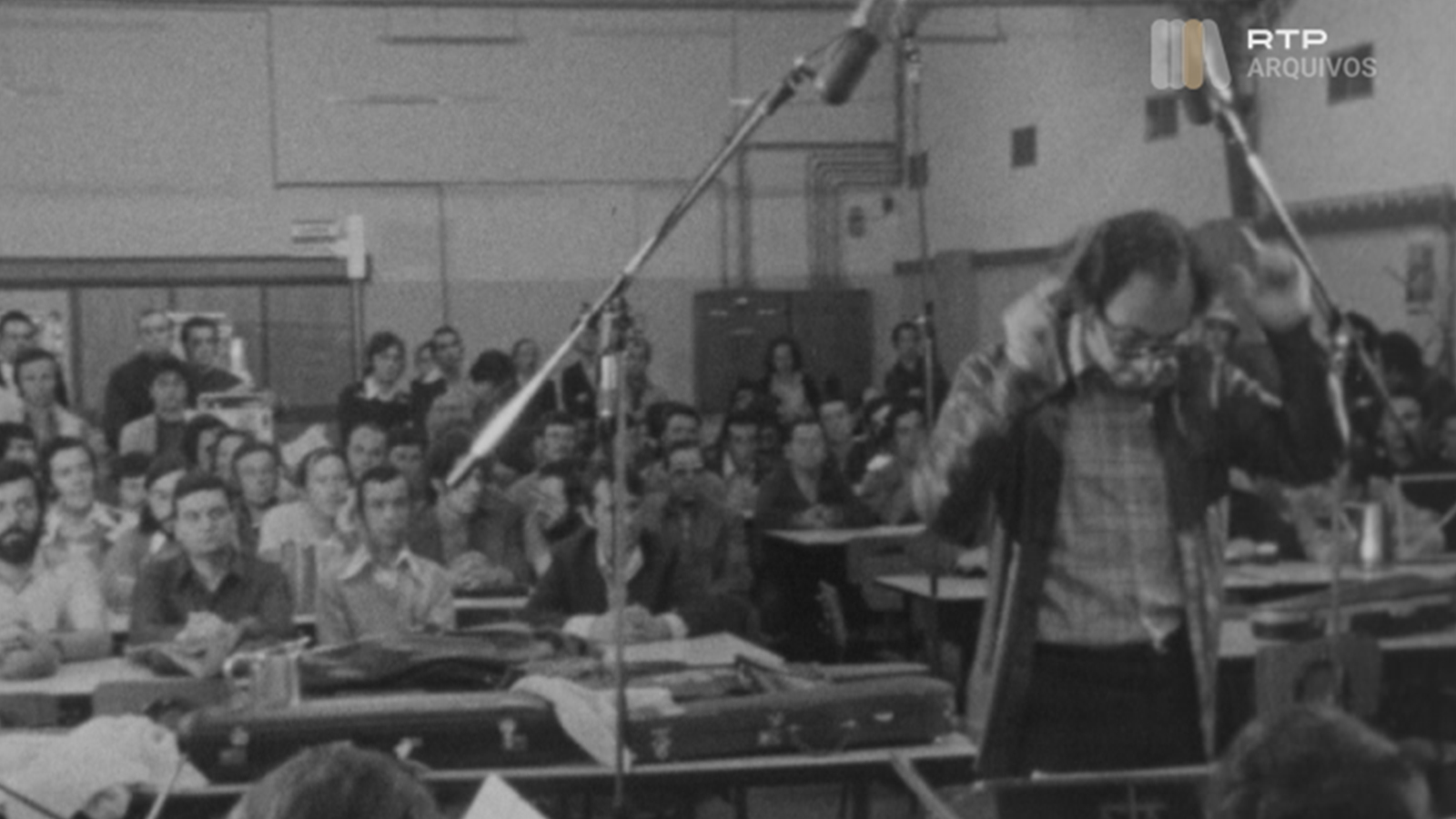
At this time, in an unprecedented initiative, the Calouste Gulbenkian Foundation is promoting a series of events with the Gulbenkian Orchestra and the Gulbenkian Ballet Group, in the form of short concerts and commented rehearsals, presented at various facilities and factories from Lisbon to Évora, such as CUF (Companhia União Fabril), Lisnave (Estaleiros Navais de Lisboa), Sorefame (Sociedades Reunidas de Fabricações Metálicas), Covina (Companhia Vidreira Nacional), Robbialac, among others, aimed at workers and students.
In March 1975, the Board of Trustees approved another series of “actions to decentralise the Music and Ballet sector” with the aim of attracting “new audiences”, resulting in the programme for the April-June quarter of 1975.
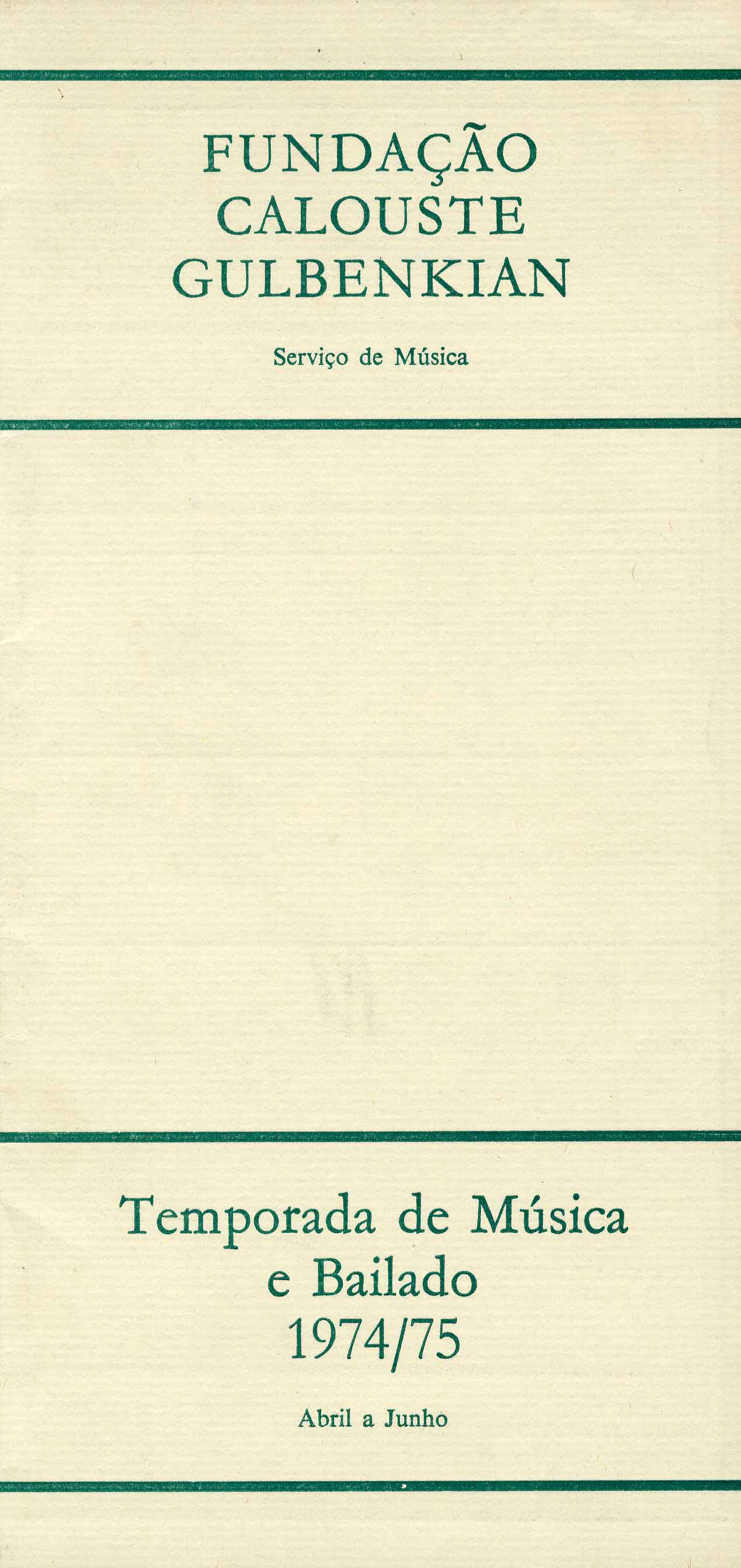
In this context, it was decided that the Calouste Gulbenkian Foundation’s shows, held in its premises or around the country, should be given free of charge to 25 per cent of the capacity of the venues to audiences made up of “students and workers”. The Foundation staged 24 shows and, in 38 locations outside the Lisbon/Porto circuit, 56 concerts and ballets.
The intense activity carried out and the consequent investment made by the Calouste Gulbenkian Foundation in these activities have forced the Board of Trustees to restrict the travelling abroad of its artistic groups, giving budgetary priority to events that are part of “cultural decentralization”. In June 1975, director José Blanco stated that “at the end of this first period of experience, analysing the results obtained [by these initiatives], it becomes essential to continue with these decentralisation actions by establishing a programme that takes into account the interest aroused in new audiences”.
As a result, the Board of Trustees decided to reinforce these activities financially, allocating Esc. 1,000,000$00 to the Music Department’s budget, through a separate item called “Musical Decentralisation Action”.
The collaboration between the 5th Division and the Foundation was particularly significant during the period of the “Ongoing Revolutionary Process” (PREC). Between March and November 1975, on the one hand, the 5th Division was committed to developing the “democratic consciousness of the population” and, on the other, the Foundation was committed to widening access to culture for all citizens.
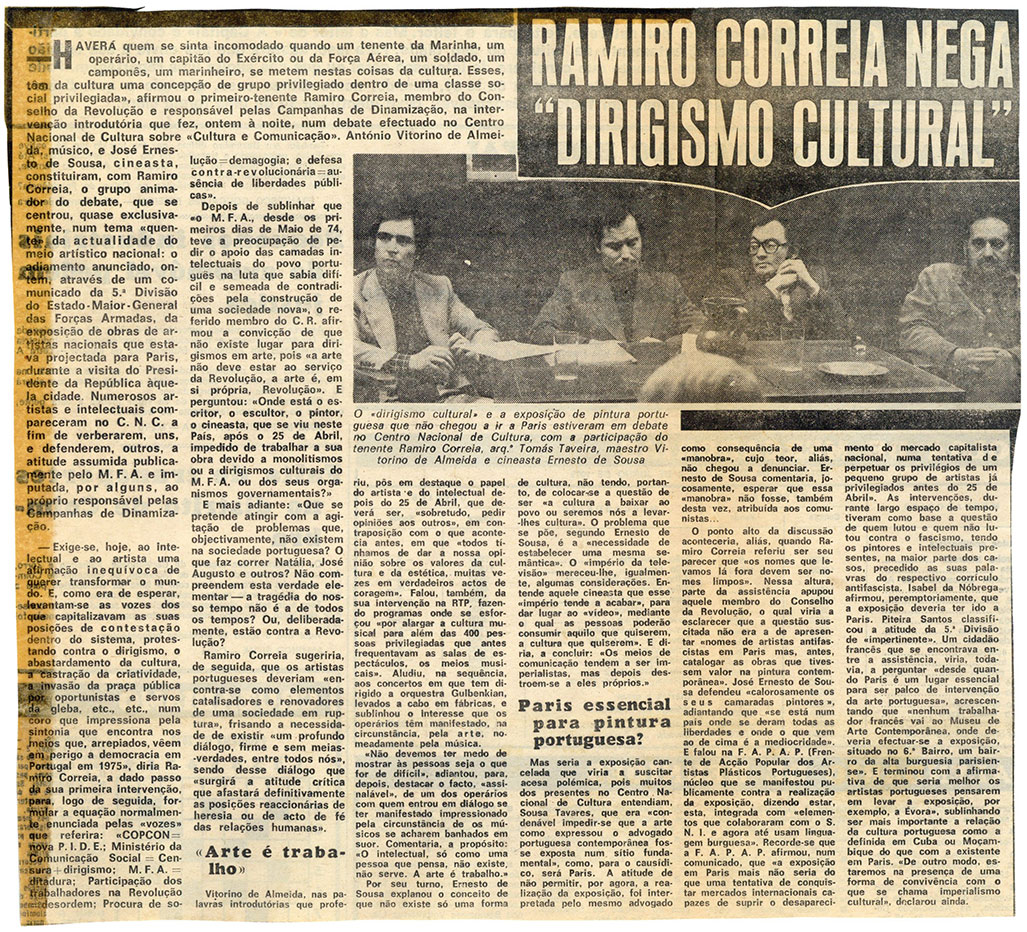
In May 1975, as part of the Student Civic Service, the Calouste Gulbenkian Foundation was asked to take part in the “Work and Culture” Plan (in association with other institutions such as local councils, tourism committees, INATEL – National Institute for the Promotion of Workers’ Leisure Activities and the Ministry of Social Communication) through the allocation of a grant of Esc. 200,000$00. The aim of this plan was to organise various initiatives in rural areas in fields as diverse as regional music, popular literature, ethnography and socio-cultural animation.
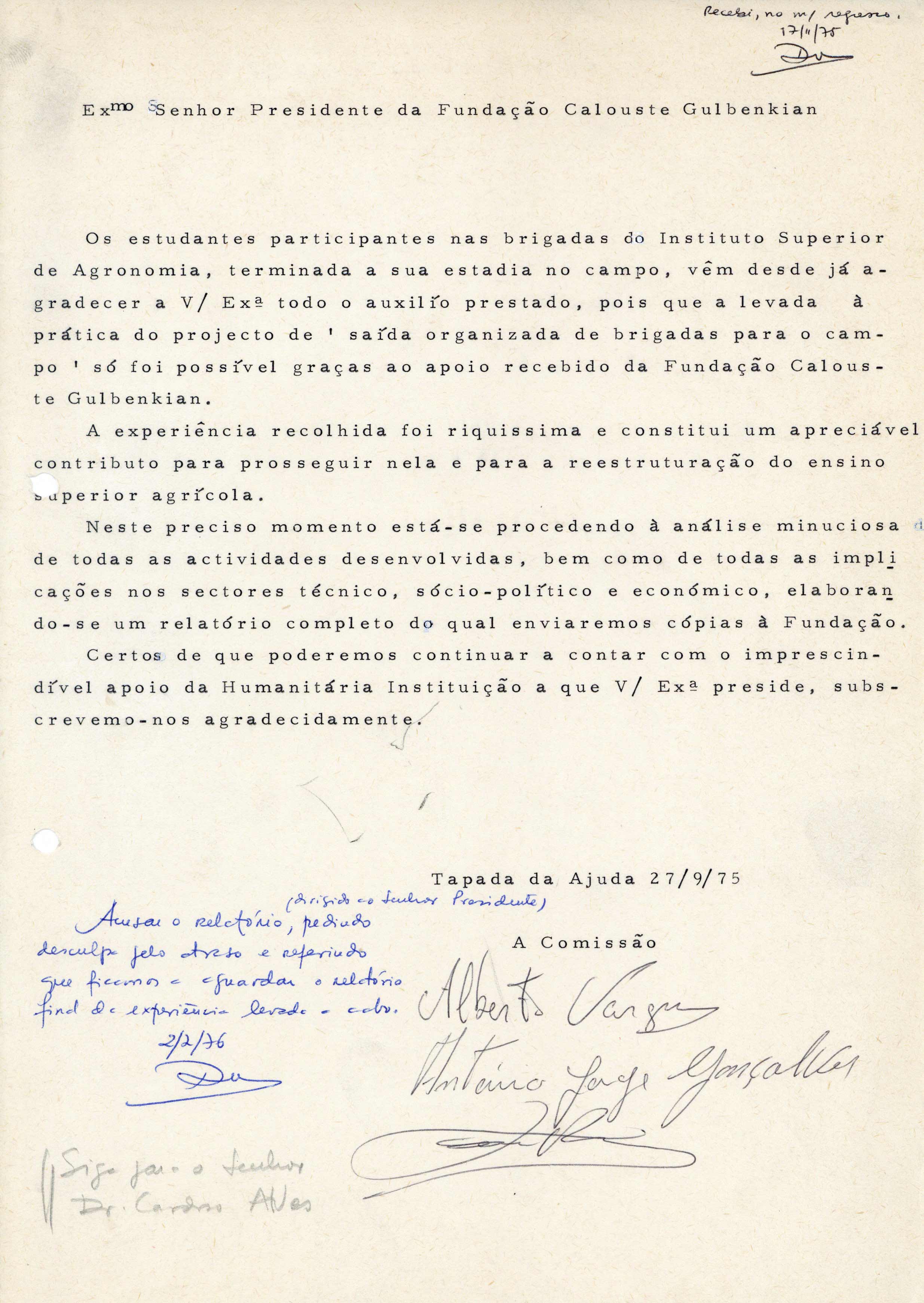
On June 3, 1975, the Calouste Gulbenkian Foundation awarded a subsidy of Esc. 300,000$00 to pay the food and accommodation costs of the participants in the “Organised Agronomy Field Trip” programme. This initiative, organised by the Central Dynamising Committee, was drawn up by the Instituto Superior de Agronomia (ISA), with the approval of the Ministry of Education, with the aim of sending 7 “student brigades”, led by teachers, to various parts of the country to carry out practical work in the field of agronomic sciences.
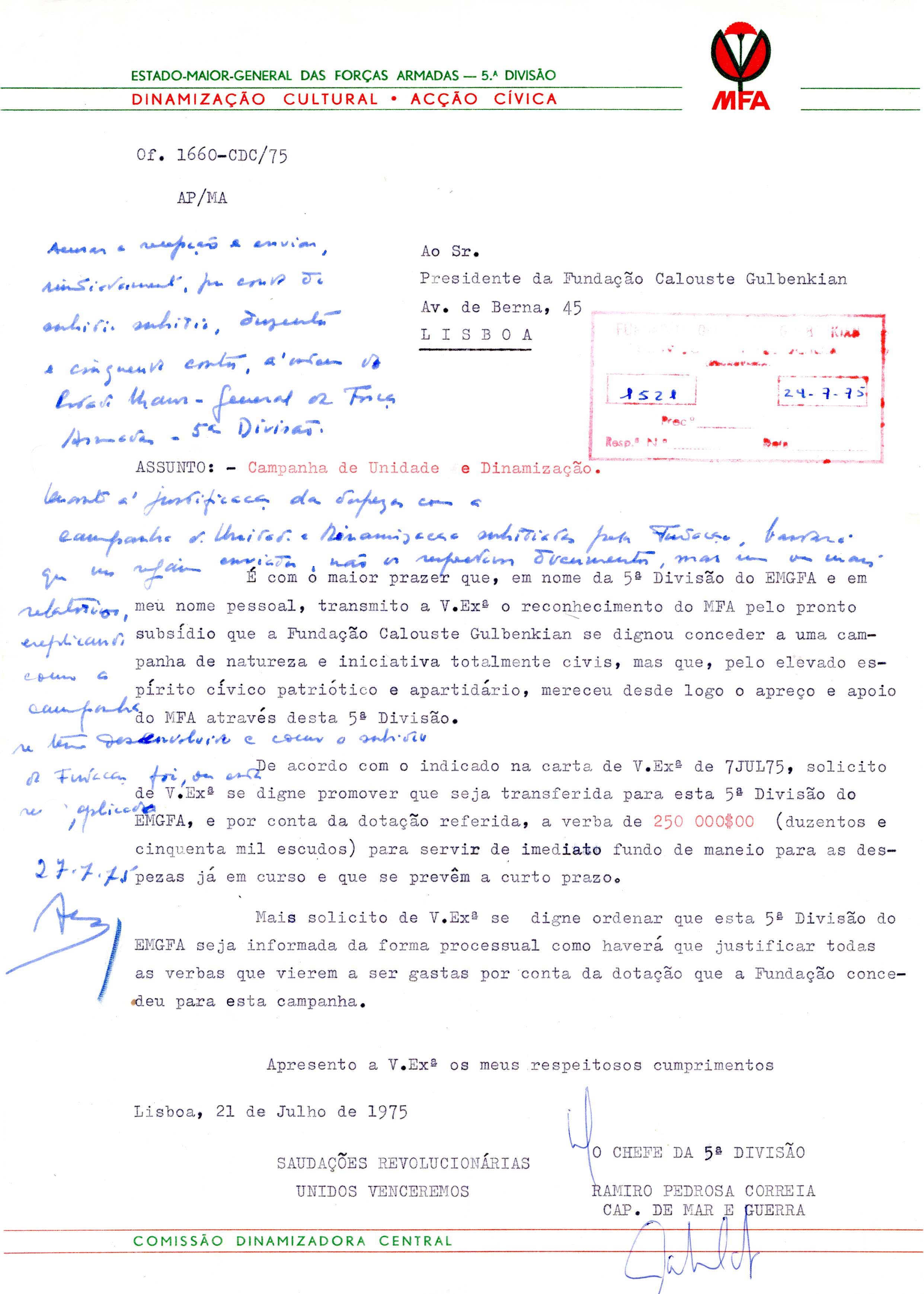
On 25 June, also in response to a request from Central Dynamising Committee as part of the “Unity and Dynamisation Campaign”, the Foundation contributed to the costs of feeding all the “civilian workers” involved in the action, awarding a subsidy of Esc. 1,000,000$00. This operation, organised by the Military Academy in the district of Castelo Branco between July and August 1975, took place under the slogan “Working with the People, Building the Revolution” and targeted the living conditions of the population. Of this appropriation, the first tranche of Esc. 250,000$00, initially sent, ended up being returned unused for the “(…) frustrated Unity and Dynamisation Campaign (…)”, and the Board of Trustees decided to redirect it in 1977 to support to institutions assisting war amputees through the General Staff of the Armed Forces’s Public Relations and Civil Affairs Division.
In July 1975, the Cultural Section of the Students’ Association of the Military Academy had a request approved for the loan of technical material and equipment intended for carrying out a “cultural and civic engagement event in the district of Guarda”, as well as a subsidy of Esc. 90,000$00 to cover the cost of publishing a newsletter.
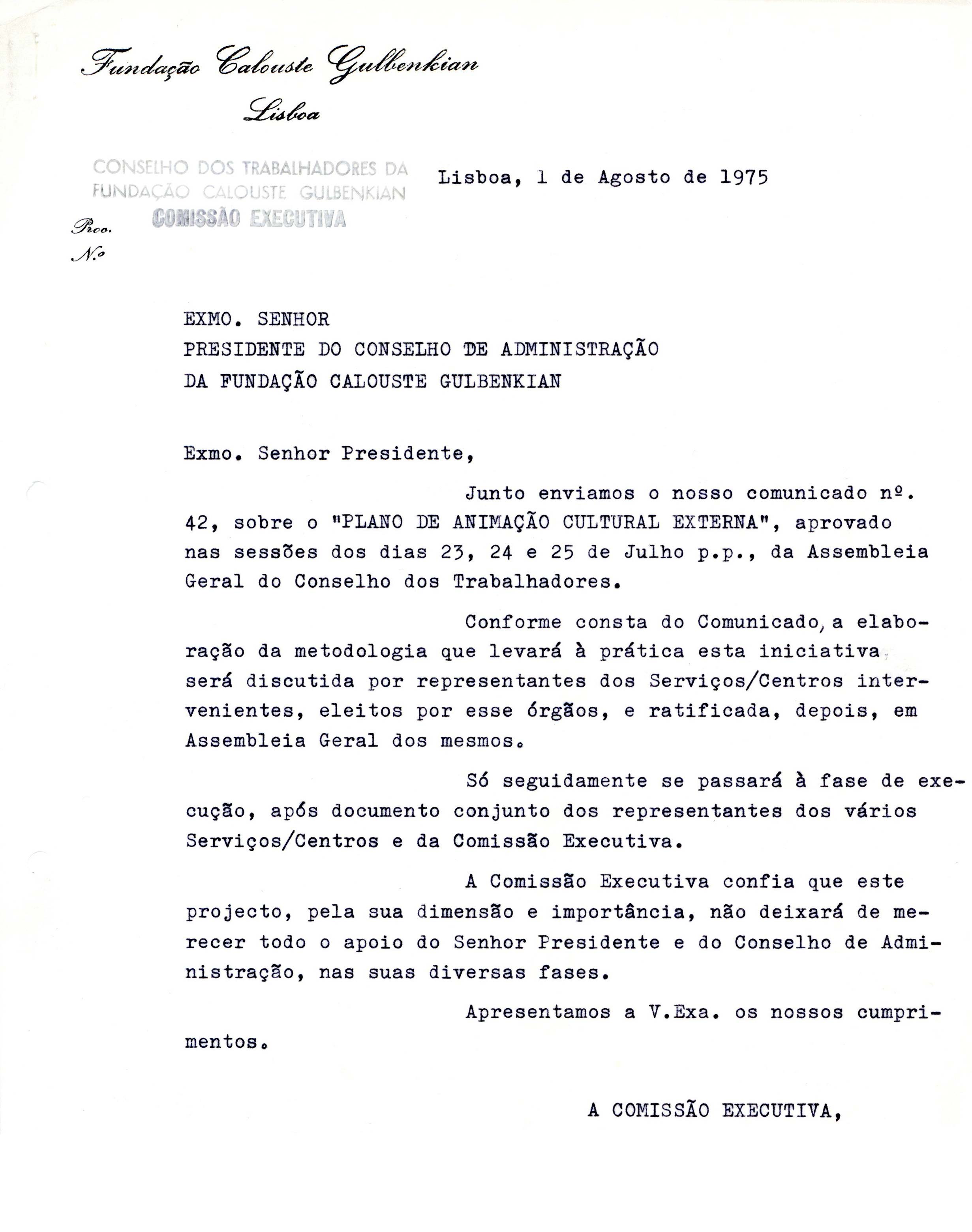
Internally, on 1 August, the Executive Committee of the Workers’ Council informed Azeredo Perdigão of its “External Cultural Animation Plan”, approved at the end of July at the General Assembly. This plan, which ended up not being implemented, was the result of a synthesis of proposals presented by the workers and had several points of contact with another proposal for cultural animation presented to the Board of Trustees by Carlos Wallenstein, head of the Theatre Section of the Fine Arts Department, in January 1975, called “Cultural Animation – Proposal”.
This plan would focus on the districts of Aveiro and Viseu, taking into account the economic and social heterogeneity of these populations, and would include the organisation of an exhibition, as well as musical initiatives, film screenings and educational activities and debates. It would initially last approximately 3 months and all the activity would be supported by the Calouste Gulbenkian Foundation’s network of Libraries in the districts mentioned, with the involvement and participation of local associations and theatre groups with recognised work.
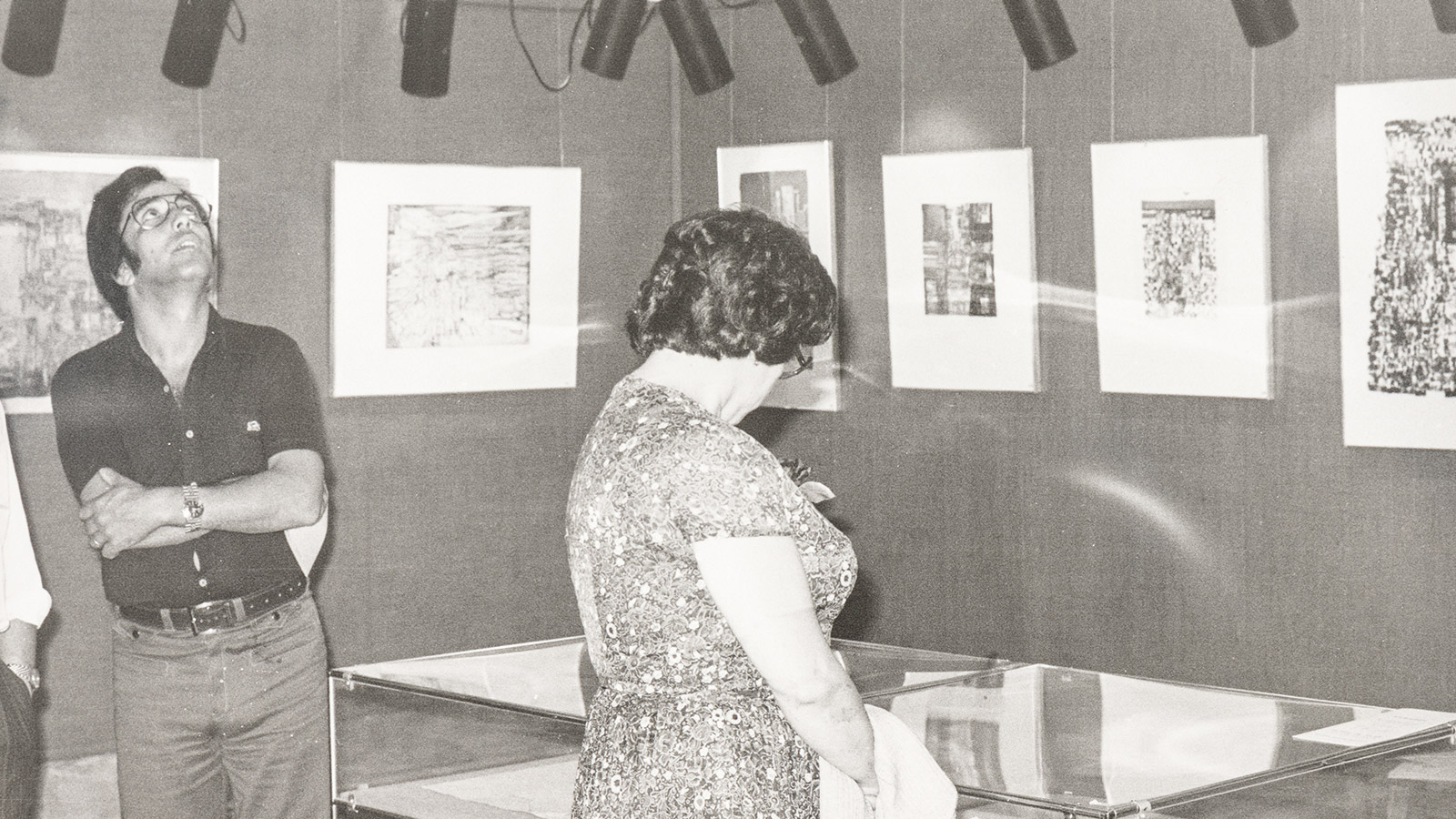
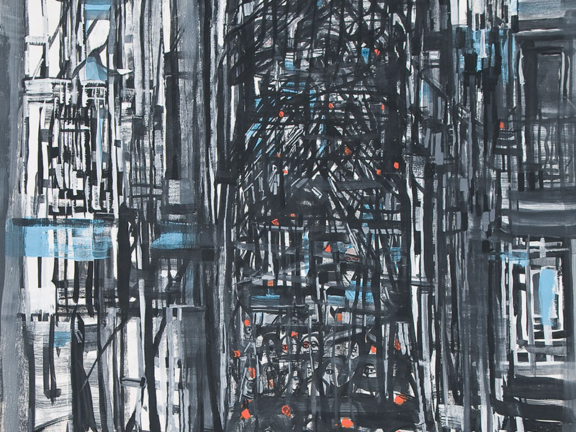
As part of its exhibition events, the Calouste Gulbenkian Foundation organises, in partnership with the Secretary of State for Information and Tourism, the travelling exhibition Vieira da Silva. Gravuras (Engravings), which will tour the country from north to south from 1974 to 1982 with the aim of bringing the work of Portuguese artists to people, especially in the interior, in a clear effort to decentralise culture.
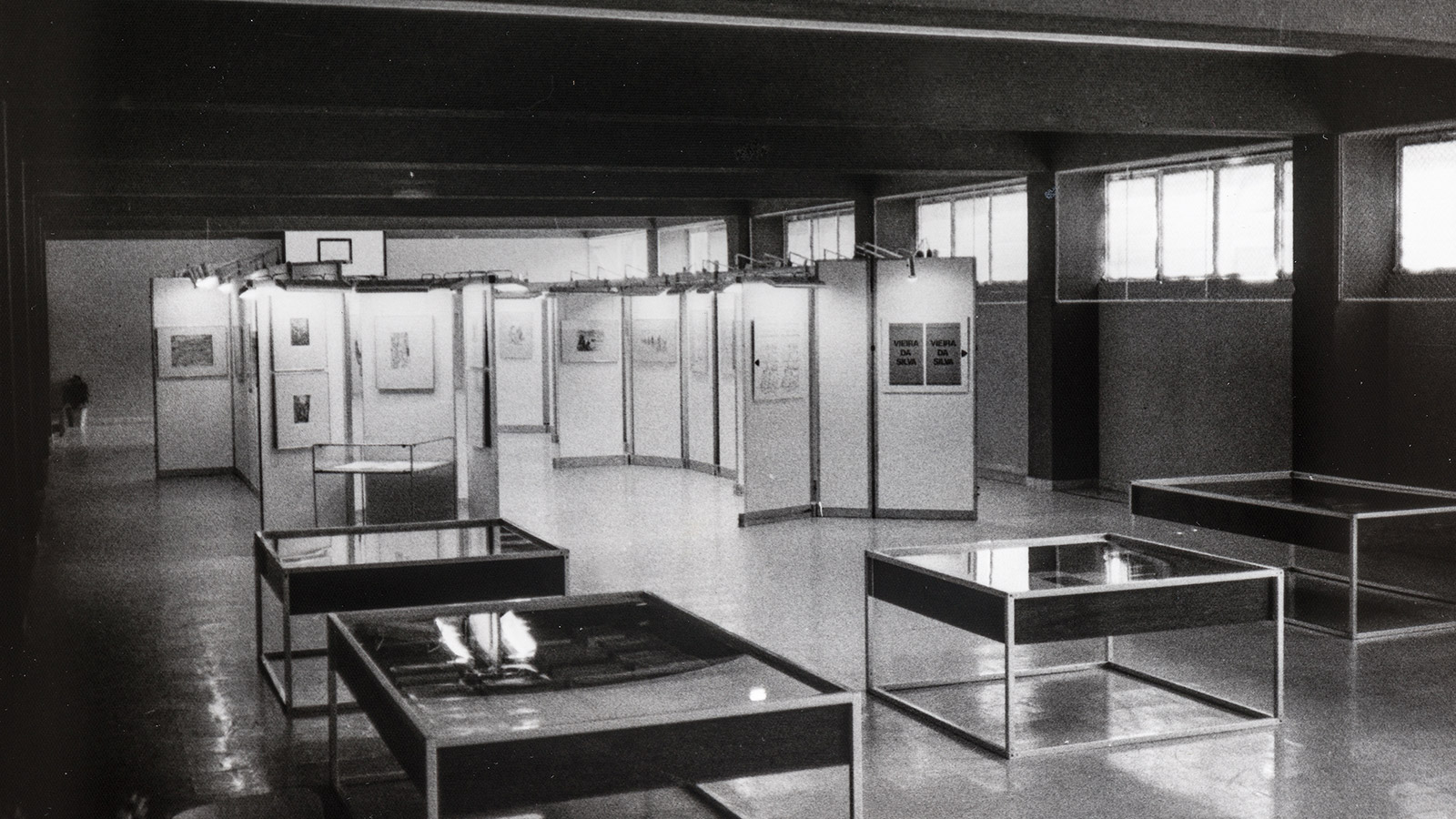
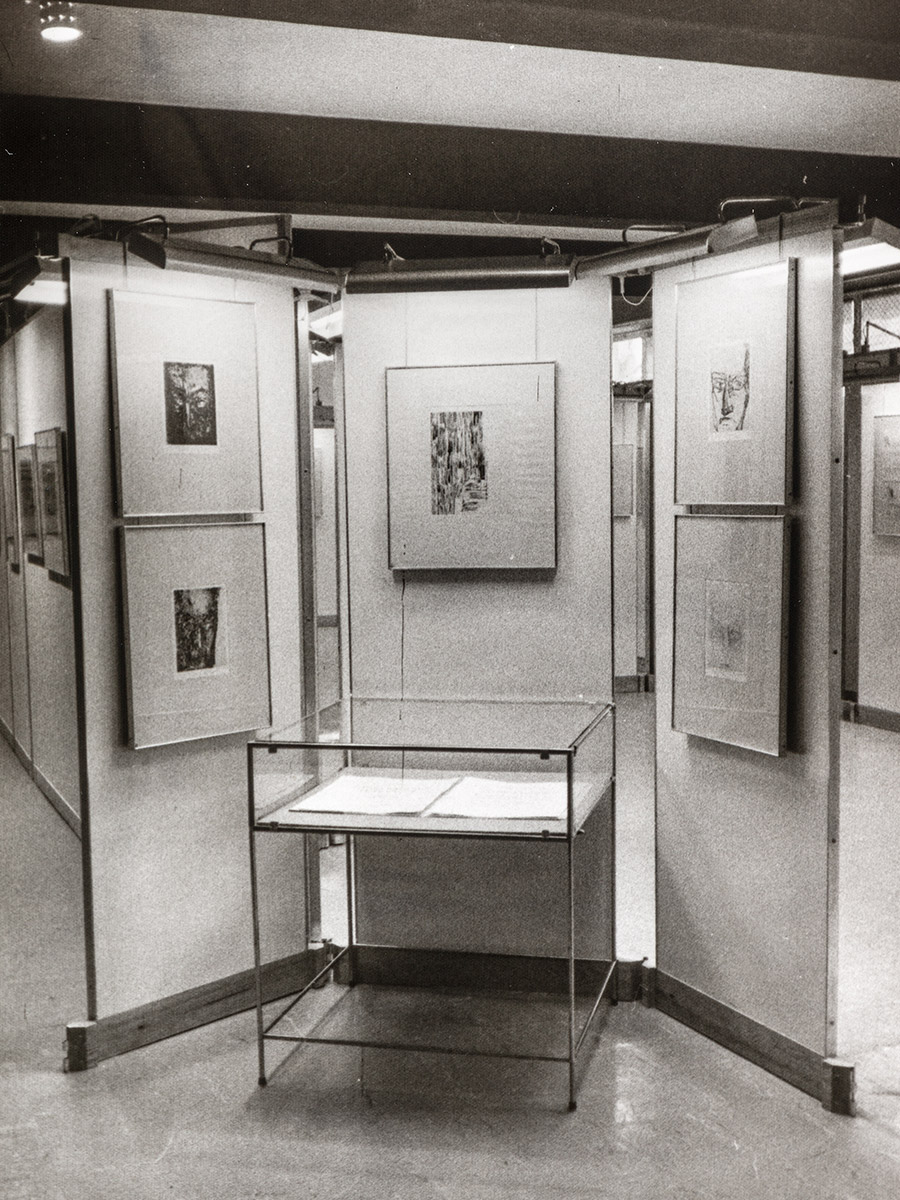
In October 1975, the Calouste Gulbenkian Foundation inaugurated the exhibition Lithographs by Rainer Oehms, dedicated to the work of this engraver, an artist sensitive to issues linked to the process of self-determination of African peoples, namely the Portuguese decolonisation movement. This exhibition, held at a time of great political effervescence in the country, on the eve of the events of 25 November, calls for political and social intervention and awareness, with the artist donating the proceeds from the sale of the exhibited works to Angolan “returnees”.
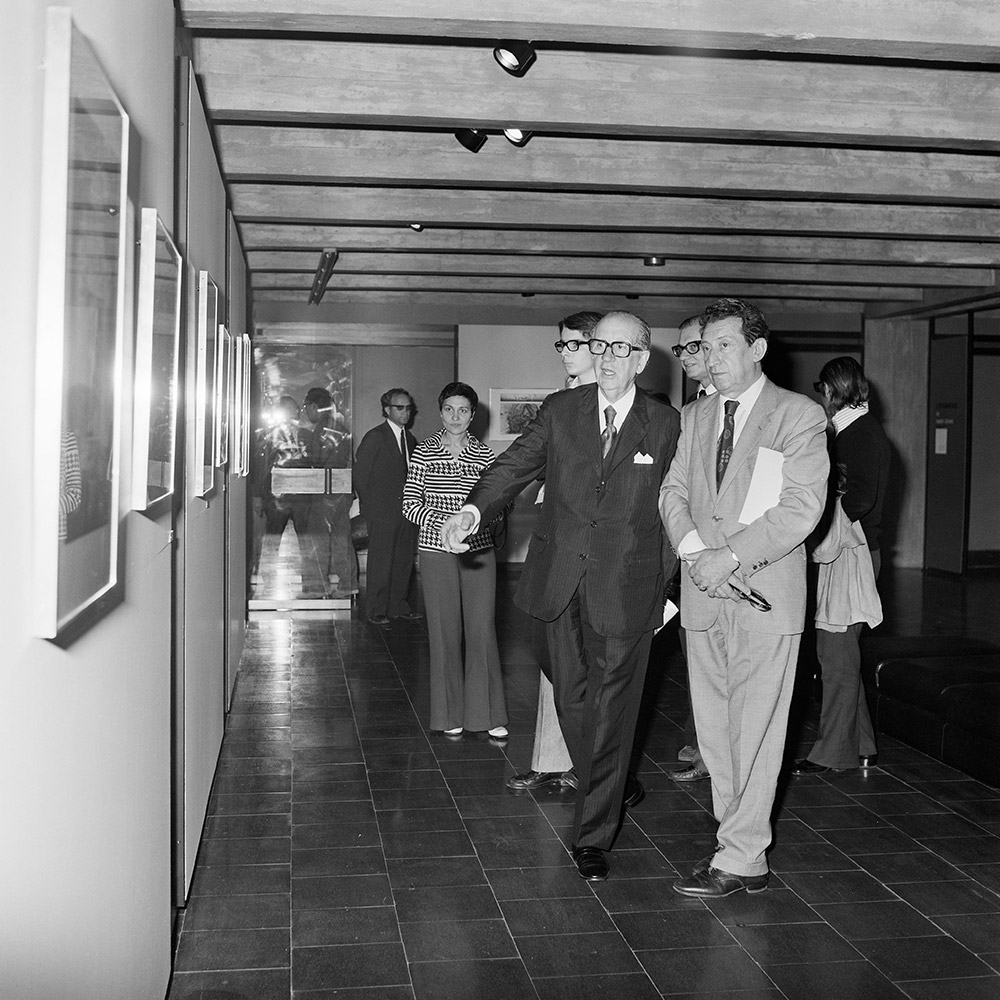
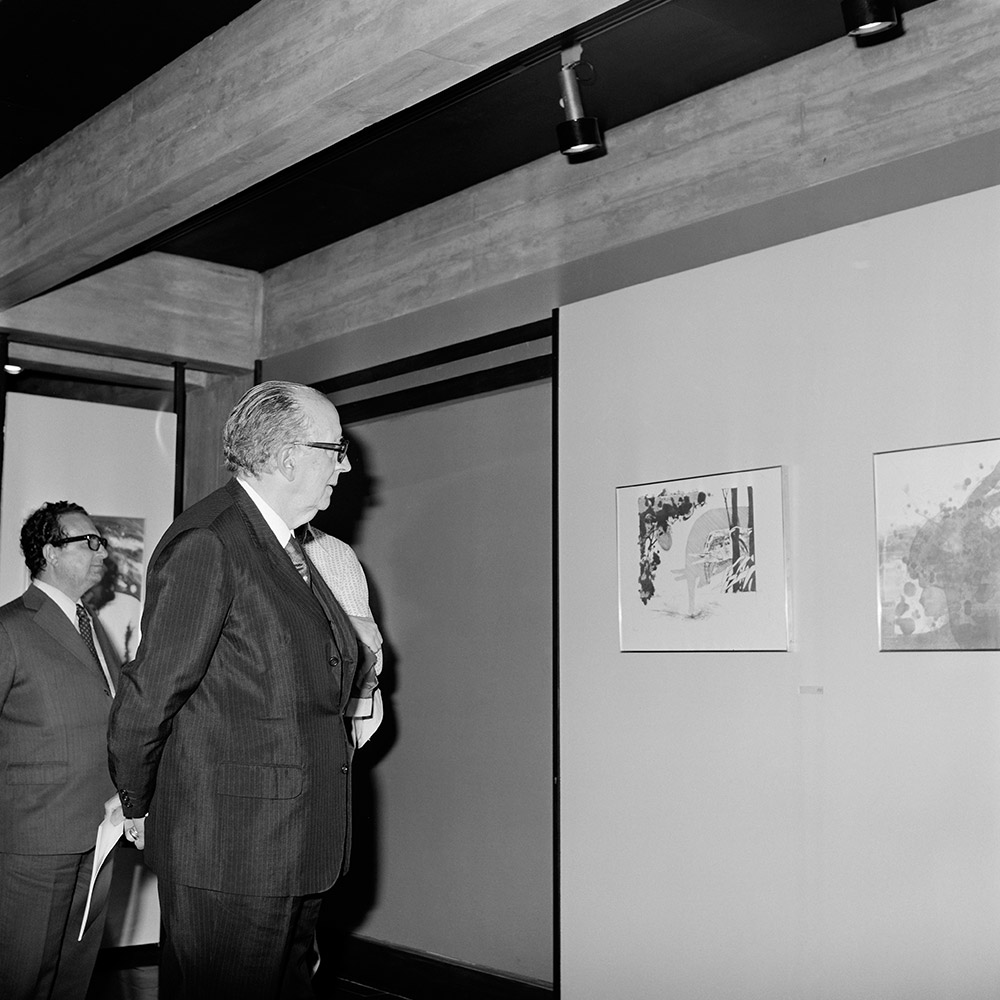
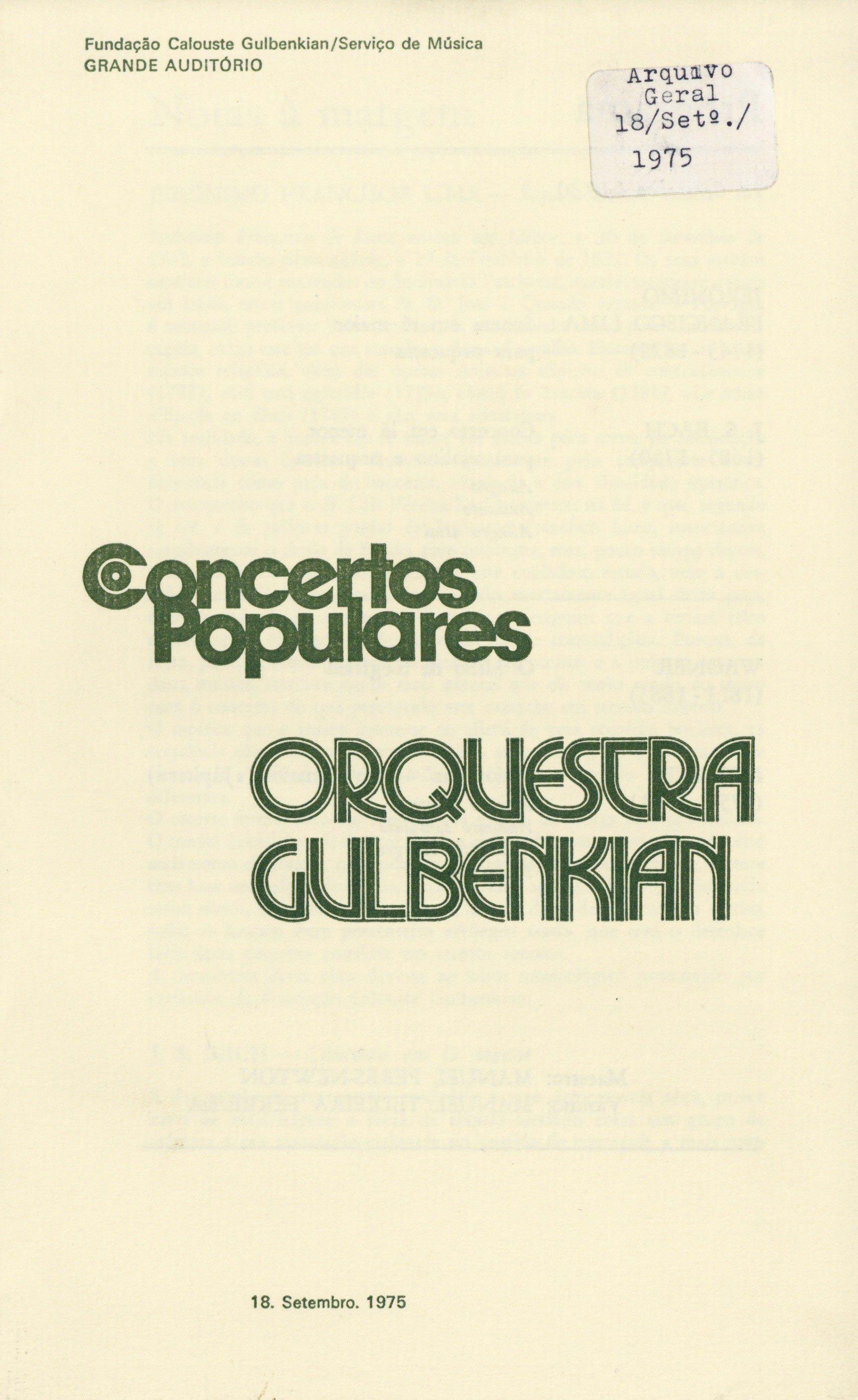
At the same time, from September to October 1975, a series of concerts took place in the Foundation’s Grande Auditório, the so-called “Popular Concerts”, which were part of the 1975/1976 Season and were the responsibility of the Music Department.
On 3 October 1975, after 14 months of activity, the administrative closure of the 5th Division began, which lasted until the coup of 25 November, when Central Steering Committee received direct orders from the General Staff of the Armed Forces to suspend its activities.
From the Archives
Explore the series



No results were found for your criteria.
You may also like


No results were found for your criteria.