
Support for the acquisition of air ambulances in Angola and Mozambique
Requests for help in funding air ambulances for Angola and Mozambique started to reach the newly created Calouste Gulbenkian Foundation in the early 1960s.
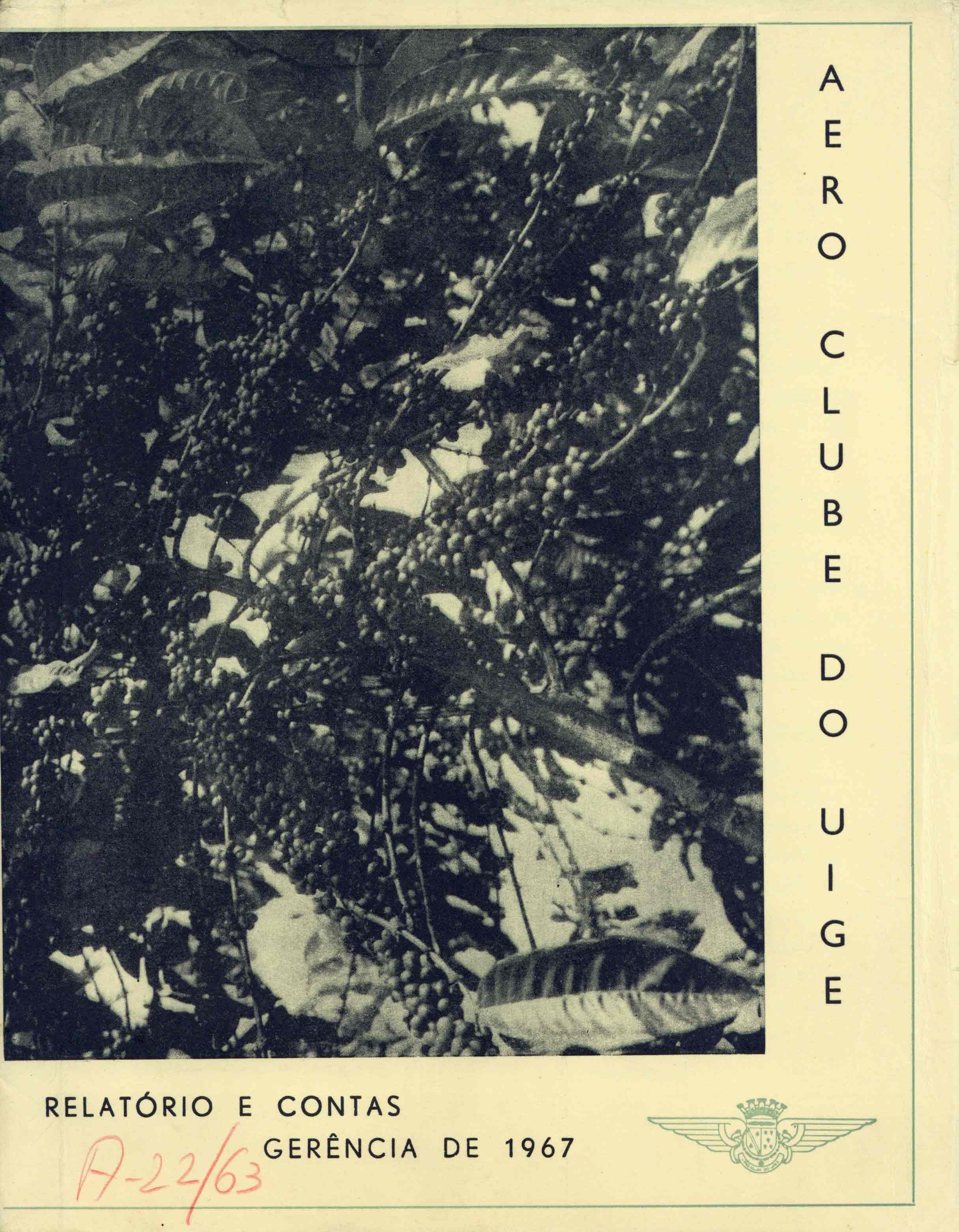
The need to provide medical services in areas “potentially more vulnerable to terrorist attacks” prompted the Benguela Aviation Club in Angola to approach the Foundation, in November 1961, for a contribution to the cost of a new air ambulance, for which a public appeal was in progress.
The Foundation’s directors originally turned down the request, on the grounds that it was the role of the State, and the then Overseas Province of Angola, to organise and contribute to that type of service. But considering that the Aviation Club was an institution that served the public good and undertook “charitable work to provide material assistance and education to native populations”, it was decided in the end to award a one-off grant of Esc. 200,000$00, conditional on submission of the plans and on the other funding raised; these conditions were eventually met in 1967.
This was followed in 1963 by further requests, from Uíge and Cabinda, approved on similar terms, and by two requests from Mozambique, one from Beira and another from Gaza, which appear not to have led to anything.
From 1964 onwards, requests arrived more frequently from aviation clubs seeking funding for air ambulances. On 18 February that year, Vítor Sá Machado, an assistant director in the president’s office, put into words the view that the Foundation had formed on the need for these aircraft in Angola and Mozambique. He writes that the requests are justified by the absence of local emergency facilities and by the uneven coverage of health services in interior regions, “added to the difficulty of communication, in view of the great distances and the fact that the roads were impassable in the rainy season”, in particular in Angola, which was already on a war footing.
But he was not wholly in favour of fully funding the purchase of an aircraft, as the same amount could equally fund the training of eight doctors, the equipment for a small hospital or the building of three or four health centres or dispensaries. Instead, he argued that partial funding should be provided when other contributions had already been secured, when the medical and nursing staff were assured, along with the supply of medical equipment, and provided a guarantee was obtained, from the aviation clubs or other owners of the aircraft, that they would maintain the planes, and provide the crew. The aircraft purchased “should be based in locations that ensured rational coverage of the territory. Three or four aircraft would resolve the problem in each of the two large provinces”.
Failure to secure complementary funding resulted in several applications remaining on hold. Those relating to areas considered well served by communication routes were turned down.
On 9 October 1967, the Foundation received a letter from the Tete Aviation Club in Mozambique seeking funding for an air ambulance, in collaboration with the Portuguese Red Cross.
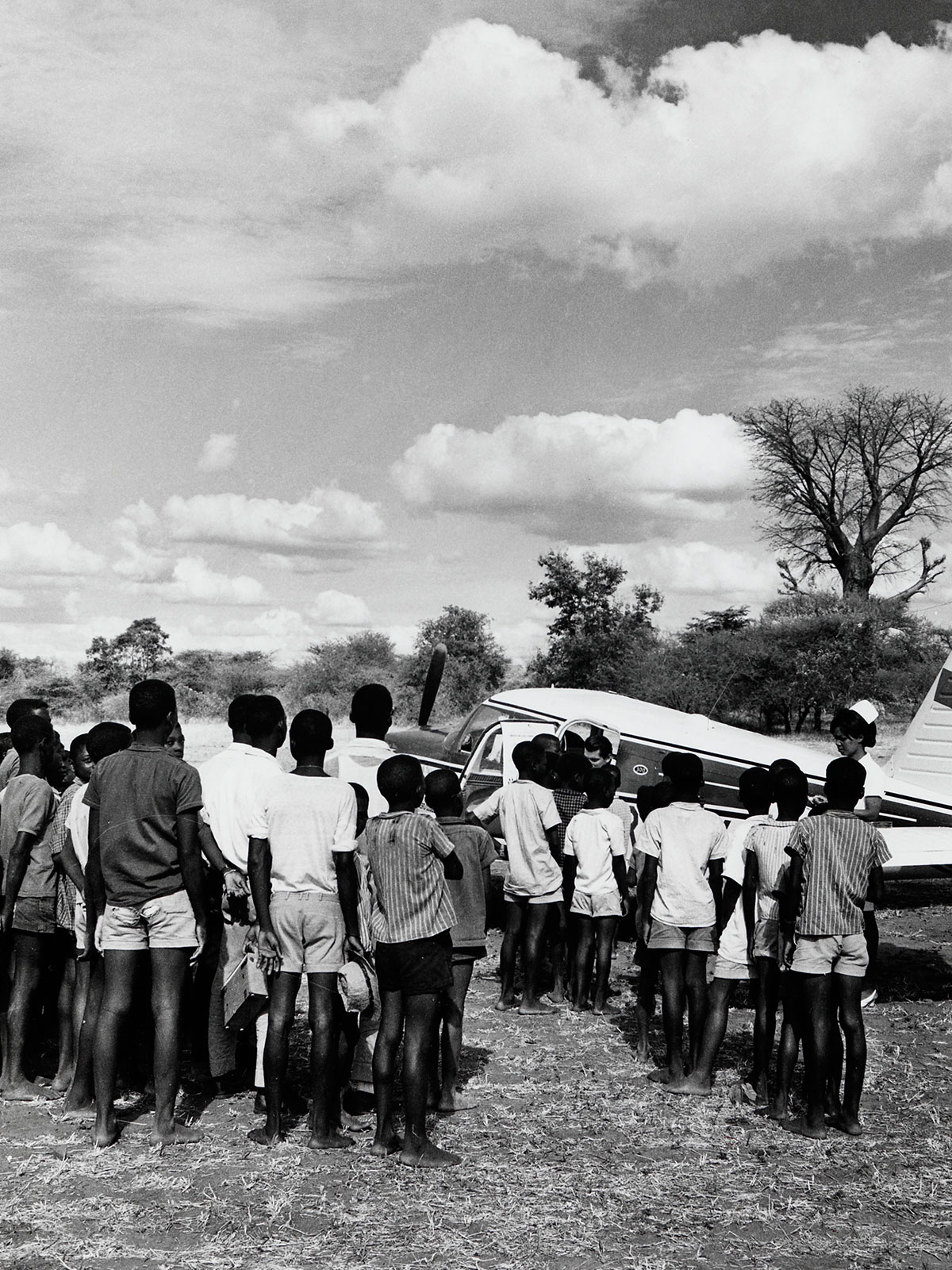
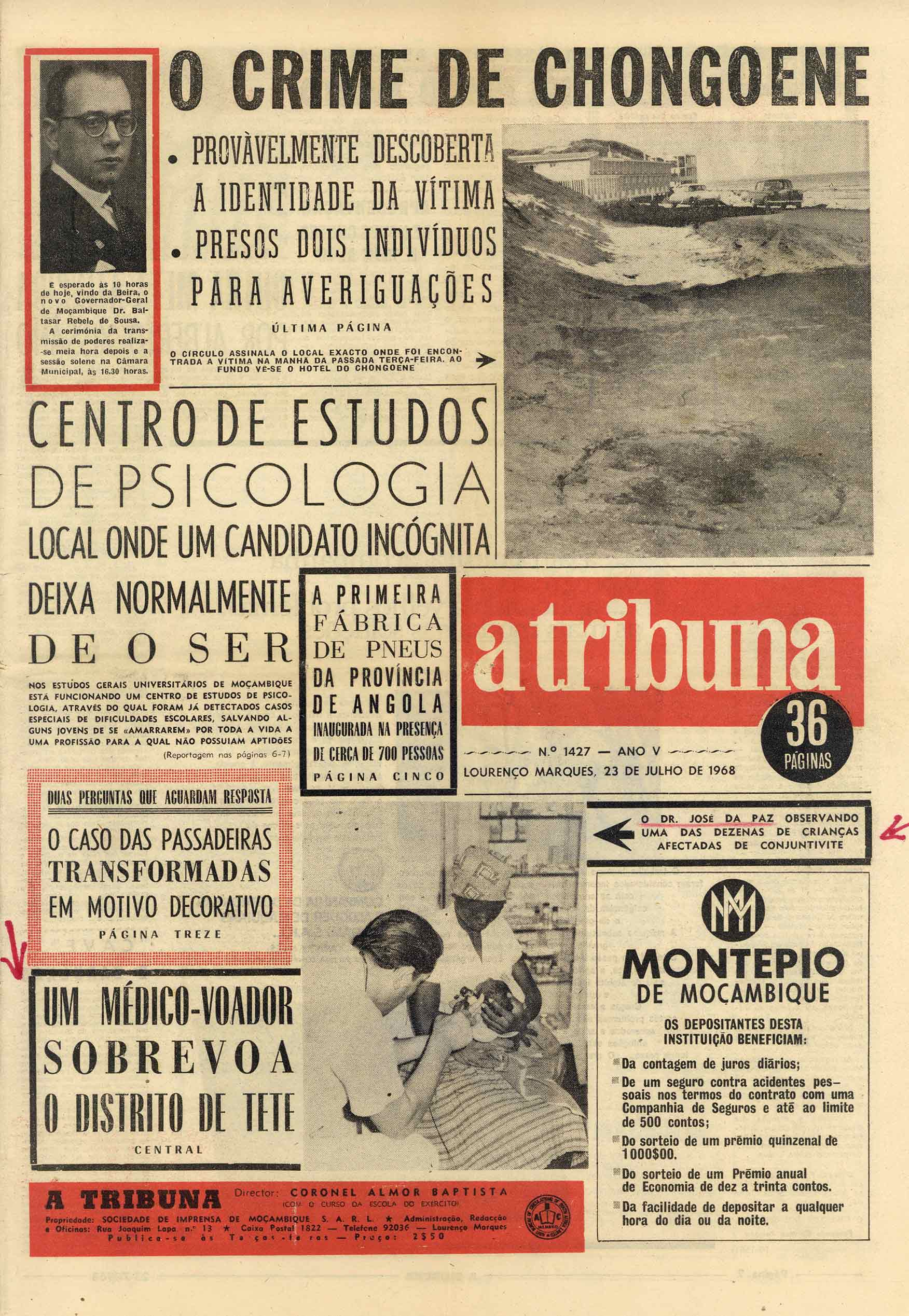
The situation in this province differed from that in other regions insofar as there was already experience of a Medical Air service headed by Dr José da Paz Rodrigues dos Santos, director of the Tete District Health Department, who was also a pilot. In conjunction with the aviation club, the centre had run a weekly service for patients, seeking to respond to the demand for airlifting patients, with requests coming in daily. The aircraft available lacked both capacity for the potential passenger numbers and sufficient autonomy, which limited the effectiveness of the operation.
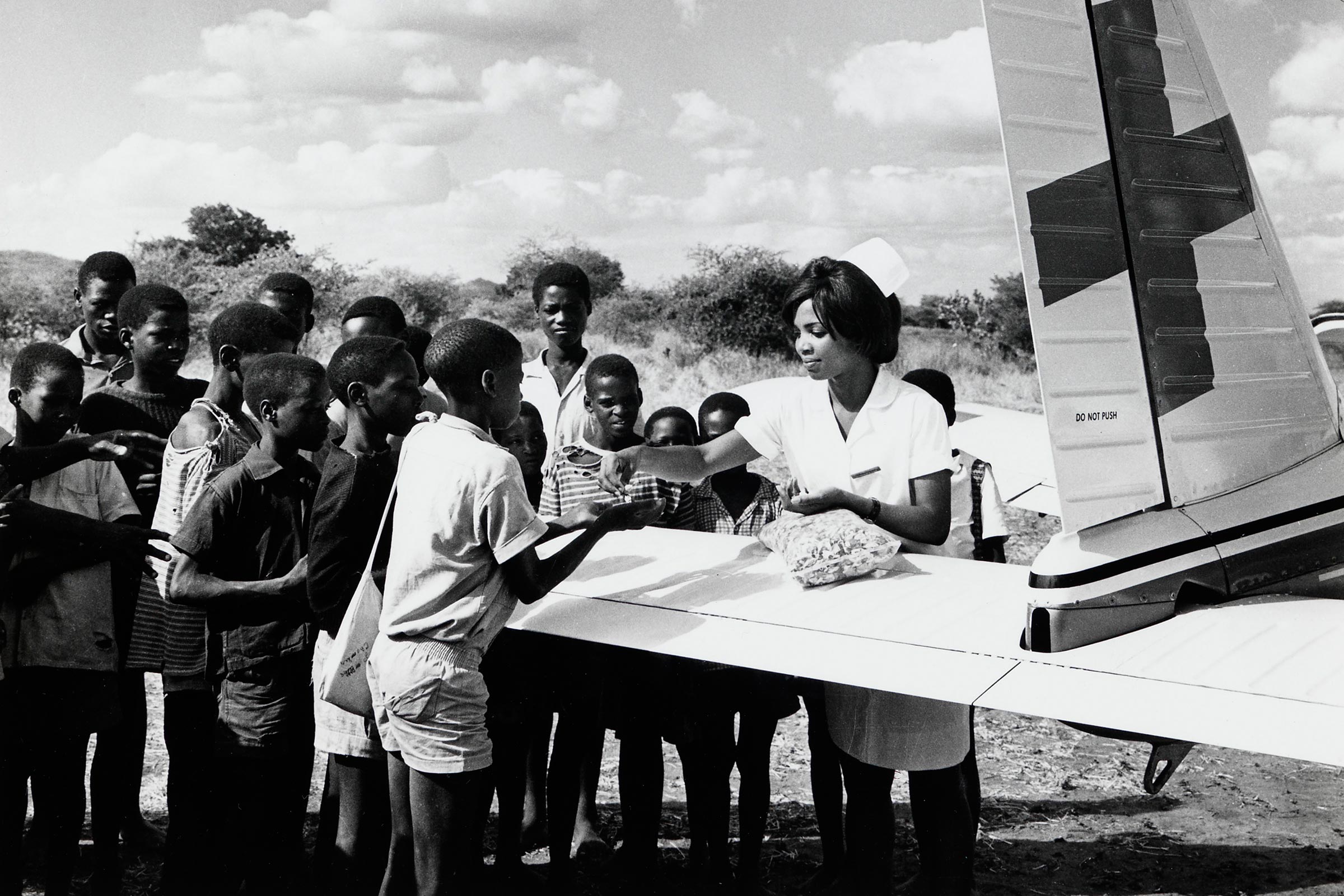
The directors of the aviation club were seeking to acquire a fast aircraft, with greater passenger capacity and autonomy – a Cessna 210 – so that they could undertake the envisaged humanitarian missions. The aircraft, which would have “the symbol of the Red Cross painted on the wings”, would enable them to carry two patients lying down, as well as a doctor or nurse.
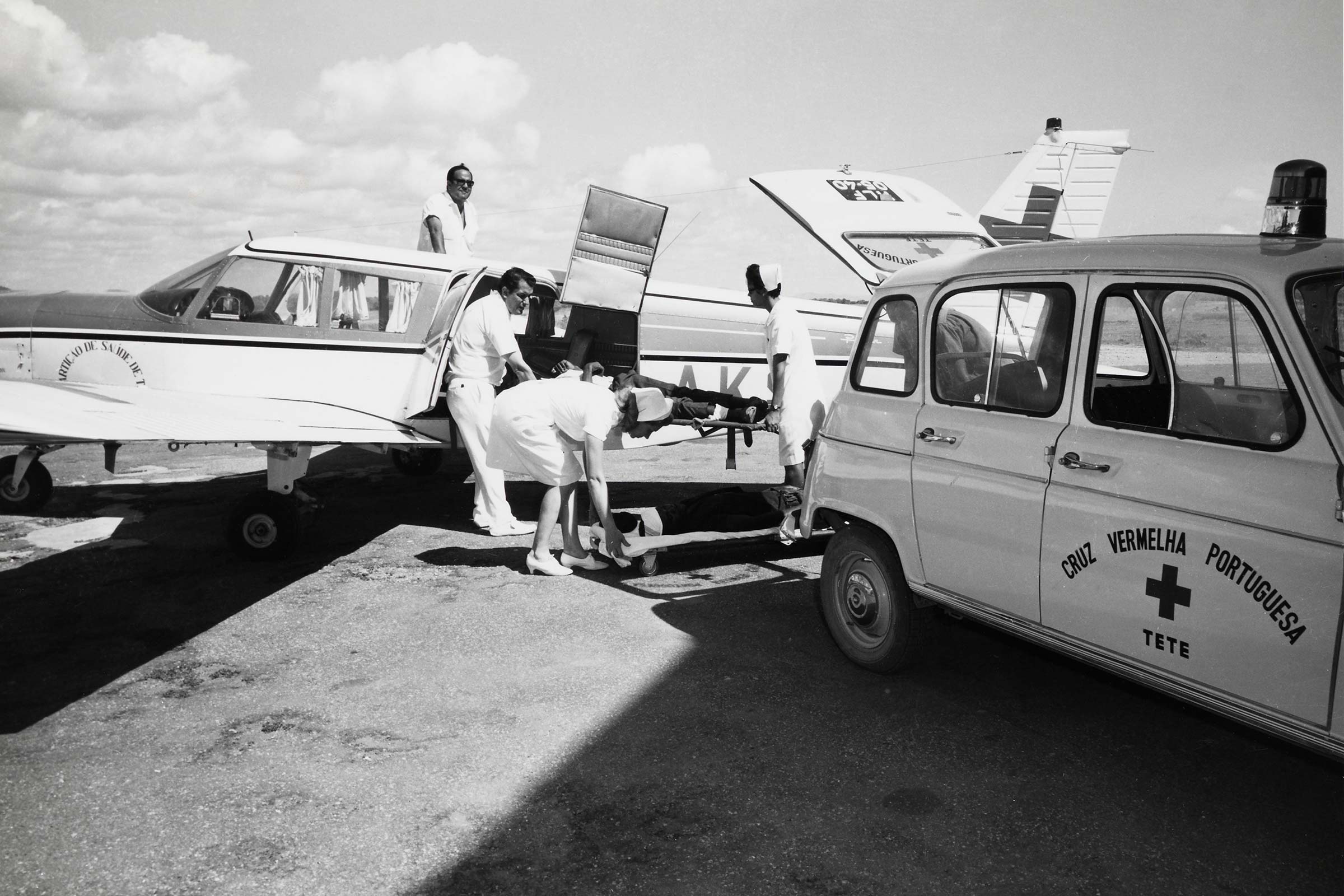
The Tete district Governor gave his backing to the aviation club’s application and wrote to Vítor Sá Machado, who by this time was in charge of the Foundation´s Overseas Service. He drew attention to the valuable service that took “medical care to locations in the bush, until recently lacking in any provision” and stressed the need for a new aircraft, for which sufficient funding had not yet been secured.
The Calouste Gulbenkian Foundation asked for details: the specifications of the desired aircraft and its price, the funds already raised, the plans for the service. The Secretary-General of the aviation club committed to providing medical coverage in line with the plan submitted by the health authorities, which envisaged airlifting accident victims and other patients, transporting medicines and medical personnel, and also advanced training for pilots. The aviation club was to be responsible for maintaining the aircraft.
Maps were submitted showing the extent of the territory and the remote areas to be served. Details were also provided of the weekly itinerary undertaken by the Air Service doctor, the locations provided with medical care at least once a week and the total number of doctors in the district (only 11).
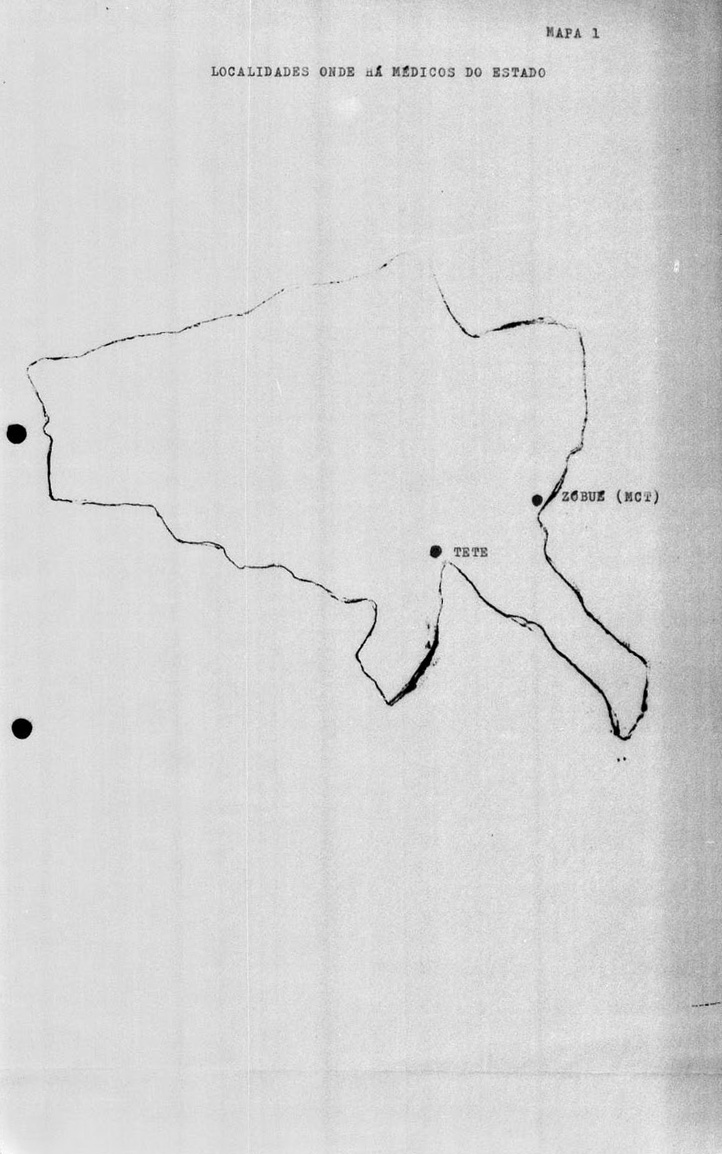
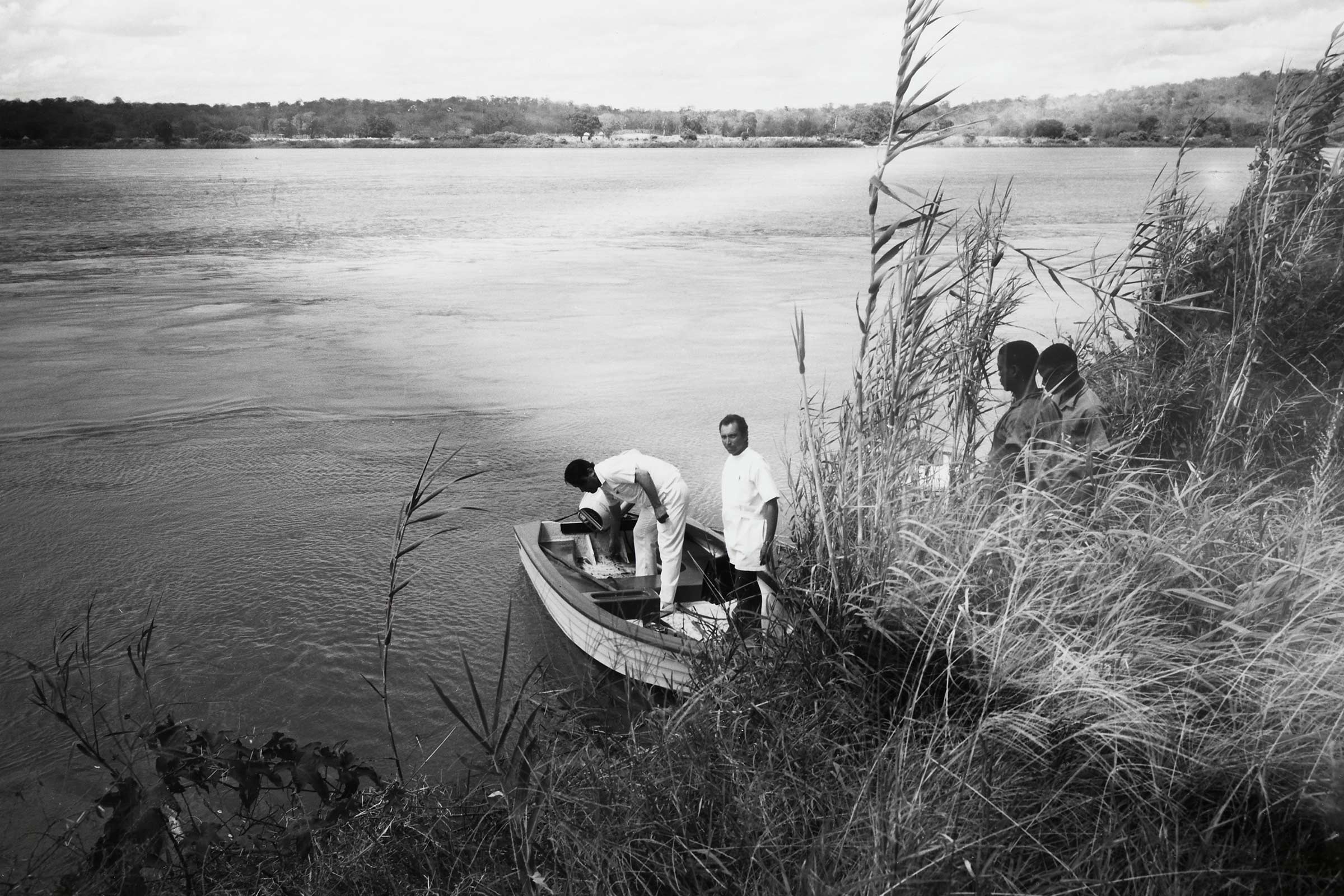
Dr Rodrigues dos Santos also wrote to the Foundation, on 16 March 1968, listing further arguments to support the application for funding for the new air ambulance. He described at length the flights he had been making, in a small, obsolete aircraft, ill-suited to carrying out these mercy missions in safety. He explains that he is able to serve ten locations and describes the benefits that could be obtained from a larger and faster air ambulance, able to transport seriously ill patients and to reach other areas, expanding the itinerary around a district with a land area larger than mainland Portugal.
In view of the information provided and the documents supporting the application, Sá Machado drew up a proposal on 28 March for approval on the following terms: “a grant of 567,000$00 (…) subject to the conditions that the Overseas Service, under the Chairman’s guidance, sees fit to establish with the Tete aviation club for the upkeep, maintenance and use of the aircraft, insofar that, although it would be donated to, and owned by the club, its main purpose would be to meet the needs of the Tete District Health Department”.
The pilot doctor, Rodrigues dos Santos, sent, for consideration, the main terms of the required contract between the Health Service and the aviation club for use of the aircraft and reported that it had been decided to acquire an aircraft costing more than the Foundation’s grant, as the provincial Government had committed to covering the difference.
On Vítor Sá Machado’s suggestion, the aircraft was named Calouste Gulbenkian, a distinction rarely conferred by the board of directors, in view of its “important humanitarian mission”.
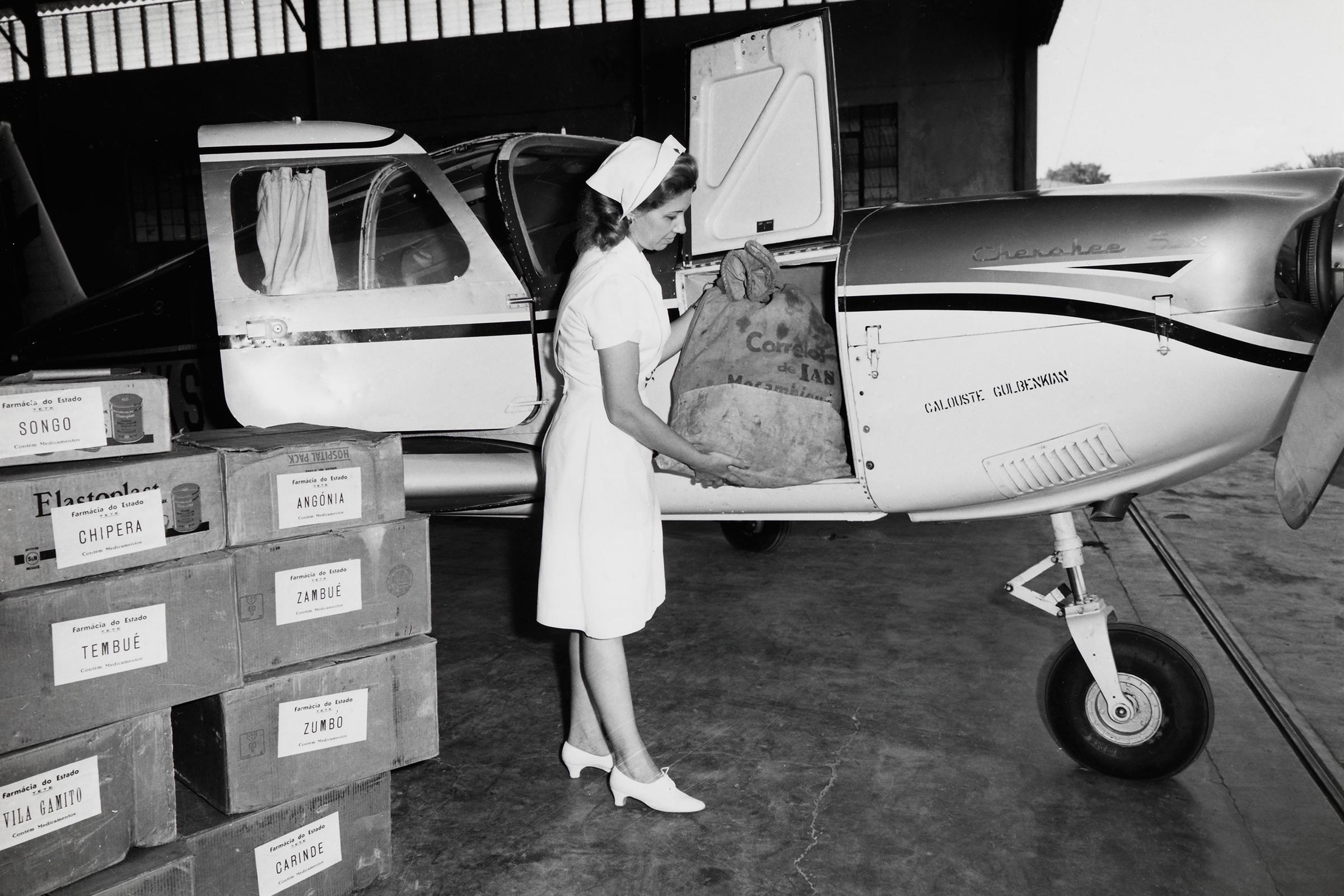
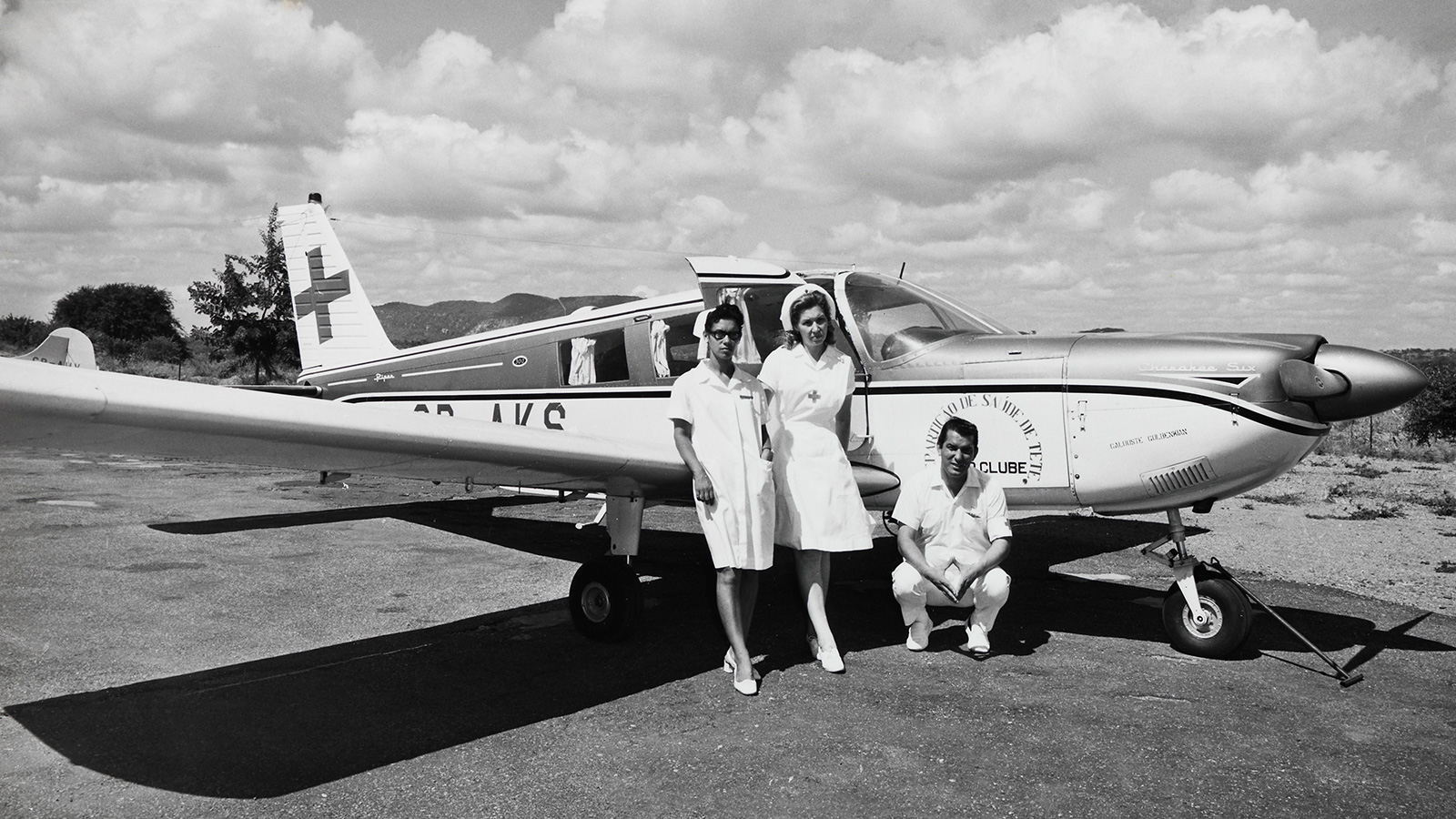
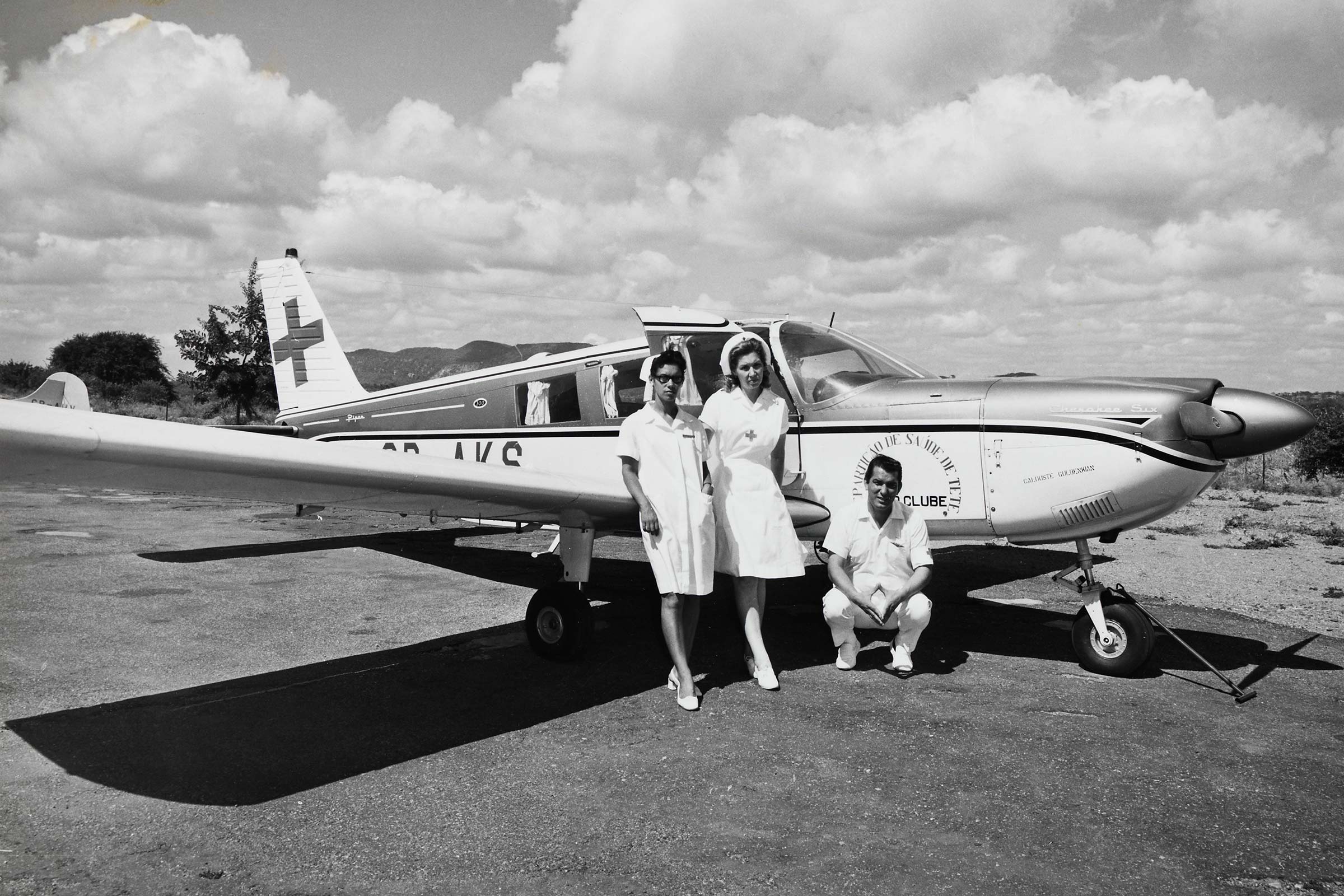
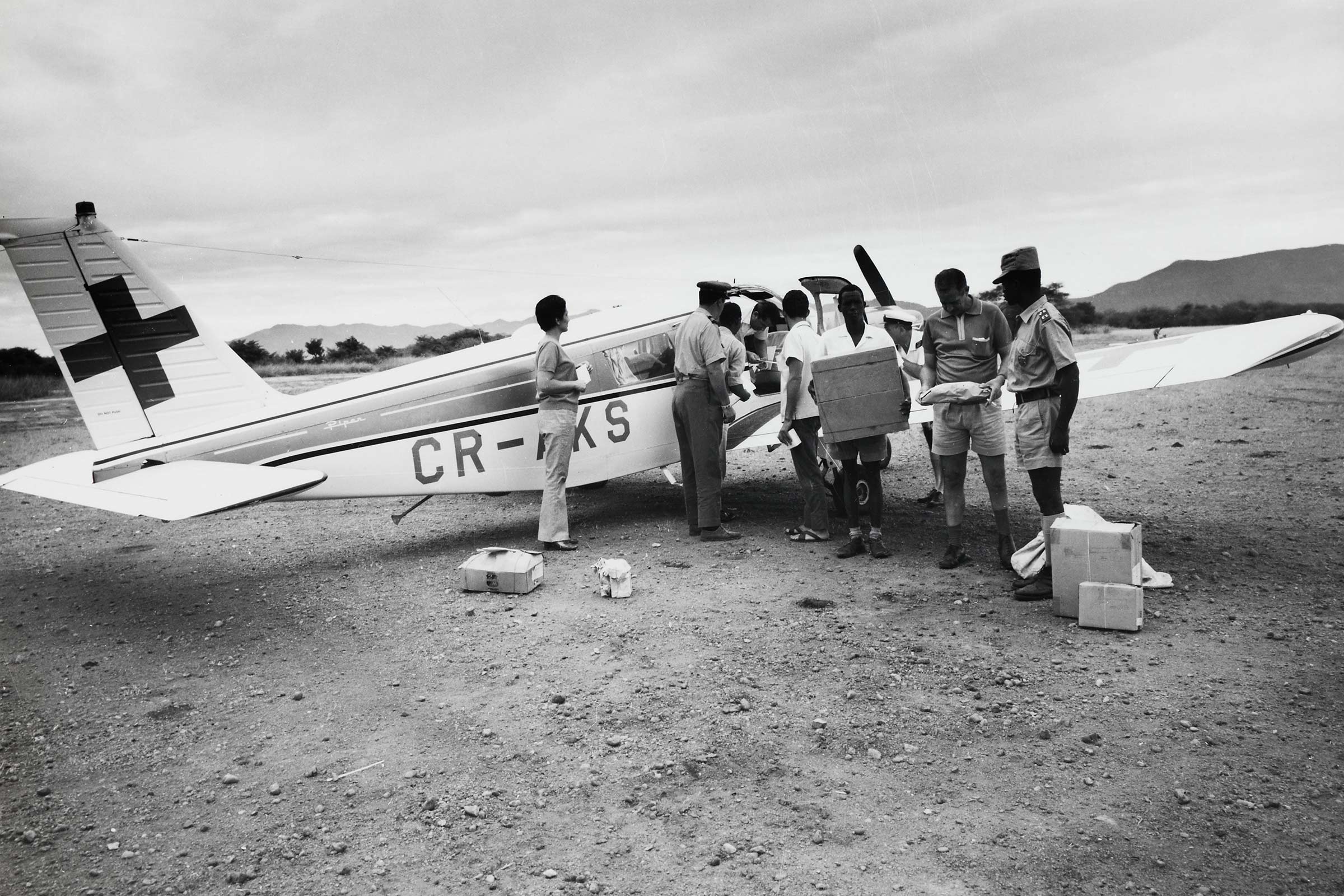
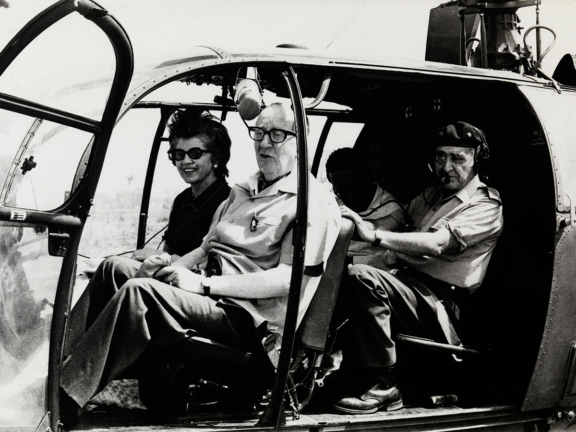
On 23 December 1968, the Tete aviation club reported that it had taken delivery of the Calouste Gulbenkian air ambulance, a Cherokee Six, 6-seater, fitted with two stretchers.
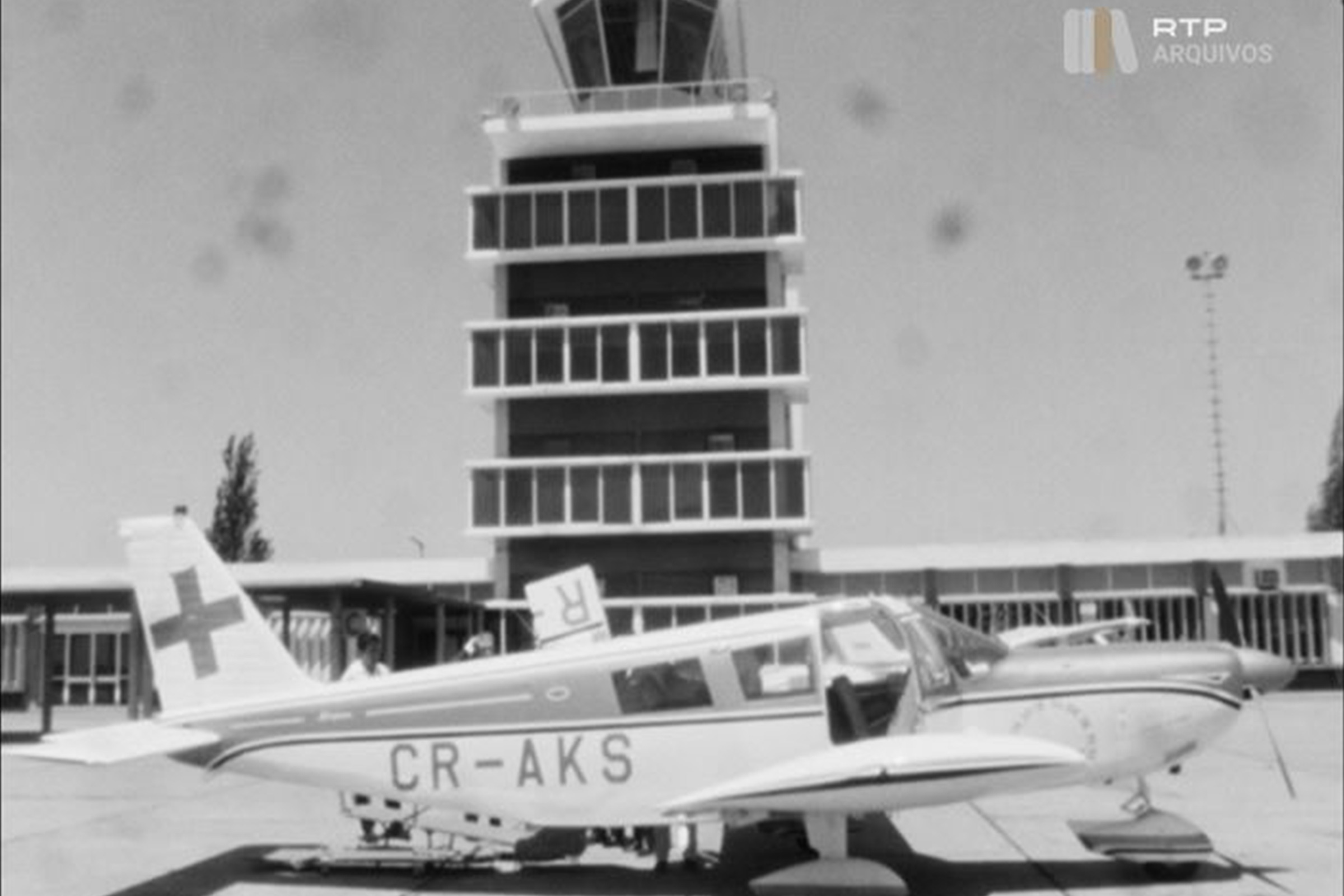
The plane was blessed by the Bishop of Tete, Dom Félix Niza Ribeiro, with the wife of the Governor of Tete standing ‘godmother’, in a ceremony reported in the “Rhodesia Herald”. The air ambulance went straight into service and the Foundation started to receive quarterly statistics on the Tete Medical Air Service, detailing flight times, the patients air-lifted, the number of medical consultations and itineraries of the three weekly flights, as well as plans for new routes. An increased was reported in consultation numbers, attributable to patients from areas of Rhodesia close to the Mozambican border, pointing to shortcomings in medical provision in that country.
The initiative caught the eye of the “Flying Doctor Service of Africa Limited” which contacted the Calouste Gulbenkian Foundation inviting Tete’s flying doctor to take part in the Flying Doctor Services and Rural Development, seminar at Birmingham University.
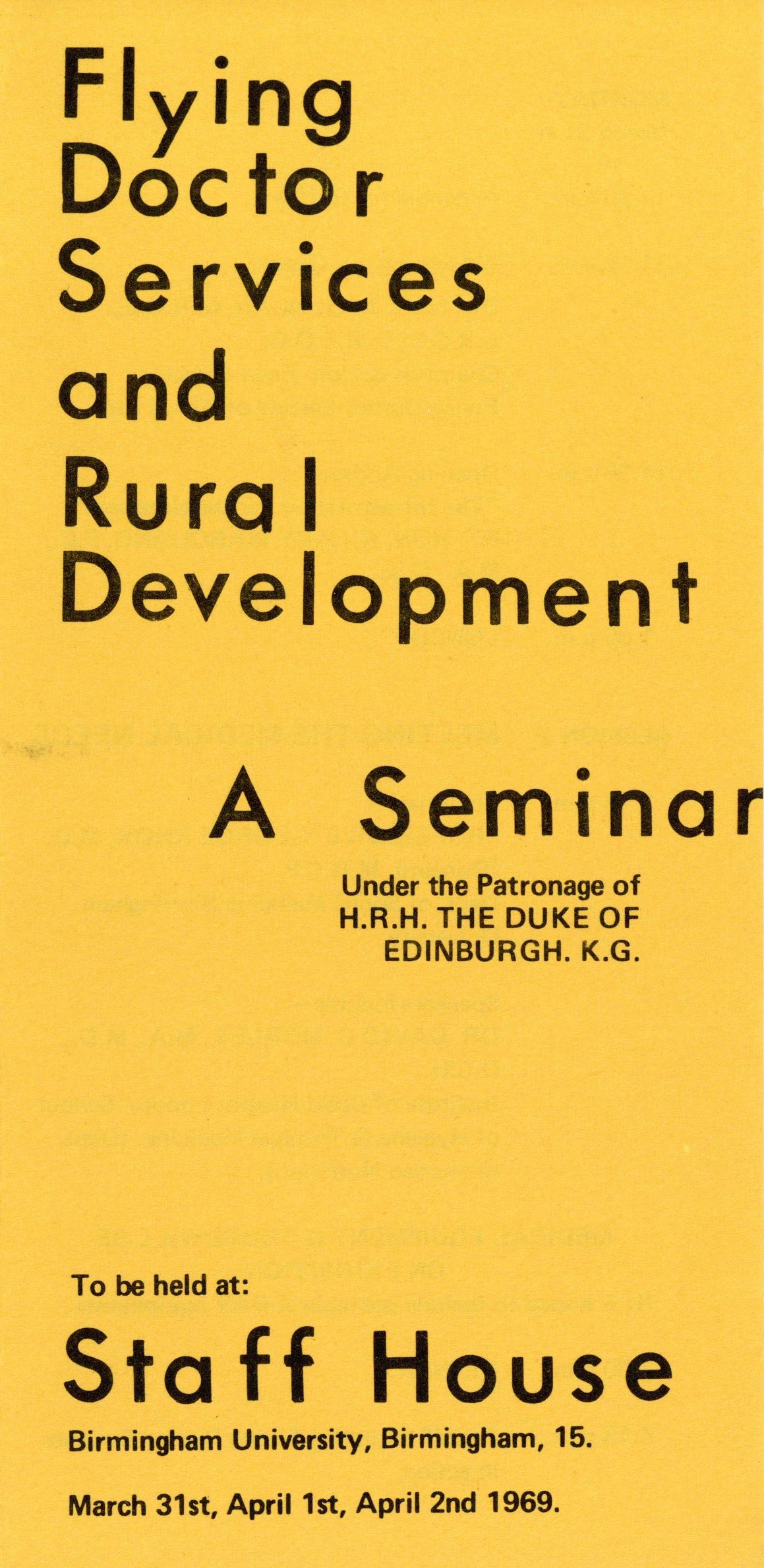
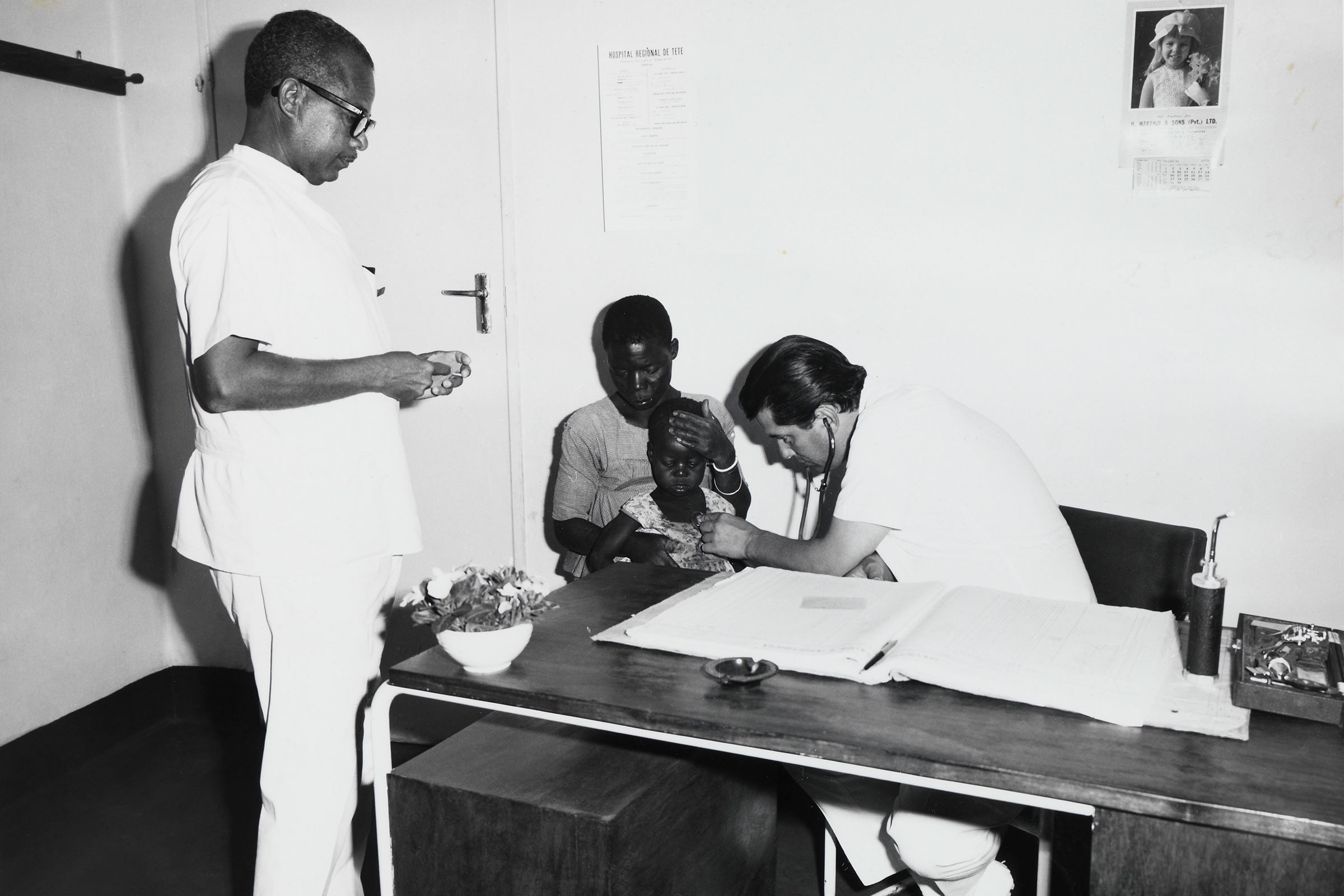
A report from the Medical Air Service, by this time with two years’ operating experience, was sent to Calouste Gulbenkian Foundation in mid-1970. The air service proved to be the ideal way of responding to the shortage of doctors in large but sparsely populated regions of Africa. In addition to medical care, the service was able to airlift patients and accident victims, as well as carrying medicines, mail and other parcels to interior regions. Press reports in Portugal and beyond spoke of the service in glowing terms, whilst medical and paramedical personnel from abroad were eager to get involved in the project.
Two years later, in a further report, Dr José Rodrigues dos Santos points to other benefits: “it has also enabled us to go five years without a single case of smallpox, after the campaign in 1968, which has been followed up every year”. He also noted the project’s collaboration with the postal service, transporting 1,471 kg of mail. On the other hand, he alludes to the fact that several air strips had been land mined, a sign of the worsening conflict in that region of Mozambique. In the meantime, the Foundation had been receiving a series of requests for funding for the purchase of air ambulance from aviation clubs in the two Overseas Provinces, especially Angola, in the district of Bié (1967-1970), Cuando Cubango (1969), Bula Atumba (1970), among others, but these came to nothing.
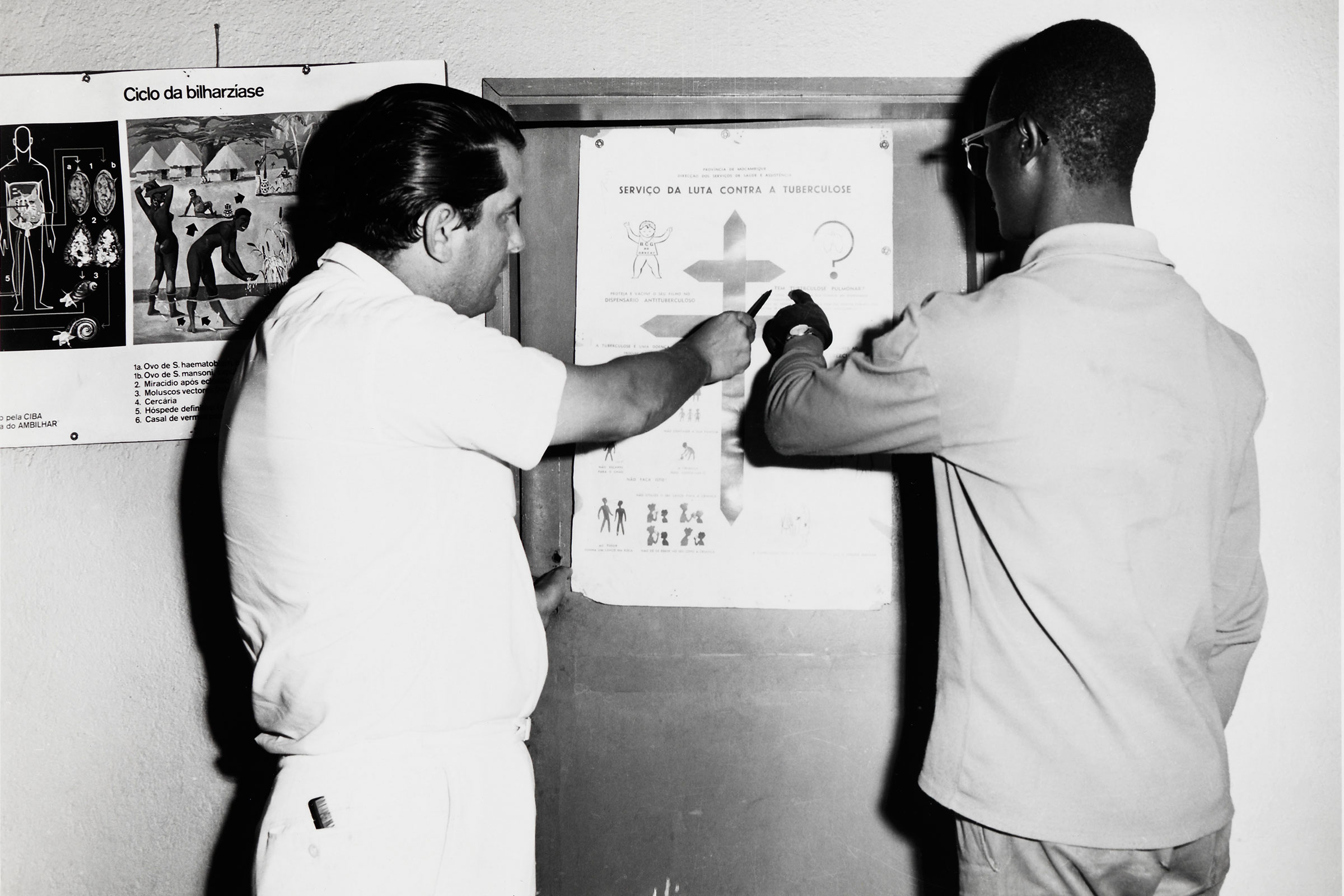
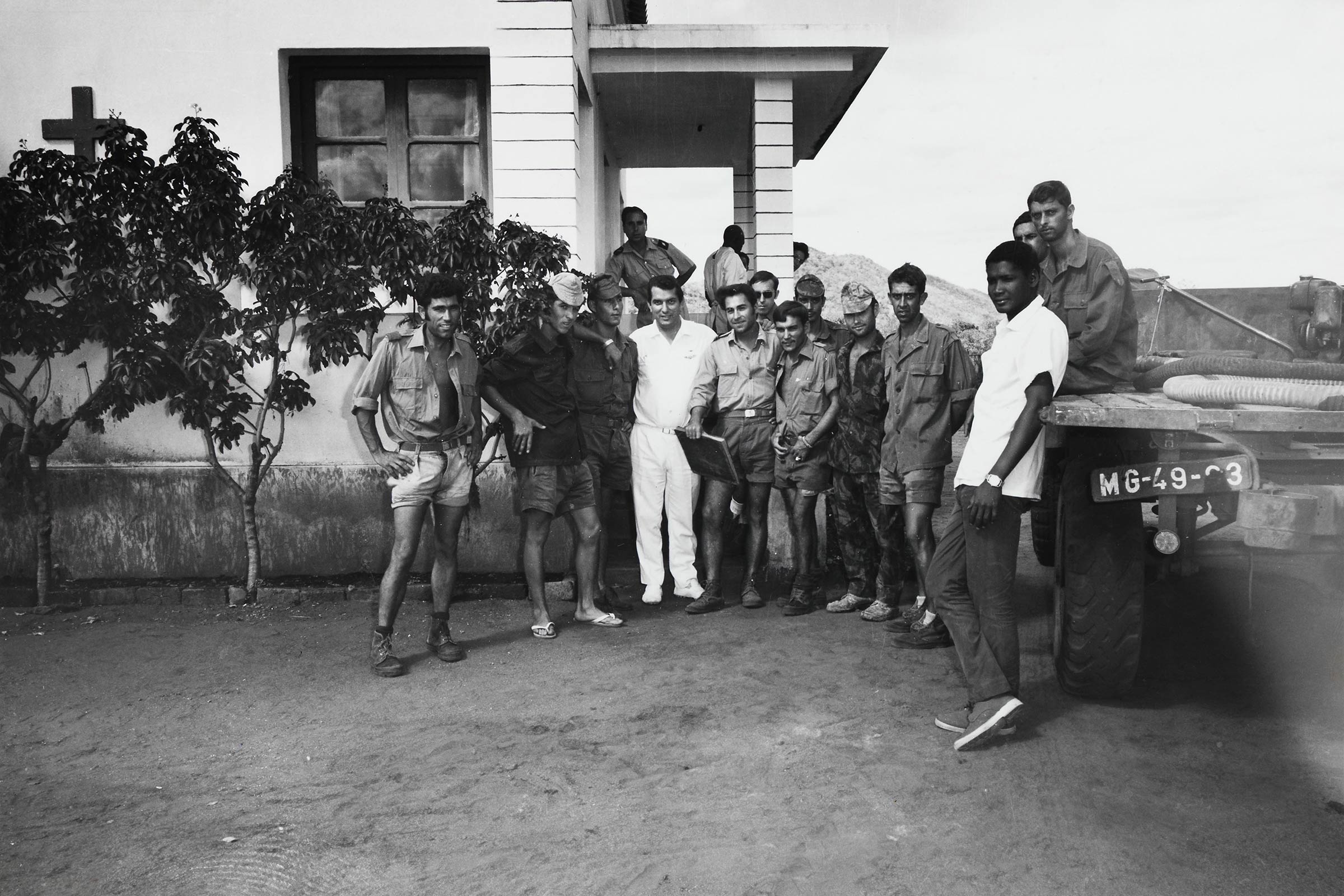
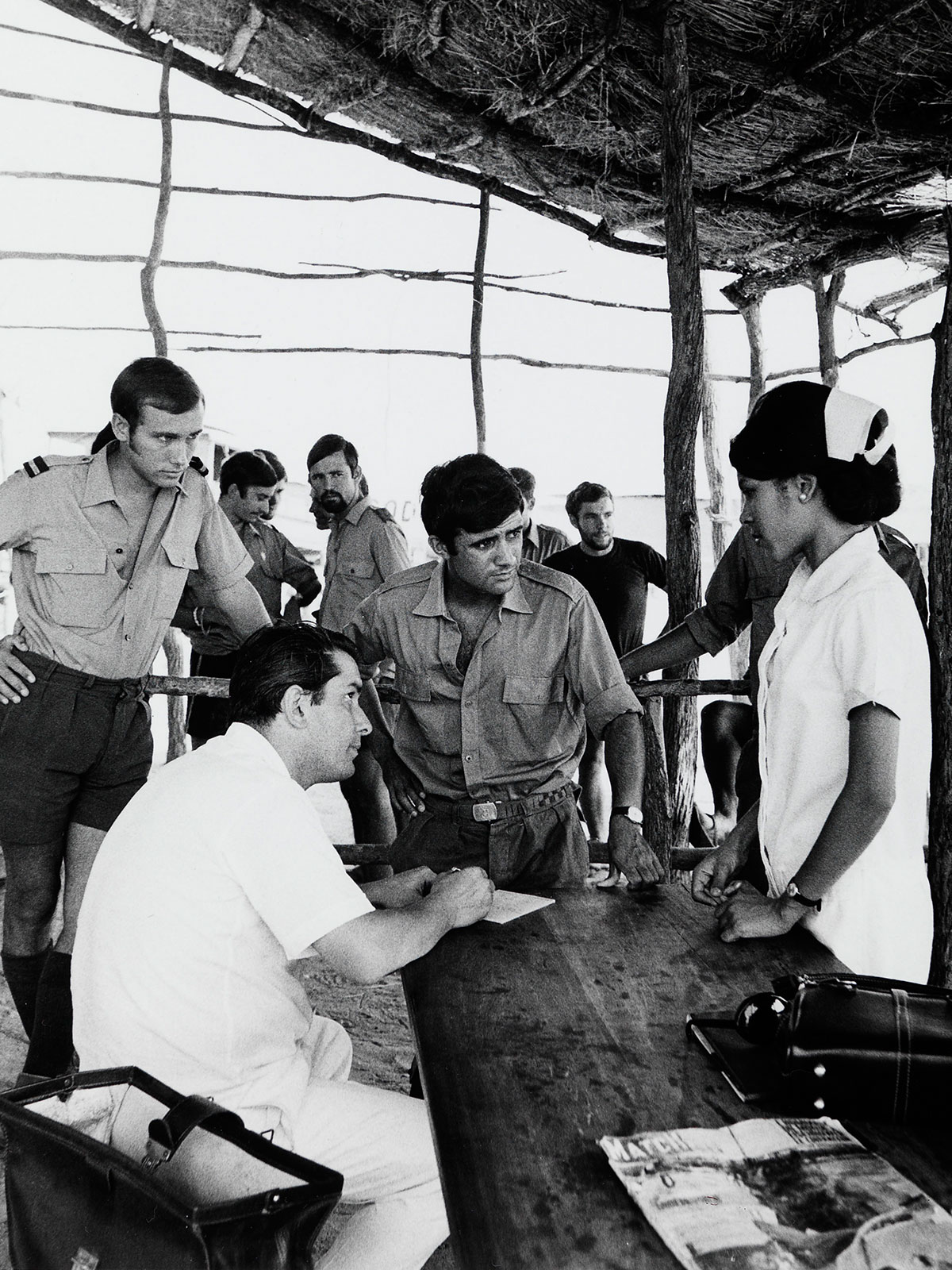
In its replies, the Calouste Gulbenkian Foundation explained that the grants should only be for aircraft that provided regular medical services, to outposts or locations lacking permanent medical staff and which had the necessary aviation infrastructure. One of the replies to these unsuccessful applications states: “Such an arrangement entails collaboration between the aviation club and the health services, so that a doctor is assigned to the programme, which must be properly structured. A service of this type is in operation in the District of Tete, with very positive results”. The successful experiment in Tete soon became a yardstick for assessing similar funding applications.
In the case of Mozambique, plans for a Medical Air Service to cover the rest of the overseas province had already been mentioned in Dr Rodrigues dos Santos’ report in 1970, in which he wrote: “It is therefore our opinion that such a service should extend to the entire province”. The plan envisaged training for flying doctors and the possibility of providing an air ambulance for each district. It was recommended that these should be the property of the provincial health services and not the aviation clubs, most of which were geared primarily to air enthusiasts, and an annual budget was envisaged for a District Medical Service.
The first reference to the Mozambique Medical Service dates from the following year. When, in late 1971, the Calouste Gulbenkian Foundation approved an application from the Cabo Delgado aviation club for partial funding of a new air ambulance, it was argued that “the experience in Tete has resulted in the recent constitution of the Mozambique Medical Air Service” and that the area was the “worst hit by the subversion from across the border”. It was at this time that a plan envisaged a Medical Air Service that would serve the districts of Gaza, Inhambane and Vila Pery, as well as Tete.
On 18 September 1971, in a letter to Vítor Sá Machado, the Provincial Secretary for Health and Welfare of the General Government of Mozambique asked the Calouste Gulbenkian Foundation to help fund the acquisition of an aircraft – an Islander BN-2A. This would be the second operating for the Medical Air Service, this time in southern Mozambique, providing coverage for the districts of Gaza and Inhambane. The aircraft would operate two routes, flying each of them twice a week, linking the provinces of Gaza – Lourenço Marques, starting point, Vila Pinto Teixeira, Mapai, Malverni, Pafúri, Massangir, Mapulanguene) and from Inhambane – Lourenço Marques, Chibugo, Massangena, Mabote, Funhalouro e Inhambane (for technical scale).
Several questions about how Mozambique Medical Air Service would function needed to be clarified for the funding application to proceed. Although press reports in late 1971 referred to the Medical Air Service, in the province of Lourenço Marques, as an arm of the Health and Welfare Services, the plans did not materialise immediately. The Tete and southern circuits were structured differently and needed to be coordinated. Whilst the northern circuit was based on a well-established partnership between the aviation club and the district health authorities, elsewhere the amateur ethos of the flying clubs meant that the new Medical Air service would be supported by the Civil Aviation Service.
This created a legal and functional impasse which meant that the idea did not get off the drawing board for more than a year.
Only in early 1973 did the Provincial Office for Health and Welfare of the General Government of Mozambique reply at length to the Foundation’s request for information, from a year and a half earlier. It stressed that Mozambique Medical Air Service would “seek to serve populations with scarce economic means, not refusing care to anyone needing it, in keeping with the principles that had been implemented in Tete from the outset by its founder and in keeping with the practice of the International Red Cross, as the press (in South Africa) had always highlighted”.
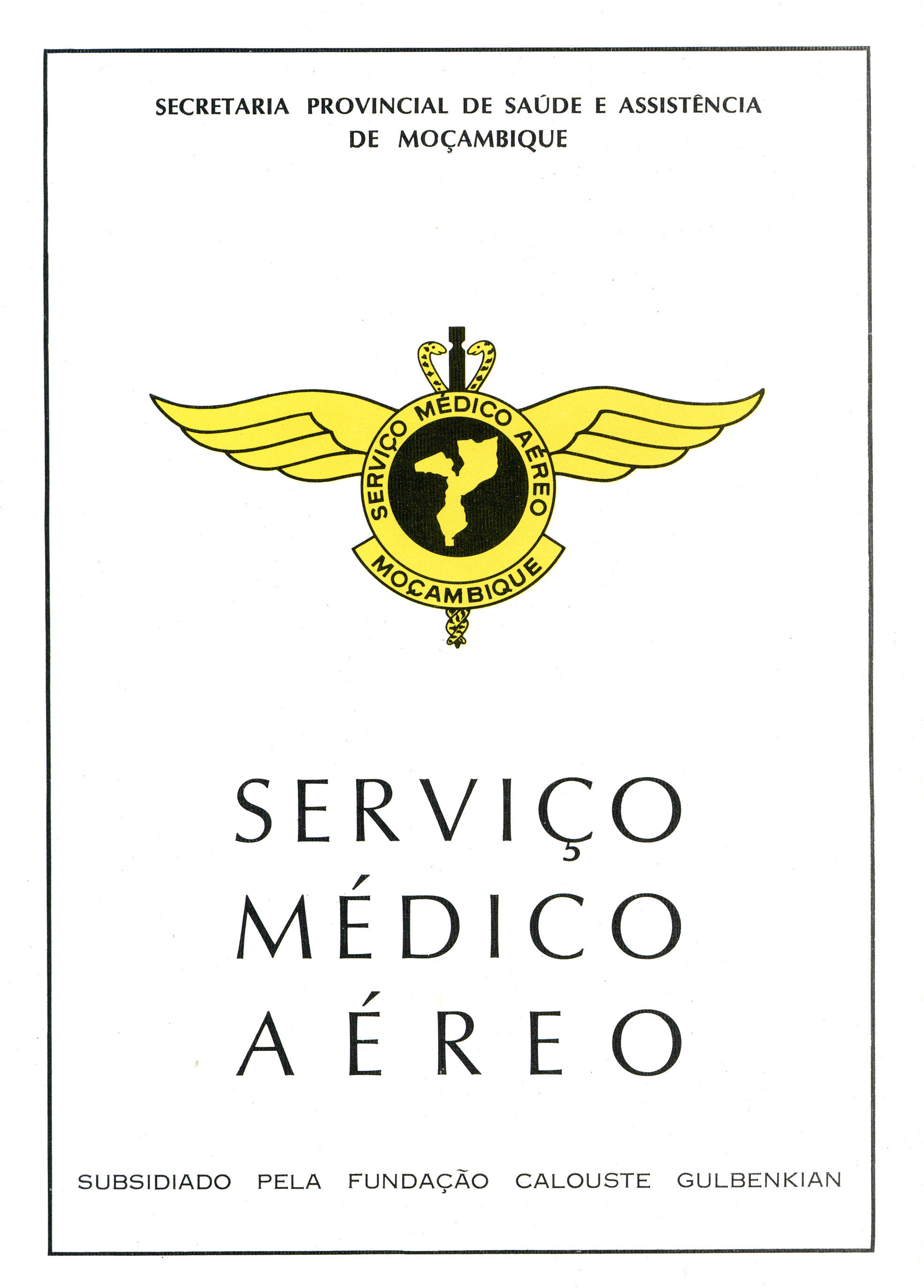
After Sá Machado’s visit to Mozambique, in July 1973, the Board of Directors eventually approved a hefty grant to the General Government of Mozambique of Esc. 5,000,000$00 for the purchase of two Islander aircraft, instead of the two Twin Cherokee Seneca aircraft originally requested, for the Medical Air Service. They also committed to covering the maintenance expenses for the services for one year (non-renewable).
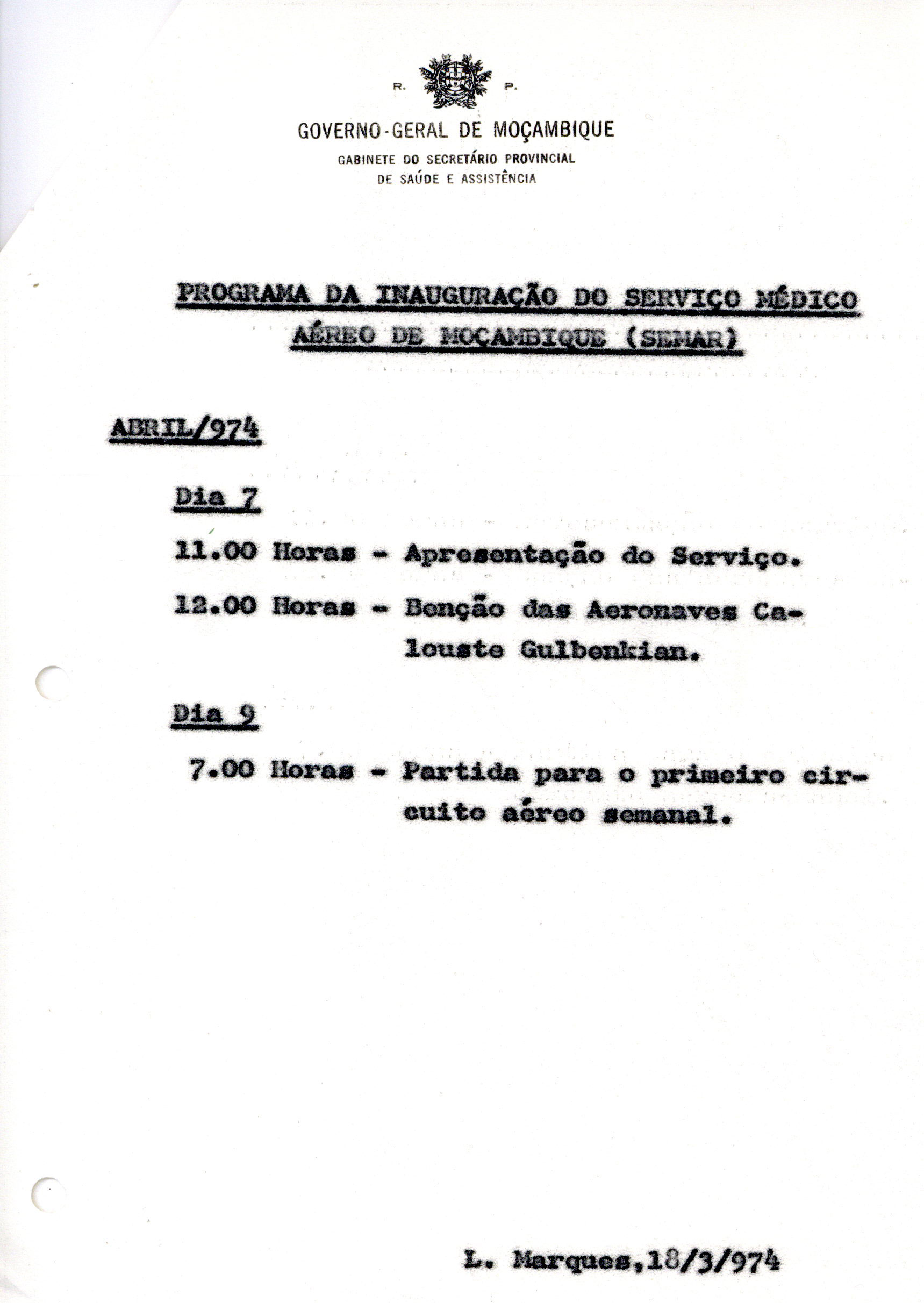
In September of that year, the Provincial Office for Health and Welfare informed the Foundation of the trial routes for the service, which took in 27 localities in a fortnight, serving 450 patients. Adaptation works were carried out on the air strips and the first aid posts of the localities visited, and good progress was envisaged by the end of 1974. This trial period culminated on 7 April 1974, World Day for Health, with the official inauguration of Mozambique Medical Air Service.
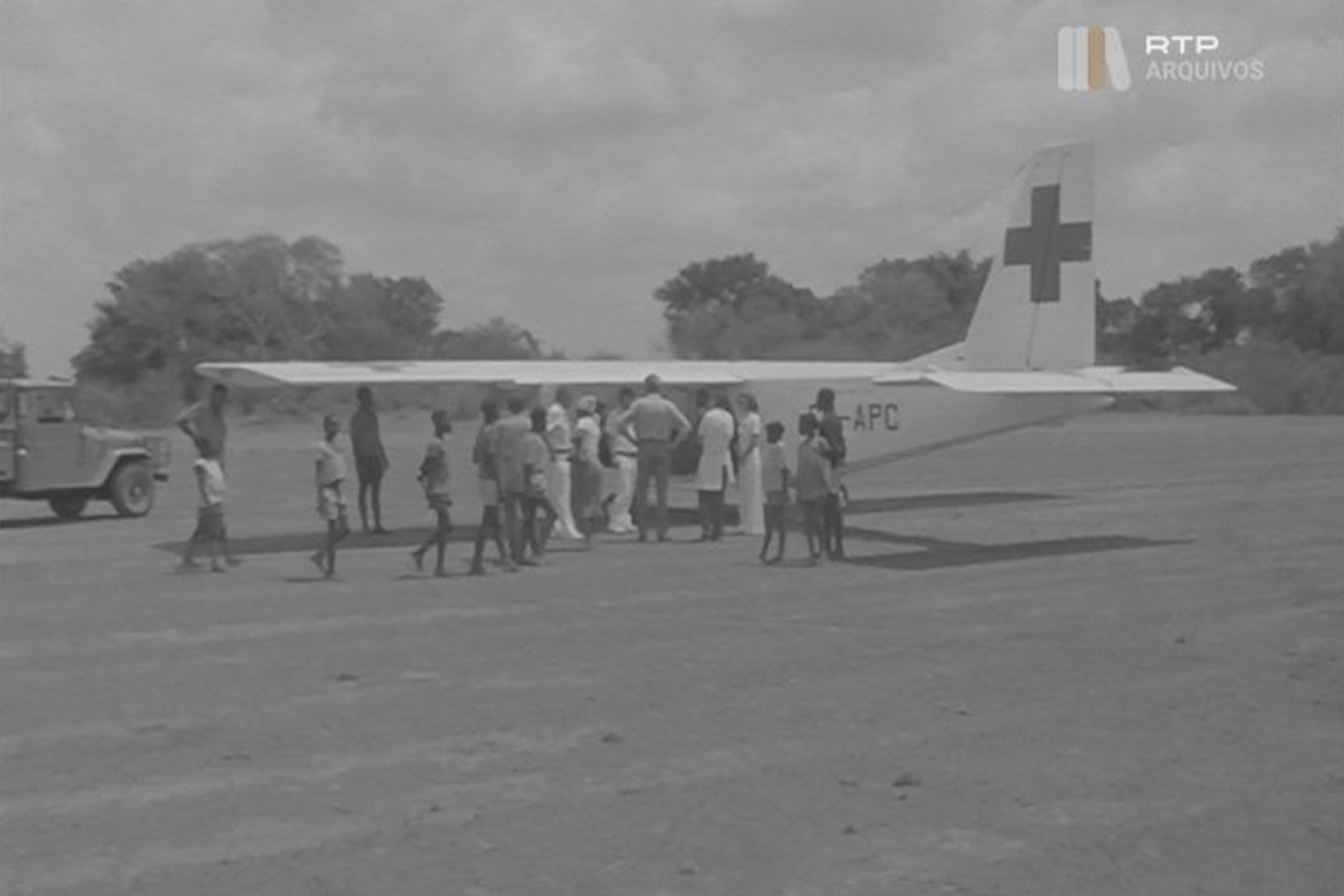
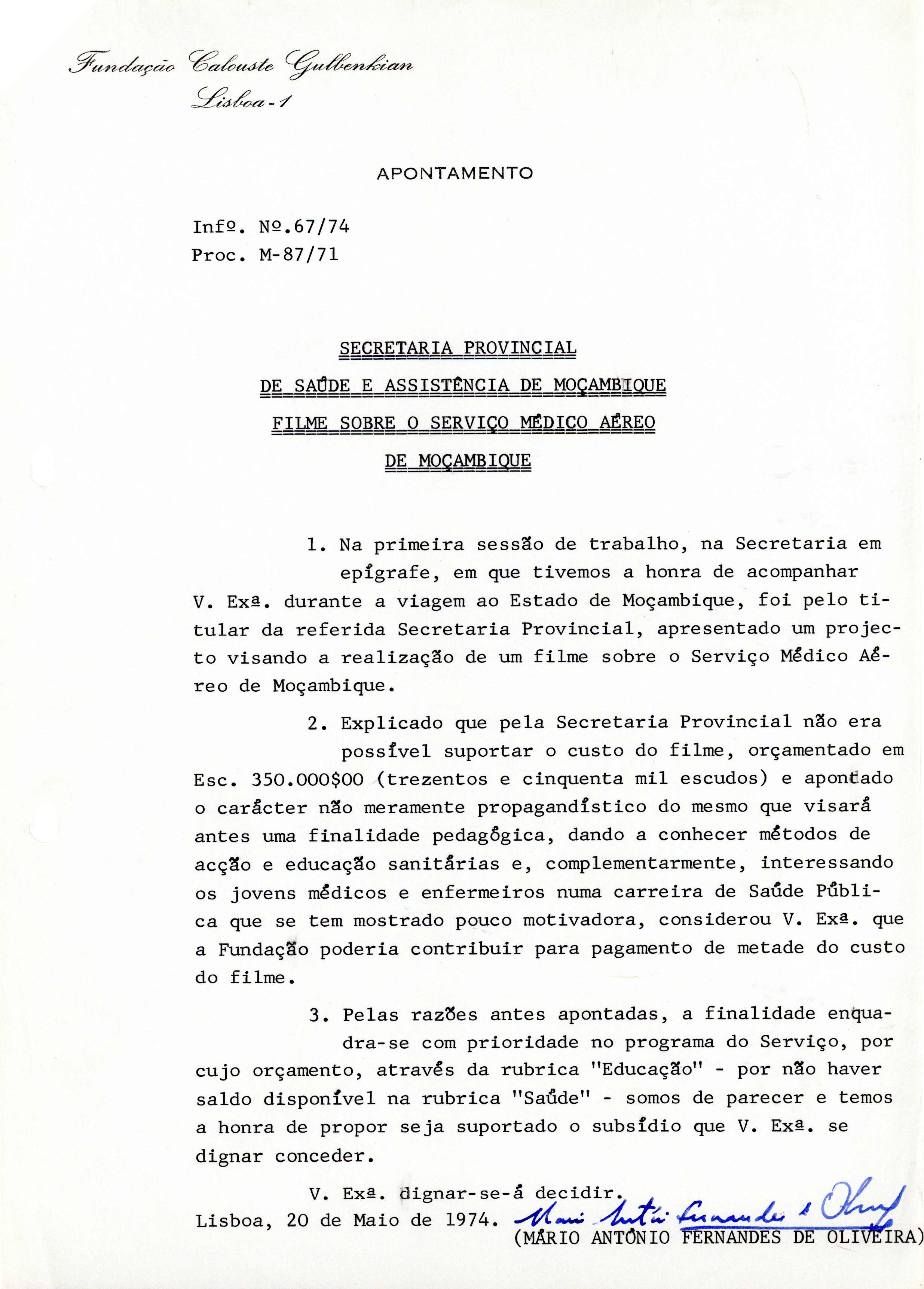
Following on from this, plans were drawn up for producing a film about the service, for which the Foundation was requested to provide funding of Esc. 350,000$00.
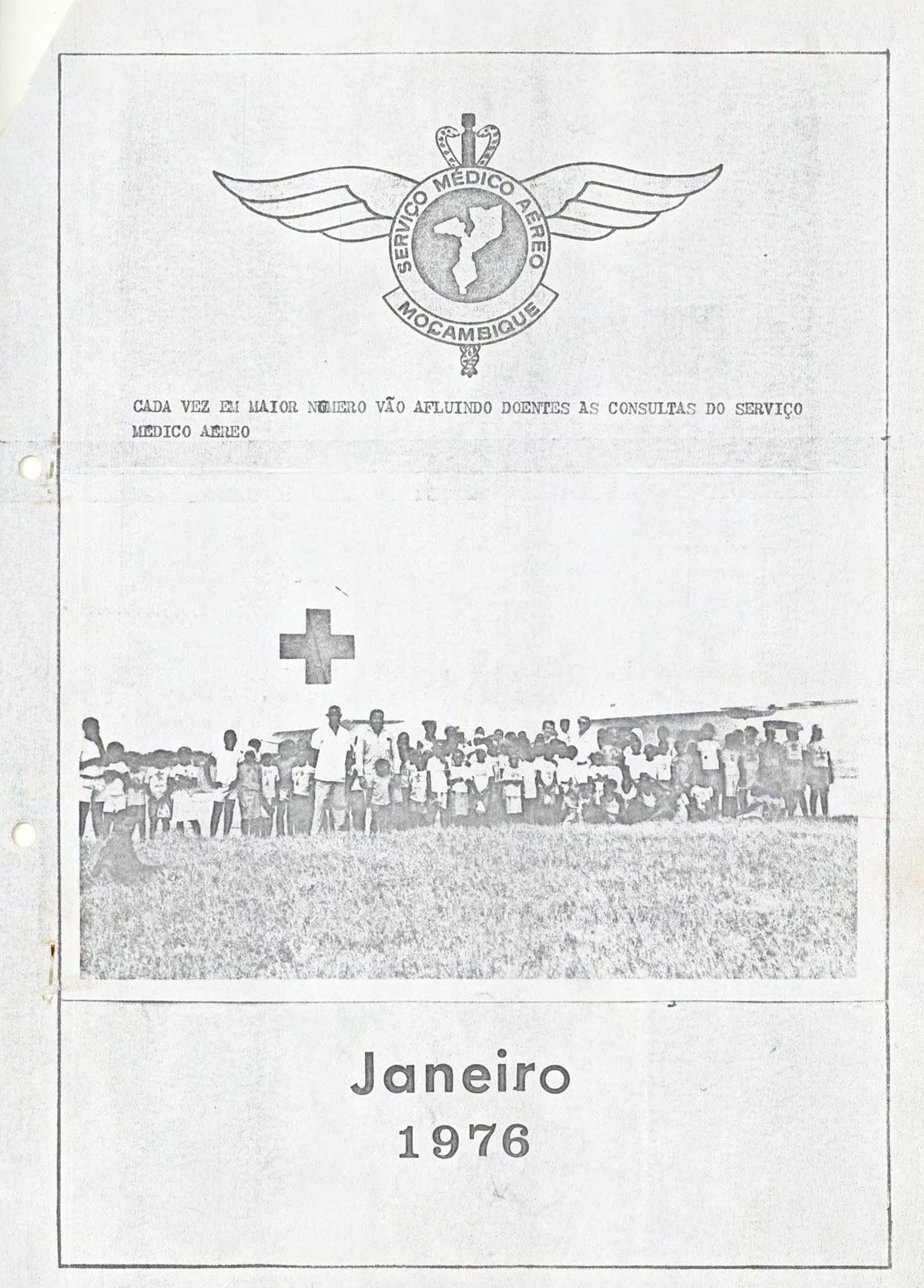
In 1976, after Mozambique’s independence, the service remained in operation.
From the Archives
Explore the series




No results were found for your criteria.
You may also like

No results were found for your criteria.