
History of Art and Architecture
Bio-bibliographical notes for the historiographical construction in Portugal
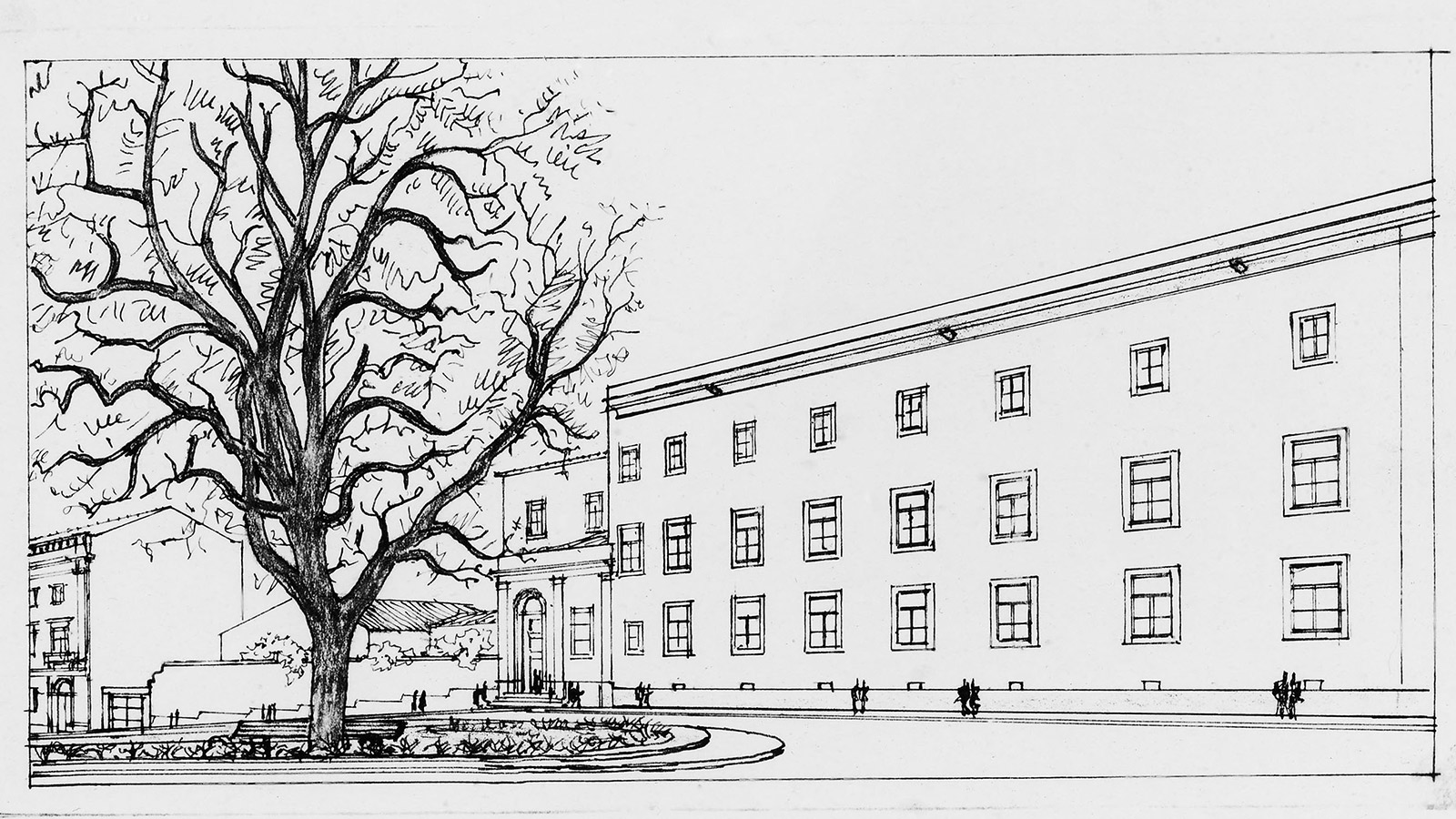
The history of Portuguese art and architecture is still an incipient chapter of the history of European art. While several Portuguese artists and architects are the subject of current international interest and attention, the fact is that Portuguese artistic production before the 20th century is still little known abroad and a lack of information and knowledge prevails about the generations of painters and architects who, from 1500 to 1800, forged the image of history’s first global empire.
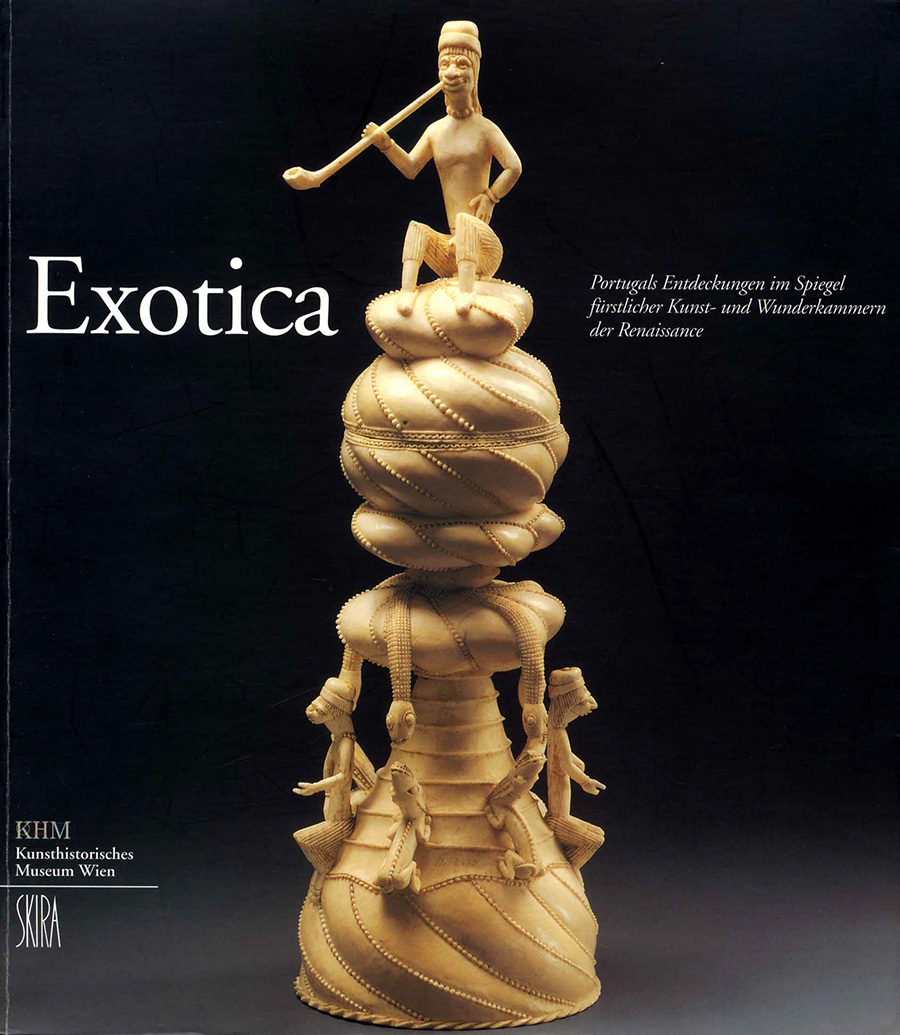
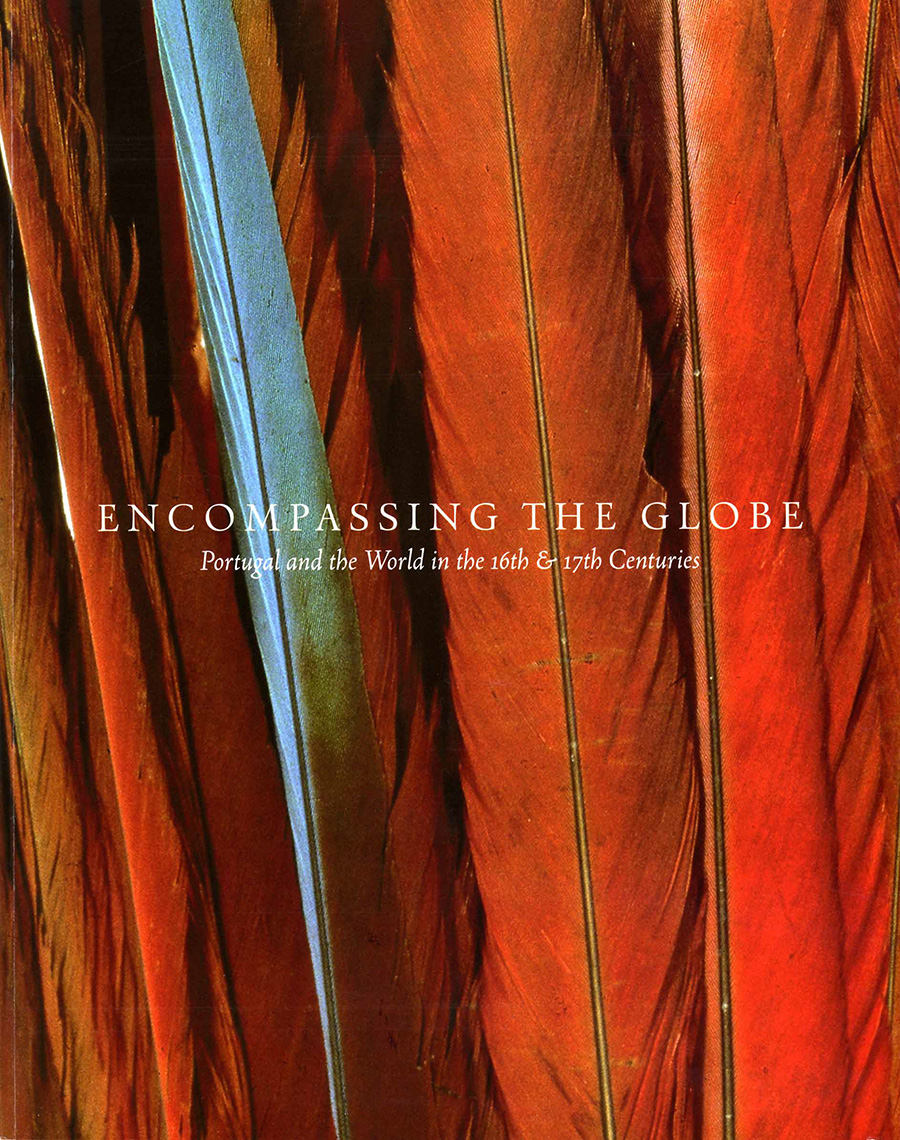
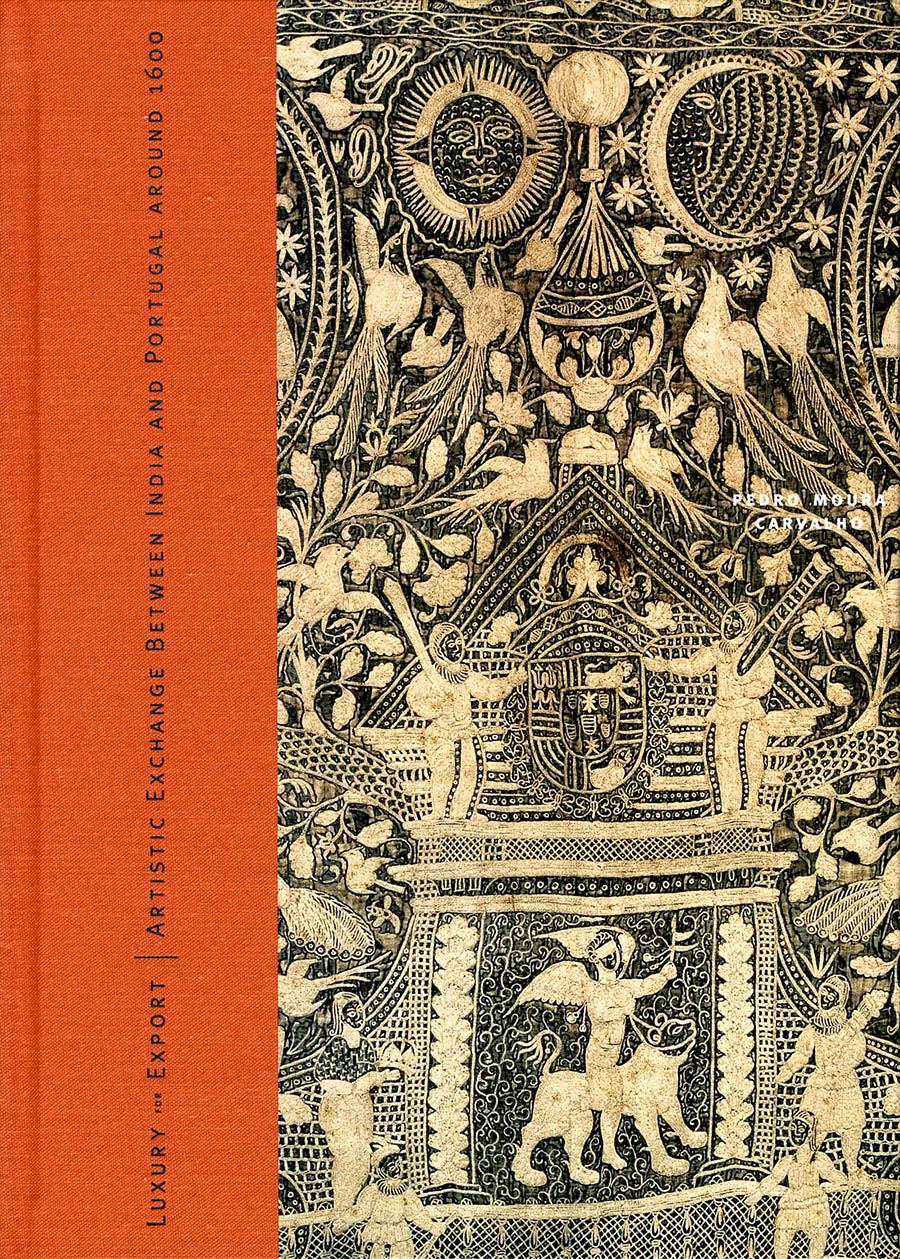
Since the end of the 20th century, however, some progress has been made towards broadening the understanding of Portuguese art and establishing its place in an international context. Reference should be made to the 1991 edition of the “Europália Festival” in which Portugal was the invited theme country, presenting in Belgium works of Portuguese art from the medieval period to modern and contemporary art; to the exhibition Modern art in Portugal, 1910-1940, shown at the Schirn Kunsthalle in Frankfurt in 1997, to the exhibition Exotica, shown at the Kunsthistorisches Museum in Vienna in 2000, as well as to the exhibition Encompassing the globe, held in 2007 at the Arthur M. Sackler Gallery, of the Smithsonian Institution and at the Freer Gallery of Art, in Washington D.C., and finally to the exhibition Luxury for export, displayed at the Isabella Stewart Gardner Museum, in Pittsburgh, in 2008.
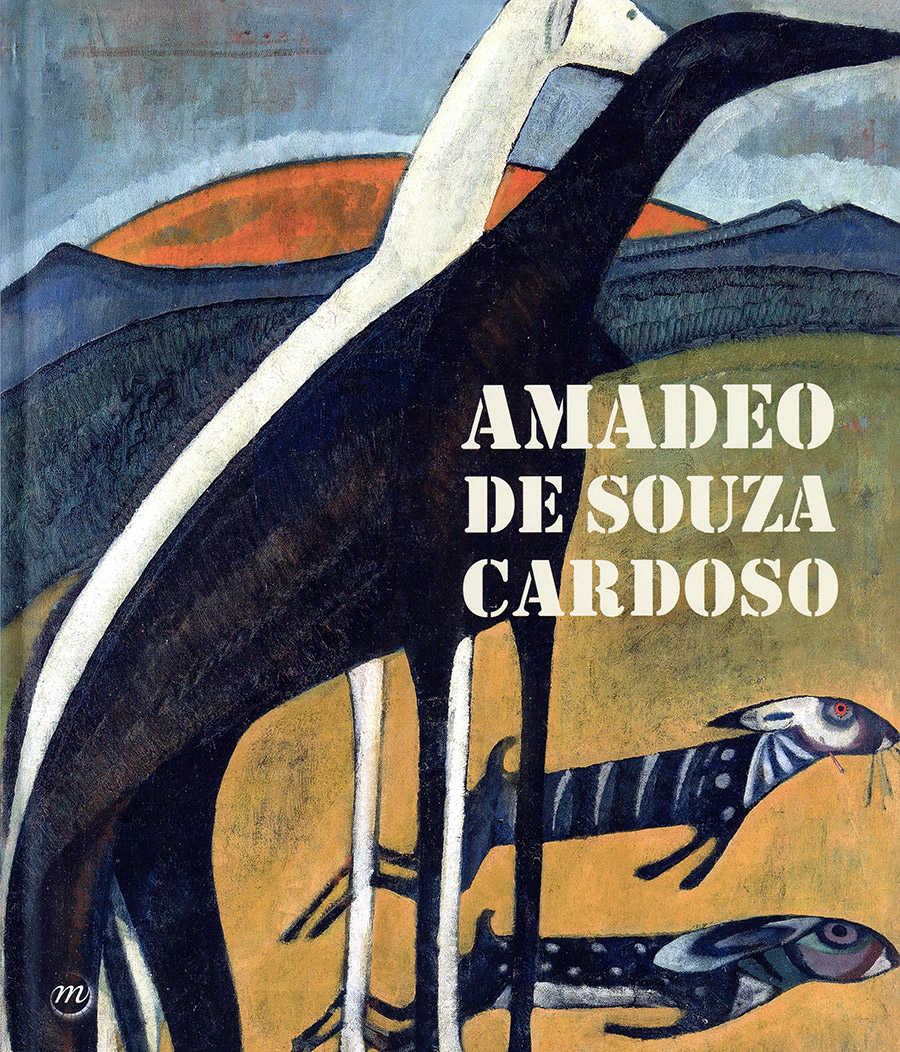
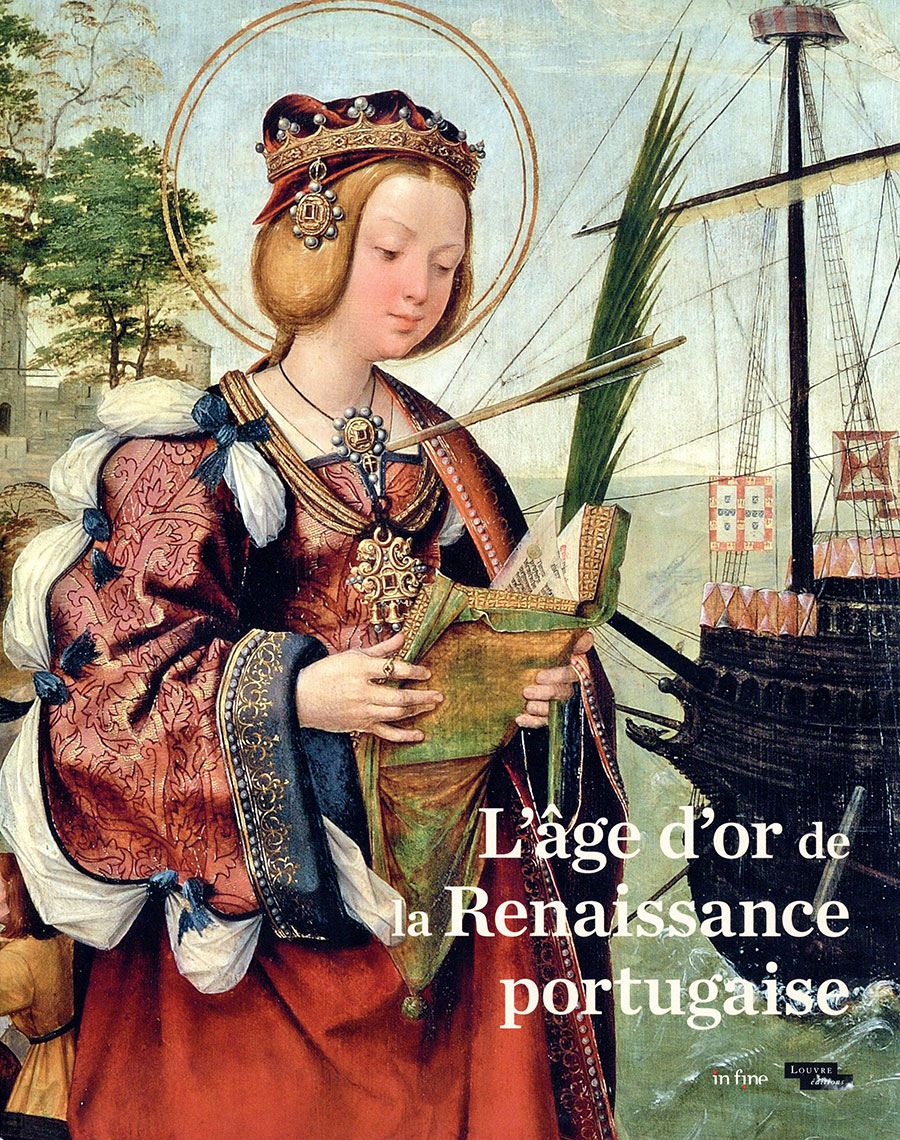
The recent exhibitions Amadeo de Souza Cardoso, held at the Paris’ Grand Palais (April-July 2016), and L’âge d’or de la renaissance portugaise, presented at the Louvre Museum (June-October 2022), together with the 11th edition of the “Festival d’Histoire de l’Art” celebrated in Fontainebleau (June 2022), in which Portugal appeared as the featured guest country, have highlighted the necessity of promoting Portuguese studies at an international scale and strengthening collaboration platforms at various levels.
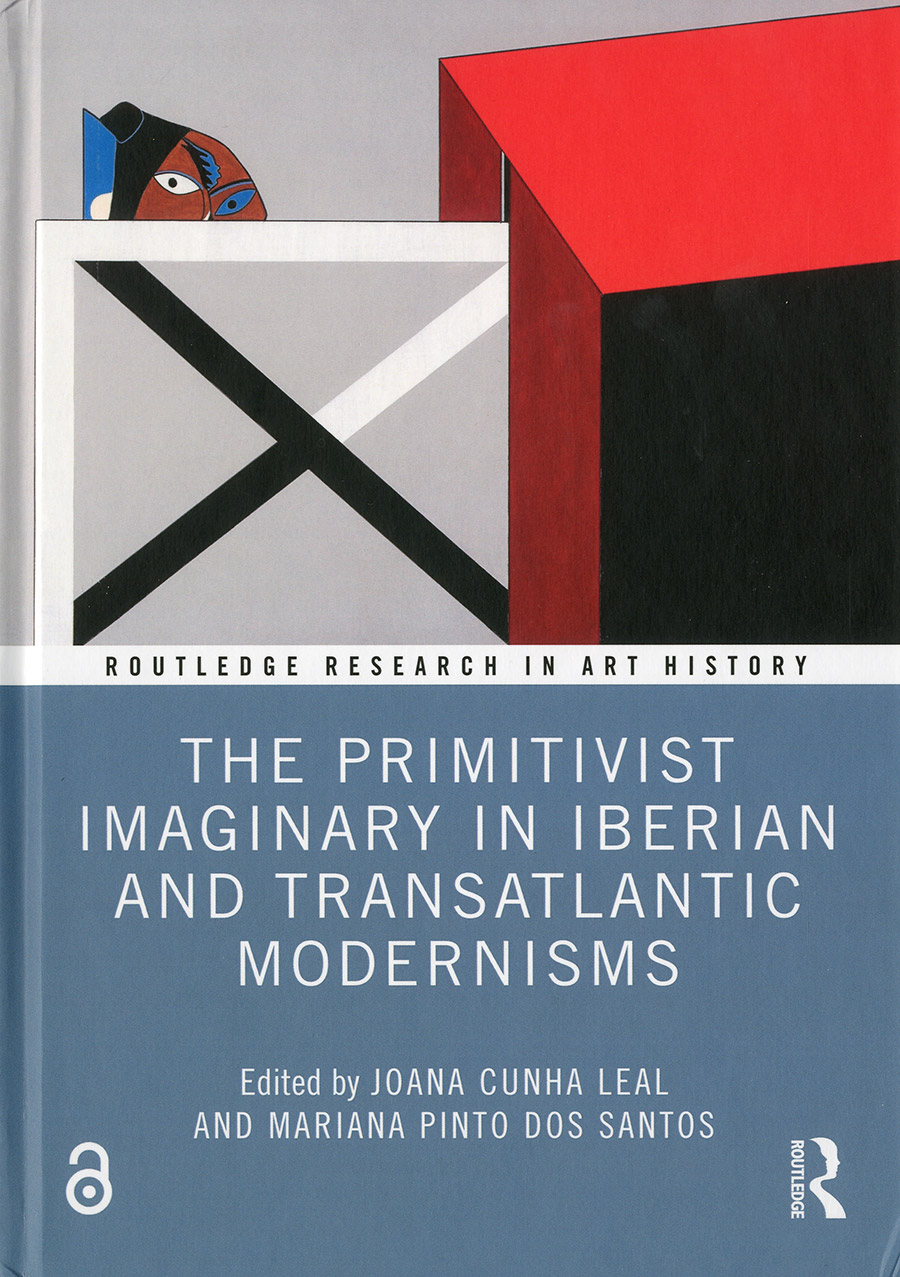
International collaborative projects such as Iberian Modernisms and the Primitivism Imaginary (IHA/NOVA FCSH, 2018) and the Collaborative Laboratory: Urban Dynamics, Heritage, Arts. Research, Teaching and Dissemination Seminar, promoted by DINÂMIA’CET-Iscte, which brings together several Portuguese, Brazilian and Spanish university institutions, started in 2015, should be also mentioned.
On the other hand, the acquisition, in 2023, of the 16th century painting Resurrection of Christ attributed to Garcia Fernandes (1514-1565) and Cristóvão de Figueiredo (?-1543), by the Louvre Museum, demonstrate that Portuguese art is beginning to be recognized in and for its conspicuous and specific cultural identity.
A crucial aspect to progress in this regard consists in constructing a set of essential resources to permit a critical analysis of the history of art and architecture in Portugal. In other words, the development of instruments like online and free-access databases that can enable general overviews, through the gathering and thematic organization of materials produced in the national academic sphere, allowing for a critical and broad-spectrum analysis of the historiography of Portuguese art.
This article sets to fill in some of these gaps and provide a clear panorama of works written by Portuguese and foreign authors who shaped Portuguese art and art history between 1748 and 1900, with the aim of contributing to an understanding of the development of Portuguese artistic historiography, and placing it in relation to other countries, namely Spain, England, France and Italy. This effort results from the collaboration between the Calouste Gulbenkian Foundation Art Library and the IHA|NOVA FCSH, and follows the International Congress on the History of Art and Architecture in Spain and Portugal in the 19th and 20th centuries, held in January 2024 at the Calouste Gulbenkian Foundation, and on November 2023 in the Universidad Complutense of Madrid, organized by Sabina de Cavi and Helena Pérez Gallardo with the collaboration of a Portuguese scientific committee.
Through the personality profiles of Portuguese historians of art and architecture and foreign authors consistently interested in Portugal, this biobibliographical collection aims to be a working tool for the construction of a comprehensive artistic historiography of Portugal.
The author of this first block of personalities is Lucas Neyroud Antunes, an Art History student at NOVA FCSH, who was able to investigate on various sources, including various master’s and doctoral research projects that have been undertaken in Portugal over the last few decades.
Assuming as a work in progress aimed at progressively integrating further information, these Biobibliographical Notes serve as the base for a future dictionary of historians of art and architecture in Portugal, available for access free on the Art Library website, with an English version for a wider international reach.
The first period under analysis begins with the profile of Cirilo Volkmar Machado, born in 1748, and ends at the dawn of the 20th century, with the historians who, born in the last years of the 19th century, produced their research and work throughout the following century. Gradually, other protagonists of the historiography of art and architecture in Portugal, who emerged in the following decades, will be introduced.
“If history is made by making itself, how could historiography not be the same?...”
— José Augusto França in Ler História. Nr. 4 (1988) (pages 128-130)
1748-1900
After the occupation of the French military and strongly influenced by the stylistic and cultural choices of the Napoleonic period in the years 1807-1815 (as well as those of Spain and Southern Italy), the House of Braganza regained control of Portugal after the Congress of Vienna (1815). The upheavals of the liberal revolution of 1820 resulted in the Constitution of 1822, replaced by another one in 1834, which sanctioned the extinction of religious orders, as was the case in other European countries (Italy for instance).
As a result of this extinction, the rich artistic heritage of the convent houses was largely collected in the Depósito das Livrarias dos Extintos Conventos, located in the former Convento de São Francisco in Lisbon. The conservation of real estate, on the other hand, was taken over by the Ministério do Reino, through the Inspeção Geral de Obras Públicas established in March 1840. With the creation of the Lisbon and Porto Academies of Fine Arts by the decree of October 25, 1836, by Queen Maria I (1734-1816), these institutions were responsible for safeguarding the artistic assets of the extinct convents.
Some continuity with the past was thus formalized by establishing in Lisbon a number of formal and informal academies, always under royal protection, between the end of the 18th century and the beginning of the 19th century some of which were short-lived.
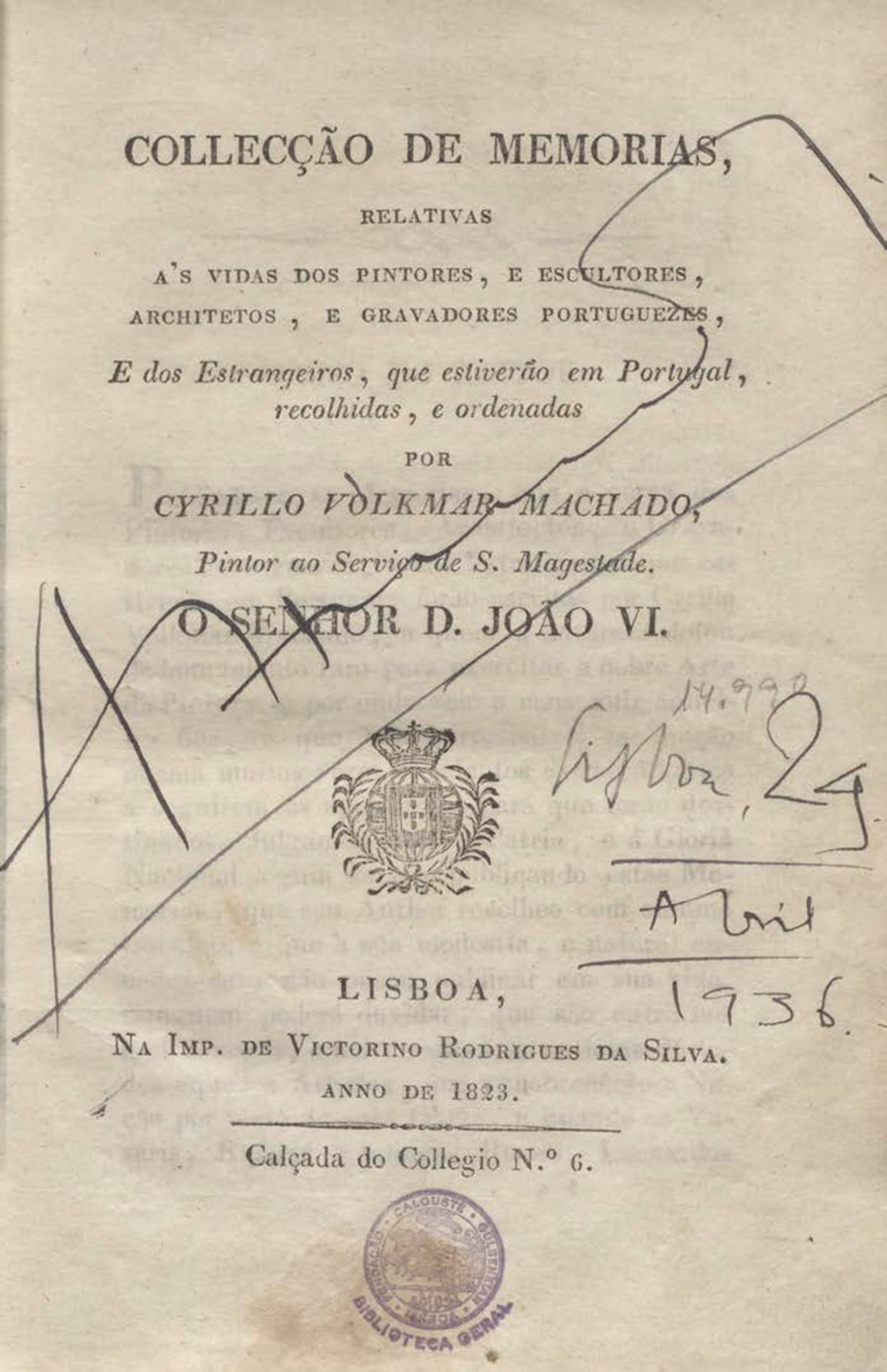
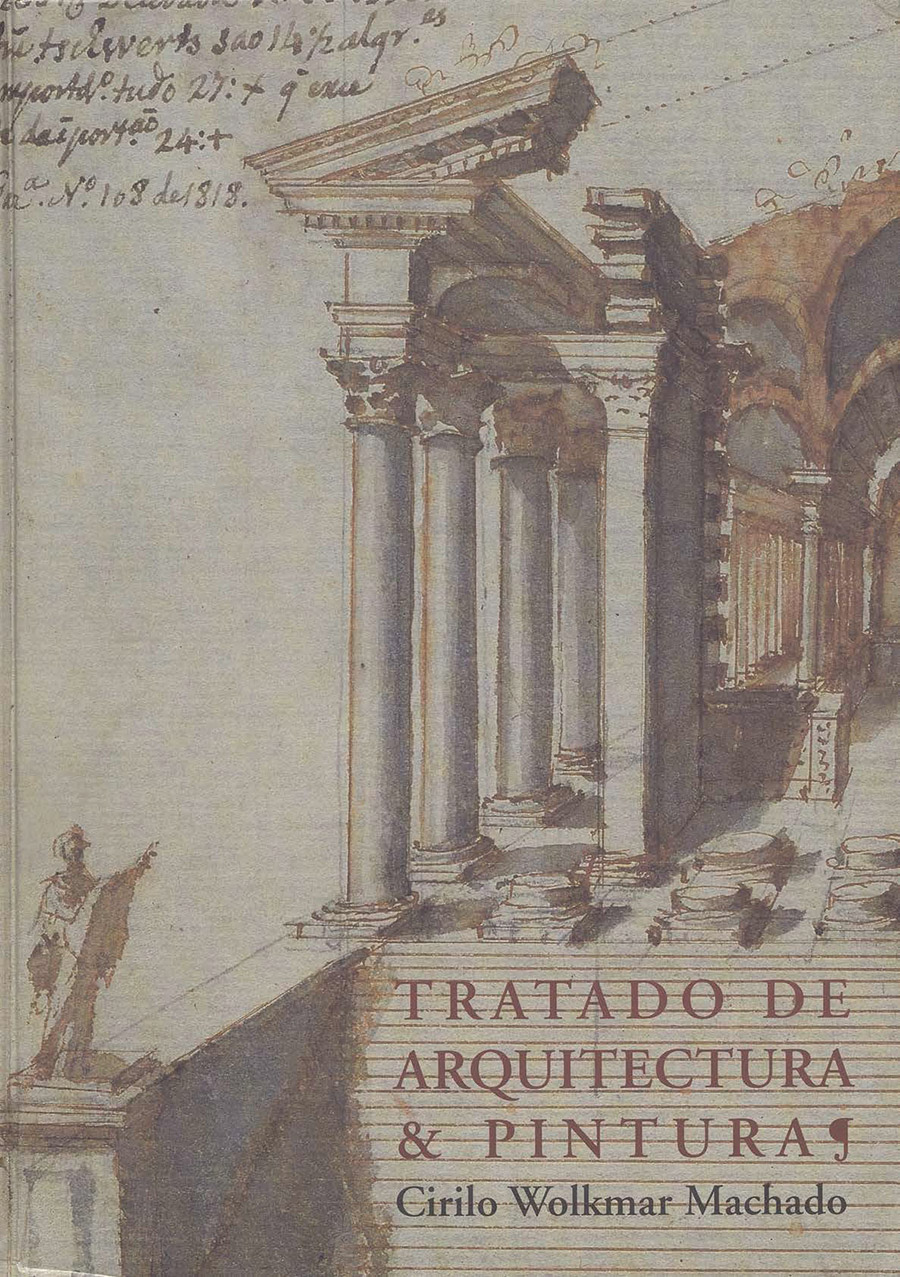
Within this context, the figure and production of Cirilo Volkmar Machado (1748-1823) emerges. He was a painter, but also a professor of painting and an art historian, a follower of the Italian Giorgio Vasari (1511-1572) in his accounts of artists’ lives. His collections of memoirs and conversations about artists and his treatise on architecture and painting connect him to the Italian academic tradition and to the Roman Academy of St. Luke, a late phenomenon in Portugal that emerged around two centuries after the precursor work of Giorgio Vasari.
The biographical tradition was later taken up by the Polish count Athanasius Raczynski (1788-1874), whose interest in Portuguese art was demonstrated by his numerous studies published in the essential book Les arts en Portugal, published in 1846, and by the translation into French of the famous treatise by Francisco de Holanda (1517-1584), Da pintura antiga, which had its first Portuguese edition commented on by Joaquim de Vasconcelos (1918). Through a series of reflections addressed to the Societé Artistique et Scientifique de Berlin (1846), Raczynski established some seminal reflections on Portuguese painting, particularly on Grão Vasco (1475-1542).
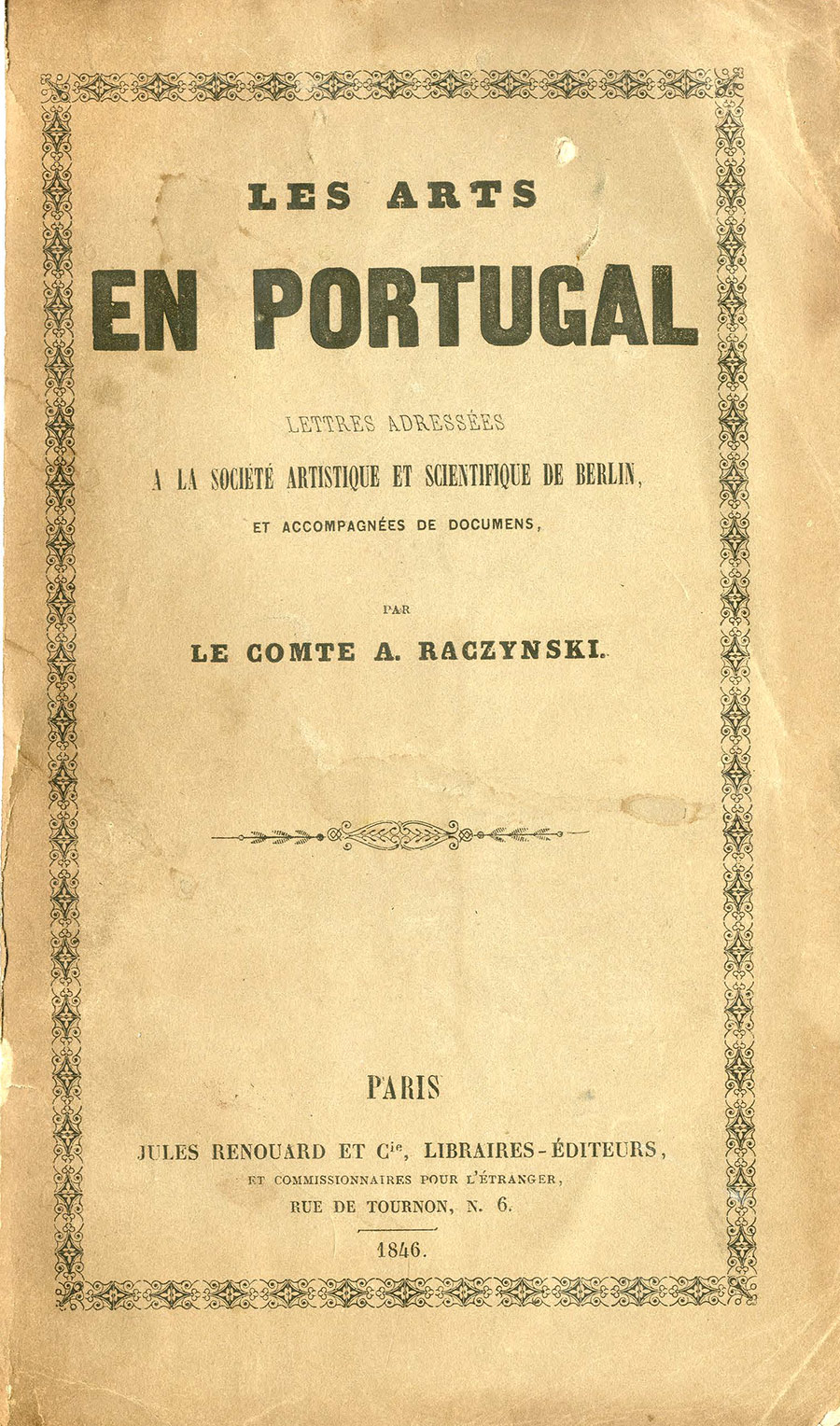
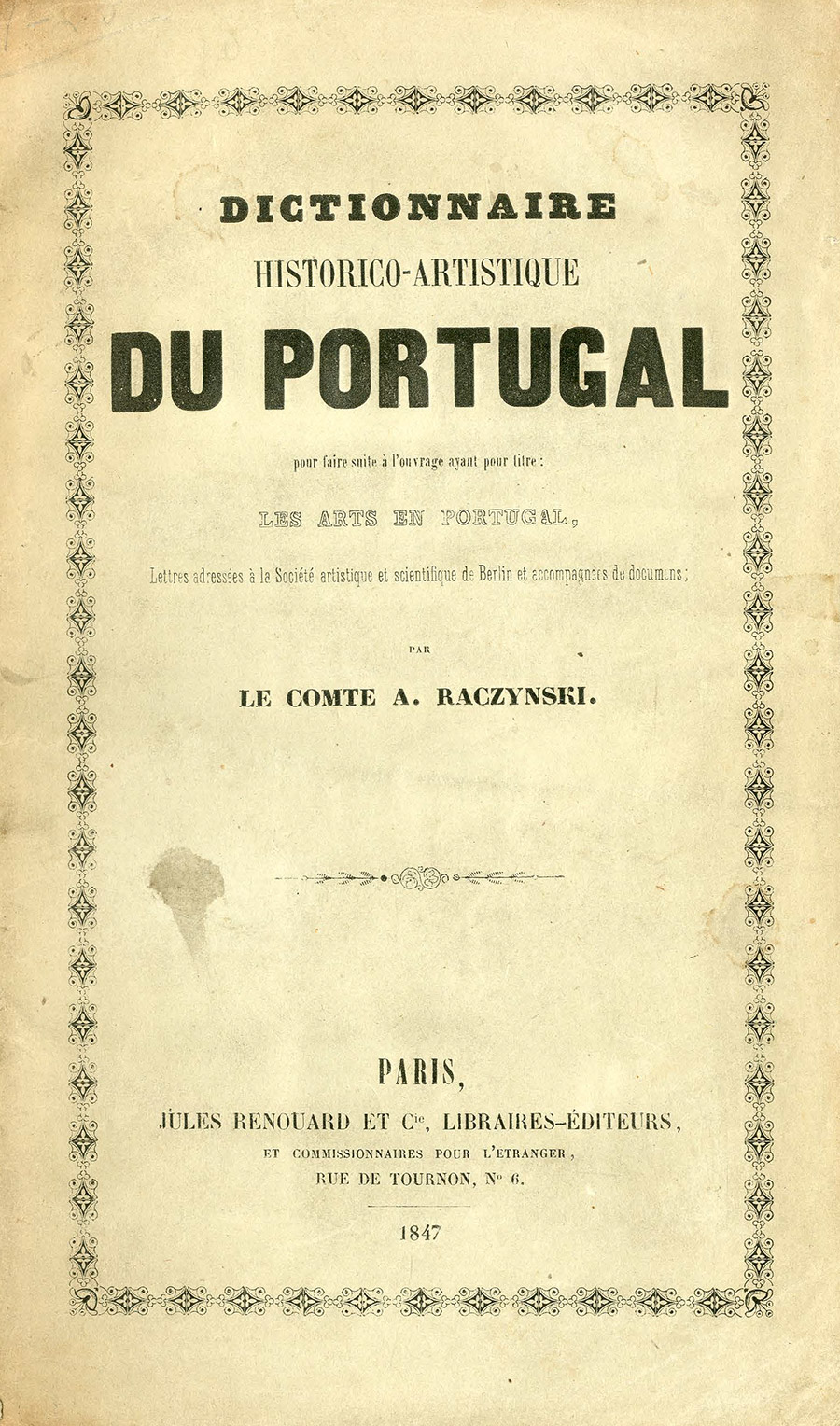
Many other names emerge during this period, Portuguese but also foreign researchers, as the history of Portuguese art continues to attract interest across borders. Some of these pioneers are mentioned here because of the relevance of their historiographical production, or because they worked and taught in Portugal.
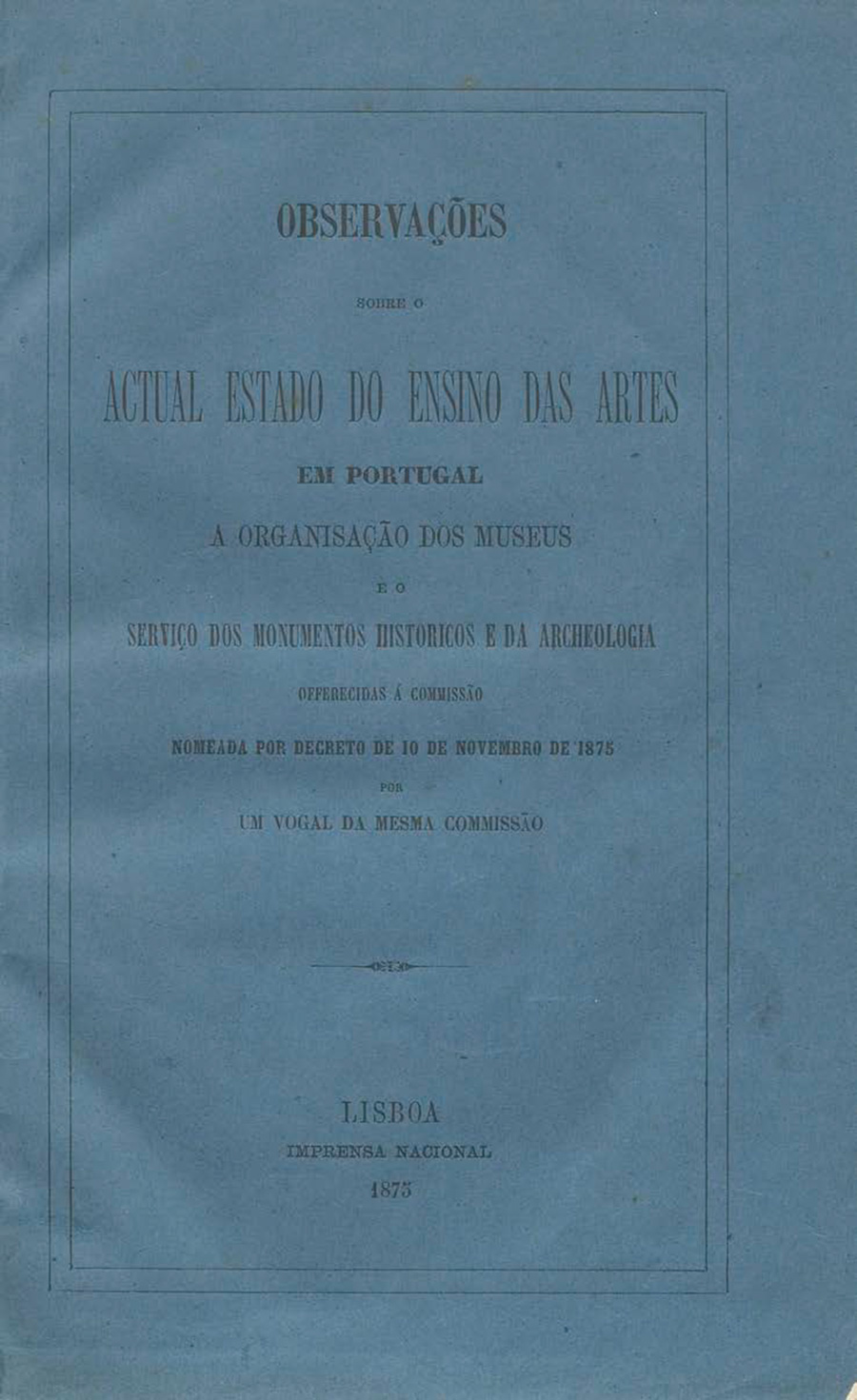
One of them is Francisco de Borja Pedro Maria António de Sousa Holstein (1838-1878), the first Marquis of Sousa Holstein, the author of several notes on the state of artistic education in Portugal, such as Observações sobre o actual estado do ensino das Artes em Portugal, the organization of Museums and the Service of Historical Monuments and Archaeology (1875). As Vice-Inspector of the National Academy of Fine Arts in Lisbon, his effort was crucial to the creation and approval, in 1865, of the regulations for awarding scholarships.
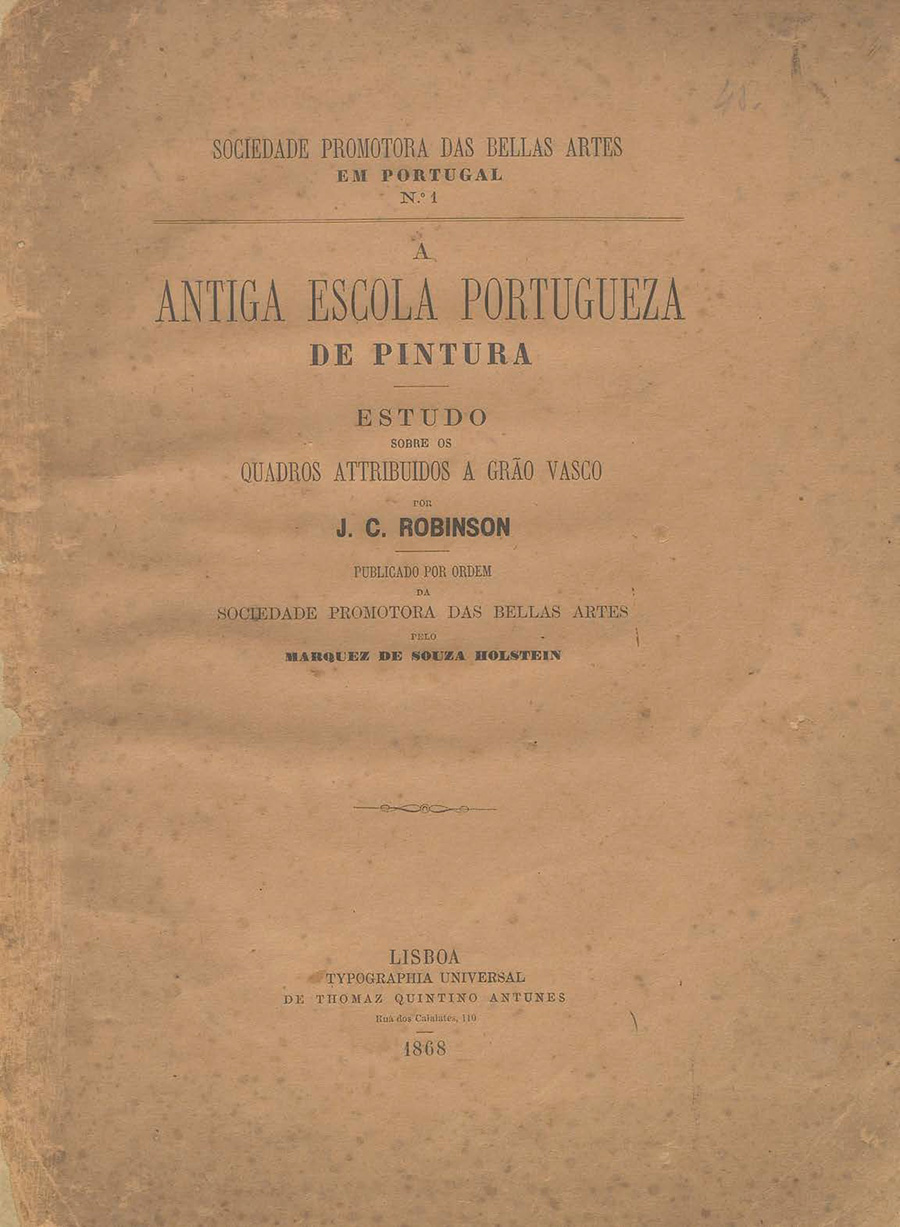
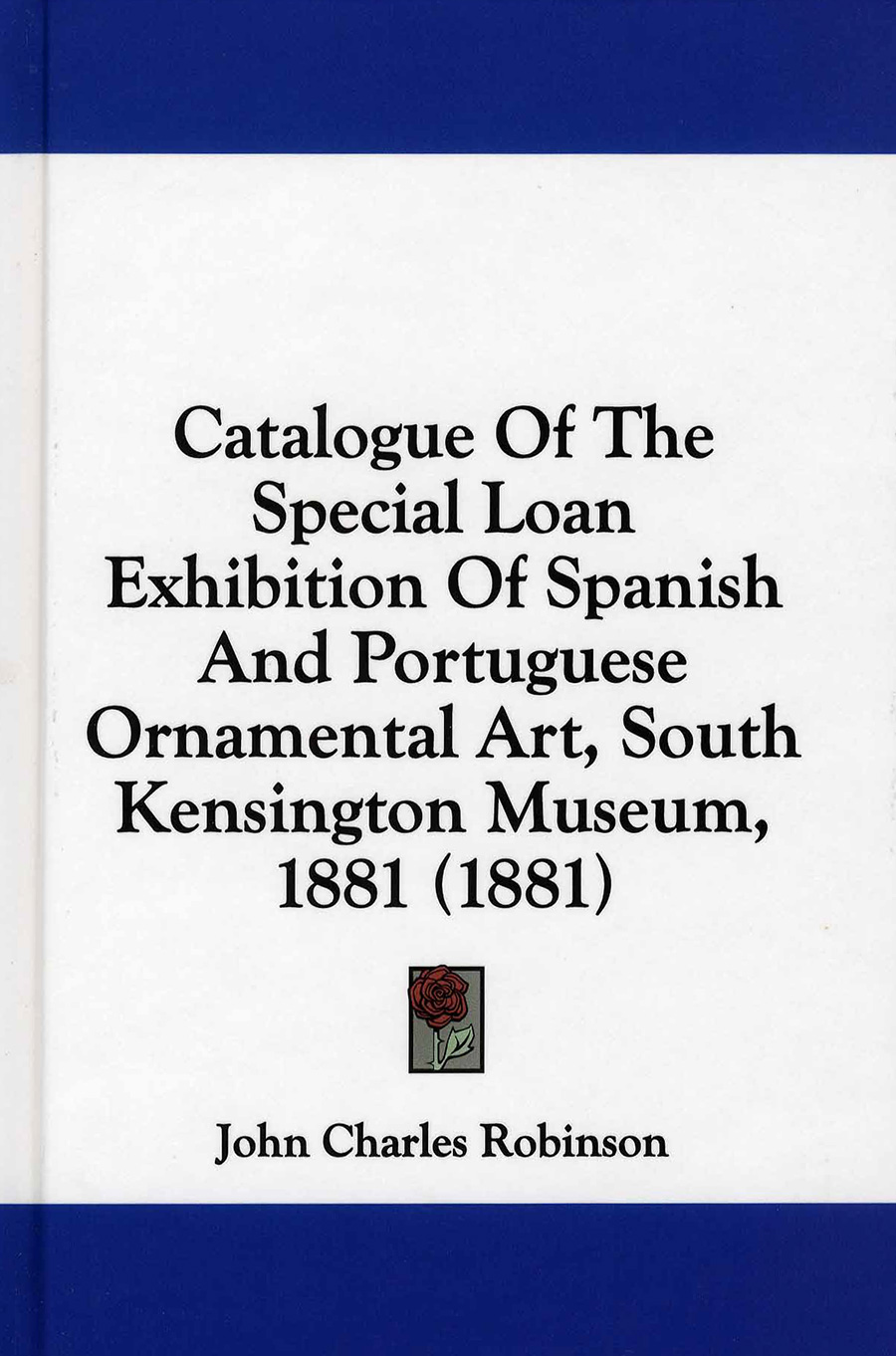
In 1881, the South Kensington Museum (now the Victoria & Albert Museum) in London presented the Special Loan Exhibition of Spanish and Portuguese Ornamental Arts, which was mainly organized and held by British museum curator John Charles Robinson (1824-1913). This exhibition was the opportunity for this scholar to make his first overview of Portuguese art, after having published the article The Early Portuguese School of Painting in The Fine Arts quarterly review, Volume I (1866), on the painting of Grão Vasco.
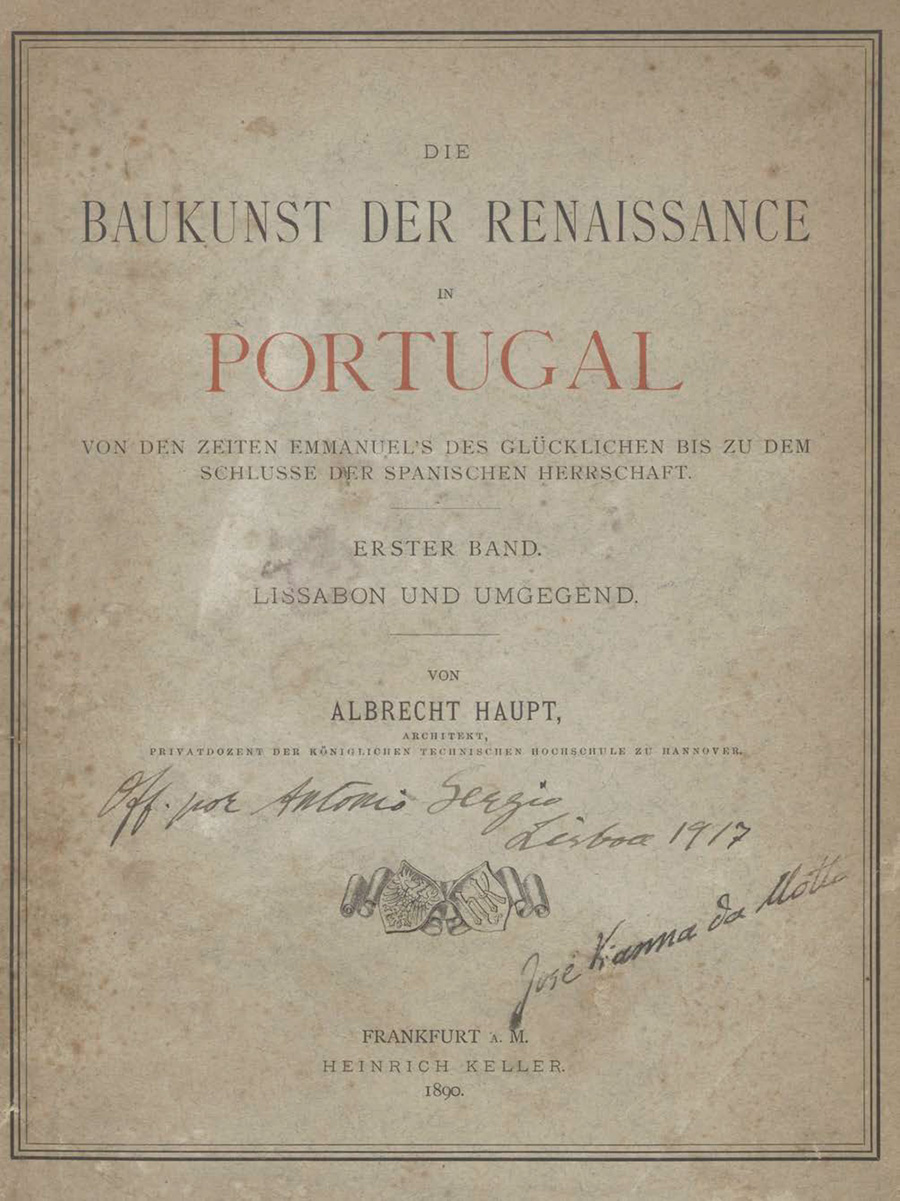
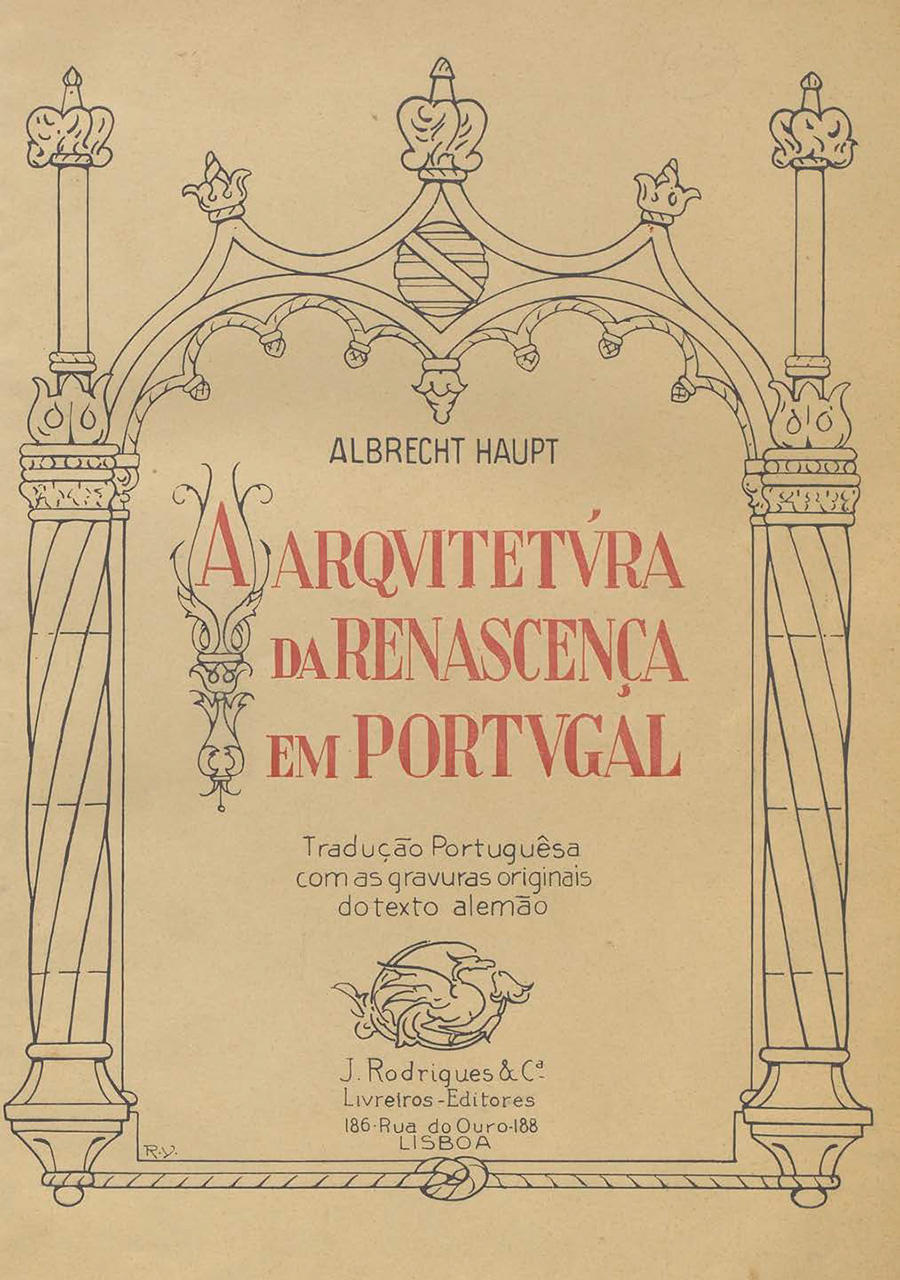
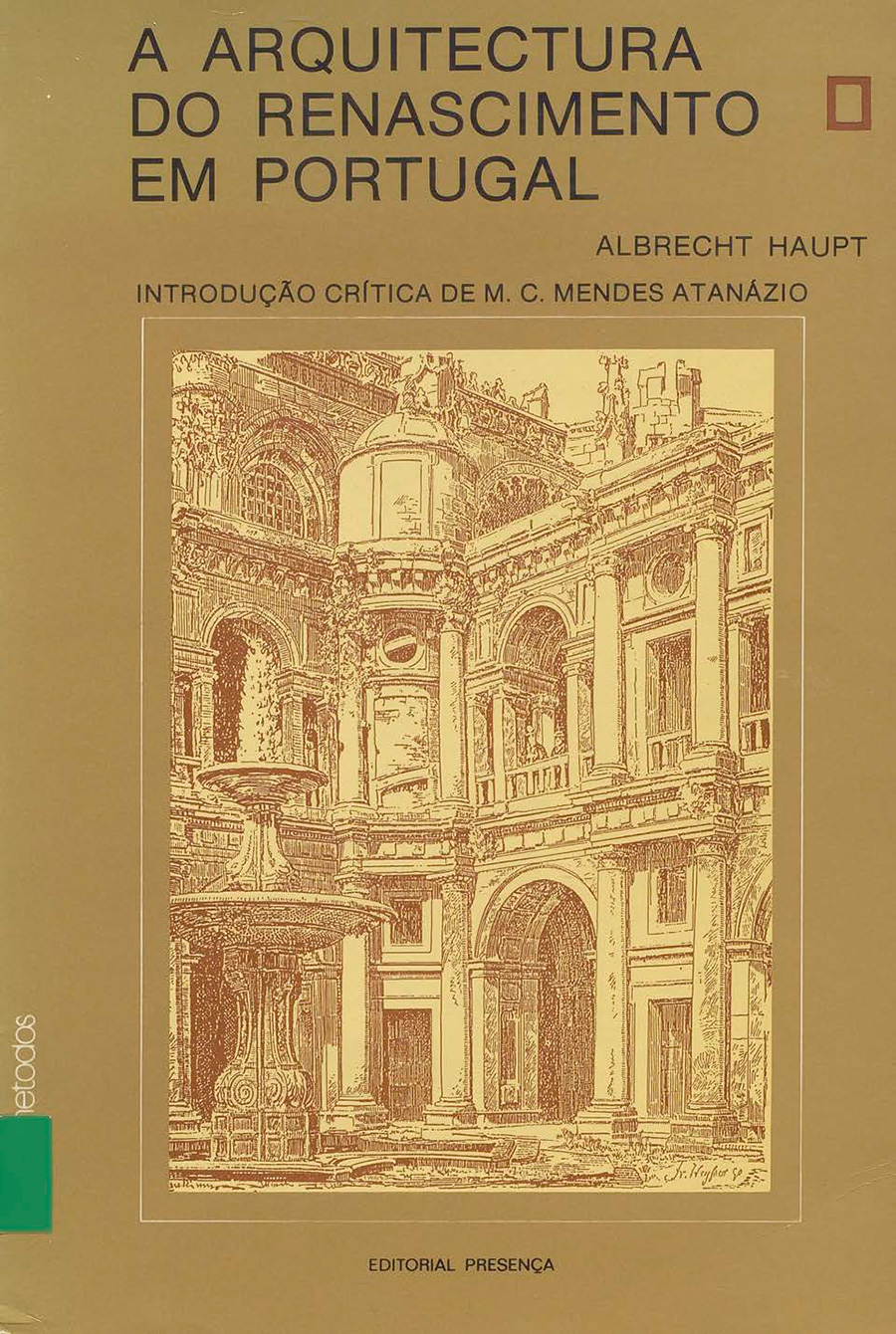
A tenured professor at the University of Hannover, the German architect Albrecht Haupt (1852-1932) was especially interested in Portuguese Renaissance architecture. He made several study journeys to Portugal (1886-1888), drawing and compiling information that later he used in his doctoral thesis and presented in Die Baukunst der Renaissance in Portugal (2 volumes, 1890-1895). The translation of this work A arquitectura do Renascimento em Portugal – with the author’s illustrations – had the critical introduction and revision of the text by art historian Manuel Cardoso Mendes Atanásio (1827-1922). Albrecht Haupt also tutored the architect Raul Lino (1879-1974) during his training in Germany.
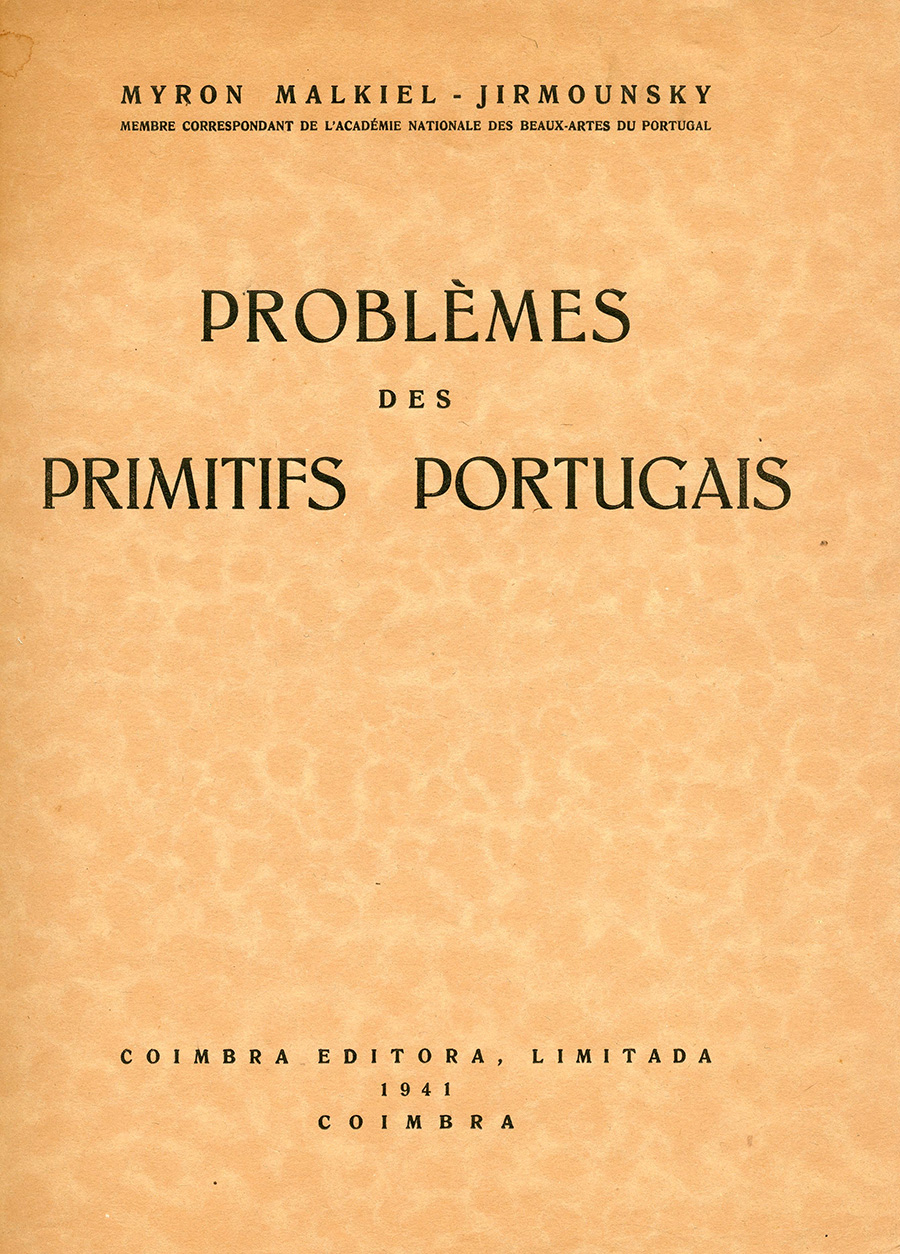
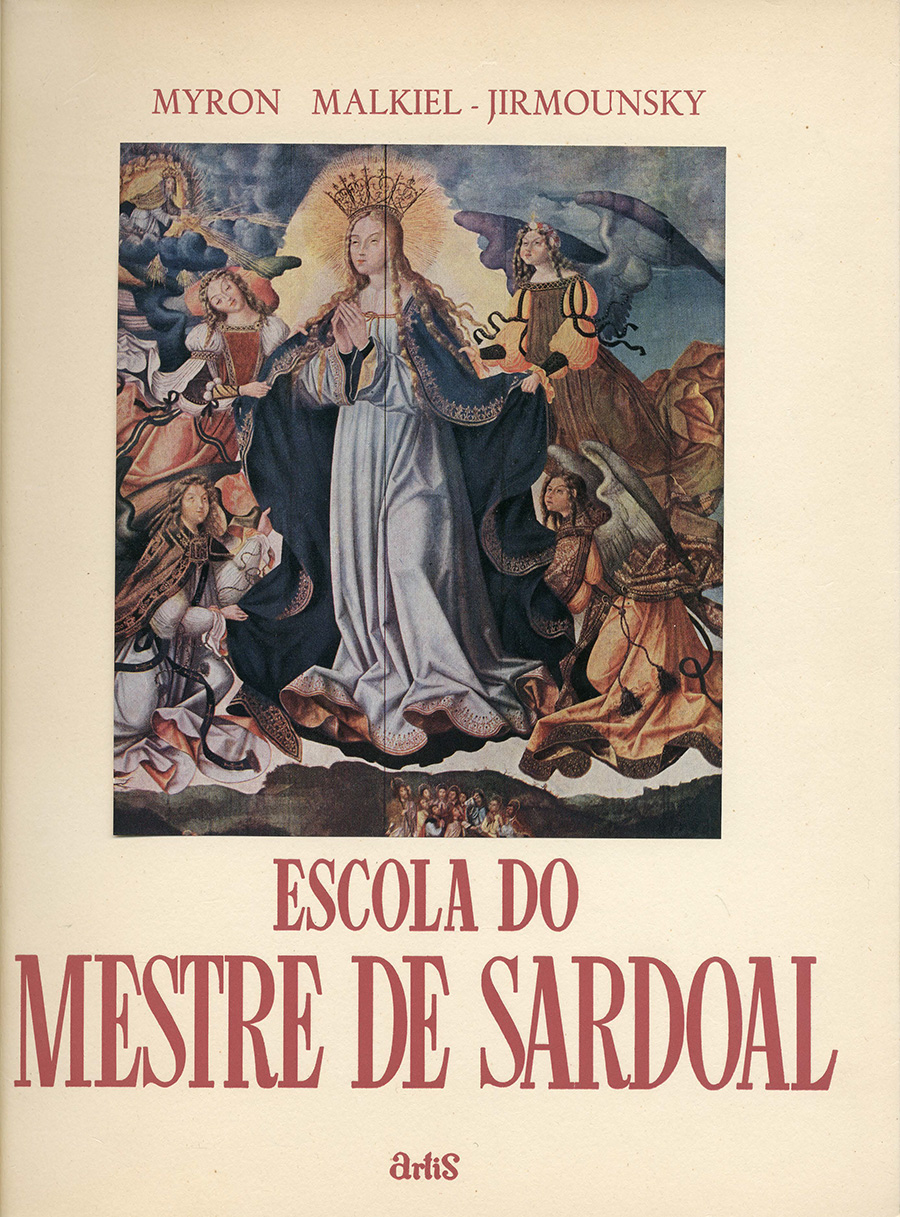
In this period, another example of a foreign historian who stood out particularly for his studies of Portuguese art is Myron Malkiel-Jirmounsky (1890-1974). This author formalized some of the first reflections on the problem of identity in 15th and 16th century Portuguese art. In Problèmes des primitfs portugais (1941), Jirmounsky brings together new concepts as diverse as the era of navigation, colonial expansion and economic flourishing, connecting them with the extraordinary progress of the arts and the creation of a social Portuguese elite, casting the idea of local economic progress as a parallel of «Renaissance».
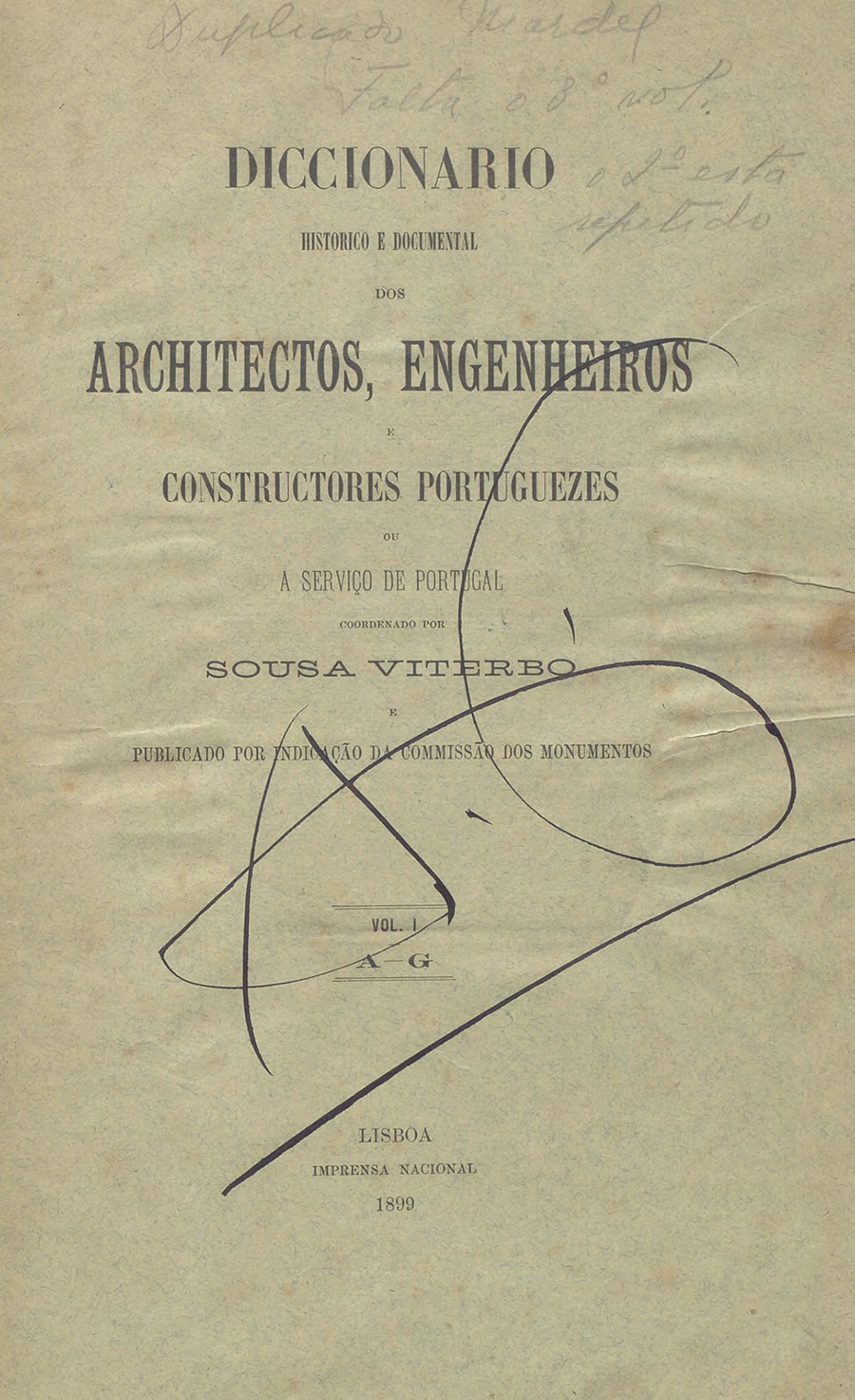
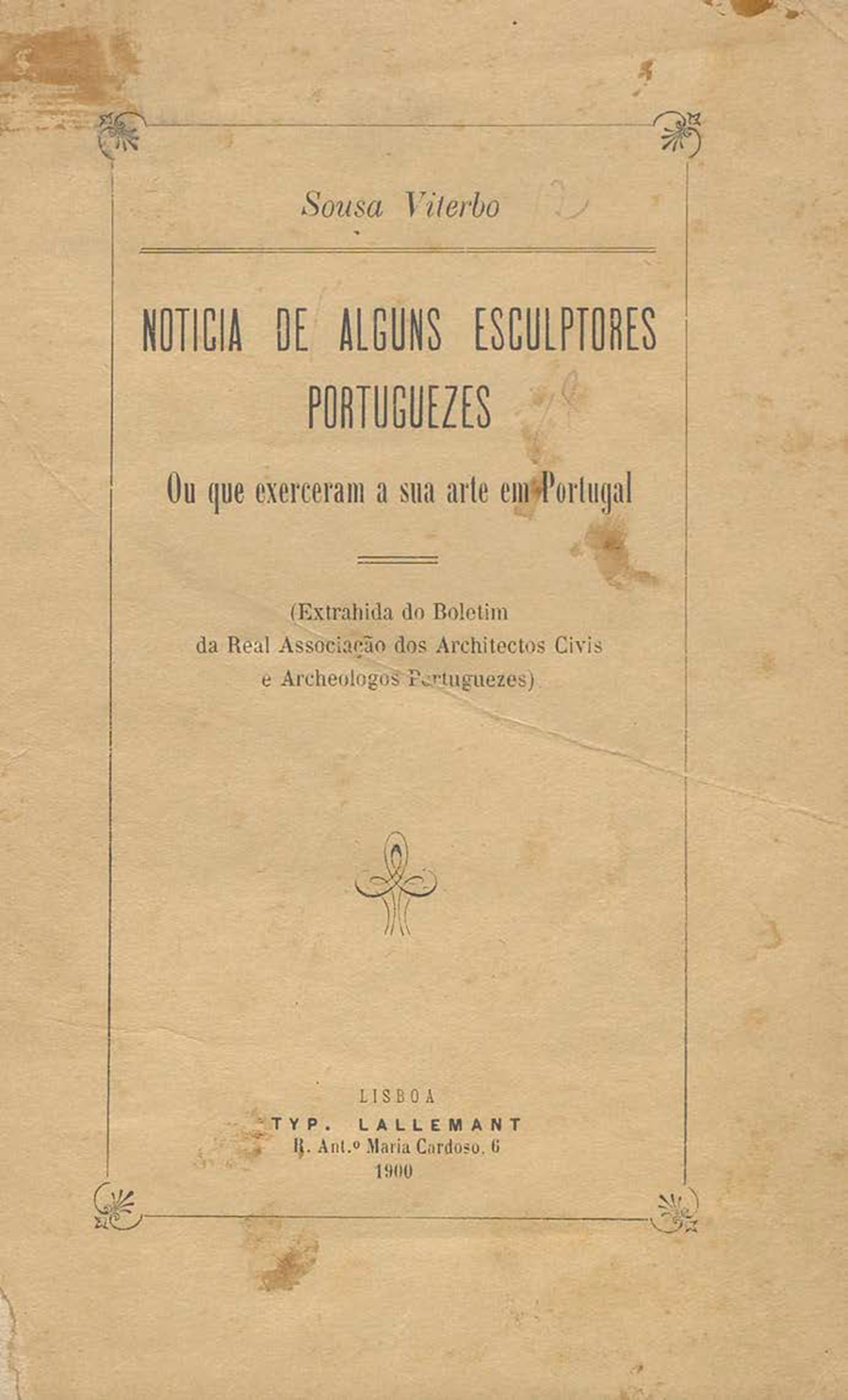
Born in the 1840s, Sousa Viterbo (1845-1910), a journalist, poet and writer, devoted himself to creating information directories on the applied arts. He continued this type of research and produced artistic dictionaries and biographies, the most important of which is the Dicionário histórico e documental dos arquitectos, engenheiros e construtores portugueses, published by the Imprensa Nacional (1899-1922), reprinted several times through the 20th century.
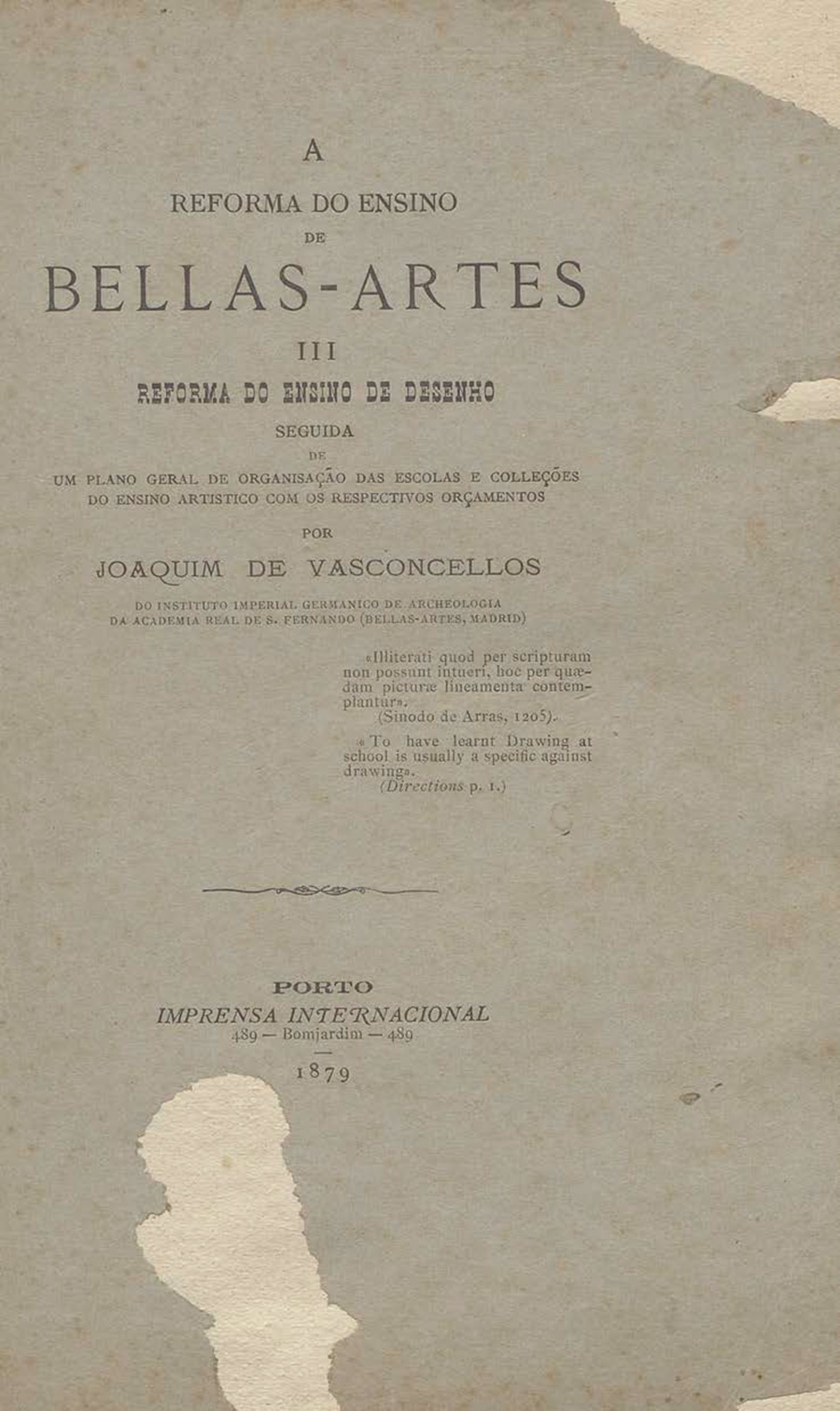
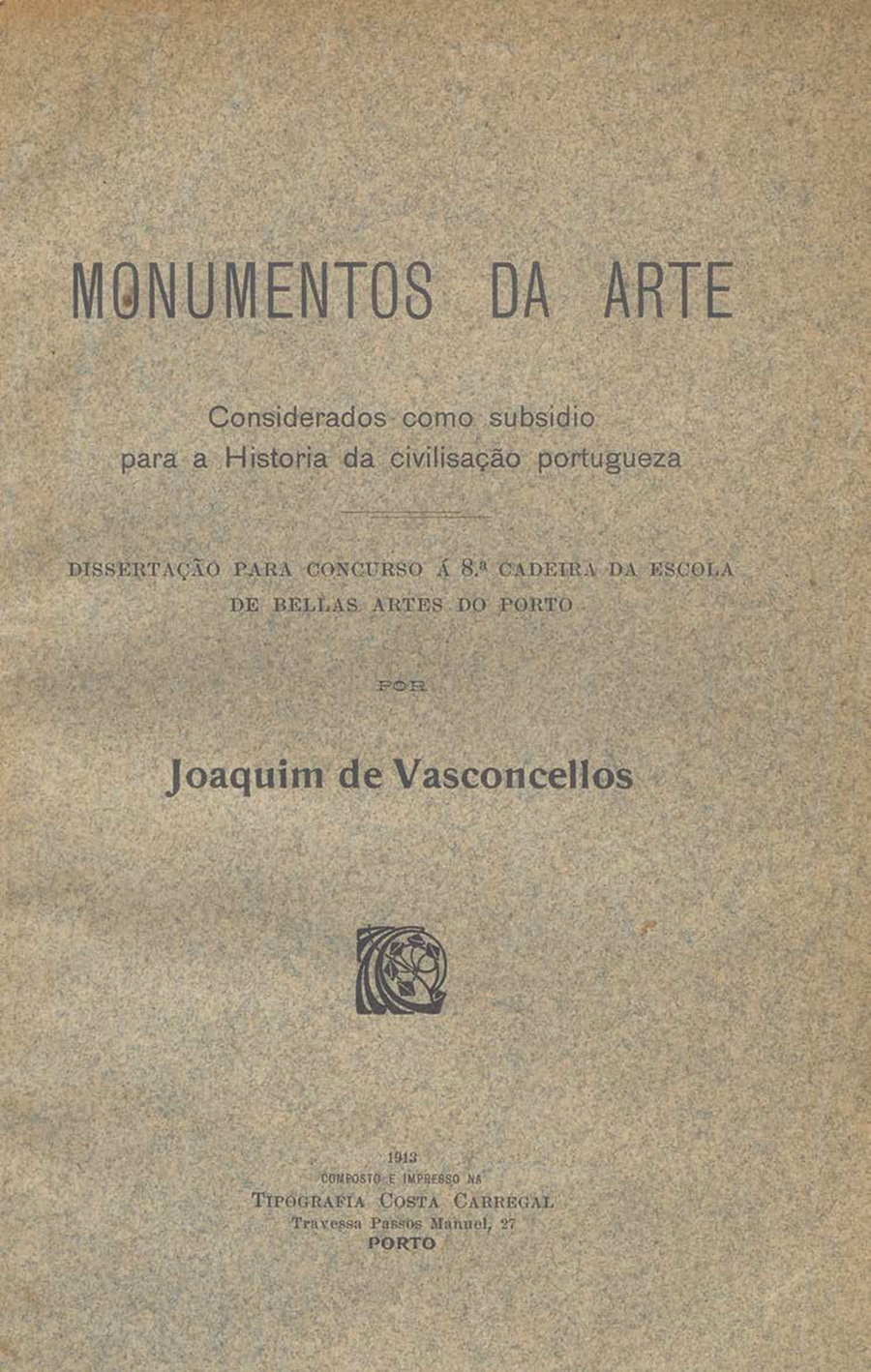
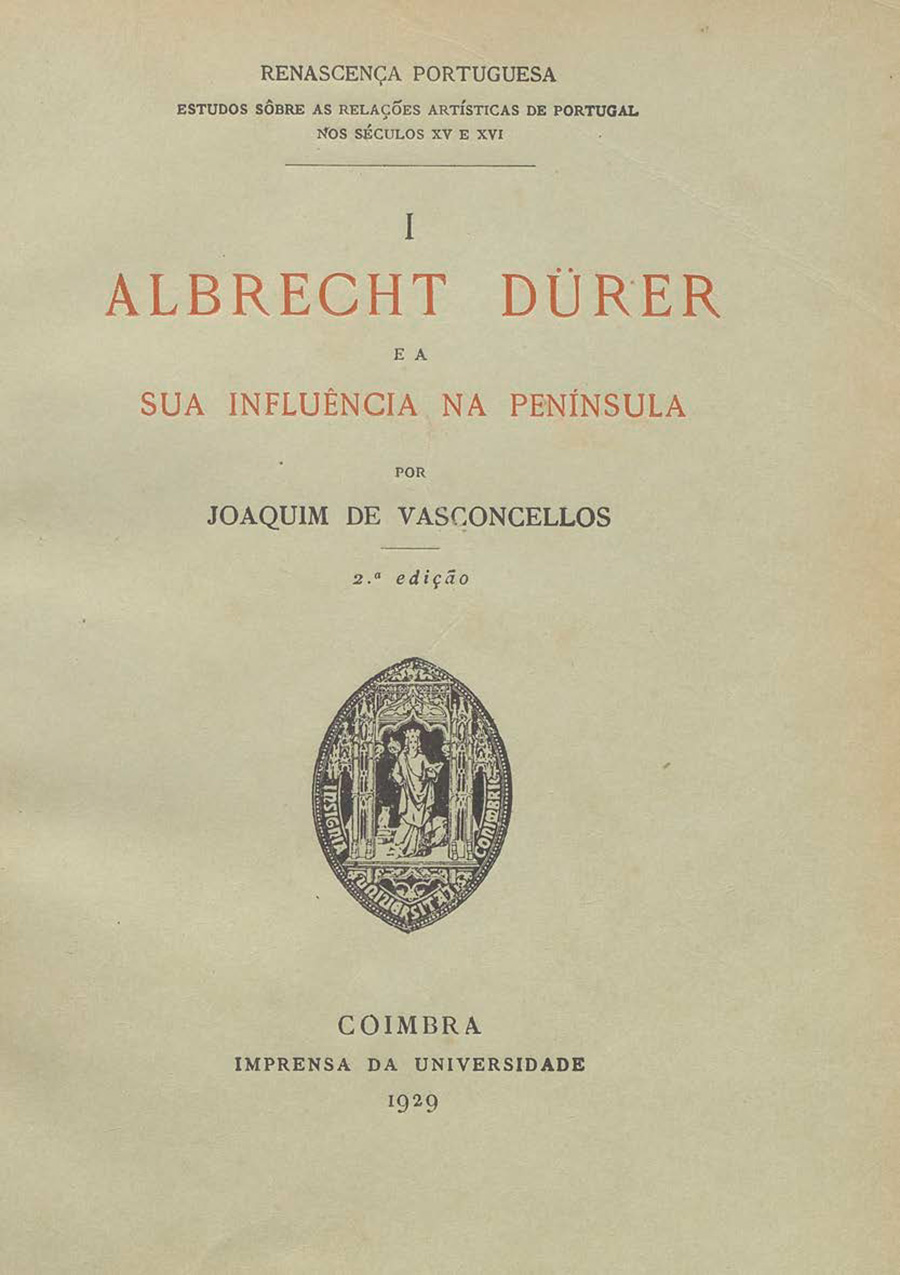
Joaquim de Vasconcelos (1849-1936) on his own turn appealed for a much-needed connection of local and international art history, suggesting developing knowledge of international relations, a condition he considered essential for understanding what he called the “History of artistic emigrations to the Peninsula”. José Augusto França (1922-2021) considered him the founder of Art History in Portugal and the first to set the rules of a discipline with specific object and methodology of research. Among the varied writings he wrote on the history of Portuguese art, the most relevant concerned 15th and 16th century painting, Grão Vasco and Francisco de Holanda, and on national Romanesque art, or the collection, in 20 fascicles, on religious art in Portugal (1914 – 1915).
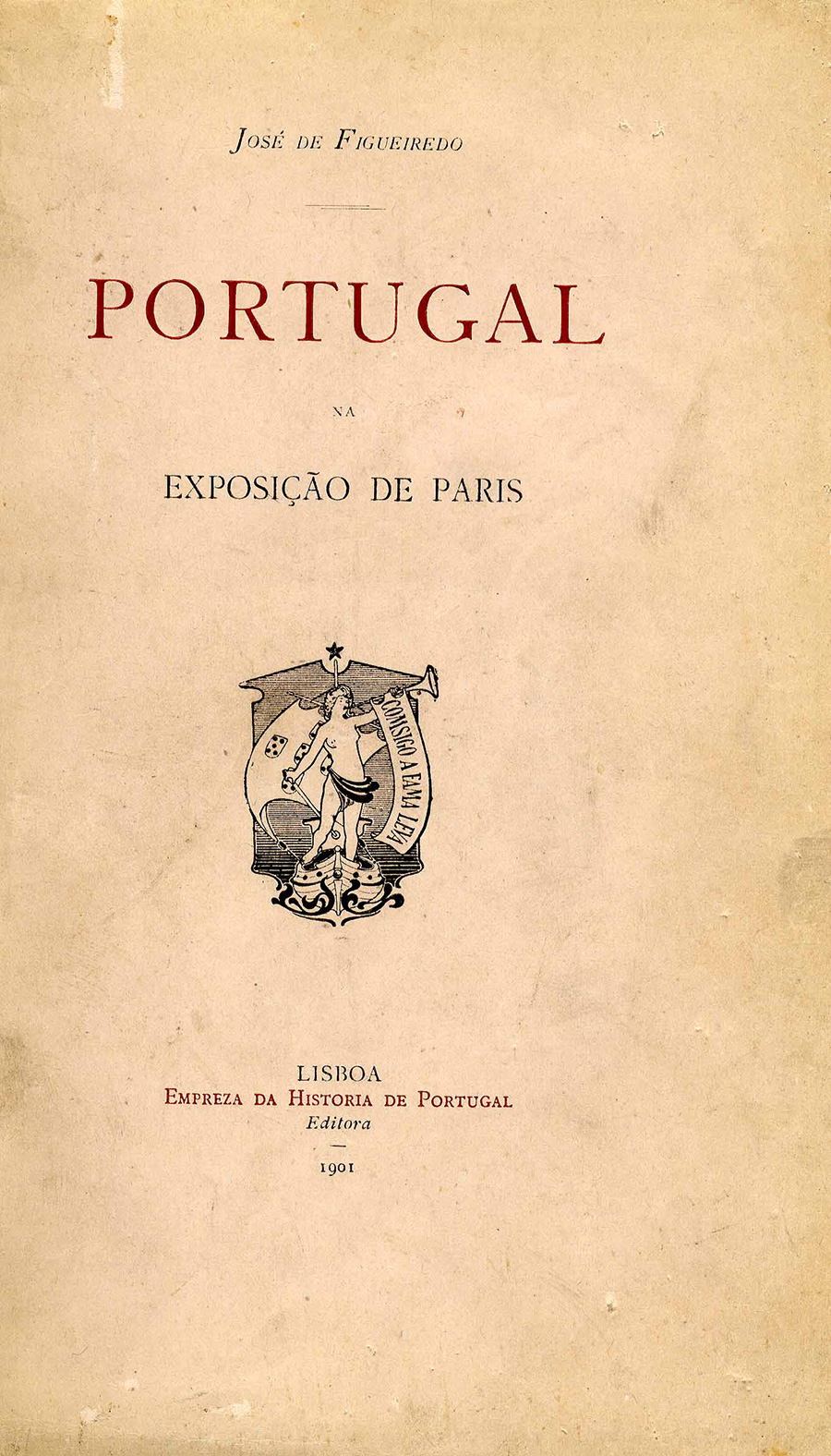
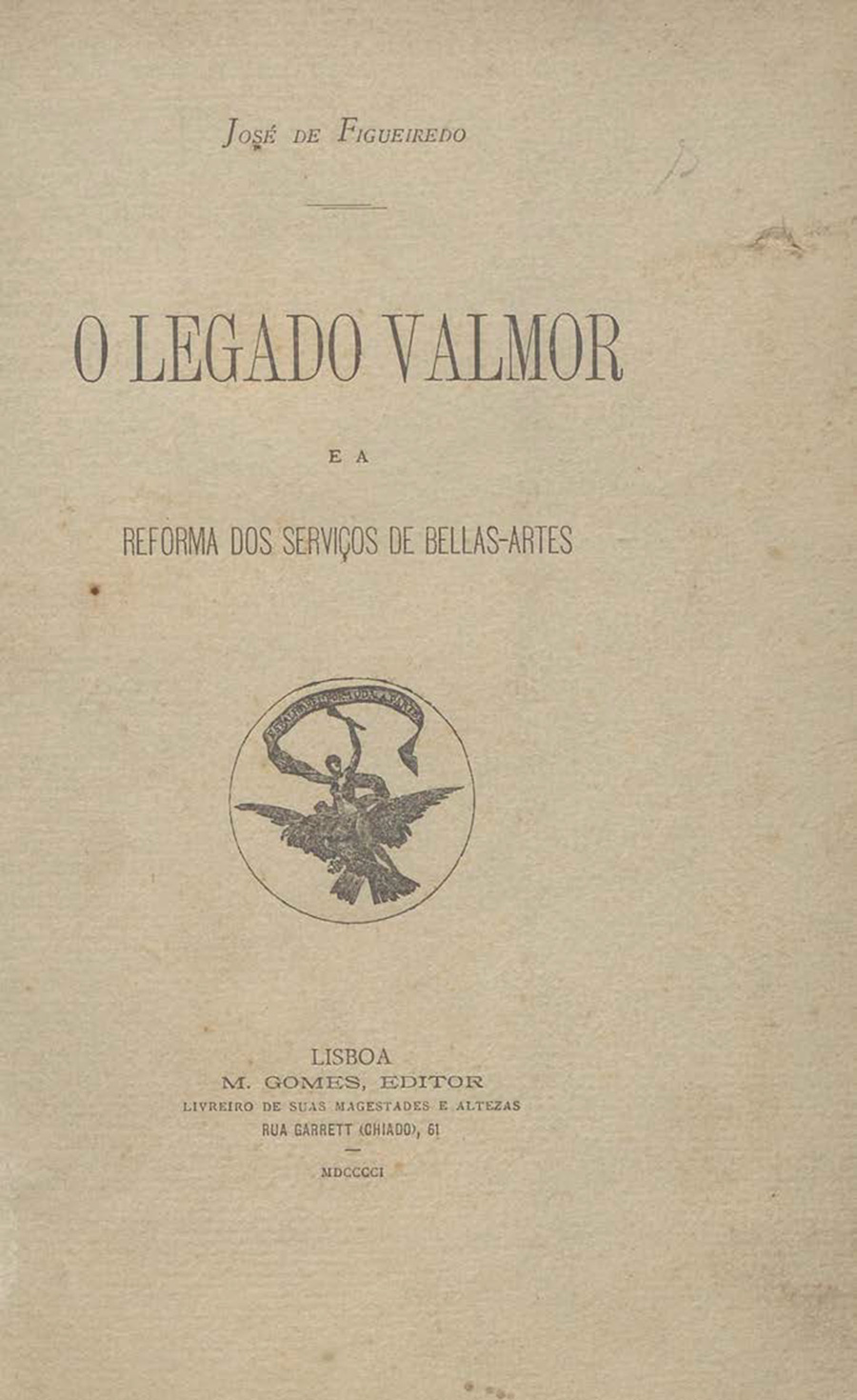
Another of the remarkable figures of this period was José de Figueiredo (1872 -1937). He was a member of the advisory board responsible for the proposal and draft law on heritage (1911) and was director of the Museu Nacional de Arte Antiga for 26 years, where he introduced profound changes to the collection’s exhibition organization and created a conservation and restoration section, equipped with a laboratory for photographic and radiological studies and research. During his career, Figueiredo was the author of several texts in which he examined and formulated the history of art in Portugal, developing a historiographical discourse that contributed to the interest in studying Portuguese art. These texts include Portugal na Exposição de Paris (1901), O legado Valmor e a reforma dos serviços de Bellas-Artes (1901), Introdução a um ensino sobre a pintura quinhentista em Portugal (1921) and L’art portugais de l’époque de grandes découvertes au XX.ème siecle (1931).
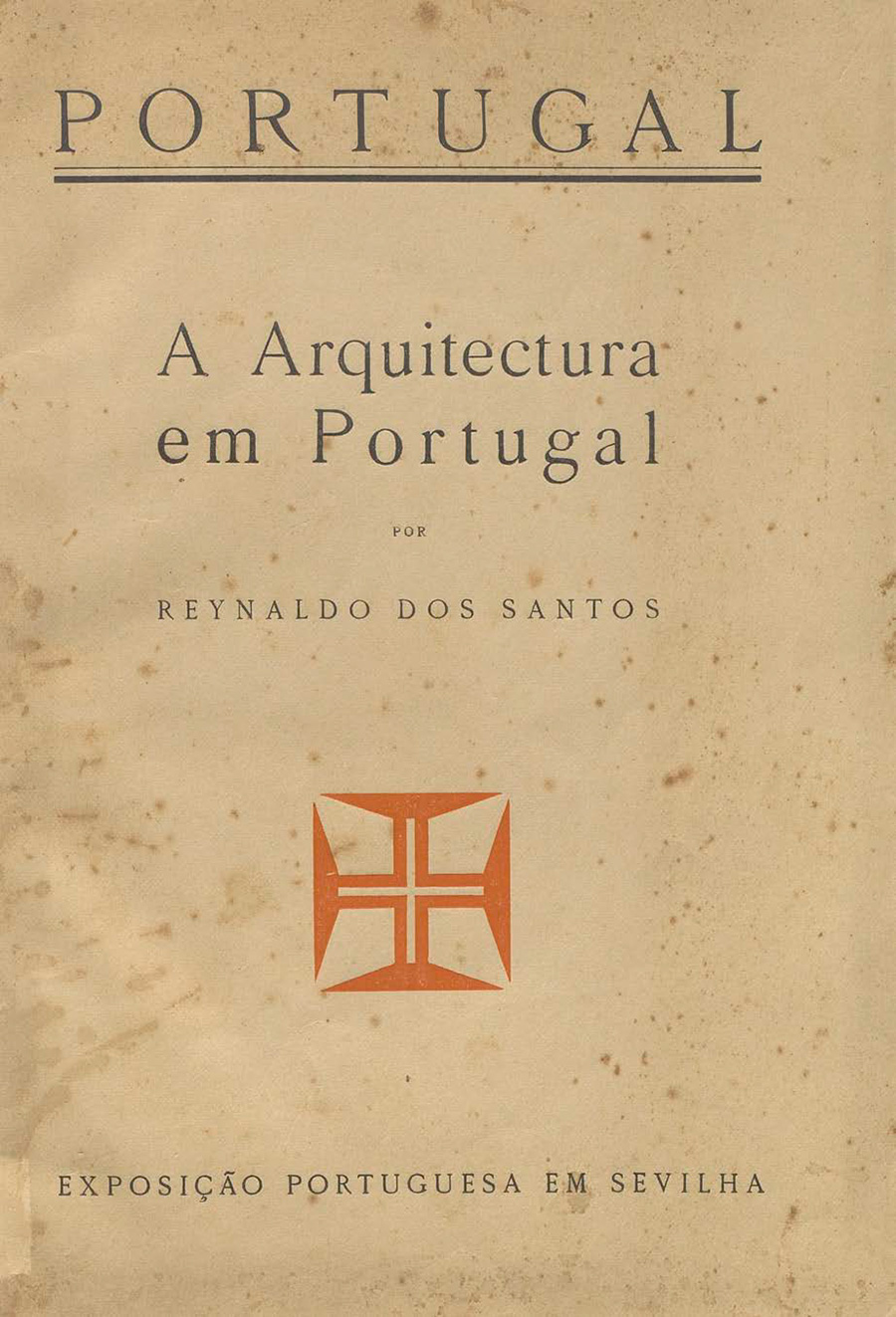
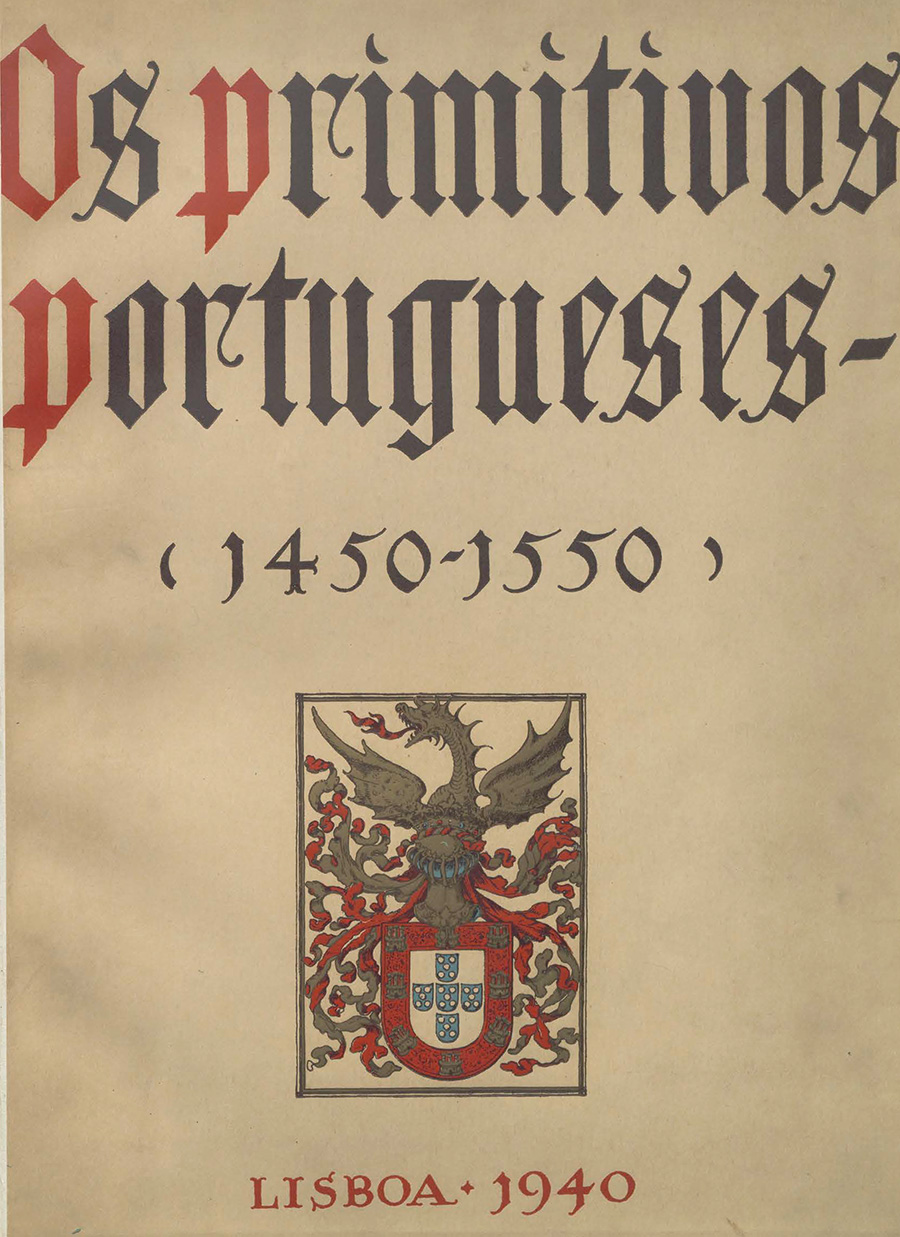
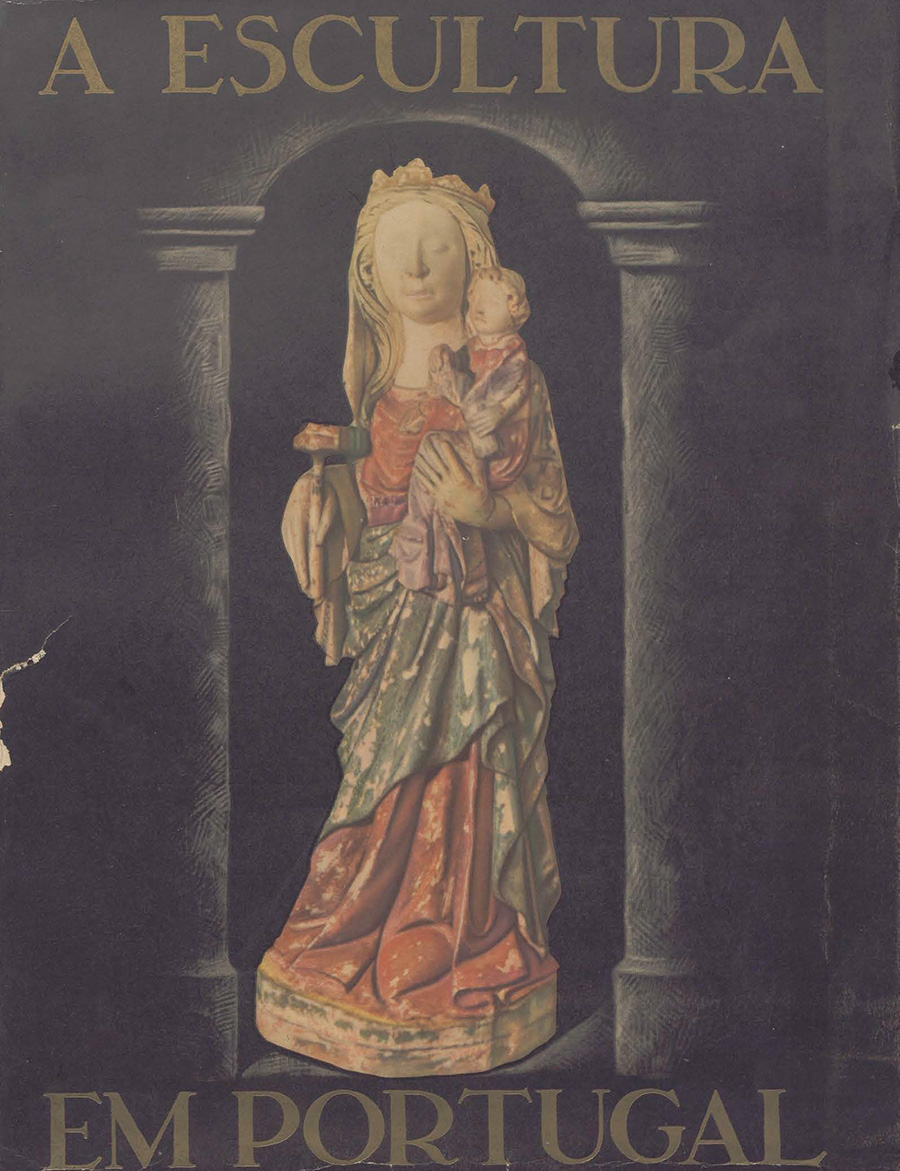
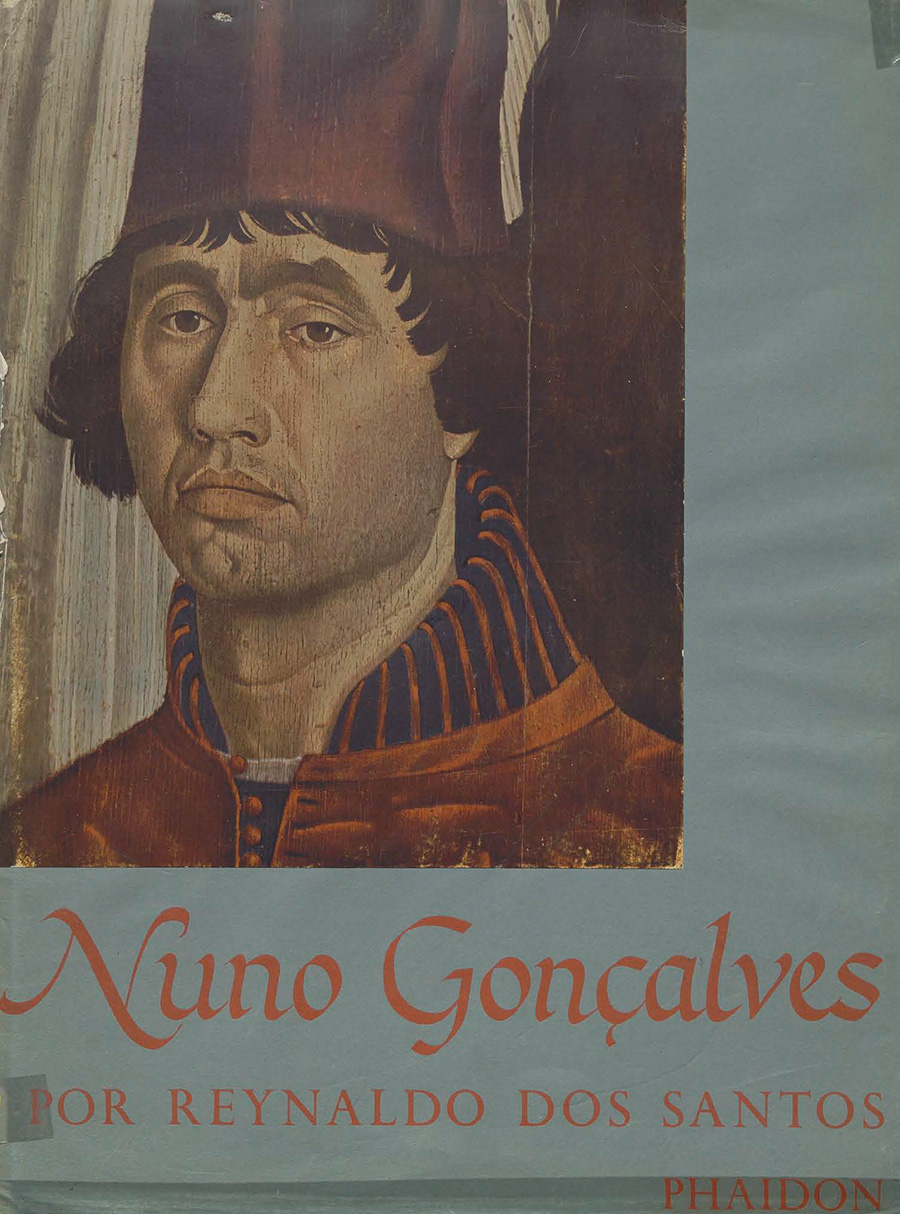
A practicing doctor (vascular surgery and urology) Reinaldo dos Santos (1880-1970) divided his professional career with the study and research of Portuguese art history, an interest supported by his relationship with José de Figueiredo, with whom he traveled to various European cities, learning about collections and works of art and architecture. In Spain, they both discovered the so-called “Tapestries of Pastrana” (15th century), celebrating the conquest of the Moroccan squares of Arzila and Tangier by the forces of King Afonso V (1471). Among his many works are A arquitectura em Portugal (1929), Os primitivos portugueses (1940), A escultura em Portugal (2 volumes, 1949-1950), and Nuno Gonçalves (1955).
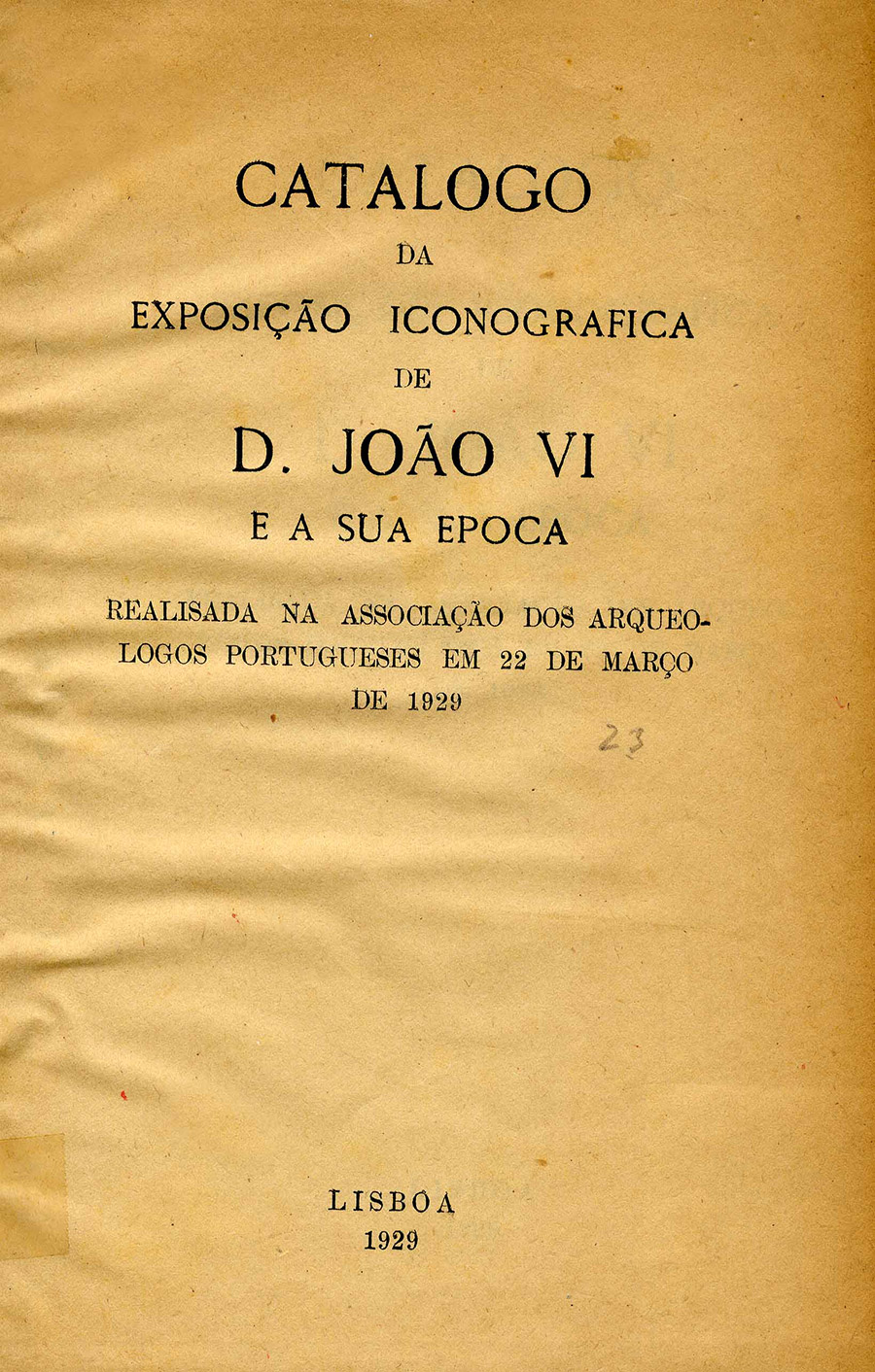
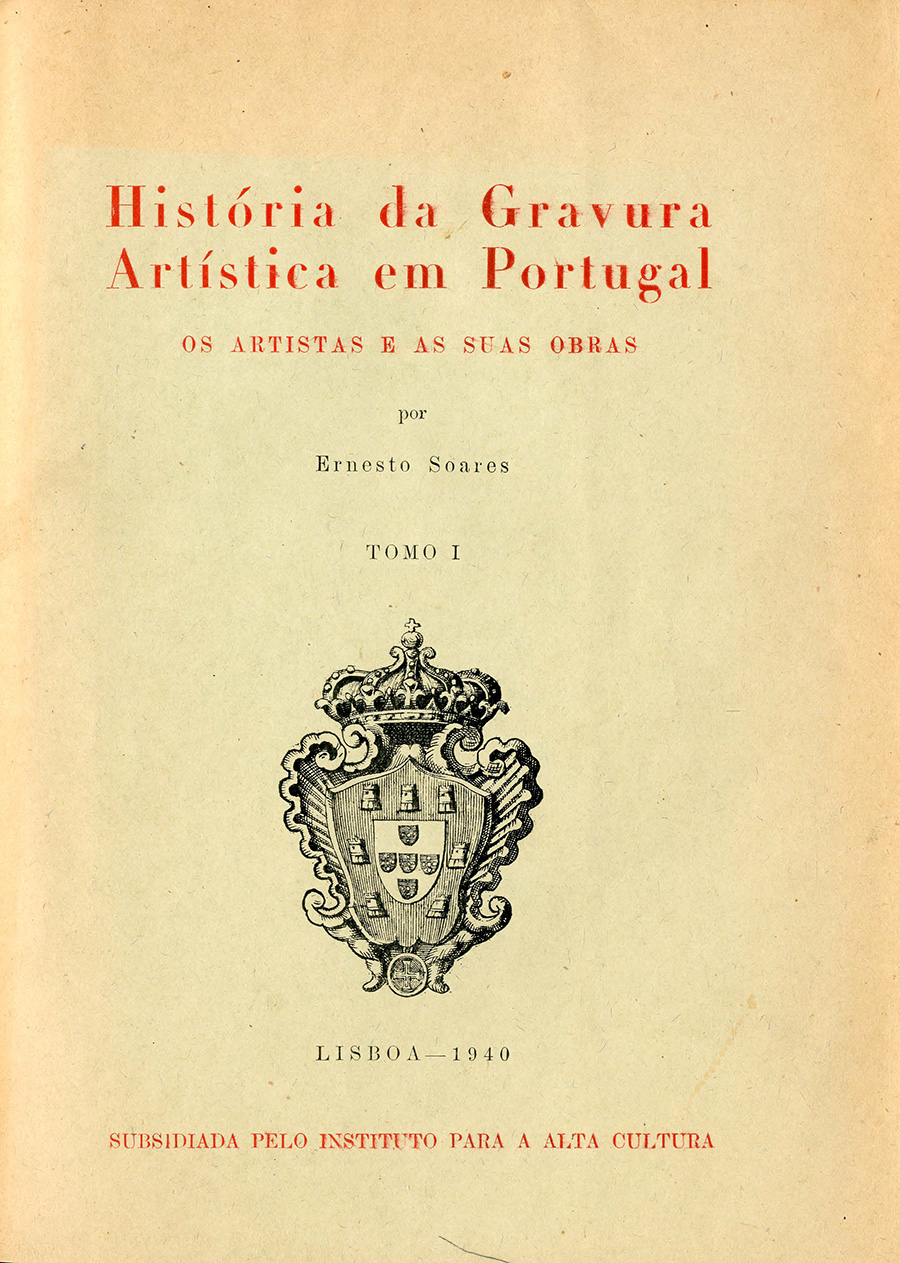
The beginning of Ernesto Soares’ professional career (1887-1966) did not predict the important contribution he would give to research into the history of Portuguese art, particularly in the areas of iconography, engraving and Portuguese engravers between the 18th and 19th centuries. Among his books we may remind História da gravura artística em Portugal (2 volumes,1940-1941), Evolução da gravura de madeira em Portugal, séculos XV a XIX (1951) and Dicionário de iconografia portuguesa, with Henrique de Campos Ferreira Lima (5 volumes, 1940-1960).
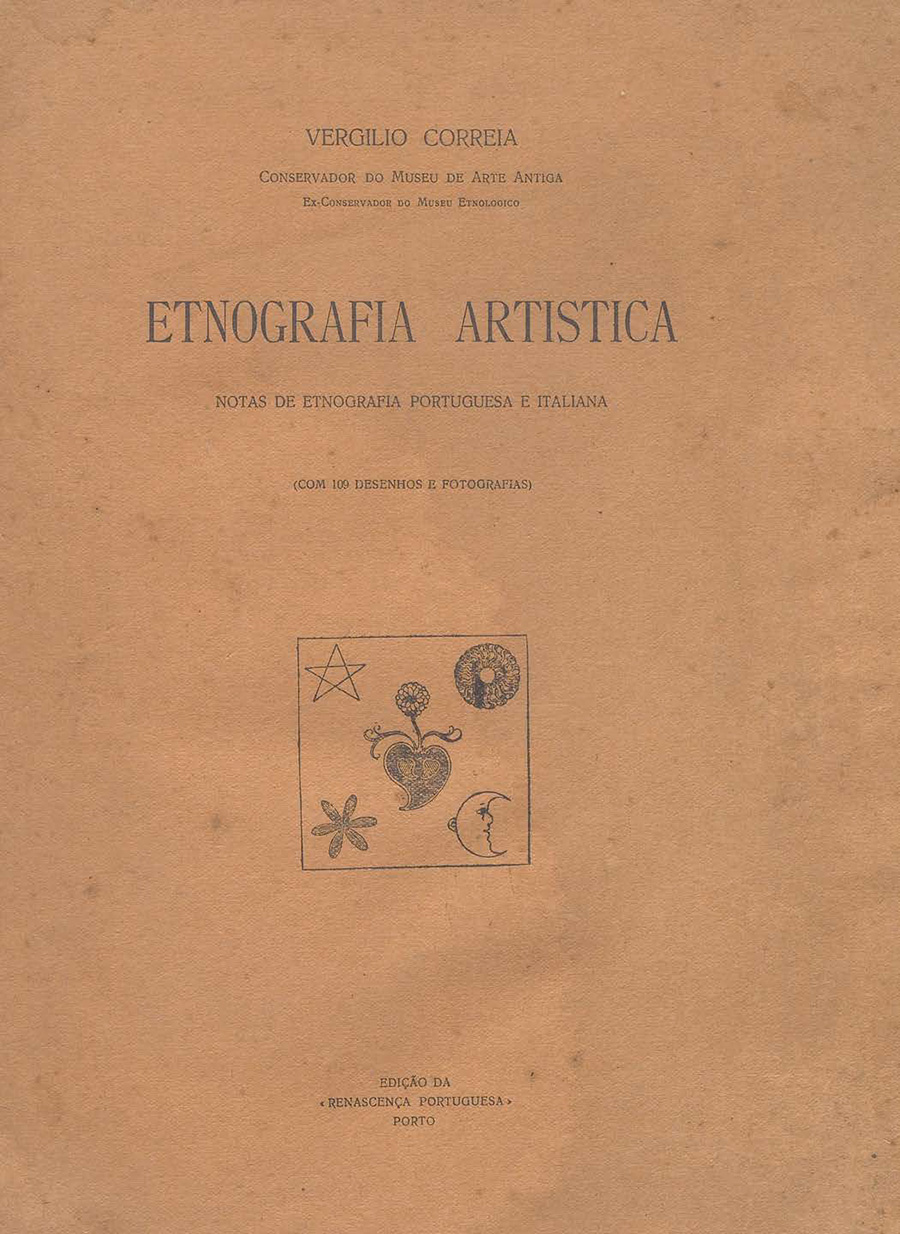
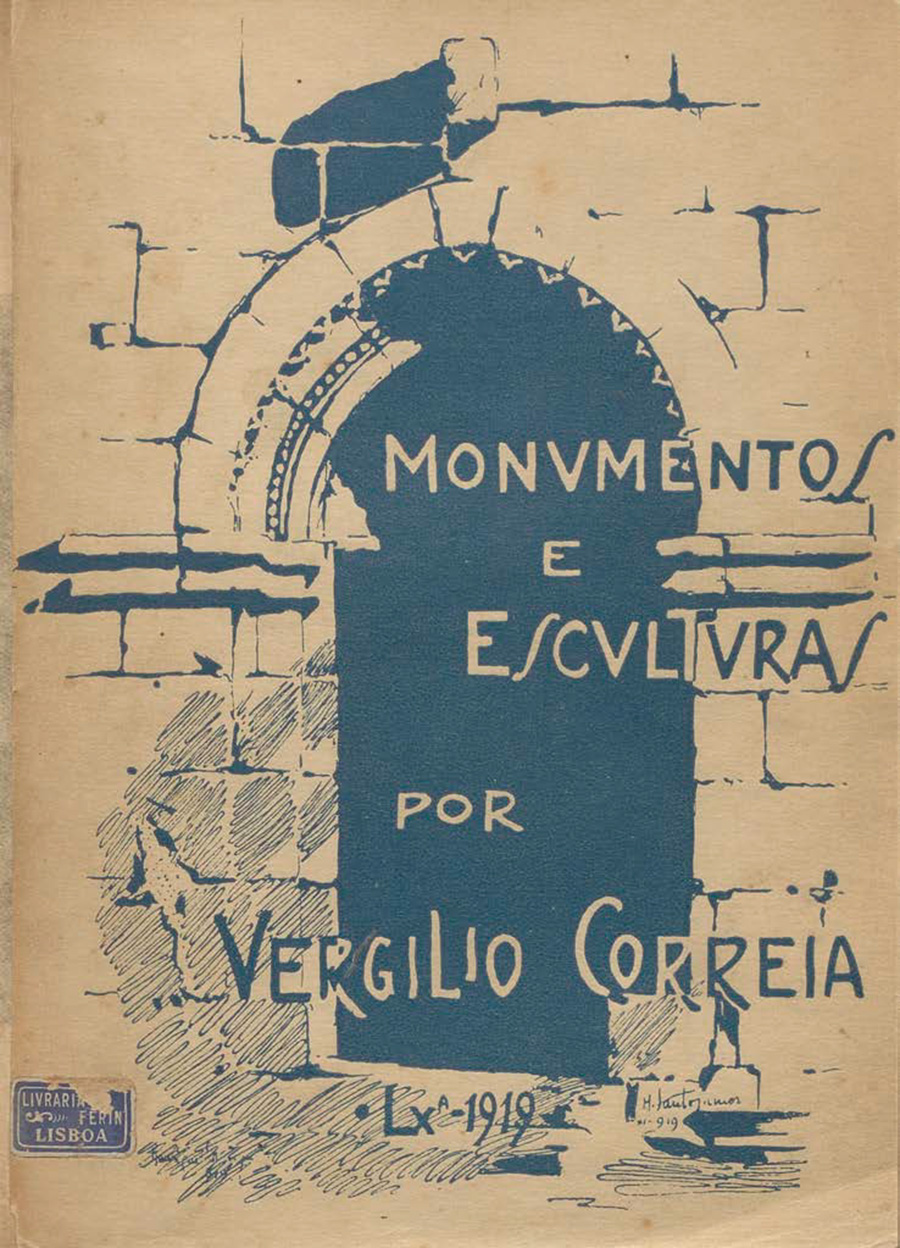
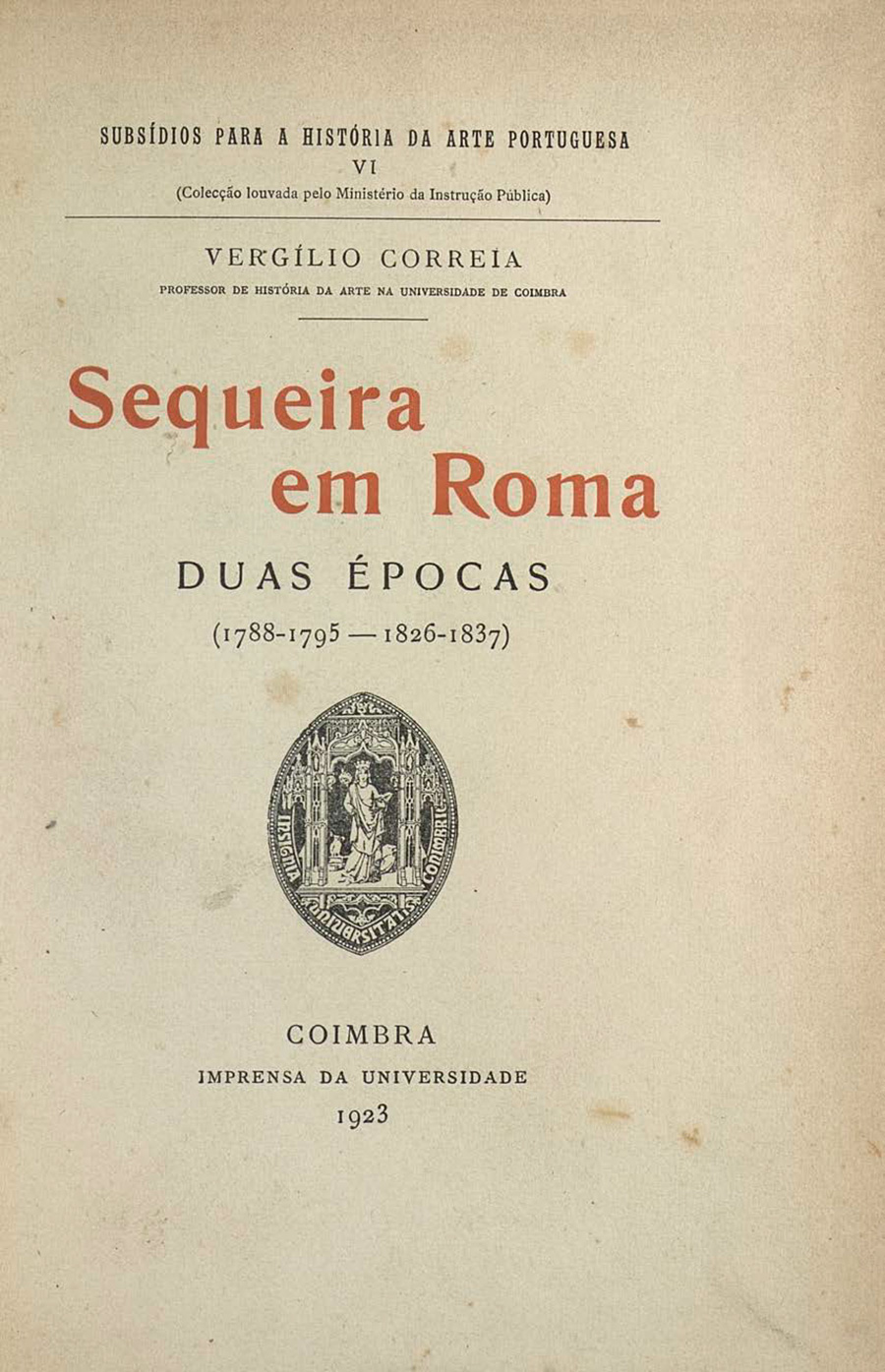
Coming from a legal background – he graduated in law at the University of Coimbra (1911) –, Virgílio Correia (1888-1944) obtained his doctorate in Literature from the same university (1935), where he was a professor of Art History and Aesthetics and Archaeology. Throughout his career, among other positions, he was director of the Museu Nacional de Machado de Castro and, as an archaeologist, he took part in the excavation team that discovered the Roman city of Conímbriga. He left behind an extensive list of titles on art in Portugal, such as Etnografia artística (1916), Monumentos e esculturas (1919) and Sequeira em Roma (1923).
A sculptor by artistic training, Diogo de Macedo (1889-1959) was also a critic and art historian, with several texts – books, articles and texts in catalogs – on aspects of the history of Portuguese sculpture, such as Em redor dos presépios portugueses (1940), A escultura portuguesa nos séculos XVII e XVIII (1945) and Machado de Castro (1958), and on the nineteenth-century painters in the collection of the Museu Nacional de Arte Contemporânea, which he directed between 1944 and 1959.
From this generation born at the end of the 19th century, we may also mention João Couto and Luís Reis Santos whose research and writings undoubtedly contributed to the establishment of a historiography of art and architecture in Portugal.
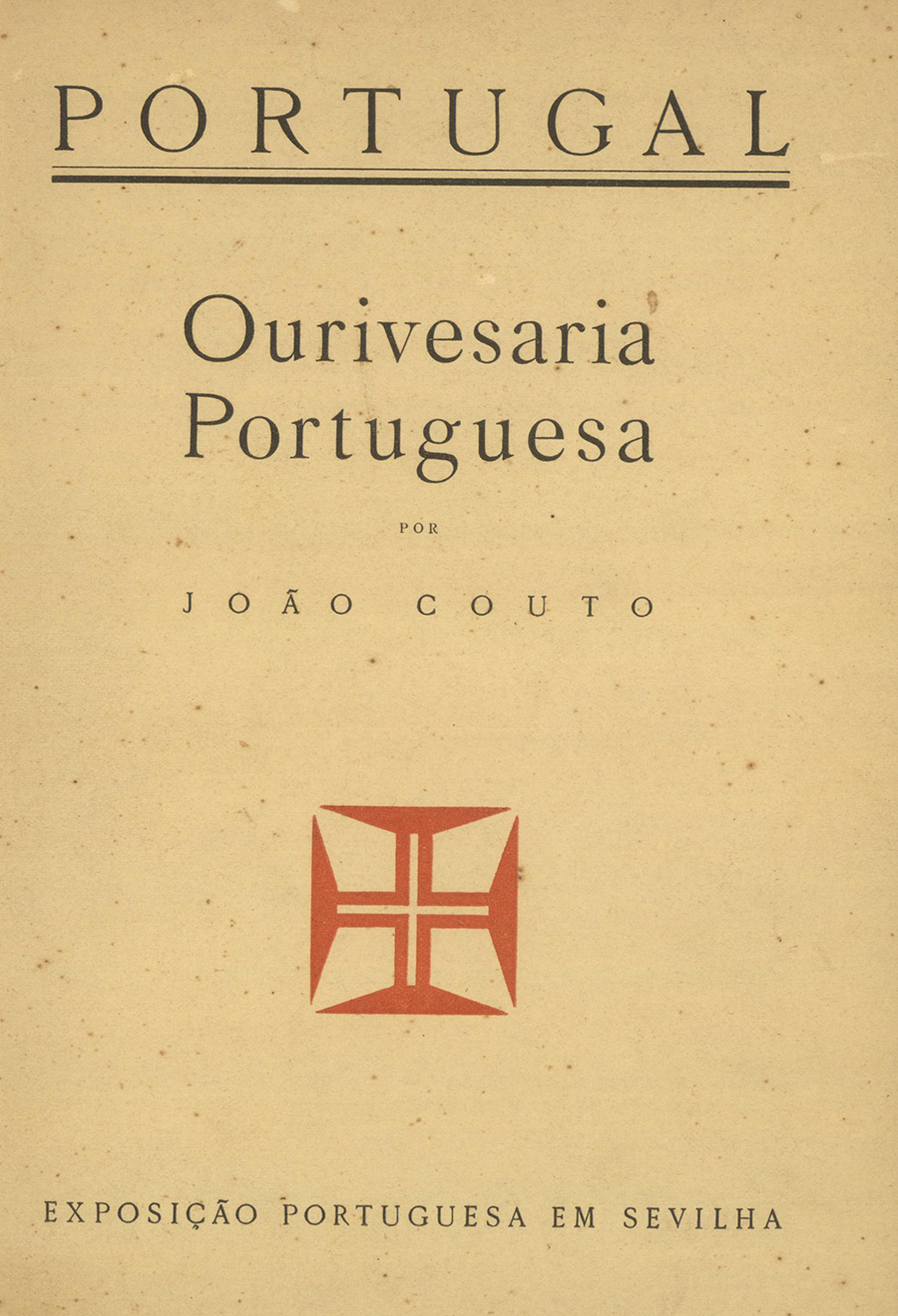
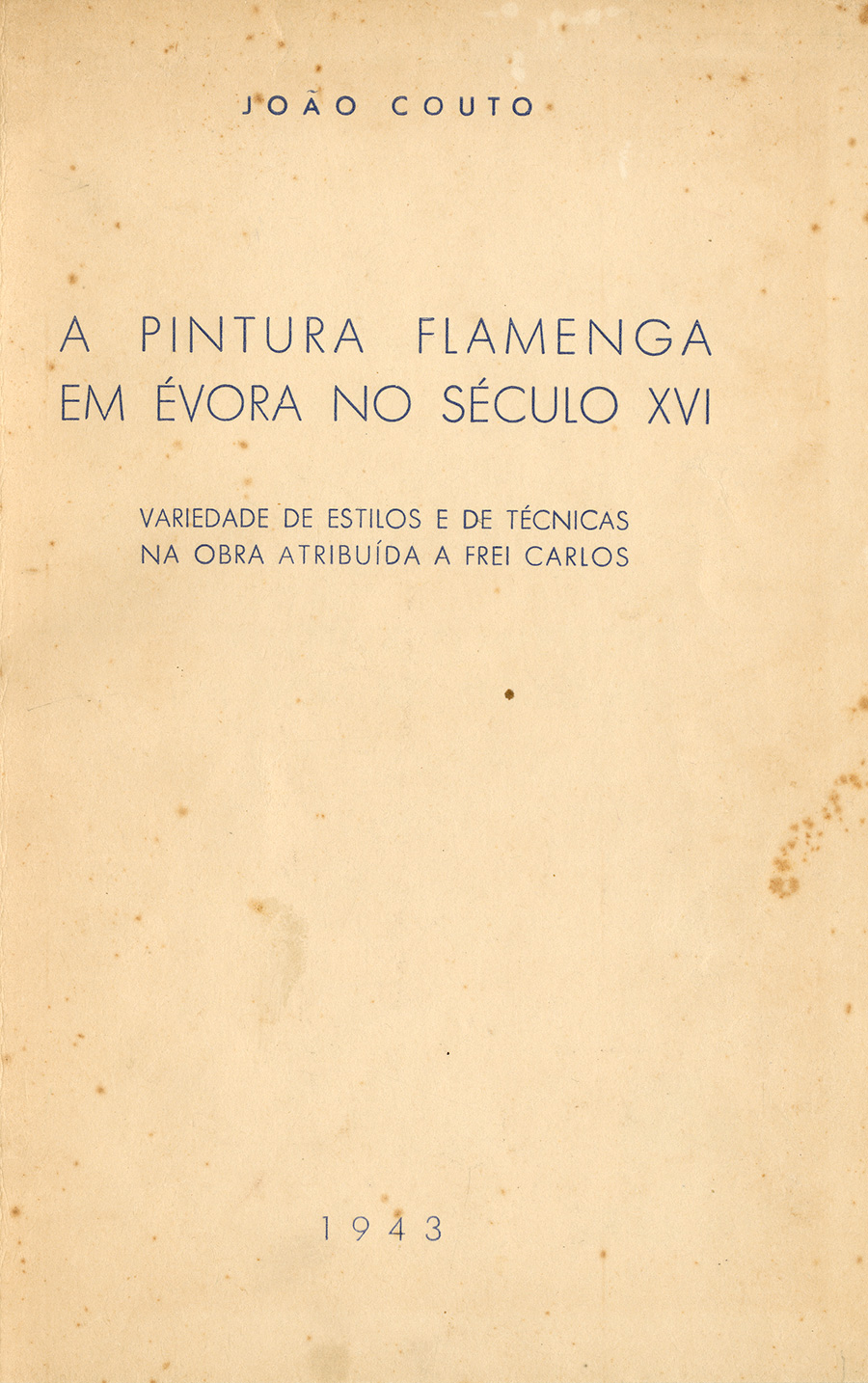
Born in Coimbra, where he graduated and began his career in museums, João Couto (1892-1968) is closely linked to the Museu Nacional de Arte Antiga, where he started as assistant curator (1924) and was director (1938-1967). João Couto began writing about Portuguese art history in the 1920s and there is a long list of his texts, scattered in the press, and books on pedagogy, goldsmithing, miniatures, painting, drawing, art history and restoration, such as Pinturas quinhentistas do Sardoal (1939), A pintura flamenga em Évora no século XVI (1943), As exposições de arte e a museologia (1950) and Artes plásticas (1962).
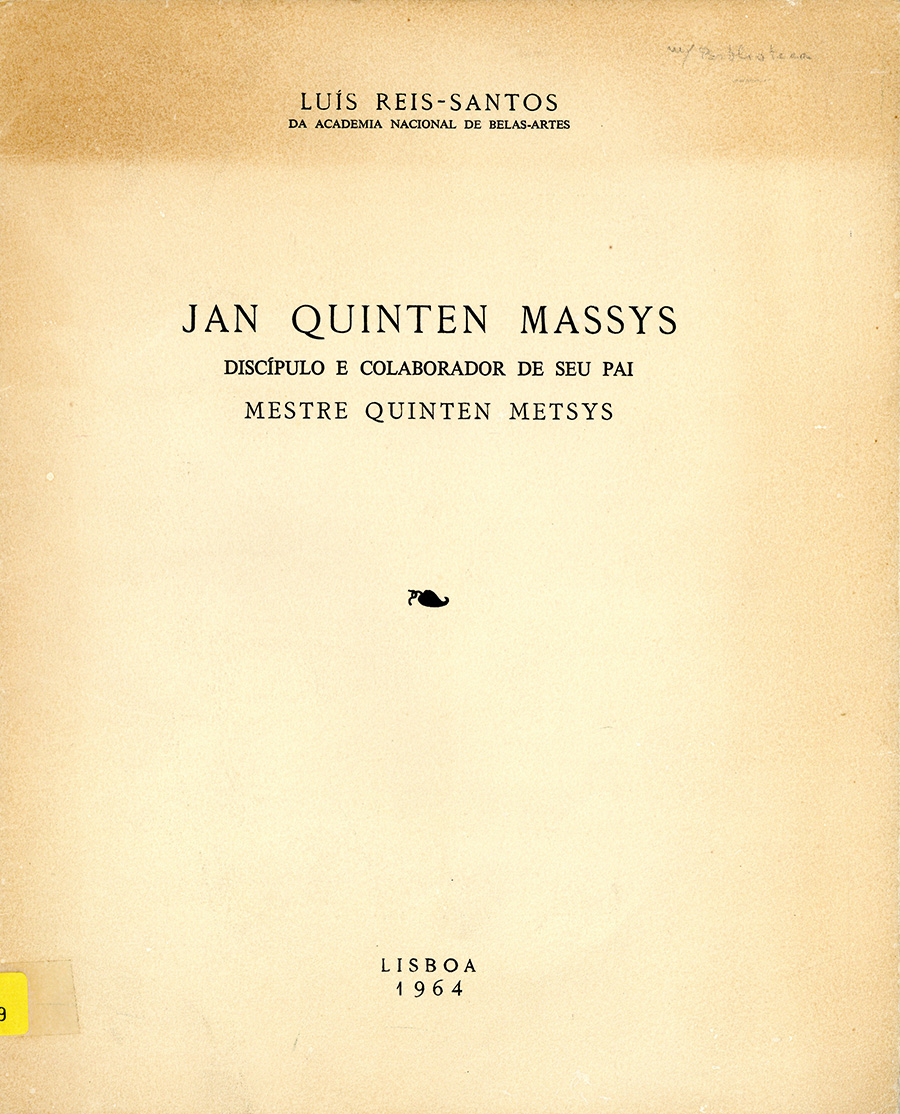
The last referenced art historian from this period is Luís Reis Santos (1898-1967) who intensively contributed to the consolidation of the history of Portuguese and Flemish painting from the 15th and 16th centuries, despite not having any specific academic training. He was the author of a vast published bibliography consisting in books, exhibition catalogs and articles for national and foreign magazines, such as the Revue belge d’archéologie et d’histoire de l’art and Burlington magazine – including Paineis dos mestres de Ferreirim de igrejas e conventos de Évora (1950), Obras-primas da pintura flamenga dos séculos XV e XVI em Portugal (1953), with a foreword by the German art historian Max J. Friedländer in the Portuguese version and in the English translation, Painéis de Metsys em Portugal (1958) and Jan Quinten Massys (1964).
This first set of authors who were at the genesis of the historiography of art and architecture in Portugal will be followed by those born between 1901 and 1950, with the plan to continue this compilation in order to include in this project all the names of authors active during the 20th century and the first decades of this century.
Artists and authors
Explore the series

No results were found for your criteria.
You may also like


No results were found for your criteria.