

70 years – Calouste Gulbenkian Foundation
The programme marking the 70th anniversary of the Calouste Gulbenkian Foundation brings together celebration, memory and the future.
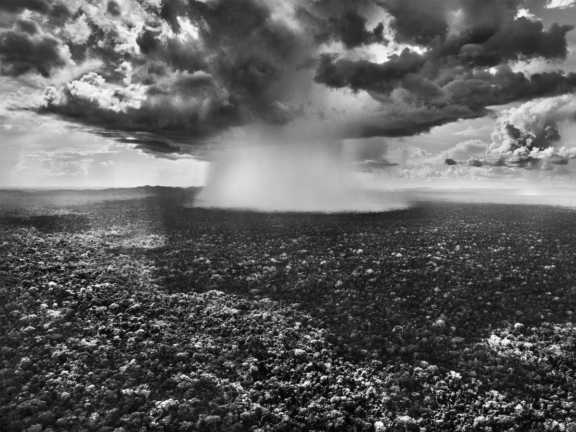
Throughout the year, concerts such as Amazônia, which places Sebastião Salgado’s photographs in dialogue with music by Villa‑Lobos and Philip Glass, reflect a cross‑disciplinary artistic approach that is mindful of global challenges.
The Foundation’s legacy, established in 1956, is revisited through the launch of a study and a free-access digital platform on 70 years of grants, as well as the exhibition Gulbenkian: 70 Years Post-it!
In July, the commemorations continue with the reopening of the Gulbenkian Museum and a concert of operatic repertoire.
Commissions of new works by composers, talks, the inaugural lecture of the Gulbenkian Institute for Advanced Studies, and a film cycle exploring the relationships between music, culture and society further reinforce a programme that celebrates the past while projecting an open, contemporary vision of the future.
Events
Gulbenkian, 70 years, Post it!

Gulbenkian Foundation 70 Years Commemorative Concert
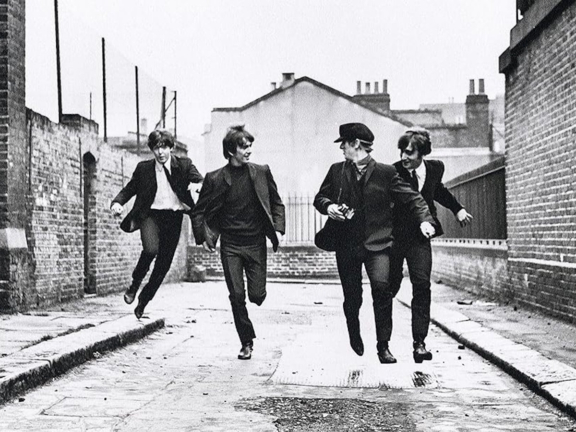
A Hard Day’s Night (1964)
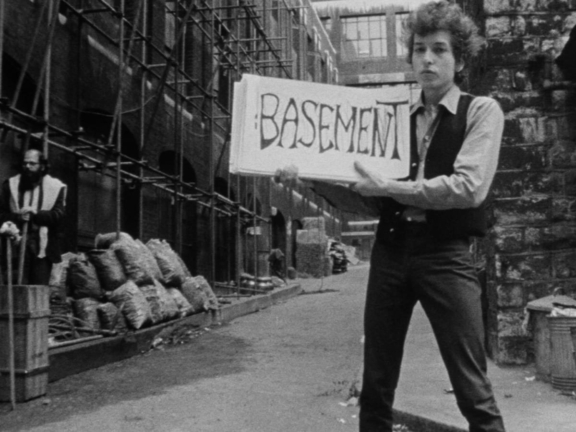
Don’t Look Back (1967)
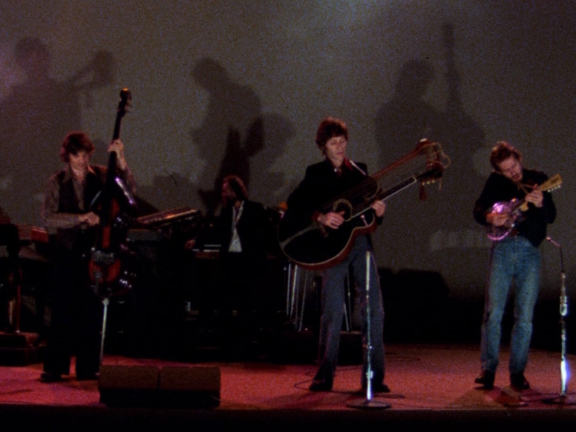
The Last Waltz (1978)

Stop Making Sense (1984)
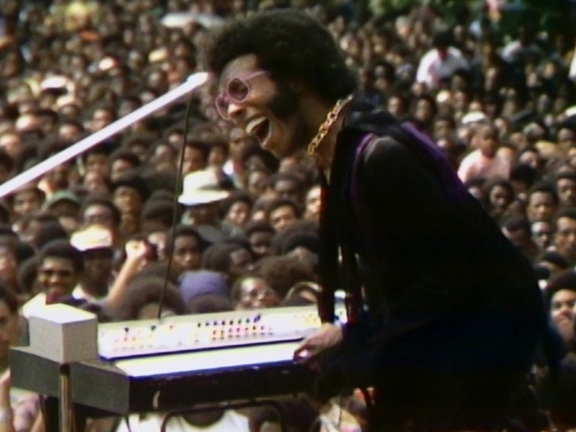
Summer of Soul (2021)

Purple Rain (1984)

Prokofiev’s Piano Concerto No. 2

Gulbenkian Choir a cappella
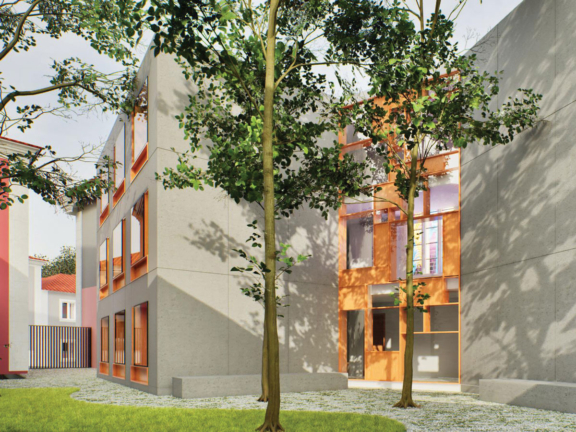
Experimental Forms for Intellectual Life, David Nirenberg
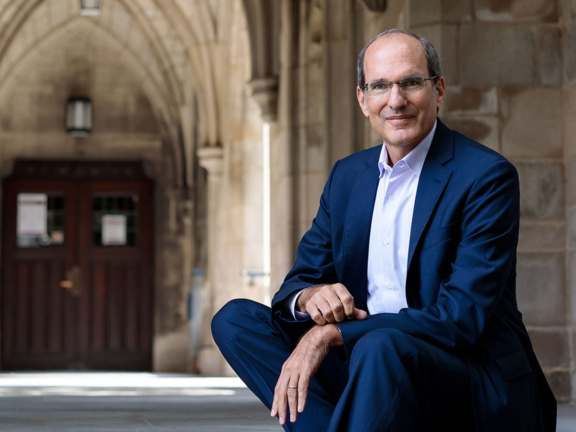
Why the humanities matter today
Colóquio Live

Tchaikovsky’s Symphony No. 4
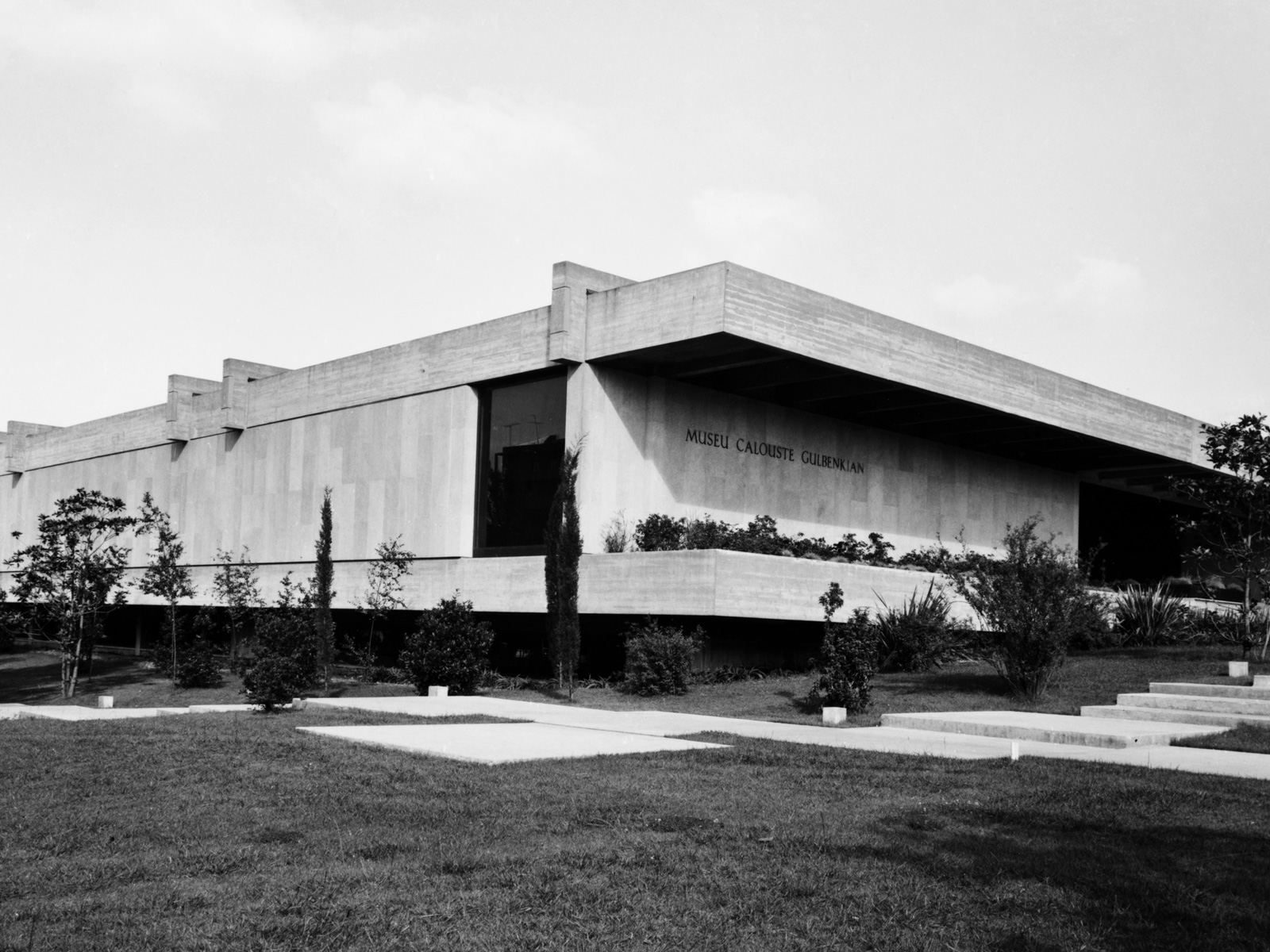
Gulbenkian Museum Reopening
The Gulbenkian Museum reopens to the public on 18 July, following renovation works and a harmonisation of the space, returning to the project’s original vision.
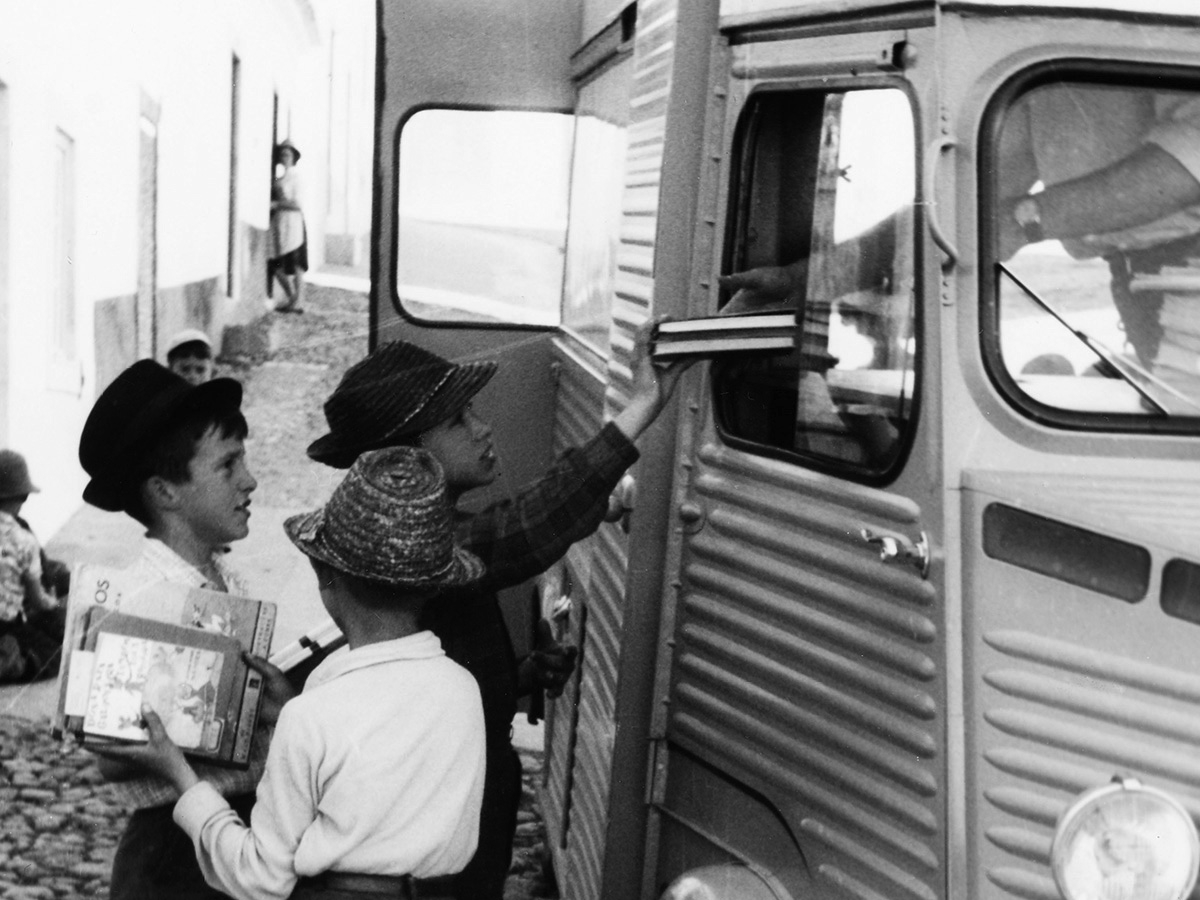
70 Years of Grants
A landmark study and a digital platform showcasing the diversity and reach of the grants awarded by the Calouste Gulbenkian Foundation over seven decades.
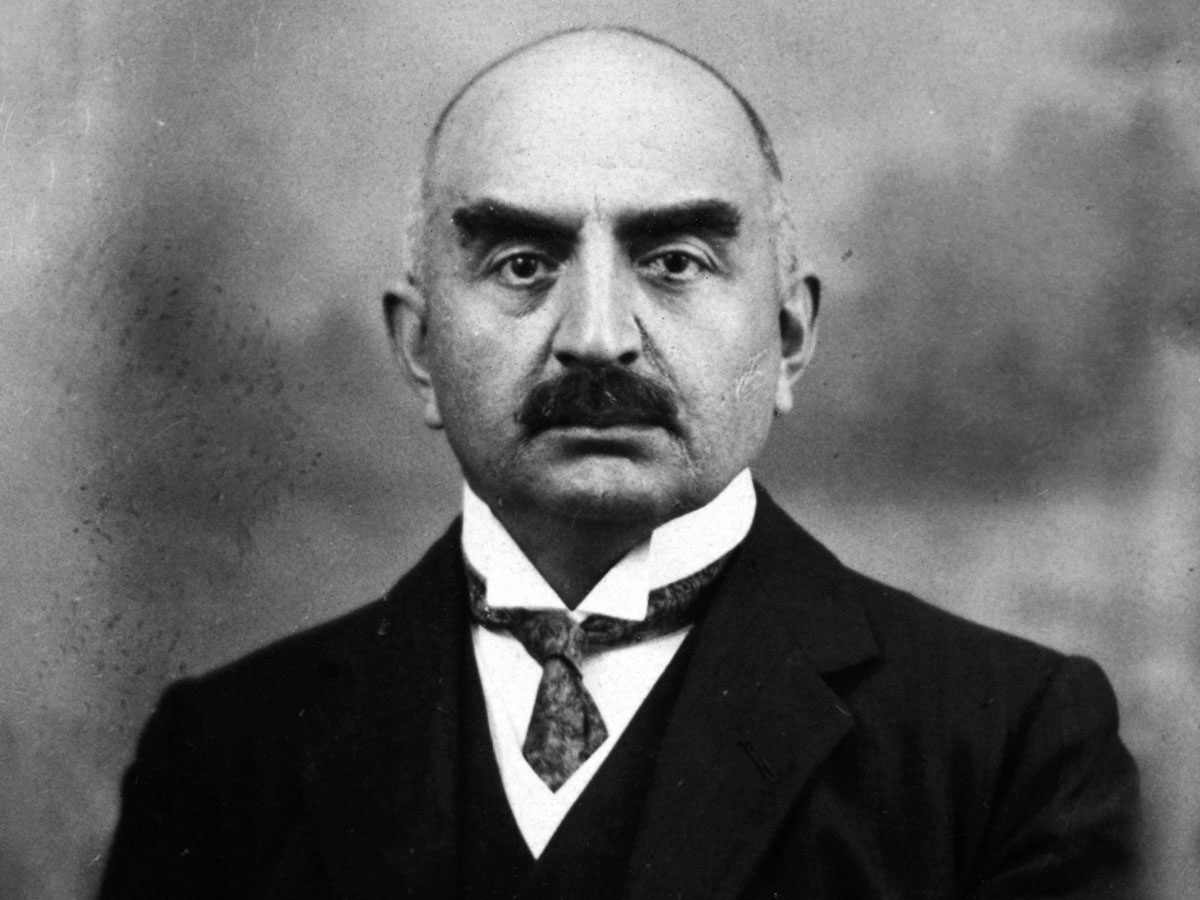
Calouste Gulbenkian Chronology
A timeline tracing the life of Calouste Sarkis Gulbenkian – businessman, diplomat, art collector and philanthropist of Armenian origin.
Learn more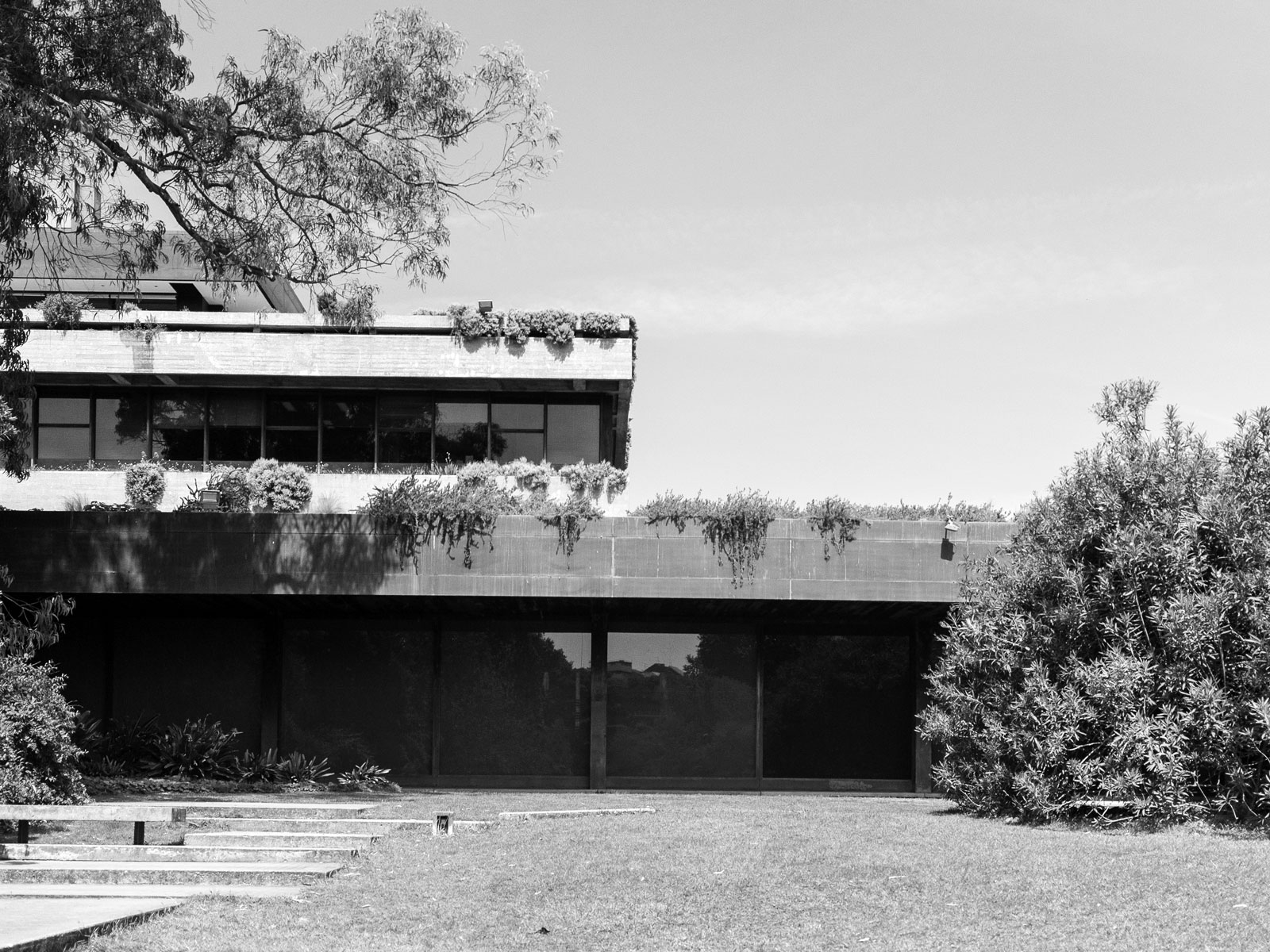
Gulbenkian Participation
Gulbenkian Foundation employees were invited to submit projects in the fields of citizenship, culture, education, housing and health. 16 projects were selected, representing an investment of around €5 million, and ranging from seismic preparedness initiatives to programmes supporting the inclusion of immigrant communities and research into affordable housing solutions.
