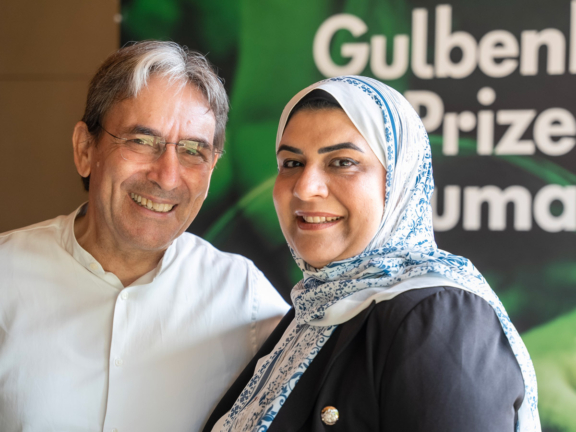
Gulbenkian Prize for Humanity
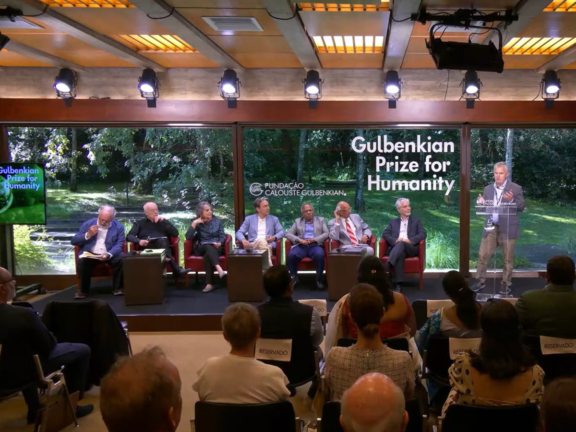
Worth 1 million Euros, the prize recognises individuals and organisations developing innovative solutions to combatting climate change.

Promoting climate action and protecting biodiversity
Our planet is currently facing an unprecedented number of environmental challenges.
We are witnessing the accelerated loss of biodiversity and the degradation of natural systems. Meanwhile, climate change is intensifying extreme weather events worldwide, including prolonged and more frequent heatwaves, severe droughts, rising sea levels, and widespread wildfires.
The next few years will be crucial in reversing these trends. Limiting the rise in the average global temperature, halting the destruction of habitats, and reducing pressure on water and food resources are essential if we are to preserve stable and secure living conditions.
Taking immediate action is vital for safeguarding the health of ecosystems, ensuring the resilience of societies, and promoting intergenerational equity. The Calouste Gulbenkian Foundation is committed to this goal and has organised its work in this area into three categories: Climate and Humanity, Biodiversity and Nature-Based Solutions, and Climate Action and Just Transition.
The Calouste Gulbenkian Foundation aims to address environmental challenges by funding and empowering organisations, generating knowledge, participating in relevant international networks, experimenting with innovative projects, and recognising initiatives with a global impact.
Climate change is having a profound impact on the global environment, societies and economies, requiring responses that combine knowledge, action and collective commitment. All over the world, people and organisations are trying to adapt and strengthen community resilience and promote new ways of living in harmony with the planet to ensure a sustainable future for current and future generations.
The Gulbenkian Prize for Humanity is founded on the belief that the climate crisis is, above all, a human issue. The Prize recognises and gives visibility to people and initiatives from around the world that are innovating and playing a decisive role in climate action, generating a lasting positive impact on people and nature. These initiatives inspire hope, resilience and renewal, leaving a legacy for the shared future of humanity.
Nature is essential to human existence, well-being and the progress of societies. It sustains the ecosystems and economies on which our lives depend.
The Calouste Gulbenkian Foundation’s strategy prioritises nature conservation, the protection of biodiversity, and nature-based solutions, using nature’s processes and resources to address climate challenges. This includes restoring wetlands, planting native trees, and establishing green spaces in urban areas. These approaches acknowledge the vital role that healthy ecosystems play in mitigating and adapting to climate change, preserving natural resources, and promoting community well-being.
The Foundation supports organisations and initiatives that promote the conservation and restoration of terrestrial and marine ecosystems, as well as their sustainable management. The Foundation also strengthens civil society’s capacity to respond and encourages scientific and technical innovation in this field.
By investing in biodiversity and nature-based solutions, the Foundation is helping to restore the balance between nature and human activity, driving development models that regenerate the planet and create environmental, social and economic value for today’s and future generations.
The aim of climate action is to introduce profound structural and cultural changes in public policies, technological innovation, individual behaviour, new forms of social organisation and new economic models. To ensure this transition is equitable, it is essential to protect vulnerable groups, promote territorial cohesion, and guarantee that everyone reaps the benefits.
In this regard, the Calouste Gulbenkian Foundation supports innovative projects that improve efficient use of natural resources and promote a just transition, involving communities, public institutions, businesses and knowledge centres.
The Foundation promotes an informed, participatory and equitable transition by investing in capacity building, communication and knowledge production.
Current initiatives
Worth 1 million Euros, the prize recognises individuals and organisations developing innovative solutions to combatting climate change.
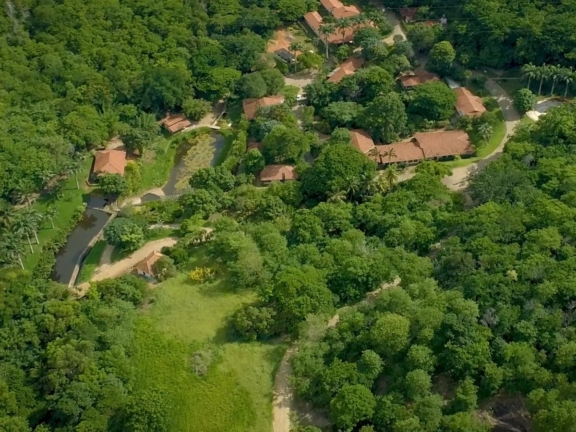
Deepening our commitment to safeguarding nature and protecting biodiversity in Portugal and Armenia.
Supporting Portuguese environmental organisations working to protect and restore biodiversity.
It promotes the transition to more sustainable agriculture through greater precision and efficiency in water management, helping to prevent future water scarcity scenarios.
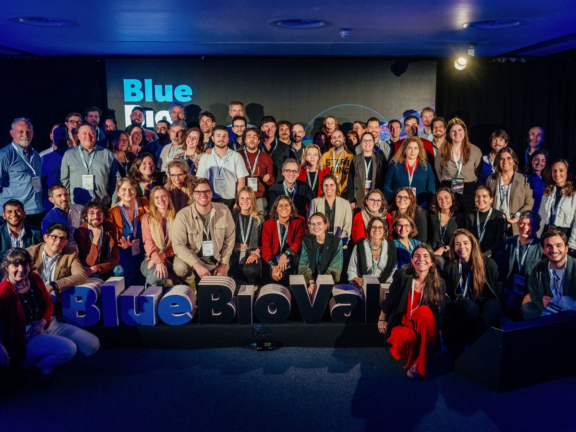
Promoting investment in the conservation and restoration of blue carbon ecosystems.
A feature film that follows personal journeys connected to climate action and civic participation.
Promoting community involvement in climate action through 11 projects developed by municipalities and NGOs across Portugal.
Encourage and facilitate the definition and submission of municipal decarbonization goals.
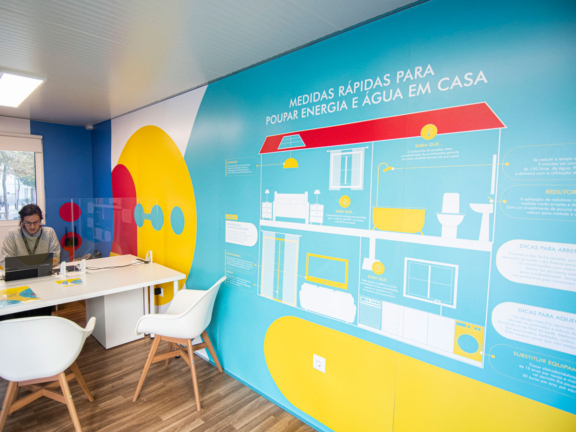
Tackling energy poverty in Portugal through an innovative model, helping families improve the energy performance of their homes.
Nine-episode documentary series focusing on problems linked to Sustainable Development.
No results were found for your criteria.
No results were found for your criteria.