
“Young people are a force for hope that must be awakened”
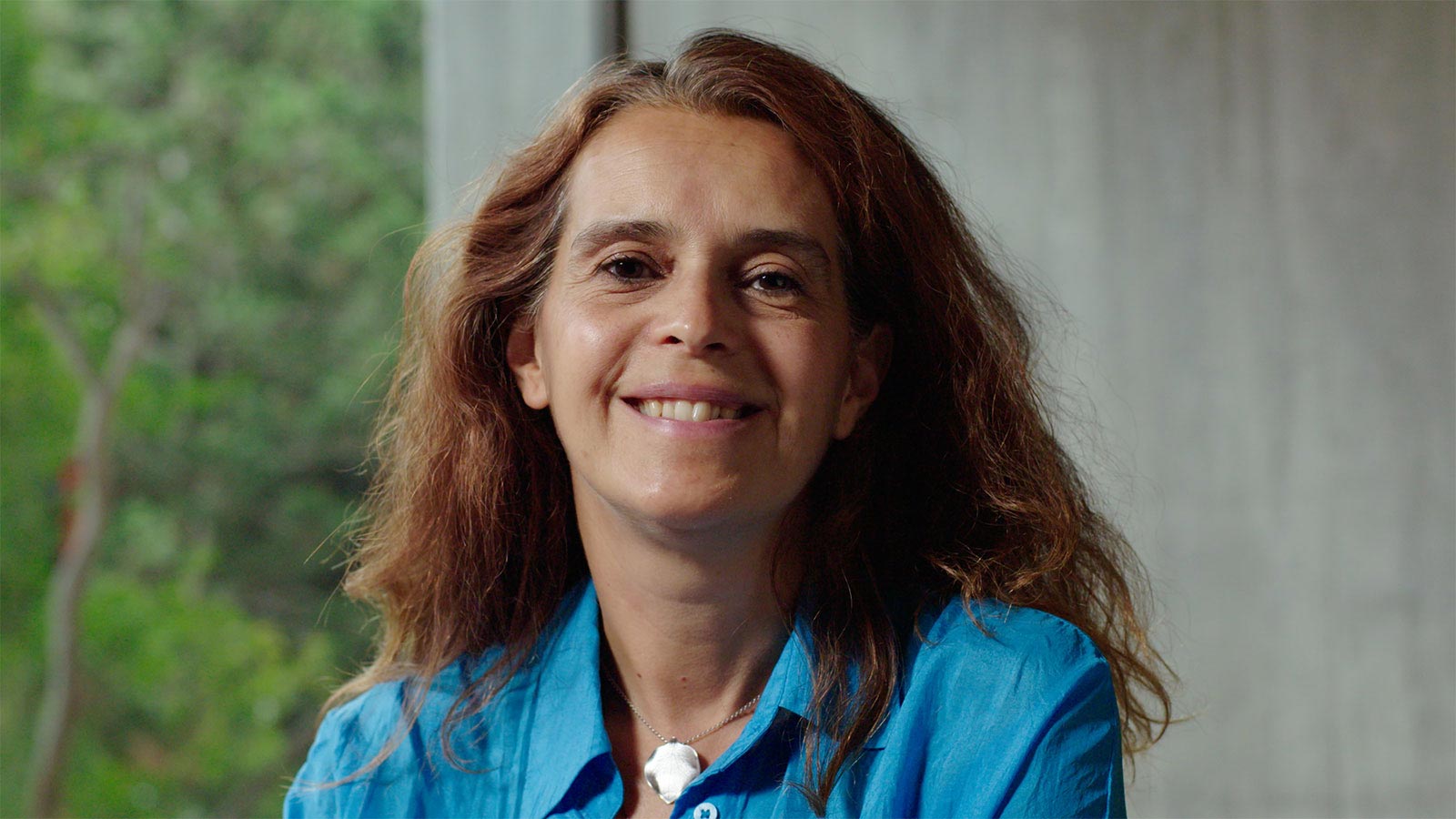
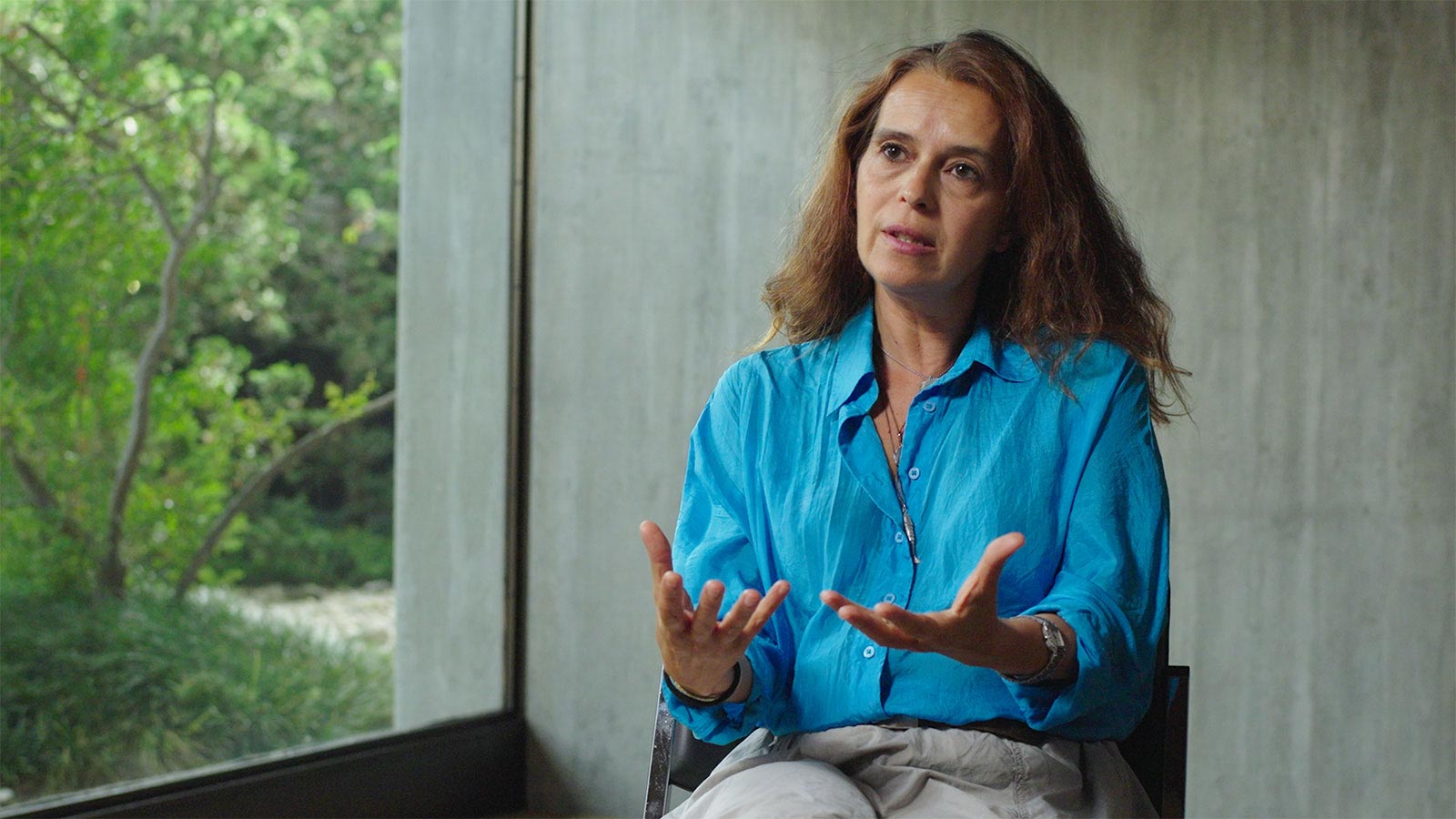
Commissioned by the Calouste Gulbenkian Foundation to Ipsos APEME, the study “Clima de Mudança: perceções sobre os desafios ambientais em Portugal” sought, among other issues, to understand citizens’ attitudes towards environmental issues: What are their concerns? What drives them to mobilize for sustainability? Which myths persist? What can individuals do to make the world more sustainable? In this interview, the author of the study, Filipa Dias, shares some of her ideas.
What was most surprising to you about this study?
I was surprised – or, I should say, somewhat frustrated – to find that, despite sustainability having been discussed for so long, it still seems that things are still at an early stage. When we asked Portuguese people what individual behaviours, in their view, have the greatest impact on the fight against climate change, the most common response was “separating waste and recycling”, when we know that energy transition and the transformation of mobility are much more relevant. It’s surprising that the necessary shift in paradigm is taking so long.
Are you talking about daily routines?
Yes. We need to activate a community that can bring about change by adopting new, more sustainable routines.
71% of respondents believe that urgent action is needed, but only 16% see climate change as a priority. How can this be explained?
People are concerned about health and the cost of living, which are basic needs. Although sustainability is important, there are more pressing issues in their lives. They think in terms of days, weeks, months – too short a time frame for sustainability. In one of the interviews, a young man said: “I know there is a sustainability problem, but right now I am more concerned about someone who does not have the means to survive. When the environmental collapse comes, we will all be affected!” In other words, social and environmental issues cannot be seen as separate dimensions…
The community is not homogenous. Different groups require different responses.
Yes, I agree. The common goal of sustainability makes it challenging to understand relevant segments in order to mobilise a diverse community. Raising awareness of environmental issues is an achievement. The study identifies a minority – 8% – who are completely disconnected from the issue. These people are “not interested”. Then there is the rest of the population: a quarter are “enthusiasts”; they know there is much to be done, but they highlight what is already being done. They are more optimistic by nature.
They tend to be open to experimenting and embracing new challenges in how to live their daily lives in a more environmentally friendly way. There is also another quarter of the population – 27% – who, although committed to the environment, do not recognise the collective effort and feel a certain frustration. They are the “hard workers”. We need to give them a voice, recognise and value their efforts, as an incentive for others.
Then, we identify a less committed segment of society. In this category, we have, on the one hand, the “receptive” – 25% – who do some things, even if not consistently. Above all, it is necessary to capture their attention and inspire them, because although they are fairly open to these issues, they do not tend to seek information independently. On the other hand, we have the “busy” – 15% – who are overwhelmed by their daily lives and tend to think that what they do is already a lot. It is important to “capture” them in their free time and propose sustainable solutions that, more than anything else, are good for them.
Watch the videos
No results were found for your criteria.
Who’s “we”?
It’s the organisations with the power to make a difference and set an example, working closely with people: local authorities, schools and cultural venues, relevant companies and services, all those that intersect with people’s daily lives, capable of creating new, more sustainable contexts and promoting new habits.
But for this process to be virtuous, it is important to ensure three essential factors. First, consistency in the experience of these new sustainable behaviours – the experience must be positive and beneficial from the point of view of the individual, household or community. Taking mobility as an example, if we want to encourage the adoption of public transportation, it is important to ensure that the infrastructure and service are reliable, i.e., positively consistent – punctuality, comfort, speed, for example – making it a viable alternative to individual transportation. Then, it is important to ensure scale: what I do in my neighbourhood should be possible in other places I inhabit, for example where I go on holiday. Finally, I have to realise that, with these routines, something is changing. Once I see the impact of what I do, it will be easier to seek or be open to continuing the change, introducing new behaviours.
And young people, how do they fit into this equation?
Young people are a force for hope that must be awakened.
When we ask them what worries them most, they mention unemployment, the cost of living, and inflation. Our young generations are rebelling because they cannot afford to buy a home, because they are afraid of not finding a job or, worse, finding a job but not being able to meet their basic needs. As a community, we have a responsibility to create neighbourhoods, infrastructure and services with which young people can identify and feel part of.
What myths has this study uncovered, and how can we deconstruct them?
It is still widely believed that the transition to sustainability is costly. It is important to debunk this myth by adopting a path of reduction, reuse, or circularity. For example, in the European context, we stand out for the importance of cars as the main means of daily transport. And it is perceived that switching to an electric car is costly. However, rather than just changing cars, it is important to introduce public transport into the equation: cars give us autonomy, but they also bring with them the stress of traffic, the difficulty of parking, and the cost of parking and fuel. We need to create and validate new value metrics: being able to relax on public transport, being able to anticipate travel time, not being limited by the cost of parking or where the car is parked…
There is also the famous misconception: “whatever I do, it won’t make a difference”.
Yes. We may be heading towards a ‘“banalisation of the environment” if we are unable to demonstrate the positive impact of the individual and collective changes promoted and why they are necessary to respond to the challenges of climate change. How can we turn this around? Once again, entities with the power to create infrastructure and carry out policies and measures at a local level can make this sustainable path viable and render it accessible and relevant. The concept of individual ecological footprints can be a hindrance by pressuring each individual to be a builder and traveller of a path that is hard to navigate. We must reinforce the meaning and strength of community in this transformation that is beneficial to all.
How does one make that possible?
We must put the ‘enthusiasts’ in the centre of change, where they can lead by example. Sustainability is a journey, a work-in-progress that will never be entirely perfect. However, setting a public example is not something that can be done by one entity alone. Each community must bring together entities with the capacity to create consistency and scale in order to win people over and, through this community effort, validate and demonstrate the positive impact of a new reality.
Would you like to make any suggestions?
The city of Münster, Germany, has embraced the challenge of energy transition to achieve total independence from fossil fuels by 2030. They have invested in a community strategy, challenging the population to make a collective change, creating incentives for people to organise themselves into cooperatives to purchase wind energy infrastructure. It is a large investment that an individual cannot make alone. People became partners in this investment, gaining access to energy for their own consumption and income from the sale of surplus energy. It is inspiring because individuals, at their scale, really grasp the power of community.
Another example: in Paris, an abandoned railway station was transformed into a space open to the public where urban gardens were created to supply the café, workshops were built for people to repair electrical appliances, and workshops, film cycles and other activities were offered. The existence of these spaces can be inspiring for a “receptive” person and appealing to a “busy” person who goes to that café and “stumbles” upon a more sustainable lifestyle.
On another level, a few years ago, the president of the National Cyclists’ Association said that the vast majority of children in urban areas did not know how to ride a bicycle. If we want to encourage cycling, we need to invest in teaching people how to ride. What if we introduced cycling into physical education classes in schools? What if we created incentives for young people who come of age to get electric bikes, promoting this means of transportation as an alternative to motorbikes or cars?
We have examples with solid results…
There are also some good examples in Portugal that point the way forward.
The awareness strategy of the Rio Neiva Association in Esposende involves promoting the river as a source of life and good experiences in the community, particularly through sports activities. As they grow up enjoying the river, children internalise the importance of protecting it, becoming “guardians” themselves. This is an example of how transformation is not achieved by decree but by setting an example.
Alegria de Viver, which seeks to address the social isolation of older people, has created a ‘Casa Alegria’ (House of Joy) in Belém that is open to the community. The existence of this space has encouraged neighbours to meet, and groups have naturally formed, independently establishing routines such as card games and group lunches. An inspiring testimonial shared by one participant was: “I couldn’t invite people to my house, but I can organise a lunch at Casa da Alegria”. We can do the same exercise with the environmental issue at its core.
These examples capture the factors that the study highlights as essential for engaging citizens more effectively: proximity, an optimistic approach, and experience of the reality that one wishes to explain or promote.
You may also like






No results were found for your criteria.