
“Cultural democracy is like sustainability: it only happens at a local scale”
-
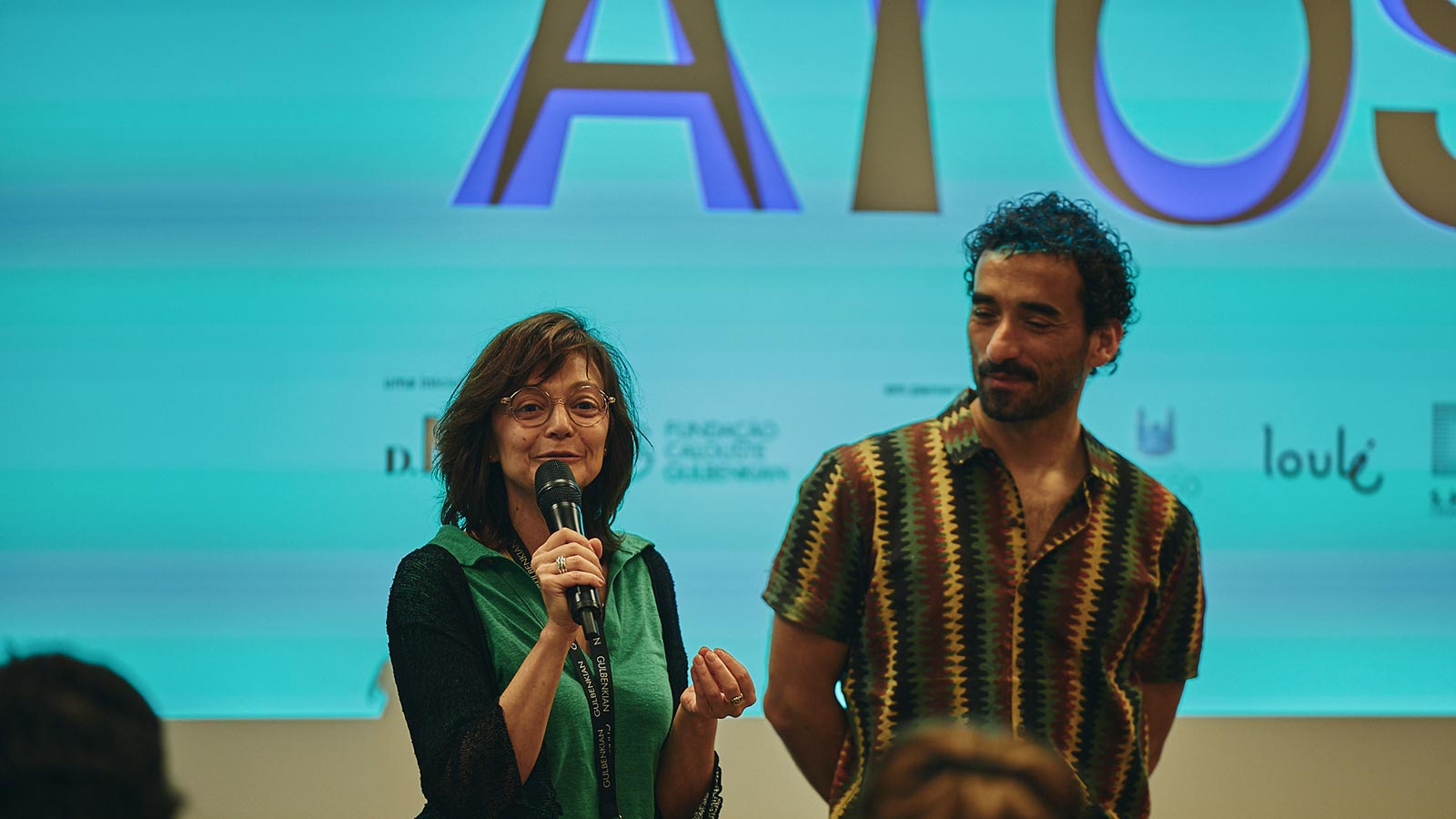
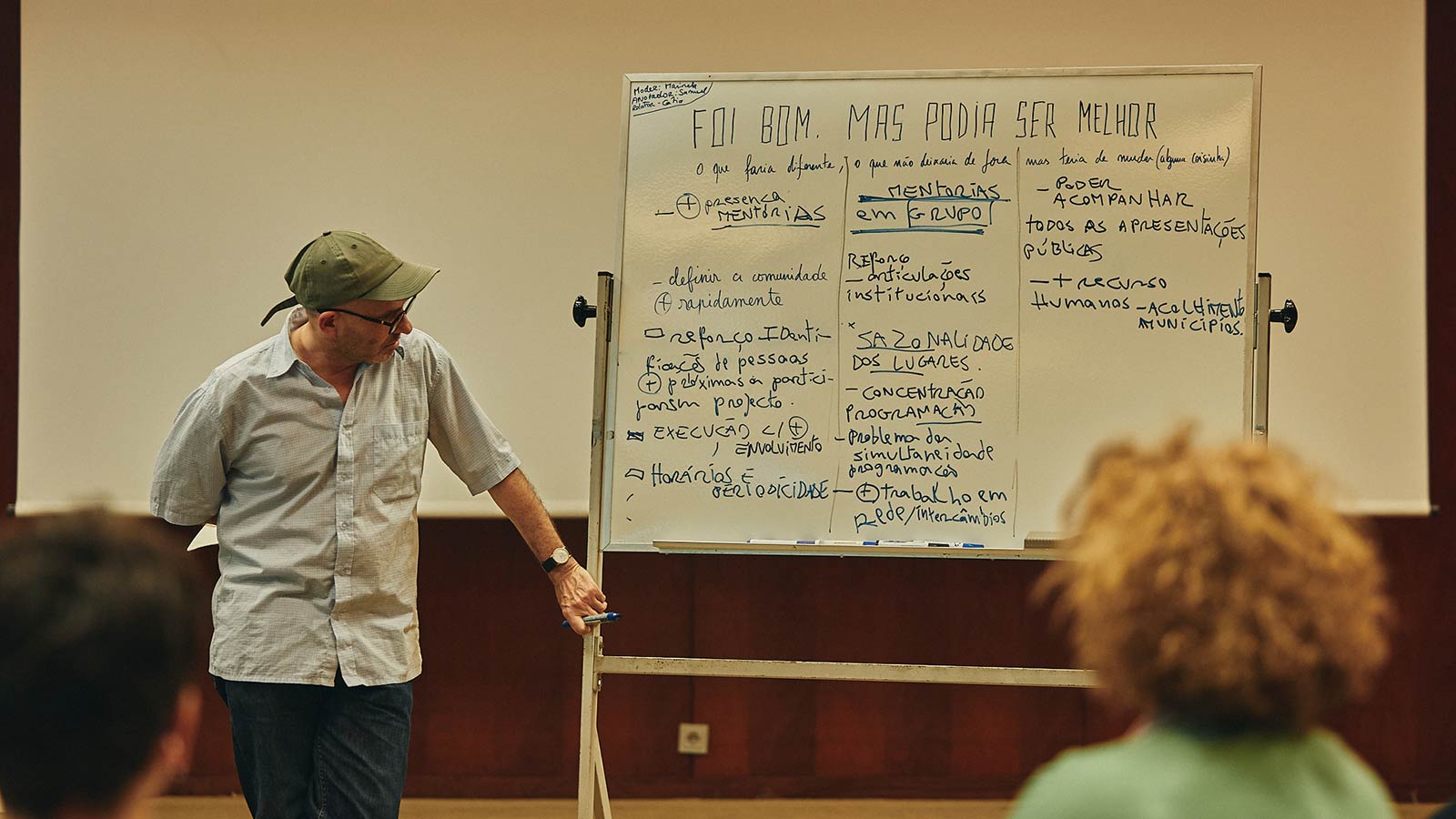
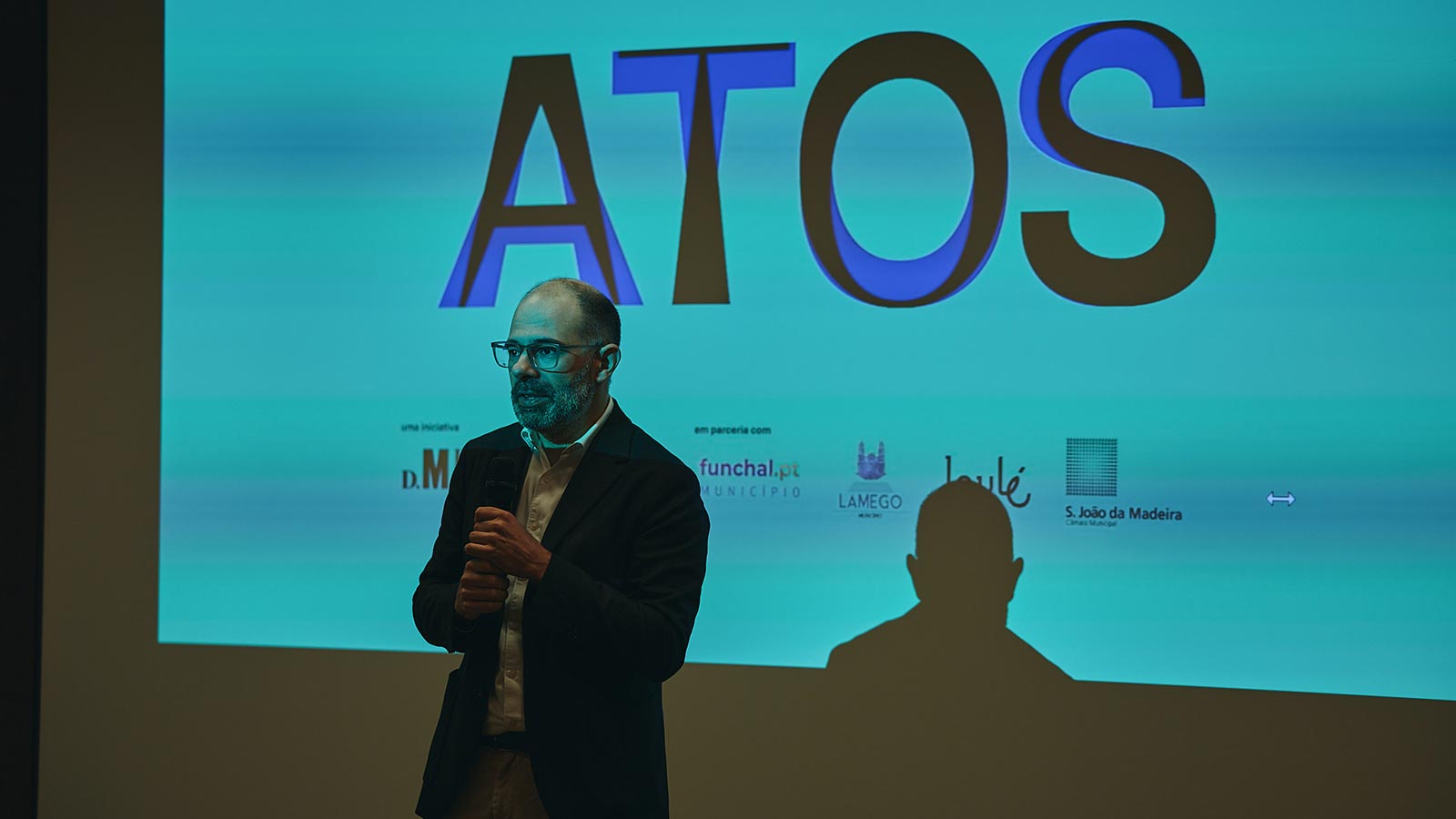
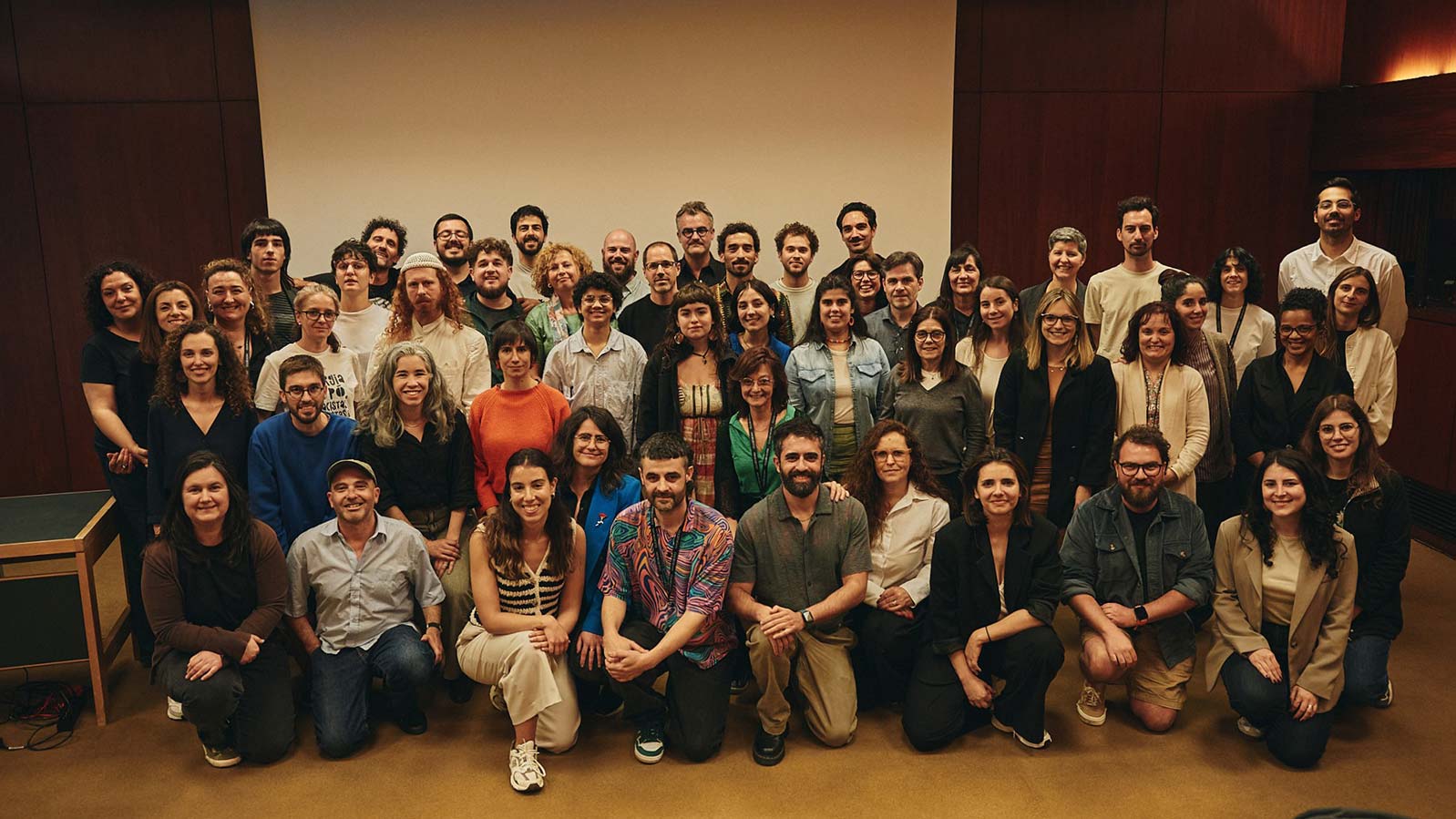
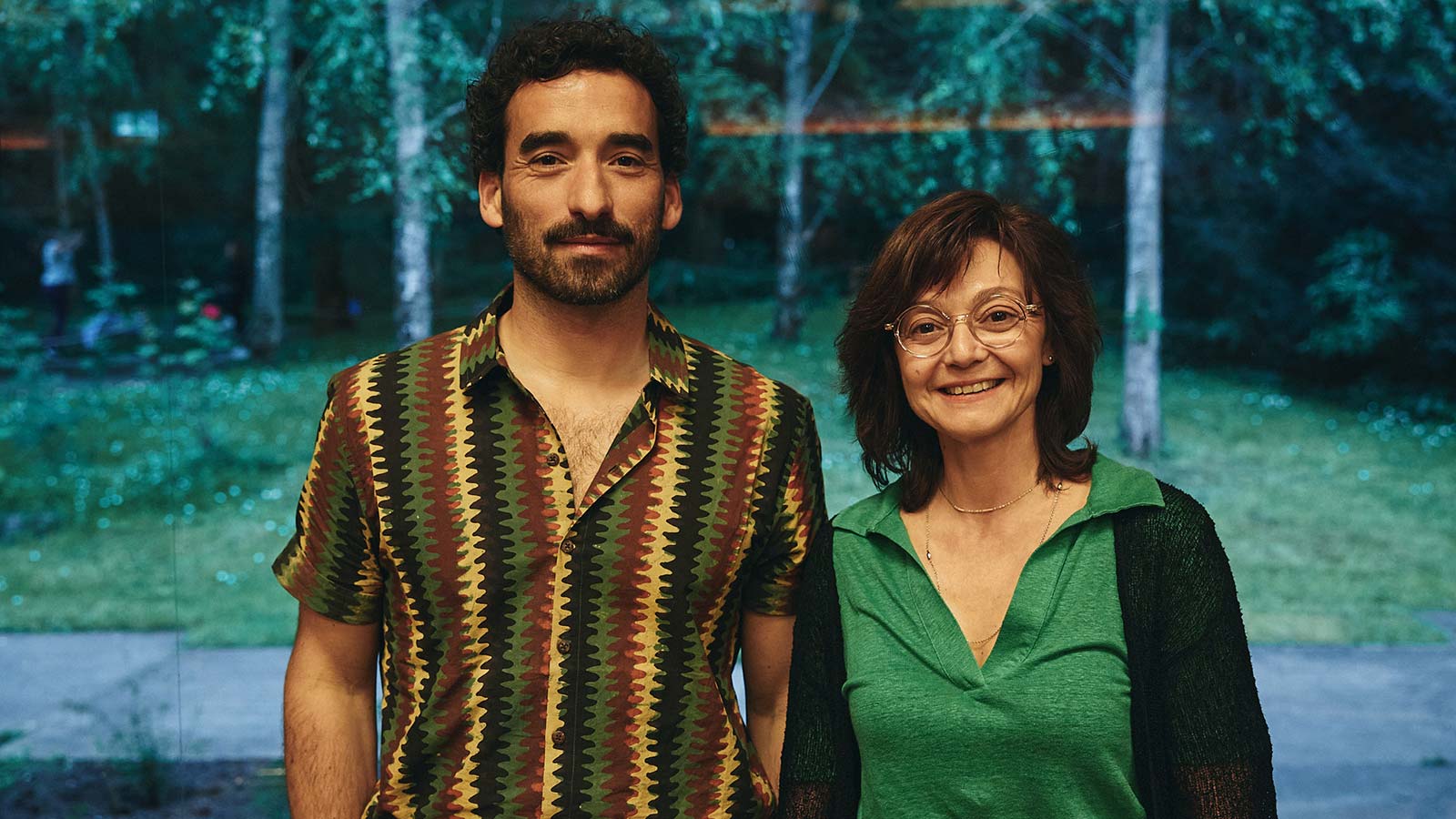
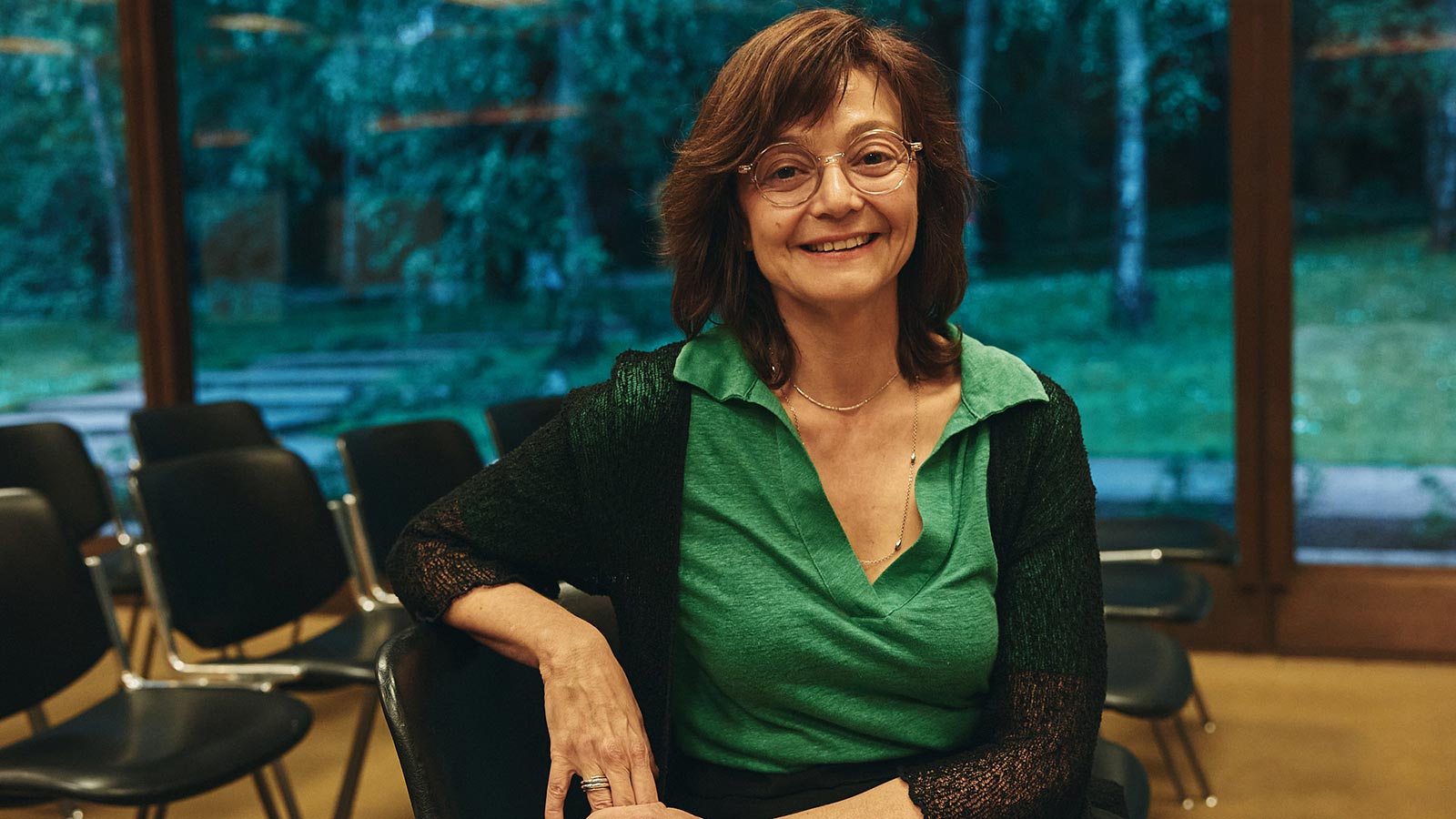
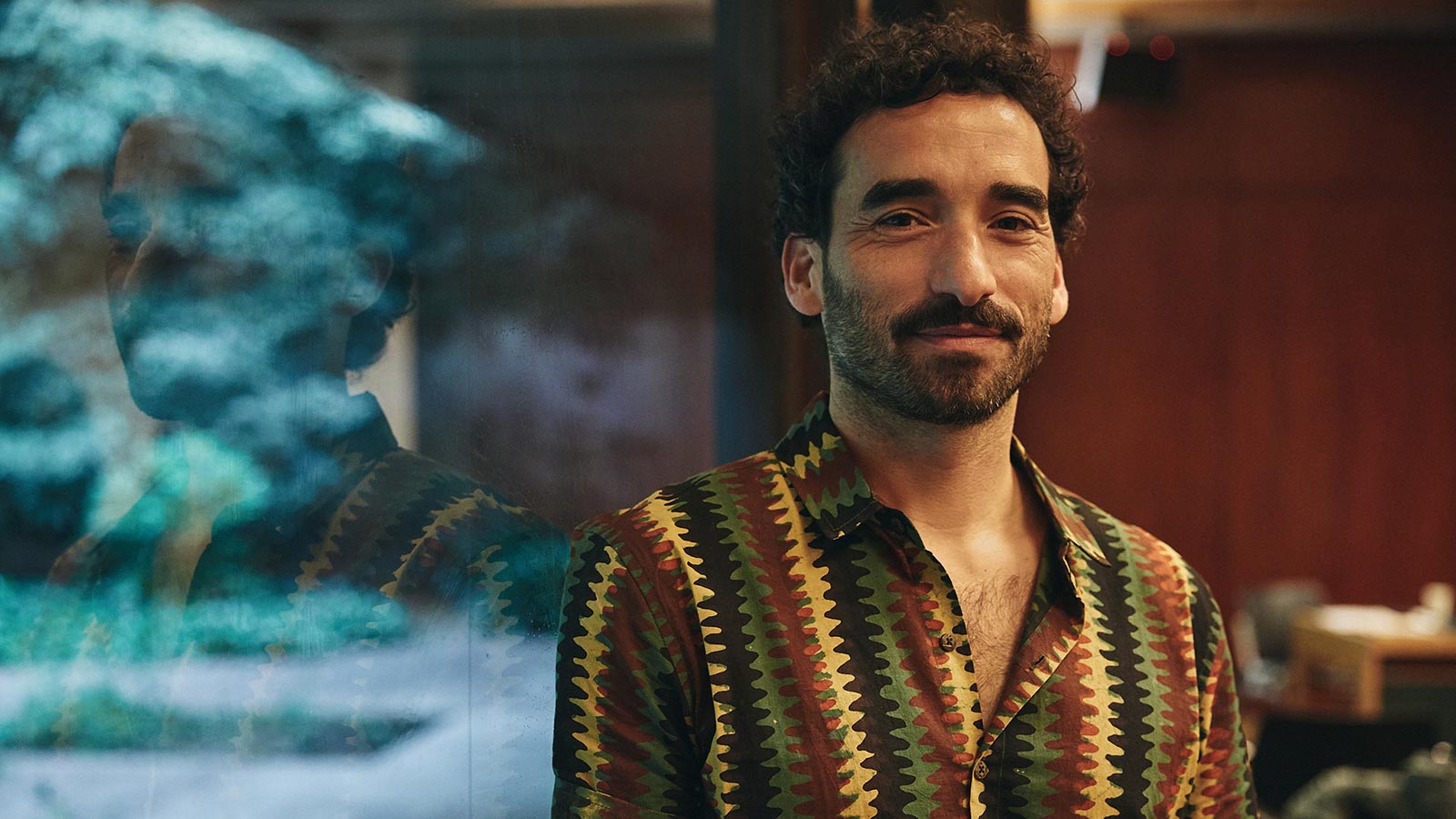
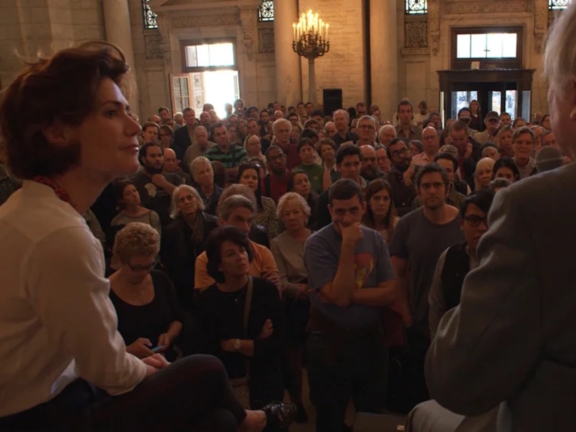
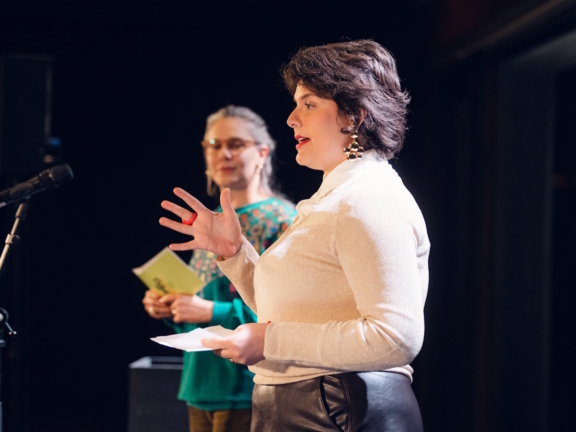
Narcisa Costa (Calouste Gulbenkian Foundation) and Luís Sousa Ferreira (D. Maria II National Theatre) at the “Ideas into ATOS” meeting © Filipe Ferreira
Much is said at these meetings about adjusting expectations – the gap between dreams and reality. Looking back on ATOS’s first year, what surprised you most, and what did you have to adjust?
Narcisa Costa (NC): I don’t know if I would exactly call it an adaptation — it was mainly a process of growth. It began in that first year, 2023, when we carried out a mapping exercise of the entire territory, before deciding to pursue this theme in greater depth in 2024 with six municipalities, and from 2025 onwards with four. There wasn’t a fixed, ready-to-implement plan to begin with; it was a trajectory that gradually took shape, based on this desire to put into practice examples of cultural democracy, civic participation and the involvement of local communities in shaping the cultural guidelines of their territories.
We began by bringing artists and collectives to work in each of the different territories alongside local people; we then moved on to a phase where the work with the artists was carried out on a more sustained basis, with local agents playing a more active role, whilst at the same time developing this other aspect of reflection and dialogue – bringing the themes of participation and cultural democracy to the table for people to discuss. After that, our next step was to focus on the will of civil society. This meant that our approach gradually began to resemble initiatives led by citizens within their own local areas.
Luís Sousa Ferreira (LSF): It was a journey of both scale and depth. At first, our work was deliberately broad – almost superficial in the best sense: we were creating a vast, skin-like layer across the country. But over time, we realized that our true concerns lay elsewhere. The challenge was never in the artistic participation itself; projects always ran smoothly on that front. The real complexities arose in everything that came before and after them.
It was about understanding why, even when people get involved, enjoy themselves and want more, things don’t carry on. What causes this ‘hangover’ we hear about so often? Which conditions are missing? What structures need to be in place so that participation doesn’t fizzle out at a certain point? And so, year after year, it became a challenge to find yet another answer, step by step. We felt a shift in focus here, because we realised we needed answers that the broader scope wasn’t providing.
Why did you choose to work with these four municipalities in particular (Loulé, Lamego, São João da Madeira and Funchal)?
LSF: At first, we selected six, trying to ensure representation from the different regions (mainland and autonomous). These were municipalities which, upon initial contact, were keen to explore these practices in greater depth, but also faced very different circumstances. Working in a municipality with just one parish, such as São João da Madeira, is very different compared to the needs and challenges of Funchal – an island city and among the largest in the country – or Lamego, which is more rural, with a more scattered and ageing population.
This diversity has helped us realise that there are no ready-made solutions. Needs vary, so the approaches must too.
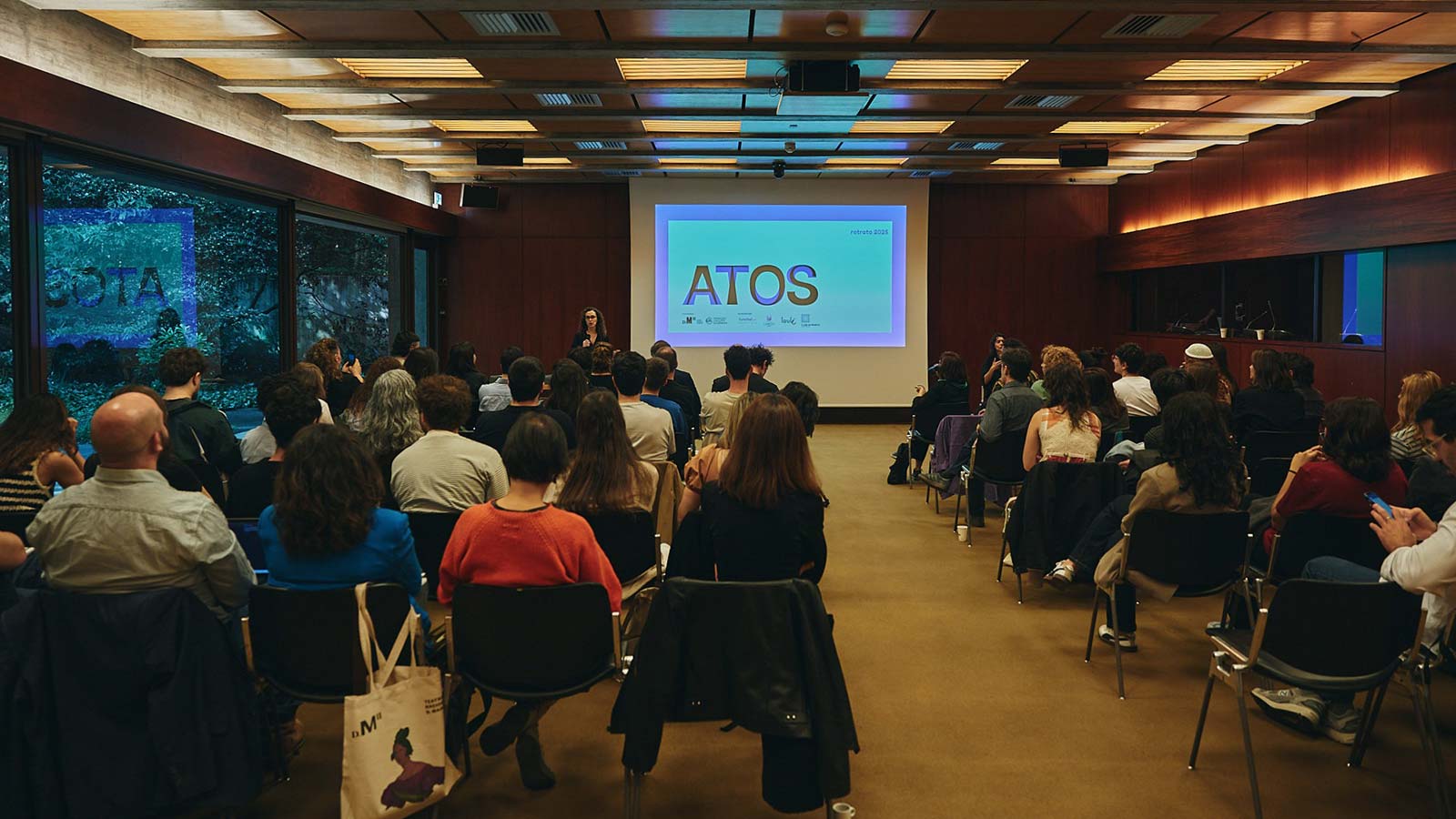
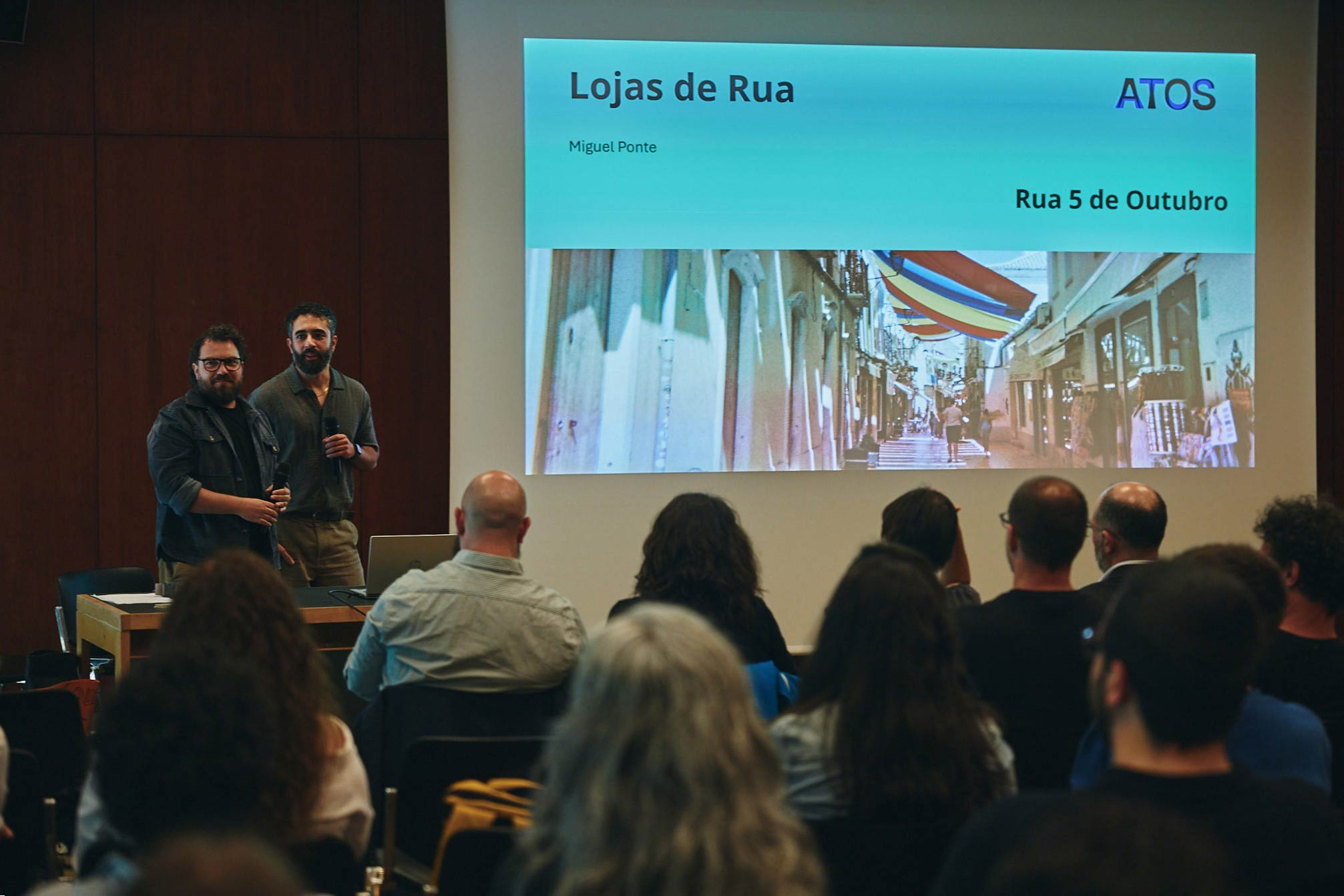
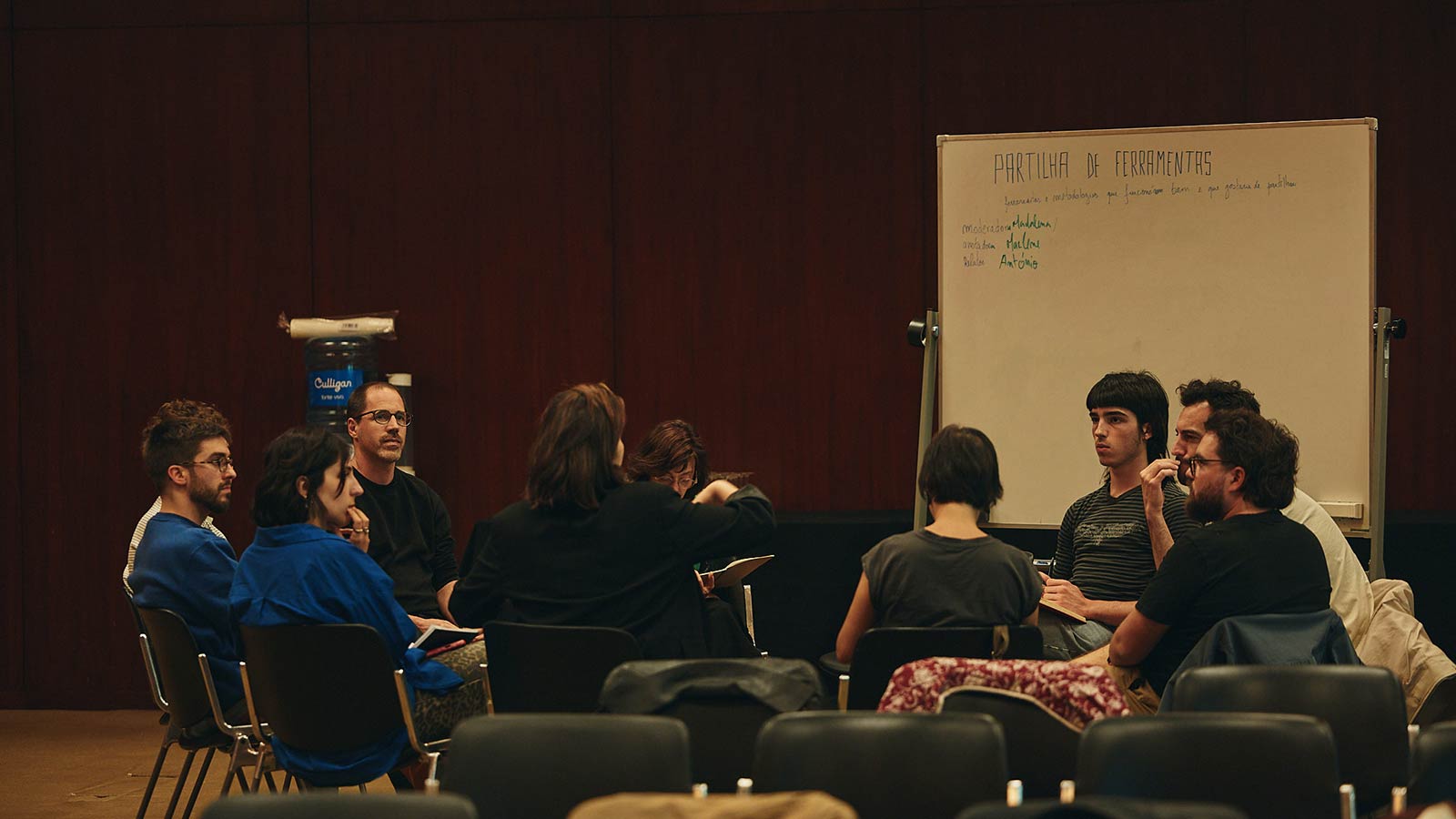
Why is this work with municipalities so important?
LSF: Because cultural democracy is like sustainability: it only happens at a local scale. The central government, and organisations such as the D. Maria II National Theatre or the Gulbenkian Foundation, can act as catalysts, promoting programmes, dissemination and critical thinking, but it is at the municipal level that the practical conditions for these activities to take place are created. The work with the communities and the citizens happens there. I always end up quoting Zeca Afonso: he used to say that the cultural revolution wasn’t about taking his music everywhere, instead it was about going places and listening to the music made there.
Our aim has never been to go into these areas to replace existing structures; we always look to local cultural institutions as our most natural partners – that is, theatres, cultural centres and others. This is precisely what has been so interesting: the relationship between these different scales.
NC: This work also involves us stepping back from the centre of the action. Because, in the first year, I think it’s very difficult to step away from that position. We show up with two big names like the National Theatre and Gulbenkian somewhere, and the first reaction is: this is the National Theatre and Gulbenkian’s project. Over time, though, our work has been to make sure the project is increasingly led by the people in the area. The idea is to support, create the right conditions, and provide the tools, but let the local agents take the lead.
In one of the presentations, Luís mentioned that cultural institutions are “a necessary evil”, and that ideally they wouldn’t exist. Could you elaborate on this idea?
LSF: That was rather provocative, wasn’t it? [laughter] Institutions are necessary to make things more sustainable and profitable, but culture operates on a different timescale, and it should be a relationship between us and our community, us and the world, us and the landscape. Hip-hop didn’t emerge because an institution put out a call for proposals; things emerge because people come together, meet up, because there’s a problem and a need for solutions.
Institutions often interfere with this organic process, and instead of being a means to an end, they become an end in themselves. It is one thing to be like sports institutions that work to ensure high performance among athletes; it is quite another to believe that physical activity only exists if there is an institution mediating it. Physical activity can take place in the garden, in a park, on the road, in the street. There is a hyper-institutionalisation of culture that mediates, codifies, prioritises and creates stratification, which is also a reason why many people turn away from cultural practices.
Obviously, institutions are necessary, and it is a good thing that they exist. What matters, I think, is that they understand where their presence is needed, where their efforts can be most effective, and how they should engage with society, without ever attempting to replace its own initiative.
NC: And this has to do with the difficulty we still have in perceiving culture as a right. It seems that we still seek validation within these structures that dominate our imagination when we think of culture, rather than seeing it as a right we have as human beings.
What, then, is the Cultural Participation Platform that you hope will emerge from this process?
NC: The Cultural Participation Platform intends to be a relationship-building tool for local governments and communities, with the aim of encouraging community participation in cultural activities and initiatives. The platform will differ from region to region, as each will be tailored to the specific characteristics of its local context. It may have a digital component, but also a physical one – and, from what we have observed, it will most likely take a hybrid form.
On the one hand, it can provide very practical information: how to organise an event in a public space, what permits are required to stage a performance, or what resources and venues are available in the municipality. Systematising this information can, in itself, be a great help, because people often do not know where to start or what is needed to organise cultural activities. On the other hand, the platform will also help the municipality to place participation at the heart of its cultural strategy. Listening to people and their wishes, and helping them to have greater agency and autonomy in cultural dynamics.
LSF: I would say that, above all, it is a means of reducing barriers to participation. Participating is a challenge in itself. Coming up with an idea and putting it forward to the community, even more so. We live in a very individualistic society, so any obstacle acts as a further disincentive. If we can make the rules, processes and access clearer, we’re already making things easier. But the platform can go further than that: it can also be a source of inspiration, challenges and proposals. Rather than just providing clarification, it can also encourage people.
As you look to the future, how do you expect these platforms to make an impact?
LSF: At the local level, I would very much like to see, in the near future, the continuation of everything that has been achieved over the past few years; in other words, the people are engaged, they have set up forums, organised training sessions and taken part in projects, and now this platform can act as a unifying force in order to sustain these efforts.
Another essential aspect is the development of the local arts scene and the ability to support independent artists, associations and collectives that are emerging, so that they feel they belong to a vibrant community where things are happening – just as stimulating as a big city like Lisbon or Porto, or any other European capital. That would be a wonderful starting point.
NC: On a broader level, we would like to provide concrete examples, because when we talk about cultural democracy, it remains a very abstract concept for most people. If we can demonstrate how this concept is put into practice, using real-life examples, this could help other local governments, artists and communities to explore similar approaches.
I also think that participation is something we need to cultivate even more. People need to realise and feel that each individual’s opinion can make a difference, that it can contribute to tangible change, and that they don’t always need institutions to organise themselves.
Has this process changed the way you work within institutions?
LSF: A great deal, really. The ATOS project brought about a revolution in the way we work internally at the D. Maria II National Theatre – from the role of each person to project management and communication practices. Our approach remains open-ended and uncertain; it is developed in partnership with organisations and participants, and the final outcome only becomes clear at the very end. All of this has introduced a new way of working and thinking about culture from within an institution, which has been both revolutionary and challenging. When things become too organised and fixed, they cease to generate innovation. Given the needs we encounter, and the fact that nationwide cultural participation figures remain very low, we have to do something different. Seeing large, established institutions reinvent themselves and experiment with new ways of working is, in itself, a very positive message.
NC: And, in the case of the Calouste Gulbenkian Foundation, it’s important to take risks and attempt things that haven’t been done before, even when we don’t yet know where they will lead. The whole point of ATOS wasn’t to take an idea we wanted to implement into the community; it was to listen, understand, and adapt as we went along, so the outcome only becomes clear once it has happened. I believe this is the way to truly build something new and strengthen the relationship between culture and people.
What do you take away from these meetings?
LSF: This network of people. It was something everyone wanted; they were always asking, “What about the others? What are they up to? How are they getting on?” It is important to foster this interdependence not only amongst the staff in each municipality, but also amongst the artists themselves – to build relationships, seek out common ground and address complementary challenges.
NC: This year we have chosen one project per municipality, and it will take place in one of the other municipalities in the network, precisely to strengthen ties between municipalities and among cultural agents. During this meeting, it became clear that these dynamics are already leading to new contacts and potential collaborations, with some municipalities expressing an interest in hosting other projects in addition to the one that was initially selected. So, I think our role is really to set this in motion and create the conditions that will allow these dynamics to take place.
About ATOS
ATOS is a programme launched in 2023 by the Calouste Gulbenkian Foundation and the D. Maria II National Theatre, which aims to encourage civic and artistic participation within communities, thereby strengthening the impact of initiatives promoting cultural democracy. Developed in partnership with local governments and arts organisations, the programme travels the country promoting participatory artistic practices, reflection on cultural democracy, training and mentoring for local agents, contributing to the production of knowledge and the development of more sustainable and decentralised cultural policies.
You may also like
No results were found for your criteria.