
“We need to stay cuddled up together, Brazil and Portugal”
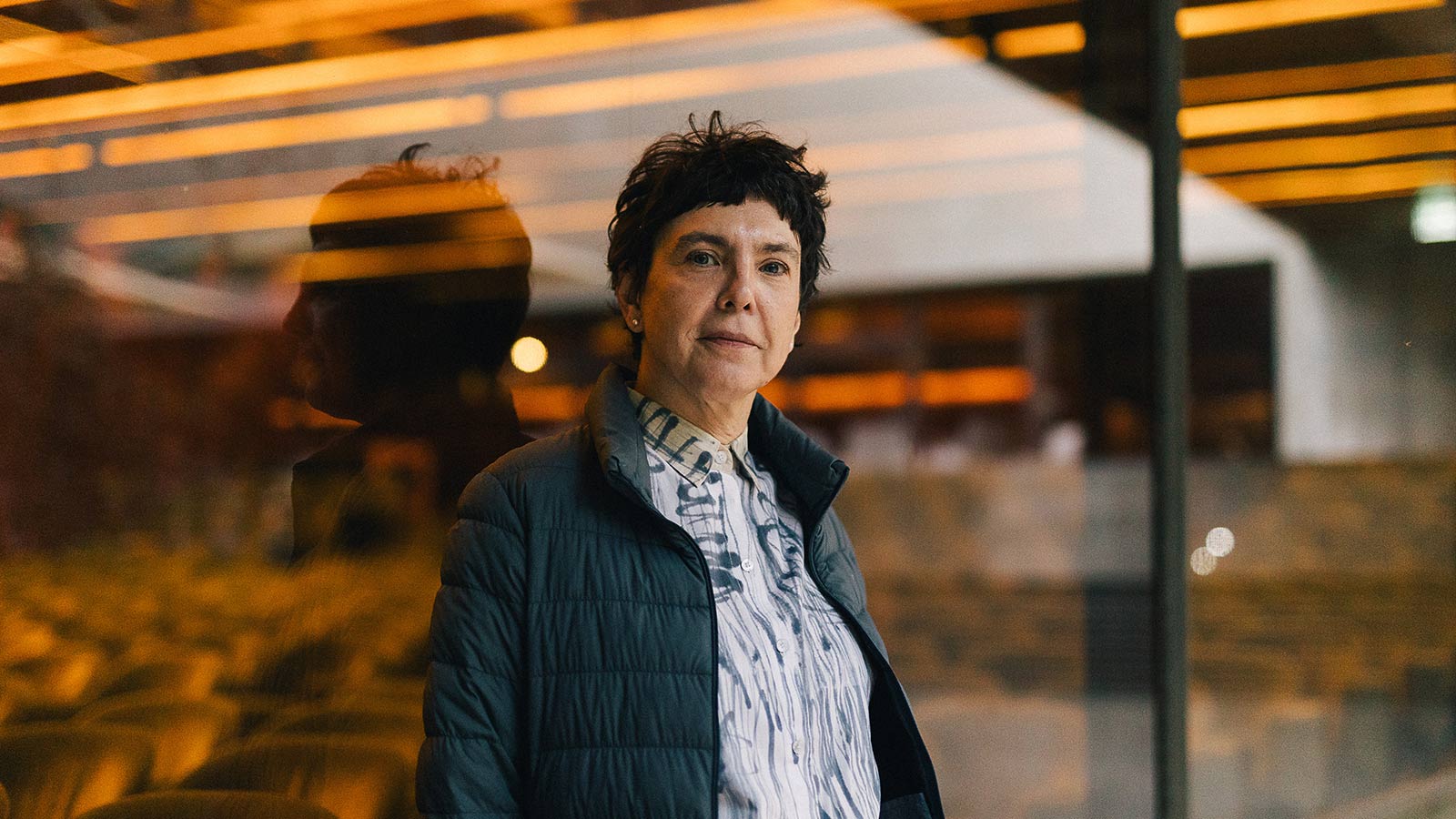
The title of this exhibition is based on the idea that “Brazil is complex, not homogeneous”. What do you find most compelling about this interpretation?
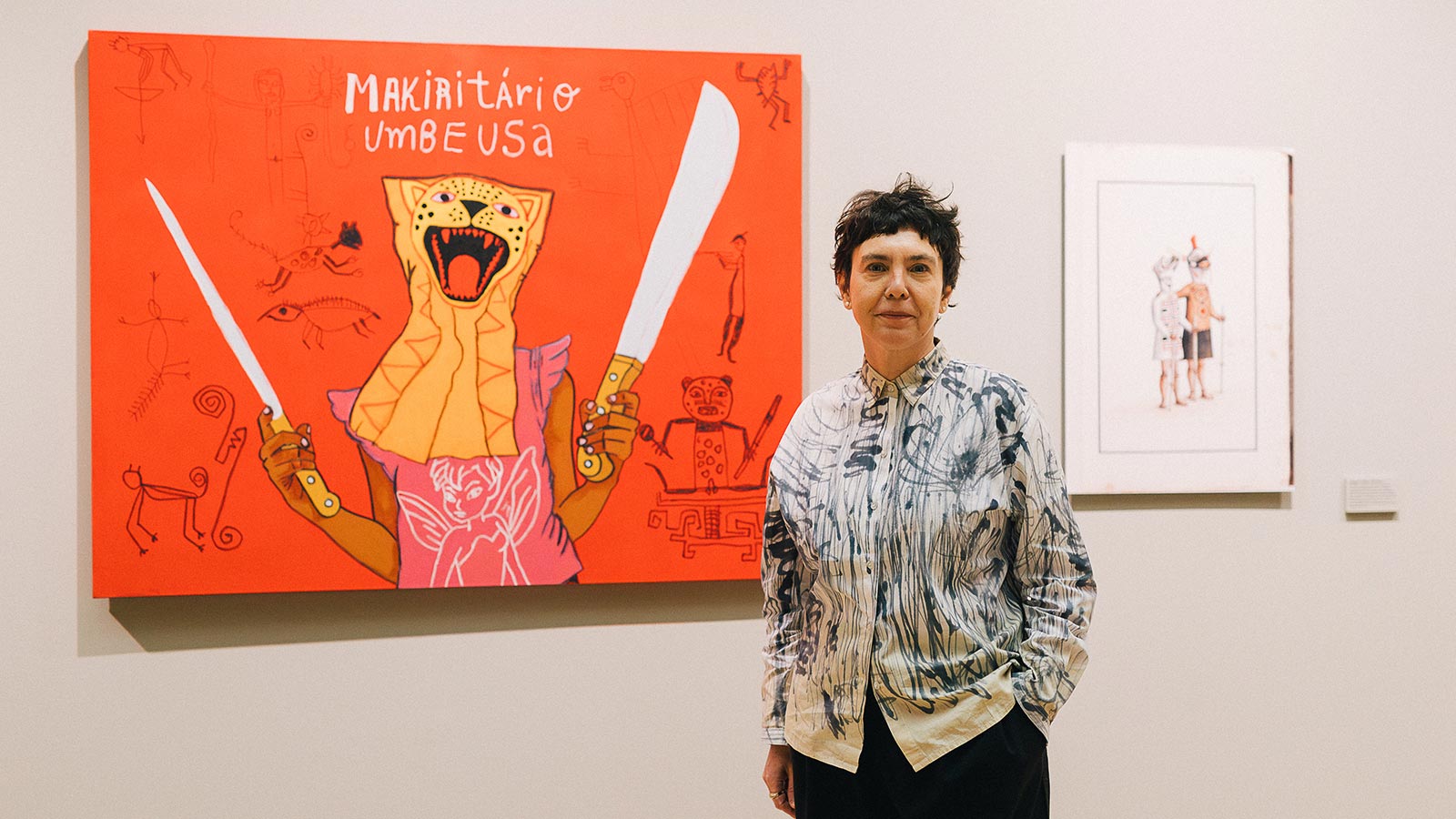
“Complex” is a word of many meanings and possibilities, which is also true of the exhibition, where we find this, shall we say, indigenous or quantum idea that time unfolds with everything happening at once: past, present and future. And this word is also interesting because complexes, favelas, the Complexo do Alemão, are embedded within this term, and I found that very interesting.
After seeing the exhibition, was there a particular piece or a certain part that resonated with you?
The exhibition explores the realities of Brazil. It is difficult to choose just one thing because they are all closely related. Something I find really interesting is the work of black and indigenous artists, like Gê Viana, Denilson Baniwa… they’re kind of resolving some issues of modernism, issues also raised by Oswaldo de Andrade. Denilson Baniwa, in my opinion, is the artist who surpassed Oswaldo de Andrade. I am a big fan of his work, and I think the piece that was selected is incredible.
There’s also a very sharp eye from the curators, which places the geometry that comes from indigenous art, from indigenous culture, from different peoples, alongside with the neo-concretists, with geometry, again, from another point of view. It literally creates this geometry corner, which was one of the things that impressed me the most.
What was the process that led to the two presentations created from the exhibition (the “Complexo B” lecture-show and the “Brasília” musical conversation)?
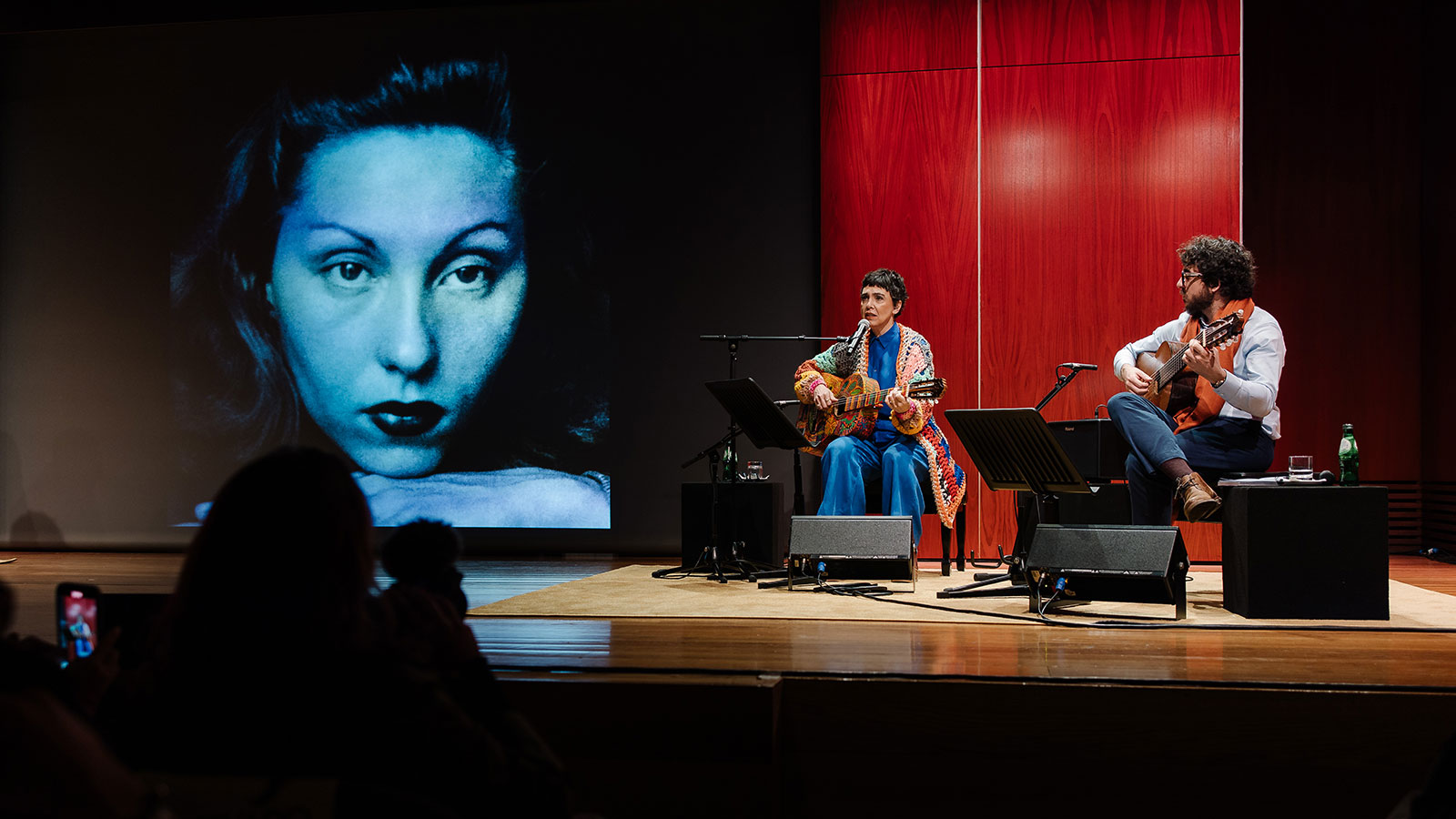
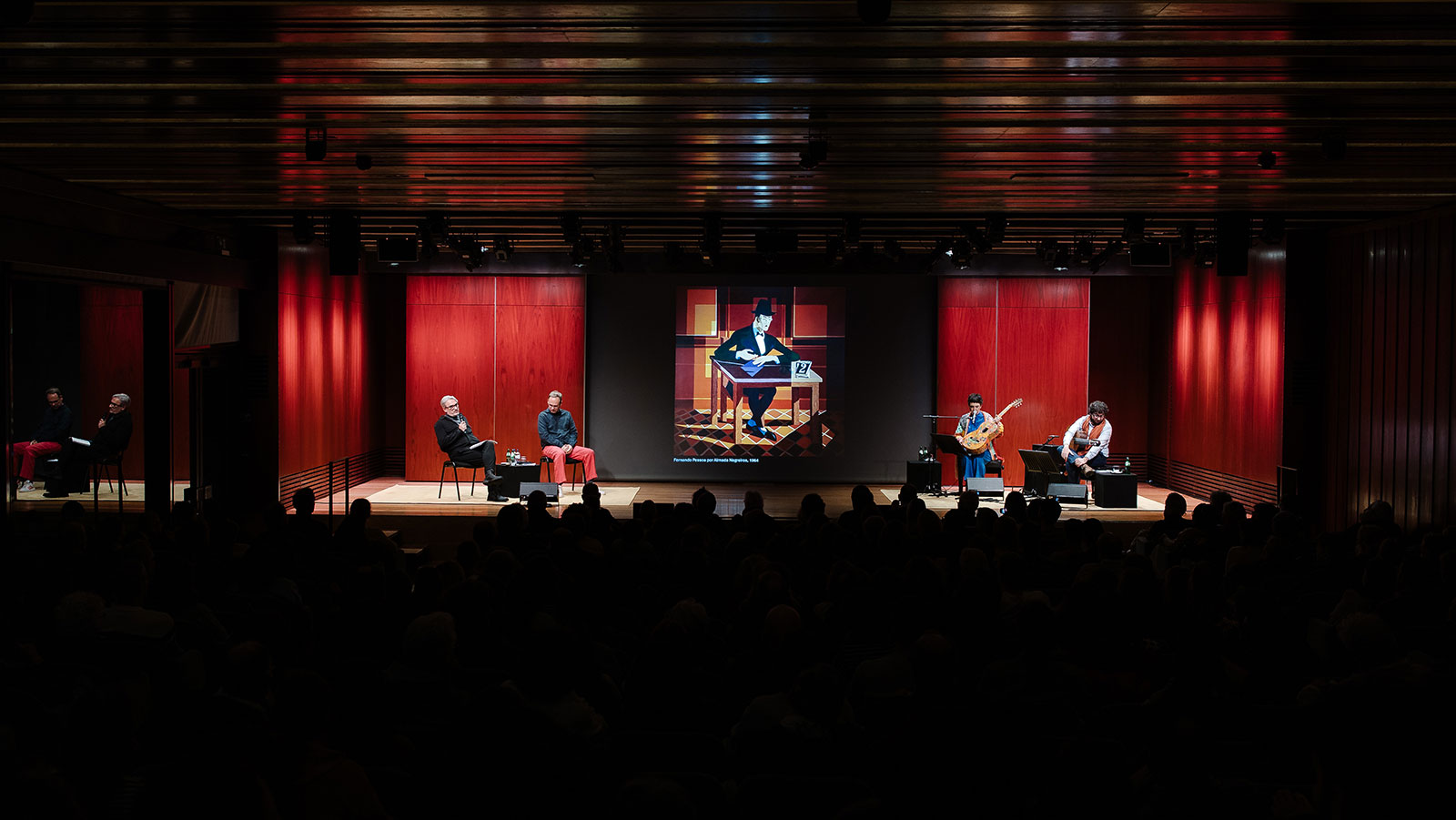
For the first show (“Complexo B”), with José Miguel Wisnik and João Camareiro, Zé Miguel, when he first spoke to me about what he would like to do, said: it’s no different from what we’ve been doing already. And during the show itself, I kept thinking about how the poems I turned into music, by Portuguese poets, are the result of a long process. What we did here was to organize a repertoire; we met and talked about it many times. He is the curator of the exhibition, and everything he chose is really connected to this point of view.
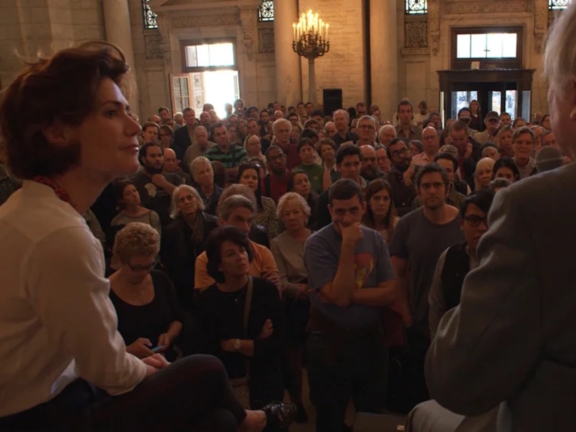
Saturday’s conversation was about the idea of Brasília. Professor Nuno Grande and I had already lectured on this subject a few times at the University of Porto, the University of Coimbra, and FLIP in Brazil (with Guilherme Wisnik). And it’s interesting because events unfold and we have to include more images of Brasília as a kind of agora of Brazil, so to speak, which exposes, without filters, its beauty and its flaws, the contrasts of Brazil, all at the same time. So Brasília is kind of a never-ending thing.
You also gave voice to a text by Clarice Lispector about Brasília at the exhibition.
That text by Clarice is remarkable, and in some moments even prescient. It reveals her sharp insight, her vision of the future, her sense of urgency. Because Brasília was conceived as if there were no population there, in that spot in the Cerrado chosen as the site for Brasília, but there were Xavante peoples, there were quilombos[1]. So the idea was to build an invented city, something magnificent, like an effort of invention by architects, on a place that was not populated. But that piece of land was not unpopulated. We can see that Brasília tried to change a system, an idea within Brazil, but in fact it ended up reproducing it.
The candangos, the people who built Brasília, don’t even have the right to attend the inauguration of Brasília. At the inauguration, there are politicians, the president, everyone in high hats, and the candangos are outside, on the outskirts, because that’s where they sleep. There is no idea of coming together, of partnership. They remove the Quilombo, they remove the Xavante, they build a modern city, and the candangos are excluded, they go to work and return to the north, to the northeast, because Brasília is tough.
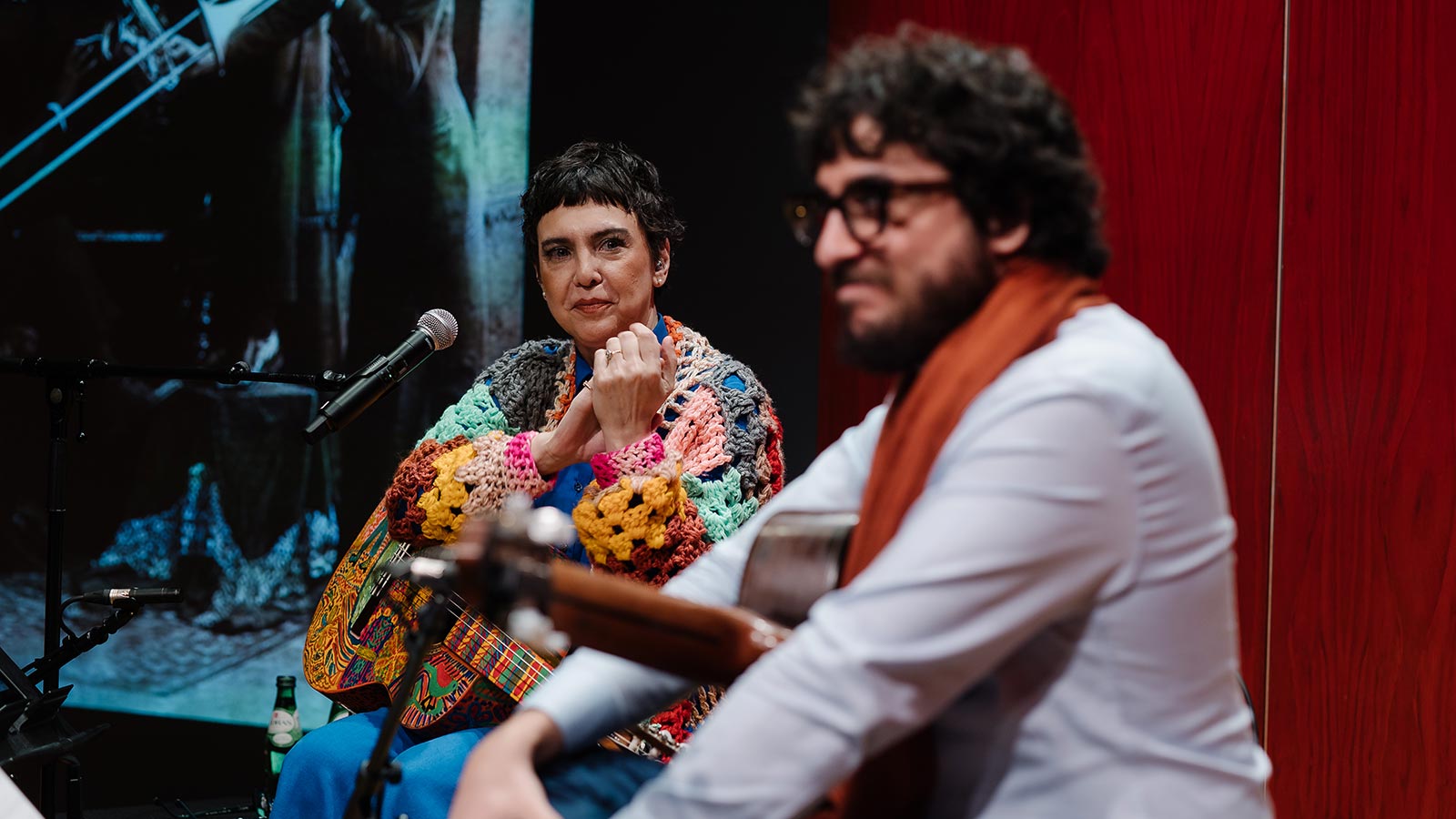
Today, the critical re-examination of colonial history is a widely discussed topic. As an artist, how do you deal with this past? What role can music play in this context?
Music has played a very important role in this invention, in the construction of Brazil. I think that makes perfect sense. From this anti-colonial perspective, the interesting thing about the exhibition is that it reveals a cover-up. It’s not about making a discovery, it’s about revealing a cover-up. I really like that.
And music is a soundtrack to that. You see the influences and black music, like that part of the exhibition that is samba de terreiro music and João Gilberto’s music being the same thing: we know they are, but the way it is presented is very powerful. These are ideas that those of us who think about Brazil know, but they are touching when presented in this way.
You’ve had long and deep ties with Portugal, including your role as an ambassador for the Portuguese language at the University of Coimbra. Is this a relationship that is currently alive, that you nurture in a particular way?
Yes, I visited Coimbra just this year, and each time I go back, it becomes more profound. Every visit is special in its own way, like another building block in the construction of my relationship with Portugal.
I think it was because of this connection that I was invited, chosen by Zé Miguel to present some of my work. Like the songs in the repertoire for the first night, the song I wrote for Coimbra [“Corre o Munda”], while I was in Brazil missing Coimbra, in contrast to a poem that is so emblematic for us, which is the Song of Exile. And to present what I have been doing for many years: Portuguese poetry set to music by a Brazilian woman.
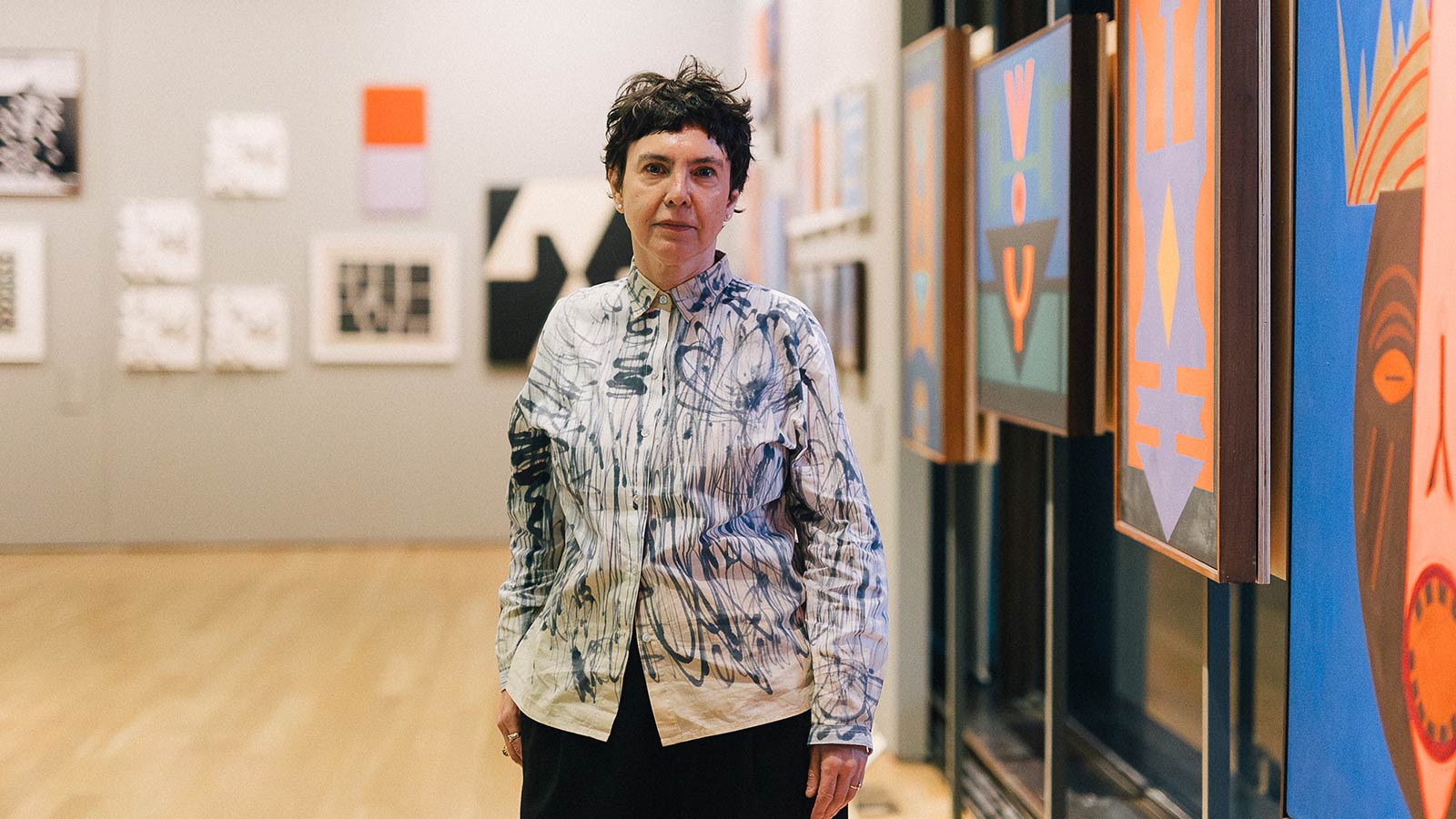
You have a very loyal audience here. How is it different from your Brazilian audience?
There is perhaps one difference: I think that in Portugal there is an even stronger connection with the Portuguese language, with poems. I have felt this connection since I first came here, and every time I have returned since then – so many times that I have lost count – I am always introduced to a poet, a poem, a work of literature… There’s always some Portuguese poetry I come across that fascinates me and stirs something within me.
So Portuguese people have a stronger connection with the lyrics and not so much with the music, the melody?
Yes. In the Greek sense of the song, the melody is something that preserves the poem, so that it can live on, so that it can be transmitted in oral culture. That’s how it was in Greece, that’s how it was with the troubadours, and that’s how it is in Brazil.
And this is something that José Miguel Wisnik explains very concisely. The classes I teach in Coimbra, this idea of elevated poetry conveyed through music, is something that comes from his already very elaborate thinking. Very well thought out, therefore, already very simple in its explanation, very polished as a concept.
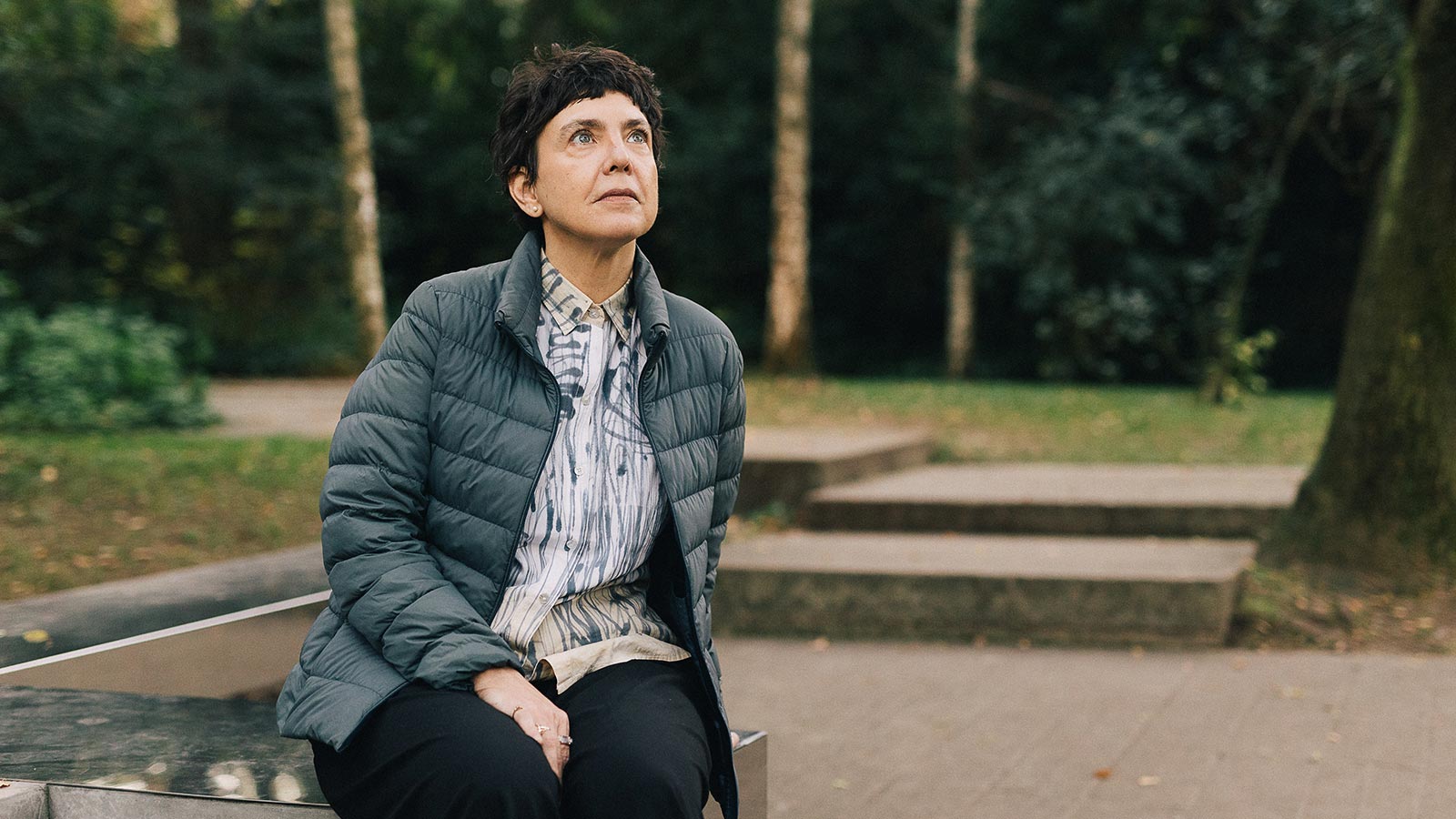
Looking ahead, how do you see the relationship between the two countries evolving?
I think we have to continue getting to know each other, discovering each other, rediscovering each other. I have rarely seen both Brazil and Portugal doing well. When one is doing well, the other is doing badly… There are waves of immigration and waves of emigration. Sometimes it’s like a honeymoon period, sometimes there’s xenophobic conflicts. And that’s just how things are in the world. Just like we had the far-right in Brazil, now we’ve got the far-right in Portugal. These are currents of the world. I think we need to stay cuddled up together, Brazil and Portugal.
Can initiatives such as this exhibition contribute to that process?
Very much so. I think it is very important for this exhibition at Gulbenkian to be seen by Portuguese people and the whole world, but above all… It is very important for Brazilians to come and see it. People have been deeply moved by it, and the staff here share interesting stories about people’s reactions.
Do you see it as a kind of attempt at reparation?
Yes, it is stating a fact. And it has many layers of meaning. As time passes, different times pass simultaneously. That indigenous belief that you can dream, that you can remember the future, is something that we, white people, Westerners, cannot grasp. But I think the way everything is presented really brings this possibility to life.
[1] Quilombos in Brazil are communities formed by descendants of enslaved Africans who escaped, symbolising resistance to slavery and cultural preservation. Today, thousands of such communities remain active, notably in Bahia and Maranhão. The Xavante people are an Indigenous group from Central Brazil, known for their strong culture, social organisation, and resilience.
You may also like
No results were found for your criteria.