
“They noticed they were particularly good at something and invested in that.”
-
Explore Talent 2025-26
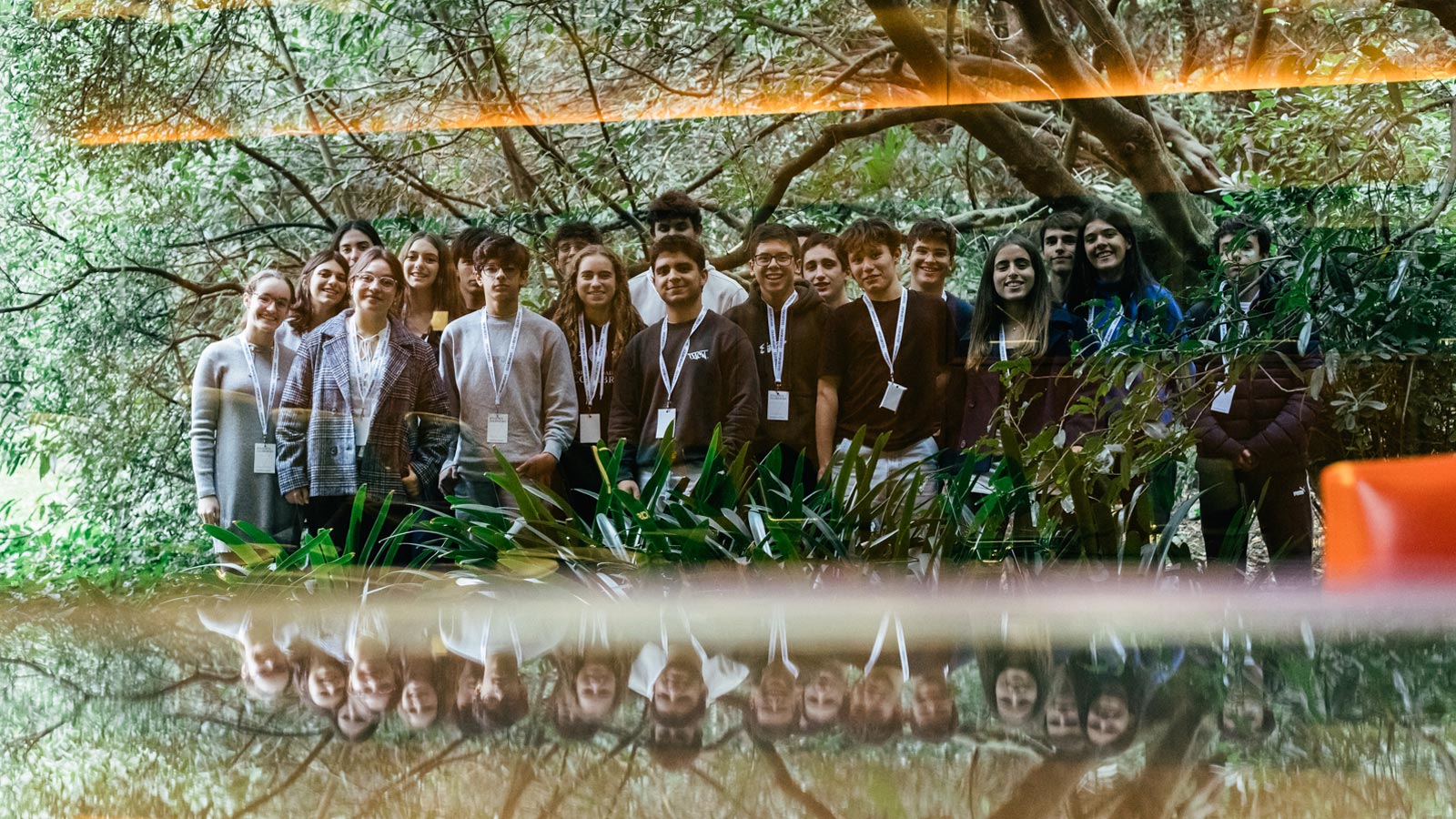
“I did not know how big this would be,” was how Francisco Santos summed up his weekend and the programme as a whole. The 15 year-old award-winning participant in the Portuguese Physics Olympiads is also passionate for the classical viola – a talent he has been developing at the Coimbra Music Conservatory.
No results were found for your criteria.
This willingness to explore, simultaneously, a hard science and “the purest way of expressing my feelings” isn’t just natural to him: it’s exactly what brought him to Gulbenkian for this 3-day bootcamp.
From Physics to Philosophy, every student in the room stood out in an Olympiad. But it wasn’t only their academic performance, or their competitive nature, that led to them getting picked. Professor Henrique Leitão, one of the members of the Programme’s Scientific Committee, explained to them that each and every one of them had shown that they had wanted to explore their abilities, and tried to do so proactively:
“You explored your natural talents. That’s what this is all about.”
Had they been born in another country, such as the United States of America, they could have been transferred to a specialised school by the first grade, where they would be challenged by a more demanding programme and, later, by university-level classes. “You would be more challenged than you are now,” Luís Plácido dos Santos, Gulbenkian’s Education and Science Service’s Director explained. “That’s what this programme is for.”
“You found your tribe”
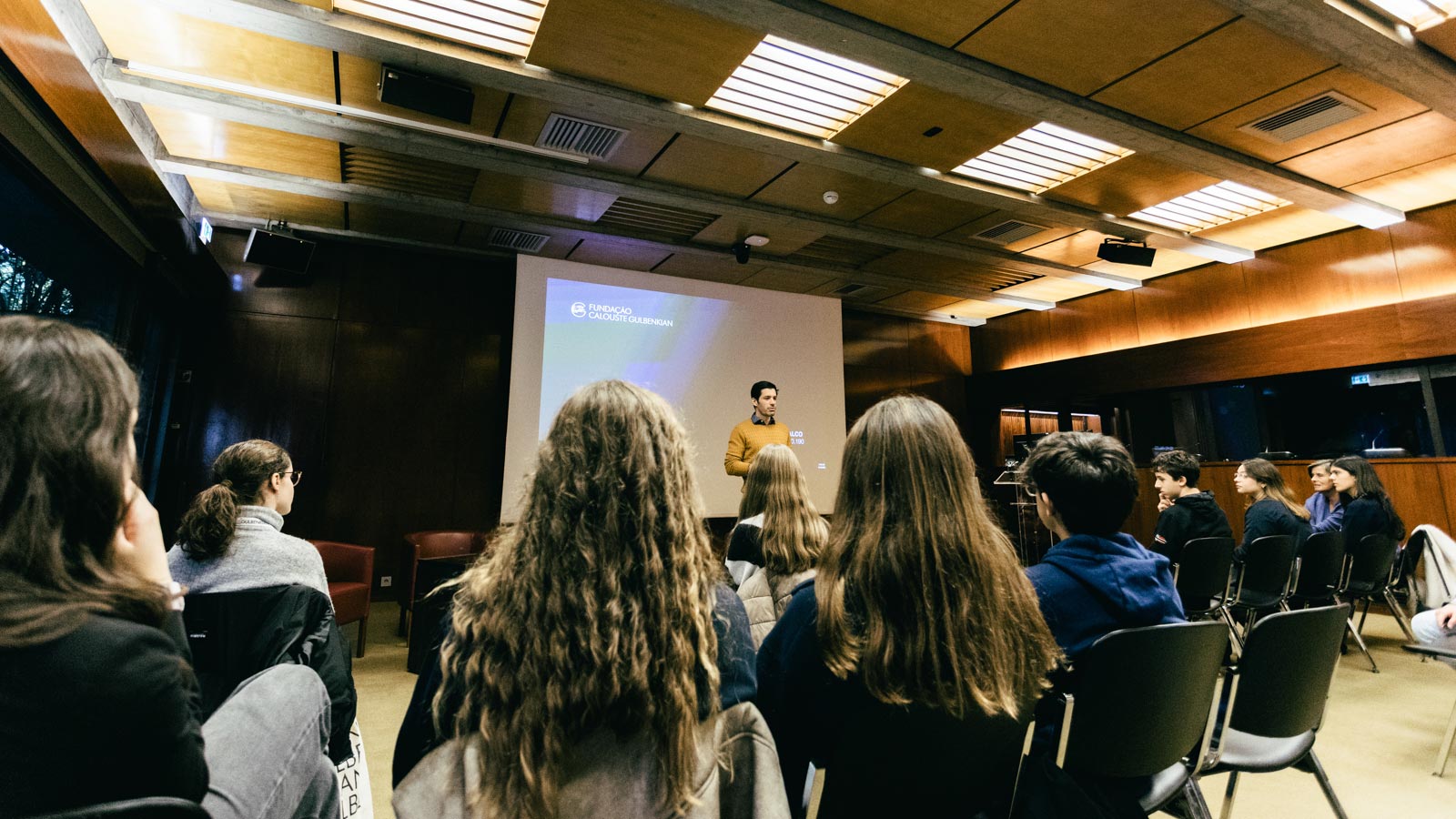
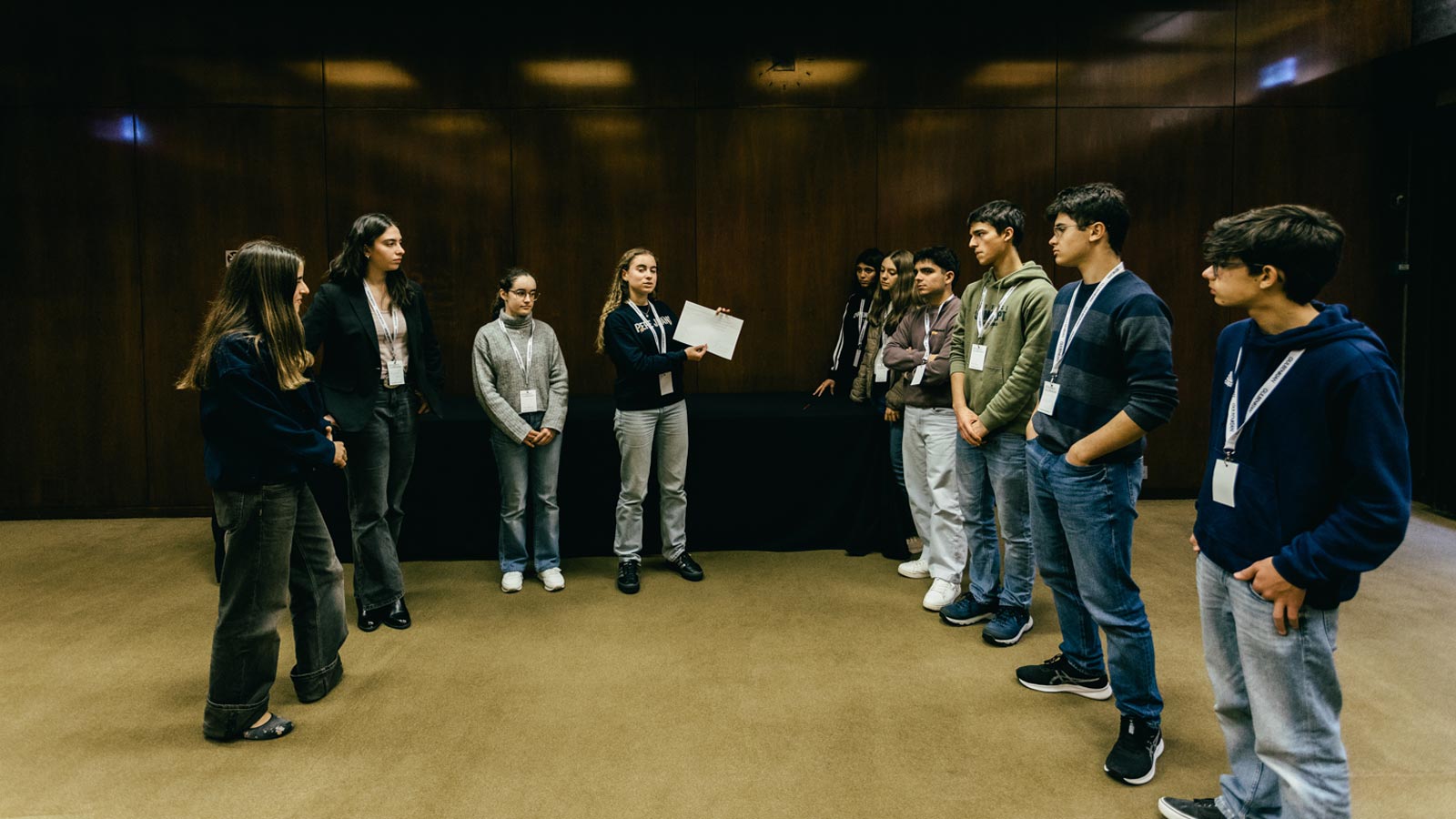
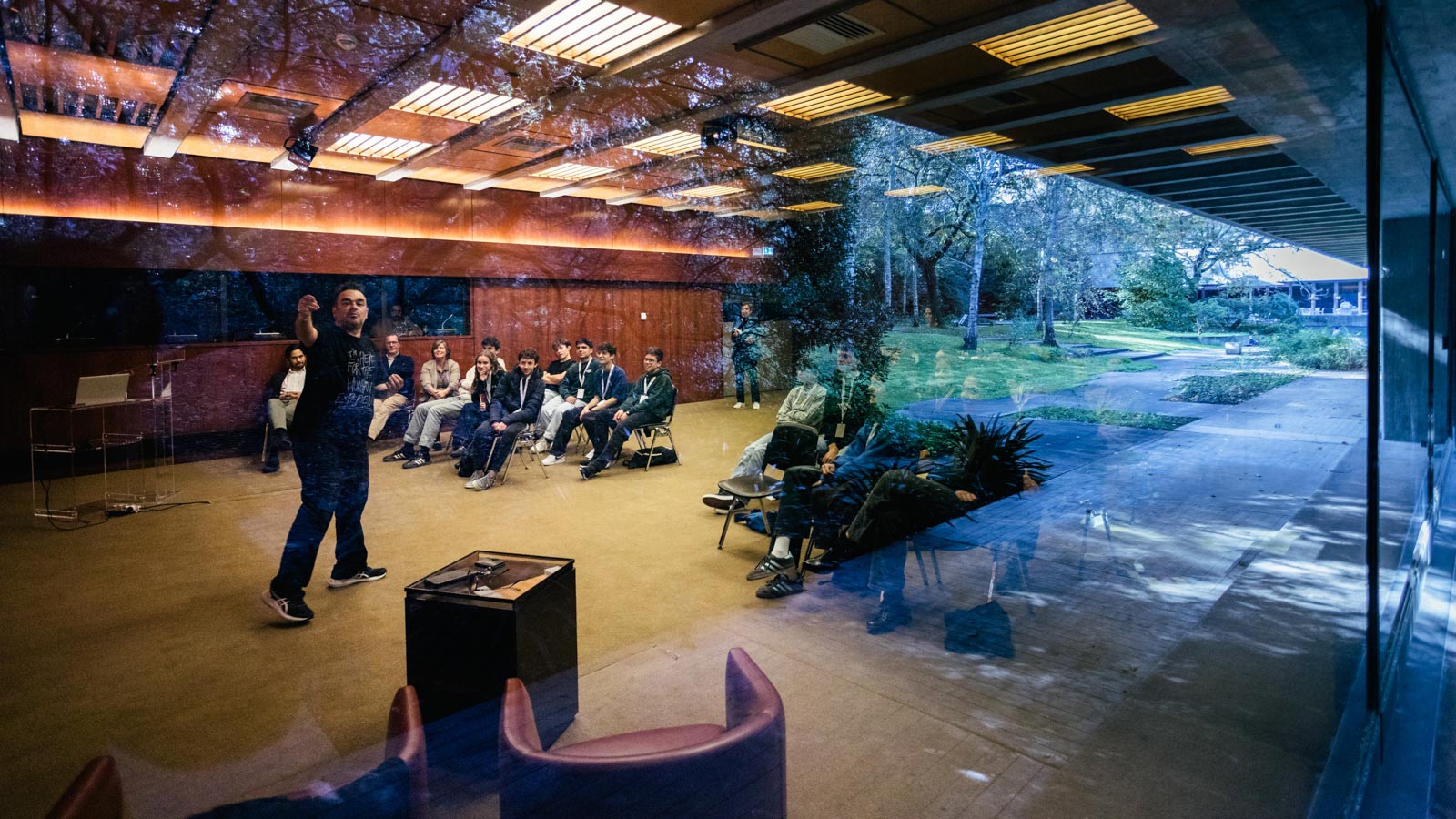
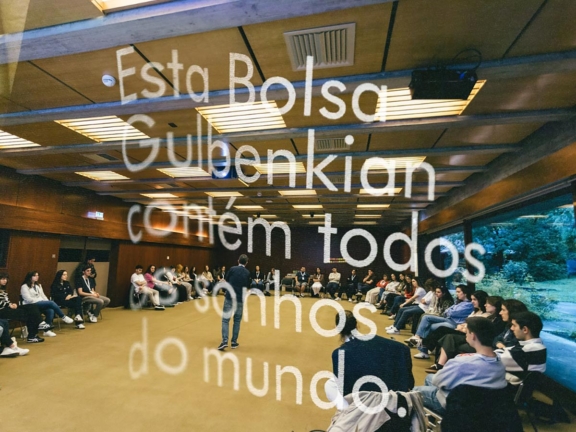
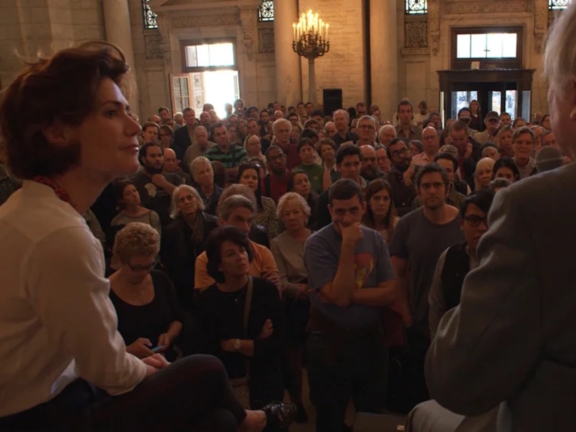
Over the course of three days, these 20 teens were challenged to leave their comfort zone, discussed critical thinking and molecular sciences, acted in plays, shared favourite maths formulas, studied scientific papers, and met such distinguished guests as José Maria Pimentel, from the 45 graus podcast, political commentator Miguel Morgado, and Maria Manuel Mota, executive director at the Gulbenkian Institute of Molecular Medicine.
This bootcamp inspired contact and collaboration, helping these students from all over the country discover people with different interests and life experiences to them, but also a kinship of minds that are as keen to learn as they are to teach. Maria Manuel Mota compared them to brand new sponges, absorbing every bit of knowledge they come into contact with. Pedro Tochas, who was once a Gulbenkian Scholarship recipient, shared with them a similar moment he experienced in a Clowning School, with the Foundation’s help: “Here you have found your tribe, just as I found mine.”
“It feels like I’ve known some of these friends forever, when I only met them on Friday,” agrees Inês Borges Correia, from Aveiro.
Preparing tomorrow’s citizens
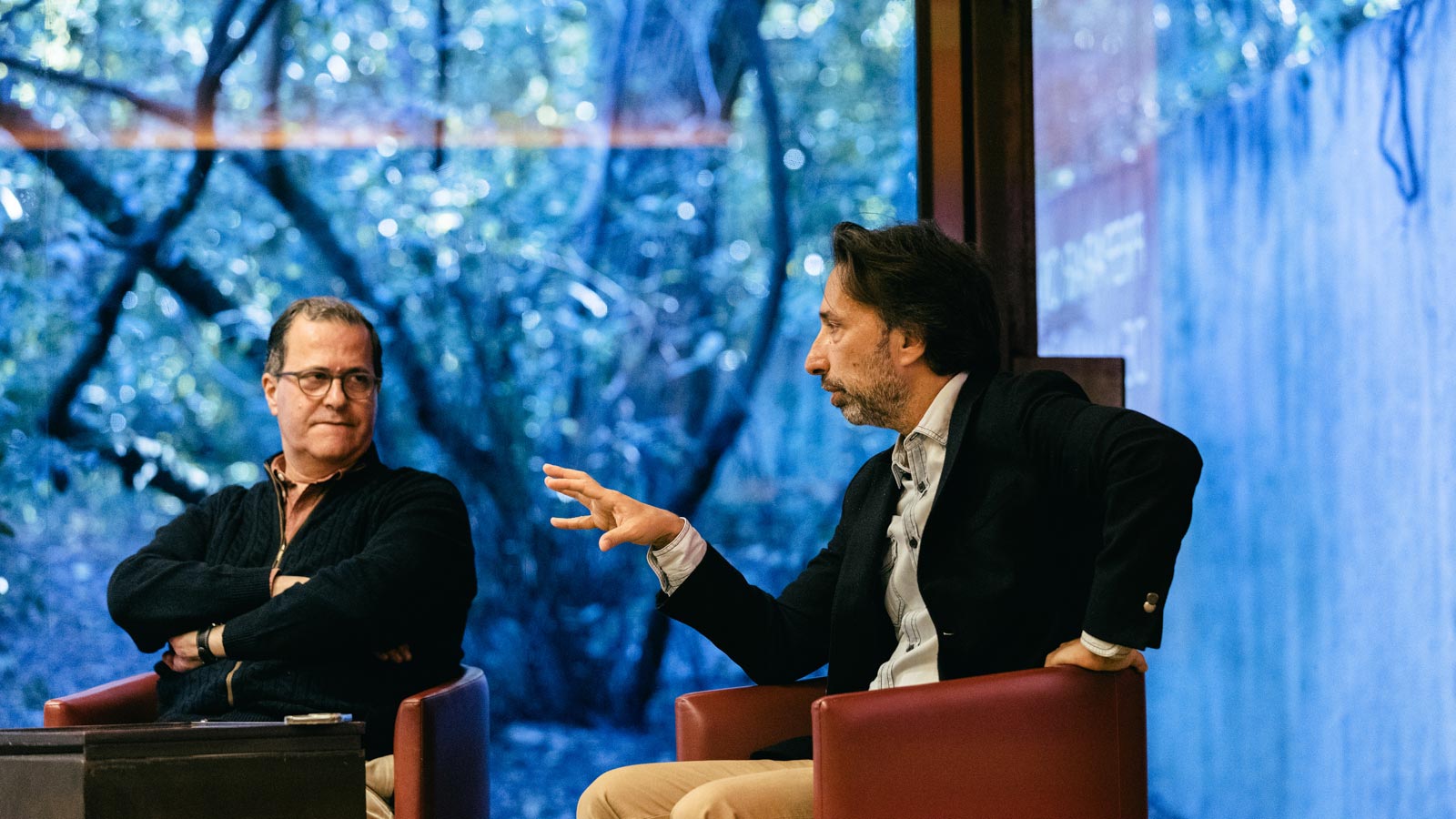
Special guests were invited to tell their stories, answer questions and share learnings. They had different backgrounds and messages, but the teens quickly realised there were several recurring themes.
The political commentator Sérgio Sousa Pinto encouraged them to keep exploring interesting subjects, regardless of whether these were a part of their area of expertise. Philosophy, literature, and poetry are all important paths to a fuller education and to help shape humans with a sense of empathy and civic responsibility. Miguel Morgado also insisted on the importance of storing up knowledge: “your intellect is like a vast mansion, with endless rooms. So build that house before you venture beyond it – and you’ll always be able to get back to it.”
Other speakers highlighted how traditional education isn’t always the way to an exceptional career. The aforementioned Pedro Tochas, for example, dropped out of his Chemical Engineering degree for an Academy of Circus Arts and now tours the world doing his shows. Iva Barbosa, 1st soloist for the Gulbenkian Orchestra and teacher at the Academia de Música de Lisboa, put all her Communication classes on hold to dedicate herself to music: “I realized that I was only happy doing that one thing.”
This made an impression on 14 year-old Gabriel Varela’s mind. What was most interesting to him about these speakers, he said, was how they showcased that “life didn’t always follow a straight and narrow path.”
Each of these students now has €1500 to invest on their personal or academic growth.
From Porto, 16 year old Rafael Pinto – who introduced himself to the group under the maxim “man is a political animal” knows he will invest most of that sum in books: “some works don’t exist in Portugal.” Leonor Inês Branco de Castro, 15 years old, is looking for programming courses and Physics classes at the University of Porto.
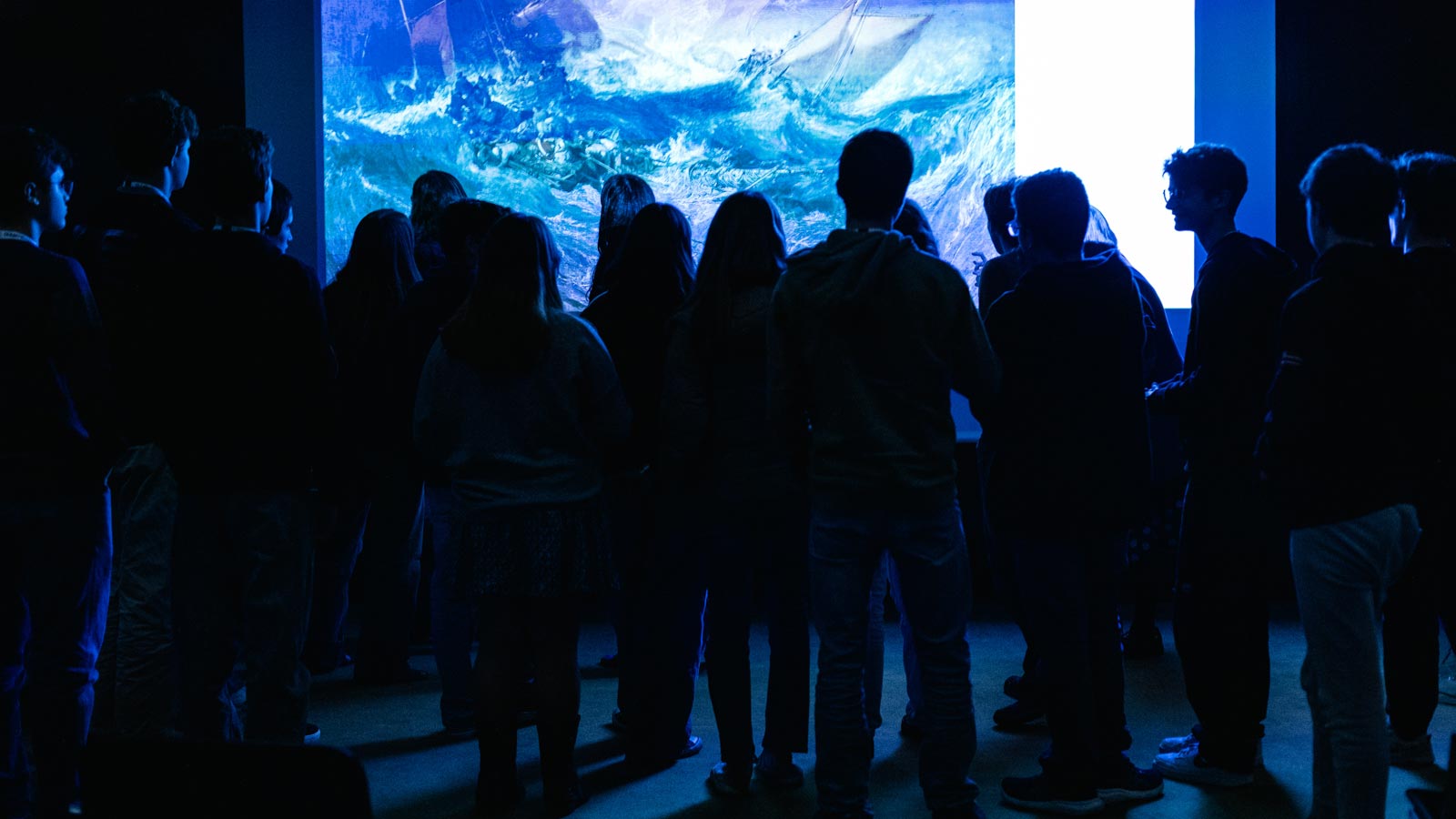
But the Explore Talents programme, running from November 2025 to July 2026, is bigger than a bootcamp and a budget. It seeks to intellectually challenge these teens and to get them to explore what Calouste Gulbenkian described as that essential “general, literary, and scientific education:” at the book club they will have to read and discuss Fahrenheit 451 and Animal Farm, two books that are thematically relevant to our day and age. They will also take part in four Critical Thinking workshops with José Maria Pimentel, who points out how important it is to take a moment to think things over, and having the necessary tools to look at what is in front of us: “this is the great challenge of an online world.”
At the back of the room where they were meeting, white words on an orange background summed up what was the great challenge behind this Scholarship: “to prepare the citizens of tomorrow.”
You may also like

No results were found for your criteria.