
A new stop for culture in Mem Martins
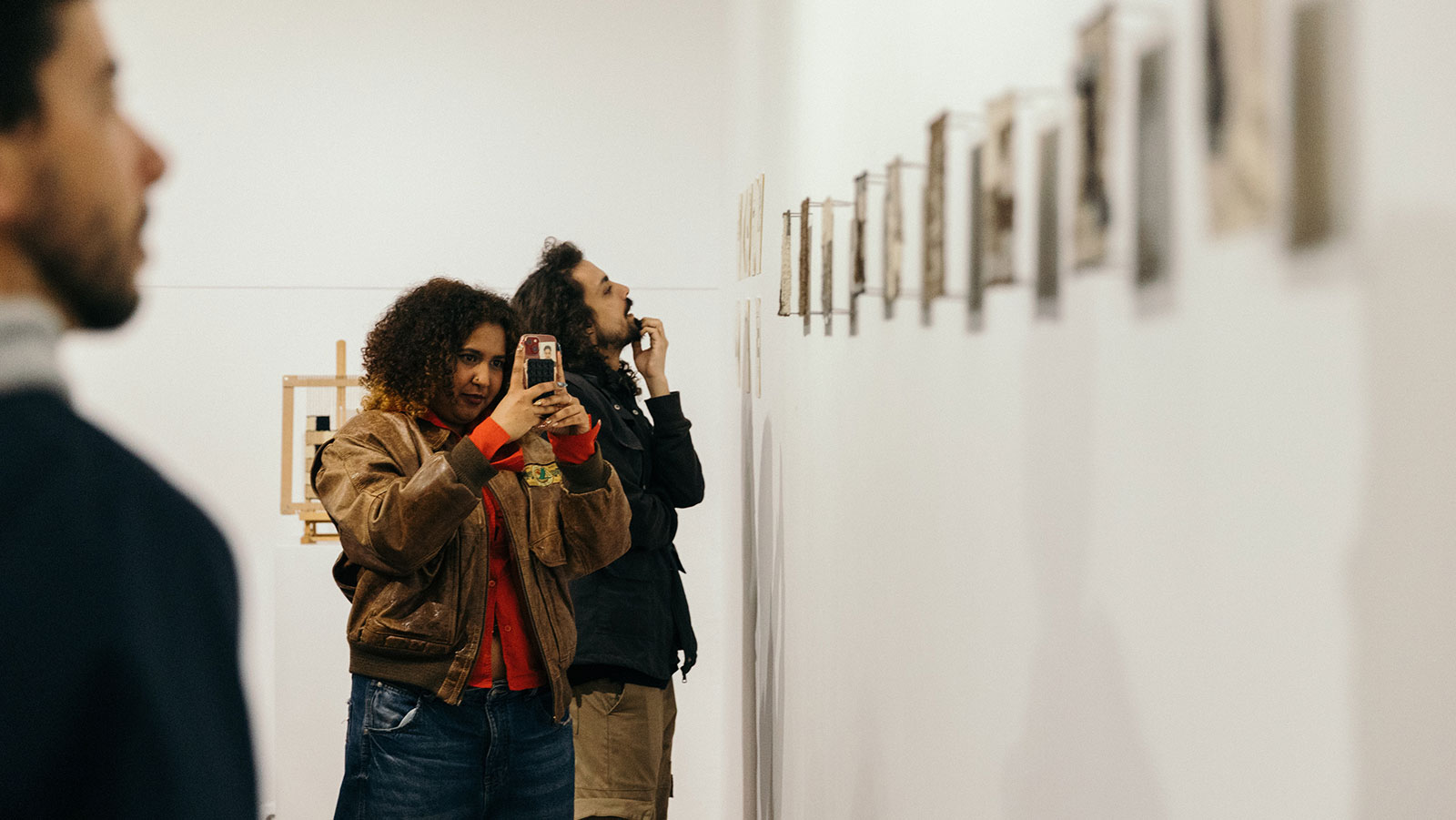
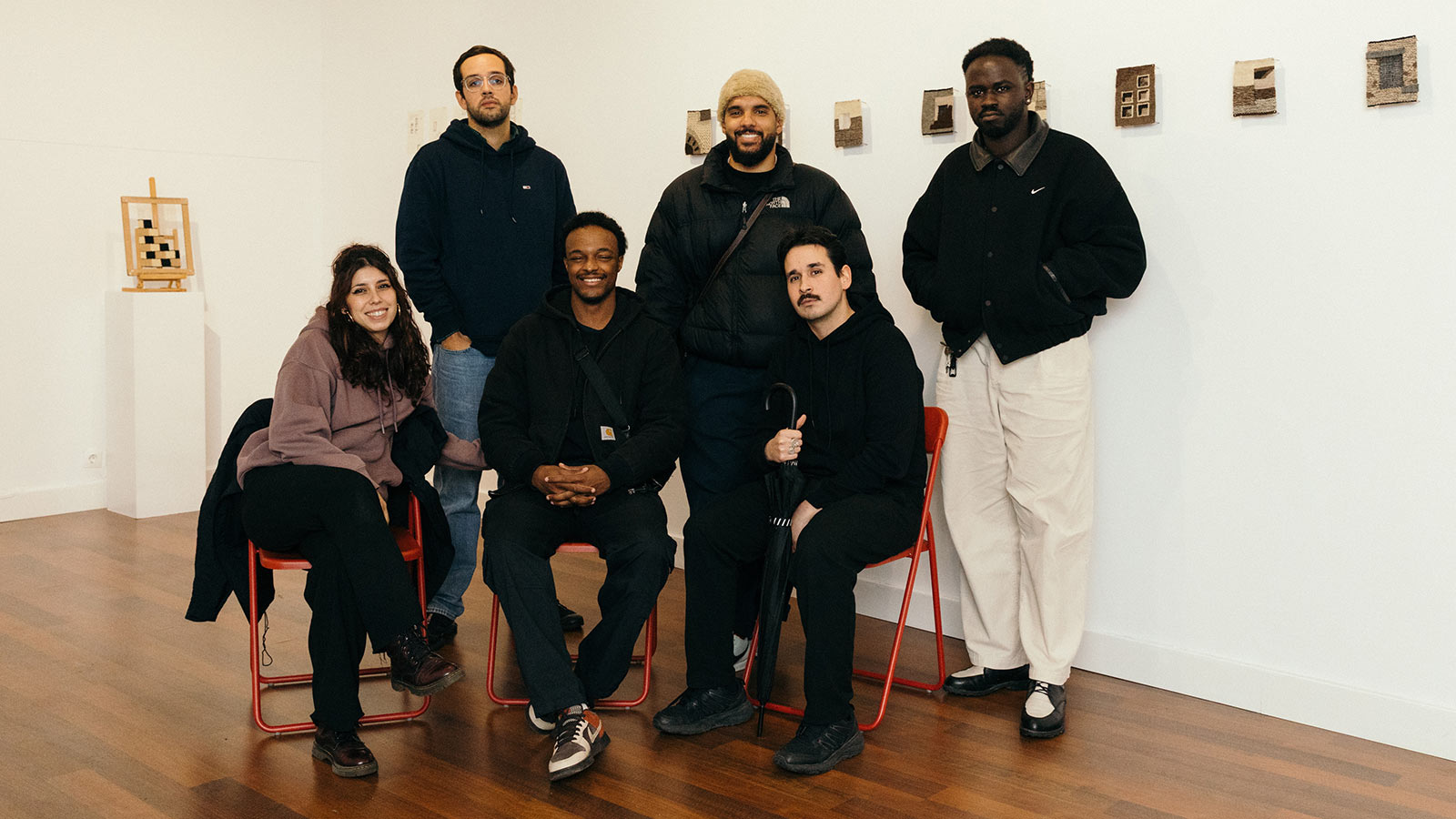
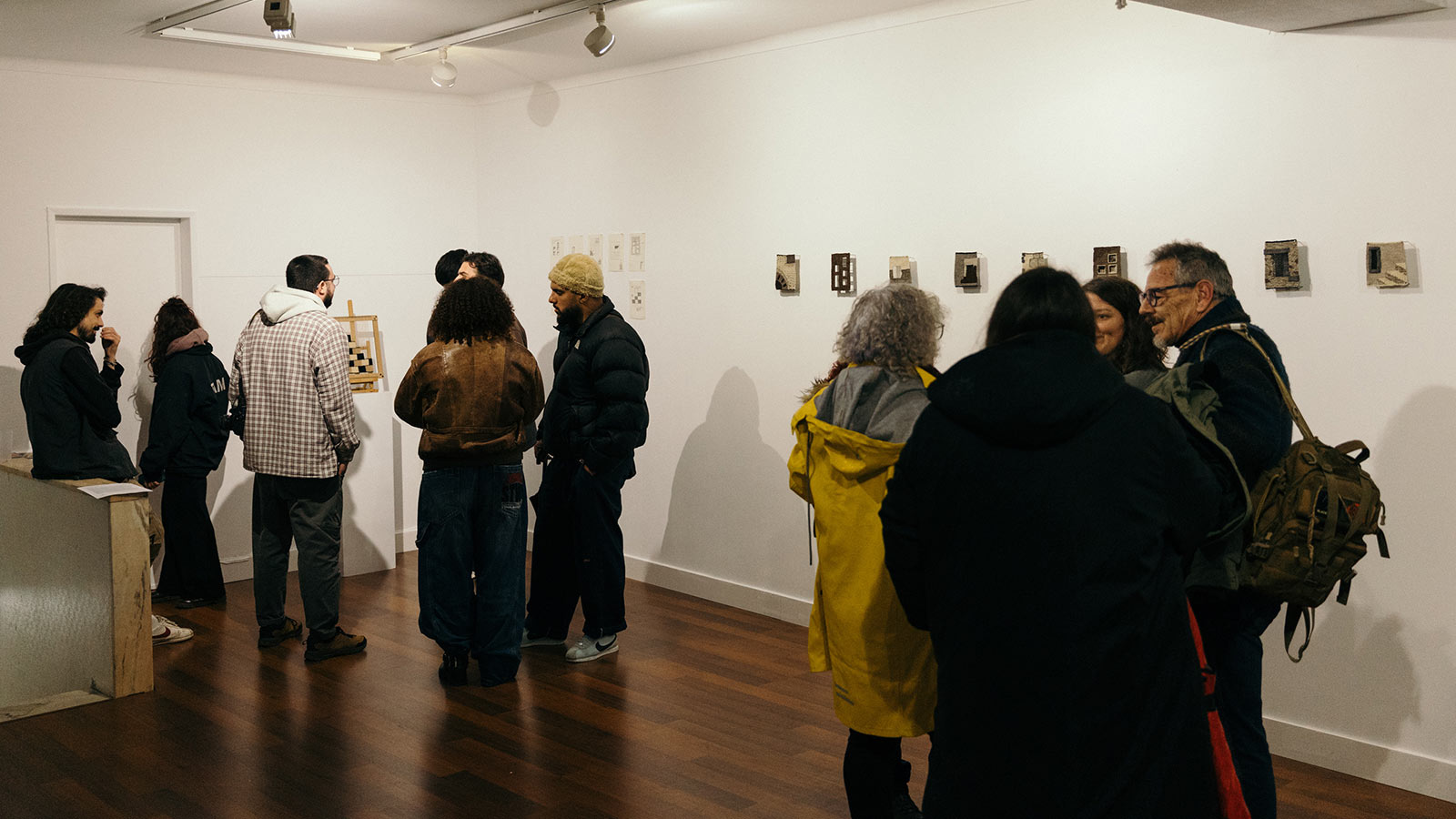
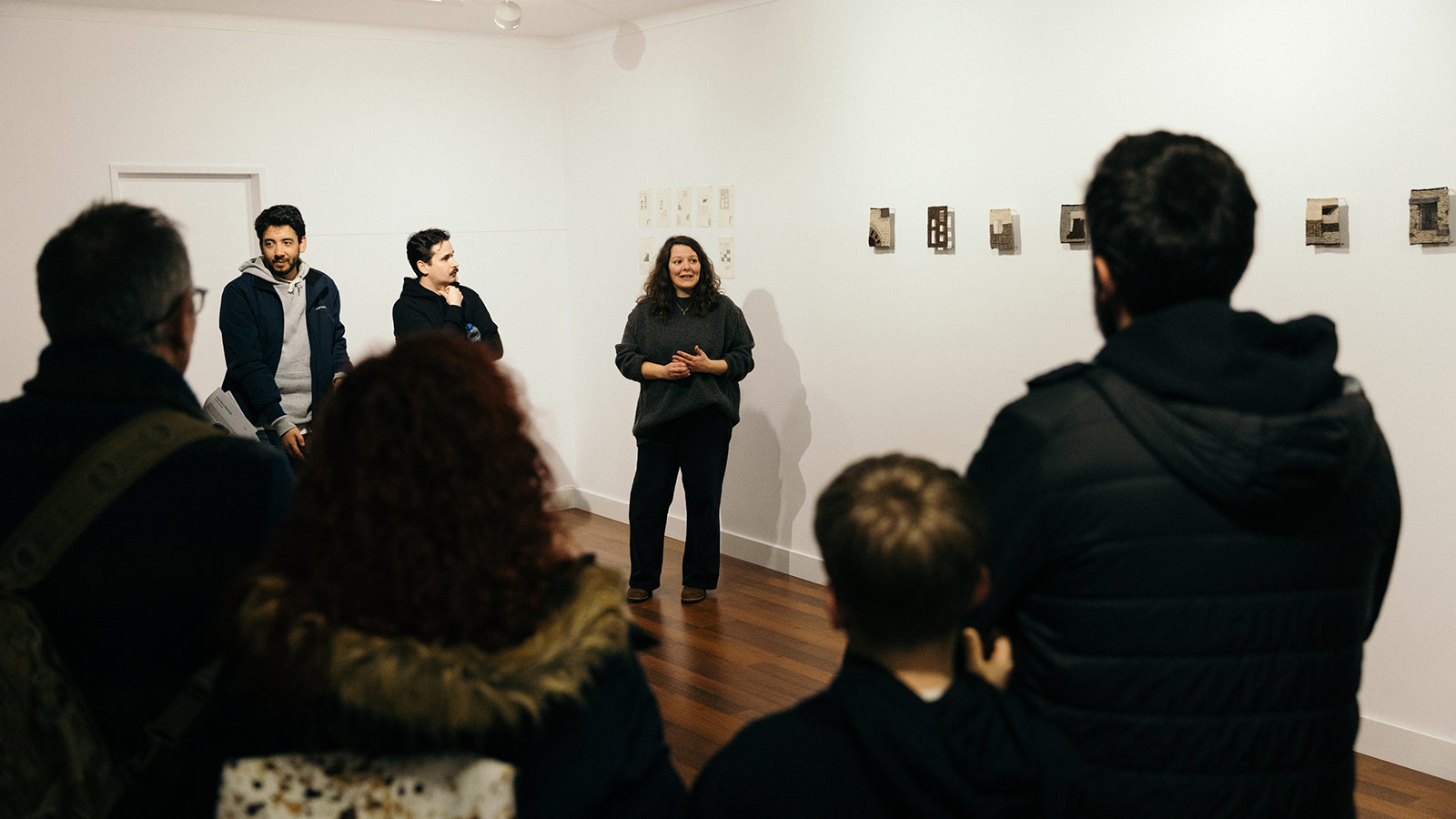
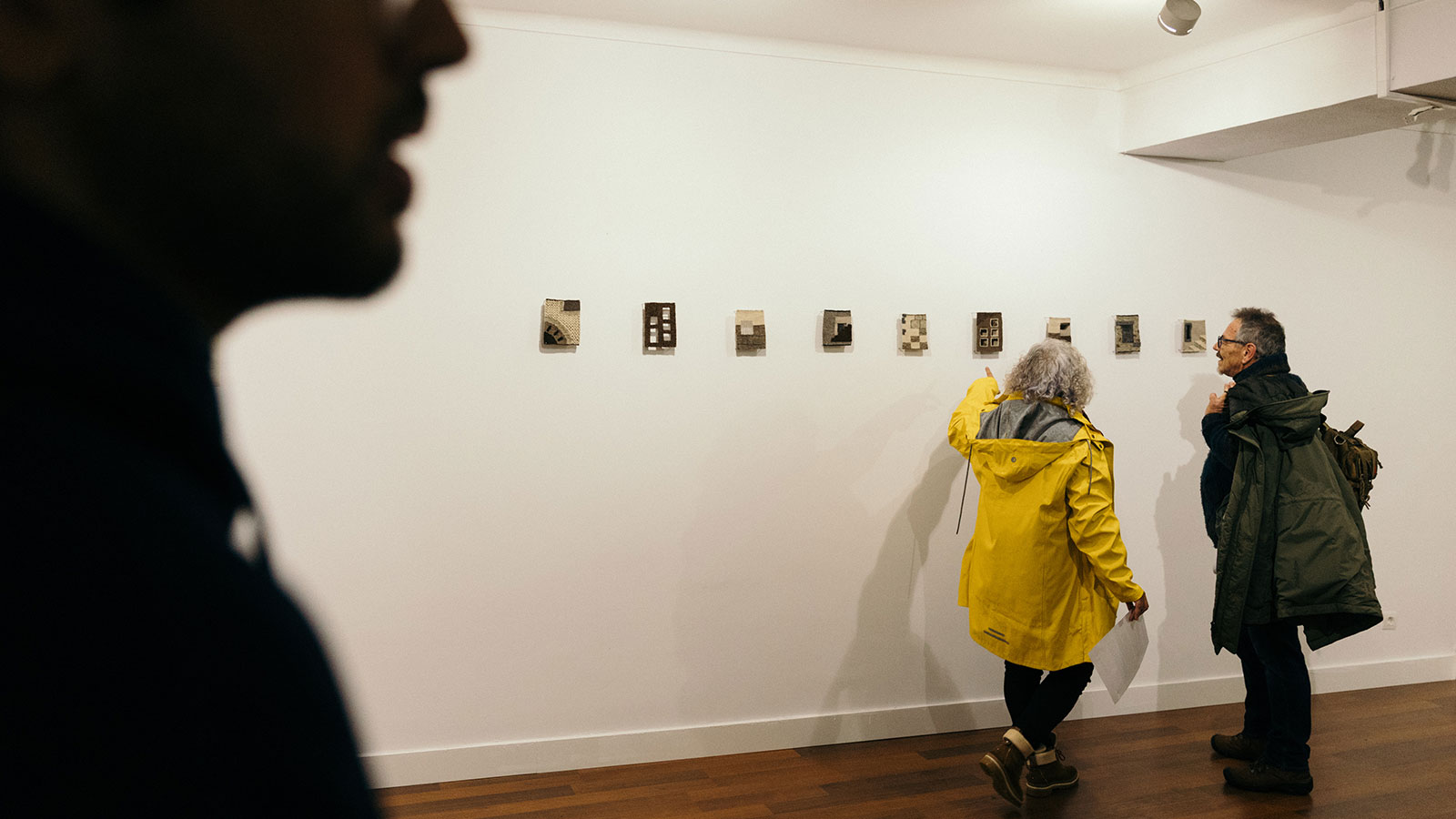
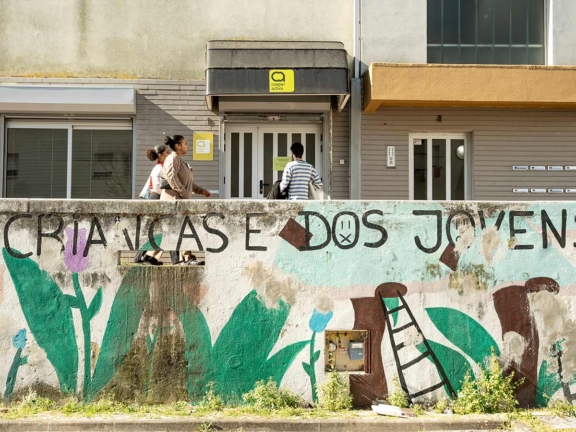
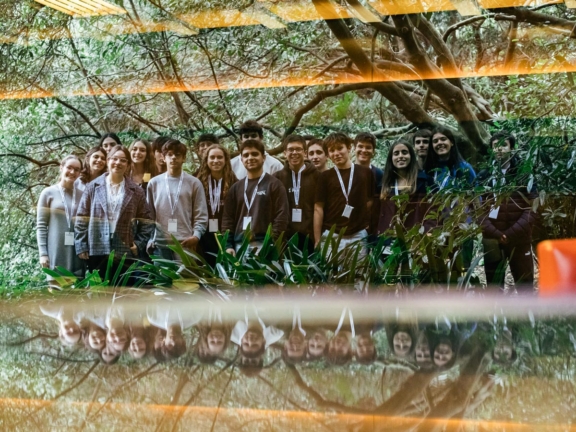
We are in Algueirão-Mem Martins, on a stormy January afternoon, just a few hours before the public presentation of Entre Fios e Memórias (Between Threads and Memories), the textile project by Catarina Teixeira, winner of the second Ponto Kultural artistic creation grant. The team members welcome us warmly – six of the eight members of the collective are present – and we sit in a circle to discuss the outcome of nine months of work on the project. “It’s a chubby, healthy baby,” jokes Diogo “Gazella” Carvalho, multidisciplinary artist and curator of the space. “There are many minds involved, and everyone wants to create good things and keep improving”.
Ponto Kultural opened to the public in May 2025, but its history did not begin last year: it dates back to 2018, with the Unidigrazz collective, which worked for eight years without resources, space or institutional recognition. “The collective always felt that artistic work needed a structure in order to be valued”, explains Rodrigo Faria, project manager. They have thought about establishing a “Creative Hub” since 2021.
Four years later, with the support of Gulbenkian, the Local Council and the Sintra City Council, “we took up the idea again and started this Ponto Kultural, which is a house for creation, research and artistic experimentation, here in Algueirão-Mem Martins, but serving the whole of Sintra, the entire municipality and all our neighbours”.
The territory as raw material
Rodrigo Faria emphasises that Ponto Kultural came about in response to a need that is not only felt by the collective, “but by all artists, all collectives and the entire territory; a challenge that we felt the municipality or existing institutions were not addressing”.
The space’s programme includes quarterly grants and residencies designed to give artists time, support and context. “The grants provide financial support and mentoring for individual applicants; the residencies, on the other hand, are collective”, explains Nuno Trigueiros, artist and curator. “All of them need to have a connection to the territory and the community”.
Carolina Maya, the first artist selected for the grant programme, describes the process as an opportunity for growth and discovery. “It was the first job I did after graduating. Here, I was able to experiment freely, with different scales and materials, as an emerging artist rather than an artist-student”.
Born in Mozambique and living in Queluz, Carolina did not know Mem Martins well. “I spent a lot of time just walking around and talking to people”, she says. “The Academy, in the Fine Arts department at least, is still very white, and my work is very much about my blackness, about the diaspora. Being here and receiving feedback from the public helped me immensely: there were black people and people from the diaspora who offered me advice in a way that made sense to me.”
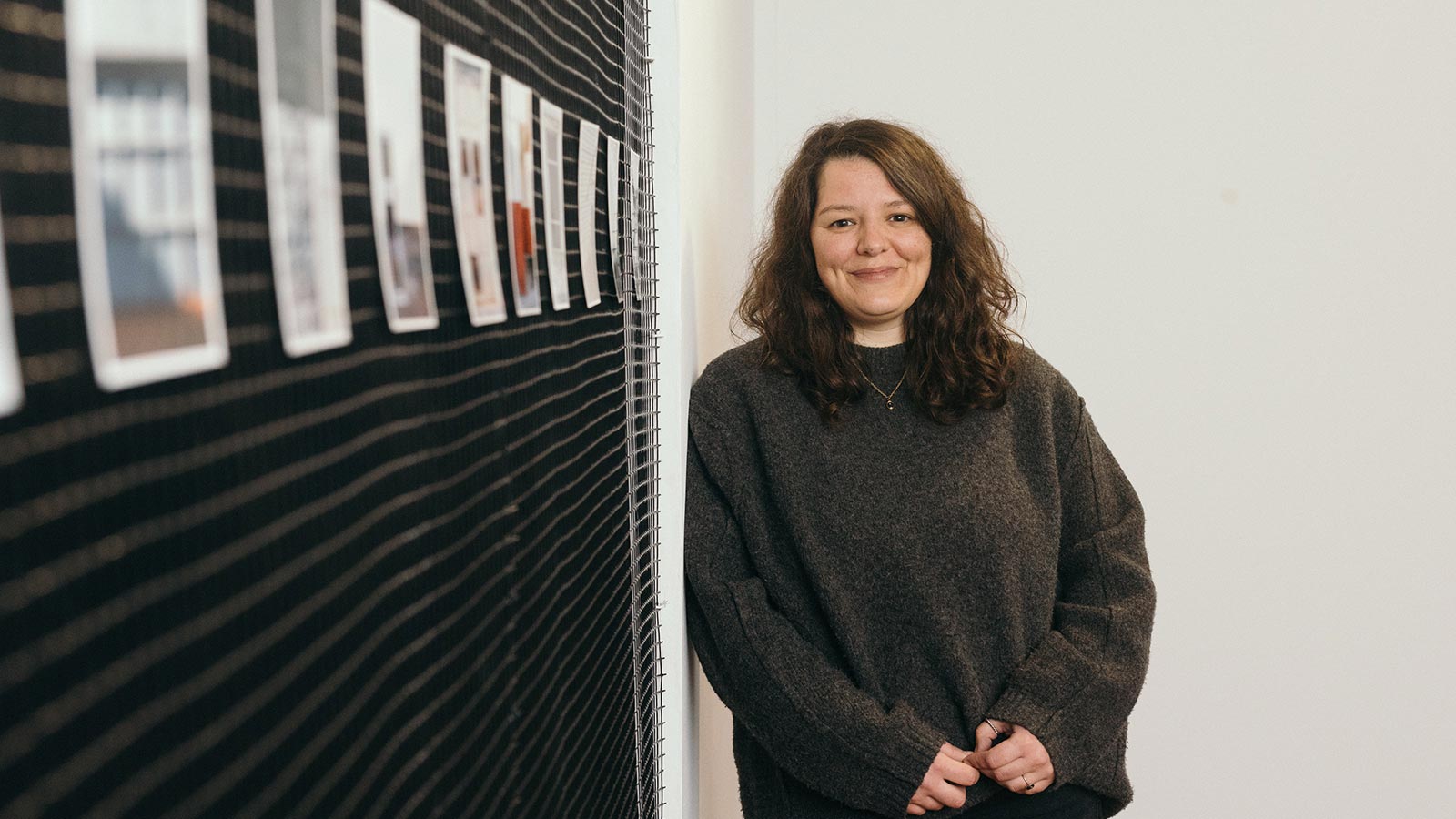
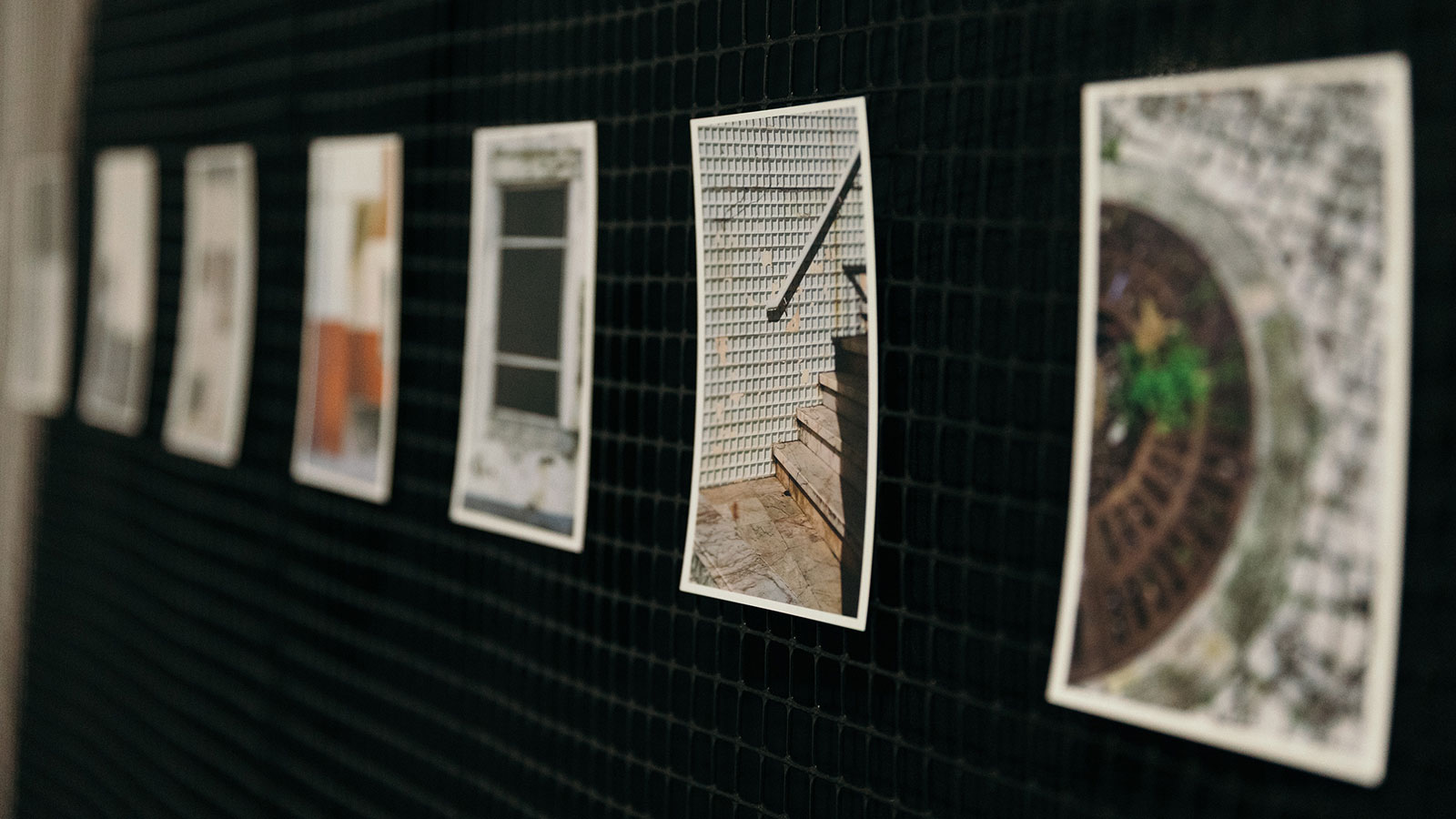
Catarina Teixeira also began from this territory, however, from a position of familiarity. “I was told to explore Mem Martins. I thought, but I grew up here, I live here, I know this place. It turned out that I didn’t”, she says. “I began to notice small details, in places I walk through every day, but through a different lens.”
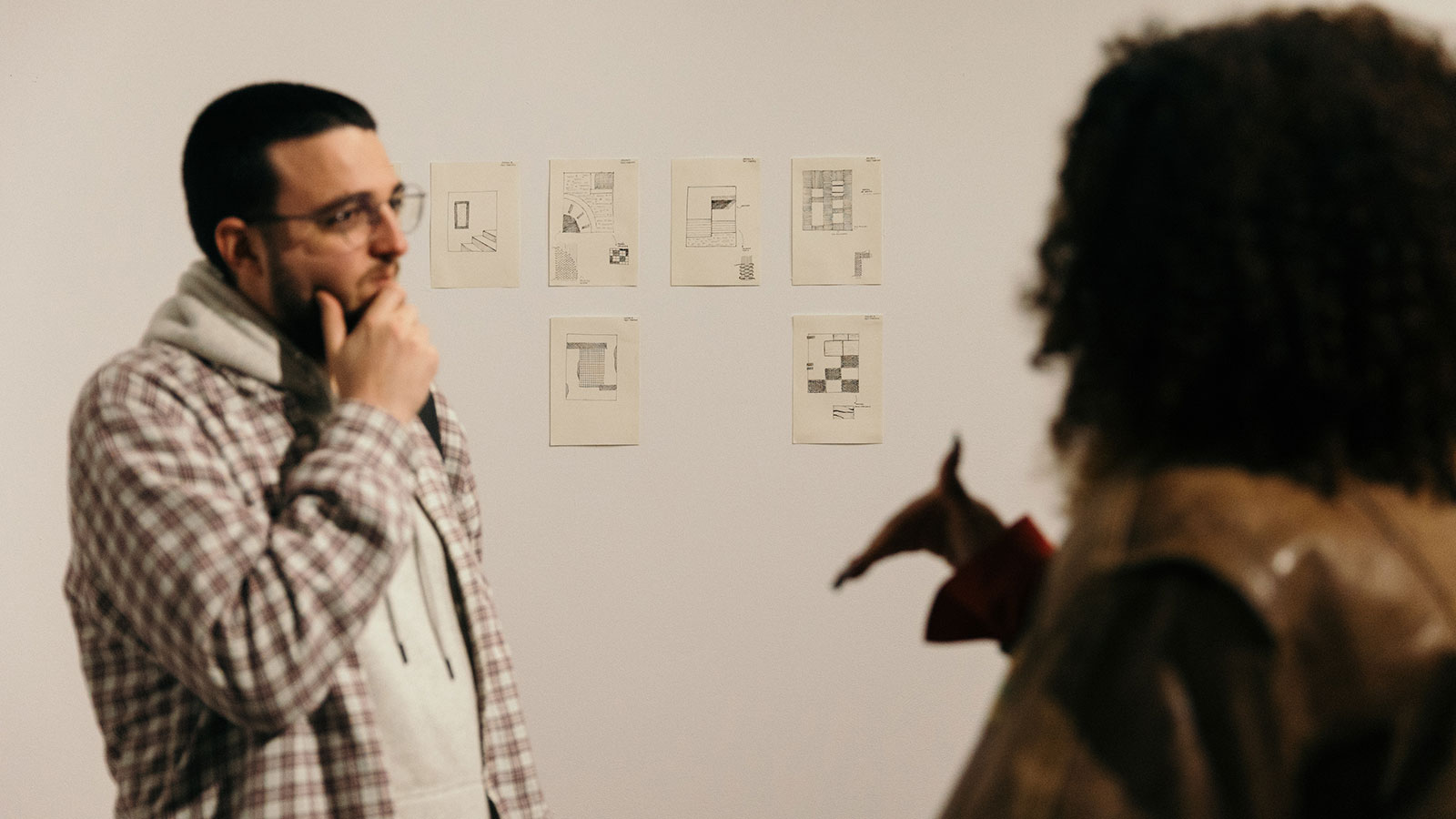
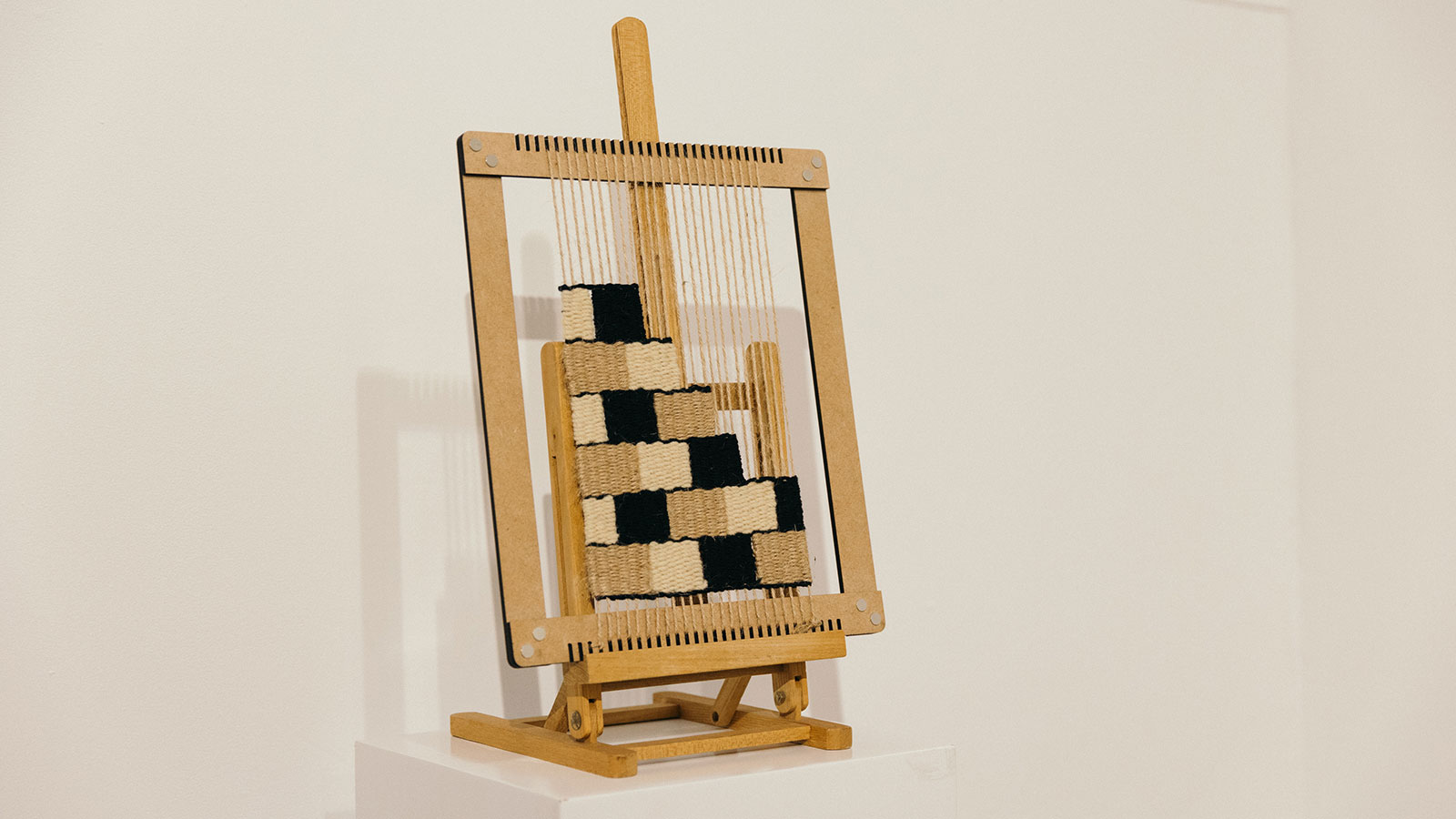
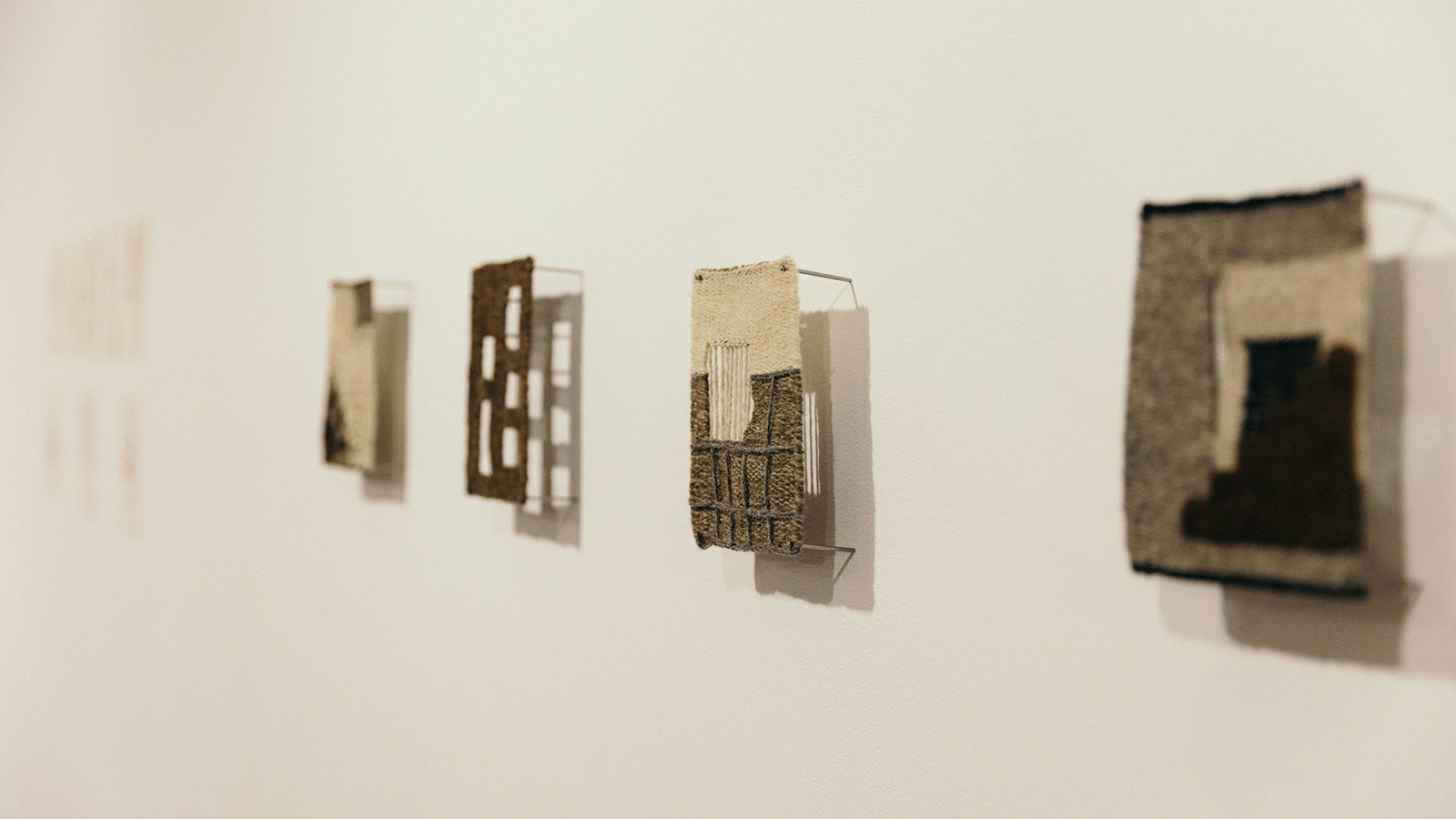
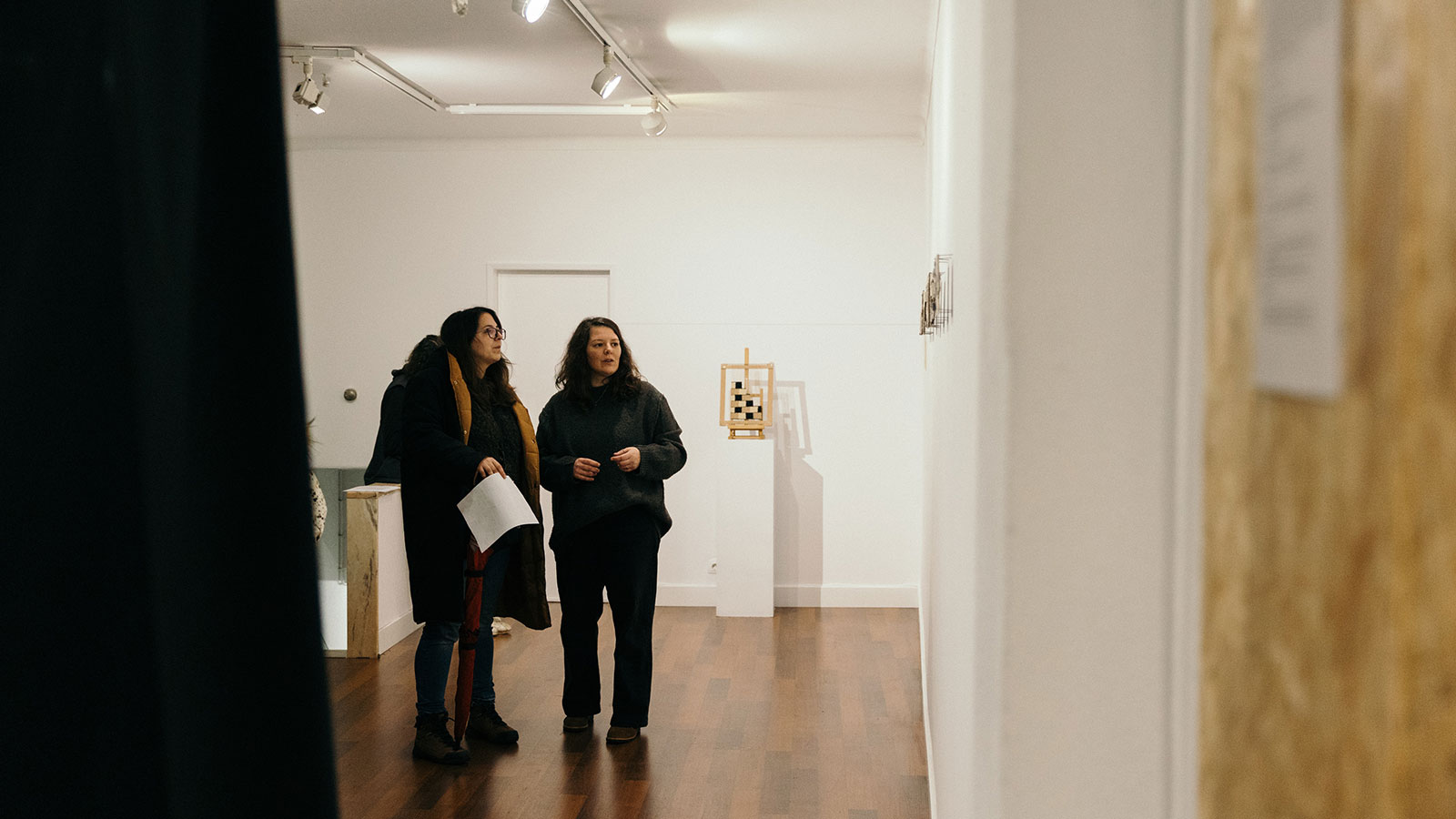
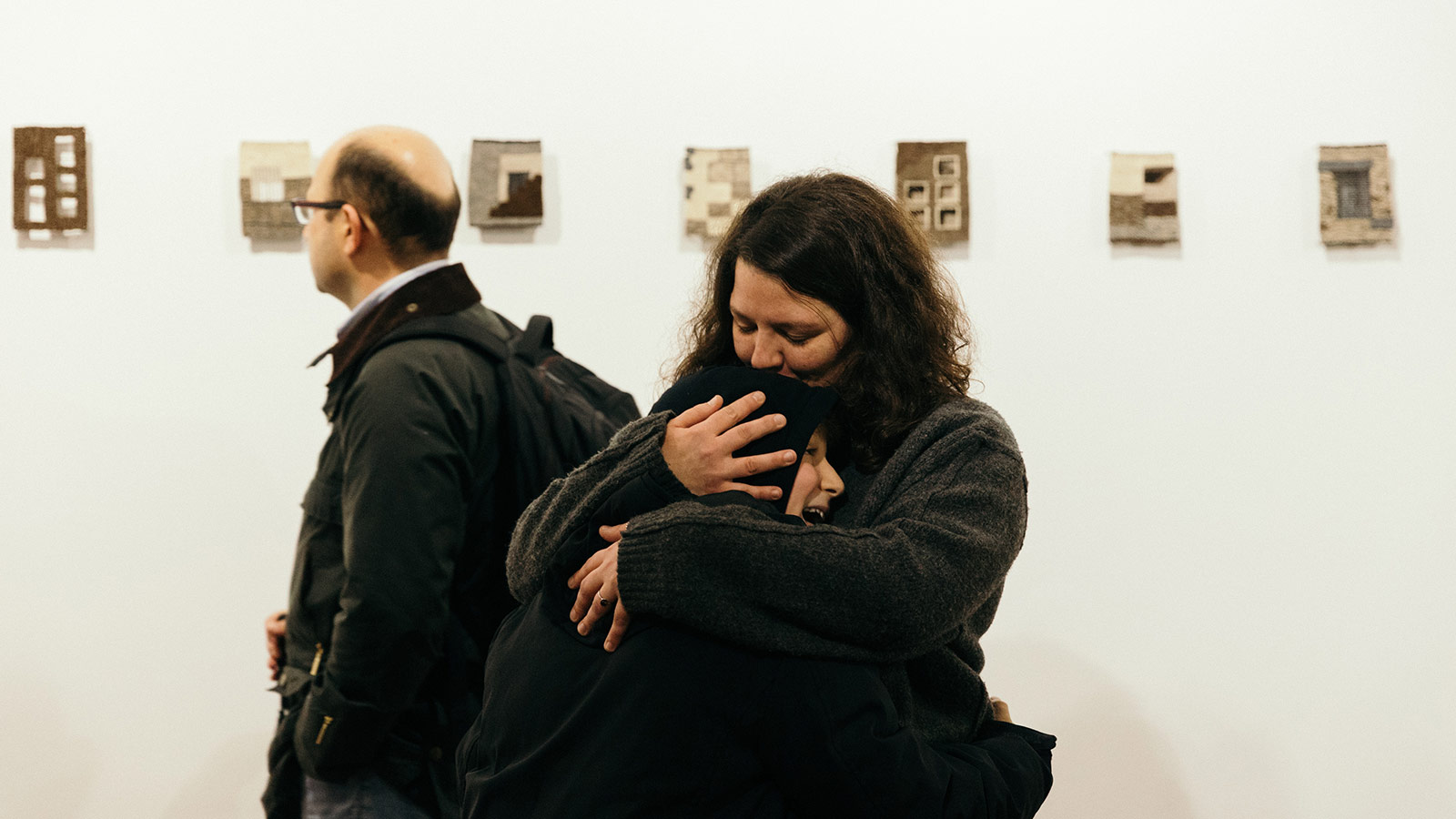
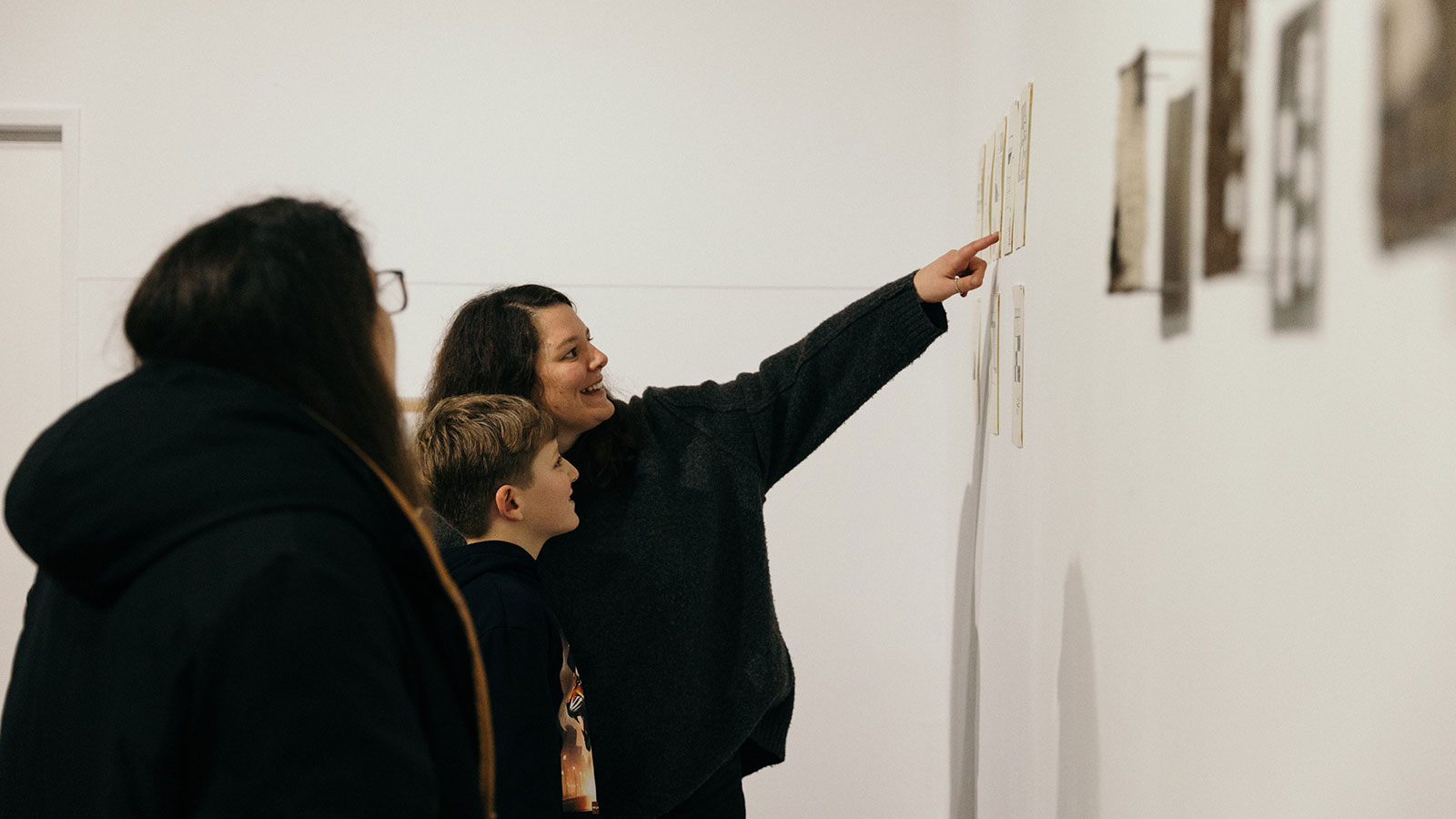
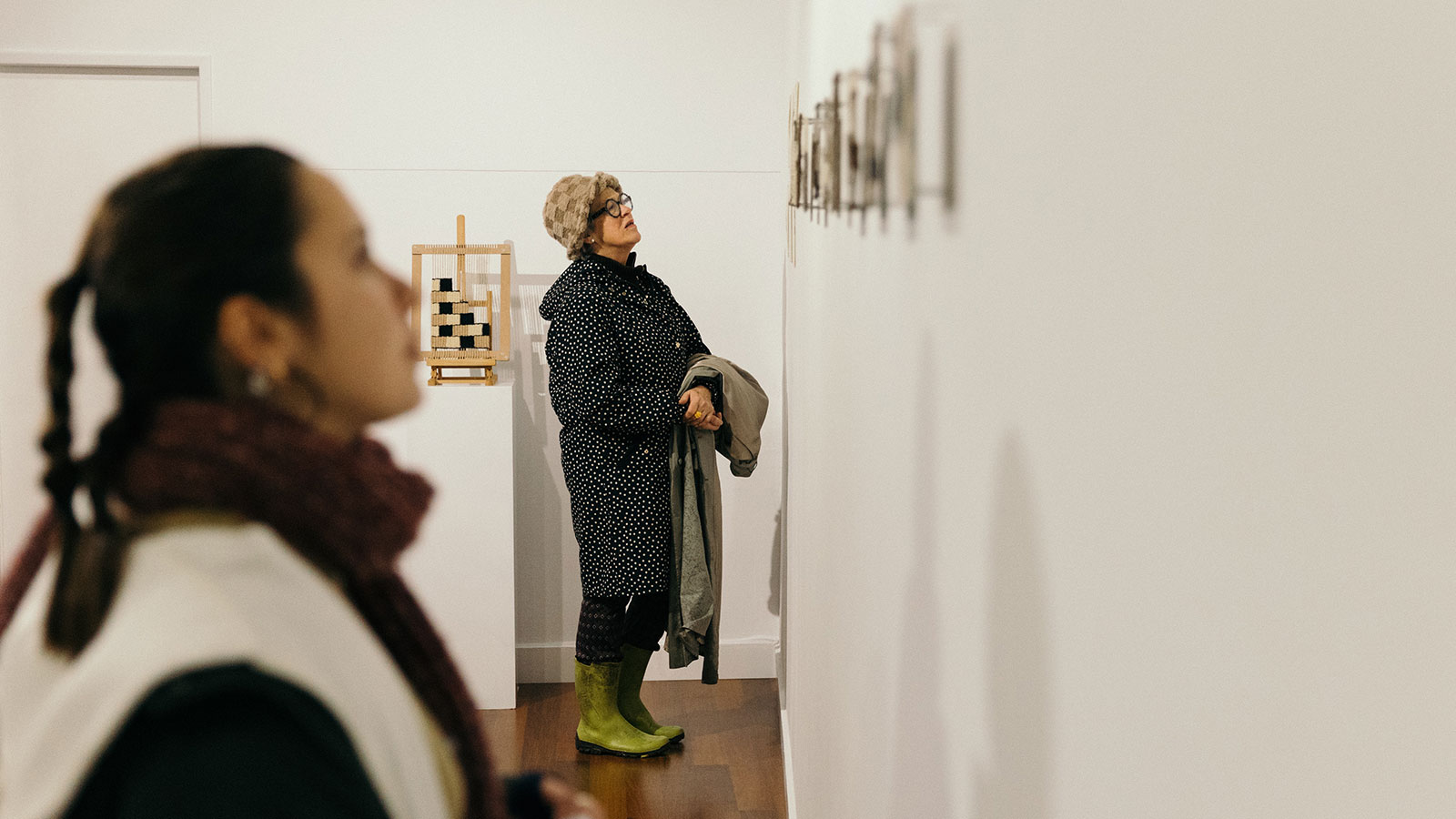
From these fragments – windows, shadows, lines – emerged textile studies that pushed her out of her comfort zone, which she now exhibits, albeit with some nerves. “I have always worked with organic materials, with tapestry and looms. Here, I wanted to do something more geometric, more urban, which is a big challenge for me. It was a process of self-discovery.”
A unifying space, a point of reference
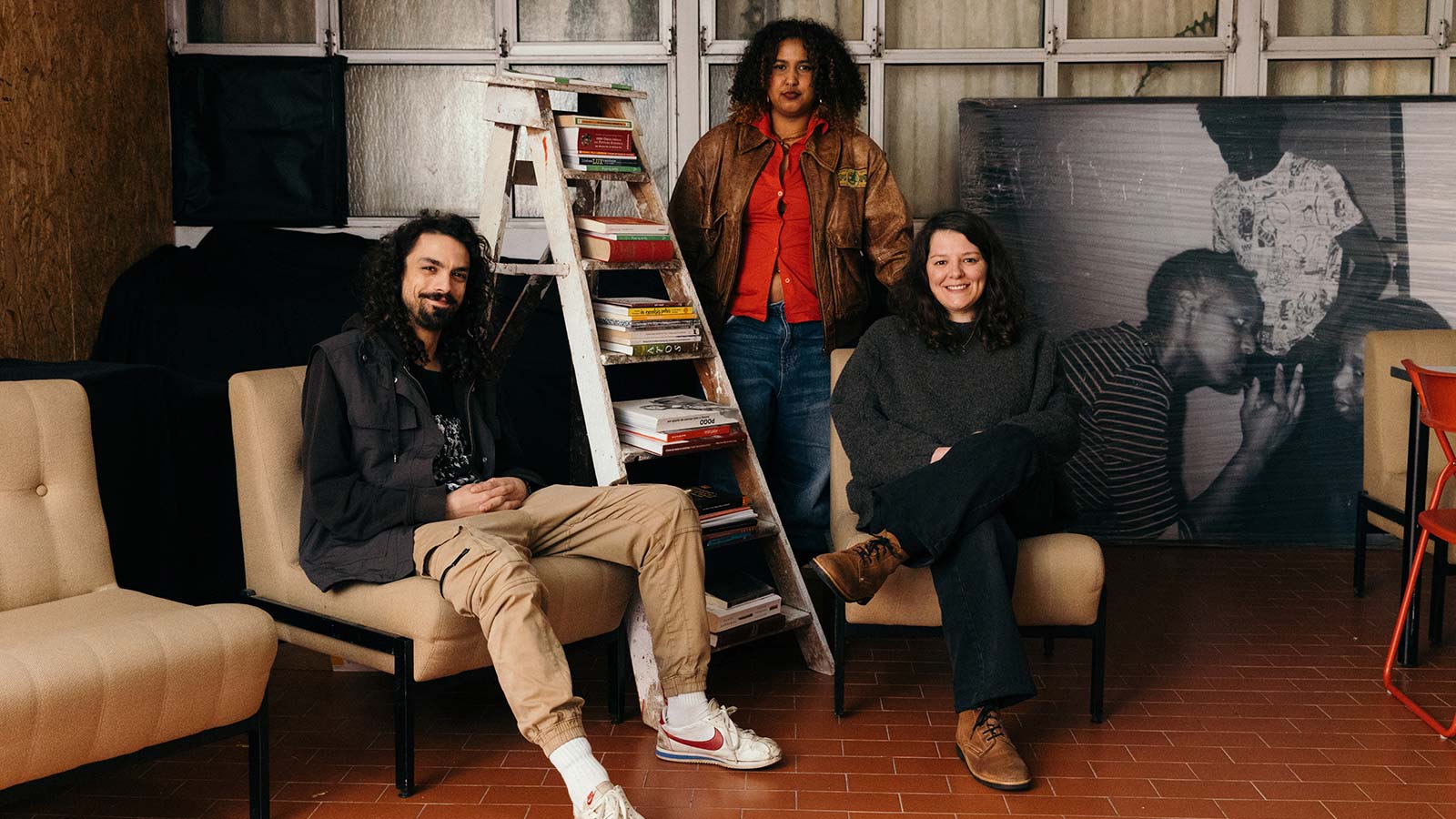
In addition to residencies and grants, Ponto Kultural also promotes other events such as exhibitions, talks, workshops and activations with partner associations (performances, concerts or DJ sets). For Diogo ‘Gazella’, the first year of the project was surprising: “It has been really good. In a short time, some artists already see the space as a reference.” Hugo Barros, director of Photography and Video, recalls the feeling of seeing the space ready on the day it opened to the public: “I got in at a time when there was nothing here, the only room in use was the office. I was the one who inaugurated the space with an exhibition, and it was interesting to see that a space like this could become a gallery (as it is now)”.
For Rodrigo, the most memorable moment happened on the opening day of Germes Gang’s exhibition. “From my experience with exhibitions, people arrive, they look around, they stay for a while and then they leave. But it got to the point where it was already half past nine in the evening, and I realised that people weren’t there just for the exhibition any longer. I felt that the project was making sense for the artists, for the community, and that the project’s goal was being achieved – this is not just a space to present work, but to bring people together”.
Juno (João Centeno’s stage name) has always lived in the Sintra area, but now lives very close to Ponto Kultural, just thirty seconds away from the nursery school where he grew up. The collective helped him organise the release of his first album. “I was a bit lost, so I spoke to Rodrigo and asked him for help, and he immediately offered to do everything”. They ended up organising a listening party — an intimate, seated event where he played the album and discussed it with the audience. “It was a beautiful experience”, he recalls.
“I really like having this kind of cultural space close to home, because I’m interested in arts and culture, including those I don’t engage in myself. It’s amazing that this happens here. Whenever I can, I stop by to see who’s here, check out the exhibitions and so on”. Juno, Carolina and Catarina, who come from different artistic backgrounds, didn’t know each other before Ponto Kultural.
A project to fill gaps – literally and figuratively
Ponto Kultural is located in Portugal’s most populous municipality (around 70,000 inhabitants), where for decades there were no long-term cultural facilities. “It’s strange how there is no cultural investment in a place where so many people live”, says Rodrigo.
This is one of the challenges the collective has faced: “The lack of spaces has distanced people from culture, and we have been trying to figure out how we can communicate and bring people who are completely distant closer together”. This, adds Diogo, “without forcing anything, but rather understanding how the programme can fit in with the people here. With the idea that, little by little, this kind of access (coming to exhibitions, workshops, etc.) will become more and more of a habit”.
Another major challenge for the project lies in improving “structural conditions”. The space is not ideal, they explain: as we speak, we can hear rain falling into buckets in the room that serves as a studio.
The support of the Calouste Gulbenkian Foundation was essential to kick-start the project and get it off the ground, but institutional recognition is still needed to give the project sustainability and structure. “The local administration has a hard time understanding the potential of this type of work and giving it visibility”, Rodrigo explains. “Local councils think that this work is temporary, that this is just a phase in our lives, ‘and when you get tired of it, you’ll leave’. But if you look at it, the collective has been around since 2018. The leap we want to take towards professionalising this work also needs credentials, institutional credibility, and that takes time.”
“Sintra is more than just the mountains”
The collective is preparing a strategic vision for 2030: expanding the space, professionalising the team, creating additional rooms, maintaining independent programming, and continuing to bring schools, artists, and residents together. “We want Ponto Kultural to increasingly become a facility where people who want to be artists can come to learn and find references, without having to go to Lisbon,” says João Tristany (Tristany Mundu).
“I grew up hearing that Mem Martins is a dormitory town, that nothing happens here”, says Catarina Teixeira. “Having these spaces for art and culture, where people can get together, learn and get to know each other, is really important, I think. Sintra is more than just the mountains”.
For Carolina, “Ponto Kultural is a place worth investing in”. “This could be huge in five years’ time, and remain a meeting place, a place of culture, art, conviviality and community.” Juno agrees: “I like to believe that culture generates culture. I started making music because someone inspired me to do so. The more we empower people from any community to make art, the more art will be made. It’s a snowball effect.”
You may also like

No results were found for your criteria.