
“‘Colleagues’ didn’t exist back then, we were ‘companions’!”
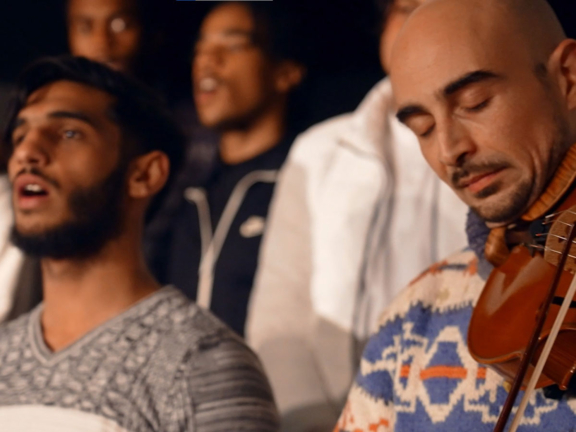
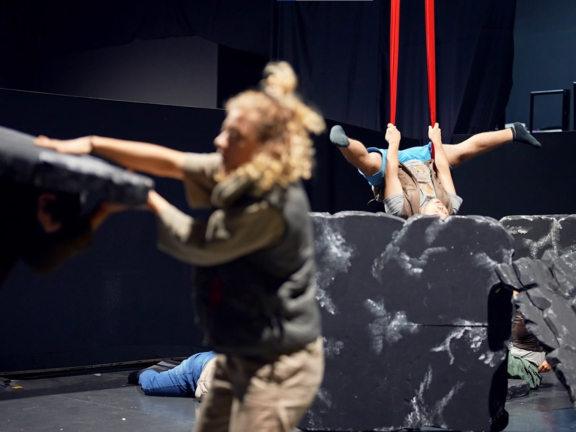
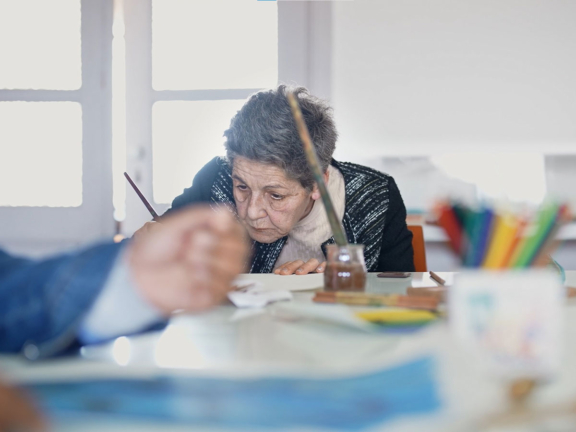
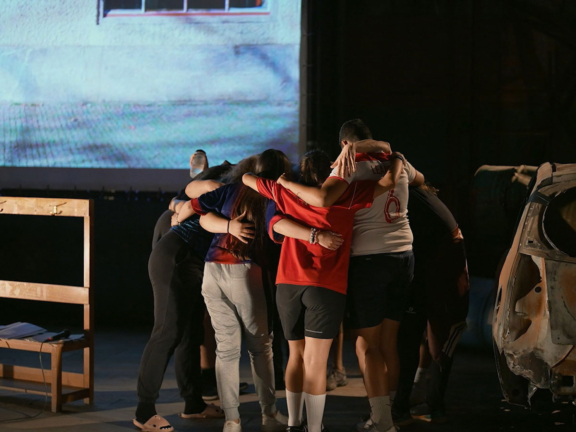
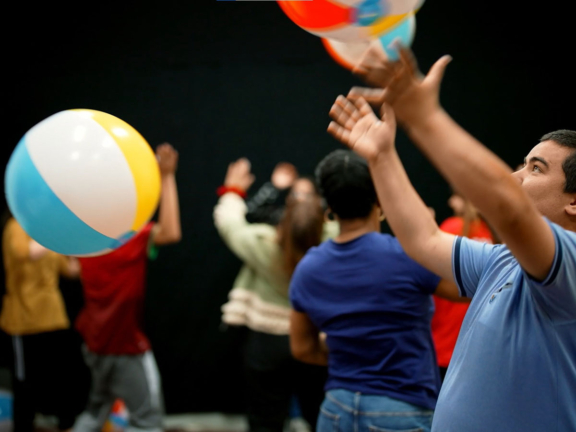
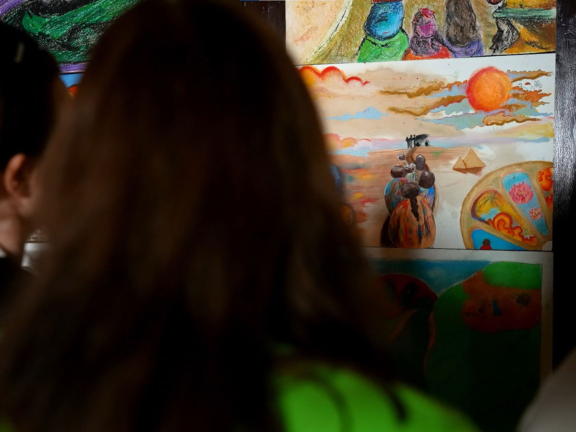
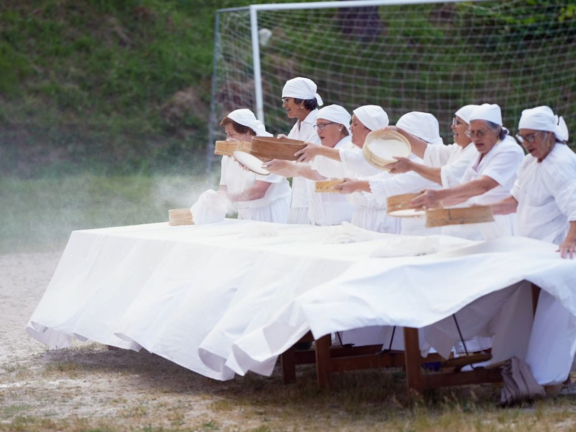
Both active and retired workers are taking part in Urdidura, a participatory community arts project supported by the third edition of the PARTIS & Art for Change initiative. The project brings together people from diverse backgrounds — from former wool mill workers to immigrant workers and recently arrived students — and invites them to take part in a collective artistic process spanning dramaturgy, theatre and cinema.
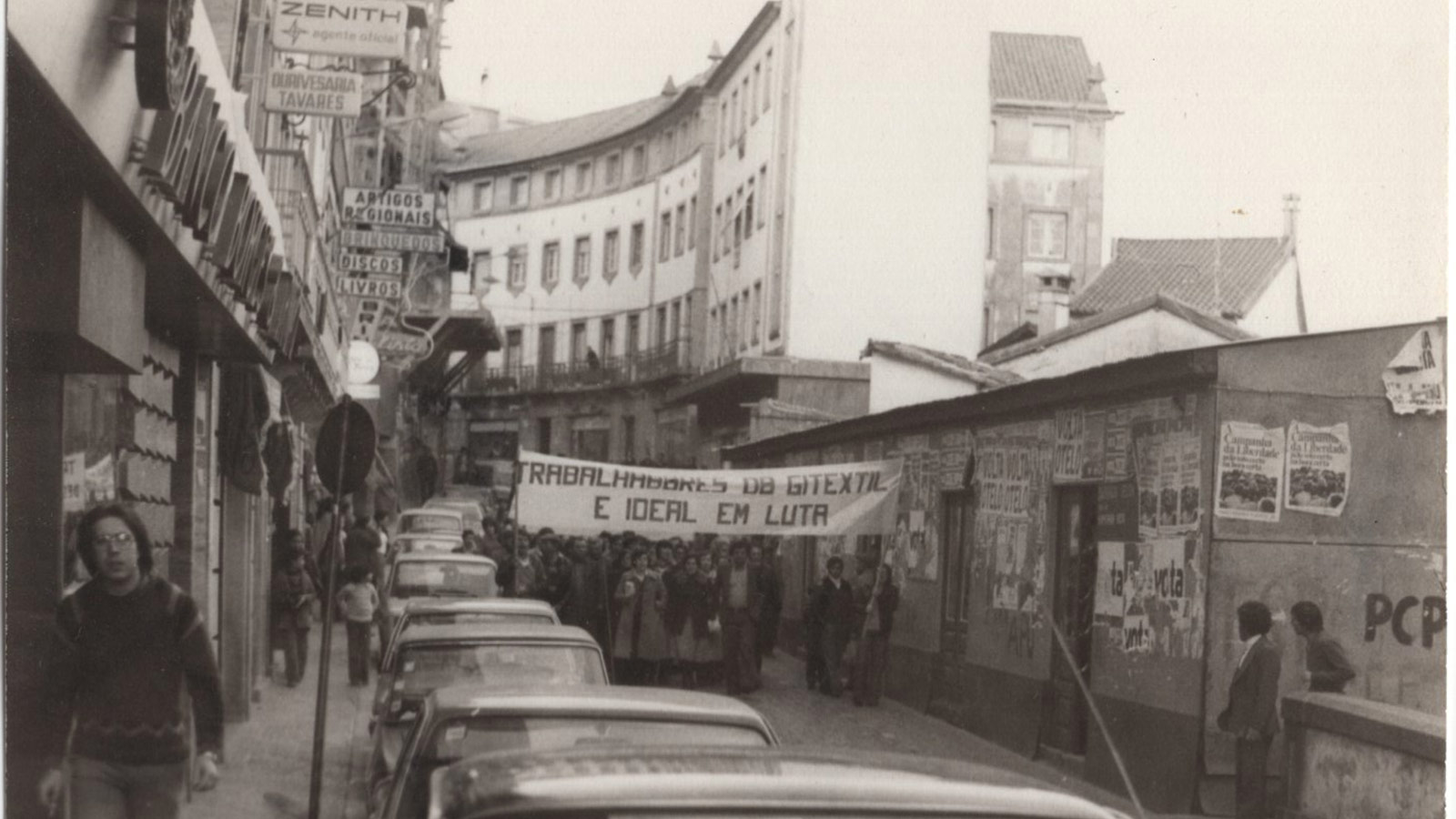
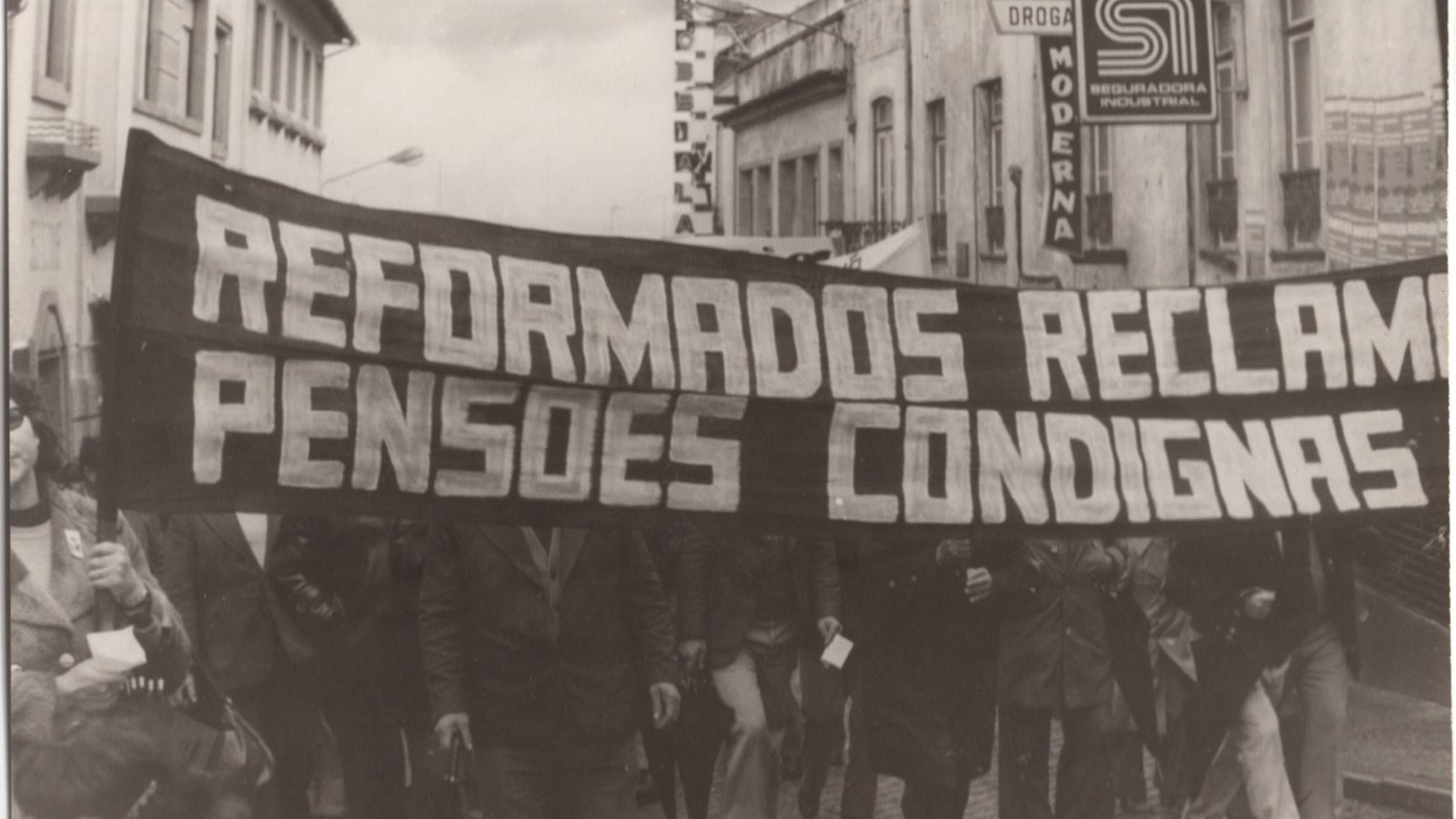
Highlighting the contribution of factory workers in the Beira Interior region to the advancement of labour rights, their voices weave a shared story: that of an industrial region where work, struggle, and freedom are intertwined.
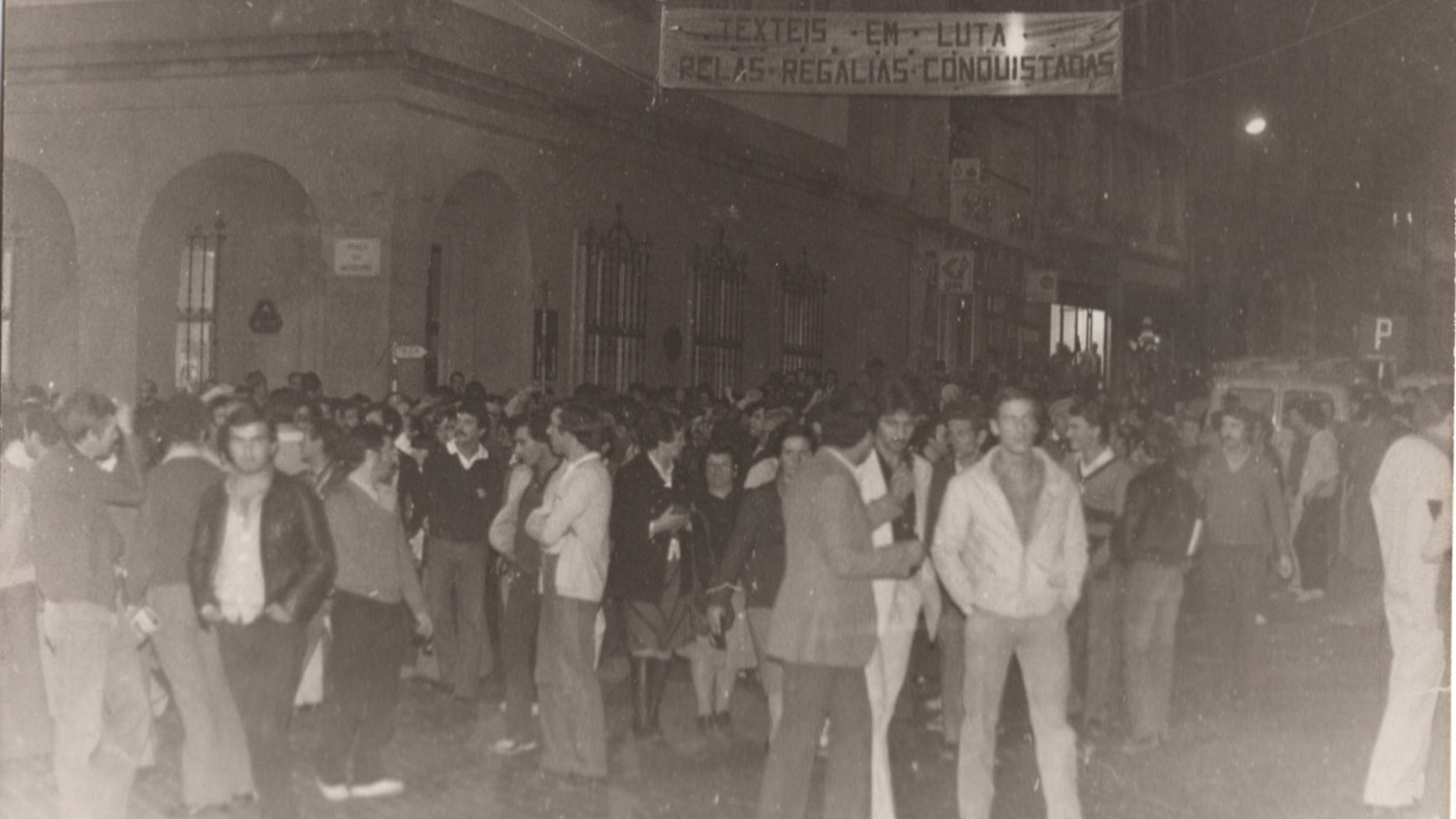
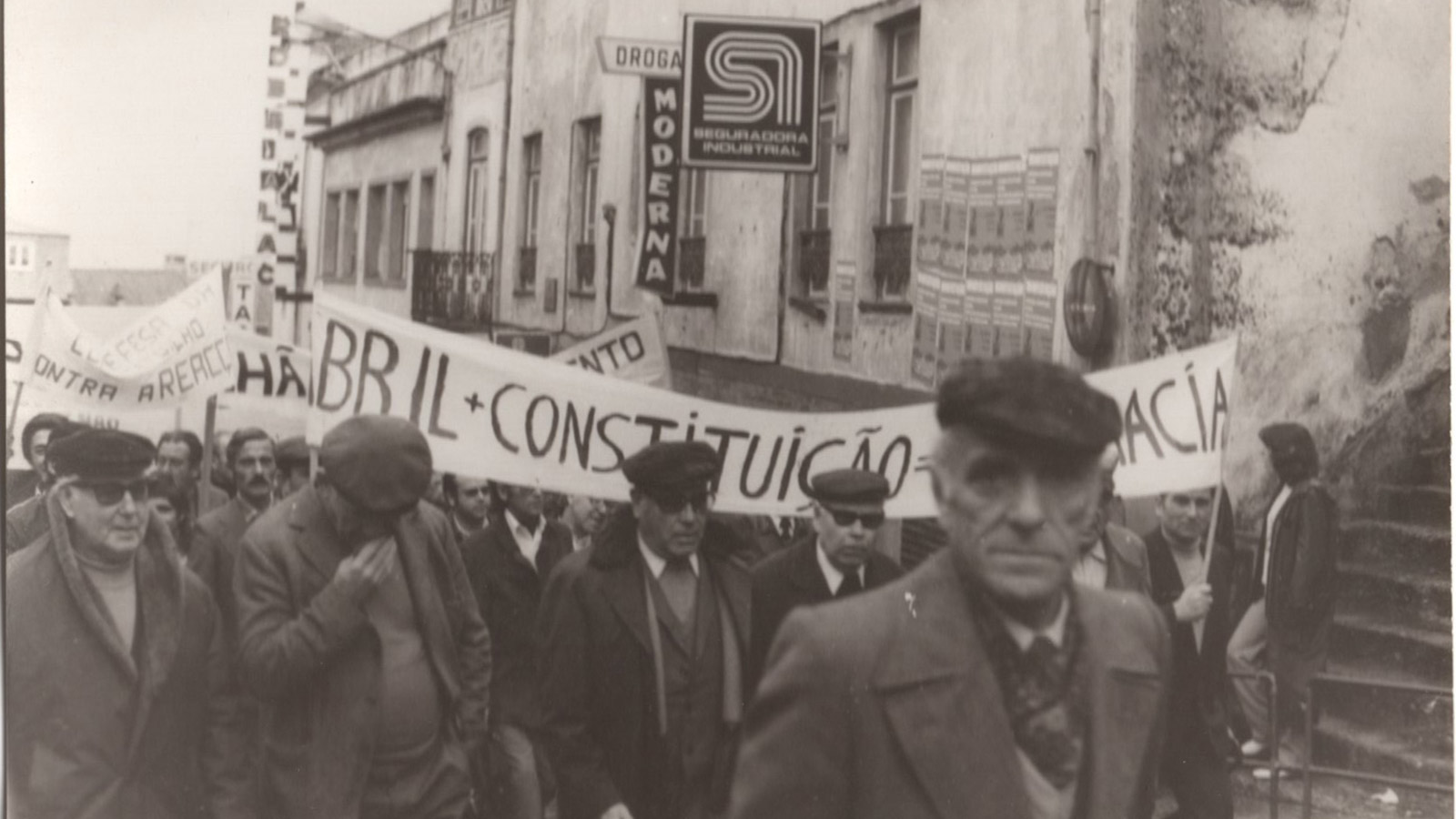
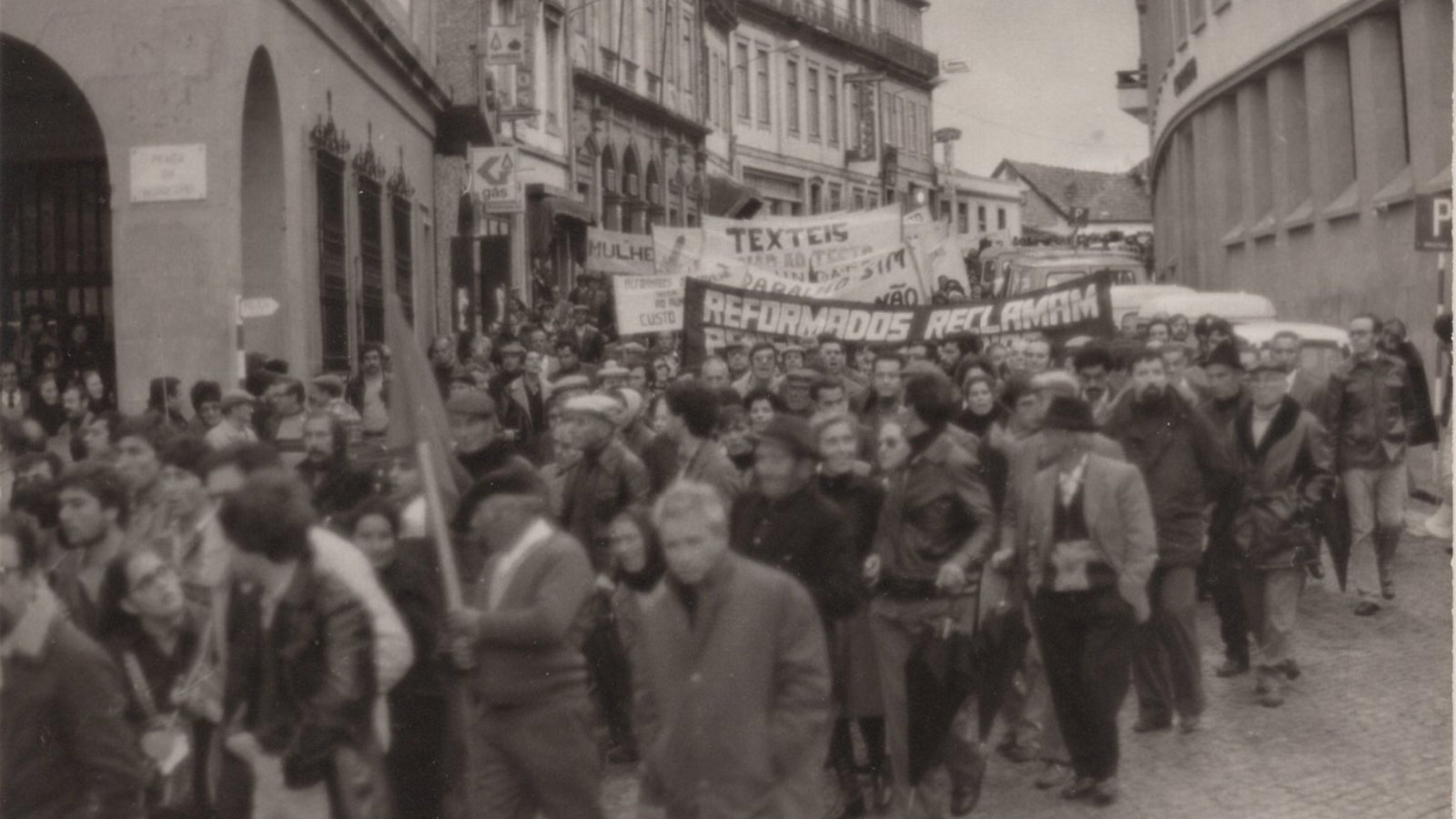
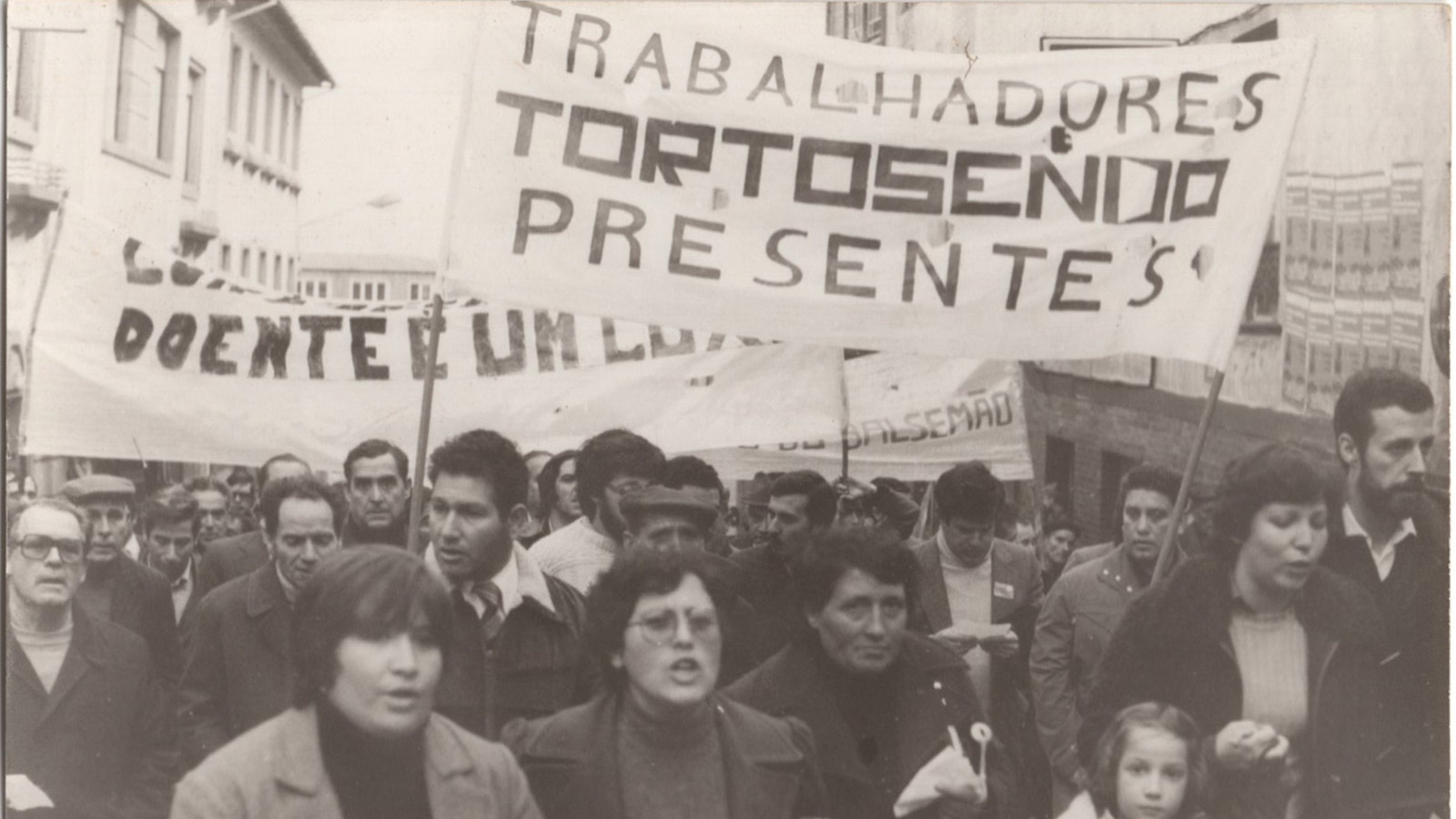
“People couldn’t speak out against the government”
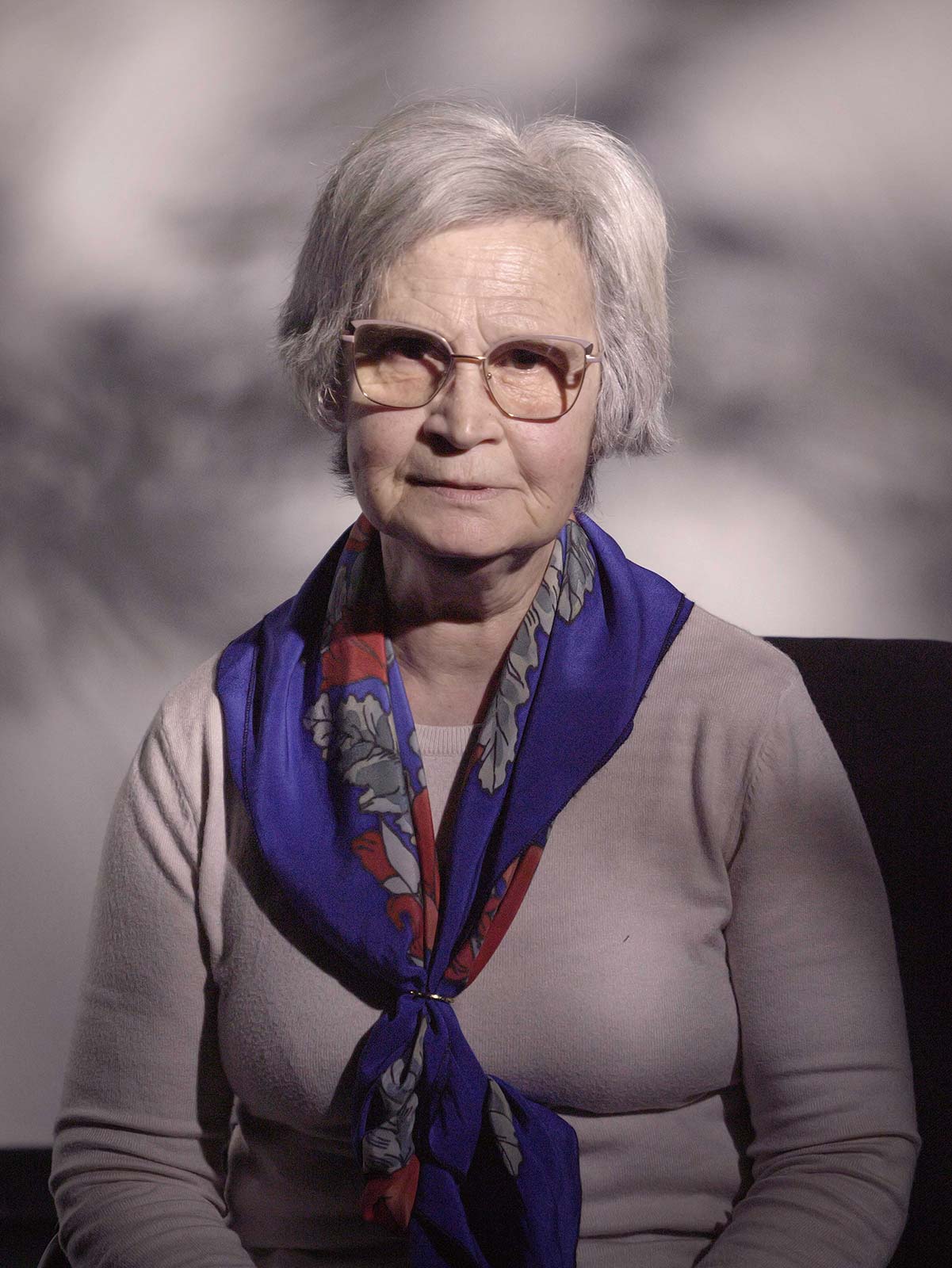
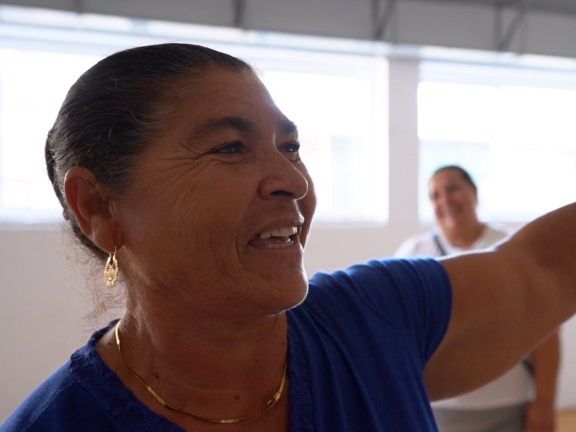
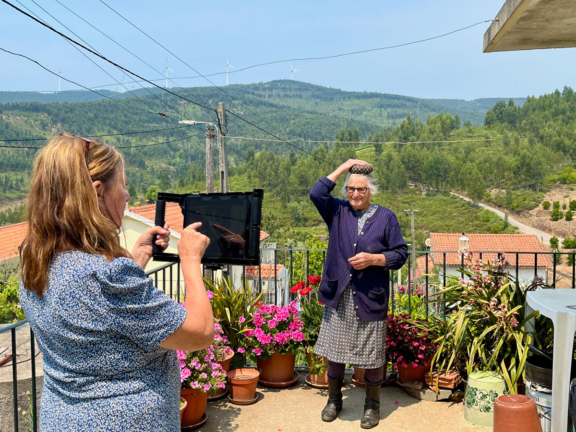
Elvira Cardoso is a retired textile worker who began working in a wool mill in Covilhã before the age of 13. From the village of Bouça, she would walk long distances to get to work or stay with other girls, always accompanied by an older woman who was also a factory worker. She worked in the final production section and served as a trade union representative until the factory closed. Referring to the period before 25 April, she recalls a time of fear and a lack of freedom: “People couldn’t speak out against the government; many even had to leave the country because there was no freedom”.
Elvira Cardoso
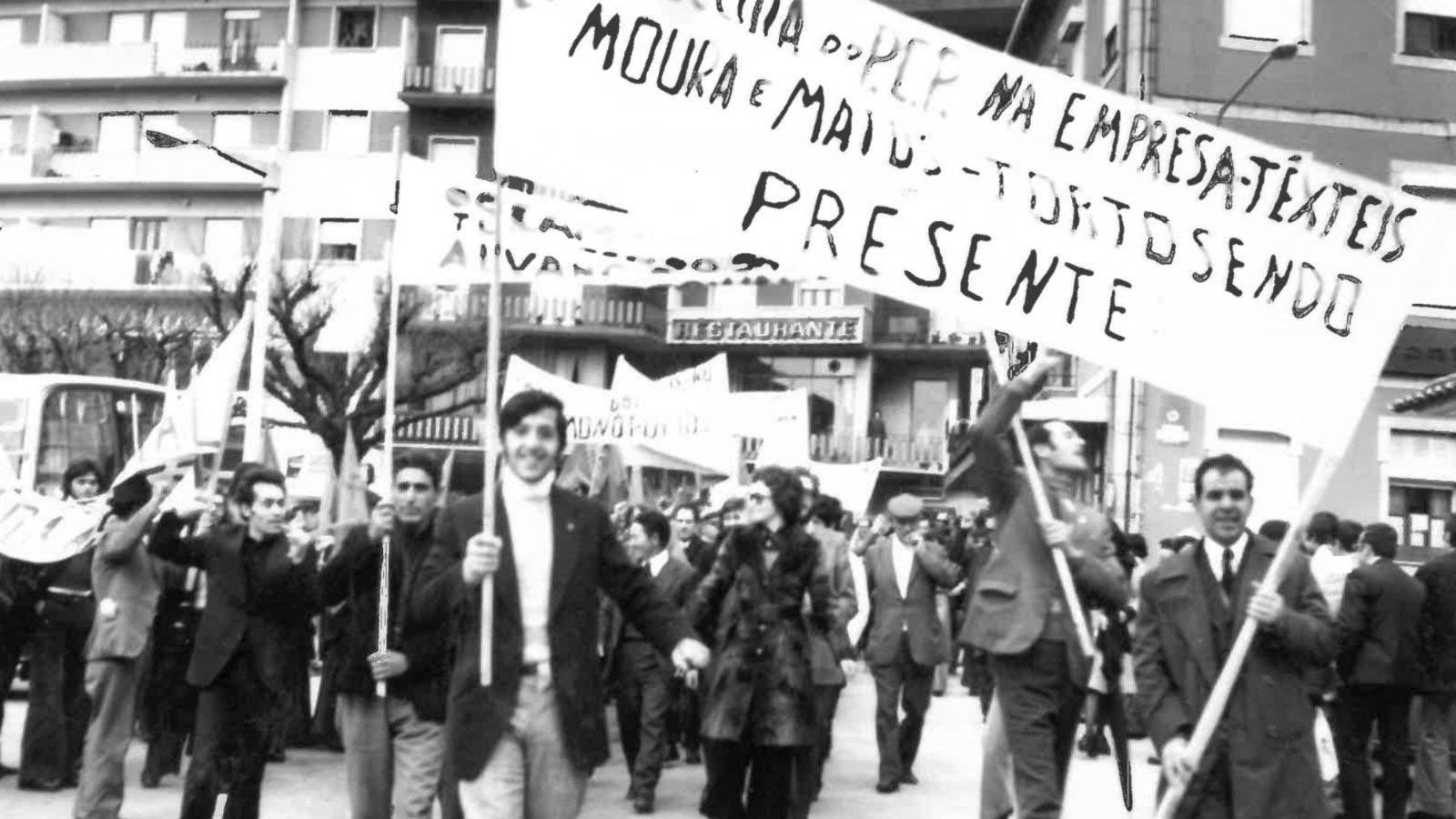
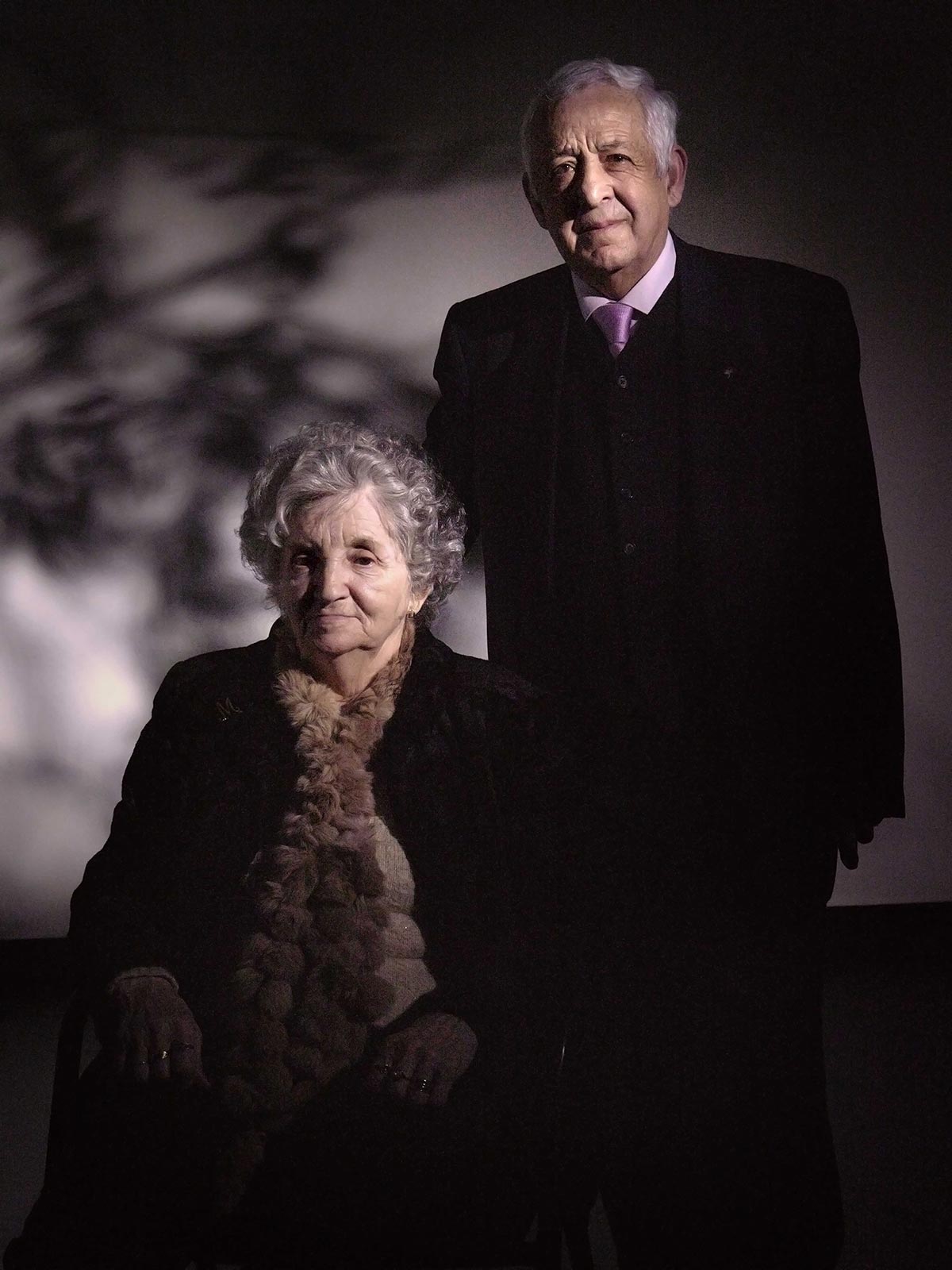
Child labour was common in the region’s textile industry, particularly among girls, and wage inequality was a daily reality. Maria Amélia Simplício, a lifelong resident of Tortosendo, began working in a wool mill as a child and later became a weaver. Now retired, she served for several years as a trade union representative and recalls that, even before the Revolution, organised forms of struggle were already taking shape, including the 1973 strike for wages and the rights of wool workers.
Amélia Simplício
Resistance also took place beyond strikes and public visibility. Gabriel Carrola, a native of Tortosendo, began working as a child, feeding yarn into the looms, and later became a weaver. With a long history in trade unionism and local community organisations, he emphasises the importance of solidarity among workers, who organised themselves to support sick colleagues or families without an income — gestures that he sees as concrete forms of resistance to fascism.
Gabriel Carrola
“In the wake of 25 April, we immediately felt the freedom”
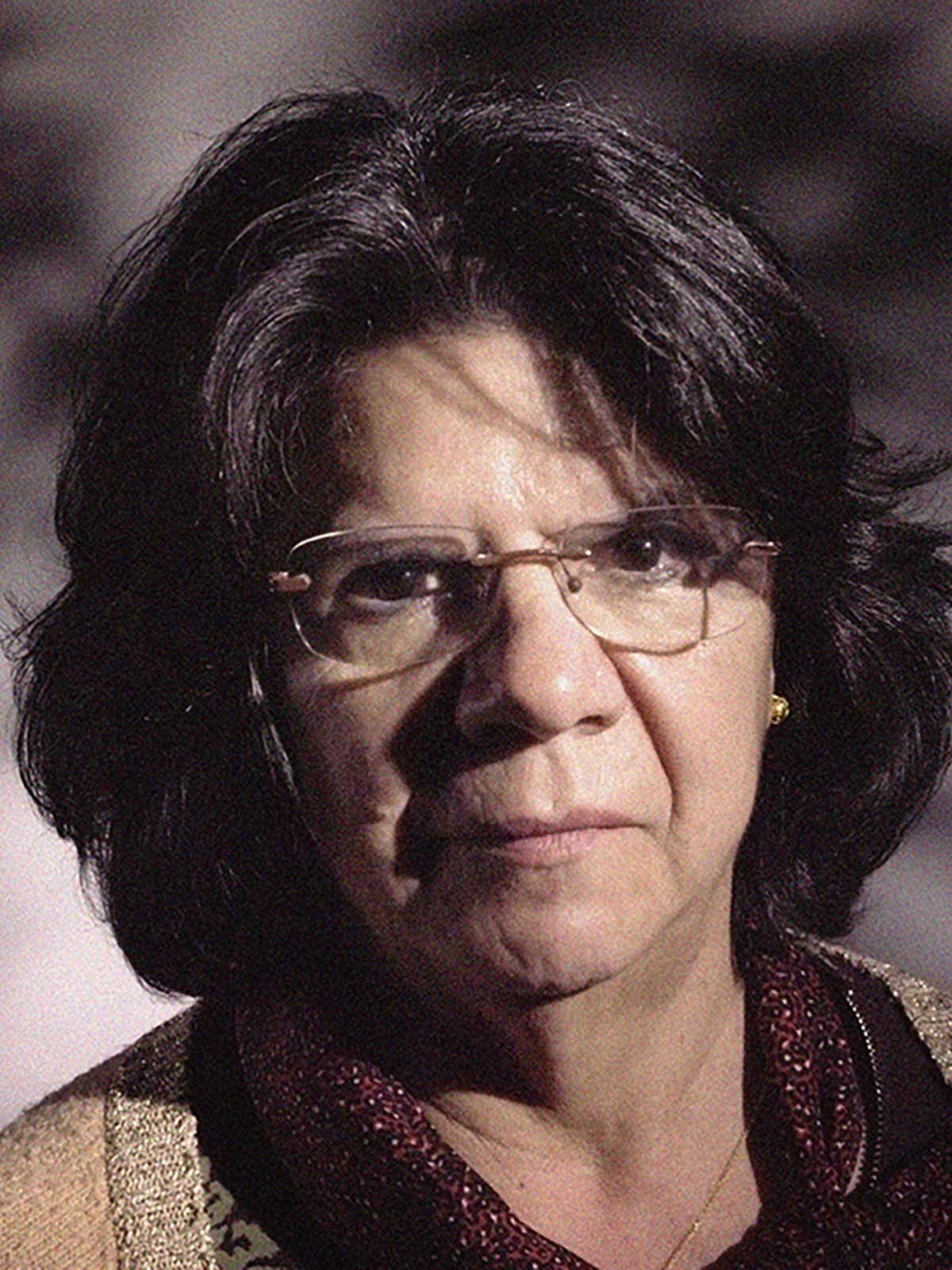
The 25 April Revolution is remembered for the changes it brought to the workplace. There were meetings, demands, and a new dynamic within the factory, marked by a strong collective spirit.
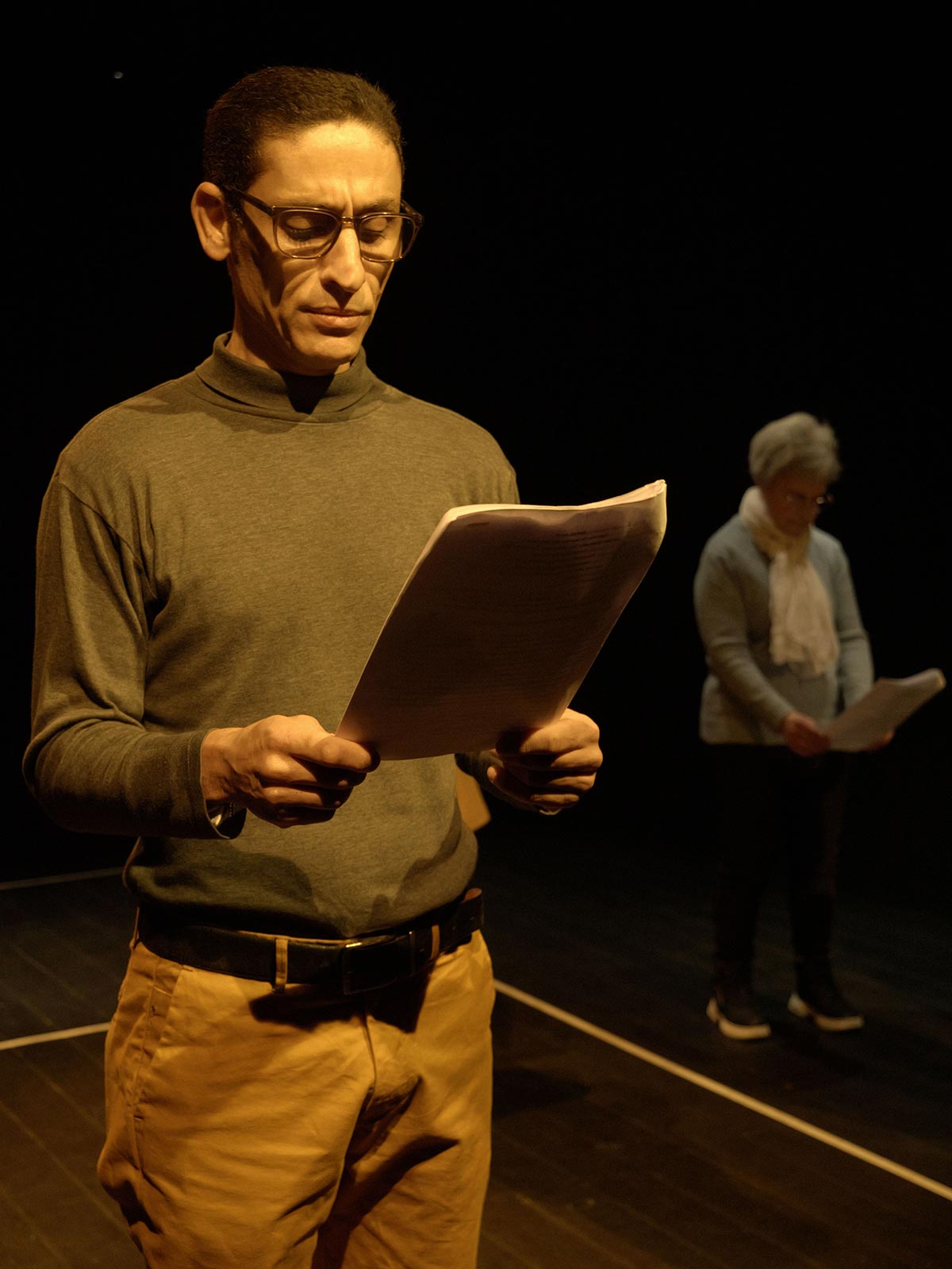
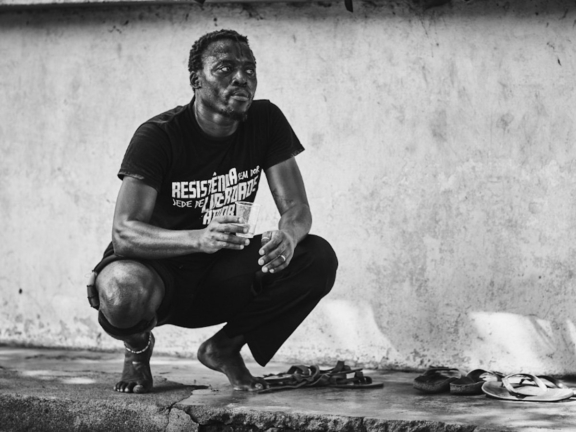
This memory of the past resonates with more recent experiences. Alexandre Faria, a Brazilian textile worker who has been living in Covilhã for six years, currently works at the Paulo de Oliveira factory. In Urdidura, his own experience intersects with the stories of those who worked in the wool mills for decades, and he sees the struggles of the past as a powerful force capable of mobilising today’s workers.
Alexandre Faria
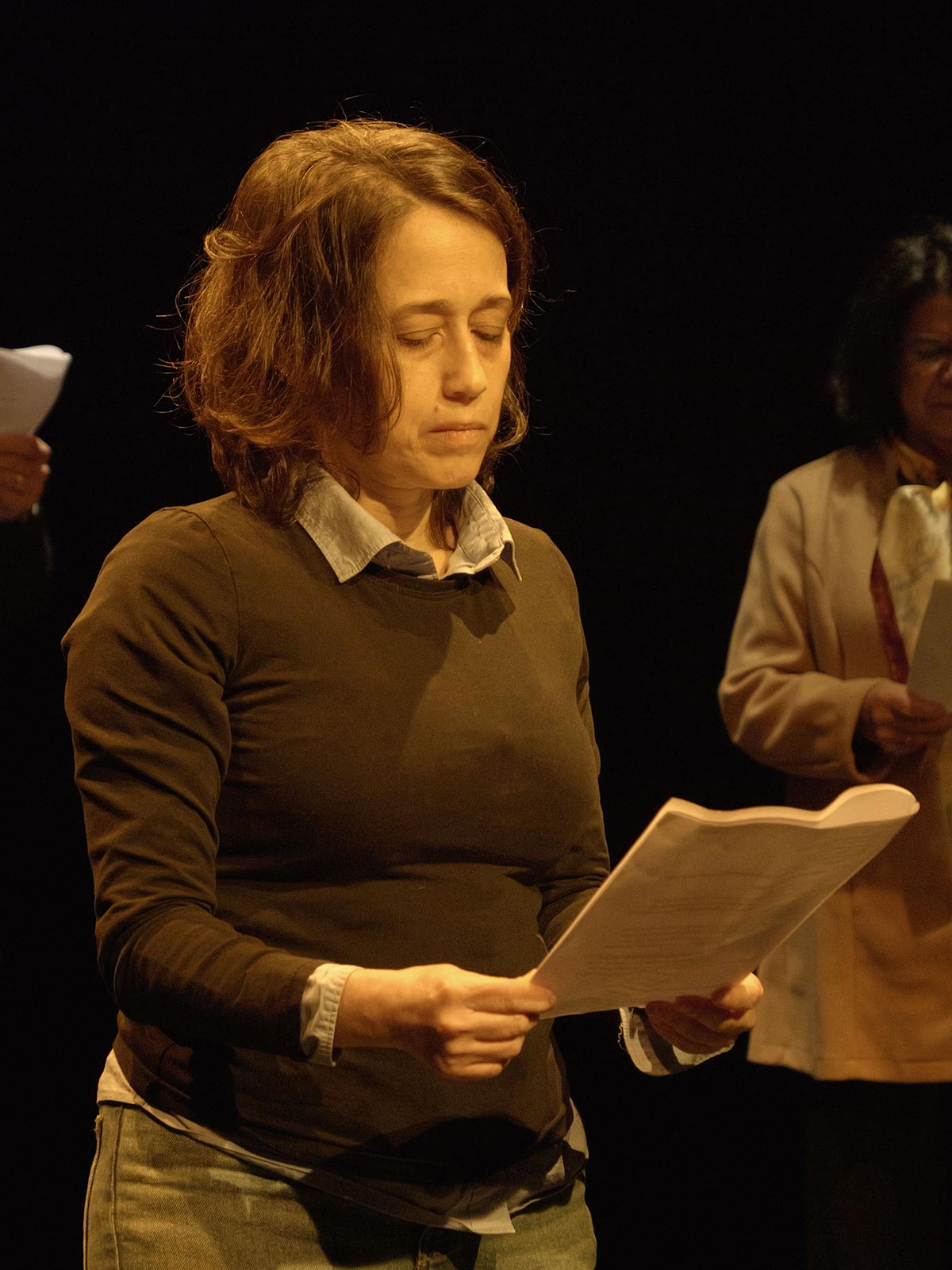
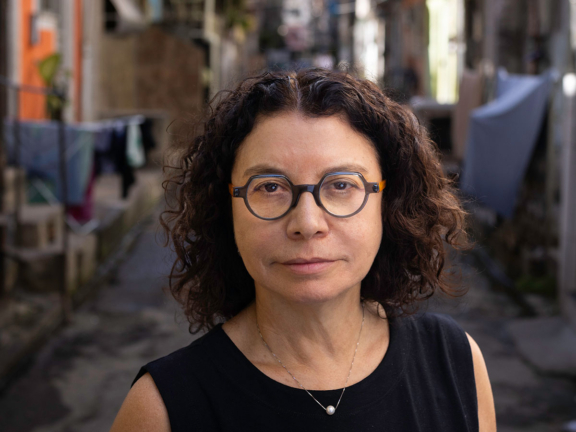
Cybelle Mendes, a Brazilian who has been living in Covilhã for seven years, a film consultant and participant in the project, also highlights the historical importance of the textile industry in workers’ organisation and the spread of anti-fascist resistance. At the same time, she offers a reflection on freedom as it is experienced today, shaped by her experience of migration and the subtle forms of discrimination that persist.
Cybelle Mendes
With Urdidura, these voices intertwine in a collective act of creation. On Workers’ Day, the project reminds us that freedom and workers’ rights are not abstract concepts: they arise from labour, organisation, and the lived experiences of those who, generation after generation, have made the factory a space of both struggle and community.
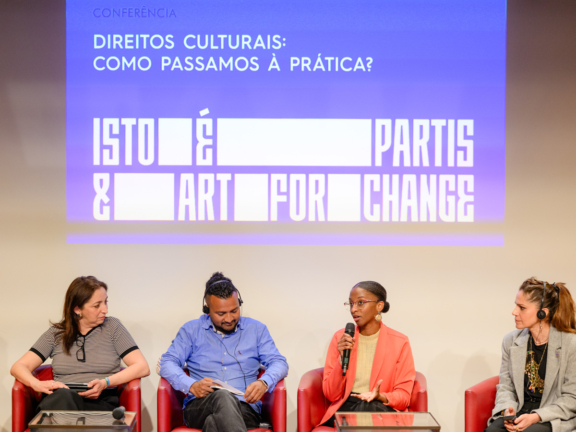
PARTIS & Art for Change
Explore the series


No results were found for your criteria.
You may also like
No results were found for your criteria.