
“Long live the Cantadeiras of Campo do Gerês!”
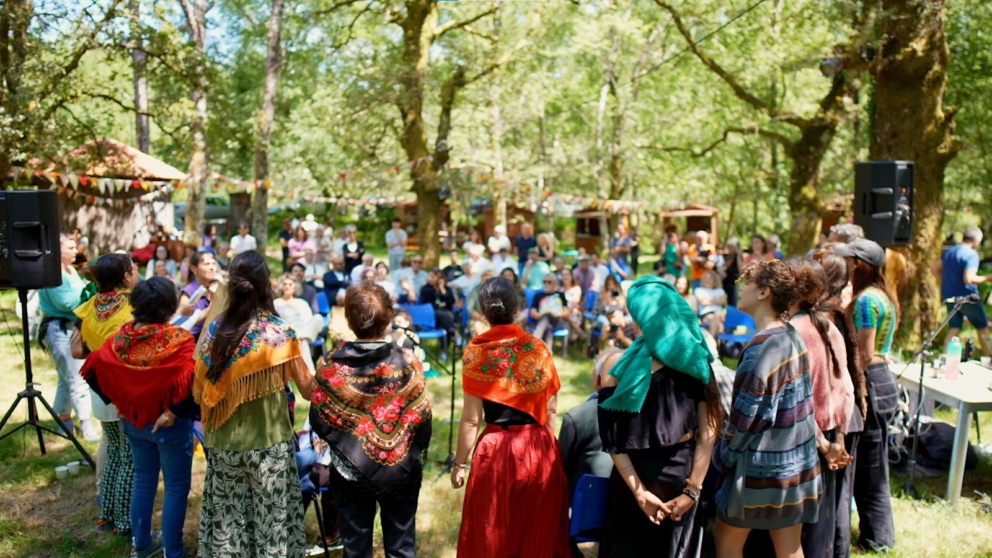
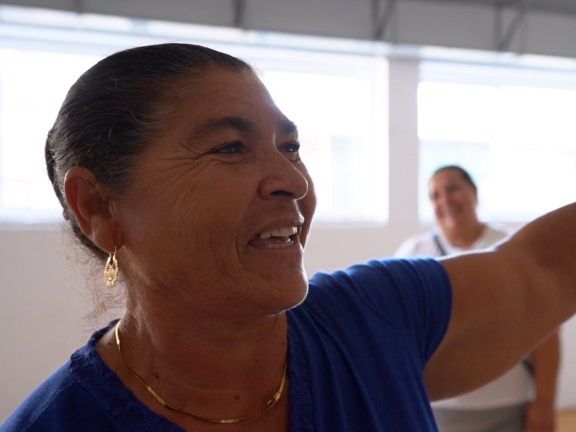
Carmelita Pires remembers it well: “I was born in Campo do Gerês, in a little house in the middle of the village, on October 13, 1948. We sang at home from a very young age. I’ve always sung.”
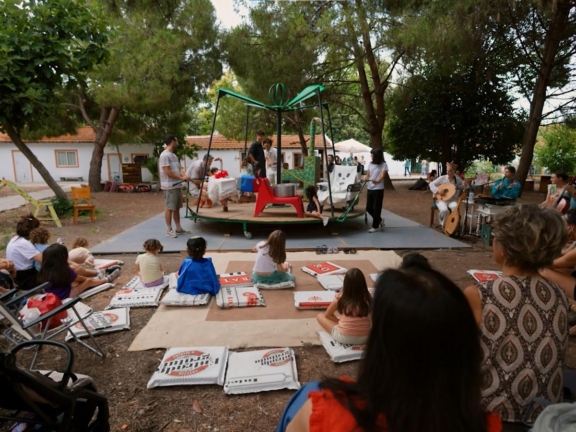
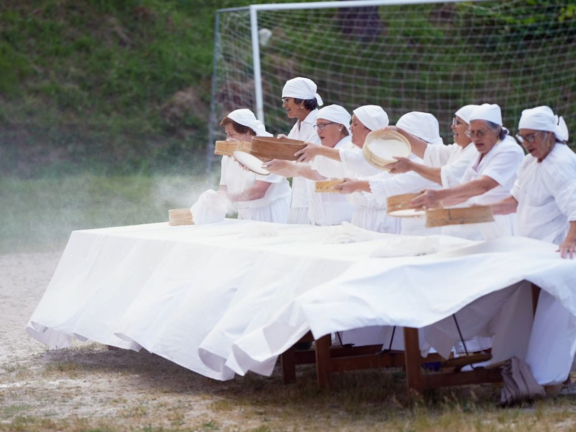
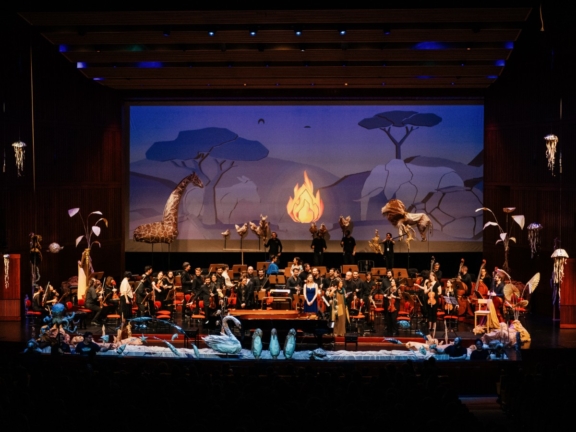
The Aldeias Criativas [Creative Villages] project, promoted by cultural association Rural Vivo, is, in fact, “several projects that aim to energize cultural opportunities for different communities living in this village and in others,” explains Evelyne Mussons, the project’s social director. One part of the project was the collaboration with the Cantadeiras of Campo do Gerês, “a very old, local, polyphonic group.”
For participant Rita Barros, her first contact came during a festive occasion: “I met them at a São João. They gave a very beautiful performance here at the Eira Grande. That’s when I went to speak to them, to ask if it would be possible to join the group.” Since then, these gatherings have been “intense moments of sharing and learning.”
But not all memories are of abundance. “People used to come here from everywhere to dance and sing with us. But now, there are so few of us, you know? Not even a third. This place has been robbed. Everyone’s gone from here,” laments another participant, Lúcia Dias.
Artistic director Teresa Melo Campos highlights the power of singing as a tool for belonging and connection: “Singing has this potential to bring people together, to bring them here, to make them empathize with the history of the places, to make them feel they are learning from the places themselves.” She adds: “There is an aspect of traditional music that is about telling episodes of people’s daily lives. In essence, it accompanies the various stages – from birth to aging, the work, what is cultivated, what the landscape is like.”
The focus on participatory arts has proved to be empowering, both for the community and for the project’s own team. “It allows us to grow and, collectively, when it happens, it has a very strong therapeutic effect,” says Evelyne Mussons. “We were already working somewhat in participatory and community arts, but without much awareness of what we were doing. Looking back, we realize we were already on that path. And so, the PARTIS & Art for Change initiative helped us to truly follow this direction.”
Between old and new voices, between memories of abundance and the challenges of today, the project shows that singing remains a way to keep the place alive – and to reinvent it for the future.
PARTIS & Art for Change
Explore the series
No results were found for your criteria.
You may also like


No results were found for your criteria.