
Ser é a Questão: Shakespeare with an Almada accent
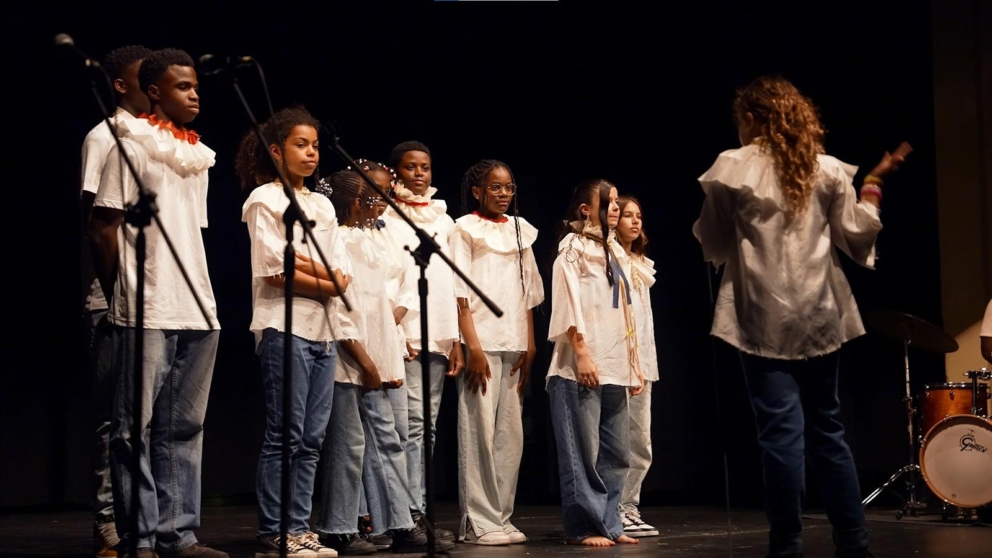
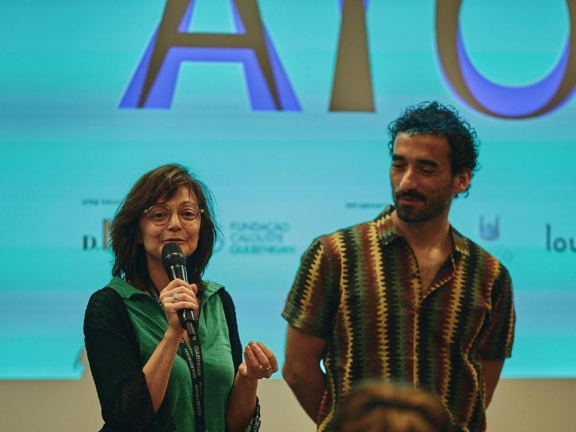
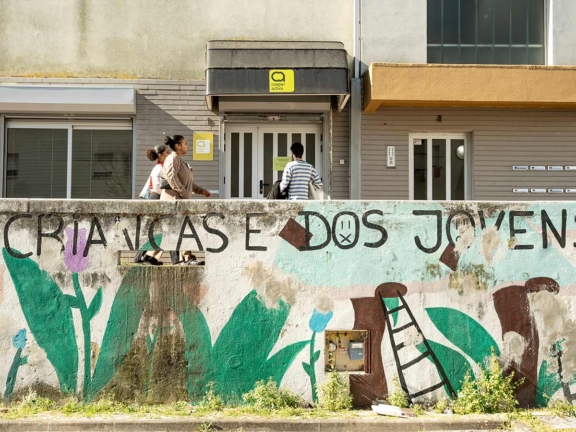
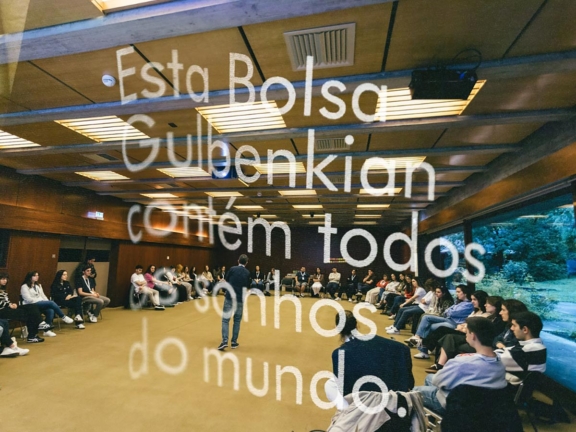
“This project is the staging of Romeo and Juliet, created with the children and young people who attend the Padre Amadeu Pinto Youth Centre,” explains Marcos Barbosa, artistic director. “They are the ones writing their own Romeo and Juliet, through the filter of Jacinto Lucas Pires, our resident playwright.”
This collaborative process has given shape to a reinvented story. “First, we work with Jacinto, we give our opinions, because we’re from the neighbourhood — we speak differently,” says participant Diana David. Niwani César adds: “Juliet is pale, has brown hair, and he writes and includes that in the story.”
For playwright Jacinto Lucas Pires, the challenge was to show that Shakespeare still speaks to the present: “My job was simply to say that Shakespeare isn’t from yesterday, he isn’t distant — that Verona could be Almada — and so the play was open to whatever they wanted to bring.”
Throughout the process, the theatre became a space for confidence and belonging. “Their feedback is that they are overcoming shyness, gaining confidence in themselves, learning to work in teams — and that greatly benefits their personal development,” says Father Lourenço Eiró, head of the project’s social direction. Diana agrees: “I don’t think art changes me, but it takes me a bit out of the world, out of the confusion, out of the neighbourhood, and makes me feel like a normal girl without problems — everything feels perfect.”
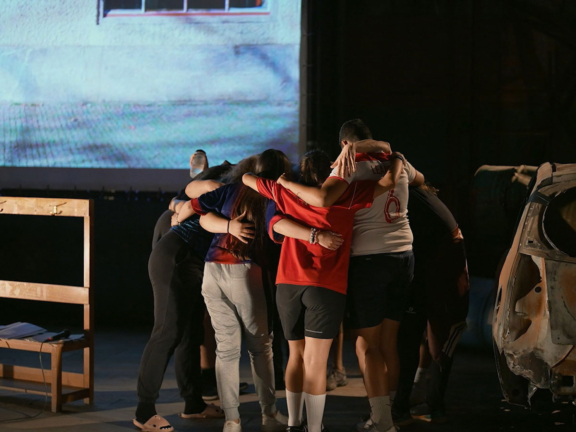
On the day of the performance, between nerves and smiles, the participants’ pride is clear. “It took us so many years to finally do a play. We made mistakes and didn’t give up — until the day came, and we did it.”
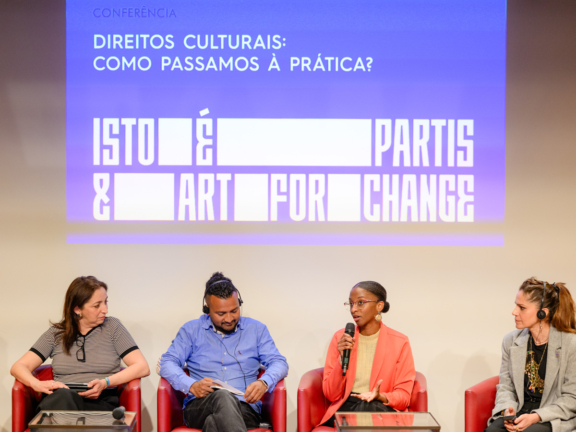
Supported by the PARTIS & Art for Change initiative of the Calouste Gulbenkian Foundation and the ”la Caixa” Foundation, To Be the Question turns the stage into a participatory space where each young person finds their own place. “It’s through these long-term projects, by bringing our artistic work into these communities, that representation in the arts is truly built,” concludes Marcos Barbosa.
PARTIS & Art for Change
Explore the series

No results were found for your criteria.
You may also like

No results were found for your criteria.