
“Sometimes, when I’m here at the opera, I even forget that I’m locked up”

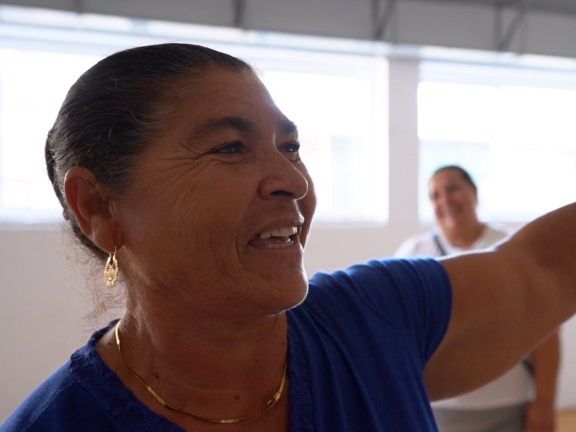
“We sing, we dance, we laugh a bit, we talk about our emotions” – this is how Pedro Pinto describes his participation in the Opera in Prison project. He adds: “I used to be a bit shy too, but I’ve stopped being reserved”.
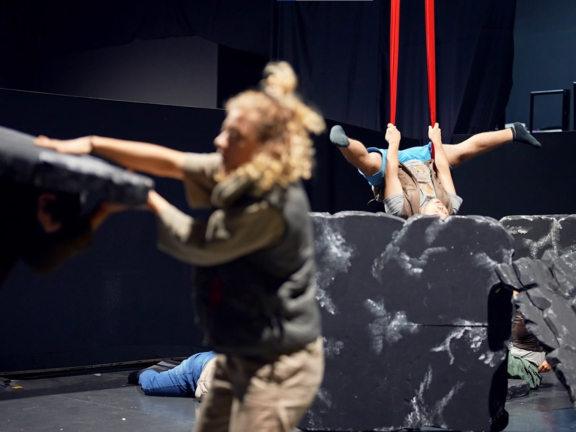
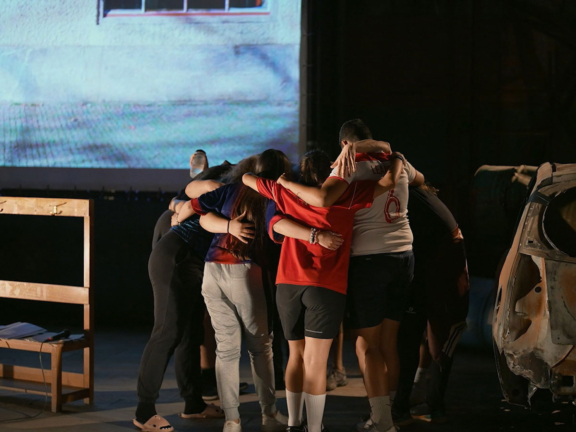
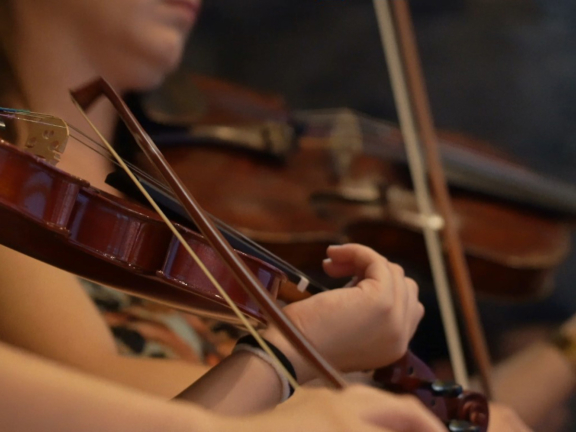
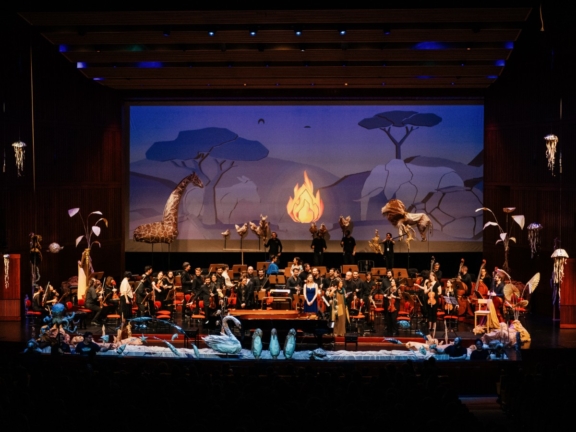
‘Opera in Prison’ is a project that has been trying to reduce the rate of criminal recidivism through the practice of operatic singing and musical theatre in the Leiria-Jovens Prison since 2014. The project is currently in its ‘Mozart On’ edition, which aims to open up the Mozart Pavilion to the Leiria community, a prison space adapted exclusively for artistic creation, with quarterly public performances.
For David Ramy, coordinator, the first effect of the project is to “demystify the idea that opera is something for ladies who sing in another language and shout in a way that you can’t understand”. In Mozart’s operas are “the whole human being. The stage experience, the artistic catharsis, is a great tool for change. And for them to get away from being a criminal and become an artist, it puts them in a different position, and their families and society too”.
Participants Fábio Santos and José Fernandes highlight “the coming together of cultures – gypsy, Brazilian and Afro-descendant culture”, which helps them gain empathy and sensitivity for difference, and the equal treatment: “Here, David, it’s not because we’re inmates or because of the crime we’ve committed that he treats us differently. From the moment you walk through the door, we are equal people”.
As for Augusto Matemba, what remains is a sense of freedom. “Sometimes, when I’m here at the opera, I even forget that I’m locked up. I’m in another world”.
This project is the result of a partnership between the Sociedade Artística Musical dos Pousos and the Direção-Geral de Reinserção e dos Serviços Prisionais, with the support of the Calouste Gulbenkian Foundation and the “la Caixa” Foundation.
PARTIS & Art for Change
Explore the series






No results were found for your criteria.
You may also like










No results were found for your criteria.