Chronology Calouste Gulbenkian Foundation
The Calouste Gulbenkian Foundation was established in 1956 by the will of Calouste Sarkis Gulbenkian, a philanthropist of Armenian origin who lived in Lisbon between 1942 and 1955, the year he died.
A Portuguese organisation established in perpetuity, the Foundation’s fundamental purpose is to improve people’s quality of life through art, charity, science and education. The Foundation carries out its activities from its headquarters in Lisbon and its delegations in Paris and London, intervening through support granted from Portugal to the Portuguese-speaking African countries and East Timor, as well as in countries with Armenian communities.
The Foundation has a museum which houses the private collection of Calouste Gulbenkian, and a modern art centre, which brings together the most important collection of modern and contemporary Portuguese art in the world; an orchestra and a choir; an art library and archive; a scientific research institute; and a garden, which is a central space in the city of Lisbon, and where educational activities also take place.
In conjunction with its cultural events and activities, the Foundation fulfils its mission through innovative programmes, pilot projects, grants and subsidies for social institutions and organisations.
1956 – 1959
The Calouste Gulbenkian Foundation was created by Calouste Sarkis Gulbenkian in his will dated 18 June 1953, with its statutes approved by Decree-Law No. 40 690 of 18 July 1956. Headquartered in Lisbon, the Foundation is defined as a private institution of general public utility created in perpetuity, endowed with its own legal status, and with a charitable, artistic, educational and scientific vocation.
The inaugural Board of Directors was composed of four members and chaired by José de Azeredo Perdigão, who remained in that position until his death in 1995.
In the first three years, the Foundation’s main lines of action were established in accordance with its statutes, which remain essentially unchanged to this day. The main initial concern was to honour the Founder’s will by continuing to support Armenia and the Armenian diaspora, and to find a suitable place to host the art collection Gulbenkian had gathered during his lifetime.
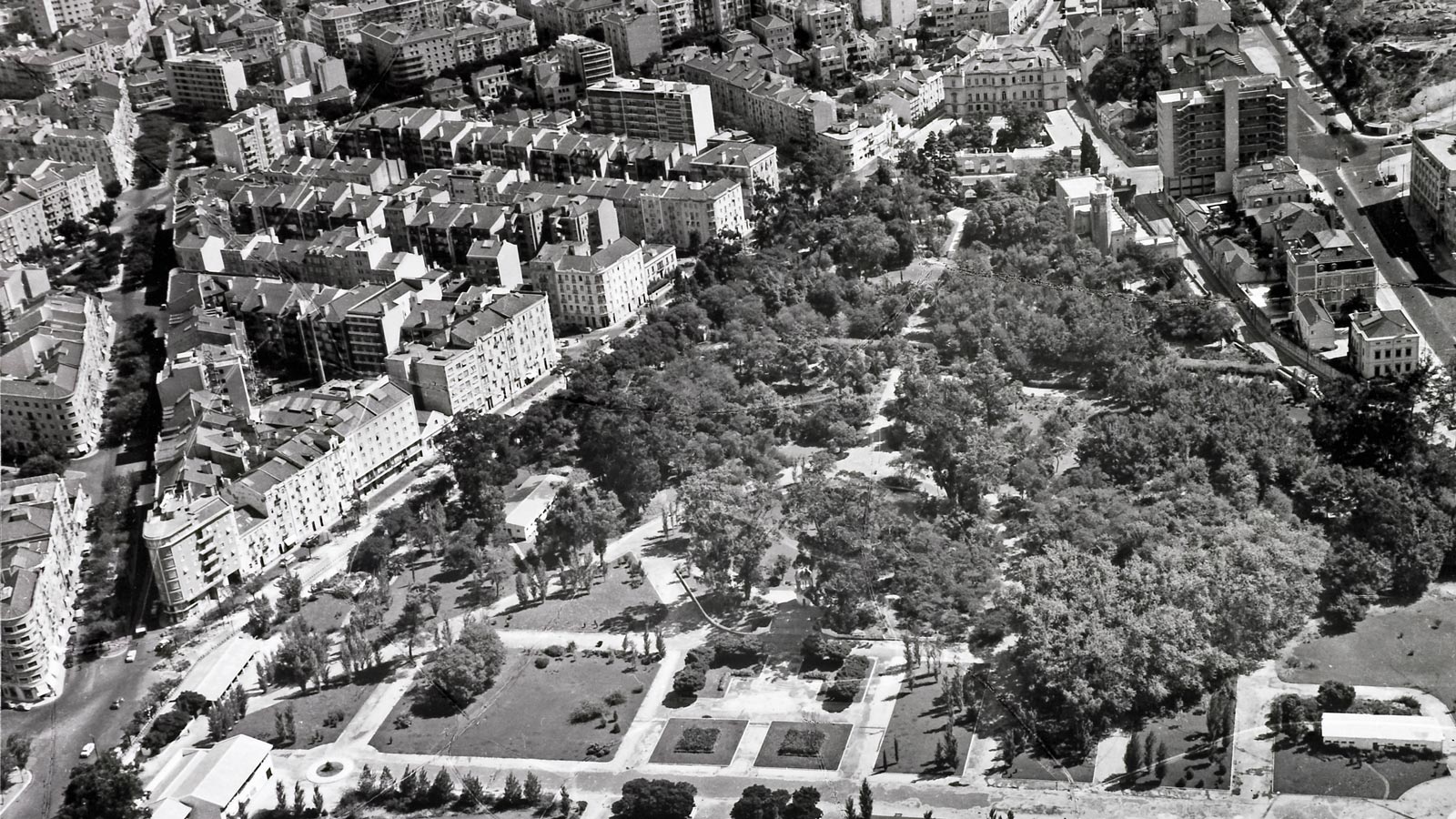
In 1957, a plot of land was acquired in Santa Gertrudes Park in the centre of Lisbon, where the Foundation’s headquarters would be built.
At the same time the functional organisation of the Foundation was outlined, with the creation of various departments to reflect the priorities established: Education and Scholarships, Charity, Itinerant Libraries, Middle East and Armenian Communities, Museum and Fine Arts, UK Branch, and Music. By 1959, 13 departments had been created.
/
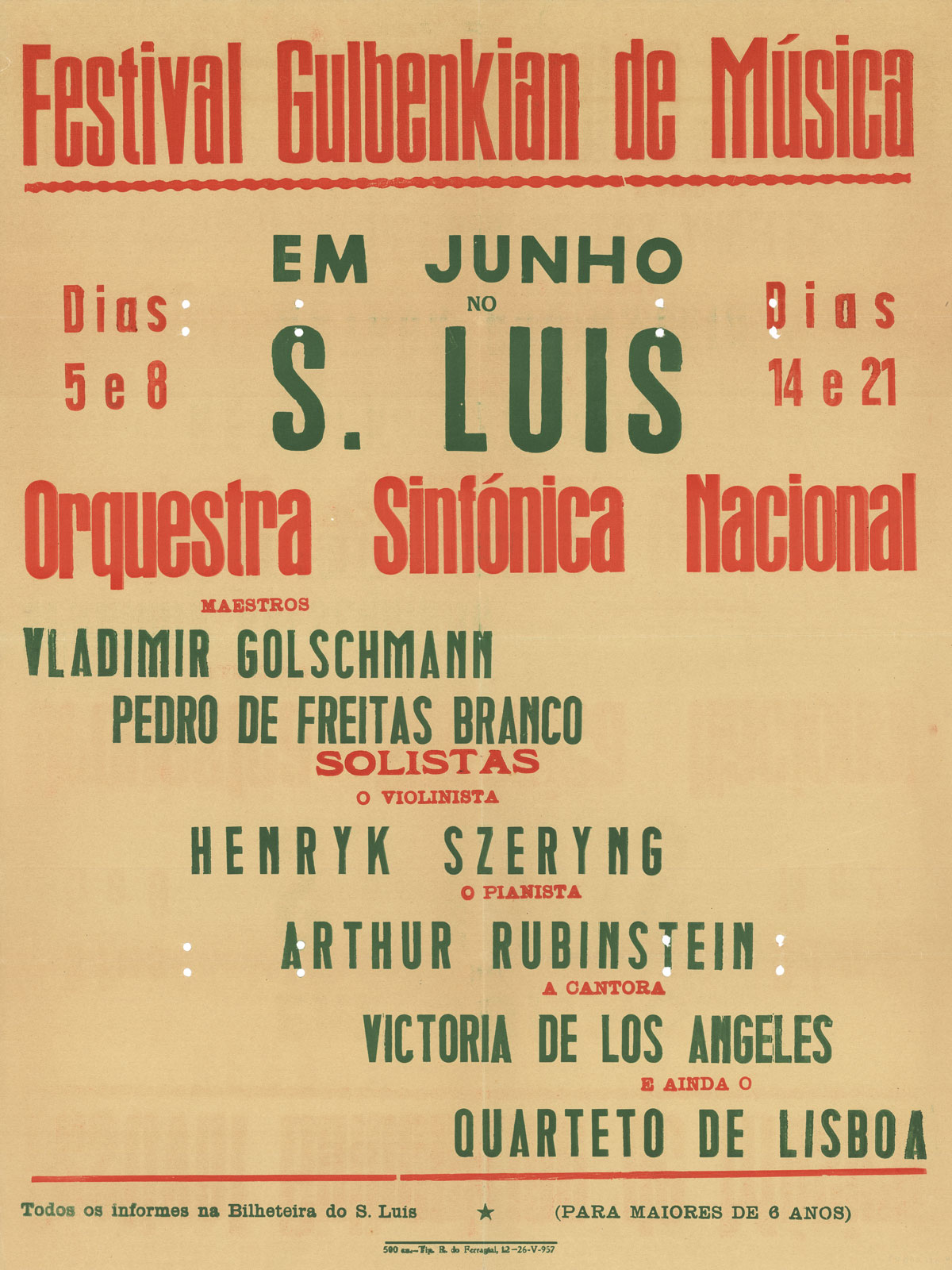
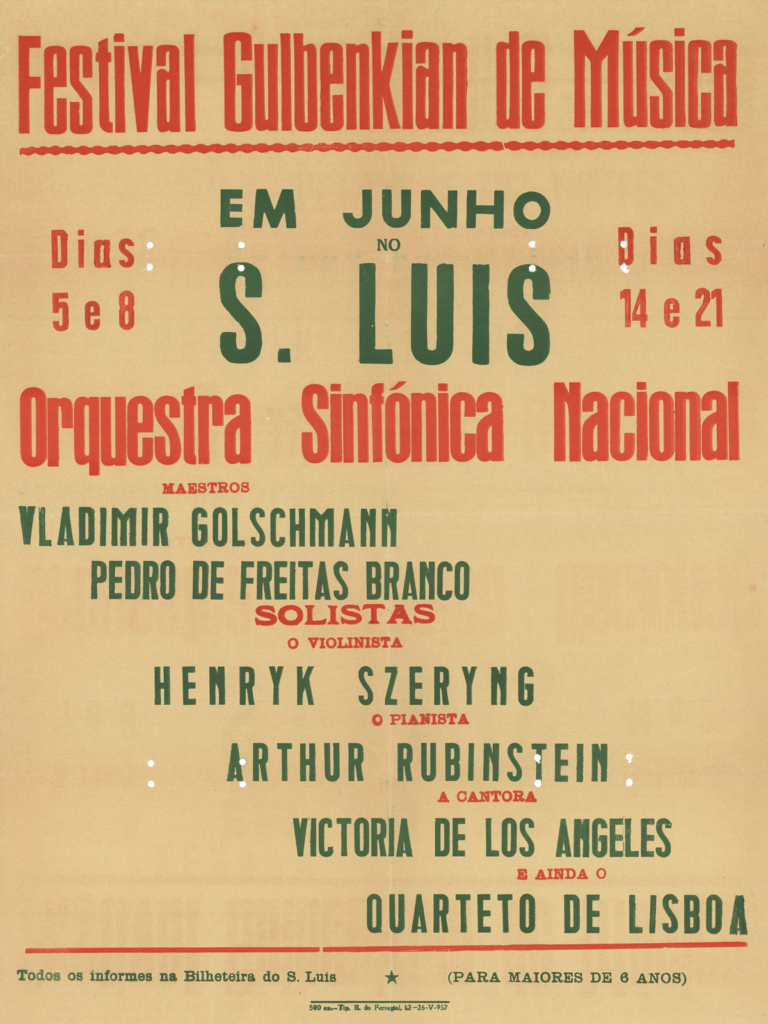
In the following two years, the Foundation’s activity was developed across all these areas: the 1st Gulbenkian Music Festival was held; the first 15 libraries of the Itinerant Library Network were launched; the Calouste Gulbenkian Awards in the areas of fine arts, literature and music were established; the annual call for postgraduate scholarships and the recovery of historical heritage of Portuguese origin in the world began; and the magazine “Colóquio – Revista de Artes e Letras” was first published.
Artworks from the Gulbenkian Collection were transferred from France to Portugal.

/
1960 – 1969
This decade was mainly marked by the construction of the Foundation Museum and Headquarters on the land acquired in 1957. A restricted public tender was launched, with Francisco Keil do Amaral, Carlos Ramos, Sir Leslie Martin, William Allen, George-Henri Rivière and Franco Albini acting as consultants. Construction began in 1962 with a project by architects Alberto Pessoa, Pedro Cid and Ruy d’Athouguia, and by landscape architects António Viana Barreto and Gonçalo Ribeiro Teles. Construction work was directed by Luís Guimarães Lobato.
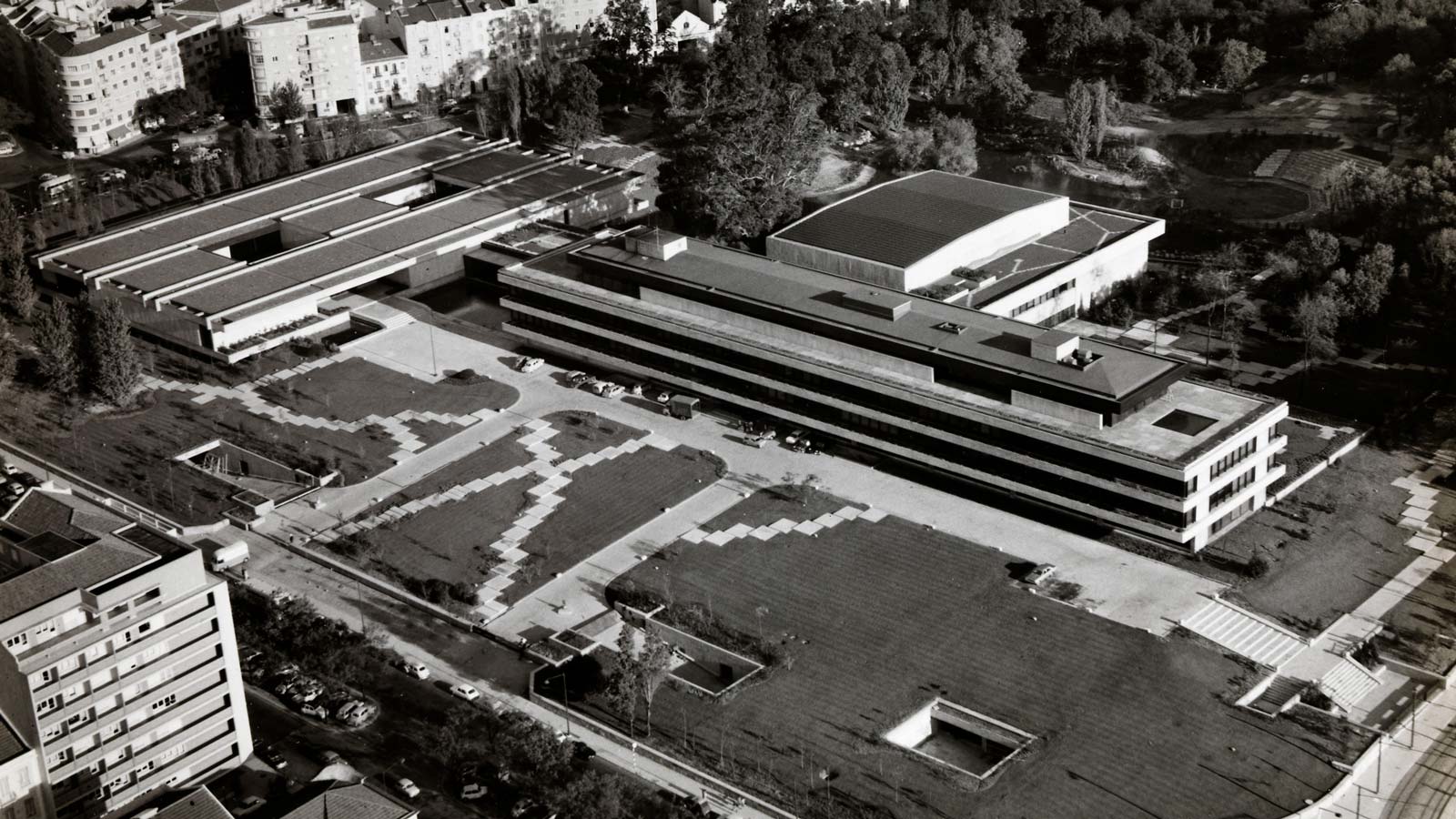
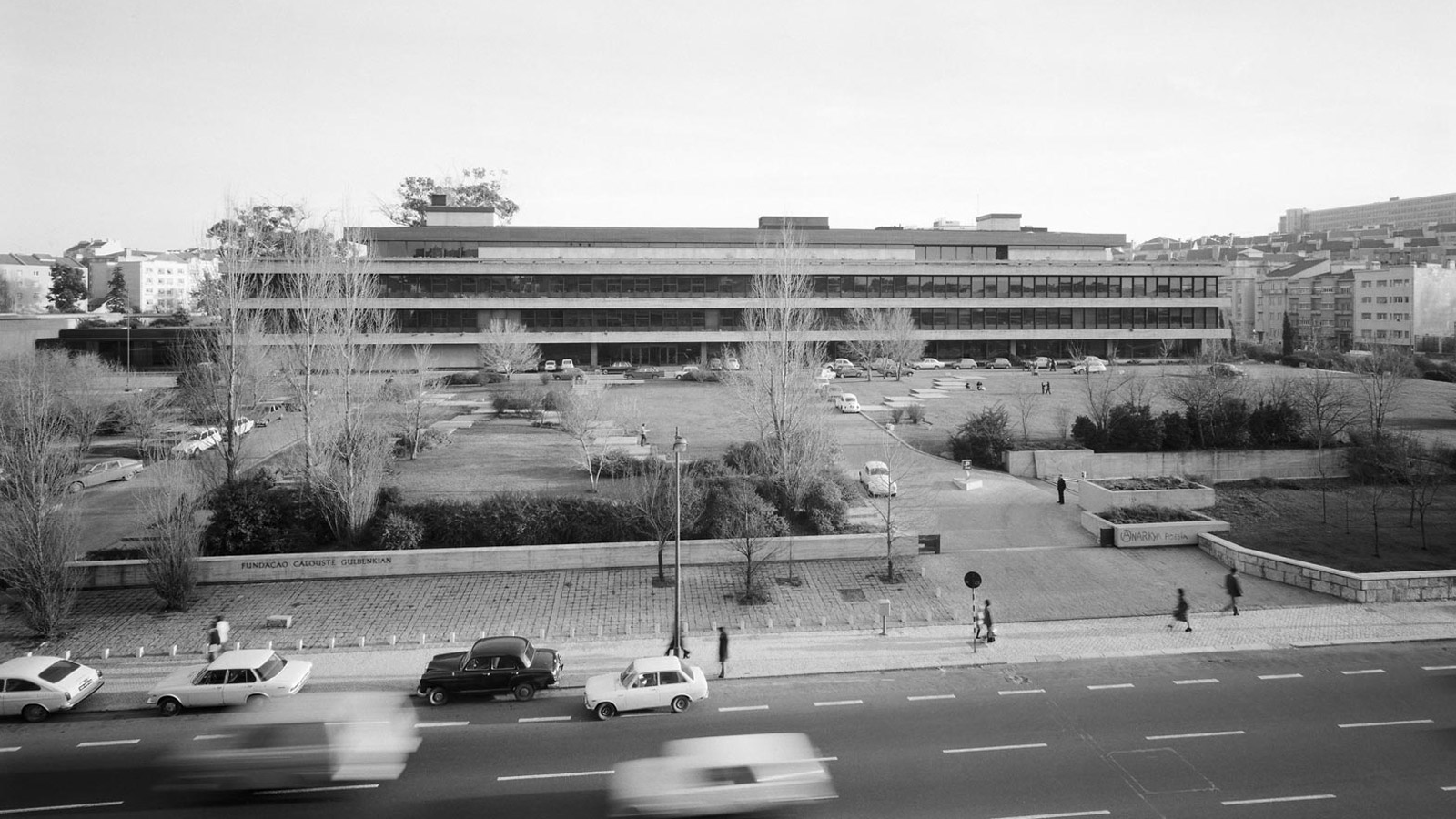
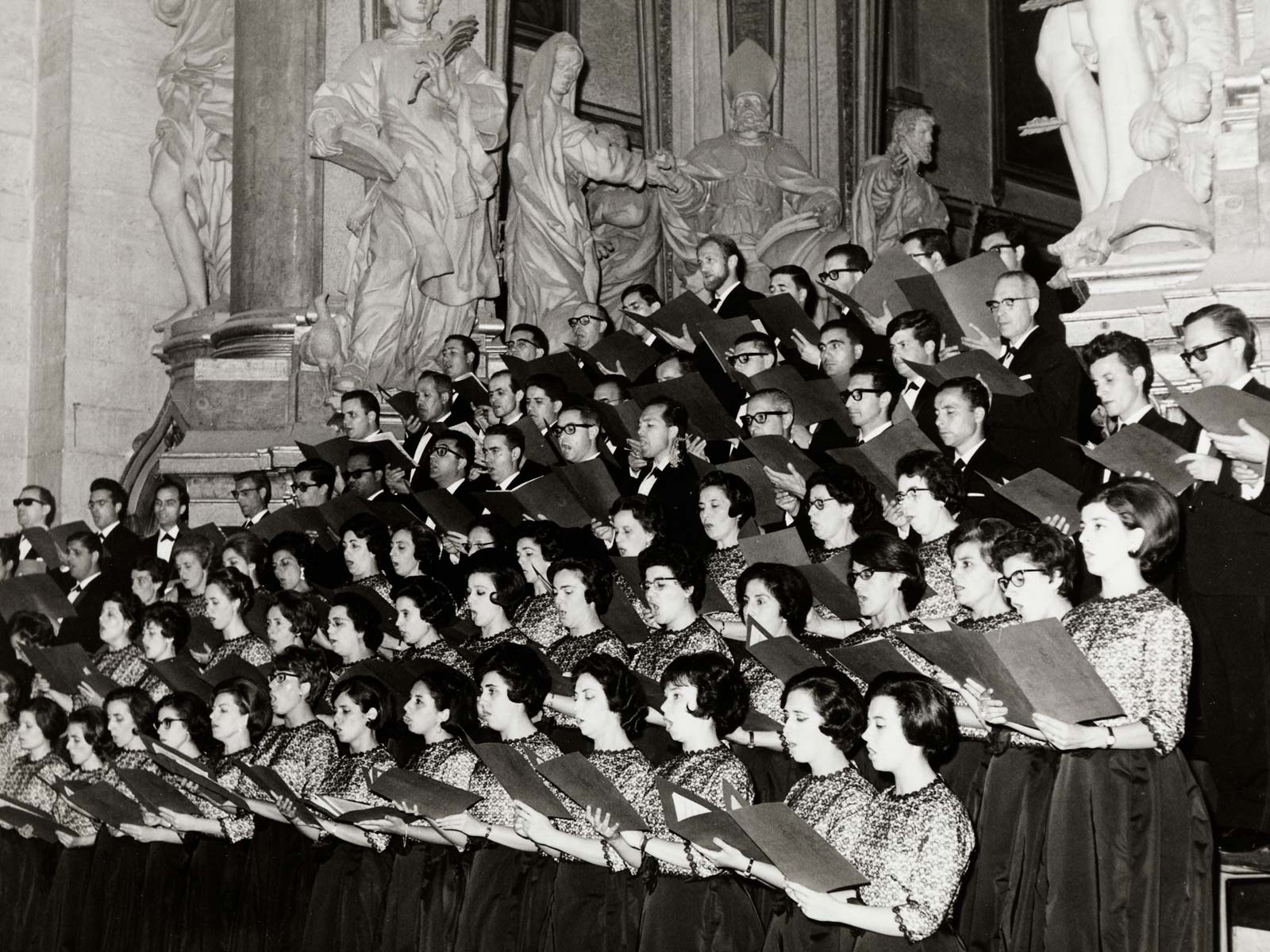
On 2 October 1969, the building of the Calouste Gulbenkian Foundation Headquarters and Museum was inaugurated in Lisbon, marking the centenary of the birth of Calouste Sarkis Gulbenkian. The Gulbenkian Orchestra and Choir performed in the Grand Auditorium.
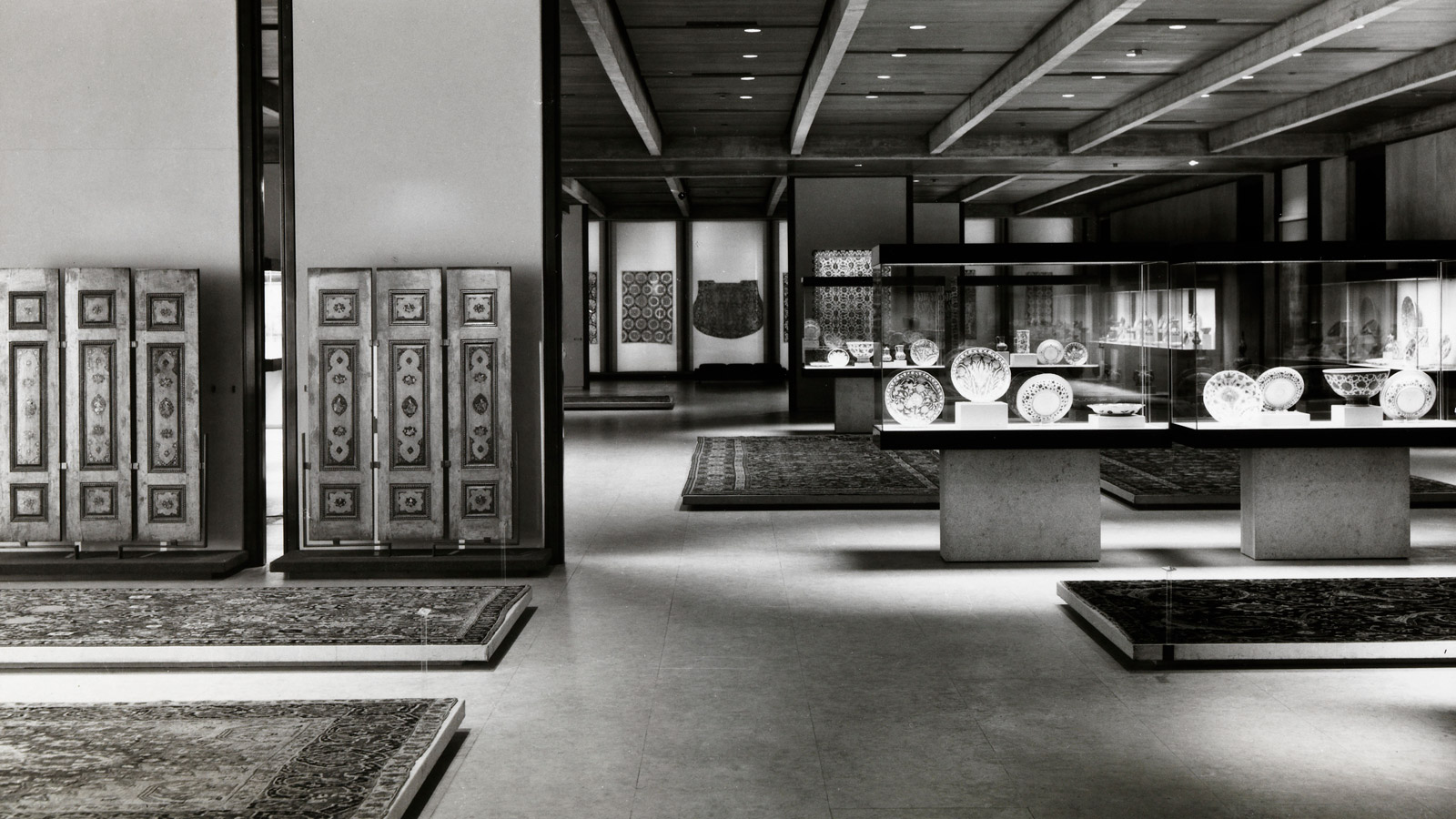
At its opening, the Museum displayed more than a thousand pieces from Calouste Gulbenkian’s collection, while the Temporary Exhibitions Gallery presented works by Portuguese artists acquired in the meantime.
The Foundation’s functional structure was consolidated with the creation of the Science Department, the Maison des Étudiants Portugais at the Cité Internationale Universitaire de Paris (now the Maison du Portugal André de Gouveia), and the library which would be integrated into the Portuguese Cultural Centre in Paris in 1965. The Gulbenkian Institute of Science was created, a multidisciplinary extra-university research centre.
A Publishing Plan was established in 1962 with the collection Manuais Universitários [Subject Handbooks for University], followed by the collections Textos Clássicos [Classical Texts] in 1964, and Cultura Portuguesa [Portuguese Culture] in 1966. The main objective of this plan, which remains almost unchanged from its original purpose today, is to provide students with access to fundamental foreign literary works translated into Portuguese by leading specialists.
In 1963, the project of commissioning works by contemporary Portuguese composers was initiated.
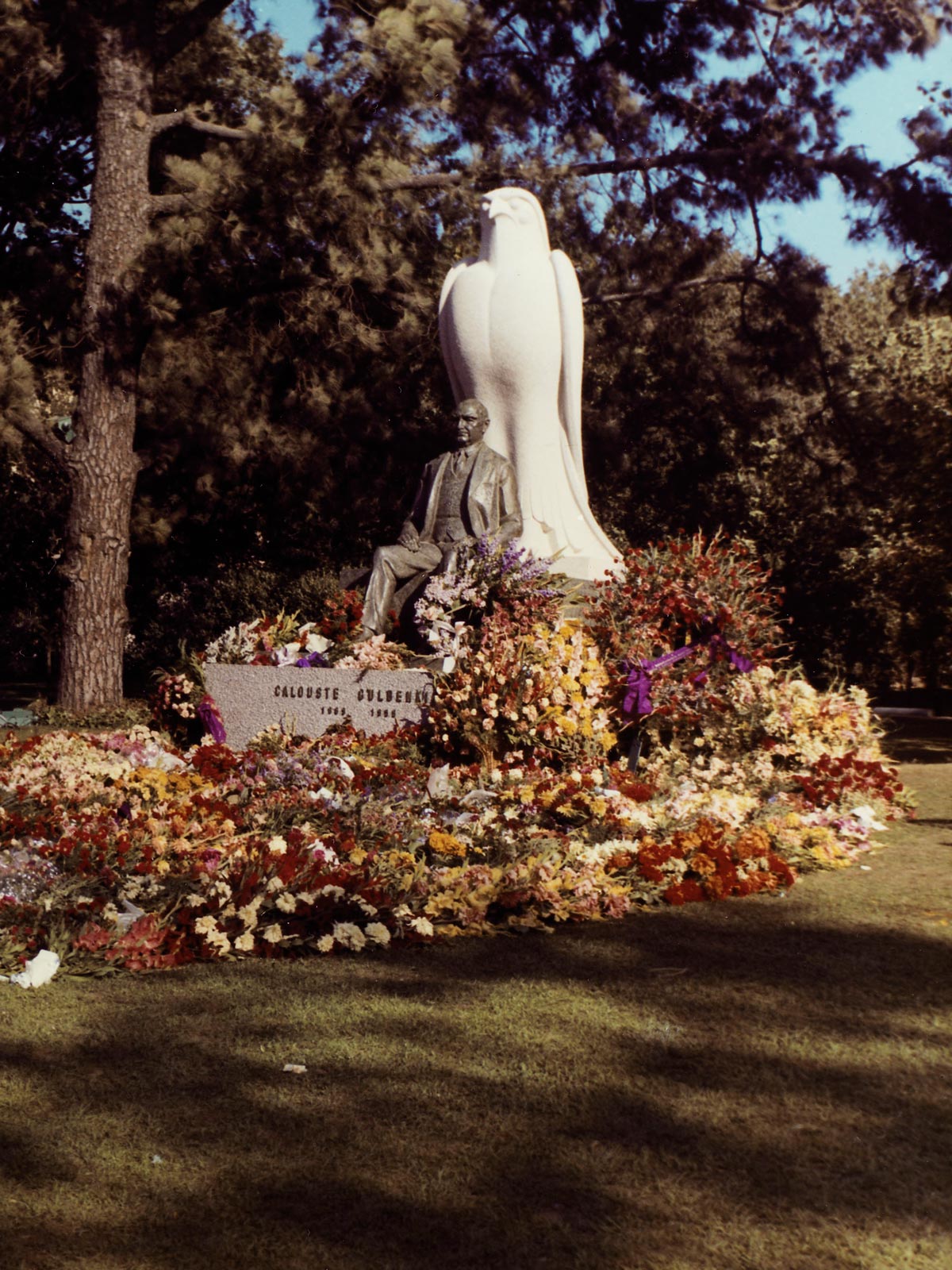
In 1965, the Experimental Ballet Group was integrated into the Music Department as the Gulbenkian Ballet Group, the embryo of what would become the Gulbenkian Ballet in 1975, a name that remained until its disbandment in 2005.
/
The Portuguese Cultural Centre was opened in Calouste Gulbenkian’s former residence on Avenue Iéna in Paris, renamed the Calouste Gulbenkian Cultural Centre in 1992.
Torrential rains in Portugal in 1967 delayed the construction work of the Headquarters building and affected some of the pieces in the collection, which were stored in the Marqueses de Pombal Palace in Oeiras, which was owned by the Foundation at the time.
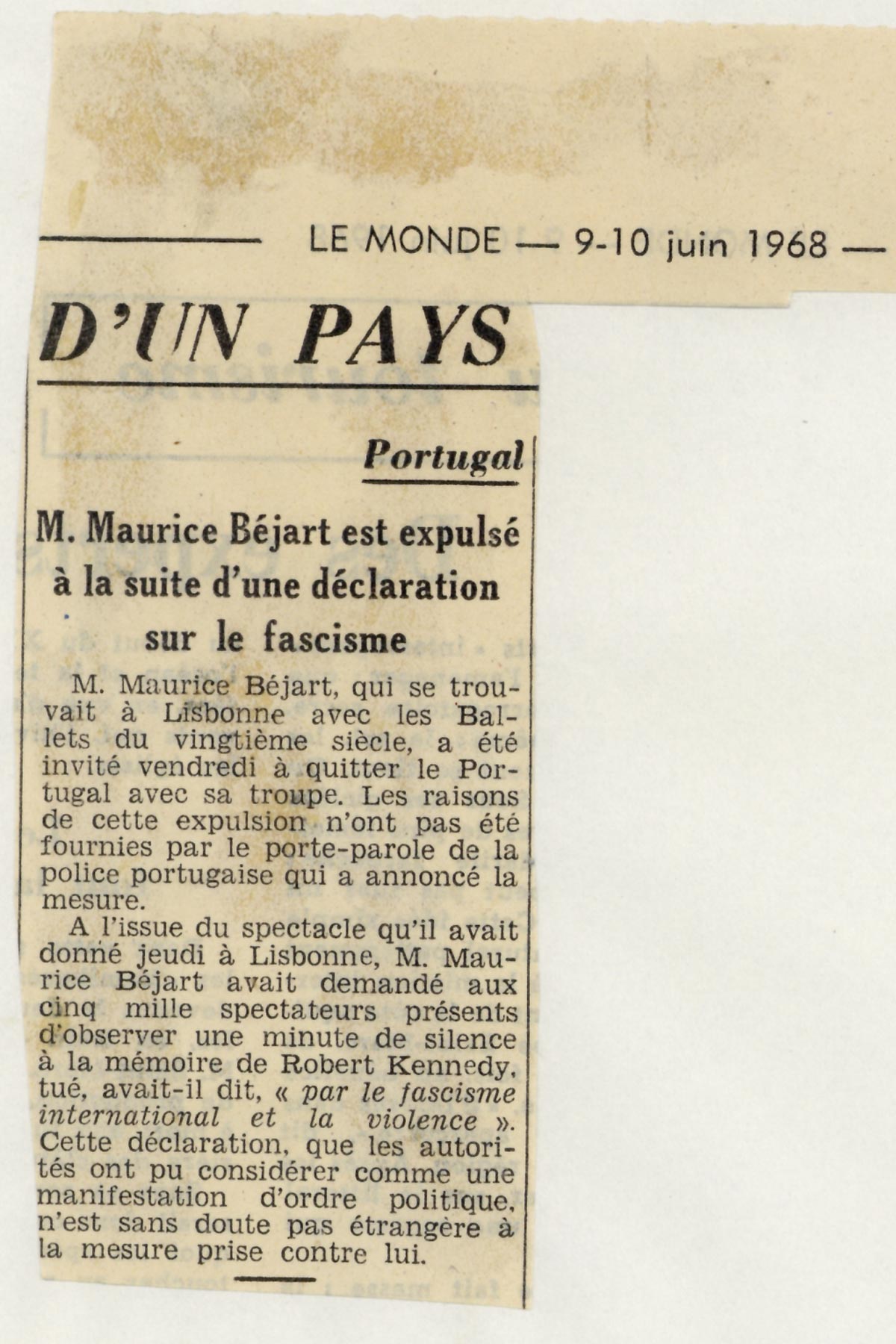
In 1968, the Foundation invited choreographer Maurice Béjart and his company, the Ballets du vingtième siècle, to perform in Portugal. At the end of the performance, the choreographer asked the audience for a minute’s silence to mark the death of Robert Kennedy, which led to his expulsion by the Portuguese government.
/
Partex Gas Corporation was created. By the end of the 1960s, the Foundation has 32 departments and over a thousand employees.
1970 – 1979
In the 1970s, the revolution of 25 April 1974 brought about the dismissal of two directors, pressure for the departure of others, such as Madalena de Azeredo Perdigão, and the integration of two new directors. A Joint Committee was set up with three directors and employee representatives to deal with staff matters.
Despite the changes in the Foundation’s operation, there was no slowdown in its planned activities.
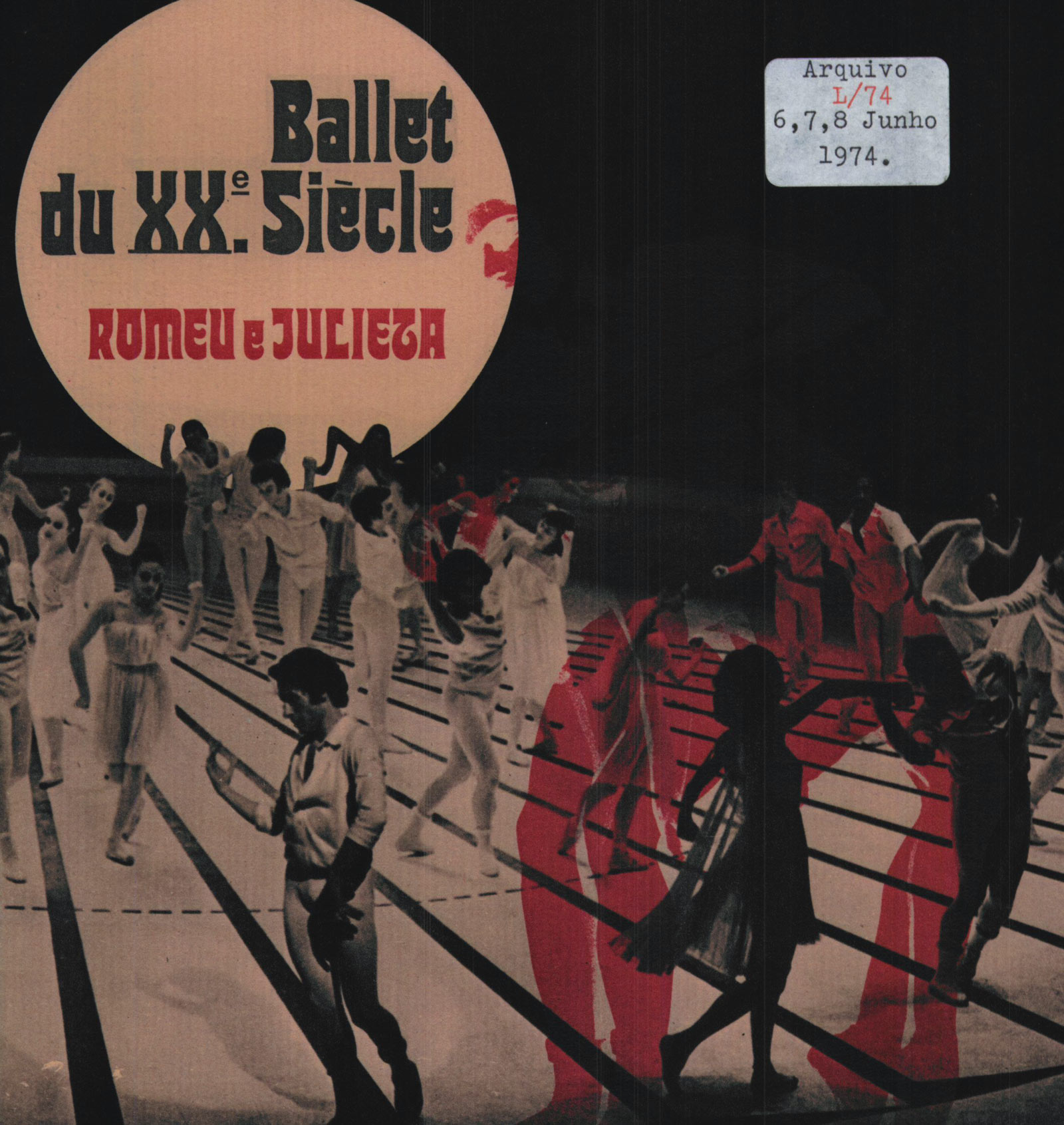
In 1974, Maurice Béjart returned to Lisbon with Ballets du vingtième siècle and presented Romeo and Juliet at the Coliseu dos Recreios, in performances organised by the Foundation. The ballet Concerto in G major, with music by Ravel, the first choreography by Vasco Wellenkamp, was presented in the Gulbenkian Choreographic Studio.
/
The world première of Cendrées, by Inannis Xenakis, was performed, one commission of a series of eleven made by the Foundation to the composer.
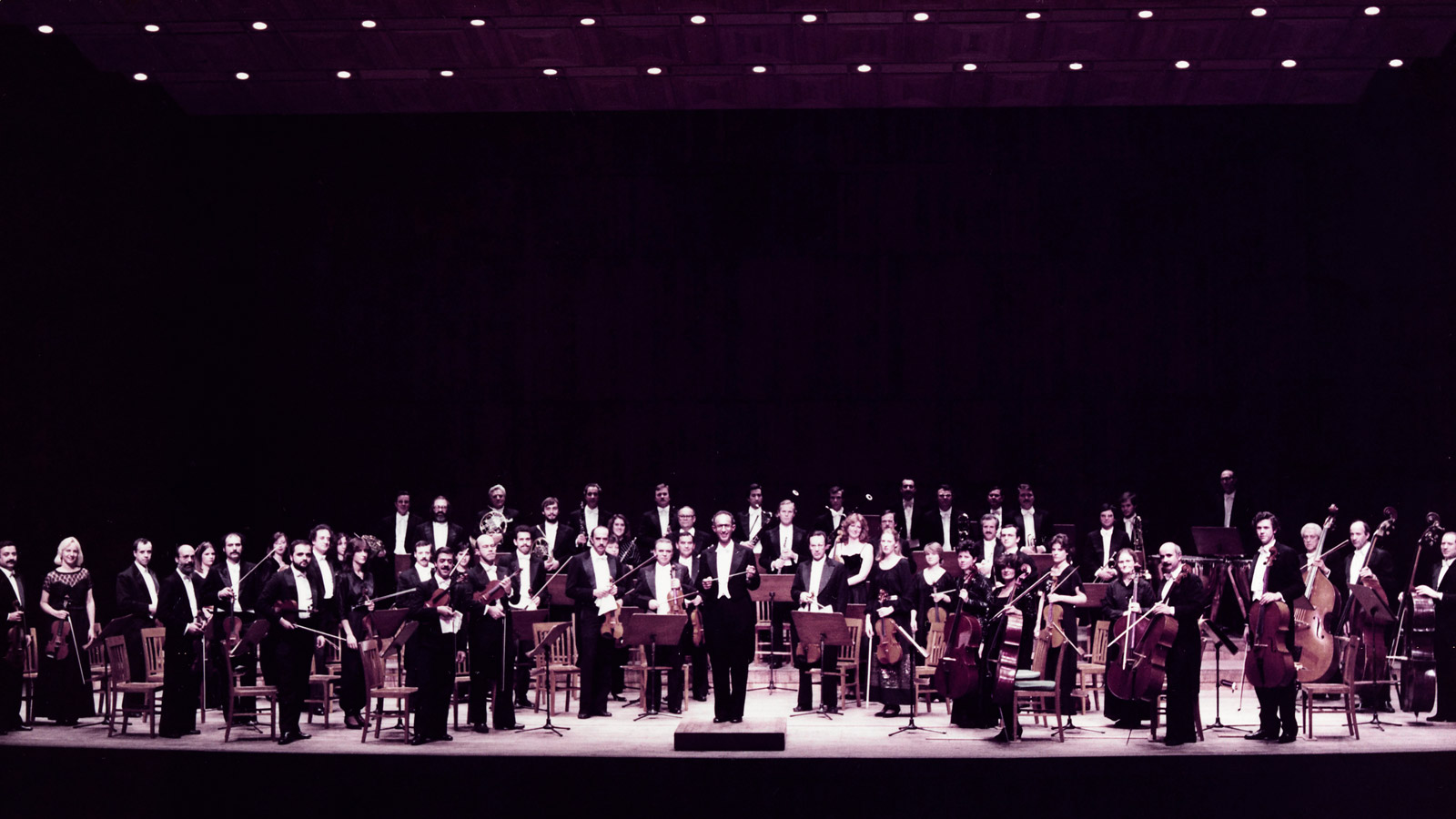
In 1979, Claudio Scimone took over as Principal Conductor of the Orchestra.
/
In 1973, the Foundation began its Cinema Cycles, with a screening of films by Roberto Rosselini. These cycles continued over time.
The exhibitions held during the 1970s featured several retrospective shows of Portuguese artists, including, in 1970, the first major exhibition of Maria Helena Vieira da Silva; in 1972, the exhibition of the work of Robert and Sonia Delaunay and “their friends” Eduardo Viana, Amadeo de Souza-Cardoso and Almada Negreiros; and, in 1978, an exhibition of the work of Júlio Pomar.
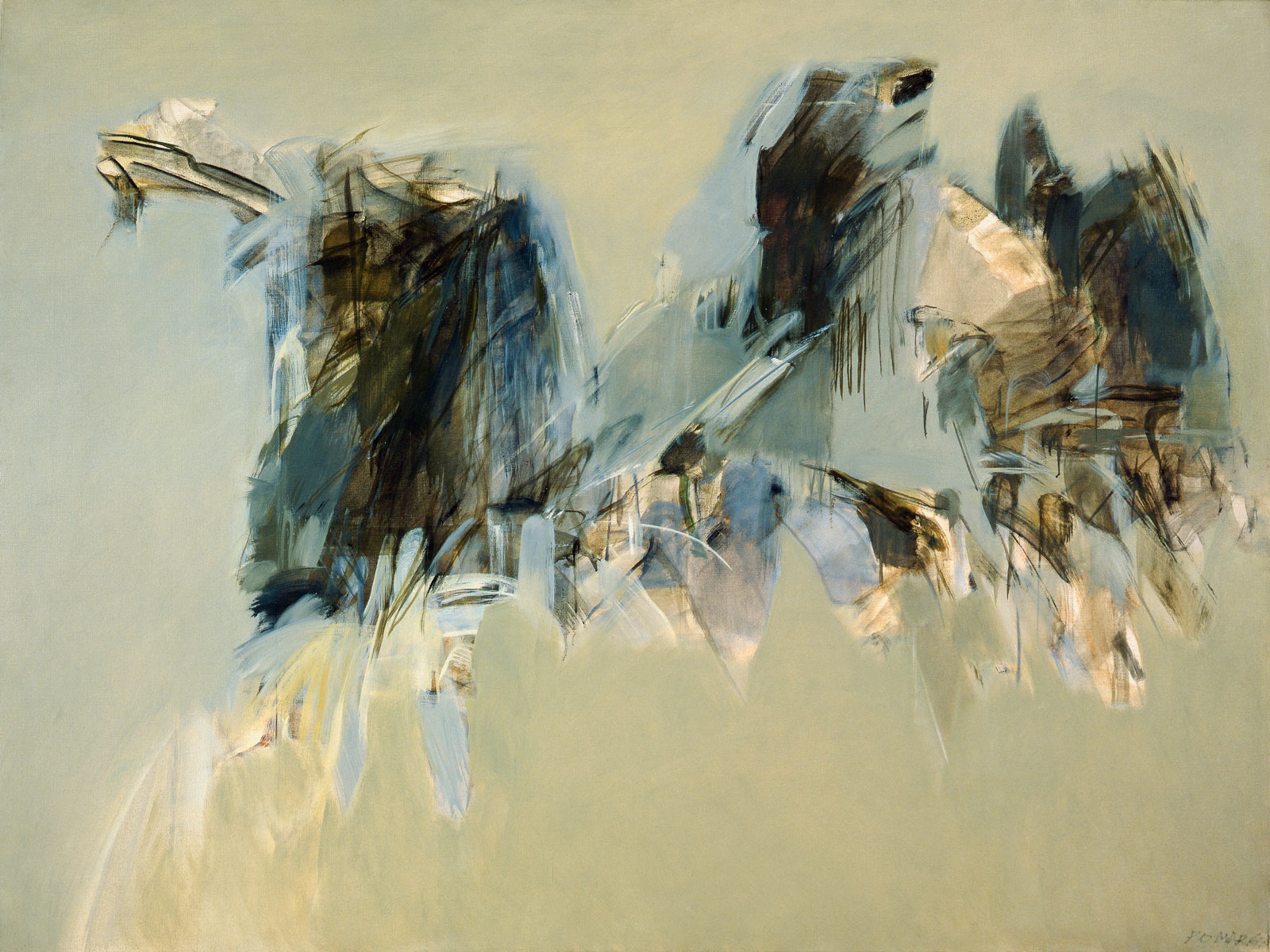
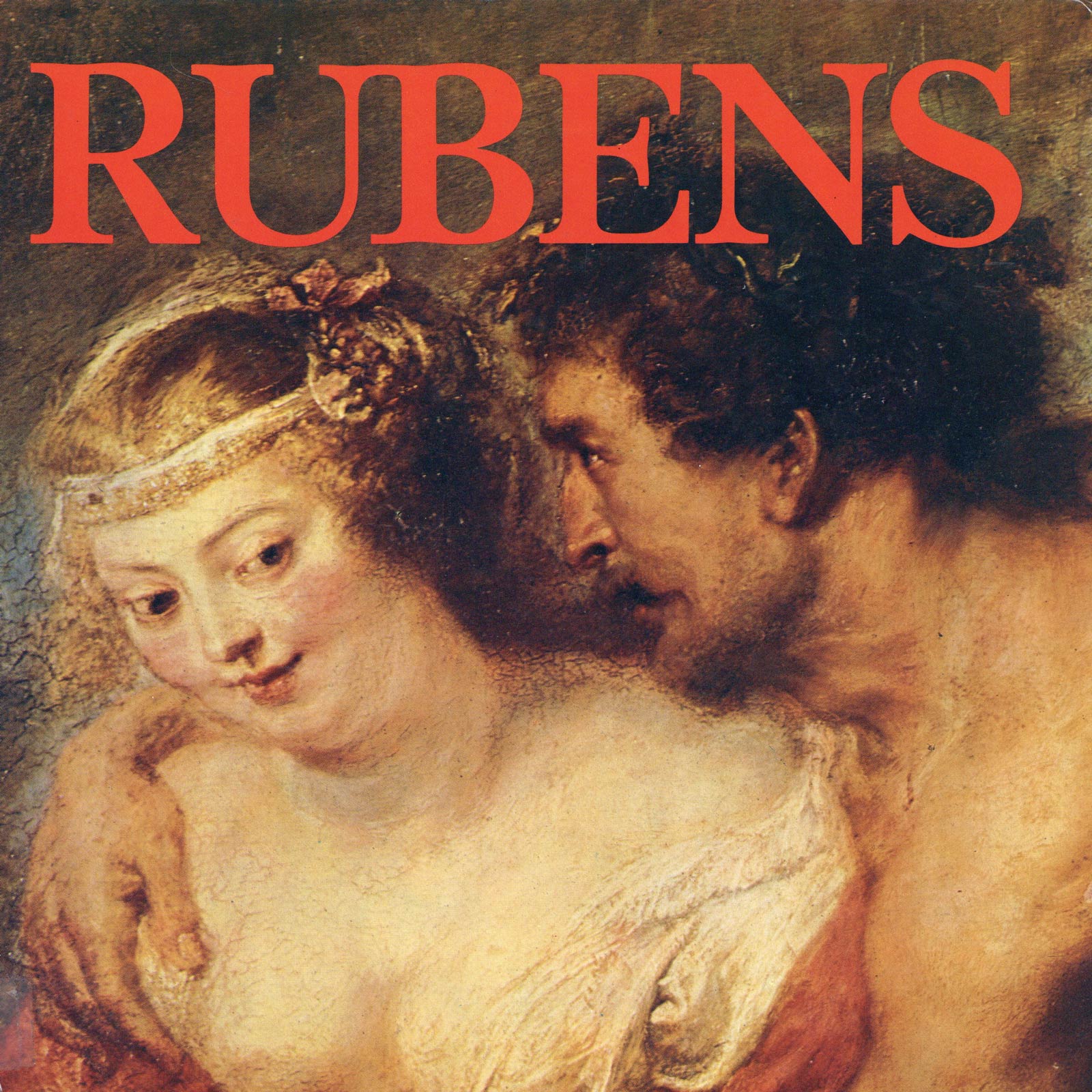
Other important exhibitions presented at the Foundation during the 1970s included Turner: Drawings, Watercolours and Oil Paintings (1973); Auguste Rodin (1973); 100 European drawings from New York’s Museum of Modern Art (1974); and Year Rubens (1977).
/
The Foundation provided support for the modernisation of Portuguese public hospitals by providing the first ultrasound scanners and ophthalmology operating equipment in the country, as well as funding the construction and fit-out of various nursing schools in Portugal and in Portuguese-speaking African countries.
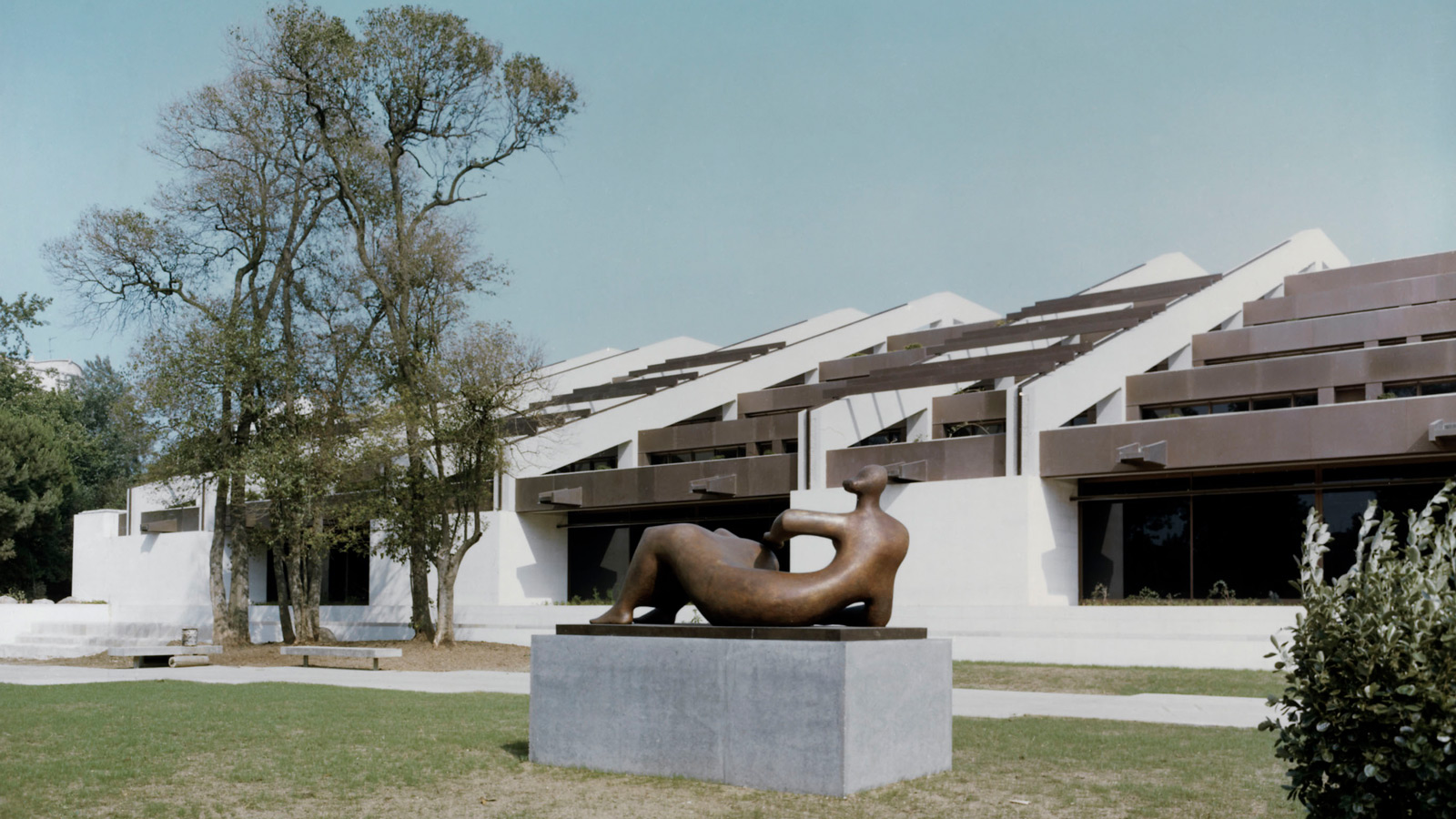
In 1979, the Foundation decided to build the Modern Art Centre at the southern edge of the Foundation garden, with a project by Sir Leslie Martin and collaboration by José Sommer Ribeiro, José Paulo Nunes de Oliveira and Ivor Richards.
1980 – 1989
During these years, the Foundation continued to develop its activities, initiating new projects such as the construction of the Modern Art Centre building, inaugurated in 1983, and the Animation, Artistic Creation and Education through Art Service ACARTE, created in 1984 and directed by Madalena de Azeredo Perdigão, who had since been reinstated to the Foundation’s staff.
In 1981, Kevork Loris Essayan, Calouste Gulbenkian’s son-in-law, died, having represented until then the founder’s descendants on the Board of Trustees. His position was taken over by his son, Mikhael Essayan.
The Early Music Days are initiated in 1980; the first Lisbon International Music Festival in 1983; Jazz em Agosto in 1984; and the Great World Orchestras Cycle in 1988.
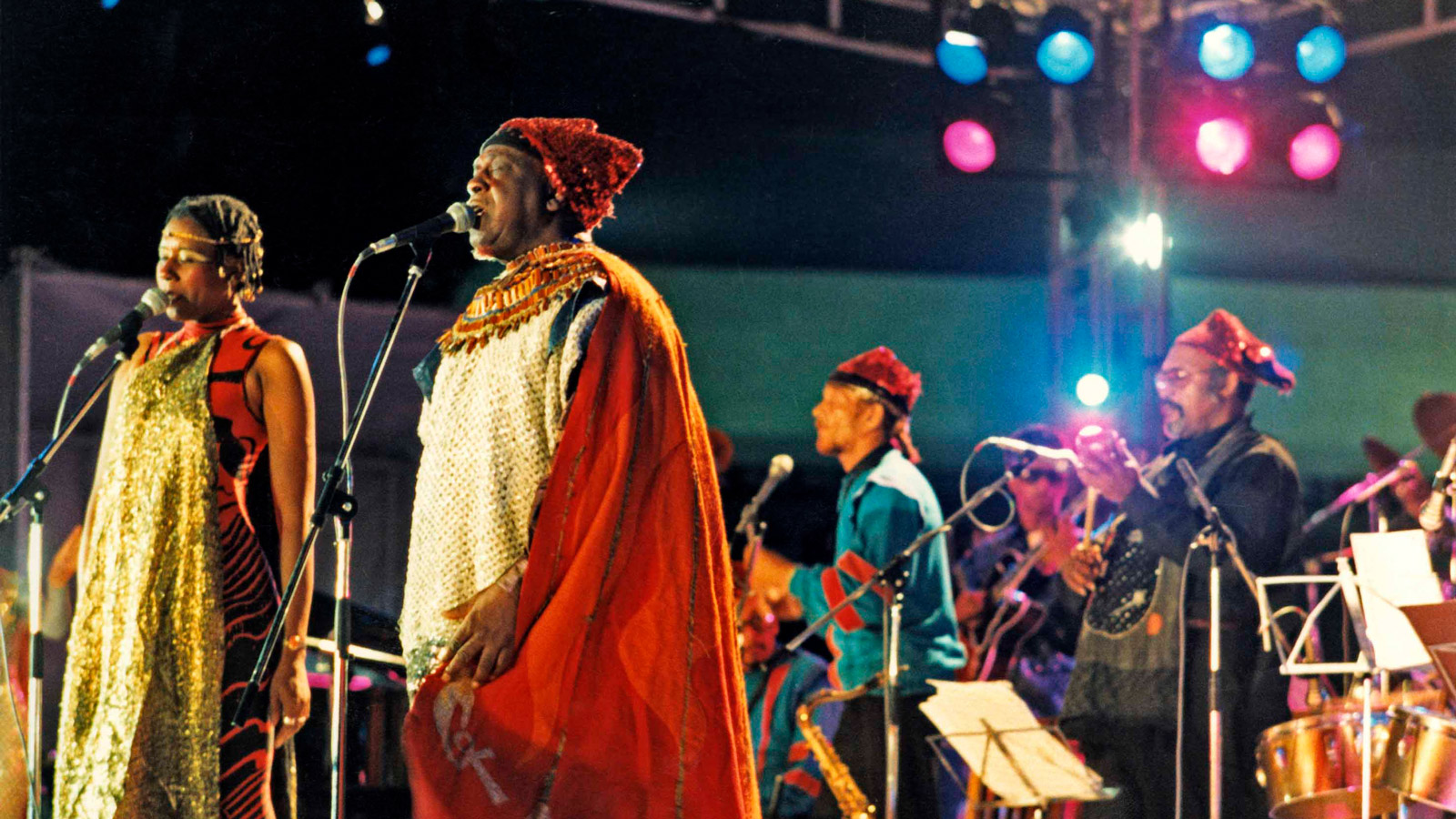
The Gulbenkian Orchestra toured Europe, Africa, Asia and the Americas, and the Gulbenkian Choir celebrated its 25th anniversary with a performance of Mozart’s Requiem, conducted by Michel Corboz.
In addition to regular performances and choreographies in Portugal, the Ballet Gulbenkian toured the Federal Republic of Germany and France.
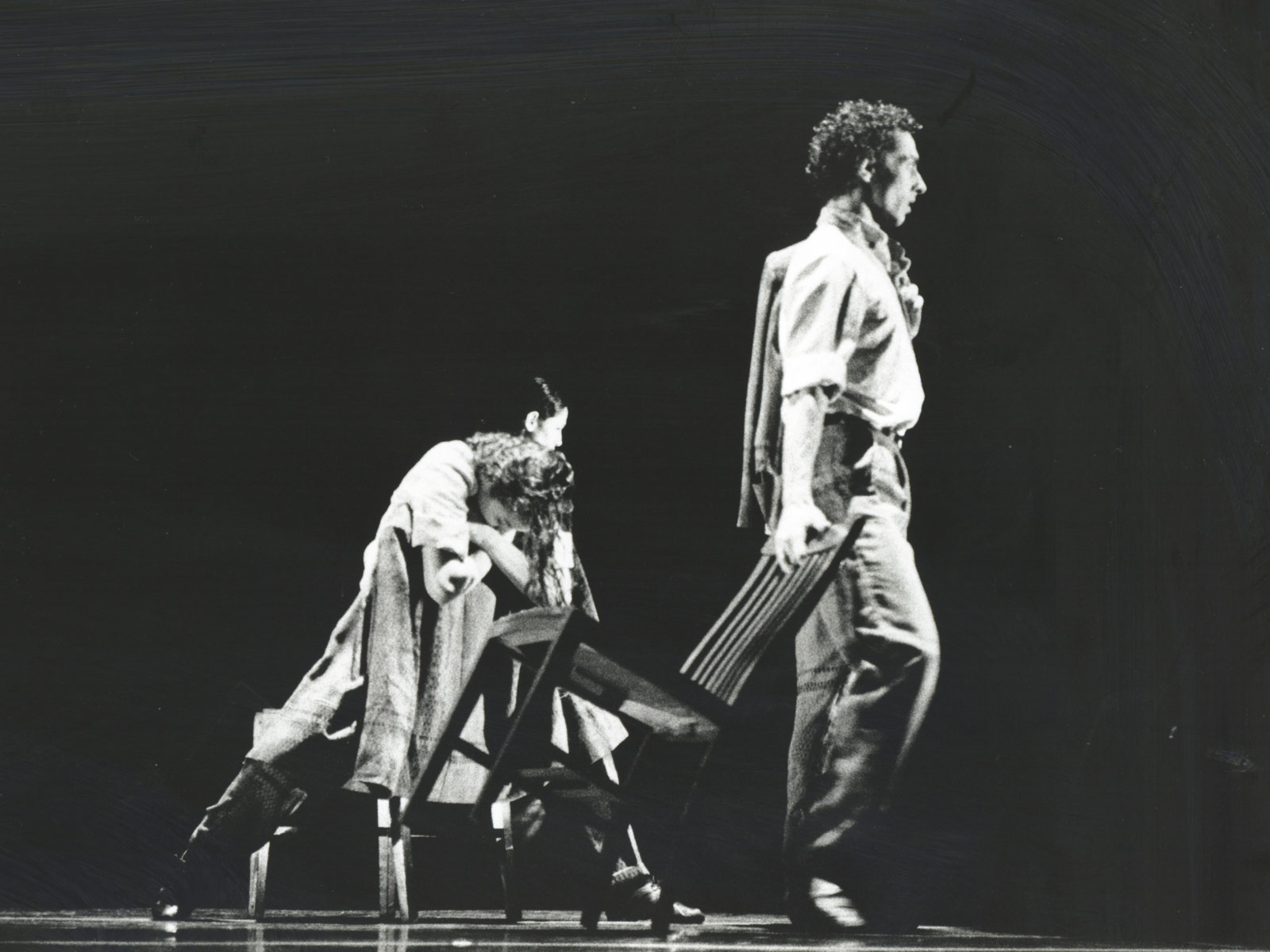
In 1987, the ACARTE Encounters brought to Lisbon great contemporary performers such as the group Rosas Danst Rosas, by the choreographer Anne Teresa de Keersmaeker, La Fura dels Bau, Pina Bausch, Robert Wilson and others.
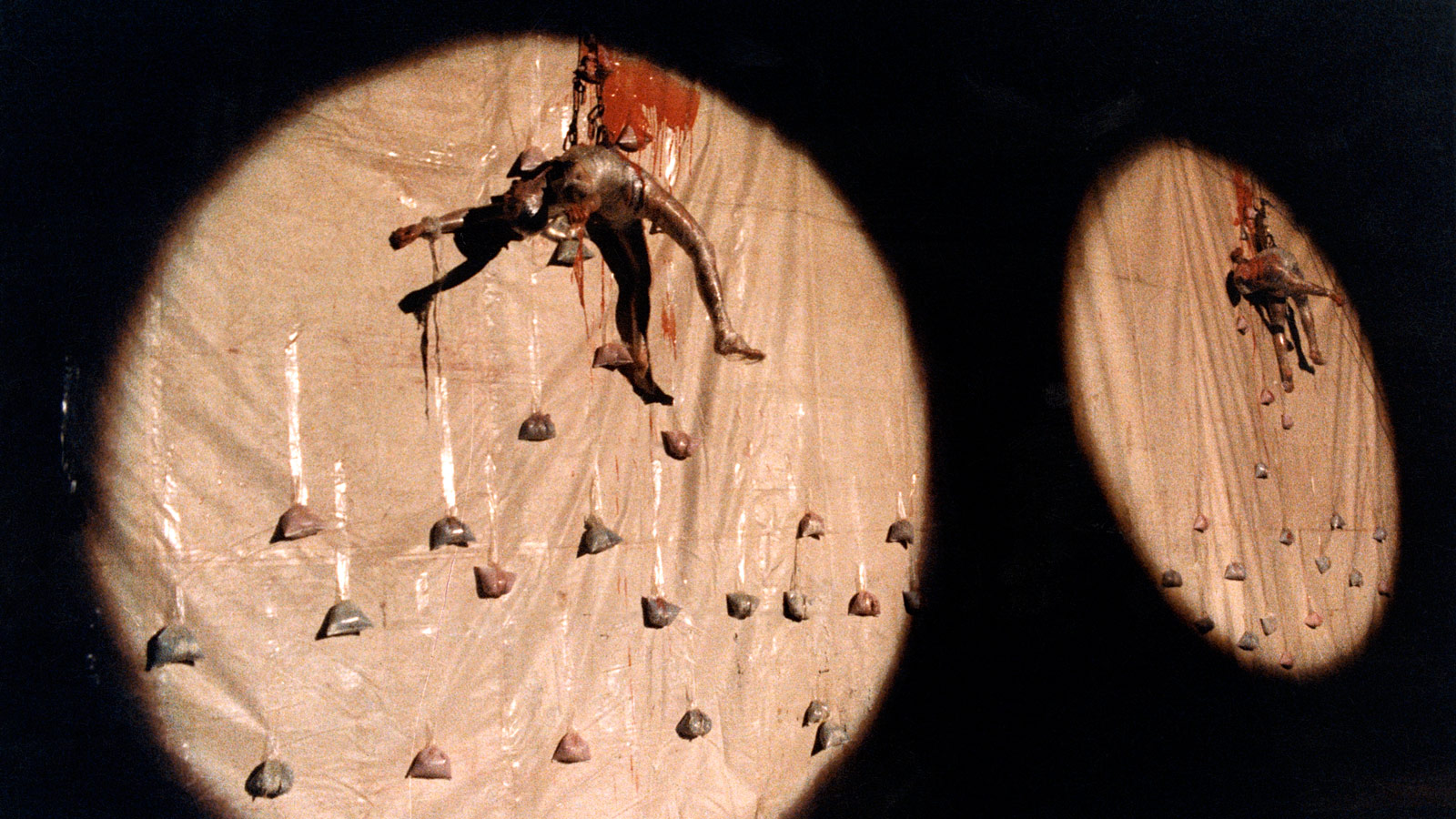
In 1985, the Gulbenkian Institute of Science became an institute exclusively dedicated to research and postgraduate training in the field of biology.
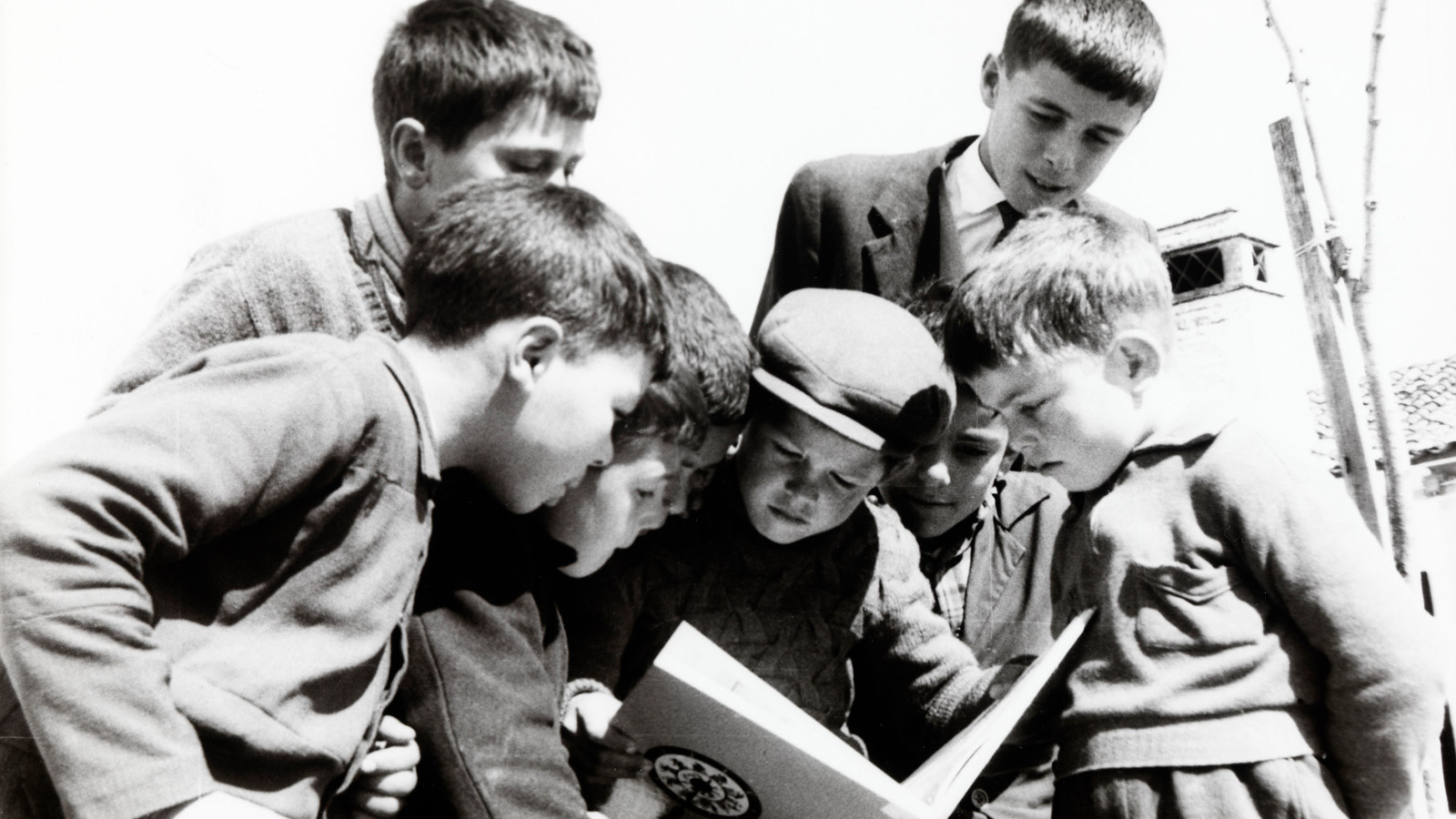
The Itinerant Libraries continued to serve millions of readers in thousands of villages around the country, ensuring free public access to reading.
The Portuguese Cultural Centre in Paris held numerous exhibitions, symposia, round tables and concerts. In 1985, the Centre for Portuguese Studies was created at the École des Hautes Études en Sciences Sociales.
Various different grants were awarded in Portugal, including subsidies for the construction of the Dr Ricardo Jorge National Health Institute and for the beginning of works on the Torre do Tombo in Lisbon, inaugurated in 1992.
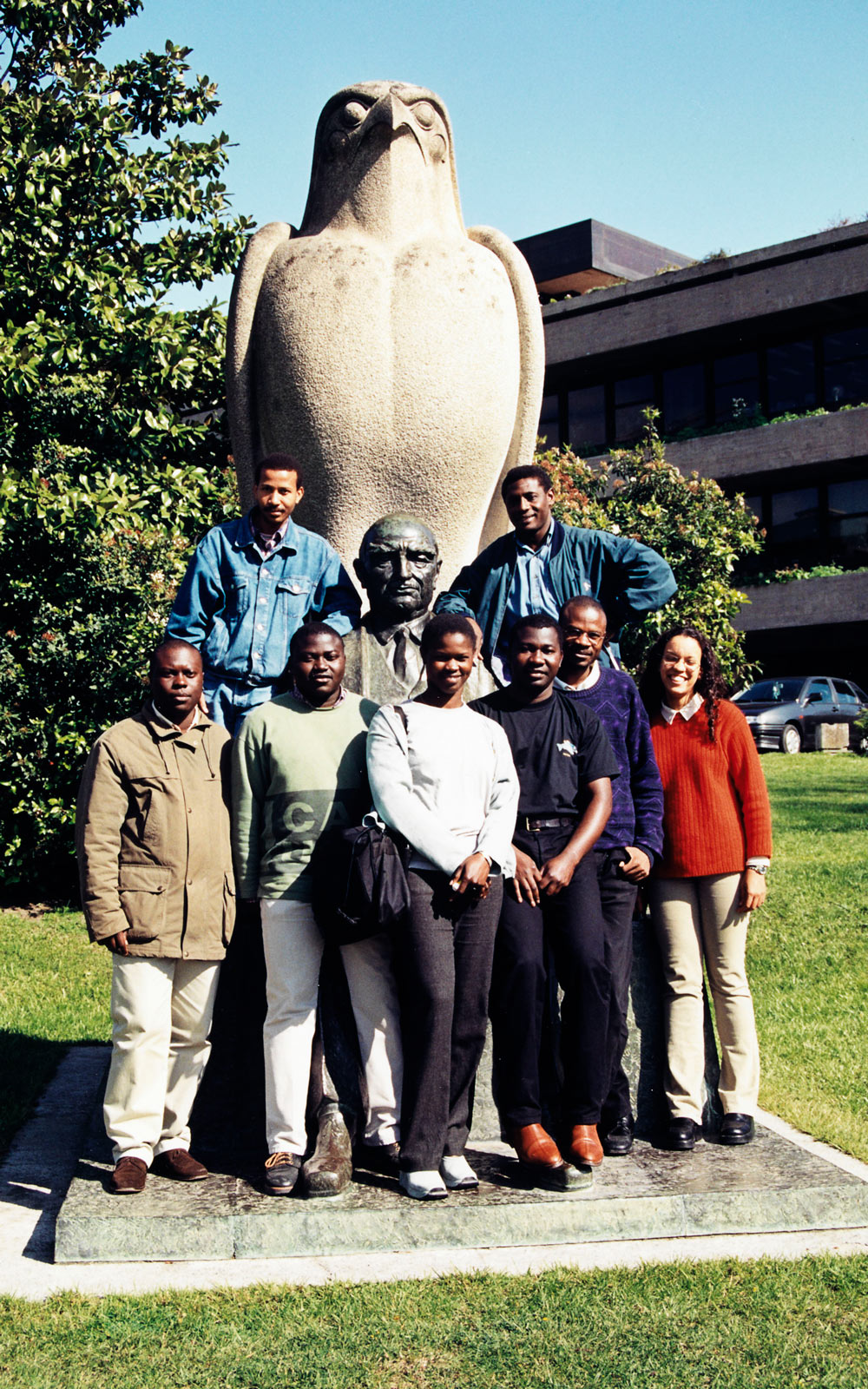
In the Portuguese-speaking African countries and East Timor, hundreds of scholarships were awarded for undergraduate and postgraduate university students, as well as subsidies for the training and specialisation of professionals and support for the installation of hospital units in Mozambique, Cape Verde and Guinea-Bissau.
/
The Foundation provided aid to the Republic of Armenia following the earthquake that almost completely devastated the northern city of Spitak in 1988, which was ongoing until 1994.
1990 – 1999
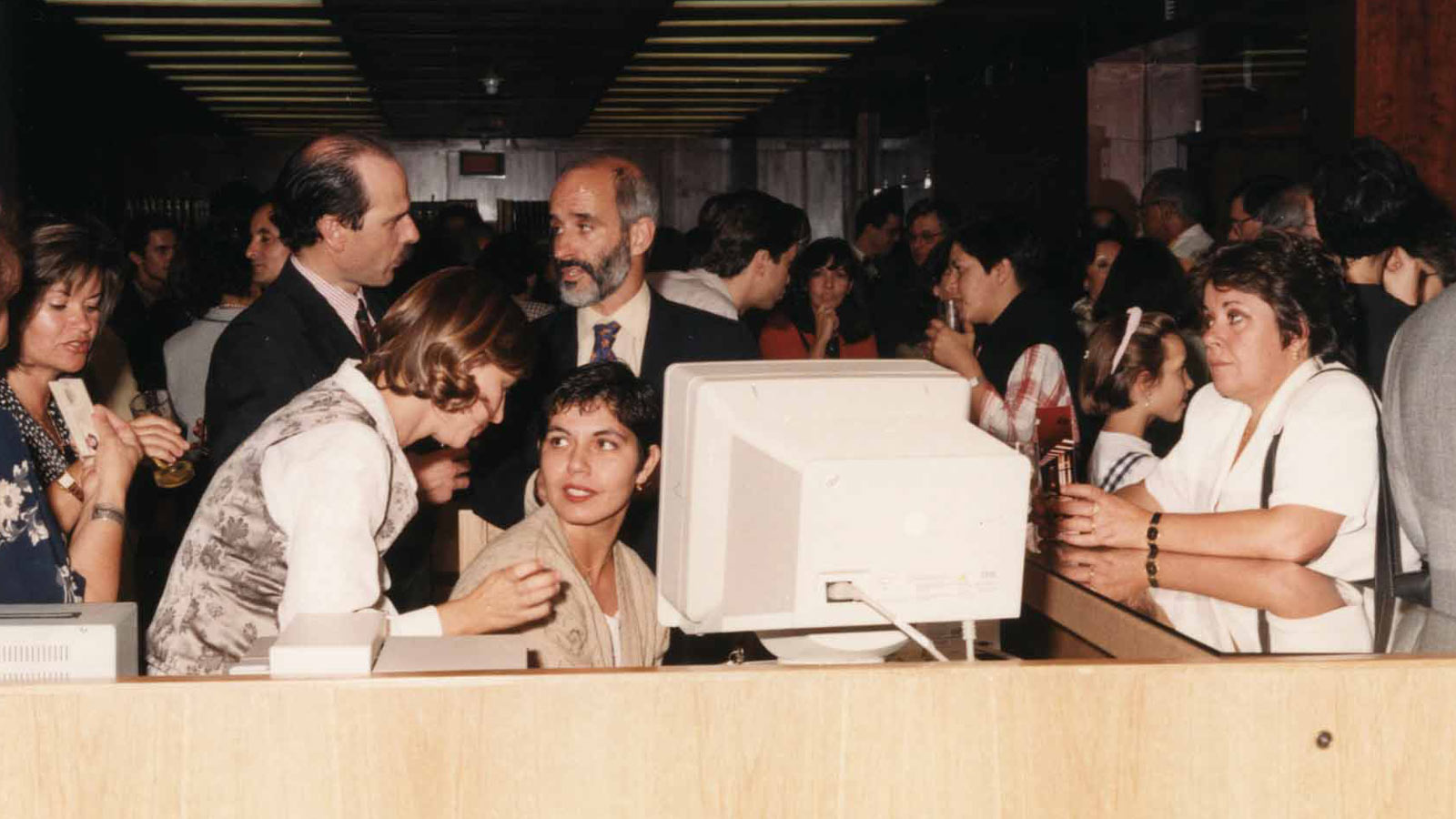
This decade saw the death of José de Azeredo Perdigão in 1993, a figure whose name has since been formally associated with the José de Azeredo Perdigão Modern Art Centre (CAM-JAP). In 1997, on the centenary celebrations of his birth, a monument in his honour designed by Pedro Cabrita Reis was installed in the Foundation’s garden.
During these years, the Foundation increased its participation in the national and international foundations movement, notably with the creation in 1993 of the Portuguese Foundations Centre, together with the Oriente Foundation and the Engenheiro António de Almeida Foundation, and with its membership of the European Foundations Centre in 1996.
In 1992, the process of integrating the Itinerant Libraries into Municipal Public Libraries was completed. In 1995, after a process of remodelling and reorganisation, the Art Library of the Calouste Gulbenkian Foundation reopened to the public. In 1998, the Gulbenkian Institute of Science took on a new model under the direction of António Coutinho, becoming a host institution for scientific leaders in biomedical research.
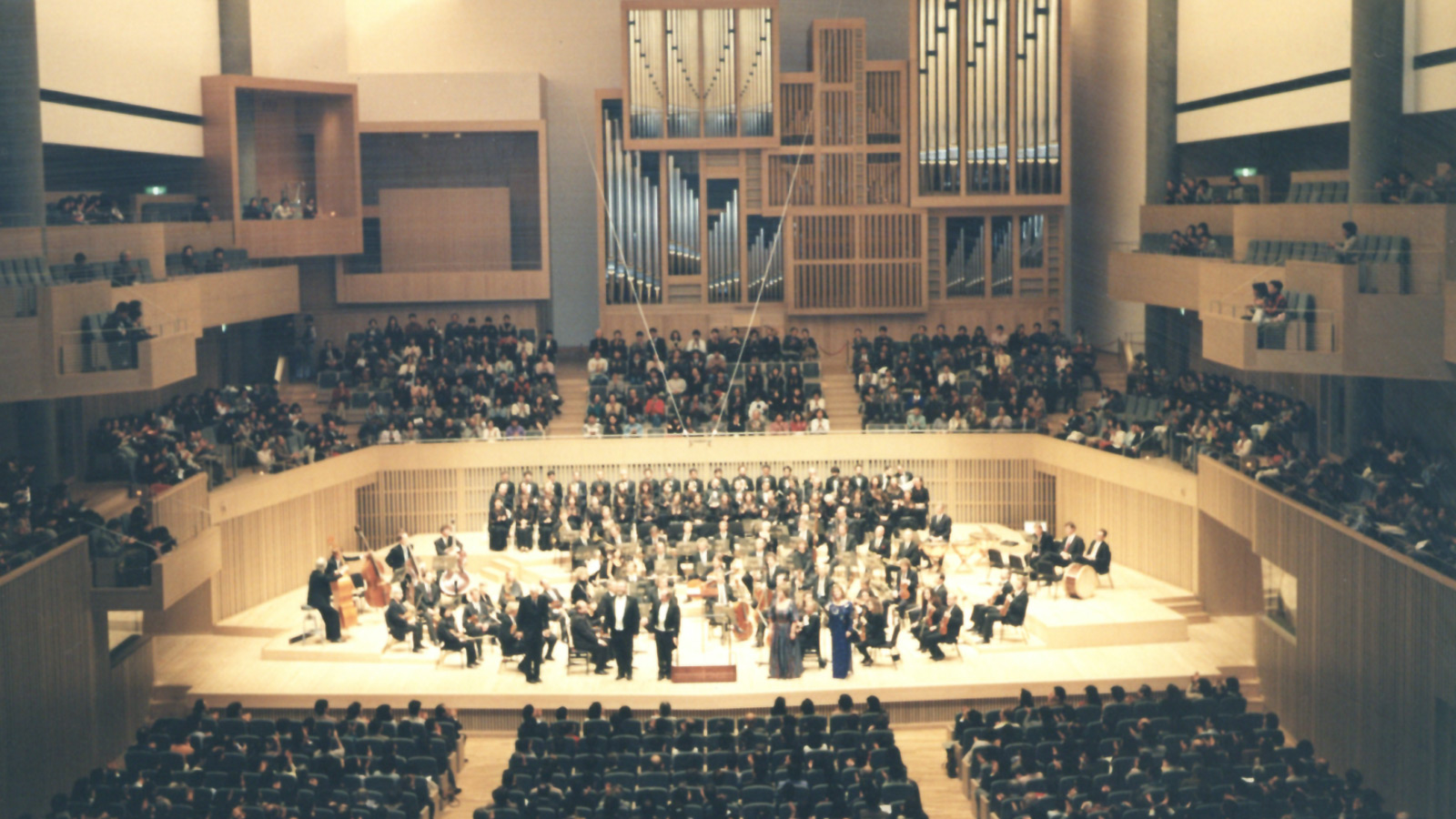
The Gulbenkian Orchestra premièred new programmes in Portugal and participated in various performances and festivals abroad, such as the Europalia festival in Belgium in 1991 and the North Rhine festival in Westphalia in 1993. The Gulbenkian Choir began a series of tours which would continue until 2005, together with the 18th Century Orchestra, conducted by Frans Bruggen, performing in some of the most prestigious halls in Europe and Japan.
Various conferences were held, including the cycle of international conferences on Europe and its historical, political, social and cultural dimensions, bringing to the Foundation’s Lisbon headquarters between 1996 and 1998 figures such as Edgar Morin, Jacques Delors, António Tabucchi, Gore Vidal, Ilya Prigogine, among others. In 1998, on the 500th anniversary of the Portuguese arrival in India, a major international conference and exhibition entitled Vasco da Gama and India was held at the Sorbonne in France.
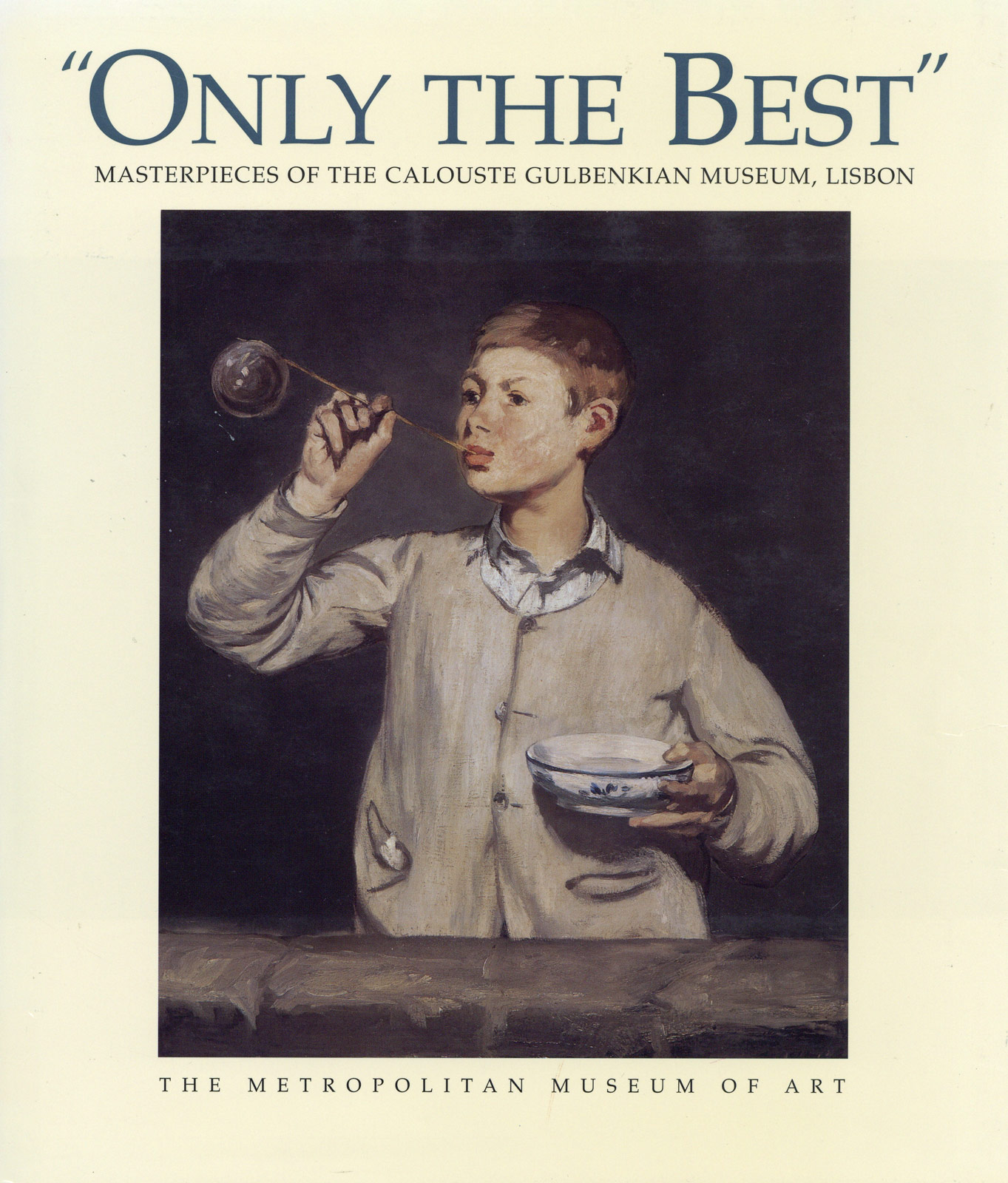
Other exhibition highlights include Pedro Cabrita Reis’s Against Clarity in 1994, in Lisbon, and the exhibition Only the Best: Masterpieces of the Calouste Gulbenkian Museum, Lisbon, presented in 1999 at the Metropolitan Museum of Art, New York.
/
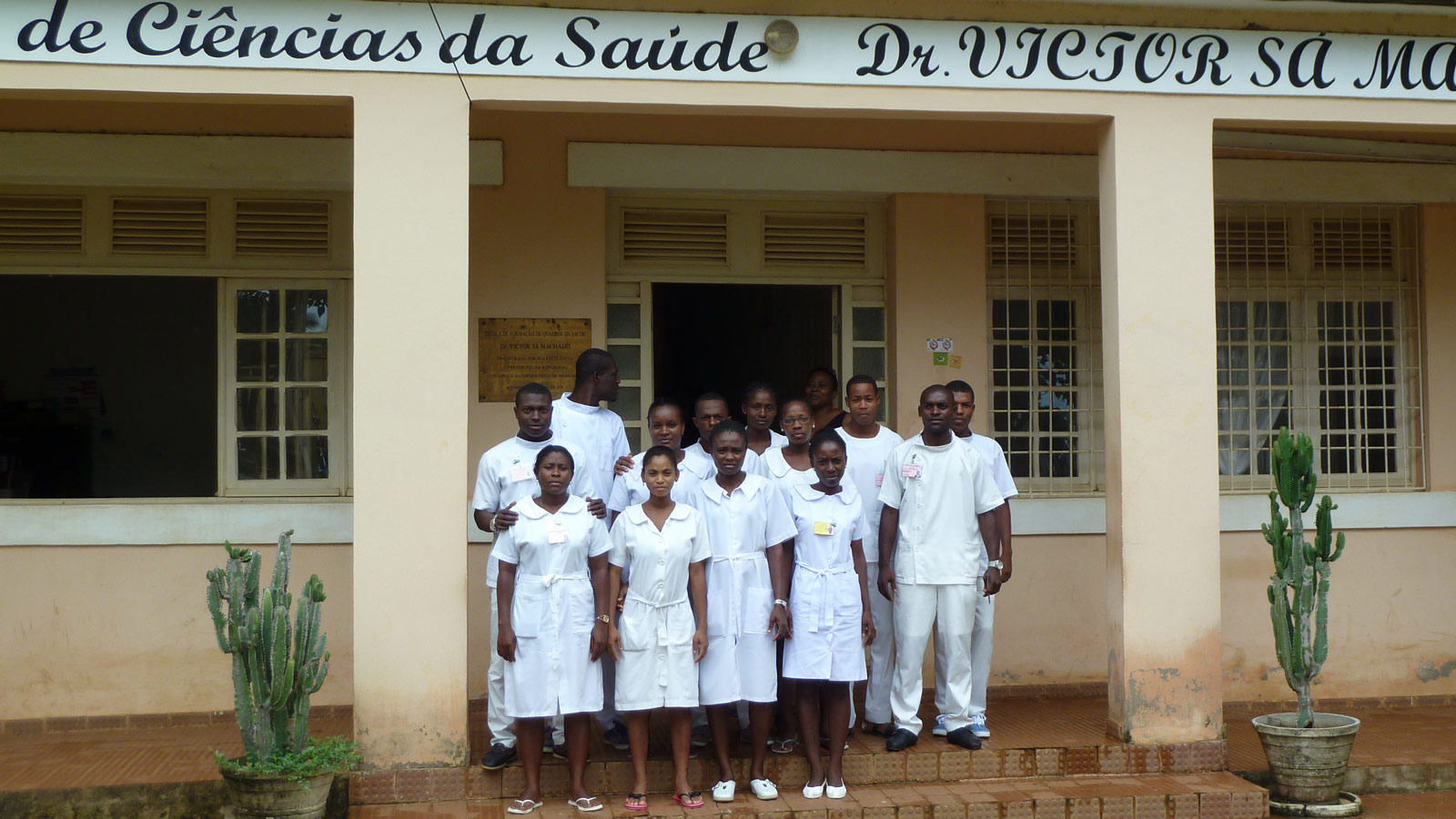
Numerous grants were awarded by the Foundation both in Portugal (for the installation of equipment in various hospitals in the country, or the restoration of the organ in the Chapel of the University of Coimbra, for example) and in the Portuguese-speaking African countries and East Timor, particularly in the areas of education (the construction of student residences, for example) and health (the installation of equipment in various hospitals, or the construction of the Victor de Sá Machado Nursing School in São Tomé, for example).
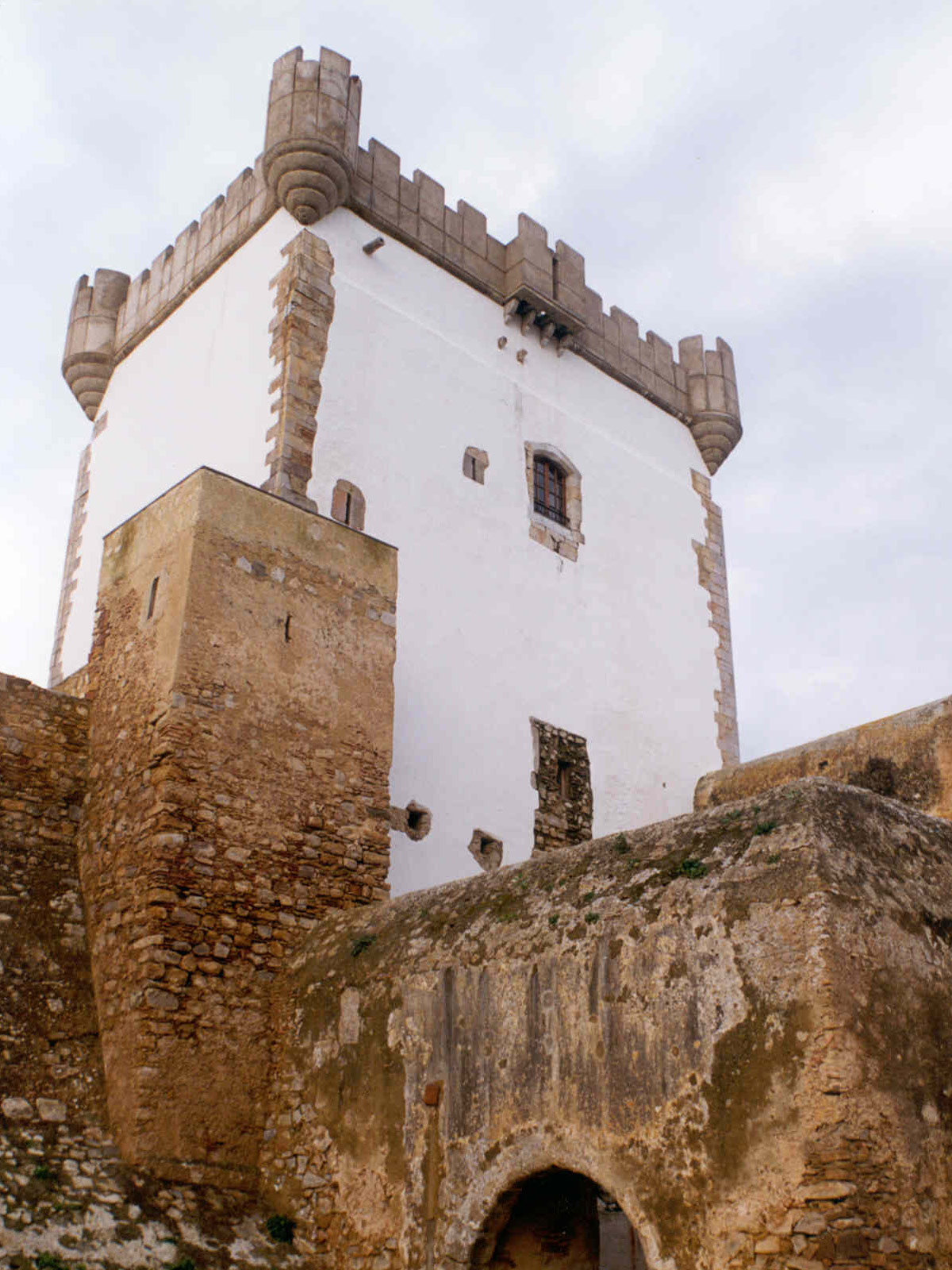
In addition to awarding annual scholarships to students from the Armenian diaspora and supporting Armenian educational and cultural institutions in the Middle East, the Foundation supported and contributed to numerous works and activities in the rest of the world, such as the restoration of documents and old books from the Ets Haim Library of the Portuguese Synagogue in Amsterdam; the restoration of a mural painting in São Luís do Maranhão, Brazil; the completion of restoration work on the Keep of the Arzila Fortress in Morocco; and emergency financial aid granted to Kosovo and Timor-Leste.
/
2000 – 2009
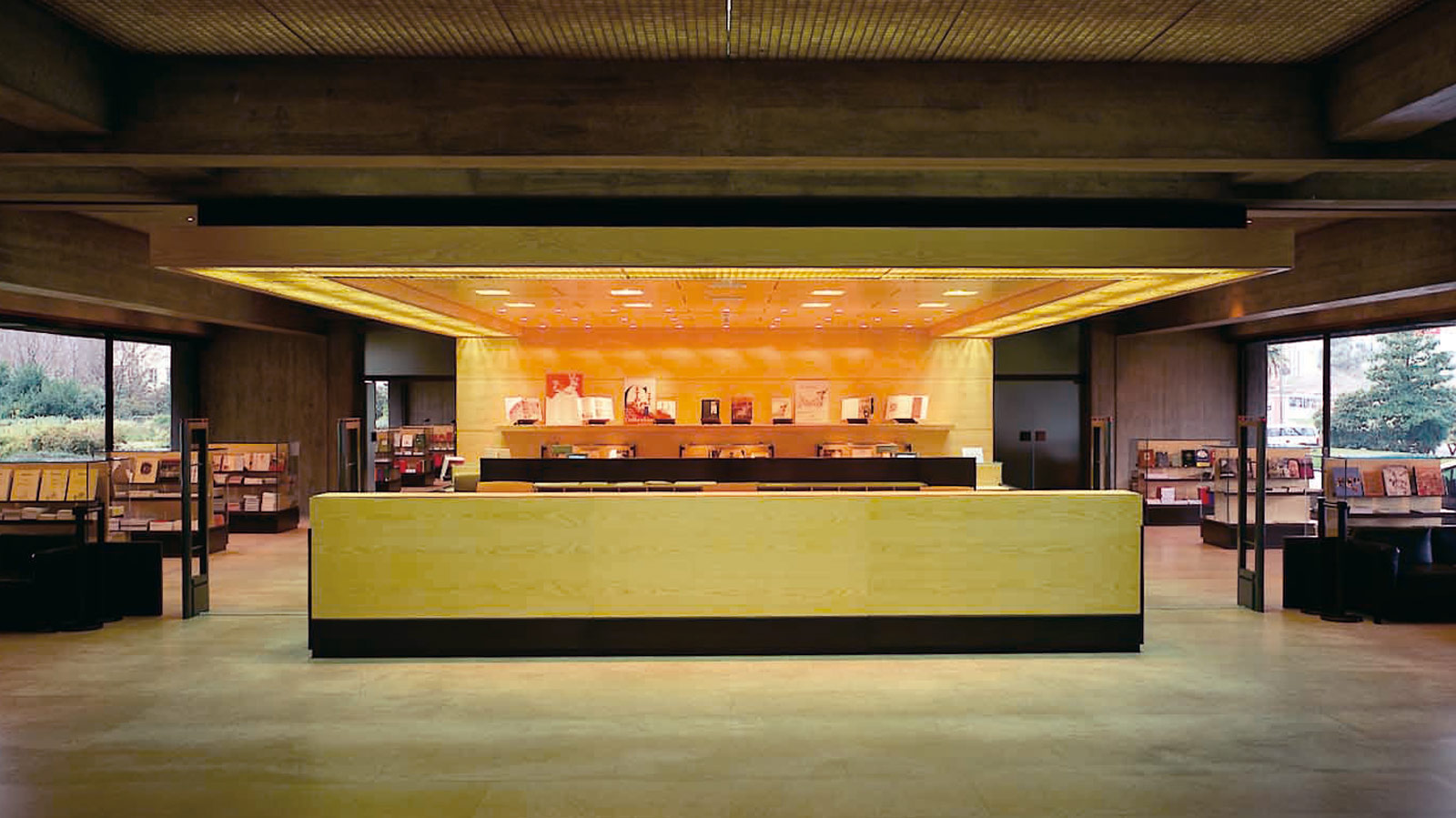
The decade spanning 2000-2009 began with the renovation of the Foundation’s headquarters building with an initial project by Daciano da Costa, followed by the remodelling of the garden with a project by Gonçalo Ribeiro Telles, and the renovation of the administrative areas with a project by Jorge Spencer. A plot of land next to Rua Marquês da Fronteira was also acquired to allow the garden to be extended to its current limit.
In 2005, Mikhael Essayan retired from the Foundation but remained its honorary president. His son, Martin Essayan, joined the Board of Directors on behalf of the founder’s descendants.
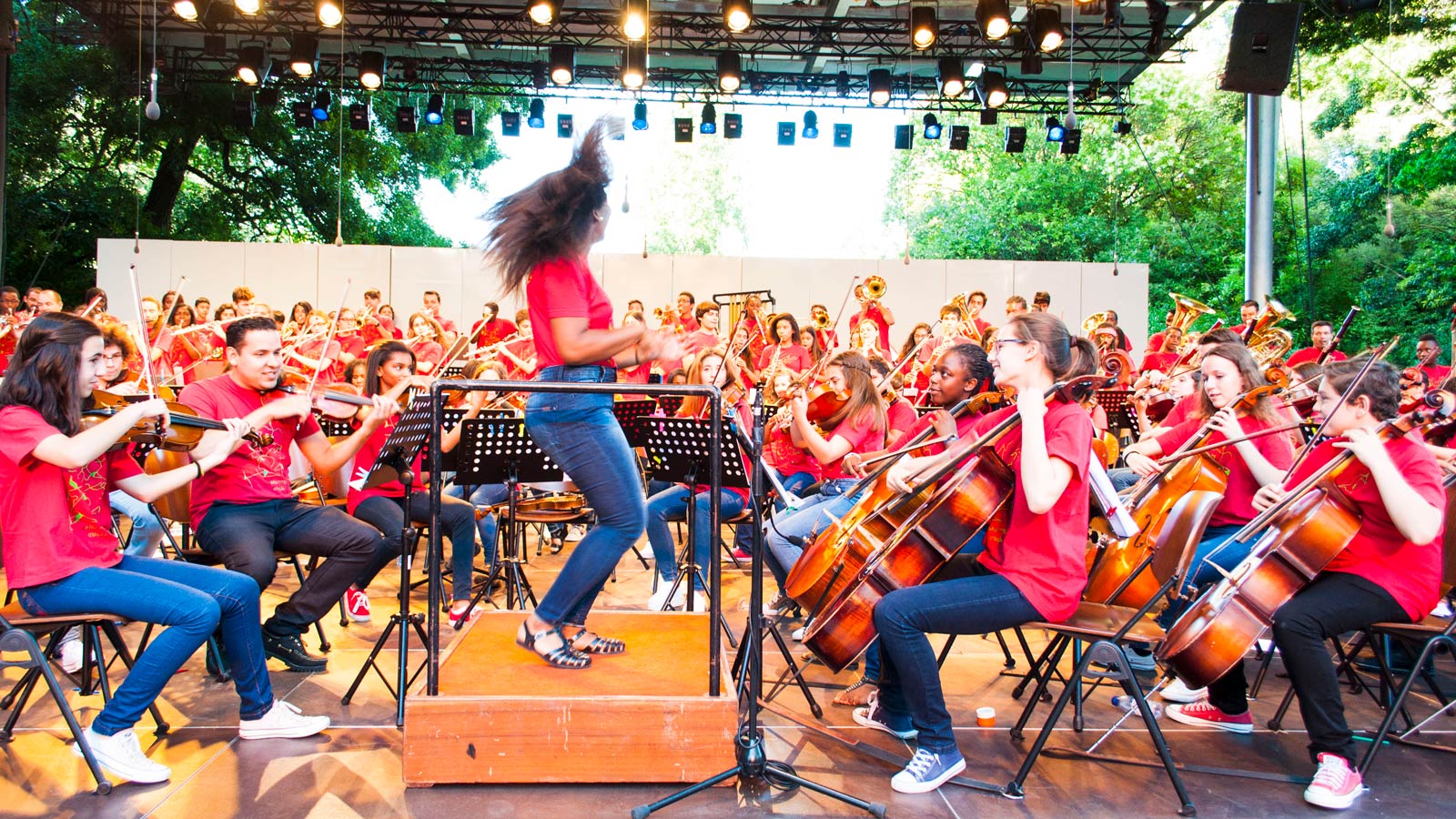
A new cycle of concerts dedicated to young Portuguese performers began, and the 25th edition of the Jazz in August festival was held. Support was given for the creation of Orquestra Geração, an innovative project that continues to promote social inclusion of children and young people from disadvantaged social backgrounds through music. The Gulbenkian Orchestra performed in some of the most important concert halls in Europe, such as the Philharmonie in Berlin and the Royal Concertgebouw Orchestra in Amsterdam.
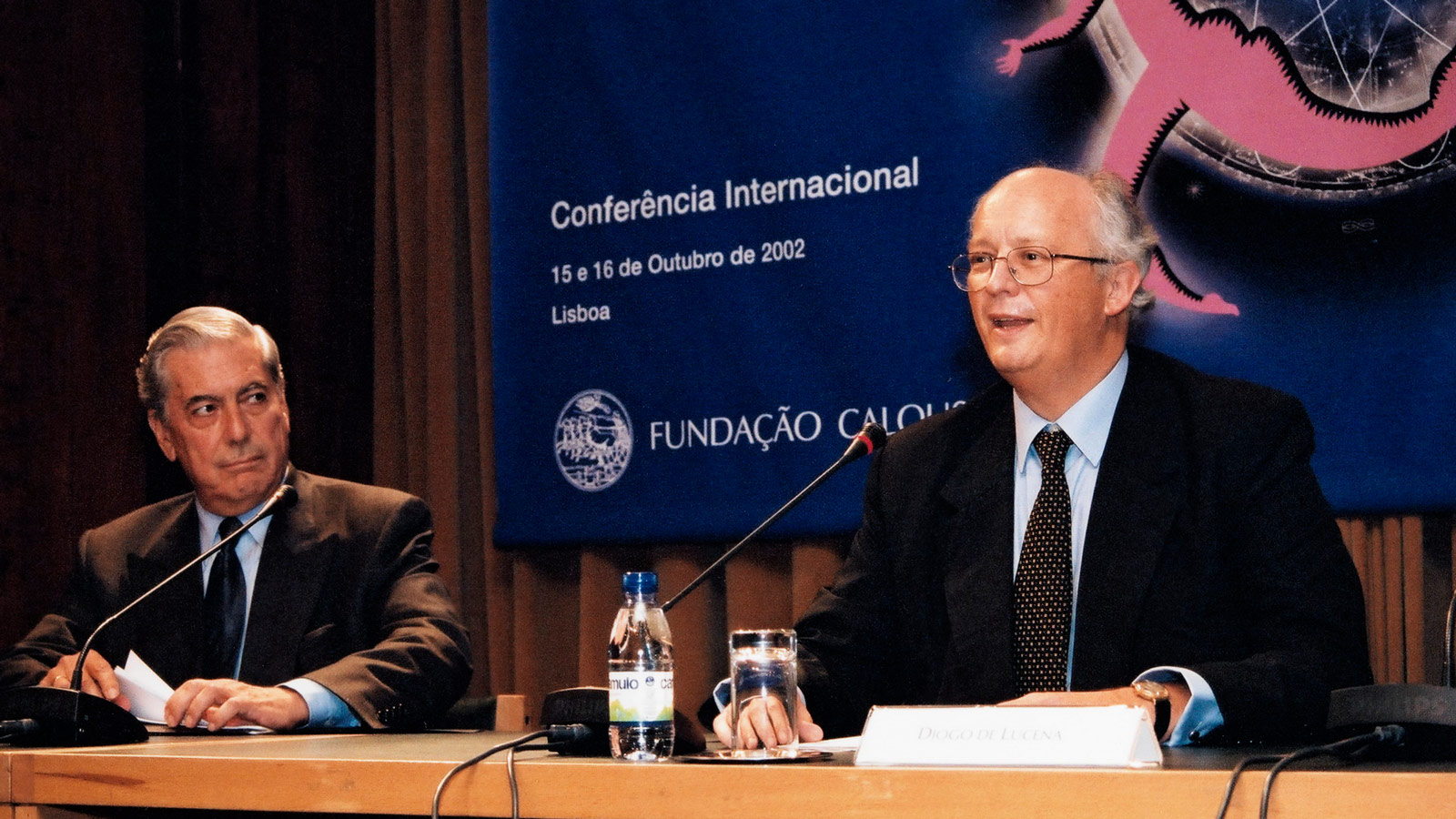
Between 2000 and 2002, the Foundation’s head office in Lisbon hosted a series of international conferences on globalisation, featuring Carl Bildt, Frederik de Klerk, Mario Vargas Llosa and Sydney Brenner, among others. A cycle of conferences on conflict and cooperation in international relations began in 2003. In 2007, a major conference on the contribution of microcredit to peace was held, with the presence of Muhammad Yunus, as was the Nobel cycle, with the presence of four prize-winners in medicine.
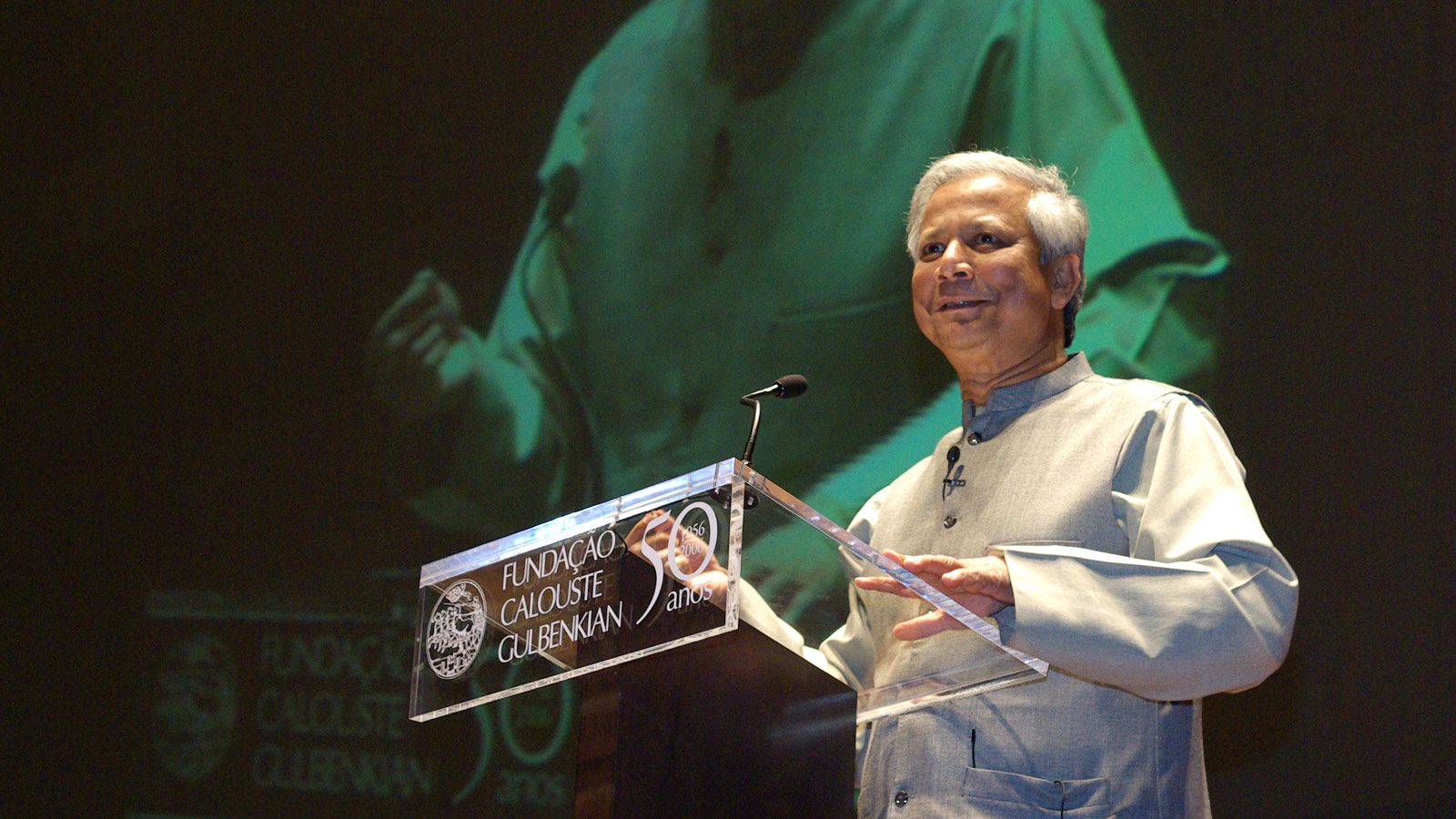
In 2009, the Foundation’s Delegation in France organised a series of European conferences with the participation of Jorge Sampaio, Jacques Delors and Hubert Védrine, among others.
Several exhibitions took place during this decade: Daciano da Costa, Designer, marking the reopening of the Calouste Gulbenkian Museum; in 2006, Amadeo de Souza-Cardoso: Vanguard Dialogues; Ingenuity: Photography And Engineering, 1846-2006, which was later exhibited at Bozar in Brussels; in 2008, The ‘Greek taste’: The birth of Neoclassicism in France, in partnership with the Louvre Museum and the National Heritage of Spain.
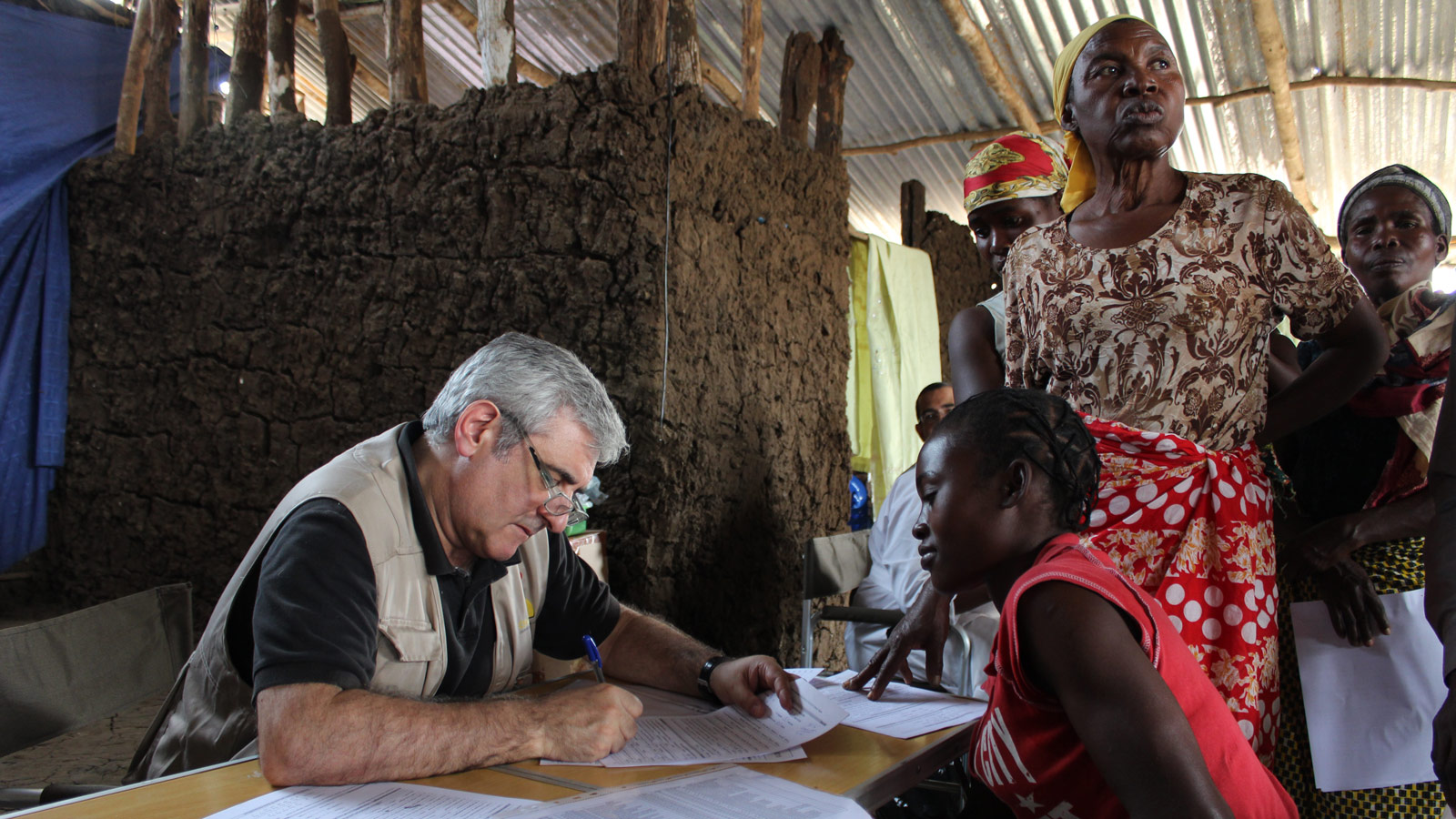
In the Portuguese-speaking African countries and East Timor, numerous grants were awarded, including the launch of the project CISA – Angola Health Research Centre in 2007, in partnership with the Angolan Ministry of Health and the Camões Institute for Cooperation and Language.
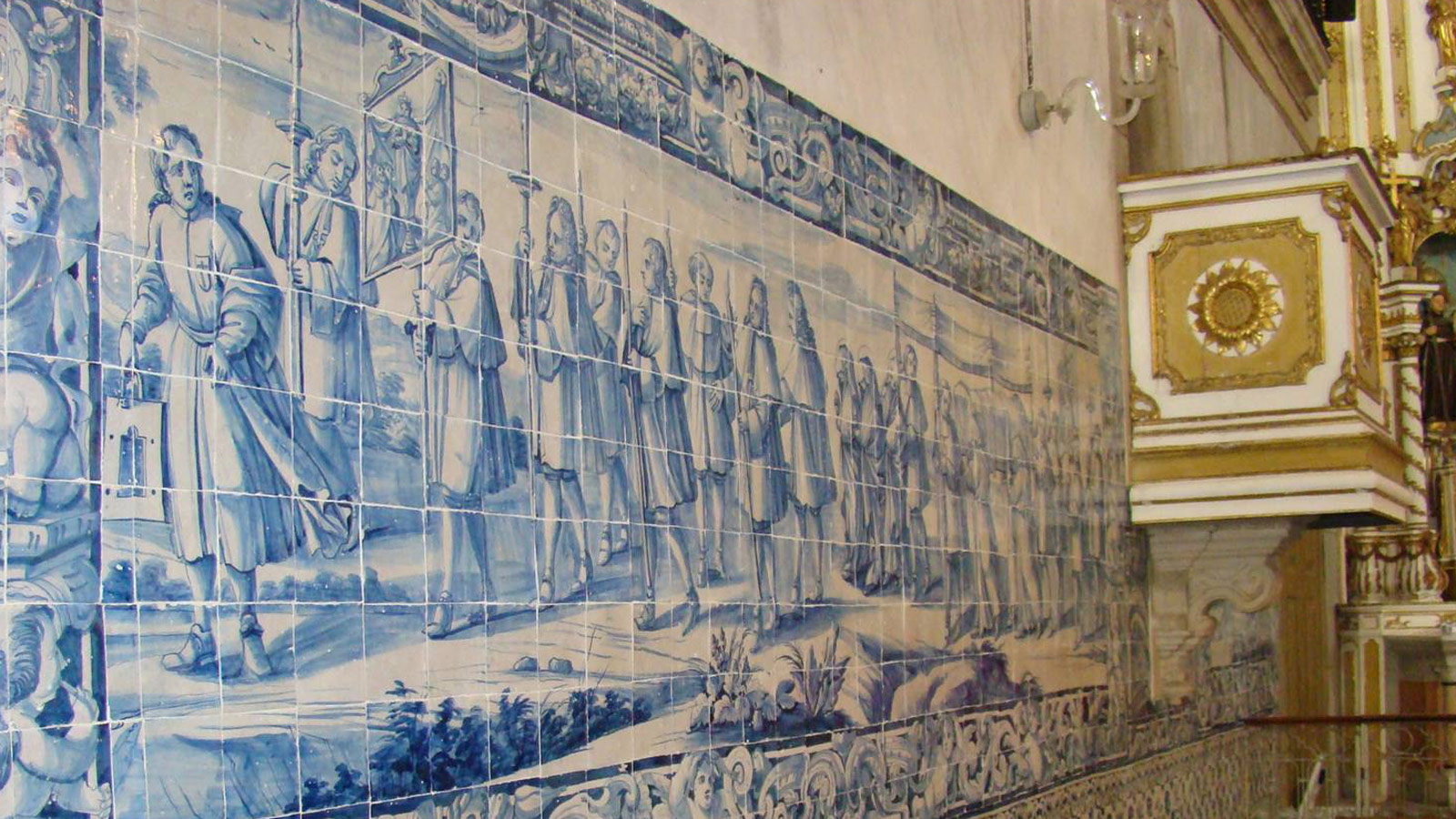
The Foundation supported the realisation of numerous projects and works in the rest of the world, such as the inauguration of the Indo-Portuguese Museum in Cochin, India; the renovation of the Calouste Gulbenkian Library in Jerusalem; the restoration of the chapel of the Surp Pirgiç Hospital and Pantheon in Istanbul, where the Gulbenkian family tomb is located; and the restoration of the 18th-century tiles of the church of the Santa Casa da Misericórdia da Baía, Salvador, Brazil, among others.
Emergency support was given to victims of the tsunami in Southeast Asia; to the victims of the Kashmir earthquake, in partnership with the Aga Khan Foundation; and to refugees from Timor-Leste.
2010 – 2019
In 2012, Rui Vilar, ending his second term as President of the Board of Trustees, was replaced by Artur Santos Silva. He was followed in 2017 by Isabel Mota, the first woman to hold this position.
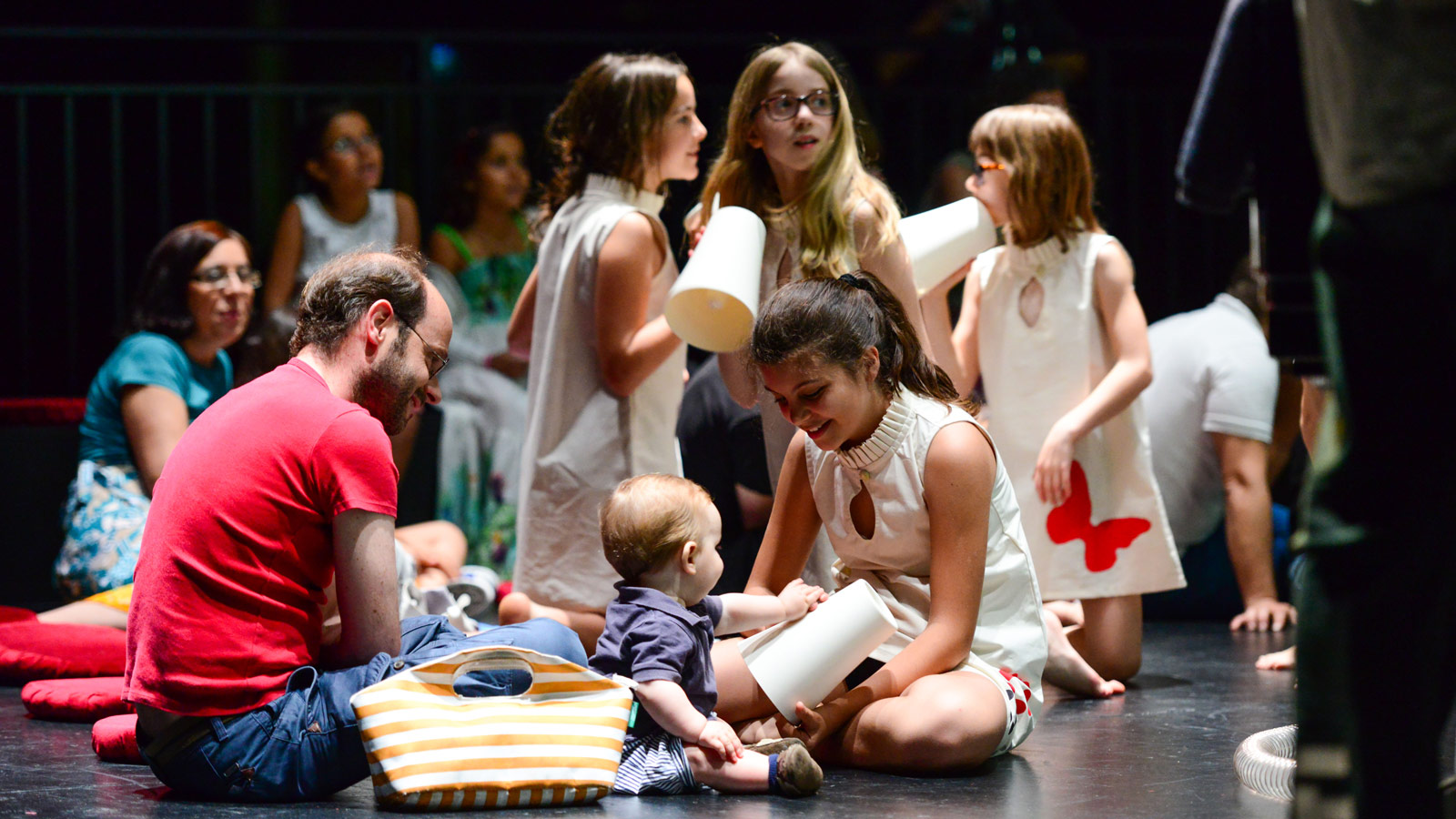
Various projects in collaboration or at the Foundation’s initiative were carried out with the aim of social engagement and finding solutions in various areas. In the field of children and young people, this included support for the creation of the Ubuntu Academy, a project for the development of community-based youth leadership; Opus Tutti: Artistic Practices in the Creation of Social and Educational Roots, aimed at early childhood (0-3 years); 10×10, a project that seeks dynamic ways of crossing art and teaching in the areas of Sciences and Humanities; the Hack For Good initiative, an international meeting of young people to promote technological solutions to social problems. The Partis initiative – now known as Partis & Art for Change as a result of the partnership with the “la Caixa” Foundation – established itself as the largest initiative to promote inclusion through artistic practices in Portugal.
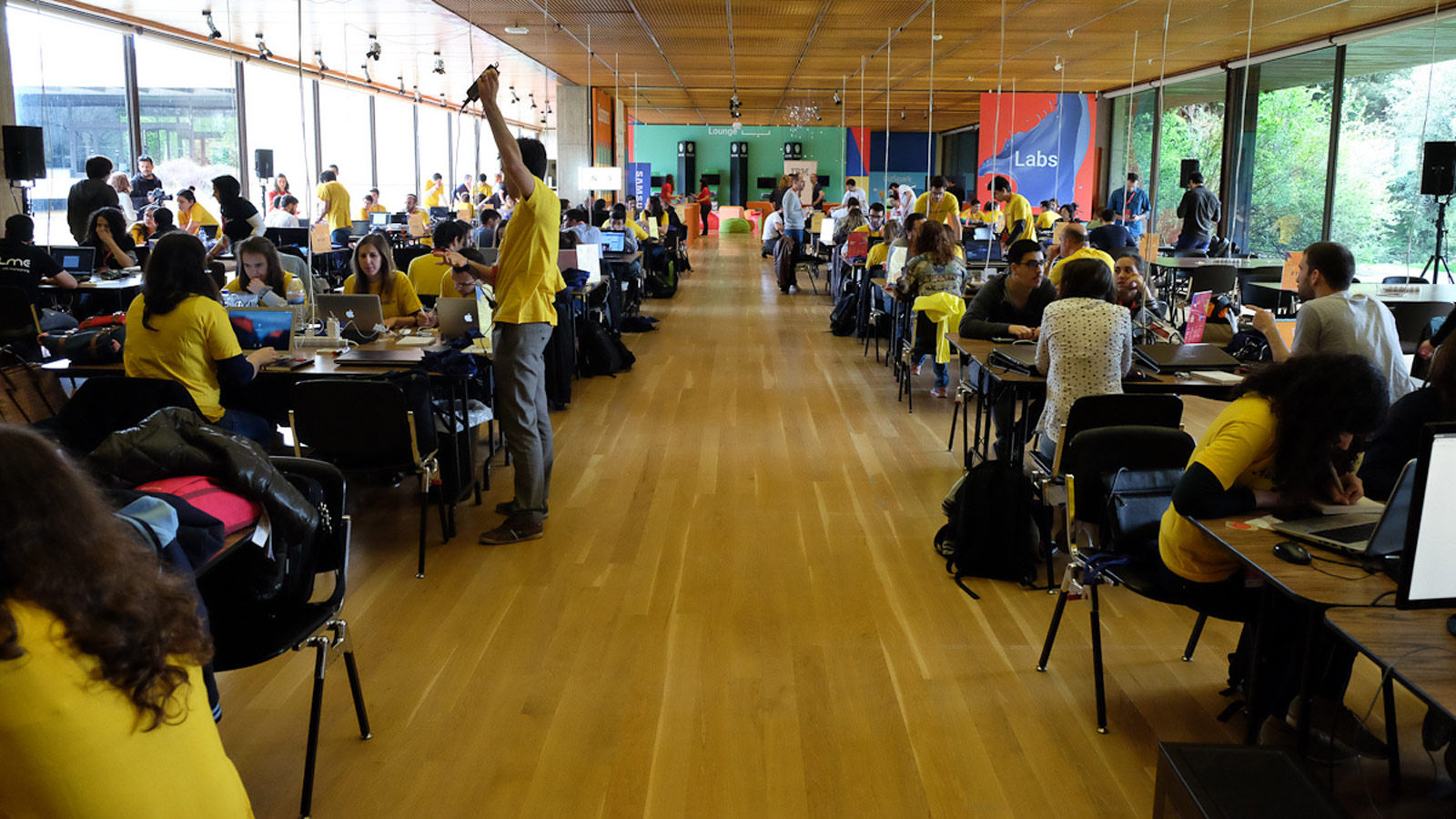
In the Delegations in France and the UK, the Civic Role of the Arts Organisations initiatives took place and, more recently, a pilot project in Paris in partnership with the Rothschild Foundation.
Support in the area of health included the Caring for Carers project, in partnership with five municipalities in the Entre Douro and Minho Region; support for Home Palliative Care Units, in collaboration with several municipalities; the report A Future for Health – we all have a role to play, launched in 2013 and discussed in the Portuguese Parliament in 2015; and the Gulbenkian Stop Hospital Infection challenge.
In support of the Portuguese-speaking African countries, the Mais Valia initiative was launched, a qualified volunteer scholarship for people over 55 years of age to support the development of various projects. Scholarships continued to be made available, particularly in the arts, music and sciences. Special attention was given to supporting better quality education in mathematics and advanced training for Guinean doctors and anaesthetists.
In 2010, the Headquarters and Museum buildings and the Foundation’s Garden were classified as a “National Monument”, the first contemporary work to be considered a heritage site in Portugal.
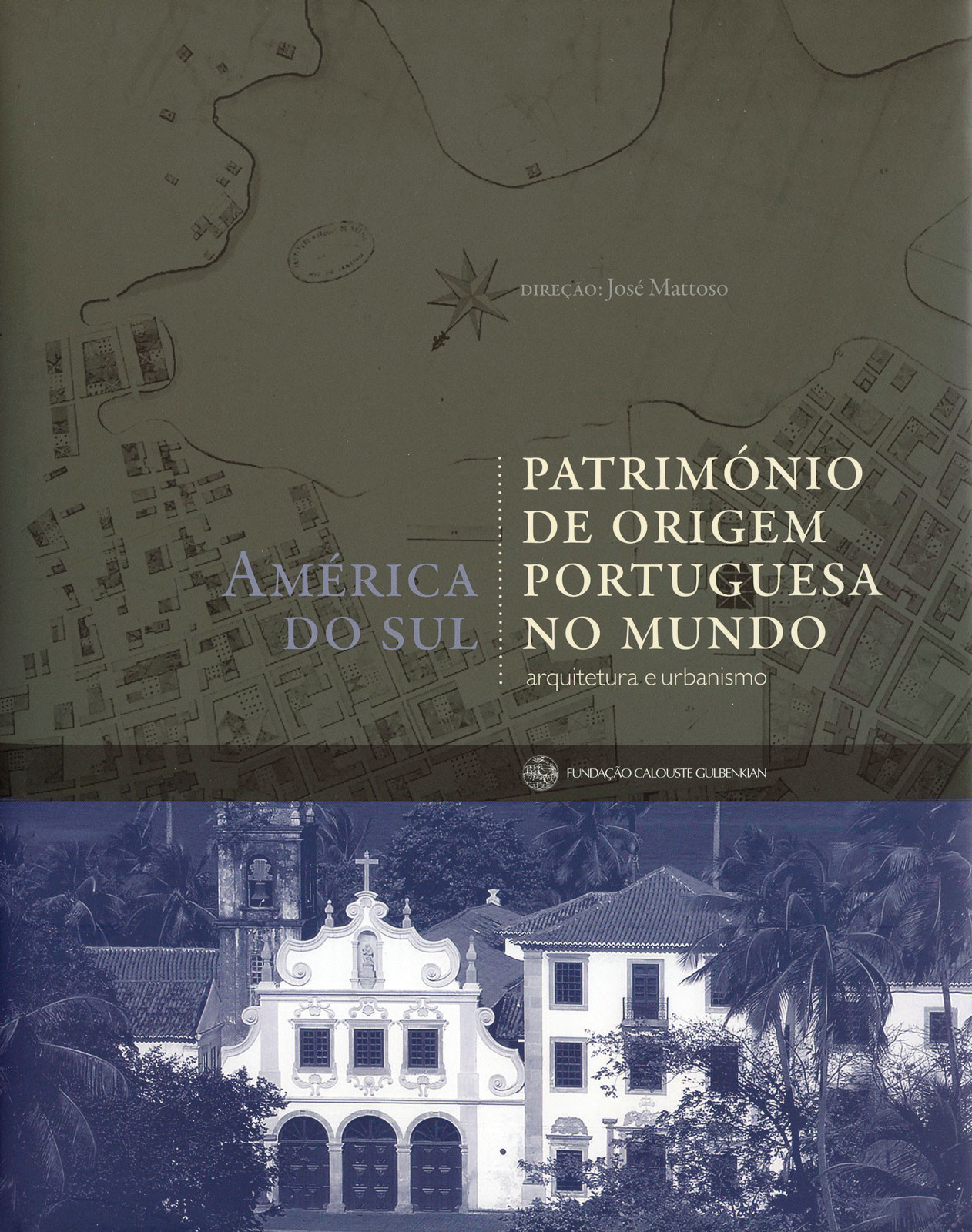
Portuguese Heritage Around the World: Architecture and Urbanism, coordinated by José Matoso, was published. This is a digitised work that is constantly being updated and has also been published in 4 volumes..
/
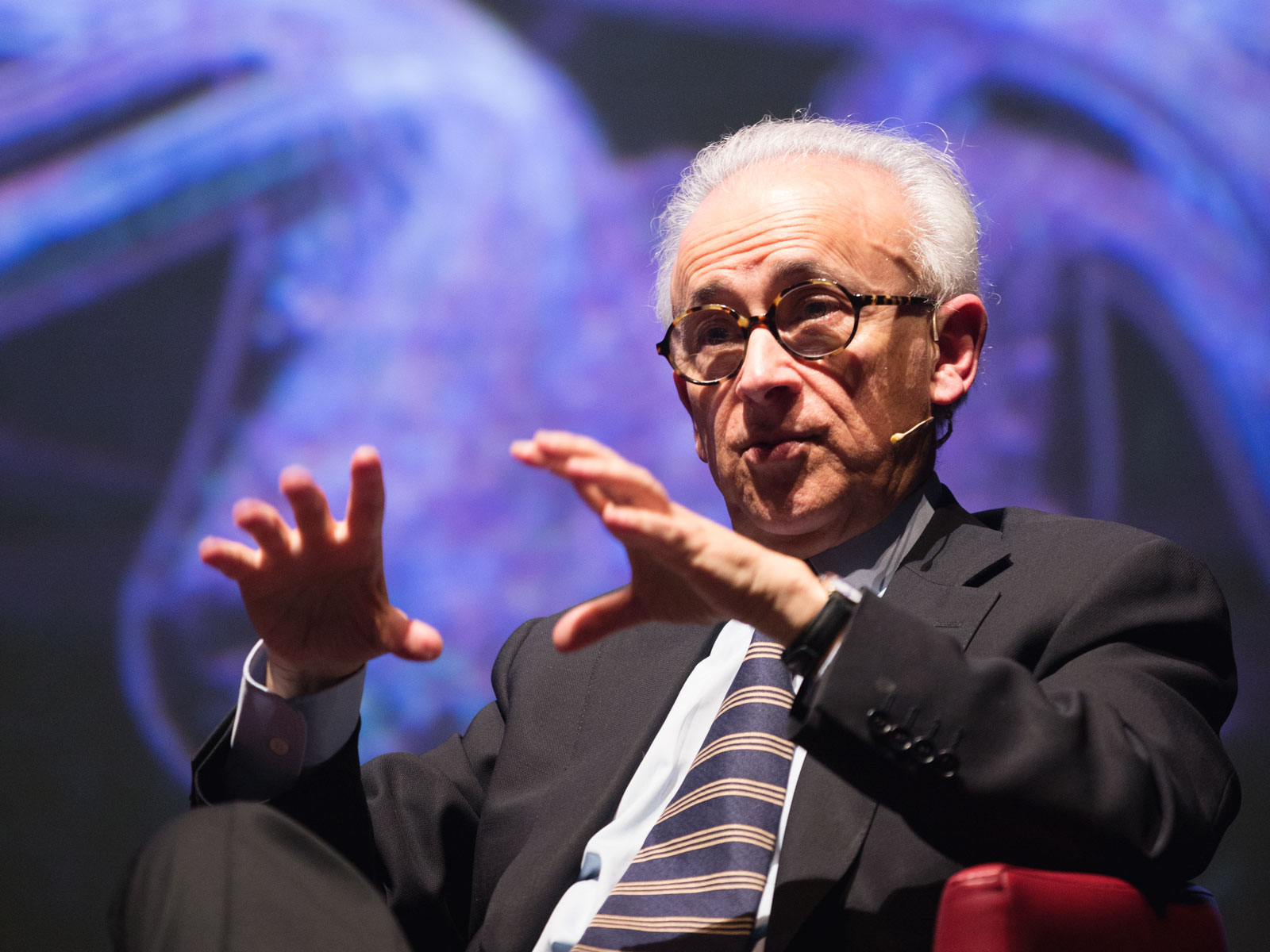
A cycle of Major Conferences dedicated to global themes was held.
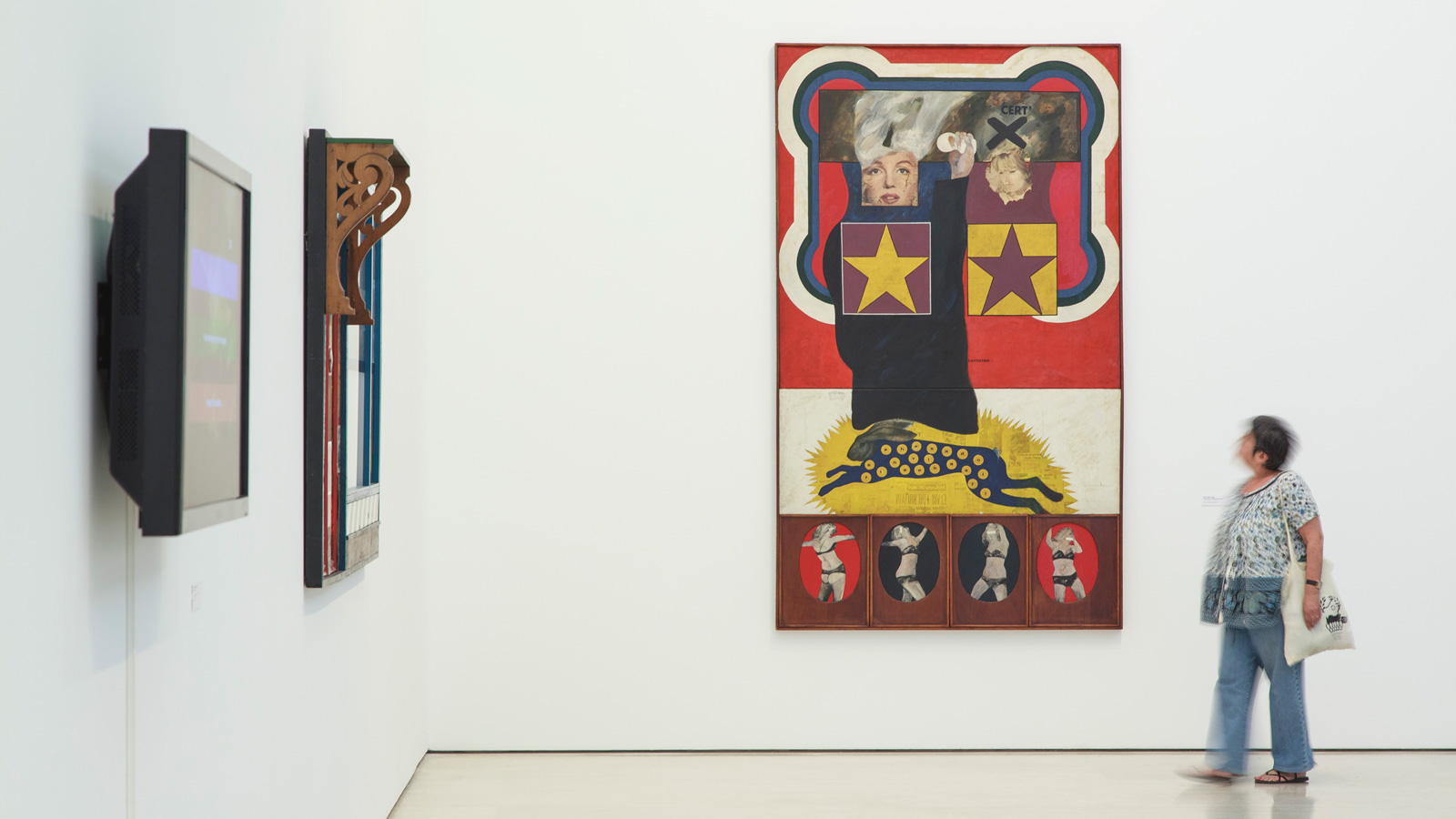
The exhibitions that take place at the Foundation during these years were varied and of great quality, including, for example, Fernando Pessoa, Plural like the Universe, conceived by the Portuguese Language Museum and the Roberto Marinho Foundation; The Ages of the Sea; Under the Sign of Amadeo: A Century of Art, to commemorate the 30th anniversary of the CAM; 360º – Science Discovered, which highlights the early contribution of Portuguese and Spanish figures in the science of the 18th century; Art on Display, which marks the 50th anniversary of the Gulbenkian Museum.
The Amadeo de Souza-Cardoso exhibition took place at the Grand Palais in Paris in 2016; while Rui Chafes and Alberto Giacometti, Gris, Vide, Cris was held at the France Delegation in 2018.
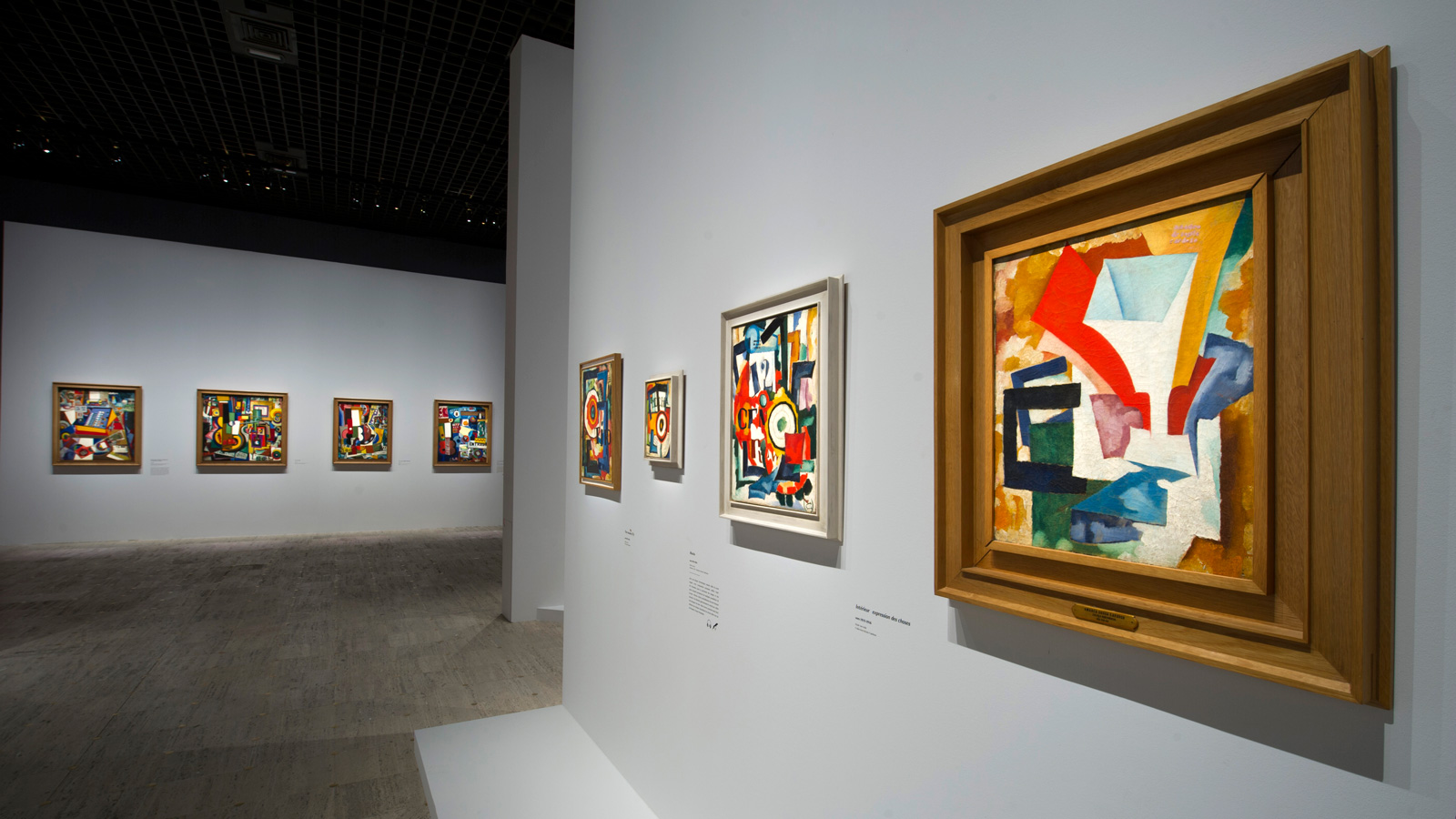
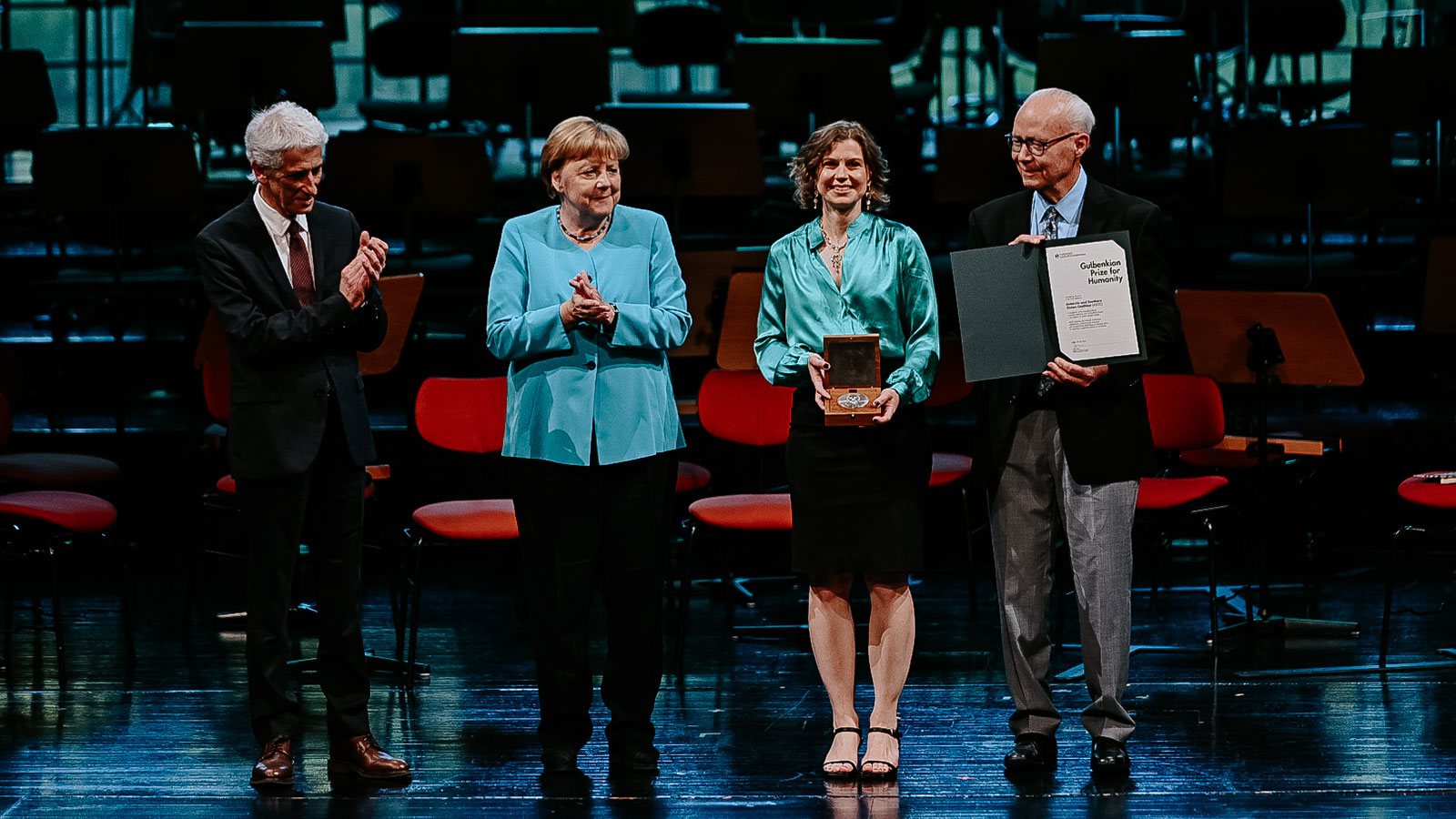
Created in 2012, the Calouste Gulbenkian Prize was replaced in 2019 by the €1 million Gulbenkian Prize for Humanity, which focuses on issues related to climate change.
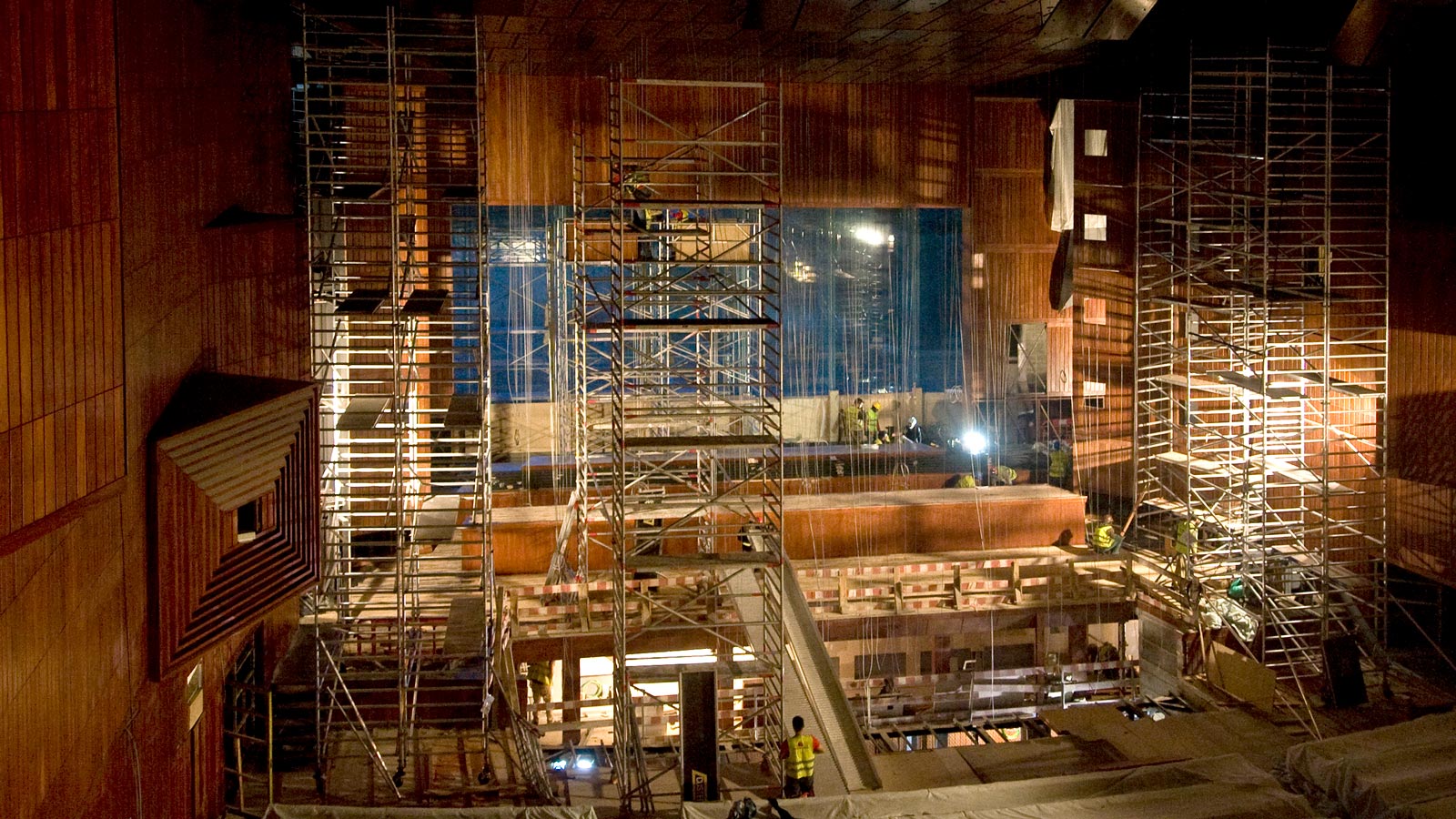
Between 2013 and 2014, the Grand Auditorium was renovated with a project by architect Teresa Nunes da Ponte.
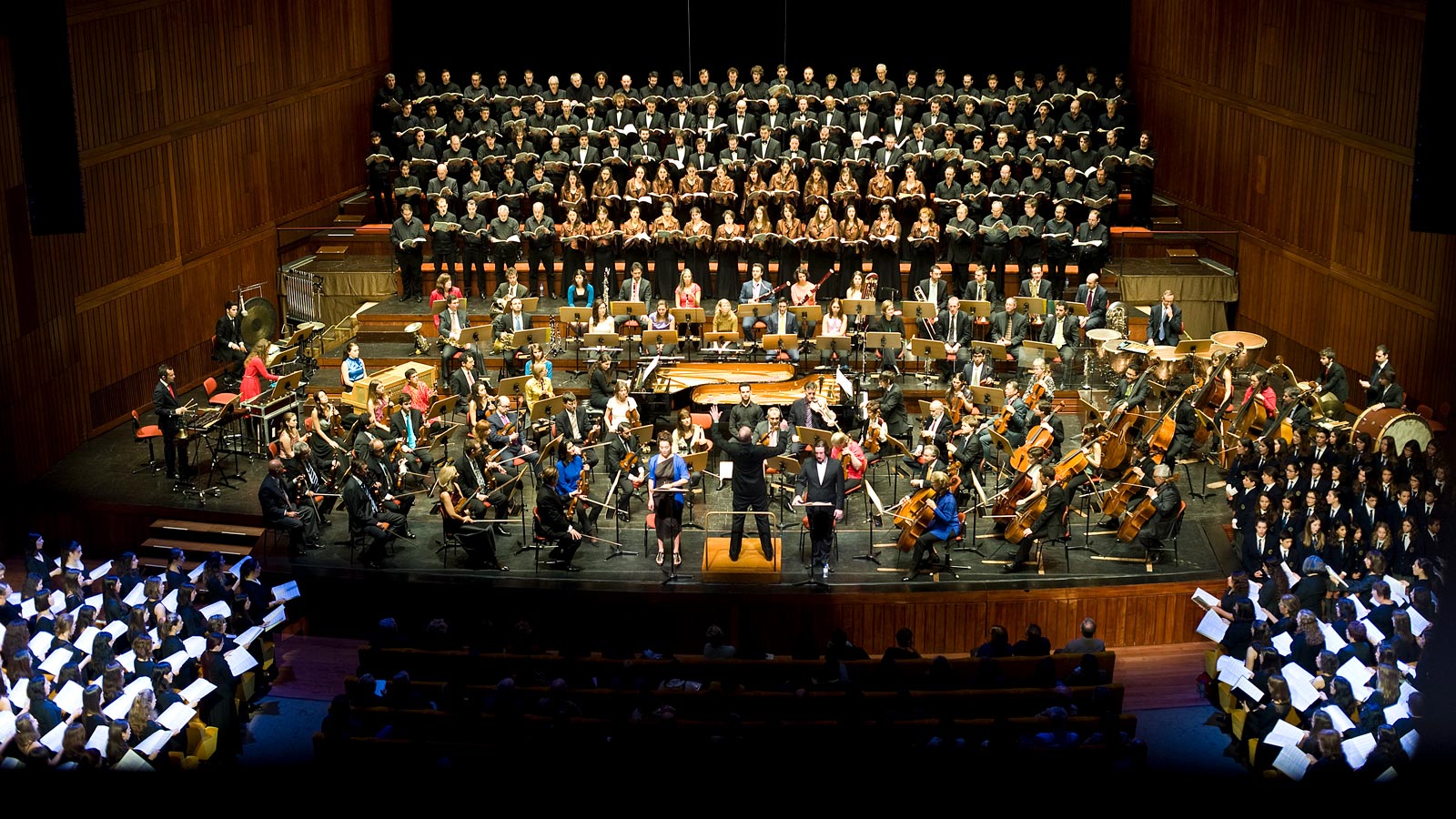
In 2014, the first participatory concert took place with the work Carmina Burana by Carl Orff, which gave the public the opportunity to participate in the interpretation of the work together with the Gulbenkian Orchestra and Choir.
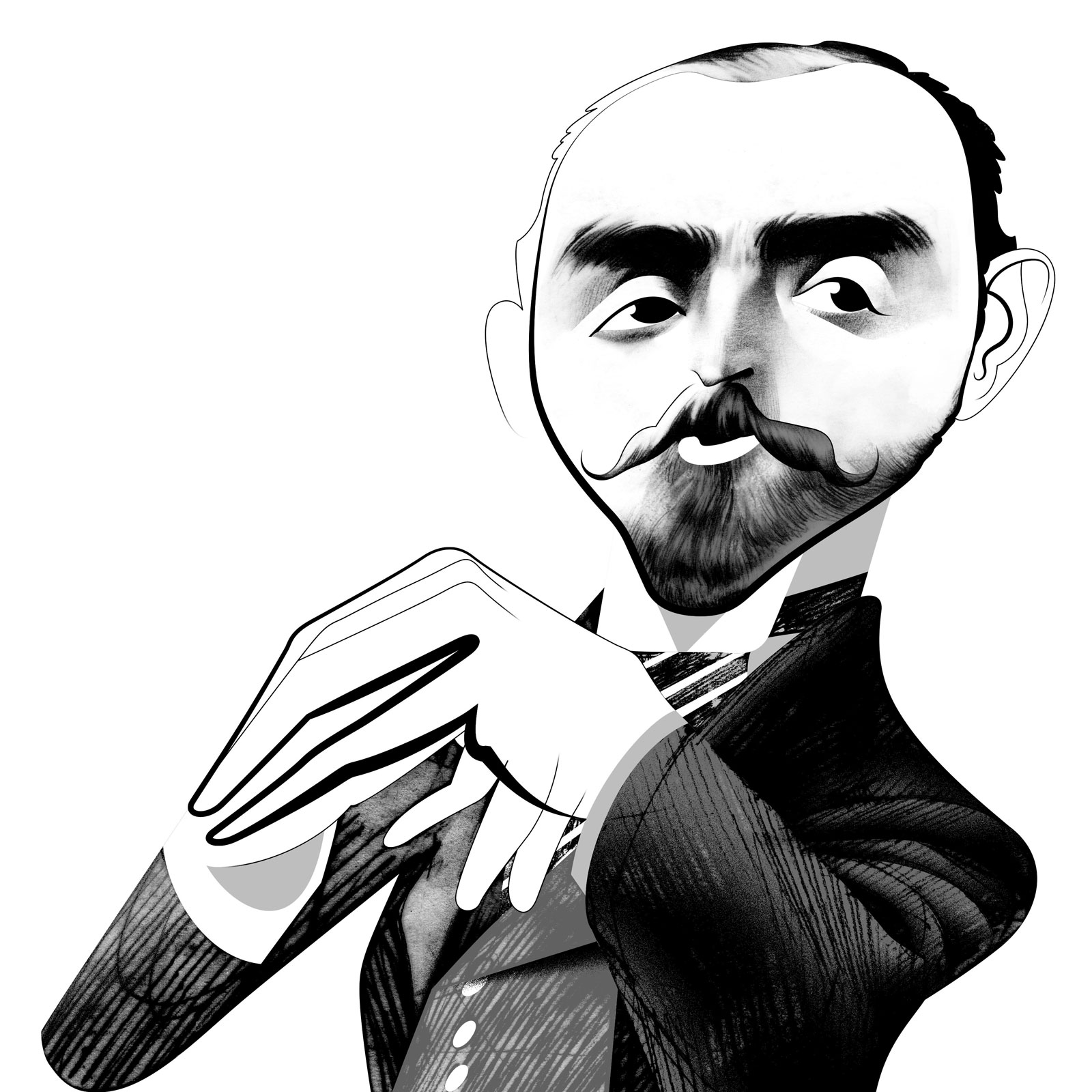
In 2019 several initiatives celebrated the 150th anniversary of the birth of Calouste Sarkis Gulbenkian, including the launch of Jonathan Conlin’s Mr Five Per Cent: The many lives of Calouste Gulbenkian, the world’s richest man.
/
In 2019, the Foundation sold Partex Oil and Gas Corporation, a highly significant decision in times of energy transition and sustainability.
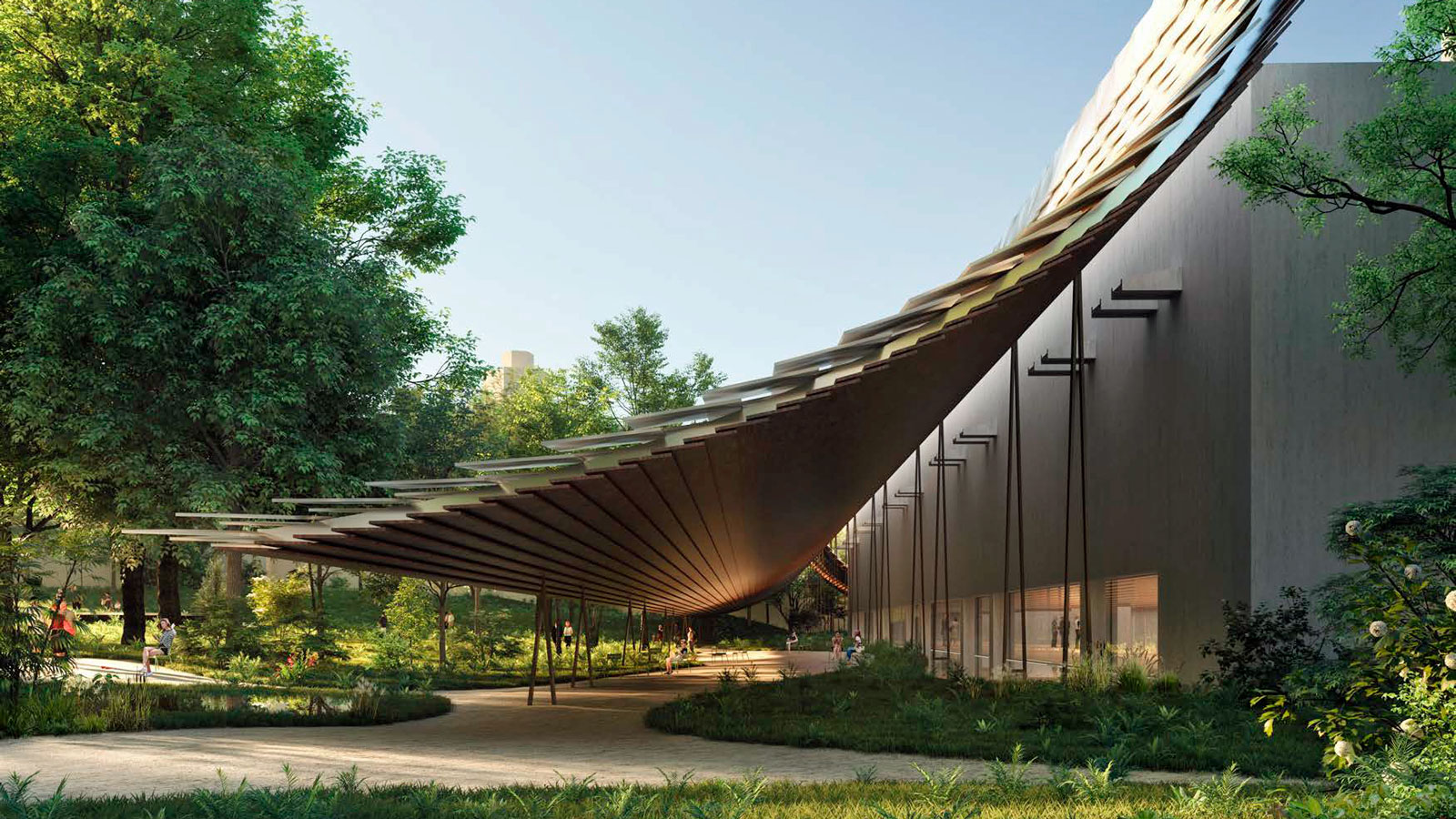
In 2019, the Japanese architect Kengo Kuma was chosen for the renovation of the CAM building, and the landscape architect Vladimir Djurovic for the south extension of the Gulbenkian Garden.
2020 – 2025
In May 2022, Isabel Mota — the first woman to serve as President of the Foundation — completed her term and was succeeded by António Feijó, whose mandate runs until 2027.
In March 2020, in response to the coronavirus pandemic and the declaration of a State of Emergency, the Foundation’s Board of Trustees approved the creation of the Gulbenkian Covid-19 Emergency Fund. With a total allocation of approximately €6.3 million, the Fund aimed to strengthen the resilience of Portuguese society across the Foundation’s key areas of intervention.
/
Support from the Fund was directed towards health, science, civil society, education, culture, and international cooperation. To ensure swift implementation, an internal task force was established, overseeing the rollout of initiatives and the disbursement of funds to beneficiaries between 23 March and the end of April.
All Foundation services were closed from March 2020 until April 2021, when the Grand Auditorium reopened with a concert by the Gulbenkian Orchestra. During this period, the Foundation pivoted to digital formats, providing virtual access to its programmes and facilities.
The Gulbenkian Prize for Humanity was awarded for the first time in 2020 to Swedish climate activist Greta Thunberg, who chose to distribute the prize among several environmental and humanitarian initiatives. By 2025, the annual €1 million prize had enabled recipients to expand and sustain their climate action while supporting communities most affected by climate change. Since its inception, the Foundation has awarded a total of €6 million to projects worldwide.
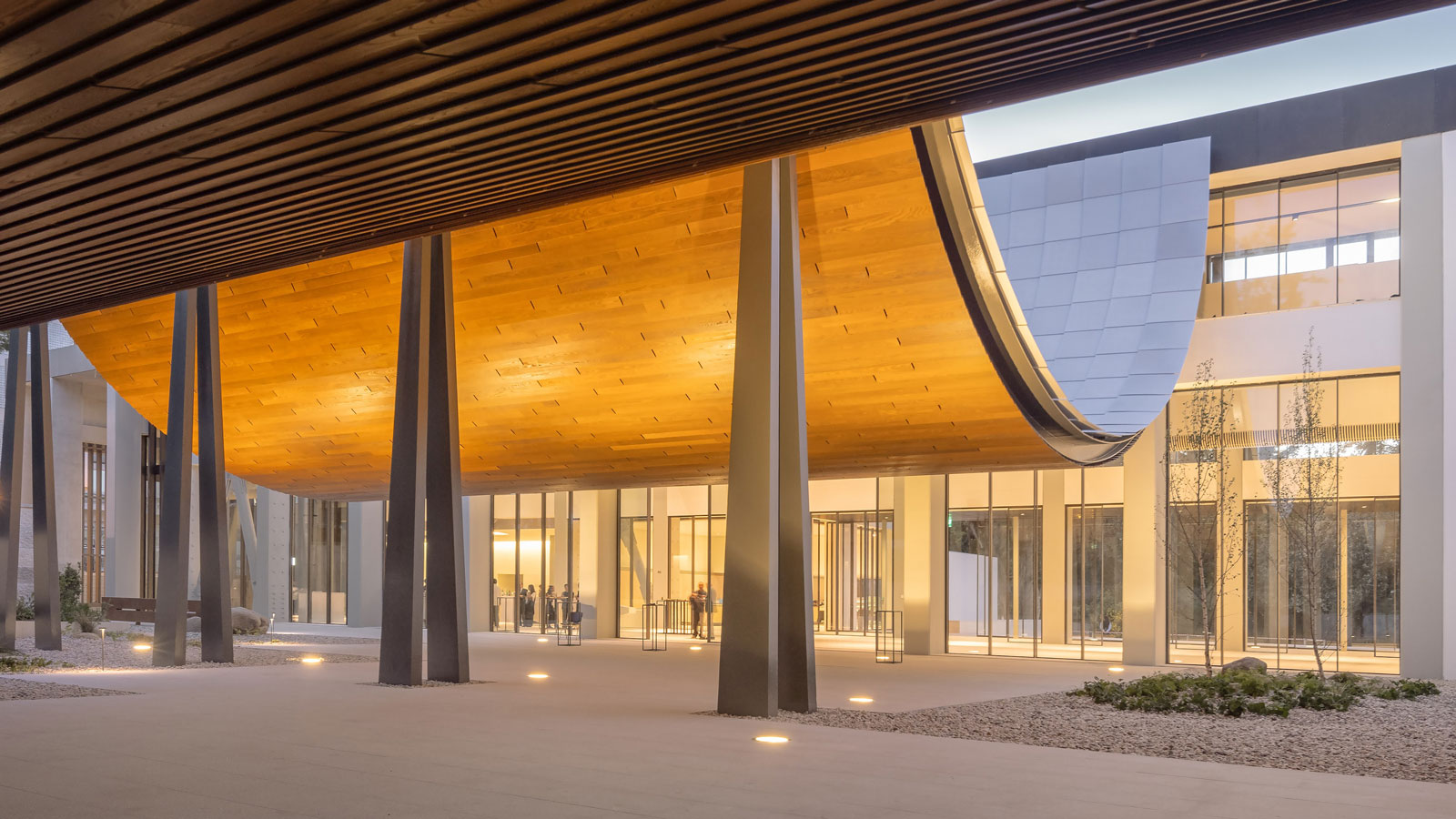
In September 2024, the Gulbenkian Modern Art Centre (CAM) reopened following an ambitious redevelopment that introduced new entrances to the Foundation’s park and a new south garden area. Designed by renowned architect Kengo Kuma, the project draws on the concept of engawa – a feature of traditional Japanese architecture that creates a fluid relationship between interior and exterior spaces. Kuma reinterpreted the original concrete building, inaugurated in 1983 and designed by British architect Leslie Martin, enhancing transparency on the south façade and adding a striking 100-metre canopy composed of 3,274 white ceramic tiles produced in Portugal. This intervention establishes a distinctive transition between building and garden, giving the CAM a renewed architectural identity.
Currently undergoing renovation, the Calouste Gulbenkian Museum—under the direction of Xavier Salomon—is scheduled to reopen in summer 2026. The project aims to ensure optimal conditions for the conservation and presentation of the Gulbenkian Collection. Works include the modernisation of climate control, lighting, and security systems, alongside improvements to the visitor experience and spatial coherence, while respecting the Museum’s original vision.
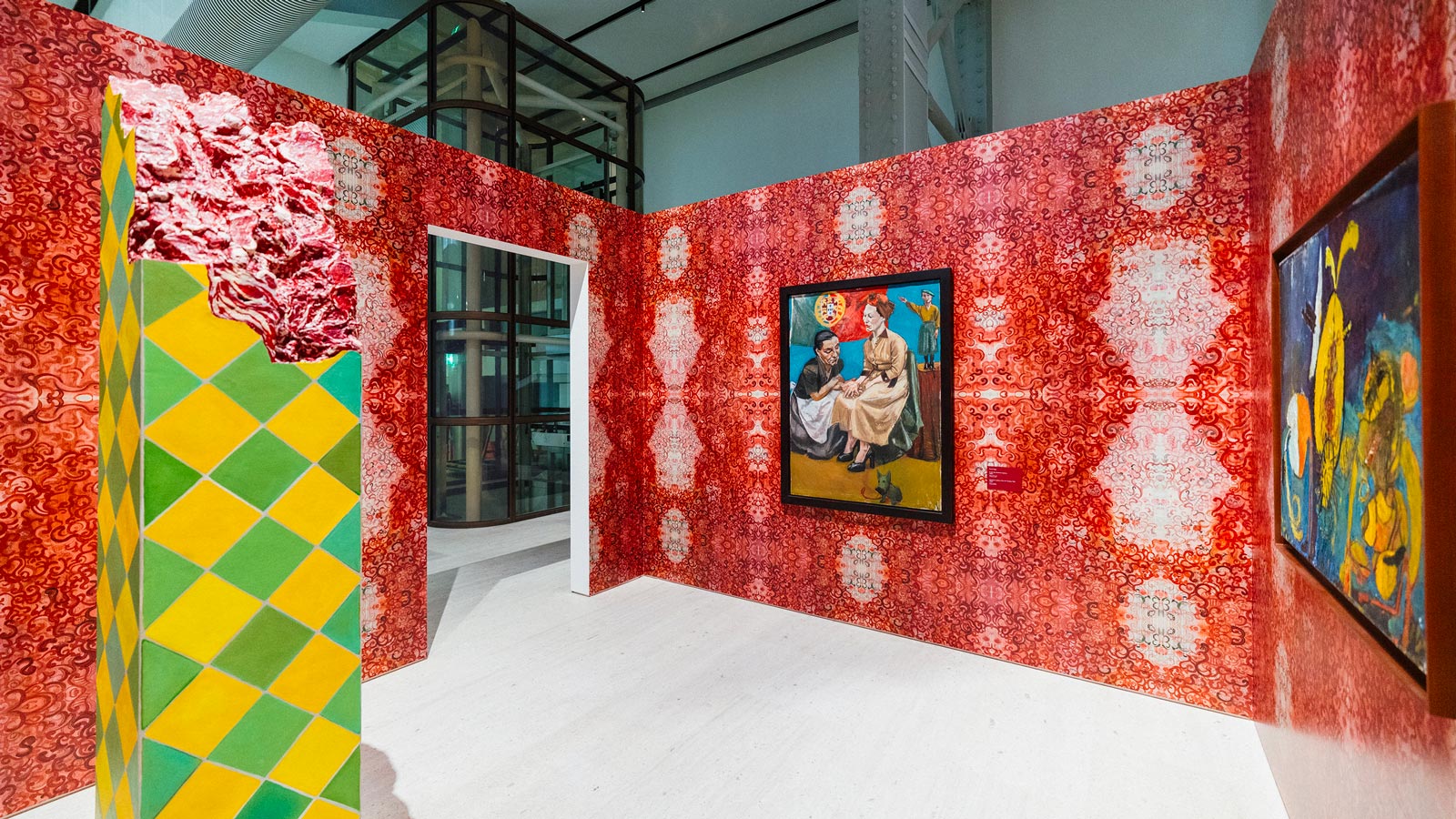
Throughout this period, the Foundation presented a wide range of exhibitions across its headquarters and CAM galleries. Highlights include Everything I Want – Portuguese Women Artists from 1900 to 2020 (2021), conceived for the Portuguese Presidency of the European Union, and Hergé, organized in collaboration with the Hergé Museum in Louvain-la-Neuve. In 2022, major exhibitions included Europa Oxalá, bringing together 60 works by 21 artists with origins in former African colonies; Révolutions Xenakis, developed in partnership with the Philharmonie de Paris to mark the composer’s centenary; and Pharaoh Superstars, an initiative of Mucem – Musée des Civilisations de l’Europe et de la Méditerranée, commemorating the centenary of the discovery of Tutankhamun’s tomb.
In 2024, the Foundation presented, for the first time in Portugal, the photographic work of Maria Lamas – journalist, writer, educator, researcher, translator, photographer, and human rights activist – captured during a two-year journey across Portugal, from Minho to Vila Real de Santo António, including Madeira and the Azores. In 2025, highlights included Between Your Teeth, featuring works by Paula Rego and Adriana Varejão, and Complex Brazil, which explored Brazilian culture while critically examining the long-standing historical ties between Brazil and Portugal.
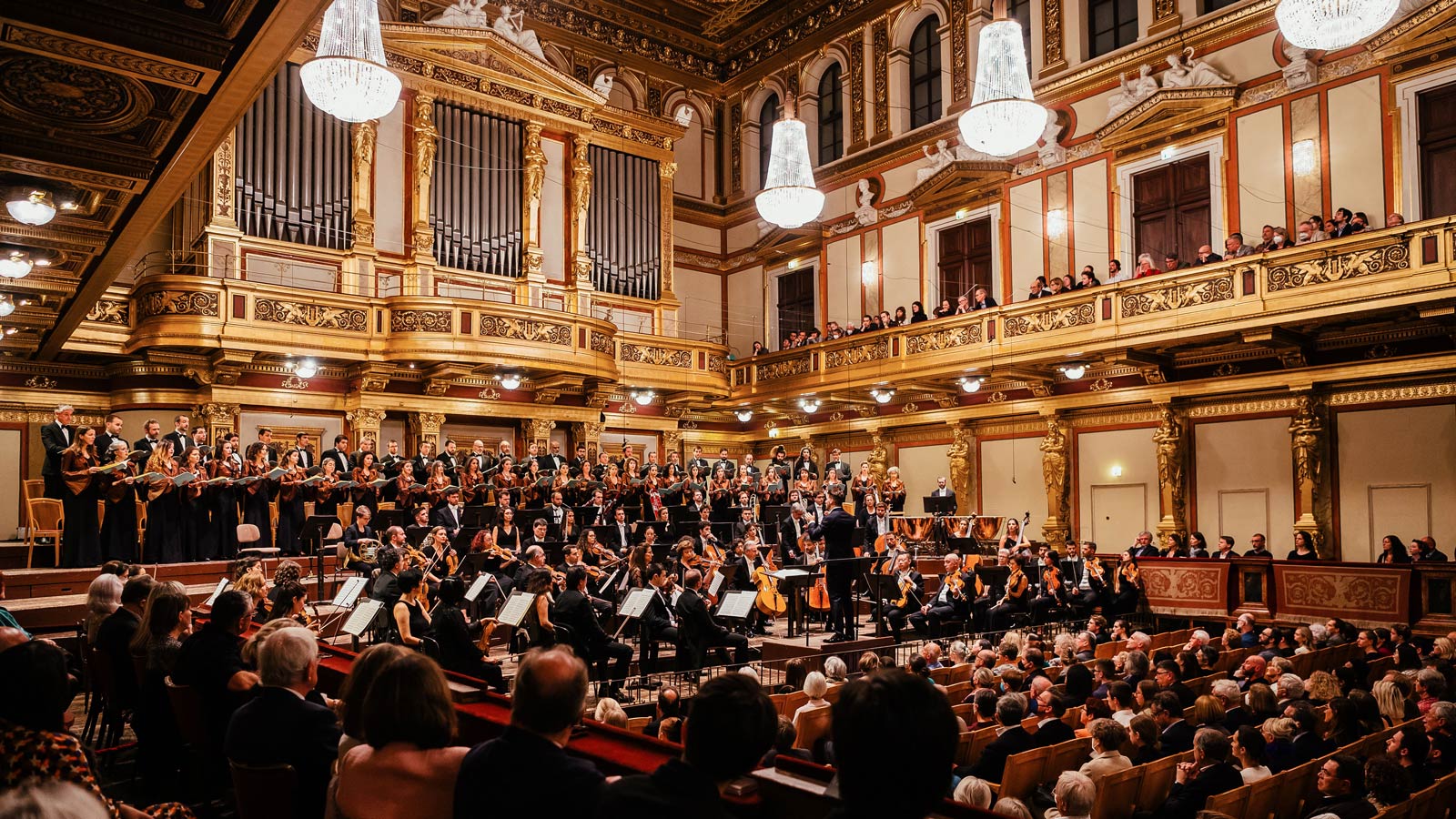
The Gulbenkian Orchestra celebrated its 60th anniversary in October 2022 with performances in Munich, Cologne, and Vienna, alongside the Gulbenkian Choir. In 2023, Finnish conductor Hannu Lintu assumed the role of Principal Conductor, making a widely acclaimed debut with Mahler’s Symphony No. 2.
The following year, the Gulbenkian Choir welcomed Martina Batič as its new Principal Conductor, succeeding Michel Corboz, who had led the Choir for over fifty years. Batič is internationally recognised for her versatility across a broad choral repertoire.
A central figure in shaping the Foundation’s work in the performing arts, Madalena de Azeredo Perdigão was honoured in 2023, marking the centenary of her birth. Commemorative initiatives included the exhibition Madalena de Azeredo Perdigão: What Is Needed, curated by Rui Vieira Nery; a colloquium; a performance of Messiaen’s La Transfiguration de Notre Seigneur Jésus Christ; and the publication of Vamos Correr Riscos.
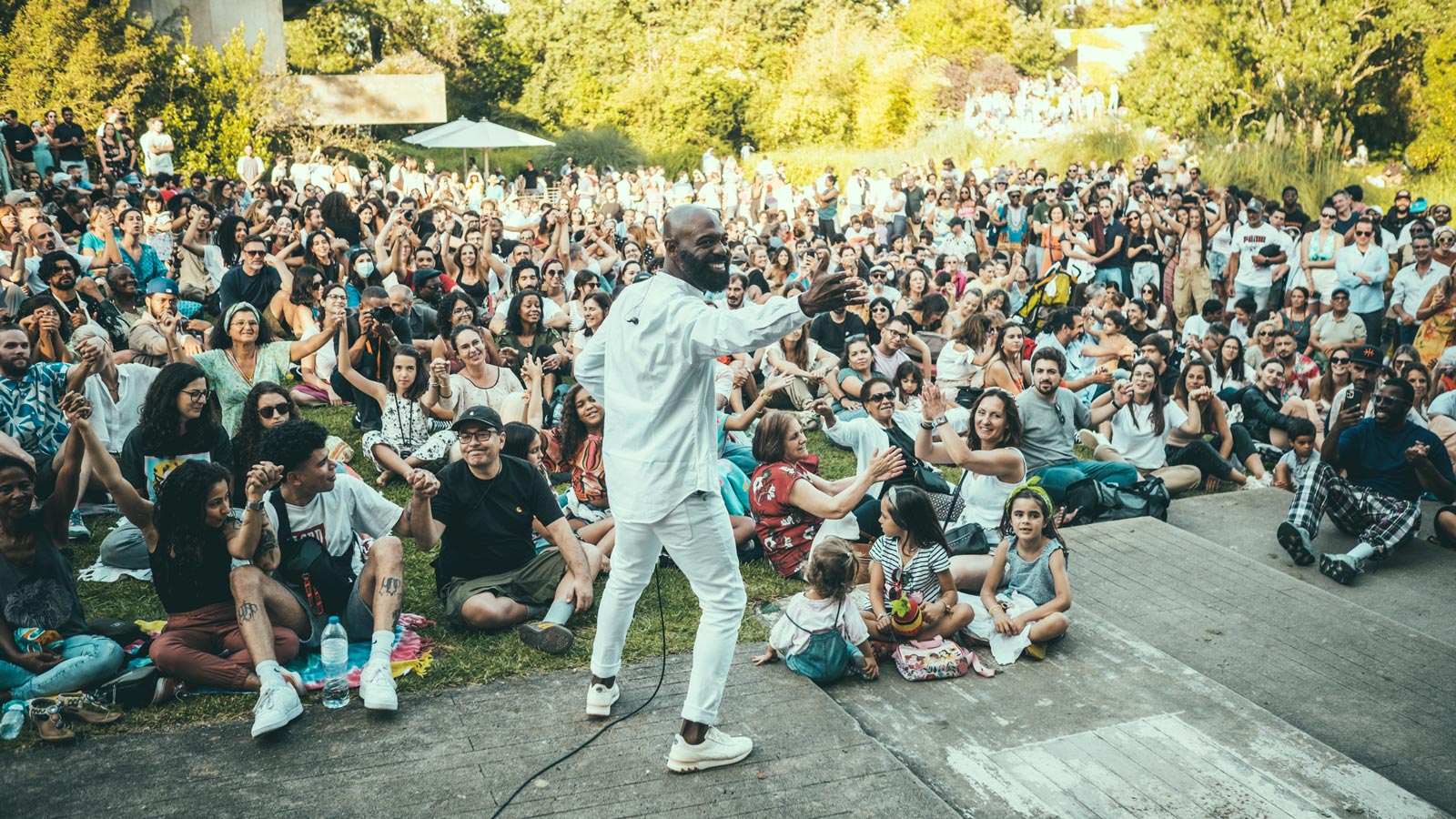
The Jardim de Verão (Summer Garden) programme was named Event of the Year 2022 by Time Out. Its transdisciplinary and eclectic programme expanded on themes explored in Europa Oxalá, attracting large audiences to a vibrant open-air setting featuring music, cinema, and talks.
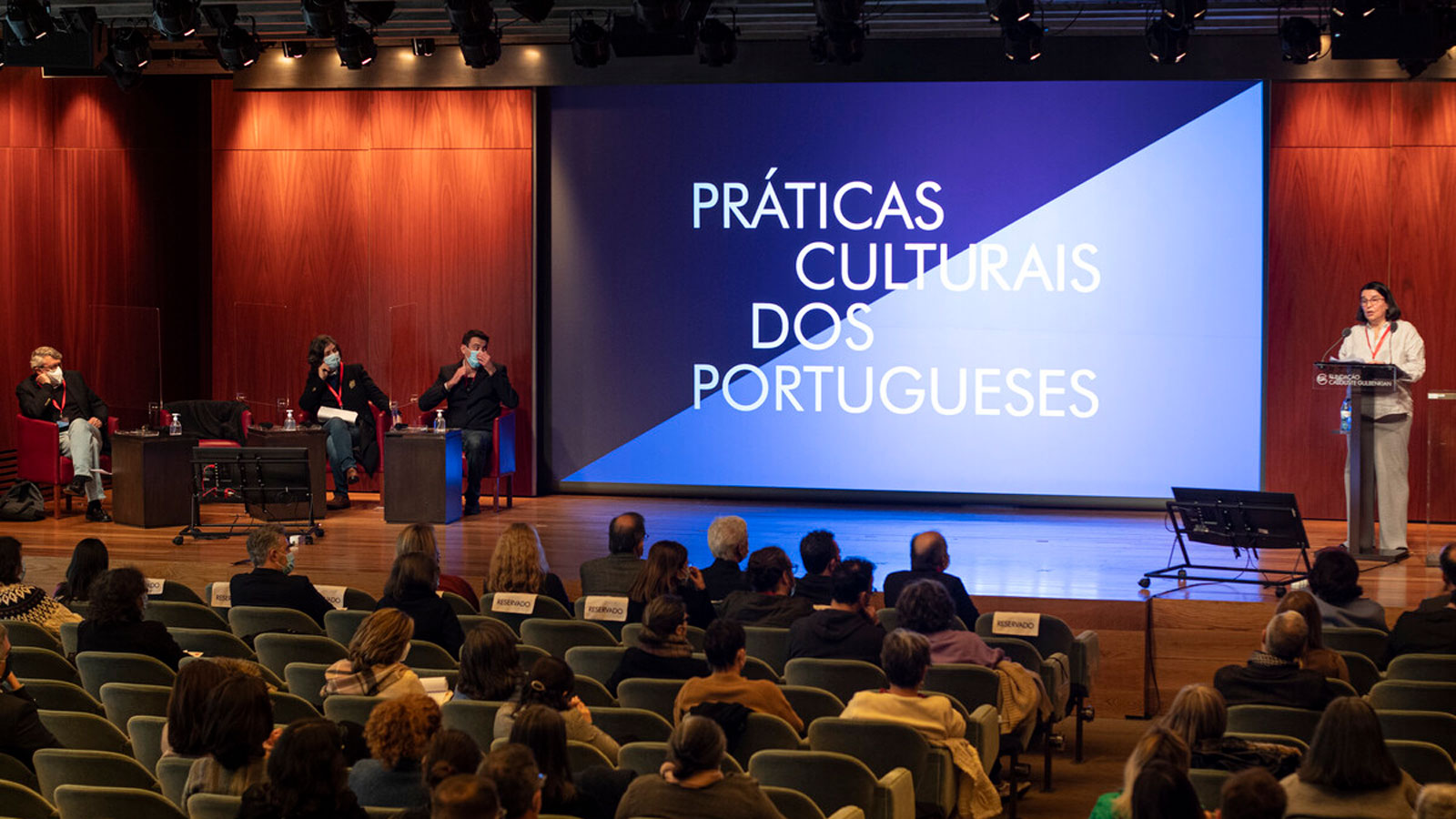
In 2022, the Foundation presented the Survey of Portuguese Cultural Practices, conducted by the Institute of Social Sciences. Carried out between 2019 and 2020, this pioneering study provided an in-depth portrait of cultural participation in Portugal.
During these years, the Foundation has worked to reduce inequalities in access to international opportunities for artists from Portuguese-speaking African countries (PALOP), notably through support for international artistic residencies in visual arts and dance. In these countries, it has also supported scientific research, as well as initiatives in health and education.
Midway through the decade, the consolidation of the Gulbenkian Scholarships is evident, with a 40% increase in the number awarded – reaching 2,105 in 2024. This growth was largely driven by the expansion of the Gulbenkian Merit Scholarships programme, which supports high-potential students with limited financial means throughout higher education; 500 new scholarships were awarded in 2024 alone.
The promotion of resilient and creative Armenian communities worldwide – rooted in language and culture and actively engaged with Armenia – has remained a consistent priority. Various initiatives have been developed to strengthen language, culture, and critical thinking within the Armenian diaspora, addressing the challenges of linguistic sustainability.
In 2024, the creation of GIMM, resulting from the merger of the Gulbenkian Institute for Science (IGC) and the Institute of Molecular Medicine (iMM), marked a significant milestone. This joint effort brought together complementary strengths under a shared mission, supported by six founding partners: the Gulbenkian Foundation, the “la Caixa” Foundation, Arica, the Faculty of Medicine of the University of Lisbon, the Lisbon North University Hospital Centre, and the University of Lisbon