
The six principles of quality public participation
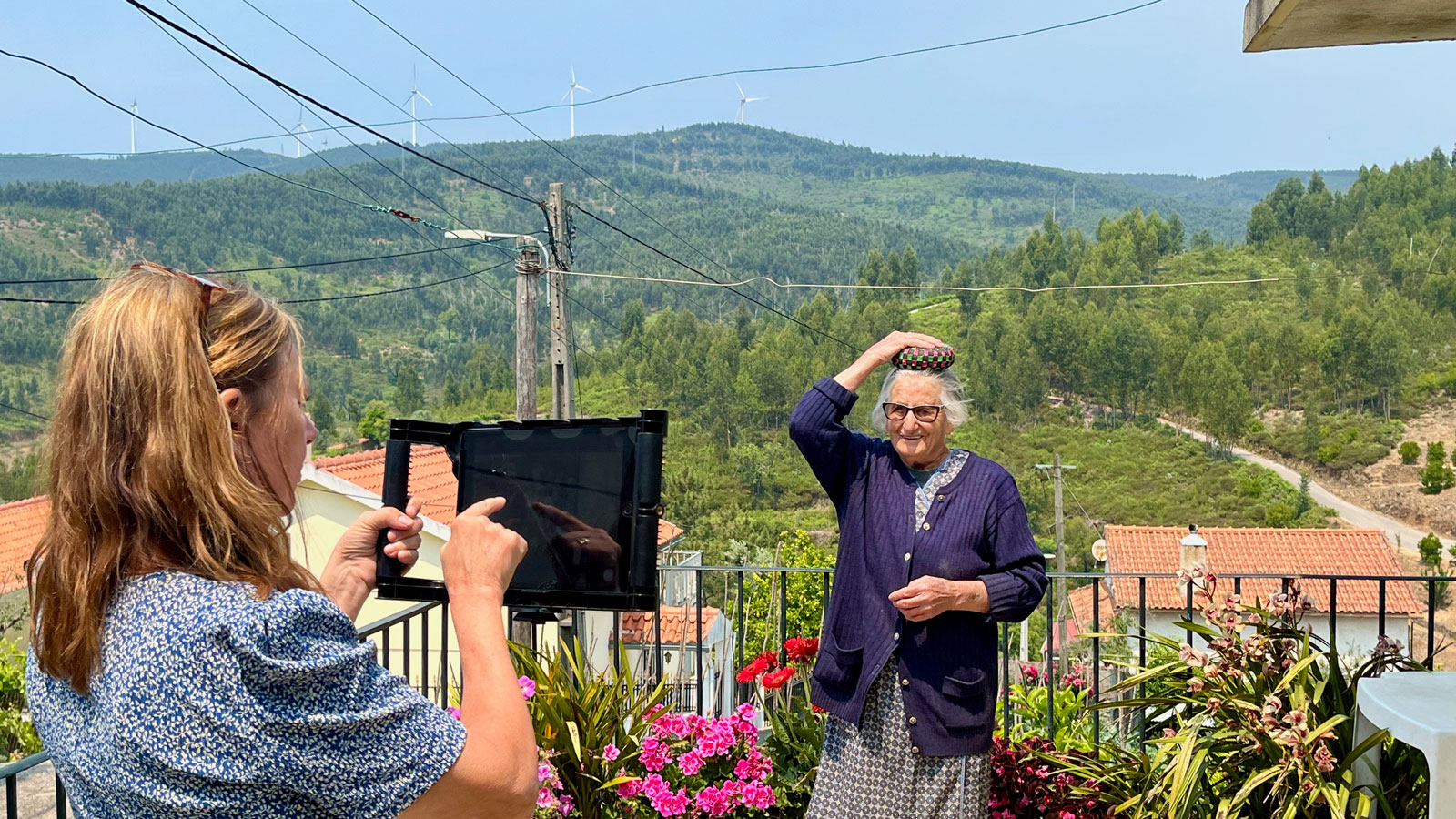
Traditionally, the responsibility for climate action has rested with policymakers, who design strategies and implement measures with the support of technical experts. Yet the deep, systemic changes required in areas such as energy production, mobility, food systems, and land-use planning directly shape everyday life. For this reason, climate action is a collective endeavour that demands the active involvement of society as a whole. When citizens participate, climate action accelerates; shared concerns are transformed into practical solutions, policy gains legitimacy, and people are motivated to act.
The results of this initiative show how public participation can accelerate climate action, as demonstrated by some inspiring examples.
“While the focus in the first 50 years of democracy was on increasing civic engagement, perhaps in the next 50 years we should focus on improving its quality.
Evaluating results, impacts, benefits and changes is essential, and this must be done at various levels by analysing the involvement of citizens, communities, territories, public administrations and the relationship between elected officials and voters.”
José Carlos Mota, A Participação Cívica em Portugal, Fundação Francisco Manuel dos Santos, 2025
At a time when democracy’s capacity to address complex issues such as climate change and biodiversity loss (two deeply interconnected and mutually reinforcing crises) is increasingly being questioned, 11 projects supported by the Calouste Gulbenkian Foundation in Portugal and led by municipalities and environmental organisations across the country demonstrate the potential of effective citizen engagement in climate action, provided certain fundamental principles are upheld:
1. Building close relationships
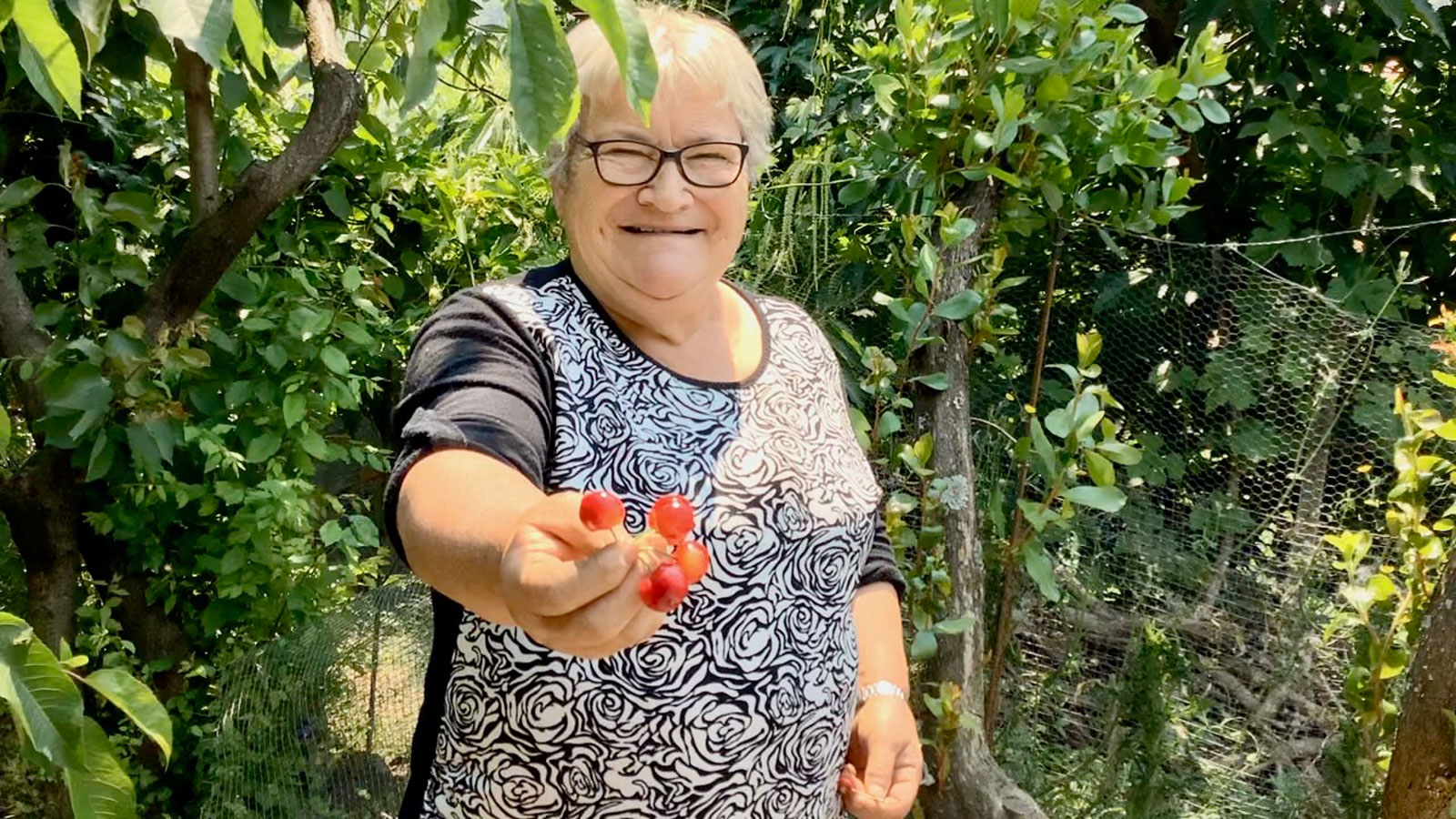
Participatory processes become more inclusive when those leading them have a strong trust-based relationship with the communities they seek to engage. This requires stepping outside familiar circles and investing in sustained community involvement to reach marginalised groups. Meaningful engagement does not happen by simply opening registrations and waiting for people to attend; it requires going out to meet people where they are.
As part of the Mulheres da Ria (Women of the Ria) project, the not-for-profit organisation Sciaena has been expanding its collaboration with the Ilha da Culatra community since 2022. The project aims to recognise, value and strengthen the role of women in climate action, particularly with regard to seagrass bed conservation and the sustainability of the Ria Formosa lagoon. The project team worked closely with four women, aged between 27 and 73, who are pillars of the Ilha da Culatra community.
Despite the logistical and contextual challenges, informal spaces were created to allow the team and participants to get to know one another and discuss their ecological concerns. This process of active listening enabled the collection of undocumented cultural knowledge, such as the traditional names of the island’s sandbanks, while recognising the women’s collective memory and strong sense of belonging.
These sessions deepened the participants’ understanding of climate change and blue carbon, increasing their awareness of how these issues affect their daily lives. They also strengthened the self-confidence and sense of empowerment of the women involved, who demonstrated growing technical knowledge and an emerging ability to identify and prioritise structural challenges. As the Scianea team notes, “Working with communities requires time and patience, as well as an appreciation of small advances and victories. Maintaining commitment, especially during periods of uncertainty, is a valuable lesson”.
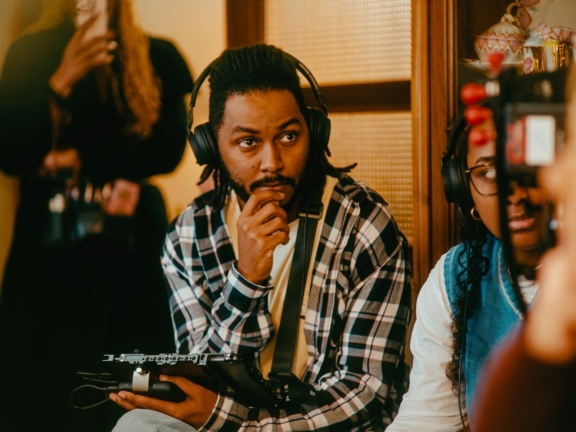
Projects that adopt community engagement methodologies and maintain a regular and consistent presence in the field often lead to greater social cohesion and stronger relationships between participants and their territory. This is illustrated by the Histórias do Coração Verde de Portugal (Stories of the Green Heart of Portugal), in which the residents of the Macieira, Amioso and Vale do Laço villages in Sertã produced films documenting their experiences with wildfires. By forging intergenerational connections between the young people involved in video production and the older residents they interviewed, the project strengthened social ties and reinforced a shared sense of community. Spanning several months, the process combined video training, group discussions, and public presentations, creating bonds that endured well beyond the duration of the funding.
The team that conducted the external evaluation of the Climate Participation Initiative projects cautions that participatory initiatives led by municipalities face an “inherent challenge: institutional distance in their relationships with the public”. As a result, they argue, “municipalities must actively work to overcome this barrier in their approach.” In response, some municipal project leaders adopted strategies such as launching community-oriented idea competitions, creating focus groups to engage with under-represented communities, and mapping key players in the local business sector.
2. Ensuring continuity, rather than just one-off meetings
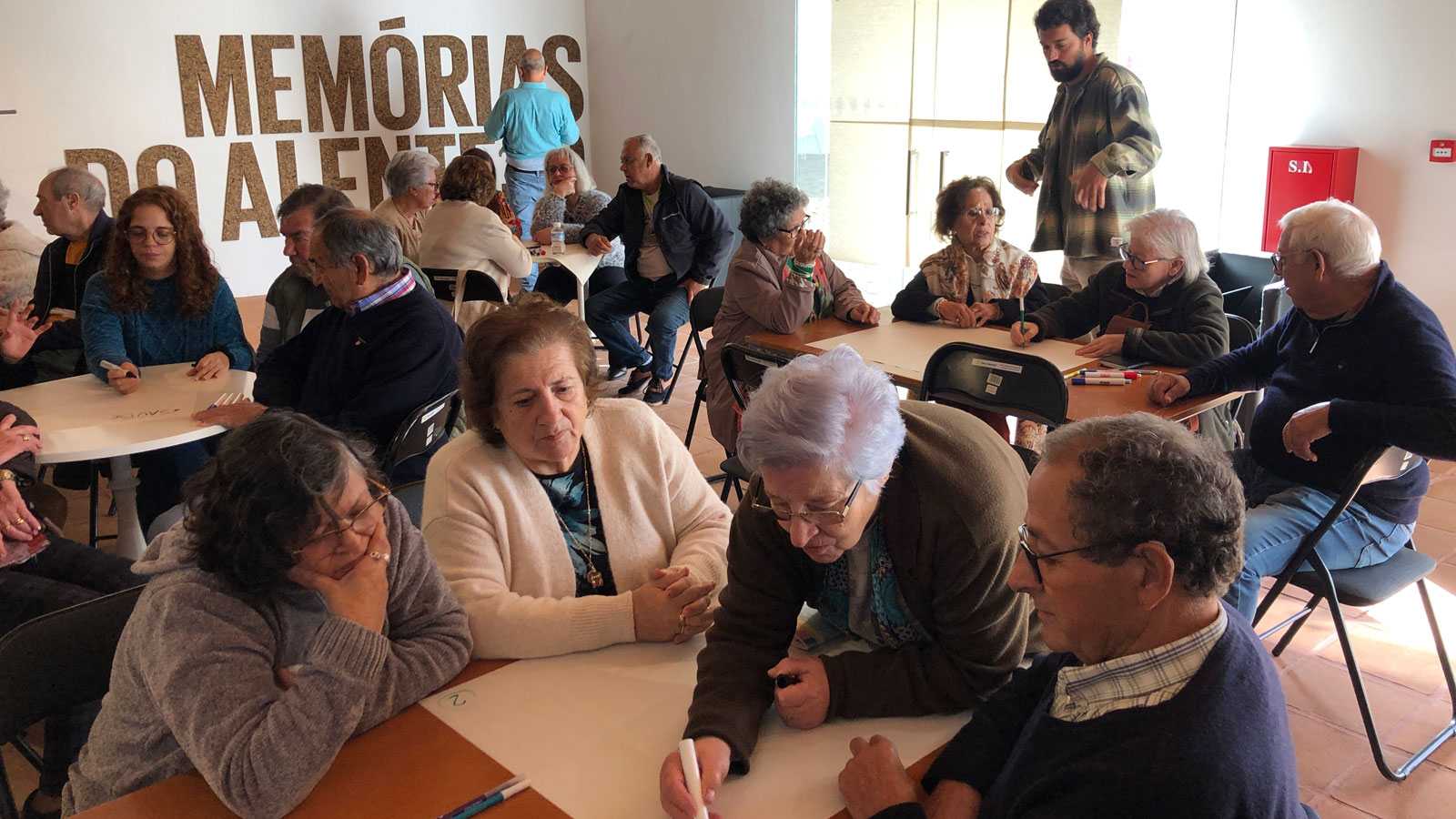
One of the most significant risks associated with participatory processes is ‘flash participation’. While short, intensive initiatives can be highly mobilising, they ultimately tend to have limited lasting impact on participants. To avoid this pitfall, projects should foster sustained relationships that are attuned to the rhythms and capacities of the communities involved.
As part of the Guarda-Rios Lourinhã project, local environmental association Lourambi – active for more than three decades – encouraged the local community to take part in river biodiversity monitoring activities. Participants first learned from biologists and then applied their newfound knowledge directly in the field. As the project manager, now in the third phase of the initiative, explains: “The support of the Calouste Gulbenkian Foundation was essential in strengthening Lourambi’s ambition to coordinate the project. For the first time, in the 2025-2026 campaign, we will carry out comprehensive monitoring of the entire Rio Grande and Rio do Toxofal river basins, involving over 30 sampling points. This will allow us to identify sources of pollution, priority conservation areas, zones affected by invasive species, and potential spaces for community action”.
ZERO’s proposal for the Climathon – Participatory Challenges for Climate Action project was to test a participatory methodology that went beyond traditional public consultations, which typically involve citizens only at the final stage of decision-making. The project was implemented in the Algarve and Alentejo region, in partnership with the local Silves and Cuba authorities, respectively. Although both municipalities are located in the interior of the country, they have very different demographic profiles. This contrast allowed us to better understand how geography influences the need for public participation, as well as the importance of the relationship between environmental movements and local territories. Based on the project’s findings, the ZERO team concluded that “it is essential to foster close, long-term relationships with municipal executives in small and medium-sized municipalities and with the communities living in more decentralised areas”.
3. Making clear what’s at stake
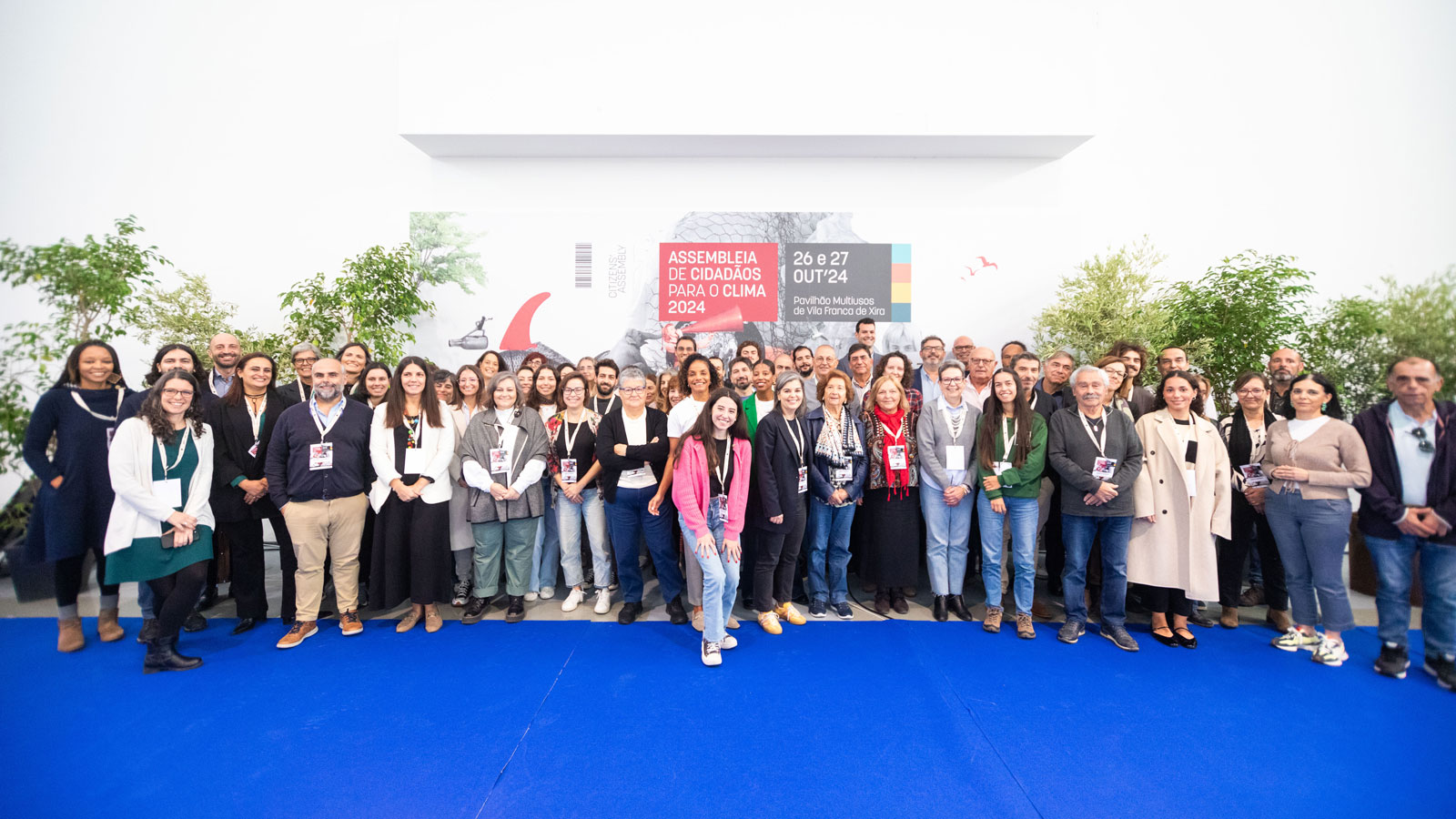
Participation is only meaningful when the ideas collected are genuinely considered by decision-makers and lead to tangible outcomes. Transparency is therefore essential: the purpose of a participatory exercise, the decision-making process, and the extent of citizens’ influence must all be clearly communicated.
To build greater trust in participatory processes, it is also important to implement public monitoring and follow-up mechanisms that track outcomes and support continuity over time
Backed by the Climate Participation Initiative, the municipalities of Tavira and Vila Franca de Xira have established mechanisms that enable citizens to monitor implementation of their respective Municipal Climate Action Plans (PMACs). In Tavira, this has taken the form of the creation of the Municipal Council for Citizenship and Climate Action, an advisory body empowered to provide input on PMCA measures and other municipal climate initiatives.
In Vila Franca de Xira, the Citizen’s Climate Assembly produced ten recommendations, which were discussed by the participants and presented to the mayor. These recommendations have since been incorporated into the municipality’s climate policy. The ten volunteer ‘ambassadors’ who helped develop each proposal will now support their effective implementation and serve as liaisons with the Municipality of Vila Franca de Xira on future initiatives.
However, surveys conducted by researchers from the University of Lisbon’s Institute of Social Sciences, who monitored the process, revealed that participants in this Citizens’ Assembly reported low perceptions of the effectiveness of public participation processes, both before and after the event. Evaluators of the Climate Participation Initiative concluded that “there is still considerable work to be done to bring people together on a sustained basis if these perceptions are to change”. They furthered emphasised that “for the public to develop greater confidence in participatory processes, it is essential to implement mechanisms for public monitoring and follow-up of results, which can help ensure continuity of action.”
4. Enhancing different forms of knowledge
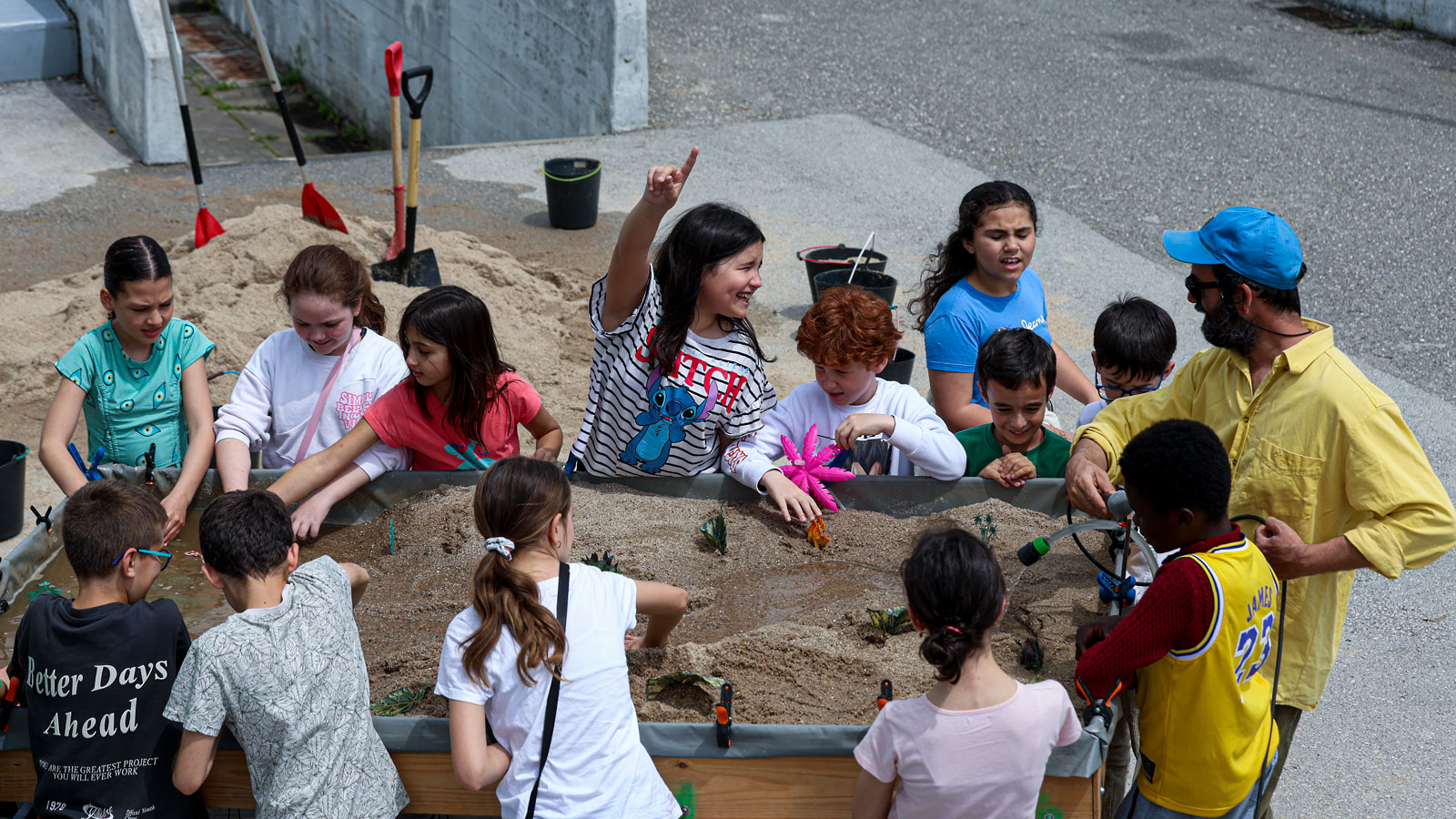
The effectiveness of a participatory process also depends on its ability to combine scientific, technical, and local forms of knowledge. Recognising and valuing the knowledge that communities have developed through lived experience is therefore essential.
In the Alviela river basin, resistance among older residents to the removal of obsolete structures, such as weirs that no longer serve their original purpose and obstruct the river’s natural flow, is closely linked to the emotional value they attach to the landscapes these structures have shaped. Over time, such features have come to be perceived as an integral part of the “natural” environment.
This understanding led to the creation of the River Restoration Project as a form of Climate Action – a participatory process in the Alviela Basin. This initiative recognises the emotional bonds people have with the landscape, integrating cultural perspectives with environmental literacy. It shows that restoring river connectivity does not mean losing landscape identity, but rather recovering the natural dynamics of the river ecosystem.
In this sense, valuing collective memory is a central pillar of the work carried out by the Land Use and Environment Study Group (GEOTA). An intergenerational approach proved to be a key factor in the project’s success, enabling the exchange of knowledge between older generations and children, honouring the memories of the former while nurturing the curiosity the latter. This dynamic also allowed children to act as agents of change, encouraging reflection and transformation among older participants. Another of the project’s strengths was its collaboration with the Guarda Rios artistic collective and the Materiais Diversos cultural association. Through this partnership, art was used as a vehicle for sharing knowledge about the river, bridging scientific understanding and emotional connection.
5. Choosing flexible formats
Highly structured formats are not always the most effective in every context. Methodologies often need to be adapted to specific audiences and circumstances, as there is no one-size-fits-all approach.
When launching Organisations in Transition – Transforming the economy from within the community, the primary goal of the Póvoa de Varzim Climate Centre was to “pave the way” for discussions on the fundamental role of the local economy in the transition to a society capable of responding to climate change. Over the course of the project, several unplanned actions were carried out. For instance, the team took advantage of a local business conference to present the project to dozens of companies.
These initiatives raised the visibility of the project and helped address the initial difficulty of getting companies on board. As the Climate Centre team acknowledges, “the flexibility shown in responding to companies’ changing needs was crucial in accommodating their lack of time, both by simplifying activities and by adopting a proactive approach –‘literally knocking on companies’ doors’”. The team also made a concerted effort to “demystify environmentalist ideas” by using more accessible, inclusive language that emphasised shared concerns, with the aim of bridging divides between different stakeholders.
In Paredes, a municipality with a strong industrial tradition where around 65% of Portugal’s furniture is produced, the Environment Department, which typically focuses on environmental education in schools, also had to explore alternative ways of engaging local actors. Companies were initially reluctant to take part in the MobilizAção Climática (Climate Mobilisa(c)tion) project. Designed to encourage the adoption of more sustainable practices across the entire value chain, from raw material extraction to waste management, the project included interviews conducted in partnership with the University of Porto. These interviews revealed that many companies in the furniture sector perceive the transition to sustainability as an additional cost.
To challenge this perception, companies that already apply sustainability principles throughout their value chains were invited to share their experiences in participatory forums, illustrating how such practices can also create business opportunities. A methodology centred on peer learning and experience-sharing was therefore chosen, based on the idea that “real stories of successful transitions can serve as inspiration and a model, demonstrating that sustainability is both viable and beneficial”.
6. Investing in the future and in local partnership networks
It is only natural that long-term participatory climate action projects have the greatest impact. By empowering citizens to contribute to and influence measures that shape their future, rather than passively accepting them, these initiatives help people move from awareness to action. The benefits are clear: higher levels of climate literacy, stronger civic empowerment, and greater community cohesion. Even when proposals are not immediately adopted as public policy, participants feel they are part of the solution rather than mere observers on the sidelines.
Several projects supported by the Climate Participation Initiative have sparked new collaborations, particularly with associations and institutions. These partnerships help ensure the continuity of the work undertaken and support its further development.
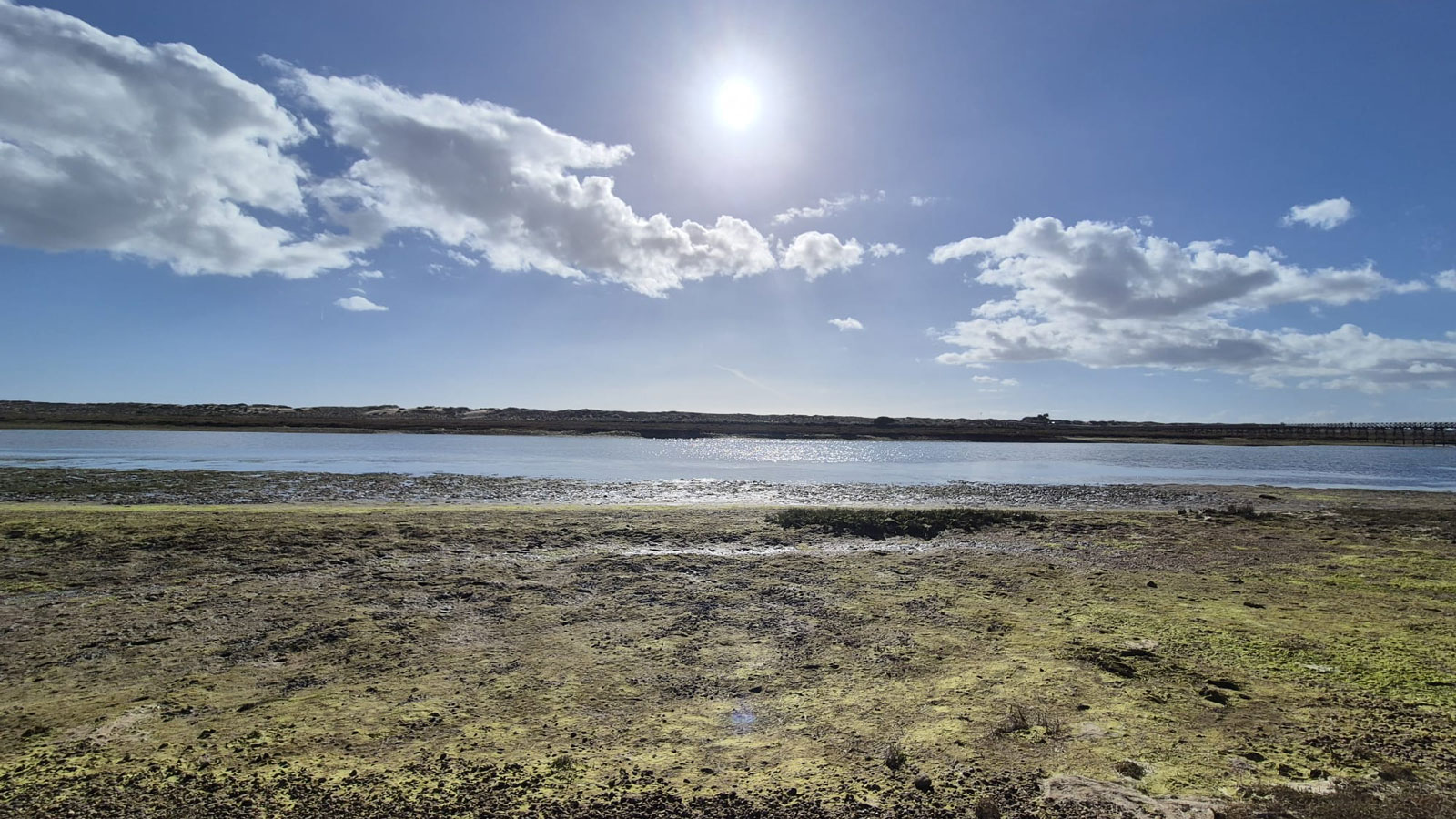
In the CRIA (Carbono da Ria) citizen science project, which helped popularise the “dark mud” found in coastal marshes, efforts were made to build closer links with the management bodies of the Ria Formosa Natural Park and their monitoring initiatives. Some partners proved particularly dynamic, notably the teams from the Centros Ciência Viva (Live Science Centres) and the municipal public libraries.
Given their proximity to the issues that concern citizens and their deep understanding of the history and challenges of the territory, municipalities play a central role in facilitating communication with the population.
The Municipal Council of Torres Vedras launched a public call focused on climate action to accelerate the implementation of a measure already included in its Municipal Climate Action Plan: a participatory budget dedicated to climate action. Through the Climate Action Platform, the council has also strengthened links with civil society organisations working in this field.
The six winning projects from the competition are now being implemented, with a primary focus on forest preservation and restoration through agroforestry regeneration techniques. They also seek to raise climate awareness among the local population. The Climate Participation Initiative provided the local authorities with an opportunity to strengthen internal discussions on the importance of encouraging participation. Designed to be replicated across multiple editions, the competition rules reflect the municipality’s commitment to supporting civil society initiatives in this area and help ensure the continuity of participatory climate action projects within the territory.
Monitoring and Evaluation
The six principles outlined here are grounded in the observation and monitoring of projects carried out by a research team comprising Anabela Carvalho, Dora Rebelo and Tânia R. Santos between 2024 and 2025, as part of the External Evaluation of the Climate Participation Initiative. The work drew on internationally recognised analytical dimensions that are fundamental to public participation, as follows:
While some projects had a more limited scope, focusing primarily on educational and informational activities, the External Evaluation process confirmed that others deliberately sought to involve participants more deeply and create conditions that enabled them to take the lead. These were the projects that made the greatest progress along the “participation spectrum”.
In addition to providing funding, the Calouste Gulbenkian Foundation sought, throughout this 12-month initiative, to offer project technicians various opportunities for exchange, reflection and informal interaction, both online and in person. These activities were part of a peer training and learning programme facilitated by experts in systemic transformation, social and environmental impact, and regenerative practices (Paula Oliveira and Paulo Alves), as well as communication (Emma James – Climate Outreach).
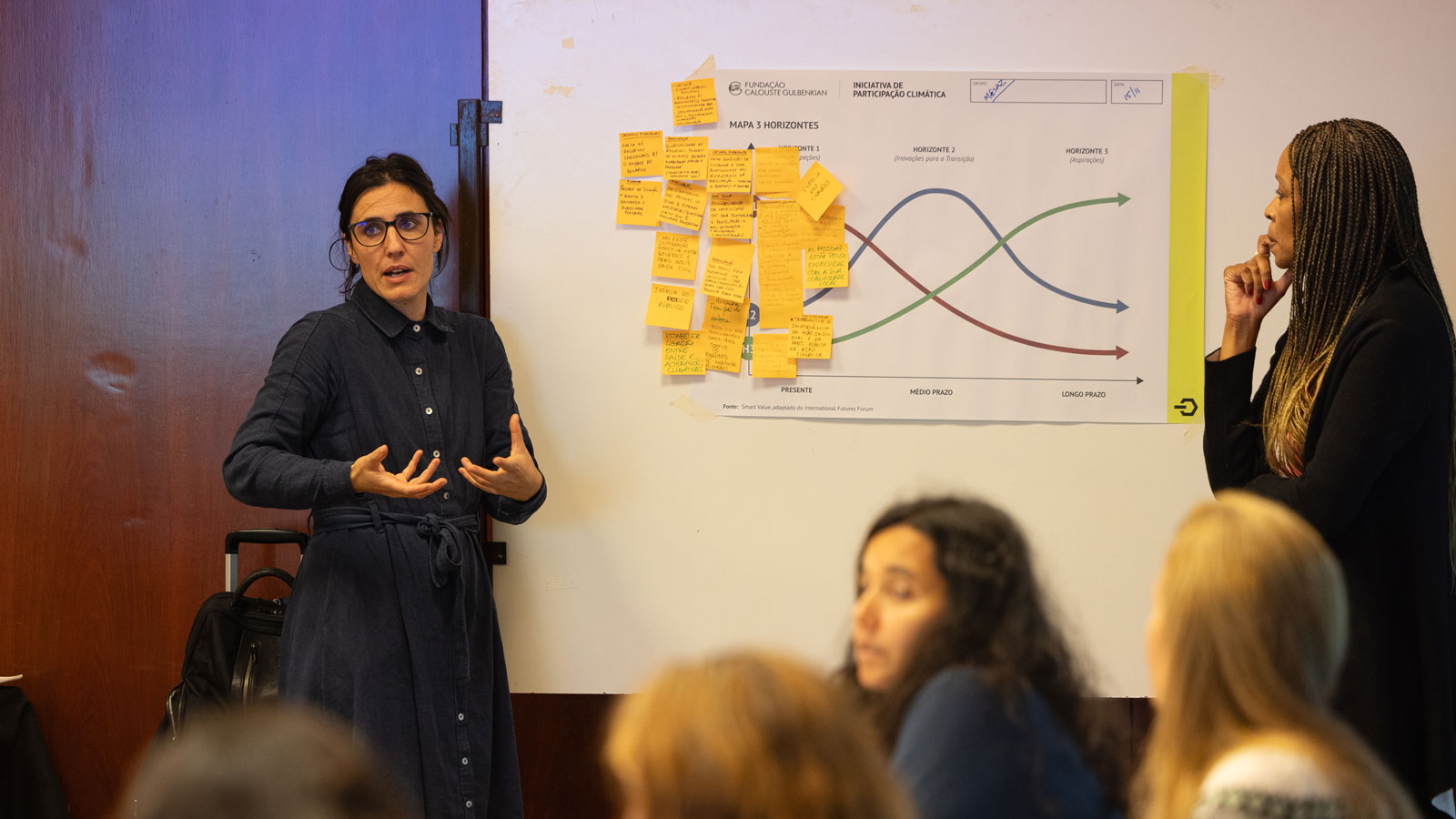
These meetings, which sowed the seeds of a “community of practice”, were highly valued by the project teams, as they created a space for mutual learning and the exchange of ideas. Among the joint activities, one workshop stood out for its use of the “Three Horizons” methodology, which helped participants (project promoters) develop a shared vision. The resulting map brought together their views on the current state of climate action, their aspirations for the future, and potential initiatives to address existing gaps.
Challenges to be addressed
Despite the progress made in encouraging participation, significant challenges remain:
Public participation is not a magic solution; it is a demanding and complex process. If we are to secure a liveable future, we must invest in building trust-based relationships with communities, ensuring transparency and accountability, and empowering citizens to shape the decisions that affect them. While the challenge is substantial, the experience of these projects in Portugal demonstrates that climate action gains momentum when citizens are given a voice.
You may also like


No results were found for your criteria.