
“In Portugal, public participation is very poor”
-
© José Carlos Carvalho
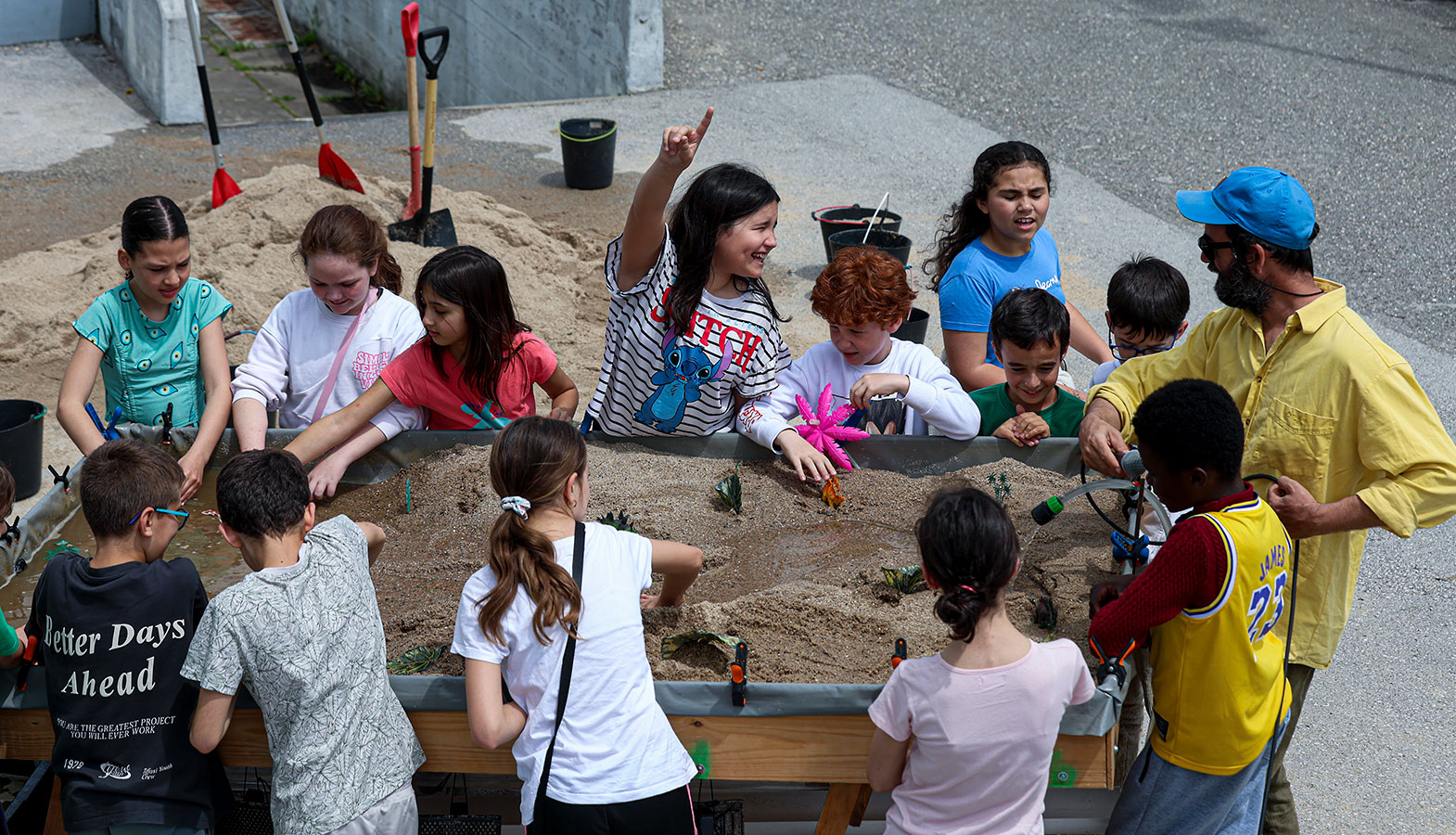
“Hands in the air! Hands in the air!” Nuno Barroso is not, nor does he resemble, a policeman in the face of criminal offences. An environmental engineer with a life built around artistic activities, it was up to him that morning to lead the session with 5th grade students from the Dr Anastácio Gonçalves Primary School in Alcanena.
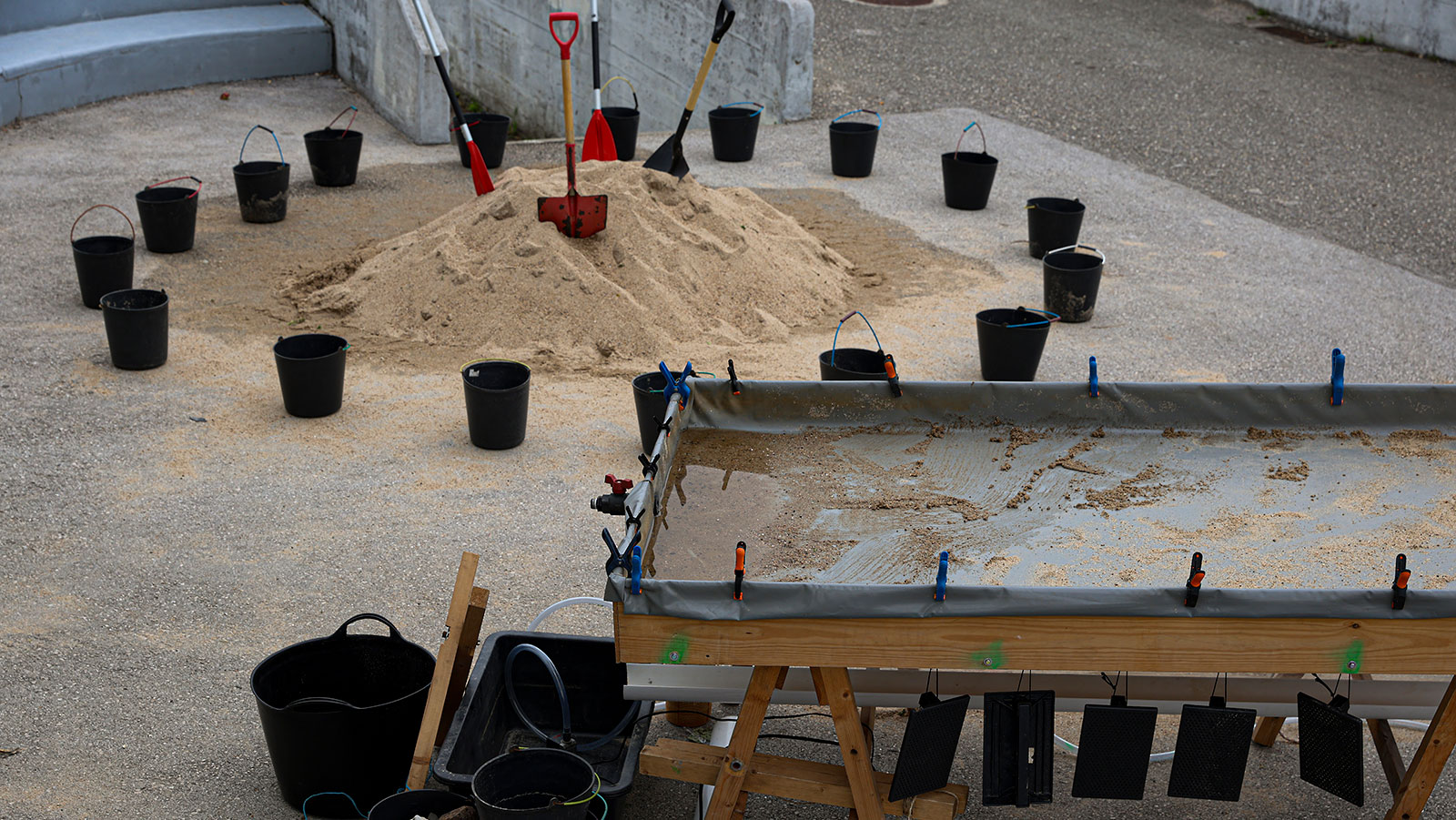
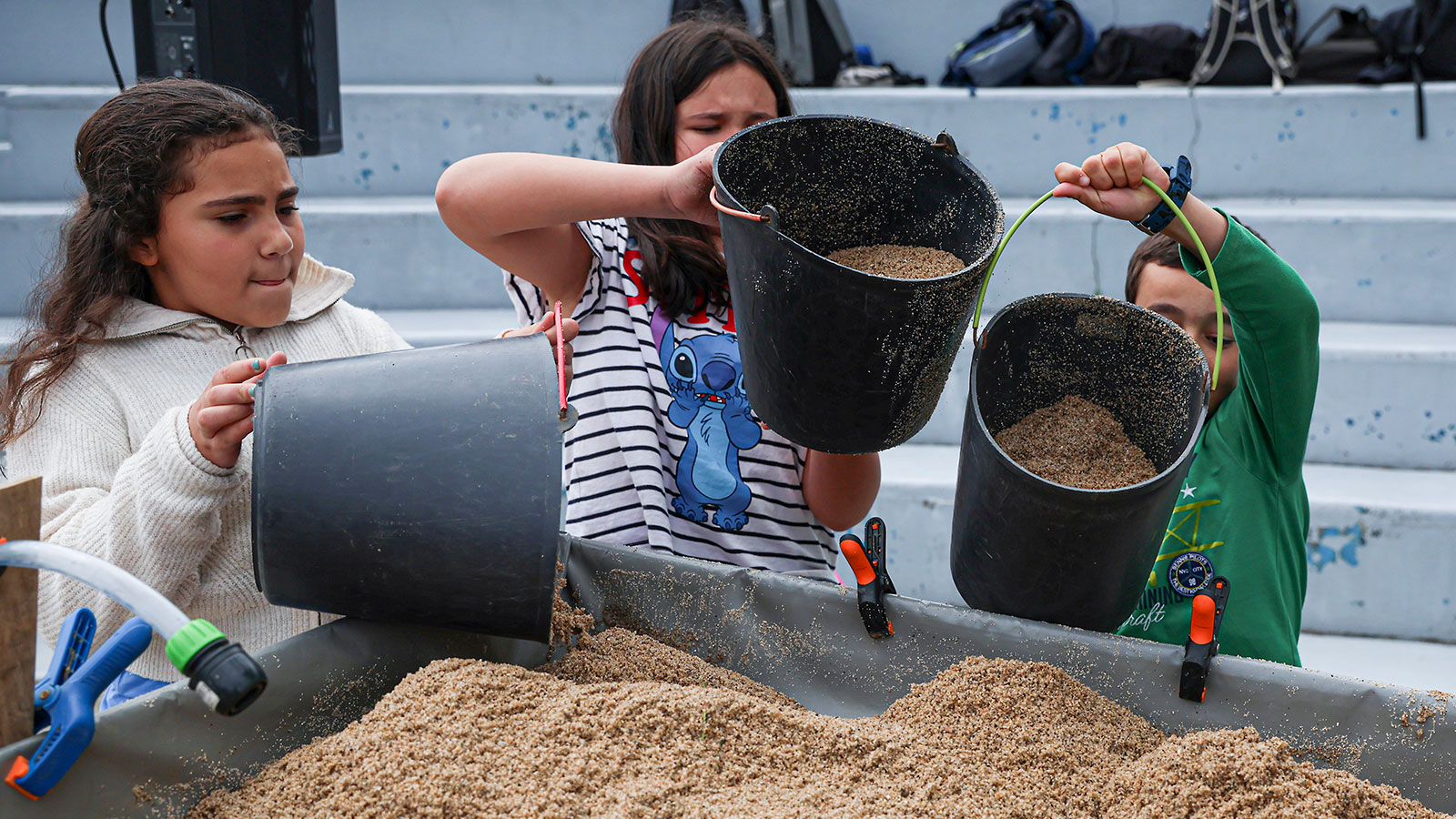
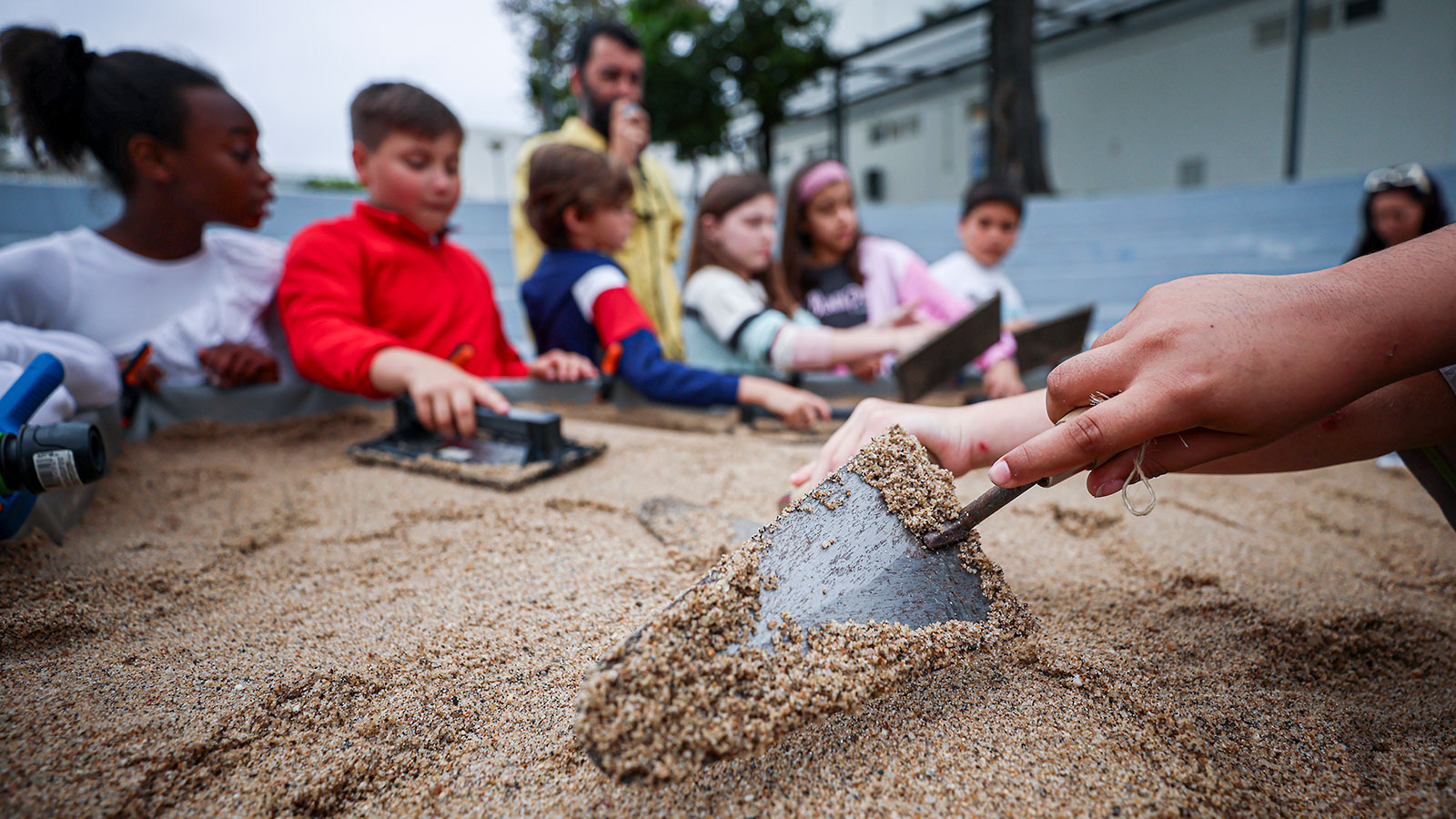
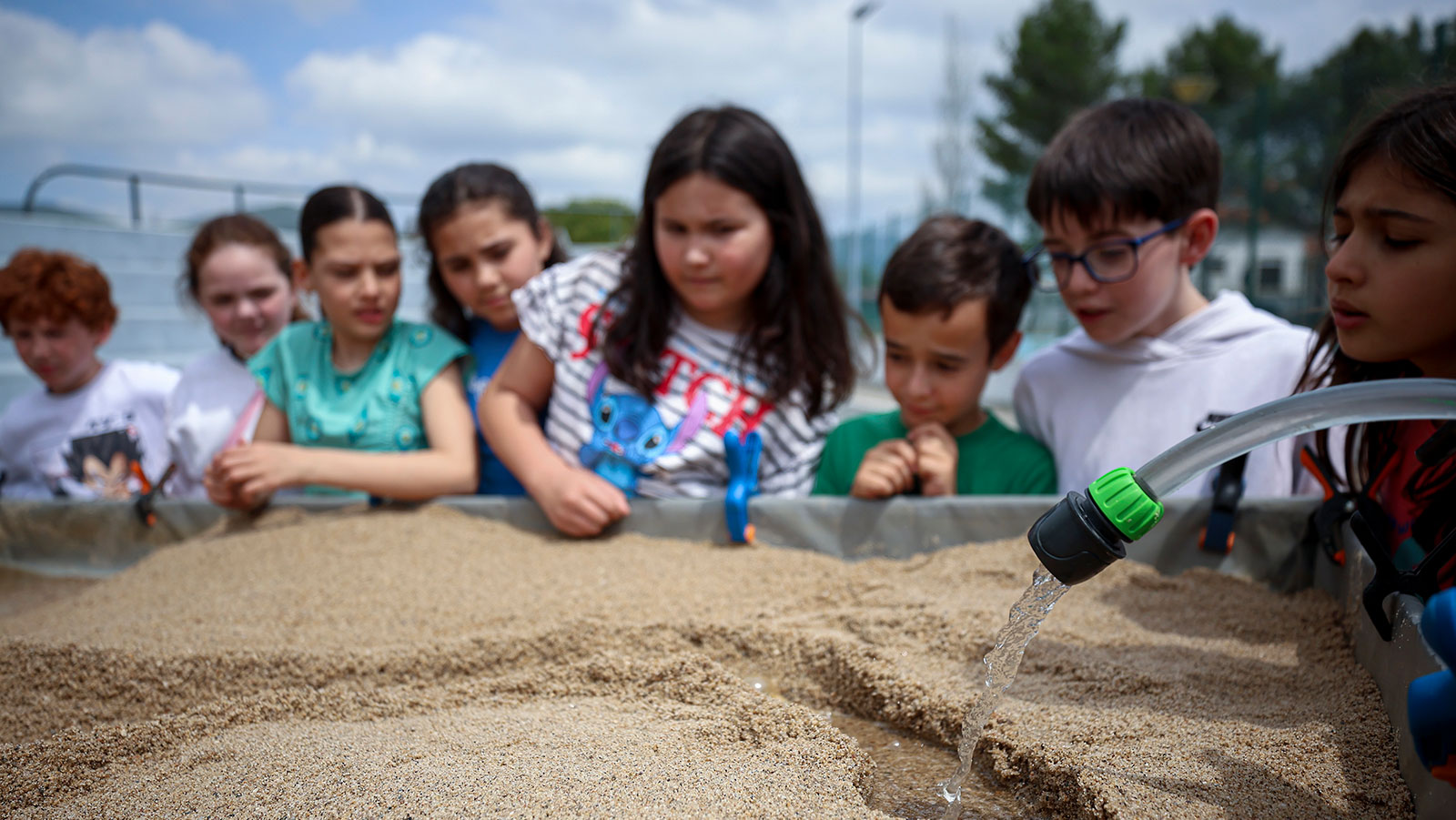
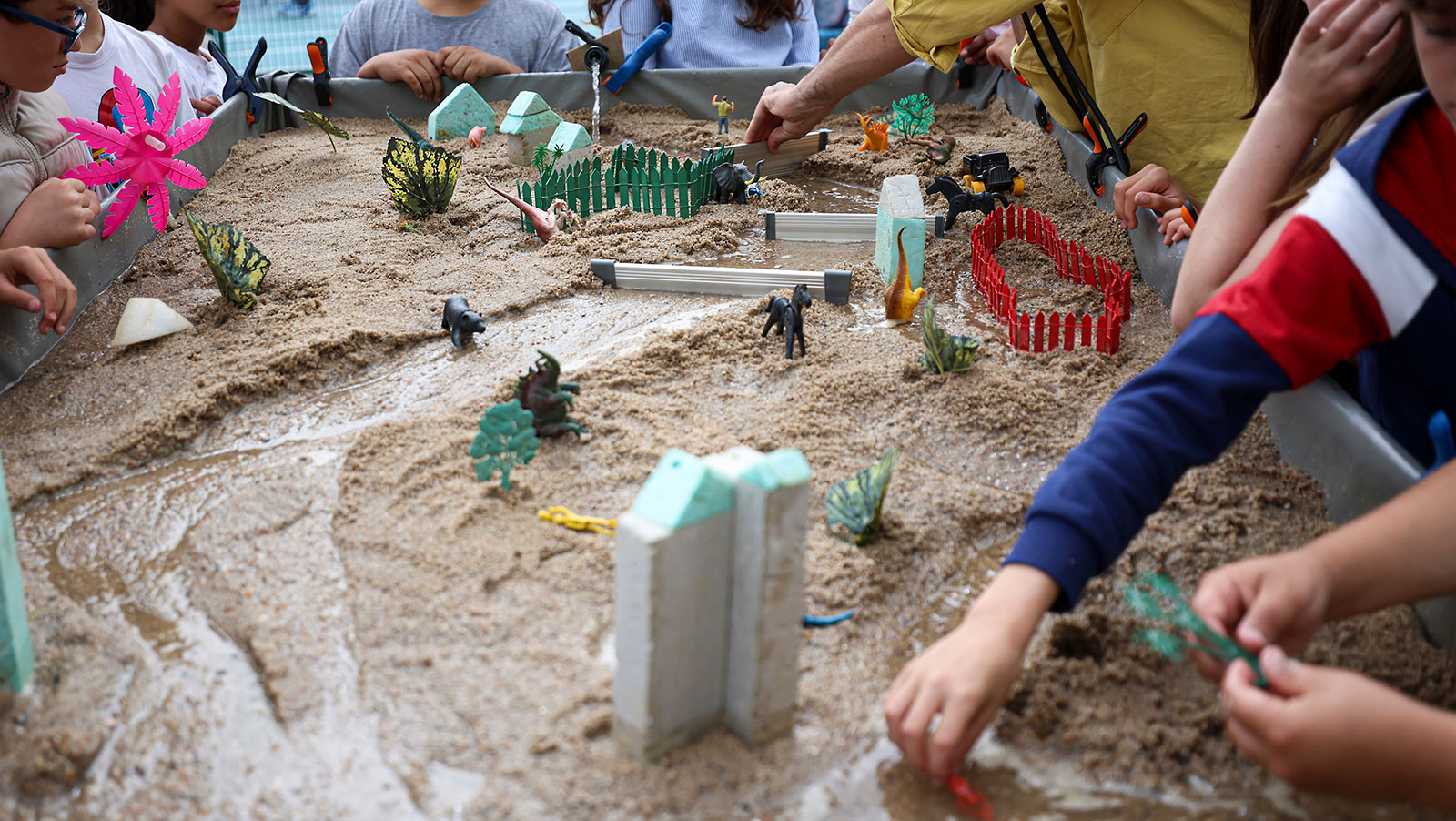
He was trying to calm down a group of teenagers who were too enthusiastic about the activity. Nevertheless, everything had started very peacefully. In previous sessions, they had already discussed the formation of the Earth and the appearance of the first living beings. Now, the students were asked to create a model of a piece of Earth that Nuno would mould until, little by little, everything resembled familiar territory – something that made them think of the nearby Alviela river. They started with an empty box, which they filled with sand. Then they moulded the landscape (just as erosion has done to our planet) and added the water that would run its course until it resembled a river that would eventually reach the ocean.
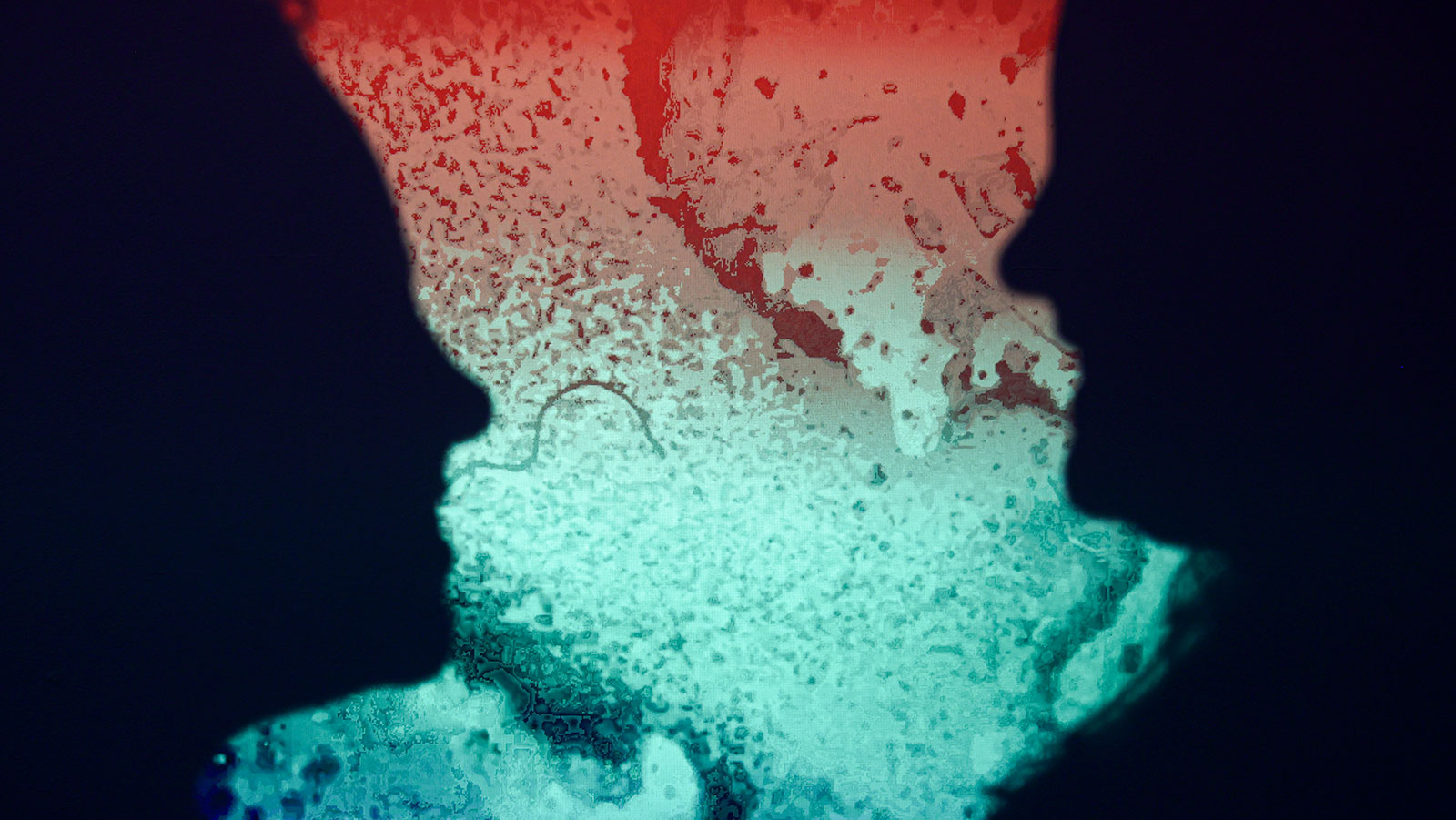
“Water is super intelligent. It always finds its way. It’s called liquid intelligence,” says Nuno. Just as the creation of the Earth took several billion years, this process would also take time. “While we wait for a few billion years to pass,” and for the water to reach the ocean, Nuno challenges the class to watch a film. Entitled Diatoms and Infomycetes, Part II (a name that few students can replicate), the film was a follow up on the drawings made by the kids and referred to the formation of microorganisms on the planet (something that, in an imaginary way, was happening in that box where the years were passing).
“And then… where do you lie down when you go to the beach?”
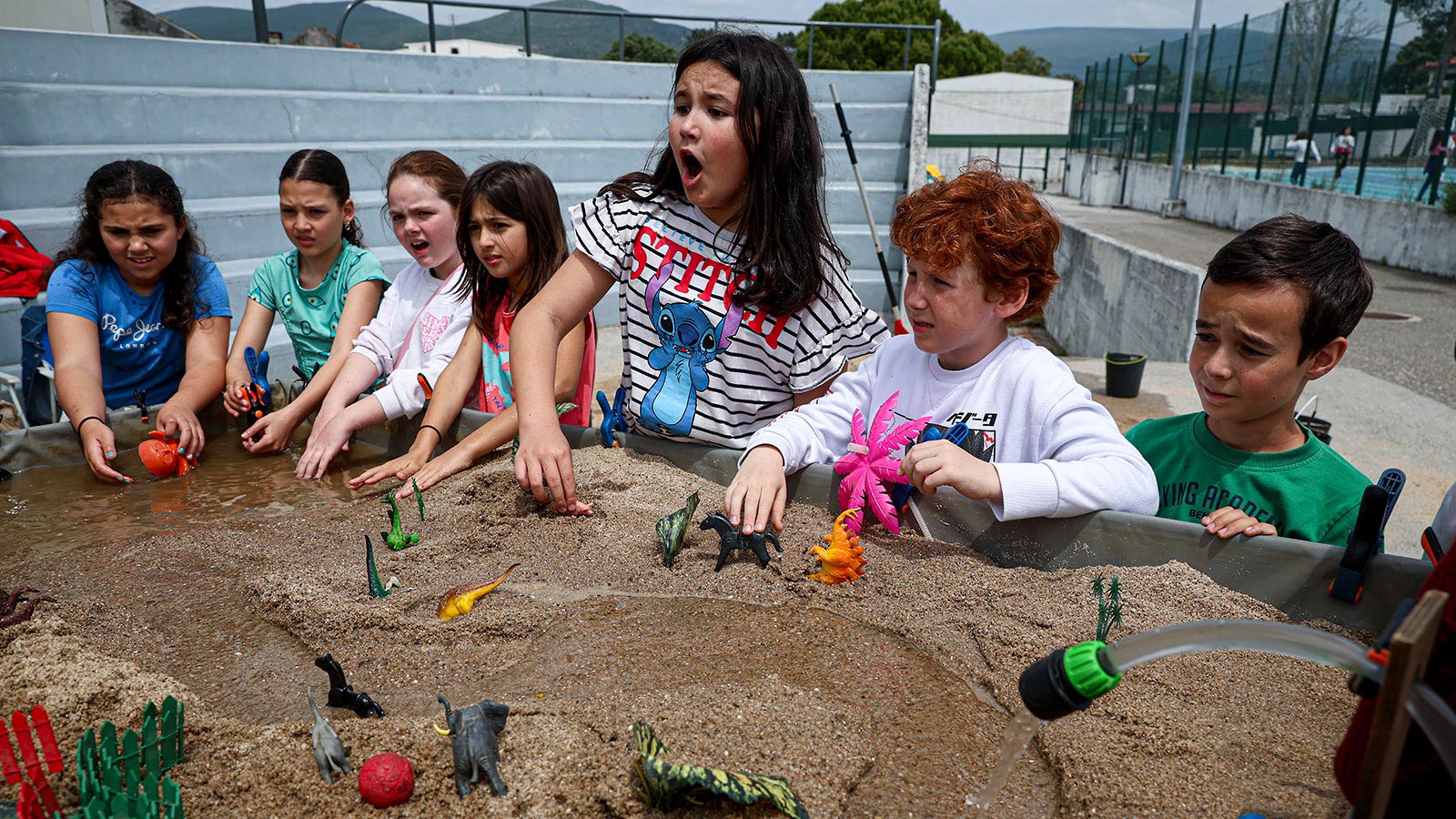
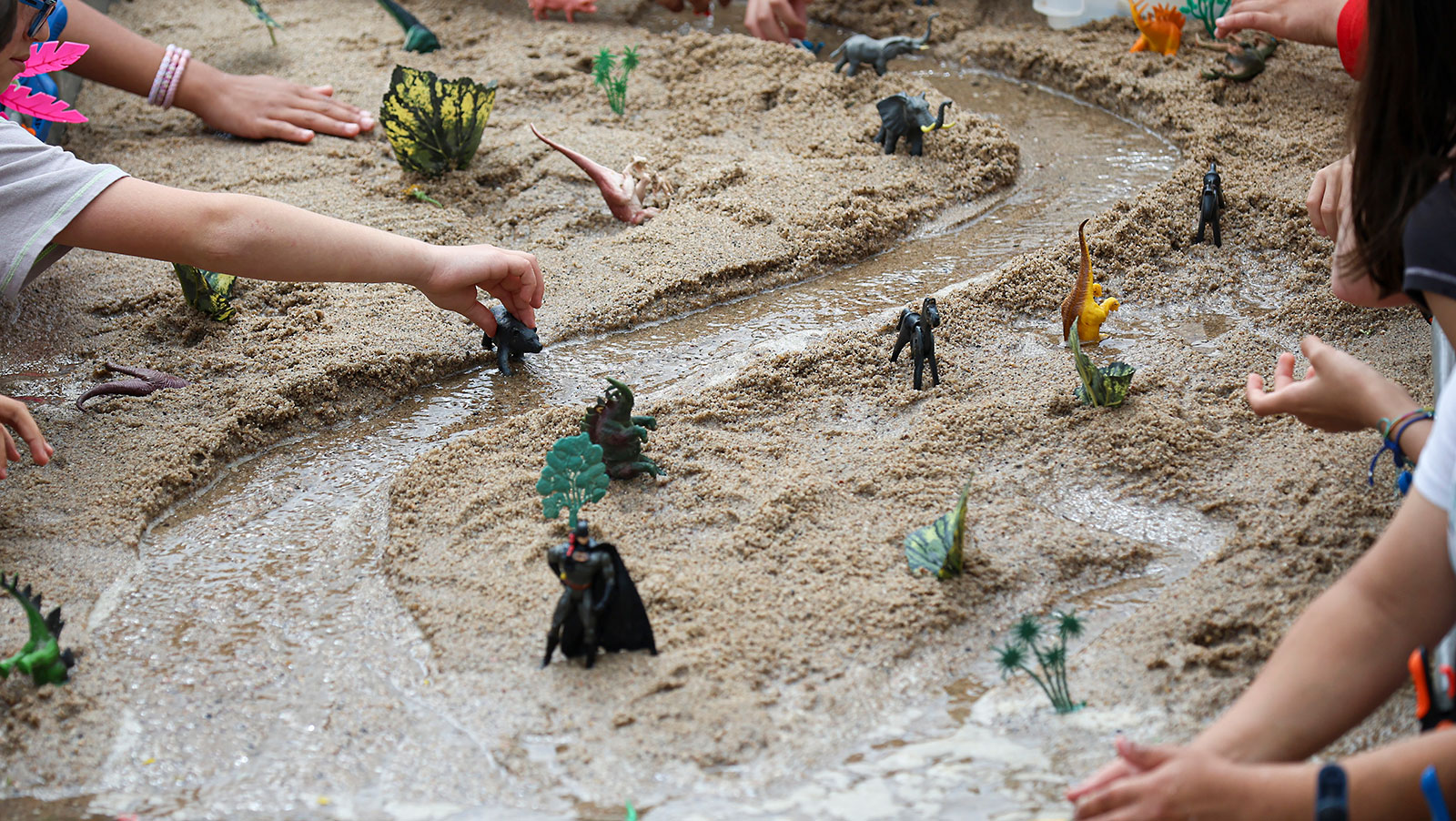
The students enjoyed the film, but it was the return to the sandbox that thrilled them. Nuno began by distributing plants and dinosaurs, which the students placed in their own way. Then he paused and with some theatricality… launched the meteor that would kill all the dinosaurs! Everyone gets excited. The land (with a river already well formed) begins to be occupied by crocodiles, elephants, bears, octopuses, eels and men who, as in real life, would become sedentary and create gardens dependent on dams and reservoirs.
Nuno gets the students to say what they like about the river and why they think it’s important: “for playing”, “for swimming”, “for creating energy”, “to feed us”. The sand soon fills up with obstacles. Here and there, the eel can no longer sail upstream. Here and there, the water can no longer flow and carry life and sediment to the estuary. The excitement grows. The students stir up the land, the eels, launch divers into the river and it’s at this point that Nuno decides to calm things down with a loud “Hands in the air!”. He needed their attention to show that, just like in the sandbox, confusion was also present on our planet. We had to think about what could happen next. “What if the sand gets stuck? What if it doesn’t reach the Caparica coast? And then… where do you lie down when you go to the beach?”
The message, said, shown and repeated, had been passed on. Nuno, from the Guarda Rios collective, working on a GEOTA project supported by the Gulbenkian Foundation, hoped that these students would pass the message on to their parents and grandparents. Let them know how man has shaped the landscape to his advantage, but that now “many of these barriers no longer have a purpose. Flour is no longer milled. They have no purpose”. And that keeping them in the river would only lead to future complications.
The difficulty of taking action
This session is part of the project “River Restoration as a Form of Climate Action – A Participatory Process in the Alviela Basin”. It was conceived by the GEOTA association as a means of changing mentalities. Lígia Figueiredo, a member of the association, explains that there is a lot of resistance to changing things. The memory of the spaces, the way they are used – the river, in this case – is the biggest obstacle, especially for the older population. But the truth is that some things have to change. As we saw in the big sandbox, leaving dams that no longer serve any purpose intact brings no good to anyone. Removing them and letting the river flow again would only benefit biodiversity. And it would be a way of mitigating the effects of climate change. But how do you convince the population – especially the older ones – to change things?
For the population, says Lígia, the argument – river flow, climate change – was pertinent, but not enough to prevent protests. It wasn’t really a concern, she says. At some point, they realised that there was a strong element inside: “What about your grandchildren?”. Stop the dance. Like with the “hands in the air!”, attention was captured. It became necessary to change the way things were organised. Everyone had to be involved, starting with the children.
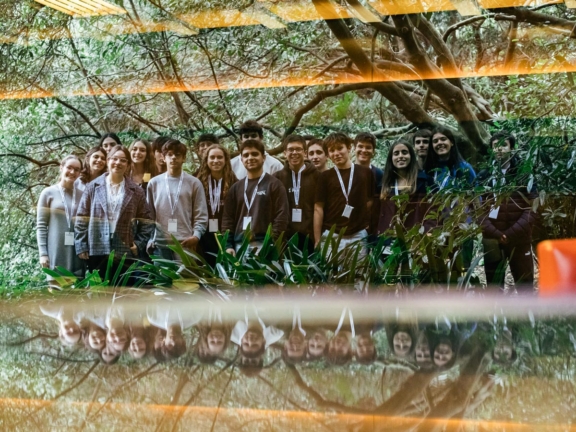
GEOTA then created a series of partnerships and, together, they began to hold sessions in schools – a total of 120 students from the Alcanena and Minde primary schools are involved – and to plan other activities, including a walking festival and family visits to the river.
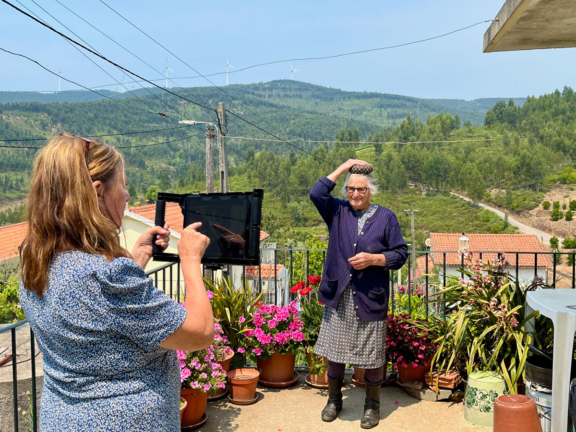
After the drawing sessions that turned into a film, the talks about the formation of the Earth , the appearance of the first living beings and the games in the sandbox, the project moved on to another phase. That of conversations between children and grandchildren and their elders. Each child was tasked with talking to their grandparents (or older people) about the river and sharing the results. Alice’s grandmother, for example, told her how she went to the river every Thursday of Ascension on a donkey with her parents and eight siblings. It was a whole programme. This grandmother Adília also told her granddaughter how “there were no pedestrian pathways, no Living Science Centre, no car parks and no toilets. Things are much better now”. Maria Inês’ father thinks that “there shouldn’t be so much pollution in the river” where they go every summer as a family. And Maria Inês already says that “we don’t need so many dams and reservoirs. We need a few, like Castelo de Bode, but dams aren’t so necessary any more.” Little by little, the goal of the project is being achieved.
The path is being paved, involving everyone. “In Portugal, public participation is very poor. Listening or raising awareness is not enough. You have to get people involved, make them part of the process and the decision,” explains Lígia Figueiredo. The support of the Calouste Gulbenkian Foundation, she says, “allowed us to take that step” and, through the relationship between the older population and children, “we’ve carried out concrete actions in the context of climate mitigation.”
This is one of 11 projects supported by the Calouste Gulbenkian Foundation as part of the initiative that seeks to promote participation in climate action.
More infoYou may also like
No results were found for your criteria.