
From Transition Point to the Energy Space Network: more proximity, nationwide
-
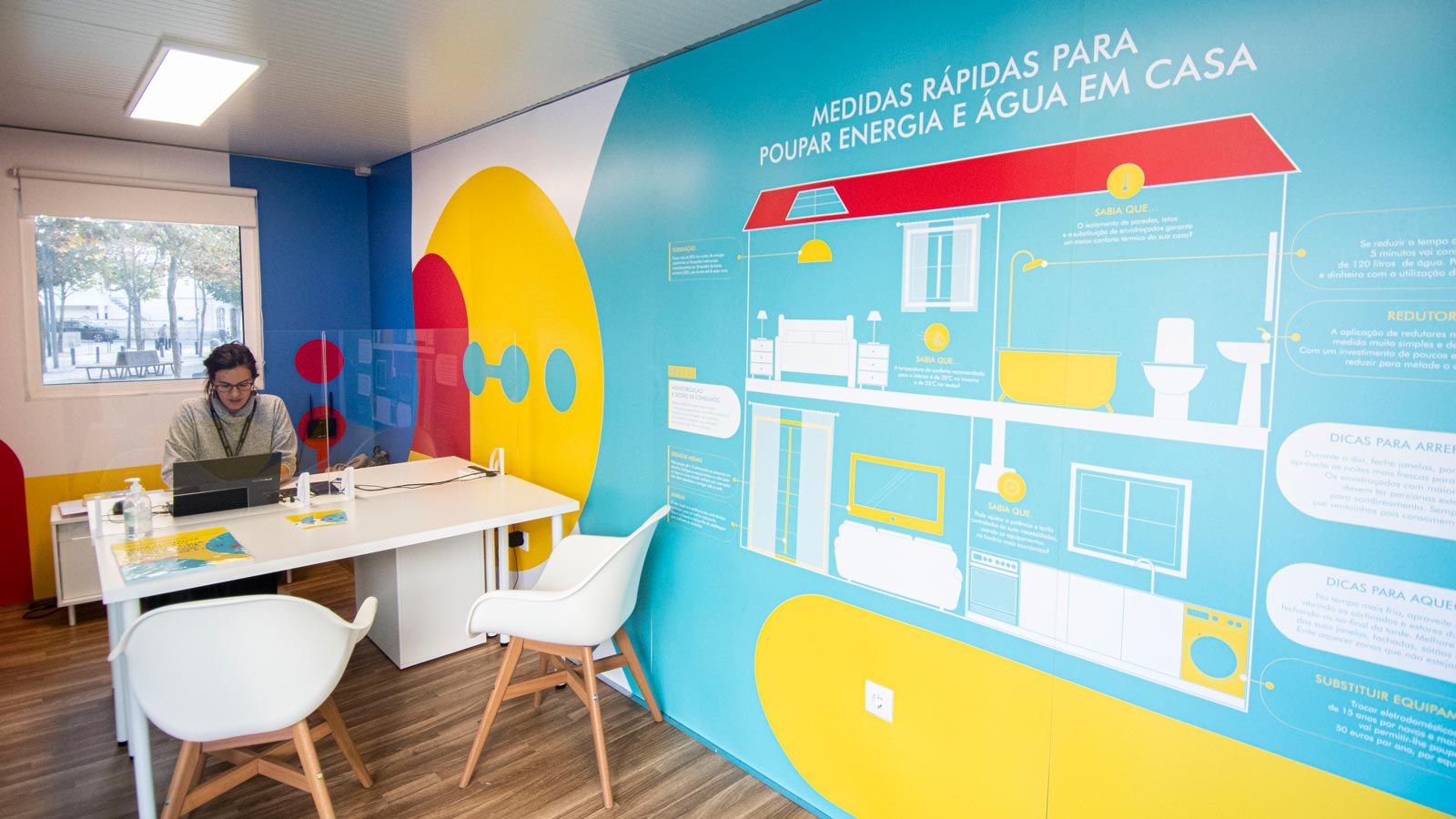
Inside the Transition Point one-stop-shop © Márcia Lessa
“There’s information online, but we don’t always have the time or patience to search for it, let alone understand it properly… That’s why being able to talk directly with someone who can guide us is so important. There are issues we might overlook when trying to find information on our own.”
Visitor testimonial from Transition Point
There is no denying the unique value of in-person support, where trained specialists provide free, independent advice to people seeking to improve the energy efficiency and thermal comfort of their homes, both in winter and summer.
Launched in February 2022 in Setúbal by the Calouste Gulbenkian Foundation, the Transition Point pilot project brought this idea to life through a mobile one-stop shop offering a wide range of services: advice on electricity and gas bills, guidance on financing options, and information about solutions for home energy renovations.
Developed in partnership with ENA – the Arrábida Energy and Environment Agency, CENSE – Centre for Environmental and Sustainability Research (FCT-NOVA), and RNAE – the National Network of Energy and Environment Agencies (which brings together 19 agencies covering around 60% of Portuguese municipalities), Transition Point highlighted the benefits and importance of innovative local solutions to address energy poverty, a serious issue in Portugal.
Free home energy assessments were a vital part of the project, complementing the personalised support provided at the Transition Point centres. The recommendations made during these visits ranged in complexity – from installing water flow restrictors and repairing window frames to replacing fridge door seals and insulating roofs and walls.
Investing in these kinds of improvements can lead to substantial reductions in household water and energy use, lowering utility costs, cutting carbon emissions, and improving the thermal comfort of homes.
Nationwide Citizen Support Spaces
“There should be more of these support services available in communities, so that everyone can have access to better information and follow-up.”
Visitor testimonial from Transition Point
The Transition Point project operated as a pilot until 2023, with the goal from the outset of testing an approach that could be scaled up and adapted to different contexts and regions.
In January 2024, after two years of review and public consultation, the Ministry of the Environment and Climate Action presented the Long-Term National Strategy to Combat Energy Poverty 2023–2050, recognising the Transition Point initiative, along with three other projects funded by the European Horizon 2020 programme (Porto Energy Hub; Powerpoor; and STEP), as an example of best practice in setting up “citizen support spaces”.
The strategy also outlined plans to establish a National Energy Poverty Observatory and a network of local one-stop shops – physical spaces where citizens could get personalised help implementing energy efficiency and renewable energy measures, and where greater energy literacy would be promoted to encourage sustainable behaviours.
Today, the creation of a national Espaço Energia with 50 physical branches is already underway. The network is being rolled out by ADENE, best known to the public as the agency responsible for managing and issuing energy certificates for buildings in Portugal.
Local Espaços Energia can be set up by municipalities, intermunicipal communities, energy agencies, or other local and regional organisations, with financial support from the Environmental Fund.
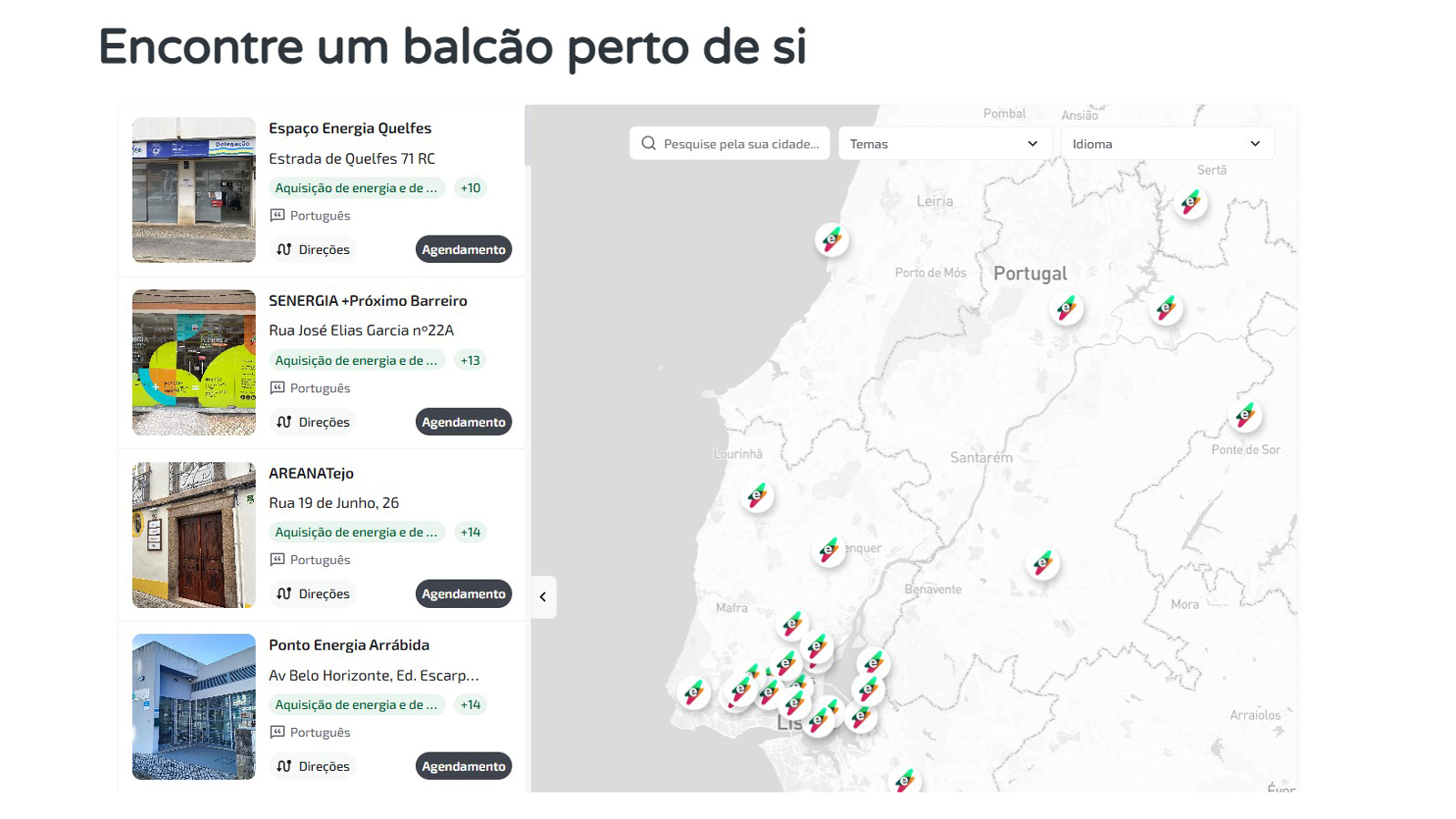
In recent weeks, new branches have opened, including the Ponto Energia Arrábida, set up by ENA to serve the municipalities of Setúbal, Palmela and Sesimbra, and S.ENERGIA + Próximo, operating at four service points in the areas covered by the regional energy agency S.ENERGIA (Barreiro, Moita, Montijo and Alcochete). These build on the experience and expertise gained through the implementation of the Transition Point.
Taking into account the specific opportunities and challenges in Portugal, Transition Point demonstrated that local one-stop shops are viable and highly impactful in supporting citizens on energy-related matters. These initiatives are crucial tools for translating European and national energy and climate policies into practice – from diagnosis to planning to the implementation of solutions – making policies and support programmes more accessible and ultimately accelerating a fair and inclusive energy transition.
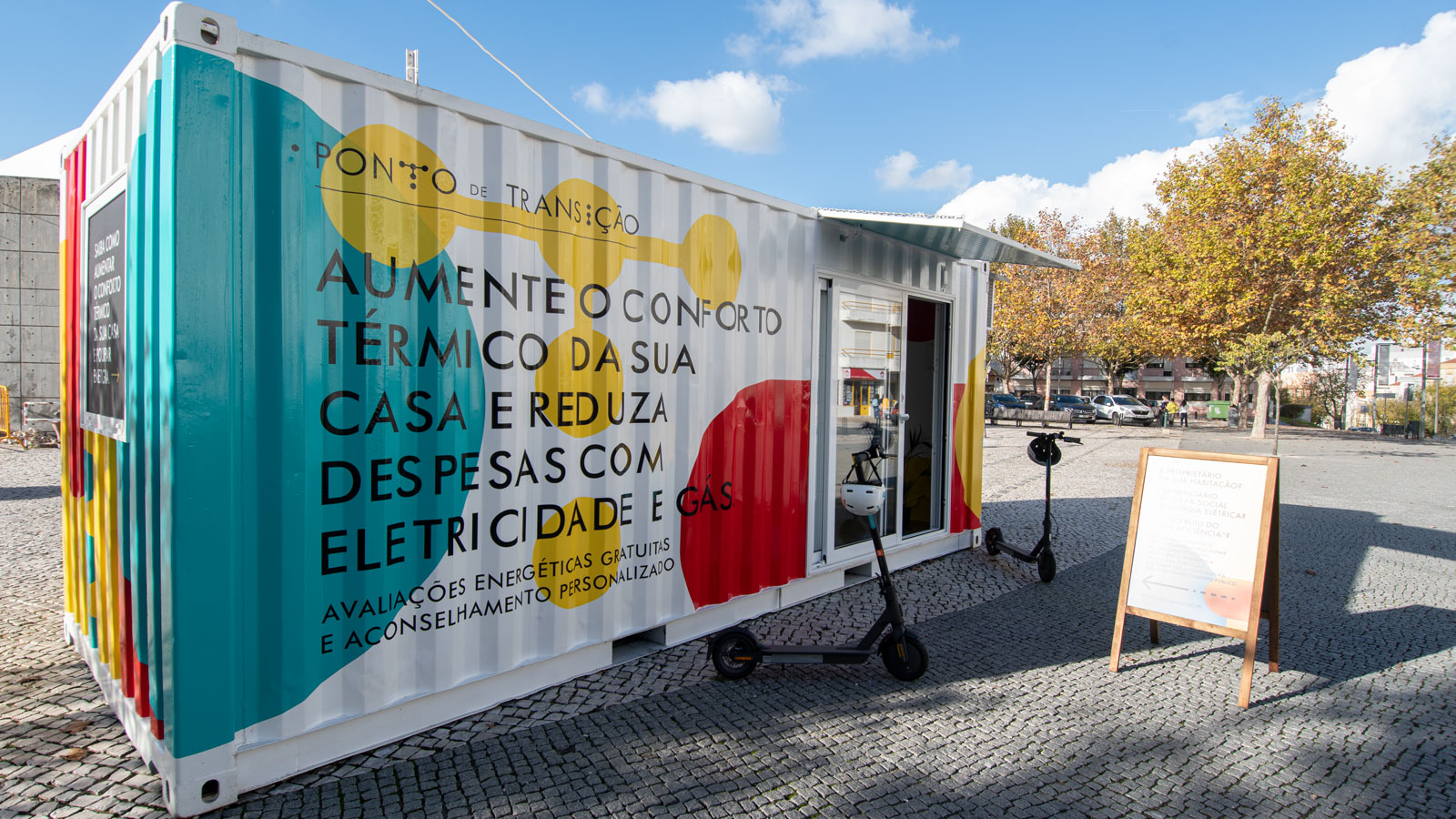
The Calouste Gulbenkian Foundation sees the growth of the Rede Espaço Energia (Energy Space Network) – based on a service model similar to that piloted through Transition Point – as recognition of a successful innovation with the potential to inspire and influence effective public policies, ensuring that no one is left behind in the energy transition.
To learn more about Transition Point, read the initiative’s full report.
You may also like






No results were found for your criteria.