
How many ‘Brazils’ are there?
complexo brasil arrives at Gulbenkian to unveil the country's singularities
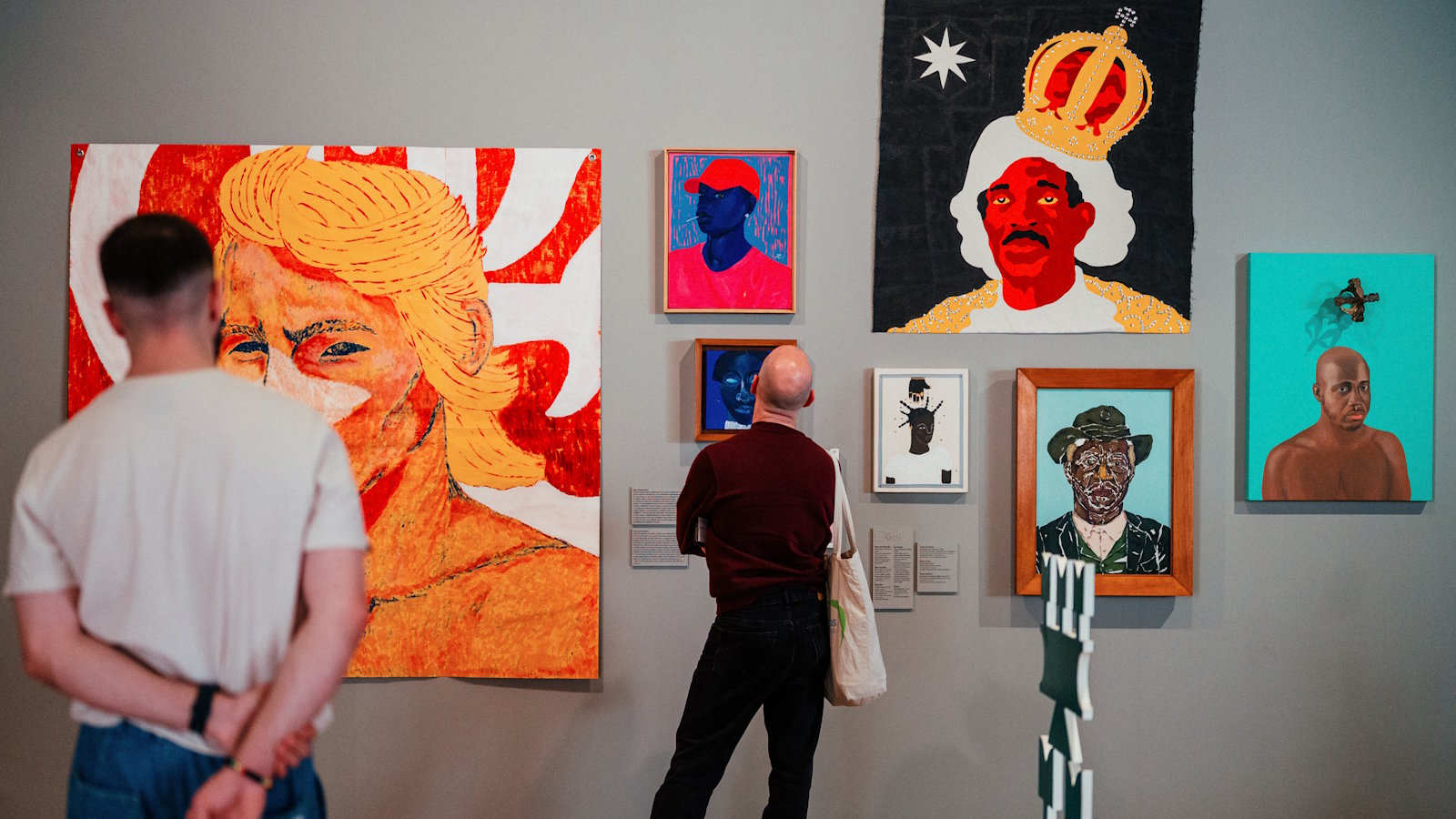
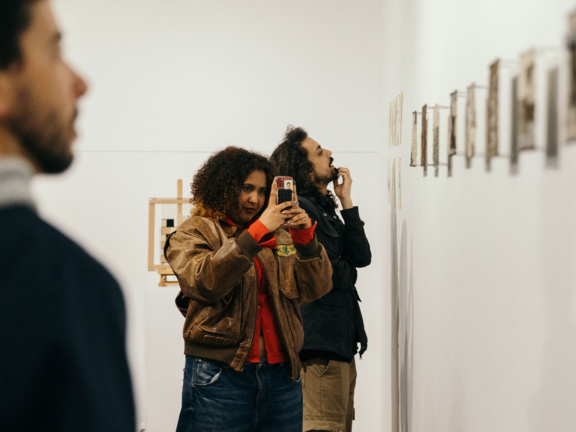
The exhibition complexo brasil, on display at the Calouste Gulbenkian Foundation until 17 February 2026, offers a critical and sensory interpretation of the multiple identities that make up the Brazilian territory and proposes a direct dialogue with the Portuguese audience about heritage and the historical tensions and contemporary aesthetics that have shaped and continue to shape the country.
The project, which took three years to develop, is authored by three curators from different backgrounds – Milena Britto, Guilherme Wisnik and José Miguel Wisnik – and seeks to diverge from simplified or folklorised interpretations of Brazil, presenting it as ‘a living, multiple entity that is impossible to grasp in its entirety’.
The starting point for the exhibition is Brazil’s continental size and the ways in which geography, history and cultural diversity have produced realities that differ from one another. The vastness of the territory and the coexistence of biomes, climates and ways of life have originated regions with their own dynamics: the urban life of São Paulo contrasts with the rurality of the interior of Goiás, just as Salvador preserves Afro-diasporic cultural expressions that are not manifested in the same way in other parts of the country.
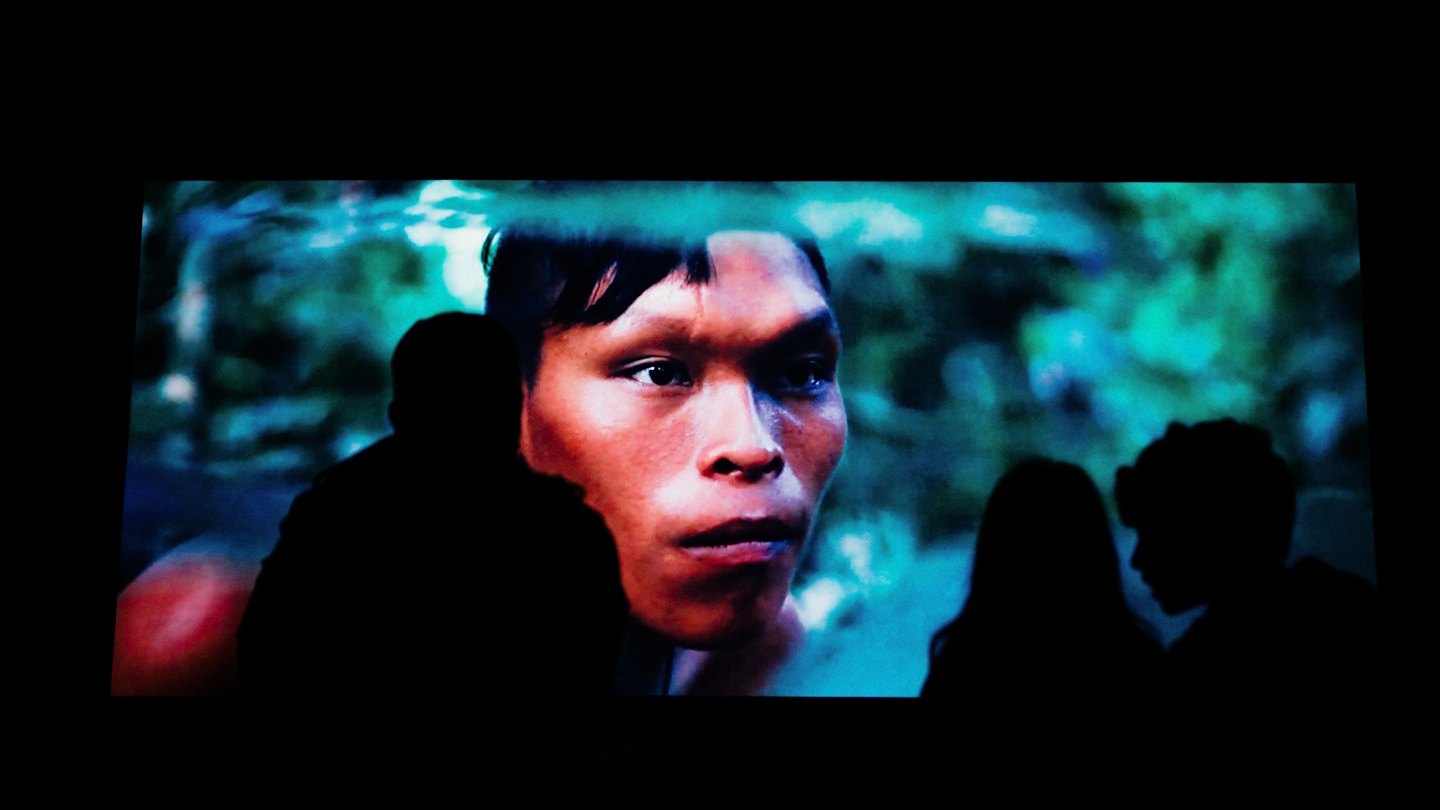
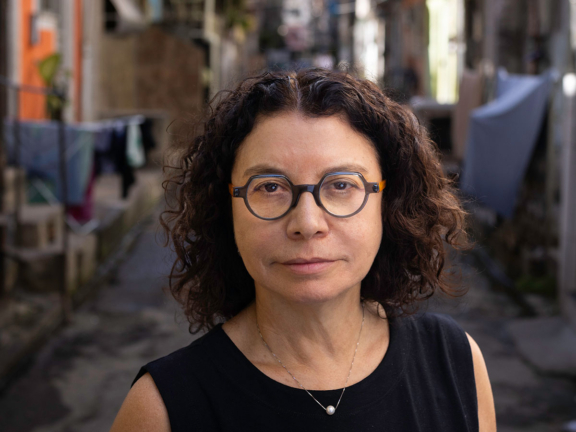
For Milena Britto, understanding the country requires recognising that ‘there are many Brazils, which can only be understood if experienced’. These differences are revealed in the geographies, but also in the languages, relationships with nature and shared memories, which shape regional identities that coexist.
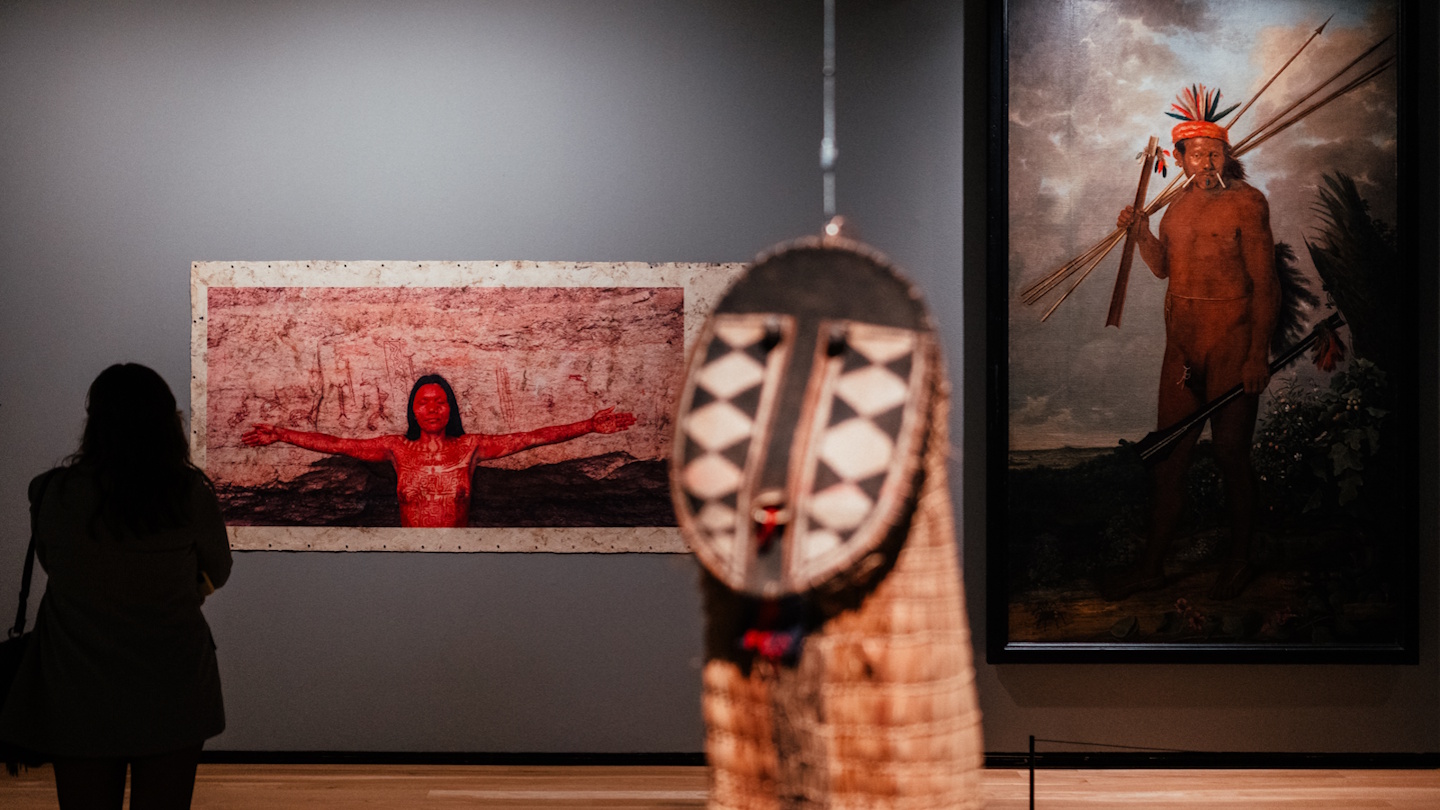
The curator highlights that this diversity has deep roots. Before the arrival of Portuguese colonisers, various indigenous nations coexisted in the territory, each with their own social organisation and worldviews. With the colonial process and, later, with the formation of the Brazilian state, these cultures were pushed into invisibility, while other layers imposed themselves – from the enslavement of African people to the rapid urban development in the 20th century. She also points out that Brazilian history is not limited to the colonial period and that the country ‘has been independent for two hundred years, with political and social processes that cannot be explained solely by its relationship with Portugal.’
In her words, to understand Brazil, one needs to accept that colonialism is part of its history, but not the whole history: ‘there are conflicts, struggles and contradictions that have developed within the nation itself, often involving life, sometimes involving death.’ The exhibition brought together all these temporalities to paint a portrait that does not focus on isolated phases, but on the simultaneity of their effects on the present.
It is at this intersection that the concept of ‘complex’ arises, a term that, according to Milena, encompasses the juxtaposition between history, territory, politics, urbanisation and culture. Complex as a network of elements that influence each other; complex as a physical place associated with conflicts, such as the Complexo do Alemão; and complex as a symbolic knot that cannot be undone without exposing what has been hidden.
The exhibition seeks to shift the traditional reading, marked by narratives of racial harmony or tropical identity, highlighting tensions present both in the social sphere and in the country’s political structure. ‘How can we decode something that is not pacified?’ she asks, emphasising that the project avoids easy answers and does not aim to present ‘a resolved Brazil’.
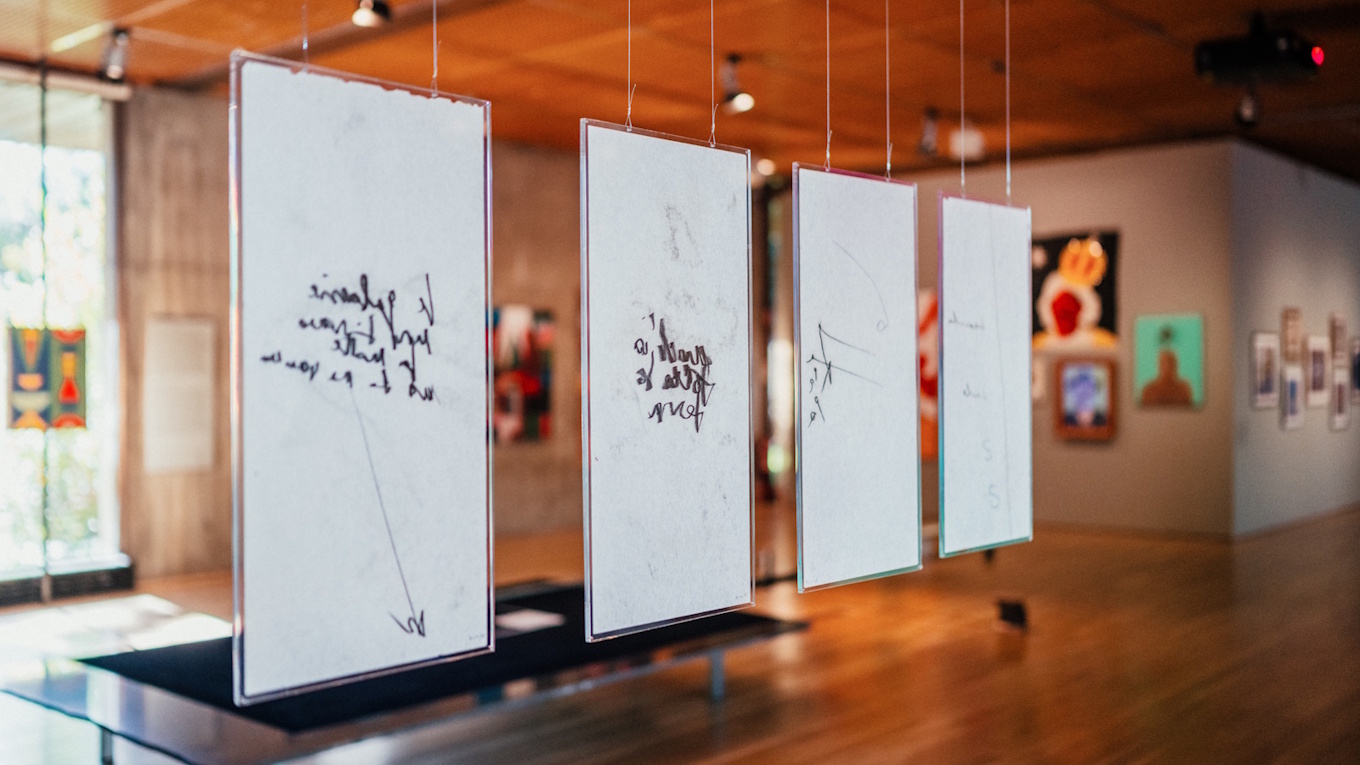
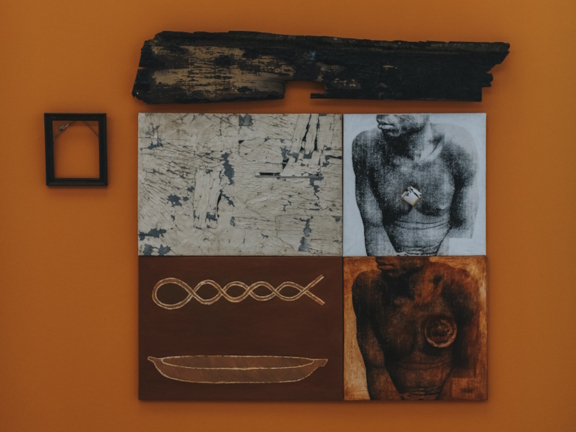
Selecting the works was a very complicated process for the curatorial team. Without chronological linearity and without rigid boundaries between ‘high culture’ and popular culture, the project combines works from different regions, historical documents, sound installations and pieces that evoke individual and collective memories. Some works revisit archives exposing absences and re-inscribing symbolism, while others work with music, the body, colour and gesture to bring visitors closer to experiences that breaks free from the official narrative.
Britto explains that the intention was never to conceive a pedagogical reading of history, but to allow aesthetics to open space for plural interpretations, even when they cause discomfort: ‘We didn’t want it to be a court of law,’ he says, ‘but we weren’t going to cover up any of the violence.’
The audiovisual dimension is particularly relevant because of the way it combines image and sound to reveal encounters between indigenous, African and European cultural matrices. Music, a central element of Brazilian culture, is used as a trail, a trace that accompanies visitors and expands their reflection beyond the moment of observation.
For some, this path is crossed through memory; for others, through the emotion aroused by the rhythm; and for many, through the recognition of expressions that are part of Brazilian identity, but whose roots have been historically devalued or decontextualised.
The dialogue with Portugal required extra care, given the historical baggage linking the two countries, and Britto acknowledges the challenge of presenting this critical reading of Brazilian history in a country that, over time, has created its own narrative about the colonial period. To avoid duplicating this logic, the curators adopted the term encobrimento [cover-up], seeking to reveal what has been hidden by the official discourses.
At a significant moment in the conversation, she recalls that language itself functions as a space of tension between the two countries: ‘Language is something that is so close and so distant at the same time. There are several Portuguese dialects, and even today we do not speak Brazilian Portuguese. There has never even been a proposal to change the name of the language, and that is also poetic: the possibility that, because of our differences, we find ourselves not as equals, but as different.’
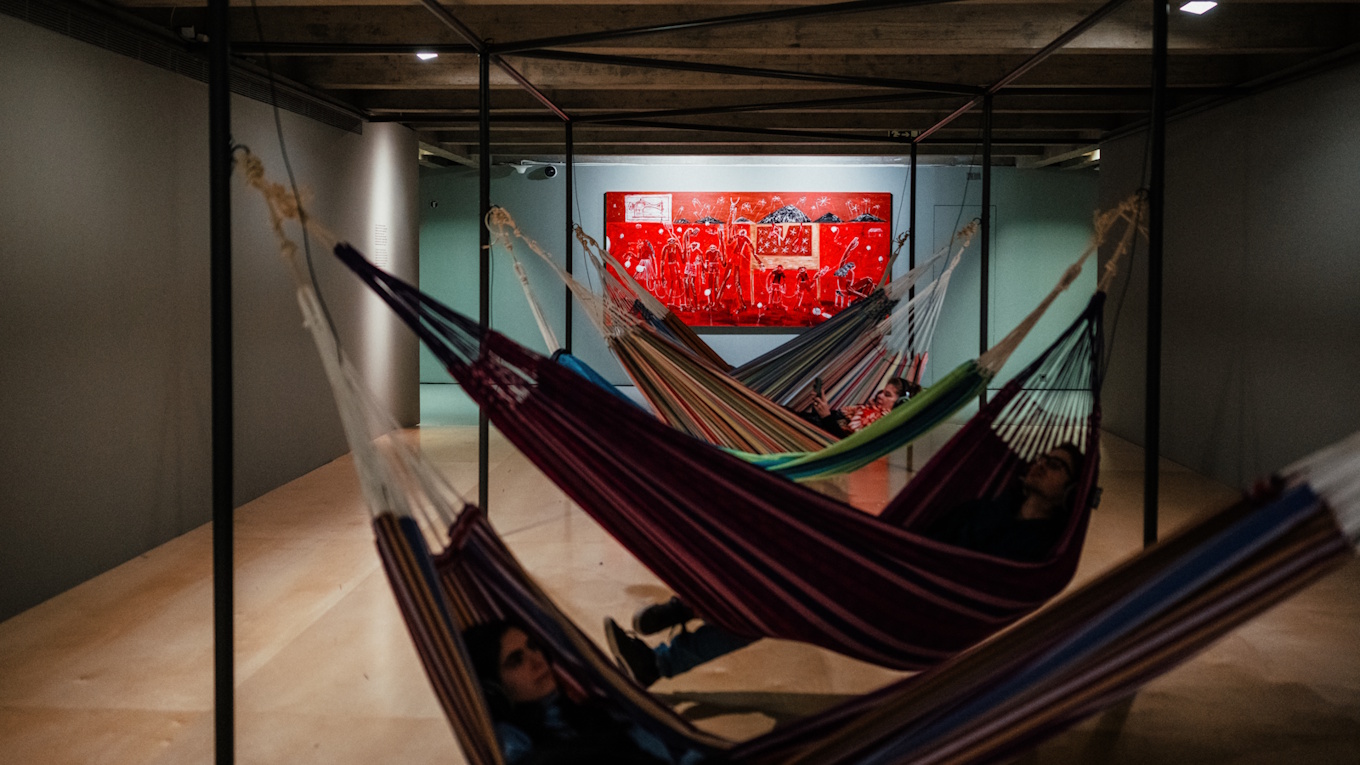
The dialogue between Brazilian and Portuguese audiences was also considered from the outset. Many Brazilians visiting the exhibition, including people who have lived abroad for decades, rediscover aspects of contemporary Brazil that were not part of their current imagination.
On the other hand, Portuguese visitors are confronted with layers that are less present in the collective memory. Even so, he believes that this impact is part of the process of mutual reflection that the exhibition aims to trigger as a space for listening and recognition.
The curator hopes that complexo brasil does not end in the exhibition space; the ambition is for the exhibition to spark debates, open up space for new collaborations and stimulate greater attention to the diversity of Brazil present in everyday Portuguese life, from schools to migrant communities, from cultural practices to linguistic relations.
BANTUMEN at Gulbenkian
Explore the series



No results were found for your criteria.
You may also like

No results were found for your criteria.