
Dismantle to Inhabit: a reading of the CAM Collection based on the ‘Invitation’ section
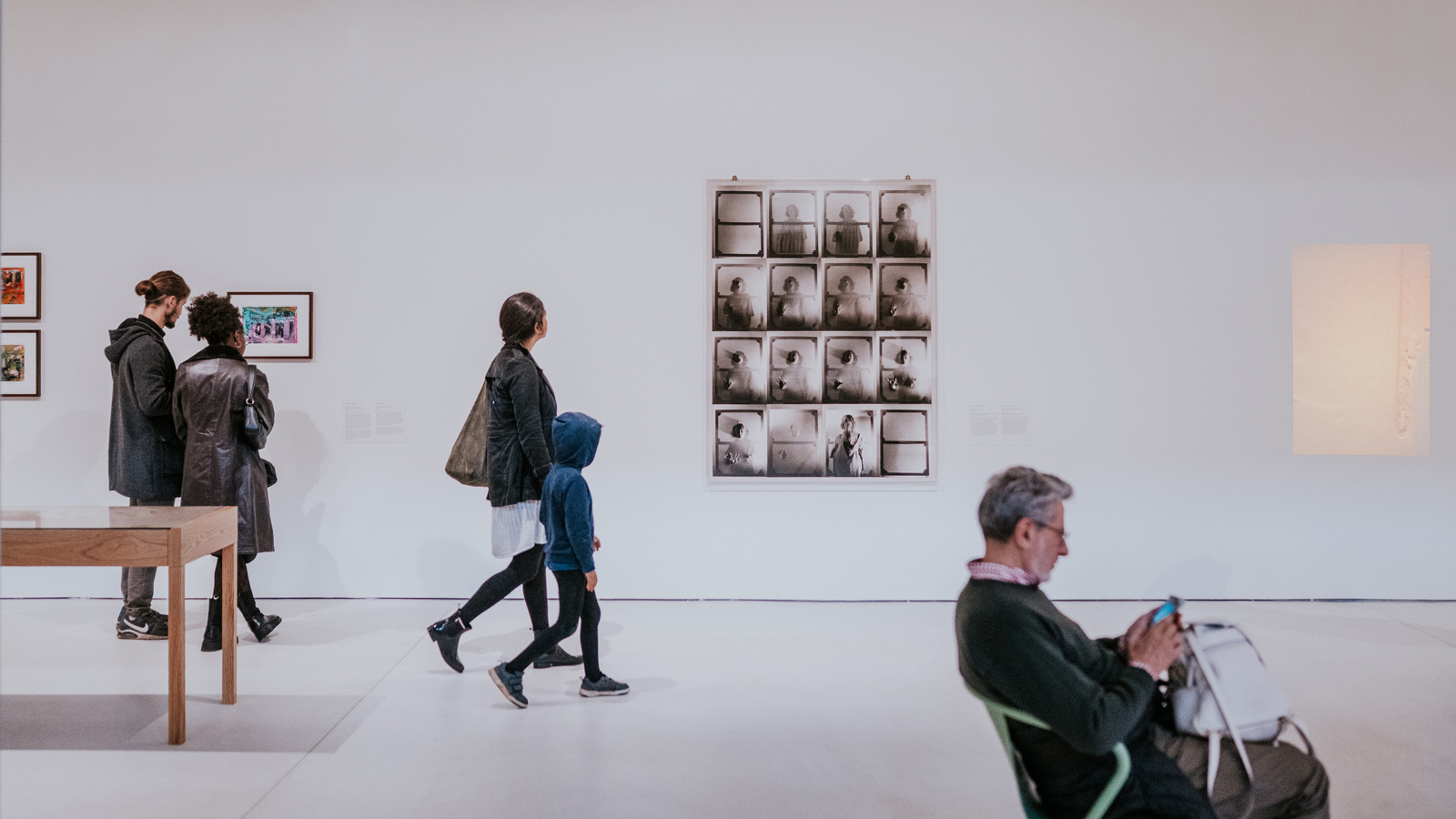
Could ‘dismantling a museum’ be the step needed to make it inhabitable? While there are no answers to this question, it is that gesture of dismantling – both physically and symbolically – that lies at the heart of artist Carlos Bunga’s selection of works from the CAM Collection for his exhibition at CAM.
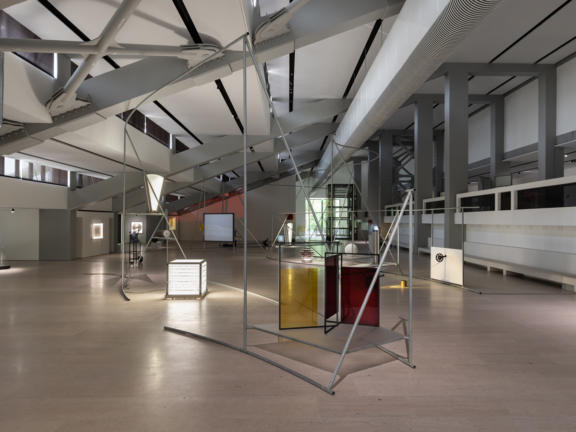
Displayed in the ‘Invitation’ section, on the Mezzanine, this selection brings together works from the CAM Collection that stand out for their ephemeral and elusive nature. Far from adopting a logic that is retrospective or representative of the collection, his choice can be seen as a direct extension of the exhibition itself and functions in a territory where curating and artistic practice merge. The result is a group of pieces intended not to illustrate an idea but to actively participate in reflection on home, body, memory and instability, considered both as a process and as an ending left open.
This context, according to Carlos Bunga, imbues some of the works with particular significance, whether for their nature or for the way they contribute to developing the theme of the exhibition. These include ‘Sala de desconstrução’(Deconstruction Room, 1975), by Tulia Saldanha, and ‘Lisbonne Été’ (Lisbon Summer, 1988), by Keiichi Tahara. Another work gaining particular relevance is ‘Water Motor’ (1978), by Babette Mangolte, which is not part of the CAM Collection but appears in the exhibition thanks to a loan, making visible the idea of a collection also viewed through its absences. The group also includes ‘Além-Tejo Vos-Tejo’ (Beyond-Tagus You-Tagus, Lisbon, 15 May 1979), by Wolf Vostell, the presence of which underlines how this section connects different practices and temporalities around a shared reflection.
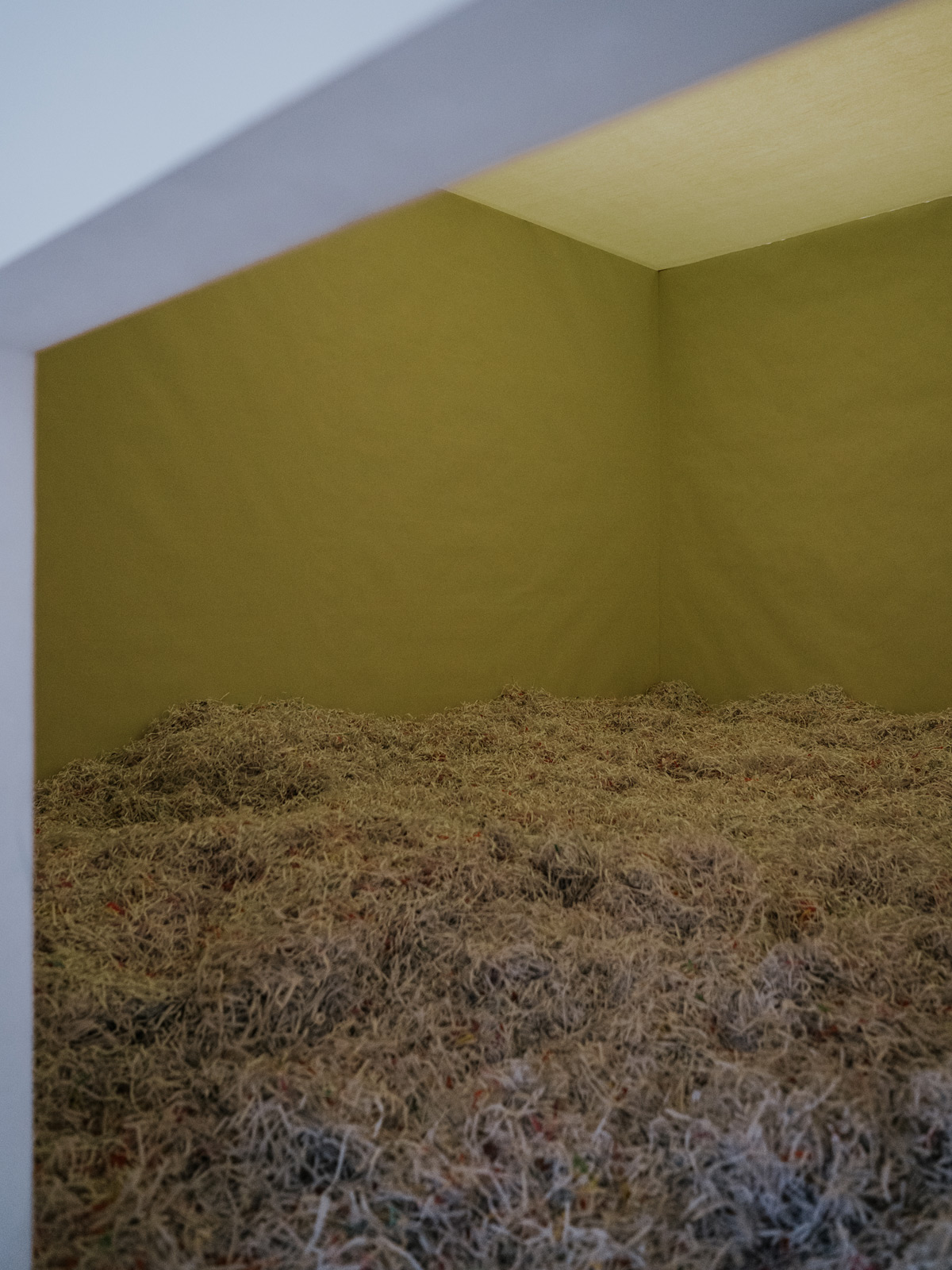
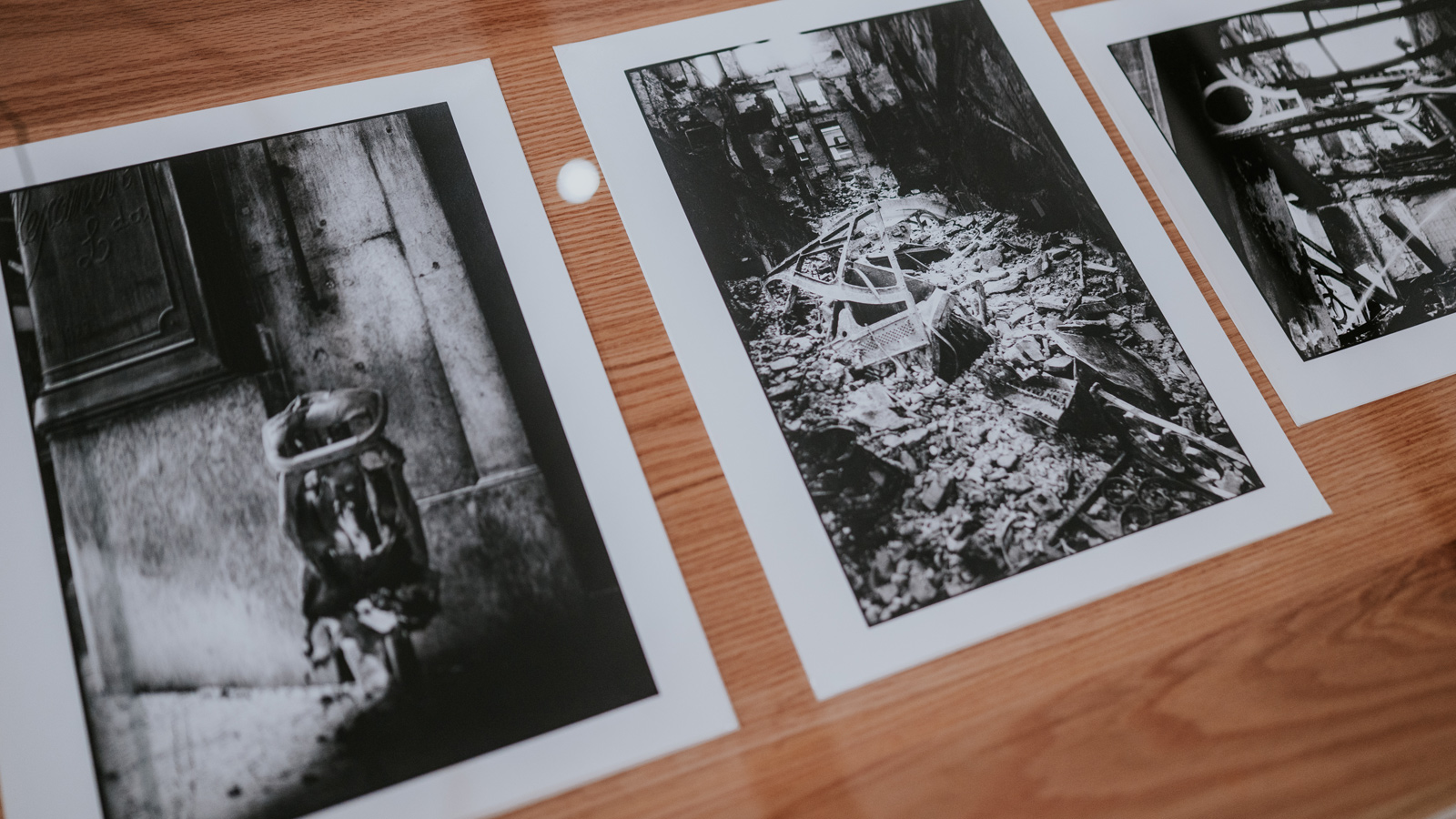
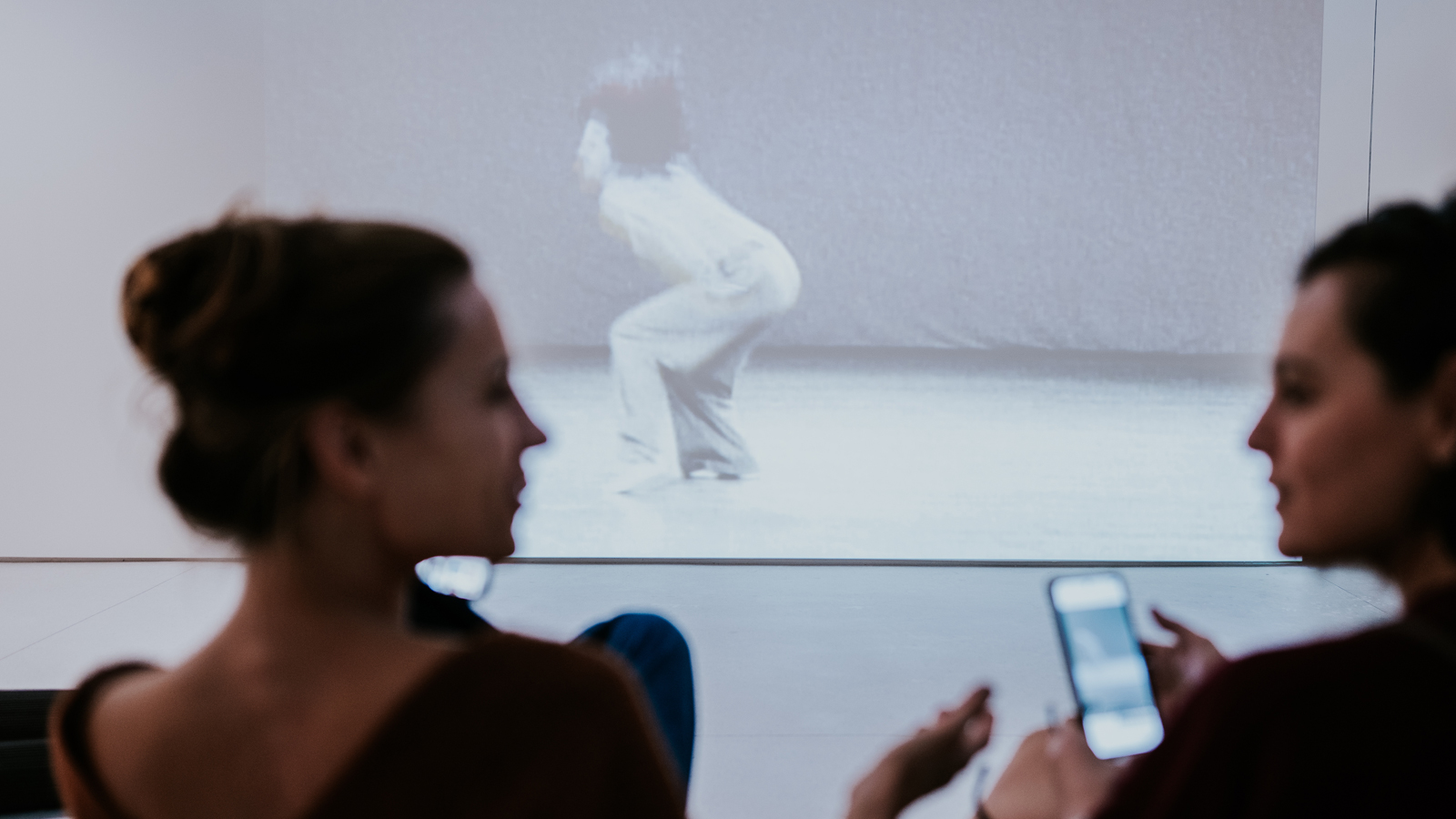
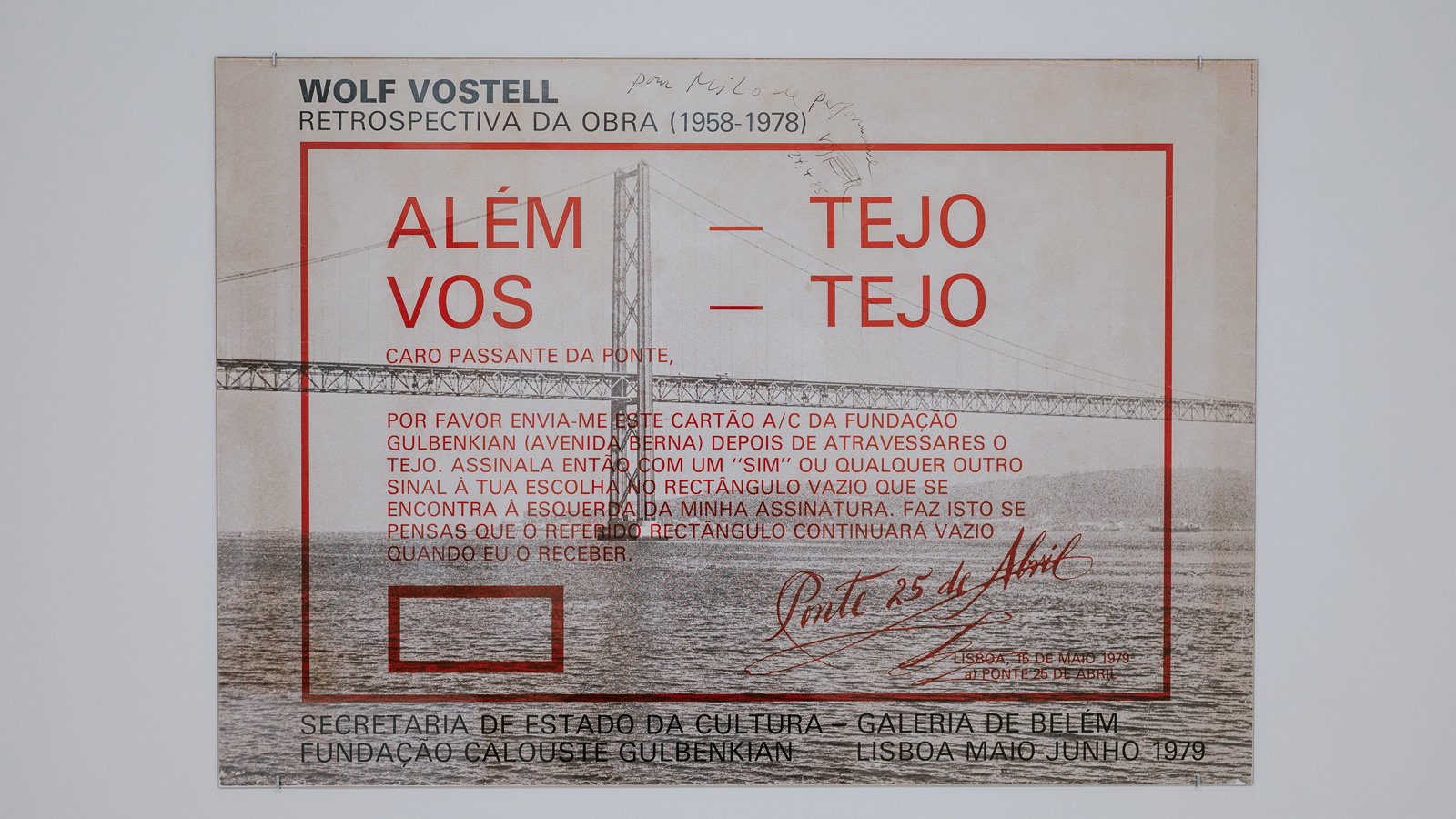
Bunga’s selection includes works by artists who are central within the Collection, chosen for conceptual affinities that span various generations and artistic contexts. Rather than proposing a representative reading of the collection, these pieces reveal practices that approach the space, body and materiality as unstable territories, where presence is frequently built from the fragment, absence and transformation.
It is in this sphere that we find the work of Lourdes Castro, whose practice – famous for works such as series of shadows, cut-outs and prints, boxes and herbariums – evokes memory through that which is not fully present. Works from this world, incorporated in the CAM Collection, nudge presence into the domain of projection and traces, entering into dialogue with the elusive mood that permeates the ‘Invitation’ section.
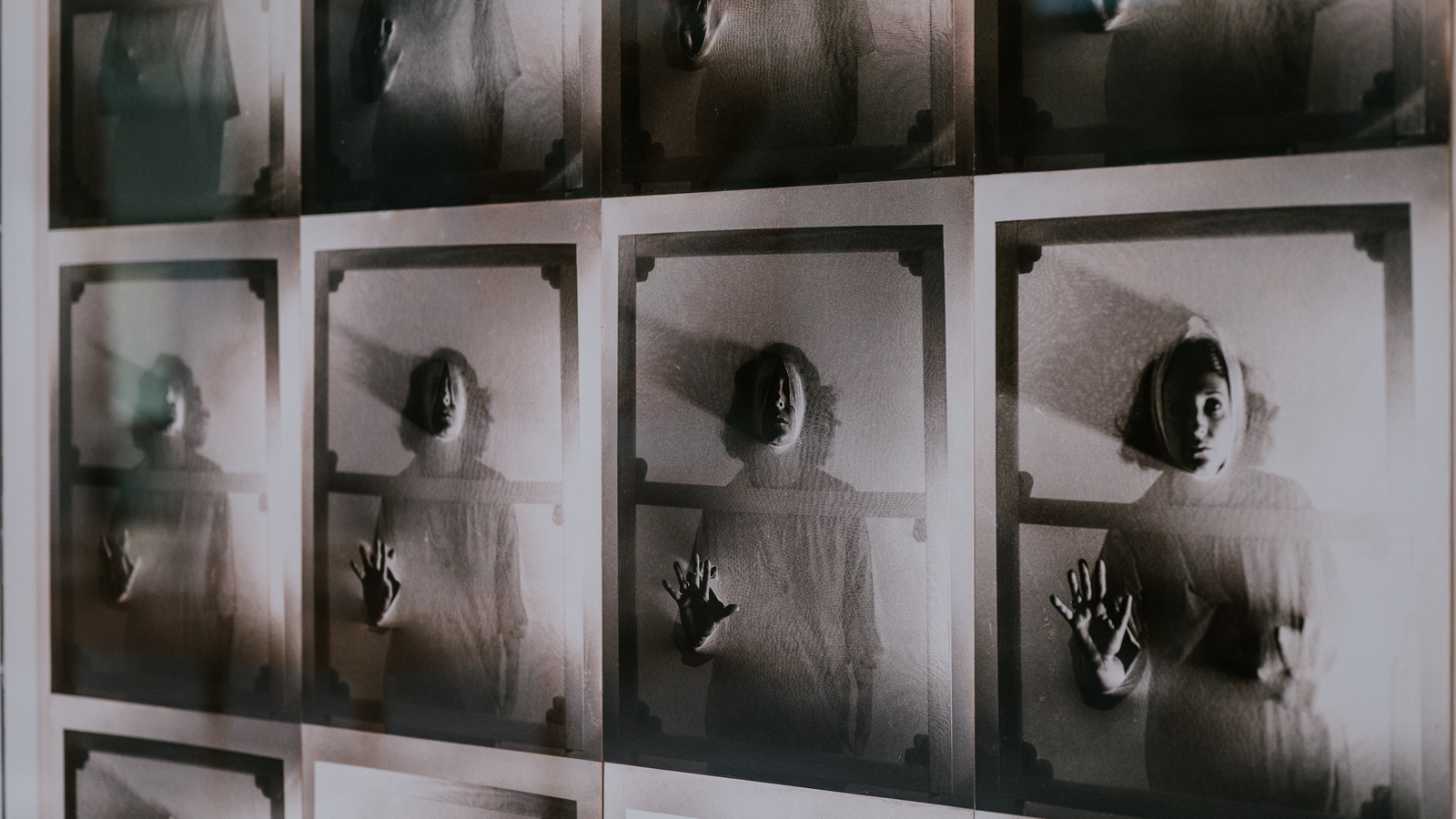
The relationship between body and space is continued, by other means, in the work of Helena Almeida. Creating works that explore the relationship between gesture, body and support, Almeida transformed painting into a field of action, inhabiting the canvas and the exhibition space as if they were extensions of the body. Known for both the three-dimensional canvases of her early career and photographic works with a performative nature, her practice suggests we read the act of inhabiting as an active gesture, in constant tension with architectural boundaries.
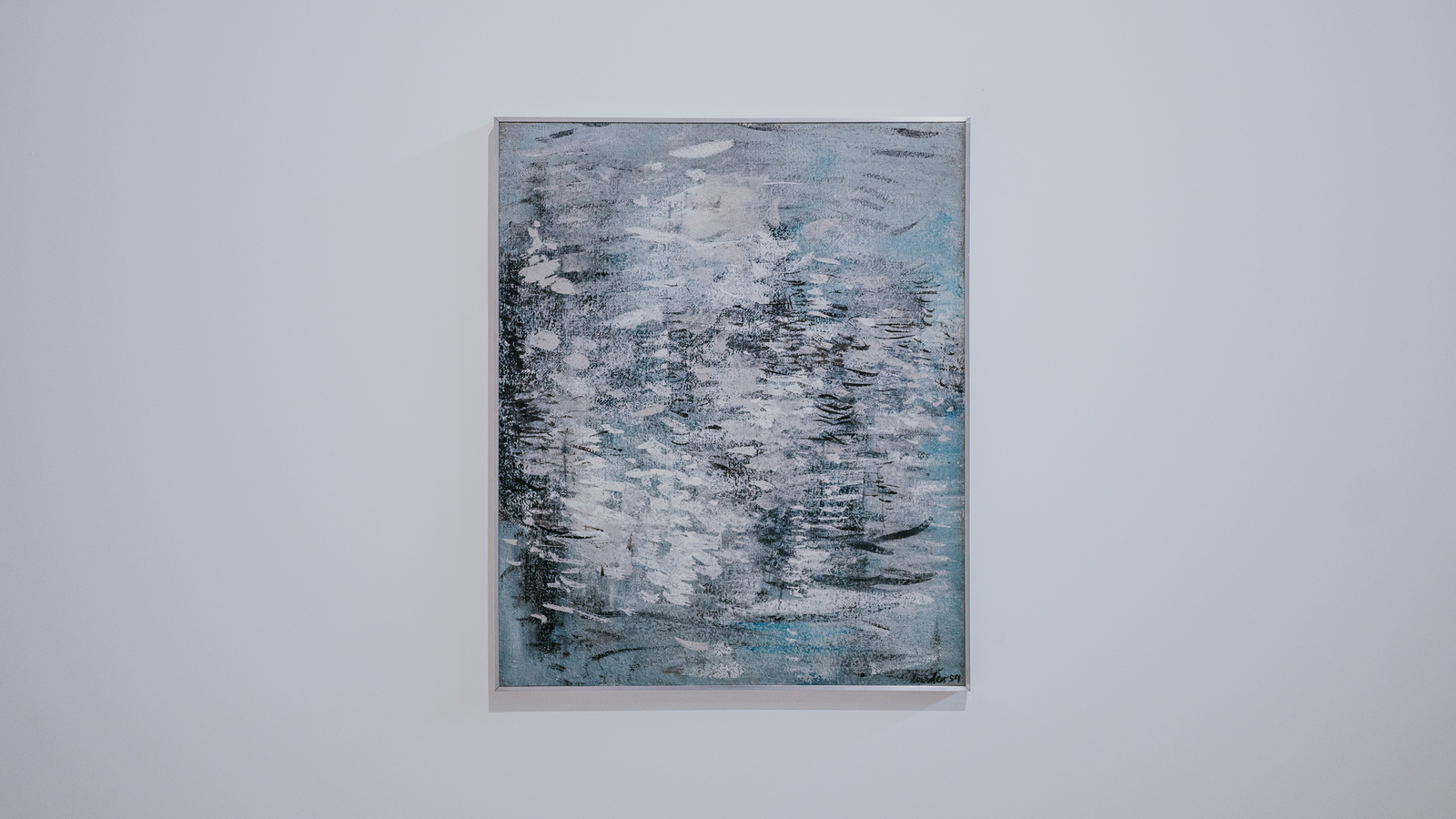
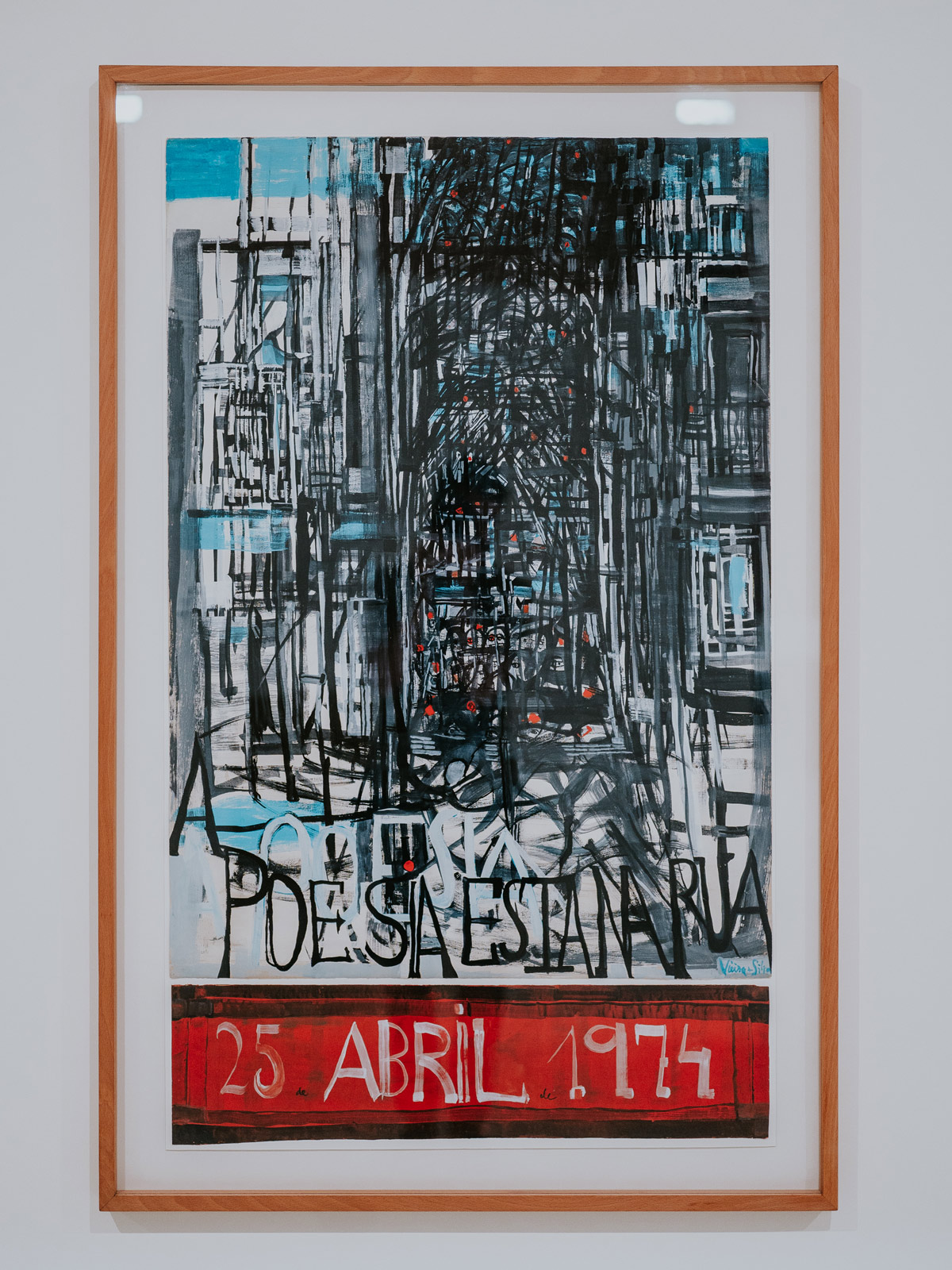
Maria Helena Vieira da Silva, a key figure in European postwar abstract painting, is another artist who reflects on the space as a mental and emotional construction. Her compositions, with arrangements of nets and meshes, structure the pictorial field as a territory of circulation and disorientation, demanding an attentive and deliberate gaze. Works such as ‘A poesia está na rua I’ (Poetry is on the streets I, 1974), which exist in relation to absent counterparts, reinforce that idea of an incomplete, suspended space, resonating with the attitude of instability that structures the exhibition.
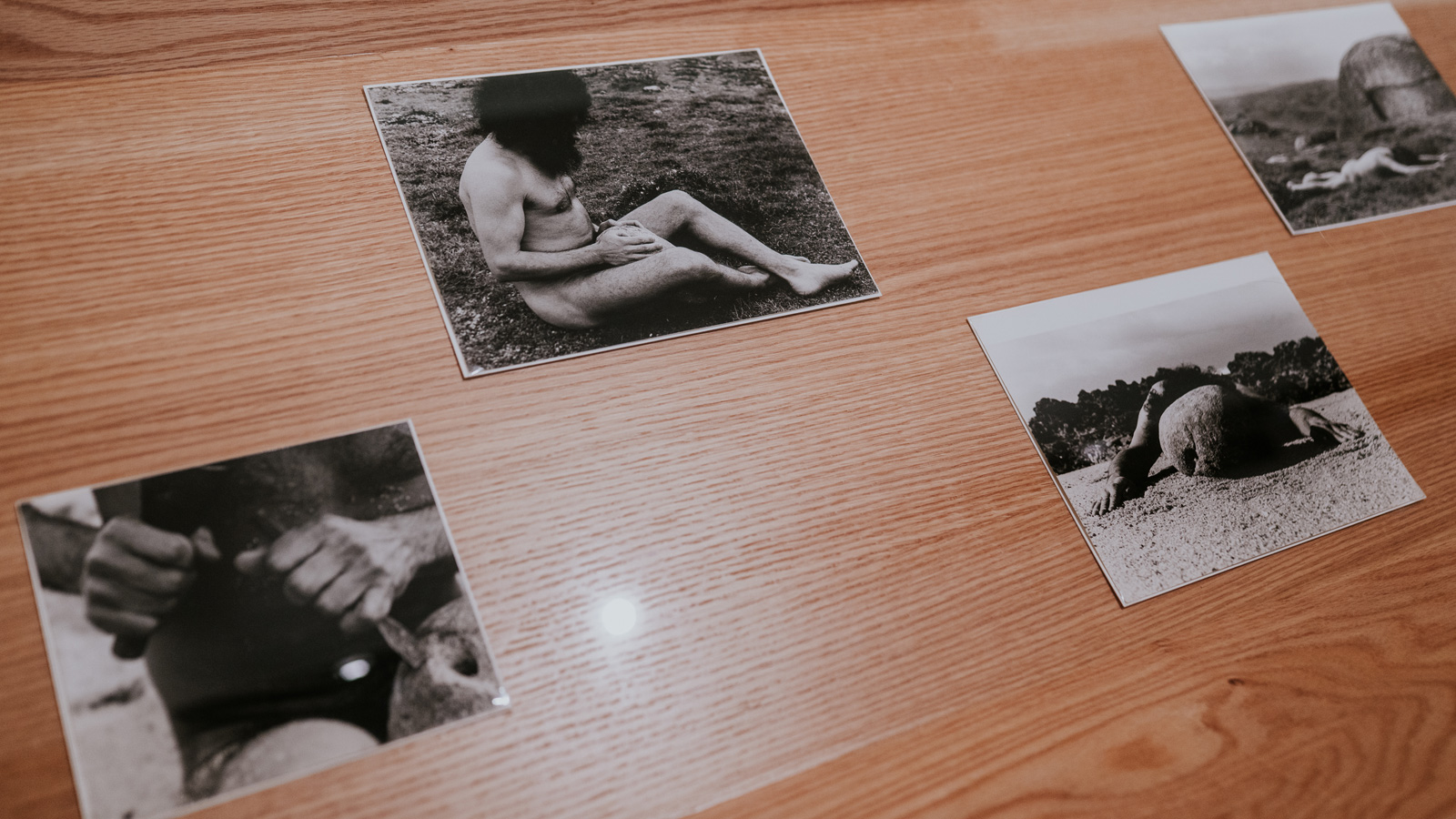
Materiality plays a central role in the works of Alberto Carneiro, who is known for pieces that connect nature, body and sculpture, reflecting on the tree, the forest and the human gesture. Works from that world, frequently associated with the use of wood and the idea of forest, introduce an organic dimension that communicates with the transitory nature of the structures proposed by Carlos Bunga.
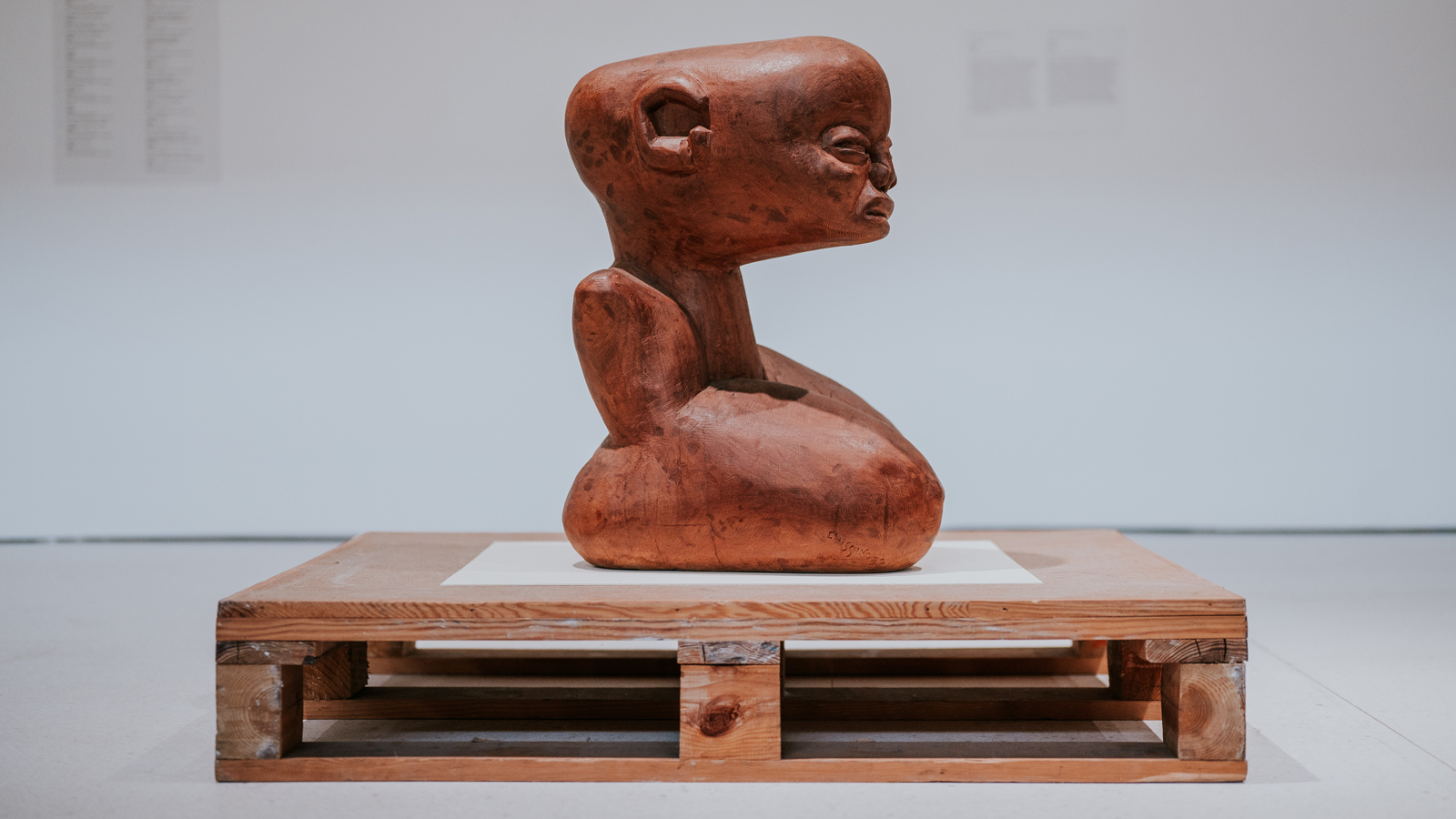
Attention to the physicality of the form is also apparent in the sculptural work of Alberto Chissano, who is known for wooden pieces that combine ancestry and modernity. His often untitled pieces assert a dense and expressive presence, where the carved surface conveys memory and corporeality, reinforcing the material and memory-related dimension of the group.
Continuing these concerns, the work of Carlos Nogueira introduces the object as a relational structure. Known for works that speak to place and the everyday – including pieces such as ‘Construção para lugar nenhum’ (Construction for nowhere, 2003) – Nogueira creates forms that question the idea of use, shelter and symbolic construction, drawing towards the notion of living space that permeates the Invitation section.
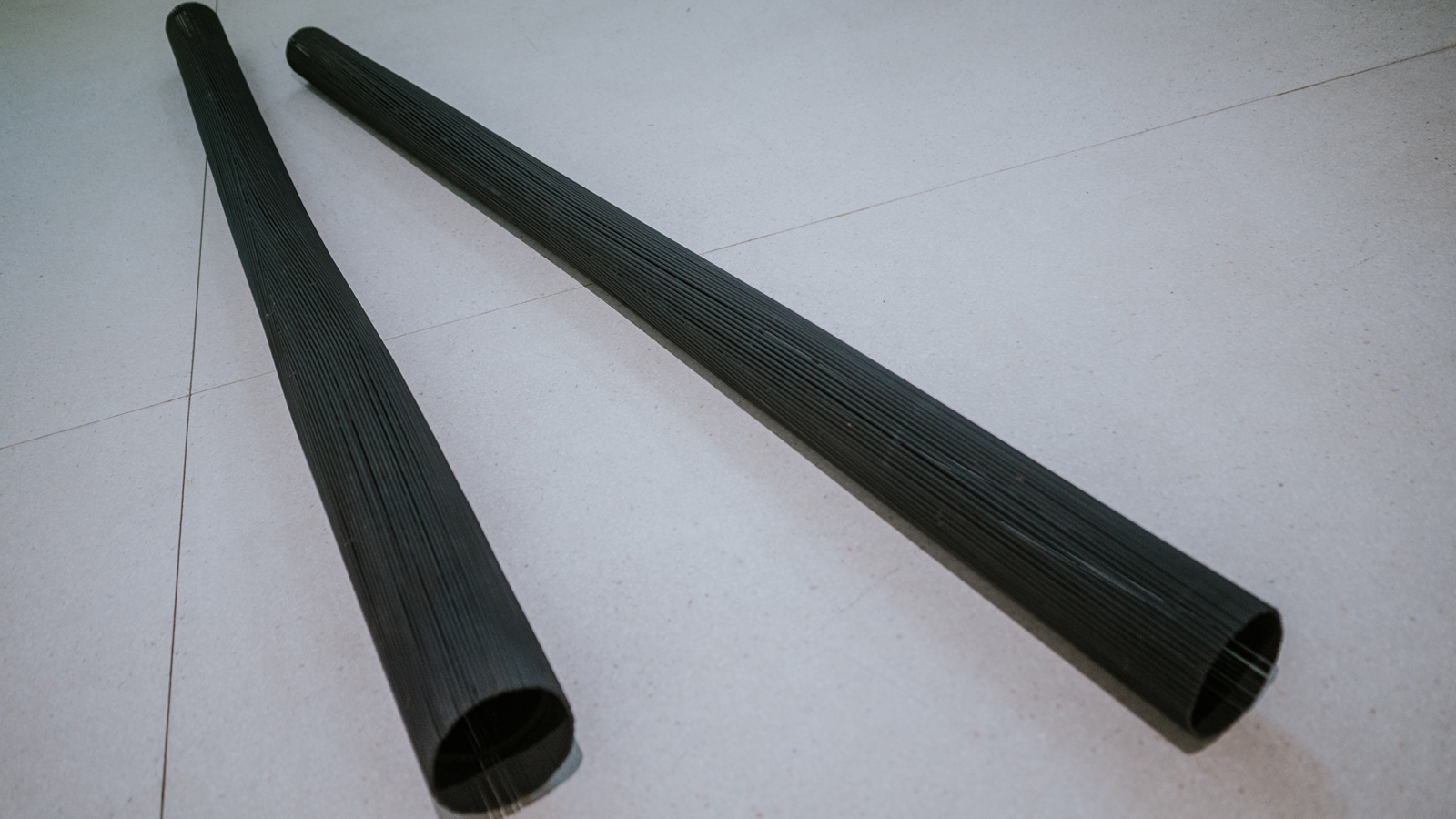
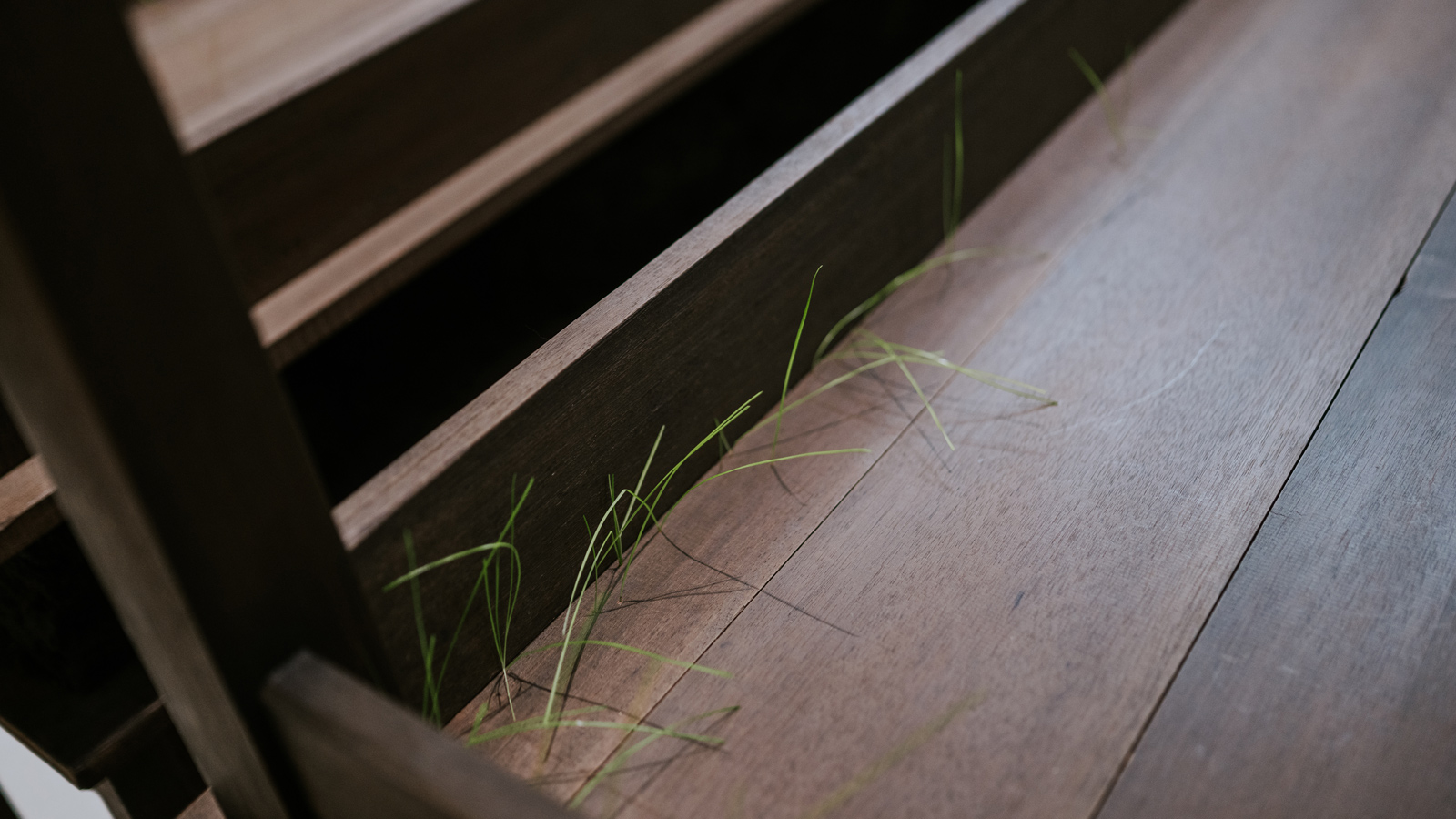
The ethical dimension of the selected group of works is intensified by the presence of Doris Salcedo, who is recognised for pieces that address memory, violence and absence. Projects such as ‘Plegaria Muda’ (Silent Prayer, 2008), which use organic materials and processes of reconfiguration over time, displace the sculpture into a territory of active mourning and memory under construction, expanding the reading of the act of inhabiting beyond the individual sphere and confronting the domestic space with the experience of collective trauma.
Finally, the work of Manuel Amado, which encompasses drawing, installation and object, introduces a persistent reflection on the domestic space and memory. Known for works that interrogate the house as a symbolic and shared construction, his path reinforces the reading of the act of inhabiting as an experience that is constantly negotiated.
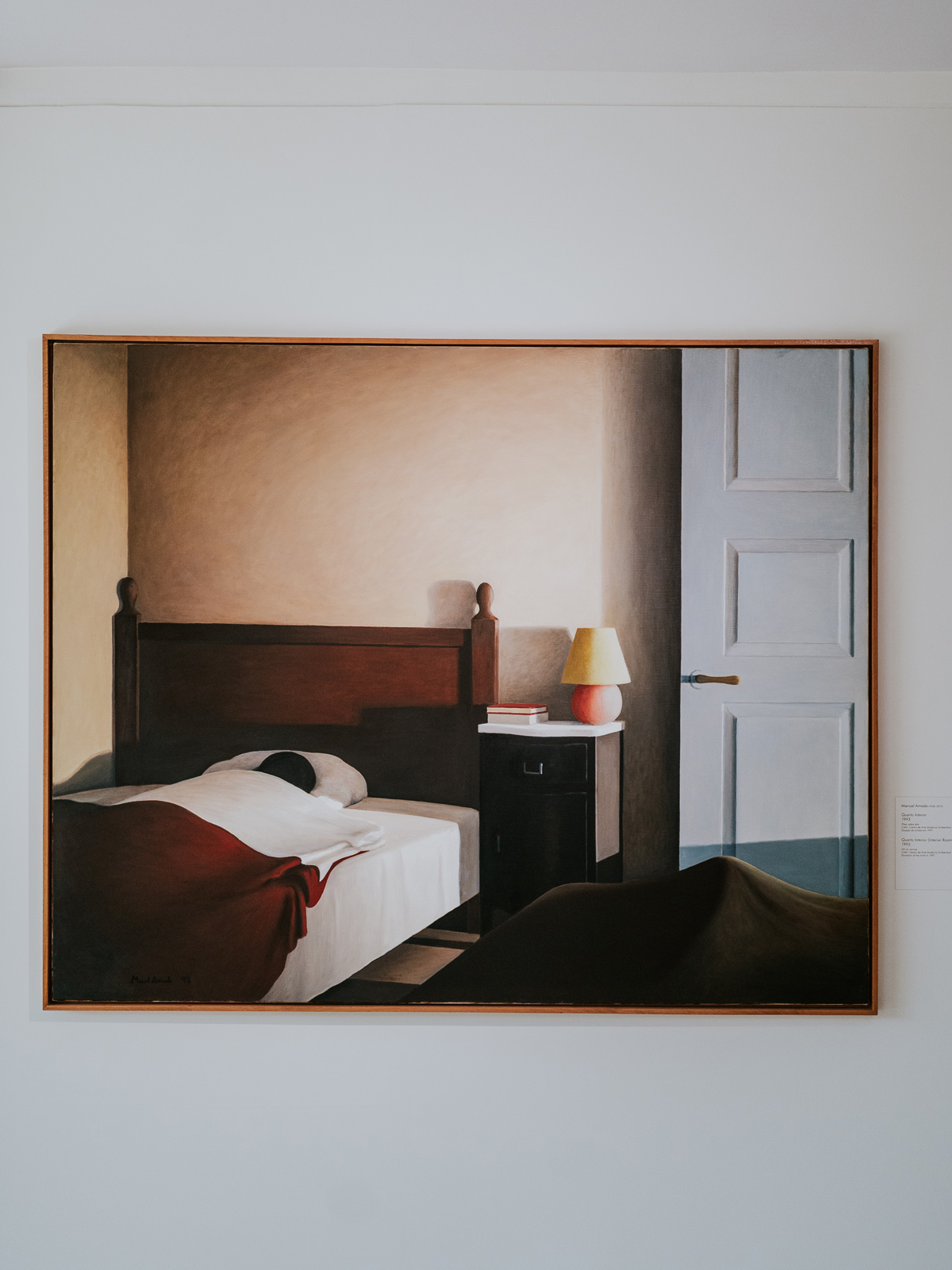
By including works from the collection in a device based on the practice of a particular artist, the ‘Invitation’ section offers a new angle on the way the collection is presented and interpreted. Without replacing the historical or curatorial frameworks that structure the collection, this proposal demonstrates its capacity to enter into dialogue with contemporary languages and to allow itself to be permeated by situated readings. The Collection maintains the richness of its heritage, but is also brought into a context that favours relationship, proximity and experience, reinforcing the idea of the museum as a space where different temporalities and modes of thinking about art can coexist without one cancelling out the others.
BANTUMEN at Gulbenkian
Explore the series







No results were found for your criteria.
You may also like

No results were found for your criteria.