
Zia Soares and the ocean-crossing seeds: a conversation about ‘ARUS FEMIA’
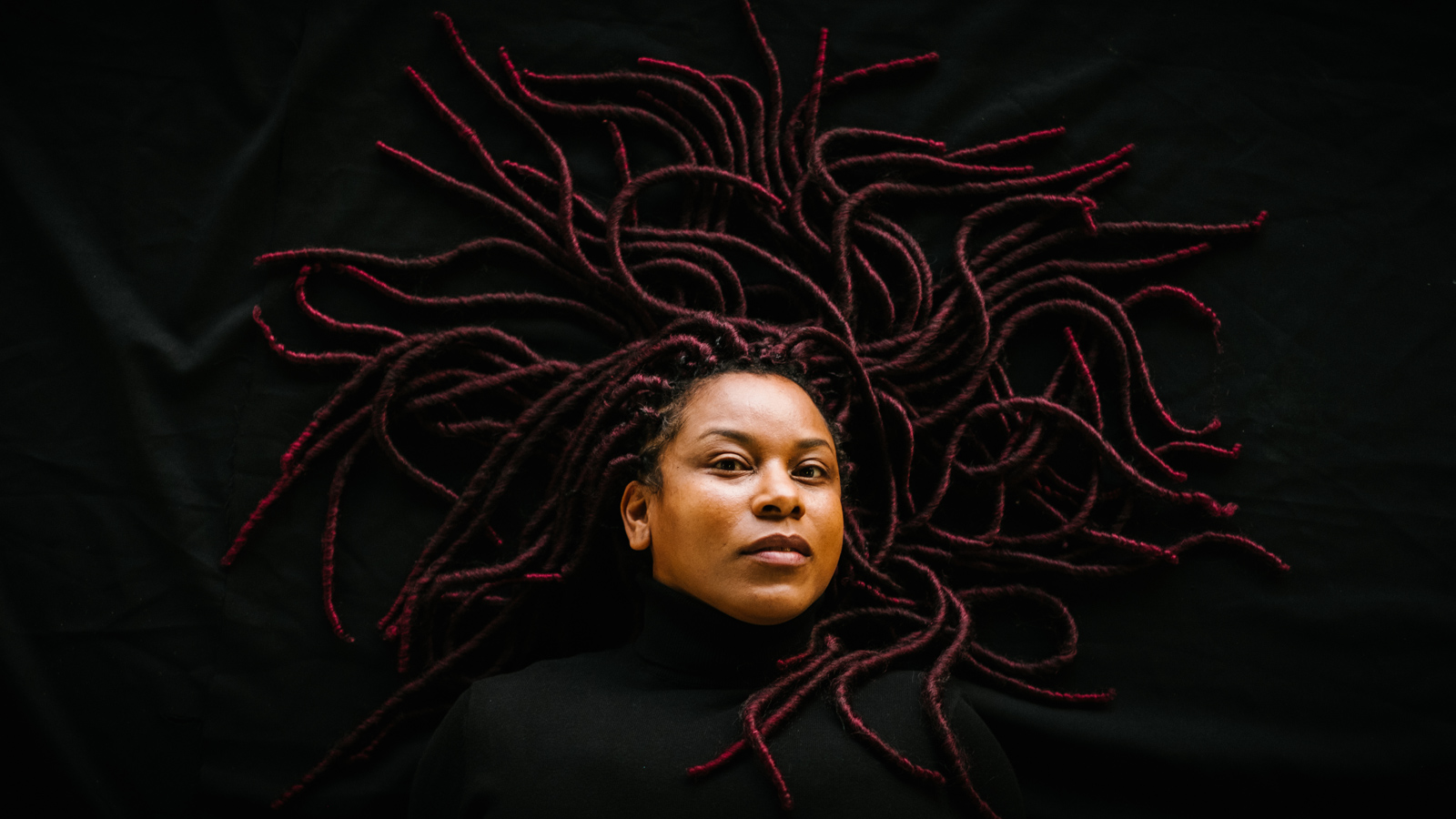
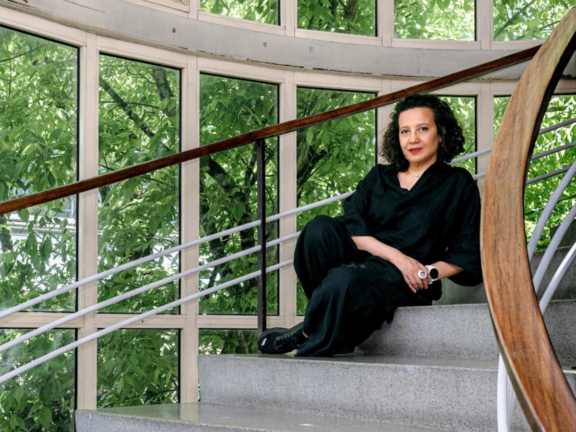
For theatre director and actor Zia Soares, speaking about her art means speaking with the passion of those who create worlds. Not just shows, but whole universes, filled with history, memory and transformation. The play ‘ARUS FEMIA’ is one of those worlds, a stage where the past resurfaces, where resistance takes shape and where nature and the body merge in a dance of survival and, above all, of reinvention.
The play revives a story buried in the braids of women who left Guinea-Bissau for the unknown, taken away by force on the slave trafficking routes. In their braided hair, they hid rice seeds. A gesture of hope, a silent pact with the future.
When they reached the Americas, those women found foreign soil, but, with the ancestral knowledge they brought with them, they were able to adapt the earth to their food. The rice grew around the ‘quilombos’ [settlements formed by escaped slaves], it spread and, when they realised the power of those female hands, the colonisers appropriated their knowledge and transformed it into an empire of monoculture. Today, hectares of rice fields in South America originated from that act of invisible resistance.
Zia heard this story by chance from a Guinean friend. ‘I found it fascinating,’ she confesses. From there, she set off on a path of research that repeatedly led her to Guinea-Bissau, to the salty wetlands where rice grows in an increasingly fragile balance between seawater and rainwater. There, she found women who perpetuate this tradition, but who now have a new enemy to face: the climate crisis. ‘The rising sea level is salinising the soil. There are fields that no longer yield a crop. And when I ask those women what they would do if water engulfed the earth, they simply reply: “We’ll die.”’ This response is a certainty embedded in the lack of concrete solutions, whether due to inaction towards climate change – for the most part caused by countries of the global north – or the barriers imposed on immigration.
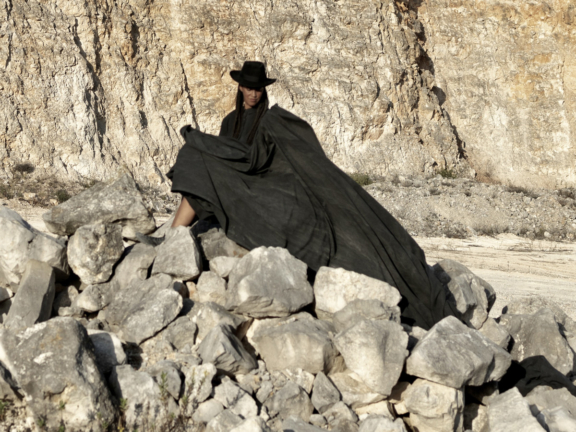
The urgency of this reality echoes in ‘ARUS FEMIA’, but Zia doesn’t want the story to be purely lamentation. The performance proposes a world where that community of women doesn’t give in. Instead, it transforms. They continue to plant rice, but now beneath the water. They don’t sink, they adapt, they become part of this new cycle, they reinvent their existence.
Questioned about the way she absorbs or protects herself from the emotional burden of these stories, Zia is very direct: ‘I don’t get caught up in the emotion. When I create a show, I’m creating a functional world. It’s not a matter of crying for the past, but proposing new ways of living.’
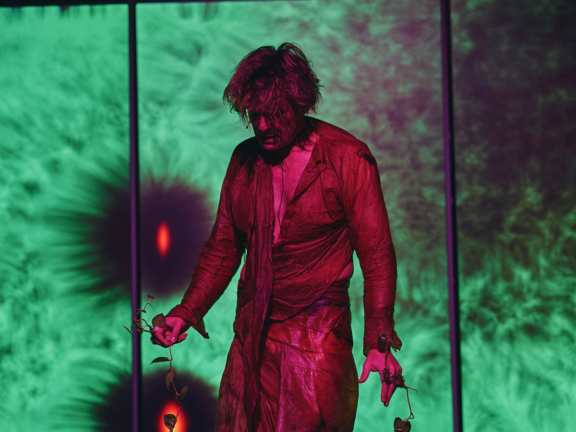
That lucidity shapes ‘ARUS FEMIA’ like a work of strict geometries, where text, sound, movement and image coexist without hierarchy. Xullaji’s music arises from the sounds of water recorded in Guinea-Bissau, Vânia Doutel Vaz’s choreography evokes the geometric furrows of the rice fields, and Neusa Trovoada’s scenography recreates that underwater world.
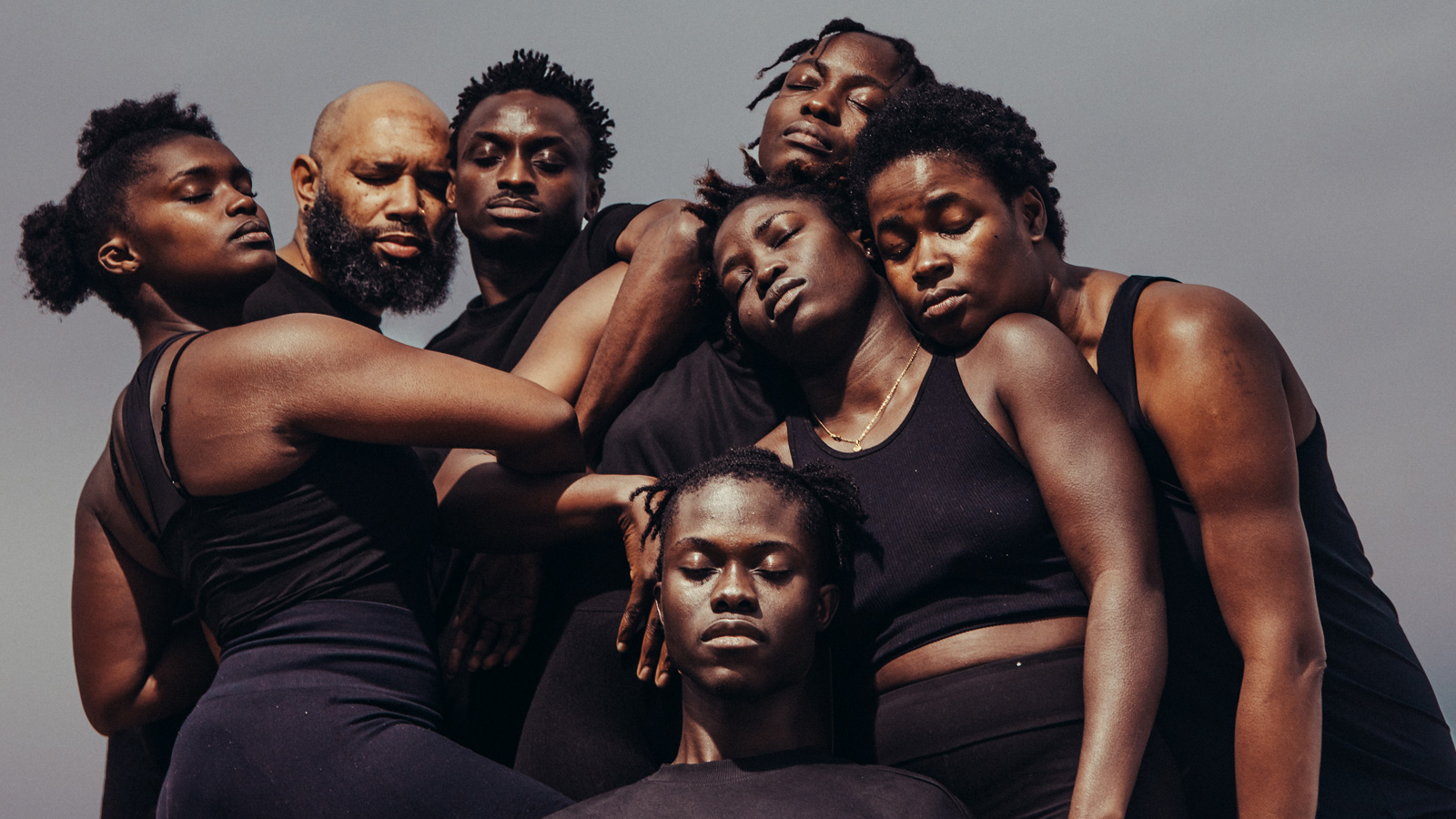
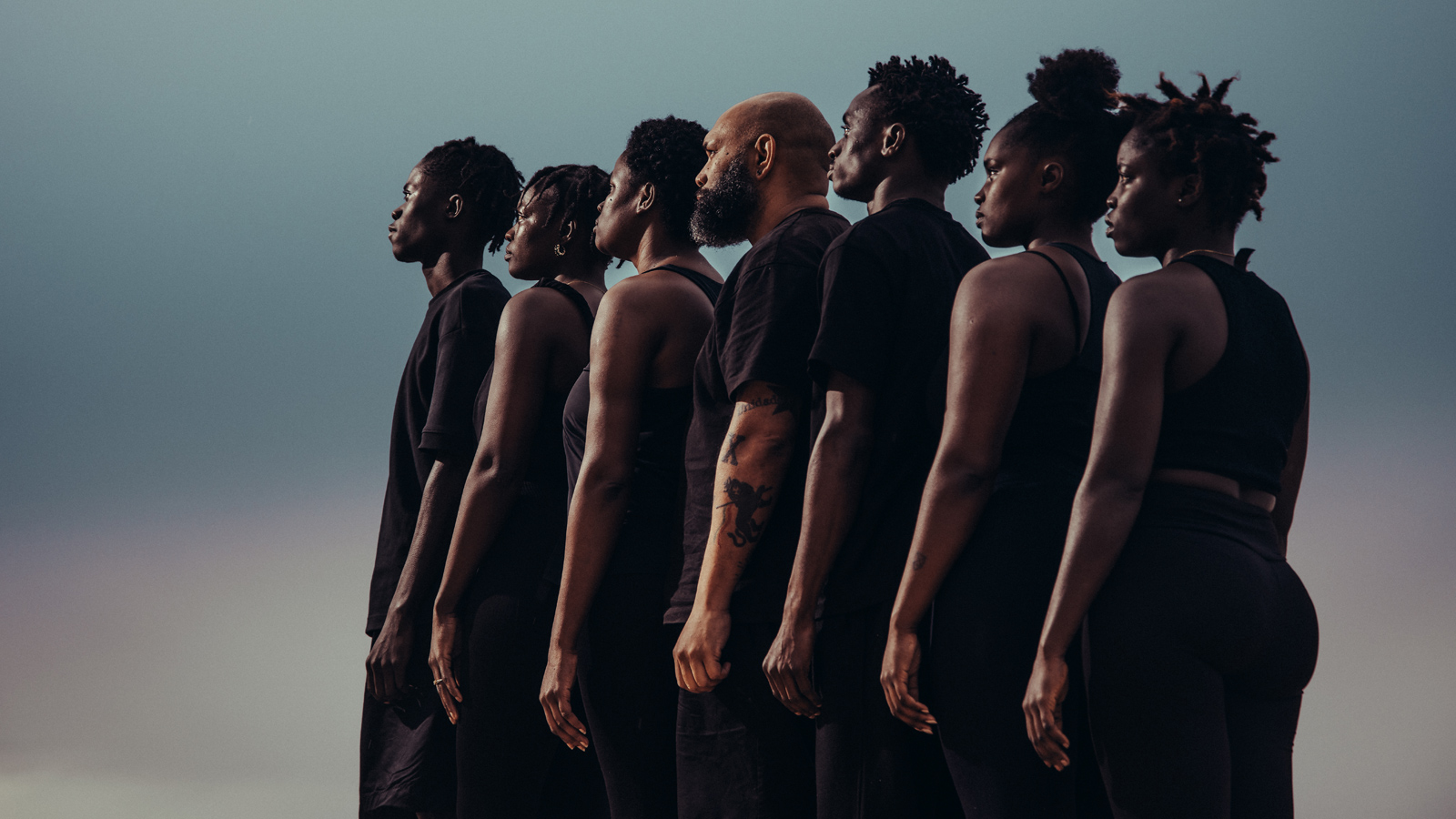
The cast brings together voices from here and there. Black Portuguese and Guinean artists, united by a narrative that challenges boundaries in space and time. ‘This community we created in the show doesn’t exist in the past, present or future. It spans all those times,’ explains Zia.
BANTUMEN at Gulbenkian
Explore the series






No results were found for your criteria.
You may also like
No results were found for your criteria.