
Afrofuturism, resistance, and identity: the musical journey of XEXA
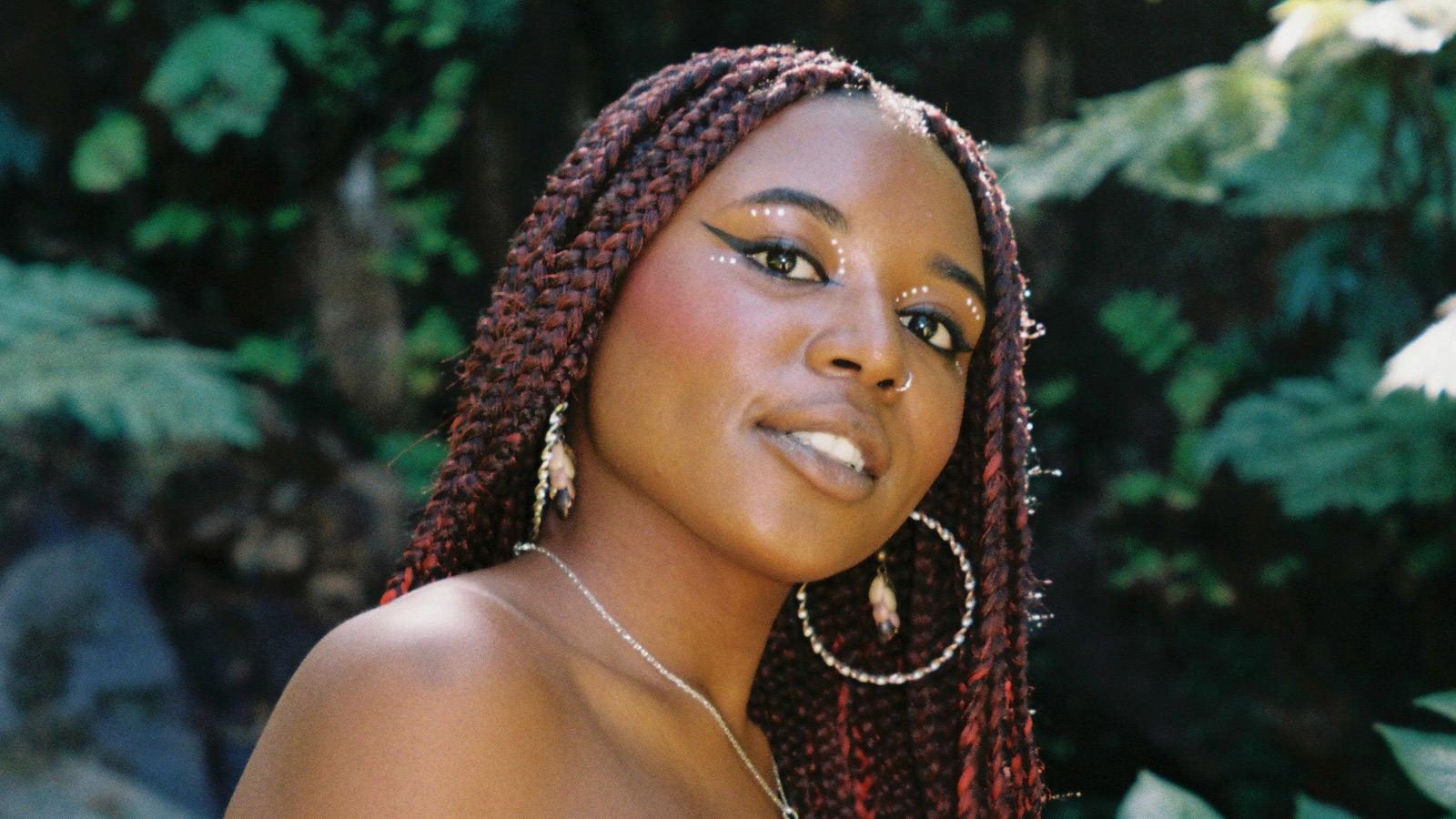
A daughter of the São Toméan diaspora, XEXA grew up in Quinta do Mocho, Lisbon, where sound was an extension of family memory. Her father, though not a musician himself, built a lovingly assembled collection of cassettes and vinyl records. ‘My father has an immense love for sound. And when I say sound, I really mean listening to music,’ she recalls. Her childhood was filled with celebrations and intimate home music sessions, yet the urge to create emerged only later, after studying classical piano. She realised that the rigidity of classical repertoire left little room for experimentation. ‘Classical music is something that happened in the past, and it has to remain that way. Otherwise, it’s no longer classical.’
Upon attending the António Arroio School, she opted for jewellery-making, fascinated by the logic and detail involved in the art of shaping metal. ‘You’re using huge hammers just to make the tiniest mark.’ In that artistic environment, she connected with young people involved in music and visual arts, gradually teaching herself how to produce sound. Even in a male-dominated field, she never held back: ‘I believe I can do it.’ She first explored textures and synthesizers, later incorporating beats and voice.
When she finished secondary school, she felt that the courses in Portugal failed to satisfy her thirst for experimentation. A simple search then led her to Guildhall in London. She was accepted and became the first woman to complete the Study Production Arts course. ‘It was the first time I got to work with immersive sound systems.’ Over time, she realised her interests were highly specific: ‘What fascinated me didn’t fascinate others.’
In 2022, at the Coimbra Biennial, she encountered the term ‘Afrofuturism’ during a session with photographer Rafa de Oliveira. She had already been working with African and Afro-diasporic references, but now she had a name for it. ‘I knew I wanted to develop African culture with my techniques, but I didn’t know what to call it.’ For XEXA, Afrofuturism allows for reflection on heritage, decolonisation, identity, and imaginative autonomy. ‘It’s about visualising the future, where the future means development and independence.’
She criticises the use of the prefix ‘Afro’ as a need for validation. ‘Something doesn’t need to have “Afro” in front of it to be African.’ She uses the example of ‘afrofado’: ‘So fado wasn’t “ours” without the “afro,” even though fado has strong African influences?’ Labelling, she says, is an act of translation that serves the European reception more than the origin.
In 2020, during the pandemic, she created ‘Calendário Sonoro’, freeing herself from the conventions of the music industry. With each full moon, she produced a track and an image from scratch. ‘I made the music from scratch, mixed it, mastered it… as a way to research myself.’ The project revealed patterns and helped solidify her artistic language. ‘When you do something multiple times differently, but with the same intent, you begin to see a pattern.’ The project caught the attention of Príncipe, the label with which XEXA now collaborates.
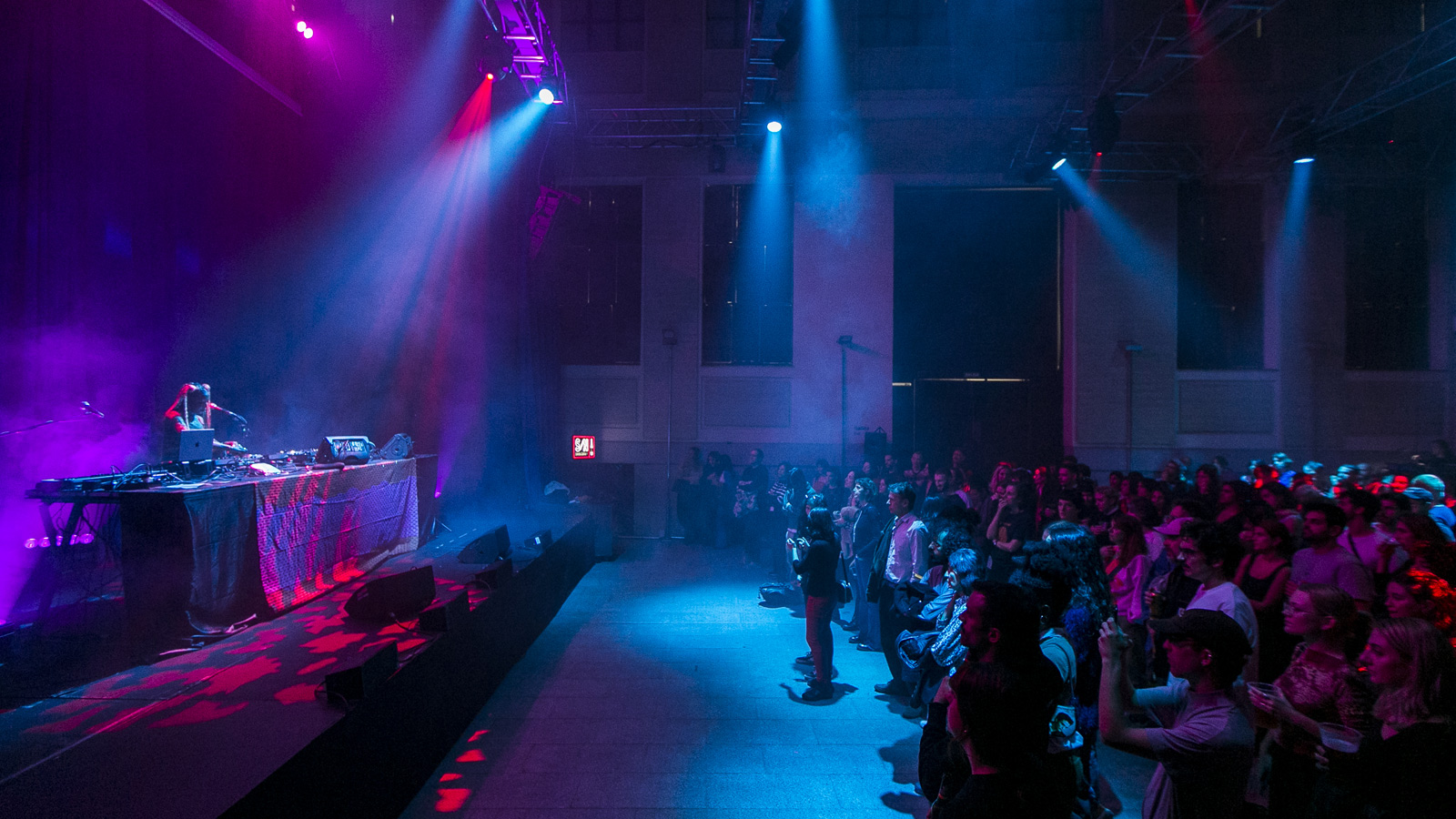
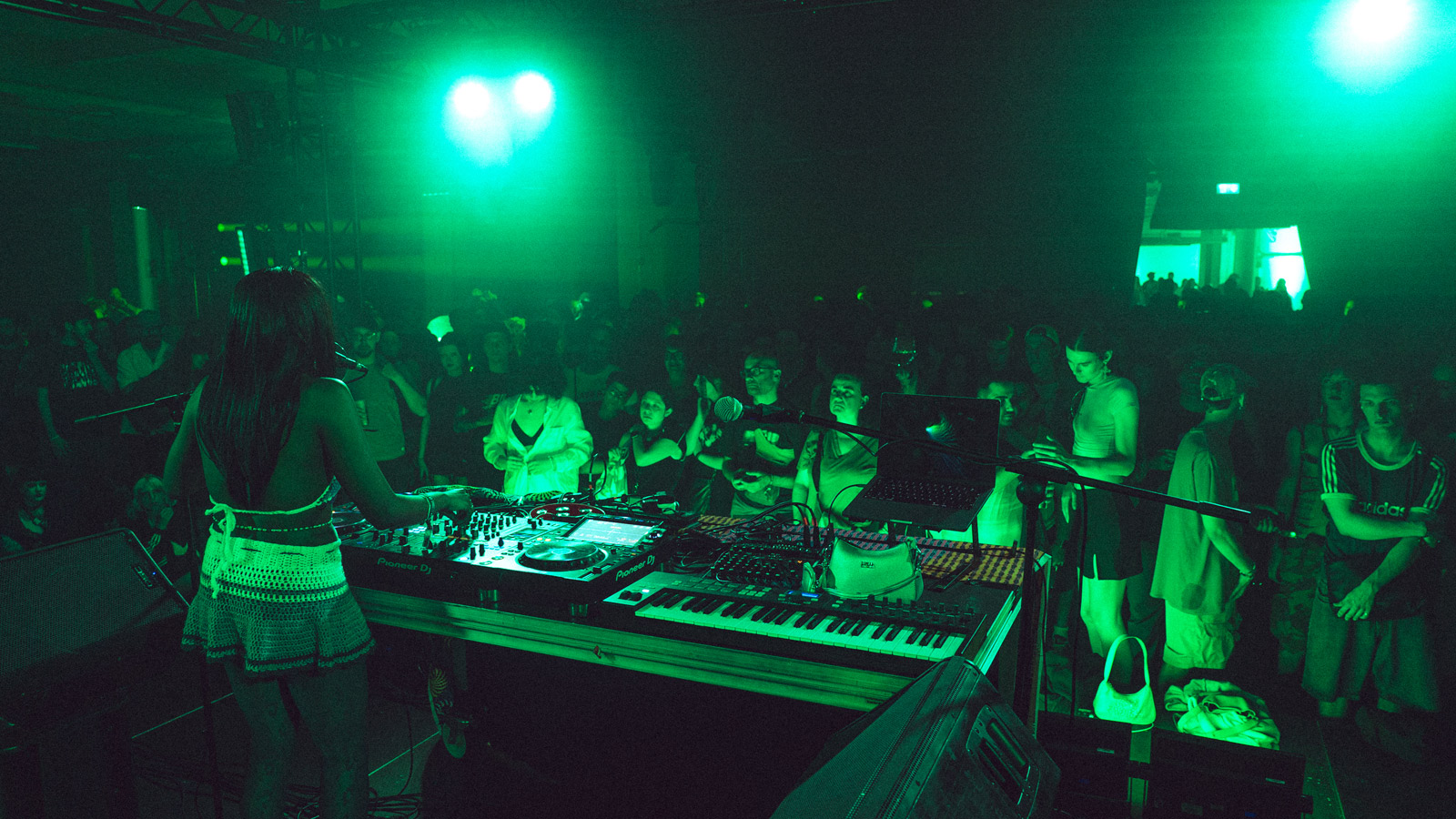
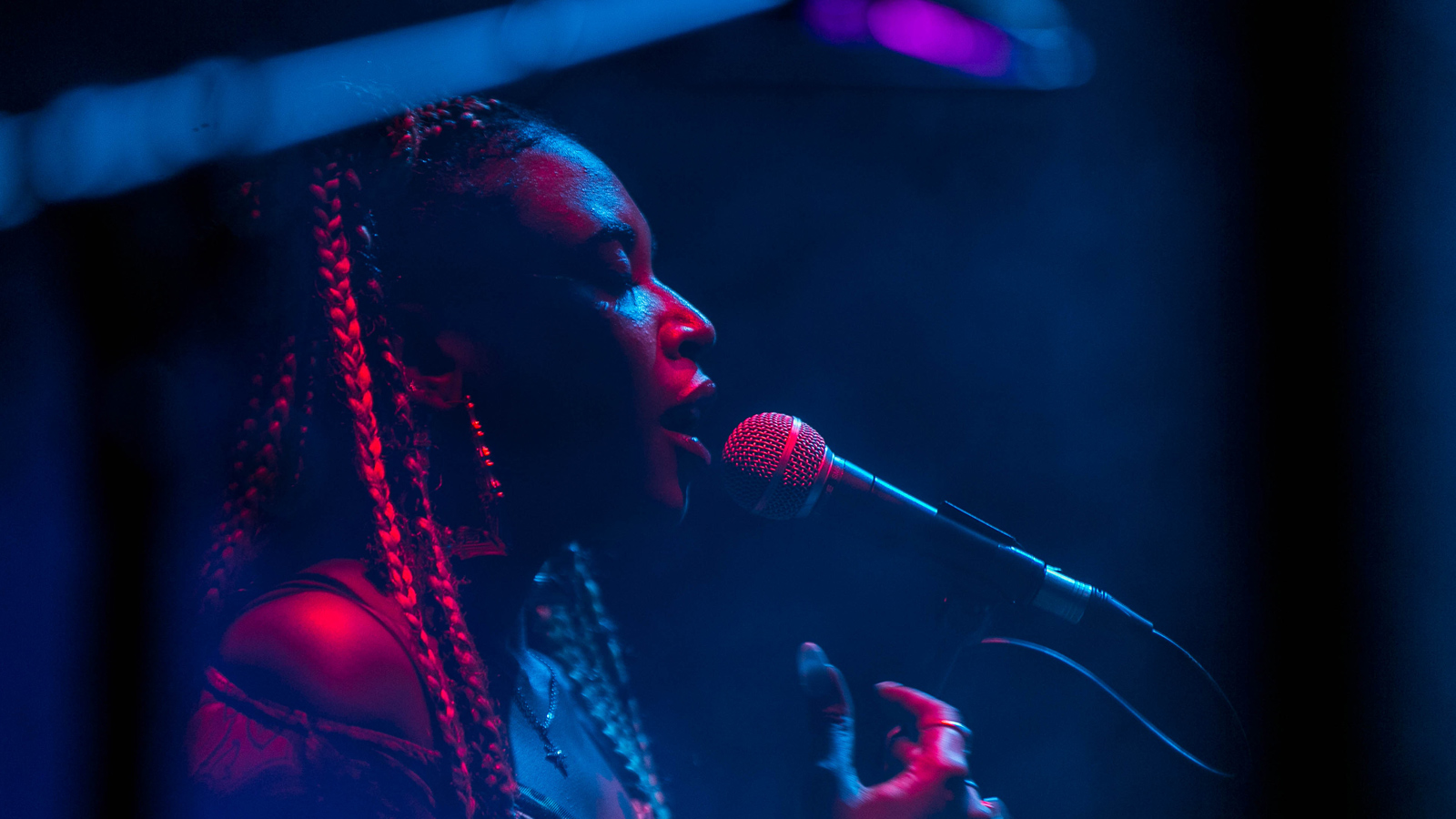
On stage, she crafts immersive atmospheres. ‘I really like the idea of creating an experience. People often use the word hypnosis.’ Her practice is structured as a triangle: performance, archive, and collaboration. ‘I’m always making music, whether I’m on stage, working with institutions and academies, or collaborating.’
One of her recent projects is ‘SYNCOPATIONS’, a sound installation about Black women in twentieth-century Lisbon, created with Cristina Roldão and Zia Soares, which is currently on display at CAM. XEXA composed the soundtrack based on rhythms such as batuque, funaná, and morna. Part of the work was inspired by the book ‘Tribuna Negra’: ‘Listen to the sound, figure out how it’s made, try to recreate it with another instrument.’
The experience was also deeply human, shaped by an encounter between different generations and perspectives. ‘We women are a true force of nature. Doubting us is a social construct.’ She faced scepticism for being young, female and Black. ‘You develop a colder persona to protect yourself.’ Seriousness became her shield against being undermined: ‘Not showing up too often, but showing up when it matters. And when she does, she’s serious and focused.’
In the face of venue closures and dwindling cultural funding, she advocates for building alternative structures: ‘It’s up to us to create. Truly create.’ She also warns of the impact social media has on our perception of reality: ‘You’re looking at a feed designed to keep you happy and hooked.’
Her critical reflections on the state of culture, shrinking attention spans, and the role of social media as a distorted lens do not end the interview on a note of despair, but rather fuel the next phase of XEXA’s artistic journey. With the album ‘Many Blessings’ nearing completion and a contribution to Príncipe’s compilation ‘Não Estragou Nada’, the artist is preparing for a series of releases that promise to further solidify the aesthetic and political coherence that has defined her work. ‘Now it’s just about sharing,’ she says with the calm assurance of someone who knows that the creative act finds its fulfilment in connection with others.
BANTUMEN at Gulbenkian
Explore the series







No results were found for your criteria.
You may also like


No results were found for your criteria.