
‘Tide of stories’ challenges children to reinterpret art with Tristany and Ondjaki
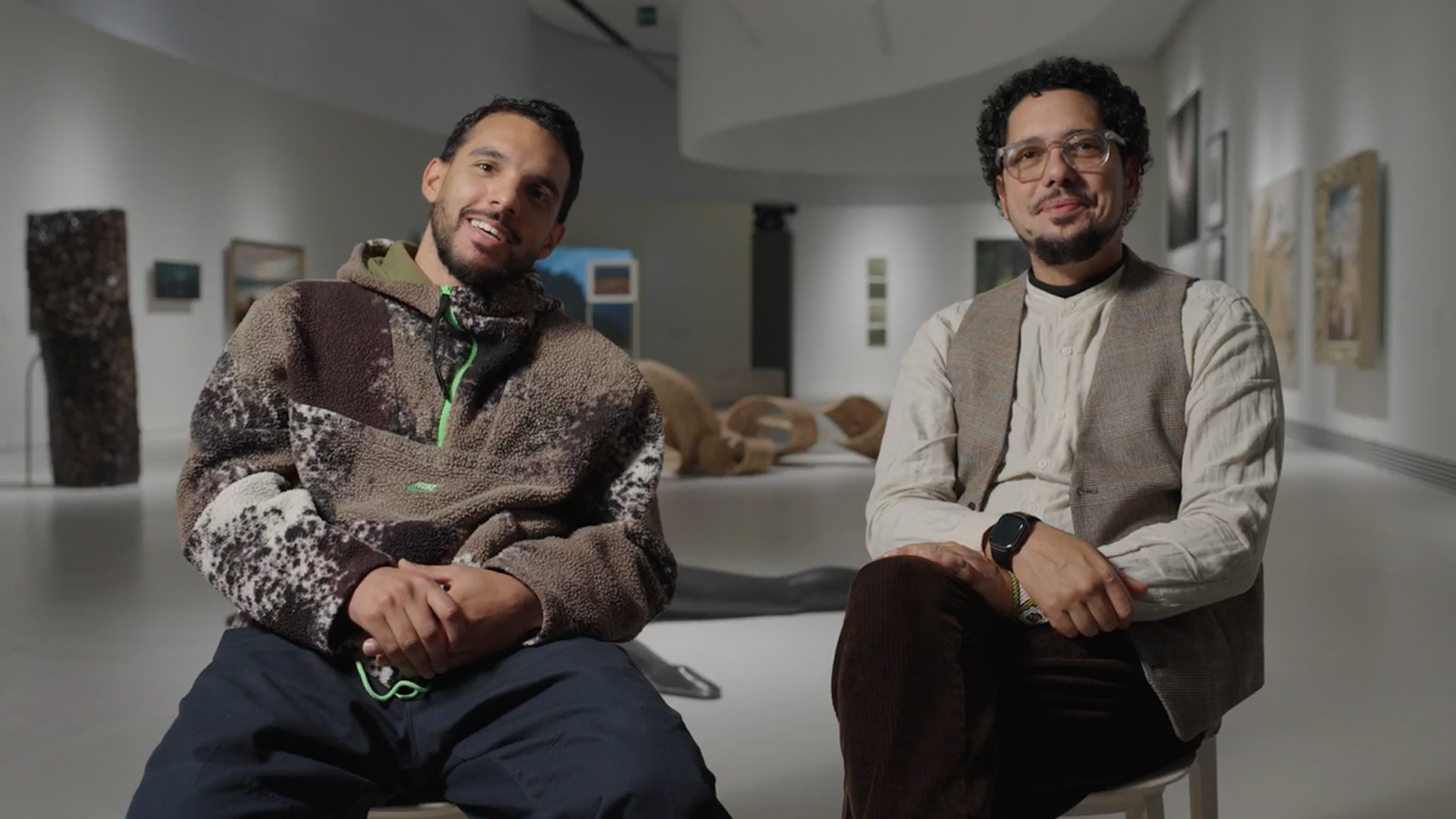
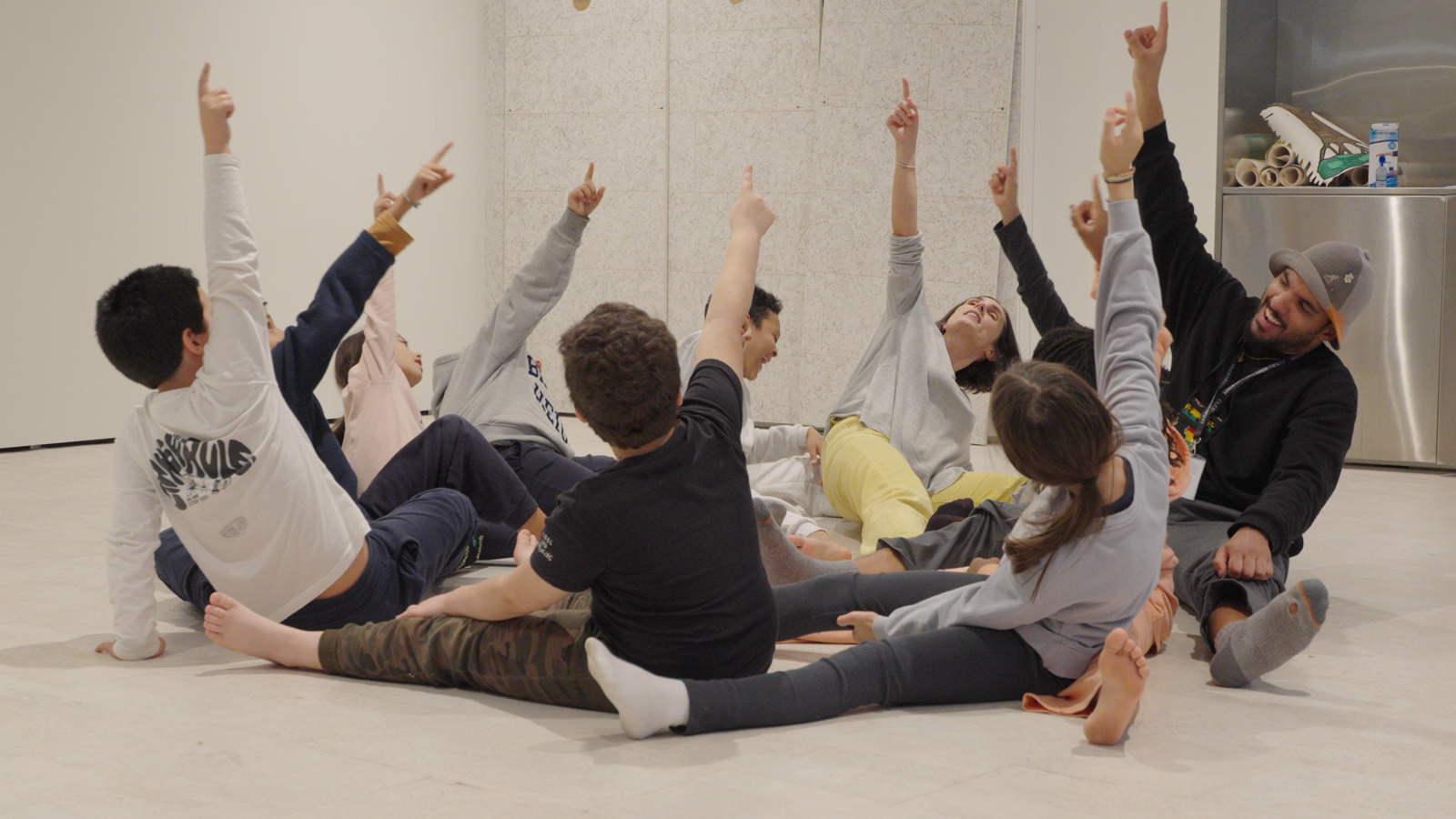
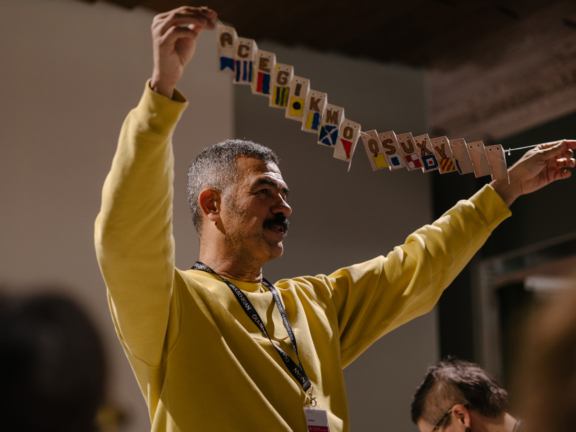
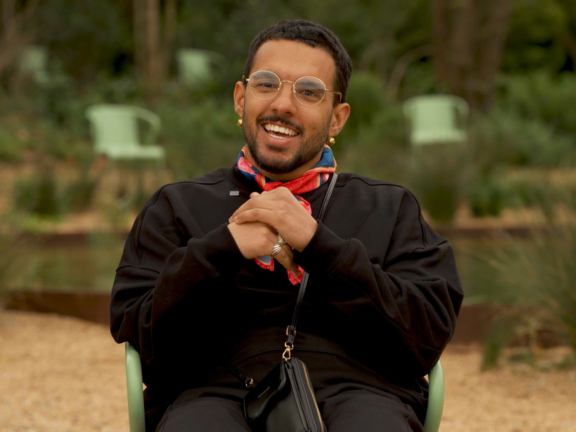
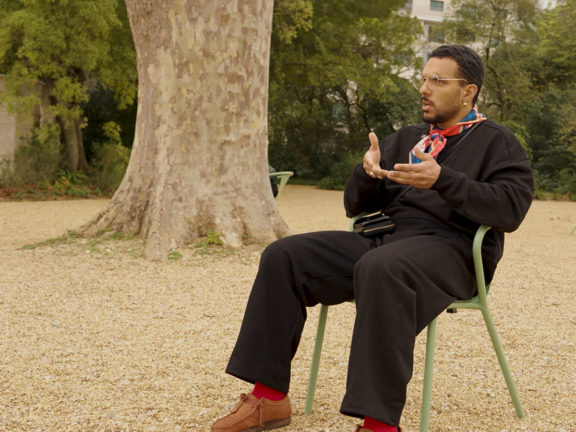
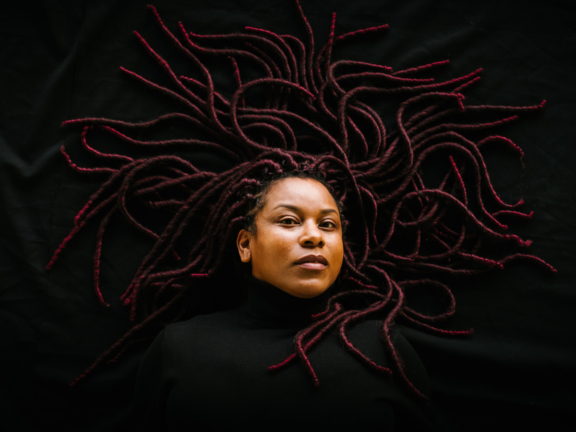
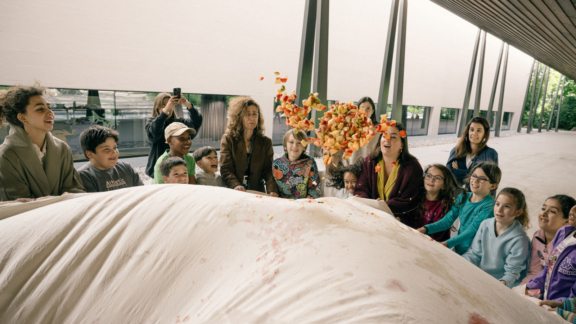
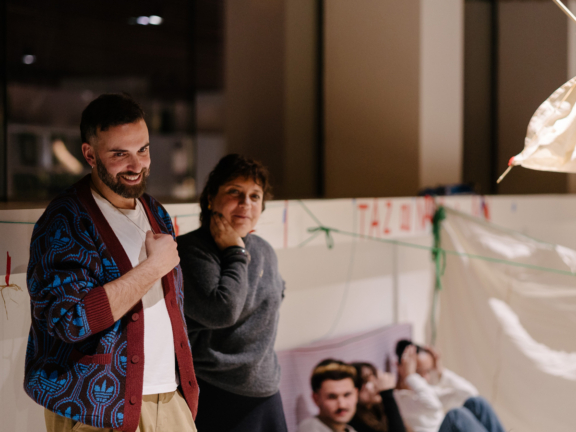
Ondjaki and Tristany Mundu joined forces to lead the ‘Tide of stories’ project, a CAM initiative that explores the crossover between literature, music and painting with a group of children. The brief was clear: to reinterpret artworks through the children’s perception and create a poetic audio guide for CAM, giving voice to the spontaneous narratives of youth.
‘It was CAM that set the challenge,’ explains Ondjaki. ‘The invitation was this: use your art, your vision, your way of being, to work with a group of children to reinterpret works of art.’
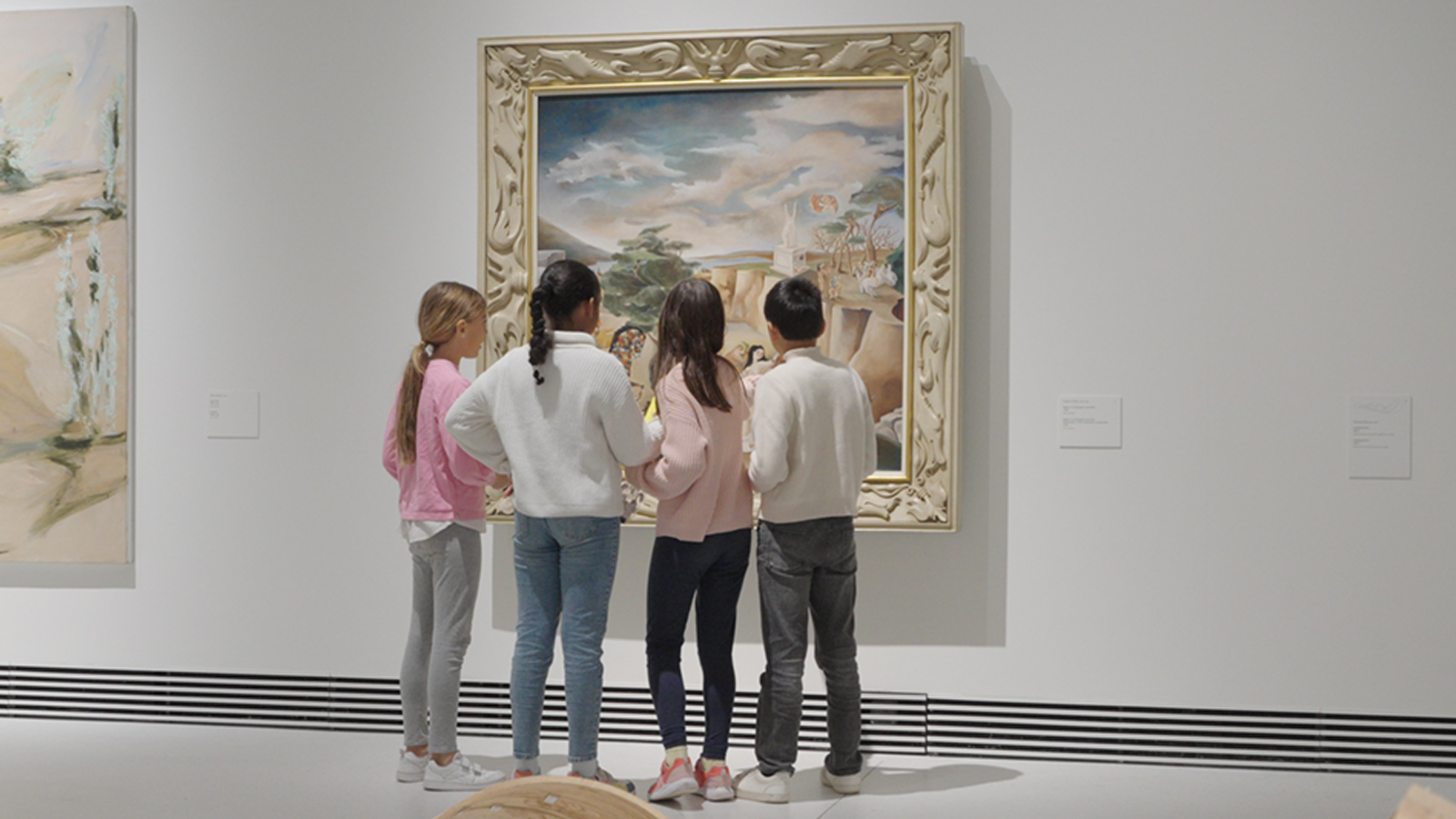
From the outset, the artists realised they were dealing with two different worlds: the children’s imaginative freedom and the formal structure of museological spaces. Ondjaki emphasises that, in many cases, the children’s interpretations were entirely different to what they had expected. ‘Some works invoke serious themes, like war and suffering, but the children come up with new, lighter readings. That was a privilege to watch,’ the author explains.
Tristany shares a similar experience. According to the musician, the children’s first reaction to the concept of art revealed an interesting pattern: ‘A lot of them had the idea that art is suffering. They spoke about sadness, melancholy… That’s kind of the perception they’ve been given,’ he says.
To counter this viewpoint, the artists made an effort to make the experience more playful and interactive, encouraging the participants to free themselves from the formality of the museum. ‘We wanted to be more like children and they wanted to be more like adults,’ Tristany comments. ‘We felt we had to do a kind of triage, until they felt more at ease. If this type of project continues, the children will leave here with an enormous power to deconstruct their own ideas of what an artwork is.’
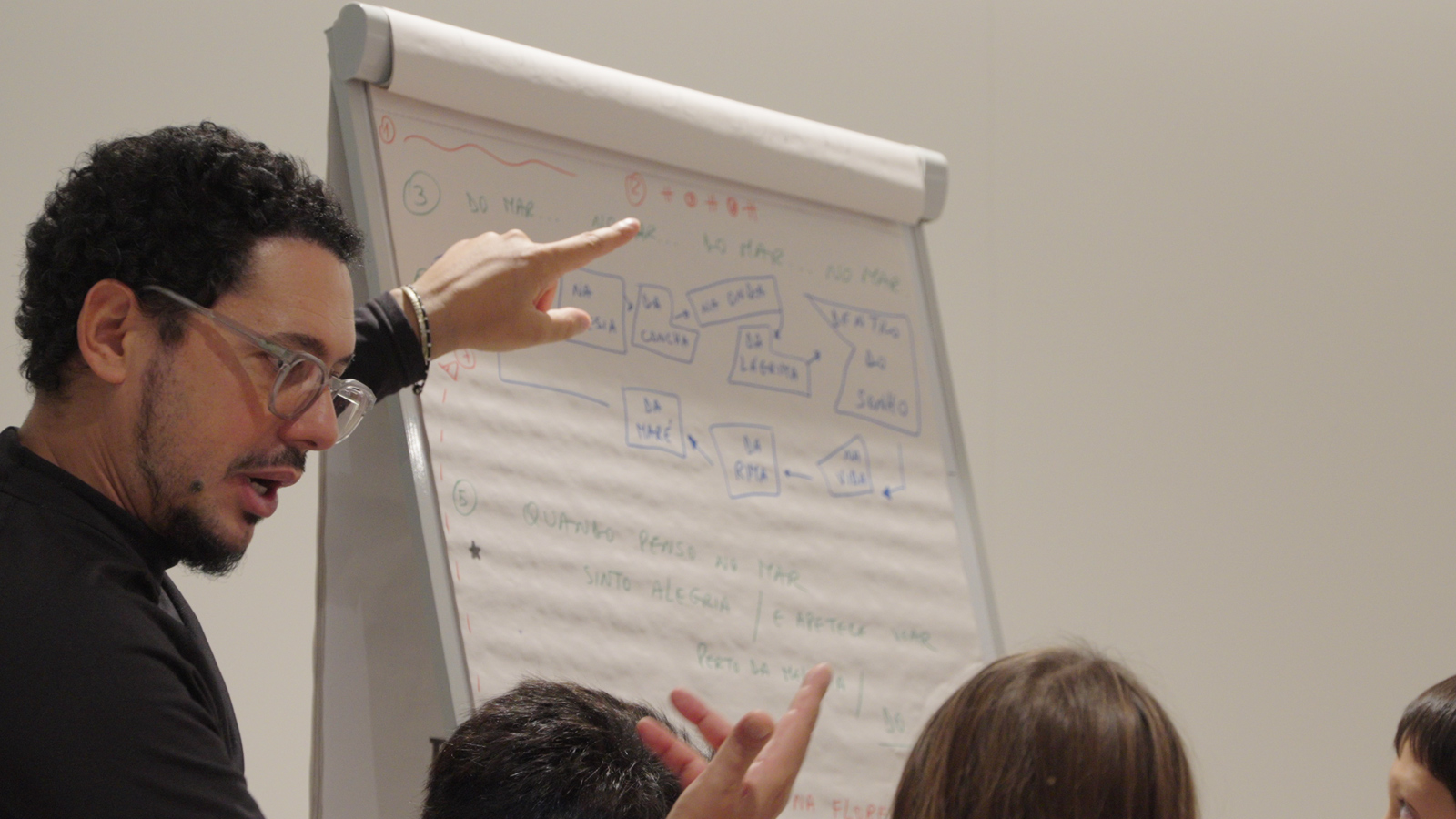
Ondjaki adds that one of the most interesting aspects of the project was observing the impact of art on the children. ‘That’s the function of the museum: to provoke. But all too often, the museum experience is silent. People keep their reactions to themselves and only comment later, at home. Here, we encouraged the children to talk, to externalise what they were feeling.’
The experience also prompted the artists to reflect on art teaching in schools and the current educational model. Ondjaki points out that the traditional system, with rigid timetables and obsolete methods, doesn’t correspond to the way children learn nowadays. ‘The teaching methods are out-of-date. The children don’t identify with the idea of sitting down for 45 minutes, listening to a teacher dictating information. Education needs to adapt and art can be integrated into other disciplines – mathematics, sciences, Portuguese. Why not?’
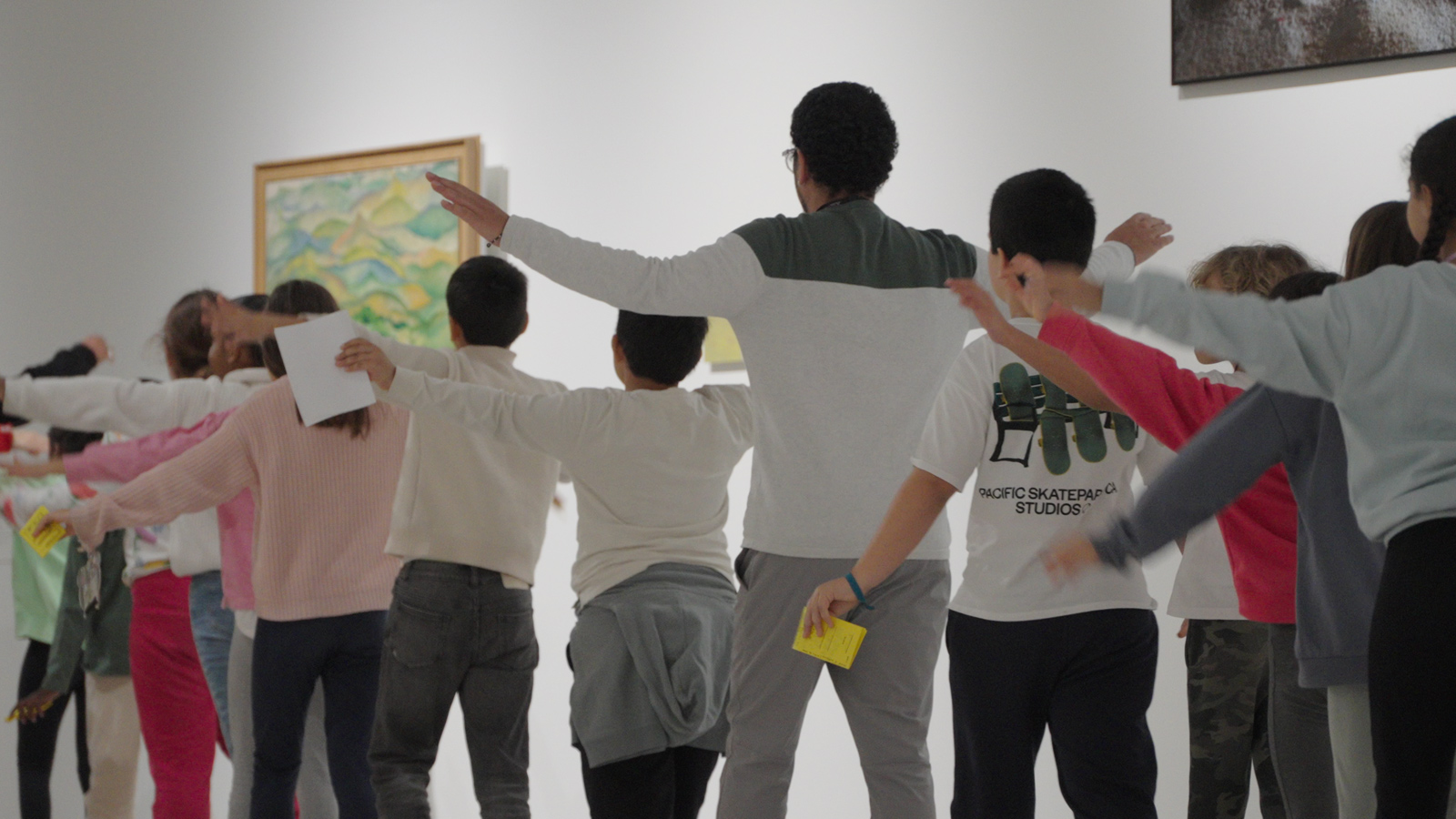
Tristany reinforces this idea with a historical reference. ‘There was a time when science and art weren’t separated. An artist like Leonardo da Vinci was also a scientist, because artistic thought stimulated the search for the unknown,’ he says. According to the musician, the separation between subjects has ended up diminishing creativity and innovation in teaching.
Another question raised during the project was the perception of art as something elitist. Ondjaki believes that this situation varies depending on the intention of those who organise exhibitions. ‘There are galleries that don’t want just anyone to visit the space. And others that think of art as something accessible to all.’ The writer stresses that it is not the artist’s job to create for a specific audience, but argues that exhibition spaces should ensure that the works reach a broader public.
Tristany adds that, although art itself is not controlled by elites, its marketing and acceptance often are. ‘Artistic creation is free, but access and the way the works are valued involve mechanisms that end up creating barriers,’ he states.
‘Art reflects society. Just as we don’t all have access to the same hospitals or schools, art is also subject to those differences. A state school in Lisbon is different to one on the south bank of the river or the Sintra rail corridor. And this is reflected in everything, including access to culture.’
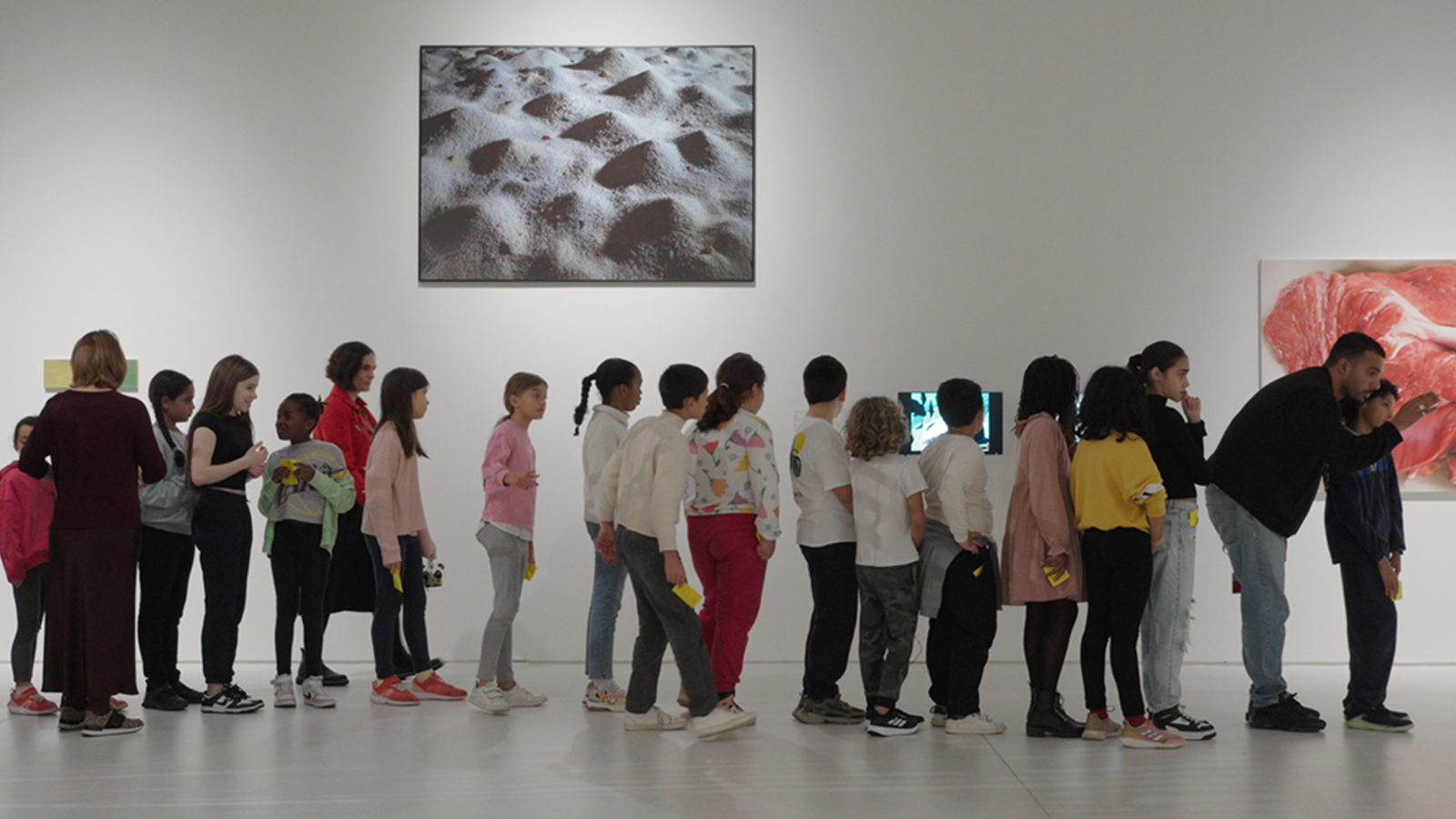
The outcome of ‘Tide of stories’ will be an alternative audio guide for CAM, which includes not just the children’s voices, but also the vision of the artists themselves. The project fulfils CAM’s aim of diversifying its approach and attracting new audiences. ‘The Gulbenkian didn’t ask us to just execute a ready-made idea. We had the freedom to decide and shape the process,’ emphasises Tristany.
Ondjaki agrees that this approach is essential to guarantee real impact. ‘They could have commissioned a traditional audio guide, but they chose an alternative, which includes the thoughts and voices of children. That makes all the difference,’ he concludes.
BANTUMEN at Gulbenkian
Explore the series




No results were found for your criteria.
You may also like

No results were found for your criteria.