
Around the Table: Food as Medium, Memory, and Art
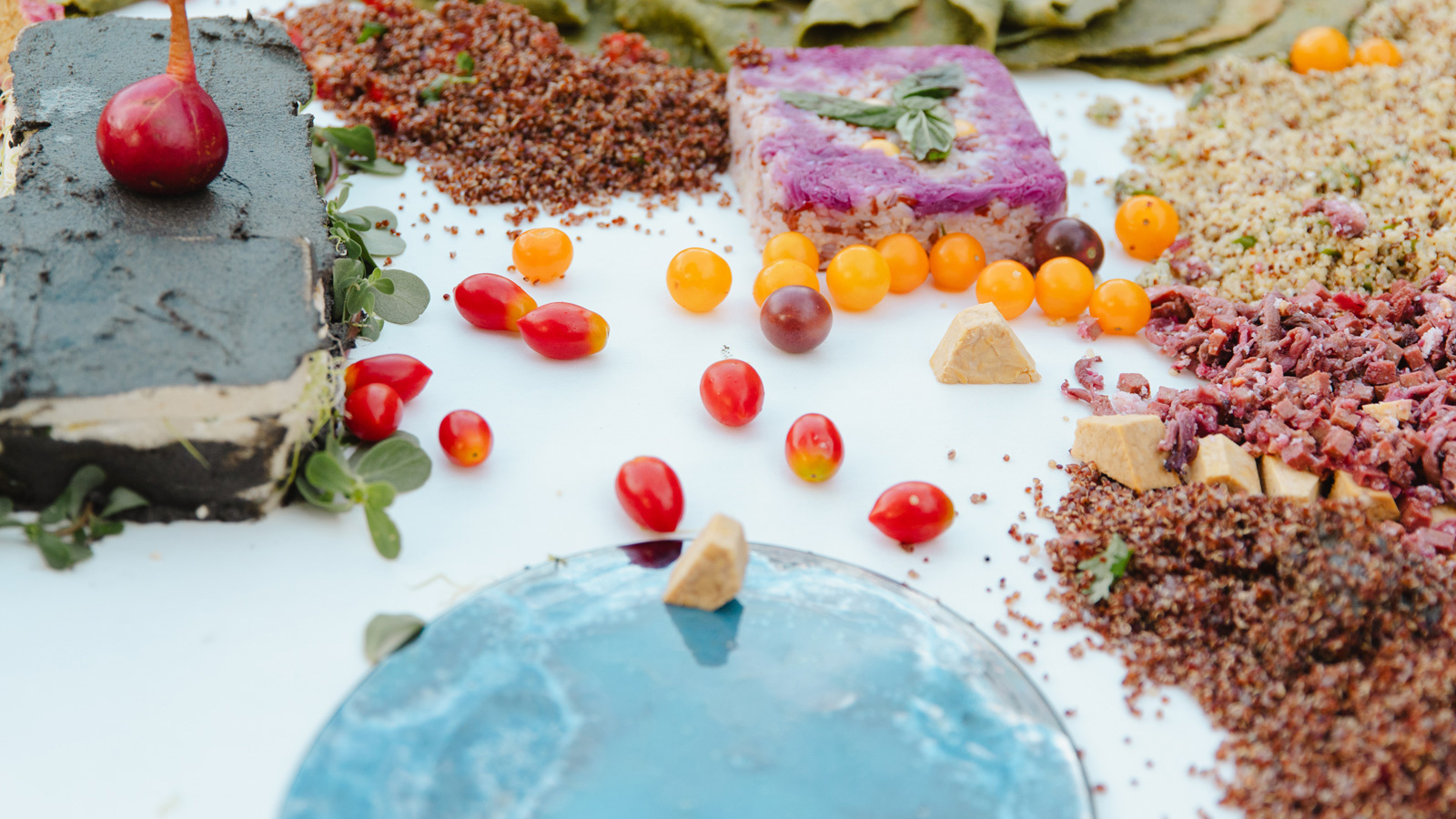
When we come together, it is often around a table. Social encounters tend to involve a culinary element at their centre – a coffee, a meal, a drink – offering both pretext and frame. More than sustenance, food is the medium through which we connect, remember, and sense the world. It structures relations and memories, becoming a language of care, belonging, and continuity. In this sense, food becomes both the stage and the script of our shared lives – an artistic as well as a political expression.
Like the table, the museum is also a space where relations are created and reflected upon. It studies and shapes how we relate to one another, to our environment, and to history. Traditionally, museum cafés have remained peripheral, separate from the artistic core. Yet food, as material and metaphor, opens ways to rethink how a museum might nurture collective experience. To eat together in the museum is to acknowledge that cultural experience is not only visual or intellectual but also sensory and embodied – passing through the body and renewing it.
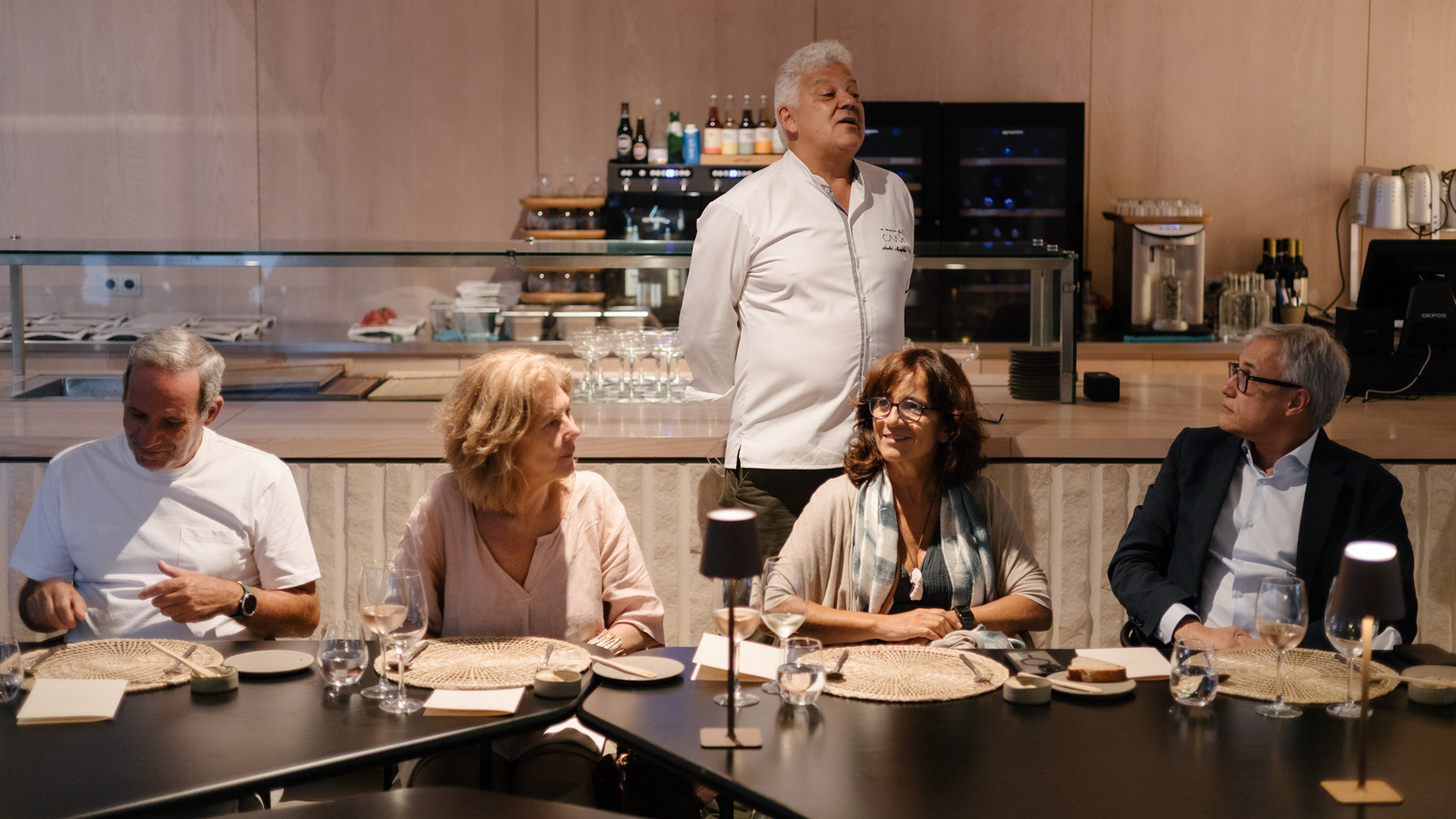
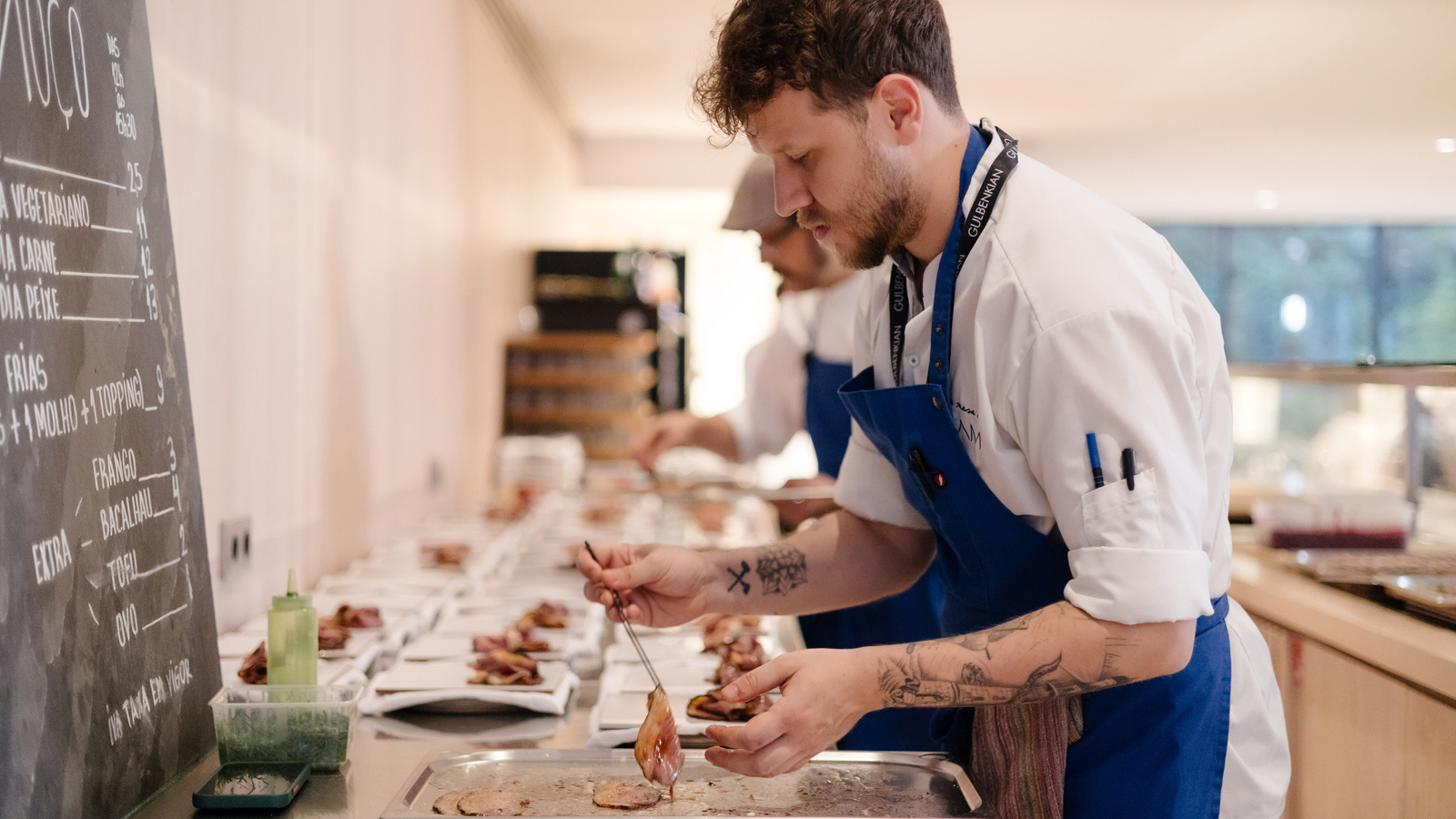
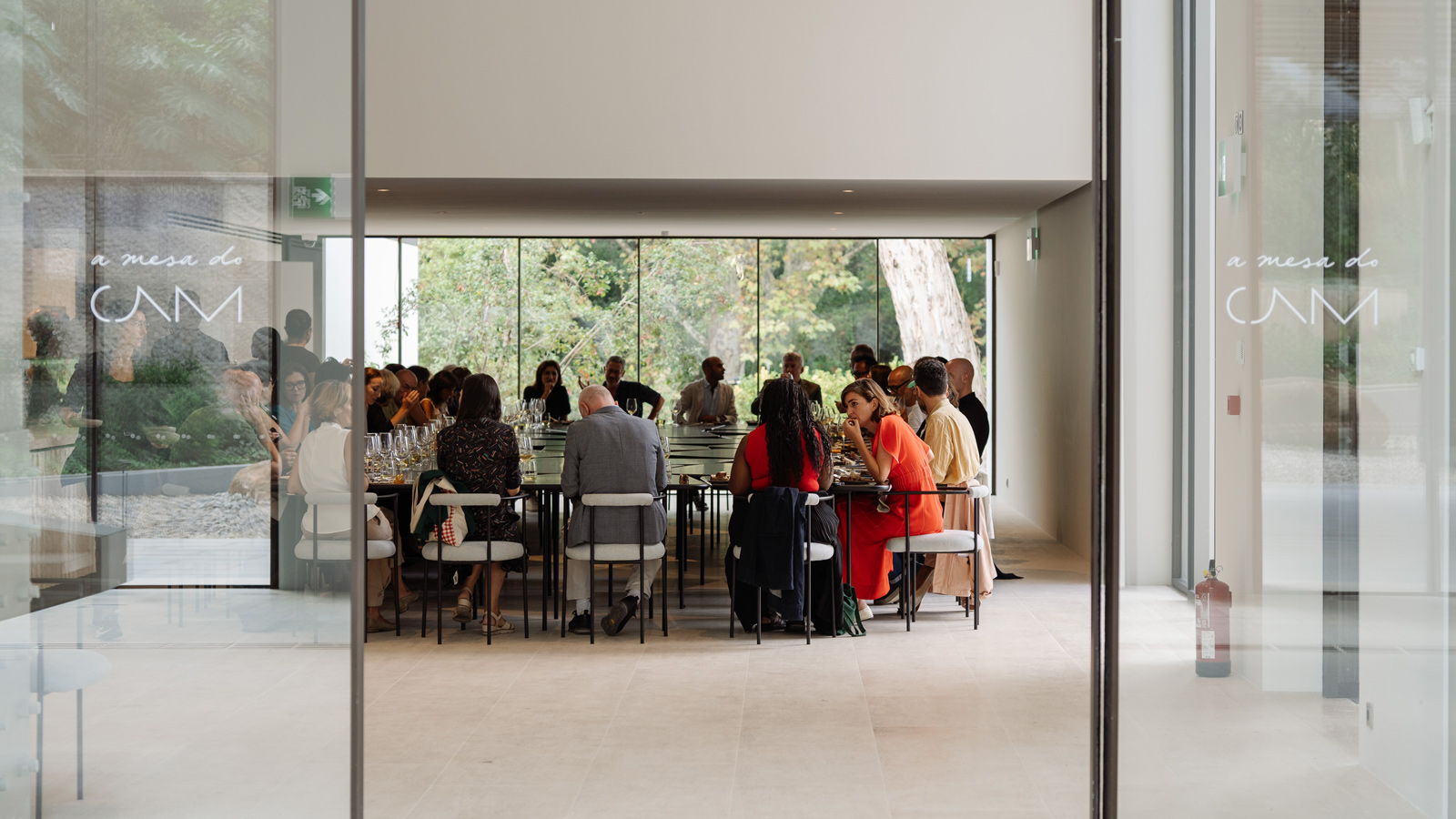
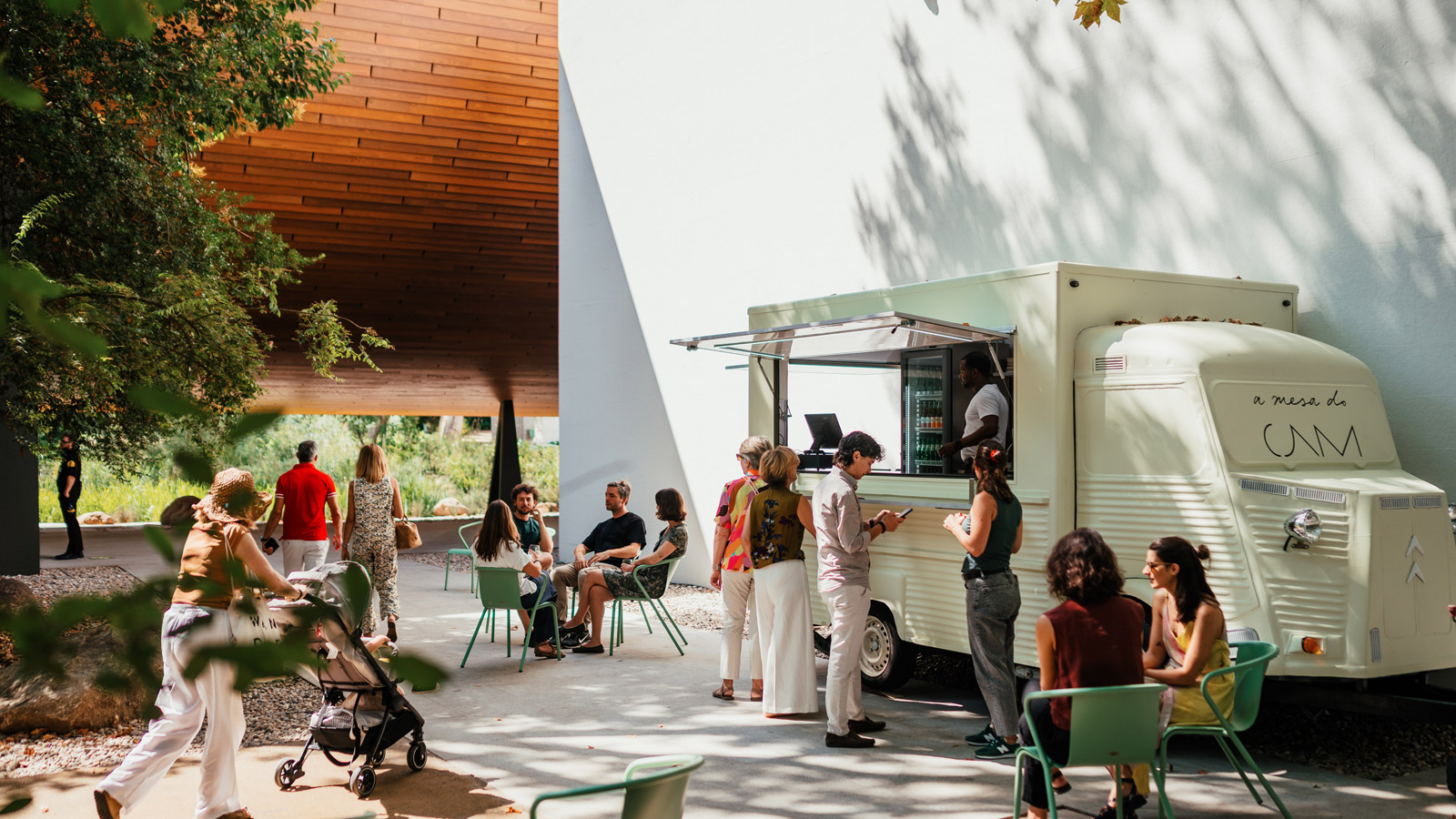
As artist and agroecologist Luigi Coppola notes, ‘curating means changing the condition of the body and creating a different materiality of living.’[1] By engaging with food on a conceptual level, CAM recognises food as an artistic medium with poetic and political meanings. Through its restaurant CAM’s Table, designed to invite conviviality, its programmes and collaborations, CAM treats food as a lens through which to think about the symbolic, ecological, and affective dimensions of lived experience.
In the words of Ana Botella, CAM’s associate director: ‘In our commitment to interdisciplinary and relational practices, food is an important area of interest for CAM. Through the lens of art and food, we are able to explore contemporary societal issues such as cultural and personal identity, social cohesion, and the creation of sustainable futures. When people come together around the table we unlock a generous way of discussing, reflecting, and dreaming – it is this space of productive conviviality that we cherish.’
It is at this intersection of conviviality, creation, and care that the CAM situates its interest in food as an artistic and social practice – as exemplified by the following projects.
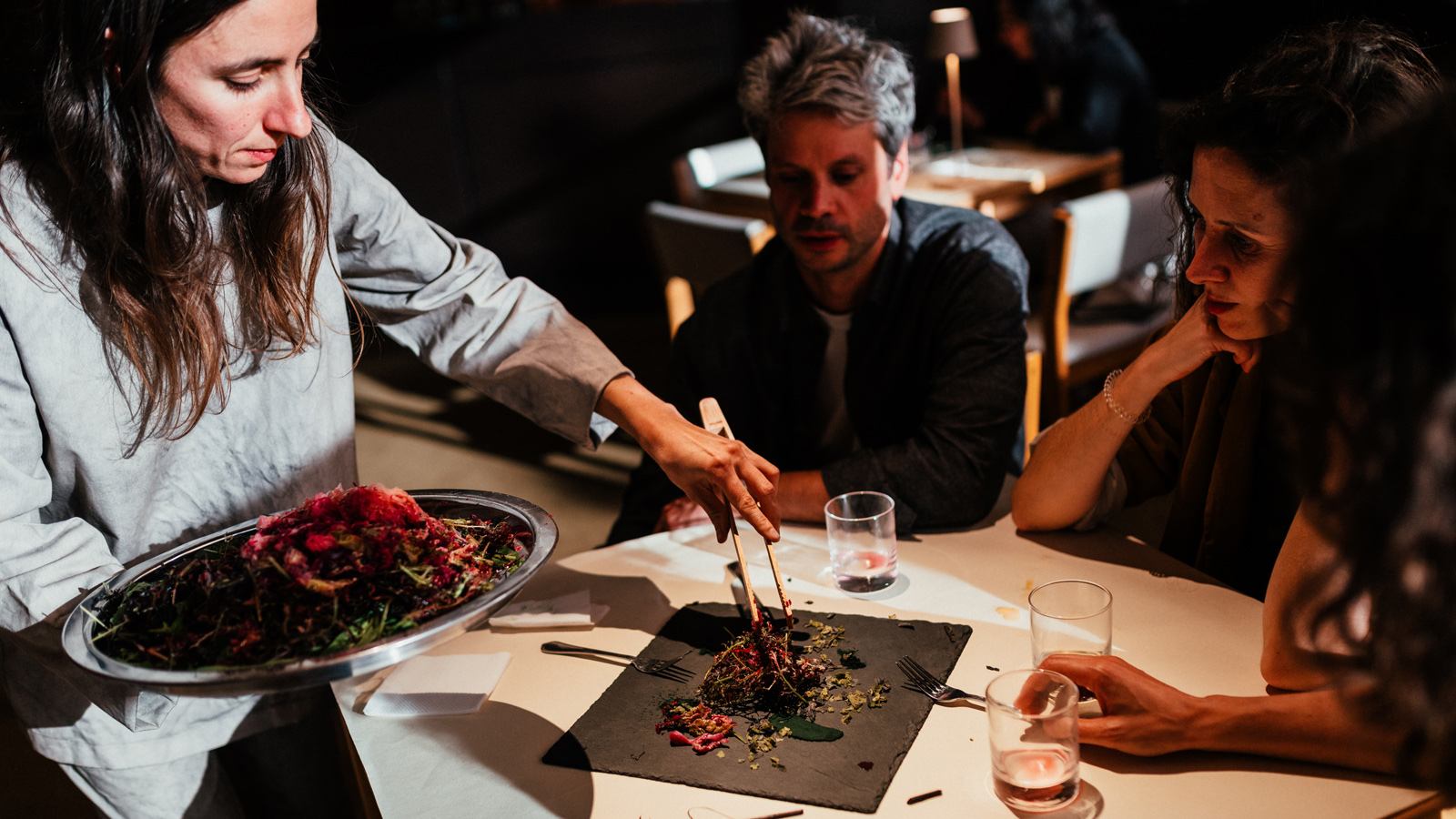
In her research-based practice, Rain Wu, together with Inês Neto dos Santos and Mariana Salvador, tracing the succession of coastal species, create edible archives that map the ecological stories embedded in what we eat. Through their menu, they invite us to taste the landscape’s temporal layers, turning nourishment into a way of sensing place.
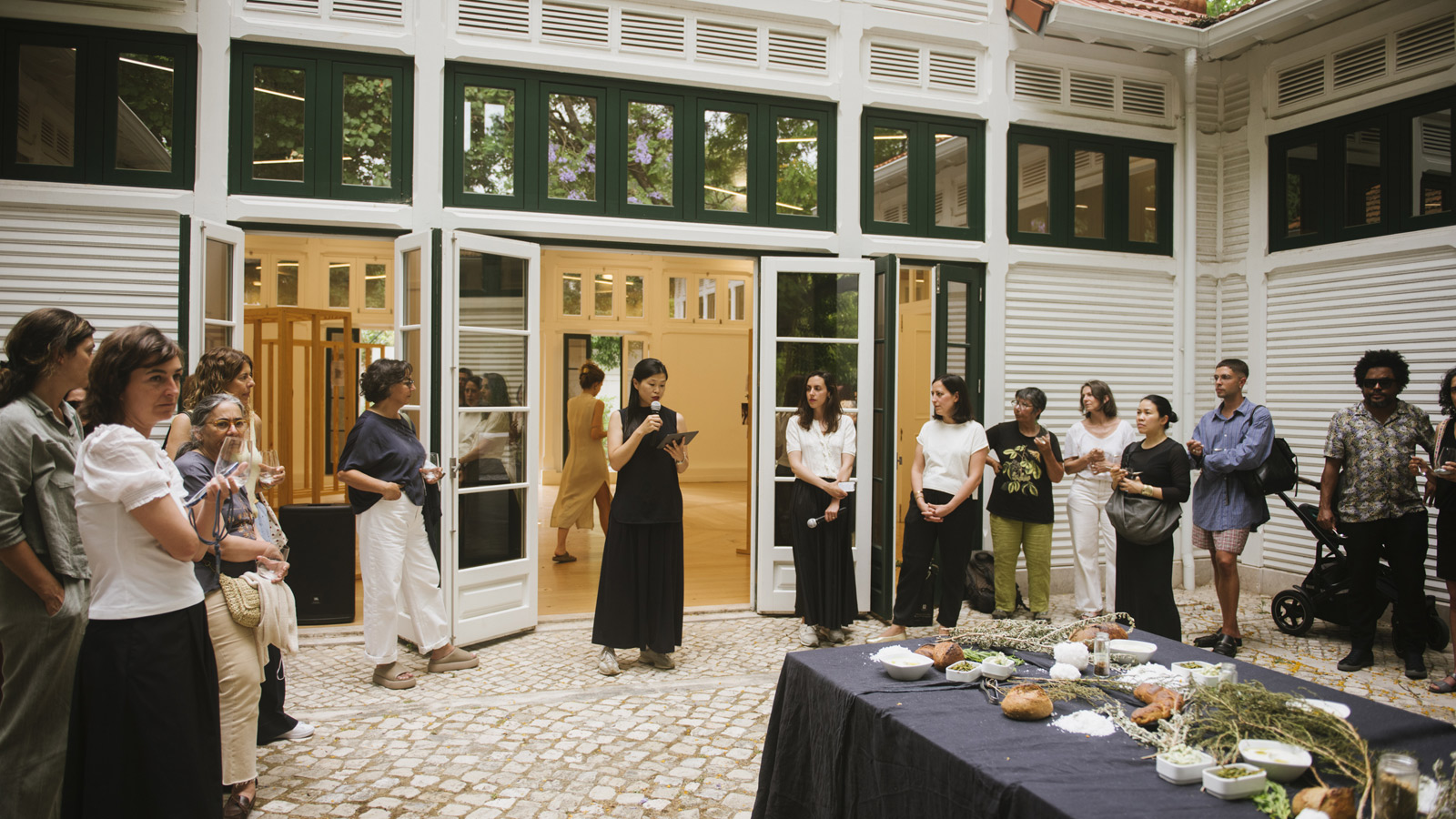
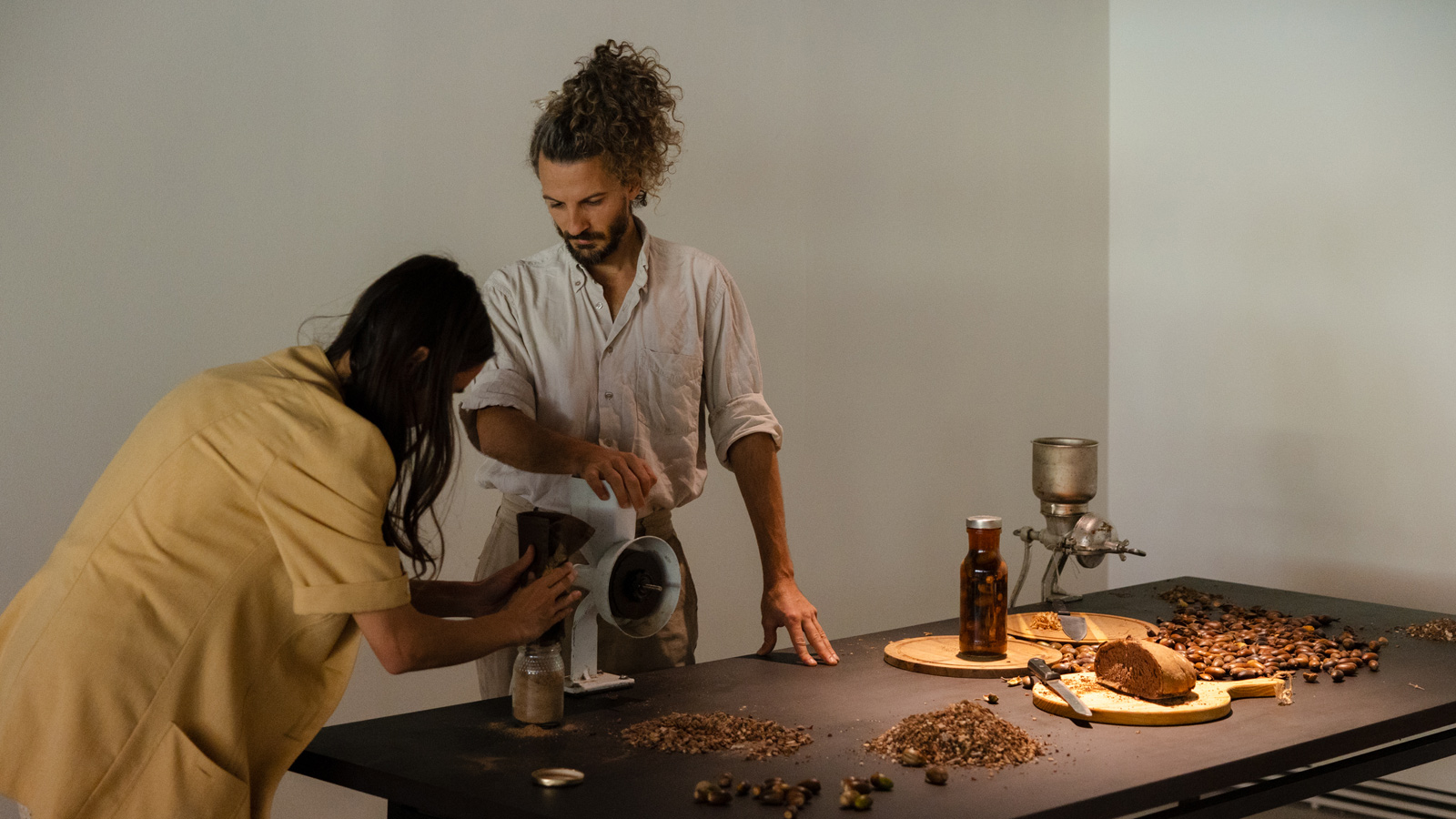
The Portuguese duo Landra, who have recently held a reading session and workshop at CAM as part of the Institution(ing)s programme, invite us to consider food as a way of entering into relation with the more-than-human environment. Their practice explores how nature’s systems of coexistence can offer models for human and institutional organisation. Food, here, is the medium through which to grasp these ideas. The artists explain that ‘using their senses, people feel and understand the narratives we are building.’
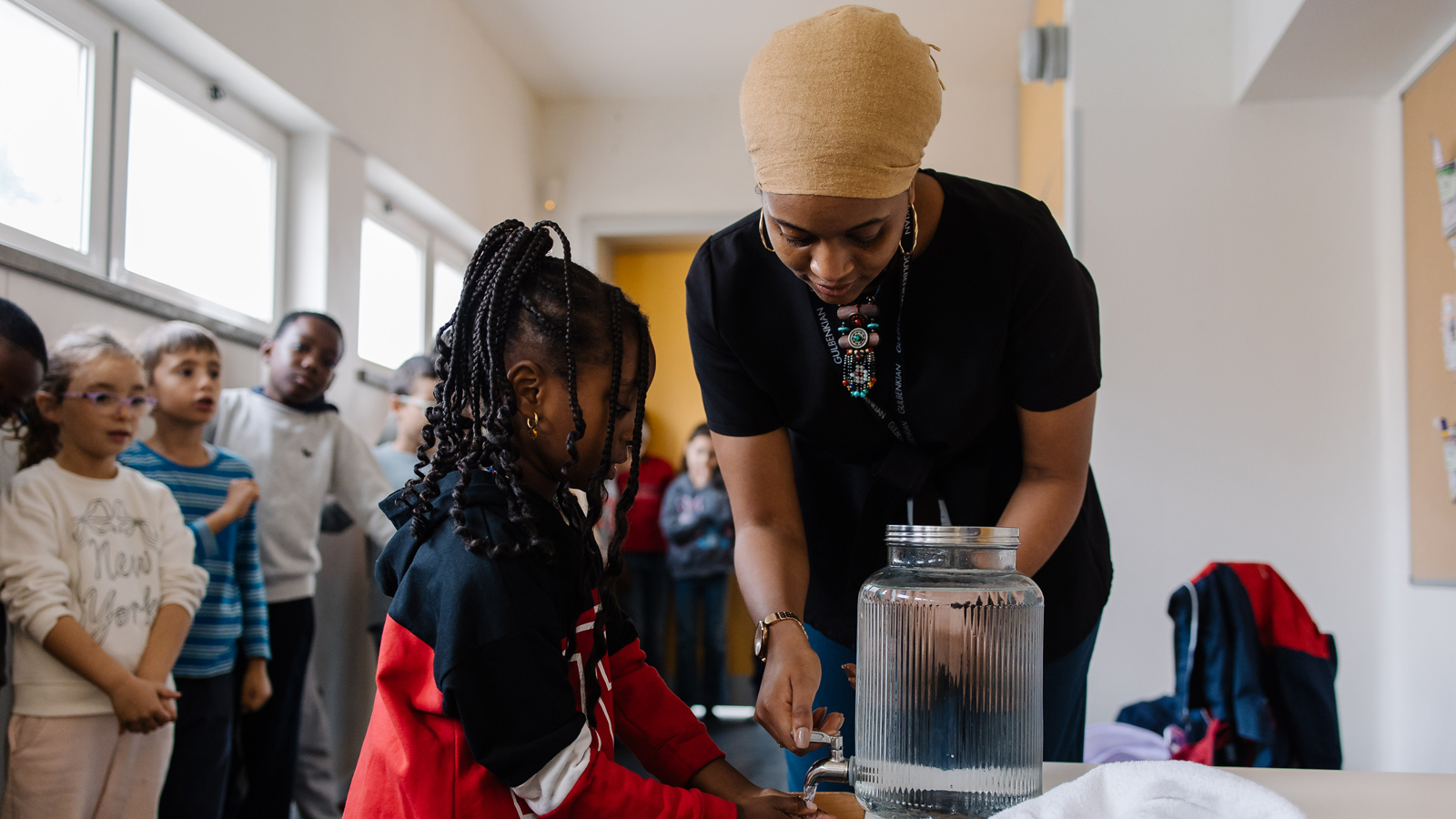
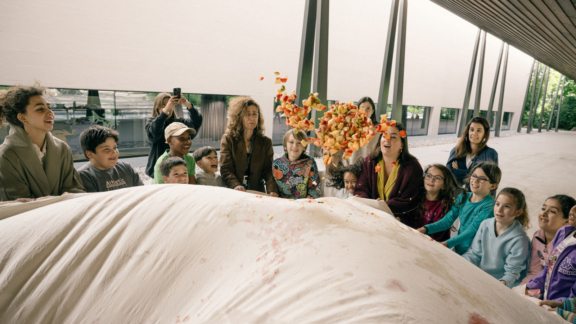
For the educational project Lugar à Mesa [Place at the Table], the artists Alice Artur and Joana Trindade Bento from Joy Food Experiences and the artist Francisca Paiva work with around 200 primary students, exploring the table and food as sites of ritual, nourishment, and social connection, transforming the meal into a space for sensory experimentation, learning, and civic engagement.
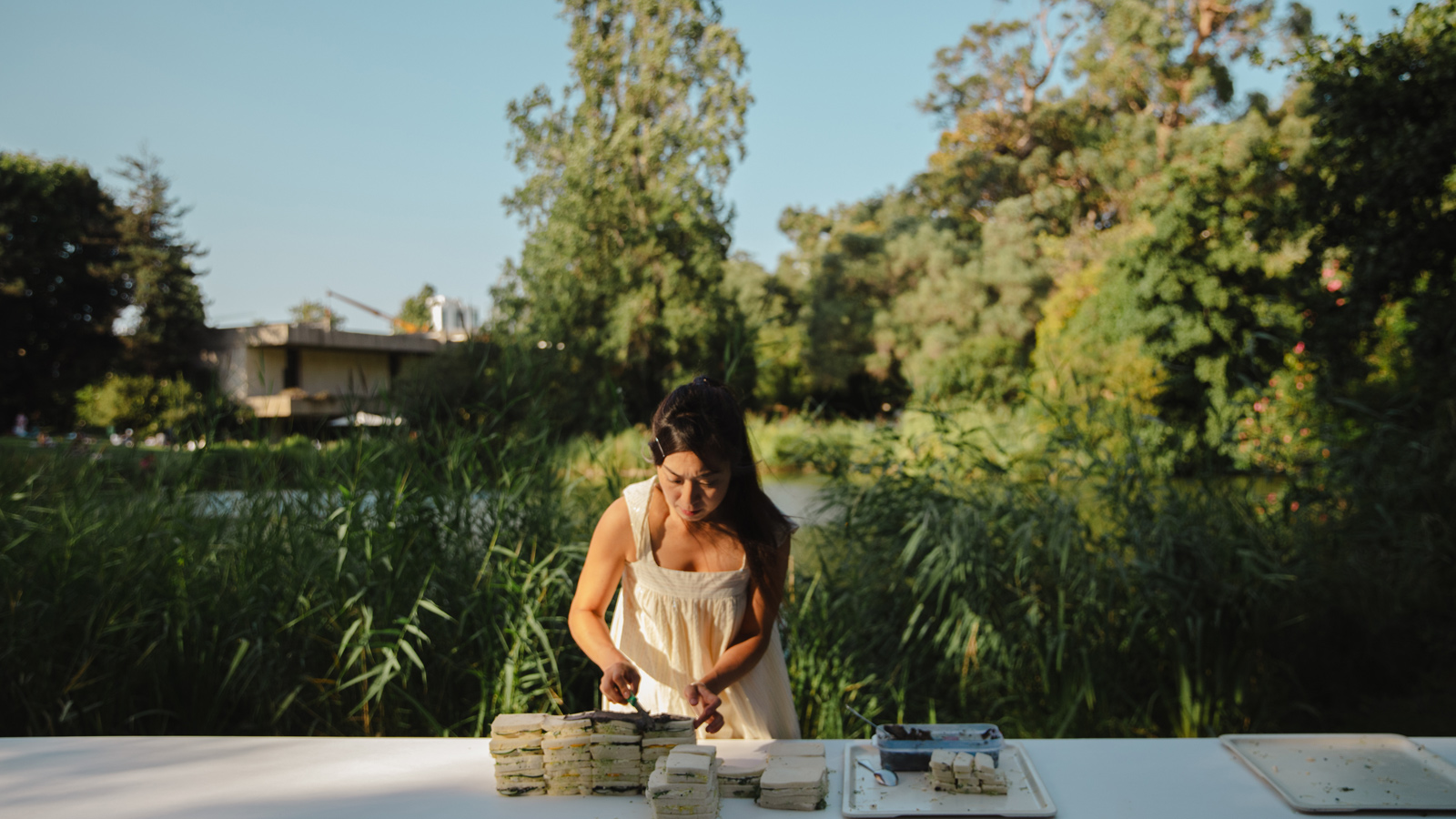
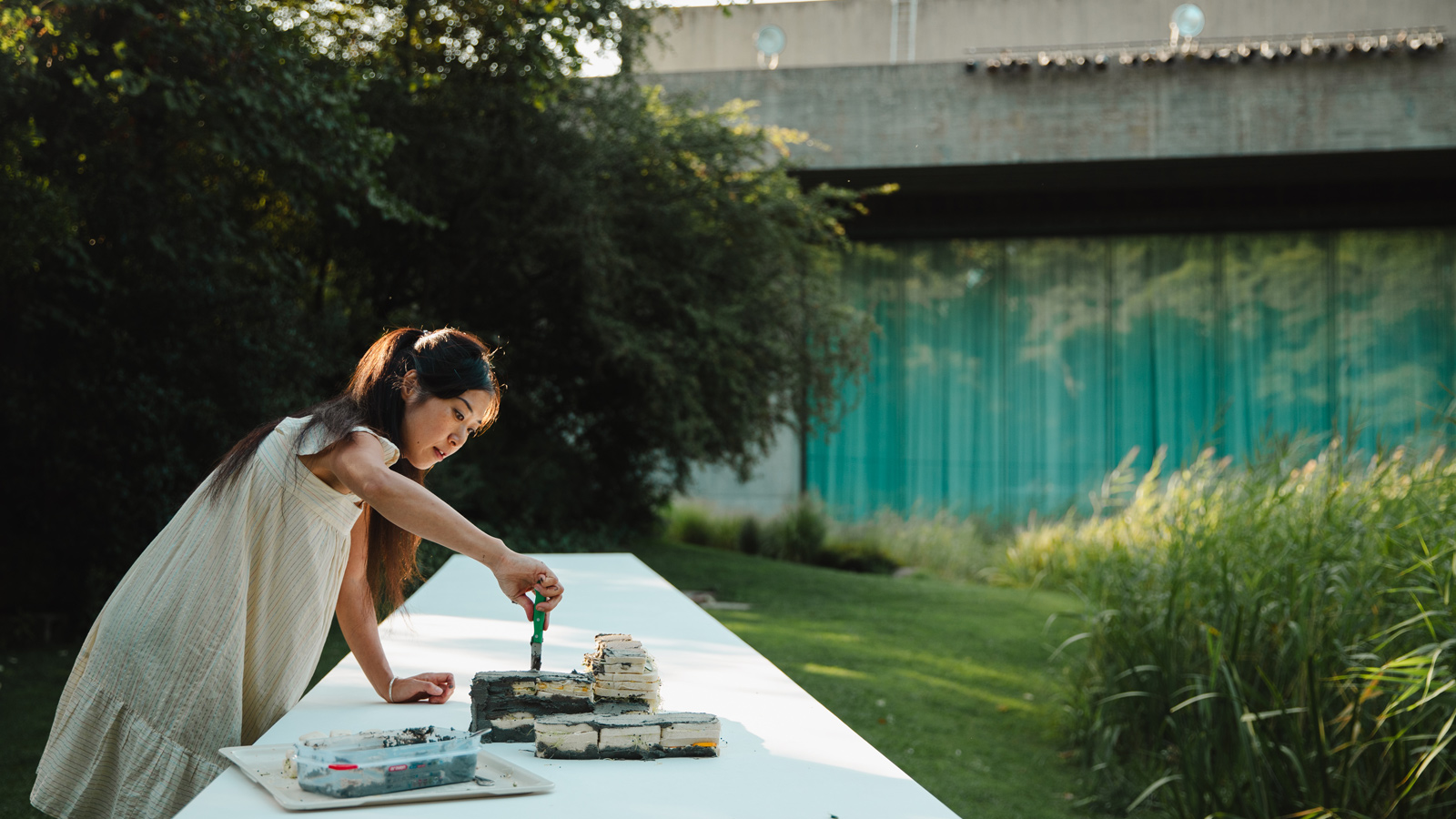
In 2023, Japanese artist Lei Saito presented her Existential Cuisine in the Gulbenkian Garden with a performative and edible landscape that mirrored the topography of the site, of Lisbon, and its culinary culture. Her work explored the ‘in-between’ of the engawa – a transitional space in Japanese architecture – in relational terms. Saito invited the public to a shared meal, emphasising eating as a participatory act that formed a temporary community.
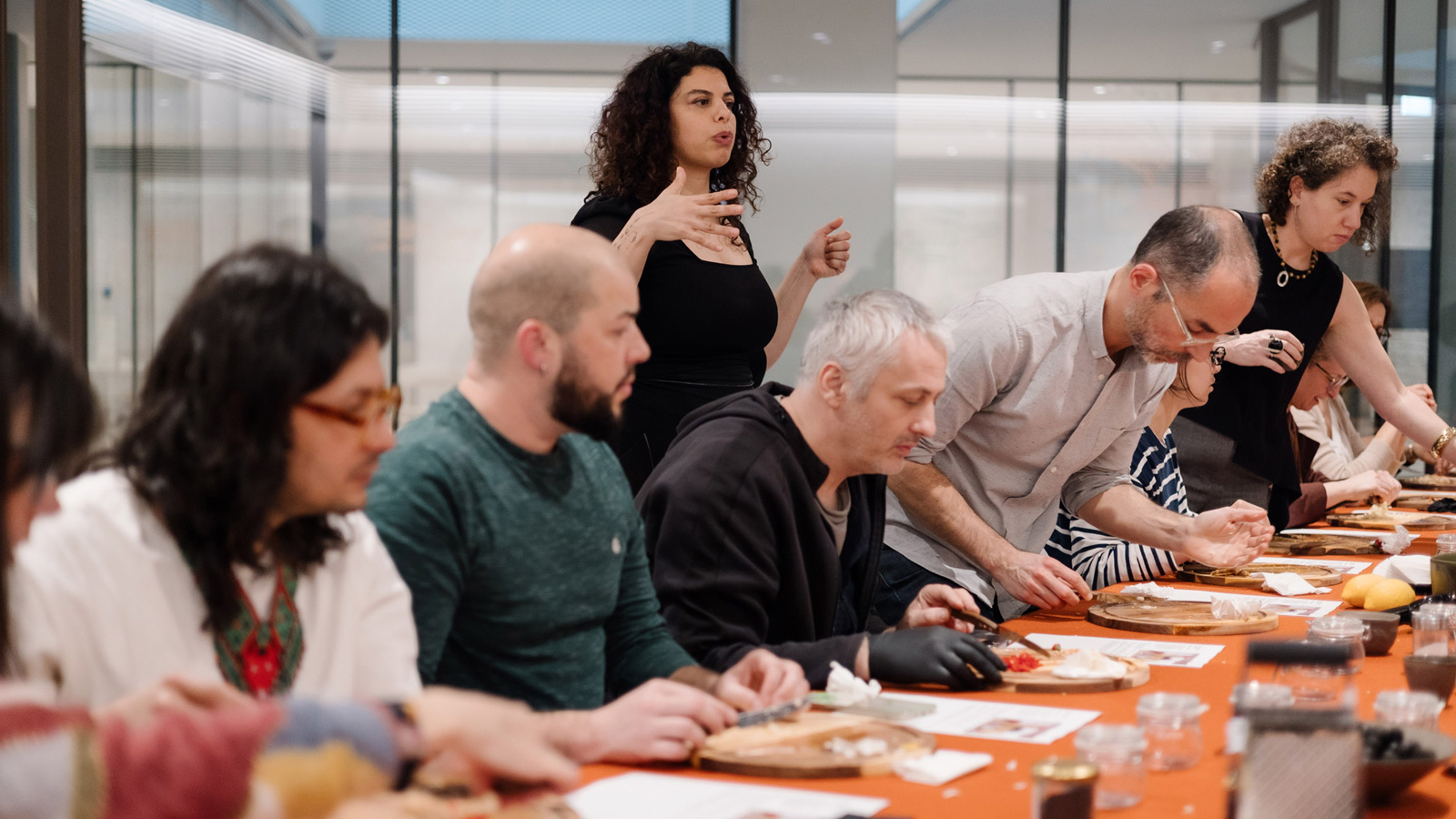
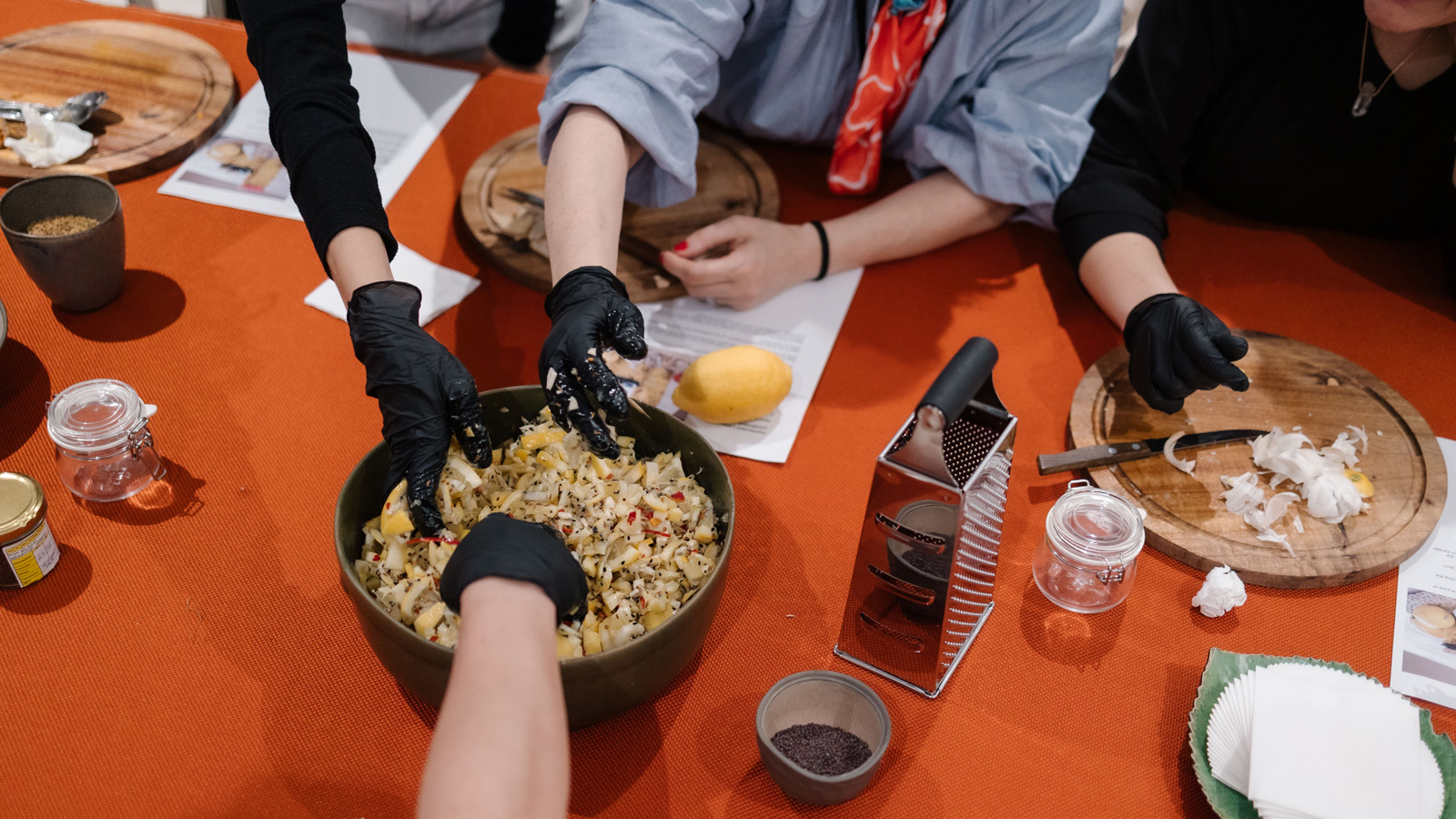
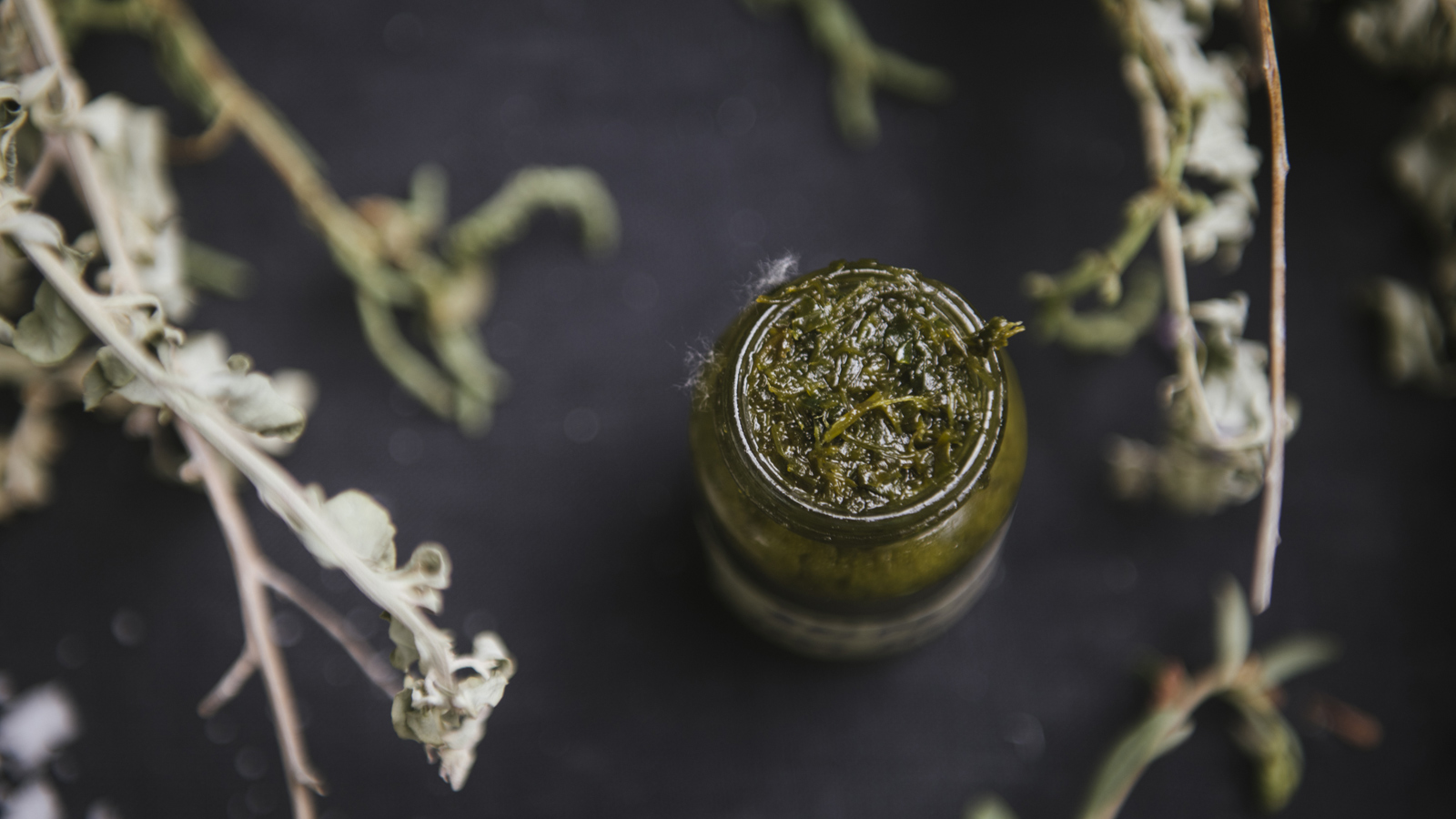
For Palestinian artist Mirna Bamieh, food is ‘the breath of history, not its footnotes’: it holds the politics of memory – an embodied counterpoint to dominant histories. Through cooking and sharing, Bamieh activates sensory archives, reclaiming the past while transmuting it. Fermentation – with its slow temporality and forward gaze toward future meals – becomes a practice of hope, a way of asserting agency over time and imagination.
Food art is not only about the ephemerality of tasting together but also about what follows: when nourishment is incorporated into the body, becoming part of ourselves and transforming us. Around the table, art becomes an invitation to savour, to remember, and to reimagine how we live together.
[1] Coppola, Luigi. Interview by Jule Kurbjeweit. 29 Sept. 2025.
You may also like
No results were found for your criteria.