
Inês Nunes: “Having time is the most important thing for making films”
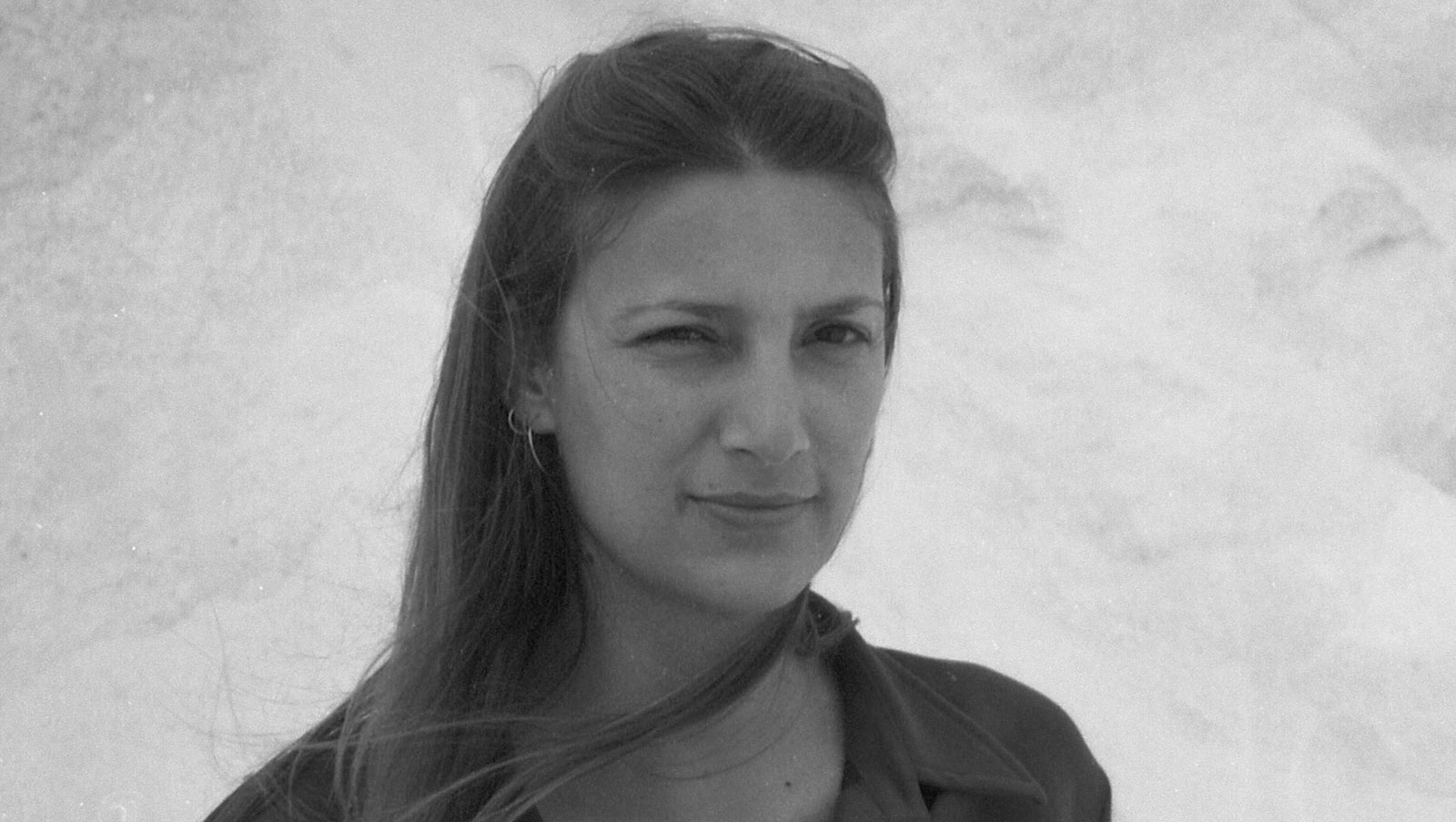
Let’s start with what’s hot: how was the experience of having a film selected at a festival like Cannes?
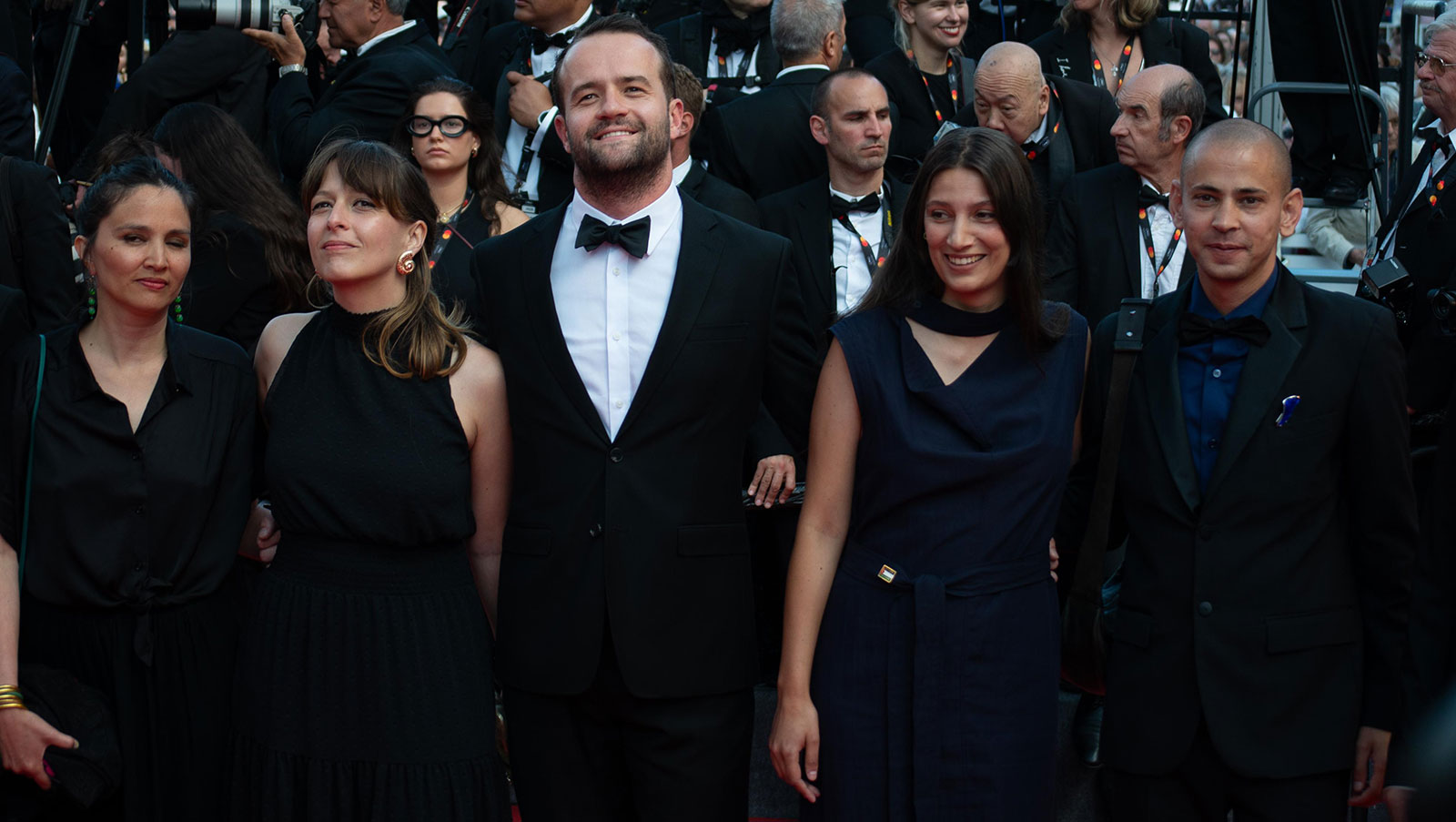
It was very positive. It was my first international premiere, so it wasn’t just being at the Cannes Film Festival, but also being able to show a film outside my country for the first time, and getting feedback from people we don’t usually meet, from different places and contexts.
Tell us about this film, The Solitude of Lizards. How did it come about?
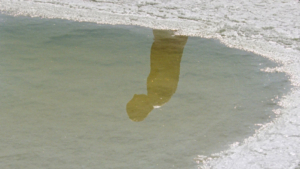
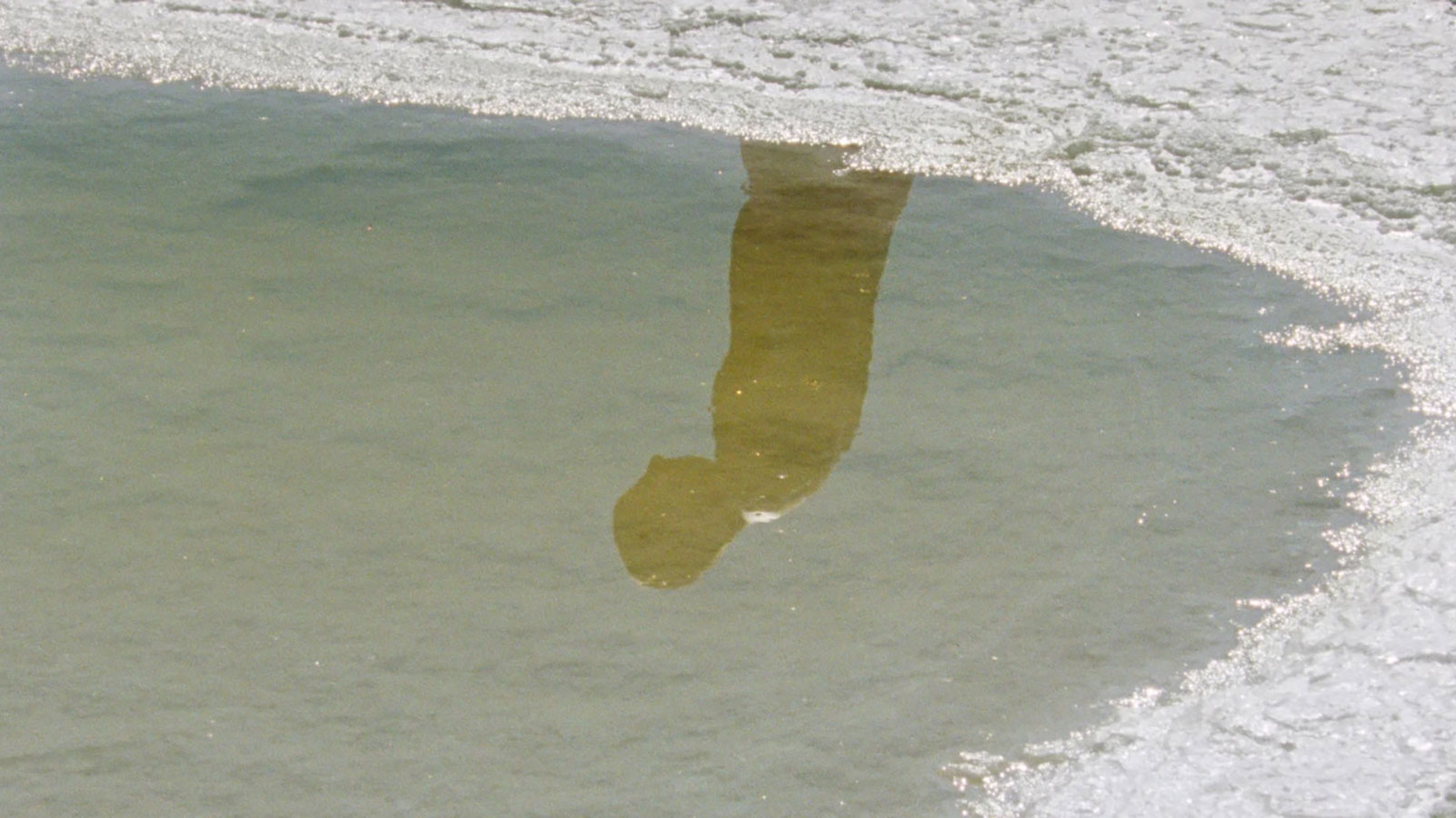
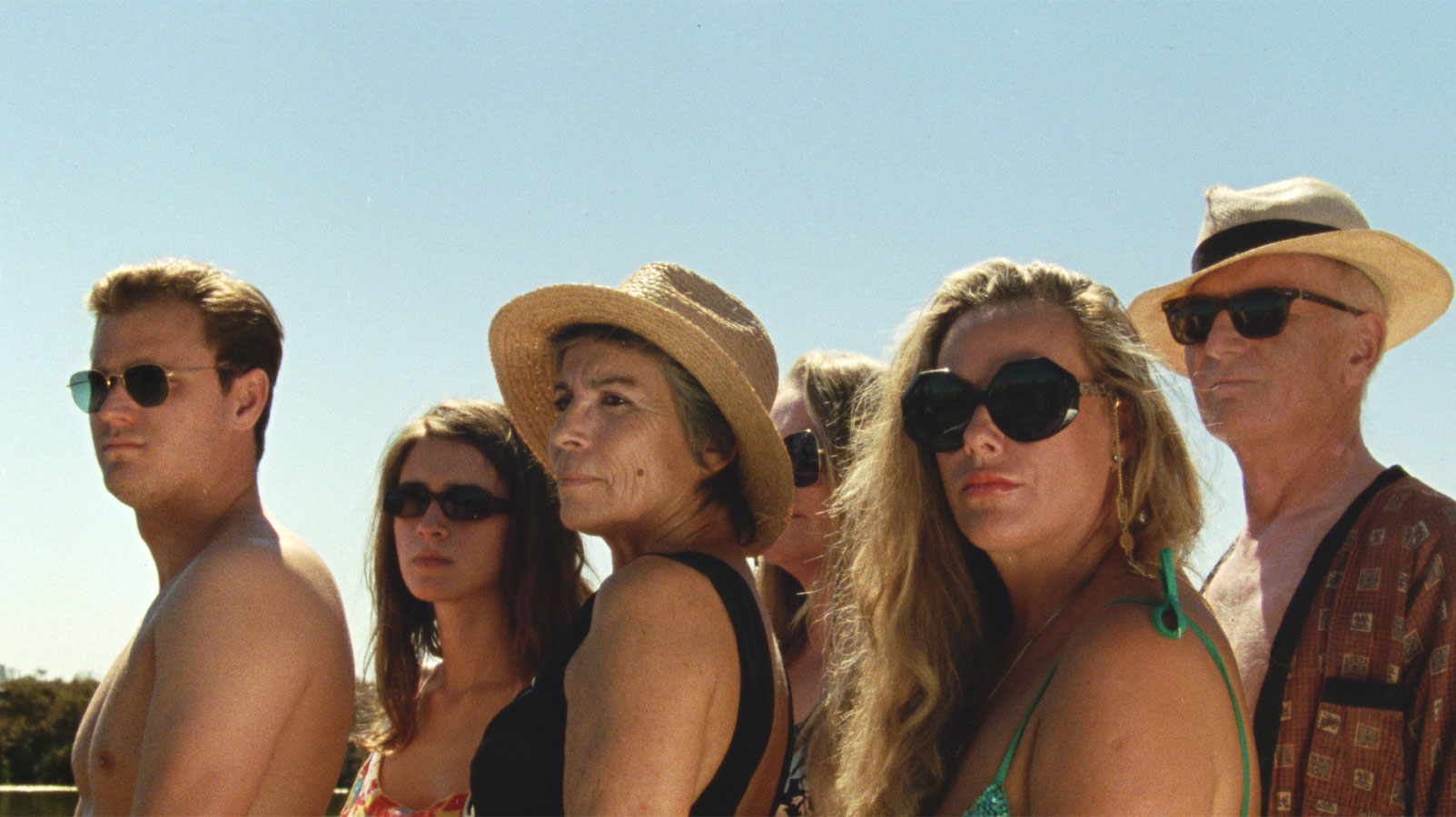
It’s a short film that I started working on in 2020, during the pandemic. It was shot in 2022. It began with an initial idea to make a film here in the Algarve, where I’m from, in the salt pans. Then I ended up being more present here in the Castro Marim region, specifically at the Água Mãe salt spa, and I adapted the initial idea to this space.
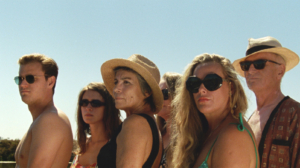
What I found most interesting was that, in a way, this space was a kind of microcosm, a point of view on the Algarve region and what it’s like to spend a summer here, the coexistence between tourism and work, between leisure, holidays and other responsibilities. I got to know the people who were involved in this project and all the workers at the salt pans, and I think that people’s motivation also made it become what it is.
Did you feel you were well received at the festival? Was there good feedback?
Yes, I had a lot of feedback, it was very nice to be there with my team and to be able to watch the film in that theatre room, to share this moment with them. They’re people I admire and with whom I want to continue working.
Now back to your roots: what made you want to study film?
That’s a very difficult question. I think it also has a bit to do with the origin of this film. For example, my parents have always worked in tourism, they have a seasonal job. So I think my life, like the lives of many people who grew up here in the Algarve, has been greatly influenced by this seasonality. In winter, which is a time when people are usually working, my parents and I had a lot of free time to distract ourselves, to go to the cinema, to watch films.
It was easier to go to the cinema when I was young than it is now, especially here in the south, where there are few cinemas left and ticket prices are more expensive. The programme of the Cineclube de Tavira also helped me a lot, because I was able to see films other than those produced in the United States. And this idea of being able to make films began to emerge, but in a very secret way. It wasn’t something I shared with other people because saying I wanted to work in cinema was like saying I wanted to be an astronaut or something like that… it’s very difficult to explain that there is a Portuguese cinema, that there are people making films in Portugal.
You finished your degree in 2015, but recently went back to studying (2023). What led you to make that decision?
When I left the Escola Superior de Teatro e Cinema in 2015, it was so intense that I lost the will to continue my studies. At the time, it was more important for me to achieve financial independence and stay in Lisbon. But then I started to feel a bit creatively stagnant. I was spending eight or nine hours of my day working at my job and then the rest of the time working on the projects I really wanted to do… and the truth is that I was very tired and we don’t get paid enough in this country to have the luxury of stopping and investing in our projects.
In a school, there’s a gathering of people who help you grow and develop critical thinking, share things and get to know and do more. There’s a motivation while you’re studying that’s difficult to maintain outside. I felt unmotivated and isolated, I had a project – I was already editing this short film – and I had a feature film I wanted to write, so I decided to apply for the school and the Gulbenkian scholarship. It was thanks to this scholarship that I was able to have the space and time to think about what I really wanted to do, which I hadn’t had for many years.
And was it what you needed?
Of course, yes. It was very nice because it’s a relatively new school and we have a lot of independence when it comes to the materials we want to use or the kind of projects we want to do. I was looking for something that wasn’t so classical in its approach to cinema, and in that sense it’s a very open school.
But for me, one of the most incredible things is the fact that you can go to a new place and meet other people from all over the world, make new friends. The fact that I finished the film at this school was due to these friendships and the input of the teachers.
How do you see the future? Do you want to stay in the Algarve? Do you want to continue making films?
Yes, I always want to continue making films, but I also want it to stop being my hobby and become my full-time job – but it’s very difficult… I’d like to stay in the Algarve, and for other people to come here, to feel motivated, for there to be another kind of support for working in film production in this region, with another concern that goes beyond tourism.
What motivates you to stay?
I feel I have greater stability here. It’s a place that makes sense to me, I discover new things every day. The fact that it’s an area without borders, where you can socialise even if you don’t share the same language, is something that attracts me. I like meeting those who are passing through and those who live here, this idea of proximity and the possibility of creating small relationships with the spaces and places I come across every day.
Do you have plans for the near future?
At the moment, I’m trying to find a way to produce my future projects, applying for support, trying to find producers, people who are interested in collaborating in the future. But also, of course, on a more basic survival level, I’m trying to find other jobs that allow me to work remotely and be here. This economic factor also gives me time, and having time is the most important thing when making films.
In your application, you said that “there is a conventional methodology that prevails in the way of thinking and making films in Portugal, that you want do distance yourself from”. Can you explain what you meant?
The truth is that I feel that cinema is still being made in Portugal as it was 50 years ago: in a very elitist context, in which there is always, for example, a kind of pyramid scheme in which some people have more power than others. I’d like to try to find other kinds of structure, ways of making films that are healthier, less harmful to the people who work on them, where we can all be creative and feel like we’re doing something together.
I think there’s a new generation of artists and filmmakers who are questioning this and working differently, more transparently. And Gulbenkian plays a very significant role in the development of this generation of filmmakers. It’s very difficult to find support, especially at the start of a career. Often, everything revolves around being selected for an important festival, and the project itself, the idea that drives us, ends up in the background, or isn’t even considered. This scholarship allowed me to continue my studies, but above all, it represented a vote of confidence in my work, with a real impact on my career.
Fellows’ Stories
Explore the series

No results were found for your criteria.
You may also like


No results were found for your criteria.