
A Dinner among Artworks: the Mezzanine as a Space for Dialogue
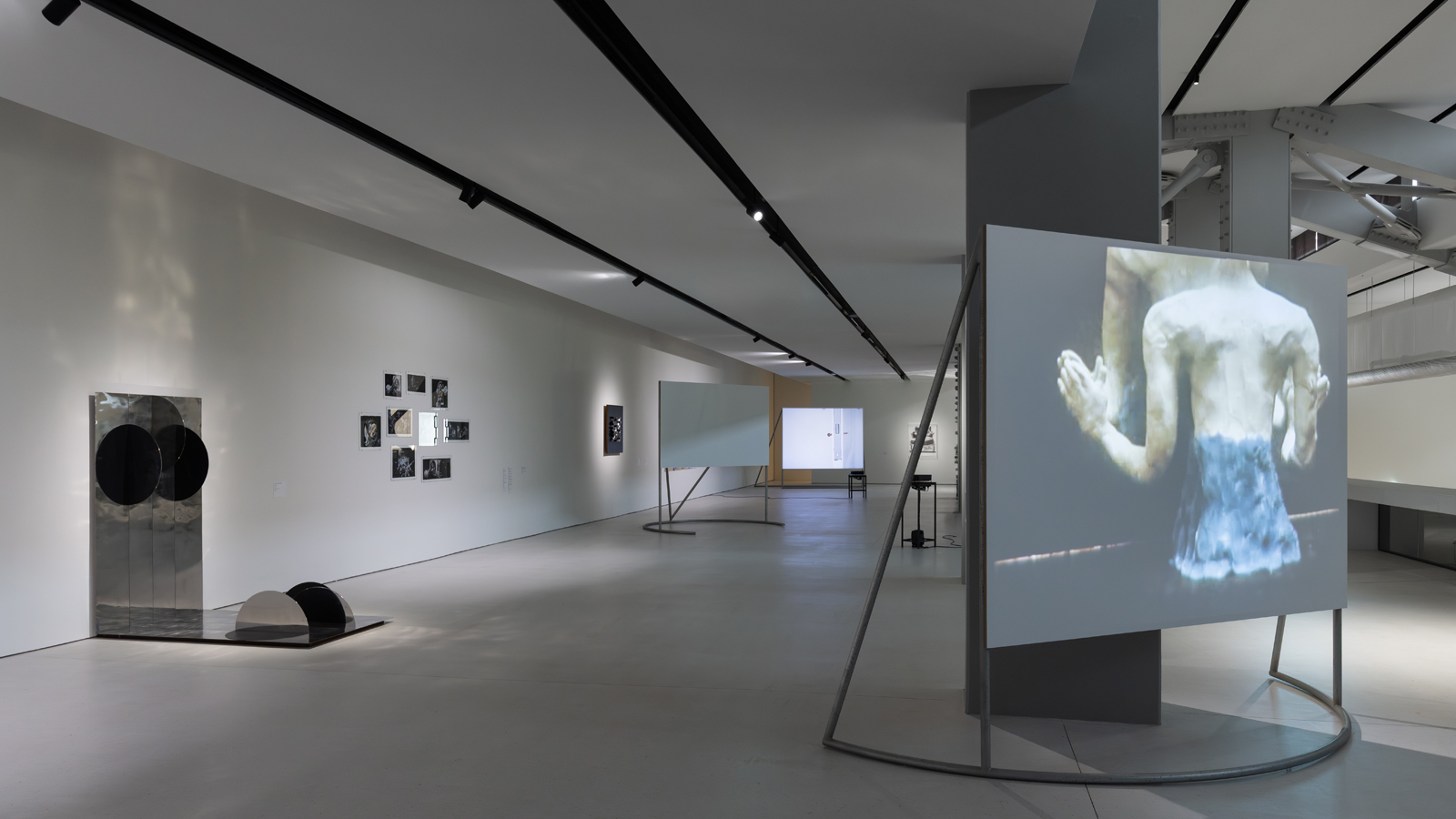
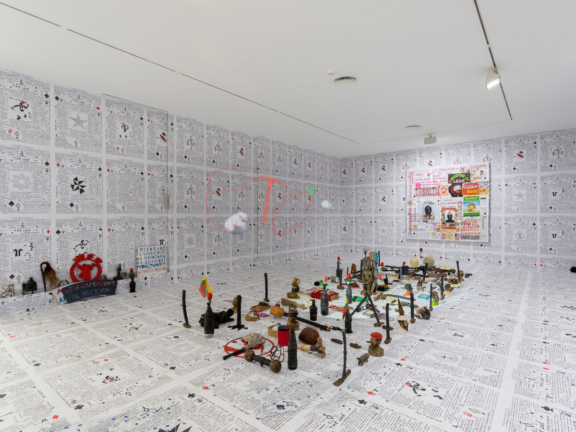
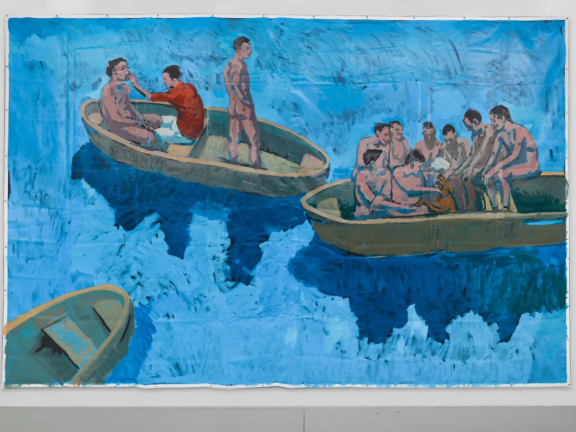
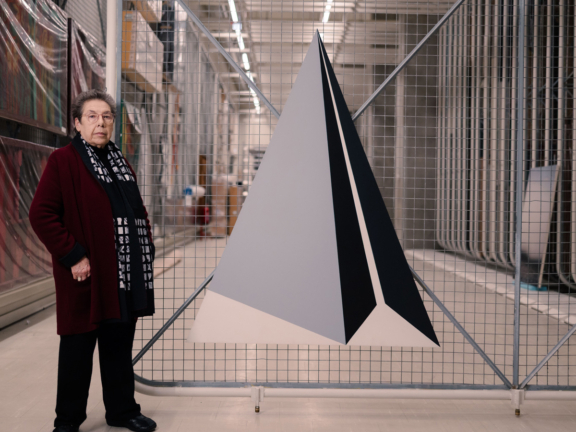
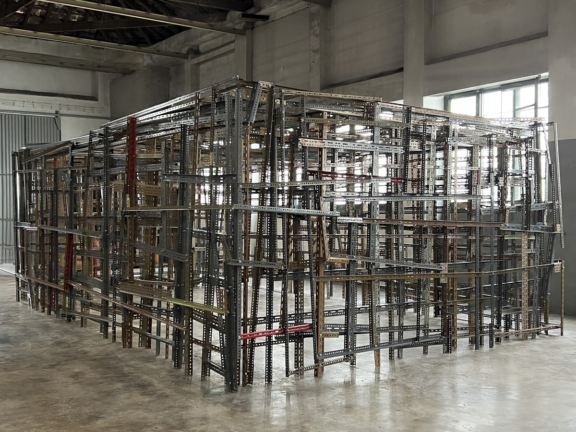
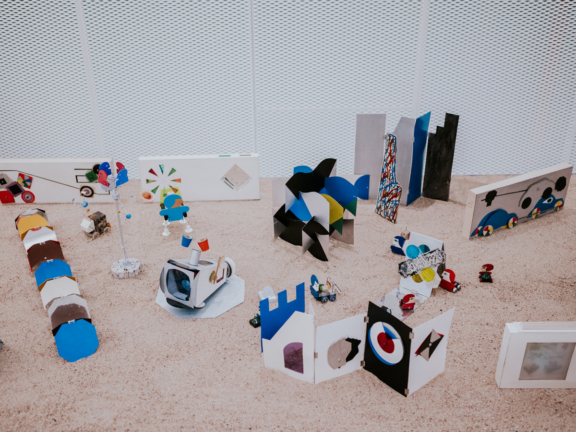
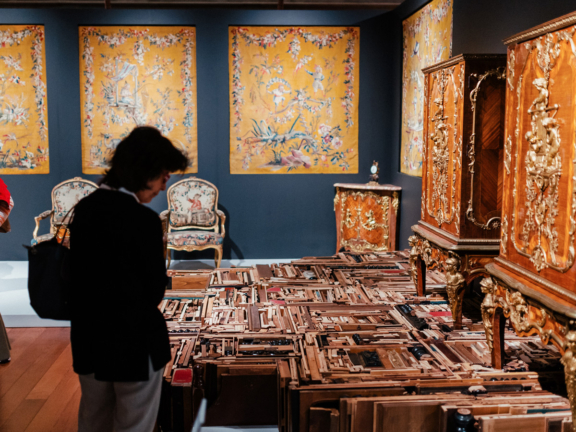
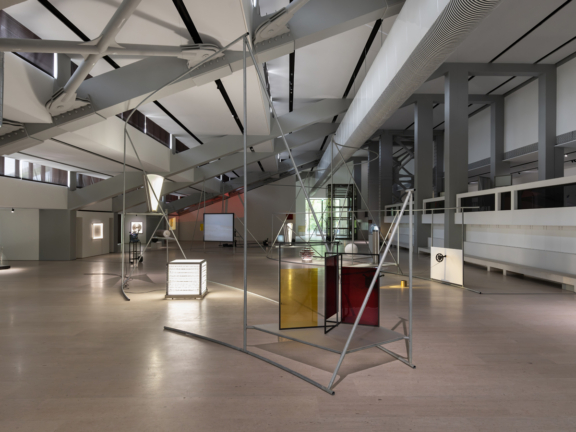
In selecting works from the CAM Collection to accompany the exhibition of her own works in the Nave, Rosa Barba, in ‘Drawing Vocabularies’, avoids a fixed chronological order or an illustration of the themes addressed in her pieces. Instead, she brings together pieces that, despite being separated by time, context, and artistic language, are capable of meeting and engaging in dialogue.
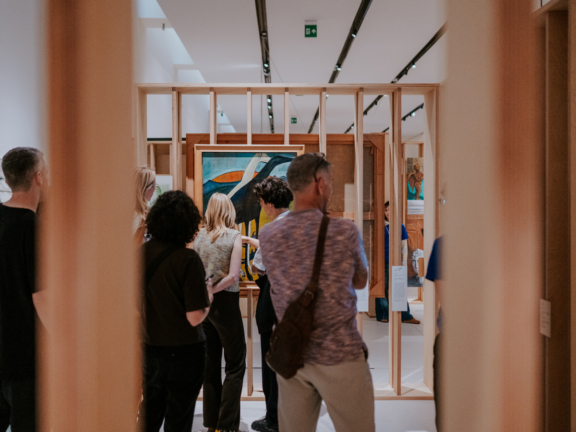
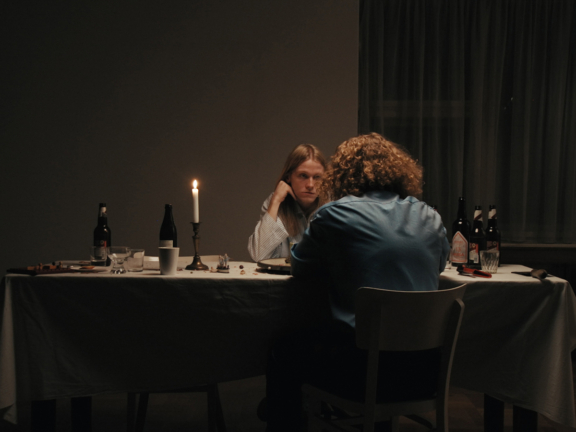
This encounter resembles a conference, but also a performance: successive calls and responses emerge as the works enter into dialogue. Each piece speaks when called upon, responding not directly, but by echo. The Mezzanine thus takes on the contours of a dining room.
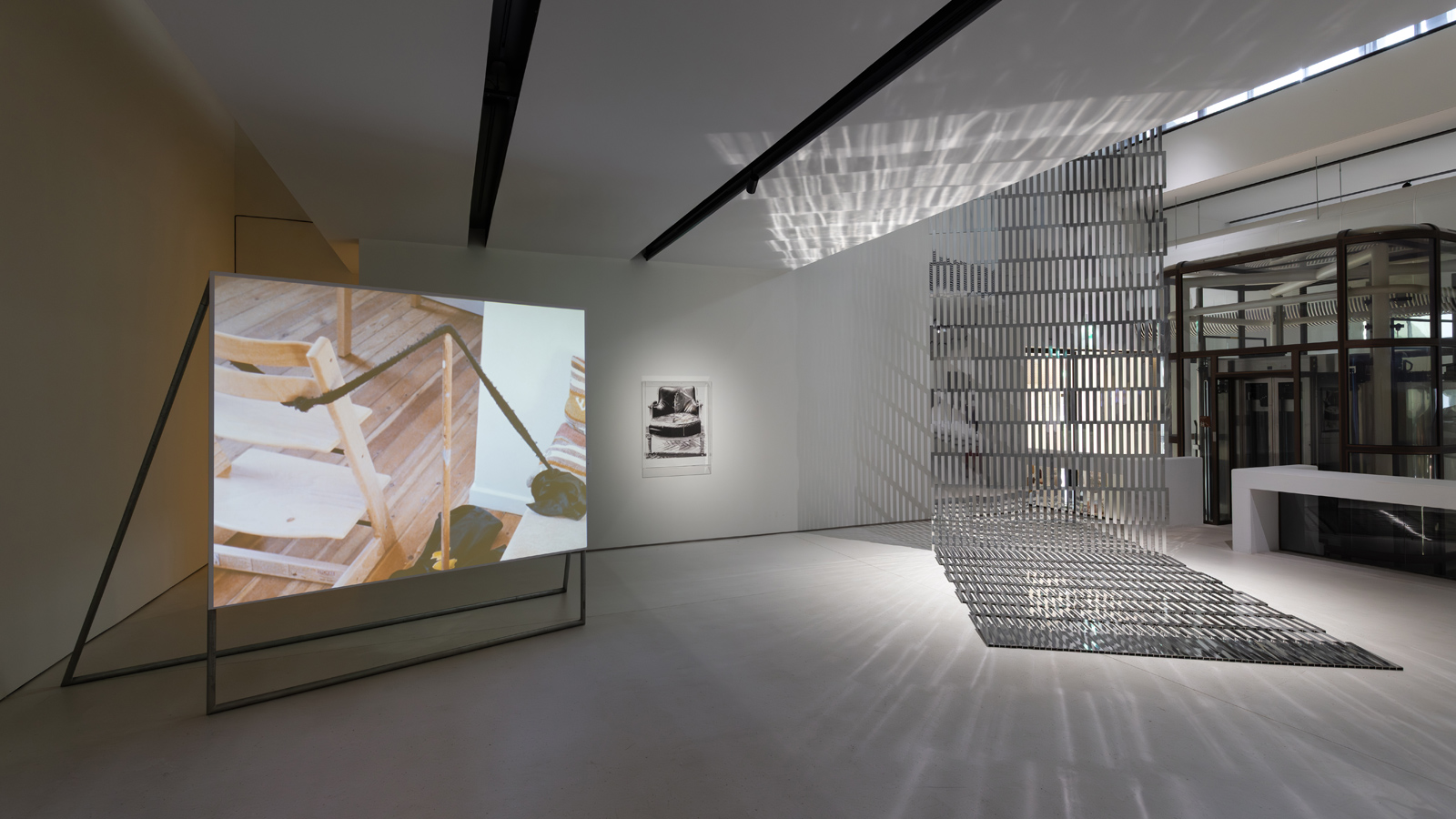
Instead of a single narrative, multiple overlapping dialogues emerge. Some remain discreet. Others grow in volume and intensity. While certain works express themselves through words, others opt for movement, a pause, or the total absence of sound.
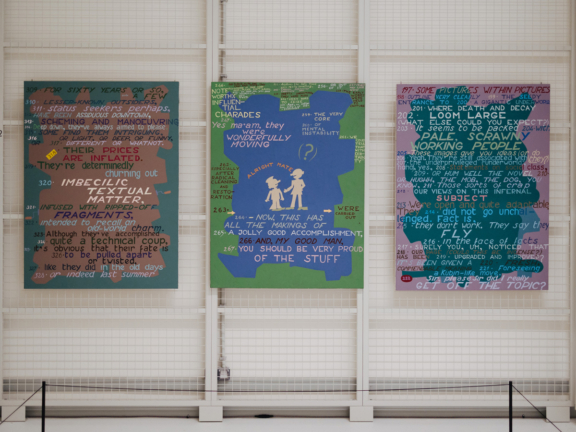
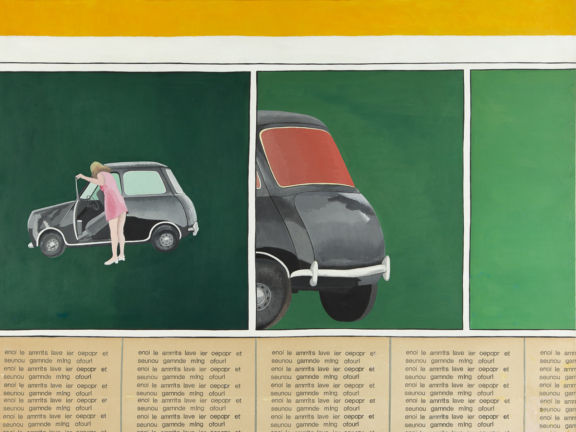
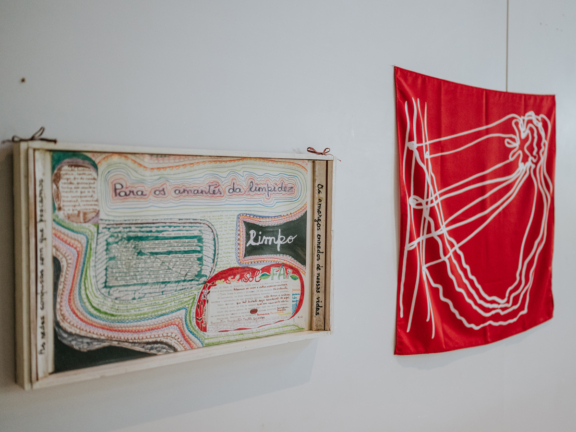
Language plays a prominent role in this exhibition. In Ana Hatherly’s works, writing ceases to serve merely as a means of communication and comes to exist as image, rhythm, and visual material. Alongside her work, Antoni Muntadas’s piece call into question the mechanisms that shape the flow of information, while Salette Tavares’s ‘Bailia’ opens the way to the poetic and spatial dimensions of the word. At different times, each artist seems to grapple with a question that has no immediate answer: what happens when language is no longer enough?
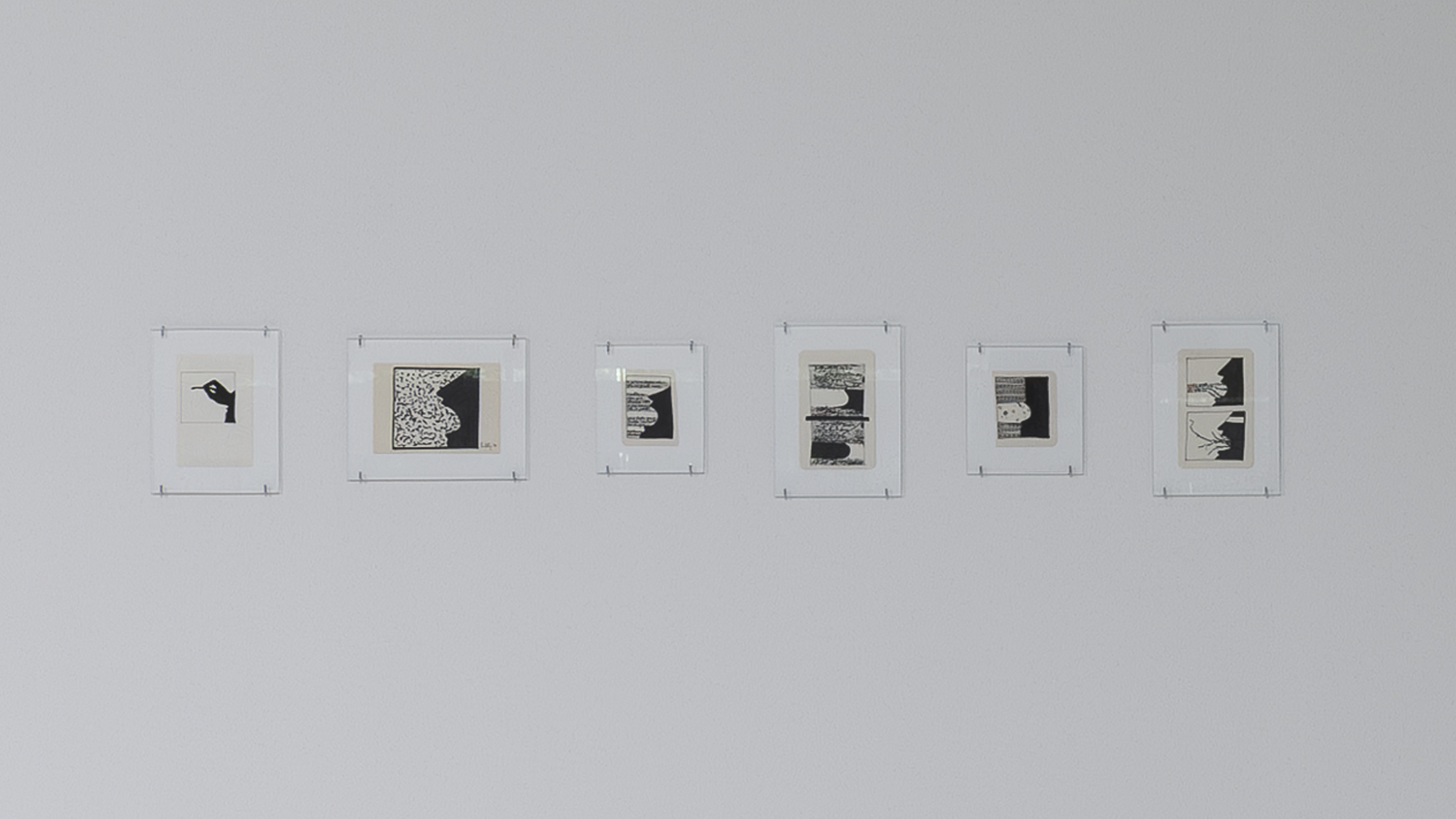
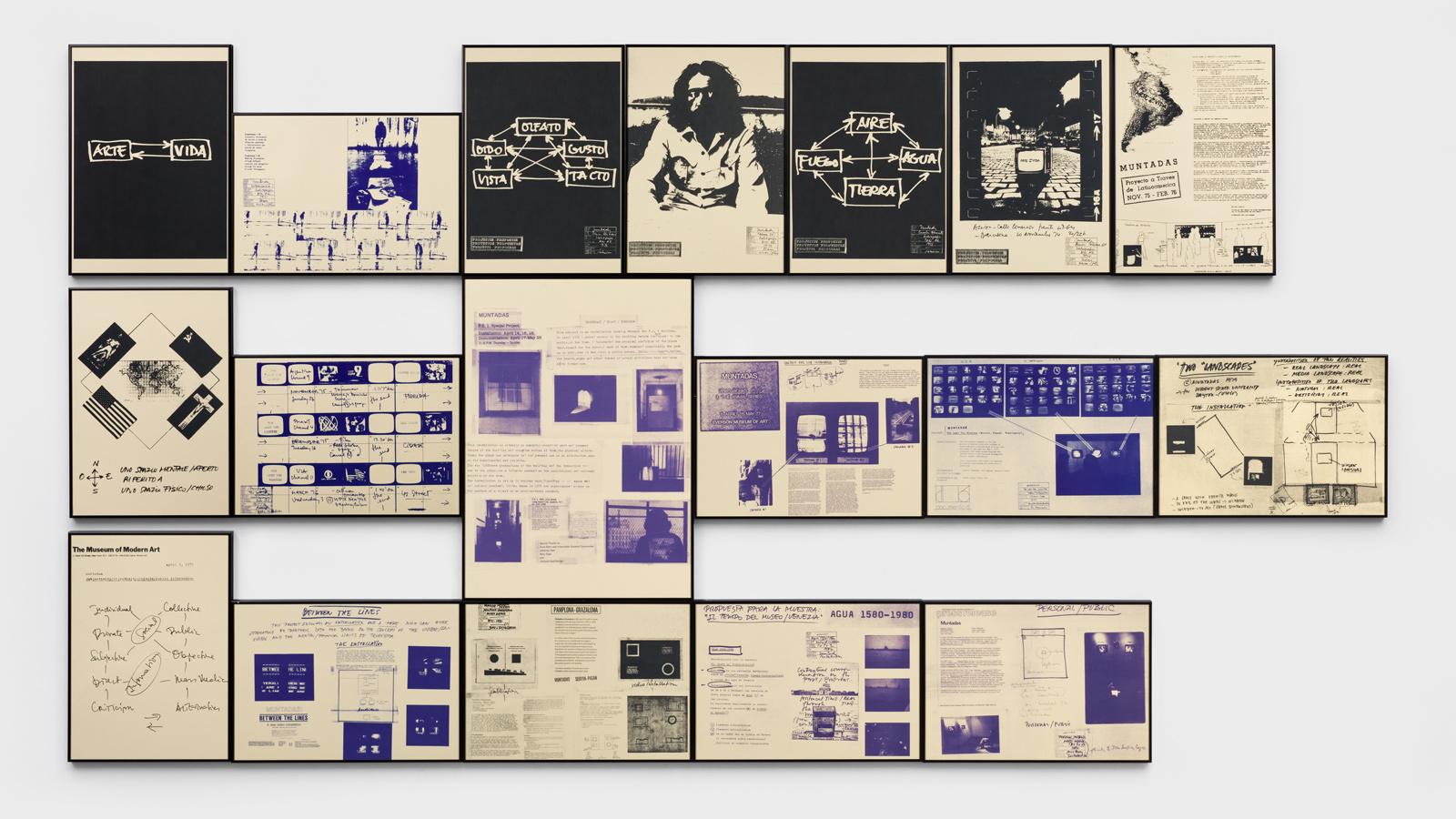
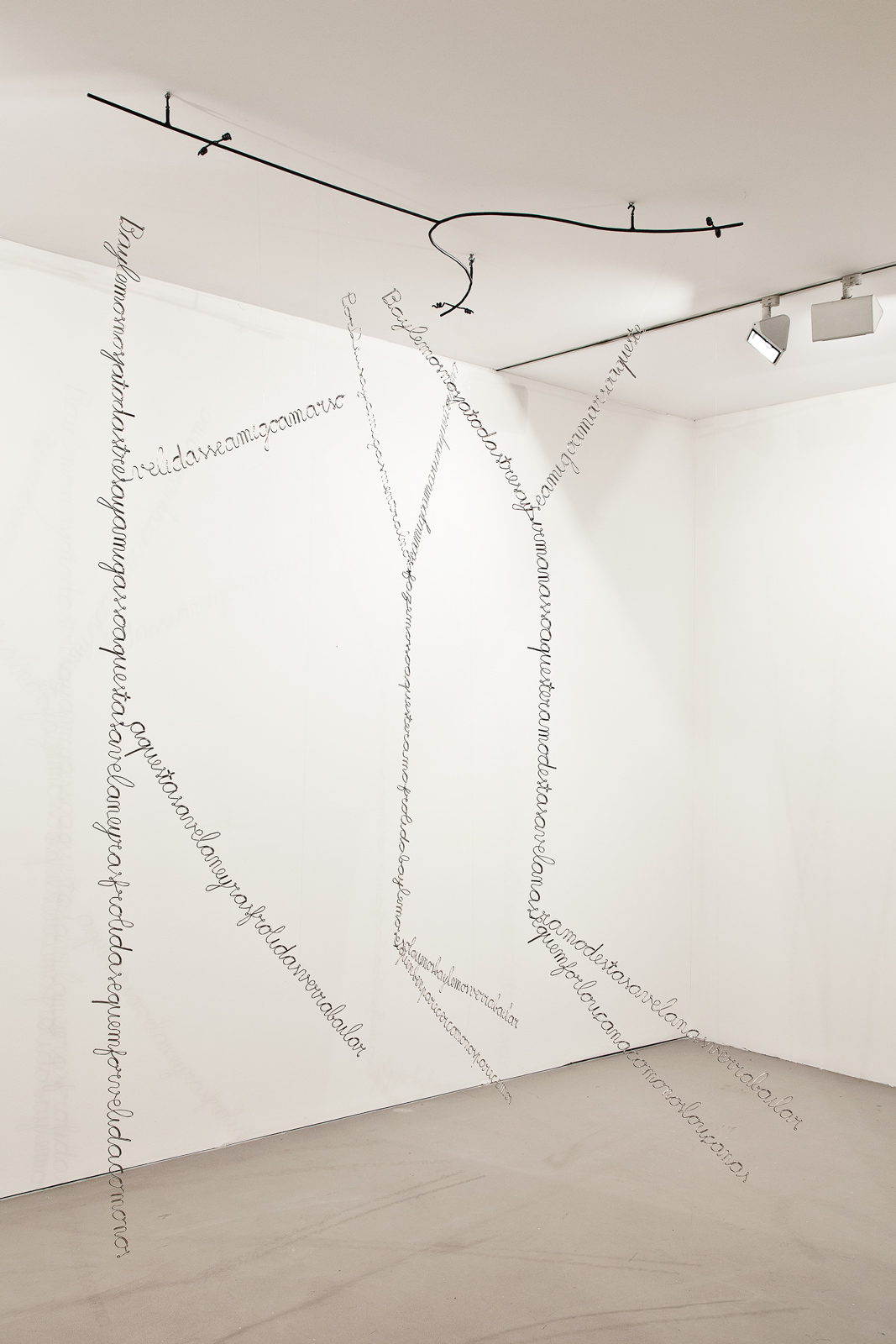
A similar question arises when observing Rosa Barba’s practice. Throughout her career, the way the artist explores the fragility of communication systems—whether through image, sound, or text—has been central to her work. In her films and installations, narratives rarely present themselves in a closed-off manner. There are fragments, digressions, and gaps that leave room for visitors to fill the void with their own connections.
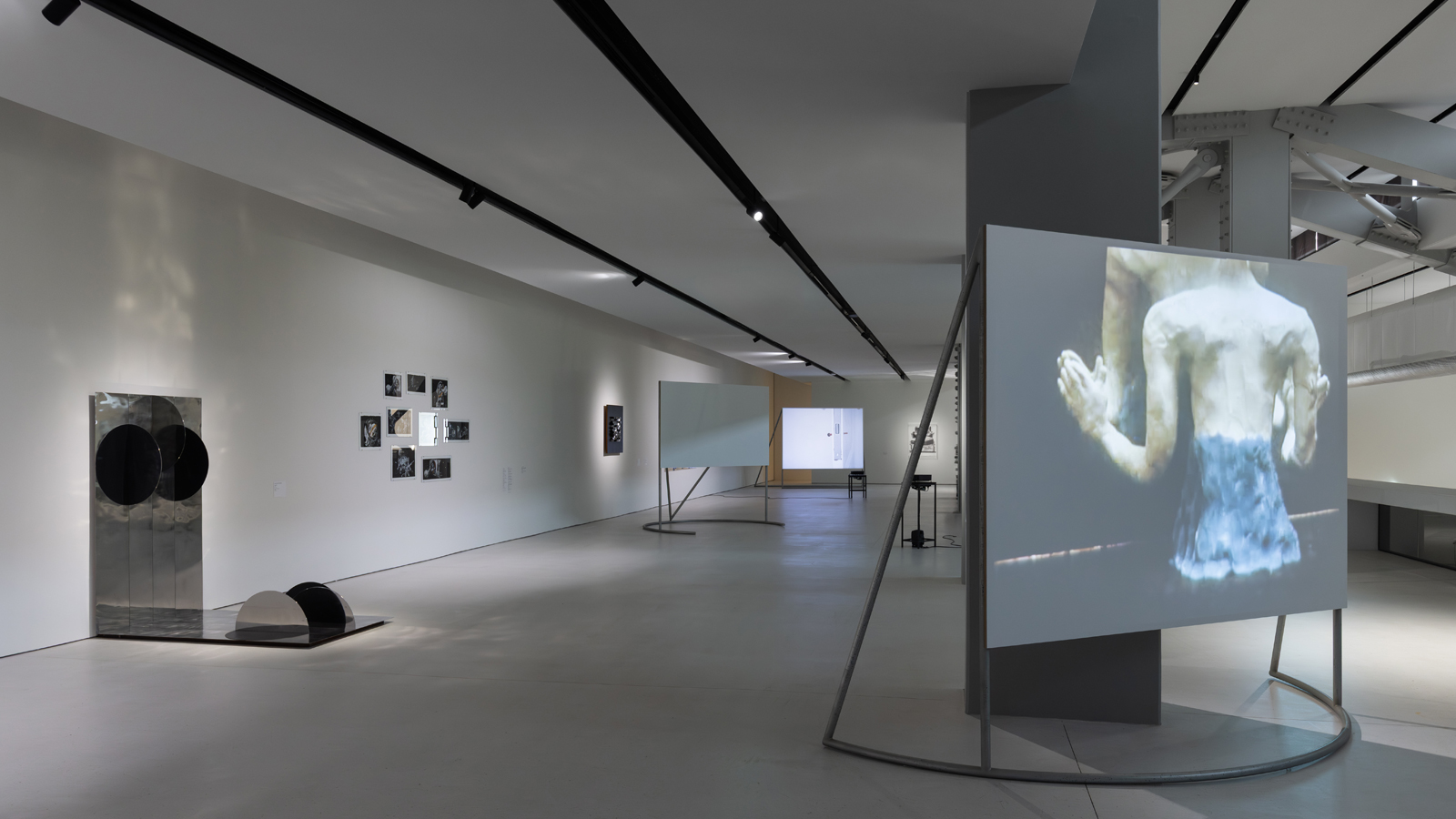
On the Mezzanine, the Collection ceases to function as a static archive and becomes a place where the works engage in dialogue—talking, interrupting each other, and pick up on each other’s ideas. As with the best long meals, the most interesting part is not necessarily the conclusions, but what happens in between them.
Works from the CAM Collection
Explore the series


No results were found for your criteria.
You may also like
No results were found for your criteria.