
Carlos Botelho: Ode to Serenity
Born and raised in Lisbon, Carlos Botelho (1899–1982) was one of the leading figures in 20th-century Portuguese painting. He grew up in a family of musicians, with his early exposure to the arts profoundly shaped his artistic journey.
In 1919 he enrolled at the Lisbon School of Fine Arts, where he studied under leading figures, but eventually chose to spend some years in Paris, which brought him into contact with the artistic avant-garde of the time.
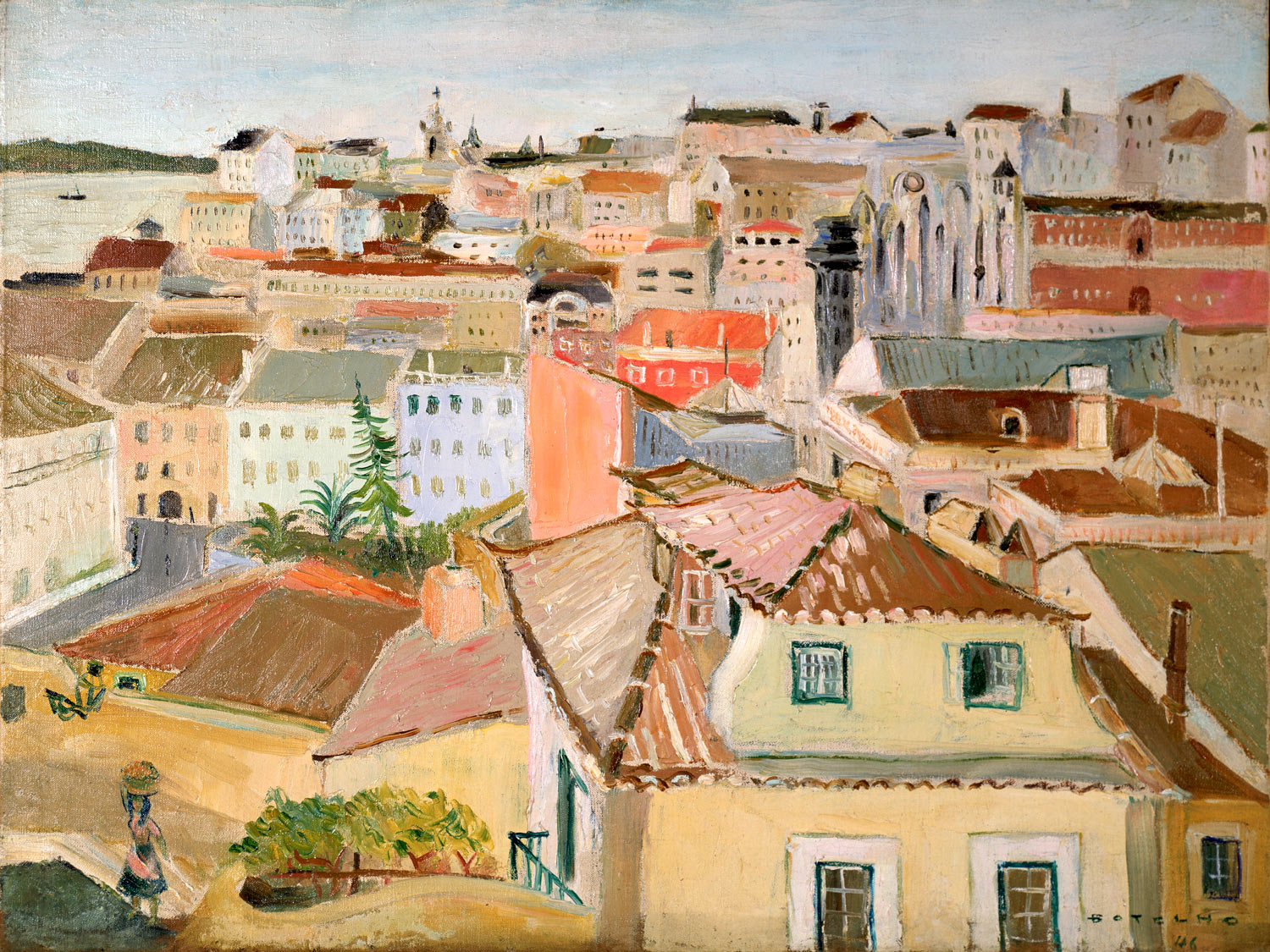
Botelho belonged to the generation that included António Soares, Eduardo Viana and Sarah Affonso, but his particular emphasis on the city (and Lisbon in particular) as the central subject of his work distinguished him from his contemporaries. Lisbon, his eternal ‘menina e moça’, enabled him to find his voice as a painter.
In an interview, he stated that it was ‘a city full of attractions for a painter because it has everything: it has colour […], it has rhythms, it has layers.’ Cities would therefore be the best reflection of people’s modus vivendi, but their essence could only be fully understood and captured over time.
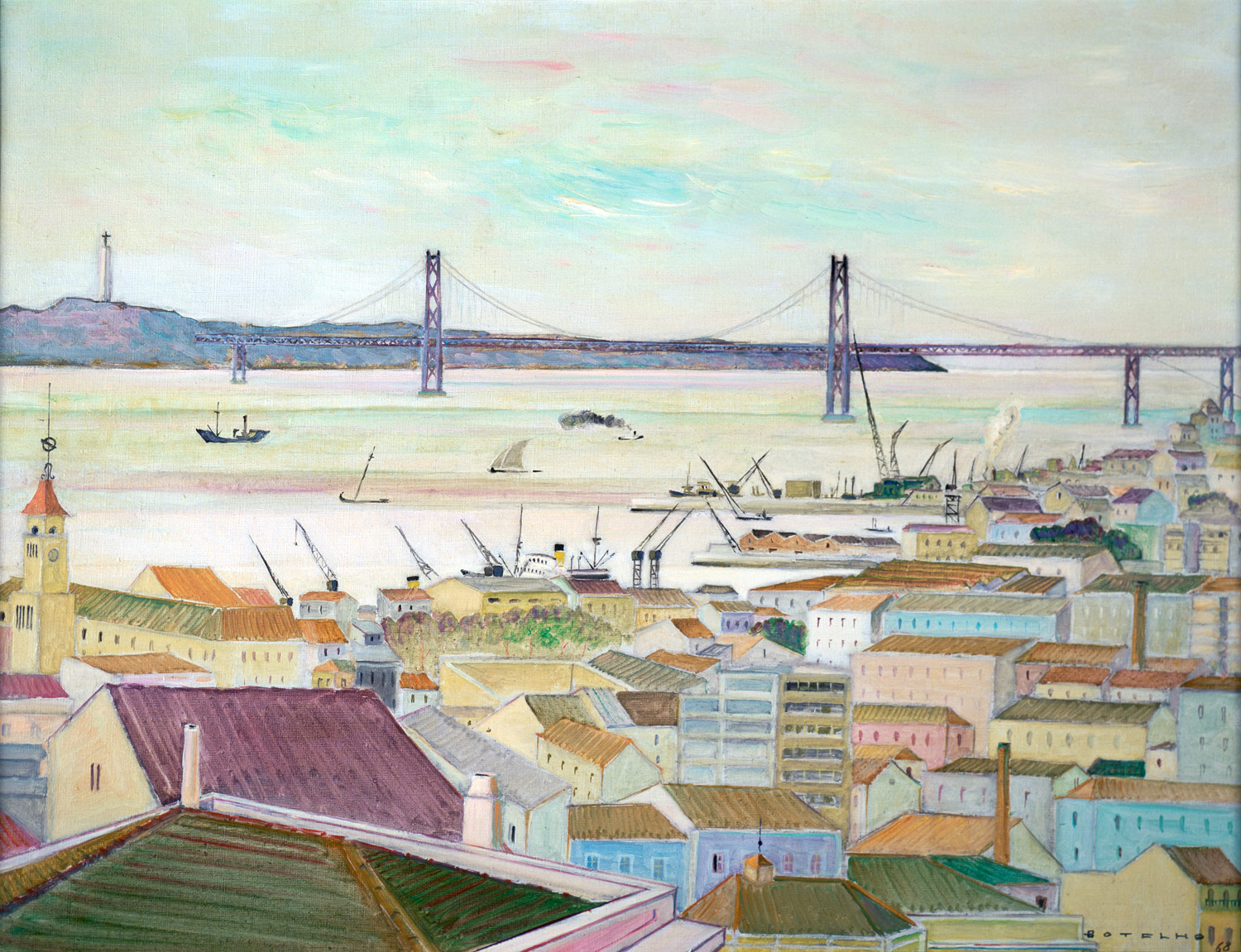
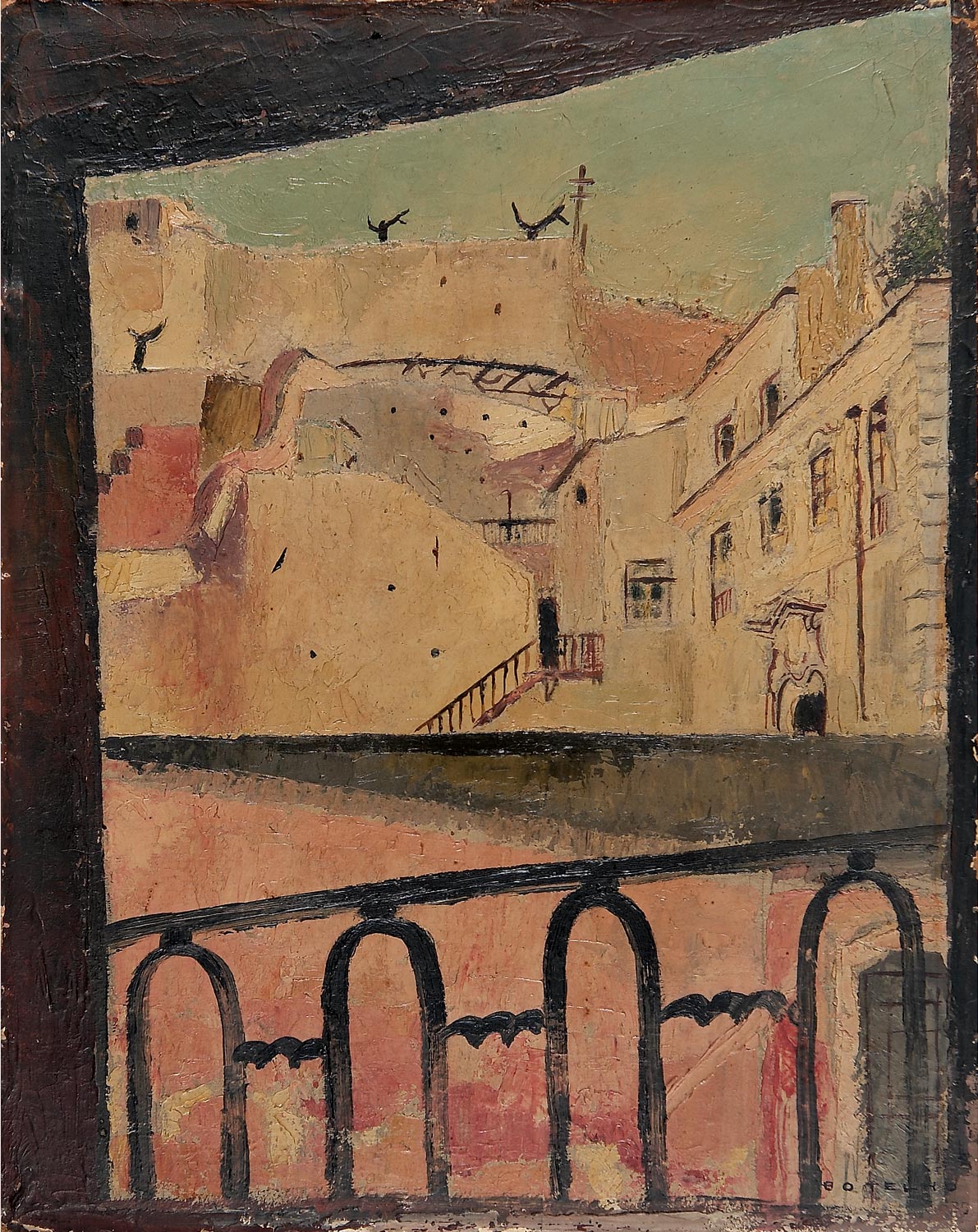
The artist sought to reinvent the city of Lisbon through unexpected viewpoints, such as, for example, from the interior of a home. He explored it as a lived space, a landscape in its own right, a place where memories, both individual and collective, reside; for this reason, all interior spaces and their constituent elements – windows, doors and decorative objects – deserved to be treated as distinct entities.
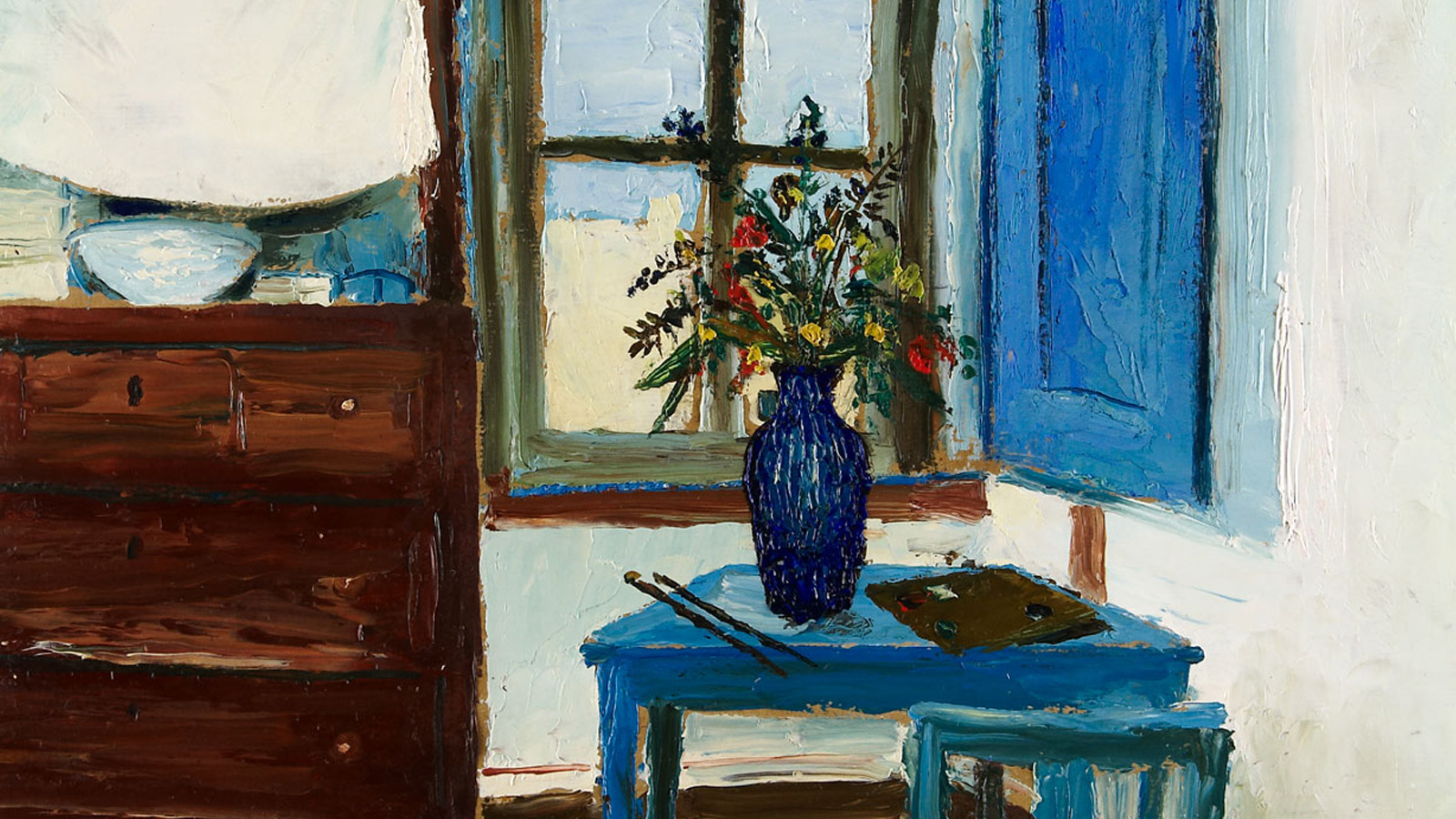
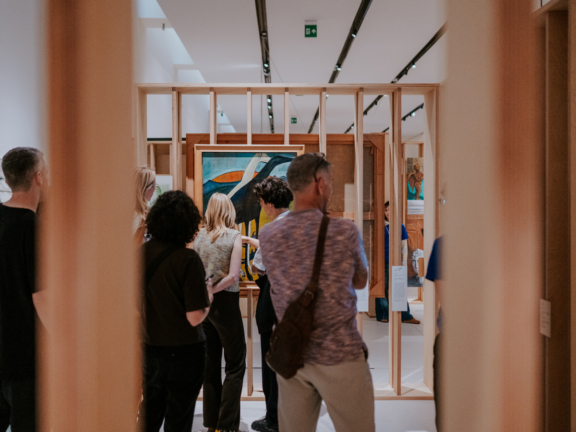
In ‘Interior’ (1937), Carlos Botelho transforms the window into a boundary between the home and the world that extends beyond it. He presents this place, where the human self is shaped through various individual and collective experiences, as a true haven. Although inhabited, it is worth noting that no figure appears in this ‘interior’. This absence may evoke memories of the artist’s own solitary childhood home.
Although it appears understated, the ‘interior’ is filled with light, colour and broad, sumptuous contours. It is a portrait of a friendly and straightforward world, yet one that requires a capacity for contemplation of this ‘interior’: empty and full, individual and collective. It is an intimate and tranquil setting that invites the viewer to imagine what life might be like there.
Rooted in 20th-century Portuguese modernism, and with some influences from Van Gogh’s expressionism, ‘Interior’ is a narrative of everyday life that invites introspection.
Botelho was a versatile artist. As well as painting, he also worked in ceramics, tapestry and set design for the performing arts, consistently maintaining a serene, sensitive and optimistic approach across all his work.
You may also like



No results were found for your criteria.