
‘Hope in the Face of Collapse’
How can we continue to imagine hope in a world ravaged by collapse?
‘Hope in the Face of Collapse’ is an online exhibition made exclusively from works in the CAM Collection. The project unfolds as a textual adventure, guiding us through a densely intricate narrative shaped by the works of Manuel Botelho, Doris Salcedo, Fernando Pereira, Nuno Calvet, Ângela Ferreira, Jorge Molder, Eduardo Nery, Filipa César, and Hamish Fulton. In a world dominated by anxiety, instability, and fractured hope, this experience invites reflection on death, freedom, isolation, and the void of meaning. Between image and text, beauty and collapse intertwine, offering not answers, but a space where hope is questioned, interrupted, and, perhaps, led to rebirth.
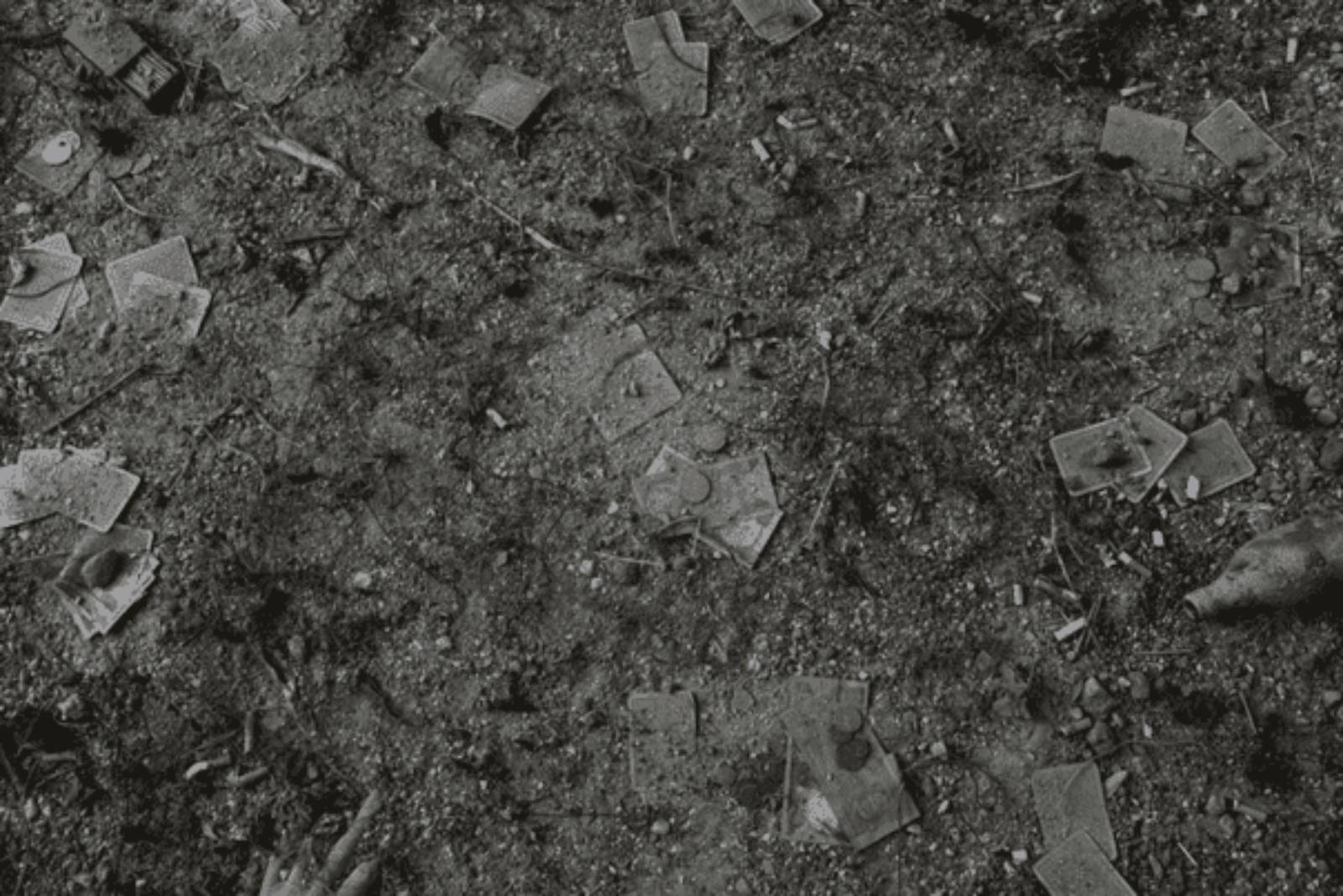
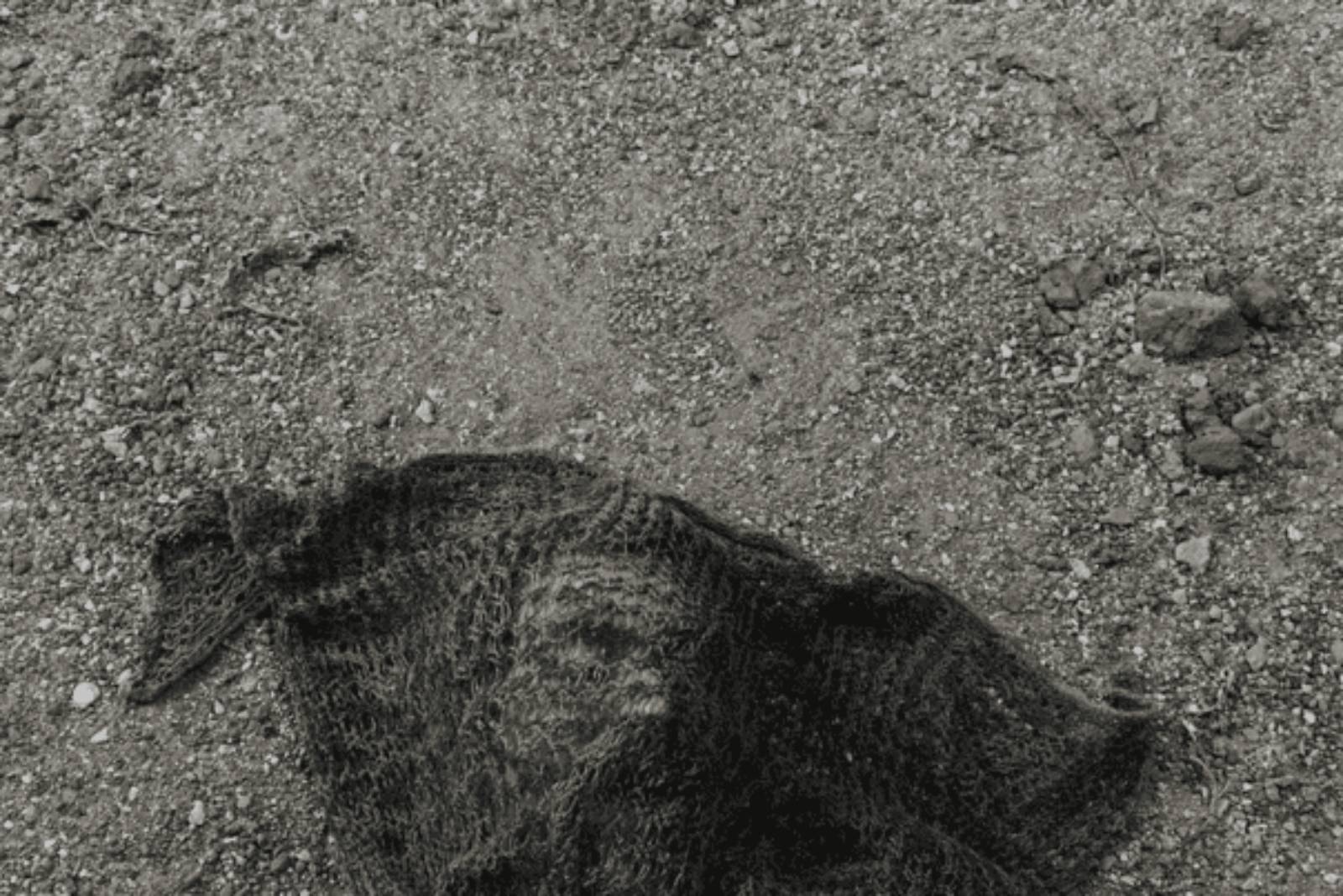
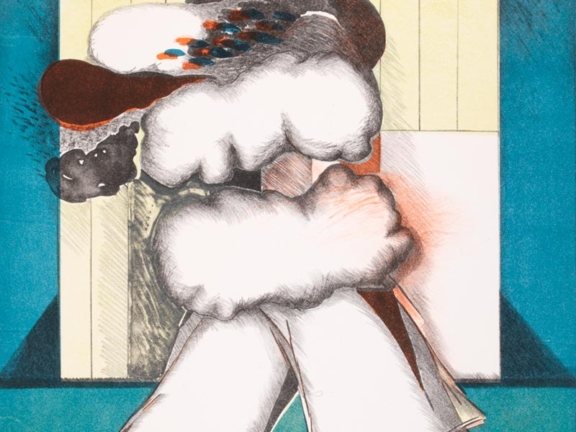
We begin in silence. The ground beneath our feet is not neutral. It is an archive of organised violence. The remnants of the conflict are intimate and unresolved. With Manuel Botelho, we do not bear witness to war. We embody its psychological aftermath. Fear persists. Despair thickens. The catastrophe becomes personal.
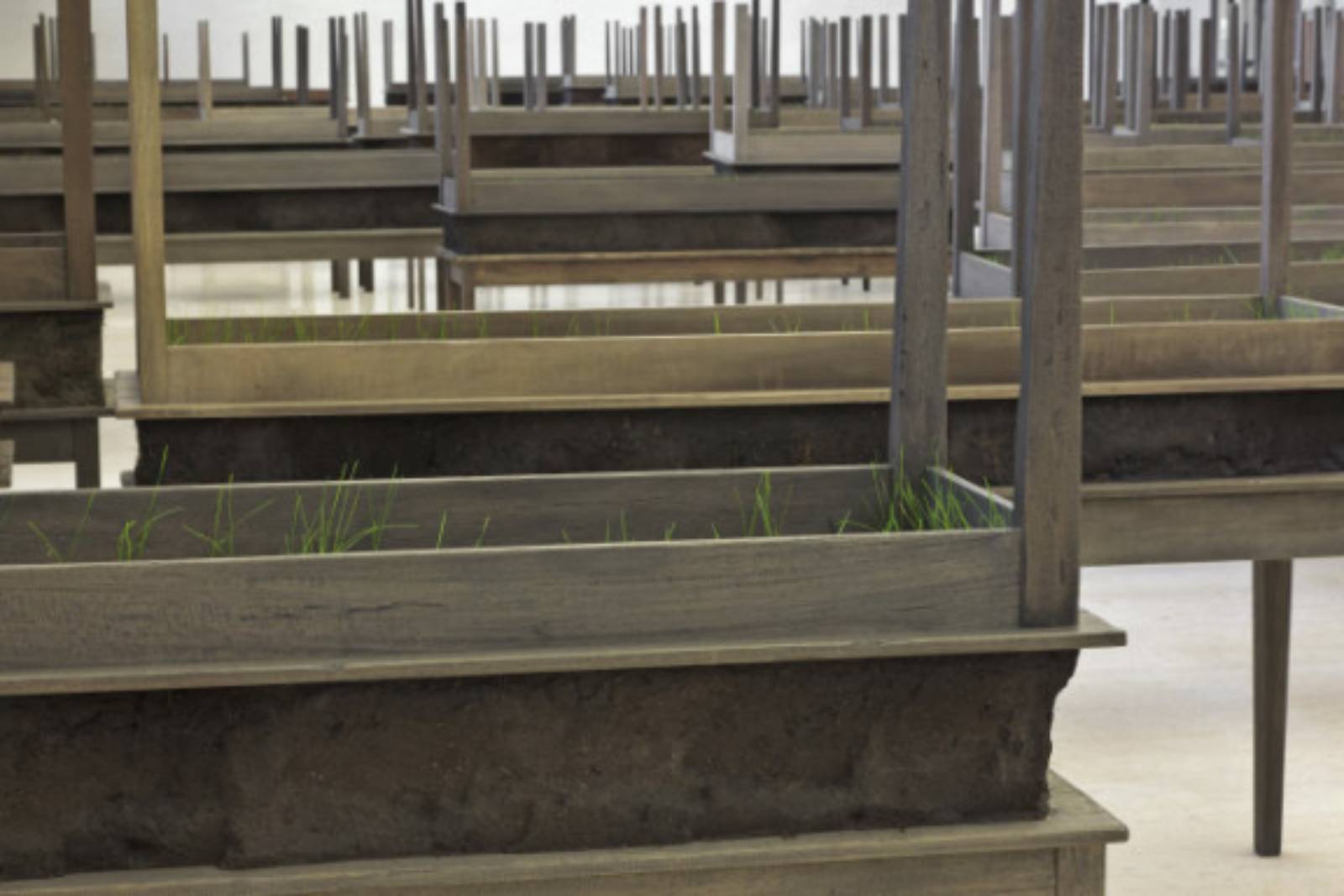
From this very soil rise Doris Salcedo’s anti-memories. A cemetery for the unseen and the unnamed, mourning those lost to the slow violence of everyday brutality. The tall, coffin-like structures rise above the ground, confronting us with the verticality of mourning. These are not resting places for soldiers, but reminders that war does more than just kill. It unmasks, shatters illusions, and exposes death to the unsuspecting, the innocent, and those who did not choose it.
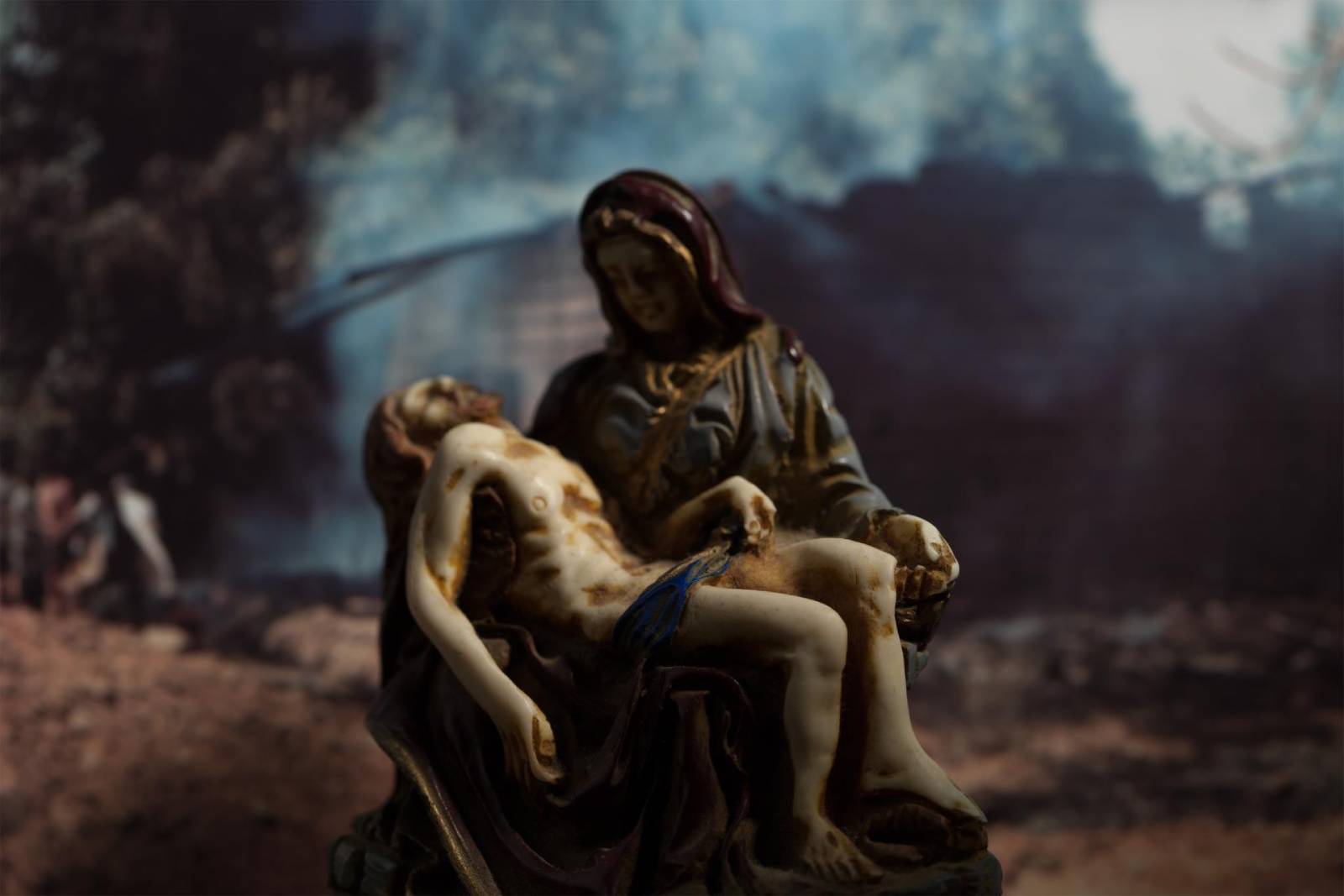
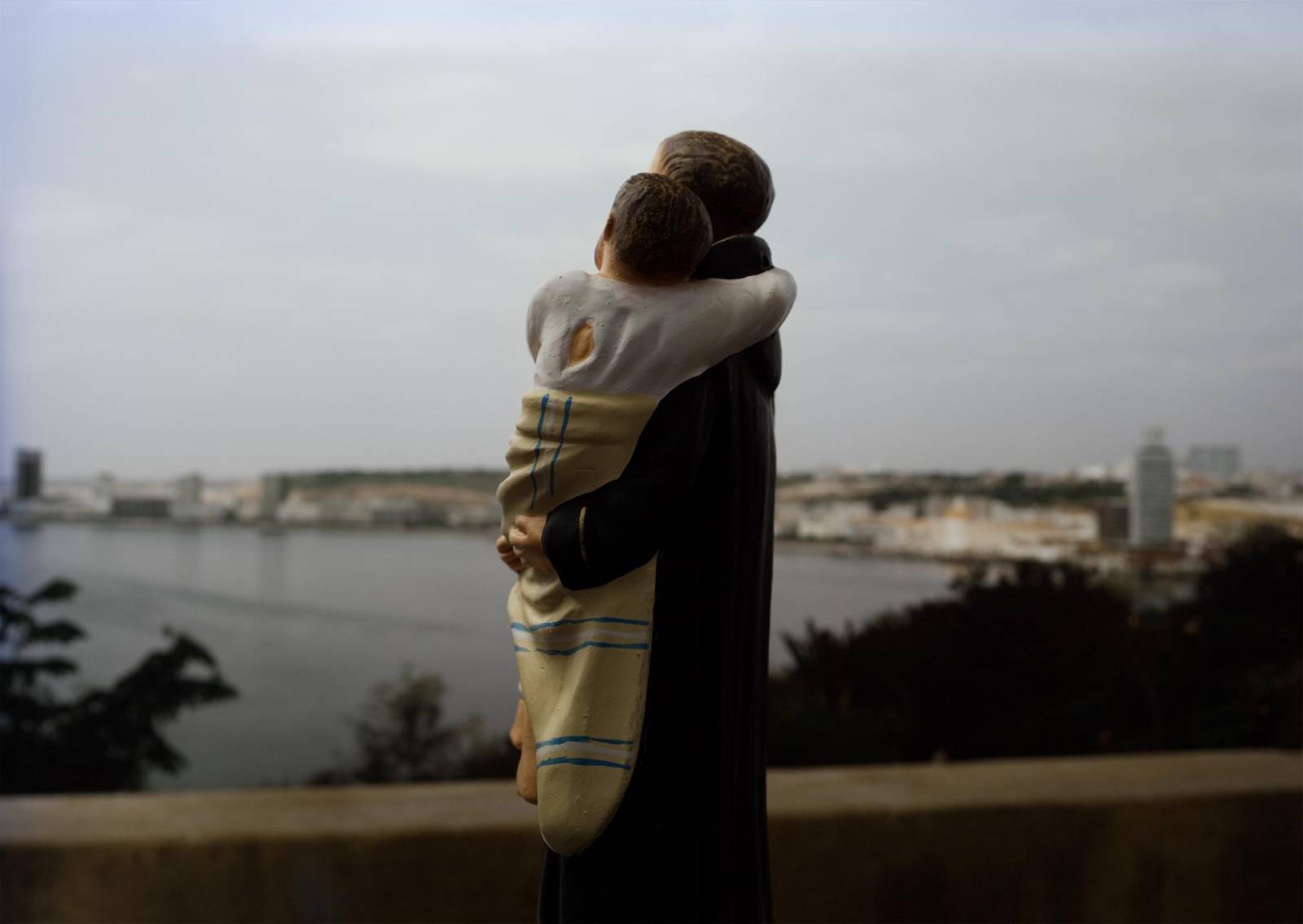
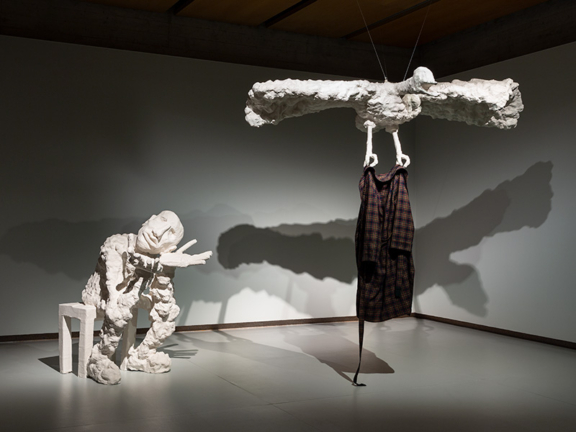
While we are here, our sense of justice can easily be shattered. Like the figure of Christ lying in Mary’s hands in Botelho’s porcelain piece, it can crack, bleed, and be shrouded in ideology. Justice becomes a ritualised sacrifice. Its meaning changes. Its consequences remain.
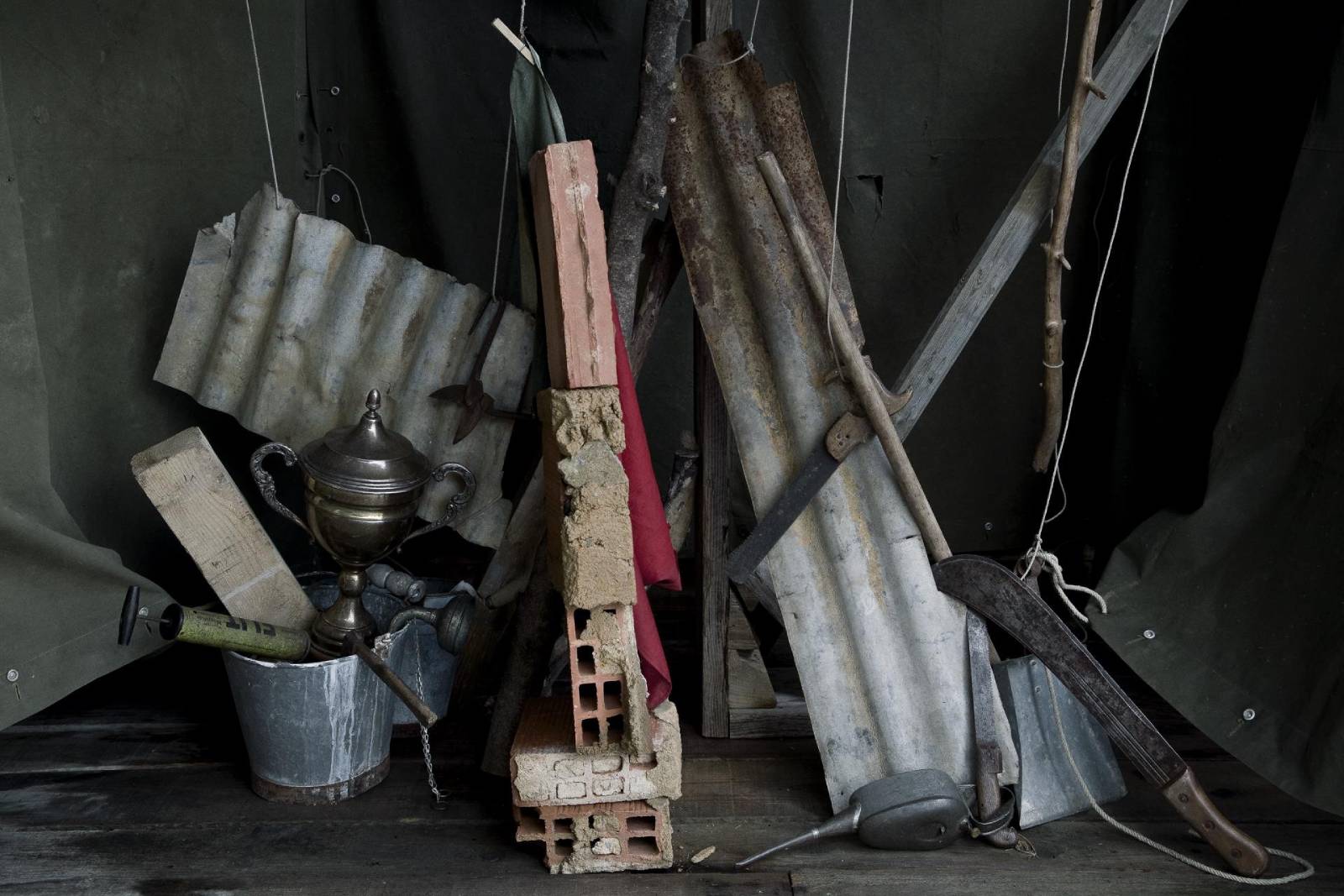
All around us, civilisation—once vibrant and imbued with human connection—is crumbling into ruins. Botelho’s photograph shows a jumble of metal and concrete that was once a coherent space of memory, now reduced to fragments.
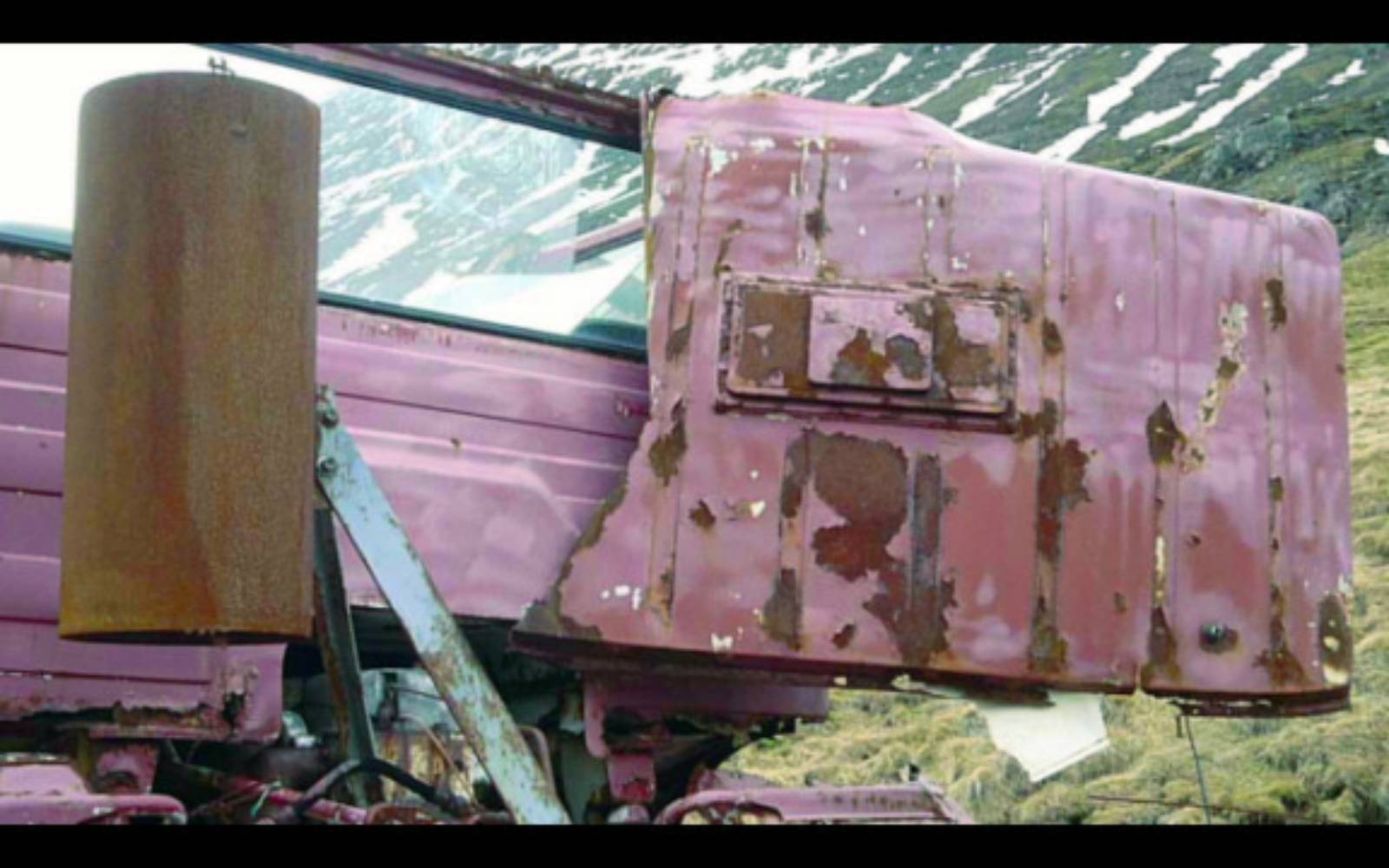
In Fernando Pereira’s film The man who wanted to collect Time, a fishmeal factory in Iceland—destroyed by nature yet preserved in memory—becomes a living monument. The works speak to the futility of preservation in the face of entropy. If they are not destroyed by time, their remains will exist, but their context will be forgotten.
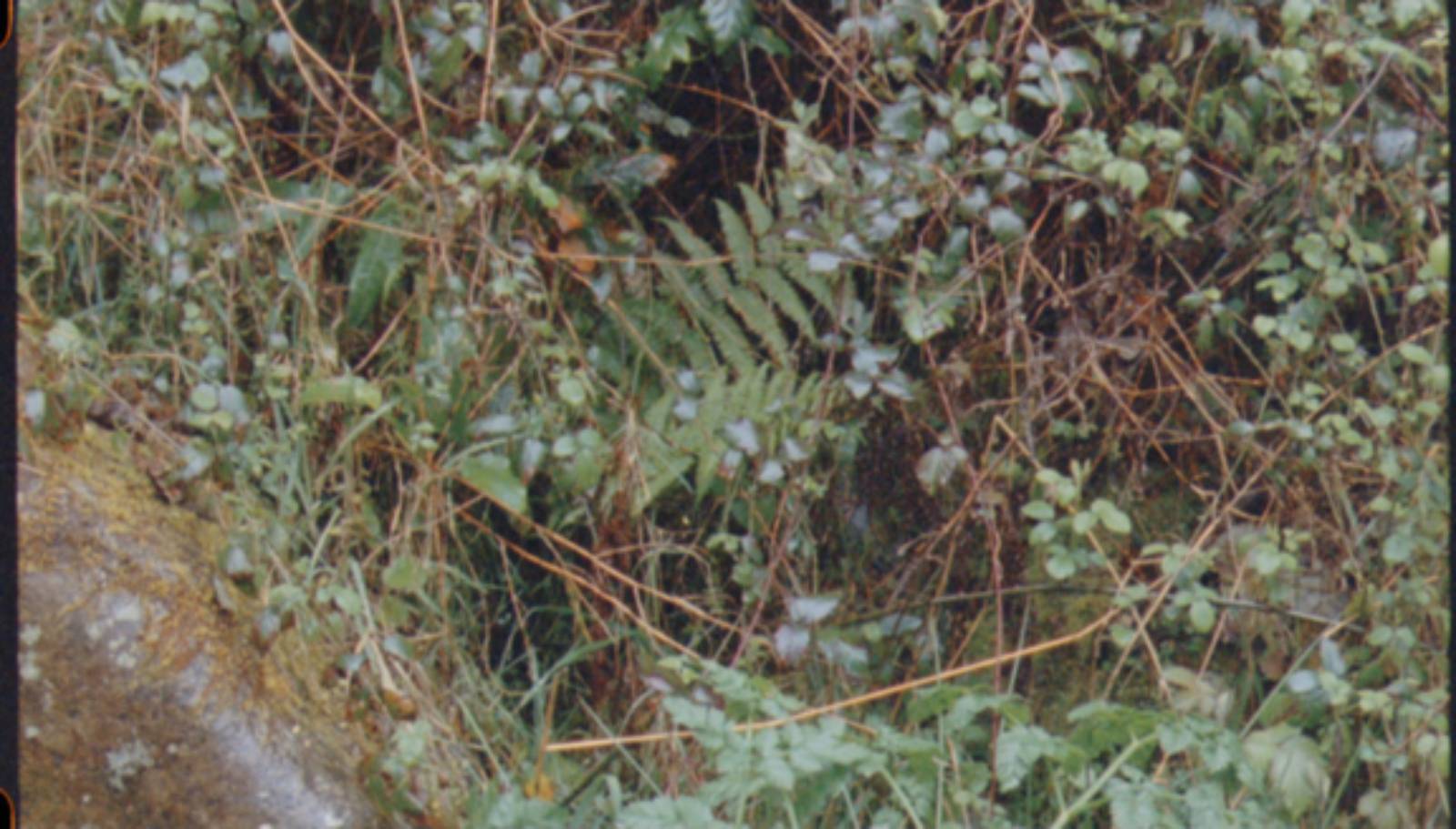
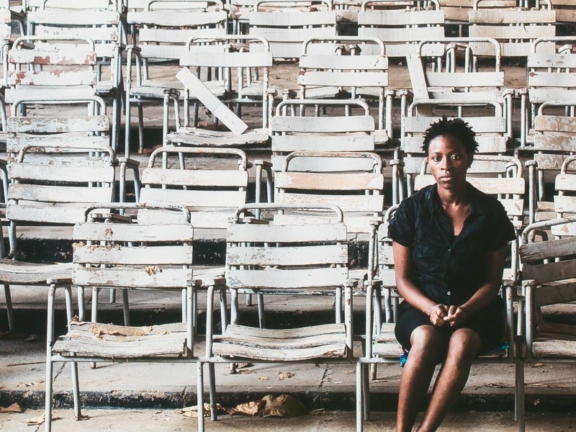
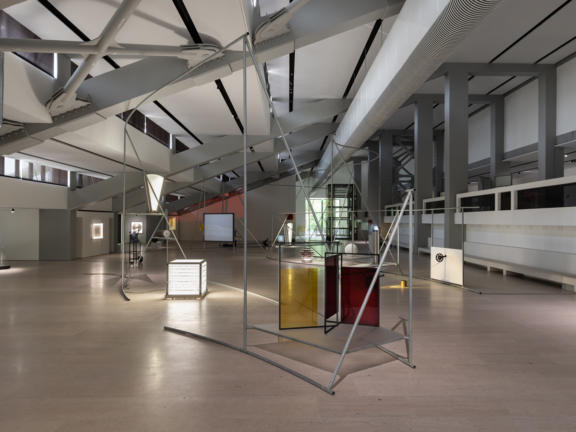
Along the way, a river in the form of a video installation divides the path. Filipa César’s Le Passeur simultaneously projects two narratives onto a screen suspended in the center of the room. On one side, images of a tributary of the Minho River. On the other, testimonies from those who helped others escape political regimes or the colonial war. The voices echo. They speak of risk, of complicity, of courage. The crossing becomes a metaphor. Hope, here, is not triumphant. It is fragile. Freedom is not a destination. It is a passage.
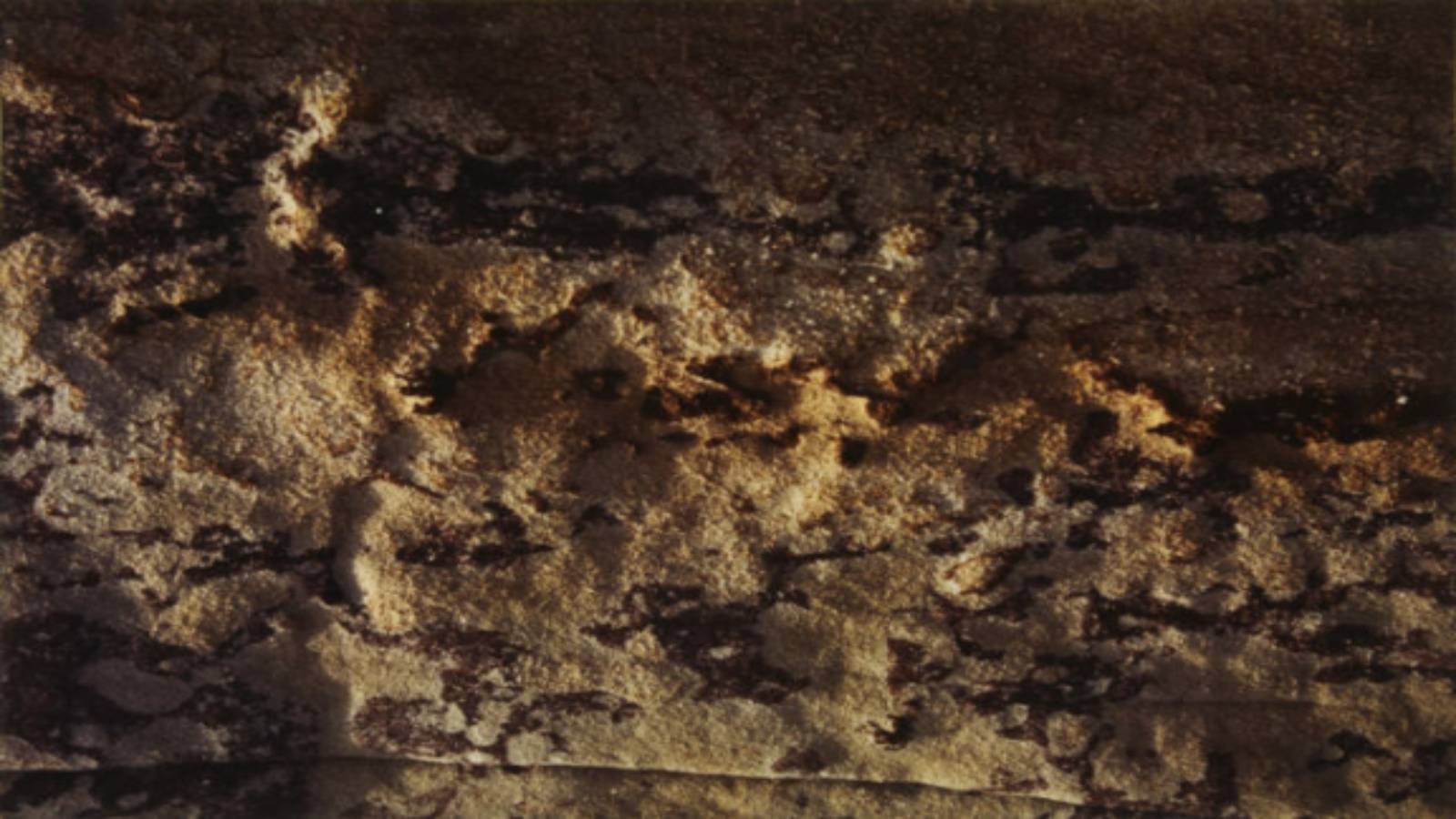
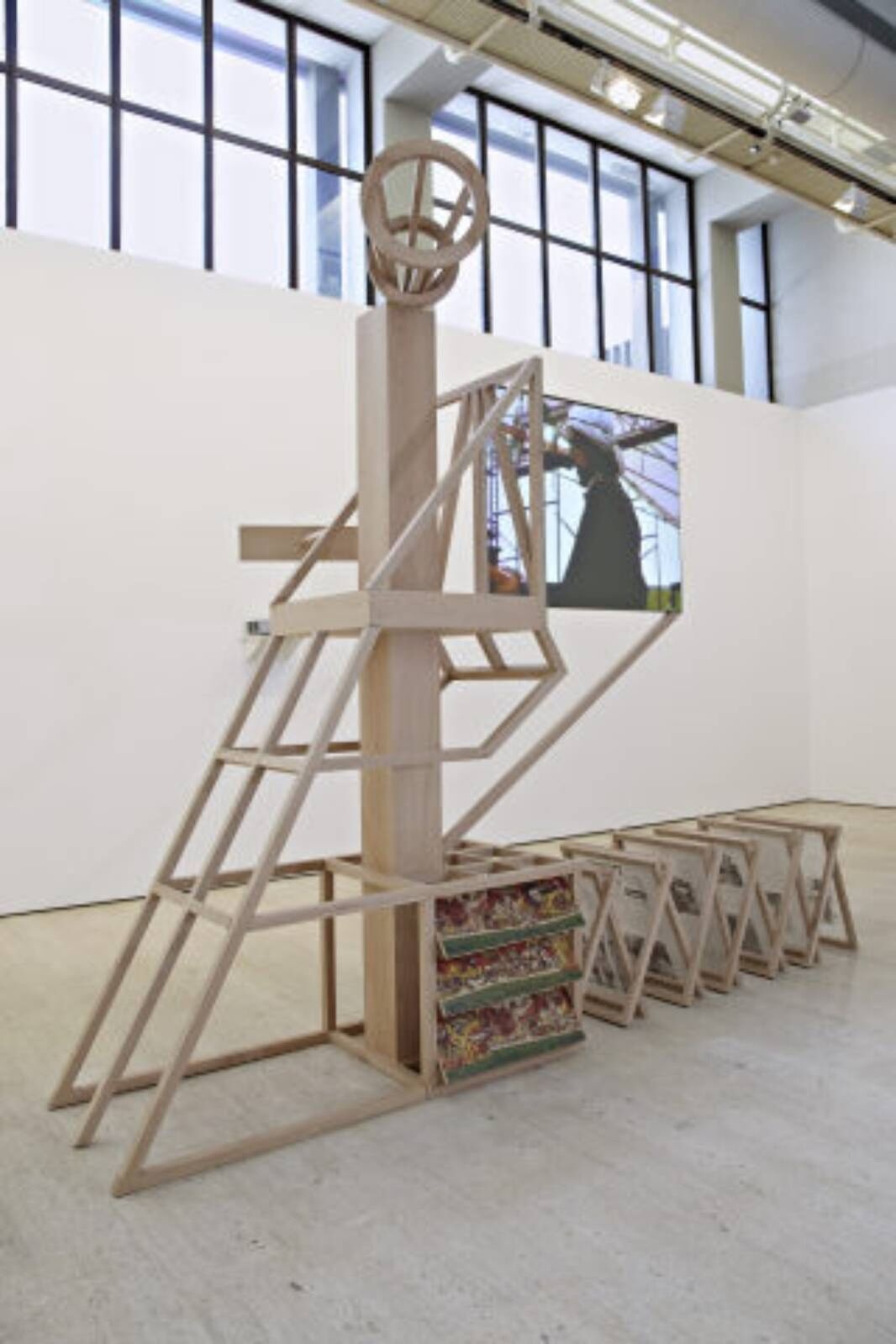
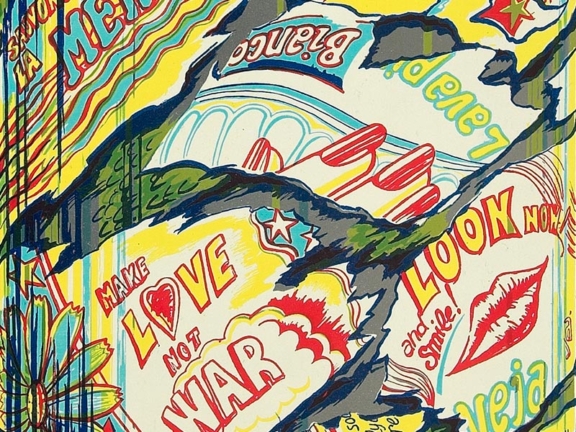
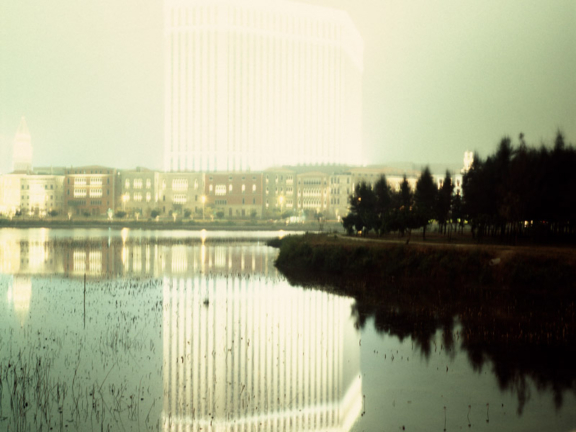
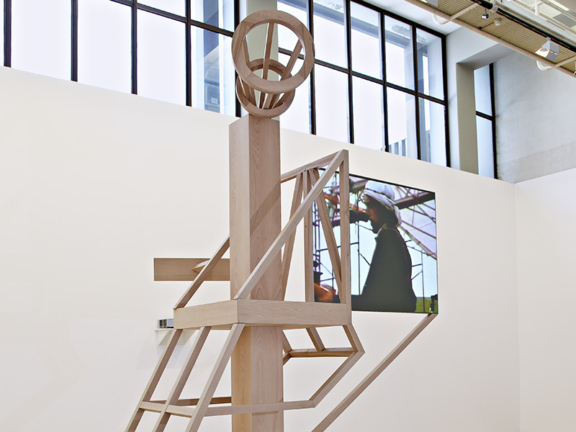
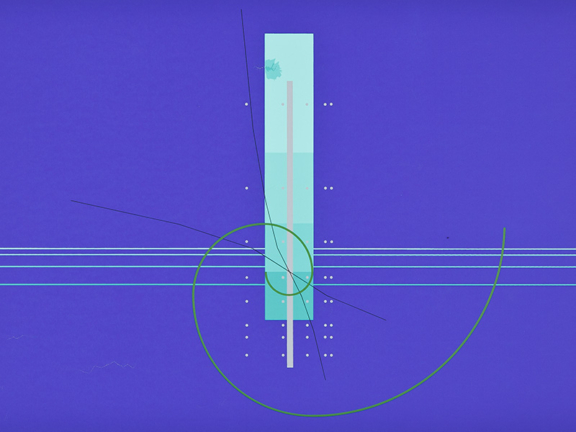
We continue without hesitation. And as in Nuno Calvet’s photograph, the surfaces light up. The darkness dissipates. The path becomes clearer. In the distance, a multimodal installation by Ângela Ferreira evokes a utopian moment and offers music from a period of active hope, inspired by Mozambique’s independence. A reminder of possibilities. A time when hope was not abstract.
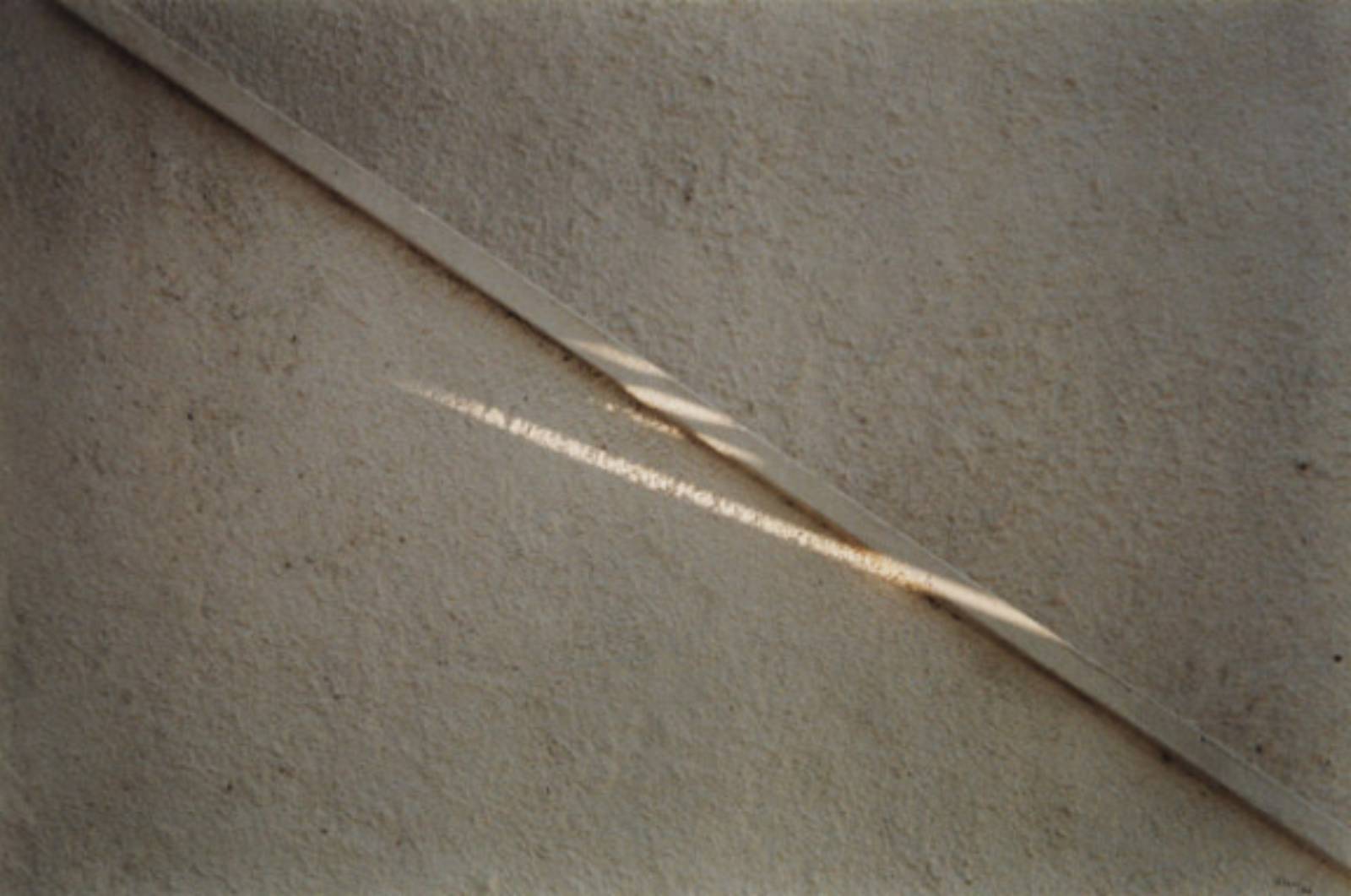
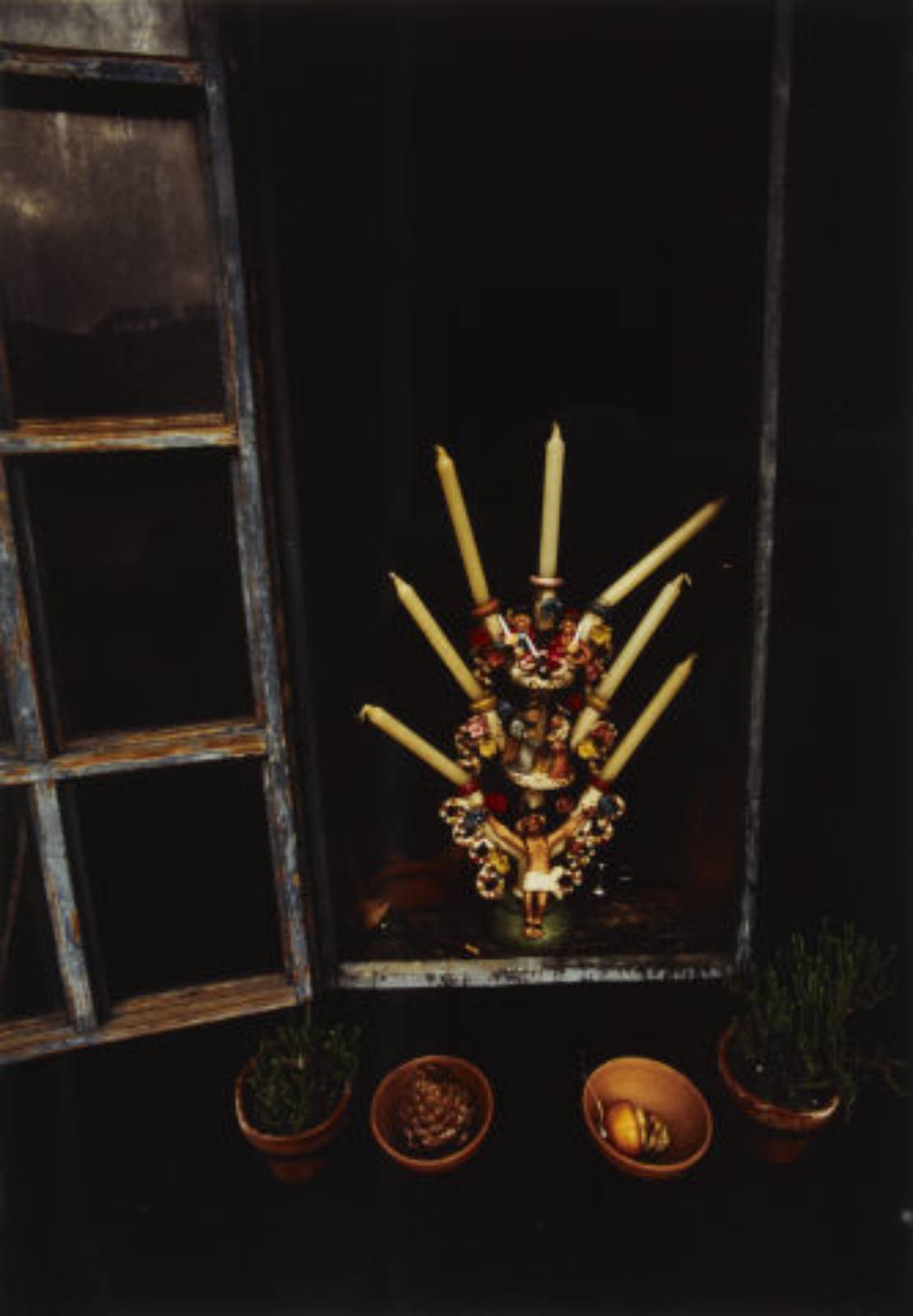
But, once again, we are confronted with its fragility. The music fades. The light flickers. As in Eduardo Nery’s photograph, darkness consumes the light as it tries to resist. A faint glow remains. A glimmer of hope. Just like justice, Molder’s photograph shows us that faith, too, is fragile. We nourish it with prayers—some shouted, others silent.
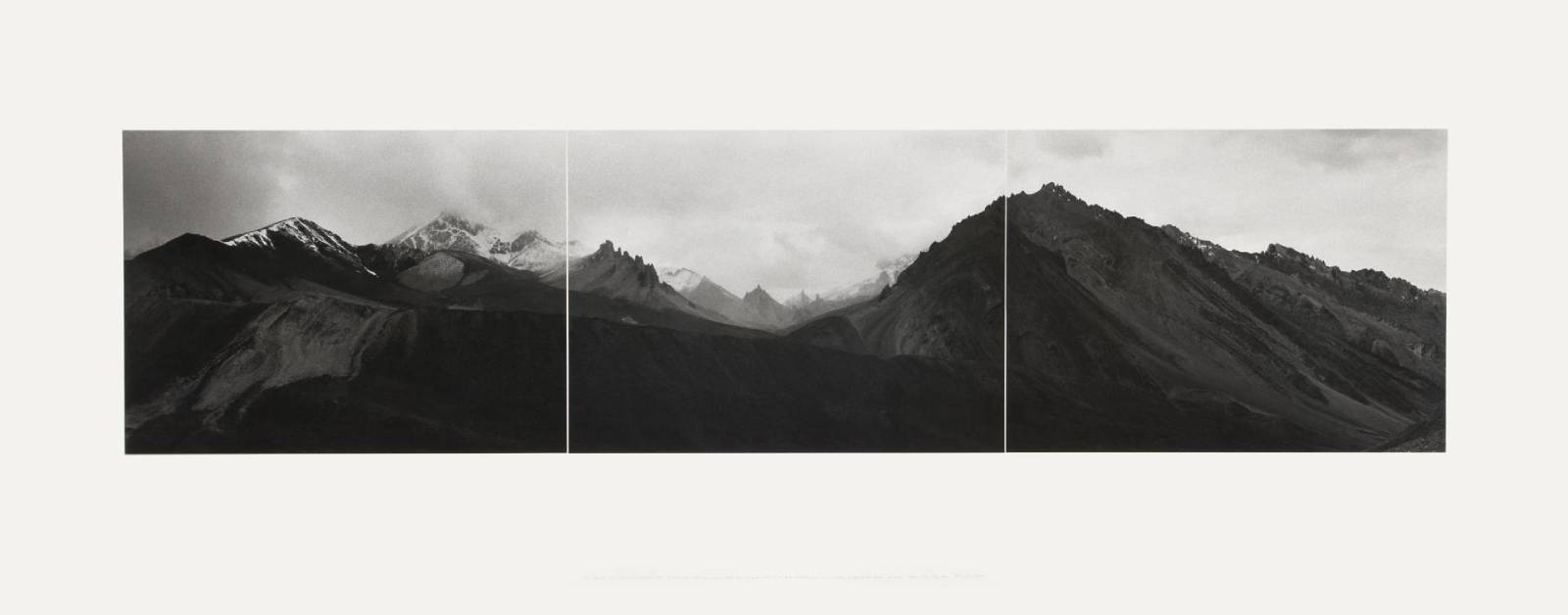
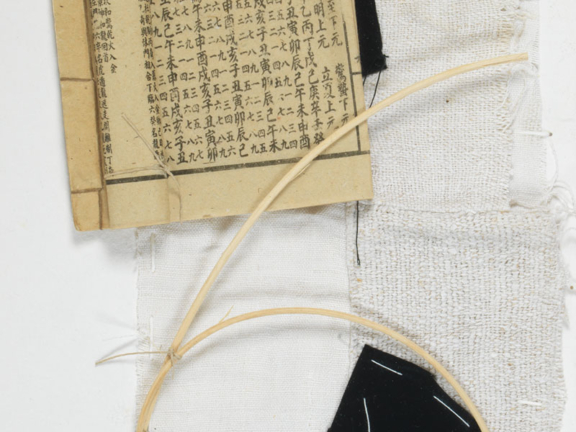
We continued in silence, in a barren, gray landscape devoid of life. We pressed on like Hamish Fulton, who walked and photographed his way through Ladakh, among mountains and rivers. On this journey, we did not seek to escape isolation, but rather its inhabitants.
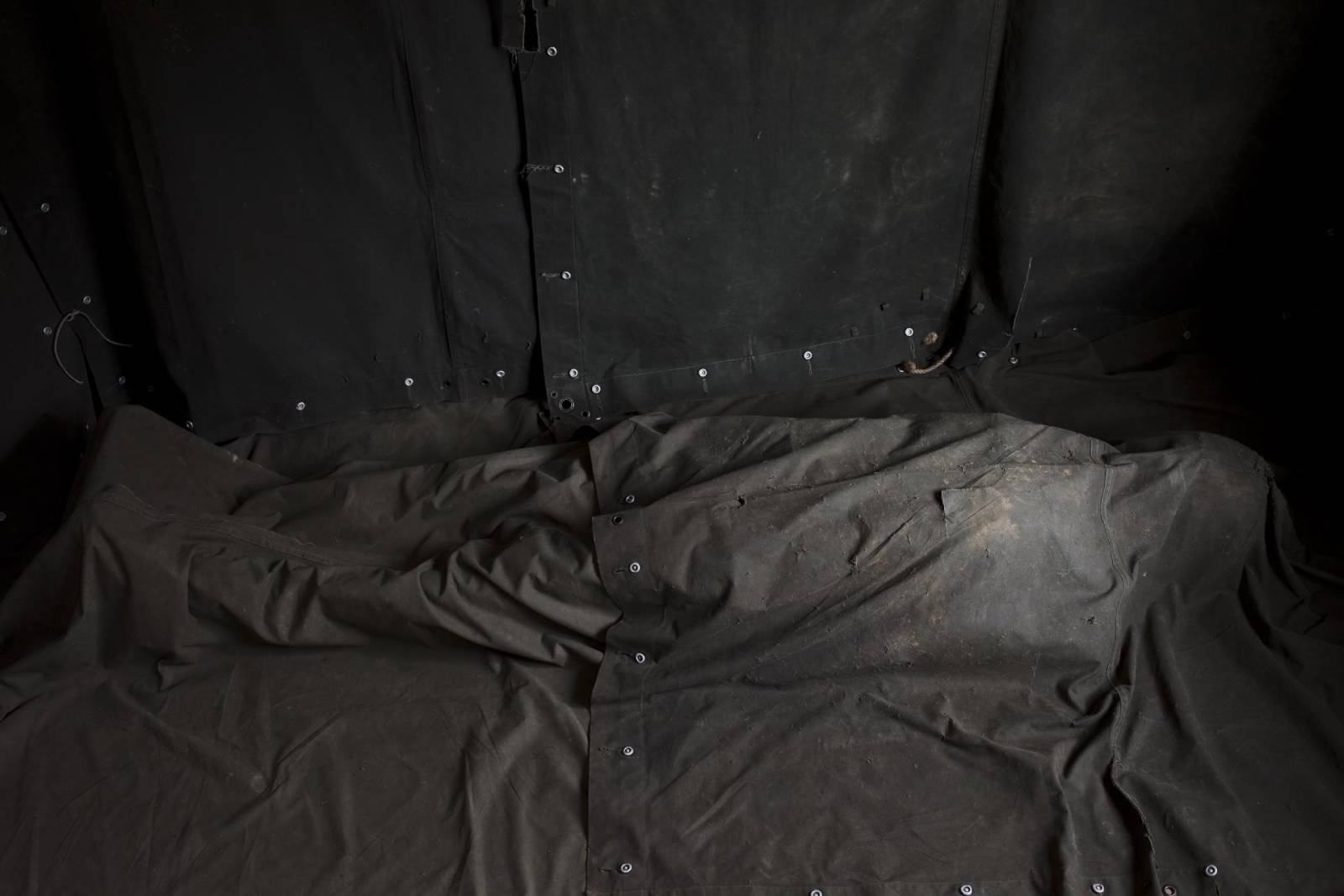
Isolation is a space of mourning. In Manuel Botelho’s works, we are confronted by figures that seek to highlight the fragility of our existence. They have no direction. They offer no comfort. Only the slow unraveling of meaning. Existing and dying become one and the same. Like sinking beneath a surface that never promised to rescue. We watch others disappear. Some gently, others violently. Absence becomes part of the architecture. And we become part of the architecture of others.
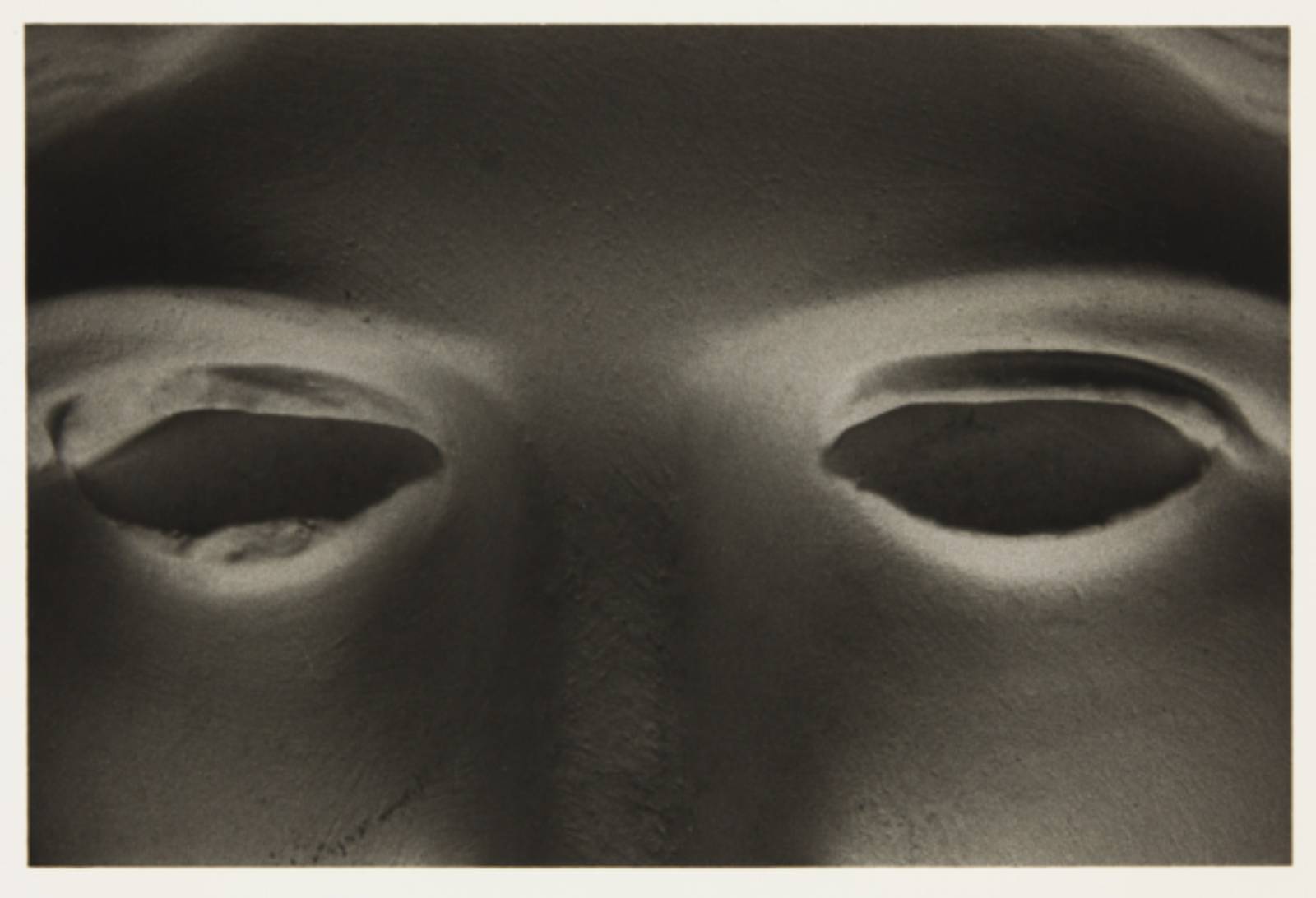
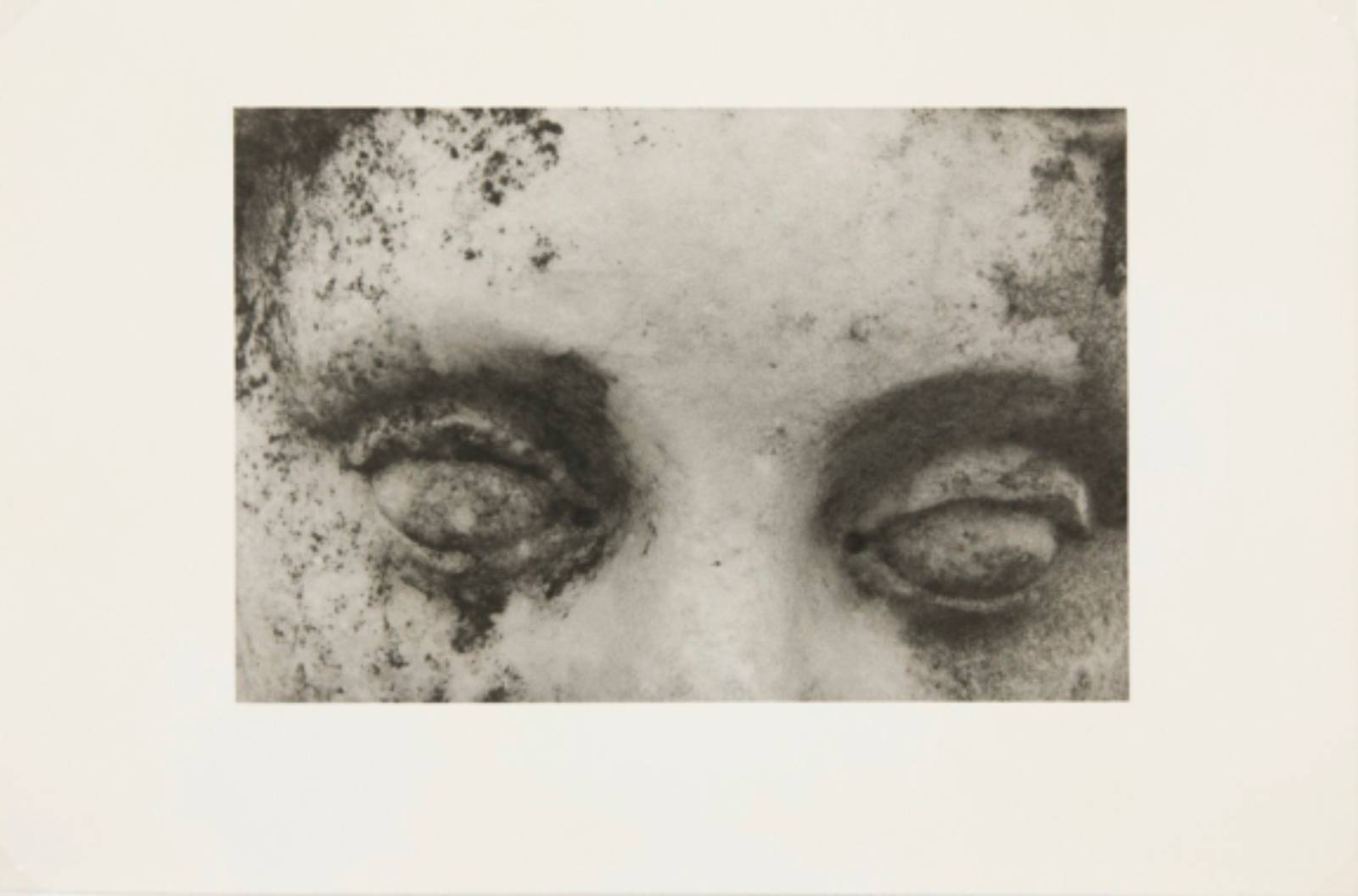
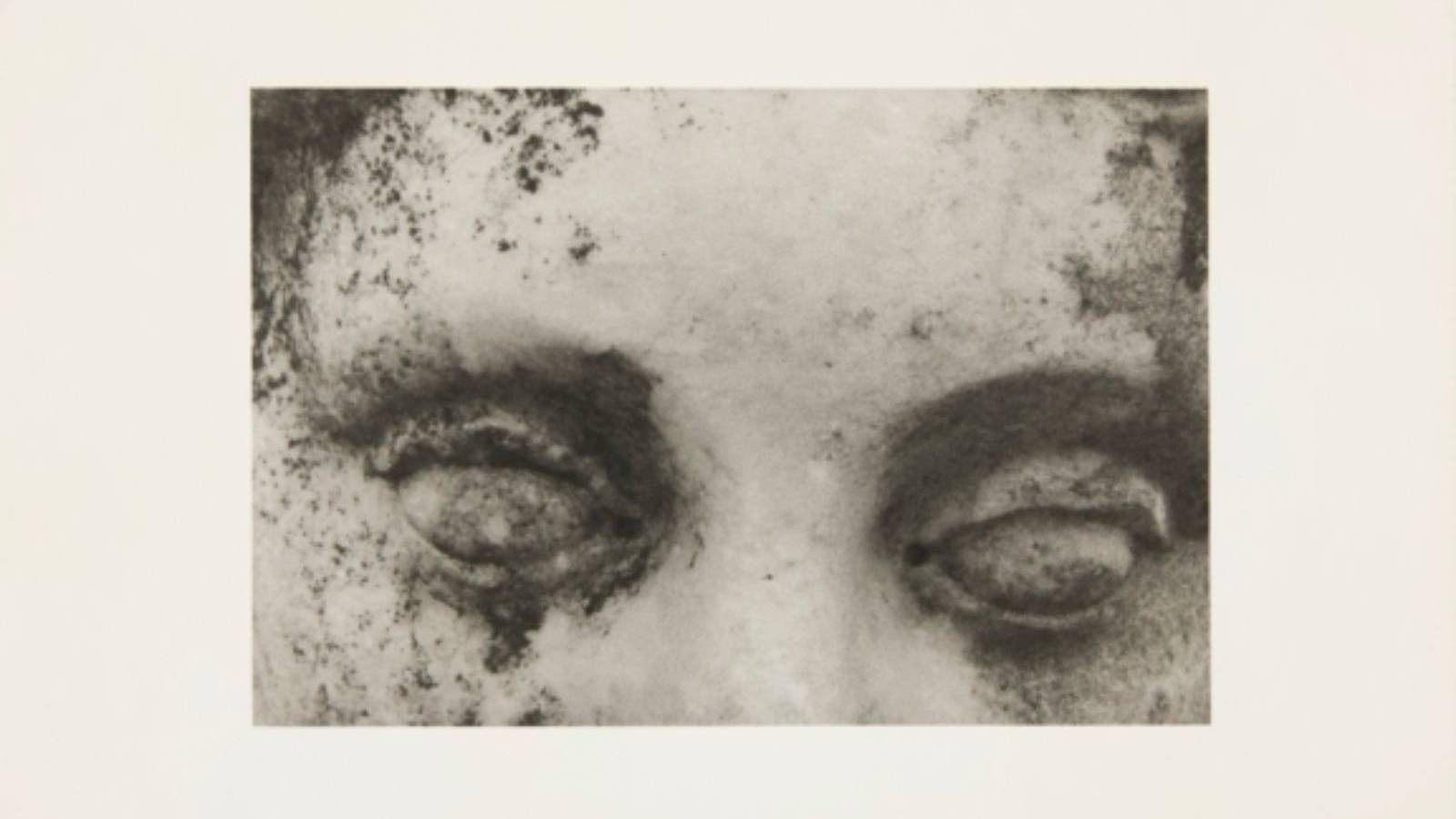
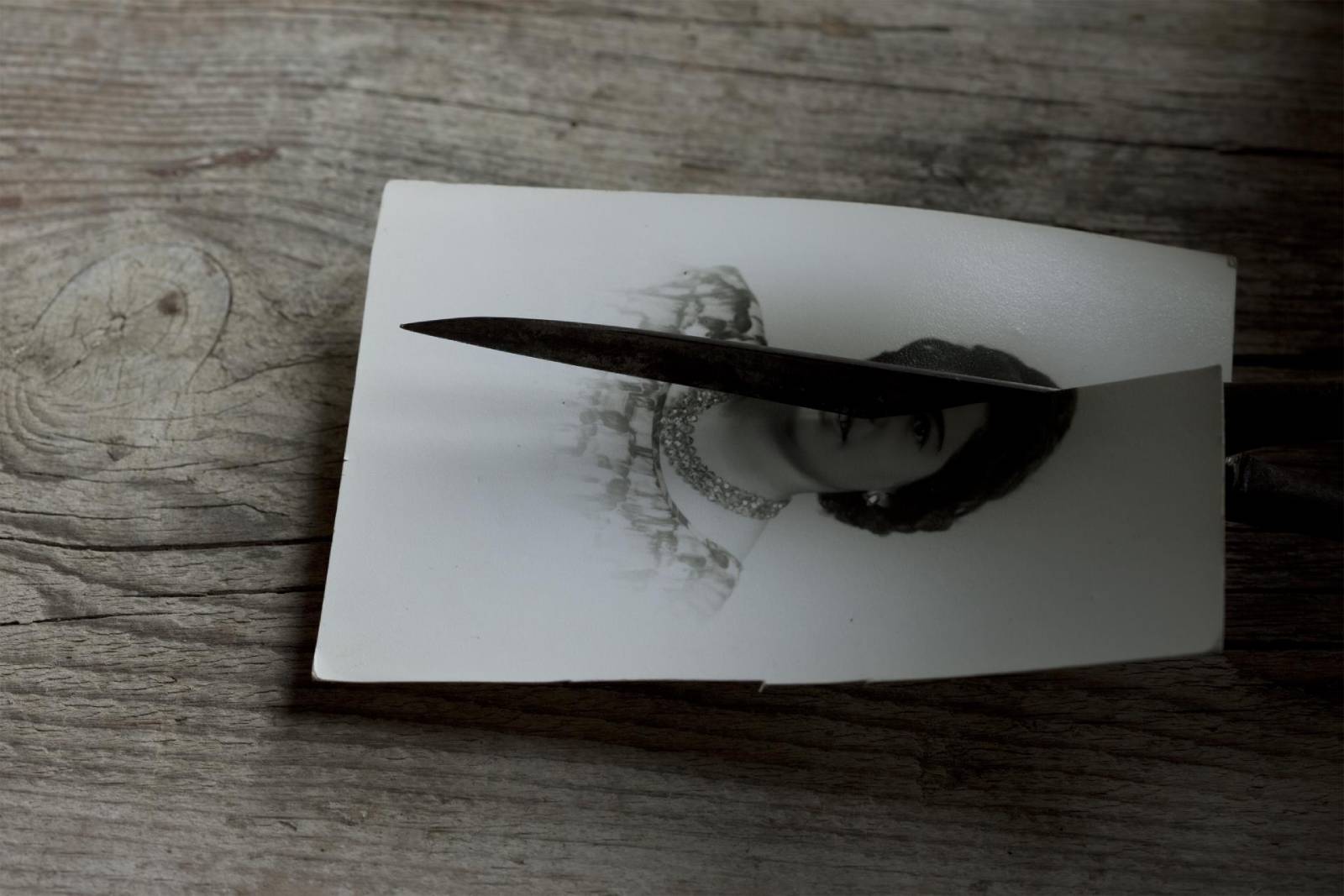
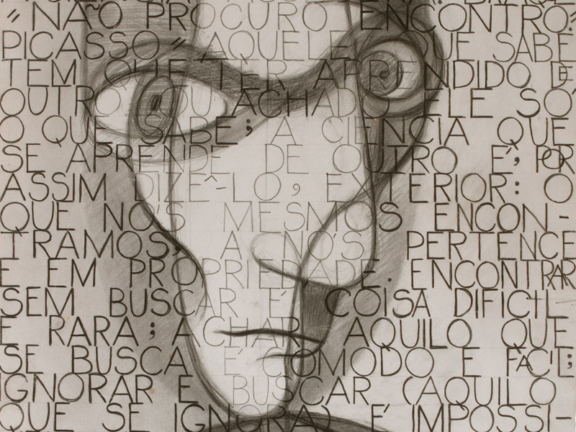
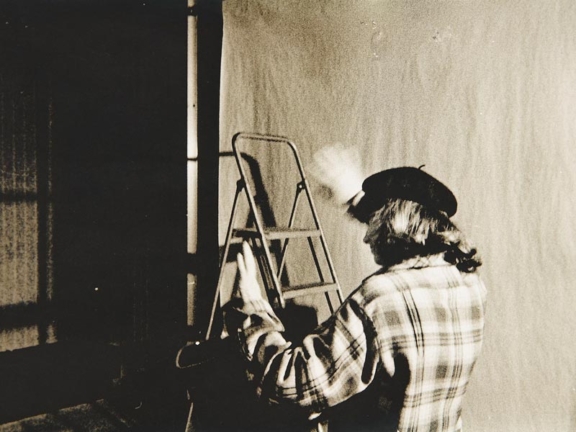
As we hear whispers, cold eyes of oblivion stare at us. Death is not a metaphor. It will not be one day. It is every day. As in Jorge Molder’s Face Lavée d’oubli photographs, our faces will be washed away and forgotten, regardless of the identity we choose to carry.
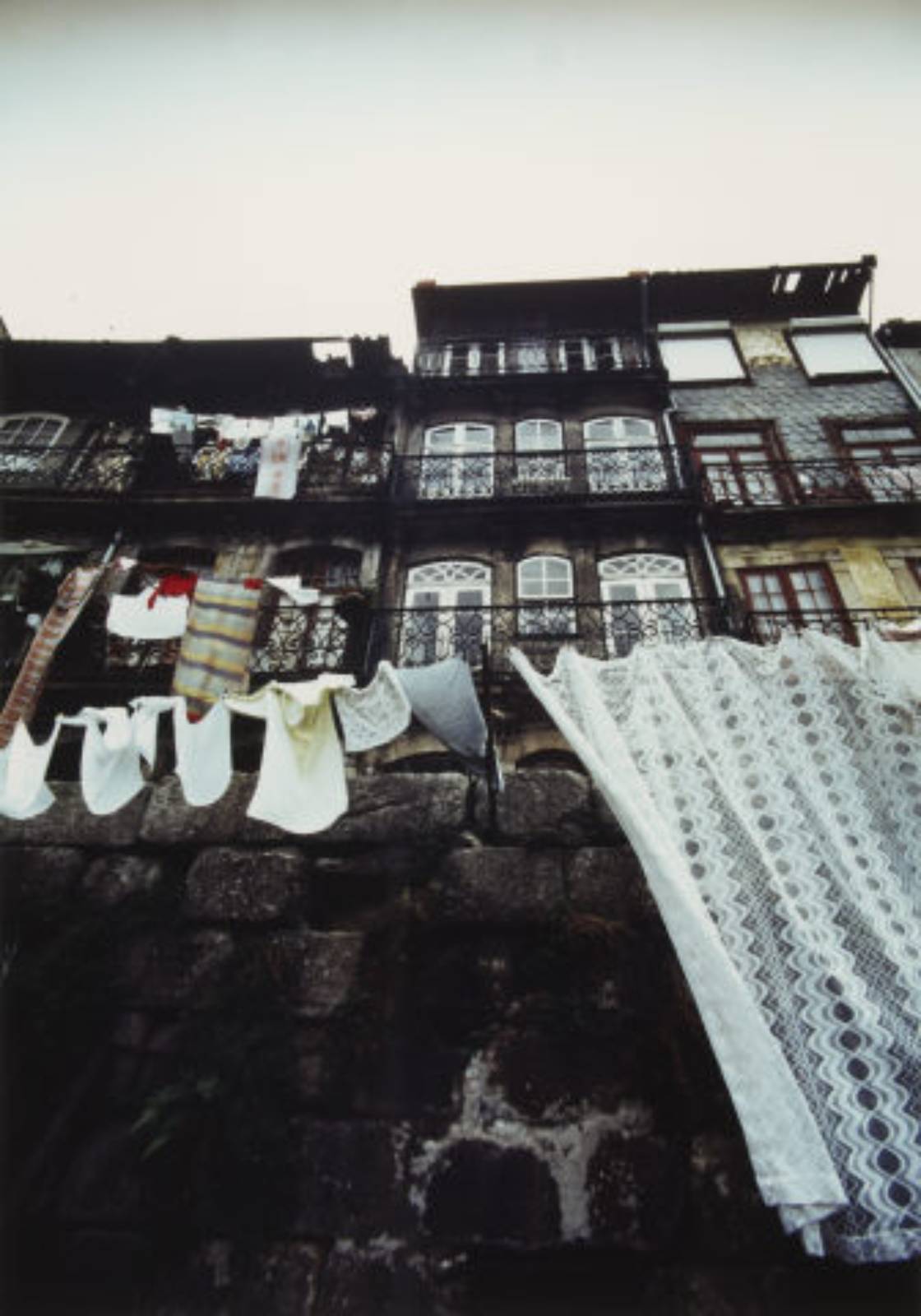
Along the way, we stumble upon buildings, in the vastness of isolation. Captured by Nuno Calvet, they are inhabited. Worn. Persistent. Clothes hang between them. Lace curtains, towels, clothing. They are rituals. Memories. Evidence that someone was here. That someone is here. These domestic traces become sacred markers, like prayer flags fluttering in the wind, linking the mundane to the transcendent. We are nothing. Yet we are whole. Even without faces, the human presence is unmistakable. In the way the fabric catches the light. How the balconies lean, as if listening. How the architecture holds stories without telling them. It is a portrait of collective existence. Of survival. Of repetition. Of the silent dignity of everyday life.
We are not alone.
New readings
Explore the series
No results were found for your criteria.
You may also like
No results were found for your criteria.