
‘Reading and Counter-reading of a Window Object,’ by Irene Buarque
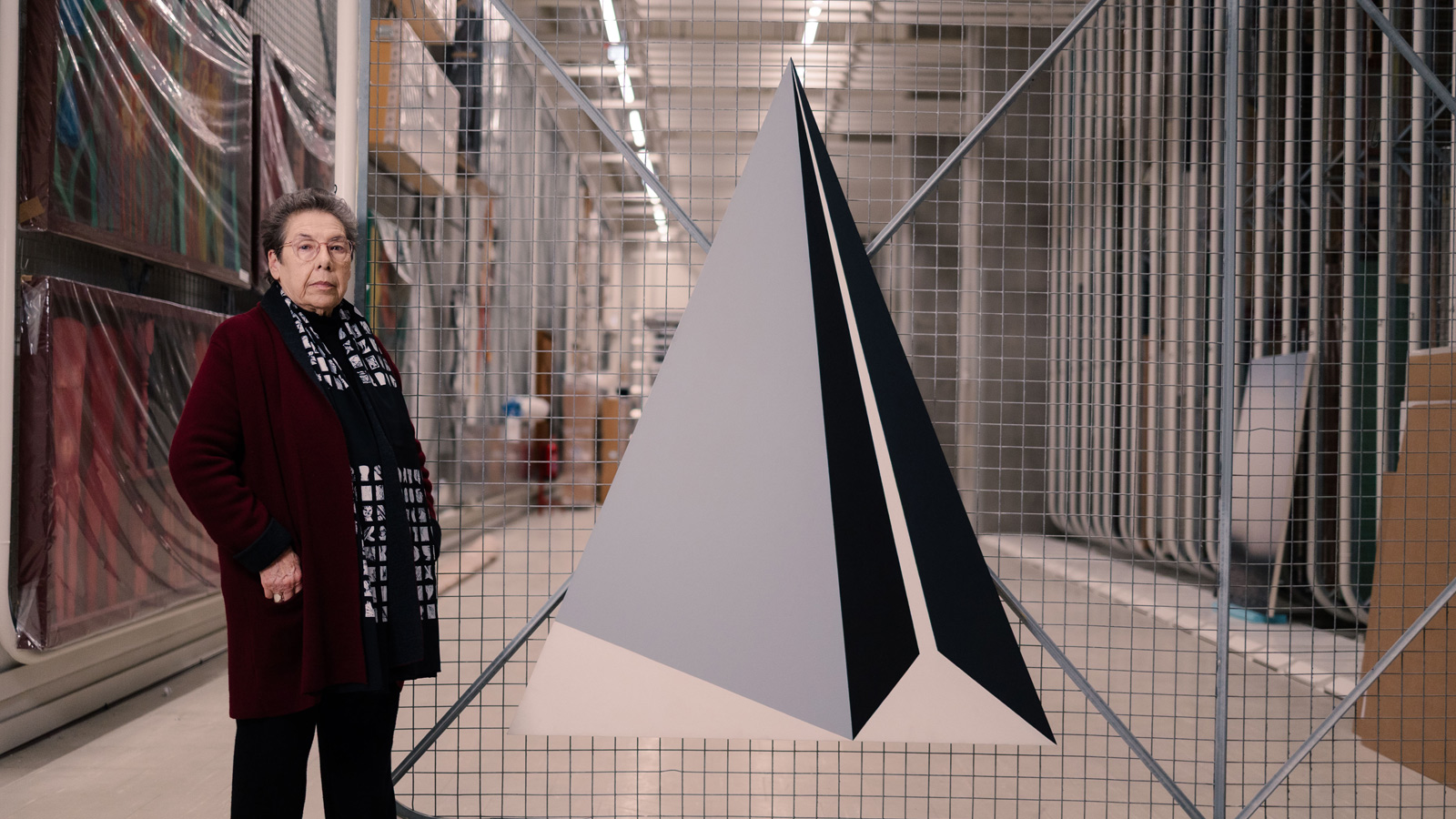
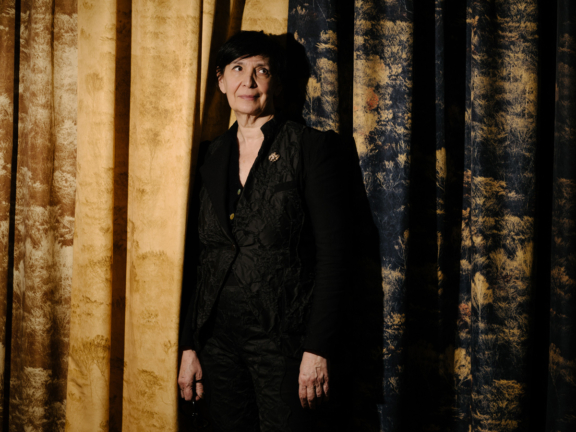
I met Irene Buarque (São Paulo, Brazil, 1943) during her exhibition ‘Uni Verso Plural’ (2024) at the Fundação Carmona e Costa, in Lisbon. The exhibition took a broader, retrospective approach to her work, covering painting, video installation, sculpture and artist’s books, and, as the first large-scale show devoted to her work, represented a landmark in her artistic career.
This time, we met in the new CAM building, a space she has known since 1973, when she came to Portugal from Brazil at the suggestion of the artist Fernando Lemos. At that time, she had received a grant from the Gulbenkian Foundation, an institution she describes as ‘an oasis in the city.’
Following the most recent acquisitions for CAM, we invited the artist to chat about her relationship with the Foundation, her artistic production and how it developed with regard to social and political changes in Portugal.
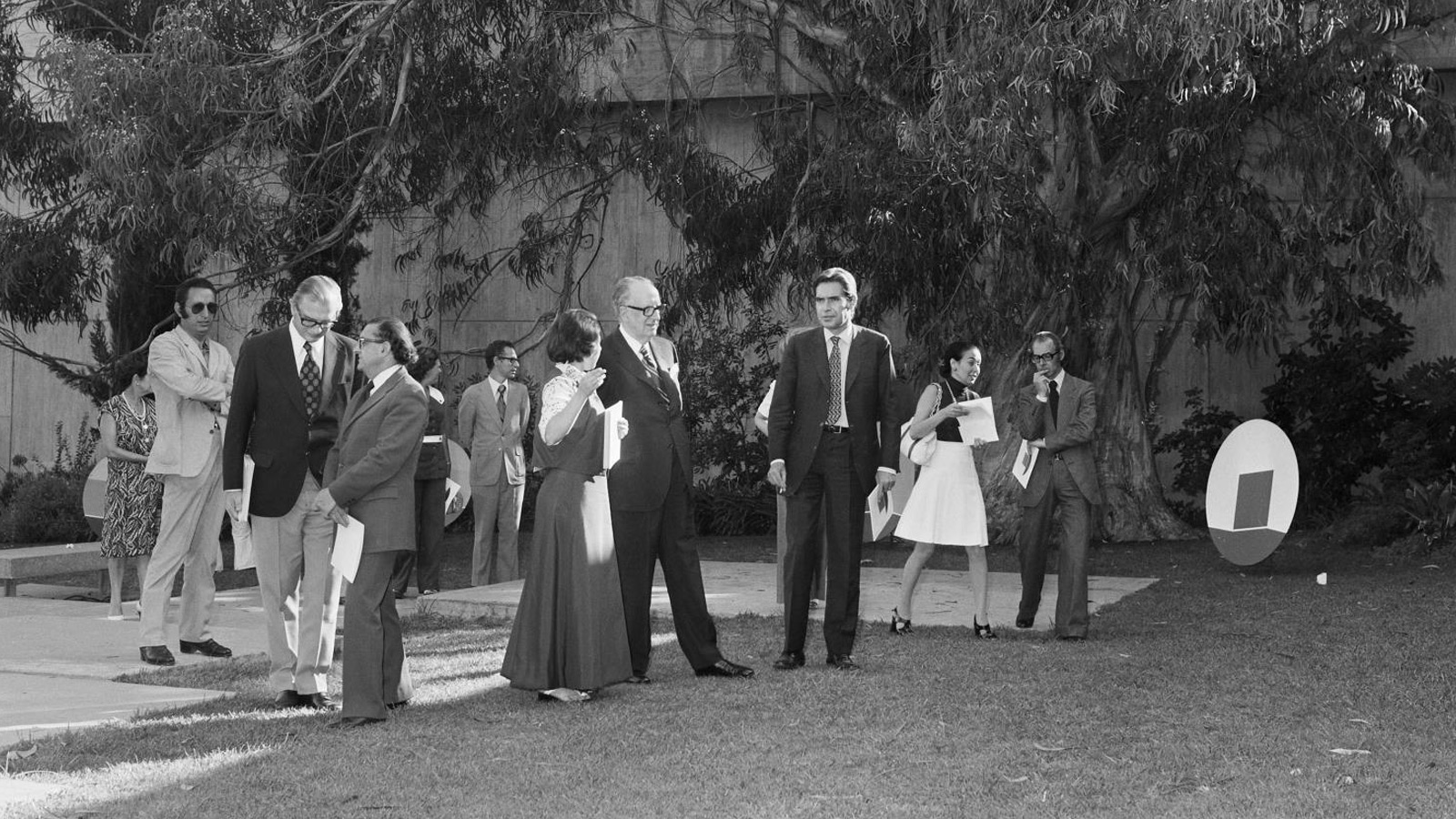
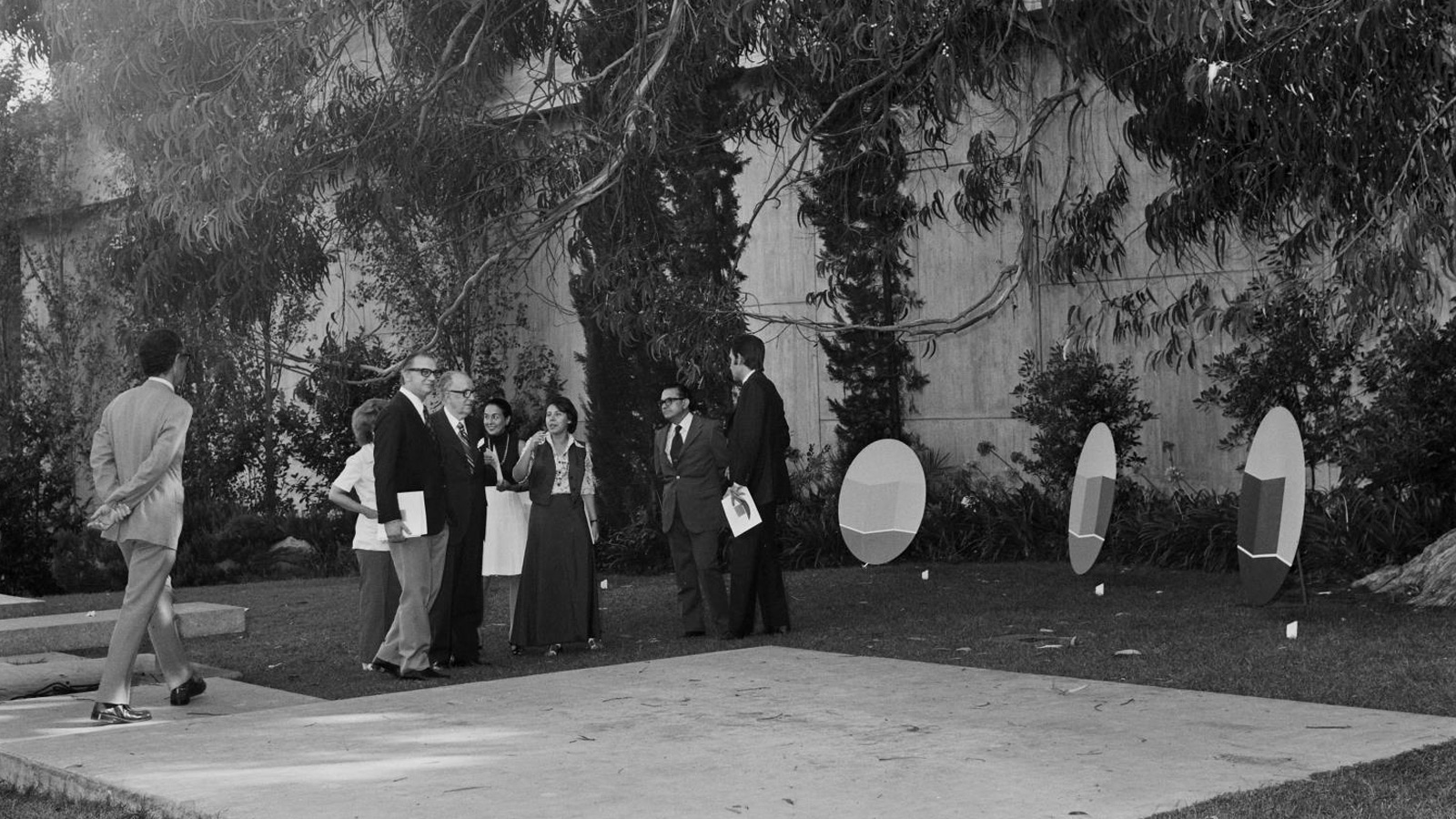
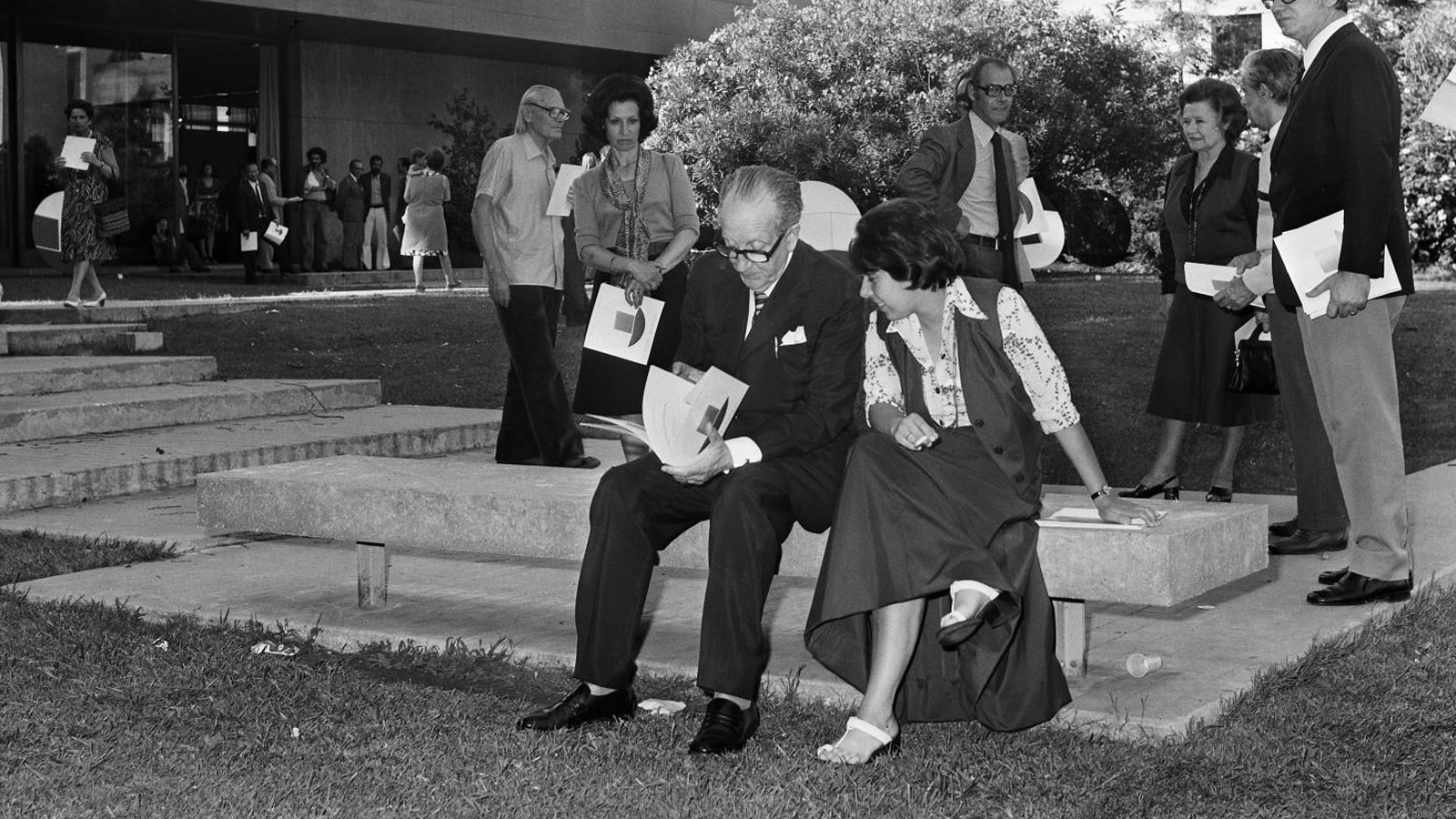
Her first exhibition in Portugal, ‘Irene Buarque’ (1975), opened in the Gulbenkian Park, as the culmination of her grant. This exhibition, held in parallel with those of Fernando Calhau and Eduardo Batarda, quickly revealed Irene’s curiosity about the urban and architectural fabric of Portuguese cities, where the city walls stand out as ideological monuments for their social role and historic remnants. The artist chose to present 19 circular paintings (from the series ‘Muralha’ [Wall]) propped on easels, inspired by the topography of the space and Portuguese castle walls, a novelty for someone from São Paulo, where ‘the only walls were those of the dictatorship.’
‘Walls separate spaces, the city, people; I also felt like I was contained within a wall, Portugal being so isolated from the rest of the world during the regime.’
These symbols, which demonstrate both poetic sensitivity and political awareness, convey the dual meaning of this image: escape and hope and, in turn, the experience of dictatorship and the post-revolutionary period lived by the artist, who ‘was painting the tenth ‘Muralha’ [Wall] when the 25 April Revolution happened. Of the paintings I made after the revolution, I chose to do some in black and white [two of which are in the CAM Collection] and they became almost glass panes, resembling windows.’
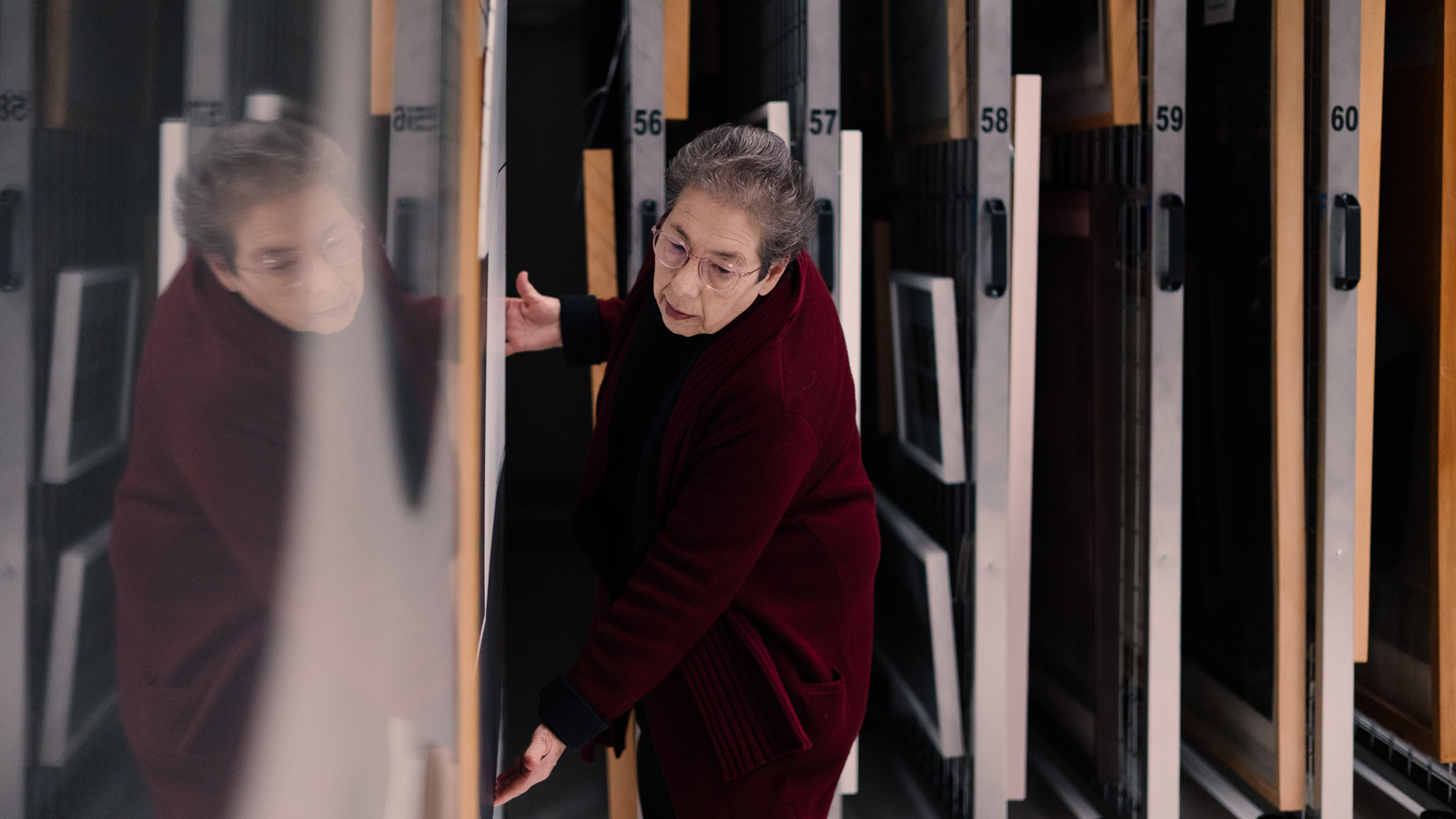
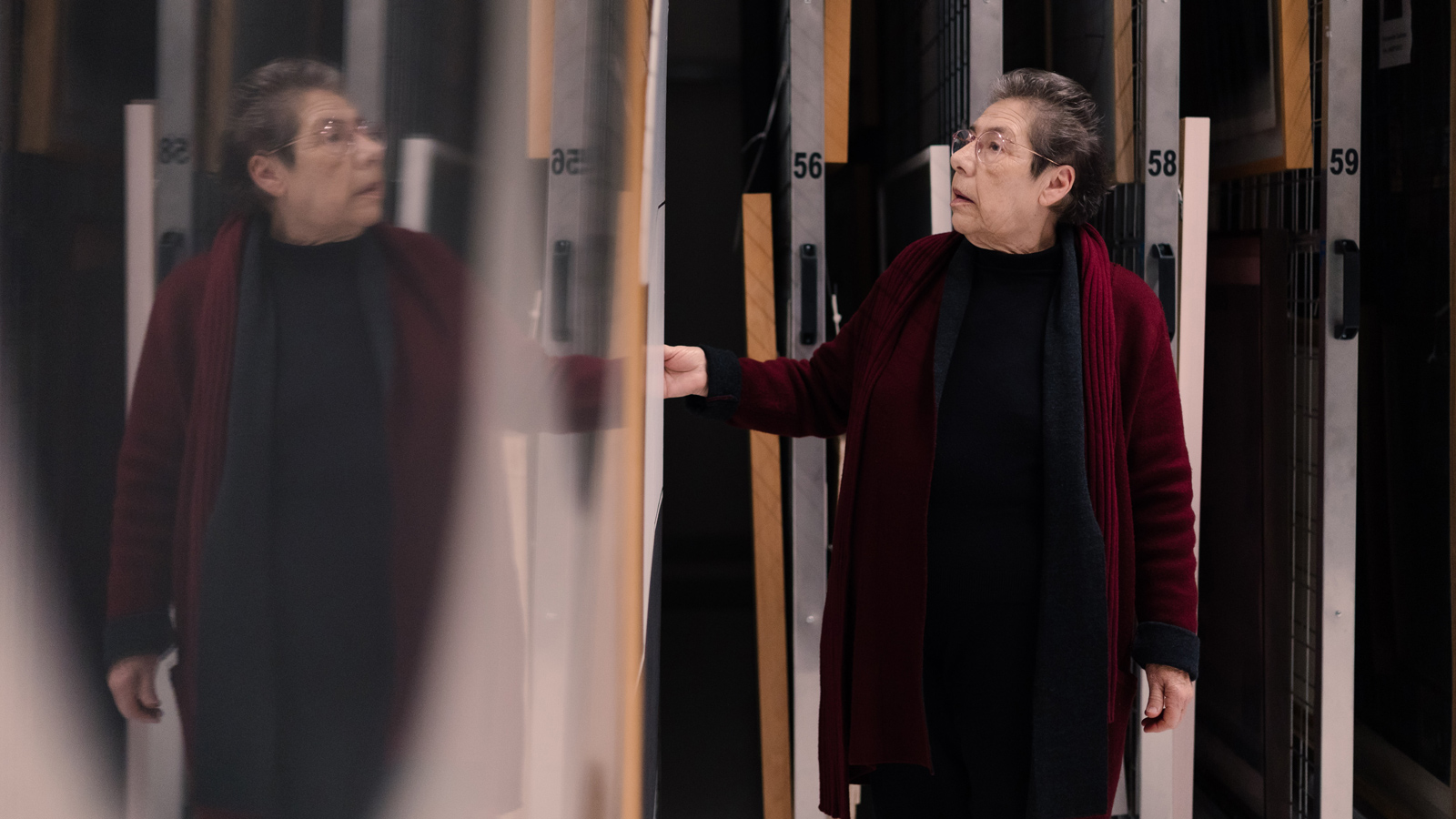
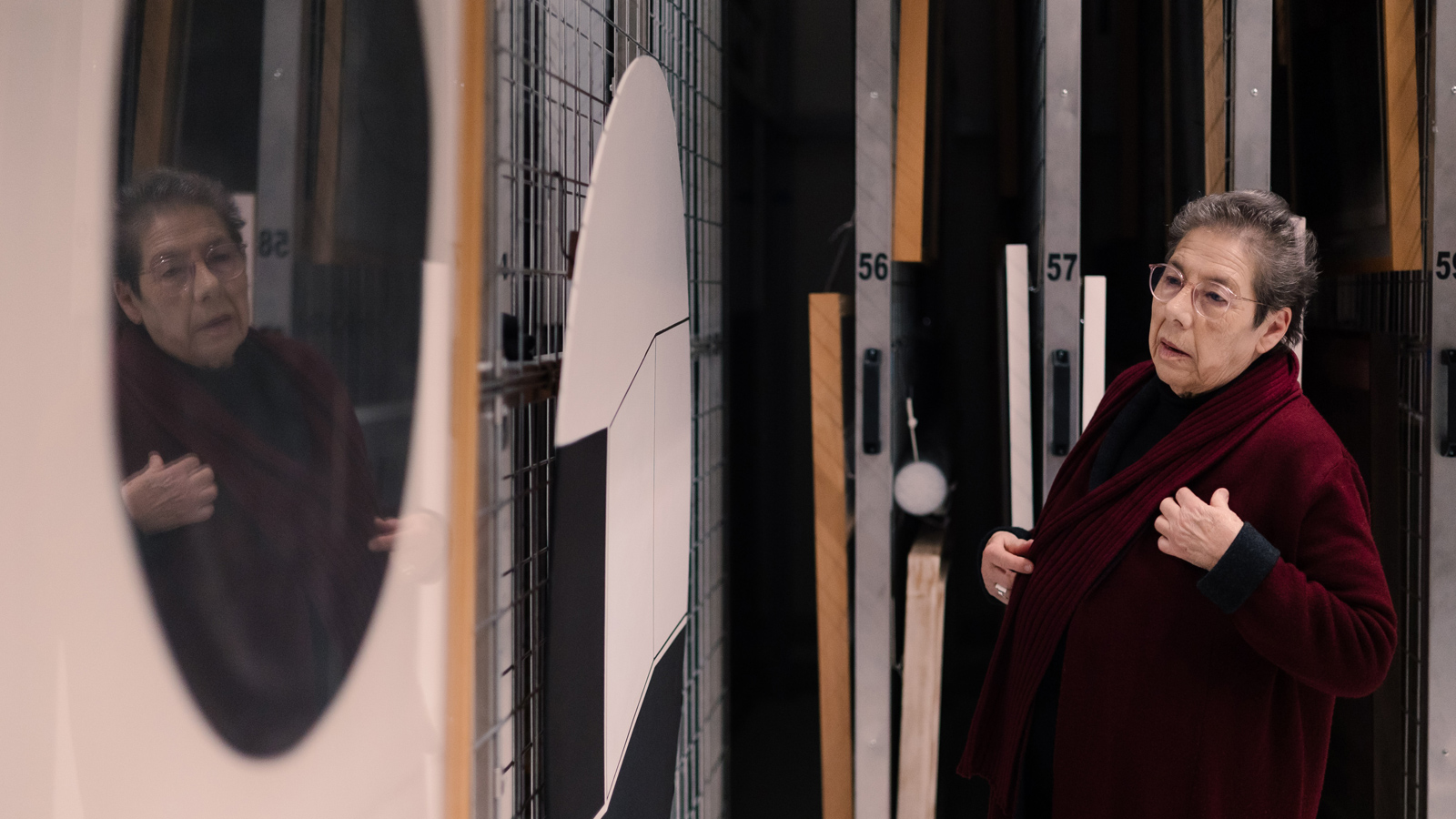
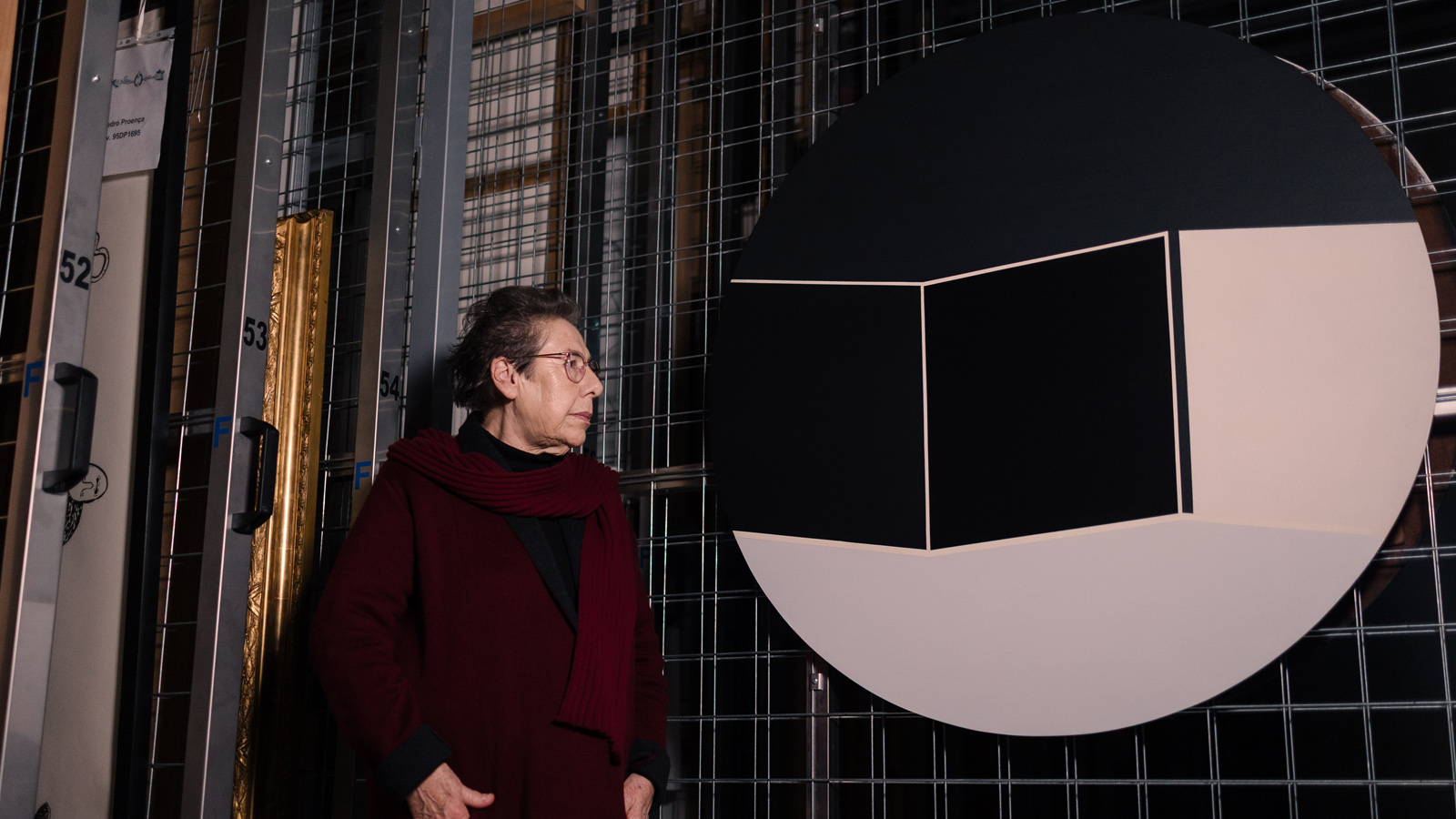
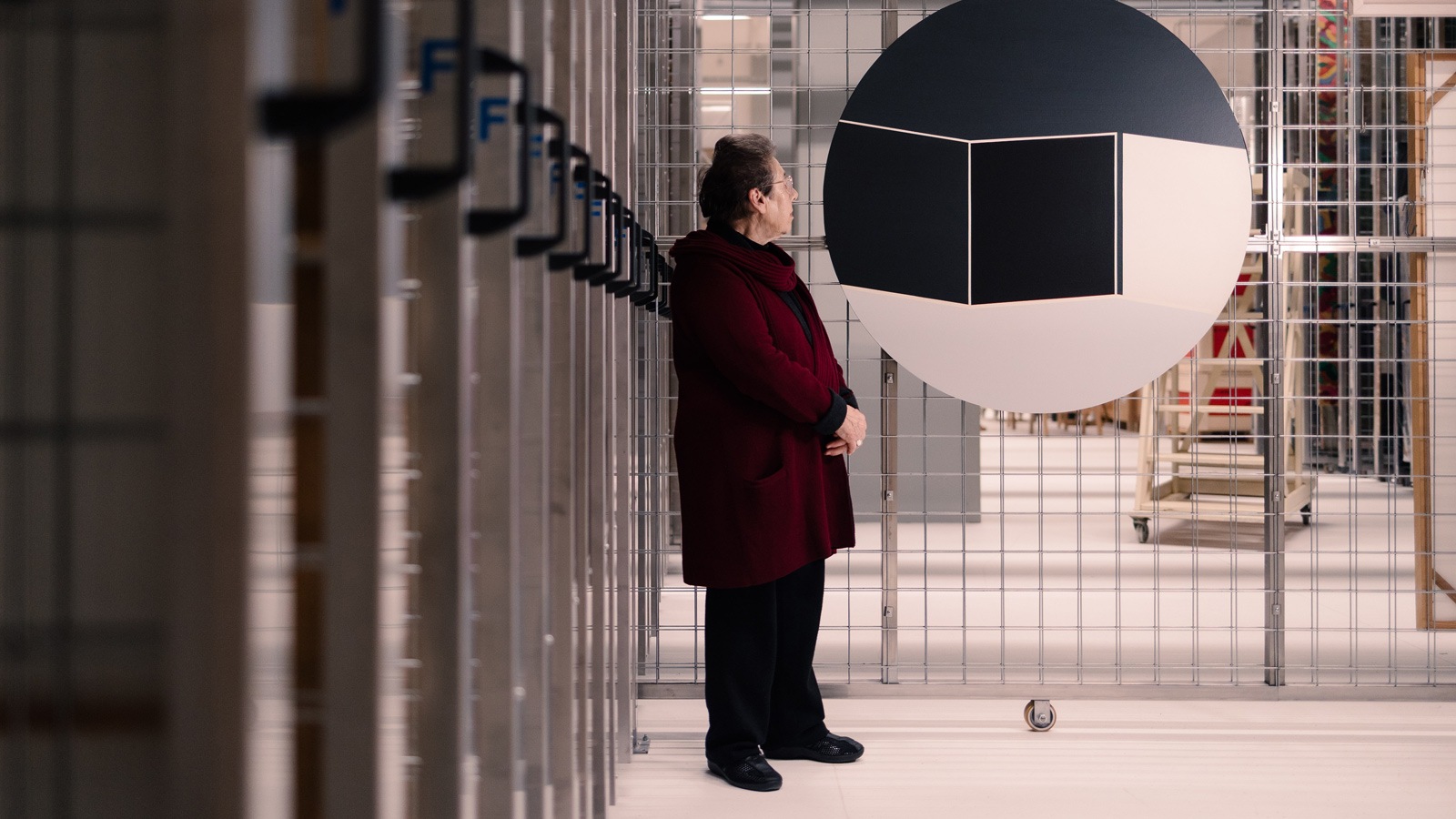
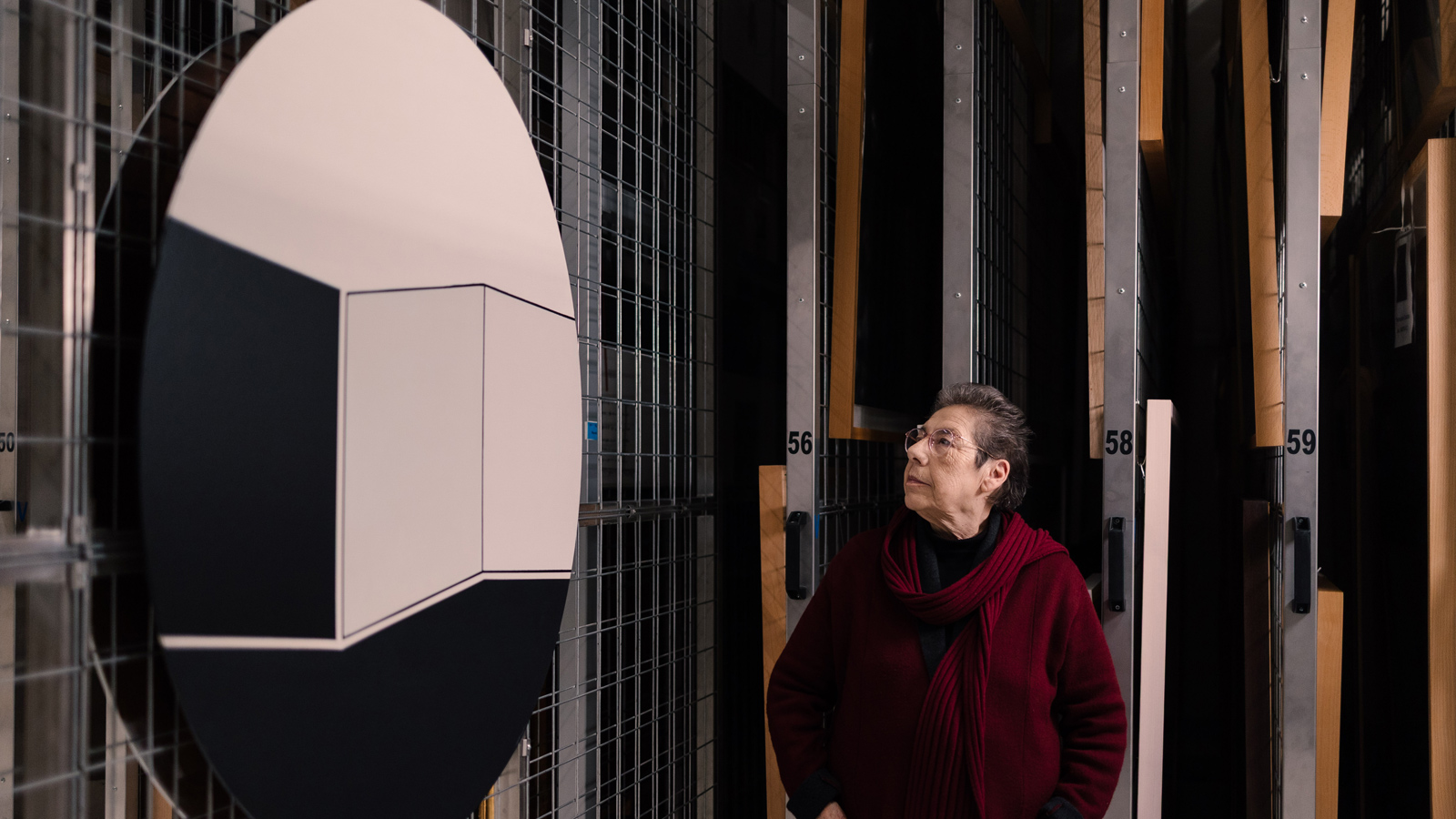
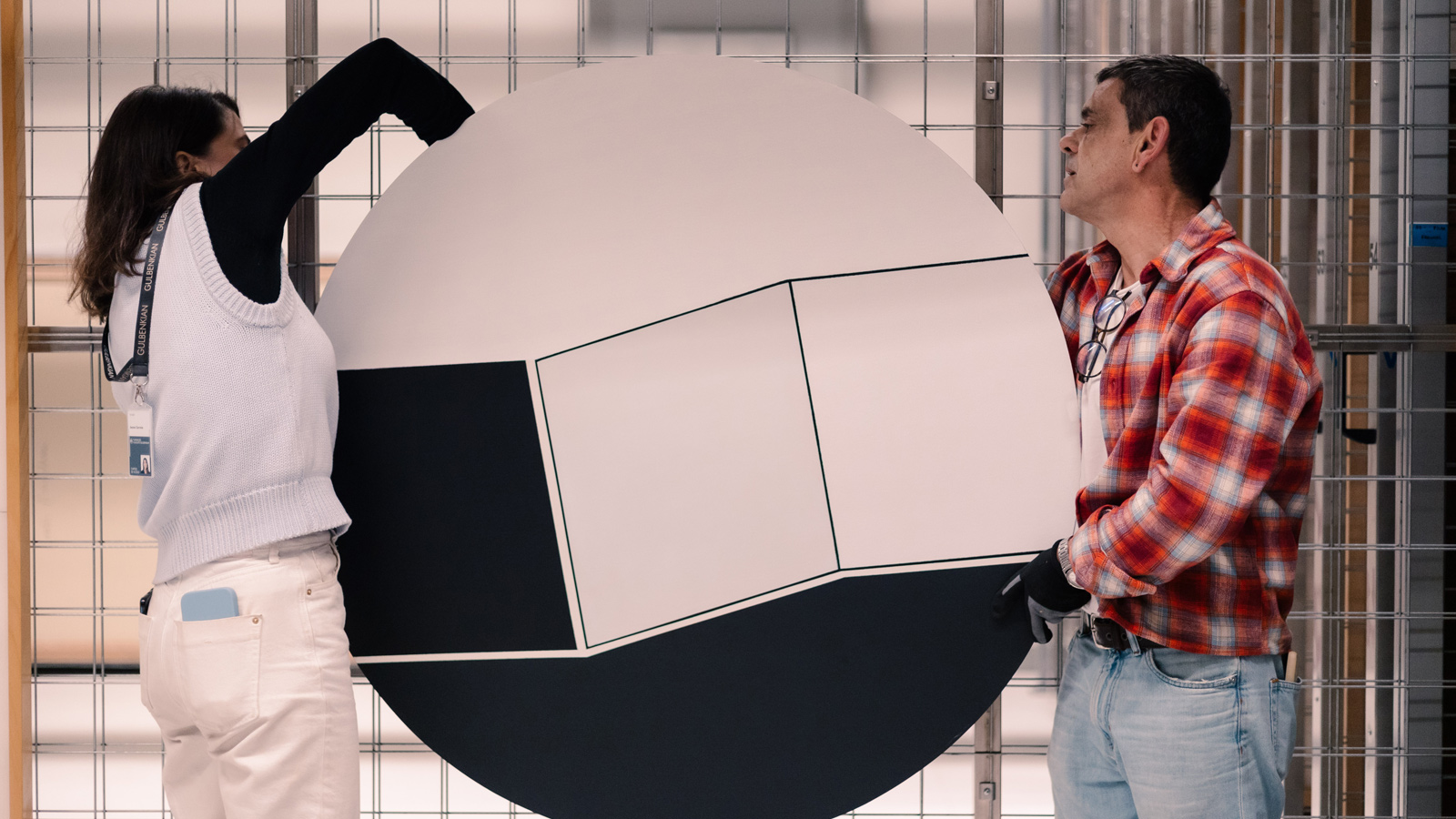
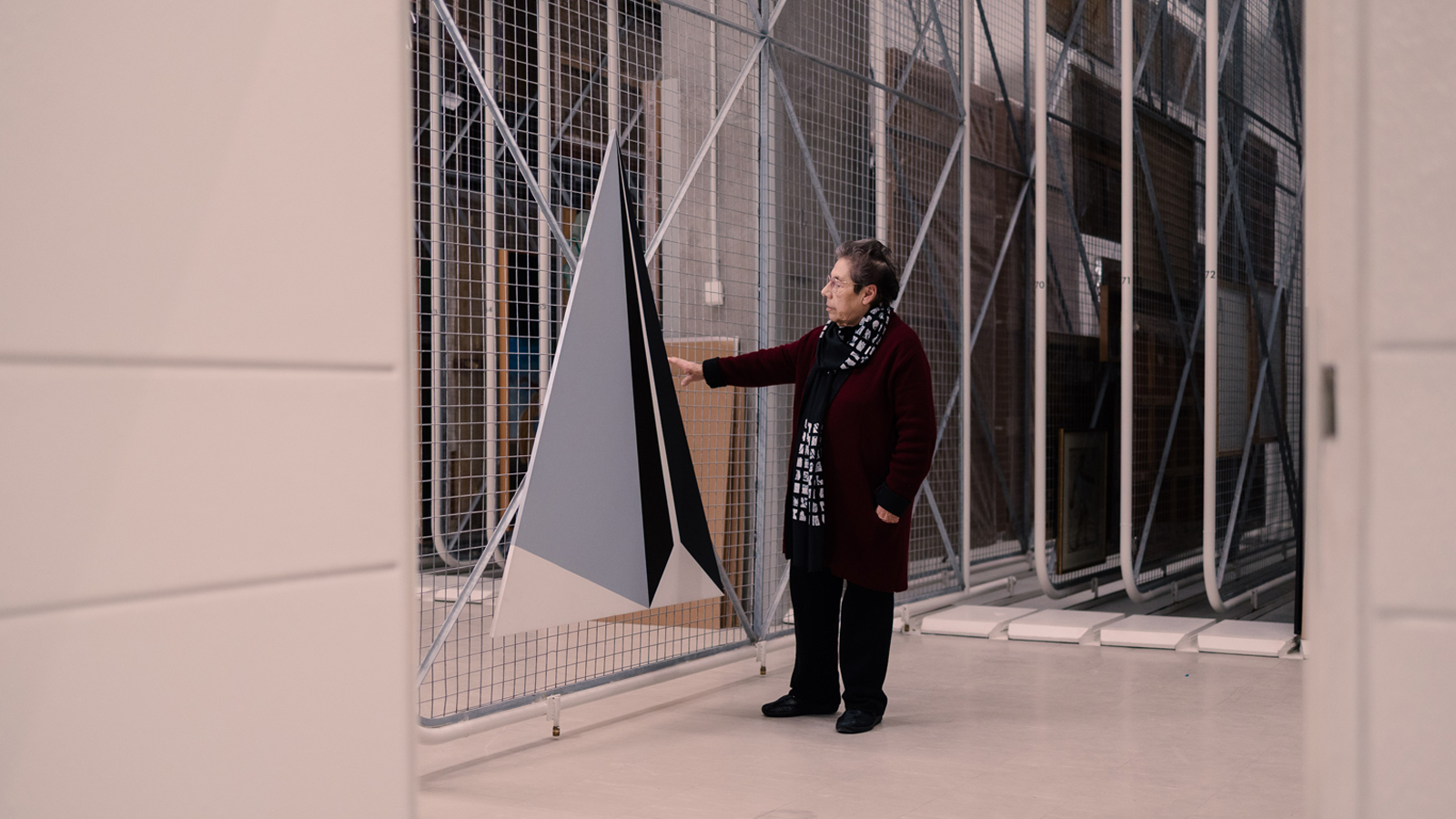
There was a growing reciprocity between her urban experience and her artistic work. Developing in harmony with the city of Lisbon, which was slowly starting to organise itself in the new democracy, we see connections between visual affinities and the political situation. The artist’s obsessive recording of windows, reproduced through prints and photography, emerged from that relationship with urban life. Irene Buarque describes Lisbon as a city made for walking, unlike São Paulo. On her strolls around the streets, she found interest in architectural elements, particularly in the façades of the buildings. The geometric framework provided by the arrangement of the windows and the richness she observed in the different styles led her to note that she ‘was also finding the History of Art: pop, classical, minimalist…’ According to Buarque, ‘there is not a single artist who has no relationship whatsoever with windows.’
‘there is not a single artist who has no relationship whatsoever with windows.’
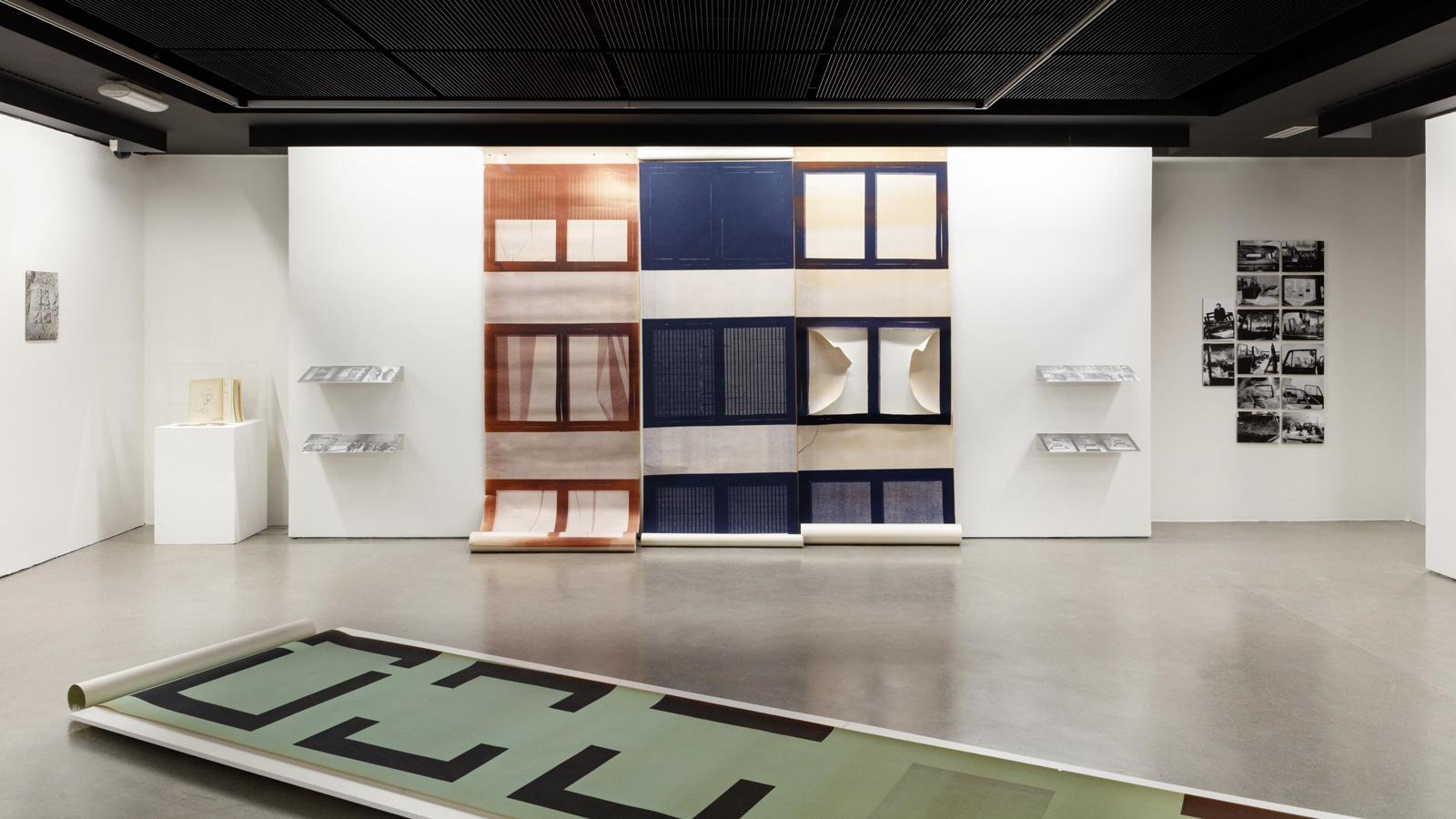
The installation acquired in 2024 for the CAM Collection is an example of the multiple types of windows and frames she found. The group was presented for the first time, at the suggestion of Ernesto de Sousa, at the exhibition ‘Leitura e Contraleitura de um Espaço Limite: Janela’ [Reading and Counter-reading of a Limited Space: Window], in 1978, in Galeria Quadrum in Lisbon. It was around this time that print-making and screen printing became more explicit in the artistic practice of Irene Buarque, who was one of the founders of Cooperativa Diferença in Lisbon.[1]
The installation ‘Leitura e Contraleitura de uma Janela Objeto’ was presented along with a frame-window, which was used as a reference for the production of the remaining pieces. The window is reproduced in a simulated arrangement using printed frames and straight outlines, with a simplified geometry. The paper strips, which were laid out on the floor and suspended in the space, suggested a certain inclination towards heightened objectification and abstraction of the base image.[2] ‘When I adopt a form, I take it to the ultimate limits.’ The same can be said for the artist’s interest in reformulating interior architecture on the exterior and, through scale and repetition, recreating in those patterns what she observed and photographed on the exterior. Buarque describes windows as ‘extensions of people’ and thus these windows she exhibits are personified and allowed actions, desires and thoughts. At a final point in the exhibition, a short performance was organised in which the artist cut out one of the windows with a blade.
This final action clarifies and concludes this conversation, demonstrating the immense power of the symbolism used by Irene Buarque, and the contemporaneity of her words and her experience as a Brazilian artist who has lived and worked in Portugal since her arrival in the late 1970s. The importance of including this artist in the collection is based not just on her continual relationship of support and work with the institution, but also on her contribution to the national and international art scene.
[1] A space in the centre of Lisbon created in 1978 and run by a group of artists: Ernesto de Sousa, Helena Almeida, Irene Buarque, António Palolo, Monteiro Gil, José Conduto, José Carvalho, Fernanda Pissarro, Marília Viegas and Maria Rolão. With a diverse programme and work spaces, Cooperativa Diferença was devoted to printing techniques, publications, experimental performance events and exhibitions. It is currently known as Galeria Diferença.
[2] ‘Work of almost two years – 1977/78 – divided into five phases: 1st phase: Photographic survey treating (or selecting) the window as figurative, abstract or pop, etc., painting…’ 2nd phase: The structure of a window as an object, demystifying its function and considering symbol and form. They are the sequences in sand, water and fire; 3rd phase: Projects for windows reproduced on paper, drawn in the sand, traced on glass of another window and made into diagrams with labels; considering line, planes and resources; 4th phase: The window treated as a geometric shape, considering the ambiguity of the image, emptiness, fullness, inside and outside; 5th phase: The ‘window-reflection,’ its mutations in the light, considering the developed, projected, insurmountable and impenetrable image.’ – Galeria Quadrum Catalogue, 1978.
Works from the CAM Collection
Explore the series


No results were found for your criteria.
You may also like
No results were found for your criteria.