
‘The madwomen’, by Carolina Deslandes
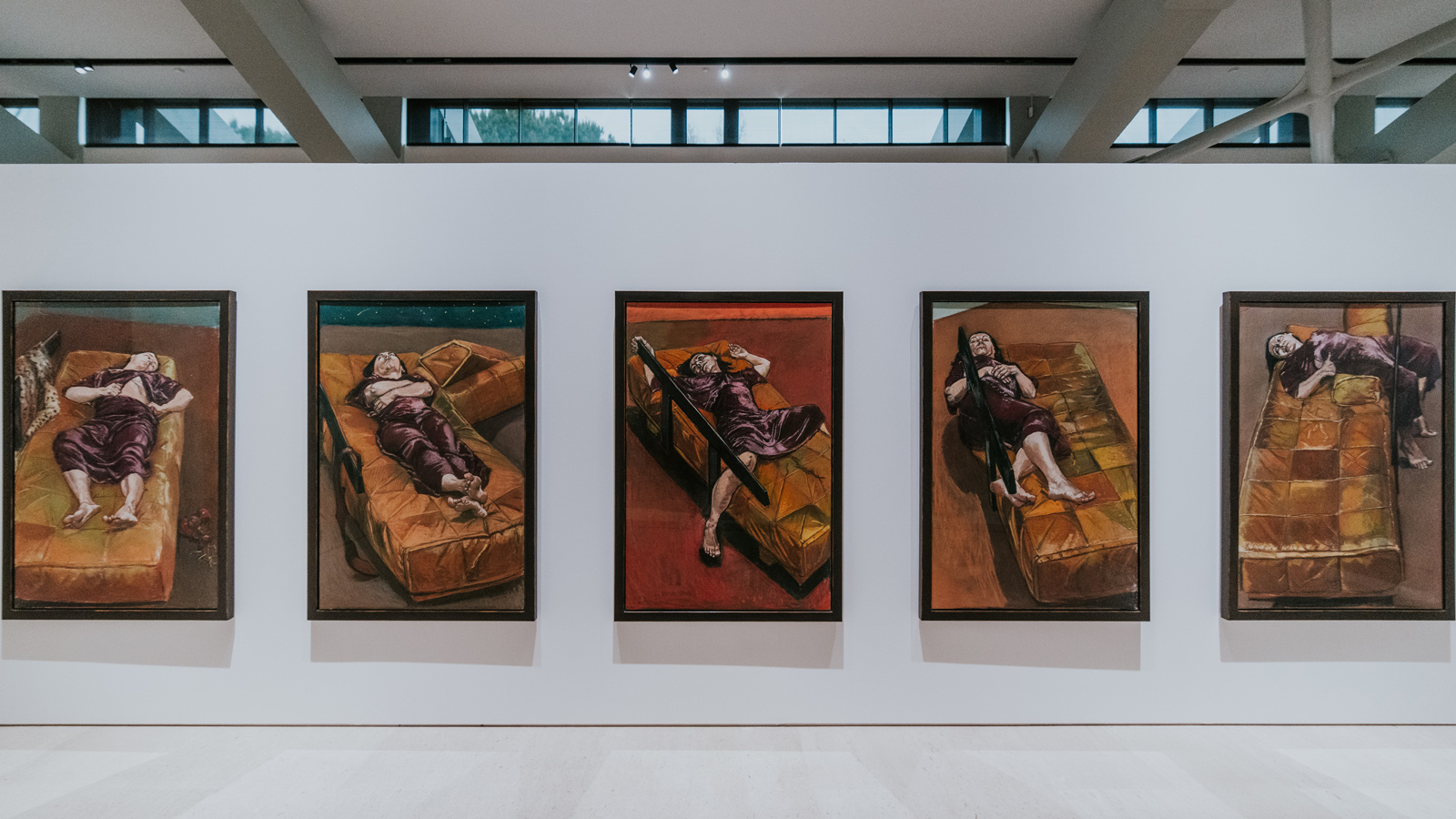
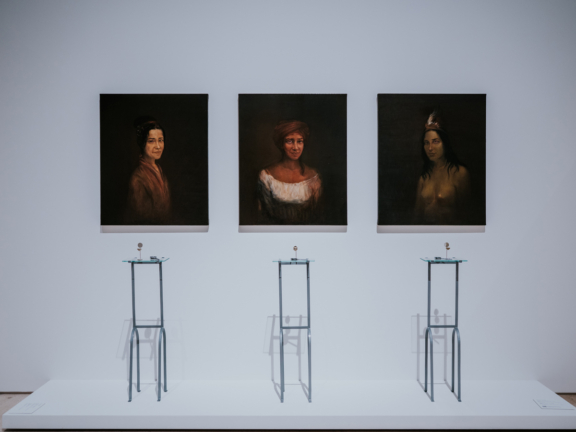
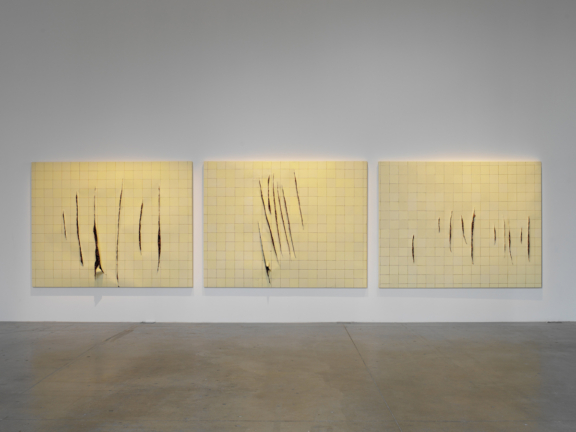
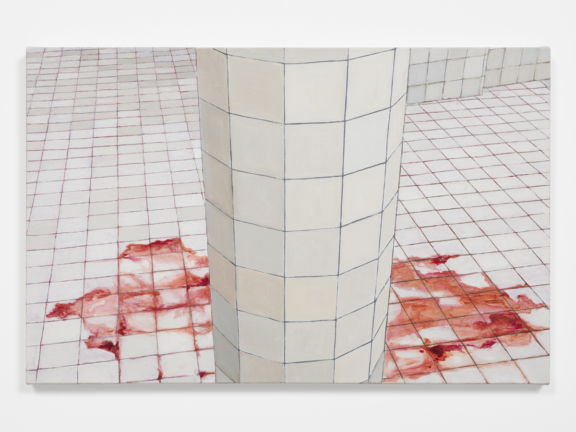
It is impossible to see this exhibition and not associate Paula Rego and Adriana Varejão with feminism. It is impossible to be a woman and not feel represented in the most obvious and the most hidden parts, while simultaneously feeling small in the face of their courage and creativity.
They are themselves and, at the same time, they are all of us women.
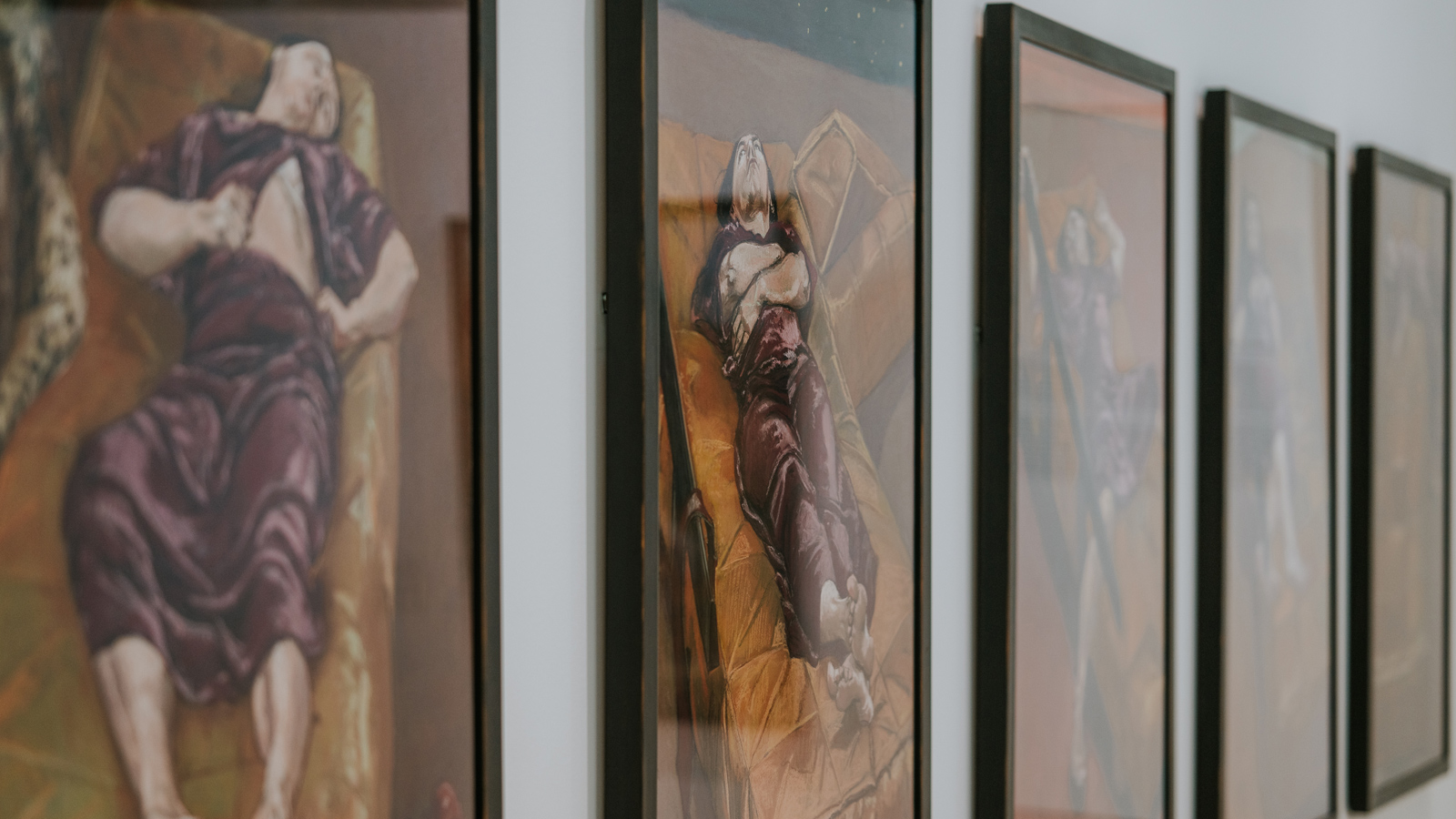
I came to the exhibition straight from my latest ultrasound scan and I think that made my experience even more impactful. Because it’s there, in all the works – the limit, the sky at eye-level, the smallness that is imposed on us. And, at the same time, the defiance of each work and each brush stroke – we are also what you don’t see and we’re bigger than you.
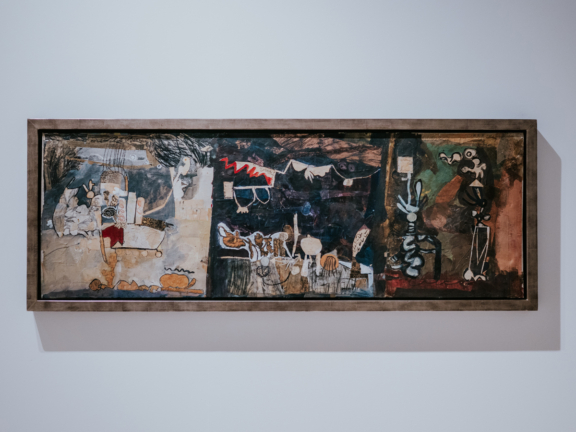
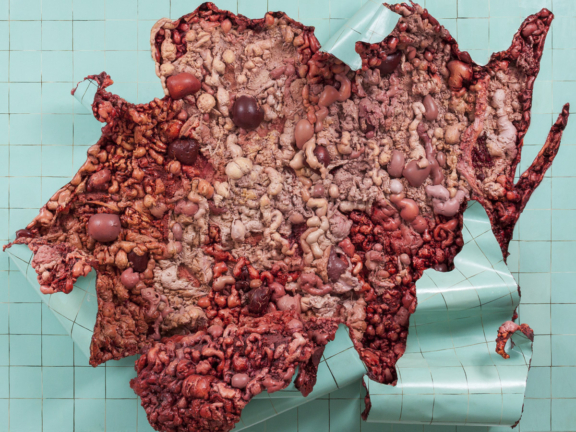
From the blood spilled through colonialism, from sexual violence to political expression and protest, we are pulled into real history, the history told and experienced by women. And that question has always played on my mind: where were the women in my history books? Where did we fit in? What were we, other than wives or prostitutes? What else is there in the history told by men, written by men, that suffocates our words? Paula Rego and Adriana Varejão tell that history.
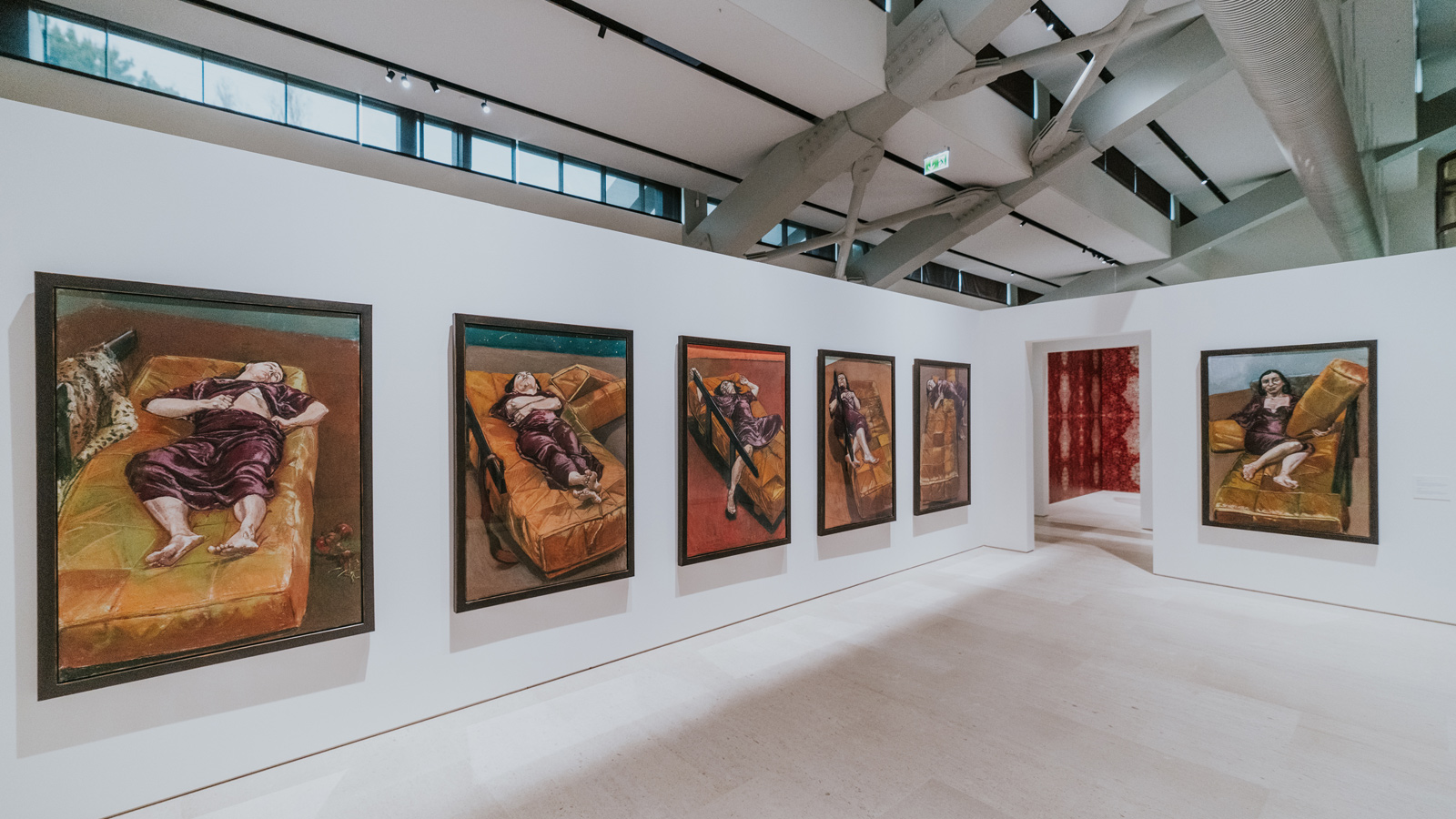
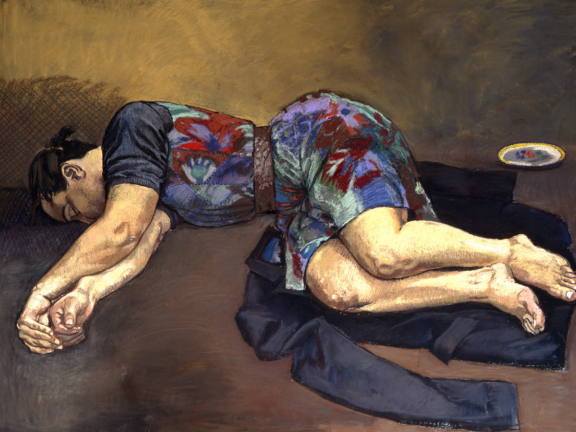
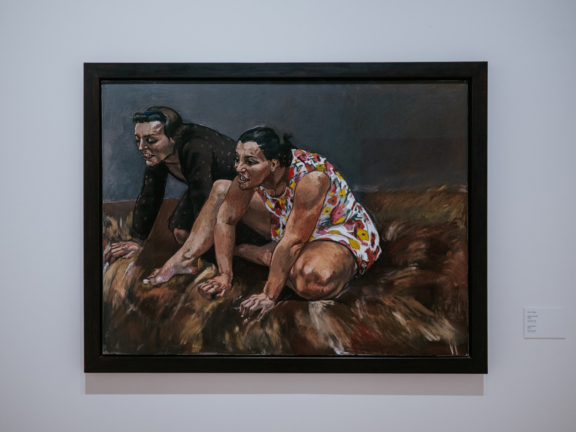
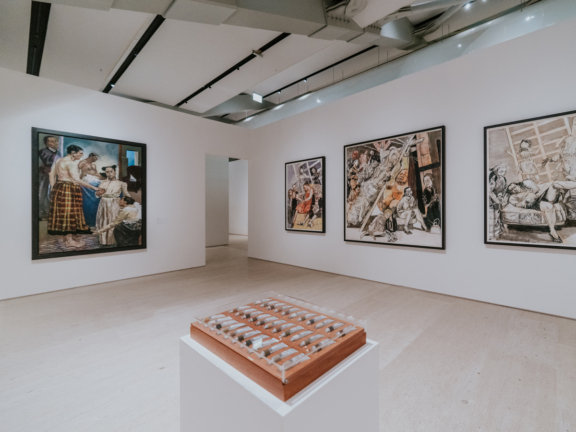
Amid so many works and so many messages, one in particular caught my attention. Daniela told me ‘this group of paintings is called ‘Possession’ and it portrays women who were packed off to psychiatric hospitals and called madwomen.’ And I looked at her, that woman – the madwoman. Or is it wrong to say that I saw myself in the mirror? The defiance in the gaze, the body language of someone assertive, who doesn’t fear ridicule, the extreme, someone who is crazy because they won’t keep quiet, crazy because they escaped through the cracks of subservience. We keep on being Madwomen. Inspired by other Madwomen. Even today, we are still ‘packed off’ and called hysterical, drama queens, women who want it all and are never satisfied. That woman wants it all, I want it all. And Paula Rego wants it all and paints it all so that we don’t lose courage. This group of paintings gives the sensation of a woman in motion, uncomfortable no matter what position she’s in, restless and urgent – that woman is change. Refusal. The madness that kindles revolution.
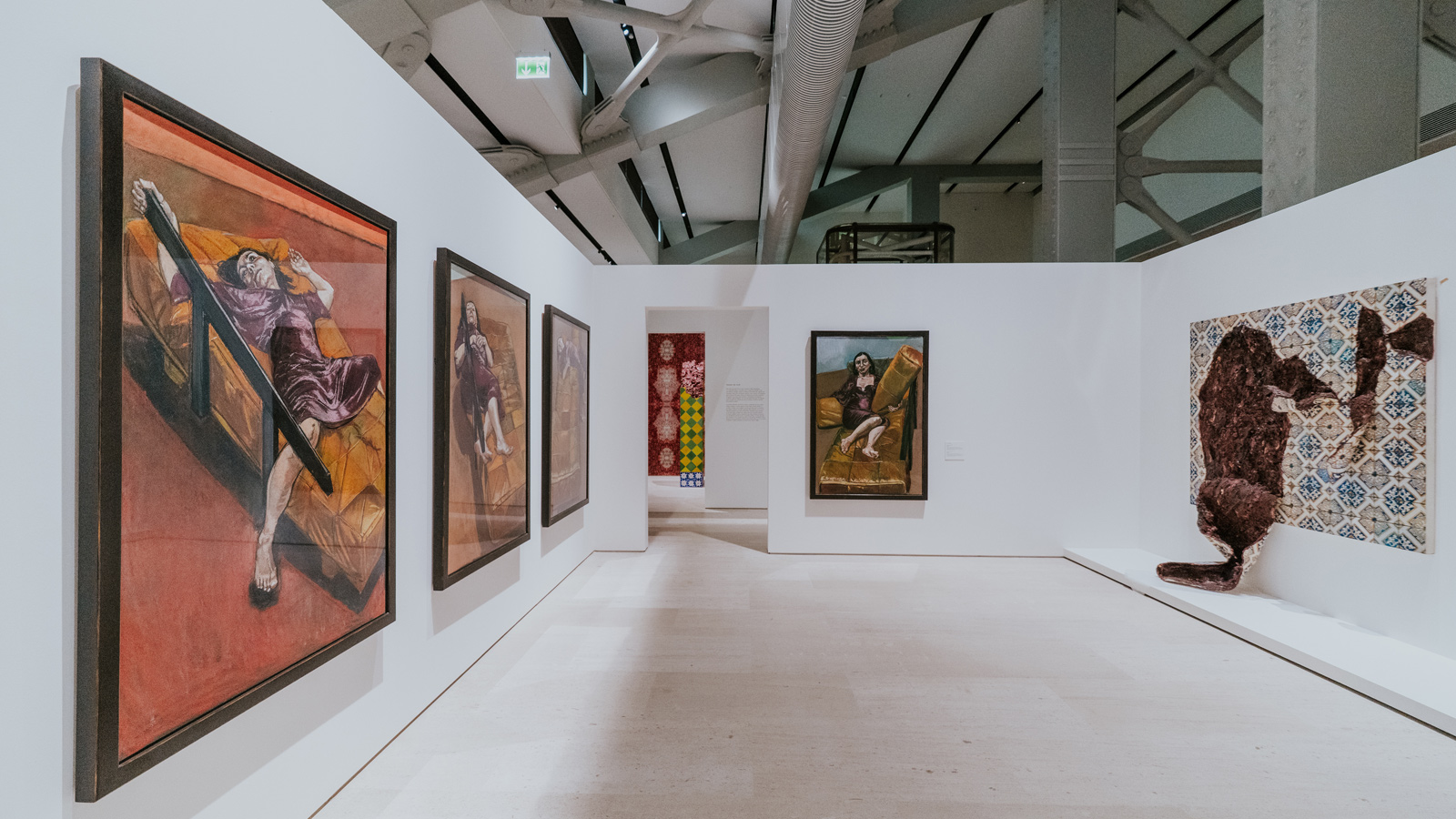
I know I was transformed by something because I can’t stop thinking about it, because I bring it up in conversation, because I carry it into books, into songs and insomnia – this exhibition is all that. It discomfits us, it waggles a pointing finger in our face and says: now you have no means of escape, now you have to listen to me. And I stay to hear them. The madwomen. Our madwomen. Us.
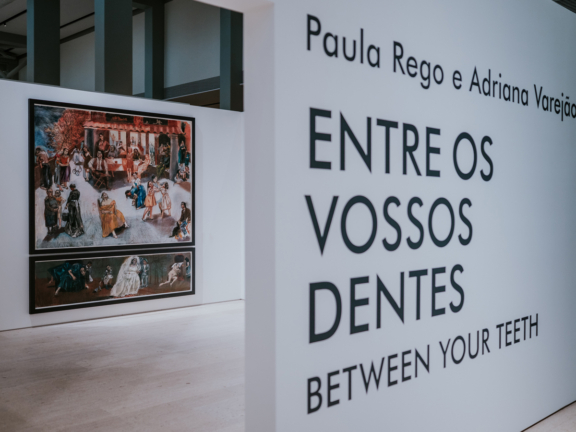
Reflections on ’Paula Rego and Adriana Varejão. Between Your Teeth’
Explore the series
No results were found for your criteria.
You may also like
No results were found for your criteria.