
‘Crime is in the eyes,’ by Jamil Parasol Osmar
There is something about optography that I find truly fascinating and disturbing: the now discredited idea that the retina of the eye could record the last image seen before death, like a photograph.
This fascination intensified when, a few weeks before visiting the Paula Rego and Adriana Varejão exhibition, I had a conversation with my romantic and artistic partner about her latest research into unjustifiable deaths, particularly those occuring violently, brutally and unexpectedly.
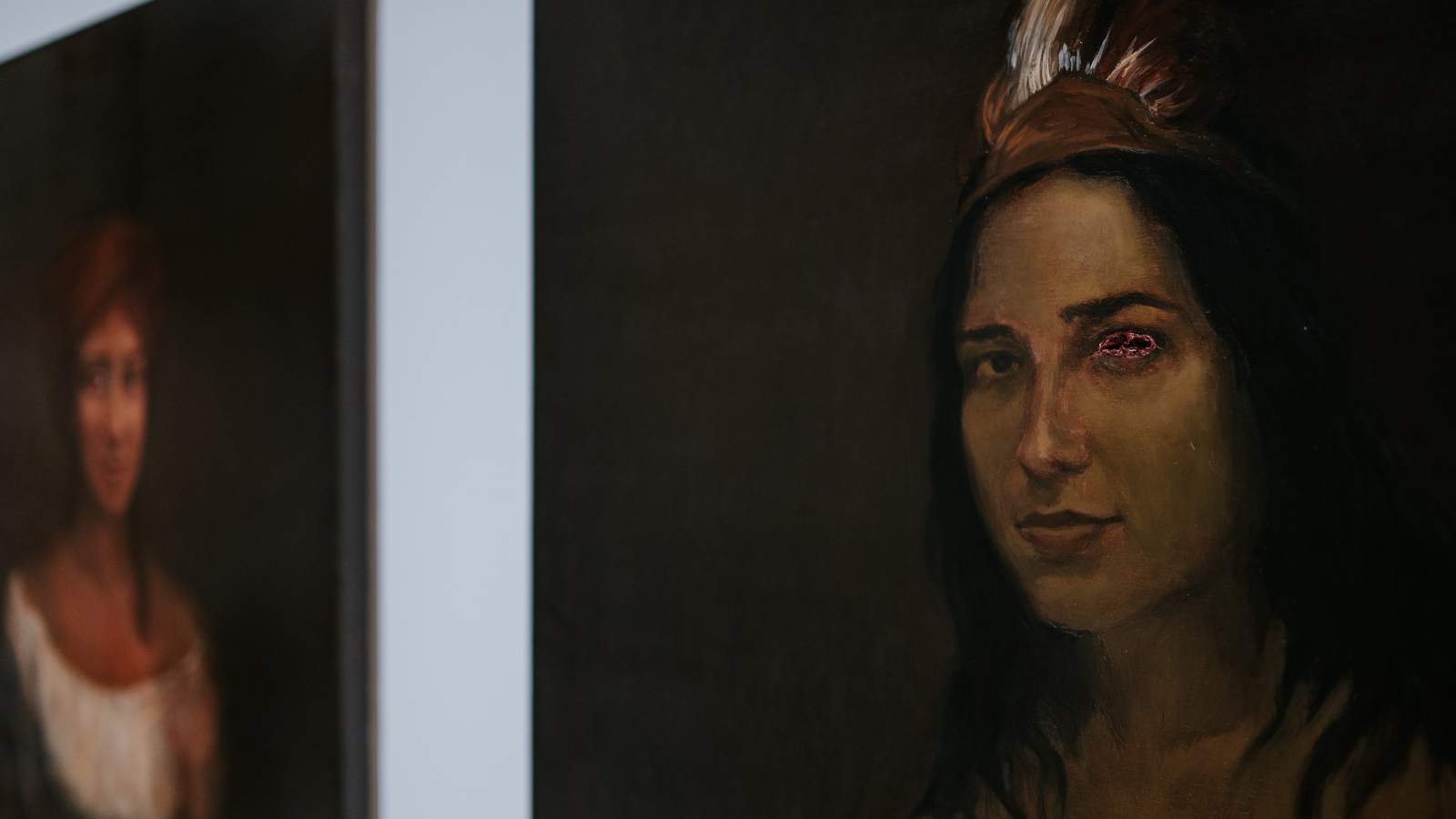
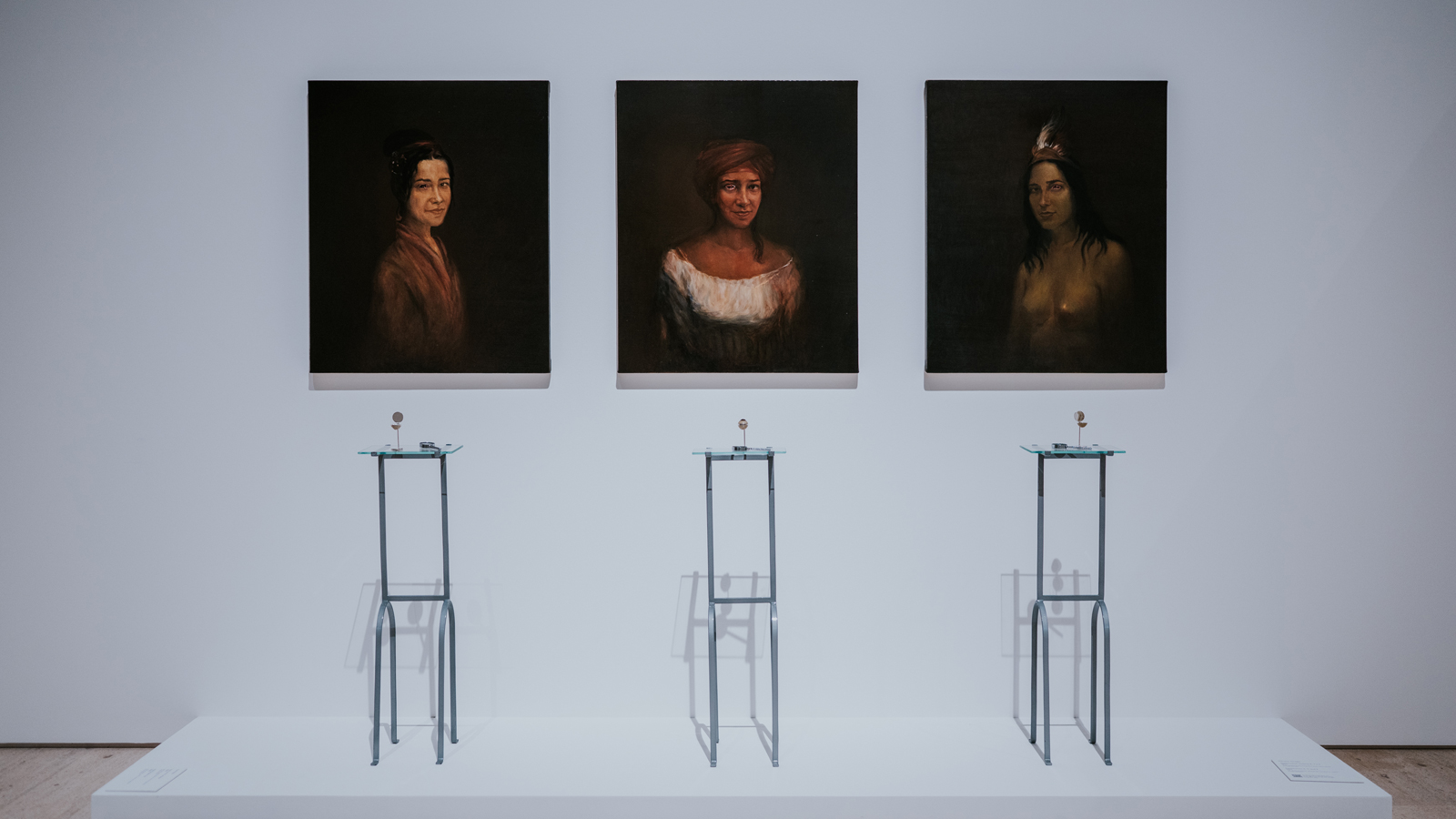
Adriana Varejão explores precisely this theme by presenting three protagonists from different parts of the world – Africa, Asia and South America – and unfortunately linked by colonialism, violence and death. The three are based on disturbing self-portraits by the artist.
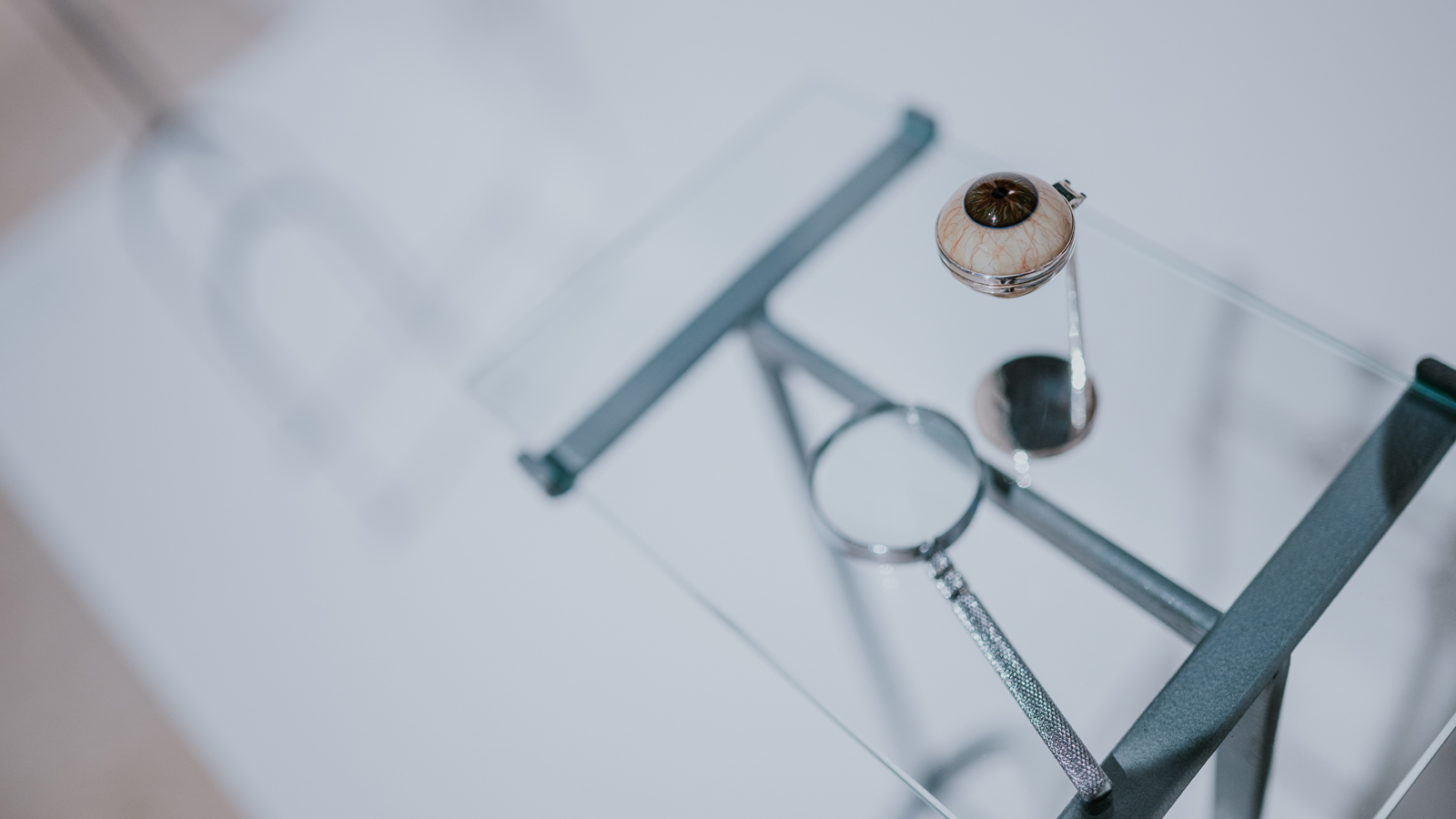
Each has one eye removed and exposed in the manner of a ‘brain in a jar.’ The eyes are not bloody or grotesque, unlike the portraits which stare at us and lead us to imagine who these women were, their names, hopes, dreams, fears and expectations.
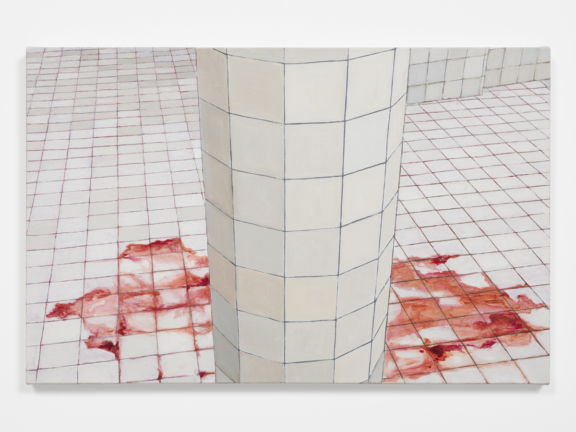
This section of the exhibition already evoked a feeling of a dissection laboratory, but this work further intensified that impression. The artist managed to transform the white, sterile, clinical environment of a laboratory into a place as macabre and disturbing as a slaughterhouse.
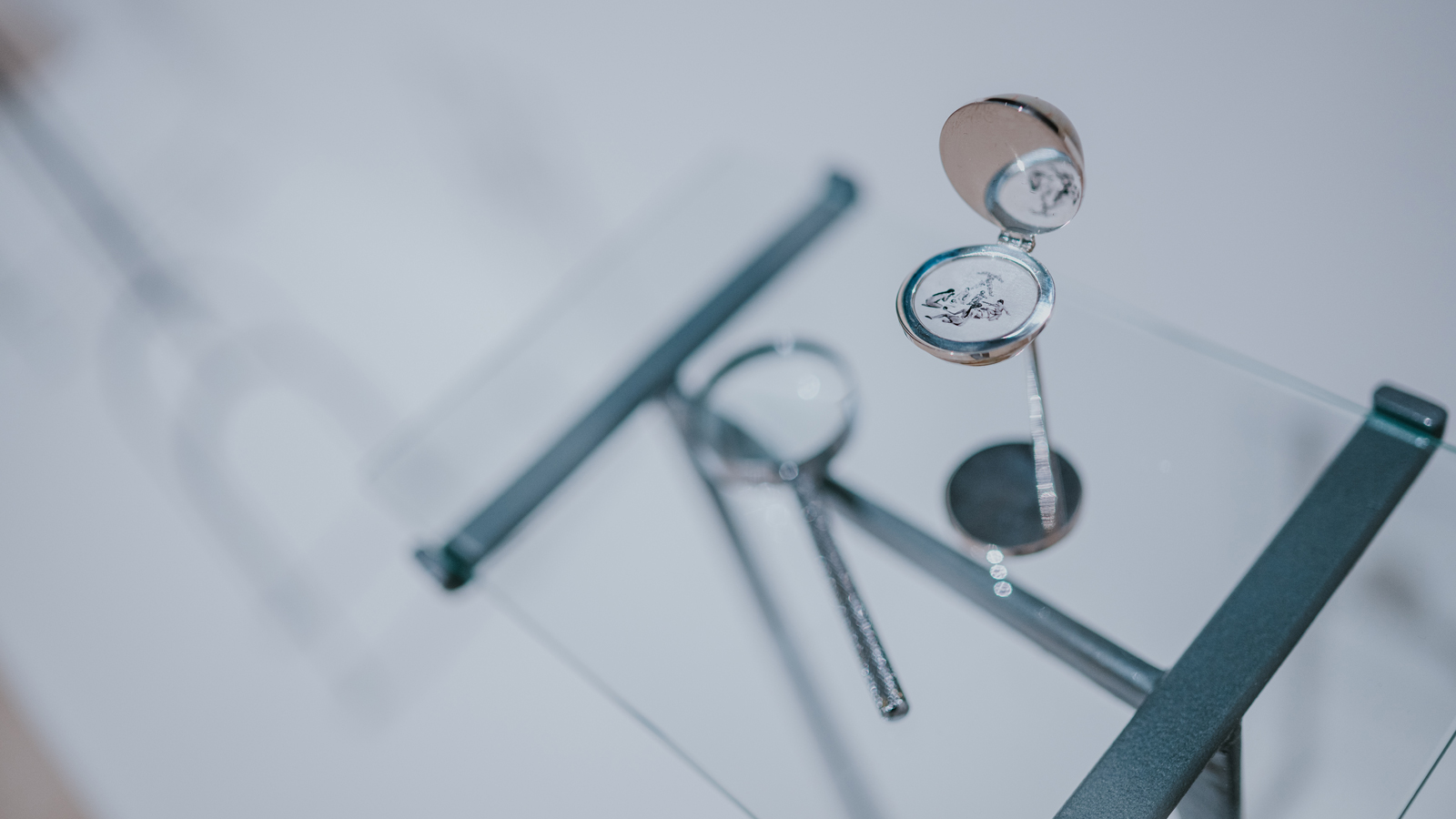
Each subject is positioned in front of their own eye, which has been placed on a glass table and cut horizontally, as if an incision had been made in the middle, enabling the observation of their retinas.
At first glance, the images are not very clear: they are small and only visible with a magnifying glass. With the magnifying glass, a game of mystery begins. We are unconsciously led to participate in an investigation, as the images imprinted on the retinas are literally crime scenes. We cease to be mere observers and take on the role of forensic scientists or detectives.
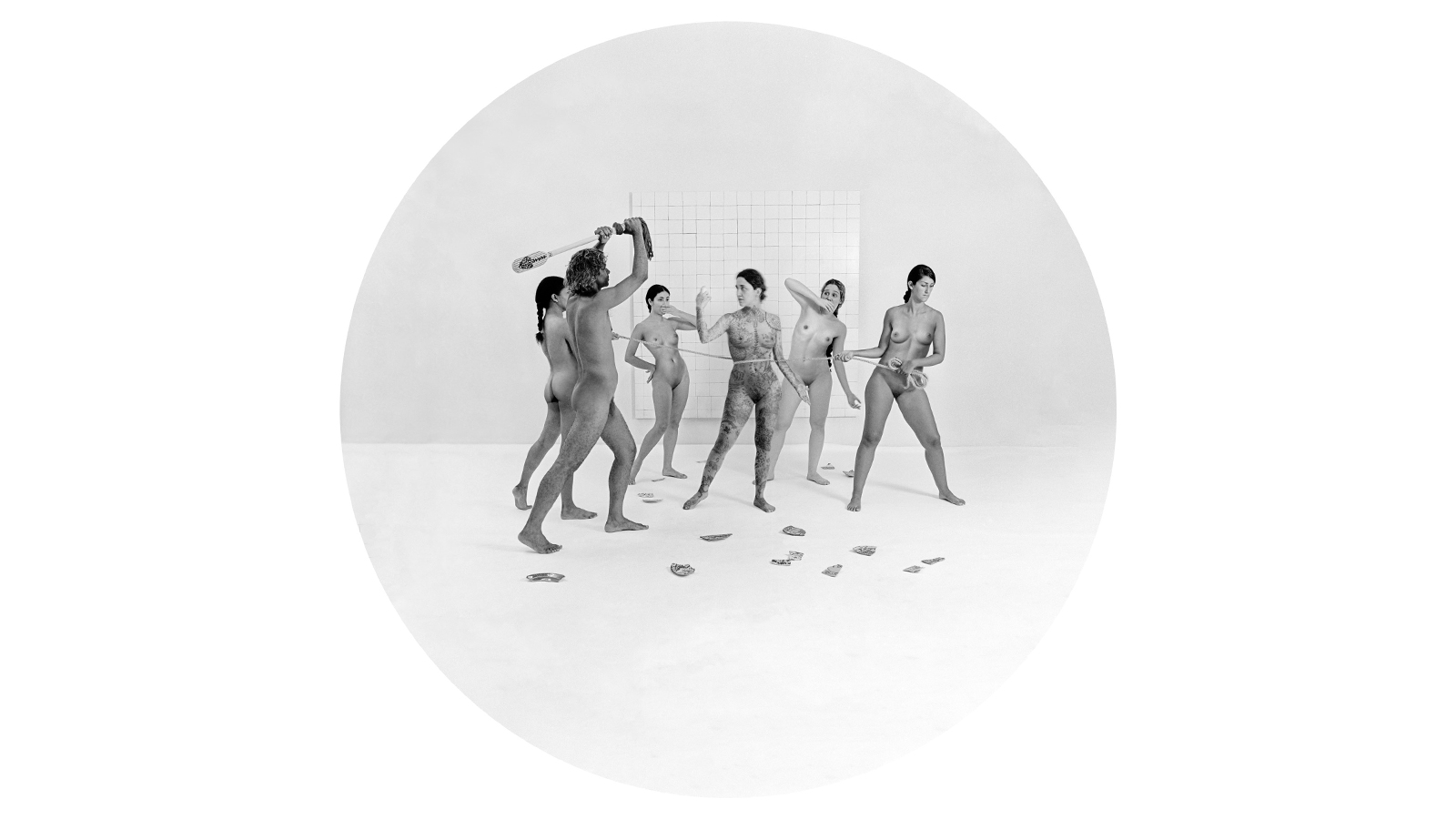
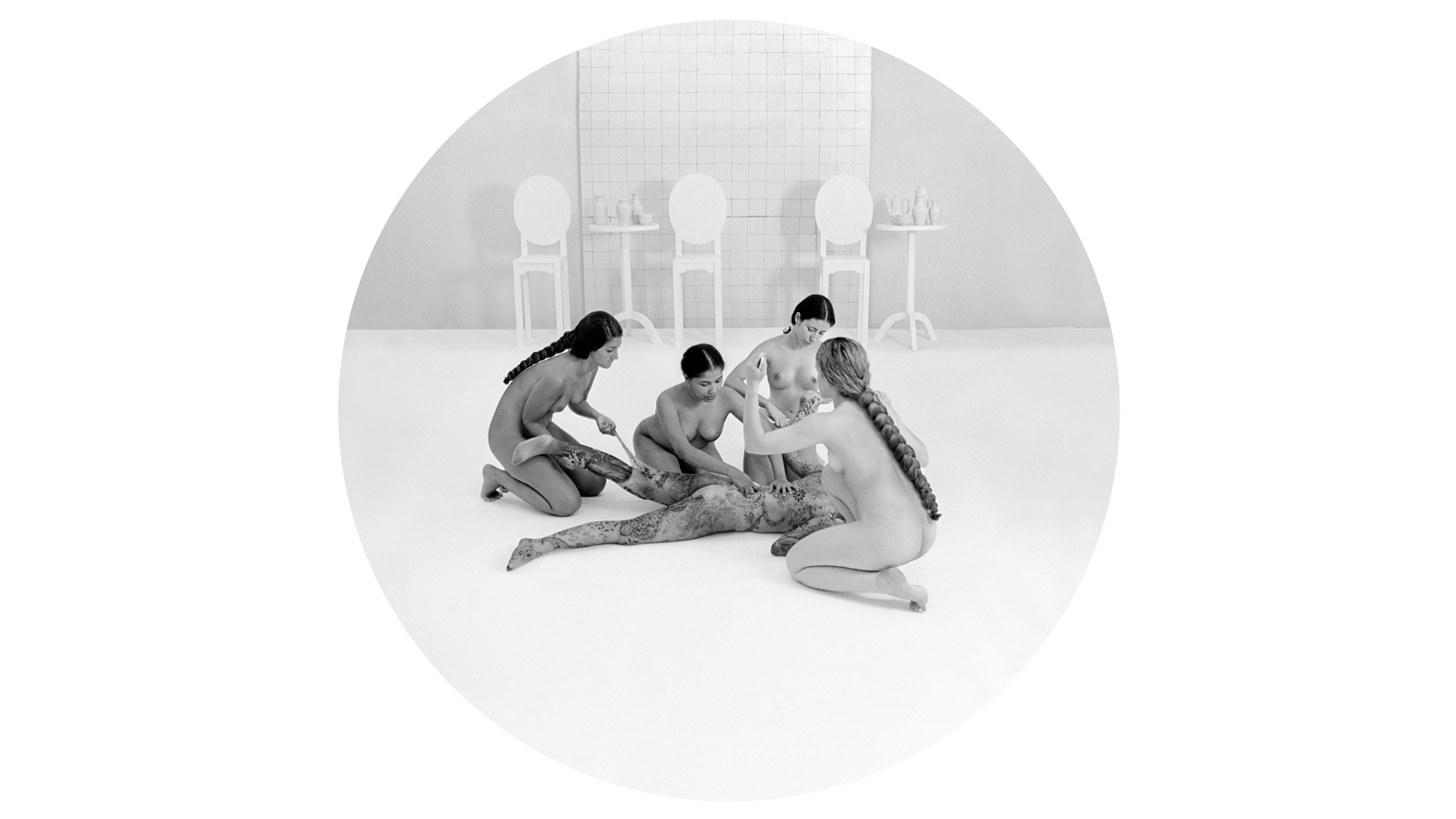
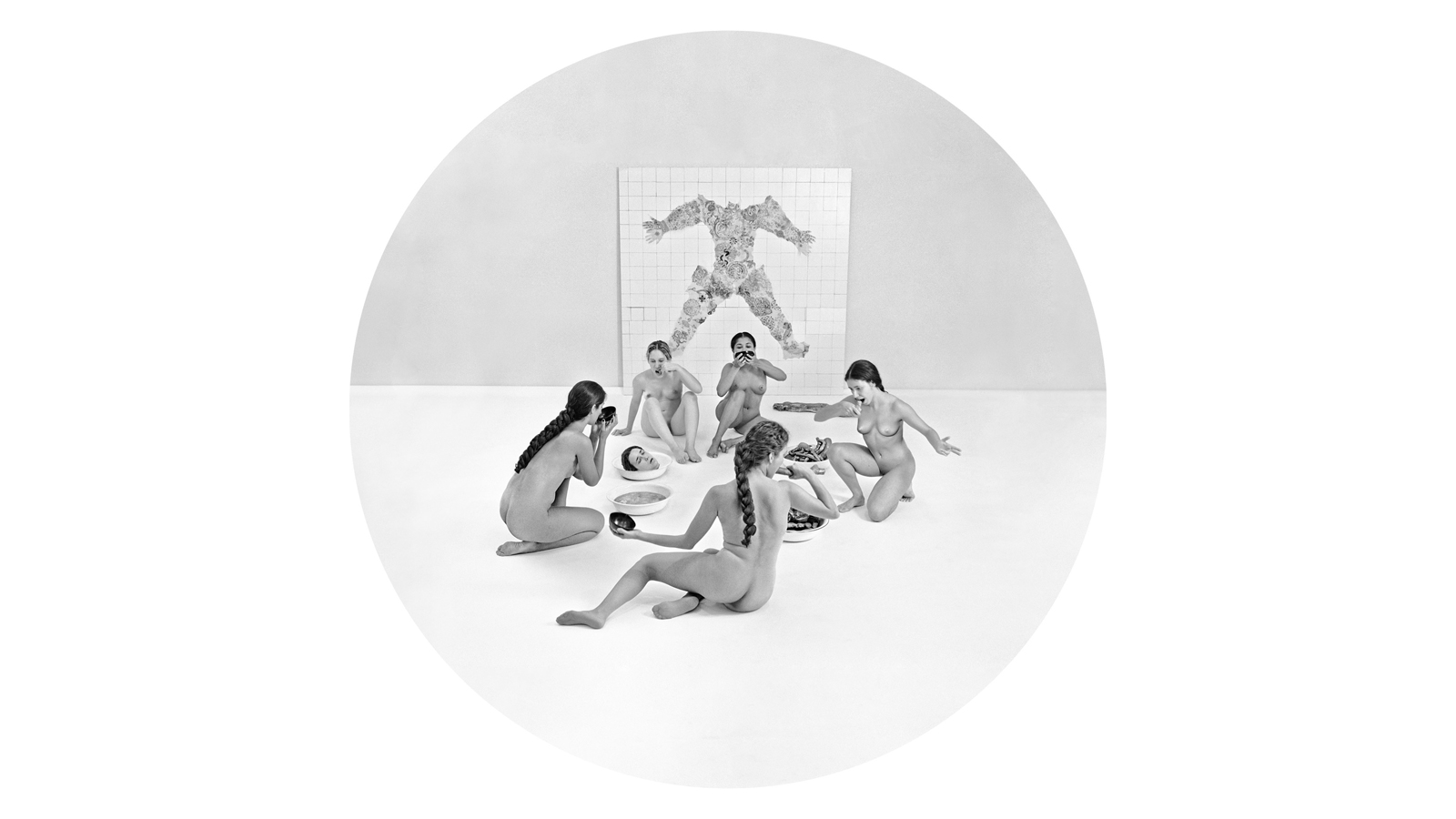
From my own investigations, I present my deductive reasoning and reconstruction of the crime scenes, using established evidence and facts to draw logical conclusions about the events:
Subject X – The Asian witness. Possibly from East or Southeast Asia, perhaps Macau. She sees the man standing, feels the tension building. Her gaze captures the beginning of the act. She anticipates the danger, but can do nothing to prevent it. Her cultural memory carries the weight of colonial imposition, patriarchal control and the silencing of dissent. She dies with the image of the threat being realised, a warning ignored.
Researcher’s notes: in her last moments, she captured the imbalance of power.
Subject Y – The African witness. Possibly a Moorish woman. She sees the circle. The man has disappeared. The women are seated. This is the moment in which accounts are settled. Her gaze is one of complicity or mourning. She may represent the collective processing of violence, the way trauma is absorbed, shared, and sometimes perpetuated within the group. She dies observing the silence, the unresolved mourning.
Researcher’s notes: she captured the system. Crime is not just an act; it is a pattern, a ritual, a cycle.
Subject Z – The Native American witness. Probably from the indigenous communities of Brazil, deeply marked by colonial extraction. She sees the act itself. The woman being skinned, consumed. This is the raw truth. Her gaze captures violence in its most literal and physical form. The land, the body, the resources, always taken, always devoured. She dies with the image of consummation, of transformation into something destined for the use of others.
Researcher’s notes: in her last moments, she captured the cost of perpetuating this cycle.
Together, they form a triptych of testimony, a forensic archive of colonial, gendered and racialised trauma. The man may have disappeared, but the story remains, engraved on the retinas of those who have left.
Adriana Varejão’s Eyewitnesses X, Y and Z is not just about memories; it is about internalised truths. And the fact that all this is placed on the retina forces us to think about how this violence is seen, remembered and perhaps inherited.
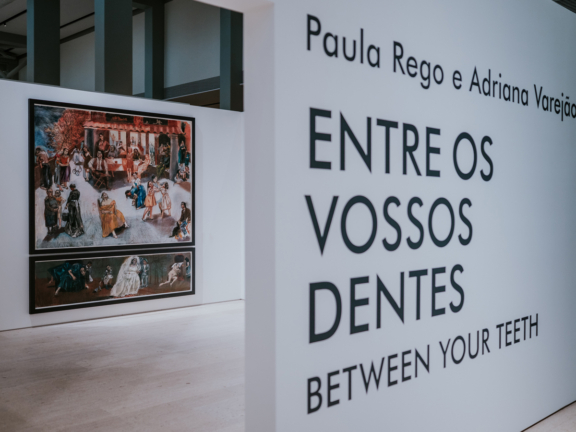
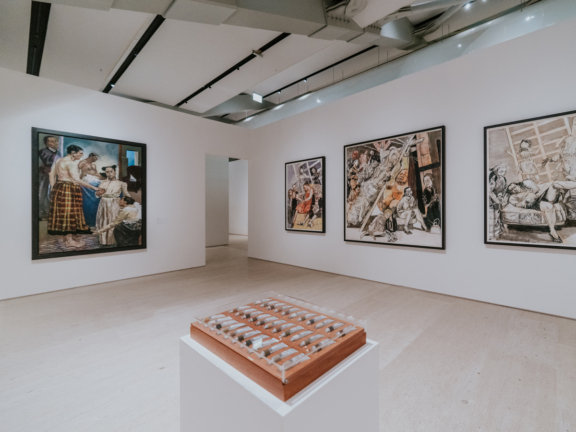
Reflections on ’Paula Rego and Adriana Varejão. Between Your Teeth’
Explore the series
No results were found for your criteria.
You may also like

No results were found for your criteria.