
‘Sleeper’, by Manuel Botelho
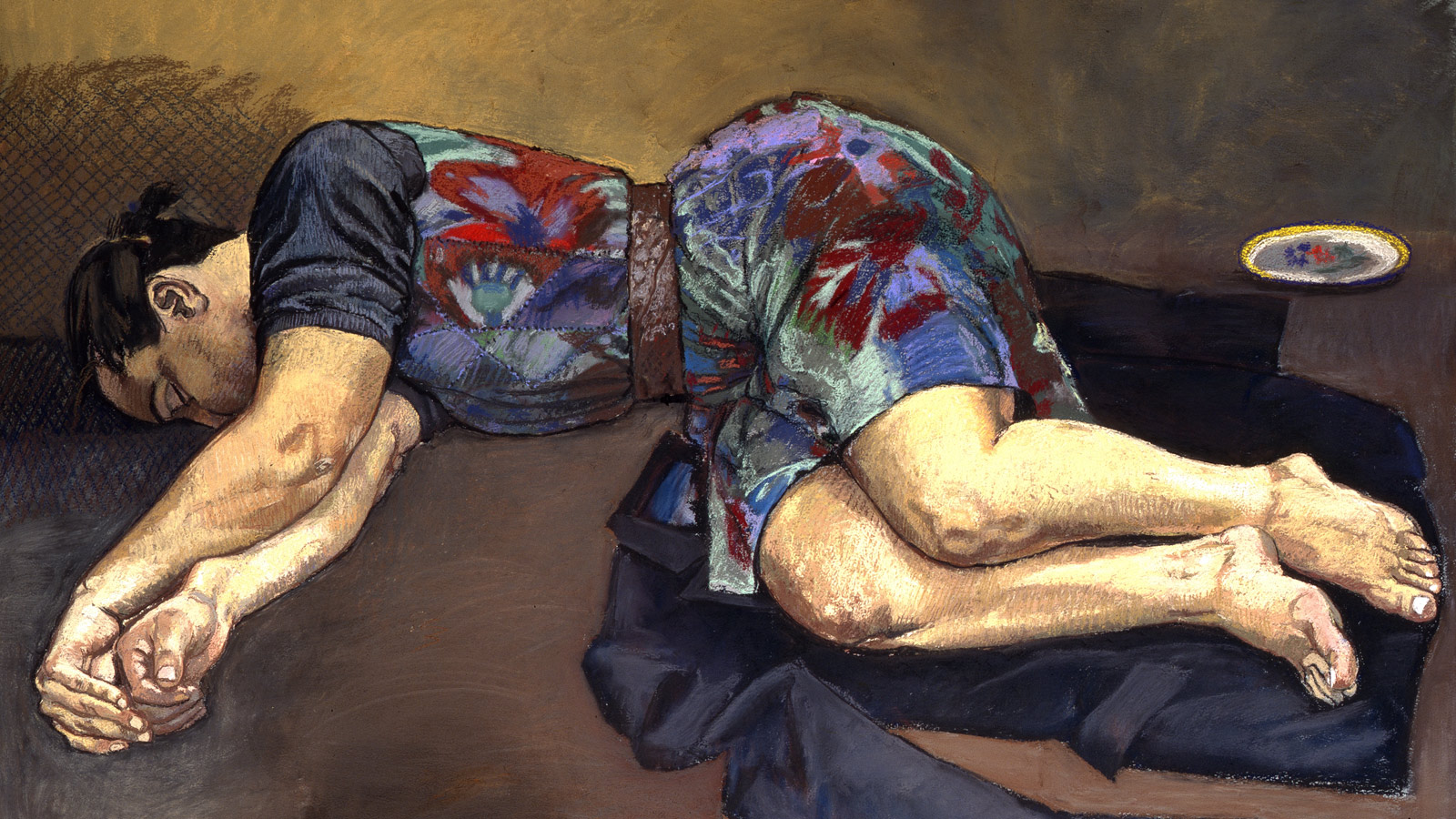
I saw it for the first time in 1994. I saw it but then nearly forgot it. I kept the catalogue, one of many, and erased the image from my thoughts… until now, thirty years later.
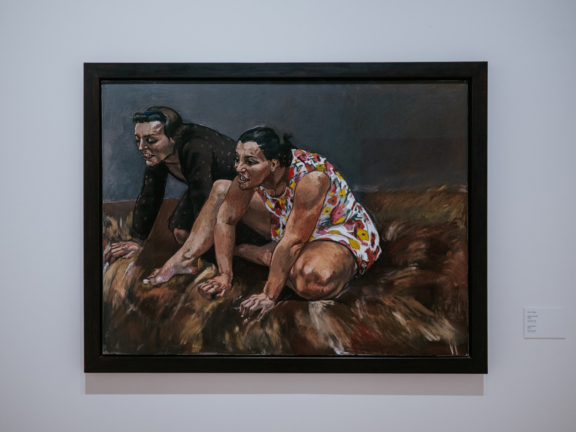
The exhibition at the Marlborough was amazing. It was titled ‘Dog Woman’. As I moved through the succession of unexpected, disturbing works, it was impossible for me not to recall a very different and equally striking series in Paula’s work, which we had discussed at length during our tutorials at Slade: ‘Girl and Dog’. In those self-referential allegories from 1986–87, it was most definitely a dog, which the girl and the handler were trying to medicate or prevent from dying of hunger. Eight years later everything had changed: now centre stage was occupied, without fanfare, by the female condition. ’Sleeper’ jumped out at me rather less than the other works in that exhibition, because it was all very brutal… and my attention was forced in other directions.
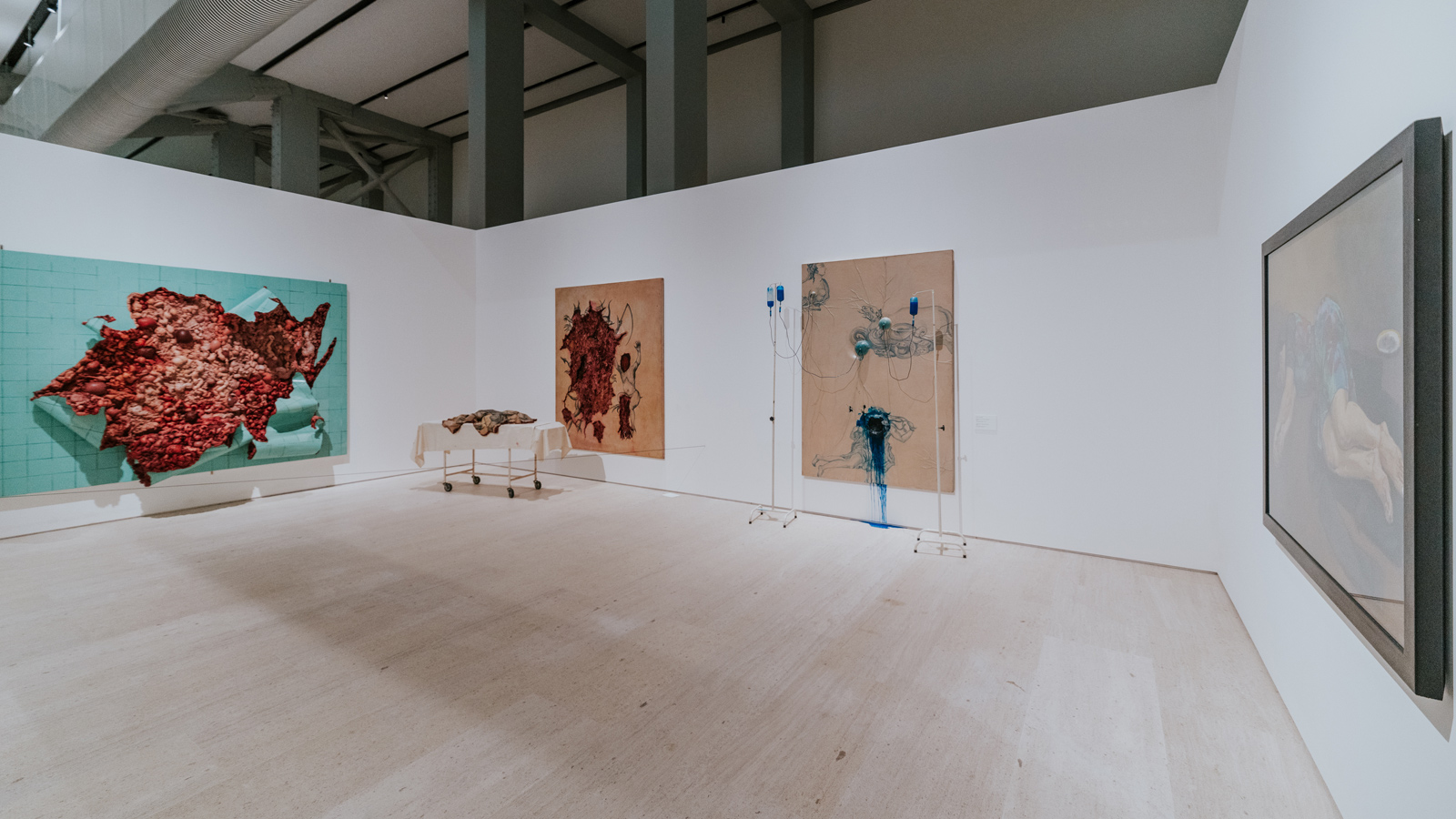
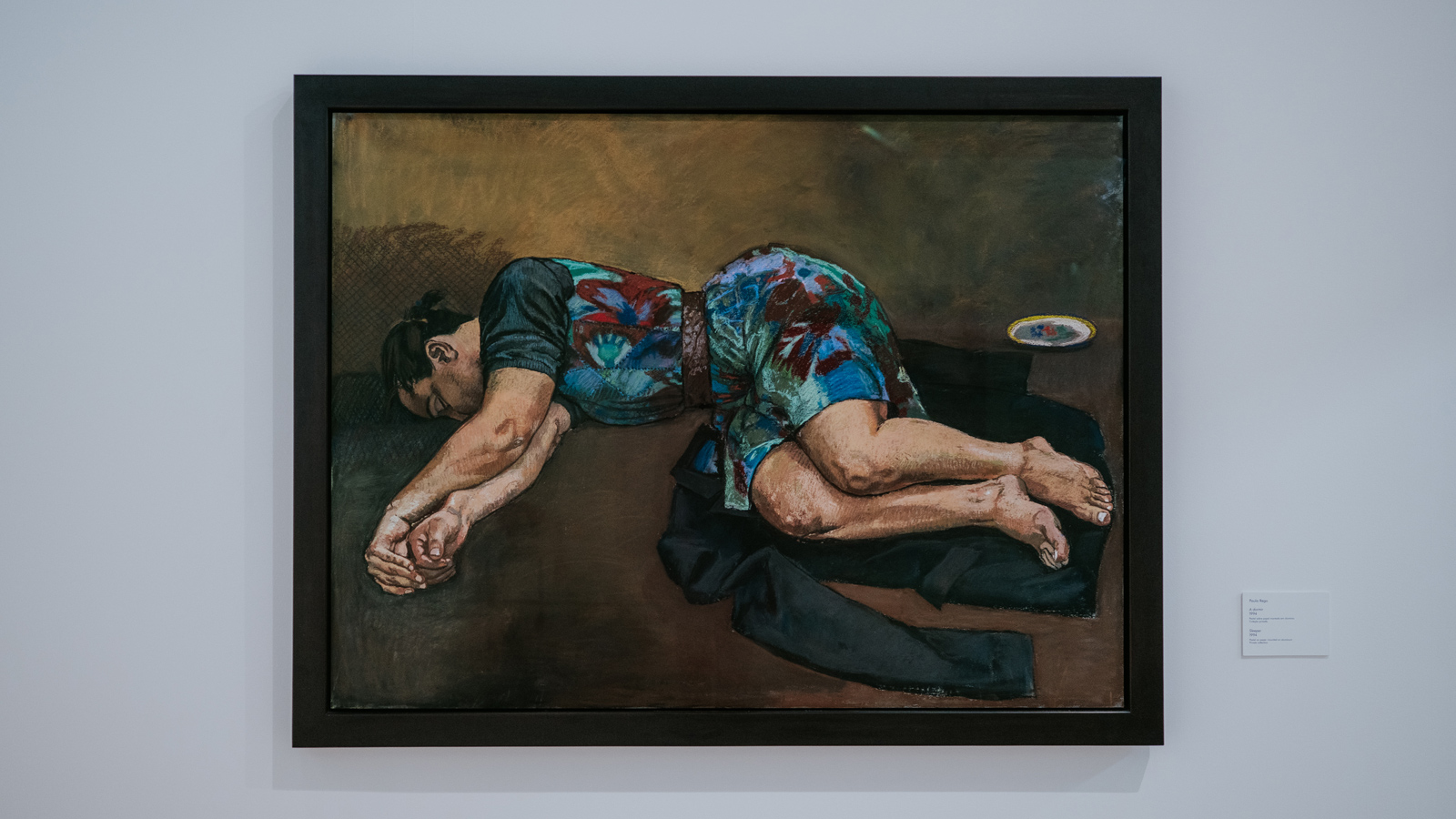
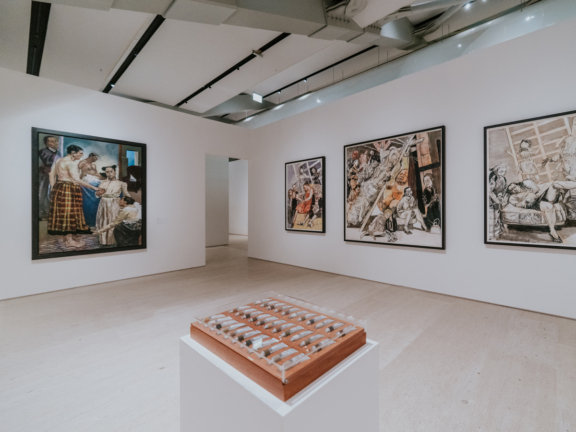
At CAM, the work was wisely moved; here, this ‘dog woman’ is far away from her companions in the series. She was placed alongside denunciations of clandestine abortion, seminal works relating to a historic moment and which influenced the eventually positive outcome of the national referendum on abortion. Here, in this new context, ‘Sleeper’ appears to me as a work of pacification and silence.
In a semi-nocturnal space, the body of Lila (the artist’s favourite model from then on) remains voluptuous and vibrant, although also immobile, asleep, and with her face fading into the expansive shade of the surrounding space. The face is the biggest surprise, because it almost disappears, showing no gestures or grimaces, and the hands fit into one another as though seeking to find protection by being together. After the pain, could sleep be the only means of survival?
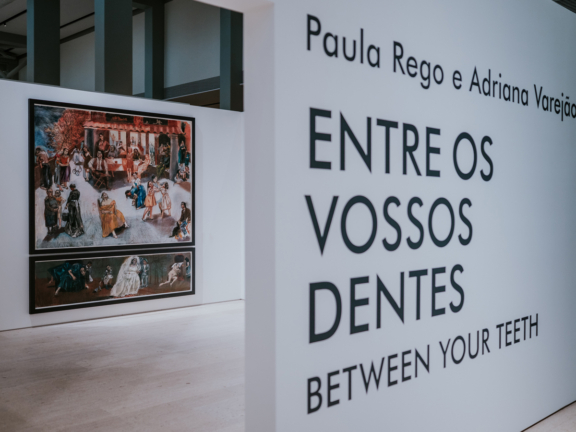
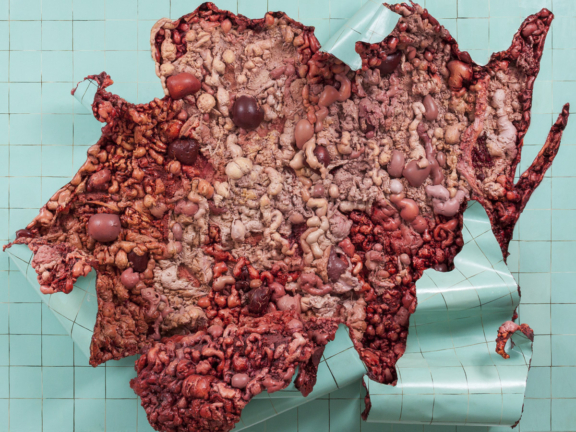
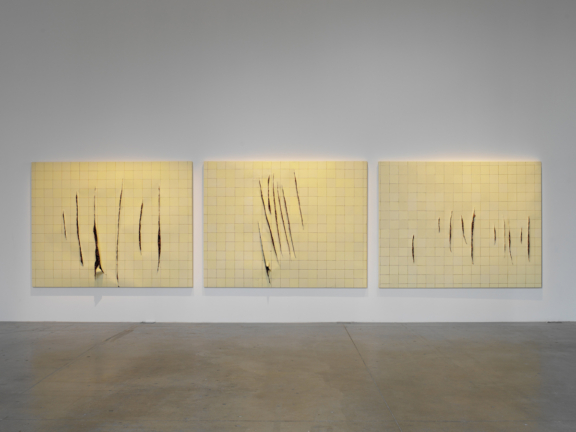
Reflections on ’Paula Rego and Adriana Varejão. Between Your Teeth’
Explore the series
No results were found for your criteria.
You may also like

No results were found for your criteria.